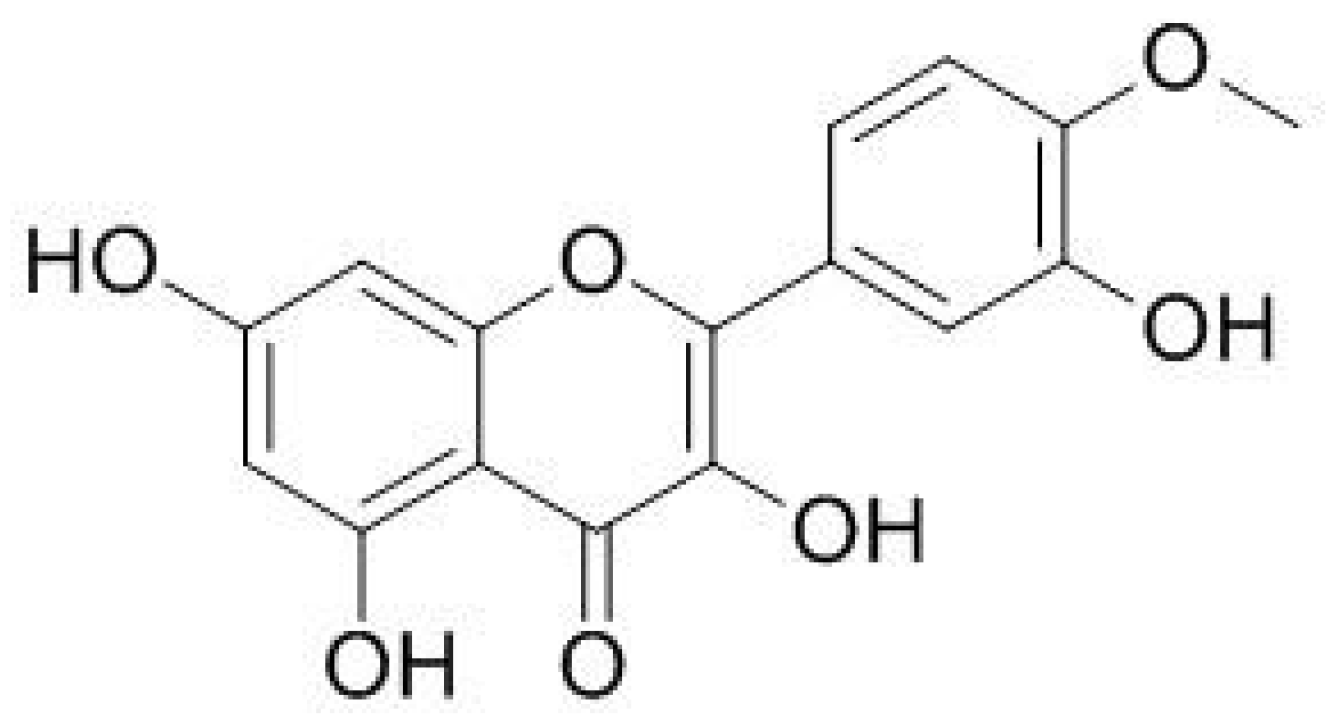
Experimental, DFT and MD Assessments of Bark Extract of Tamarix aphylla as Corrosion Inhibitor for Carbon Steel Used in Desalination Plants

Abstract
Share and Cite
Ali, I.H. Experimental, DFT and MD Assessments of Bark Extract of Tamarix aphylla as Corrosion Inhibitor for Carbon Steel Used in Desalination Plants. Molecules 2021, 26, 3679. https://doi.org/10.3390/molecules26123679
Ali IH. Experimental, DFT and MD Assessments of Bark Extract of Tamarix aphylla as Corrosion Inhibitor for Carbon Steel Used in Desalination Plants. Molecules. 2021; 26(12):3679. https://doi.org/10.3390/molecules26123679
Chicago/Turabian StyleAli, Ismat H. 2021. "Experimental, DFT and MD Assessments of Bark Extract of Tamarix aphylla as Corrosion Inhibitor for Carbon Steel Used in Desalination Plants" Molecules 26, no. 12: 3679. https://doi.org/10.3390/molecules26123679
APA StyleAli, I. H. (2021). Experimental, DFT and MD Assessments of Bark Extract of Tamarix aphylla as Corrosion Inhibitor for Carbon Steel Used in Desalination Plants. Molecules, 26(12), 3679. https://doi.org/10.3390/molecules26123679