Article

A Novel Purification Procedure for Active Recombinant Human DPP4 and the Inability of DPP4 to Bind SARS-CoV-2


by
Cecy R Xi
1,
Arianna Di Fazio
1,
Naveed Ahmed Nadvi
1,2,
Karishma Patel
3,
Michelle Sui Wen Xiang
1,
Hui Emma Zhang
1,
Chandrika Deshpande
3,4,
Jason K K Low
3,
Xiaonan Trixie Wang
1,
Yiqian Chen
1,
Christopher L D McMillan
5,
Ariel Isaacs
5,
Brenna Osborne
1,
Ana Júlia Vieira de Ribeiro
1,
Geoffrey W McCaughan
1,6,
Joel P Mackay
4,
W Bret Church
7 and
Mark D Gorrell
1,*
1
Centenary Institute, Faculty of Medicine and Health, The University of Sydney, Sydney, NSW 2006, Australia
2
Research Portfolio Core Research Facilities, The University of Sydney, Sydney, NSW 2006, Australia
3
Faculty of Science, School of Life and Environmental Sciences, The University of Sydney, Sydney, NSW 2006, Australia
4
Drug Discovery, Sydney Analytical, Core Research Facilities, The University of Sydney, Sydney, NSW 2006, Australia
5
School of Chemistry and Molecular Biosciences, The University of Queensland, St Lucia, QLD 4072, Australia
6
AW Morrow GE & Liver Centre, Royal Prince Alfred Hospital, Camperdown, NSW 2050, Australia
7
Faculty of Medicine and Health, School of Pharmacy, The University of Sydney, Sydney, NSW 2006, Australia
*
Author to whom correspondence should be addressed.
Molecules 2020, 25(22), 5392; https://doi.org/10.3390/molecules25225392

Submission received: 15 September 2020 / Revised: 9 November 2020 / Accepted: 13 November 2020 / Published: 18 November 2020
(This article belongs to the Section Chemical Biology)

Abstract

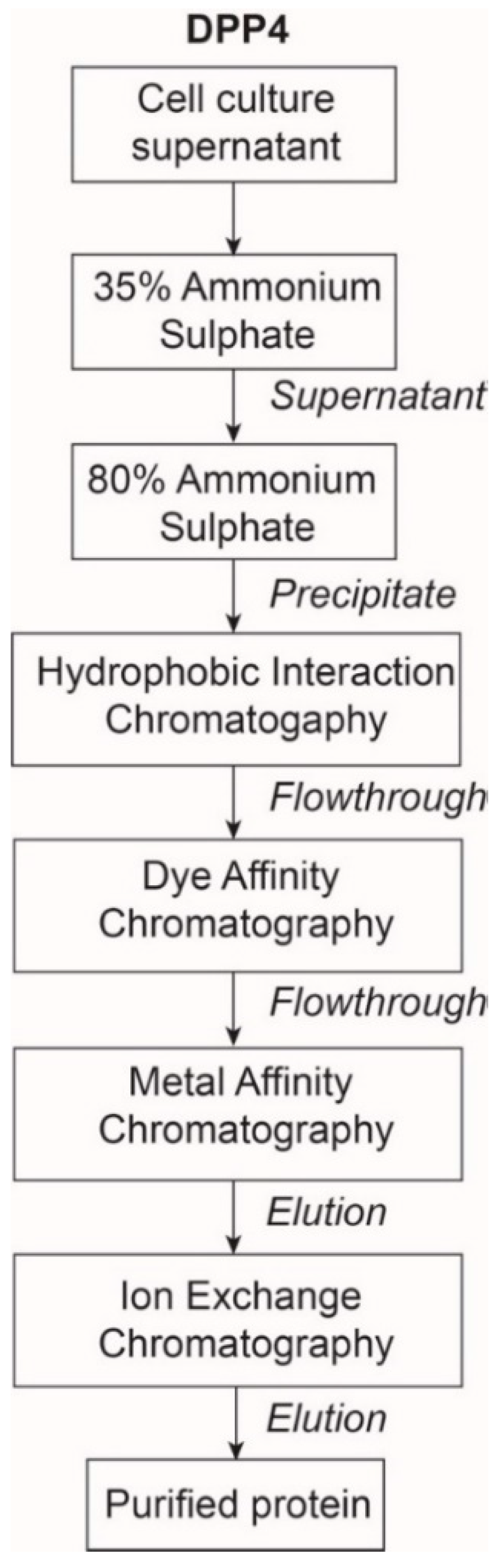
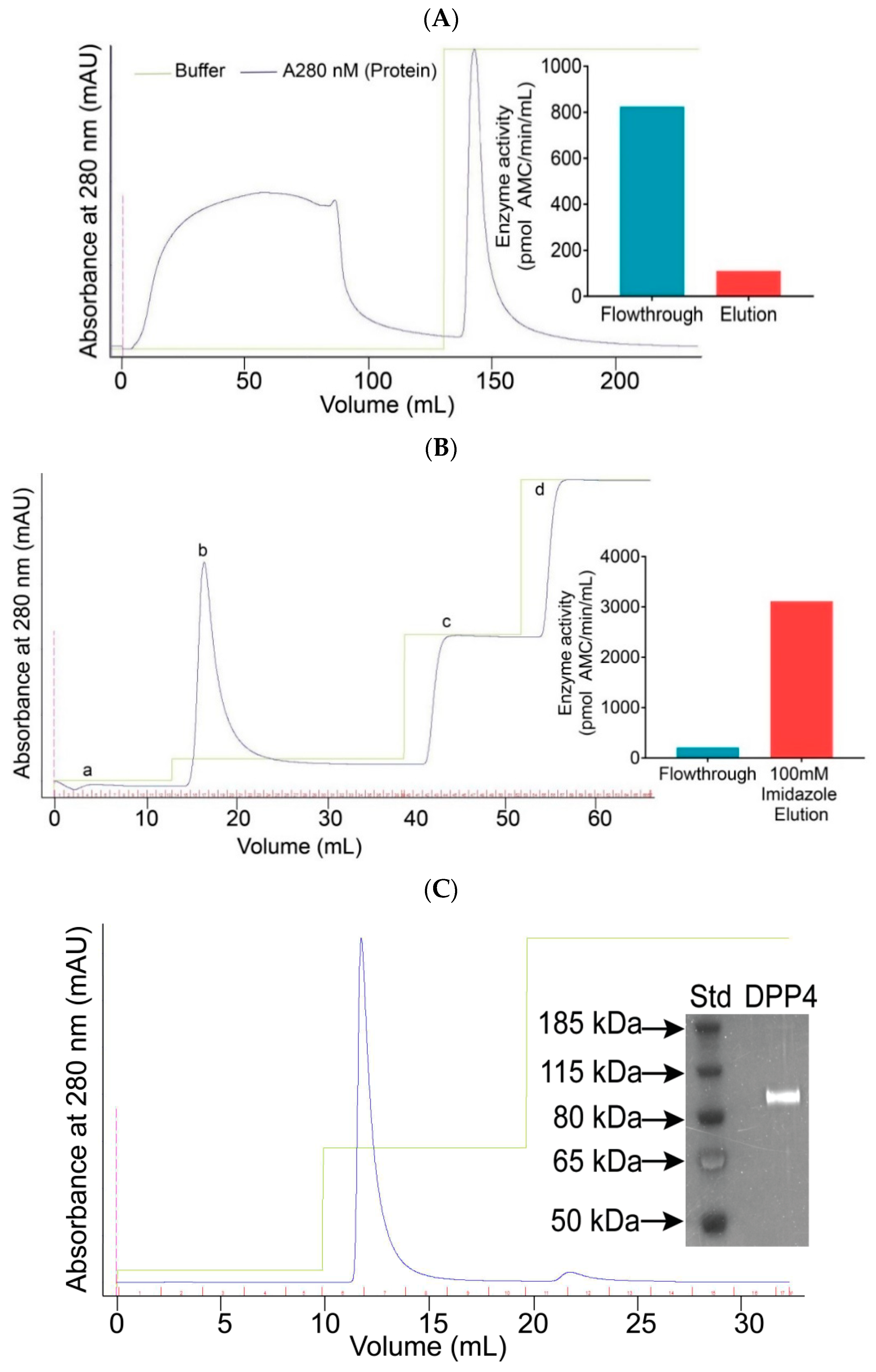
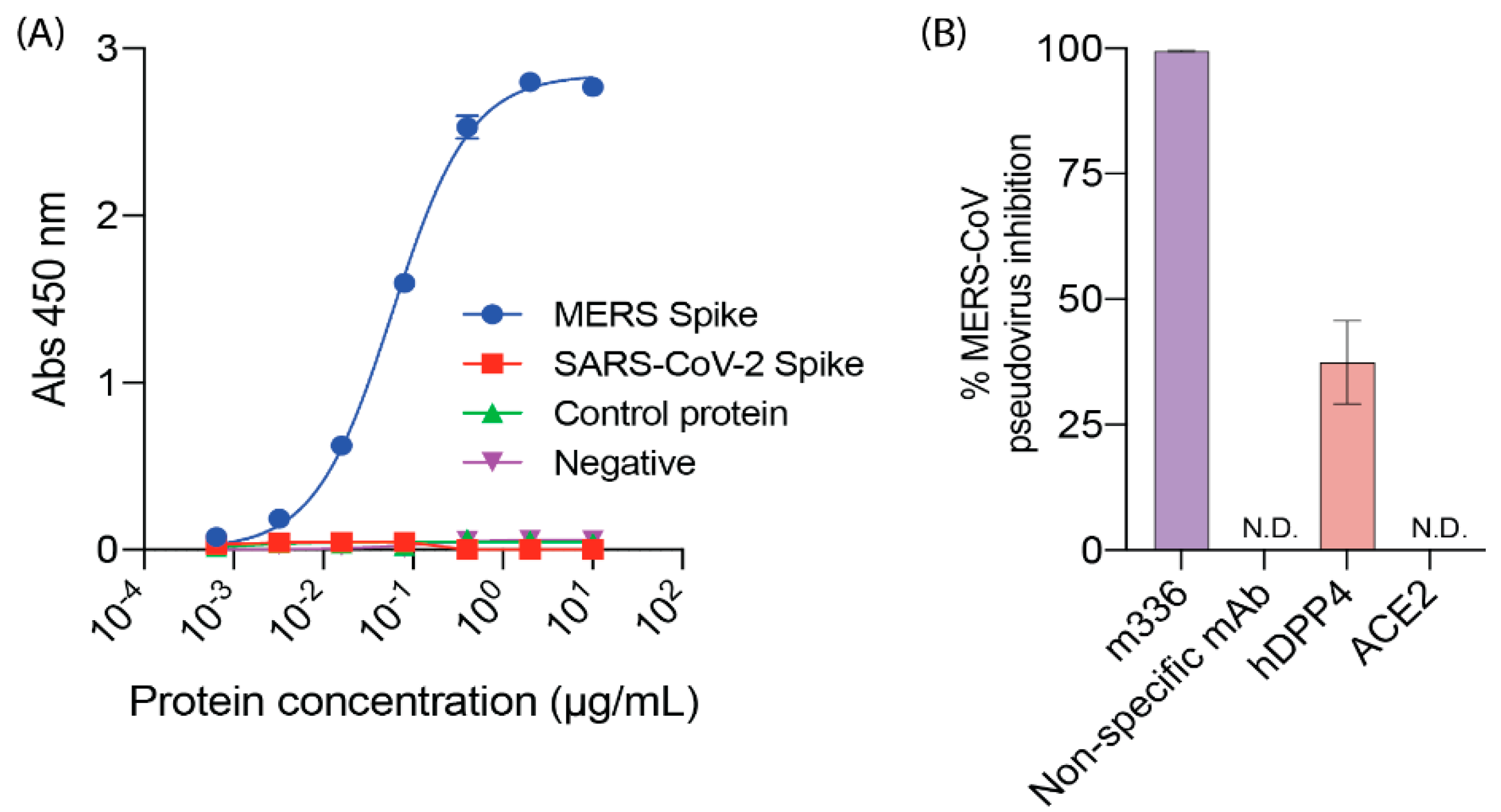
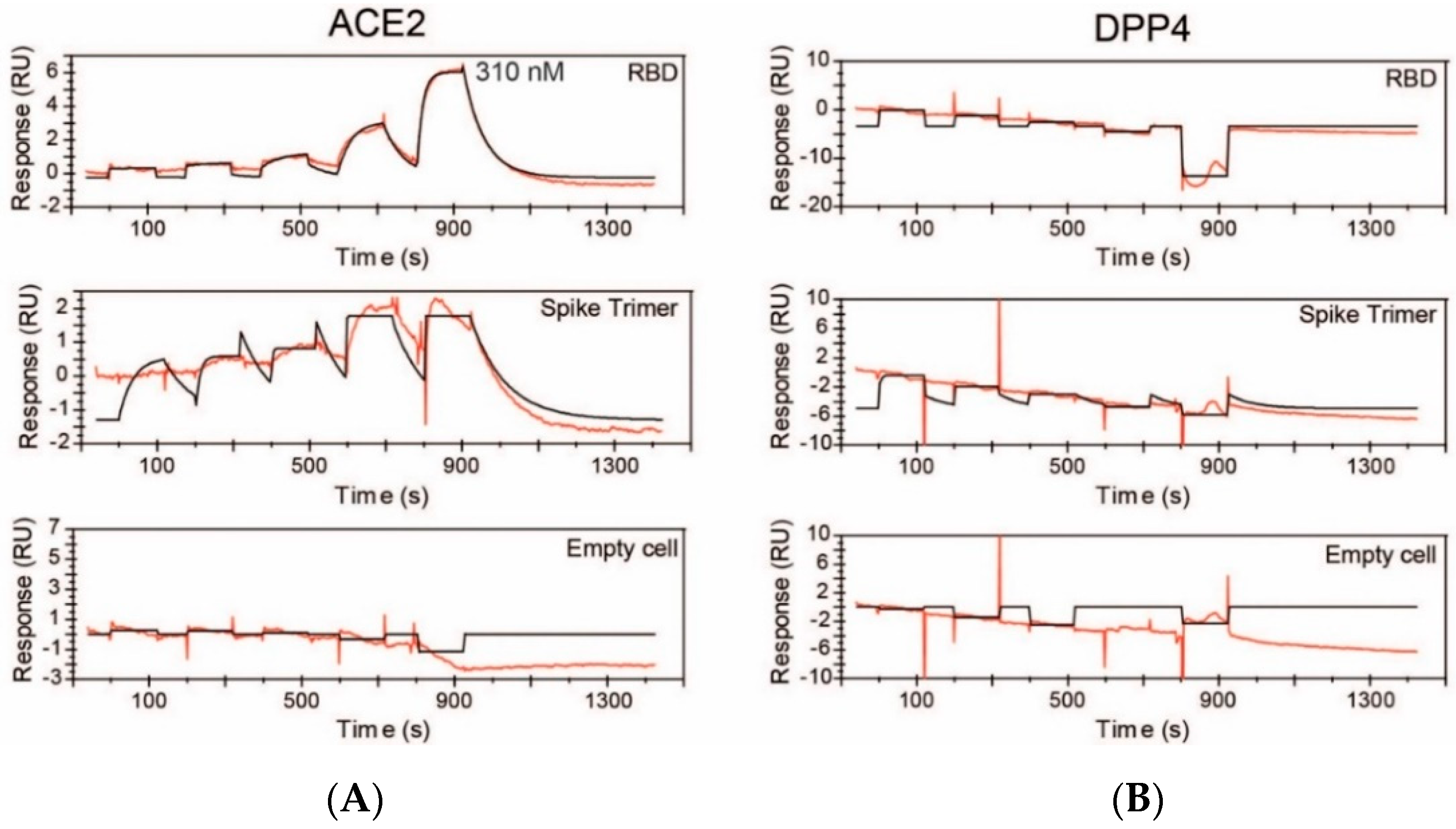
Proteases catalyse irreversible posttranslational modifications that often alter a biological function of the substrate. The protease dipeptidyl peptidase 4 (DPP4) is a pharmacological target in type 2 diabetes therapy primarily because it inactivates glucagon-like protein-1. DPP4 also has roles in steatosis, insulin resistance, cancers and inflammatory and fibrotic diseases. In addition, DPP4 binds to the spike protein of the MERS virus, causing it to be the human cell surface receptor for that virus. DPP4 has been identified as a potential binding target of SARS-CoV-2 spike protein, so this question requires experimental investigation. Understanding protein structure and function requires reliable protocols for production and purification. We developed such strategies for baculovirus generated soluble recombinant human DPP4 (residues 29–766) produced in insect cells. Purification used differential ammonium sulphate precipitation, hydrophobic interaction chromatography, dye affinity chromatography in series with immobilised metal affinity chromatography, and ion-exchange chromatography. The binding affinities of DPP4 to the SARS-CoV-2 full-length spike protein and its receptor-binding domain (RBD) were measured using surface plasmon resonance and ELISA. This optimised DPP4 purification procedure yielded 1 to 1.8 mg of pure fully active soluble DPP4 protein per litre of insect cell culture with specific activity >30 U/mg, indicative of high purity. No specific binding between DPP4 and CoV-2 spike protein was detected by surface plasmon resonance or ELISA. In summary, a procedure for high purity high yield soluble human DPP4 was achieved and used to show that, unlike MERS, SARS-CoV-2 does not bind human DPP4.
Keywords: recombinant protein; protease; DPP4; Covid-19 recombinant protein; protease; DPP4; Covid-19