Article

NaRnEA: An Information Theoretic Framework for Gene Set Analysis

by
Aaron T. Griffin
1,2,
Lukas J. Vlahos
2,
Codruta Chiuzan
3 and
Andrea Califano
2,4,5,6,7,8,*
1
Medical Scientist Training Program, Columbia University Irving Medical Center, New York, NY 10032, USA
2
Department of Systems Biology, Columbia University Irving Medical Center, New York, NY 10032, USA
3
Department of Biostatistics, Columbia University Irving Medical Center, New York, NY 10032, USA
4
Department of Biochemistry and Molecular Biophysics, Columbia University, New York, NY 10032, USA
5
Department of Medicine, Vagelos College of Physicians and Surgeons, Columbia University, New York, NY 10032, USA
6
JP Sulzberger Columbia Genome Center, Columbia University Irving Medical Center, New York, NY 10032, USA
7
Department of Biomedical Informatics, Columbia University, New York, NY 10032, USA
8
Herbert Irving Comprehensive Cancer Center, Columbia University Irving Medical Center, New York, NY 10032, USA
*
Author to whom correspondence should be addressed.
Entropy 2023, 25(3), 542; https://doi.org/10.3390/e25030542
Submission received: 8 November 2022 / Revised: 3 March 2023 / Accepted: 13 March 2023 / Published: 21 March 2023
(This article belongs to the Special Issue Information Theory in Computational Biology)

Abstract

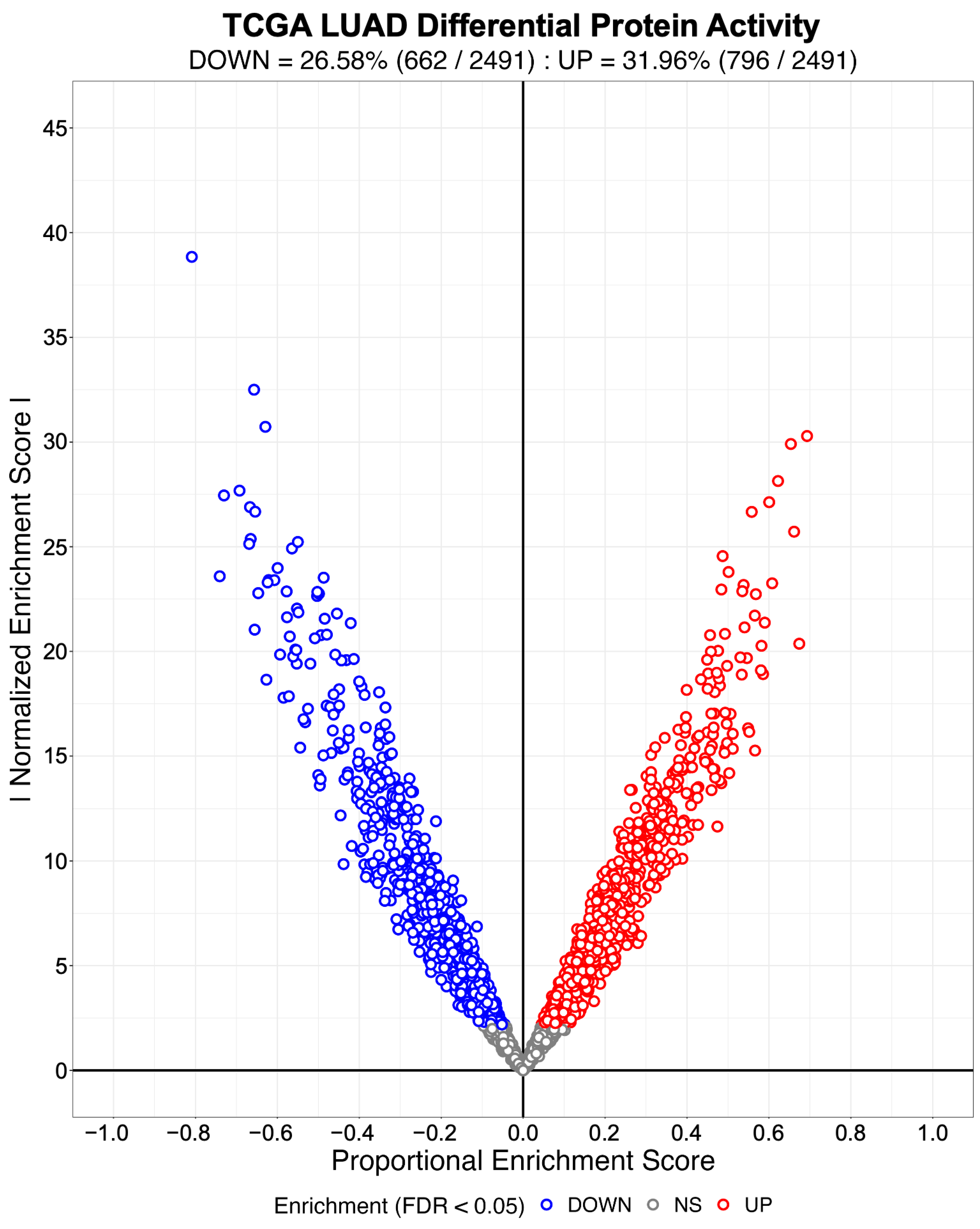
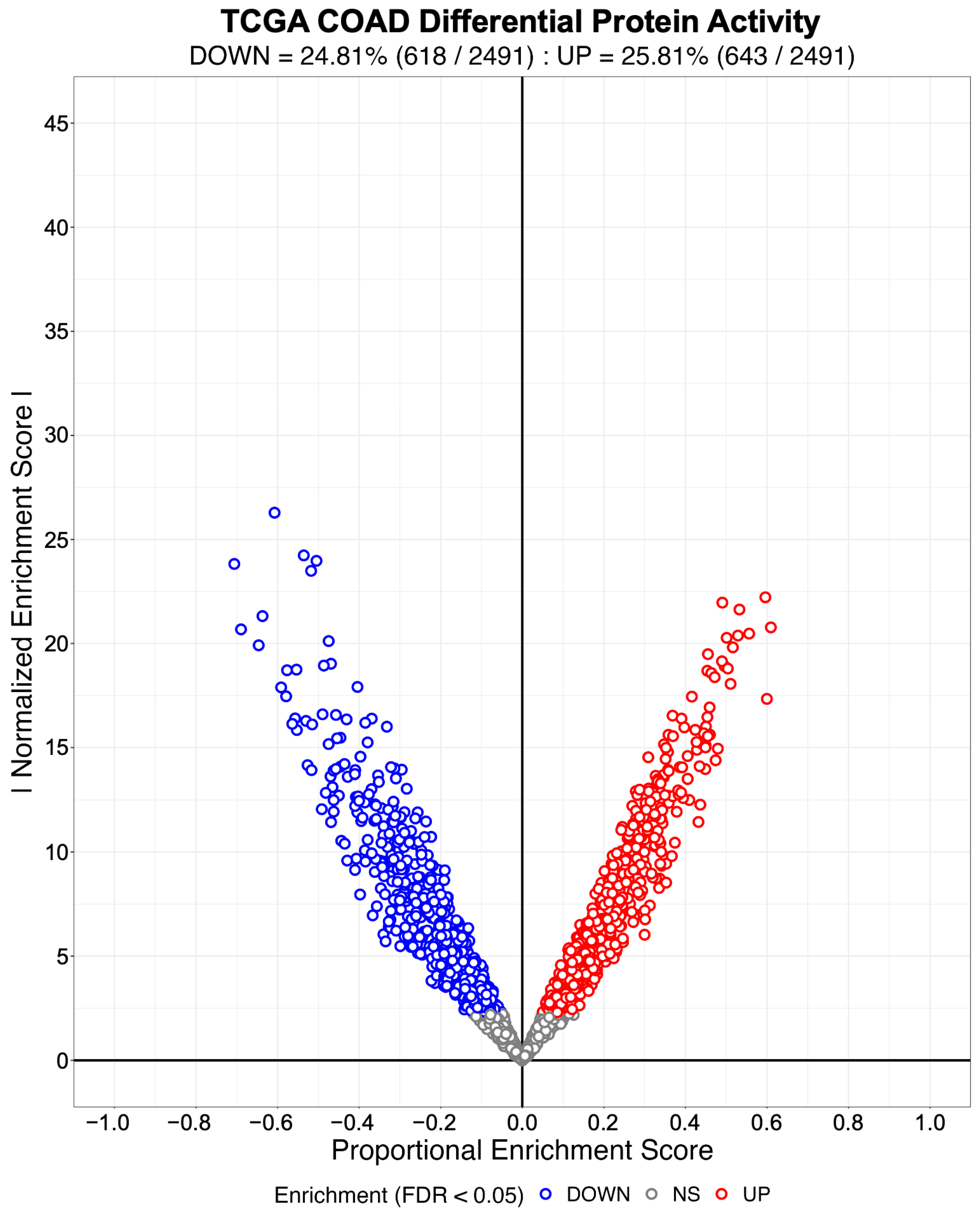
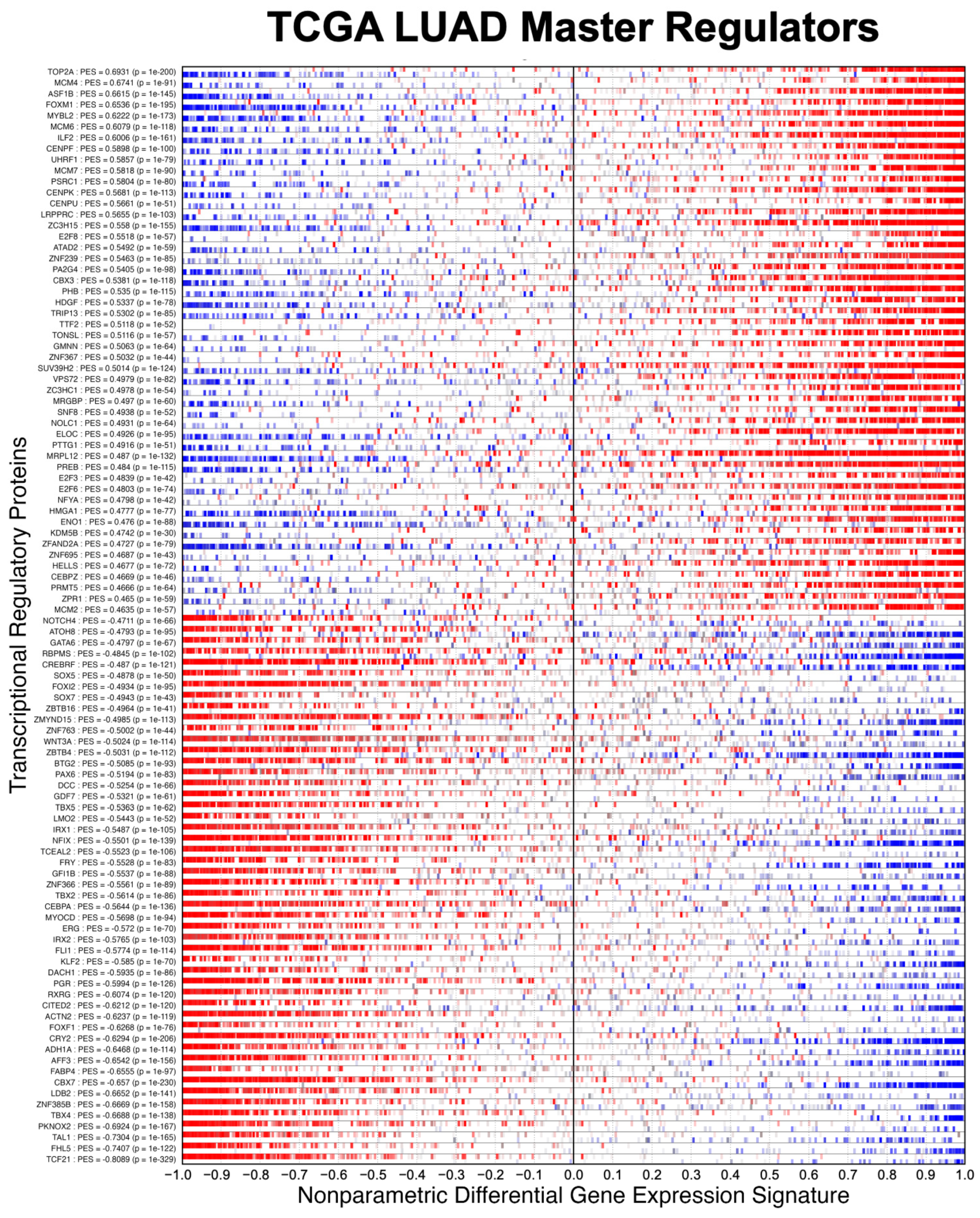
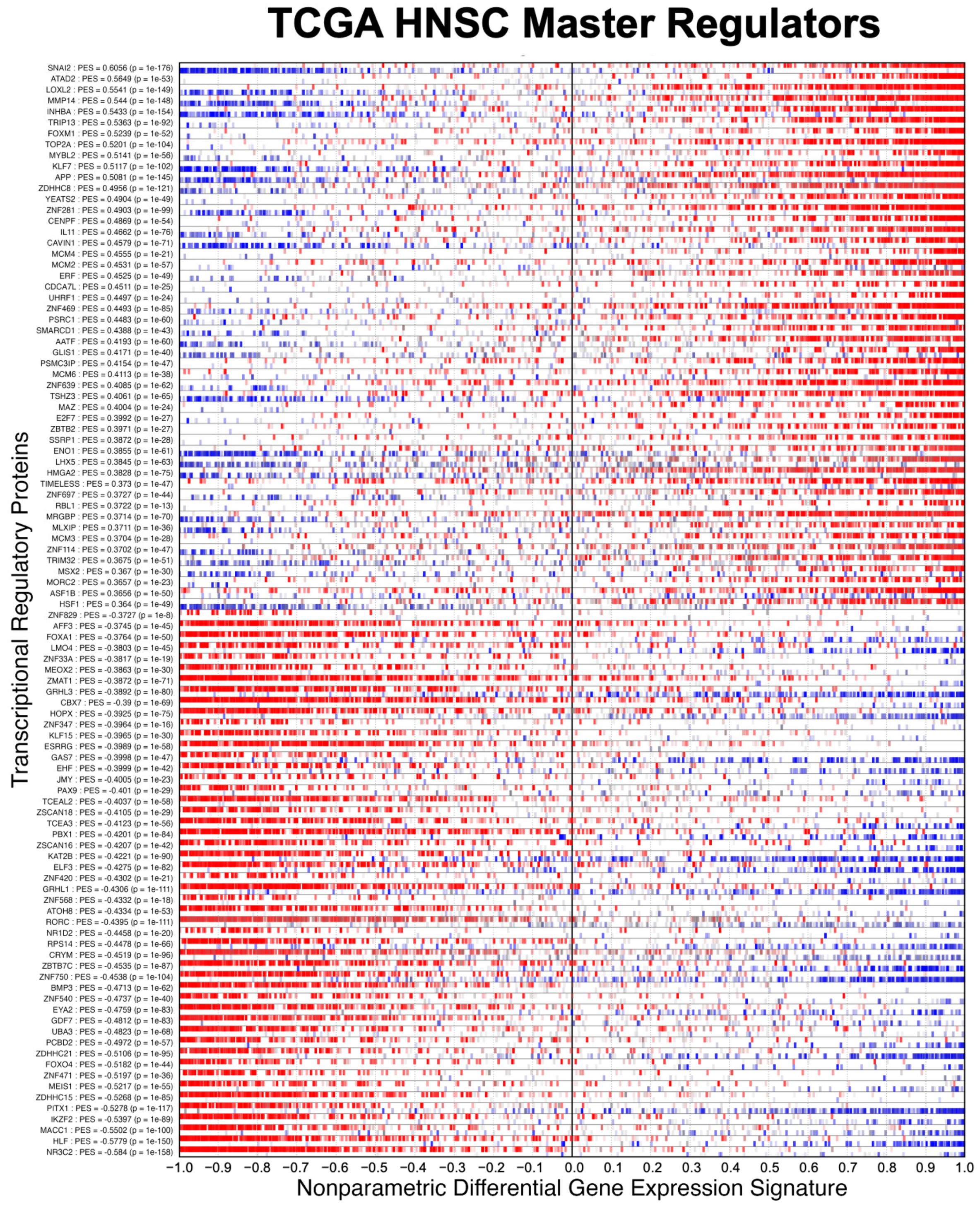
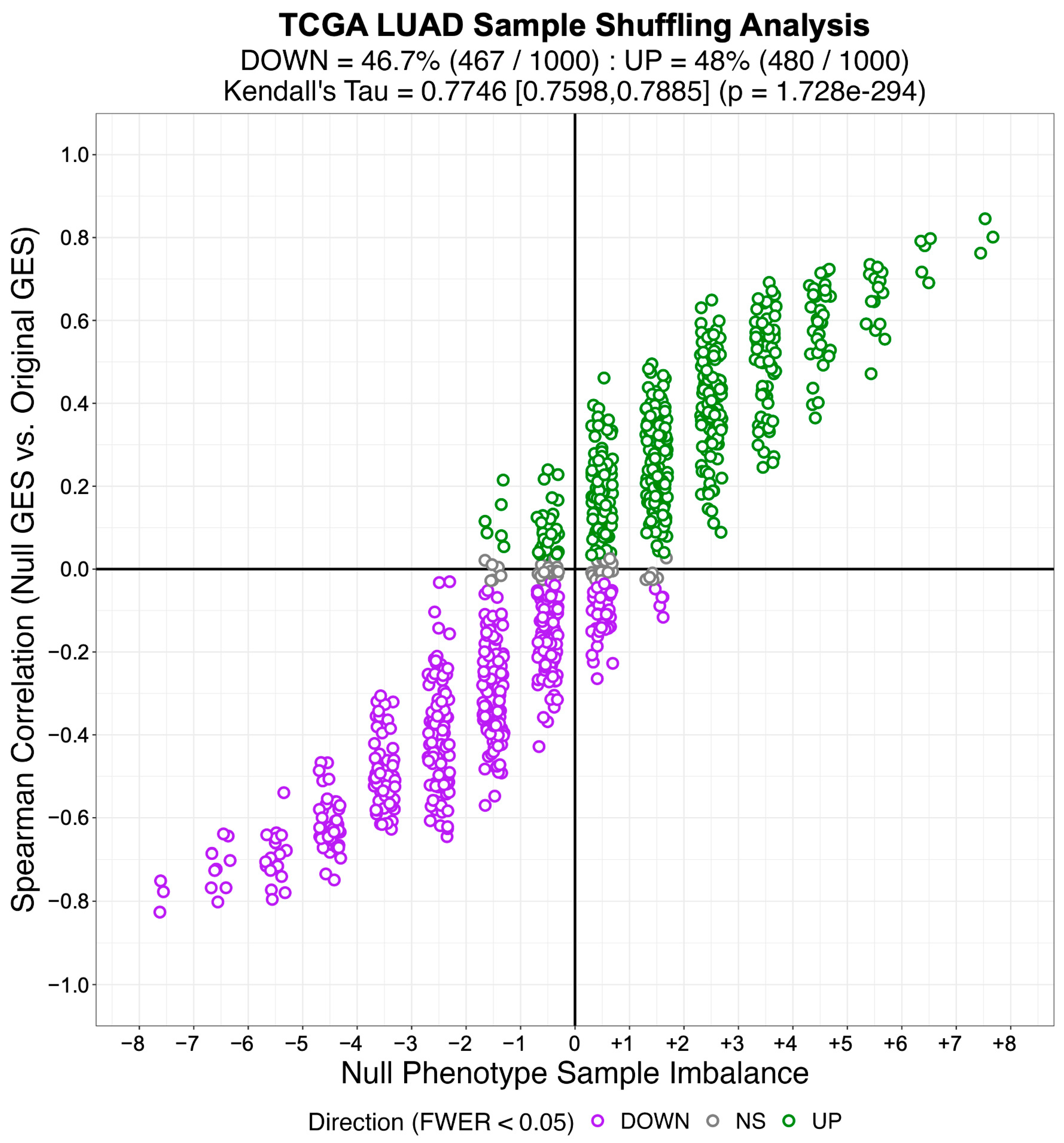
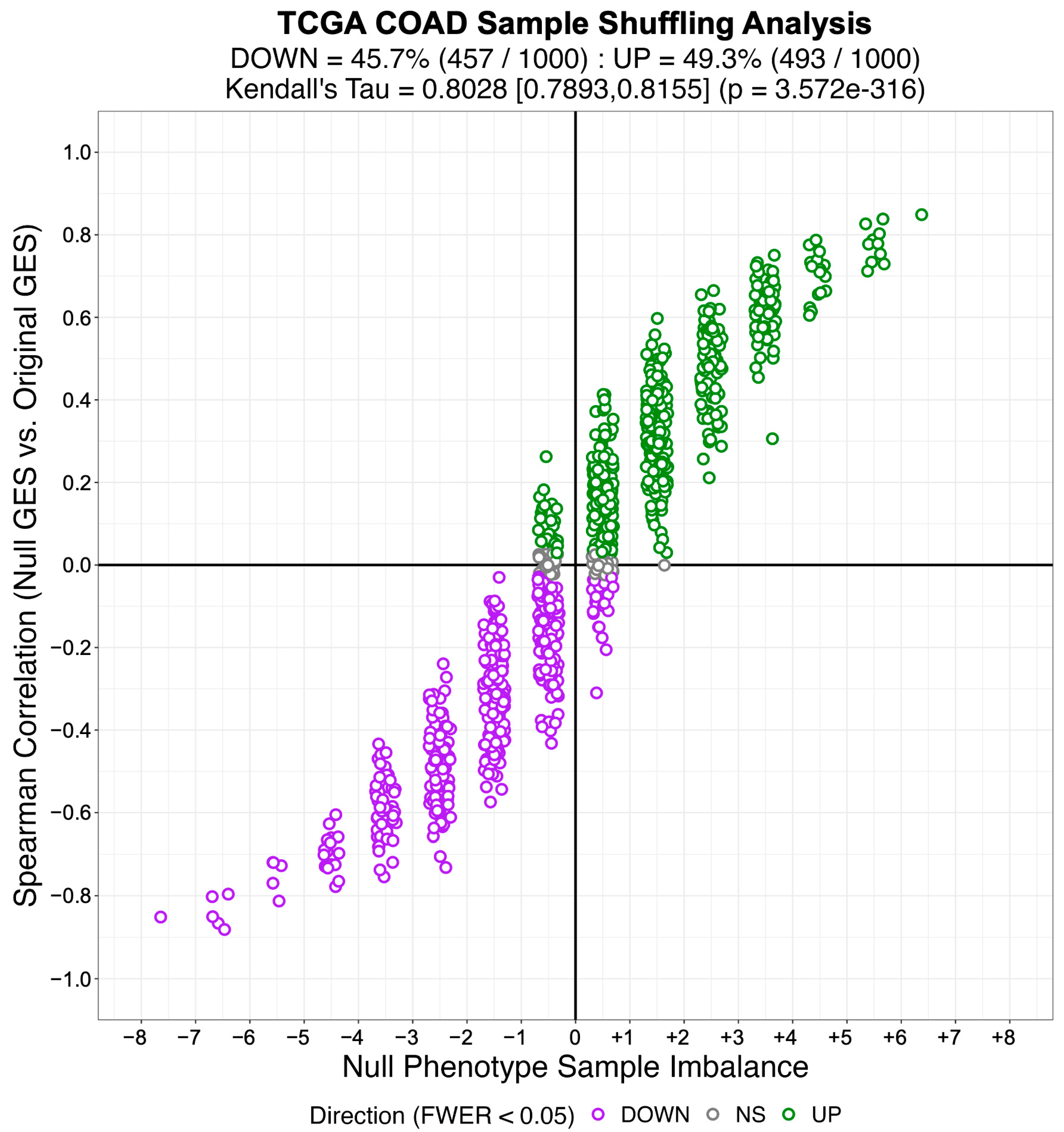
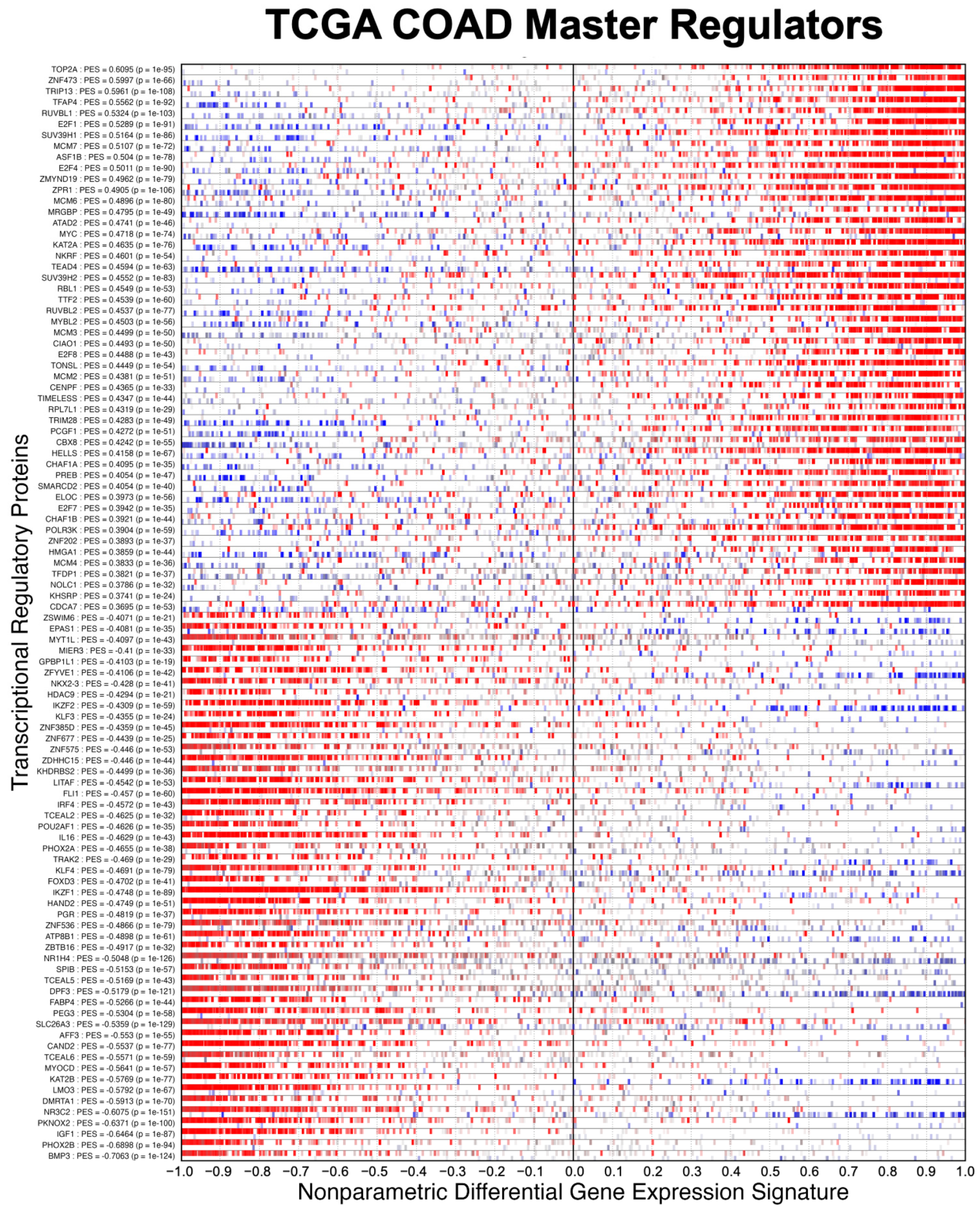
Gene sets are being increasingly leveraged to make high-level biological inferences from transcriptomic data; however, existing gene set analysis methods rely on overly conservative, heuristic approaches for quantifying the statistical significance of gene set enrichment. We created Nonparametric analytical-Rank-based Enrichment Analysis (NaRnEA) to facilitate accurate and robust gene set analysis with an optimal null model derived using the information theoretic Principle of Maximum Entropy. By measuring the differential activity of ~2500 transcriptional regulatory proteins based on the differential expression of each protein’s transcriptional targets between primary tumors and normal tissue samples in three cohorts from The Cancer Genome Atlas (TCGA), we demonstrate that NaRnEA critically improves in two widely used gene set analysis methods: Gene Set Enrichment Analysis (GSEA) and analytical-Rank-based Enrichment Analysis (aREA). We show that the NaRnEA-inferred differential protein activity is significantly correlated with differential protein abundance inferred from independent, phenotype-matched mass spectrometry data in the Clinical Proteomic Tumor Analysis Consortium (CPTAC), confirming the statistical and biological accuracy of our approach. Additionally, our analysis crucially demonstrates that the sample-shuffling empirical null models leveraged by GSEA and aREA for gene set analysis are overly conservative, a shortcoming that is avoided by the newly developed Maximum Entropy analytical null model employed by NaRnEA.
Keywords: gene set analysis; principle of maximum entropy; nonparametric statistics; protein activity; regulatory networks gene set analysis; principle of maximum entropy; nonparametric statistics; protein activity; regulatory networks