Article

Real-Life Wheelchair Mobility Metrics from IMUs

by
Wiebe H. K. de Vries
1,*,
Rienk M. A. van der Slikke
2,3,
Marit P. van Dijk
2 and
Ursina Arnet
1
1
Swiss Paraplegic Research, Guido A. Zächstrasse 4, 6207 Nottwil, Switzerland
2
Department of Biomechanical Engineering, Delft University of Technology, 2628 Delft, The Netherlands
3
Human Kinetic Technology, The Hague University of Applied Sciences, 2521 The Hague, The Netherlands
*
Author to whom correspondence should be addressed.
Sensors 2023, 23(16), 7174; https://doi.org/10.3390/s23167174
Submission received: 30 June 2023 / Revised: 2 August 2023 / Accepted: 9 August 2023 / Published: 14 August 2023

Abstract

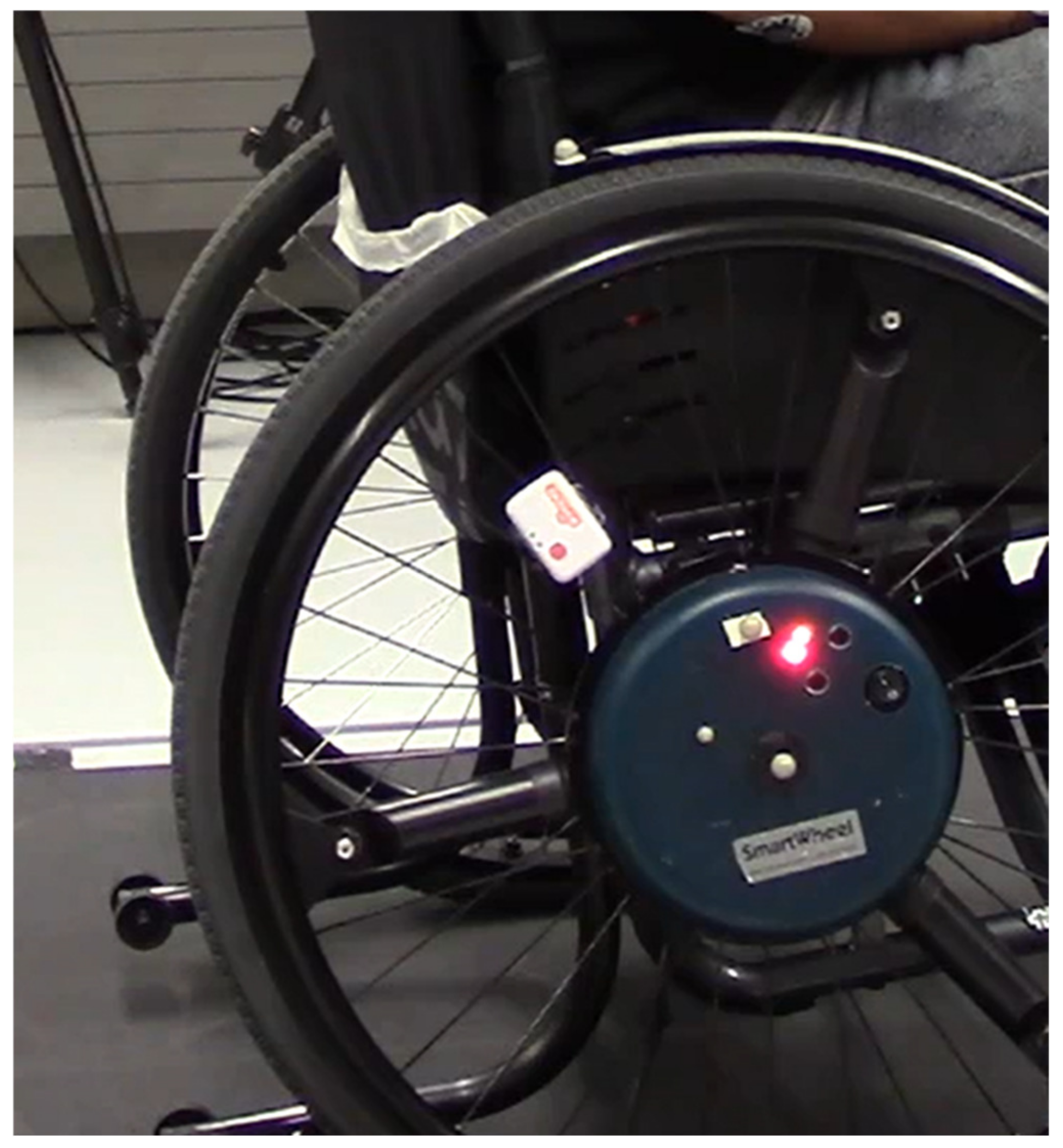
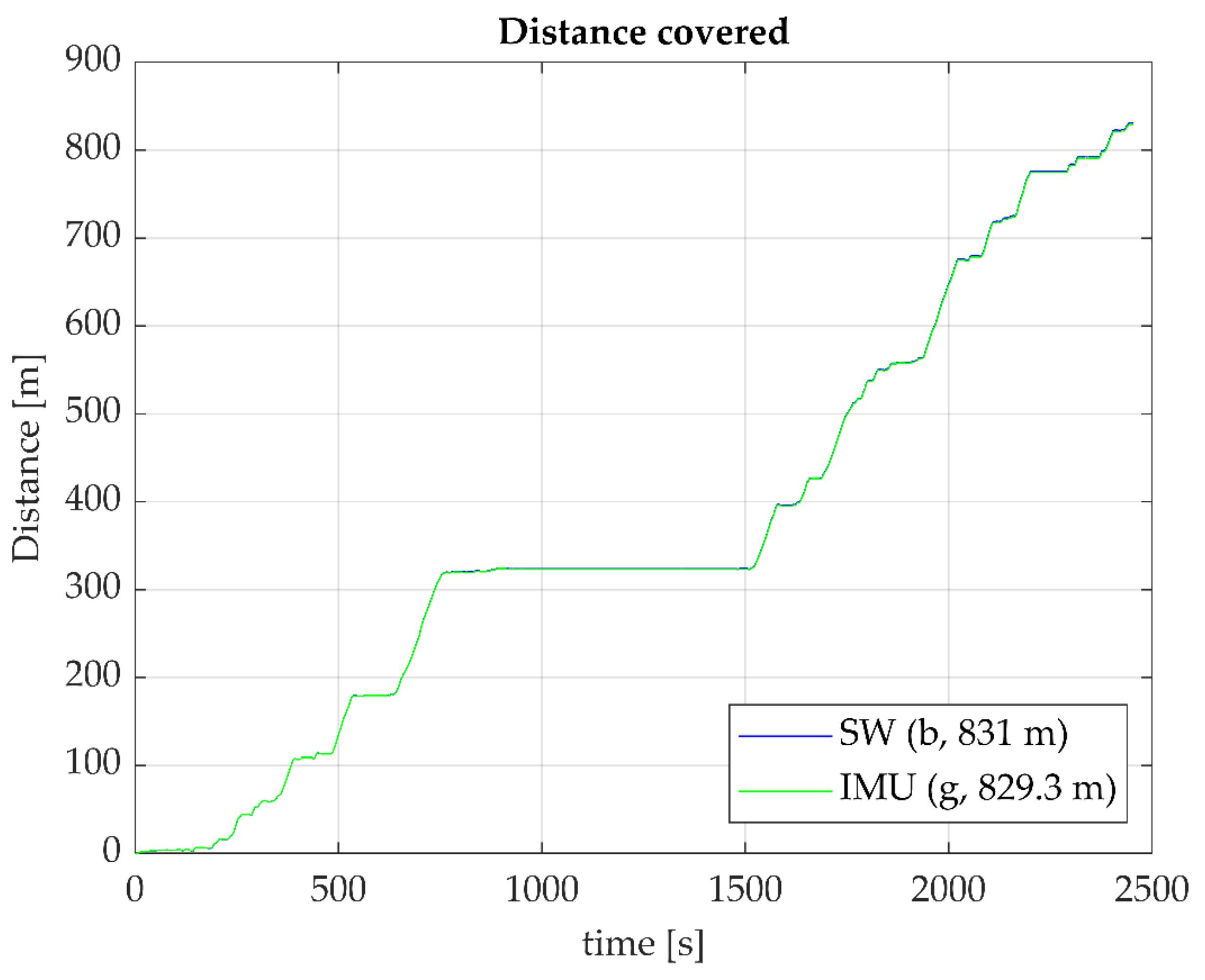
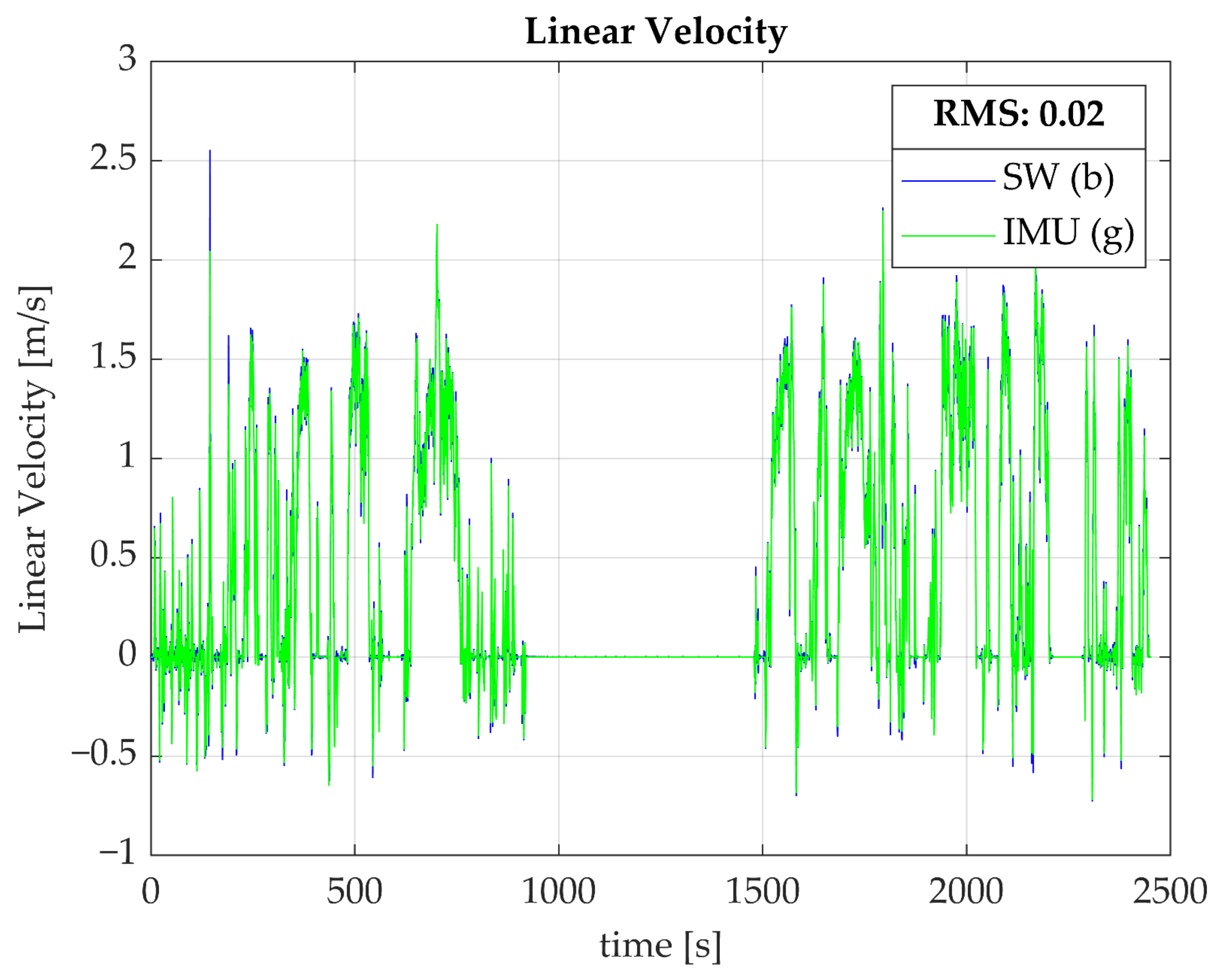
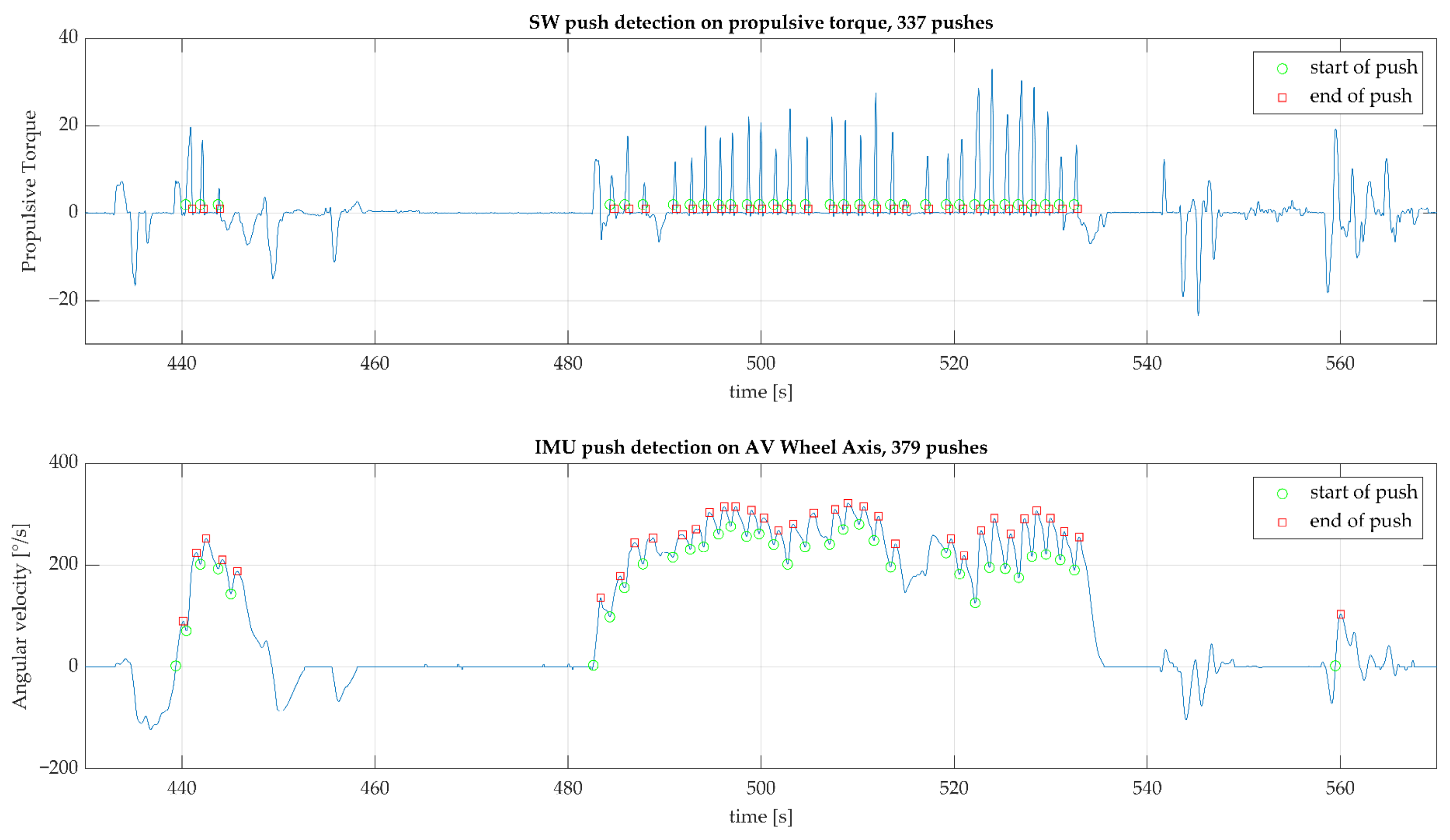
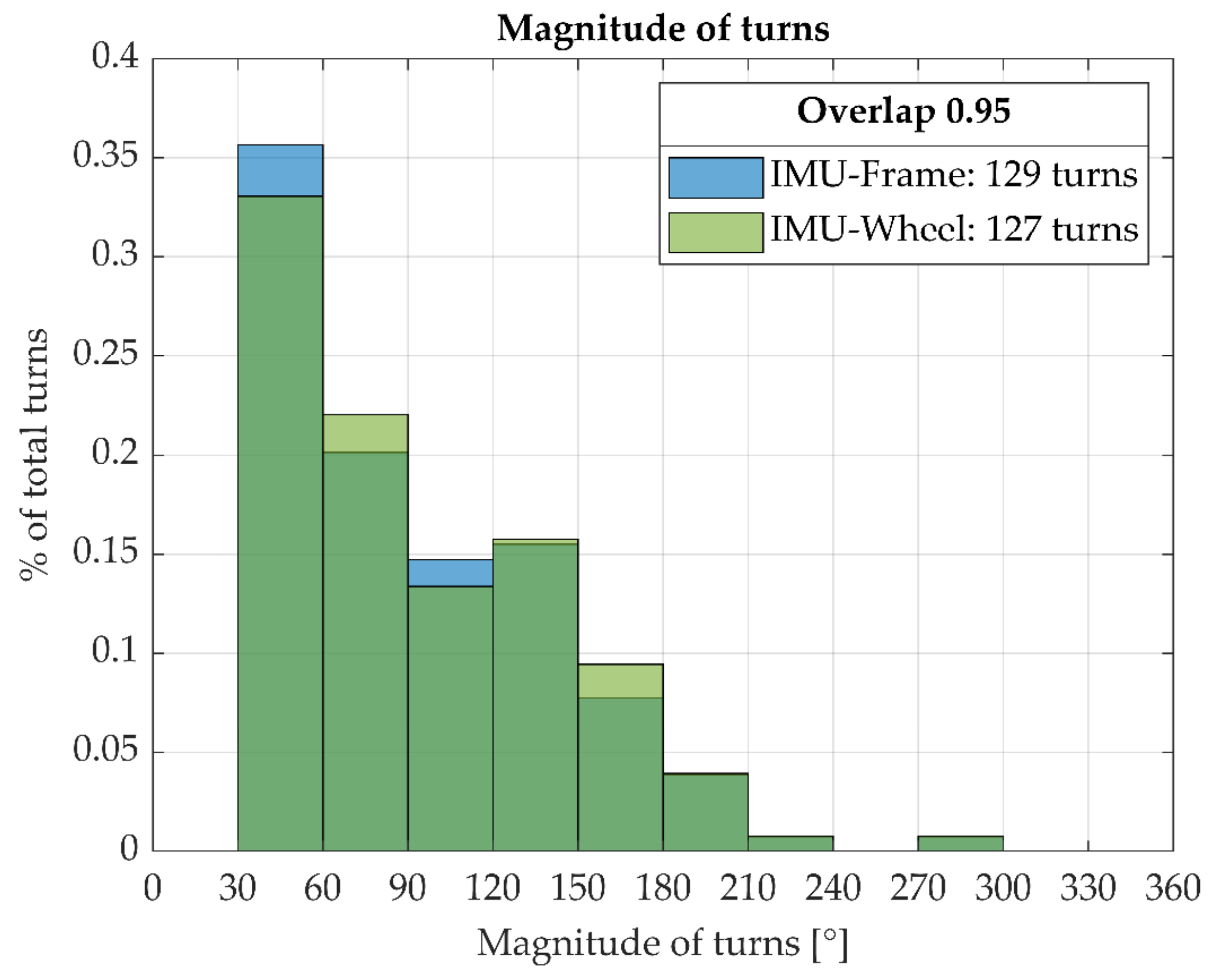
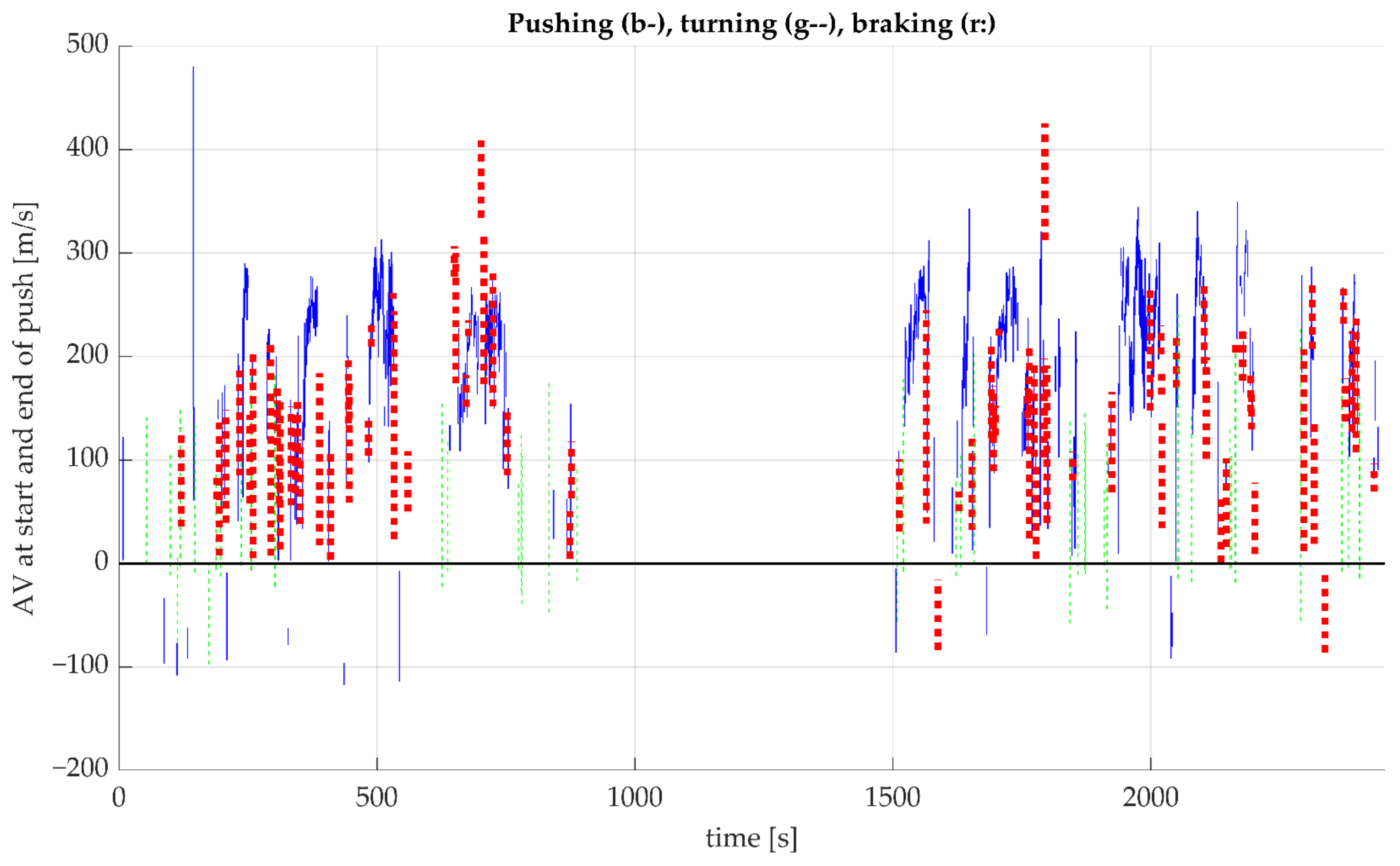
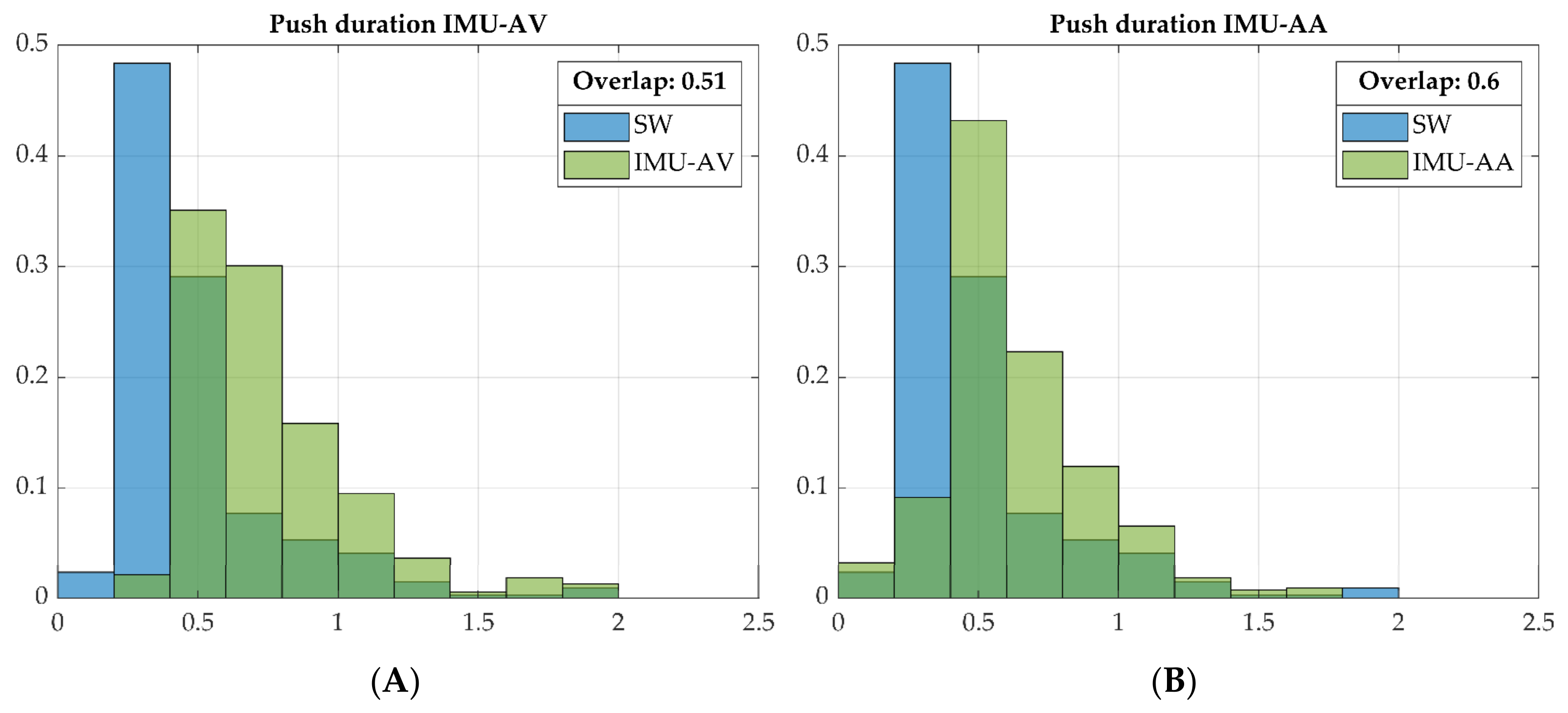
Daily wheelchair ambulation is seen as a risk factor for shoulder problems, which are prevalent in manual wheelchair users. To examine the long-term effect of shoulder load from daily wheelchair ambulation on shoulder problems, quantification is required in real-life settings. In this study, we describe and validate a comprehensive and unobtrusive methodology to derive clinically relevant wheelchair mobility metrics (WCMMs) from inertial measurement systems (IMUs) placed on the wheelchair frame and wheel in real-life settings. The set of WCMMs includes distance covered by the wheelchair, linear velocity of the wheelchair, number and duration of pushes, number and magnitude of turns and inclination of the wheelchair when on a slope. Data are collected from ten able-bodied participants, trained in wheelchair-related activities, who followed a 40 min course over the campus. The IMU-derived WCMMs are validated against accepted reference methods such as Smartwheel and video analysis. Intraclass correlation (ICC) is applied to test the reliability of the IMU method. IMU-derived push duration appeared to be less comparable with Smartwheel estimates, as it measures the effect of all energy applied to the wheelchair (including thorax and upper extremity movements), whereas the Smartwheel only measures forces and torques applied by the hand at the rim. All other WCMMs can be reliably estimated from real-life IMU data, with small errors and high ICCs, which opens the way to further examine real-life behavior in wheelchair ambulation with respect to shoulder loading. Moreover, WCMMs can be applied to other applications, including health tracking for individual interest or in therapy settings.
Keywords: IMU; wearable sensors; spinal cord injury; activities of daily living; wheelchair propulsion; shoulder IMU; wearable sensors; spinal cord injury; activities of daily living; wheelchair propulsion; shoulder