Article

Electronic Skin Wearable Sensors for Detecting Lumbar–Pelvic Movements


1
Faculty of Information Technology, Monash University, Melbourne, VIC 3145, Australia
2
Department of Chemical Engineering, Monash University, Melbourne, VIC 3800, Australia
3
School of Computer Science and Engineering, The University of New South Wales, Sydney, NSW 2052, Australia
4
Department of Epidemiology and Preventive Medicine, School of Public Health and Preventive Medicine, Monash University, Melbourne, VIC 3004, Australia
*
Authors to whom correspondence should be addressed.
Sensors 2020, 20(5), 1510; https://doi.org/10.3390/s20051510
Submission received: 31 January 2020 / Revised: 26 February 2020 / Accepted: 5 March 2020 / Published: 9 March 2020
(This article belongs to the Special Issue Sensors for Biomechanics Application)

Abstract

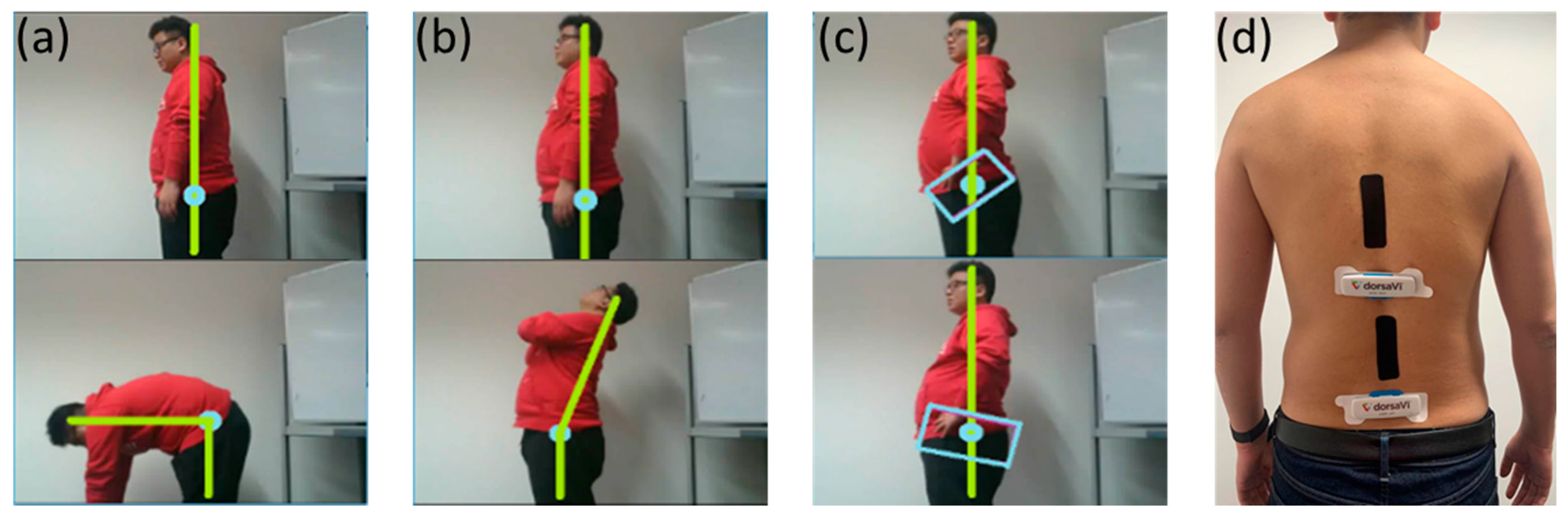
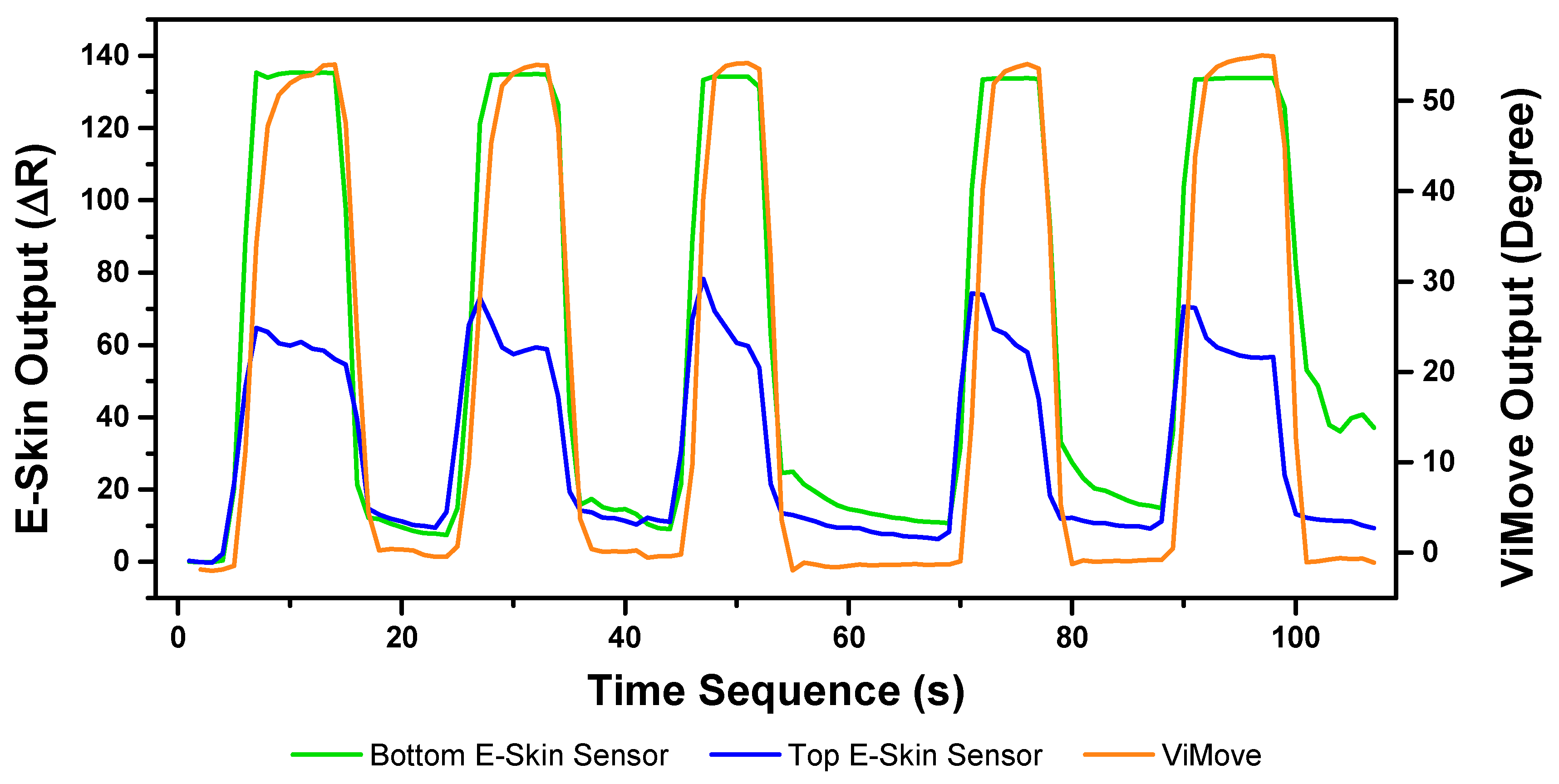
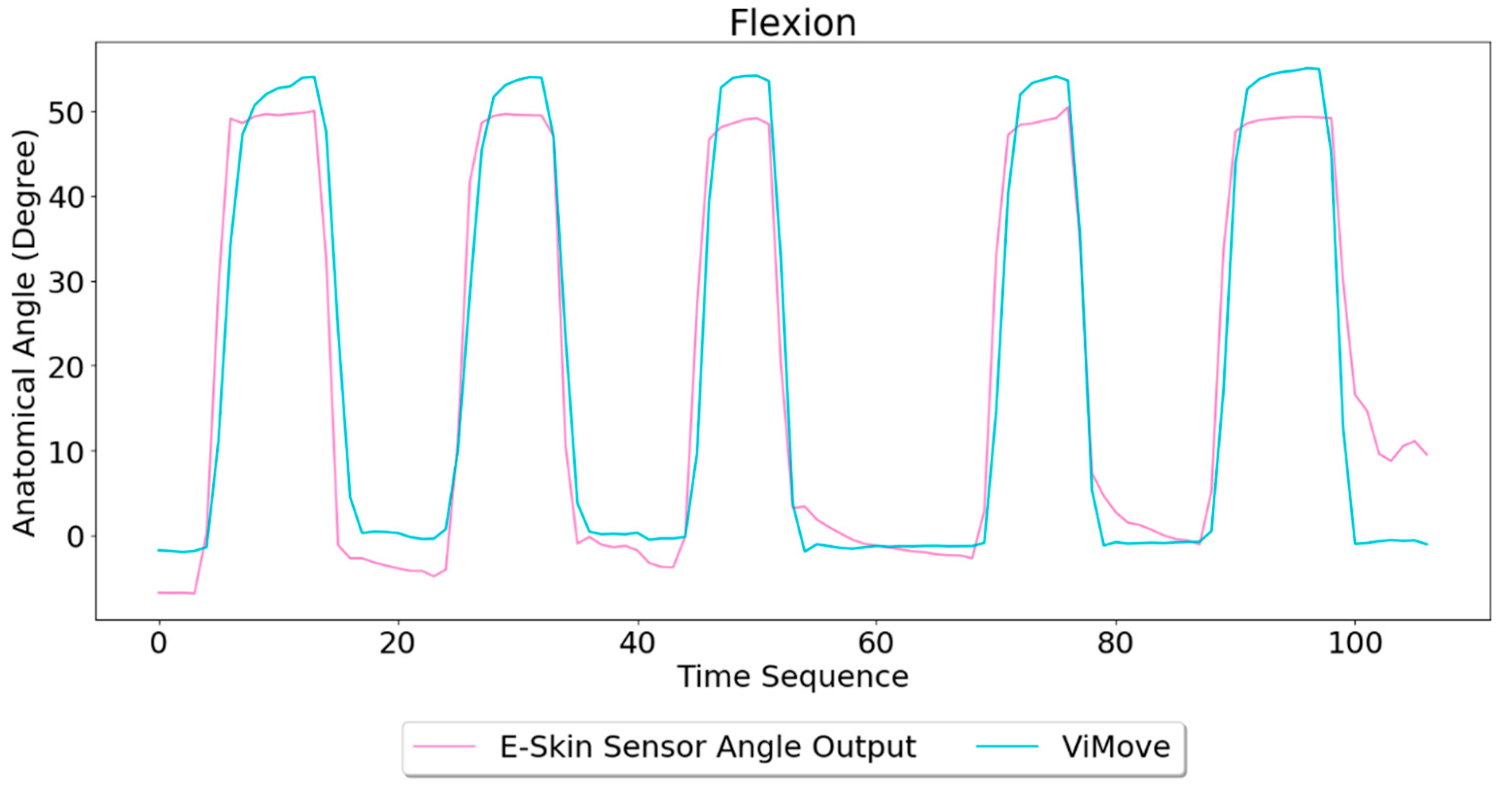
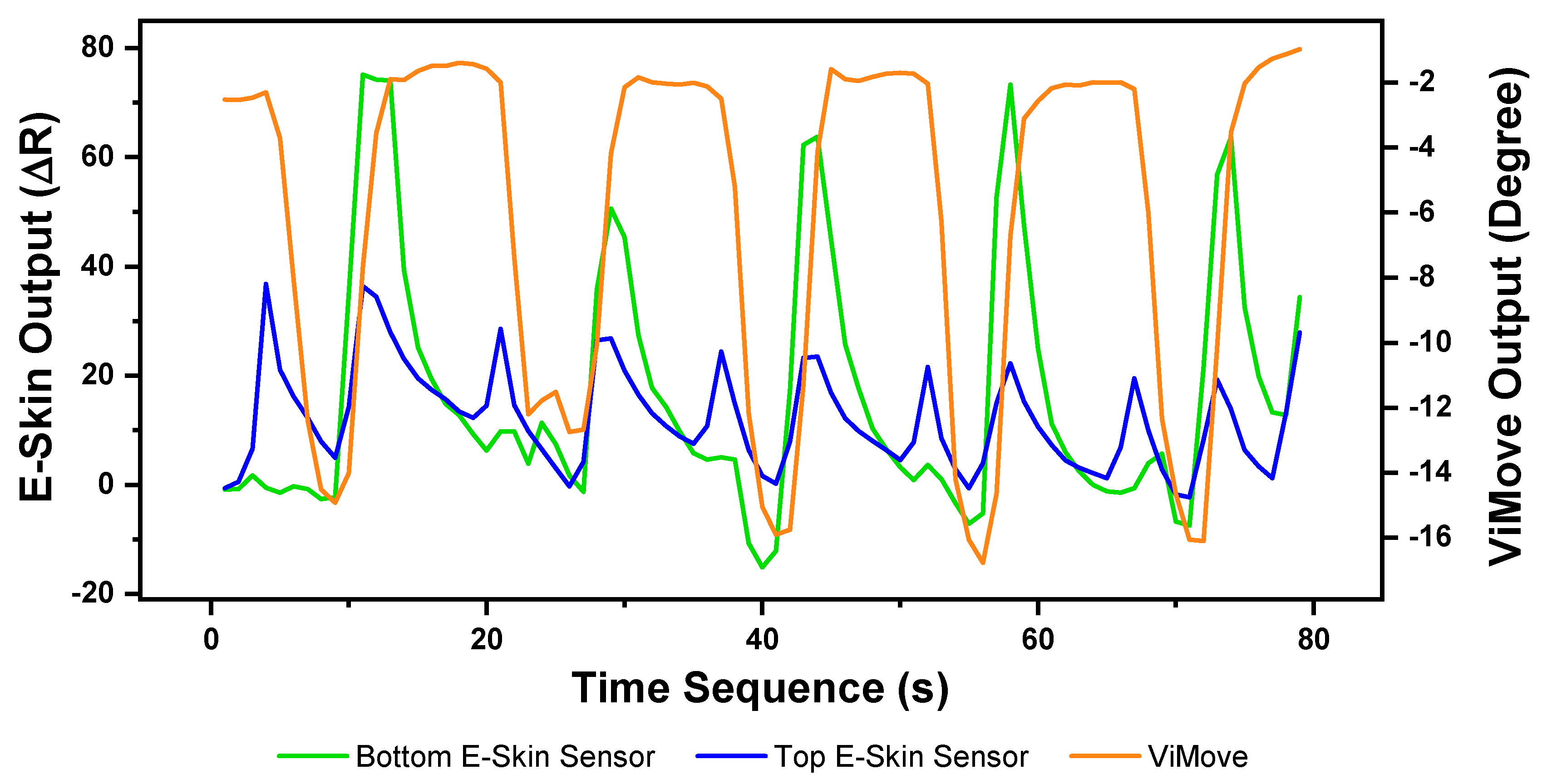
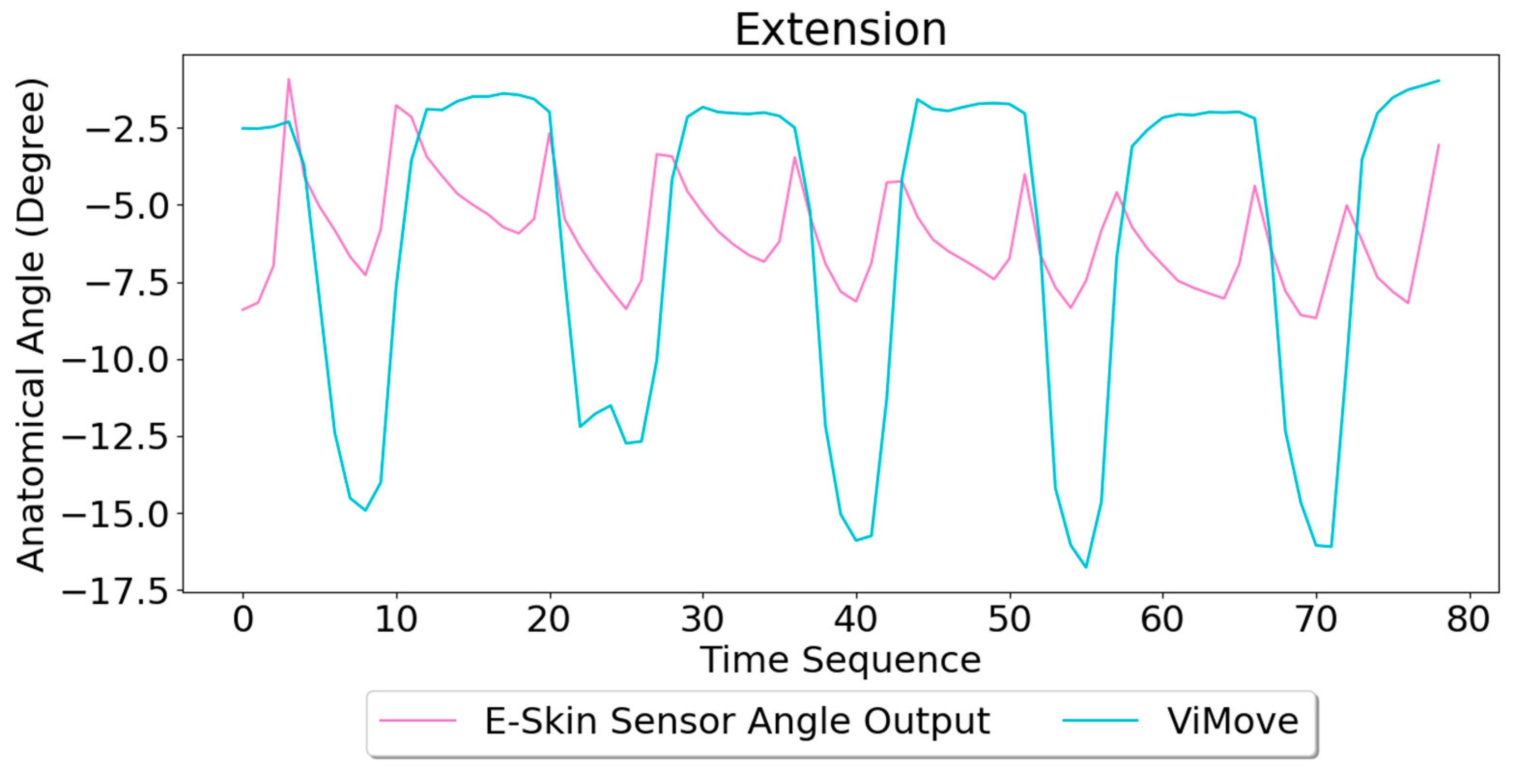
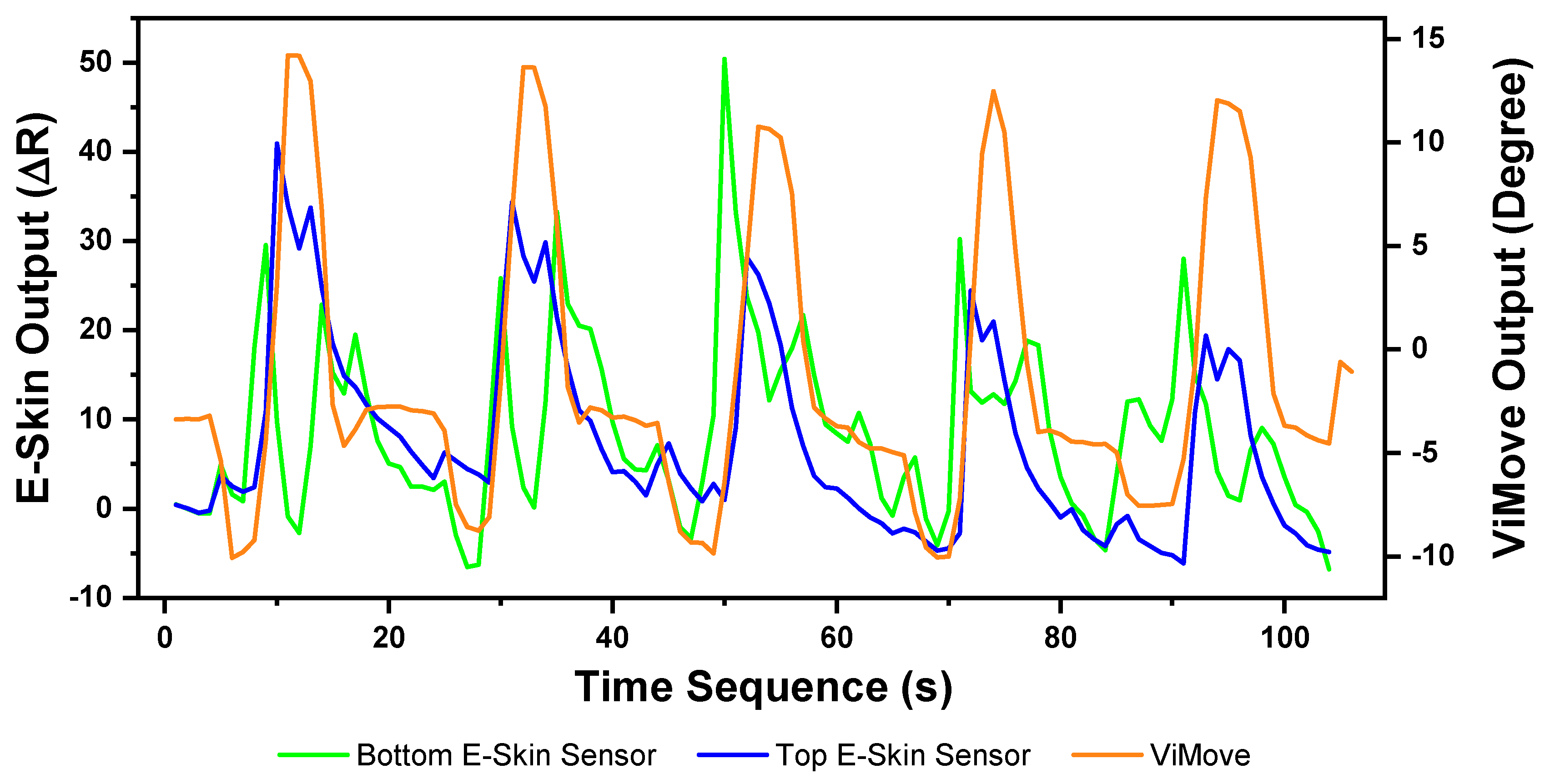
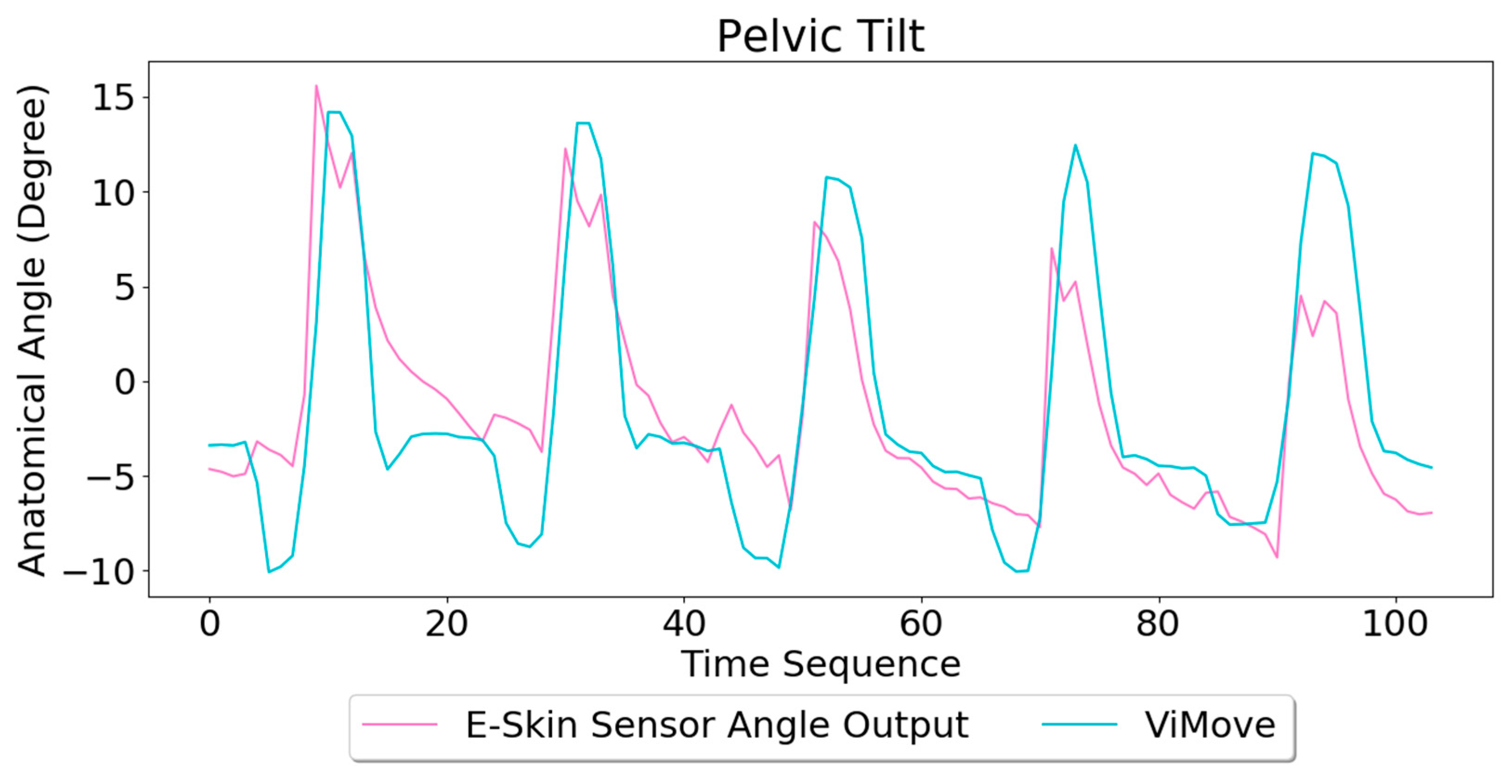
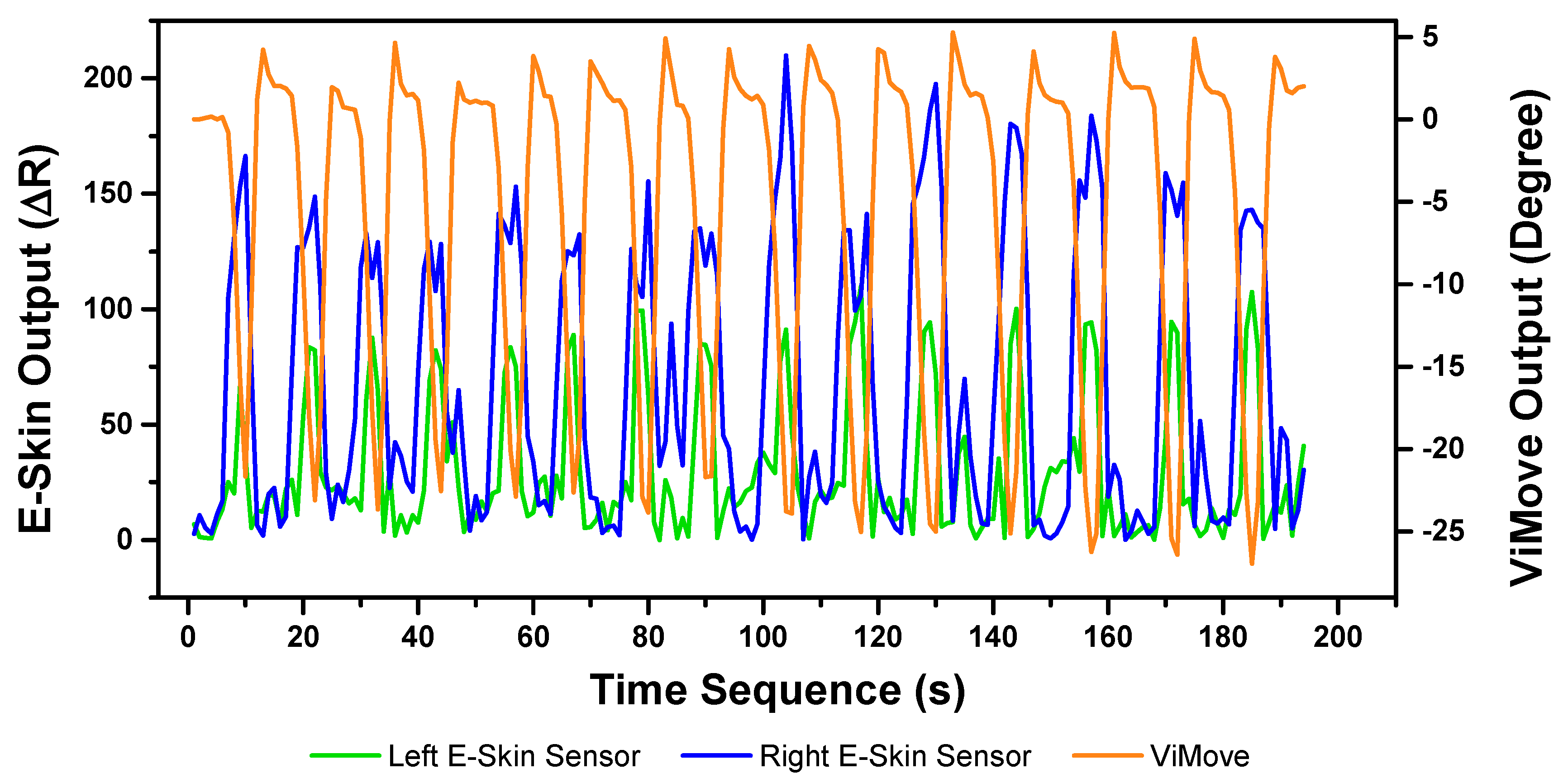
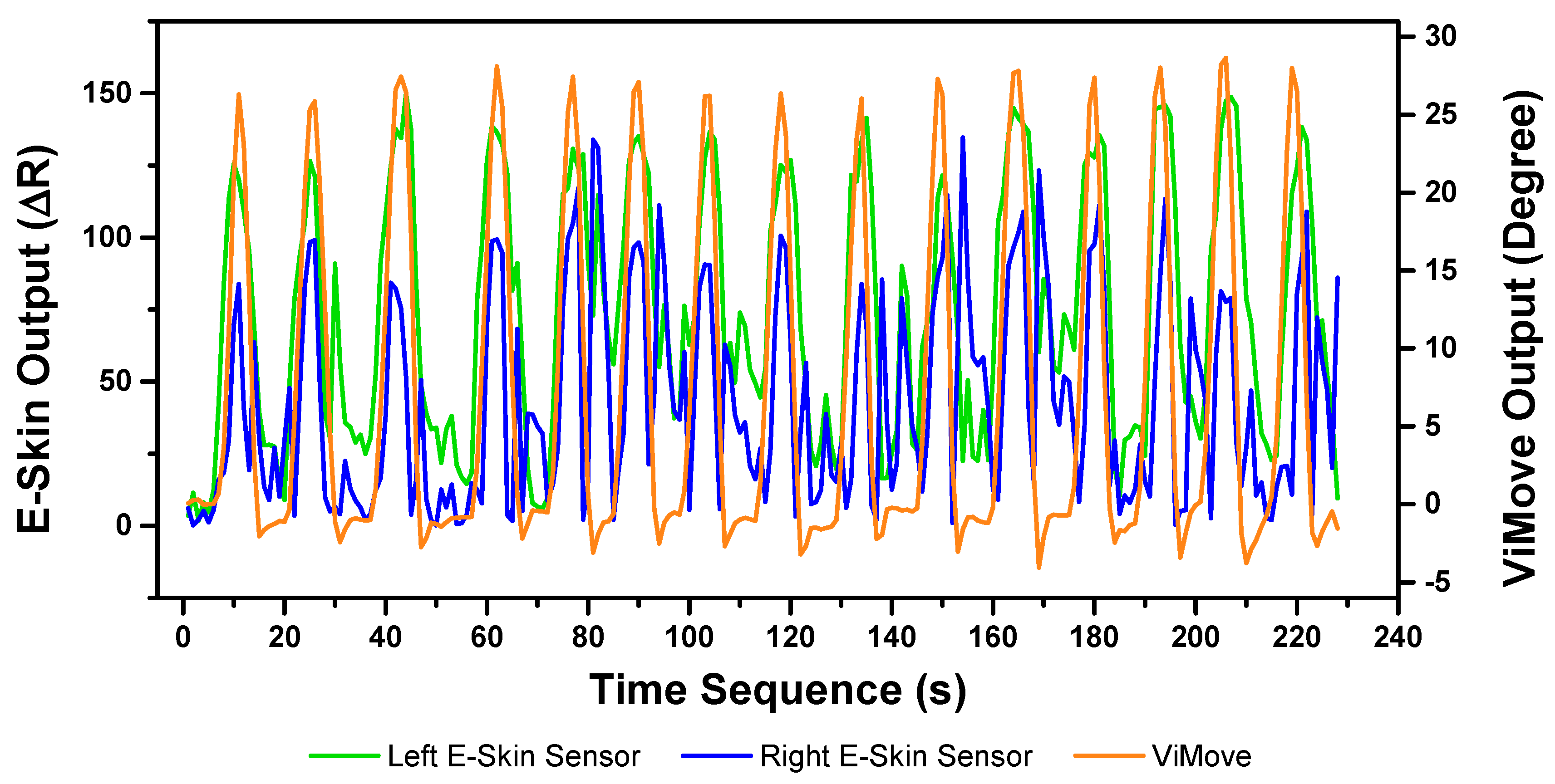
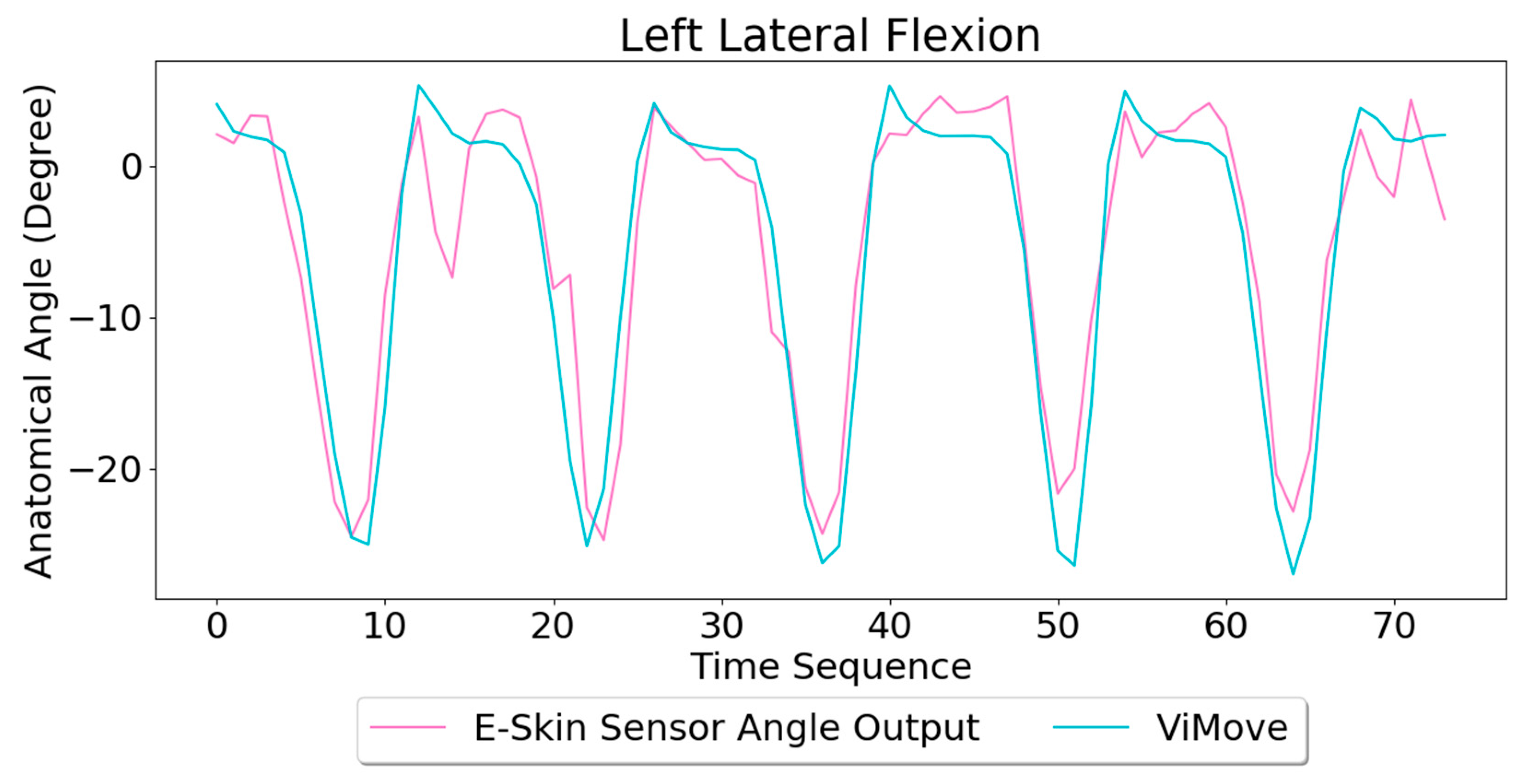
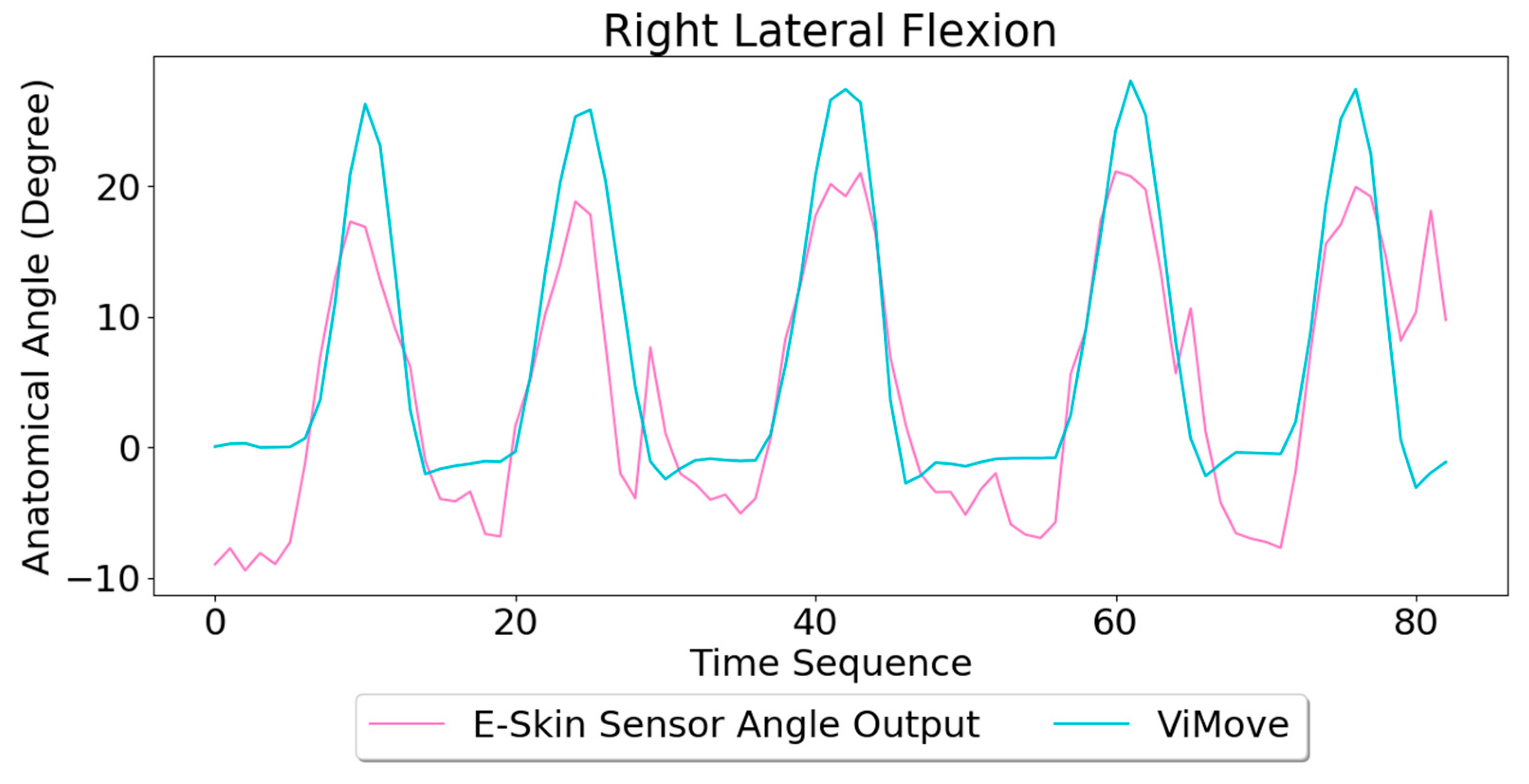
Background: A nanomaterial-based electronic-skin (E-Skin) wearable sensor has been successfully used for detecting and measuring body movements such as finger movement and foot pressure. The ultrathin and highly sensitive characteristics of E-Skin sensor make it a suitable alternative for continuously out-of-hospital lumbar–pelvic movement (LPM) monitoring. Monitoring these movements can help medical experts better understand individuals’ low back pain experience. However, there is a lack of prior studies in this research area. Therefore, this paper explores the potential of E-Skin sensors to detect and measure the anatomical angles of lumbar–pelvic movements by building a linear relationship model to compare its performance to clinically validated inertial measurement unit (IMU)-based sensing system (ViMove). Methods: The paper first presents a review and classification of existing wireless sensing technologies for monitoring of body movements, and then it describes a series of experiments performed with E-Skin sensors for detecting five standard LPMs including flexion, extension, pelvic tilt, lateral flexion, and rotation, and measure their anatomical angles. The outputs of both E-Skin and ViMove sensors were recorded during each experiment and further analysed to build the comparative models to evaluate the performance of detecting and measuring LPMs. Results: E-Skin sensor outputs showed a persistently repeating pattern for each movement. Due to the ability to sense minor skin deformation by E-skin sensor, its reaction time in detecting lumbar–pelvic movement is quicker than ViMove by ~1 s. Conclusions: E-Skin sensors offer new capabilities for detecting and measuring lumbar–pelvic movements. They have lower cost compared to commercially available IMU-based systems and their non-invasive highly stretchable characteristic makes them more comfortable for long-term use. These features make them a suitable sensing technology for developing continuous, out-of-hospital real-time monitoring and management systems for individuals with low back pain.
Keywords: E-Skin sensors; movement detection; wireless sensing technology; monitoring E-Skin sensors; movement detection; wireless sensing technology; monitoring