




Neglected Infectious Diseases of Swine
A special issue of Pathogens (ISSN 2076-0817). This special issue belongs to the section "Viral Pathogens".
Deadline for manuscript submissions: 31 March 2026 | Viewed by 436
Special Issue Editors

Interests: animal viral diseases
Special Issues, Collections and Topics in MDPI journals

Interests: animal viral diseases

Interests: animal viral diseases
Special Issues, Collections and Topics in MDPI journals
Special Issue Information
Dear Colleagues,
Swine farming is a vital sector of the global animal agriculture industry, providing a major source of protein for human consumption. While modern pig production systems are designed to maximize efficiency and meat yield, they also present significant challenges. One of the most serious issues is infectious diseases.
Pigs are susceptible to a wide range of viral, bacterial, and parasitic diseases, many of which spread quickly in high-density environments. Well-known examples include African Swine Fever (ASF), Porcine Reproductive and Respiratory Syndrome (PRRS), and swine influenza (SIV). These diseases can cause major economic losses due to mortality, reduced productivity, and trade restrictions. Consequently, they attract considerable attention from researchers, policymakers, and industry experts.
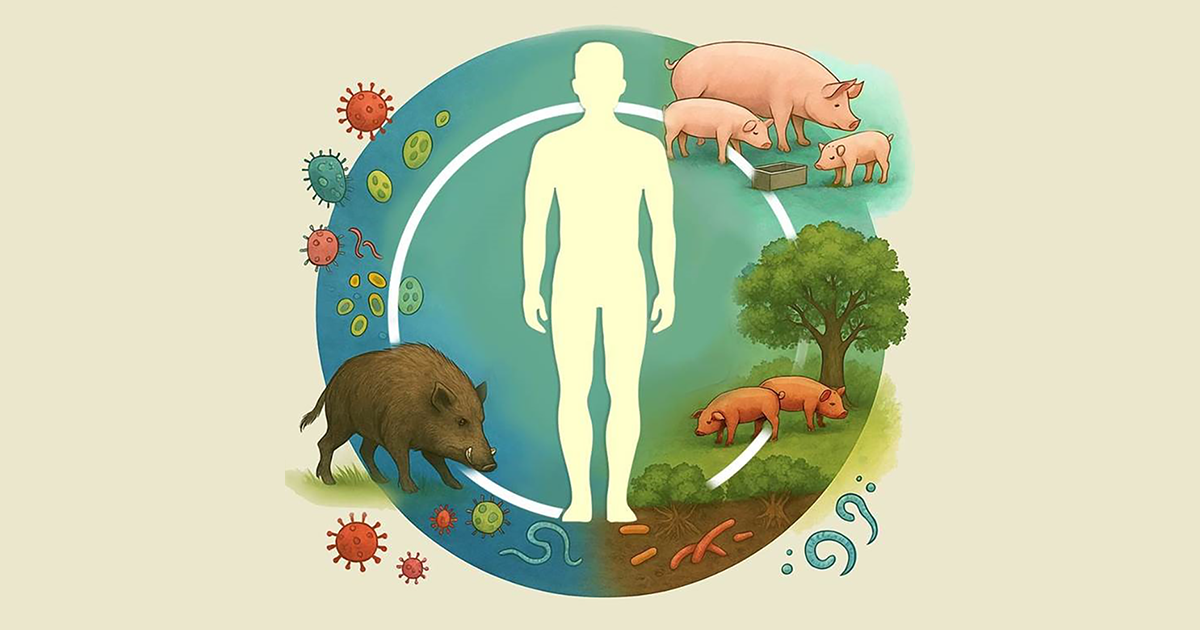
However, there is a group of infectious diseases in pigs that are often overlooked: the neglected infectious diseases. These include illnesses that pose a less immediate economic threat, but which can have serious long-term impacts. In smallholder or backyard farming systems, particularly in low- and middle-income countries, these diseases can affect both animal and human health alike, thereby contributing to poverty and food insecurity. Minor diseases of pigs include viral (Swine Influenza A virus (SwIAV), Hepatitis E virus (HEV), Porcine Reproductive and Respiratory Syndrome virus (PRRSV)), and bacterial (Erysipelas, Leptospirosis, Melioidosis), and parasitic (cysticercosis, trichinellosis, balantidiasis) diseases. Wild boars, which are widely distributed across Europe, Asia, and parts of the Americas, are also susceptible to these neglected diseases, including zoonoses. These pathogens can be transmitted through direct contact, environmental contamination, or the consumption of undercooked wild meat. As wild boars are free-ranging and often interact with farm animals, hunters, and rural communities, they represent a significant yet poorly monitored source of infection.
Neglected diseases often go undiagnosed due to the lack of surveillance, inadequate veterinary infrastructure, and limited research funding. The economic losses associated with these diseases can be disastrous for the industry, and their zoonotic potential is a public health concern. Controlling these diseases requires an integrated approach, including improved hygiene, vaccination, farmer education, and better monitoring systems.
We invite colleagues investigating any of the pathogens affecting pigs in relation to genetics, genomics, immunology, detection, public health, and vaccine development to submit their original research and review manuscripts to this Special Issue.
We look forward to receiving your submissions.
Dr. Ana Margarida Henriques
Dr. Ana Isabel Simões Pereira Duarte
Dr. Margarida Dias Duarte
Guest Editors
Manuscript Submission Information
Manuscripts should be submitted online at www.mdpi.com by registering and logging in to this website. Once you are registered, click here to go to the submission form. Manuscripts can be submitted until the deadline. All submissions that pass pre-check are peer-reviewed. Accepted papers will be published continuously in the journal (as soon as accepted) and will be listed together on the special issue website. Research articles, review articles as well as short communications are invited. For planned papers, a title and short abstract (about 250 words) can be sent to the Editorial Office for assessment.
Submitted manuscripts should not have been published previously, nor be under consideration for publication elsewhere (except conference proceedings papers). All manuscripts are thoroughly refereed through a single-blind peer-review process. A guide for authors and other relevant information for submission of manuscripts is available on the Instructions for Authors page. Pathogens is an international peer-reviewed open access monthly journal published by MDPI.
Please visit the Instructions for Authors page before submitting a manuscript. The Article Processing Charge (APC) for publication in this open access journal is 2200 CHF (Swiss Francs). Submitted papers should be well formatted and use good English. Authors may use MDPI's English editing service prior to publication or during author revisions.
Keywords
- swine diseases
- swine viruses
- swine bacteria
- swine parasites
- molecular diagnosis
- serological diagnosis
- next-generation sequencing
- vaccination
- disease control
- phylogenetic analysis
Benefits of Publishing in a Special Issue
- Ease of navigation: Grouping papers by topic helps scholars navigate broad scope journals more efficiently.
- Greater discoverability: Special Issues support the reach and impact of scientific research. Articles in Special Issues are more discoverable and cited more frequently.
- Expansion of research network: Special Issues facilitate connections among authors, fostering scientific collaborations.
- External promotion: Articles in Special Issues are often promoted through the journal's social media, increasing their visibility.
- Reprint: MDPI Books provides the opportunity to republish successful Special Issues in book format, both online and in print.
Further information on MDPI's Special Issue policies can be found here.
