Encyclopedia of Building Performance, Climate Change, and Applied AI

A topical collection in Encyclopedia (ISSN 2673-8392). This collection belongs to the section "Engineering".

Viewed by 881

Editors


E-Mail Website
Collection Editor
Department of Computer Science & Engineering and Information Technology, Shiraz University, Shiraz, Iran
Interests: application of fuzzy logic and soft computing in modelling complex systems; AI-driven decision-making frameworks for uncertainty in climate-responsive building systems; intelligent algorithms for environmental monitoring and sustainability assessment; type-2 fuzzy systems for robust prediction in energy and climate data analytics

Topical Collection Information

Dear Colleagues,

The built environment plays a pivotal role in addressing the global climate crisis, accounting for over one-third of total energy consumption and a significant portion of carbon emissions. With growing pressures to decarbonise buildings, enhance resilience, and achieve net-zero targets, there is an urgent need for innovative approaches that integrate advanced technologies and interdisciplinary research.

This Topical Collection—Encyclopedia of Building Performance, Climate Change, and Applied AI—seeks to serve as a comprehensive and authoritative reference on how buildings can be designed, operated, and retrofitted to respond effectively to climate change. It is led by Professor Ali Bahadori Jahromi, whose research at the University of West London focuses on sustainable building performance, climate adaptation, and the application of artificial intelligence in the built environment.

We invite high-quality contributions exploring the intersection of building science, climate resilience, and AI-based solutions. Topics of interest include, but are not limited to:

  • AI-driven energy modelling and performance prediction;
  • Machine learning for building diagnostics and predictive maintenance;
  • Digital twins and smart building technologies;
  • Retrofit strategies for decarbonisation and energy efficiency;
  • Data analytics for occupant behaviour and environmental monitoring;
  • Life-cycle sustainability assessment and climate adaptation frameworks.

This collection welcomes both theoretical and applied works, aiming to engage academics, industry professionals, and policymakers seeking innovative, evidence-based pathways to transform buildings into intelligent, climate-responsive systems.

Prof. Dr. Ali Bahadori-Jahromi
Dr. Hooman Tahayori
Collection Editors

Manuscript Submission Information

Manuscripts should be submitted online at www.mdpi.com by registering and logging in to this website. Once you are registered, click here to go to the submission form. All submissions that pass pre-check are peer-reviewed. Accepted papers will be published continuously in the journal (as soon as accepted) and will be listed together on the Topical Collection website. Review articles and Entry papers are invited. For planned papers, a title and short abstract (about 250 words) can be sent to the Editorial Office for assessment.

Submitted manuscripts should not have been published previously, nor be under consideration for publication elsewhere (except conference proceedings papers). All manuscripts are thoroughly refereed through a single-blind peer-review process. A guide for authors and other relevant information for submission of manuscripts is available on the Instructions for Authors page. Encyclopedia is an international peer-reviewed open access monthly journal published by MDPI.

Please visit the Instructions for Authors page before submitting a manuscript. The Article Processing Charge (APC) for publication in this open access journal is 1200 CHF (Swiss Francs). Submitted papers should be well formatted and use good English. Authors may use MDPI's English editing service prior to publication or during author revisions.

Keywords

  • building performance
  • climate change
  • artificial intelligence
  • energy efficiency
  • smart buildings

Published Papers (1 paper)

2026

50 pages, 7780 KB  
Systematic Review
Intelligent Eyes on Buildings: A Scientometric Mapping and Systematic Review of AI-Based Crack Detection and Predictive Diagnostics of Building Structures
by Mehdi Mohagheghi, Ali Bahadori-Jahromi and Shah Room
Encyclopedia 2026, 6(4), 75; https://doi.org/10.3390/encyclopedia6040075 - 27 Mar 2026
Viewed by 617
Abstract
Artificial Intelligence (AI)-based crack detection in buildings uses computer vision and deep learning to automatically identify structural cracks from inspection images. In recent years, many studies have explored this topic, but the overall development of the field, its methodological practices, and the remaining [...] Read more.
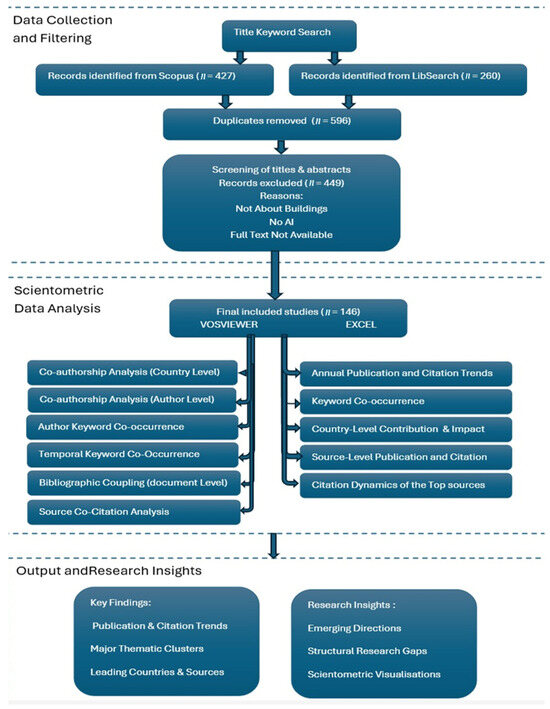
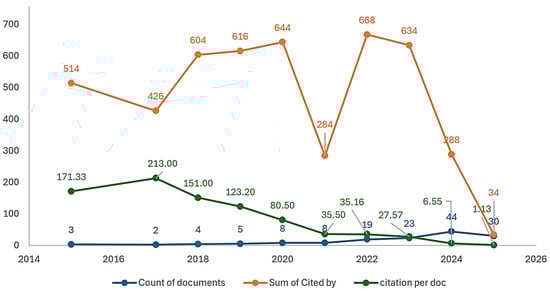
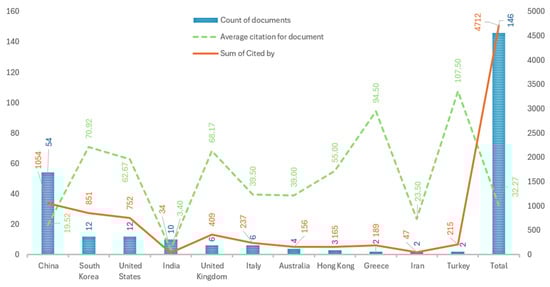
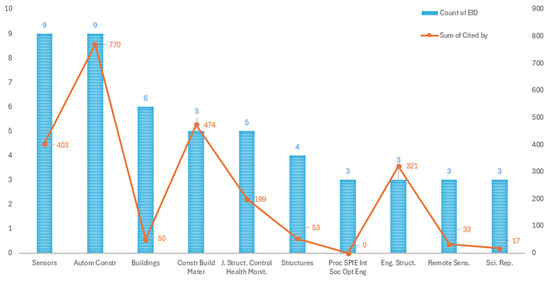
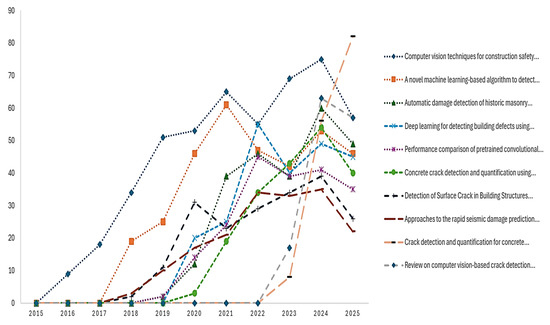
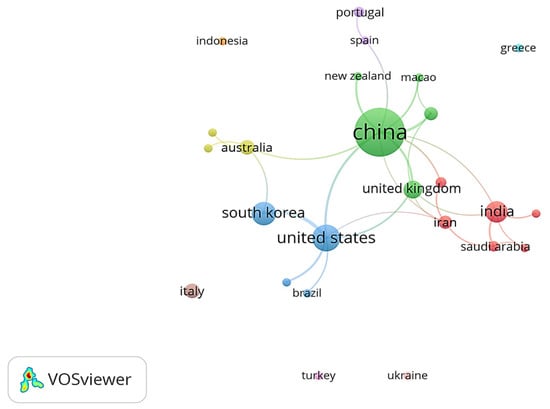
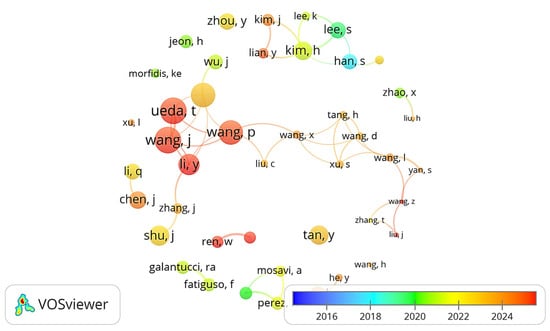
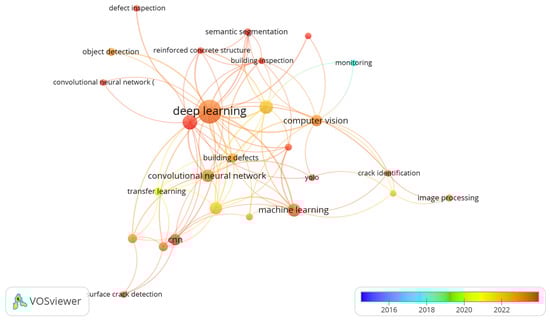
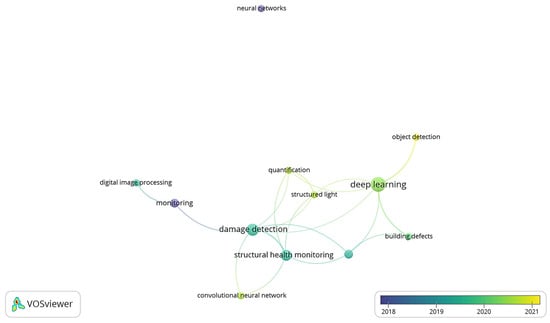
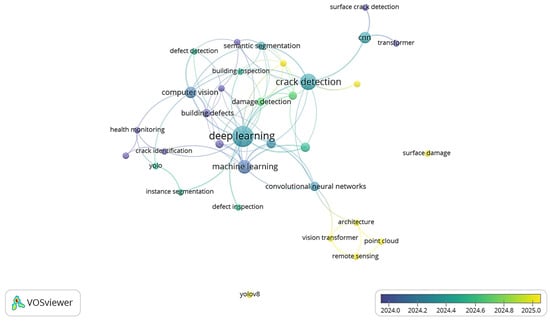
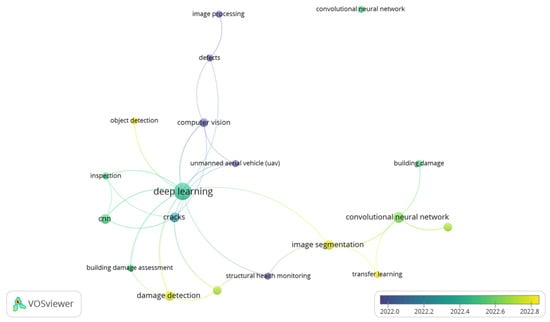
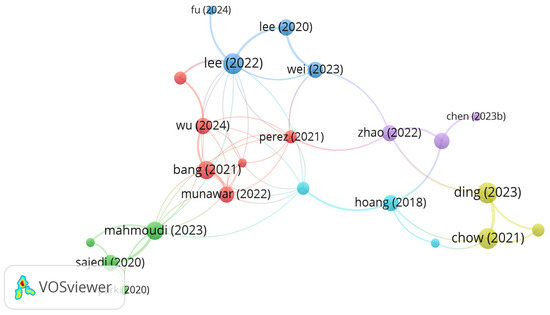
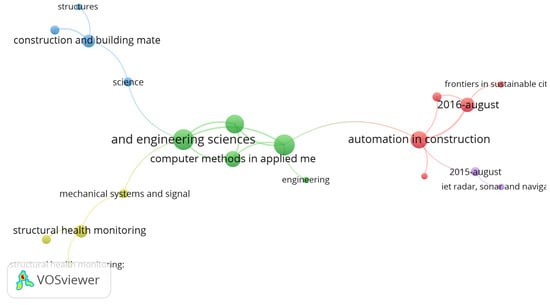
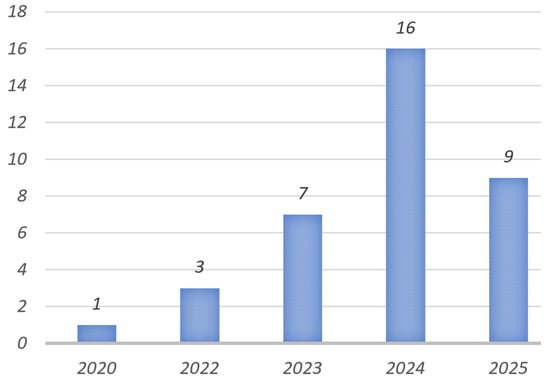
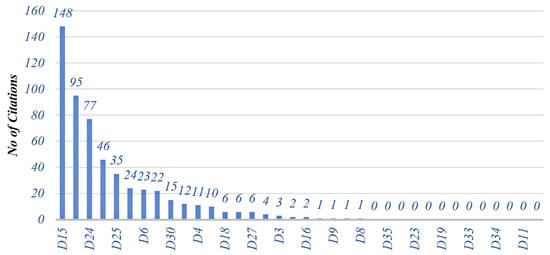
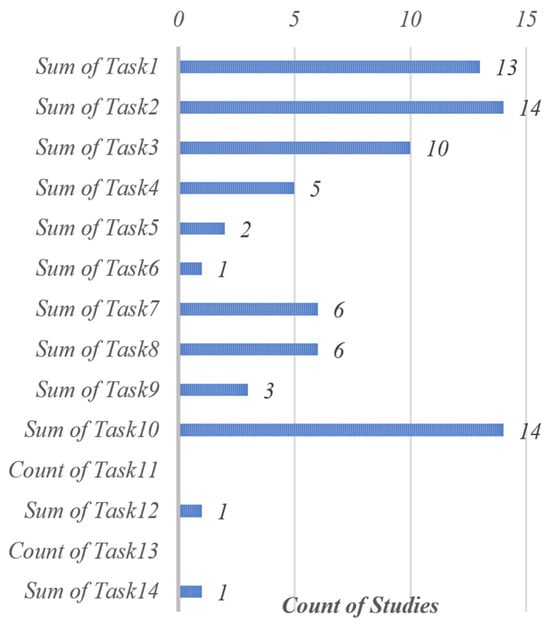
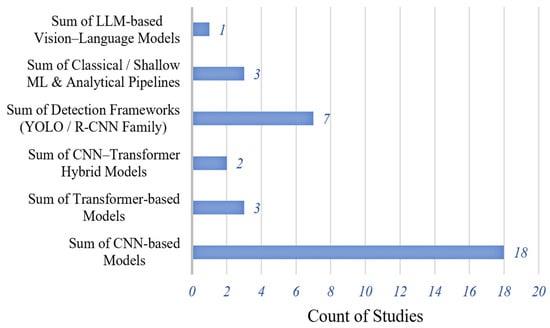
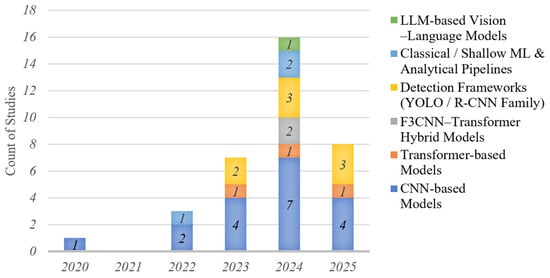
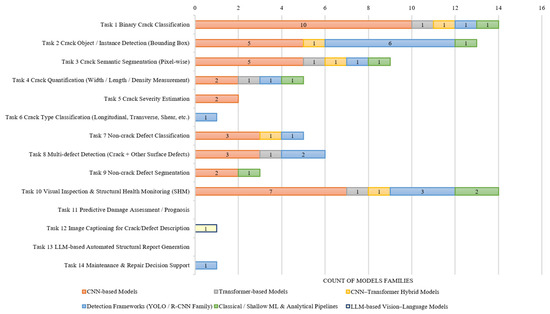
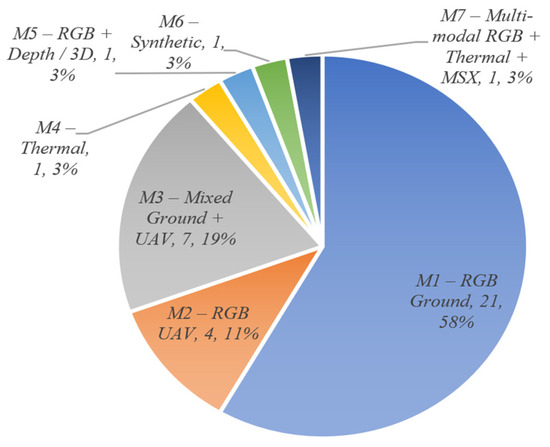
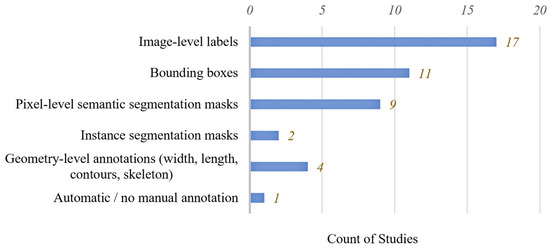
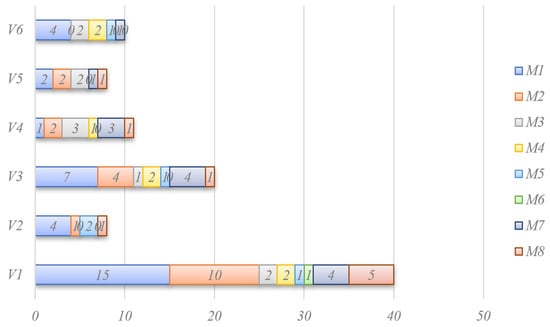
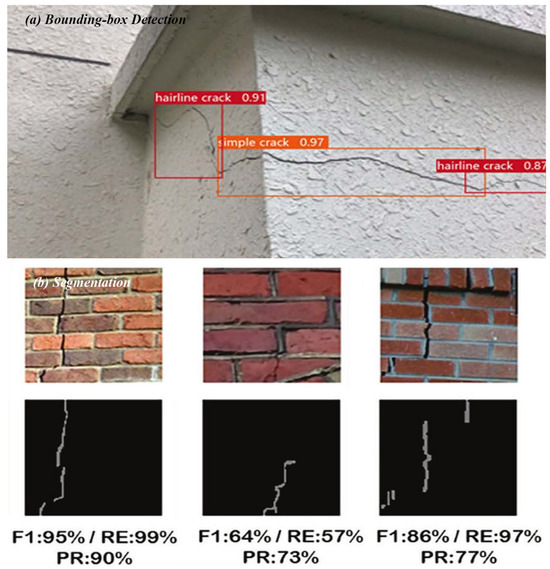
Artificial Intelligence (AI)-based crack detection in buildings uses computer vision and deep learning to automatically identify structural cracks from inspection images. In recent years, many studies have explored this topic, but the overall development of the field, its methodological practices, and the remaining challenges are still not fully clear. Unlike most previous reviews that focus mainly on technical methods, this study combines a large-scale scientometric mapping of the research field with a focused technical analysis of recent AI-based crack detection methods specifically applied to building structures. This study therefore provides a dual-layer review covering research published between 2015 and 2025. A total of 146 Scopus-indexed publications were analysed using Visualization of Similarities viewer (VOSviewer) to examine publication growth, thematic evolution, collaboration patterns, and citation structures. In addition, a focused technical review of 36 highly relevant studies was carried out to analyse task formulations, model families, datasets, evaluation protocols, and methodological practices. The results show a rapid increase in research activity after 2020, largely driven by advances in deep-learning and Unmanned Aerial Vehicle (UAV)-based inspections. At the same time, collaboration networks remain uneven, and citation influence is concentrated in a limited number of research communities. The technical review further shows that most studies focus on detection-level tasks, particularly You Only Look Once (YOLO)-based models, while predictive diagnostics, automated inspection reporting, and decision-oriented Structural Health Monitoring (SHM) are still rarely addressed. Current datasets and evaluation protocols also remain mostly perception-oriented, which makes it difficult to assess robustness, generalisability and long-term predictive capability. Full article
Show Figures

Figure 1

Back to TopTop