

Need Help?
Announcements
16 November 2021
Topical Advisory Panel Established to Support Editorial Board
Academic editors play a crucial role in leading our journals and ensuring that each article undergoes a robust and timely peer-review. With the launch of Topics this year and addition of Topic Editors to our family of academic editors, we decided it would be a good time to restructure our academic boards, thus providing more clarity and support for each role. MDPI is pleased to announce the launch of a new position—Topical Advisory Panel Member, that will replace the previous position of Topics Board Member. The Topical Advisory Panel will be comprised of early career researchers eager to gain experience in editorial work.
The main responsibility of the new members of the Topical Advisory Panel is to regularly provide support to Guest Editors, Topic Editors, and Section Board Members. The responsibilities of the Topical Advisory Panel are available here: https://www.mdpi.com/editors.
Each year, the members’ performances are evaluated, and outstanding members are promoted to the Editorial Board by the Editor-in-Chief.
To qualify as a Topical Advisory Panel Member, applicants must:
- Have expertise and experience in the field related to the journal;
- Have received a Ph.D. in the last 10 years, approximately;
- Have at least 6-8 published papers in the last 5 years as first author or corresponding author;
- Currently hold an independent research position in academia or a government institute.
If you are interested in this role, please contact the editorial office by email.
We look forward to hearing from you soon.
8 November 2021
Meet the Editors | Interview with Prof. Dr. Pedro Bullon— Section Editor-in-Chief of the Section “Rare Syndrome” in Diseases
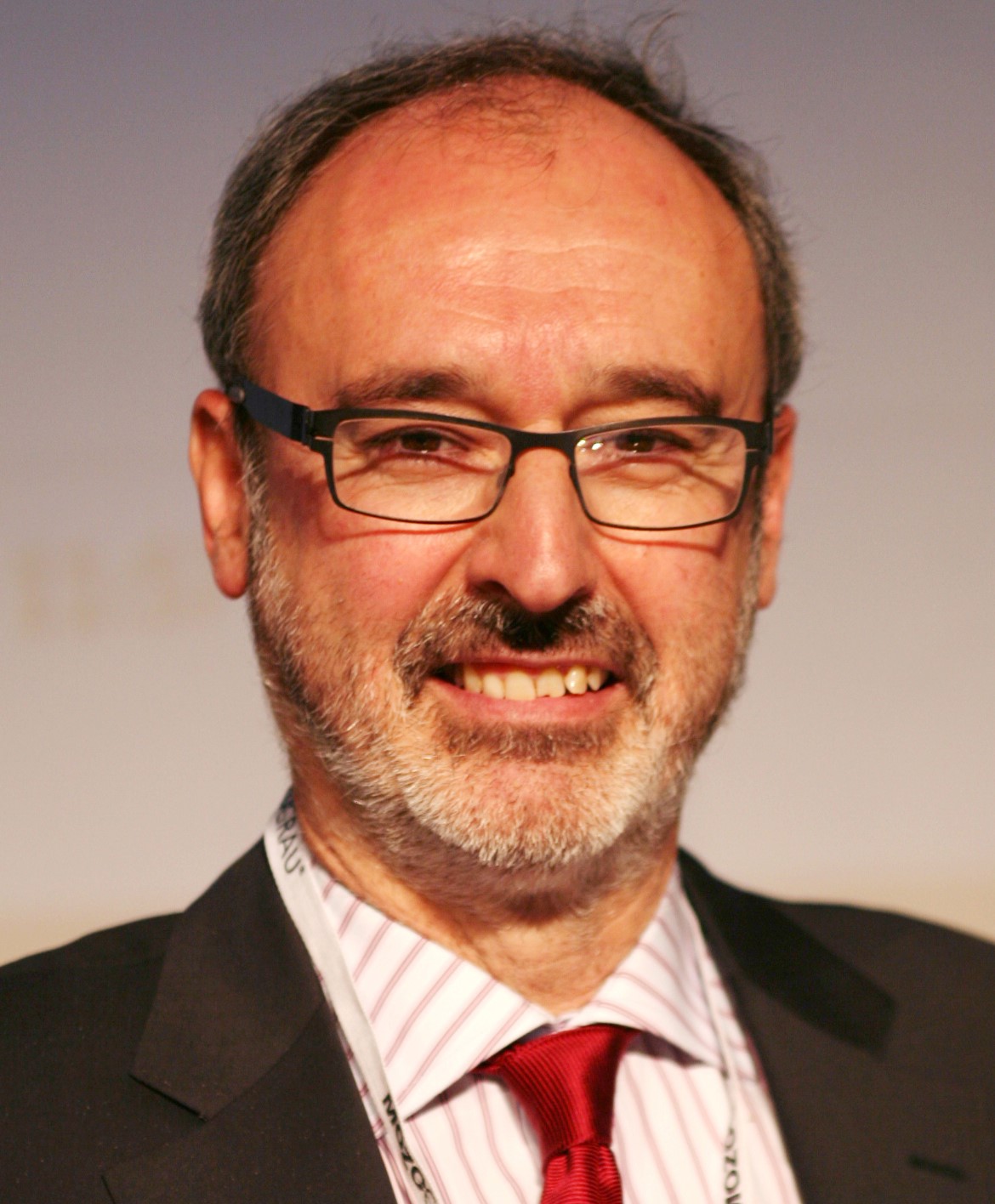
Thank you for accepting our invitation for the interview. We would like to interview you in two parts, mainly about your research work and editorial work. We believe your scientific experience would give some inspiration to the young researchers and your editorial experience will have a great impact on the development of science.
For your research work:
- Firstly, could you please introduce yourself simply?
I am chairman (catedrático) of Oral Diseases and Periodontology in the Dental School of the University of Sevilla. My academic training started with an MD degree and then a DDS degree. Additionally, I occupied the position of Dean of the Dental School of Sevilla for 14 years. My main duty is to train new dentists in the clinical and teaching aspects. I have had the opportunity to influence the way dentists are trained in the oral field with a lot of scholars. Also, I have contributed to research that aims to apply medical and biological principles to oral diseases.
- What got you interested in scientific research in the first place?
My main objective was to integrate systemic health in the oral field. Very often, oral diseases are not taken into consideration in systemic health. A degree in Odontology is an independent qualification from a Medicine degree. The teaching of dentistry does not cover concepts of systemic health in sufficient detail. Dentists should not forget that the mouth is part of the body; it is integrated into a very complex organism. Now, the population is aging; most of our patients are 50 years old or older, and the majority suffer systemic diseases that require drugs to treat them. Also, the oral cavity can show us symptoms of systemic diseases and it is very easy to access for exploration. So, dentists should be trained to think about these aspects and diagnose them. For instance, periodontal disease is considered an infectious disease with an inflammatory damaging mechanism. Now, a lot of systemic diseases, such as diabetes, cardiovascular disease, and rheumatoid arthritis, are associated with periodontitis. Inflammation is the meeting point behind many non-communicable diseases that nowadays are the first cause of death. All of these points initially constituted my main scientific research. I consider them to be the future in developing dentistry to meet the requirements of patients.
- Can you briefly describe your research and summarize it in several keywords?
I integrate both the physiological and biological perspectives in oral diseases. So, my keywords that define my research are: periodontitis, oral diseases, systemic relationship to oral diseases, cardiovascular disease and periodontal disease, diabetes, and periodontal disease, cellular metabolism, metabolic disorder, autophagy, AMPK, lysosomal disorder, and mitochondrial disorder.
- Can you share your career development story briefly? For example, what cases have influenced you the most?
The entirety of my career was developed in the academic field. I have been involved in teaching and research in the university environment for 40 years. The case that influenced me most deeply was a girl suffering a Papillon–Lefevre syndrome. She suffered dermatological hyperkeratotic lesions and advanced periodontitis. Her brothers and sisters also displayed the syndrome with different manifestations. It was impossible to treat the periodontal disease and both sisters lost all their teeth. Many years later, with the development of new technologies, we demonstrated that autophagy and lysosomal disorder were the main mechanisms behind the disease. The involvement of systemic health and cellular metabolism in oral diseases is my main field of interest. We have published papers exploring the relationship between cardiovascular disease and diabetes with periodontitis.
- As a researcher in rare syndromes, what valuable suggestions would you like to share with young scholars in terms of research topic selection?
Scholars need to consider the patient as a whole and look at what is going on behind the mouth; it is a very complex organism with a lot of questions without an answer. It is a very exciting challenge that will guide the future of dentistry. The oral cavity is very accessible for exploration, and usually, rare syndromes have oral manifestations. It is understood that we have to deal with it, and we could be the first health workers to diagnose a systemic disease. Sometimes, we could be responsible for saving the lives of our patients or improving their health conditions.
- What do you think are the most important characteristics of the researchers? Do you have any suggestions for young researchers?
The most important characteristic for researchers to have is the motivation to obtain answers for the needs of our patients. So, I suggest young researchers try to establish the causes behind any diseases, which may guide and improve the outcomes of our treatment. These aspects involve the biological and physiological mechanisms that control our body. The diseases take place in an organism and all of them share similar physiological mechanisms.
For your editorial work:
- What attracted you to join the academic editor team of Diseases/MDPI?
Diseases is an open-access journal that tries to focus on the multidisciplinary point of view. It focuses on the latest and most outstanding research on diseases.
- What do you think of the future of our journal Diseases?
I think is the aim of the journal is outstanding. Nowadays, a high degree of specialization exists in health science and we need to integrate different knowledge to improve our treatment outcomes.
- What perspective do you think the section “Rare Syndrome” will bring to the related fields?
Now, there is an increasing growth in the number of rare syndromes. New scientific tools allow us to differentiate between different diseases. All of them need a specific diagnostic and treatment. The section “Rare Syndrome” can give new clues about the metabolic mechanisms behind the behavior of these diseases.
- What have you gained from the editorial work?
The editorial work has allowed me to gain different perspectives from researchers all over the world.
- How do you improve your academic writing ability?
I am grateful to contribute to the enhancement of scientific endeavors in the field of Rare Syndromes with rigor.
- What do you think about the development of open access in the publishing field? How do you respond to open-access sceptics?
In a deeply interconnected world, we have access to a lot of information and can share data and findings with all researchers. In the future, I think almost all research papers will be published in an open-access way.
25 October 2021
Open Access Week 2021 | It Matters How We Open Knowledge: Building Structural Equity, 25–31 October
Founded in 1996, MDPI was one of the first fully Open Access publisher. Over 25 years MDPI has grown to become the largest Open Access publisher globally, publishing over 160,000 articles across more than 350 journals in 2020. At the core, MDPI was founded in response to a pressing need of fast publication and inclusion. The scholar was set at the centre of the publication process for the first time. Acting as a service provider, rather than a product provider, MDPI exists to help scientists achive their objective to disseminate research results. At MDPI, we believe scientists deserve a better service from the publishing world.
The International Open Access Week (Open Access Week), founded by the SPARC (the Scholarly Publishing and Academic Resources Coalition) Alliance and student partners in 2008, has been successfully running for 13 years. As an advocate and pioneer of open access publishing, MDPI actively responds to the call of International Open Access Week. This year’s theme of “It Matters How We Open Knowledge: Building Structural Equity” highlights the Recommendation’s call for equitable participation from all authors and readers.
For the last 25 years, MDPI has been committed to disseminating open research. Here is a video showing MDPI’s Commitment to Equity, Inclusion and Diversity for More than 25 Years.
International Open Access Week is an important opportunity to catalyze new conversations, create connections across and between communities that can facilitate this co-design, and advance progress in the building of more equitable foundations for opening knowledge—discussions and actions that need to be continued, year in and year out. MDPI has always aimed to provide professional and efficient publishing services to scholars around the world.
Our mission is to make scientific research accessible to everyone; this year, we interview and hold discussions with open science ambassadors on how to build an equal and inclusive environment for open science. Academic editors help us collaborate with more institutions to advocate for open access ideas.
Besides this, our scientific community is a key driver of our success and MDPI’s remarkable growth. Despite the pandemic, we have prepared online conferences and workshops to gather scholars from different communities.
The Basel Sustainable Publishing online forum provides an equal opportunity for stakeholders and researchers from multi-cultural environments to exchange ideas and eliminate barriers to participation.

Conference date: 25 October 2021, online
Conference website: https://bspf2021.sciforum.net/
Main topics: MDPI discusses the current dilemma of open access science from various perspectives such as governments, libraries, and publishers, and related measures on how to change the status quo of discrimination from a global perspective.
We aim to support equality, inclusion, diversity, and accessibility in scholarly communications. We collaborate with universities and key laboratories and have scholarly communications with researchers, teachers, and students on open access workshops.

- 25 October 2021
Energies journal and Institute of Mechanics, Chinese Academy of Sciences
- 28 October 2021
Machines journal and State Key Laboratory of Traction Power, Southwest Jiaotong University
- 29 October 2021
Processes journal and Beijing Institute of Technology
- 29 October 2021
Coatings journal and Wuhan University of Technology
MDPI is committed to providing open access and high-quality publishing services for scholars and promoting rapid dissemination of academic achievements. We hope to promote the practices and policies of open access publishing and diversify the dissemination of academic achievements.
18 October 2021
Meet the Editors | Interview with Prof. Dr. Marwan El Ghoch—Editorial Board Member in Diseases
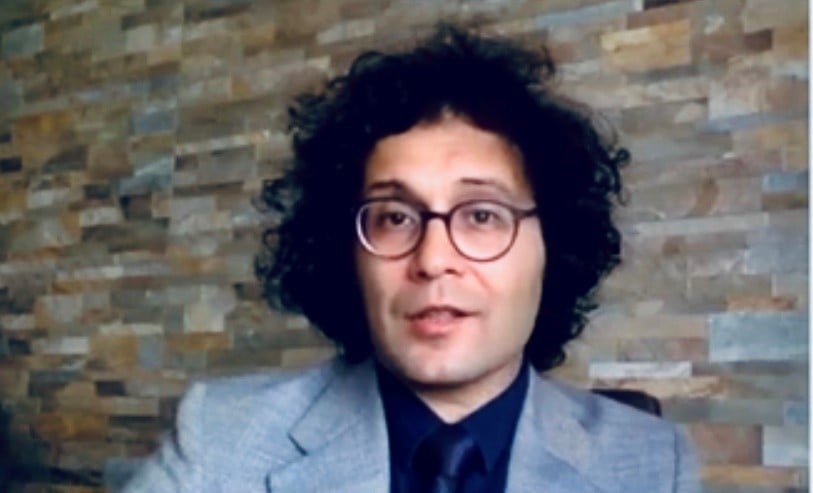
Thank you for accepting our invitation for the interview. This interview will have two parts, mainly regarding your research and editorial work. We believe your scientific experience would give some inspiration to young researchers and your editorial experience will have a great impact on the development of science.
Part I— Regarding your research work:
- Firstly, could you please introduce yourself?
I earned my degree in Medicine and Surgery from the Alma Mater Studiorum – University of Bologna (Italy), and a degree in Clinical Nutrition from the School of Food Science – the University of Modena and Reggio Emilia (Italy). From 2005 until now, I have been practicing in the field of obesity and eating disorders in several settings (inpatient, day hospital, and outpatient) in Northern Italy (mainly the Emilia Romagna and Veneto regions). Moreover, I am a Full Professor and Head of the Department of Nutrition and Dietetics at Beirut Arab University (Lebanon). I was recently qualified as a European Clinical Fellow by the European Association for the Study of Obesity (EASO).
- What got you interested in scientific research in the first place?
My interest is specifically in clinical research, which primarily aims to fill the gaps that clinicians may face during their clinical practice and to improve treatment outcomes.
- Can you briefly describe your research and summarize it in several keywords?
My current research is focused on body composition, energy expenditure, physical activity, and health-related quality of life, as well as treatment outcomes in clinical settings for eating disorders and obesity.
- Can you share your career development story briefly? For example, what cases have influenced you the most?
Since I have always been fascinated by the study of body composition models in humans, the last decade of my career can be distinguished by two main parts: the first was the research that I conducted on body composition in patients with anorexia nervosa, which extensively clarified several aspects of the changes in body fat, skeletal muscle and bone mass in this population. The second was the research I conducted which led to a better understanding of the new phenotype termed “sarcopenic obesity”, especially its impact on attrition, weight loss, and maintenance outcomes during obesity management programs.
- As a researcher in obesity, what valuable suggestions would you like to share with young scholars in terms of research topic selection?
On a general note, I discourage young researchers from publishing only to increase their number of publications, or to seek promotion, etc. I advise them to focus on a few topics and think about how to produce results with a relevant scientific impact and clinical implication. Specifically, in the field of obesity, we still need to study and understand the obstacles behind the lack of weight-loss maintenance in the long term (i.e., after three to five years) regardless of the nature of the treatment, which occurs in the majority of patients with obesity.
- What do you think are the most important characteristics of researchers? Do you have any suggestions for young researchers?
A successful investigator has to consider research as a lifestyle, to which they dedicate a lot of time, at least in the initial stages, and this needs to be driven by high motivation and passion. In addition, accuracy and scientific honesty are two key elements that are rewarding in the long term.
Part II—Regarding your editorial work:
- What attracted you to join the academic editorial team of Diseases?
I think that during the career of any researcher at a certain point they should join the academic editorial team of a reputable journal released by a prestigious publisher, and this was what attracted me to join Diseases as an academic editor.
- What do you think of the future of our journal Diseases?
I am quite convinced that our journal is on the right track, always growing with more and more success, as with other journals released by MDPI.
- What have you gained from editorial work?
The role of an academic editor is important and has a certain responsibility towards the scientific community. The editorial work taught me a lot about how things happen on the other side, as opposed to what authors usually see. Moreover, it keeps me regularly exposed to the most recent research conducted in my field.
- How do you improve your academic writing ability?
Initially, you should find a tough mentor who teaches you the art. After that, the only way to improve your academic writing ability is to write, write and write daily, especially in the early stages of your career. Last but not least, take into consideration and follow the peer review comments that you receive on your manuscripts, considering them as an opportunity to improve your manuscript in general, which automatically positively impacts your writing ability.
- What do you think about the development of Open Access in the publishing field?
I think it is the future. Simply put, science should be available to all, regardless of any conditions.
- How do you respond to Open Access skeptics?
Firstly, it is widely known that Open Access science articles are read and cited more often than articles available only to subscribers, and this is one of the most important goals that any researcher seeks. Secondly, I disagree with those who say that it is easier to publish in an Open Access journal. For instance, in my long experience with MDPI as an author, I only have a 40% acceptance rate among all the articles that I have submitted so far. That is to say, it is not that easy to publish in MDPI journals.
23 September 2021
2020 MDPI Top Reviewer Award—Winners Announced

Rigorous peer-review is the cornerstone of high-quality academic publishing. Over 369,916 scholars served as reviewers for MDPI journals in 2020. We are extremely appreciative of all those who made a contribution to the editorial process in this capacity. At the beginning of every year, journal editorial offices publish a list of all reviewers’ names to express our gratitude. In addition, this year, the MDPI Top Reviewer Award was announced, to recognize the very best reviewers for their expertise and dedication, and their high-quality, and timely review reports. We are pleased to announce the following winners of the 2020 MDPI Top Reviewer Award:
- Adriana Burlea-Schiopoiu;
- Alban Kuriqi;
- Álvaro González-Vila;
- Alessandro Alaimo;
- Alexey Beskopylny;
- Alexander Yu Churyumov;
- Alberto Fernández-Isabel;
- Andrea Mastinu;
- Antonios N. Papadopoulos;
- Anton Rassõlkin;
- Antonio Humberto Hamad Minervino;
- Arkadiusz Matwijczuk;
- Artur Słomka;
- Baojie He;
- Bartłomiej Potaniec;
- Bojan Đurin;
- Camilo Arturo Rodriguez Diaz;
- Carmelo Maria Musarella;
- Chiachung Chen;
- Chiman Kwan;
- Cristian Busu;
- Danil Pimenov;
- Dan-Cristian Dabija;
- Delfín Ortega-Sánchez;
- Demetrio Antonio Zema;
- Denis Butusov;
- Elena Lucchi;
- Gaurab Dutta;
- Livia Anastasiu;
- M. R. Safaei.
For more information about how to become a reviewer of MDPI journals, please see: www.mdpi.com/reviewers.
22 September 2021
MDPI Joins SDG Publishers Compact

UN's 17 Sustainable Development Goals (SDGs) are the blueprint to achieve a better and more sustainable future for all. In 2020 the SDG Publishers Compact was launched, aimed to inspire publishers and accelerate progress to achieve the 17 goals by 2030. Members of the programme are committed to support the publication of materials that will promote and inspire actions towards SDGs.
MDPI is an eager advocate of SDGs and has already been supporting the programme by creating Special Issues and publishing a series of books on SDGs prior to joining the Compact in 2021. MDPI's Sustainability Foundation initiated the World Sustainability Awards in 2016. We fully support UN's goals to promote sustainable actions that make the world a better place for all and, as part of its commitment, we will focus our actions on SDG10: Reduced Inequalities whilst promoting all 17 SDGs. For more details, please visit the programme’s website: https://www.un.org/sustainabledevelopment/sdg-publishers-compact/.
Joining this initiative was a unanimous decision. MDPI has in its core values the dissemination of science for all, breaking the wall between research access and under-represented members of the scientific community and the general population. To support this initiative further and continue to support under-represented scientists, MDPI will take a series of actions that will be announced once ready.
The first action MDPI takes is to nominate Dr. Liliane Auwerter as the coordinator of the programme. Dr. Auwerter studied Environmental Process Technology (UTFPR, Brazil), obtained her MSc degree in Water and Environmental Engineering (University of Surrey, UK) and in 2020 completed her PhD in self-healing low-friction materials for water transport (Imperial College London, UK), always focusing on diverse scientific projects that would potentially bring sustainability to industrial processes. As a student in Brazil, she engaged in volunteering activities focused on environmental education and took part in the Millennial Development Goals meetings held at the university.
For more information, please contact:
Dr. Liliane Auwerter
Scientific Officer
liliane.auwerter@mdpi.com
16 September 2021
Meet the Editors | Interview with Prof. Dr. Arrigo Cicero—Editorial Board Member of the Section “Cardiology” in Diseases
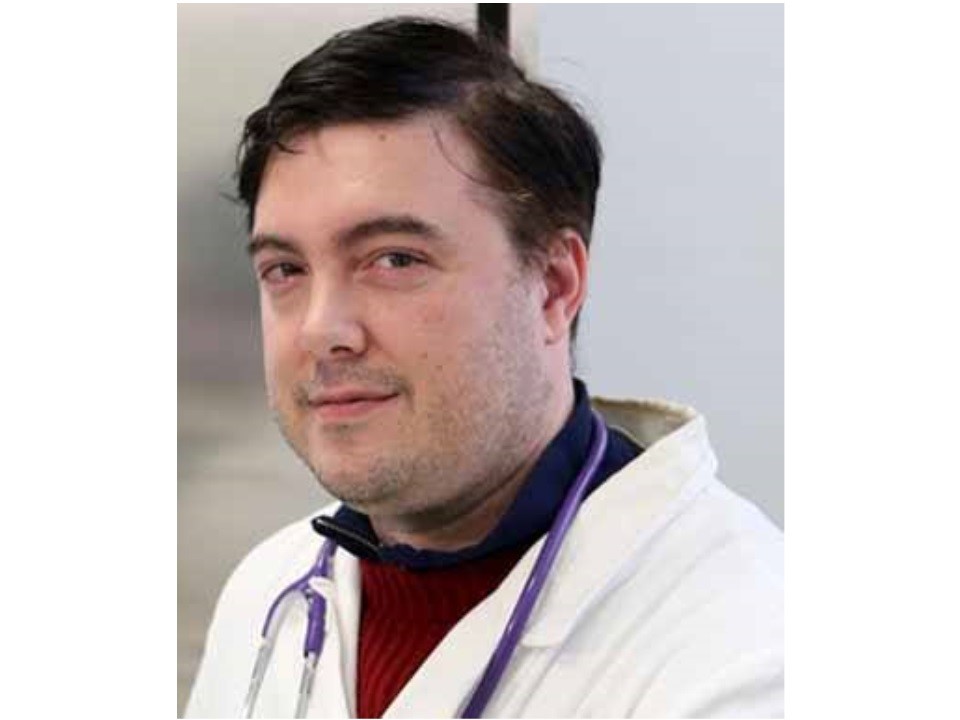
Thank you for accepting our invitation for the interview. This interview will have two parts, mainly concerning your research and editorial work. We believe your scientific experience can provide inspiration to young researchers and your editorial experience will have a great impact on the development of science.
Part I—Regarding your research work:
- Firstly, could you please introduce yourself?
I am Arrigo F. G. Cicero, M.D., Ph.D., Prof. of Human Nutrition at the University of Bologna, Italy; board certified in Clinical Pharmacology, and internal medicine consultant.
- What got you interested in scientific research in the first place?
I like to understand mechanisms and find solutions. And I hope to contribute to new discoveries that can improve the health of people.
- Can you briefly describe your research and summarize it in several keywords?
I am mainly involved in clinical epidemiology and clinical research on cardiometabolic risk factors, with a particular focus on hypertension and lipid disorders, and their management with lifestyle changes, dietary supplements and drugs.
- Can you briefly share your career development story? For example, which cases have influenced you the most?
I started my medical carreer with a dissertation on the epidemiology of familial combined hyperlipoproteinemia, then I attained a board certification in Clinical Pharmacology and a Ph.D. on experimental medicine for the treatment of atherosclerosis. Currently I am professor of human nutrition and president of the Italian Nutraceutical Society. The cases that have influenced me the most were my first case at the lipid outpatient clinic of the University of Bologna, and my father, who suffered from the disease, because each possible cardiovascular complication relates to chronic kidney disease.
- As a researcher in cardiology, what valuable suggestions would you like to share with young scholars in terms of research topic selection?
I would suggest the young researchers to focus on the new paradigm of cardiovascular disease prevention, where young doctors should face the interaction between more intriguing preventive drugs in the field of dyslipidaemia and type 2 diabetes.
- What do you think are the most important characteristics of researchers? Do you have any suggestions for young researchers?
Be open minded but follow one main research line! Moreover, learn to statistically analyze your data, at least in the early stages, in order to be independent and to follow the direction of your research.
Part II—Regarding your editorial work:
- What attracted you to join the academic editor team of Diseases?
MDPI is a very dynamic group and almost all the medical journals of the group had a very quick increase in IF.
- What do you think of the future of our journal Diseases?
Diseases will have a positive growth, as will many other MDPI medical journals, with the help of a great Editor-in-Chief and editorial board.
- What perspective do you think the section “Cardiology” will bring to the related fields?
The wide scope of the section will attract many papers, especially the multidisciplinary ones.
- What have you gained from the editorial work?
I had the possibility to read interesting papers before they are published and I developed a more critical method to focus on text and data.
- How do you improve your academic writing ability?
I simply read great papers from experts and known authors and train myself by writing different kind of papers.
- What do you think of the development of Open Access in the publishing field? How do you respond to Open Access skeptics?
Open Access has increased the speed of publication and the possibility of researchers from all over the world to read scientific literature. However, it discriminates authors who do not have the support to pay for the Open Access option, especially those from poor countries, but also young researchers. If the skeptics raise this point, I have no answer, since it is true.
10 September 2021
Meet the Editors | Interview with Prof. Dr. Antonio Giordano—Editorial Board Member of the Section “Oncology” in Diseases
Thank you for accepting our invitation for the interview. This interview will have two parts, mainly about your research and editorial work. We believe your scientific experience is likely to inspire young researchers and your editorial experience will have a great impact on the development of science.
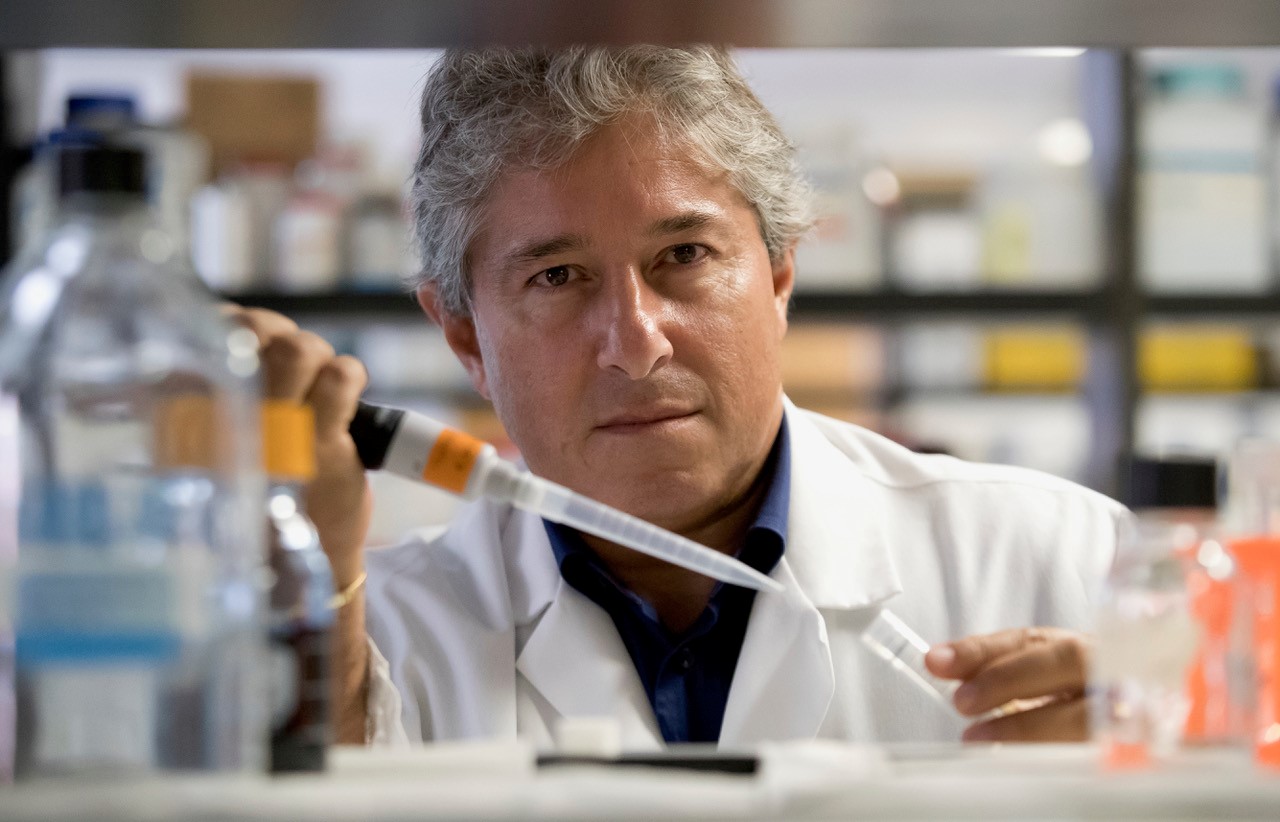
Part I — Regarding your research work:
- What got you interested in scientific research in the first place?
I first have to say that my father Dr. Giovan Giacomo Giordano, who was a physician/scientist, sparked my interest in medicine at an early age. I have always been curious and a very hard worker in my studies so it seemed like a natural fit.
- Can you briefly describe your research and summarize it in several keywords?
Overall, my research is focused on three main areas: understanding the links between the cell cycle, cell proliferation and cancer; determining the cancerous effects of environmental contamination; and researching the association between obesity, diet, and cancer. In these areas, I have over 600 peer reviewed publications and over 20 US patents on cell cycle inhibitors and gene therapies for various tumor types. Specifically, I isolated the tumor suppressor RB2/p130 gene, later showing how the same gene, introduced through a retrovirus in some animal models, is able to reduce the growth of tumors. However, through SHRO, we have increased our research portfolio to include the study of neurologic diseases, such as Alzheimer’s, as well as diabetes.
In addition, I identified the direct link between cell cycle regulation and cancer development. More specifically, I have been able to demonstrate that normal cells become neoplastic when oncogenes interact directly with the cyclins, leading to a deregulation of the cell cycle and, consequently, to the onset of the neoplastic phenotype. Subsequently, I discovered three important "guardians" of the human genome: CDK9, CDK10 and the NSPs (Novel Structure Proteins), a new protein structure with a potential role in the dynamics of the nucleus during cell division. One particular protein, Isoform NSP5a3a, is highly expressed in the cell lines of some tumors and could turn out to be a very useful tumor marker.
In recent years, I have focused my efforts on studying the relationship between cancer and environmental pollution in the Italian region of Campania, linking my career as a researcher to that of a science communicator. I was among the first to report an increased incidence of various types of cancer in populations near illegal toxic waste sites. I have published numerous findings including the link between cancer and multiple types of toxins attributed to landfill waste, such as reporting high levels of cancer-causing dioxins in surrounding wildlife and high levels of heavy metals in cancer patients from the region.
Not only have I published scientific articles on this subject, but I have also committed myself to making these data known through two books on the subject, "Campania, terra di veleni" (translated as “Campania: Land of Fires”) and "Monnezza di stato", edited by Denaro Libri and Minerva, respectively. The former was also produced as a movie. The publications launched a petition to protect the environment, signed by over 500 researchers and people from various professional sectors. I have also promoted numerous non-profit initiatives aimed at safeguarding the environment and human health. (For more information on Antonio Giordano's contribution to the topic of Health and the Environment, please see the interview by temple university press (https://news.temple.edu/publications/temple-magazine/2015/winter/land-poison-and-fire).)
As I mentioned earlier, my father instilled in me a deep sense of social responsibility and I felt this needed to be communicated to the public, regardless of the sensitive nature of the findings (the pollution in this area has always been attributed to an “ecomafia” and so reporting on it is a very touchy matter).
Recently, I was appointed Technical Consultant of the Public Prosecutor's Office of Avellino for the Isochimica case and Scientific Director of the Mediterranea—Food and Wine Academy of Naples. I have reported on the anticancer properties of tomatoes and have investigated the beneficial aspects of the Mediterranean diet with respect to cancer and obesity.
Some keywords include: cell cycle; cancer; pRB2/p130; CDK9; mesothelioma; gene therapy; genetics; environment
- Can you share your career development story briefly? For example, which cases have influenced you the most?
I have to give credit to three people who were extremely influential in my formation as a scientist, clinician, and head of an international research organization.
Firstly, to my father, Dr. Giovan Giacomo Giordano, who was a doctor and professor of pathological anatomy at the University of Naples. Over the course of his professional career, he became aware of the need to broaden his horizons and to confront other scientific realities. This is how he began to establish scientific collaborations with colleagues from other countries. Then, when I told him that I was going to become a doctor, despite being a student, he offered me the opportunity to spend my summer vacation in the United States. At the age of seventeen, I became very passionate about the American reality: I learned the language and after specializing in Pathological Anatomy at the University in Trieste, I moved to the USA to obtain my doctorate. So, at an early age, I could not have had a better mentor, who not only instilled in me that scientific curiosity and passion for medicine which every scientist/clinician needs, but a sense of ethical responsibility in science and medicine. For this, SHRO honors him at the annual National Italian American Foundation medical conference, by awarding the Giovan Giacomo Giordano Foundation and National Italian American Foundation Award for Ethics and Creativity in Medical Research each year.
The second person would be the Nobel Prize winner Dr. James Watson, director of the prestigious Cold Spring Harbor Laboratory, where I undertook my postdoctoral work. He is one of the fathers of modern genetics and one of the authors of the discovery of DNA's double helix. During those years, I had to sacrifice a lot, as a young person living in a foreign country. I spent many a sleepless night in the laboratory. This is where I also learned how to have conviction in what I was doing. I remember how I would question results, asking more in-depth questions of my own research. This is how I eventually discovered the new RB2/p130 gene. Those years were not only formative for me as a scientist, but being and succeeding in such a high powered environment was a springboard for my career. I have to admit that since graduating, I have always been very focused on my work and the goals I wanted to achieve.
The third person has to be Mario Sbarro, the original founder of Sbarro Foods. I went to visit him, explaining my ideas regarding the birth of a scientific research institute. Mario Sbarro listened to me. We spoke to each other several times, and he decided to help me financially and provided me with a staff of professionals. I have a deep affection for Mario Sbarro and a great sense of gratitude for the trust that he placed in me many years ago. He remains an important person to me and to the organization that we have created.
In 1992, I moved to Philadelphia, and in 1993 the Sbarro Institute was born, which later became the Sbarro Health Research Organization, (SHRO): an organization dedicated to biomedical research that, for years, has been offering young and brilliant minds from all over the world the opportunity to realize their dream job. Indeed, from 1993 until today, I have had the privilege of training hundreds of students from all over the world. Many arrive skeptical and intimidated—and after a few years, to witness their success in scientific research is a great joy.
Part II—Regarding your editorial work:
- What attracted you to join Diseases as an editor?
MDPI has been a leader in academic publishing and is well respected among my scientific peers. The transparency of the editorial boards, the dedication and professionalism of MDPI staff and senior editorial boards, as well as the reviewers for each of the journals has garnered my admiration for this journal, as well as being the pivotal decision point in my joining the editorial team of Diseases.
- What have you gained from the editorial work?
I am grateful to assist on this editorial board and to contribute to the enhancement of scientific endeavor and rigor.
- How do you improve your academic writing ability?
Practice, practice, practice .... and through the wonderful reviewers that these groups of journals seek out. MDPI finds the best, brilliant, and fair reviewers of any family of journals I have worked with.
- What do you think the development of open access in the publishing field? How do you respond to open access skeptics?
Open access is critical for the rapid dissemination of scientific findings, especially in this time of technological advancement. Most skeptics of open access are actually competitors of the open access system who failed to change or alter their business model and now find themselves on the short end of the stick. These skeptical publishing houses are losing revenue and are unable to adapt to the changing world. I am glad to have the oppportunity to be associated with one of the leaders in open access, the MDPI family of journals.
31 August 2021
Meet the Editors | Interview with Prof. Dr. Chim C. Lang—Section Editor-in-Chief of “Cardiology” in Diseases
Thank you for accepting our invitation for the interview. We would like to interview you in two parts, mainly about your research work and editorial work. We believe your scientific experience would give some inspiration to the young researchers and your editorial experience will have a great impact on the development of science.
Part I — Regarding your research work:
1. Firstly, could you please introduce yourself?
Translational cardiologist with an interest in understanding the pathophysiology of cardiovascular diseases to help better define diagnostic and therapeutic strategies.
2. What got you interested in scientific research in the first place?
Early in medical school, I did an intercalated BMSc degree in pharmacology that got me interested in research. Over the years, I had many encounters with mentors who have developed and shaped my research and I am very grateful to all of them.
3. Can you briefly describe your research and summarize it in several keywords?
My research is patient-oriented and it takes a multidisciplinary approach to the understanding of the pathophysiology of cardio-metabolic diseases. The metabolic aspect is driven by the pandemic of diabetes and obesity worldwide. My integrated cardiovascular research laboratory is dedicated to translational research and in the development of biomarkers and novel treatment strategies in patients with cardiovascular diseases.
4. Can you share your career development story briefly? For example, what cases have influenced you the most?
As mentioned, I have had many key mentors who have influenced me. Early in my career I worked with Professors Struthers and McDevitt in Dundee who got me interested in cardiology and clinical pharmacology. After Dundee, I spent time as a Merck Fellow at Vanderbilt University working with Professors Alastair Wood and Dan Roden who introduced the concept of precision medicine and inter-individual variability in drug responses. I then returned to Malaysia at the University of Malaya to build and start my research program and help establish the now very successful Clinical Investigation Centre or CIC under the guidance of Dato Professor Anuar Zaini who is a diabetologist. I was also a Fulbright Scholar at Columbia University in New York working with Professors Donna Mancini and Milton Packer, who are giants in the field of heart failure research. I am very grateful to all of these mentors and there are other mentors that I have not been able to include. I am also very grateful to my patients and research fellows and team members who have inspired me.
5. As a researcher in cardiology, what valuable suggestions would you like to share with young scholars in terms of research topic selection?
I think research topic selection is driven by one’s passion and questions. Research pursuit is about answering key questions with good and relevant research methods that are capable of answering the research questions. The intellectual environent is important and one needs to work and collaborate with others.
Part II — Regarding your editorial work:
1. What do you think of the future of our journal Diseases?
The future of the journal in my opinion must be driven by integrity and quality.
2. How do you improve your academic writing ability?
Be open to new ways of communicating.
3. What do you think the development of open access in the publishing field? How do you respond to open access skeptics?
I think it is important to be transparent and responsive to criticisms. Research dissemination is very important and open access helps ensure research results are accessible to the public. I am of course concerned by the business interests of open access journals that must not influence the scientific reporting that must be rigorous.
19 August 2021
Meet the Editors | Interview with Prof. Dr. James Trosko—Editor Board Member of the Section “Oncology” in Diseases
Thank you for accepting our interview invitation. We would like to interview you in two parts, mainly about your research and editorial work. We believe that your 50+ years of scientific experience can inspire young researchers and that your editorial experience will have a great impact on the development of science.
Part I — Regarding your research work:
1. Firstly, could you please introduce yourself?
I was born to my immigrant parents from Hungary in 1938. Sadly, I never had any scientific role models. I was never good at music, visual arts, poetry, or sports, nor did I have any creative gifts. My main childhood experiences were in nature. Because of my inspiring high school science teacher, together with the historic timing of things and the serendipity of meeting unique individuals, I was awarded a scholarship, a cutting-edge educational program, in the philosophy and history of science. Due to these factors, and with a lot of personal sacrifices, I became resolved to try to solve some of the current human problems.
2. What got you interested in scientific research in the first place?
I grew up in western Michigan, USA, where I had access to Lake Michigan, many small lakes, rivers, swamps, and forests. My father and my high school biology teacher nurtured my interests in nature, wildlife, mushroom hunting, fishing, and having fish as pets in an aquarium. I engaged with nature all year round—with plenty of snow in the winter for skating and ice fishing, the spawning of fish, migration of birds in the spring and fall, and the fun of being around and in water in the summer, creating the sense of an integrated cycle of life. While no one in my family has ever served as a role model when it came to education, this childhood experience and my motivation to study science and Latin in grade school and high school, where I did well, seemed to suggest that becoming educated at university would actually meet my emotional and intellectual needs. However, because my parents were extremely poor, I did not believe that I would be able to enter higher education. The concept of science as a profession had little concrete meaning to me at the time. I really had no idea what scientific discipline I would even choose or how one becomes educated in a discipline. So, my interest in science and needing to find a way to fund my education were conflicting issues. Furthermore, being admitted to the university and actually staying on the course would be another problem altogether. This was where my first encounter with historic timing and serendipity allowed me to start my scientific career. In brief, the “Sputnik” was being launched while I was in my first year at university. At the time, I was about to drop out because of a lack of funding.
3. Can you briefly describe your research or summarize it in keywords?
My keywords would include: DNA damage and repair; mutagenesis: stem cell hypothesis of cancer; epigenetic toxicology; modulation of cell–cell communication: isolation of human adult organ-specific stem cells; nutrition and diets in modulating human health and diseases; collision of biological and cultural evolution; in utero modulation of development to cause diseases later in life; and bioethics/global bioethics.
4. As a researcher in cancer, stem cells and epigenetic mechanisms, what valuable suggestions would you like to share with young scholars in terms of research topic selection?
It might seem presumptuous for me to suggest a protocol to study any topic. First, in one’s training to be a rigorous and ethical scientist, learning the disciplines, major tenets and values, as well as a bit of history/philosophy of science, is a must! One cannot be a world-famous violin virtuoso if one does not practice the basics. Moreover, this is especially true today, but we should not rely only on techniques to be the future of science. It is much more important to ask, “What are the big problems to be solved today?”. Remember, techniques come and go. One can rarely solve any major complex problem by oneself.
In essence, science is a passion. You must have that “fire in your belly”, because more often than not, your progress will not be a series of victories. As a TV sports announcer once stated during the Olympics: “It’s the agony and the ecstasy!”. Science is not a “job”. It is a way of looking at the world that holds mysteries but with a means to solve them. Only through hard work and creative imagination can you achieve an answer. I do not remember who said this, but it is true: “As human beings, all individuals possess creativity. Both the humanists/artists and scientists can make a leap of the imagination. However, the humanist/artist has no obligation to land on solid ground. However, all scientists have that obligation to hit solid ground after their leap!”.
5. What do you think are the most important characteristics of researchers? Do you have any suggestions for young researchers?
The search for “truth” is the primary goal of all scientists. Never venture into falsifying your results. Scientific truths, no matter how long it takes, will always rise to nullify falsehoods. Moreover, remember that, if you are challenged by your peers, you should not be so committed to your ideas that you feel like they are attacking you. Furthermore, never attack another’s ideas in a manner that impugns their integrity. As my late mentor, Dr. Potter, once said in his Presidential Address to the American Association of Cancer Researchers: “Humility with Responsibility: A Bioethic for Oncologists”.
Part II — Regarding your editorial work:
1. What attracted you to join the academic editor team of Diseases at MDPI?
While I am only on a few editorial boards of scientific journals, I have reviewed manuscripts from many scientific journals that deal with cancer, stem cell biology, toxicology, various human disease disciplines. My intellectual interests have always been in an integrated or “Rosetta Stone-like” view of disease causation. For that reason, the journal Diseases embodies my general philosophy to find a unifying mechanism linking all human diseases.
2. What do you think of the future of our journal Diseases?
As long as it maintains rigor in its reviewers, and papers seeking to find links between diseases are constantly published, it should be able to compete with more specialized journals.
3. What perspective do you think the section “Oncology” will bring to the related fields?
Because the general topic of oncology is dealt with by so many highly ranked scientific journals (PNAS; Science; Nature; Cell; Cancer Research; Carcinogenesis; Cancer Letters, etc.), it does have a good chance of competing with them for top-notch cancer researchers, unless its papers on oncology say something that these other journals do not accept.
4. How do you improve your academic writing ability?
Trial and error, plus showing my drafts to two kinds of personal reviewers prior to submitting a manuscript: Expert non-science English scholars; and my peers.
