Article

Investigating the Role of FoxP3 in Renal Cell Carcinoma Metastasis with BAP1 or SEDT2 Mutation

1
Department of Urology, The First Affiliated Hospital of Xi’an Jiaotong University, Xi’an 710061, China
2
Oncology Research Laboratory, Key Laboratory of Environment and Genes Related to Diseases, Ministry of Education, Xi’an 710061, China
3
Key Laboratory for Tumor Precision Medicine of Shaanxi Province, Xi’an Jiaotong University, Xi’an 710061, China
*
Author to whom correspondence should be addressed.
These authors contributed equally to this work.
Int. J. Mol. Sci. 2023, 24(15), 12301; https://doi.org/10.3390/ijms241512301
Submission received: 25 June 2023 / Revised: 15 July 2023 / Accepted: 28 July 2023 / Published: 1 August 2023
(This article belongs to the Section Molecular Oncology)

Abstract

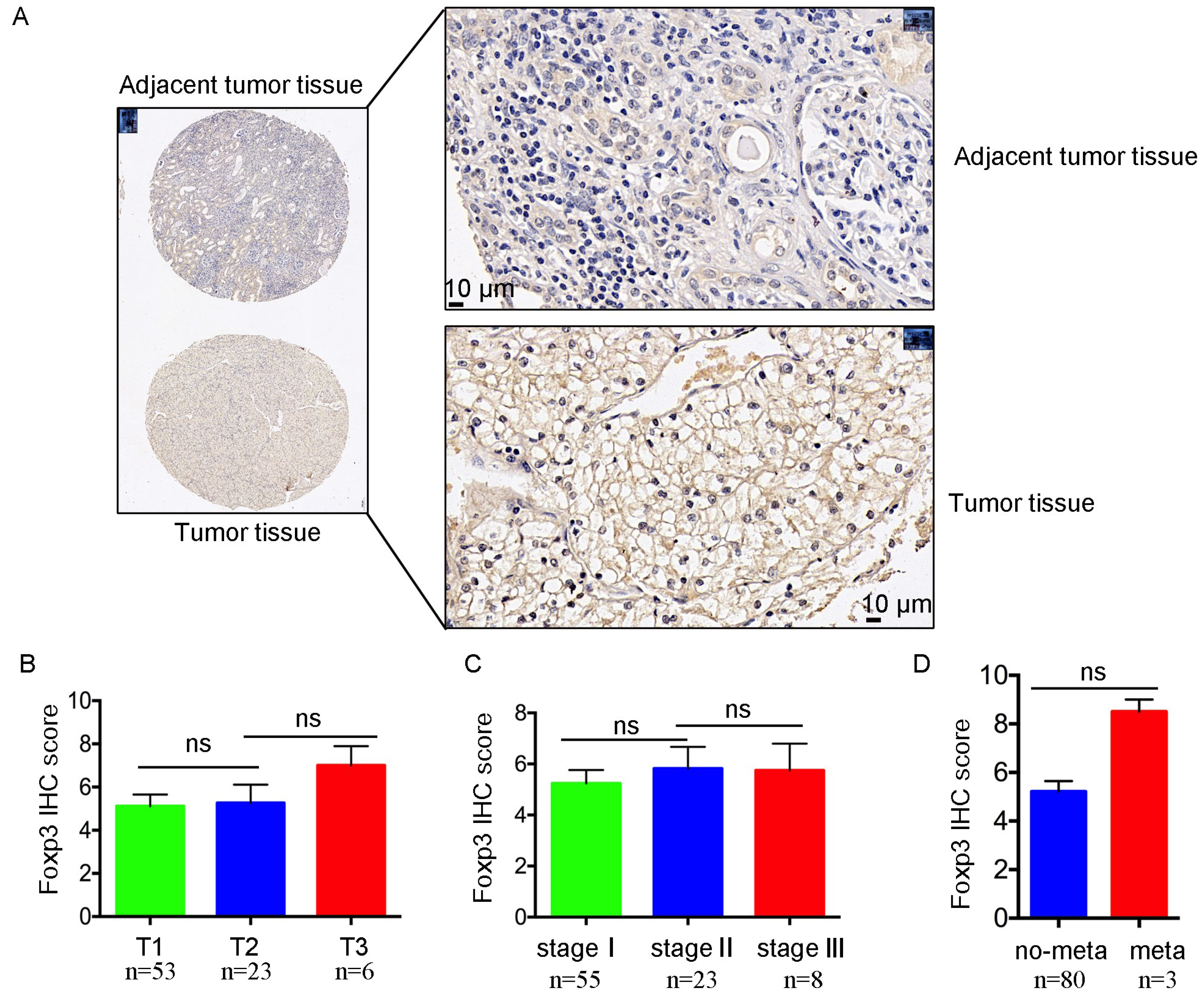
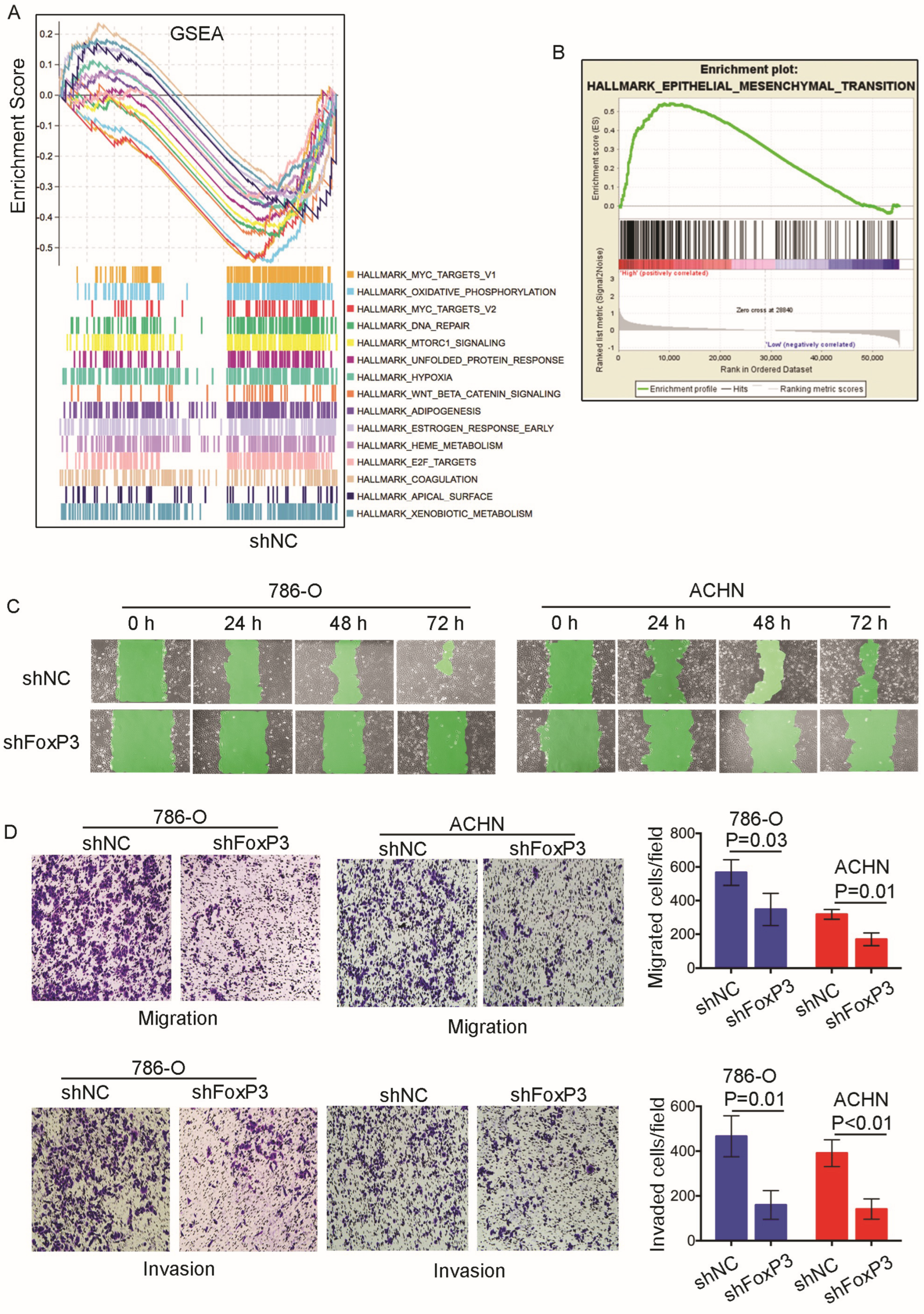
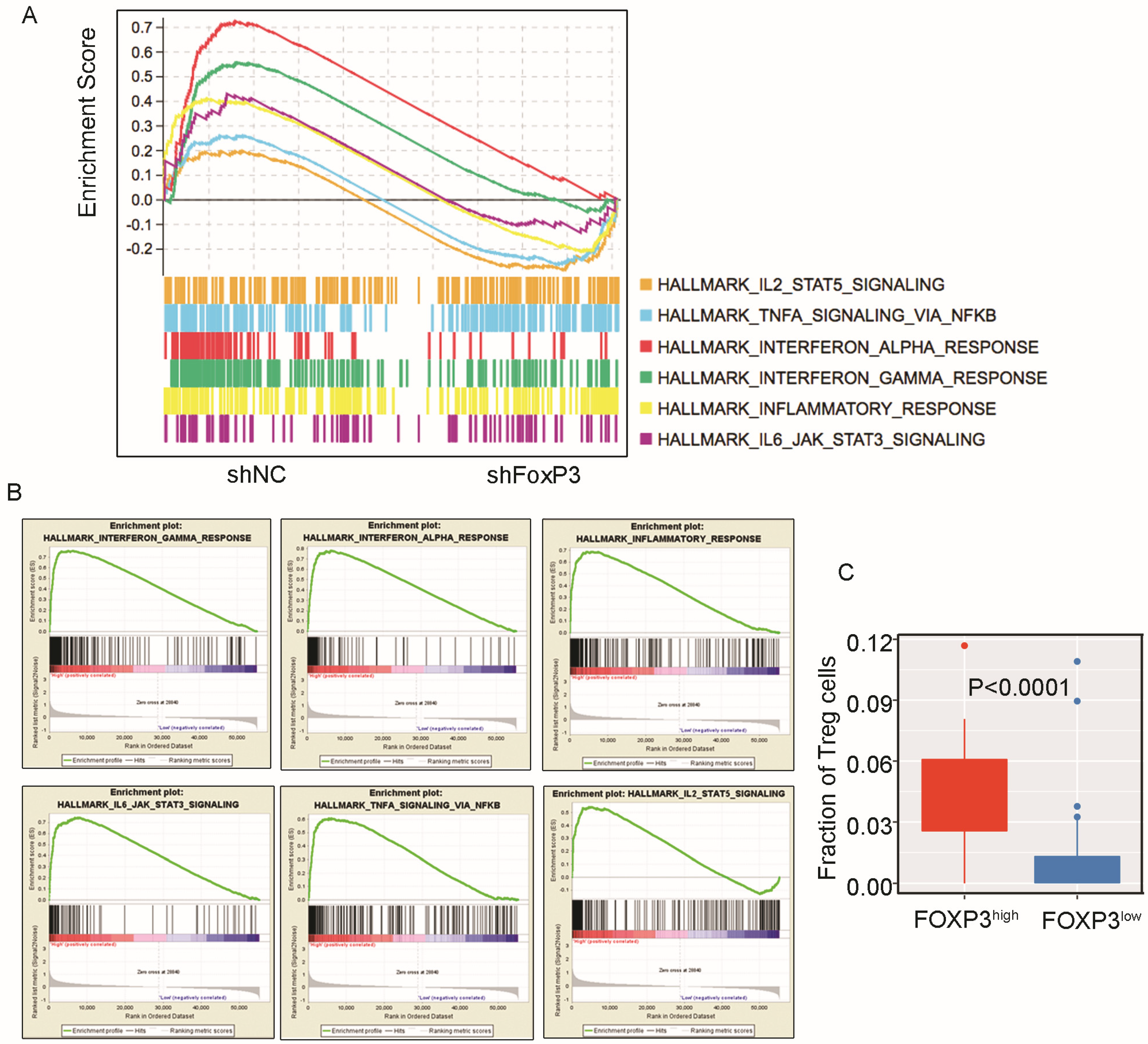
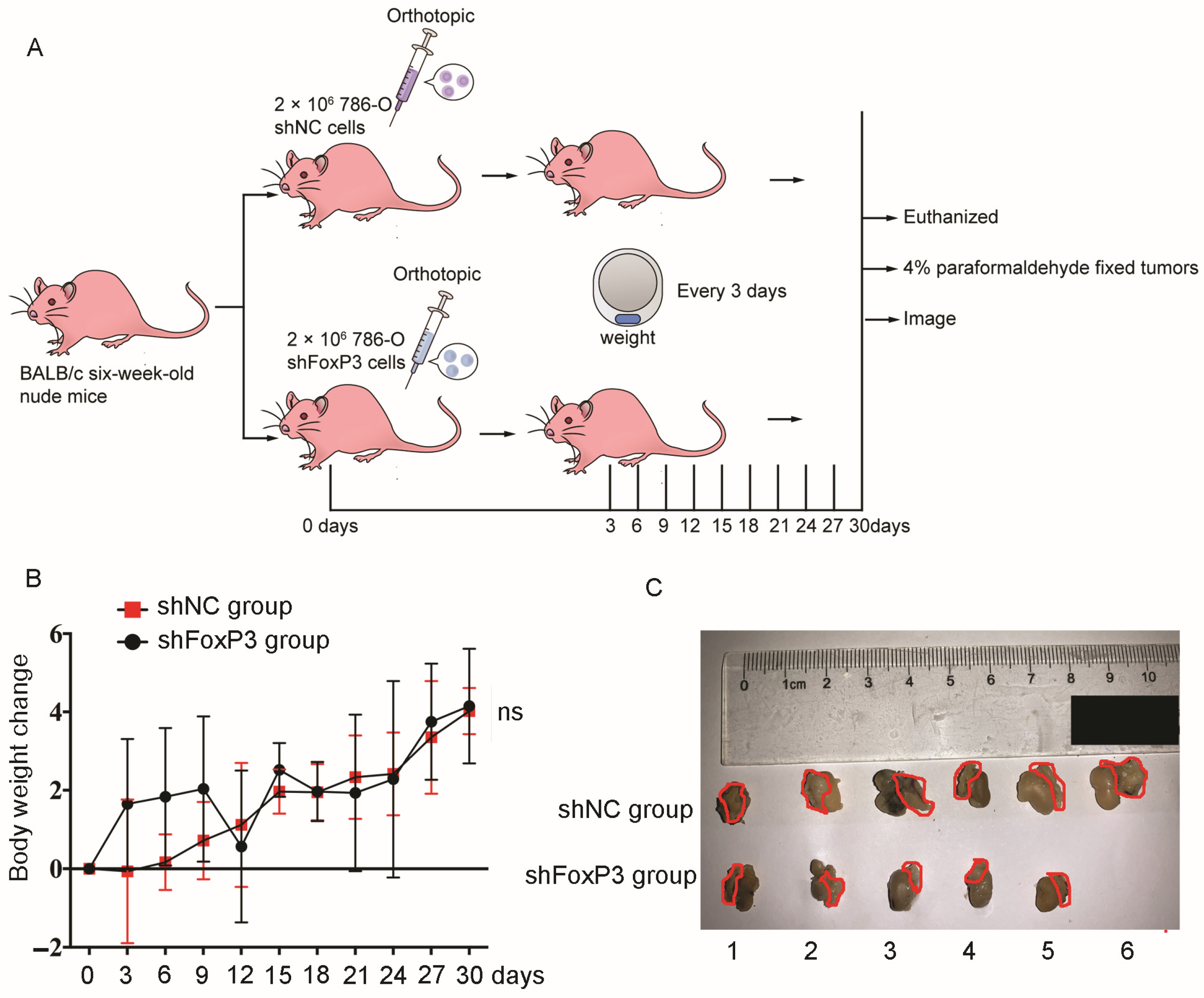
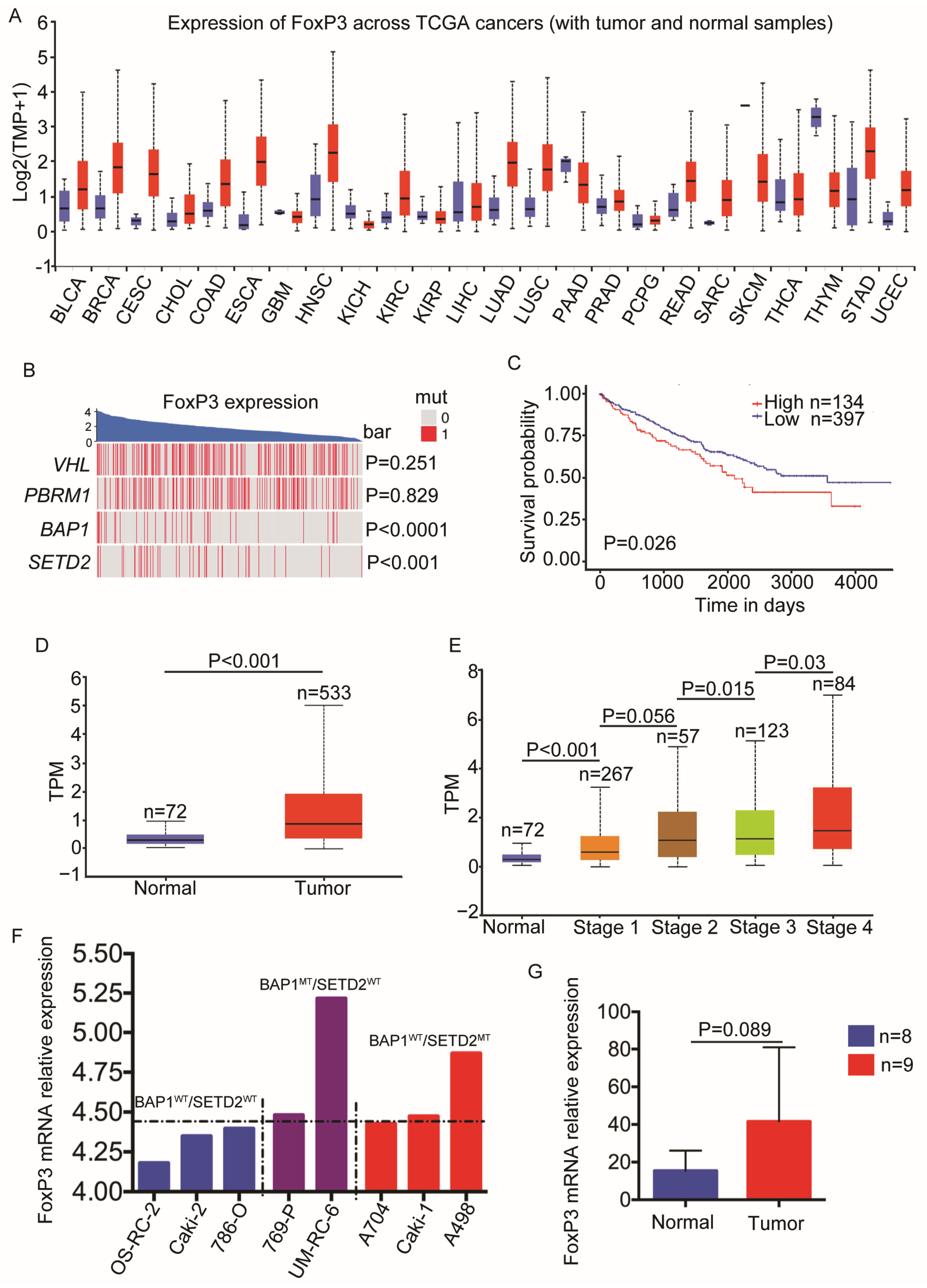
Forkhead box protein P3 (FoxP3) primarily functions as the master regulator in regulatory T cells (Tregs) differentiation, but its high level of expression has also been found in tumor cells recently. The aim of our study was to clarify the role of FoxP3 in renal cell carcinoma (RCC) progression and metastasis. We verified the FoxP3 characteristic clinicopathological data from The Cancer Genome Atlas (TCGA) database using bioinformatics tools. Meanwhile, RNA sequencing was performed to determine the FoxP3 biofunction in RCC progression. Our results showed that high expression of FoxP3 was found in BAP1- or SETD2-mutant patients with RCC, and a higher FoxP3 expression was related to worse prognosis. However, there was no statistically significant relationship between the FoxP3 IHC score and RCC malignant progression owning to the limited number of patients in our tissue microarray. Using in vitro FoxP3 loss-of-function assays, we verified that silencing FoxP3 in 786-O and ACHN cells could inhibit the cell migration/invasion capability, which was consistent with the data from RNA sequencing in 786-O cells and from the TCGA datasets. Using an in vivo nude mice orthotopic kidney cancer model, we found that silencing FoxP3 could inhibit tumor growth. In conclusion, our study demonstrated that BAP1 or SEDT2 mutation could lead to higher expression of FoxP3 in RCC patients, and FoxP3 could eventually stimulate RCC cells’ invasion and metastasis, which might indicate that FoxP3 could function as a potential oncogene in RCC progression.
Keywords: renal cell carcinoma; FoxP3; BAP1; SEDT2; metastasis renal cell carcinoma; FoxP3; BAP1; SEDT2; metastasis