
Bioinspired Antimicrobial Strategy: An Extremophile Deep Sea Peptide to Combat Cystic Fibrosis Infections Caused by Pseudomonas aeruginosa and Staphylococcus aureus

 ,
,  , , , , , ,
Abstract
1. Introduction
2. Results
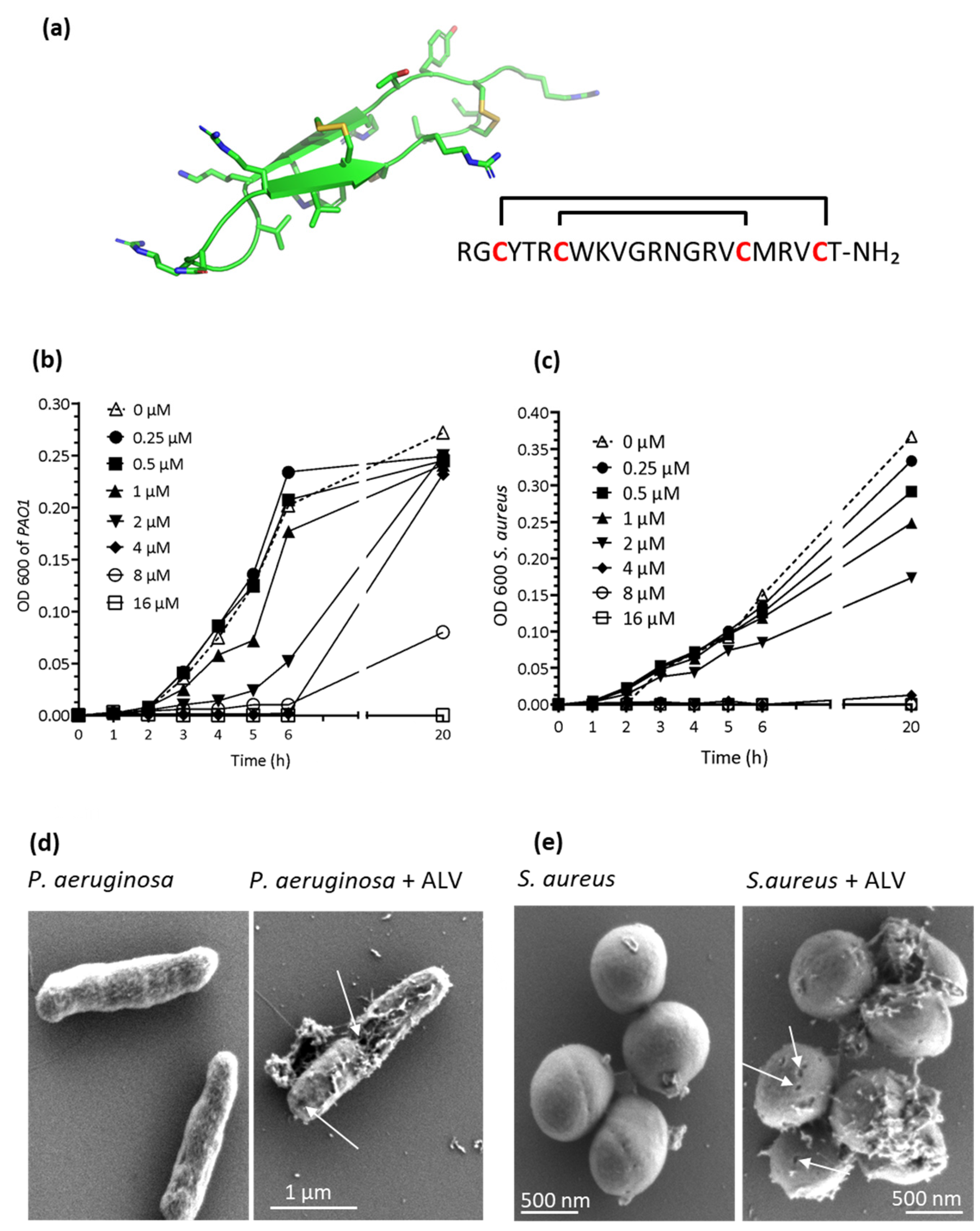
2.1. ALV Exerts Rapid and Potent Bactericidal Activity Against P. aeruginosa and S. aureus
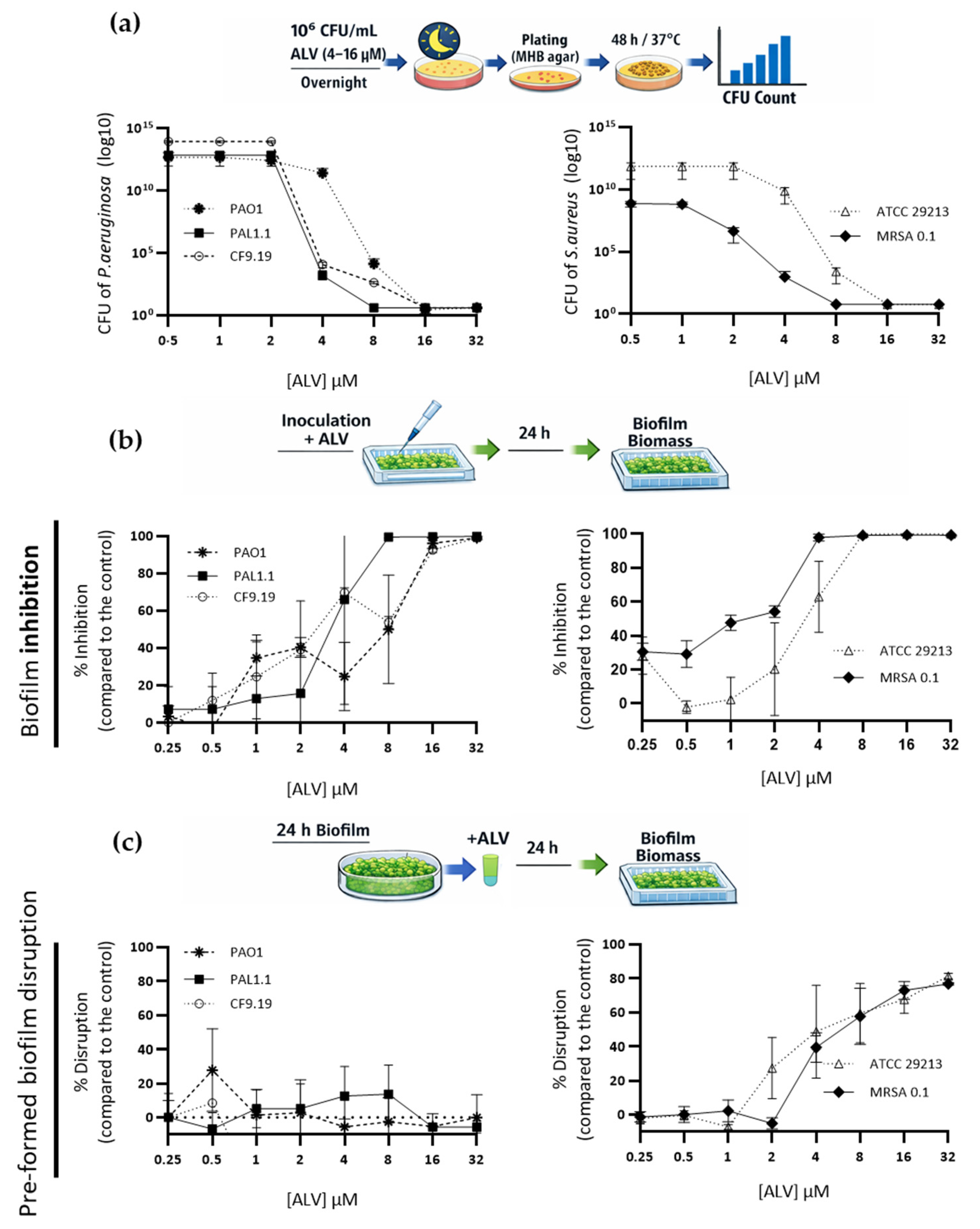
2.2. ALV Exhibits Bactericidal and Antibiofilm Activities Against P. aeruginosa and S. aureus
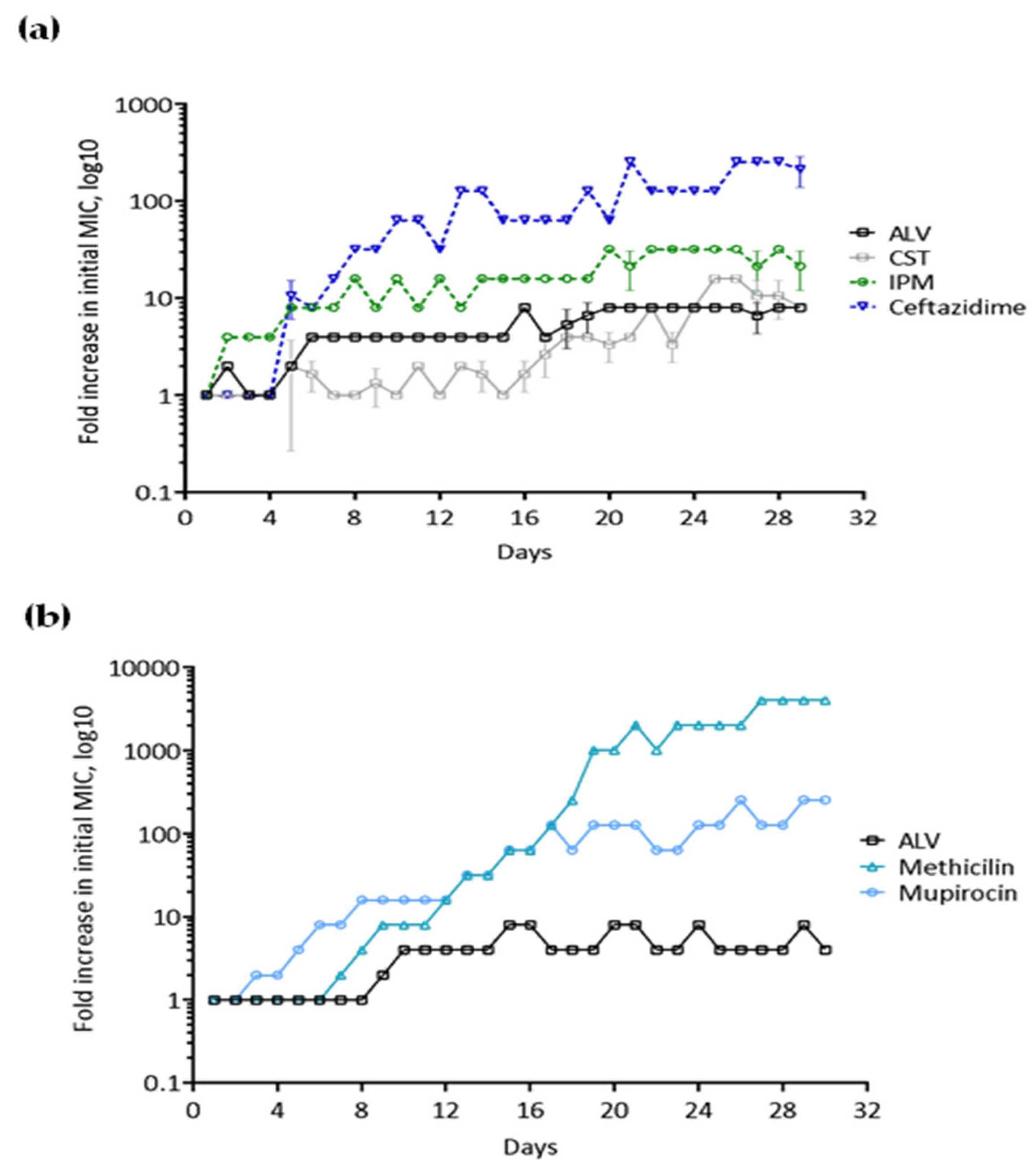
2.3. ALV Displays a Low Propensity to Induce Resistance Compared to Reference Antibiotics
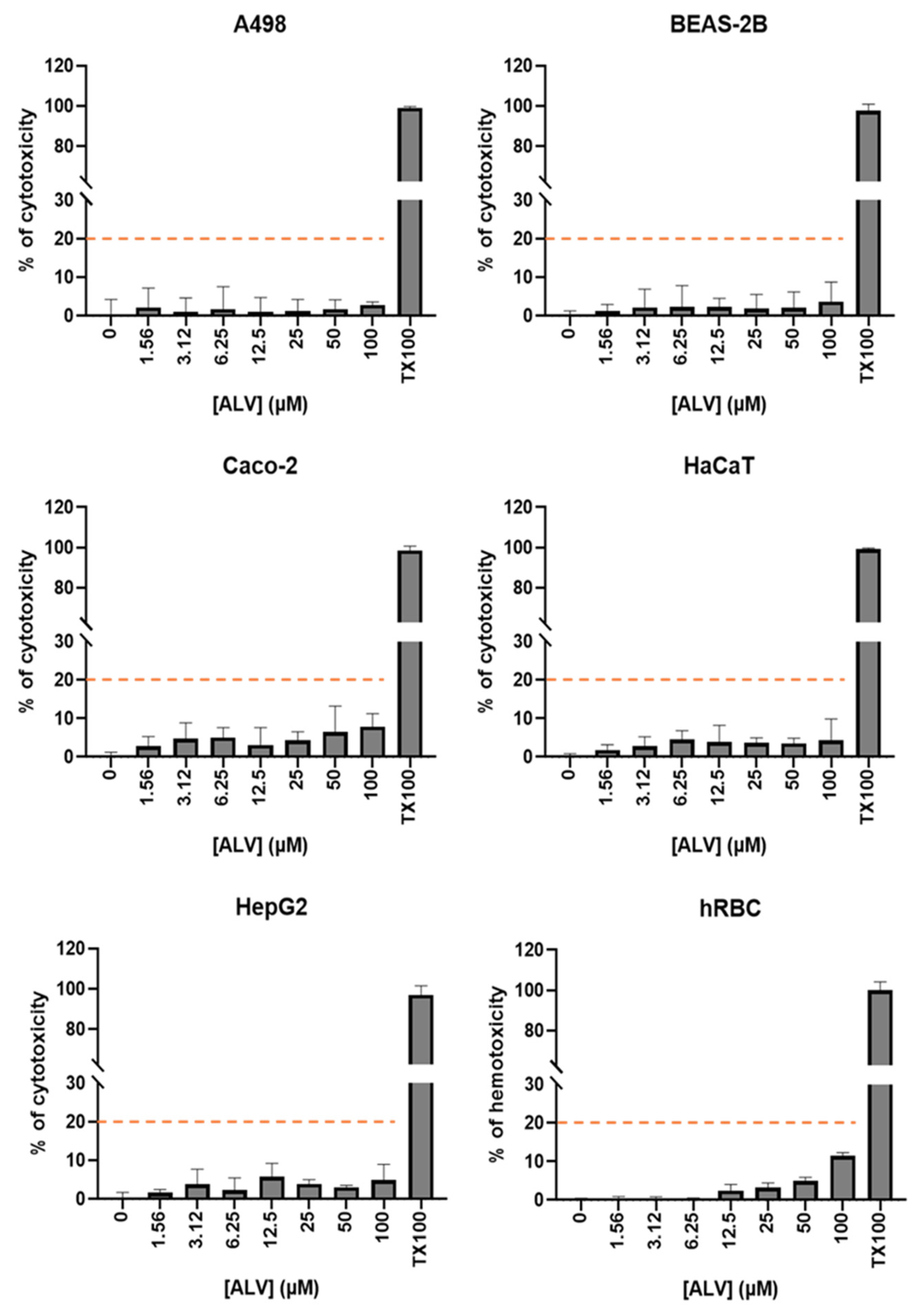
2.4. ALV Is Not Cytotoxic or Hemolytic at Bactericidal Concentrations
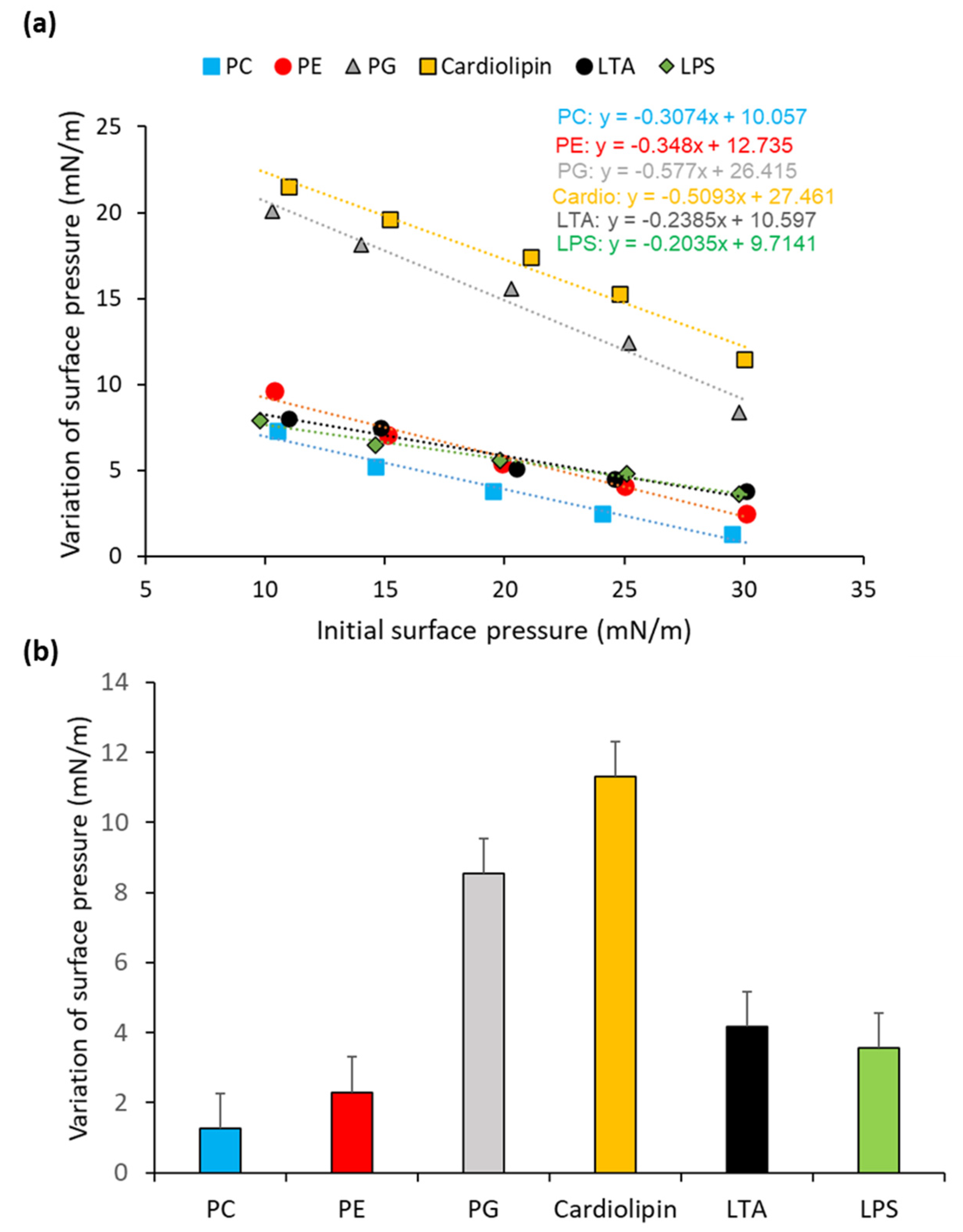
2.5. ALV Preferentially Targets Bacterial Lipids
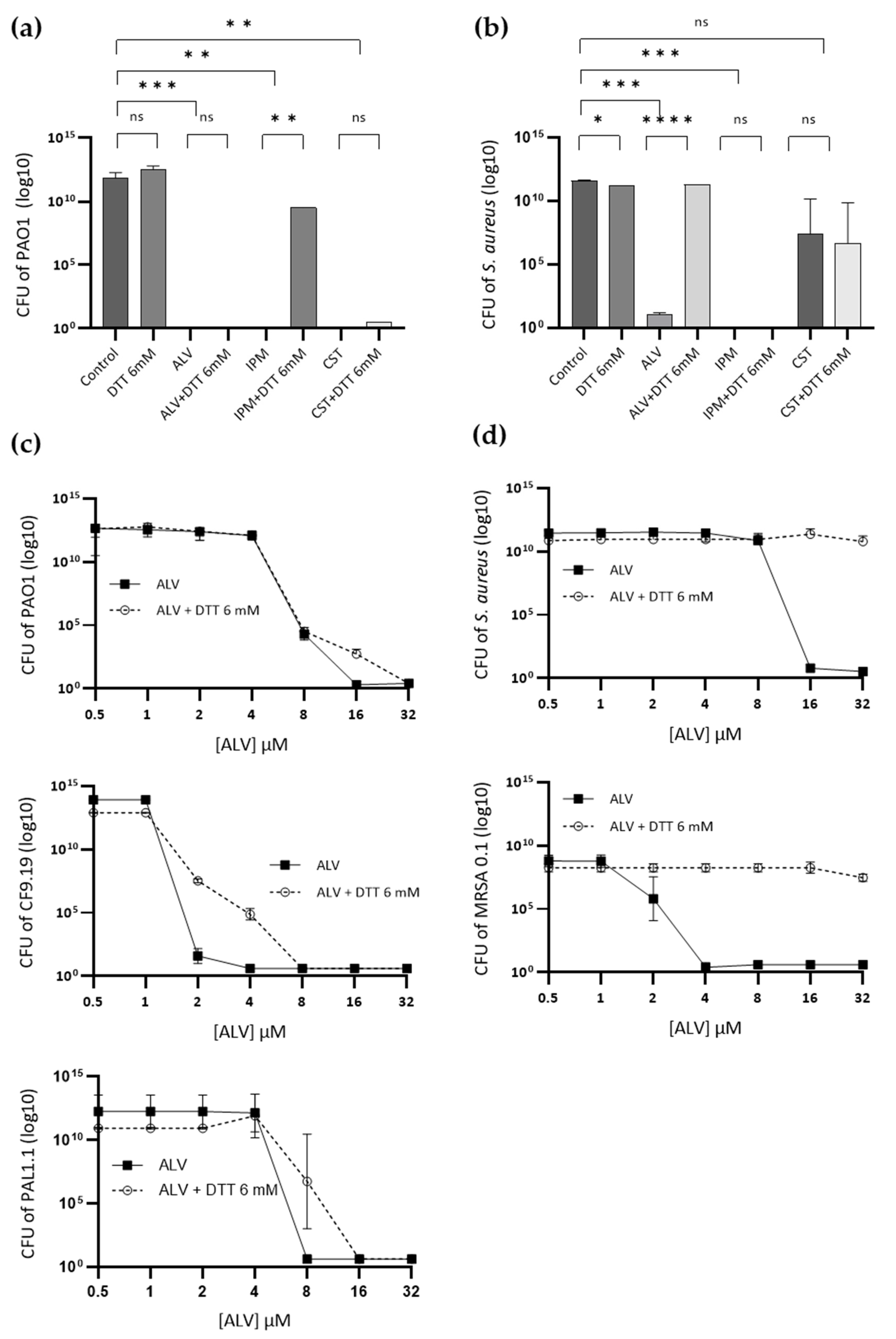
2.6. Bactericidal Activity of ALV Is Redox-Independent in P. aeruginosa but Redox-Sensitive in S. aureus
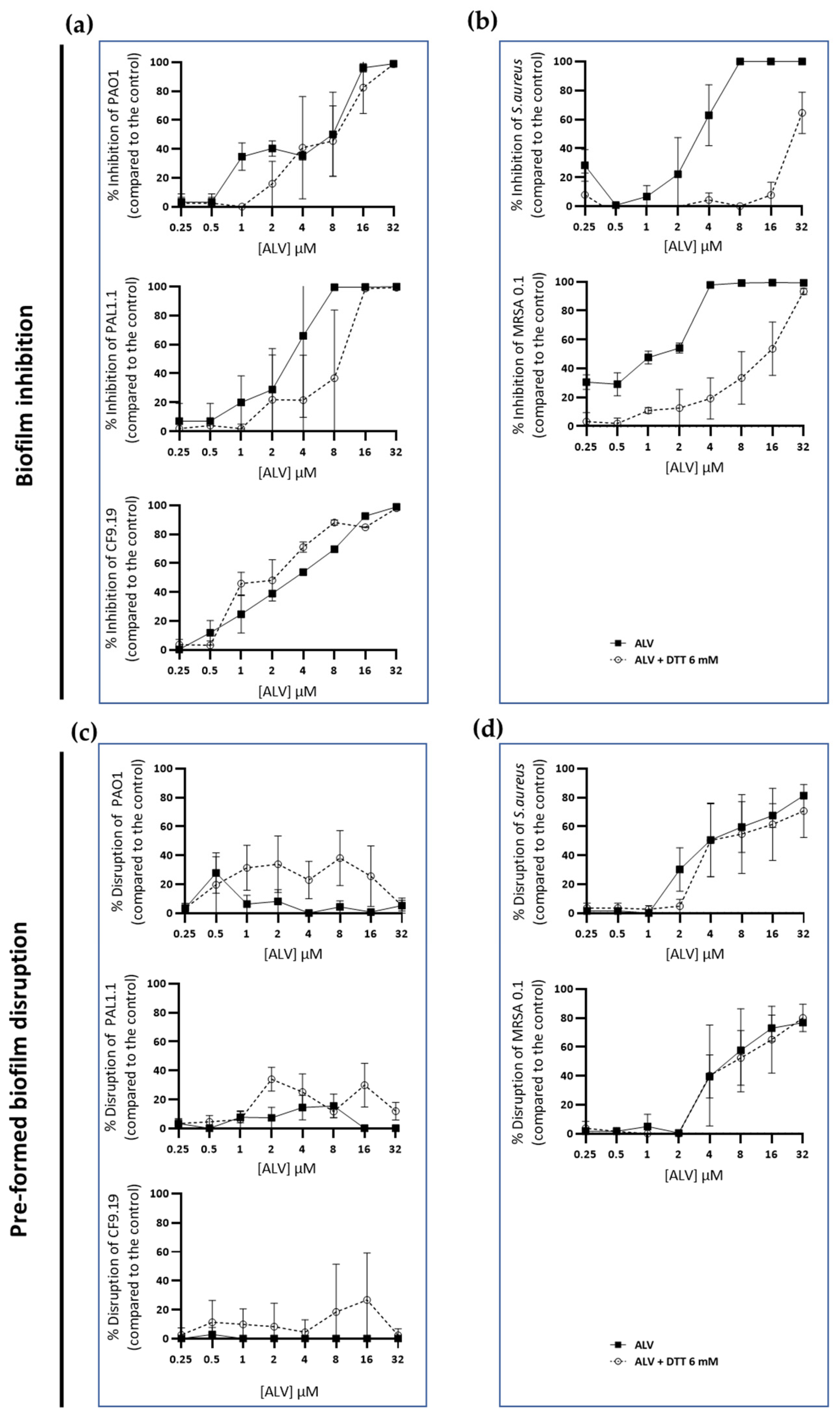
2.7. Antibiofilm Activities of ALV Under Reducing Conditions
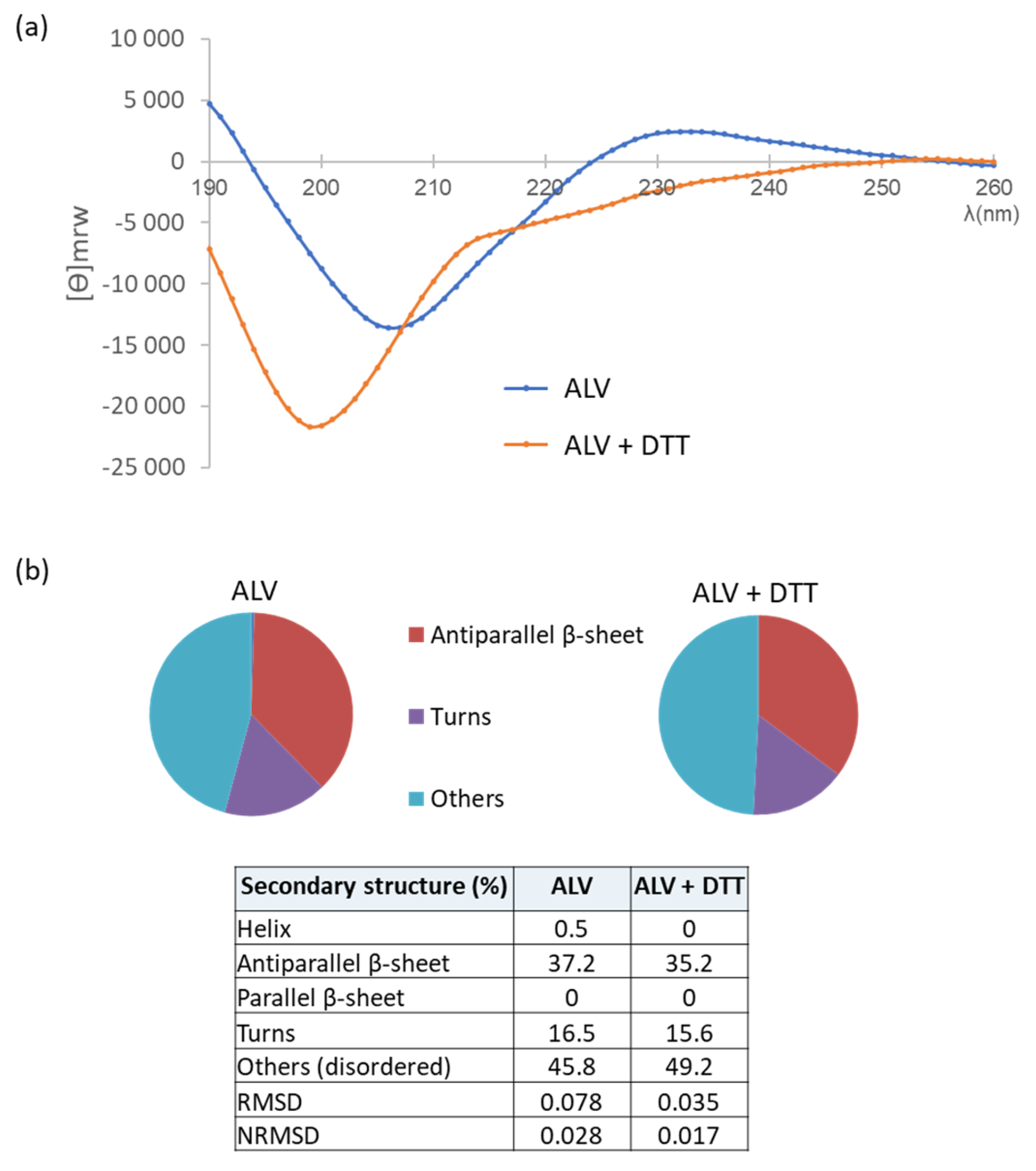
2.8. CD Analysis Reveals That DTT Addition Does Not Alter the Secondary Structure of ALV
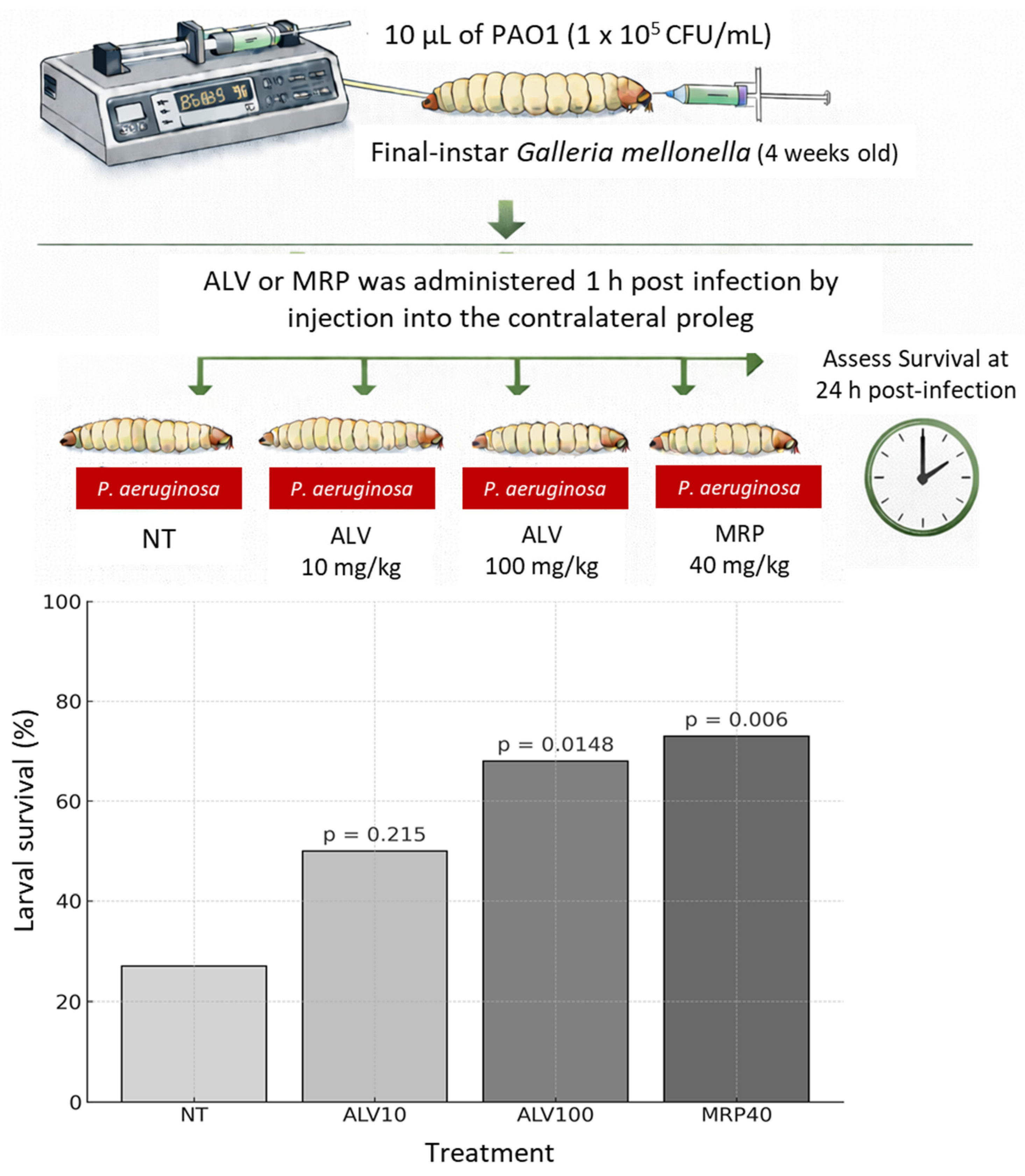
2.9. ALV Confers Dose-Dependent Protection Against Acute P. aeruginosa Infection in the Galleria mellonella Model
3. Discussion
4. Materials and Methods
4.1. ALV Synthesis
4.2. CD Analysis of ALV w/o DTT
4.3. Reducing Redox Environment
4.4. Bacterial Strains
4.5. Antibacterial Activity Assays
4.6. Time-Kill Assay
4.7. Scanning Electron Microscopy (SEM)
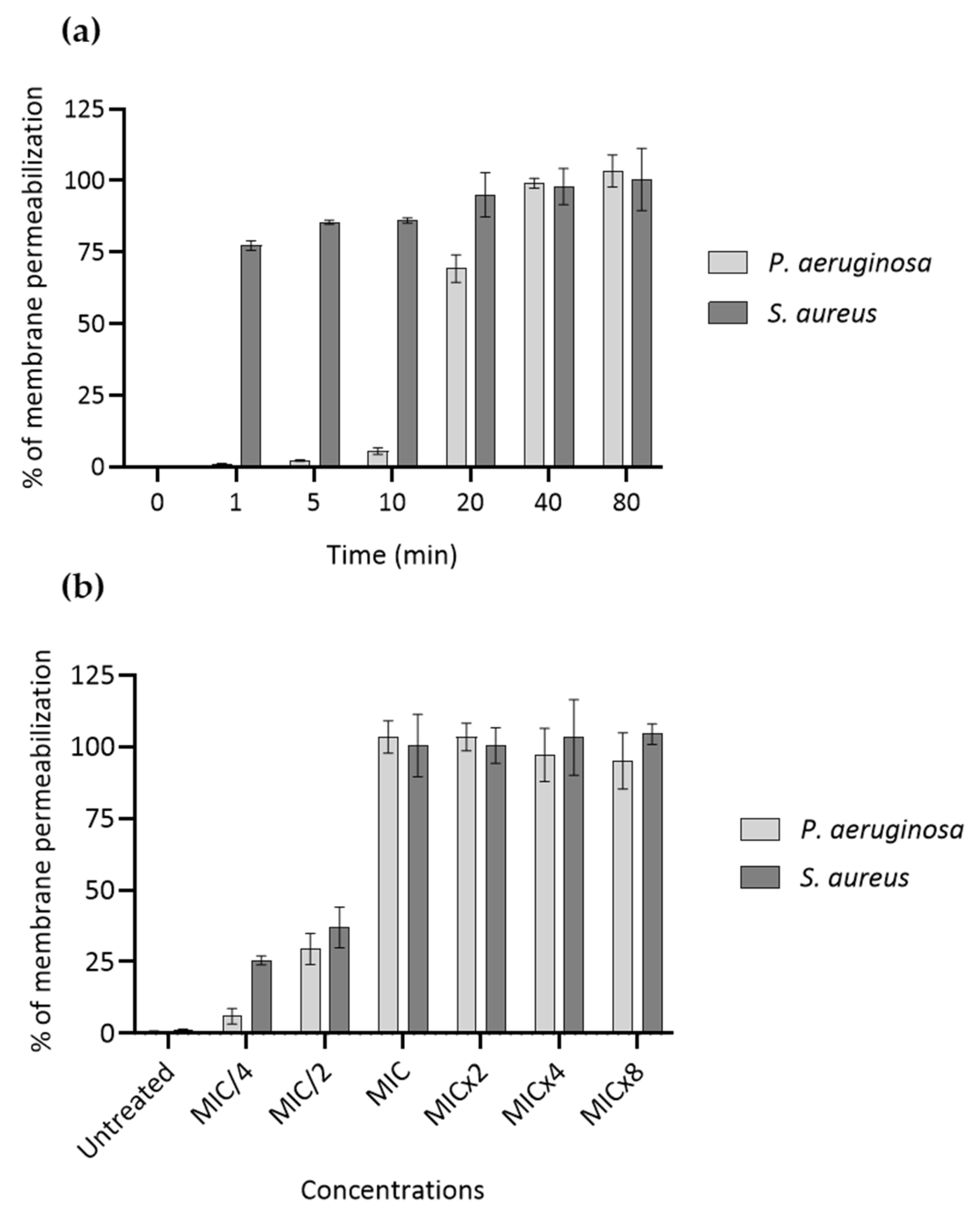
4.8. Bacterial Membrane Permeabilization Assay
4.9. Antibiofilm Assays
4.10. Induction of Resistance
4.11. Toxicity Assay Using Human Cells
4.12. Hemotoxicity Evaluation
4.13. Peptide–Lipid Interaction Assay
4.14. In Vivo Evaluation of the ALV Activity Using the Galleria mellonella Larval Model
5. Conclusions
Supplementary Materials
Author Contributions
Funding
Institutional Review Board Statement
Data Availability Statement
Acknowledgments
Conflicts of Interest
References
- Besse, A.; Groleau, M.-C.; Déziel, E. Emergence of small colony variants is an adaptive strategy used by Pseudomonas aeruginosa to mitigate the effects of redox imbalance. Msphere 2023, 8, e00057-23. [Google Scholar] [CrossRef] [Scilit] [PubMed]
- Bjarnsholt, T. The role of bacterial biofilms in chronic infections. Apmis 2013, 121, 1–58. [Google Scholar] [CrossRef] [Scilit] [PubMed]
- Raschig, J.; Mailänder-Sánchez, D.; Berscheid, A.; Berger, J.; Strömstedt, A.A.; Courth, L.F.; Malek, N.P.; Brötz-Oesterhelt, H.; Wehkamp, J. Ubiquitously expressed Human Beta Defensin 1 (hBD1) forms bacteria-entrapping nets in a redox dependent mode of action. PLoS Pathog. 2017, 13, e1006261. [Google Scholar] [CrossRef] [Scilit] [PubMed]
- Scoffone, V.C.; Chiarelli, L.R.; Trespidi, G.; Mentasti, M.; Riccardi, G.; Buroni, S. Burkholderia cenocepacia infections in cystic fibrosis patients: Drug resistance and therapeutic approaches. Front. Microbiol. 2017, 8, 1592. [Google Scholar] [CrossRef] [Scilit]
- Schroeder, B.O.; Stange, E.F.; Wehkamp, J. Waking the wimp: Redox-modulation activates human beta-defensin 1. Gut Microbes 2011, 2, 262–266. [Google Scholar] [CrossRef] [Scilit]
- Mahlapuu, M.; Björn, C.; Ekblom, J. Antimicrobial peptides as therapeutic agents: Opportunities and challenges. Crit. Rev. Biotechnol. 2020, 40, 978–992. [Google Scholar] [CrossRef] [Scilit]
- Pajares, M.A.; Zimmerman, T.; Sánchez-Gómez, F.J.; Ariza, A.; Torres, M.J.; Blanca, M.; Cañada, F.J.; Montañez, M.I.; Pérez-Sala, D. Amoxicillin inactivation by thiol-catalyzed cyclization reduces protein haptenation and antibacterial potency. Front. Pharmacol. 2020, 11, 189. [Google Scholar] [CrossRef] [Scilit]
- Amils, R.; Ellis-Evans, C.; Hinghofer-Szalkay, H. Life in Extreme Environments; Springer: Berlin/Heidelberg, Germany, 2007. [Google Scholar]
- Kolpen, M.; Hansen, C.R.; Bjarnsholt, T.; Moser, C.; Christensen, L.D.; van Gennip, M.; Ciofu, O.; Mandsberg, L.; Kharazmi, A.; Döring, G.; et al. Polymorphonuclear leucocytes consume oxygen in sputum from chronic Pseudomonas aeruginosa pneumonia in cystic fibrosis. Thorax 2010, 65, 57–62. [Google Scholar] [CrossRef] [Scilit]
- Worlitzsch, D.; Tarran, R.; Ulrich, M.; Schwab, U.; Cekici, A.; Meyer, K.C.; Birrer, P.; Bellon, G.; Berger, J.; Weiss, T. Effects of reduced mucus oxygen concentration in airway Pseudomonas infections of cystic fibrosis patients. J. Clin. Investig. 2002, 109, 317–325. [Google Scholar] [CrossRef]
- Le Bris, N.; Gaill, F. How does the annelid Alvinella pompejana deal with an extreme hydrothermal environment? Rev. Environ. Sci. Bio/Technol. 2007, 6, 197–221. [Google Scholar] [CrossRef] [Scilit]
- Di Meo-Savoie, C.A.; Luther, G.W., III; Cary, S.C. Physicochemical characterization of the microhabitat of the epibionts associated with Alvinella pompejana, a hydrothermal vent annelid. Geochim. Cosmochim. Acta 2004, 68, 2055–2066. [Google Scholar] [CrossRef] [Scilit]
- Gagnière, N.; Jollivet, D.; Boutet, I.; Brélivet, Y.; Busso, D.; Da Silva, C.; Gaill, F.; Higuet, D.; Hourdez, S.; Knoops, B.; et al. Insights into metazoan evolution from Alvinella pompejana cDNAs. BMC Genom. 2010, 11, 634. [Google Scholar] [CrossRef] [Scilit]
- Tasiemski, A.; Jung, S.; Boidin-Wichlacz, C.; Jollivet, D.; Cuvillier-Hot, V.; Pradillon, F.; Vetriani, C.; Hecht, O.; Sönnichsen, F.D.; Gelhaus, C.; et al. Characterization and function of the first antibiotic isolated from a vent organism: The extremophile metazoan Alvinella pompejana. PLoS ONE 2014, 9, e95737. [Google Scholar] [CrossRef] [Scilit]
- Bruno, R.; Boidin-Wichlacz, C.; Melnyk, O.; Zeppilli, D.; Landon, C.; Thomas, F.; Cambon, M.-A.; Lafond, M.; Mabrouk, K.; Massol, F.; et al. The diversification of the antimicrobial peptides from marine worms is driven by environmental conditions. Sci. Total Environ. 2023, 879, 162875. [Google Scholar] [CrossRef] [Scilit] [PubMed]
- Bals, R.; Wang, X.; Wu, Z.; Freeman, T.; Bafna, V.; Zasloff, M.; Wilson, J.M. Human beta-defensin 2 is a salt-sensitive peptide antibiotic expressed in human lung. J. Clin. Investig. 1998, 102, 874–880. [Google Scholar] [CrossRef] [Scilit] [PubMed]
- Müller, L.; Murgia, X.; Siebenbürger, L.; Börger, C.; Schwarzkopf, K.; Sewald, K.; Häussler, S.; Braun, A.; Lehr, C.-M.; Hittinger, M.; et al. Human airway mucus alters susceptibility of Pseudomonas aeruginosa biofilms to tobramycin, but not colistin. J. Antimicrob. Chemother. 2018, 73, 2762–2769. [Google Scholar] [CrossRef] [Scilit] [PubMed]
- Blaser, J.; Lüthy, R. Comparative study on antagonistic effects of low pH and cation supplementation on in-vitro activity of quinolones and aminoglycosides against Pseudomonas aeruginosa. J. Antimicrob. Chemother. 1988, 22, 15–22. [Google Scholar] [CrossRef] [Scilit]
- Goldman, M.J.; Anderson, G.M.; Stolzenberg, E.D.; Kari, U.P.; Zasloff, M.; Wilson, J.M. Human β-defensin-1 is a salt-sensitive antibiotic in lung that is inactivated in cystic fibrosis. Cell 1997, 88, 553–560. [Google Scholar] [CrossRef] [Scilit] [PubMed]
- Lapierre, S.G.; Phelippeau, M.; Hakimi, C.; Didier, Q.; Reynaud-Gaubert, M.; Dubus, J.-C.; Drancourt, M. Cystic fibrosis respiratory tract salt concentration: An exploratory cohort study. Medicine 2017, 96, e8423. [Google Scholar] [CrossRef] [Scilit]
- Bruno, R.; Maresca, M.; Canaan, S.; Cavalier, J.-F.; Mabrouk, K.; Boidin-Wichlacz, C.; Olleik, H.; Zeppilli, D.; Brodin, P.; Massol, F. Worms’ antimicrobial peptides. Mar. Drugs 2019, 17, 512. [Google Scholar] [CrossRef] [Scilit]
- Hider, R.; Kupryszewski, G.; Rekowski, P.; Lammek, B. Origin of the positive 225–230 nm circular dichroism band in proteins: Its application to conformational analysis. Biophys. Chem. 1988, 31, 45–51. [Google Scholar] [CrossRef] [Scilit]
- Carmack, M.; Neubert, L.A. Circular dichroism and the absolute configuration of the chiral disulfide group. J. Am. Chem. Soc. 1967, 89, 7134–7136. [Google Scholar] [CrossRef] [Scilit]
- Micsonai, A.; Moussong, É.; Wien, F.; Boros, E.; Vadászi, H.; Murvai, N.; Lee, Y.-H.; Molnár, T.; Réfrégiers, M.; Goto, Y. BeStSel: Webserver for secondary structure and fold prediction for protein CD spectroscopy. Nucleic Acids Res. 2022, 50, W90–W98. [Google Scholar] [CrossRef] [Scilit]
- Micsonai, A.; Wien, F.; Bulyáki, É.; Kun, J.; Moussong, É.; Lee, Y.-H.; Goto, Y.; Réfrégiers, M.; Kardos, J. BeStSel: A web server for accurate protein secondary structure prediction and fold recognition from the circular dichroism spectra. Nucleic Acids Res. 2018, 46, W315–W322. [Google Scholar] [CrossRef] [Scilit] [PubMed]
- Millette, G.; Séguin, D.L.; Isabelle, C.; Chamberland, S.; Lucier, J.-F.; Rodrigue, S.; Cantin, A.M.; Malouin, F. Staphylococcus aureus small-colony variants from airways of adult cystic fibrosis patients as precursors of adaptive antibiotic-resistant mutations. Antibiotics 2023, 12, 1069. [Google Scholar] [CrossRef] [Scilit] [PubMed]
- Le Maho, Y.; Tasiemski, A.; Bertile, F.; Bulet, P. Fieldwork on animals living in extreme conditions as a source of biomedical innovation. Sci. One Health 2025, 4, 100096. [Google Scholar] [CrossRef] [Scilit] [PubMed]
- Zhang, R.; Xu, L.; Dong, C. Antimicrobial peptides: An overview of their structure, function and mechanism of action. Protein Pept. Lett. 2022, 29, 641–650. [Google Scholar] [CrossRef] [Scilit]
- Casanova, M.; Maresca, M.; Poncin, I.; Point, V.; Olleik, H.; Boidin-Wichlacz, C.; Tasiemski, A.; Mabrouk, K.; Cavalier, J.-F.; Canaan, S. Promising antibacterial efficacy of arenicin peptides against the emerging opportunistic pathogen Mycobacterium abscessus. JBS 2024, 31, 18. [Google Scholar] [CrossRef] [Scilit]
- Yount, N.Y.; Yeaman, M.R. Multidimensional signatures in antimicrobial peptides. Proc. Natl. Acad. Sci. 2004, 101, 7363–7368. [Google Scholar] [CrossRef] [Scilit]
- Lehrer, R.I.; Lu, W. α-Defensins in human innate immunity. Immunol. Rev. 2012, 245, 84–112. [Google Scholar] [CrossRef] [Scilit]
- Schroeder, B.O.; Wu, Z.; Nuding, S.; Groscurth, S.; Marcinowski, M.; Beisner, J.; Buchner, J.; Schaller, M.; Stange, E.F.; Wehkamp, J. Reduction of disulphide bonds unmasks potent antimicrobial activity of human β-defensin 1. Nature 2011, 469, 419–423. [Google Scholar] [CrossRef] [Scilit] [PubMed]
- Almansour, A.M.; Almnsoor, H.M.; Alharbe, R.E.; Alharbi, F.A.; Alsaleh, S.A.; Kwon, D.H. Effects of Glutathione on Antibiotic Susceptibility and Resistance in Bacteria: A Comprehensive Review. Infect. Drug. Resist. 2026, 19, 561116. [Google Scholar] [CrossRef] [Scilit] [PubMed]
- Yu, G.; Baeder, D.Y.; Regoes, R.R.; Rolff, J. Predicting drug resistance evolution: Insights from antimicrobial peptides and antibiotics. Proc. R. Soc. B Biol. Sci. 2018, 285, 20172687. [Google Scholar] [CrossRef] [Scilit]
- Pompilio, A.; Crocetta, V.; Scocchi, M.; Pomponio, S.; Di Vincenzo, V.; Mardirossian, M.; Gherardi, G.; Fiscarelli, E.; Dicuonzo, G.; Gennaro, R.; et al. Potential novel therapeutic strategies in cystic fibrosis: Antimicrobial and anti-biofilm activity of natural and designed α-helical peptides against Staphylococcus aureus, Pseudomonas aeruginosa, and Stenotrophomonas maltophilia. BMC Microbiol. 2012, 12, 145. [Google Scholar] [CrossRef] [Scilit] [PubMed]
- Balouiri, M.; Sadiki, M.; Ibnsouda, S.K. Methods for in vitro evaluating antimicrobial activity: A review. J. Pharm. Anal. 2016, 6, 71–79. [Google Scholar] [CrossRef] [Scilit]
- Udekwu, K.I.; Parrish, N.; Ankomah, P.; Baquero, F.; Levin, B.R. Functional relationship between bacterial cell density and the efficacy of antibiotics. J. Antimicrob. Chemother. 2009, 63, 745–757. [Google Scholar] [CrossRef] [Scilit]
- Caron, B.; Maresca, M.; Leroux, A.; Lemesle, M.; Coussegal, J.L.; Guillaneuf, Y.; Lefay, C. Straightforward Preparation of Polyurethane-Based Biomaterials with Dual Antibacterial and Anti-Adhesive Properties for Long-Lasting Catheter Applications. Adv. Mater. Interfaces 2025, 12, e00714. [Google Scholar] [CrossRef] [Scilit]
- Louis, M.; Clamens, T.; Tahrioui, A.; Desriac, F.; Rodrigues, S.; Rosay, T.; Harmer, N.; Diaz, S.; Barreau, M.; Racine, P.-J.; et al. Pseudomonas aeruginosa biofilm dispersion by the human atrial natriuretic peptide. Adv. Sci. 2022, 9, 2103262. [Google Scholar] [CrossRef] [Scilit]
- Stepanović, S.; Vuković, D.; Dakić, I.; Savić, B.; Švabić-Vlahović, M. A modified microtiter-plate test for quantification of staphylococcal biofilm formation. J. Microbiol. Methods 2000, 40, 175–179. [Google Scholar] [CrossRef] [Scilit]
- Olleik, H.; Yacoub, T.; Hoffer, L.; Gnansounou, S.M.; Benhaiem-Henry, K.; Nicoletti, C.; Mekhalfi, M.; Pique, V.; Perrier, J.; Hijazi, A.; et al. Synthesis and evaluation of the antibacterial activities of 13-substituted berberine derivatives. Antibiotics 2020, 9, 381. [Google Scholar] [CrossRef] [Scilit]
- Oyama, L.B.; Olleik, H.; Teixeira, A.C.N.; Guidini, M.M.; Pickup, J.A.; Hui, B.Y.P.; Vidal, N.; Cookson, A.R.; Vallin, H.; Wilkinson, T. In silico identification of two peptides with antibacterial activity against multidrug-resistant Staphylococcus aureus. npj Biofilms Microbiomes 2022, 8, 58. [Google Scholar] [CrossRef] [Scilit]
- Tsai, C.J.-Y.; Loh, J.M.S.; Proft, T. Galleria mellonella infection models for the study of bacterial diseases and for antimicrobial drug testing. Virulence 2016, 7, 214–229. [Google Scholar] [CrossRef] [Scilit]
- Sprynski, N.; Valade, E.; Neulat-Ripoll, F. Galleria mellonella as an Infection Model for Select Agents. In Host-Bacteria Interactions: Methods and Protocols; Vergunst, A.C., O’Callaghan, D., Eds.; Springer: New York, NY, USA, 2014; pp. 3–9. [Google Scholar]



| P. aeruginosa | S. aureus | |||||||||
|---|---|---|---|---|---|---|---|---|---|---|
| Ref PAO1 | PAL1.1 | CF9.19 | Ref ATCC29213 | MRSA | ||||||
| MIC | MBC | MIC | MBC | MIC | MBC | MIC | MBC | MIC | MBC | |
| ALV | 4 (10.4) | 4 (10.4) | 4 (10.4) | 8 (20.8) | 2 (5.2) | 2 (5.2) | 8 (20.8) | 8 (20.8) | 2 (5.2) | 4 (10.4) |
| ALV + DTT 6 mM | 8 (20.8) | 8 (20.8) | 8 (20.8) | 16 (41.6) | 4 (10.4) | 4 (10.4) | >32 (>83.2) | >32 (>83.2) | >32 (>83.2) | >32 (>83.2) |
| CST | 0.13 (0.25) | 0.13 (0.25) | <0.45 (<0.5) | <0.45 (<0.5) | <0.45 (<0.5) | <0.45 (<0.5) | 1.7 (2) | 6.9 (8) | >13.8 (>16) | >13.8 (>16) |
| CST + DTT 6 mM | 0.52 (1) | 0.52 (1) | <0.45 (<0.5) | <0.45 (<0.5) | <0.45 (<0.5) | <0.45 (<0.5) | 1.7 (2) | 6.9 (8) | >13.8 (>16) | >13.8 (>16) |
| IPM | 6.7 (2) | 6.7 (2) | 26.7 (8) | 53.4 (16) | 13.4 (4) | 26.7 (8) | <0.03 (<0.25) | 0.8 (0.12) | 0.8 (0.12) | 0.8 (0.12) |
| IPM + DTT 6 mM | 106.8 (32) | 213.8 (64) | 53.4 (16) | 106.8 (32) | 53.4 (16) | 53.4 (16) | 0.8 (0.12) | >26.7 (>8) | 26.7 (8) | 26.7 (8) |
| DTT 6 mM | NA | NA | NA | NA | NA | NA | NA | NA | NA | NA |
| MH | MH + NaCl 150 mM | MH + NaCl 300 mM | MH + Human Serum 50% | |||||
|---|---|---|---|---|---|---|---|---|
| MIC | MBC | MIC | MBC | MIC | MBC | MIC | MBC | |
| P. aeruginosa (PA01) | 4 (10.4) | 4 (10.4) | 4 (10.4) | 4 (10.4) | 4 (10.4) | 8 (20.79) | 4 (10.4) | 4 (10.4) |
| S. aureus (ATCC 29213) | 8 (20.79) | 8 (20.79) | 8 (20.79) | 8 (20.79) | 8 (20.79) | 8 (20.79) | 8 (20.79) | 8 (20.79) |
| Lipids | PC | PE | PG | Cardiolipin | LTA | LPS |
|---|---|---|---|---|---|---|
| Critical pressure of insertion (in mN/m) | 32.71 | 36.59 | 45.77 | 53.91 | 44.43 | 47.73 |
| Variation in surface pressure at an initial pressure of 30 mN/m (in mN/m) | 1.26 ± 0.25 | 2.30 ± 0.20 | 8.53 ± 0.41 | 11.30 ± 0.43 | 4.16 ± 0.32 | 3.56 ± 0.55 |
Disclaimer/Publisher’s Note: The statements, opinions and data contained in all publications are solely those of the individual author(s) and contributor(s) and not of MDPI and/or the editor(s). MDPI and/or the editor(s) disclaim responsibility for any injury to people or property resulting from any ideas, methods, instructions or products referred to in the content. |
© 2026 by the authors. Licensee MDPI, Basel, Switzerland. This article is an open access article distributed under the terms and conditions of the Creative Commons Attribution (CC BY) license.
Share and Cite
Boidin-Wichlacz, C.; Maresca, M.; Grandjean, T.; Grandé, A.; Huchez, O.; Jeannot, K.; Desmet, R.; Snella, B.; Vidal, N.; Genet, L.; et al. Bioinspired Antimicrobial Strategy: An Extremophile Deep Sea Peptide to Combat Cystic Fibrosis Infections Caused by Pseudomonas aeruginosa and Staphylococcus aureus. Mar. Drugs 2026, 24, 164. https://doi.org/10.3390/md24050164
Boidin-Wichlacz C, Maresca M, Grandjean T, Grandé A, Huchez O, Jeannot K, Desmet R, Snella B, Vidal N, Genet L, et al. Bioinspired Antimicrobial Strategy: An Extremophile Deep Sea Peptide to Combat Cystic Fibrosis Infections Caused by Pseudomonas aeruginosa and Staphylococcus aureus. Marine Drugs. 2026; 24(5):164. https://doi.org/10.3390/md24050164
Chicago/Turabian StyleBoidin-Wichlacz, Céline, Marc Maresca, Teddy Grandjean, Axelle Grandé, Orane Huchez, Katy Jeannot, Rémi Desmet, Benoît Snella, Nicolas Vidal, Laure Genet, and et al. 2026. "Bioinspired Antimicrobial Strategy: An Extremophile Deep Sea Peptide to Combat Cystic Fibrosis Infections Caused by Pseudomonas aeruginosa and Staphylococcus aureus" Marine Drugs 24, no. 5: 164. https://doi.org/10.3390/md24050164
APA StyleBoidin-Wichlacz, C., Maresca, M., Grandjean, T., Grandé, A., Huchez, O., Jeannot, K., Desmet, R., Snella, B., Vidal, N., Genet, L., Caby, S., Sénéchal, M., Guillier, S., Ripoll-Neulat, F., Melnyk, O., Pichavant, M., & Tasiemski, A. (2026). Bioinspired Antimicrobial Strategy: An Extremophile Deep Sea Peptide to Combat Cystic Fibrosis Infections Caused by Pseudomonas aeruginosa and Staphylococcus aureus. Marine Drugs, 24(5), 164. https://doi.org/10.3390/md24050164