1. Introduction
The COVID-19 pandemic has significantly altered global health landscapes, infecting millions worldwide and leaving a large proportion of survivors with persistent, debilitating symptoms long after recovery from the acute phase of infection. This condition, known as PASC or long COVID, is characterized by a range of symptoms, including fatigue, brain fog, dyspnea, and myalgia, which often severely impair the quality of life [
1]. The pathophysiology of long COVID remains incompletely understood, with many hypotheses seeking to explain the underlying mechanisms that sustain these long-term effects. Among these, the concept of viral persistence, the idea that SARS-CoV-2 may remain in tissues long after the acute infection has cleared, has gained significant attention [
2].
Early studies during the pandemic primarily focused on the acute infection phase, with the viral replication occurring mainly in the respiratory tract and the consequences of this replication on the lungs and other organs [
3]. However, recent research has raised the possibility that viral RNA, proteins, or even whole virions may persist in various tissues such as the brain, heart, gut, and kidneys in individuals who have seemingly recovered from the initial infection [
4]. This persistent viral presence has been proposed as one possible factor associated with chronic symptoms in long COVID patients. While some studies have detected viral remnants in various tissues, the exact role of these reservoirs in disease progression remains a matter of debate [
2,
5].
This review aims to explore the evidence supporting the presence of viral reservoirs in post-COVID patients, examining the biological mechanisms by which SARS-CoV-2 may evade immune clearance and persist within the body. We will also review the impact of persistent viral reservoirs on immune regulation, chronic inflammation, and the development of autoimmune phenomena. Furthermore, we will discuss the potential implications of these findings for the treatment and management of long COVID, including the need for new antiviral therapies, immunomodulatory approaches, and patient care strategies. By understanding whether persistent viral reservoirs contribute to long COVID, researchers and clinicians may be able to identify more effective treatments and therapeutic targets, ultimately improving the quality of life for those affected by post-viral sequelae.
2. Mechanisms of Viral Persistence in Human Tissues
The persistence of SARS-CoV-2–derived RNA or proteins beyond the acute phase of infection has emerged as a possible contributor to long COVID pathophysiology [
6,
7,
8]. Unlike viruses that establish classical latency programs, SARS-CoV-2 is not known to maintain a stable dormant infection within host cells [
6]. Instead, several biological mechanisms have been proposed that may allow viral RNA, proteins, or antigenic fragments to remain detectable in tissues after the resolution of acute infection [
6,
7].
These mechanisms include incomplete viral clearance, restricted or abortive infection within certain cell populations, and retention of viral material in long-lived immune cells such as macrophages or tissue-resident immune compartments [
9,
10,
11,
12,
13,
14,
15,
16]. In addition, immune evasion strategies and altered host immune responses may permit viral components to persist within tissue niches despite the absence of productive viral replication [
17,
18]. Persistent viral RNA or proteins may therefore continue to interact with innate immune sensing pathways and contribute to sustained inflammatory signaling [
9,
10,
11,
12,
13,
14,
15,
17].
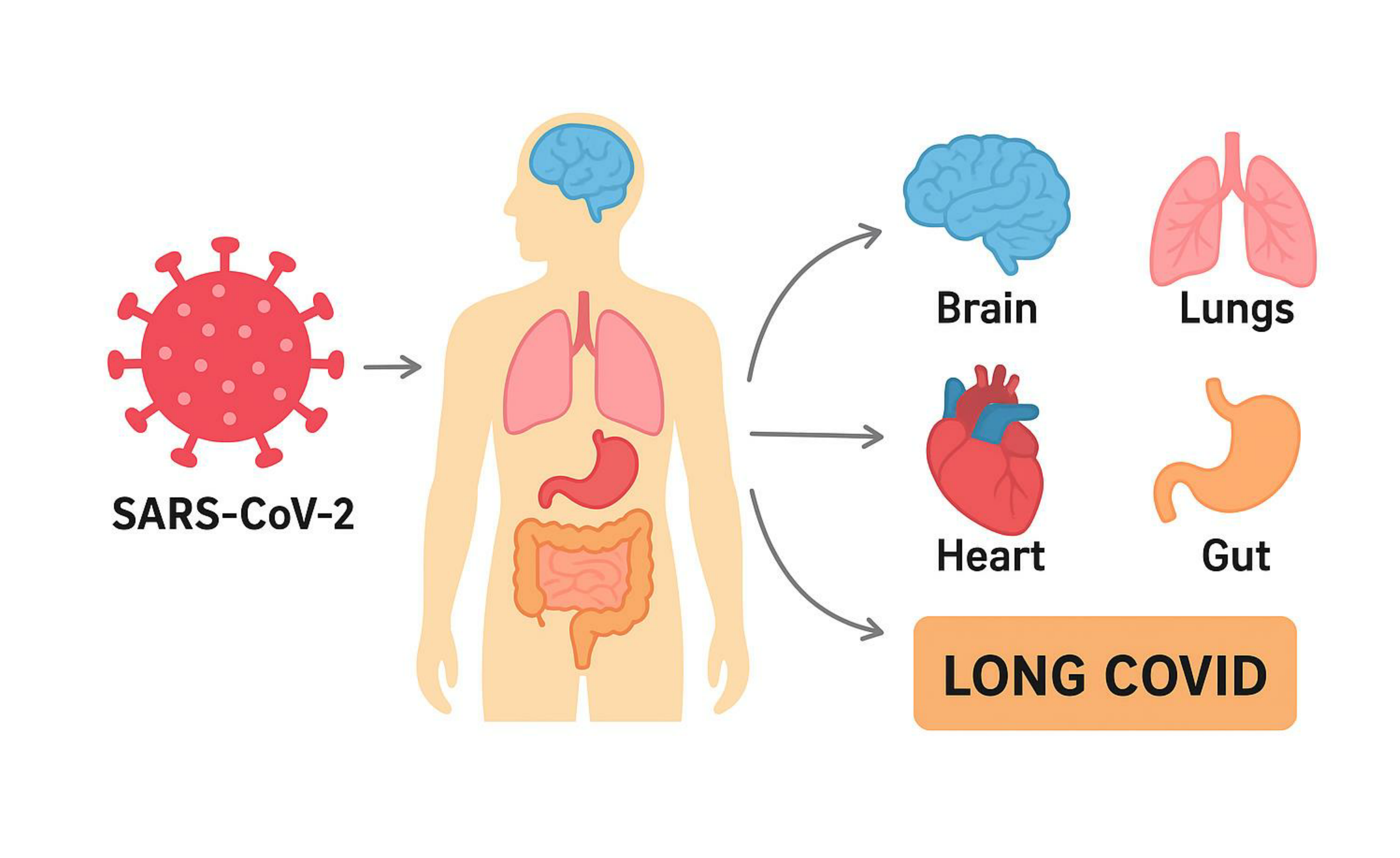
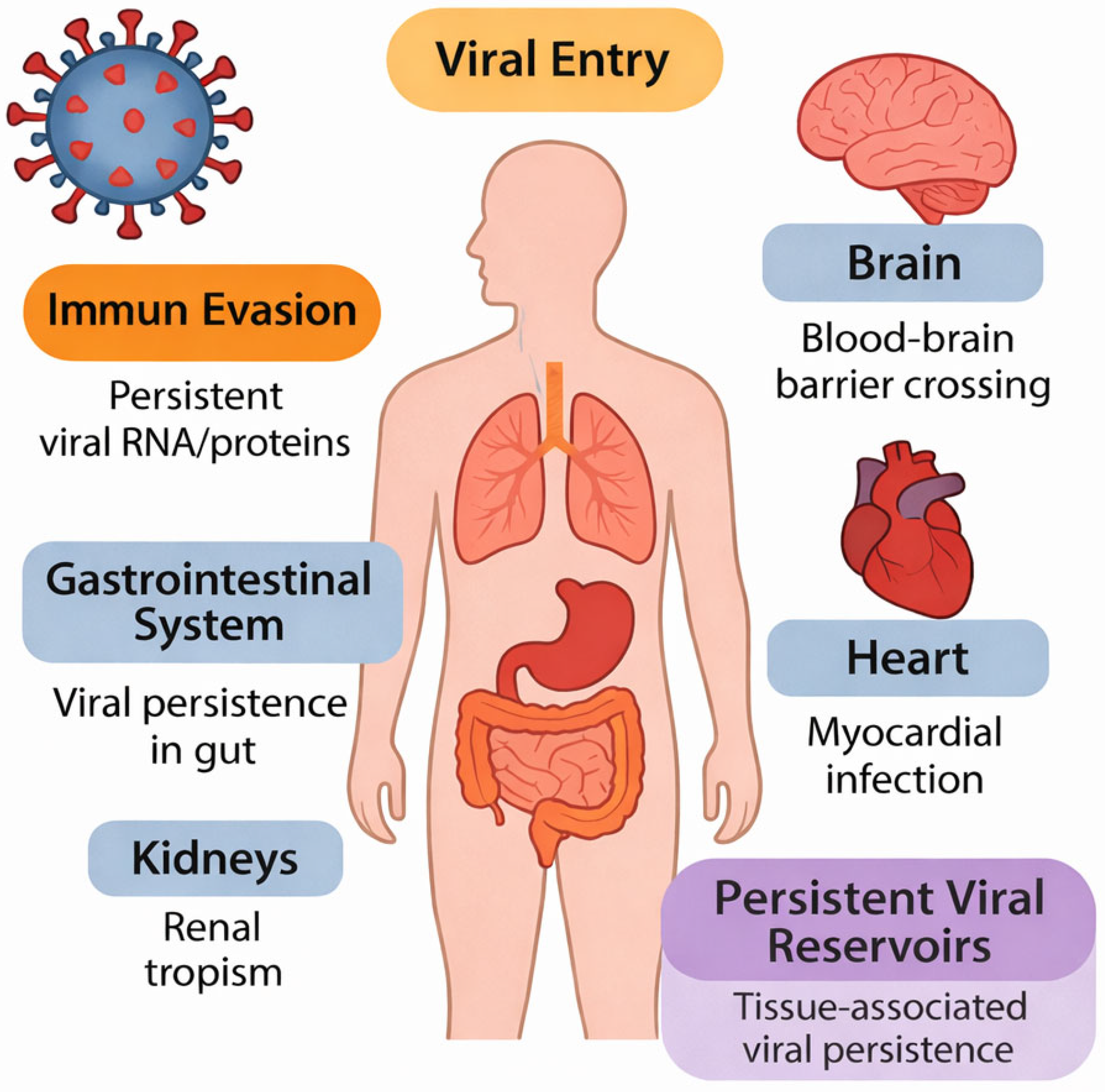
In this section, we discuss the potential biological mechanisms that may permit SARS-CoV-2–derived RNA or proteins to persist in human tissues, including viral entry pathways, immune evasion strategies, host immune responses, and tissue-specific factors that may influence viral clearance (
Figure 1).
2.1. Organ-Specific Tissue Persistence of SARS-CoV-2 RNA and Proteins
SARS-CoV-2 primarily infects the respiratory tract during the acute phase of infection; however, increasing evidence indicates that the virus can affect multiple organ systems beyond the lungs. These include the heart, brain, gastrointestinal tract, and kidneys, suggesting that viral components may persist in a variety of tissue environments [
19]. Several studies have detected SARS-CoV-2 RNA or viral proteins in these tissues long after the acute infection phase has subsided [
7,
8,
20]. Detailed organ-specific evidence for tissue detection is summarized in
Section 3; here, we focus on the mechanistic implications of persistent viral RNA or protein signals.
In the lungs, SARS-CoV-2 infection can cause significant damage to the alveolar epithelium, often leading to acute respiratory distress syndrome and other complications. Viral RNA has been reported to persist in lung tissues even after clinical recovery [
21]. One possible explanation is incomplete viral clearance, where viral RNA remains within alveolar macrophages or other immune cells that have phagocytosed infected material but do not fully eliminate viral components.
Similarly, viral remnants have been detected in cardiac tissues, and autopsy studies have reported the presence of viral RNA in myocardial cells [
20,
22]. Such findings suggest that SARS-CoV-2 may infect cardiac tissues during acute infection and that viral RNA or proteins may remain detectable during the post-acute phase, potentially contributing to myocardial inflammation or other cardiac complications.
In the central nervous system, SARS-CoV-2 may access neural tissues through multiple routes, including direct neuronal invasion or immune-mediated disruption of the blood–brain barrier (BBB). Several studies have documented viral RNA and proteins in brain tissues from post-mortem COVID-19 patients, and experimental models have demonstrated the potential for viral persistence in neural tissues [
20,
23,
24]. Persistent viral signals in the brain have been proposed as one factor potentially associated with neurological manifestations reported in long COVID patients, including cognitive dysfunction, headaches, and brain fog [
25].
The gastrointestinal tract has also been implicated as a potential site of viral persistence. The intestinal epithelium expresses high levels of the angiotensin-converting enzyme 2 (ACE2) receptors, which serve as entry points for SARS-CoV-2 [
26]. Viral RNA has been detected in intestinal tissues and stool samples even after respiratory symptoms resolve, suggesting that viral remnants may remain within the gastrointestinal environment for prolonged periods [
27]. Lastly, renal involvement has also been reported. SARS-CoV-2 infection can lead to acute kidney injury, and viral RNA has been detected in renal tissues from COVID-19 patients [
28]. The kidneys’ filtration and immune functions may create microenvironments where viral components persist, potentially contributing to long-term renal dysfunction.
2.2. Viral Entry and Persistence
The persistence of SARS-CoV-2–derived RNA or proteins in tissues may be influenced by viral entry mechanisms, immune evasion strategies, and host immune responses. Similar to other coronaviruses, SARS-CoV-2 utilizes the ACE2 receptor as its primary entry point into host cells. After entry, the virus can hijack host cellular machinery to replicate and propagate [
29]. However, viral RNA or proteins may remain detectable even in the absence of active viral replication, potentially reflecting restricted infection, antigen retention in long-lived cells, or incomplete viral clearance.
In virology, latency refers to a clinically quiescent state in which viral genomes persist with minimal gene expression and the potential for reactivation, as observed in herpesviruses and certain retroviruses. To date, however, a bona fide molecular latency program or convincing evidence of SARS-CoV-2 reactivation in humans has not been established. Therefore, in this review, we primarily use the term viral persistence to describe prolonged detection of viral RNA or proteins, antigen retention in long-lived cells, or restricted infection with limited productive replication [
6,
30].
Mechanistically, persistence within immune compartments may occur through several non-mutually exclusive pathways. Retained viral RNA or proteins may continuously stimulate innate immune sensing pathways, including endosomal TLR3/7/8 and cytosolic RIG-I/MDA5 signaling pathways. Activation of these pathways can sustain NF-κB and IRF signaling cascades, leading to persistent cytokine production and tissue inflammation even in the absence of robust viral replication [
9,
10,
11,
12,
13,
14,
15].
Second, SARS-CoV-2 may establish restricted infection in certain immune cell populations. In such cases, viral entry occurs, but replication is curtailed by intrinsic antiviral programs. Nevertheless, low-level transcription or translation of viral components may persist long enough to maintain immune activation [
17,
18,
20,
31,
32,
33].
Third, tissue-resident immune cells such as macrophages and microglia may serve as longer-lived antigen-bearing populations. These cells may retain viral antigens within tissues and contribute to local inflammatory signaling, potentially influencing organ-specific manifestations such as neurocognitive symptoms [
34,
35,
36,
37].
From a methodological perspective, distinguishing between viral remnants and ongoing viral persistence remains challenging. Future studies should combine multiple complementary approaches, including single-cell or spatial transcriptomics, in situ hybridization, immunohistochemistry with appropriate controls, and assays targeting replication-associated intermediates such as negative-strand or subgenomic RNA. Attempts to recover replication-competent virus may also help clarify whether detected viral signals represent passive retention, restricted infection, or rare reservoirs with prolonged activity [
8,
20,
38,
39,
40]. In addition, immune cells such as macrophages, monocytes, and T cells may act as reservoirs for viral material. Macrophages, in particular, can engulf viral particles and retain viral RNA for extended periods. Such immune-cell–associated viral persistence may contribute to chronic inflammation or immune dysregulation, both of which are hallmarks of long COVID [
9,
10]. Moreover, SARS-CoV-2 can evade immune surveillance by modulating host immune responses, including inhibition of interferon signaling and suppression of antigen presentation. These immune evasion mechanisms may enable viral components to persist within tissues without being fully cleared [
17,
18]. In some individuals, incomplete immune responses due to age, immunosuppression, or pre-existing conditions such as diabetes or autoimmune disease may further facilitate the persistence of viral components in tissues [
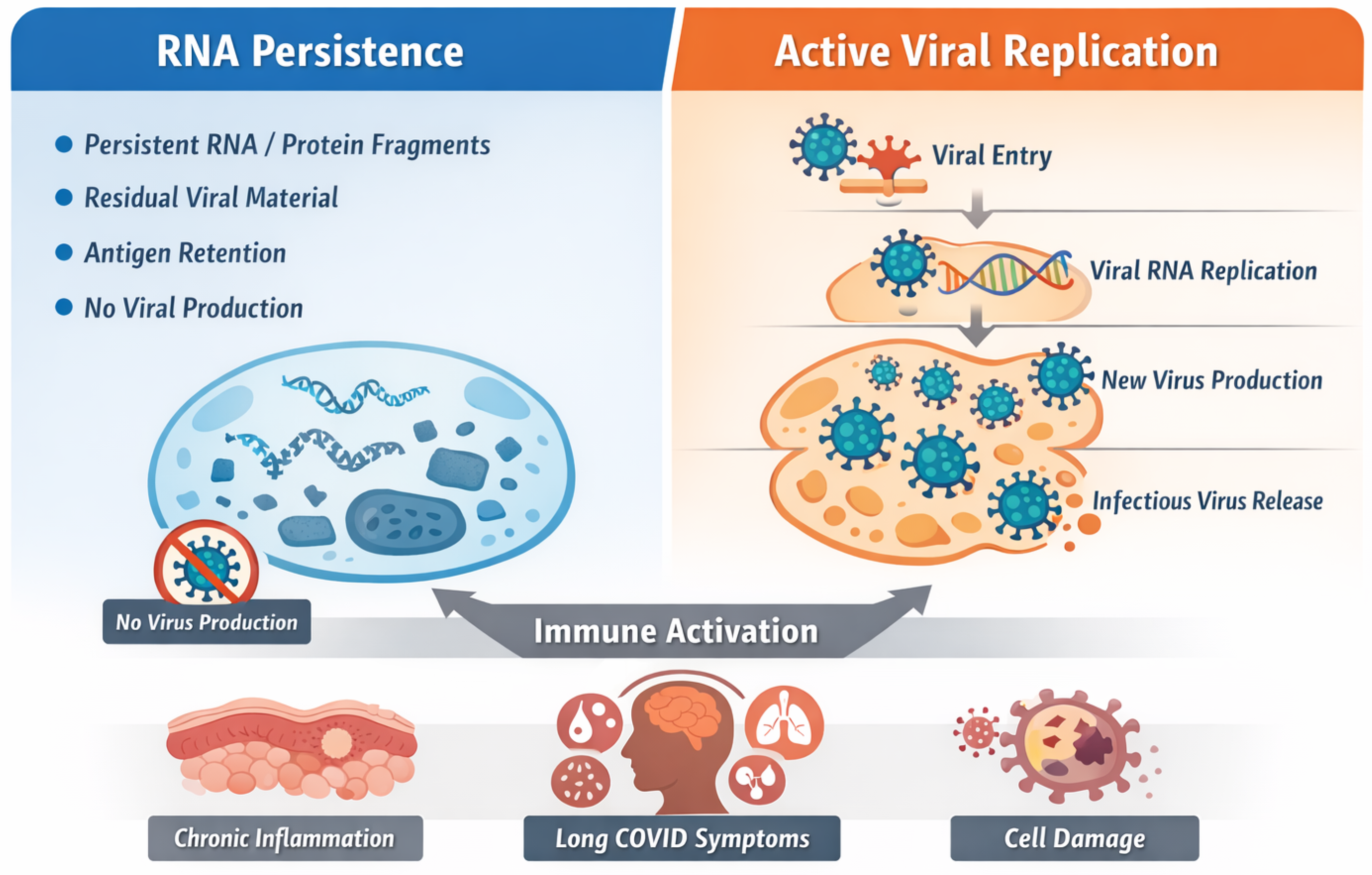
41]. Throughout this review, we therefore avoid the use of terms implying classical viral latency and instead refer to “persistent viral RNA/protein signals,” “antigen retention,” or “restricted infection,” which more accurately reflect the current understanding of SARS-CoV-2 biology. Distinguishing between persistent viral RNA/protein signals and active viral replication is essential when interpreting post-acute SARS-CoV-2 detection studies (
Figure 2).
2.3. The Role of Viral Proteins and Spike Protein Persistence
Recent studies suggest that the SARS-CoV-2 spike protein may remain detectable in tissues even in the absence of intact virus particles. The spike protein is a major immunogenic component of SARS-CoV-2 and plays a central role in viral entry and host immune recognition [
42]. Persistent detection of spike protein has been reported in several tissues and may contribute to prolonged immune activation. Persistent spike protein may act as a molecular trigger for immune dysregulation, potentially contributing to the development of autoimmune-like responses in long COVID patients [
43]. Viral proteins may also stimulate inflammatory cytokine production, leading to sustained activation of immune pathways and chronic inflammation [
44]. Several studies have reported autoantibody formation and autoimmune-like phenotypes in subsets of long COVID cohorts. These include associations between early autoreactivity and later PASC development, persistent ANA or ENA positivity in convalescent patients, and functional autoantibodies targeting immunoregulatory receptors [
45,
46,
47]. Population-level studies have also reported increased incidence of autoimmune or autoinflammatory diseases following SARS-CoV-2 infection [
48]. Mechanistically, infection-associated autoimmunity may arise through multiple pathways, including cytokine-driven bystander activation, loss of immune tolerance, molecular mimicry, and epitope spreading following tissue injury. However, the presence of autoantibodies alone does not necessarily establish pathogenic autoimmunity, and longitudinal studies with functional assays are required to clarify their role in long COVID [
49].
2.4. Host Factors and Tissue-Specific Persistence
The persistence of SARS-CoV-2–derived RNA or proteins in tissues may also depend on host-specific factors, including immune responses, tissue receptor distribution, and the local microenvironment. Host susceptibility may influence both the likelihood of viral RNA or protein retention in tissues and the downstream inflammatory responses that shape the clinical heterogeneity of long COVID [
50,
51].
Reported risk modifiers include demographic and clinical characteristics such as age, sex, cardiometabolic comorbidities, and immunocompromised status, as well as baseline immune features such as impaired interferon responses or pre-existing autoreactivity. Infection-related factors, including viral load during acute infection and vaccination or reinfection history, may also influence the persistence of viral signals [
52,
53,
54,
55,
56,
57]. These host factors may influence viral persistence through multiple pathways. Upstream mechanisms include modulation of viral entry or clearance processes, such as ACE2 or TMPRSS2 expression, epithelial barrier integrity, and antiviral restriction programs. Downstream mechanisms include amplification of inflammatory pathways, including pattern-recognition receptor (PRR) signaling (TLR3/7/8 and RIG-I/MDA5), NF-κB and IRF signaling cascades, inflammasome activation, and production of pro-inflammatory cytokines such as IL-6 and TNF-α. These processes may also contribute to endothelial dysfunction and microvascular injury [
58,
59,
60,
61,
62,
63,
64] (
Table 1).
For instance, the ACE2 receptor is widely expressed in several organs, but certain tissues, such as the brain and the gastrointestinal system, may have additional mechanisms that favor viral persistence [
66]. The neurotropic nature of SARS-CoV-2, for example, may be due to altered blood–brain barrier permeability in some patients, allowing the virus to access the brain and persist in neural tissues. Similarly, in the gut, the high turnover of epithelial cells may allow viral remnants to be harbored in immune cells, contributing to gut-associated inflammation and ongoing symptoms [
23,
65,
67]. The development of persistent reservoirs may also be more likely in patients with immunocompromised states or chronic diseases, as these patients may have an impaired ability to mount effective immune responses against viral particles [
64]. This highlights the role of host susceptibility in the establishment of viral reservoirs and underscores the importance of tailored therapies for individuals at high risk for long COVID.
3. Evidence for Persistent SARS-CoV-2 RNA and Protein Signals in Post-COVID Patients
The hypothesis that SARS-CoV-2–derived RNA or proteins may persist beyond the acute phase of infection has received increasing attention as a possible contributor to long COVID pathophysiology [
6,
8,
20]. Over the past several years, numerous studies have investigated whether viral genetic material or viral proteins remain detectable in human tissues after the resolution of acute infection [
8,
20]. While mechanistic explanations for viral persistence are discussed in
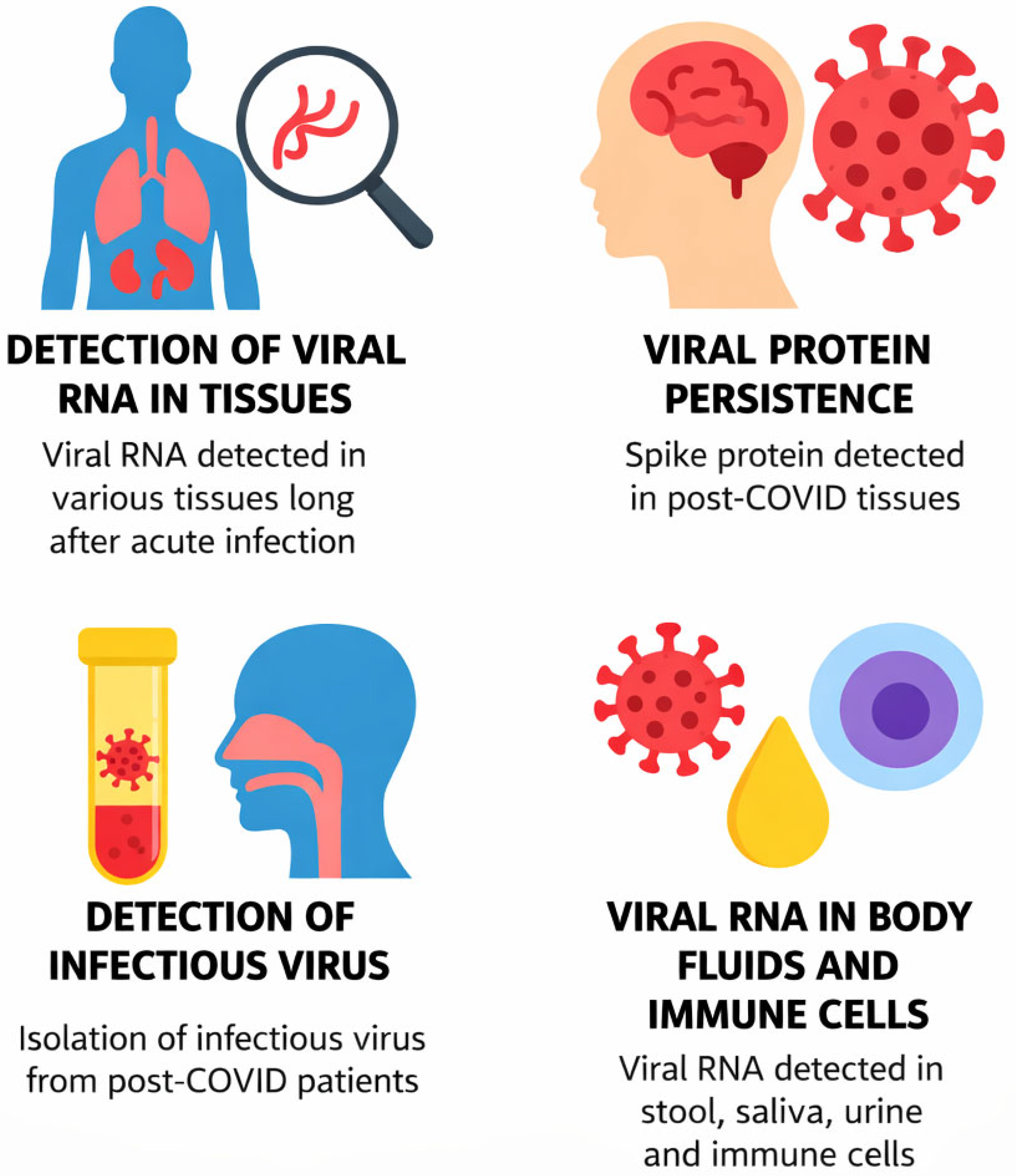
Section 2, it is essential to examine the empirical evidence supporting the presence of viral components in post-acute COVID-19 patients. Major lines of evidence supporting viral persistence in post-COVID patients are summarized in
Figure 3.
Most studies evaluating viral persistence rely on molecular or histopathological techniques such as reverse transcription polymerase chain reaction (RT-PCR), in situ hybridization, immunohistochemistry, and electron microscopy to detect viral RNA or proteins in tissue samples [
20,
40]. These approaches have revealed that SARS-CoV-2 RNA and proteins can be detected in multiple organs and biological samples even after clinical recovery [
8,
20]. However, it is important to emphasize that the detection of viral RNA or proteins does not necessarily imply the presence of a replication-competent virus. Instead, these findings may represent residual viral material, antigen retention within immune cells, or restricted infection in specific tissues [
6,
68].
3.1. Detection of Viral RNA in Tissues
Detection of viral RNA in tissues is one of the most frequently reported findings, suggesting the possibility of SARS-CoV-2 persistence after acute infection. Several studies have identified viral RNA in a variety of organs, including the lungs, heart, brain, kidneys, and gastrointestinal tract [
69]. For example, Caniego-Casas et al. reported the detection of SARS-CoV-2 RNA in lung tissues obtained from autopsies of patients with severe COVID-19 [
70]. In this study, viral RNA was detected in pulmonary tissues several weeks after symptom onset, indicating that viral genetic material may remain detectable for prolonged periods. Importantly, viral RNA was also detected in immune cells such as macrophages and dendritic cells, suggesting that these cells may retain viral material following infection. Similarly, additional studies have reported viral RNA detection in extrapulmonary tissues. In the gastrointestinal tract, viral RNA has been identified in intestinal epithelial cells and gut-associated immune cells, supporting the possibility that the gastrointestinal system may act as a reservoir for viral remnants [
26]. Viral RNA has also been detected in cardiac tissues and renal tissues, suggesting that SARS-CoV-2 infection may involve multiple organ systems during the course of disease [
20,
28]. Detection of viral RNA in neural tissues has also been reported. Post-mortem studies have identified SARS-CoV-2 RNA in brain samples from individuals who died from COVID-19, raising questions regarding the neurotropic potential of the virus [
20,
23]. In experimental models, viral RNA has been detected in neural tissues even after resolution of acute infection, suggesting that viral genetic material may remain detectable within the central nervous system for extended periods [
24]. Despite these observations, the interpretation of viral RNA detection remains complex. Viral RNA may persist as fragmented genetic material or non-infectious remnants rather than an intact, replication-competent virus. Therefore, while RNA detection provides evidence for the presence of viral components, it does not necessarily demonstrate ongoing viral replication [
30,
68].
3.2. Viral Protein Persistence
In addition to viral RNA, several studies have reported the persistence of SARS-CoV-2 proteins in tissues from individuals recovering from COVID-19. Among these viral proteins, the spike protein has received particular attention because of its central role in viral entry and immune recognition. Several reports have described persistent spike protein detection in endothelial cells, circulating monocytes, and neural tissues in patients with long COVID symptoms [
8,
71,
72,
73]. For instance, Trougakos et al. reported the presence of spike protein in endothelial cells and immune cells in individuals experiencing persistent symptoms after acute infection [
74]. Such findings raise the possibility that viral proteins may remain detectable in tissues even after viral replication has ceased. In the central nervous system, the presence of spike protein has been proposed as a potential factor contributing to neurological symptoms associated with long COVID. Experimental studies have demonstrated that the S1 subunit of the SARS-CoV-2 spike protein can cross the blood–brain barrier in animal models [
75,
76,
77]. Additional in vitro studies have shown that exposure of endothelial cells to spike protein can disrupt blood–brain barrier integrity, potentially facilitating the movement of viral proteins or inflammatory mediators into neural tissues [
78]. However, the interpretation of spike protein persistence remains an area of active investigation. Persistent detection of spike protein may reflect circulating protein fragments, deposition of viral antigens within tissues, or intracellular antigen retention within immune cells rather than ongoing viral replication. Some studies have also reported circulating spike protein in plasma samples from individuals with long COVID, suggesting that viral proteins may remain detectable systemically in certain patients [
79].
3.3. Detection of Infectious Virus in Post-COVID Patients
While viral RNA and proteins are frequently detected in post-acute COVID-19 samples, the recovery of replication-competent SARS-CoV-2 is much less common. Isolation of infectious virus requires viral culture techniques, which are more technically demanding and less sensitive than molecular assays. Some studies have attempted to isolate viable virus from respiratory samples collected after the acute phase of infection. For example, Puhach et al. reported that infectious virus could be isolated from respiratory samples of some patients several weeks after symptom onset [
80]. However, most studies have failed to detect replication-competent virus in post-acute samples despite the continued presence of viral RNA or proteins [
6]. These findings suggest that persistent viral RNA or protein signals may frequently represent non-infectious viral remnants rather than ongoing viral replication. Nevertheless, it remains possible that low-level viral replication could occur in certain tissues below the detection thresholds of current diagnostic methods [
81].
3.4. Viral RNA in Body Fluids and Immune Cells
Beyond tissue samples, persistent viral RNA has also been detected in several body fluids following acute SARS-CoV-2 infection. Viral RNA has been reported in stool, saliva, and urine samples collected weeks to months after symptom onset [
40]. For example, Natarajan et al. demonstrated prolonged detection of viral RNA in stool samples from individuals recovering from COVID-19 [
27]. These findings suggest that viral genetic material may persist within the gastrointestinal tract even after respiratory symptoms have resolved. In addition, circulating immune cells may contain viral RNA fragments. Gu et al. reported detection of SARS-CoV-2 RNA in circulating monocytes from individuals experiencing long COVID symptoms [
82]. These findings raise the possibility that immune cells may transport viral material between tissues or retain viral RNA following phagocytosis of infected cells. However, several technical challenges complicate the interpretation of these observations. Detection of viral RNA in immune cells may reflect extracellular contamination, phagocytosed viral debris, or restricted infection rather than productive viral replication. Therefore, future studies should incorporate rigorous experimental controls and complementary techniques to confirm intracellular localization and characterize the nature of detected viral RNA species [
32,
83,
84,
85]. Interpretation of studies reporting persistent viral RNA or protein signals should also consider important methodological limitations. Detection of viral RNA in post-mortem tissues may be influenced by RNA degradation, contamination during tissue processing, or detection of fragmented viral genomes rather than intact virus [
86]. Similarly, immunohistochemical detection of viral proteins may be affected by antibody cross-reactivity or nonspecific staining. In addition, subgenomic or negative-strand RNA signals have sometimes been interpreted as evidence of viral replication; however, recent studies suggest that these markers may persist even after active replication has ceased [
85,
87]. Consequently, careful experimental design and the use of complementary approaches—including viral culture, spatial transcriptomics, and multimodal molecular analyses—are essential for distinguishing between true viral persistence and residual viral material.
4. Clinical Implications of Persistent SARS-CoV-2 Signals in Long COVID
Although persistent viral RNA/protein signals have been detected in multiple tissues, current evidence more strongly supports associations and biological plausibility than definitive causal relationships with specific long COVID symptoms [
2,
6,
8]. The persistence of SARS-CoV-2 in tissues long after the resolution of the acute infection has significant clinical implications for the management of long COVID [
8]. The detection of viral RNA and proteins in various tissues and immune cells raises the possibility that viral remnants may contribute to persistent symptoms in some individuals [
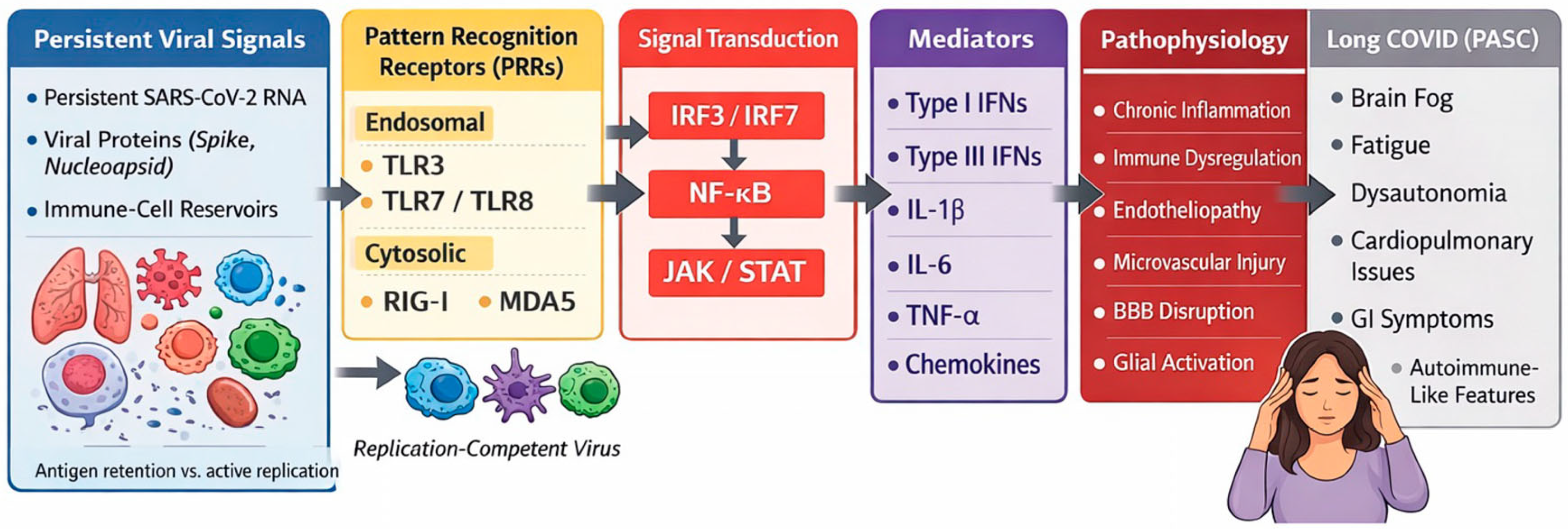
2]; however, definitive causal relationships remain to be established. Understanding the clinical consequences of viral persistence is crucial for developing effective treatment strategies and improving patient outcomes. A conceptual framework linking viral persistence with downstream inflammatory and vascular pathways is illustrated in
Figure 4.
Long COVID as a Multifaceted Syndrome
Long COVID, or PASC, is a complex and heterogeneous syndrome that encompasses a wide range of symptoms, including fatigue, brain fog, dyspnea, myalgia, sleep disturbances, and cardiovascular complications [
1,
61]. Long COVID/PASC is commonly defined as symptoms and/or new health limitations that persist or recur beyond the acute phase and are not explained by an alternative diagnosis, and many clinical frameworks operationalize this as persistence or new onset at ≥4–12 weeks after acute infection (with several guidelines using ≥3 months with ≥2 months duration) [
82,
88]. In a subset of patients, symptoms follow relapsing–remitting or persistent courses extending beyond 6–12 months, with persistence documented up to 24 months (2 years) after acute infection in longitudinal cohorts [
89,
90]. These persistent symptoms can substantially impair quality of life [
91,
92]. Longitudinal cohort data with follow-up to 24 months indicate that many individuals continue to improve over time, but a subset remains not fully recovered (~17%) and/or symptomatic (~18%) at 24 months, supporting heterogeneous recovery rather than uniform resolution [
93]. While the exact mechanisms behind long COVID remain unclear, the possibility that persistent viral reservoirs contribute to these symptoms is increasingly being considered. Evidence for immune dysregulation and chronic inflammation in PASC has been reported across multiple clinical cohorts and is summarized in recent mechanistic syntheses, including persistent inflammatory cytokine/chemokine and interferon-related signatures, altered innate immune activation states, and perturbations in T- and B-cell compartments, with autoimmune phenomena (e.g., autoantibodies) described in subsets of patients [
2,
10,
61]. In parallel, persistent viral RNA/protein signals detected in tissues and/or circulating immune cells in some cohorts provide a plausible antigenic stimulus capable of sustaining such immune activation even when replication-competent virus is not demonstrated [
6]; see also [
8,
71]. Vascular endotheliopathy and coagulation-related abnormalities have also been implicated as contributory processes to cardiopulmonary and systemic symptoms in long COVID [
62,
63].
One proposed consequence of persistent viral RNA/protein signals is sustained immune activation and chronic inflammation, which has been reported in subsets of PASC patients across multiple studies [
2,
7,
61]. These immune perturbations are consistent with downstream processes such as neuroinflammation and endothelial dysfunction described in the long COVID literature [
61,
62,
63]. For instance, persistent viral signals in the brain may represent one biologically plausible contributor to cognitive dysfunction and mood-related symptoms in long COVID, although direct causative evidence remains limited [
23].
Additionally, the presence of viral RNA or proteins in vascular endothelial cells has been hypothesized to be associated with endothelial dysfunction, microvascular abnormalities, and persistent cardiovascular symptoms such as chest pain, dyspnea, and tachycardia; however, the causal relationships among these processes remain under investigation. The autonomic nervous system dysregulation reported in long COVID patients could also be a consequence of viral persistence in the nervous system, further complicating the clinical picture [
62,
94].
5. Investigational Therapeutic Strategies for Viral Persistence in Long COVID
The mechanisms discussed in the previous sections suggest that persistent SARS-CoV-2 RNA or protein signals, immune dysregulation, and chronic inflammatory responses may contribute to the pathophysiology of long COVID. Although the causal relationships between these processes and clinical symptoms remain under investigation, these biological insights provide a framework for considering potential therapeutic strategies. In this section, we discuss current clinical management approaches and emerging investigational therapies that aim to target residual viral components, modulate immune responses, and alleviate persistent symptoms associated with long COVID. The detection of persistent SARS-CoV-2 RNA or protein signals in tissues has raised the possibility that targeted therapeutic interventions may be relevant for a subset of long COVID patients, although this hypothesis remains under active investigation [
2,
6]. Given the potential role of viral reservoirs and the inflammatory response driven by these reservoirs, a multi-faceted approach to treatment may be required to address the underlying causes of long COVID [
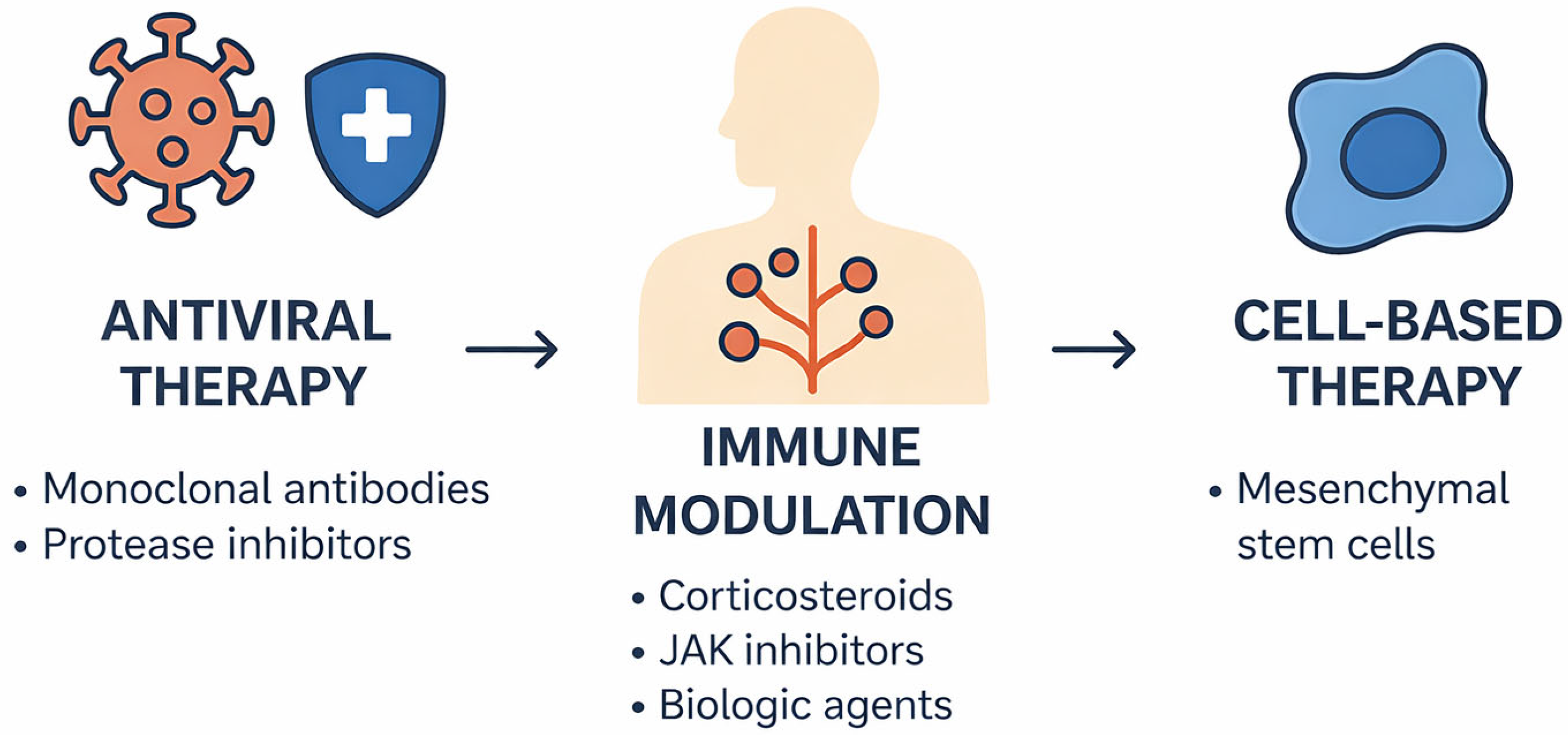
66]. The primary goal of therapeutic interventions would be to reduce viral persistence, modulate the immune response, and repair tissue damage caused by the virus (
Figure 5).
5.1. Current Clinical Management and Challenges
The clinical management of long COVID remains challenging due to the broad spectrum of symptoms and the lack of a clear, universally accepted diagnostic criterion. One of the hurdles is distinguishing between symptoms caused by persistent infection versus those resulting from post-viral immune dysregulation, chronic inflammation, or other comorbidities. Despite the detection of viral remnants in tissues, there is no consensus on how to effectively test for viral persistence in clinical practice [
61,
95].
Given the heterogeneity of long COVID, treatment strategies must be tailored to the individual patient. Symptomatic management, such as pain relief, antidepressants, and cognitive rehabilitation, has been the mainstay of therapy, but these approaches do not address the root cause of the disease [
96]. If persistent viral reservoirs or viral RNA/protein signals contribute to long COVID symptoms in a subset of patients, antiviral therapies and immunomodulatory treatments may offer more targeted approaches. For instance, the use of antiviral agents such as monoclonal antibodies or protease inhibitors could help reduce viral load and alleviate symptoms. Similarly, immunosuppressive therapies, such as corticosteroids or JAK inhibitors, may help dampen chronic inflammation and improve outcomes in patients with autoimmune-like features [
2,
97].
5.2. Investigational Antiviral Strategies
The use of antiviral therapies is one potential avenue. While antiviral agents like monoclonal antibodies and protease inhibitors have primarily been used to treat acute COVID-19, their application in long COVID could help target residual viral particles and prevent low-level replication in tissues [
28]. Monoclonal antibodies that target the spike protein of SARS-CoV-2, such as casirivimab and imdevimab, have been shown to reduce viral load during the acute phase and may hold promise for long COVID patients, particularly those suffering from persistent symptoms related to viral remnants [
98]. Similarly, protease inhibitors, such as nirmatrelvir/ritonavir (Paxlovid), have shown efficacy in reducing viral replication during acute infection. These drugs may also help manage viral persistence by limiting the viral load in tissues and potentially alleviating ongoing symptoms in long COVID patients [
99]. Importantly, there is currently no standardized treatment duration for long COVID, and no approved disease-modifying therapies specifically indicated for long COVID; thus, most care remains symptom-directed while targeted interventions are under evaluation [
100]. In published interventional studies, antiviral regimens nirmatrelvir/ritonavir course in STOP-PASC, and ongoing platform trials are testing extended dosing up to 25 days (RECOVER-VITAL) [
101,
102]. Symptom-targeted trials typically use weeks-to-months interventions (e.g., 8–10 weeks for sleep-related pharmacotherapy; 8 weeks for melatonin/light therapy; and ~3 months for rehabilitation or structured pacing, depending on phenotype) [
103,
104].
5.3. Immunomodulatory Approaches
Another therapeutic strategy would be to target the immune system, as the chronic inflammation seen in many long COVID patients could be driven by immune dysregulation rather than by active viral replication alone. Immunomodulatory therapies, including corticosteroids, JAK inhibitors, and biologic agents targeting inflammatory cytokines, could help reduce the systemic inflammation that drives long COVID symptoms [
2]. Corticosteroids, such as prednisone, have been used in acute COVID-19 to manage inflammation and are frequently employed in the treatment of conditions like autoimmune diseases. In long COVID, corticosteroids could help reduce inflammation in affected tissues, particularly in the lungs, heart, and nervous system, where persistent viral elements may be driving ongoing immune activation [
105]. However, prolonged use of corticosteroids comes with significant side effects, such as immunosuppression and metabolic disturbances, which must be carefully managed [
106].
More targeted immunomodulatory drugs, such as JAK inhibitors, have shown promise in treating autoimmune diseases and may be particularly beneficial for long COVID patients with evidence of autoimmunity or chronic inflammation. These drugs block the signaling pathways of key cytokines involved in the inflammatory response and could alleviate some of the systemic symptoms seen in long COVID, including fatigue, joint pain, and brain fog [
107]. Additionally, biologic therapies that target specific inflammatory mediators, such as IL-6 inhibitors and TNF inhibitors, might be effective in reducing chronic inflammation in individuals whose long COVID is characterized by persistent immune activation [
108].
5.4. Future Therapeutic Perspectives
Interventions for long COVID remain investigational and are not approved as disease-modifying therapies. While most clinical evidence to date is extrapolated from acute/severe COVID-19 cell-therapy studies and follow-up cohorts, long-COVID–focused MSC studies are now being evaluated in early-phase clinical trials (e.g., NCT04992247; NCT06492798); therefore, MSC therapy should be framed as experimental/under evaluation rather than established care [
109,
110]. Several ongoing clinical trials are currently evaluating antiviral and immunomodulatory therapies for long COVID, including extended antiviral treatment regimens and cell-based therapies [
101,
102]. These studies aim to determine whether targeting persistent viral signals or immune dysregulation can improve clinical outcomes in affected patients. In the absence of a definitive antiviral treatment specifically for long COVID, a multi-modal approach combining symptomatic relief, antiviral therapy, and immunomodulation will likely be the most effective [
18,
50]. However, due to the complex and heterogeneous nature of long COVID, therapies will need to be tailored to the specific symptoms and underlying mechanisms present in each patient [
2]. Collaborative research into these therapeutic strategies will be essential in developing targeted treatments that not only address viral persistence but also manage the long-term immune and inflammatory sequelae of COVID-19.
6. Future Research Directions and Challenges
As the world continues to grapple with the ongoing impacts of the COVID-19 pandemic, understanding the mechanisms behind long COVID has become a critical priority. Despite the growing body of research on viral persistence, much remains unknown about the precise role of SARS-CoV-2 in driving long-term symptoms. Future research must focus on identifying reliable biomarkers of viral reservoirs, improving diagnostic tools, and developing targeted treatments that address the underlying causes of long COVID.
One of the most significant challenges in the field is distinguishing active viral infection from viral remnants that might not be replicating but could still provoke immune responses. While many studies have detected SARS-CoV-2 RNA in post-acute patients, whether this RNA represents non-replicating remnants or low-level active viral replication is still unclear. Further research is needed to differentiate between these possibilities. This will likely require integrating established virological and histopathological assays (e.g., viral culture where feasible; conventional IHC/IF and in situ hybridization with rigorous controls) with newer high-dimensional approaches (e.g., single-cell and spatial transcriptomics and multiplex imaging) and assays targeting replication-associated intermediates (e.g., negative-strand or subgenomic RNA) to distinguish replication-competent persistence from residual viral material.
Longitudinal cohort studies will be crucial for understanding the natural history of long COVID and the long-term effects of viral persistence. Following patients over time, from the acute infection through the development of long COVID, could help identify key factors that influence the persistence of symptoms and their relationship to viral reservoirs. Additionally, by tracking immune responses and viral dynamics across multiple time points, researchers may uncover predictive biomarkers that can identify which individuals are more likely to develop long COVID and which symptoms are most strongly associated with persistent viral elements.
The development of treatment strategies for long COVID hinges on a deeper understanding of the viral and immune mechanisms involved. Clinical trials testing antiviral therapies, immunomodulatory drugs, and cell-based therapies are urgently needed to evaluate their effectiveness in the treatment of long COVID. Given the diverse nature of long COVID symptoms, treatments will likely need to be tailored to specific patient populations based on their symptom profiles and underlying pathophysiology. For example, patients with primarily neurological symptoms may benefit from therapies targeting neuroinflammation, while those with cardiovascular or pulmonary symptoms may require treatments that specifically address tissue damage and inflammation in the heart and lungs.
Moreover, a better understanding of autoimmune phenomena in long COVID is necessary to guide therapeutic interventions. In some patients, persistent viral elements or immune dysregulation may lead to autoantibody production and autoimmune-like diseases. Investigating the molecular mechanisms by which SARS-CoV-2 may trigger these autoimmune responses could help identify potential therapeutic targets to reduce chronic inflammation and tissue damage.
Ultimately, the path forward will require a concerted effort from both the clinical and research communities. By addressing the gaps in our understanding of viral persistence and immune dysregulation, we can develop more effective treatments for long COVID and improve the lives of millions of individuals who continue to suffer from its effects.
7. Conclusions
At present, the available evidence more strongly supports associations and mechanistic plausibility than definitive causation between persistent viral signals and specific long COVID symptom clusters. Persistent SARS-CoV-2–derived RNA and protein signals have emerged as a potential contributor to the pathophysiology of long COVID, although the extent to which these signals represent ongoing viral activity versus residual viral material remains under active investigation. Evidence from tissue-based studies suggests that viral RNA and proteins can be detected in multiple organs, including the lungs, brain, gastrointestinal tract, and immune cells, potentially sustaining immune activation and inflammatory responses in some individuals. However, the presence of viral components does not necessarily imply a replication-competent virus, and further research is required to clarify the biological significance of these findings. Host factors such as age, metabolic comorbidities, immune status, and baseline immune dysregulation may influence the likelihood of persistent viral signals and the development of long COVID symptoms. These factors may modulate antiviral immunity, inflammatory pathways, and tissue susceptibility, contributing to the heterogeneous clinical manifestations observed in long COVID patients. From a therapeutic perspective, current management remains largely symptom-directed due to the absence of approved disease-modifying therapies. Investigational approaches, including antiviral strategies targeting residual viral particles and immunomodulatory therapies aimed at controlling chronic inflammation, are currently under evaluation in clinical studies. Given the complexity and heterogeneity of long COVID, future therapeutic strategies will likely require a personalized and multi-modal approach that integrates antiviral, immunological, and supportive interventions. Overall, advancing our understanding of viral persistence, host susceptibility, and immune dysregulation will be essential for developing effective diagnostic tools and targeted therapies for long COVID. Continued interdisciplinary research and well-designed clinical studies will be critical to clarify the role of persistent viral signals and to guide evidence-based management strategies for affected patients.
Author Contributions
Conceptualization, J.B.; software, J.B.; validation, E.-M.A., H.-J.P. and J.B.; formal analysis, J.B.; investigation, J.B.; data curation, J.B.; writing—original draft preparation, J.B.; writing—review and editing, E.-M.A., H.-J.P., J.M.C. and J.B. visualization, H.-J.P., J.M.C. and J.B.; supervision, J.B.; project administration, J.B.; funding acquisition, J.B. All authors have read and agreed to the published version of the manuscript.
Funding
This research was supported by the Daegu Haany University Regional Innovation System & Education (RISE) Glocal project program [Global Joint Research on Traditional Medicine and K-Beauty] through the Gyeongbuk RISE center, funded by the Ministry of Education (MOE) and the Gyeongsangbook-do, Republic of Korea. This research was supported by the Regional Innovation System & Education (RISE) Local Customized R&D (University Autonomous Local Customized R&D) program through the Gyeongbuk RISE CENTER, funded by the Ministry of Education(MOE) and the Gyeongsangbuk-do, Republic of Korea (2025-rise-15-110).
Institutional Review Board Statement
Not applicable.
Informed Consent Statement
Not applicable.
Data Availability Statement
The data that support the findings of this study are available upon request from the corresponding author.
Conflicts of Interest
The authors declare no conflicts of interest.
Abbreviations
The following abbreviations are used in this manuscript:
| PASC | Post-acute sequelae of COVID-19 |
| JAK | Janus kinase |
| BBB | Blood–brain barrier |
| ACE2 | Angiotensin-converting enzyme 2 |
| PRR | Pattern-recognition receptor |
References
- Nalbandian, A.; Sehgal, K.; Gupta, A.; Madhavan, M.V.; McGroder, C.; Stevens, J.S.; Cook, J.R.; Nordvig, A.S.; Shalev, D.; Sehrawat, T.S.; et al. Post-acute COVID-19 syndrome. Nat. Med. 2021, 27, 601–615. [Google Scholar] [CrossRef] [PubMed]
- Peluso, M.J.; Deeks, S.G. Mechanisms of long COVID and the path toward therapeutics. Cell 2024, 187, 5500–5529. [Google Scholar] [CrossRef] [PubMed]
- Brosnahan, S.B.; Jonkman, A.H.; Kugler, M.C.; Munger, J.S.; Kaufman, D.A. COVID-19 and Respiratory System Disorders: Current Knowledge, Future Clinical and Translational Research Questions. Arterioscler. Thromb. Vasc. Biol. 2020, 40, 2586–2597. [Google Scholar] [CrossRef]
- Uversky, V.N.; Elrashdy, F.; Aljadawi, A.; Ali, S.M.; Khan, R.H.; Redwan, E.M. Severe acute respiratory syndrome coronavirus 2 infection reaches the human nervous system: How? J. Neurosci. Res. 2021, 99, 750–777. [Google Scholar] [CrossRef]
- McMillan, P.; Turner, A.J.; Uhal, B.D. Mechanisms of Gut-Related Viral Persistence in Long COVID. Viruses 2024, 16, 1266. [Google Scholar] [CrossRef]
- Chen, B.; Julg, B.; Mohandas, S.; Bradfute, S.B. RECOVER Mechanistic Pathways Task Force. Viral persistence, reactivation, and mechanisms of long COVID. Elife 2023, 12, e86015. [Google Scholar] [CrossRef]
- Mohandas, S.; Jagannathan, P.; Henrich, T.J.; Sherif, Z.A.; Bime, C.; Quinlan, E.; Portman, M.A.; Gennaro, M.; Rehman, J. RECOVER Mechanistic Pathways Task Force. Immune mechanisms underlying COVID-19 pathology and post-acute sequelae of SARS-CoV-2 infection (PASC). Elife 2023, 12, e86014. [Google Scholar] [CrossRef]
- Zuo, W.; He, D.; Liang, C.; Du, S.; Hua, Z.; Nie, Q.; Zhou, X.; Yang, M.; Tan, H.; Xu, J.; et al. The persistence of SARS-CoV-2 in tissues and its association with long COVID symptoms: A cross-sectional cohort study in China. Lancet Infect. Dis. 2024, 24, 845–855. [Google Scholar] [CrossRef]
- Wang, Z.; Cheng, F.; Xu, Y.; Li, X.; Meng, S. Role of innate immunity in SARS-CoV-2 infection. Biosaf. Health 2023, 5, 280–288. [Google Scholar] [CrossRef]
- Yamada, T.; Takaoka, A. Innate immune recognition against SARS-CoV-2. Inflamm. Regen. 2023, 43, 7. [Google Scholar] [CrossRef]
- Salvi, V.; Nguyen, H.O.; Sozio, F.; Schioppa, T.; Gaudenzi, C.; Laffranchi, M.; Scapini, P.; Passari, M.; Barbazza, I.; Tiberio, L.; et al. SARS-CoV-2-associated ssRNAs activate inflammation and immunity via TLR7/8. JCI Insight 2021, 6, e150542. [Google Scholar] [CrossRef] [PubMed]
- Bortolotti, D.; Gentili, V.; Rizzo, S.; Schiuma, G.; Beltrami, S.; Strazzabosco, G.; Fernandez, M.; Caccuri, F.; Caruso, A.; Rizzo, R. TLR3 and TLR7 RNA Sensor Activation during SARS-CoV-2 Infection. Microorganisms 2021, 9, 1820. [Google Scholar] [CrossRef] [PubMed]
- Thorne, L.G.; Reuschl, A.-K.; Zuliani-Alvarez, L.; Whelan, M.V.X.; Turner, J.; Noursadeghi, M.; Jolly, C.; Towers, G.J. SARS-CoV-2 sensing by RIG-I and MDA5 links epithelial infection to macrophage inflammation. EMBO J. 2021, 40, e107826. [Google Scholar] [CrossRef] [PubMed]
- Yin, X.; Riva, L.; Pu, Y.; Martin-Sancho, L.; Kanamune, J.; Yamamoto, Y.; Sakai, K.; Gotoh, S.; Miorin, L.; De Jesus, P.D.; et al. MDA5 Governs the Innate Immune Response to SARS-CoV-2 in Lung Epithelial Cells. Cell Rep. 2021, 34, 108628. [Google Scholar] [CrossRef]
- Albornoz, E.A.; Amarilla, A.A.; Modhiran, N.; Parker, S.; Li, X.X.; Wijesundara, D.K.; Aguado, J.; Pliego Zamora, A.; McMillan, C.L.D.; Liang, B.; et al. SARS-CoV-2 drives NLRP3 inflammasome activation in human microglia through spike protein. Mol. Psychiatry 2023, 28, 2878–2893. [Google Scholar] [CrossRef]
- Patterson, B.K.; Francisco, E.B.; Yogendra, R.; Long, E.; Pise, A.; Rodrigues, H.; Hall, E.; Herrera, M.; Parikh, P.; Guevara-Coto, J.; et al. Persistence of SARS CoV-2 S1 Protein in CD16+ Monocytes in PASC up to 15 Months Post-Infection. Front. Immunol. 2022, 12, 746021. [Google Scholar] [CrossRef]
- Rubio-Casillas, A.; Redwan, E.M.; Uversky, V.N. SARS-CoV-2: A Master of Immune Evasion. Biomedicines 2022, 10, 1339. [Google Scholar] [CrossRef]
- Zhang, S.; Wang, L.; Cheng, G. The battle between host and SARS-CoV-2: Innate immunity and viral evasion strategies. Mol. Ther. 2022, 30, 1869–1884. [Google Scholar] [CrossRef]
- Zhang, Y.; Geng, X.; Tan, Y.; Li, Q.; Xu, C.; Xu, J.; Hao, L.; Zeng, Z.; Luo, X.; Liu, F.; et al. New understanding of the damage of SARS-CoV-2 infection outside the respiratory system. Biomed. Pharmacother. 2020, 127, 110195. [Google Scholar] [CrossRef]
- Stein, S.R.; Ramelli, S.C.; Grazioli, A.; Chung, J.Y.; Singh, M.; Yinda, C.K.; Winkler, C.W.; Sun, J.; Dickey, J.M.; Ylaya, K.; et al. SARS-CoV-2 infection and persistence in the human body and brain at autopsy. Nature 2022, 612, 758–763. [Google Scholar] [CrossRef]
- Wang, L.L.; Yang, J.W.; Xu, J.F. Severe acute respiratory syndrome coronavirus 2 causes lung inflammation and injury. Clin. Microbiol. Infect. 2022, 28, 513–520. [Google Scholar] [CrossRef] [PubMed]
- Putra, S.P.; Hidayat, T.; Zhuhra, R.T. SARS-CoV-2 persistence and infectivity in COVID-19 corpses: A systematic review. Forensic Sci. Med. Pathol. 2023, 19, 94–102. [Google Scholar] [CrossRef] [PubMed]
- Zhang, L.; Zhou, L.; Bao, L.; Liu, J.; Zhu, H.; Lv, Q.; Liu, R.; Chen, W.; Tong, W.; Wei, Q.; et al. SARS-CoV-2 crosses the blood-brain barrier accompanied with basement membrane disruption without tight junctions alteration. Signal Transduct. Target. Ther. 2021, 6, 337. [Google Scholar] [CrossRef] [PubMed]
- Li, H.; McLaurin, K.A.; Mactutus, C.F.; Rappaport, J.; Datta, P.K.; Booze, R.M. SARS-CoV-2 RNA persists in the central nervous system of non-human primates despite clinical recovery. Mol. Biomed. 2023, 4, 39. [Google Scholar] [CrossRef]
- Caliman-Sturdza, O.A.; Gheorghita, R.; Lobiuc, A. Neuropsychiatric Manifestations of Long COVID-19: A Narrative Review of Clinical Aspects and Therapeutic Approaches. Life 2025, 15, 439. [Google Scholar] [CrossRef]
- Durairajan, S.S.K.; Singh, A.K.; Saravanan, U.B.; Namachivayam, M.; Radhakrishnan, M.; Huang, J.D.; Dhodapkar, R.; Zhang, H. Gastrointestinal Manifestations of SARS-CoV-2: Transmission, Pathogenesis, Immunomodulation, Microflora Dysbiosis, and Clinical Implications. Viruses 2023, 15, 1231. [Google Scholar] [CrossRef]
- Natarajan, A.; Zlitni, S.; Brooks, E.F.; Vance, S.E.; Dahlen, A.; Hedlin, H.; Park, R.M.; Han, A.; Schmidtke, D.T.; Verma, R.; et al. Gastrointestinal symptoms and fecal shedding of SARS-CoV-2 RNA suggest prolonged gastrointestinal infection. Med 2022, 3, 371–387. [Google Scholar] [CrossRef]
- Radovic, S.; Meng, W.; Chen, L.; Paniz Mondolfi, A.E.; Bryce, C.; Grimes, Z.; Sordillo, E.M.; Cordon-Cardo, C.; Guo, H.; Huang, Y.; et al. SARS-CoV-2 infection of kidney tissues from severe COVID-19 patients. J. Med. Virol. 2023, 95, e28566. [Google Scholar] [CrossRef]
- Yu, S.; Hu, H.; Ai, Q.; Bai, R.; Ma, K.; Zhou, M.; Wang, S. SARS-CoV-2 Spike-Mediated Entry and Its Regulation by Host Innate Immunity. Viruses 2023, 15, 639. [Google Scholar] [CrossRef]
- Batool, S.; Chokkakula, S.; Jeong, J.H.; Baek, Y.H.; Song, M.S. SARS-CoV-2 drug resistance and therapeutic approaches. Heliyon 2025, 11, e41980. [Google Scholar] [CrossRef]
- Zheng, J.; Wang, Y.; Li, K.; Meyerholz, D.K.; Allamargot, C.; Perlman, S. Severe Acute Respiratory Syndrome Coronavirus 2-Induced Immune Activation and Death of Monocyte-Derived Human Macrophages and Dendritic Cells. J. Infect. Dis. 2021, 223, 785–795. [Google Scholar] [CrossRef]
- Jalloh, S.; Olejnik, J.; Berrigan, J.; Nisa, A.; Suder, E.L.; Akiyama, H.; Lei, M.; Ramaswamy, S.; Tyagi, S.; Bushkin, Y.; et al. CD169-mediated restrictive SARS-CoV-2 infection of macrophages induces pro-inflammatory responses. PLoS Pathog. 2022, 18, e1010479. [Google Scholar] [CrossRef]
- Abdelmoaty, M.M.; Yeapuri, P.; Machhi, J.; Olson, K.E.; Shahjin, F.; Kumar, V.; Zhou, Y.; Liang, J.; Pandey, K.; Acharya, A.; et al. Defining the Innate Immune Responses for SARS-CoV-2–Human Macrophage Interactions. Front. Immunol. 2021, 12, 741502. [Google Scholar] [CrossRef] [PubMed]
- Huot, N.; Planchais, C.; Rosenbaum, P.; Contreras, V.; Jacquelin, B.; Petitdemange, C.; Lazzerini, M.; Beaumont, E.; Orta-Resendiz, A.; Rey, F.A.; et al. SARS-CoV-2 viral persistence in lung alveolar macrophages is controlled by IFN-γ and NK cells. Nat. Immunol. 2023, 24, 2068–2079. [Google Scholar] [CrossRef] [PubMed]
- Schwabenland, M.; Salié, H.; Tanevski, J.; Killmer, S.; Lago, M.S.; Schlaak, A.E.; Mayer, L.; Matschke, J.; Püschel, K.; Fitzek, A.; et al. Deep spatial profiling of human COVID-19 brains reveals neuroinflammation with distinct microanatomical microglia–T-cell interactions. Immunity 2021, 54, 1594–1610.e11. [Google Scholar] [CrossRef] [PubMed]
- Lebrun, L.; Absil, L.; Remmelink, M.; De Mendonça, R.; D’Haene, N.; Gaspard, N.; Rusu, S.; Racu, M.L.; Collin, A.; Allard, J.; et al. SARS-Cov-2 infection and neuropathological findings: A report of 18 cases and review of the literature. Acta Neuropathol. Commun. 2023, 11, 78. [Google Scholar] [CrossRef]
- Fernández-Castañeda, A.; Lu, P.; Geraghty, A.C.; Song, E.; Lee, M.H.; Wood, J.; O’Dea, M.R.; Dutton, S.; Shamardani, K.; Nwangwu, K.; et al. Mild respiratory COVID can cause multi-lineage neural cell and myelin dysregulation. Cell 2022, 185, 2452–2468.e16. [Google Scholar] [CrossRef]
- Lau, M.C.; Yi, Y.; Goh, D.; Cheung, C.C.L.; Tan, B.; Lim, J.C.T.; Joseph, C.R.; Wee, F.; Lee, J.N.; Lim, X.; et al. Case report: Understanding the impact of persistent tissue-localization of SARS-CoV-2 on immune response activity via spatial transcriptomic analysis of two cancer patients with COVID-19 co-morbidity. Front. Immunol. 2022, 13, 978760. [Google Scholar] [CrossRef]
- Rensen, E.; Pietropaoli, S.; Mueller, F.; Weber, C.; Souquere, S.; Sommer, S.; Isnard, P.; Rabant, M.; Gibier, J.-B.; Terzi, F.; et al. Sensitive visualization of SARS-CoV-2 RNA with CoronaFISH. Life Sci. Alliance 2022, 5, e202101124. [Google Scholar] [CrossRef]
- Tomasicchio, M.; Jaumdally, S.; Wilson, L.; Kotze, A.; Semple, L.; Meier, S.; Pooran, A.; Esmail, A.; Pillay, K.; Roberts, R.; et al. SARS-CoV-2 viral replication persists in the human lung for several weeks after symptom onset. Am. J. Respir. Crit. Care Med. 2024, 209, 840–851. [Google Scholar] [CrossRef]
- Lemos, J.R.N.; Hirani, K.; von Herrath, M. Immunological and virological triggers of type 1 diabetes: Insights and implications. Front. Immunol. 2024, 14, 1326711. [Google Scholar] [CrossRef]
- Bocquet-Garçon, A. Impact of the SARS-CoV-2 Spike Protein on the Innate Immune System: A Review. Cureus 2024, 16, e57008. [Google Scholar] [CrossRef] [PubMed]
- de Melo, B.P.; da Silva, J.A.M.; Rodrigues, M.A.; Palmeira, J.D.F.; Saldanha-Araujo, F.; Argañaraz, G.A.; Argañaraz, E.R. SARS-CoV-2 Spike Protein and Long COVID-Part 1: Impact of Spike Protein in Pathophysiological Mechanisms of Long COVID Syndrome. Viruses 2025, 17, 617. [Google Scholar] [CrossRef] [PubMed]
- Elizalde-Díaz, J.P.; Miranda-Narváez, C.L.; Martínez-Lazcano, J.C.; Martínez-Martínez, E. The relationship between chronic immune response and neurodegenerative damage in long COVID-19. Front. Immunol. 2022, 13, 1039427. [Google Scholar] [CrossRef] [PubMed]
- Su, Y.; Yuan, D.; Chen, D.G.; Ng, R.H.; Wang, K.; Choi, J.; Li, S.; Hong, S.; Zhang, R.; Xie, J.; et al. Multiple early factors anticipate post-acute COVID-19 sequelae. Cell 2022, 185, 881–895.e20. [Google Scholar] [CrossRef]
- Son, K.; Jamil, R.; Chowdhury, A.; Mukherjee, M.; Venegas, C.; Miyasaki, K.; Zhang, K.; Patel, Z.; Salter, B.; Yuen, A.C.Y.; et al. Circulating anti-nuclear autoantibodies in COVID-19 survivors predict long COVID symptoms. Eur. Respir. J. 2023, 61, 2200970. [Google Scholar] [CrossRef]
- Sotzny, F.; Filgueiras, I.S.; Kedor, C.; Freitag, H.; Wittke, K.; Bauer, S.; Sepulveda, N.; Mathias da Fonseca, D.L.; Baiocchi, G.C.; Marques, A.H.C.; et al. Dysregulated autoantibodies targeting vaso- and immunoregulatory receptors in Post COVID Syndrome correlate with symptom severity. Front. Immunol. 2022, 13, 981532. [Google Scholar] [CrossRef]
- Lim, S.H.; Ju, H.J.; Han, J.H.; Lee, J.H.; Lee, W.-S.; Bae, J.M.; Lee, S. Autoimmune and autoinflammatory connective tissue disorders following COVID-19. JAMA Netw. Open 2023, 6, e2336120. [Google Scholar] [CrossRef]
- Rojas, M.; Herrán, M.; Ramírez-Santana, C.; Leung, P.S.C.; Anaya, J.-M.; Ridgway, W.M.; Gershwin, M.E. Molecular mimicry and autoimmunity in the time of COVID-19. J. Autoimmun. 2023, 139, 103070. [Google Scholar] [CrossRef]
- Lammi, V.; Nakanishi, T.; Jones, S.E.; Andrews, S.J.; Karjalainen, J.; Cortés, B.; O’Brien, H.E.; Ochoa-Guzman, A.; Fulton-Howard, B.E.; Broberg, M.; et al. Genome-wide association study identifies host genetic factors for long COVID. Nat. Genet. 2025, 57, 1402–1417. [Google Scholar] [CrossRef]
- Talla, A.; Vasaikar, S.V.; Szeto, G.L.; Lemos, M.P.; Czartoski, J.L.; MacMillan, H.; Moodie, Z.; Cohen, K.W.; Fleming, L.B.; Thomson, Z.; et al. Persistent serum protein signatures define an inflammatory subcategory of long COVID. Nat. Commun. 2023, 14, 3417. [Google Scholar] [CrossRef]
- Sudre, C.H.; Murray, B.; Varsavsky, T.; Graham, M.S.; Penfold, R.S.; Bowyer, R.C.; Capdevila Pujol, J.; Klaser, K.; Antonelli, M.; Canas, L.S.; et al. Attributes and predictors of long COVID. Nat. Med. 2021, 27, 626–631. [Google Scholar] [CrossRef] [PubMed]
- Aydillo, T.; Gonzalez-Reiche, A.S.; Aslam, S.; van de Guchte, A.; Khan, Z.; Obla, A.; Dutta, J.; van Bakel, H.; Aberg, J.; García-Sastre, A.; et al. Shedding of Viable SARS-CoV-2 after Immunosuppressive Therapy for Cancer. N. Engl. J. Med. 2020, 383, 2586–2588. [Google Scholar] [CrossRef] [PubMed]
- Al-Aly, Z.; Bowe, B.; Xie, Y. Long COVID after breakthrough SARS-CoV-2 infection. Nat. Med. 2022, 28, 1461–1467. [Google Scholar] [PubMed]
- Bowe, B.; Xie, Y.; Al-Aly, Z. Acute and postacute sequelae associated with SARS-CoV-2 reinfection. Nat. Med. 2022, 28, 2398–2405. [Google Scholar] [CrossRef]
- Davis, H.E.; McCorkell, L.; Vogel, J.M.; Topol, E.J. Long COVID: Major findings, mechanisms and recommendations. Nat. Rev. Microbiol. 2023, 21, 133–146. [Google Scholar] [CrossRef]
- DeWolf, S.; Laracy, J.C.; Perales, M.A.; Kamboj, M.; van den Brink, M.R.M.; Vardhana, S. SARS-CoV-2 in immunocompromised individuals. Immunity 2022, 55, 1779–1798. [Google Scholar]
- Hoffmann, M.; Kleine-Weber, H.; Schroeder, S.; Krüger, N.; Herrler, T.; Erichsen, S.; Schiergens, T.S.; Herrler, G.; Wu, N.H.; Nitsche, A.; et al. SARS-CoV-2 Cell Entry Depends on ACE2 and TMPRSS2 and Is Blocked by a Clinically Proven Protease Inhibitor. Cell 2020, 181, 271–280.e8. [Google Scholar] [CrossRef]
- Greene, C.; Connolly, R.; Brennan, D.; Laffan, A.; O’Keeffe, E.; Zaporojan, L.; O’Callaghan, J.; Thomson, B.; Connolly, E.; Argue, R.; et al. Blood-brain barrier disruption and sustained systemic inflammation in individuals with long COVID-associated cognitive impairment. Nat. Neurosci. 2024, 27, 421–432. [Google Scholar] [CrossRef]
- Vora, S.M.; Lieberman, J.; Wu, H. Inflammasome activation at the crux of severe COVID-19. Nat. Rev. Immunol. 2021, 21, 694–703. [Google Scholar] [CrossRef]
- Anang, V.; Kumar, P.; Pracha, J.; Nho, R.S.; Mora, A.L.; Rojas, M.; Gowdy, K.; Yount, J.S.; Bednash, J.S.; Horowitz, J.C.; et al. SARS-CoV-2 innate immune recognition and implications for respiratory health. Cytokine Growth Factor. Rev. 2025, 86, 167–180. [Google Scholar] [CrossRef] [PubMed]
- Kuchler, T.; Günthner, R.; Ribeiro, A.; Hausinger, R.; Streese, L.; Wöhnl, A.; Kesseler, V.; Negele, J.; Assali, T.; Carbajo-Lozoya, J.; et al. Persistent endothelial dysfunction in post-COVID-19 syndrome and its associations with symptom severity and chronic inflammation. Angiogenesis 2023, 26, 547–563. [Google Scholar] [CrossRef] [PubMed]
- Turner, S.; Khan, M.A.; Putrino, D.; Woodcock, A.; Kell, D.B.; Pretorius, E. Long COVID: Pathophysiological factors and abnormalities of coagulation. Trends Endocrinol. Metab. 2023, 34, 321–344. [Google Scholar] [CrossRef]
- Wu, X.; Xiang, M.; Jing, H.; Wang, C.; Novakovic, V.A.; Shi, J. Damage to endothelial barriers and its contribution to long COVID. Angiogenesis 2024, 27, 5–22. [Google Scholar] [CrossRef]
- Zollner, A.; Meyer, M.; Jukic, A.; Adolph, T.; Tilg, H. The Intestine in Acute and Long COVID: Pathophysiological Insights and Key Lessons. Yale J. Biol. Med. 2024, 97, 447–462. [Google Scholar] [CrossRef]
- Baldari, C.T.; Onnis, A.; Andreano, E.; Del Giudice, G.; Rappuoli, R. Emerging roles of SARS-CoV-2 Spike-ACE2 in immune evasion and pathogenesis. Trends Immunol. 2023, 44, 424–434. [Google Scholar] [CrossRef]
- Veleri, S. Neurotropism of SARS-CoV-2 and neurological diseases of the central nervous system in COVID-19 patients. Exp. Brain Res. 2022, 240, 9–25. [Google Scholar] [CrossRef]
- Markiewicz, L.; Drazkowska, K.; Sikorski, P.J. Tricks and threats of RNA viruses—Towards understanding the fate of viral RNA. RNA Biol. 2021, 18, 669–687. [Google Scholar] [CrossRef]
- Batra, A.; Clark, J.R.; Kang, A.K.; Ali, S.; Patel, T.R.; Shlobin, N.A.; Hoffman, S.C.; Lim, P.H.; Orban, Z.S.; Visvabharathy, L.; et al. Persistent viral RNA shedding of SARS-CoV-2 is associated with delirium incidence and six-month mortality in hospitalized COVID-19 patients. Geroscience 2022, 44, 1241–1254. [Google Scholar] [CrossRef]
- Caniego-Casas, T.; Martínez-García, L.; Alonso-Riaño, M.; Pizarro, D.; Carretero-Barrio, I.; Martínez-de-Castro, N.; Ruz-Caracuel, I.; de Pablo, R.; Saiz, A.; Royo, R.N.; et al. RNA SARS-CoV-2 Persistence in the Lung of Severe COVID-19 Patients: A Case Series of Autopsies. Front. Microbiol. 2022, 13, 824967. [Google Scholar] [CrossRef]
- Seco-Gonzalez, A.; Antelo-Riveiro, P.; Bravo, S.B.; Domínguez-Santalla, M.J.; Rodríguez-Ruiz, E.; Piñeiro, Á.; Garcia-Fandino, R. Comprehensive molecular characterization of post-COVID condition: Immunoglobulin suppression and persistent SARS-CoV-2 antigens as key pathophysiological drivers. J. Infect. Public Health 2025, 18, 102870. [Google Scholar] [CrossRef] [PubMed]
- Rong, Z.; Mai, H.; Ebert, G.; Kapoor, S.; Puelles, V.G.; Czogalla, J.; Hu, S.; Su, J.; Prtvar, D.; Singh, I.; et al. Persistence of spike protein at the skull–meninges–brain axis may contribute to the neurological sequelae of COVID-19. Cell Host Microbe 2024, 32, 2112–2130.e10. [Google Scholar] [CrossRef] [PubMed]
- Goh, D.; Lim, J.C.T.; Fernaíndez, S.B.; Joseph, C.R.; Edwards, S.G.; Neo, Z.W.; Lee, J.N.; Caballero, S.G.; Lau, M.C.; Yeong, J.P.S. Case report: Persistence of residual antigen and RNA of the SARS-CoV-2 virus in tissues of two patients with long COVID. Front. Immunol. 2022, 13, 939989. [Google Scholar]
- Trougakos, I.P.; Terpos, E.; Alexopoulos, H.; Politou, M.; Paraskevis, D.; Scorilas, A.; Kastritis, E.; Andreakos, E.; Dimopoulos, M.A. Adverse effects of COVID-19 mRNA vaccines: The spike hypothesis. Trends Mol. Med. 2022, 28, 542–554. [Google Scholar] [CrossRef]
- Fontes-Dantas, F.L.; Fernandes, G.G.; Gutman, E.G.; De Lima, E.V.; Antonio, L.S.; Hammerle, M.B.; Mota-Araujo, H.P.; Colodeti, L.C.; Araújo, S.M.B.; Froz, G.M.; et al. SARS-CoV-2 Spike protein induces TLR4-mediated long-term cognitive dysfunction recapitulating post-COVID-19 syndrome in mice. Cell Rep. 2023, 42, 112189. [Google Scholar] [CrossRef]
- Menezes, F.; Palmeira, J.D.F.; Oliveira, J.D.S.; Argañaraz, G.A.; Soares, C.R.J.; Nóbrega, O.T.; Ribeiro, B.M.; Argañaraz, E.R. Unraveling the SARS-CoV-2 spike protein long-term effect on neuro-PASC. Front. Cell Neurosci. 2024, 18, 1481963. [Google Scholar] [CrossRef]
- Rhea, E.M.; Logsdon, A.F.; Hansen, K.M.; Williams, L.M.; Reed, M.J.; Baumann, K.K.; Holden, S.J.; Raber, J.; Banks, W.A.; Erickson, M.A. The S1 protein of SARS-CoV-2 crosses the blood–brain barrier in mice. Nat. Neurosci. 2021, 24, 368–378. [Google Scholar] [CrossRef]
- DeOre, B.J.; Tran, K.A.; Andrews, A.M.; Ramirez, S.H.; Galie, P.A. SARS-CoV-2 spike protein disrupts blood–brain barrier integrity via RhoA activation. J. Neuroimmune Pharmacol. 2021, 16, 722–728. [Google Scholar] [CrossRef]
- Swank, Z.; Senussi, Y.; Manickas-Hill, Z.; Yu, X.G.; Li, J.Z.; Alter, G.; Walt, D.R. Persistent Circulating Severe Acute Respiratory Syndrome Coronavirus 2 Spike Is Associated with Post-acute Coronavirus Disease 2019 Sequelae. Clin. Infect. Dis 2023, 76, e487–e490. [Google Scholar] [CrossRef]
- van Kampen, J.J.A.; van de Vijver, D.A.M.C.; Fraaij, P.L.A.; Haagmans, B.L.; Lamers, M.M.; Okba, N.; van den Akker, J.P.C.; Endeman, H.; Gommers, D.; Cornelissen, J.J.; et al. Duration and key determinants of infectious virus shedding in hospitalized patients with coronavirus disease-2019 (COVID-19). Nat. Commun. 2021, 12, 267. [Google Scholar] [CrossRef]
- Puhach, O.; Meyer, B.; Eckerle, I. SARS-CoV-2 viral load and shedding kinetics. Nat. Rev. Microbiol. 2023, 21, 147–161. [Google Scholar] [CrossRef] [PubMed]
- Gu, J.; Liu, Q.; Zhang, J.; Xu, S. COVID-19 and trained immunity: The inflammatory burden of long covid. Front. Immunol. 2023, 14, 1294959. [Google Scholar] [CrossRef] [PubMed]
- Junqueira, C.; Crespo, Â.; Ranjbar, S.; de Lacerda, L.B.; Lewandrowski, M.; Ingber, J.; Parry, B.; Ravid, S.; Clark, S.; Schrimpf, M.R.; et al. FcγR-mediated SARS-CoV-2 infection of monocytes activates inflammation. Nature 2022, 606, 576–584. [Google Scholar] [CrossRef] [PubMed]
- Moustafa, A.; Khalel, R.S.; Aziz, R.K. Traces of SARS-CoV-2 RNA in Peripheral Blood Cells of Patients with COVID-19. OMICS 2021, 25, 475–483. [Google Scholar] [CrossRef]
- Alexandersen, S.; Chamings, A.; Bhatta, T.R. SARS-CoV-2 genomic and subgenomic RNAs in diagnostic samples are not an indicator of active replication. Nat. Commun. 2020, 11, 6059. [Google Scholar] [CrossRef]
- Aiello, F.; Centofanti, F.; Di Nunzio, C.; Di Michele, S.; Storti, S.; Ceccarelli, G.; D’Ettorre, G.; Marani, A.; Turriziani, O.; Sanguinetti, M.; et al. Post-Mortem RT-PCR Assay for SARS-CoV-2 RNA Detection in COVID-19 Patients: Potential Contamination and Interpretation Challenges. Int. J. Environ. Res. Public Health 2021, 18, 11001. [Google Scholar]
- Long, S.; Olsen, R.J.; Christensen, P.A.; Bernard, D.W.; Davis, J.J.; Shukla, M.; Nguyen, M.; Saavedra, M.O.; Yerramilli, P.; Pruitt, L.; et al. Sequence Analysis of Subgenomic RNA Reveals SARS-CoV-2 Replication Dynamics and Limitations of Subgenomic RNA as a Marker of Active Replication. Viruses 2021, 13, 1923. [Google Scholar] [CrossRef]
- Yonker, L.M.; Swank, Z.; Bartsch, Y.C.; Burns, M.D.; Kane, A.; Boribong, B.P.; Davis, J.P.; Loiselle, M.; Novak, T.; Senussi, Y.; et al. Circulating Spike Protein Detected in Post–COVID-19 mRNA Vaccine Myocarditis. Circulation 2023, 147, 867–876. [Google Scholar] [CrossRef]
- Subramanian, A.; Nirantharakumar, K.; Hughes, S.; Myles, P.; Williams, T.; Gokhale, K.M.; Taverner, T.; Chandan, J.S.; Brown, K.; Simms-Williams, N.; et al. Symptoms and risk factors for long COVID in non-hospitalized adults. Nat. Med. 2022, 28, 1706–1714. [Google Scholar] [CrossRef]
- Huang, L.; Li, X.; Gu, X.; Zhang, H.; Ren, L.; Guo, L.; Liu, M.; Wang, Y.; Cui, D.; Wang, Y.; et al. Health outcomes in people 2 years after surviving hospitalisation with COVID-19: A longitudinal cohort study. Lancet Respir. Med. 2022, 10, 863–876. [Google Scholar] [CrossRef]
- Parums, D.V. Long COVID or Post-Acute Sequelae of SARS-CoV-2 Infection (PASC) and the Urgent Need to Identify Diagnostic Biomarkers and Risk Factors. Med. Sci. Monit. 2024, 30, e946512. [Google Scholar] [CrossRef] [PubMed]
- Proal, A.D.; VanElzakker, M.B. Long COVID or Post-acute Sequelae of COVID-19 (PASC): An Overview of Biological Factors That May Contribute to Persistent Symptoms. Front. Microbiol. 2021, 12, 698169. [Google Scholar] [CrossRef] [PubMed]
- Ballouz, T.; Menges, D.; Anagnostopoulos, A.; Domenghino, A.; Aschmann, H.E.; Frei, A.; Fehr, J.S.; Puhan, M.A. Recovery and Symptom Trajectories up to Two Years after SARS-CoV-2 Infection: Population Based, Longitudinal Cohort Study. BMJ 2023, 381, e074425. [Google Scholar] [CrossRef] [PubMed]
- Perumal, R.; Shunmugam, L.; Naidoo, K.; Abdool Karim, S.S.; Wilkins, D.; Garzino-Demo, A.; Brechot, C.; Parthasarathy, S.; Vahlne, A.; Nikolich, J.Ž. Long COVID: A review and proposed visualization of the complexity of long COVID. Front. Immunol. 2023, 14, 1117464. [Google Scholar] [CrossRef]
- Abbas, A.H.; Haji, M.R.; Shimal, A.A.; Kurmasha, Y.H.; Al-Janabi, A.A.H.; Azeez, Z.T.; Al-Ali, A.R.S.; Al-Najati, H.M.H.; Al-Waeli, A.R.A.; Abdulhadi, N.A.S.A.; et al. A multidisciplinary review of long COVID to address the challenges in diagnosis and updated management guidelines. Ann. Med. Surg. 2025, 87, 2105–2117. [Google Scholar] [CrossRef]
- Prusinski, C.; Yan, D.; Klasova, J.; McVeigh, K.H.; Shah, S.Z.; Fermo, O.P.; Kubrova, E.; Farr, E.M.; Williams, L.C.; Gerardo-Manrique, G.; et al. Multidisciplinary Management Strategies for Long COVID: A Narrative Review. Cureus 2024, 16, e59478. [Google Scholar] [CrossRef]
- Bonilla, H.; Peluso, M.J.; Rodgers, K.; Aberg, J.A.; Patterson, T.F.; Tamburro, R.; Baizer, L.; Goldman, J.D.; Rouphael, N.; Deitchman, A.; et al. Therapeutic trials for long COVID-19: A call to action from the interventions taskforce of the RECOVER initiative. Front. Immunol. 2023, 14, 1129459. [Google Scholar] [CrossRef]
- Miguez-Rey, E.; Choi, D.; Kim, S.; Yoon, S.; Săndulescu, O. Monoclonal antibody therapies in the management of SARS-CoV-2 infection. Expert. Opin. Investig. Drugs 2022, 31, 41–58. [Google Scholar] [CrossRef]
- Yu, B.; Wang, H.; Li, G.; Sun, J.; Luo, H.; Yang, M.; Zhang, Y.; Liu, R.; Cheng, M.; Zhang, S.; et al. A retrospective cohort study of the efficacy and safety of oral azvudine versus nirmatrelvir/ritonavir in elderly hospitalized COVID-19 patients aged over 60 years. Acta Pharm. Sin. B 2025, 15, 1333–1343. [Google Scholar] [CrossRef]
- U.S. Food and Drug Administration (FDA). The Voice of the Patient: Long COVID; Public Meeting: 25 April 2023; Report Date: March 2024; Center for Drug Evaluation and Research (CDER): Silver Spring, MD, USA, 2024. Available online: https://www.fda.gov/media/177092/download (accessed on 21 January 2026).
- Geng, L.N.; Bonilla, H.; Hedlin, H.; Jacobson, K.B.; Tian, L.; Jagannathan, P.; Yang, P.C.; Subramanian, A.K.; Liang, J.W.; Shen, S.; et al. Nirmatrelvir-Ritonavir and Symptoms in Adults with Postacute Sequelae of SARS-CoV-2 Infection: The STOP-PASC Randomized Clinical Trial. JAMA Intern. Med. 2024, 184, 1024–1034. [Google Scholar] [CrossRef]
- Zimmerman, K.; Baden, L.; Whitley, R. RECOVER-VITAL: A Platform Protocol for Evaluation of Interventions for Viral Persistence, Viral Reactivation, and Immune Dysregulation in Post-Acute Sequelae of SARS-CoV-2 Infection (PASC), 4th ed.; National Institutes of Health: Bethesda, MD, USA, 2023; Available online: https://trials.recovercovid.org/documents/RECOVER-VITAL_Protocol_V4.0.pdf (accessed on 21 January 2026).
- Barkauskas, C.; Redline, S.; Maas, M.B.; Parthasarathy, S.; Buysse, D.J.; Figueiro, M. RECOVER-SLEEP: A Platform Protocol for Evaluation of Interventions for Sleep Disturbances in Post-Acute Sequelae of SARS-CoV-2 Infection (PASC), 3rd ed.; National Institutes of Health: Bethesda, MD, USA, 2024; Available online: https://trials.recovercovid.org/documents/RECOVER_SLEEP_Protocol_V3.0.pdf (accessed on 21 January 2026).
- Felker, G.M.; Make, B.; Bateman, L.; Friedly, J. RECOVER-ENERGIZE: A Platform Protocol for Evaluation of Interventions for Exercise Intolerance in Post-Acute Sequelae of SARS-CoV-2 Infection (PASC), 2nd ed.; National Institutes of Health: Bethesda, MD, USA, 2024; Available online: https://trials.recovercovid.org/documents/RECOVER_ENERGIZE_Protocol_v.2.0.pdf (accessed on 21 January 2026).
- Langarizadeh, M.A.; Ranjbar Tavakoli, M.; Abiri, A.; Ghasempour, A.; Rezaei, M.; Ameri, A. A review on function and side effects of systemic corticosteroids used in high-grade COVID-19 to prevent cytokine storms. Excli J. 2021, 20, 339–365. [Google Scholar]
- Nasereddin, L.; Alnajjar, O.; Bashar, H.; Abuarab, S.F.; Al-Adwan, R.; Chellappan, D.K.; Barakat, M. Corticosteroid-Induced Psychiatric Disorders: Mechanisms, Outcomes, and Clinical Implications. Diseases 2024, 12, 300. [Google Scholar] [CrossRef]
- Khaledi, M.; Sameni, F.; Yahyazade, S.; Radandish, M.; Owlia, P.; Bagheri, N.; Afkhami, H.; Mahjoor, M.; Esmaelpour, Z.; Kohansal, M.; et al. COVID-19 and the potential of Janus family kinase (JAK) pathway inhibition: A novel treatment strategy. Front. Med. 2022, 9, 961027. [Google Scholar] [CrossRef]
- Velikova, T.; Valkov, H.; Aleksandrova, A.; Peshevska-Sekulovska, M.; Sekulovski, M.; Shumnalieva, R. Harnessing immunity: Immunomodulatory therapies in COVID-19. World J. Virol. 2024, 13, 92521. [Google Scholar] [CrossRef]
- ClinicalTrials.gov. Study of Allogeneic Adipose-Derived Mesenchymal Stem Cells to Treat Post COVID-19 “Long Haul” Pulmonary Compromise (COVI-MSC); Identifier: NCT04992247. Available online: https://clinicaltrials.gov/study/NCT04992247 (accessed on 21 January 2026).
- ClinicalTrials.gov. Effectiveness and Safety of Mesenchymal Stem Cell Therapy in Long-COVID Patients; Identifier: NCT06492798. Available online: https://clinicaltrials.gov/study/NCT06492798 (accessed on 21 January 2026).
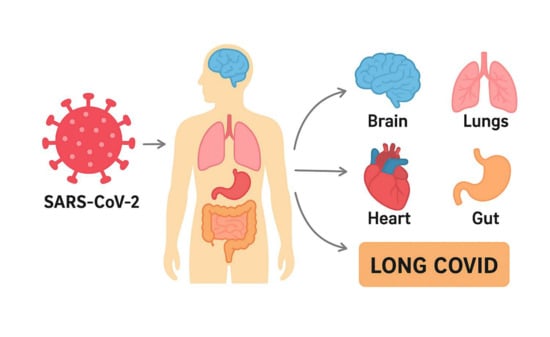
Figure 1.
Conceptual overview of SARS-CoV-2 persistence in human tissues. After viral entry, SARS-CoV-2–derived RNA or proteins may evade immune clearance and remain detectable in various tissues. Persistent viral RNA/protein signals have been reported in organs including the brain, heart, gastrointestinal tract, and kidneys. Potential mechanisms include immune evasion, tissue-associated viral retention, and persistence within immune or tissue-resident cells. These processes may contribute to chronic inflammation and immune dysregulation that have been reported in association with PASC.
Figure 1.
Conceptual overview of SARS-CoV-2 persistence in human tissues. After viral entry, SARS-CoV-2–derived RNA or proteins may evade immune clearance and remain detectable in various tissues. Persistent viral RNA/protein signals have been reported in organs including the brain, heart, gastrointestinal tract, and kidneys. Potential mechanisms include immune evasion, tissue-associated viral retention, and persistence within immune or tissue-resident cells. These processes may contribute to chronic inflammation and immune dysregulation that have been reported in association with PASC.
Figure 2.
Conceptual distinction between viral RNA persistence and active viral replication. Persistent viral RNA or protein signals detected in tissues may arise from residual viral material, antigen retention, or restricted infection in immune or tissue-resident cells without the production of infectious virus. In contrast, active viral replication involves viral entry, RNA replication, assembly of new virions, and release of infectious virus particles. Distinguishing between these states is critical for interpreting molecular detection results in post-acute COVID-19 studies and for understanding the potential biological significance of viral persistence in long COVID.
Figure 2.
Conceptual distinction between viral RNA persistence and active viral replication. Persistent viral RNA or protein signals detected in tissues may arise from residual viral material, antigen retention, or restricted infection in immune or tissue-resident cells without the production of infectious virus. In contrast, active viral replication involves viral entry, RNA replication, assembly of new virions, and release of infectious virus particles. Distinguishing between these states is critical for interpreting molecular detection results in post-acute COVID-19 studies and for understanding the potential biological significance of viral persistence in long COVID.
Figure 3.
Evidence for persistent SARS-CoV-2 in post-COVID patients. Major lines of evidence supporting the hypothesis of viral persistence in post-COVID-19 individuals. These include: (i) detection of viral RNA in multiple tissues such as lungs, heart, brain, kidneys, and immune cells; (ii) persistence of viral proteins, particularly the spike protein, in tissues such as endothelial cells and neurons; (iii) isolation of infectious virus from some patients beyond the acute phase of infection; and (iv) detection of viral RNA in body fluids (stool, saliva, urine) and within immune cells, suggesting potential long-term viral reservoirs.
Figure 3.
Evidence for persistent SARS-CoV-2 in post-COVID patients. Major lines of evidence supporting the hypothesis of viral persistence in post-COVID-19 individuals. These include: (i) detection of viral RNA in multiple tissues such as lungs, heart, brain, kidneys, and immune cells; (ii) persistence of viral proteins, particularly the spike protein, in tissues such as endothelial cells and neurons; (iii) isolation of infectious virus from some patients beyond the acute phase of infection; and (iv) detection of viral RNA in body fluids (stool, saliva, urine) and within immune cells, suggesting potential long-term viral reservoirs.
Figure 4.
Mediator and pathway framework linking SARS-CoV-2 persistence to long COVID (PASC). Persistent viral RNA/proteins and immune-cell–associated viral material in tissue niches may engage PRR sensing (e.g., TLR3/7/8, RIG-I/MDA5), leading to downstream signal transduction (IRF3/7, NF-κB, and Janus kinase (JAK)/STAT) and mediator cascades (type I/III interferons, IL-1β-linked inflammasome activity, IL-6/TNF-α, and chemokines). These pathways may contribute to chronic inflammation, immune dysregulation, and endotheliopathy/microvascular abnormalities that have been associated with multisystem symptom phenotypes in PASC. Schematic overview.
Figure 4.
Mediator and pathway framework linking SARS-CoV-2 persistence to long COVID (PASC). Persistent viral RNA/proteins and immune-cell–associated viral material in tissue niches may engage PRR sensing (e.g., TLR3/7/8, RIG-I/MDA5), leading to downstream signal transduction (IRF3/7, NF-κB, and Janus kinase (JAK)/STAT) and mediator cascades (type I/III interferons, IL-1β-linked inflammasome activity, IL-6/TNF-α, and chemokines). These pathways may contribute to chronic inflammation, immune dysregulation, and endotheliopathy/microvascular abnormalities that have been associated with multisystem symptom phenotypes in PASC. Schematic overview.
Figure 5.
Therapeutic strategies for addressing viral persistence in long COVID. Potential therapeutic approaches targeting viral persistence and associated inflammation in long COVID. Antiviral therapy includes monoclonal antibodies and protease inhibitors to reduce residual viral load. Immune modulation strategies involve corticosteroids, JAK inhibitors, and biologic agents to control chronic inflammation and immune dysregulation. Cell-based therapy using mesenchymal stem cells aims to reduce inflammation, promote tissue repair, and restore organ function. The combined application of these modalities offers a multifaceted approach to managing long COVID symptoms.
Figure 5.
Therapeutic strategies for addressing viral persistence in long COVID. Potential therapeutic approaches targeting viral persistence and associated inflammation in long COVID. Antiviral therapy includes monoclonal antibodies and protease inhibitors to reduce residual viral load. Immune modulation strategies involve corticosteroids, JAK inhibitors, and biologic agents to control chronic inflammation and immune dysregulation. Cell-based therapy using mesenchymal stem cells aims to reduce inflammation, promote tissue repair, and restore organ function. The combined application of these modalities offers a multifaceted approach to managing long COVID symptoms.
Table 1.
Host factors implicated in long COVID and putative upstream determinants/downstream mediators relevant to persistence-associated pathophysiology.
Table 1.
Host factors implicated in long COVID and putative upstream determinants/downstream mediators relevant to persistence-associated pathophysiology.
| Host Factor/Modifier | Upstream Determinants/Modifiers | Downstream Mediators/Pathways | Potential Implications for Persistence | Representative References |
|---|
| Age (older) | Immunosenescence, inflammaging, and reduced antiviral clearance capacity | Altered interferon responses, sustained NF-κB signaling, increased IL-6 and TNF-α | Delayed viral clearance and increased risk of prolonged inflammatory responses | [52,56] |
| Sex (female predominance) | Hormonal regulation and X-linked immune gene expression | Heightened humoral responses and increased autoreactivity | Increased susceptibility to autoimmune-like manifestations in long COVID | [52,56] |
| Obesity/metabolic syndrome | Chronic low-grade inflammation and adipose tissue immune niche | Elevated IL-6, TNF-α and NLRP3 inflammasome activation | Pro-inflammatory environment that may favor persistent viral RNA/protein signals | [52,63] |
| Diabetes/insulin resistance | Metabolic dysregulation and endothelial dysfunction | Oxidative stress, inflammatory cytokines and coagulation pathway activation | Increased vascular inflammation and delayed viral clearance | [52,64] |
| Immunocompromised state | Impaired adaptive immune responses and prolonged viral replication | Persistent antigenemia and prolonged innate immune activation | Increased likelihood of prolonged viral RNA/protein detectability | [53,57] |
| Baseline impaired interferon responses | Genetic or functional defects in antiviral signaling pathways | Sustained PRR activation and chronic cytokine production | Increased susceptibility to persistent viral signals | [10,50] |
| Pre-existing autoimmune disease | Dysregulated immune tolerance and autoreactive immune cell pools | Autoantibody production and complement activation | Increased autoimmune-like manifestations and prolonged symptoms | [46,48] |
| Barrier dysfunction (gut/BBB) | Microbiome disruption and epithelial barrier impairment | TLR-mediated inflammation and systemic immune activation | Persistent inflammatory signaling contributing to systemic symptoms | [59,65] |
| Acute viral burden/disease severity | High viral replication and tissue dissemination during acute infection | Cytokine amplification and endothelial injury | Increased probability of tissue viral persistence | [8,52] |
| Vaccination status/reinfection context | Pre-existing immune memory and altered viral clearance kinetics | Modified immune responses and antigen presentation | May influence persistence of viral RNA/protein signals and long COVID risk | [54,55] |
| Disclaimer/Publisher’s Note: The statements, opinions and data contained in all publications are solely those of the individual author(s) and contributor(s) and not of MDPI and/or the editor(s). MDPI and/or the editor(s) disclaim responsibility for any injury to people or property resulting from any ideas, methods, instructions or products referred to in the content. |