Review

Lipids and Their Role in Aging and Neurodegenerative Decline

1
Amity Institute of Biotechnology, Amity University Jharkhand, Ranchi 835303, Jharkhand, India
2
University Center for Research and Development (UCRD), Chandigarh University, Chandigarh-Ludhiana Highway, Mohali 140413, Punjab, India
3
Department of Biology, Eastern New Mexico University, 1500 S Ave K, Portales, NM 88130, USA
*
Authors to whom correspondence should be addressed.
These authors contributed equally to this work.
Lipidology 2026, 3(1), 6; https://doi.org/10.3390/lipidology3010006
Submission received: 17 June 2025 / Revised: 23 December 2025 / Accepted: 2 February 2026 / Published: 12 February 2026

Abstract

Lipids are a diverse group of hydrophobic molecules including fats, oils, phospholipids, and steroids that are vital for numerous biological functions including energy storage, cellular structure, and signaling whose composition and metabolism undergo profound transformations with age. These age-related shifts due to increased lipid peroxidation, disrupted cholesterol homeostasis, and altered membrane phospholipid content, actively contribute to progressive loss in cellular homeostasis and pathogenesis of major age-related diseases. This review explores the critical role of lipids: as master regulators of cellular signaling pathways, and as key drivers of chronic inflammation and metabolic dysfunction. Dysregulated lipid metabolism is central to cardiovascular disease which is driven by altered myocardial energy substrate utilization and lipoprotein dynamics. In neurodegenerative disorders like Alzheimer’s and Parkinson’s disease, disruptions in ceramide, cholesterol, and specialized pro-resolving lipid mediators fuel neuroinflammation and protein aggregation. Furthermore, we explore the dual role of dietary lipids, which can either exacerbate or mitigate age-related decline, highlighting the potential of personalized nutritional approaches and lipid-targeting therapeutics. By integrating the mechanisms of lipid signaling, inflammation, and metabolic regulation, this analysis highlights that lipids are not merely passive structural components but active drivers of the aging process, positioning lipid metabolism as a promising frontier for interventions aimed at promoting health span and combating age-related disease.

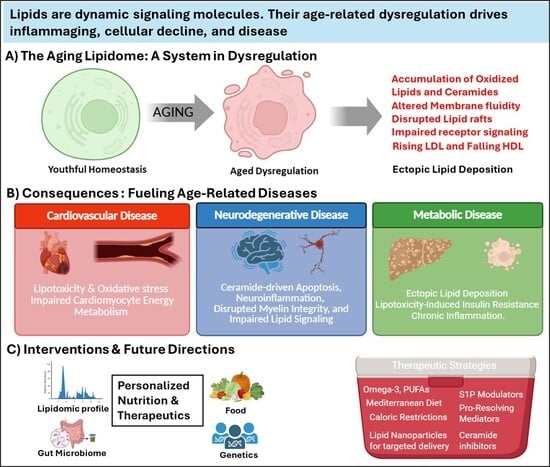
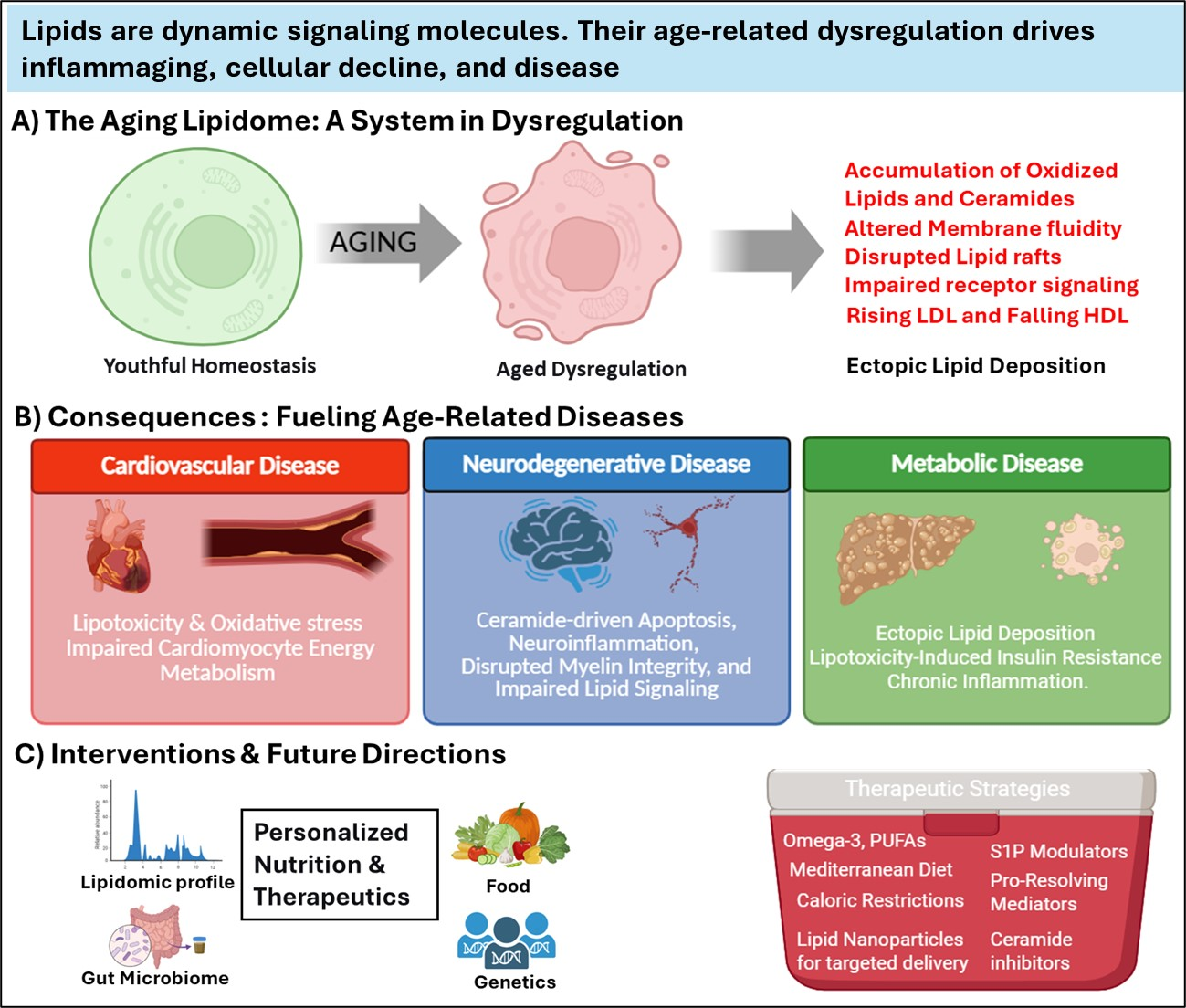
Graphical Abstract

1. Introduction

For decades, the battle against aging has focused on genes and proteins. Yet, we may have been missing a fundamental orchestrator of the aging process: lipids. Lipids are far more than passive energy stores or simple structural elements; they are dynamic, information-rich molecules that sit at the heart of how our cells communicate, generate energy, and respond to stress. The relationship between lipid metabolism and aging has garnered considerable attention, particularly as we discover how specific alterations in lipid composition act as powerful drivers of age-related physiological decline and disease.
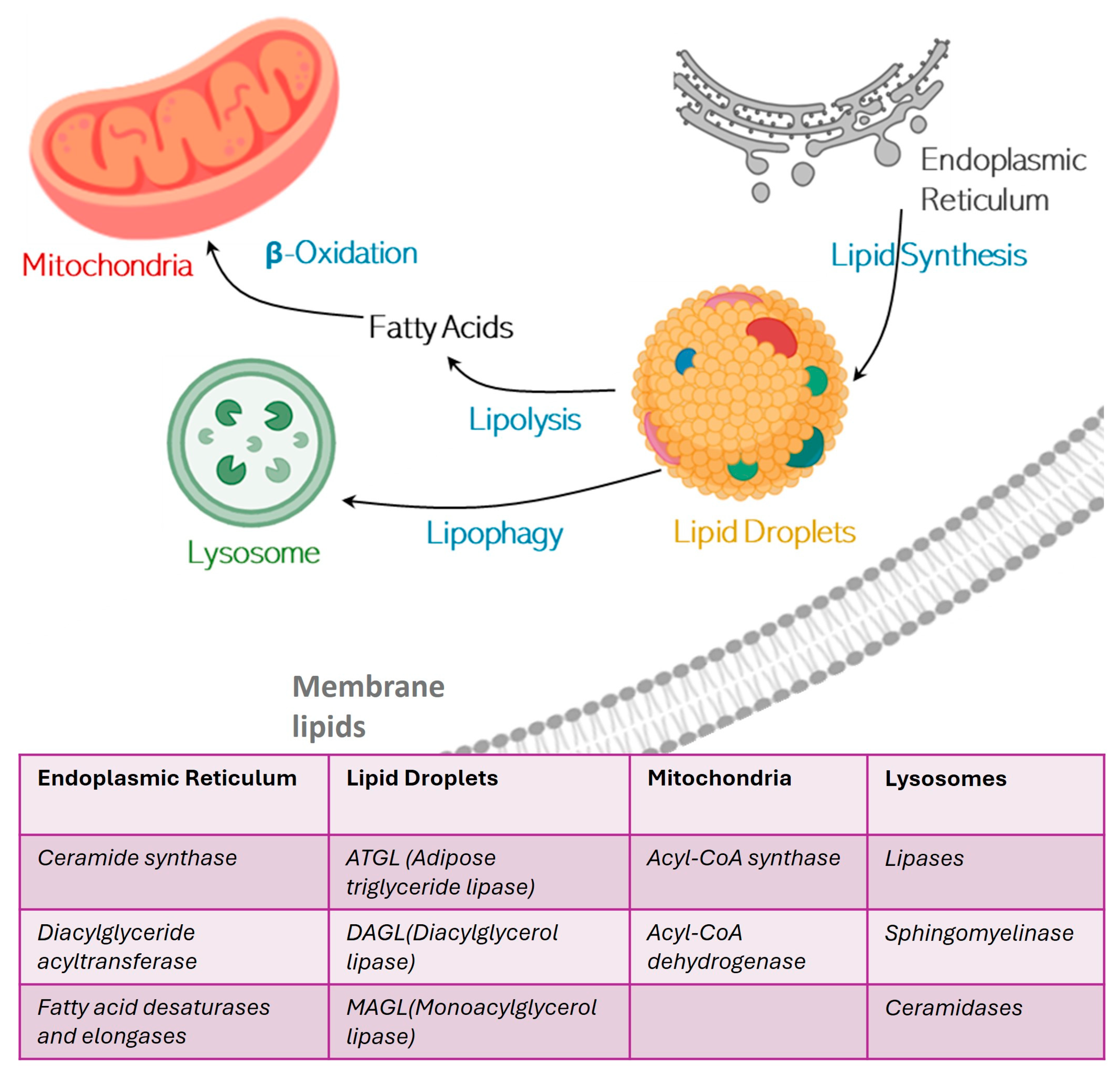
Lipids function as crucial signaling molecules, directly modulating nuclear transcription and facilitating cellular communication. This profound signaling capacity allows them to play an active role in determining both lifespan and health span (Figure 1 and Table 1). However, aging disrupts this delicate language. It is marked by profoundly dysregulated lipid metabolism, leading to striking changes in lipid composition across various species, including humans. As individuals age, body adiposity typically increases, accompanied by dangerous shifts in lipid metabolite levels and the development of lipotoxicity. This increase in lipotoxicity acts as a key accelerant for various age-related diseases such as cardiovascular disease, cancer, type 2 diabetes, and Alzheimer’s disease.
The complexities of lipid metabolism make it a challenging field, but advancements in lipidomic technologies are now shedding unprecedented light on these age-associated changes. These changes are further influenced by factors such as diet and gender, highlighting the complex dynamics of lipid metabolism in aging. While multiple reviews have focused on how lipid metabolism contributes to aging in cellular processes, here we focus on how lipids are central players in multiple age-related diseases, paving the way for timely interventions and the identification of aging biomarkers to support healthy aging.

Lipid Composition Changes with Age: The Cellular Landscape Shifts

The lipid composition of our tissues undergoes a dramatic and significant transformation with age, directly influencing metabolic health, cellular function, and disease susceptibility. As individuals grow older, these shifts in lipid metabolism contribute to a cascade of physiological alterations, including increased lipid peroxidation, disrupted lipid homeostasis, and impaired membrane integrity. These changes are not mere bystanders; they are active contributors to aging-related disorders.
One of the most notable and damaging changes is the accumulation of oxidized lipids. Lipid peroxidation, driven by oxidative stress, leads to the formation of reactive lipid species that damage cellular membranes and fuel inflammation. This process is particularly detrimental in highly metabolic tissues such as the brain and heart, where oxidative damage acts as an accelerator of age-related degeneration. For example, alterations in brain lipid composition have been directly linked to cognitive decline and neurodegenerative diseases like Alzheimer’s disease [18,19].
Aging also attacks our body’s cholesterol management system. Studies indicate that older adults experience an increase in total cholesterol and low-density lipoprotein (LDL) levels while high-density lipoprotein (HDL) levels decline, a profile that contributes to a higher risk of atherosclerosis and cardiovascular diseases [20]. These lipid imbalances not only impact vascular function but also promote systemic inflammation, further accelerating aging processes.
The very fabric of our cells is also compromised. The phospholipid content of cell membranes shifts with age, affecting membrane fluidity and crippling cellular communication. Changes in phosphatidylcholine and sphingolipid levels, for instance, can alter signal transduction and impair cellular resilience against stressors. Additionally, lipid raft integrity—the vital signaling platforms in membranes—declines with age, disrupting receptor localization and downstream signaling pathways essential for immune function and metabolic regulation.
Finally, metabolic shifts associated with aging contribute to lipid accumulation in non-adipose tissues, a phenomenon known as ectopic lipid deposition. This is frequently observed in the liver, muscle, and vascular system, leading to conditions such as fatty liver disease, insulin resistance, and increased cardiovascular risk [21]. As lipid storage becomes dysregulated, lipotoxicity further exacerbates cellular dysfunction and inflammation, creating a vicious cycle of decline.

2. Lipids in Cellular Signaling: The Masters of Communication

Lipids play a crucial role in cellular signaling, acting as key regulators of various physiological processes, including cell growth, differentiation, apoptosis, and immune responses. Lipid signaling is primarily mediated by bioactive lipid molecules such as phosphoinositides, sphingolipids, and eicosanoids, which participate in complex signaling cascades that regulate cellular functions. The mechanisms of lipid signaling involve lipid modifications, lipid-protein interactions, and the activation of signaling pathways that lead to specific cellular responses.
One of the most well-studied lipids signaling pathways involves phosphoinositides, which are phosphorylated derivatives of phosphatidylinositol. These lipids serve as substrates for kinases such as phosphoinositide 3-kinase (PI3K), which phosphorylates phosphatidylinositol 4,5-bisphosphate (PIP2) to generate phosphatidylinositol 3,4,5-trisphosphate (PIP3) [22]. PIP3 acts as a secondary messenger that recruits and activates signaling proteins, including Akt, a key kinase involved in cell survival and metabolism. The hydrolysis of PIP2 by phospholipase C (PLC) generates two important secondary messengers: inositol 1,4,5-trisphosphate (IP3), which promotes calcium release from the endoplasmic reticulum, and diacylglycerol (DAG), which activates protein kinase C (PKC), further modulating cellular responses [23].
Sphingolipid metabolism also plays a significant role in lipid-mediated signaling. Sphingolipids such as ceramide, sphingosine, and sphingosine-1-phosphate (S1P) act as critical regulators of cell fate. Ceramide, often generated in response to cellular stress, induces apoptosis by activating stress-related kinases such as c-Jun N-terminal kinase (JNK) and p38 mitogen-activated protein kinase (MAPK). In contrast, S1P promotes cell survival, proliferation, and immune cell trafficking through its interaction with S1P receptors, which are G-protein-coupled receptors (GPCRs) [24]. The balance between ceramide and S1P levels is crucial for determining cell fate, highlighting the importance of lipid signaling in maintaining cellular homeostasis.
Another critical class of lipid signaling molecules is eicosanoids, which are derived from arachidonic acid metabolism. These bioactive lipids include prostaglandins, leukotrienes, and thromboxanes, which are synthesized by cyclooxygenases (COX) and lipoxygenases (LOX). Eicosanoids play essential roles in inflammation, immune responses, and vascular homeostasis [25]. Prostaglandins, for instance, mediate pain and inflammation by activating specific GPCRs, leading to downstream signaling events that regulate gene expression and cellular responses.
Lipid rafts, specialized membrane microdomains rich in cholesterol and sphingolipids, also serve as signaling platforms that facilitate interactions between membrane proteins and intracellular signaling molecules. These lipid rafts modulate the activation of receptors such as receptor tyrosine kinases (RTKs) and GPCRs, which initiate downstream signaling pathways that control cell proliferation and immune responses [26]. Lipid signaling is a fundamental aspect of cellular regulation, involving multiple pathways and molecules that coordinate cellular responses. The interplay between different lipid species and their signaling mechanisms is crucial for maintaining cellular function and homeostasis, and dysregulation in lipid signaling pathways is associated with various diseases, including cancer, neurodegenerative disorders, and metabolic diseases.

2.1. Role of Specific Lipids

2.1.1. Cholesterol Elevation Within the Membrane Influences Receptor Signaling

Structural studies have shown that cholesterol is an important regulator of G-protein coupled receptor (GPCR) signaling [27]. The cysteine-rich domain of Smoothened (Smo), which binds extracellular cholesterol, is essential for proper Hedgehog (Hh) signaling. This site functions as an allosteric agonist, and mutations or antagonists that block it inhibit Hh pathway activation [28]. Additionally, sterol-induced conformational shifts are sufficient to activate Smo, though the precise origin of these sterols and their regulatory mechanisms remain unclear. Notably, increased cellular cholesterol levels have been associated with enhanced Hh signaling [29].
Membrane lipid composition is highly dynamic and tightly regulated. Liver X receptor (LXR) activation by elevated oxysterol levels stimulates ATP-binding cassette transporter (ABCA1) expression, promoting cholesterol efflux [29]. If this process is impaired, cholesterol accumulation can become cytotoxic and has been linked to Toll-like receptor (TLR) activation [30]. While LXR signaling is known to suppress TLR-driven inflammatory gene expression, the direct interaction between these pathways remains debated. Recent research in macrophages has demonstrated that LXR/ABCA1-mediated reduction in cholesterol in lipid rafts disrupts TLR4 recruitment of key adaptor proteins, such as MyD88 and TRAF6, ultimately preventing inflammatory signaling [31].
Given the profound impact of membrane composition on cellular function and disease, lipid-targeted therapies are emerging as a promising field. However, due to the complexity and dynamic nature of lipid-protein interactions, a deeper understanding of how lipids influence receptor activity is essential for the development of effective treatments.

2.1.2. Extent of Phospholipid Saturation and Cell Signaling

Phospholipid saturation plays a crucial role in cell signaling by influencing membrane stiffness and elasticity, enabling adaptation to varying temperatures [32,33]. Polyunsaturated fatty acids (PUFAs) have been shown to interfere with lipopolysaccharide (LPS)-induced activation of Toll-like receptor 4 (TLR4), which subsequently promotes nuclear factor kappa B (NF-κB) signaling. Schoeniger et al. revealed that instead of acting at the gene expression level, PUFA enrichment alters TLR4 signaling by disrupting plasma membrane (PM) microdomains [34]. Lipid rafts, which serve as essential platforms for TLR4 activation by facilitating protein-ligand interactions, are particularly affected by these modifications. This study highlights how subtle changes in membrane composition can significantly influence inflammation and cellular responses [35].
Dietary intake also modulates phospholipid saturation in cell membranes. In fruit flies, Randall et al. demonstrated that dietary manipulation reduced polyunsaturated phospholipid content sevenfold, leading to a two- to threefold decline in photoreceptor responses [36]. This reduction impacted G-protein coupled receptor (GPCR) signaling in Drosophila photoreceptors, which relies on membrane mechanical forces induced by phospholipase C (PLC)-mediated phosphoinositide (PIP) hydrolysis.
Additionally, diet influences Notch1 signaling in endothelial cells, affecting inflammation and atherosclerosis [37]. A study showed that high cholesterol feeding in mice for three days significantly reduced Notch1 protein levels in the aortic endothelium without altering transcript levels. Although the underlying mechanism remains unclear, this reduction in Notch1 signaling led to increased inflammatory cell adhesion and robust atherosclerotic plaque formation, mirroring effects observed in Notch1-deficient mice. These findings underscore the critical role of lipid composition in regulating cellular signaling and disease progression.

2.1.3. Plasma Membrane Proteins Are Involved in Lipid Microdomain Formation

Integral membrane proteins and those linked to the cytoskeleton can restrict the lateral diffusion of plasma membrane (PM) lipids, thereby retaining specific lipids within the inner leaflet. For instance, cortical actin assemblies, or asters, which bind and immobilize phosphatidylserine (PS) in the inner leaflet, have also been implicated in clustering glycophosphatidylinositol (GPI)-anchored proteins in the outer leaflet, significantly influencing cell signaling [38]. Proteins anchored via lipid modifications, including GPI, palmitoyl, myristoyl, or cholesterol moieties, naturally segregate into ordered lipid raft domains [39]. Additionally, cholesterol-mediated interactions between PS immobilized by asters in the inner leaflet and lipid anchors in the outer leaflet are believed to facilitate raft formation [40].
Similarly, caveolae—vesicular invaginations of the membrane—are stabilized by scaffolding proteins such as caveolin, which interacts with cholesterol [41]. These domains not only regulate cell signaling and endocytosis but also contribute to cholesterol transport and homeostasis, highlighting their crucial role in membrane organization and function.

2.1.4. Interaction of Lipids and Proteins in Vesicle Formation, Trafficking, and Signaling

Cell signaling depends on the precise regulation of receptor delivery and removal from the cell surface, a process tightly controlled by protein-lipid interactions during exocytosis and endocytosis [42]. Recent research has highlighted how both lipids and proteins influence vesicular trafficking and intracellular transport, which in turn modulates signaling pathways. Glycerophospholipids, for instance, play a key role in regulating vesicle movement, while glycosylphosphatidylinositol (GPI) anchors and sphingolipids affect SNARE-mediated membrane fusion by altering lipid sorting in the endoplasmic reticulum [43].
Vesicle formation is another critical aspect of lipid-protein interactions in signaling [44]. Membrane curvature, essential for vesicle budding, is driven by hydrophobic mismatch caused by protein crowding, as well as scaffolding interactions with coat proteins [45]. When membrane proteins with large extramembrane domains diffuse within the bilayer, they create molecular crowding, reducing available membrane surface area and influencing lipid organization. These lipid-protein interactions play a fundamental role in shaping vesicular transport and its impact on cellular communication.

3. Inflammation and Lipids: The Fire Starters and Firefighters

Lipid metabolism significantly modulates inflammation in acute and chronic conditions. It has been seen that dietary fat and endogenous lipids can either fuel or douse inflammatory fires. However, the types and amounts of lipids in lipoproteins (cholesterol carriers) influence heart disease risk and immune responses in different ways. Thus, targeting lipid metabolism via diet and therapeutic approaches holds promise for reducing inflammation and enhancing immunity in individuals with obesity, cardiovascular diseases, chronic metabolic or inflammatory disorders, autoimmune diseases, and infections [46,47,48].
A wide range of lipids and their derivatives—such as fatty acids and their metabolites, sterols, complex lipids (including glycerophospholipids and sphingolipids), and lipoproteins—possess powerful immunomodulatory and inflammatory properties. Fatty acids influence inflammatory activity in multiple immune cells—including T cells, neutrophils, and macrophages—through multiple mechanisms. These include modulating membrane fluidity, serving as precursors for bioactive oxylipins, activating membrane-bound PRRs (e.g., TLRs), and functioning as agonists for nuclear receptors like PPARs [49,50] (Table 2).
Given that metabolic dysfunction is characterized by elevated circulating free fatty acids, Sureda et al. [63]. studied the effect of mostly saturated (palmitic acid), monounsaturated (oleic acid), n-3 polyunsaturated (α-linolenic, DHA), and n-6 polyunsaturated fatty acids (γ-linolenic, AA), in ex vivo PBMCs from metabolic syndrome patients with emphasis on inflammatory gene expression and hydrogen peroxide generation. This translational approach mimics physiological conditions of immune cells in cardiovascular disease. DHA most effectively reduced mRNA levels of IL-6, NFκB, and TNFα in LPS-stimulated PBMCs. Conversely, oleic acid downregulated COX2 but elevated TLR2 expression. Interestingly, both anti-inflammatory α-linolenic acid and classically pro-inflammatory AA displayed pro-oxidative yet anti-inflammatory properties, indicating complex and varied responses dependent on cell types and disease contexts like metabolic syndrome. Future studies are needed to explore if these lipid-induced inflammatory changes occur similarly in healthy individuals or reflect functional changes in immune cells beyond gene expression alone [63].
Both Hellström et al. [64] and Yakah et al. [65] investigated the relationship between fatty acid profiles and markers of inflammation in both infants and preterm animal models, offering proof that emphasizes the importance of preserving AA:DHA ratios to improve health in infancy.
The impact of various lipid emulsions on inflammatory immune responses induced by Escherichia coli-derived lipopolysaccharide (LPS) in preterm pigs at 32 weeks gestation shows similar developmental stages and clinical traits to human newborns [65]. Since lipid emulsions rich in soybean oil or n-3 polyunsaturated fatty acids are often administered to preterm infants, but linked to different health outcomes, understanding lipid effects has therapeutic significance. High AA levels in membranes, associated with chronic inflammatory disorders, might benefit premature infants by strengthening defense against infections. Conversely, lipid emulsions high in fish oil reduced immunostimulatory sphingomyelin metabolites and IL-1β levels upon LPS challenge, whereas soybean oil administration increased AA-derived pro-inflammatory mediators, suggesting fish-oil-based emulsions could compromise pathogen defense in preterm neonates.
The association between blood DHA and AA levels and systemic inflammatory markers was examined by Hellström et al. [64] in 90 preterm infants (less than 28 weeks gestation). Extremely preterm infants with early systemic inflammation—defined as elevated C-reactive protein (>20 mg/L) and interleukin-6 (>1000 pg/mL) within the first 72 h after birth, irrespective of sepsis-confirming blood cultures—showed significantly lower cord blood docosahexaenoic acid (DHA) levels on postnatal day 1 compared to infants without inflammation, despite comparable arachidonic acid (AA) concentrations. While cord blood IL-6 levels showed an inverse correlation with both DHA and AA concentrations, no significant differences in these fatty acid levels were observed among infants, regardless of the presence or absence of fetal inflammatory response or histological chorioamnionitis. The findings indicate that circulating DHA and AA levels may impact clinical outcomes in preterm infants, though the anti-inflammatory effects of lipid emulsions appear to depend on their specific fatty acid composition. These studies point to potential interspecies variations (human versus porcine models) and gestational age-dependent differences (e.g., preterm vs. very preterm) in inflammatory responses and fatty acid metabolism.
Among various lipid species and their derivatives, lipoproteins significantly influence inflammation and immune cell responses. High-density lipoproteins (HDL) particularly stand out for their anti-inflammatory and immunomodulatory roles, attributed to their capacity to transport bioactive lipids, anti-inflammatory, and antioxidant proteins, and their ability to modulate immune cell function by facilitating cellular cholesterol efflux and reorganizing pattern-recognition receptors and associated coreceptors within membrane lipid rafts. In their initial study, Huang et al. [66] highlighted HDL lipid oxidation as a crucial factor in maintaining HDL’s anti-inflammatory and cholesterol-efflux capabilities. They demonstrated that paraoxonase-1 (PON1), an antioxidant enzyme associated with HDL, inhibits the pro-oxidative enzyme myeloperoxidase (MPO). By neutralizing oxidized phosphatidylcholine and preventing lipid hydroperoxide accumulation, PON1 reduces the formation of malondialdehyde (MDA), which otherwise crosslinks to HDL-associated apolipoprotein A1 (apoA1), impairing HDL’s beneficial functions. These findings suggest that the interplay between HDL functionality and PON1 activity significantly influences cardiovascular disease progression in familial hypercholesterolemia (FH)-an autosomal dominant disorder characterized by elevated LDL-C levels and early-onset cardiovascular disease. FH patients were observed to have decreased PON1 activity, increased MDA-apoA1 crosslinking, and diminished cholesterol efflux capacity. They also found that the negative effects of MPO on HDL function were mitigated by the reactive dicarbonyl scavengers pentyl-pyridoxamine (PPM) and 2-hydroxybenzylamine (2-HOBA). According to the results, PON1 and HDL antioxidant pathways may be targeted in order to improve the outcomes of immunomodulatory and cardiovascular diseases.

3.1. Lipids and Inflammation: The Eicosanoid Storm

Lipids play a crucial role in inflammation both as structural components of cell membranes and as bioactive signaling molecules. Among them, eicosanoids are a class of lipid-derived mediators synthesized from arachidonic acid and other polyunsaturated fatty acids (PUFAs). They are central to the regulation of inflammation, with both pro-inflammatory and anti-inflammatory effects.

3.1.1. Eicosanoids and Inflammation: Orchestrating the Immune Response

Eicosanoids have diverse effects on inflammation depending on their type and context. Different types of Eicosanoids are Prostaglandins, Thromboxanes, Leukotrienes, and Lipoxins, which regulate inflammation in different conditions.
Prostaglandins (PGs) are lipid compounds derived from arachidonic acid that play a crucial role in the inflammatory response. Prostaglandins are synthesized via the cyclooxygenase (COX) pathway, which includes COX-1 and COX-2 enzymes [67]. COX-1 is constitutively expressed and involved in homeostatic functions, whereas COX-2 is induced during inflammation and leads to the production of pro-inflammatory prostaglandins such as PGE2 and PGI2 [68]. PGE2 is the most studied prostaglandin in inflammation. It promotes vasodilation, enhances leukocyte infiltration, and modulates cytokine production. In rheumatoid arthritis, increased levels of PGE2 correlate with disease severity, making it a potential biomarker and therapeutic target. Despite their role in inflammation, some prostaglandins contribute to resolution and tissue repair. Lipid mediators derived from PGs, such as lipoxins and resolvins, help dampen excessive immune responses and promote healing [69]. This dual nature makes prostaglandins an interesting target for drug development, as selective modulation could lead to better therapeutic outcomes.
Thromboxanes (TXs) are bioactive lipids derived from arachidonic acid via the cyclooxygenase (COX) pathway [68]. It plays a vital role in hemostasis, vasoconstriction, platelet aggregation, and immune cell recruitment. Thromboxane A2 (TXA2) is synthesized from prostaglandin H2 (PGH2) through the action of thromboxane synthase. TXA2 acts via the thromboxane-prostanoid (TP) receptor, which is present on platelets, endothelial cells, smooth muscle cells, and immune cells. This activation leads to different responses like: Platelet aggregation which can cause enhanced thrombosis and inflammation, Vasoconstriction which reduces blood flow and increasing local inflammatory responses, Leukocyte recruitment which stimulate neutrophil and monocyte adhesion, and cytokine release which promotes TNF-α, IL-1β, and IL-6 production, amplifying inflammation [70].
Leukotrienes, particularly leukotriene B4 (LTB4), which is a potent chemoattractant for neutrophils and cysteinyl leukotrienes (CysLTs: LTC4, LTD4 and LTE4) contribute to neutrophil recruitment, increased vascular permeability, and bronchoconstriction, making them central players in allergic reactions and airway inflammation [71]. Moreover, leukotriene receptor antagonists, such as montelukast, have been widely used to manage asthma and allergic rhinitis due to their ability to block the pro-inflammatory effects of CysLTs [72].
Lipoxins (LXs) are specialized pro-resolving lipid mediators derived from arachidonic acid that play a pivotal role in orchestrating the resolution phase of inflammation [73]. Unlike pro-inflammatory eicosanoids, lipoxins act as endogenous “braking signals” to dampen excessive immune responses and restore tissue homeostasis [74]. Lipoxins, primarily lipoxin A4 (LXA4) and lipoxin B4 (LXB4), exert their anti-inflammatory effects through the formyl peptide receptor 2 (FPR2/ALX) [75]. Activation of this receptor reduces neutrophil recruitment, stimulates macrophage efferocytosis, and inhibits pro-inflammatory cytokine production [75]. Additionally, lipoxins modulate endothelial cell function, preventing excessive vascular permeability and tissue damage [76]. Several studies highlight the therapeutic potential of lipoxins in inflammatory diseases such as asthma, arthritis, and cardiovascular conditions [77,78]. For example, in asthma, lipoxins reduce leukocyte infiltration and mucus hypersecretion, mitigating airway inflammation [78]. In cardiovascular diseases, lipoxins help resolve vascular inflammation and prevent atherosclerotic plaque progression [79].

3.1.2. Lipoxins Promote the Resolution of Inflammation Through Multiple Mechanisms

  • Inhibition of Neutrophil Recruitment and Activation: Lipoxins counteract the pro-inflammatory actions of leukotrienes by suppressing neutrophil migration, adhesion, and activation.LXA4 binds to its receptor FPR2/ALX (formyl peptide receptor 2/lipoxin A4 receptor), inhibiting neutrophil chemotaxis and reducing oxidative burst activity [80,81].
  • Promotion of Macrophage-Mediated Clearance: A crucial step in resolving inflammation is the clearance of apoptotic cells (efferocytosis). Lipoxins enhance macrophage phagocytosis of apoptotic neutrophils, thereby preventing secondary necrosis and the propagation of inflammation [81].
  • Regulation of Pro-Inflammatory Cytokines: Lipoxins inhibit the release of pro-inflammatory cytokines such as TNF-α, IL-1β, and IL-6 while promoting the production of anti-inflammatory cytokines such as IL-10 [82]. This shift creates a favorable environment for inflammation resolution.
  • Restoration of Tissue Homeostasis: Lipoxins facilitate tissue regeneration by modulating fibroblast activity and promoting wound healing [83]. They also reduce vascular permeability, thereby preventing excessive fluid accumulation in inflamed tissues.

3.2. Sphingolipids and Inflammation: The Ceramide-S1P Balance

Sphingolipids are a class of bioactive lipids that play crucial roles in cellular processes, including inflammation, apoptosis, and immune responses. These lipids include ceramide, sphingosine, and sphingosine-1-phosphate (S1P), which regulate inflammatory signaling pathways [84]. Ceramide, a central molecule in sphingolipid metabolism, is known to induce inflammatory responses by activating signaling cascades such as nuclear factor-kappa B (NF-κB) and mitogen-activated protein kinases (MAPKs) [24]. These pathways promote the production of pro-inflammatory cytokines, including tumor necrosis factor-alpha (TNF-α), interleukin-6 (IL-6), and interleukin-1 beta (IL-1β), which are key mediators in inflammatory diseases such as atherosclerosis and rheumatoid arthritis [85]. S1P, another crucial sphingolipid metabolite, exhibits dual roles in inflammation. It can act as a pro-inflammatory molecule by binding to its G-protein-coupled receptors (S1PR1-5) and modulating immune cell trafficking and vascular integrity [86]. In contrast, S1P also has anti-inflammatory effects by promoting the resolution of inflammation and tissue repair mechanisms [87]. Dysregulation of sphingolipid metabolism [88] has been implicated in various chronic inflammatory disorders, including inflammatory bowel disease (IBD), asthma, and neuroinflammatory diseases like multiple sclerosis [89]. Targeting sphingolipid signaling has emerged as a potential therapeutic strategy, with sphingosine kinase inhibitors and S1P receptor modulators being explored for treating inflammatory diseases [90].

4. Role of Lipids in Age Related Diseases

4.1. Lipid Metabolism and Cardiovascular Health: The Fuel-Starved Heart

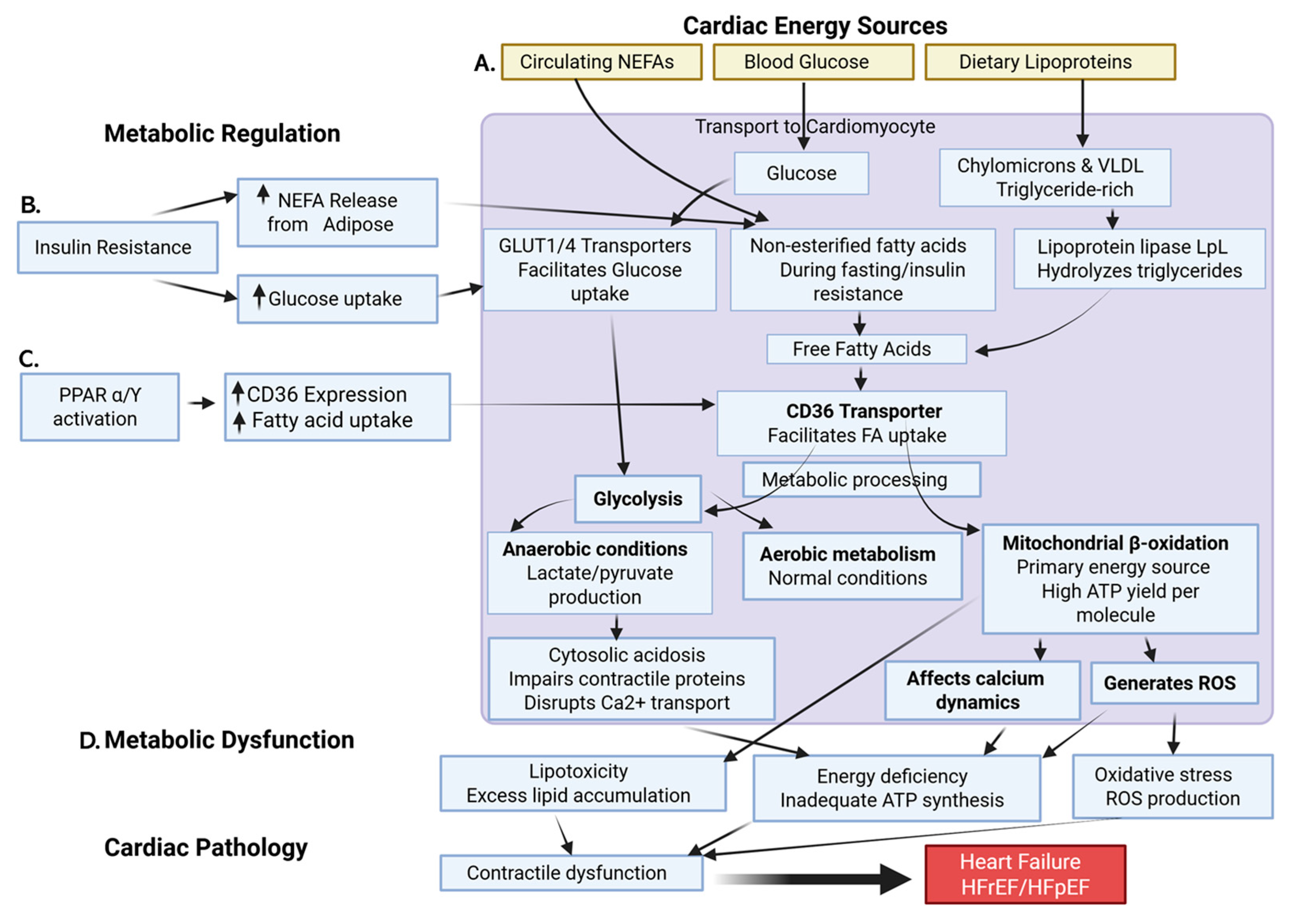
The human cardiovascular system is an energy-hungry marvel, utilizing kilograms of ATP daily to maintain basal metabolism and power the relentless contractions that sustain life. A staggering ninety-five percent of this energy is derived through oxidative metabolism inside the mitochondria, while anaerobic glycolysis accounts for a mere five percent [91]. This makes the heart exquisitely sensitive to changes in its fuel supply. Changes in substrate accessibility and absorption, as observed in diabetes and other metabolic disorders, affect mitochondrial function and cardiac energy metabolism, including calcium dynamics and homeostasis, the generation of reactive oxygen species (ROS) [92] and the initiation of the pro-apoptotic cascade. Significantly, decreased fatty acid oxidation (FAO) can sometimes coincide with heightened glucose metabolism. In several cells, such as cardiomyocytes, the increased synthesis of malonyl-CoA functions as an allosteric inhibitor of carnitine palmitoyl transferase, therefore restricting the transport of lipids within mitochondria [93] Figure 2.
The heart muscle possesses a remarkable flexibility in its metabolism, allowing it to change its power source based on availability. However, this adaptability diminishes with age and disease. The cardiac muscle diminishes its ability to generate energy effectively and adapt to fluctuating metabolic situations, including coronary artery disease [94,95]. The biology of cardiomyocytes, particularly mitochondrial function, is consequently impacted by this metabolic imbalance. Cardiomyopathies alter mitochondrial dynamics, especially the critical balance between fusion and fission. While improved mitochondrial fusion provides protection from pressure-induced heart failure [96], restricted integration of the inner mitochondrial membrane promotes apoptosis and the development of heart failure. Significant changes in oxidative pathways and metabolic models of cardiac tissue are both associated with these mitochondrial dynamics. By reducing heart oxidative stress, elevated amounts of inner membrane binding protein may impact ROS production. It is crucial to understand that cardiac substrate utilization affects cardiac function irrespective of changes in ATP production. It also directly affects lipid homeostasis, which regulates fatty acid intake, storage, and oxidation [97].
A notable increase in anaerobic glucose metabolism, associated with greater glycolytic flux and the accumulation of lactate and pyruvate, is a characteristic of heart failure with reduced ejection fraction (HFrEF). Proton buildup in the cytosol is thus linked to heightened acidosis, which exacerbates cardiac contraction by blocking contractile proteins and intracellular Ca2+ transport [98]. This alteration in ionic balance reduces ATP synthesis and worsens heart failure, an energy-deficient illness. Conversely, insulin resistance is a major metabolic abnormality in heart failure with preserved ejection fraction (HFpEF) that is mostly associated with obesity [99].
There is a noticeable decrease in aerobic glycolysis in both HFrEF and HFpEF. Research on metabolism in HFpEF has been hindered by the lack of an appropriate animal model. It is therefore important to remember that besides FAO, 5–30% of the energy generated by a healthy heart comes from anaerobic glycolysis. Changes in glucose uptake and oxidation occur in a damaged heart, much like changes in FAO. Research indicates that heightened glycolytic uptake in some heart failure models results in an augmented flux via the pentose phosphate pathway, which regulates both cardiac redox status and cellular proliferation [99].

The Lipid Delivery System: Lipoproteins and Receptors

Lipoproteins are the body’s sophisticated lipid transport system, composed of phospholipids, cholesterol, triglycerides, and other lipids. Their basic makeup, comprising amphipathic components such as phospholipids and exterior protein molecules, alongside hydrophobic fatty acids like triglycerides and cholesteryl ester within their core, facilitates interaction with receptors on cells and regulate enzymes critical to their metabolism. Chylomicrons, lipoproteins derived from dietary fats, facilitate the transport of fatty acids, especially fat-soluble vitamins. Very low-density lipoproteins (VLDL), which are composed of low-density lipoproteins (LDL), convey fatty acids from liver cells to adjacent tissues, including the heart, skeletal muscle, and fat tissue.
A secondary lipid transport pathway conveys FAs and fat-soluble vitamins across organs. Insulin meticulously regulates blood fatty acid levels by inhibiting the activation of cytoplasmic lipases in adipocytes. Non-esterified fatty acids (NEFAs) bound to protein are released by fat cells during fasting and when insulin function is impaired, as shown in diabetic complications. Tocopherols (vitamin E) and retinoids (vitamin A) bind to specific proteins to facilitate their transport from the liver to other tissues around the body.
The oxidation process of FAs generates roughly ten times the amount of ATP per molecule than glucose. Thus, it is not unexpected that energy-demanding organs such as the kidneys and cardiovascular system mostly depend on circulating lipids for sustenance. The cardiac muscle acquires FAs from three sources: non-esterified fatty acids (NEFAs), chylomicrons, and very low-density lipoproteins (VLDL). The importance of esterified FA intake, namely lipoprotein-derived FAs, as a primary energy source for cardiac activity was established by seminal studies on arterial-venous changes in the human heart carried out in the 1960s [100]. Lipids from chylomicrons and VLDL are lipolyzed and assimilated by the heart. The absorption and almost total utilization of FAs were confirmed by a recent and comprehensive study of metabolites in the cardiovascular systems of fasting patients undergoing cardiac catheterization. Some HF patients have decreased absorption of fatty acids and increased use of lactate and ketones [101]. This research unexpectedly revealed little glucose consumption in the hearts of both normal subjects and patients with heart failure and did not see increased glucose absorption in heart failure after the injection of 2-deoxyglucose.
The heart is a primary location for the absorption of non-esterified fatty acids (NEFAs). All tissues will take in NEFAs owing to non-specific translocation through cellular membranes. However, the increased absorption rates in cardiac and brown adipose tissues imply a receptor-mediated mechanism. The heart’s absorption of NEFA is a multi-step process involving translocation through the endothelium layer, movement from endothelial towards sub-endothelial tissues, and eventually absorption of lipids into cardiomyocytes. The fatty acid transporter CD36 facilitates these activities in vivo [102,103]. The genetic loss of CD36 diminishes intra-myocellular accumulation of lipid droplets, whereas CD36 overexpression enhances lipid absorption and oxidation in the heart. While studies did not demonstrate impaired cardiac NEFA absorption in cardiomyocyte-specific CD36 deletion mice during acute experimental conditions, others have shown a decrease in fatty acid oxidation in ex vivo functional cardiac specimens using cardiomyocyte-specific inducible CD36 deletion animals. Consequently, it is probable that CD36 in cardiomyocytes and endothelial cells facilitates either parallel or distinct phases of a singular NEFA absorption mechanism. CD36 is a downstream target of peroxisome proliferator-activated receptors (PPARs); substantial upregulation of either PPARα [104] or PPARγ [105] amplifies CD36 expression, possibly leading to lipotoxicity due to heightened uptake of NEFA. Critically, the ablation of CD36 safeguarded PPARα transgenic mice against heart failure [106].
The lack of lipoprotein lipase (LpL) reduces the heart’s intake of chylomicron and VLDL triglycerides, which is in line with studies on substrate extraction in the cardiac muscle. The bulk of lipoprotein lipase (LpL) is synthesized by cardiac cells, but it operates on the luminal layer of capillary endothelial cells, where it is tethered to glycosylphosphatidylinositol-anchored high-density lipoprotein-binding protein-1 [107]. The dimensions and apoprotein composition of triglyceride-rich lipids, together with their associated amino acids and angiopoietin-like proteins (Angptls)-3, -4, and -8, collectively affect LpL functioning. The mechanism by which LpL exits the cardiomyocyte to initiate delivery to the endothelial cell layer remains ambiguous. One explanation is that the release of LpL from cardiomyocytes and matrix heparan sulphate proteoglycans requires heparinase activity, which is influenced by blood flow and hyperglycemia [108].
The reduction of LpL and reduced lipid absorption is, in non-stressed settings, compensated by an increased glucose uptake. However, under pressure, this compensation fails. In conditions of increased energy demand, LpL knockout hearts exhibit increased heart failure in the presence of transaortic coarctation and hypertension. The transgenic production of GLUT1 in cardiomyocytes improves the absorption of glucose and fixes a number of defects seen in cardiac LpL knockout animals [109]. A similar phenotype is produced by the sustained overexpression of the specific LpL blocker angiopoietin-like protein 4 (Angptl4). These data indicate that heart LpL deletion results in cardiac dysfunction owing to inadequate substrate for ATP synthesis. Interestingly, those lacking LpL have no signs of cardiac failure under normal conditions, maybe owing to the elevated energy requirement of the mouse heart, which beats about eight to ten times more frequently than the human heart [110], therefore indicating a deficiency within substrate delivery that is only unmasked under stress.
The pivotal role of lipid utilization in cardiac function is further shown by obesity, a disease linked to increased fatty acid oxidation. Fast insulin resistance is induced in the heart by high-fat diets; however, the phenotype is quite moderate due to the ablation of insulin signaling [111]. Mice with GLUT1 mutations unique to the heart show a 50% reduction in glucose uptake and utilization. These animals’ vulnerability to heart failure is not increased by elevated FAO. When fed a normal diet, GLUT1 transgenic mice exhibit normal cardiac function; nevertheless, when fed a high-fat diet, they develop heart failure [112]. Therefore, compounds that promote the breakdown of both glucose and fatty acids are not harmless. According to this theory, diabetic cardiomyopathy is caused by increased fatty acid and glucose uptake in the heart. As a result, it is precise to predict that the sodium-glucose co-transporter inhibitors, which reduce cardiac glucose uptake, as opposed to insulin sensitizers, would lessen heart failure in diabetic patients.

4.2. Lipids in Neurodegenerative Diseases: The Brain’s Fat Problem

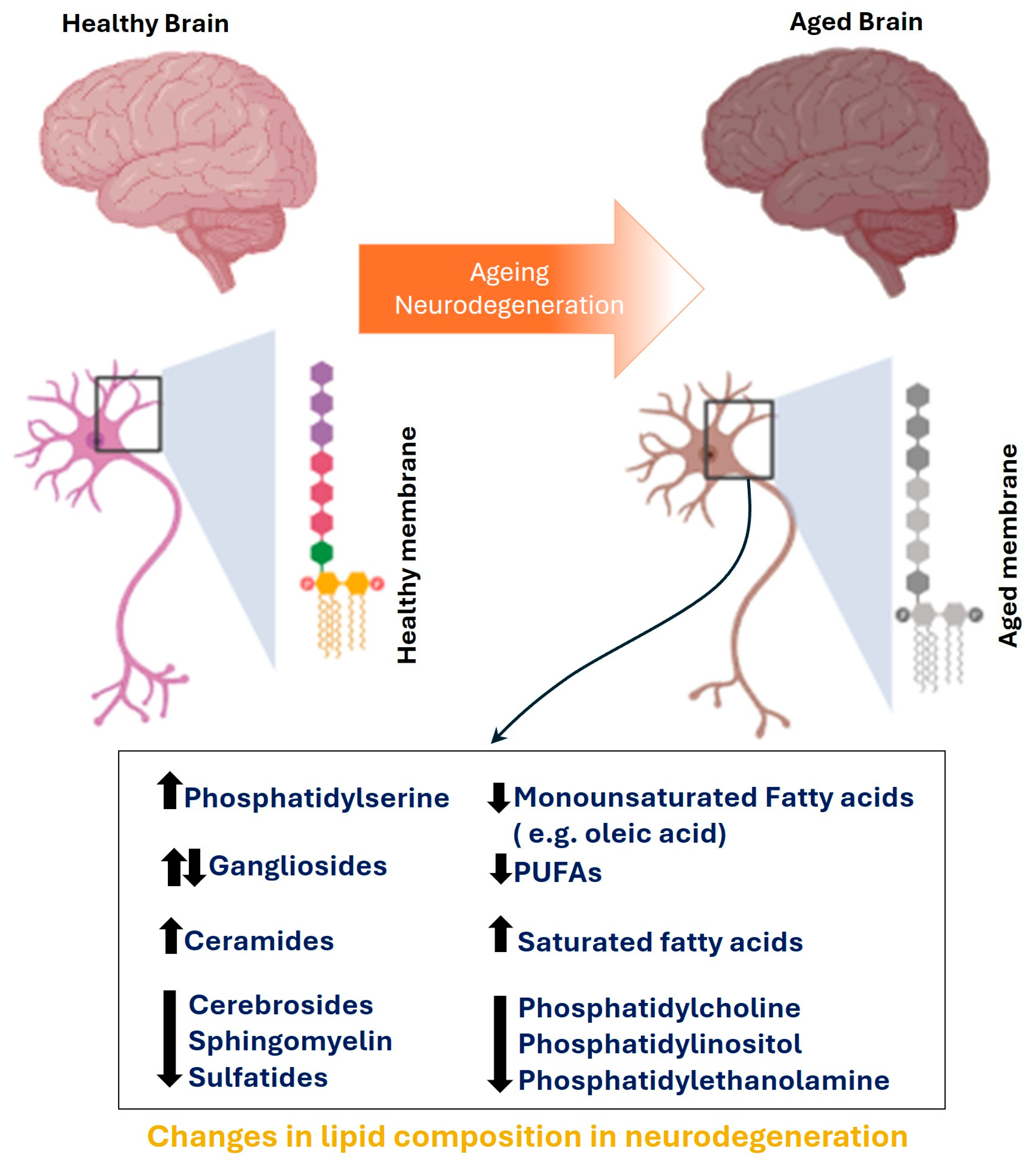
The proper growth and operation of the central nervous system (CNS) depend critically on lipids. The two most prevalent lipid classes in the central nervous system are sphingolipids and cholesterol, which are mostly present in myelin fiber. Lipids are the basic building blocks of membranes, and their composition, level of unsaturation, and fatty acyl tail length influence everything from vesicle fusion and secretion to lipid raft microdomains and membrane fluidity (Figure 3). Sphingosine, a ceramide metabolite, is bioactive and regulates several cellular activities, including signaling, apoptosis, mitochondrial activity, immunological response, and metabolism [113].
Neurodegenerative diseases are increasingly linked to lipids. Alzheimer’s disease (AD), Parkinson’s disease (PD), and other neurological conditions have been related to a growing proportion of genes relevant to lipid metabolism that have been identified by Mendelian genetics, genome-wide association studies (GWAS), and transcriptome investigations. Interestingly, a recent study in Drosophila showed that Nazo-, a c19orf12 homolog, is required in lipid homeostasis, providing novel insights into the mechanisms of NBIA (Neurodegeneration with brain Iron accumulation) [114]. The main genetic risk factor for AD is the apolipoprotein epsilon4 allele, which is essential for the brain’s uptake of cholesterol. Recent studies using GWAS for AD have identified many risk genes linked to lipid metabolism [115]. Lipid metabolism has been connected to a growing number of PD-related risk loci and responsible genes, such as PLA2G6/PARK14, SCARB2, SMPD1, SREBF1, and DGKQ, that have been recently studied [116]. Since mutations in GBA are the most important genetic risk factor for Parkinson’s disease, as was previously mentioned, GBA is a crucial gene in ceramide metabolism.
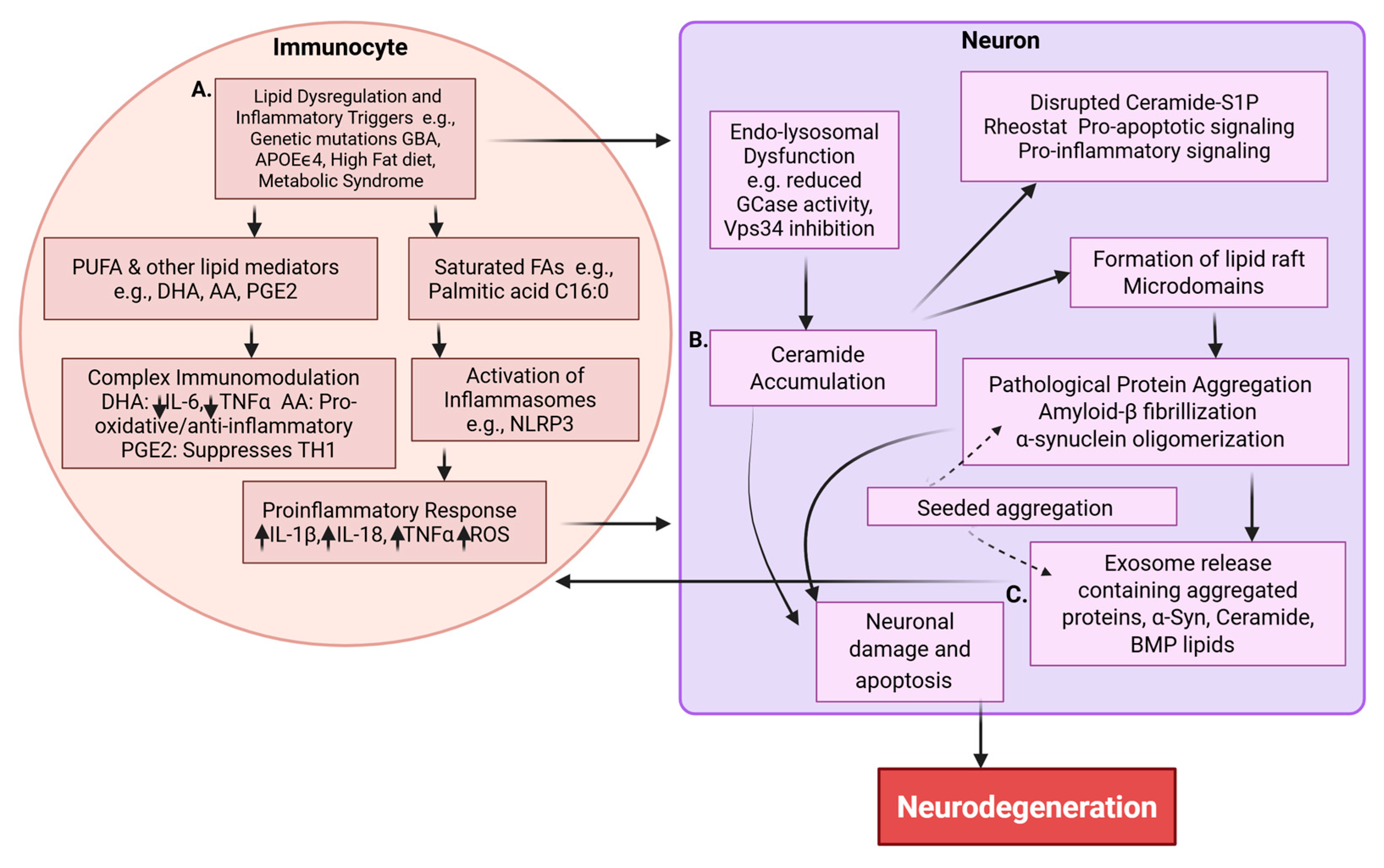
Lipidomic profiling of tissues from AD patients and animal models has revealed striking alterations in various lipid classes, including fatty acids, glycerolipids, glycerophospholipids, sphingolipids, and cholesterol [115]. Autopsy tissue from AD patients’ brains revealed deficiencies in phospholipids, particularly the proportion of ethanolamine plasmalogen to phosphatidylethanolamine. Since the balance of these two interconnected and individually controlled lipids can influence cellular death vs viability, ceramide has attracted a lot of interest due to the ceramide-sphingosine-1-phosphate (S-1-P) rheostat [117]. Ceramide is known to induce inflammation, apoptosis, and autophagy, whereas S-1-P mediates cell survival by activating G-PCR pathways. Moreover, ceramide influences AD development by enhancing Aβ aggregation through its interaction with lipid rafts—specialized membrane domains abundant in cholesterol and sphingolipids—as well as exosomal membranes enriched with ceramide [118]. Ceramide levels have been shown to be higher in a number of investigations that have looked at tissue from AD patients and animal models of the illness. Compared to age-matched controls, brain cells from AD patients with mild, moderate, to severe symptoms showed higher levels of total ceramide [119]. Immunohistochemical study of the frontal cortex revealed increased ceramide levels in astrocytes, and ceramide concentrations were higher in the cerebrospinal fluid (CSF) in AD patients compared to ALS patients and controls. Elevated initial levels of both long-chain ceramides C22:0 and C24:0 were shown to be suggestive of cognitive decline and hippocampus shrinkage in plasma from a small group of people with AD, moderate cognitive impairment, and control subjects [120]. Increased initial concentrations of long-chain ceramides are associated with an increased risk of AD, according to a study of sera from a longitudinal experiment that included 99 women in their 80s [121]. According to Savica et al. [122], patients with AD and DLB had higher serum ceramide concentrations. It has been shown that animal models of AD have higher levels of ceramides in their brain tissue.
PD has also been linked to notable alterations in lipid metabolism. Interestingly, decreased GCase activity has been observed in postmortem tissues from spontaneous PD patients lacking GBA mutations, although impaired lipid metabolism would be anticipated primarily in PD patients who are carriers of GBA mutations [123]. Furthermore, there was an inverse relationship between the degree of GBA enzyme activity decline and α-syn expression; however, this study did not assess big molecular weight α-syn oligomers [123]. Further research has shown that GCase enzyme activity is reduced in PD patients with sporadic PD who do not have GBA mutations. Extracellular vesicles extracted from Parkinson’s disease (PD) patients’ brain tissue showed greater levels of membrane ceramides. These lipid changes enhance their affinity for α-synuclein, driving its aggregation, accumulation, and spread [124]. Collectively, these findings highlight that reduced GCase activity and subsequent lipid metabolism disruptions are critical contributors to PD pathology. Furthermore, inhibiting glucosylceramide synthase to lower GCase substrates in a mouse model of GBA-related PD decreased insoluble α-synuclein oligomers and ubiquitinated proteins. This strongly indicates that targeting defective lipid metabolism can mitigate PD pathology.
Ceramides exhibit diverse biological activities, but whether they predominantly promote neuronal damage or protection remains uncertain. It has been hypothesized that reduced ceramide levels might play a role in GBA-linked PD, as GBA mutations lead to glucosylceramide accumulation, potentially resulting in decreased ceramide levels. Supporting this, treatment of GCase-deficient HEK293 cells with external C18-ceramide or Carmofur, an acid-dependent ceramidase inhibitor, lowered α-synuclein levels and restored autophagy [125]. Similar improvements were observed in iPSC-derived dopaminergic neurons with a heterozygous GBA mutation, where Carmofur treatment reduced oxidized α-synuclein species and ubiquitinated proteins [125].
Enhanced breakdown of ceramide and glucosylceramide causes further lipid profile changes with currently unclear pathogenic outcomes. In a double-mutant mouse model heterozygous for GBA and expressing human α-synuclein driven by its endogenous promoter, glucosyl sphingosine levels increased significantly, whereas glucosylceramide, ceramide, and sphingosine remained unchanged compared to wild-type GBA controls lacking human α-synuclein expression [126]. This likely occurs due to lysosomal acid ceramidase activity on glucosylceramide, generating elevated glucosyl sphingosine, a pattern similarly noted in Gaucher’s disease. After exiting lysosomes, glucosyl sphingosine is further hydrolyzed by non-lysosomal GBA2, producing sphingosine, and S-1-P [127], resulting in complex downstream lipid alterations that remain poorly understood.
BMP lipids, concentrated in late endosome-lysosome compartments, have a significant role in neurodegeneration. When Vps34—a lipid kinase essential for PI3P synthesis—is inhibited, increased exosome secretion occurs in cultured neurons and induced knockout mouse models. PI3P, decreased in AD brains, is critical for endosomal trafficking regulation [128]. Under conditions of lysosomal stress, exosomes containing C-terminal APP fragments are generated. Notably, these exosomes have elevated levels of BMPs alongside ceramides and sphingomyelin [128]. Additionally, several BMP species in urine correlated with cognitive decline in carriers of the LRRK2 G2019S mutation linked to PD [129]. As LRRK2 is strongly implicated in PD and connected to endo-lysosomal function, BMPs could serve as biomarkers for lipid disturbances related to neurodegeneration involving endo-lysosomal dysfunction [130].
Changes in the breakdown of lipids may potentially contribute to neurodegenerative illness by directly affecting aggregation-prone proteins. This claim about α-syn is supported by substantial evidence. In the presence of polyunsaturated FAs, α-syn oligomerizes into insoluble clusters; saturated fatty acids do not cause this process, while oligomerization is influenced by the length of the fatty acyl chain. When α-syn interacted with the lipid bilayer in an in vitro system utilizing microscopic uni-lamellar vesicles, it took on an amyloid-like form [131]. Studies show that in Alzheimer’s disease, and exposure to specifically engineered phospholipid vesicles, accelerates Aβ fibrillization and increases binding because of vesicles exhibit pronounced membrane curvature (~30 nm diameter) [132]. Yet, it remains unclear whether the degree of Aβ aggregation observed in these in vitro experiments corresponds directly to conditions found in exosomes or SVs in vivo.

4.2.1. Lipid Signaling Pathways in Neurodegeneration: Faulty Signals in the Brain

Lipid signaling plays a crucial role in the regulation of neuronal function and survival. Various lipid molecules, including sphingolipids, phospholipids, and cholesterol derivatives, are key modulators of cellular signaling pathways that control inflammation, oxidative stress, and cell death. In neurodegenerative diseases such as Alzheimer’s disease (AD), Parkinson’s disease (PD), and amyotrophic lateral sclerosis (ALS), alterations in lipid metabolism and signaling contribute to disease progression.
Role of Sphingolipid Signaling in Neurodegeneration
Sphingolipids, particularly ceramides and sphingosine-1-phosphate (S1P), regulate cell fate by mediating apoptosis, autophagy, and inflammation. Ceramide accumulation has been observed in neurodegenerative diseases and is linked to neuronal apoptosis and synaptic dysfunction [89,133]. S1P, on the other hand, plays a neuroprotective role by activating pro-survival pathways, including the PI3K/Akt pathway. The PI3K/Akt pathway is critical for neuronal survival, as it prevents apoptosis and oxidative stress. S1P binds to its receptors (S1PR1–5), triggering a cascade that includes activation of PI3K, which in turn phosphorylates and activates Akt. This activation promotes cell survival by inhibiting pro-apoptotic factors like Bad and Caspase-9, while stimulating survival proteins such as Bcl-2. It was observed that S1P protects against oxidative stress-induced neuronal death by activating the PI3K/Akt pathway in neurodegenerative models. Their findings suggest that targeting S1P metabolism could be a therapeutic strategy for AD and PD [32]. S1P counteracts neuroinflammation and apoptosis in AD by activating PI3K/Akt and ERK pathways, reducing neurotoxic effects. Disruptions in S1P receptor 1 (S1PR1) signaling impair PI3K/Akt activation in AD mouse models, leading to neuronal loss and cognitive deficits. S1P signaling through PI3K/Akt enhances neuronal resilience against oxidative stress, reducing dopaminergic neuron loss in PD models [134].
Phospholipase and Lipid Metabolism
Phospholipase A2 (PLA2) regulates lipid homeostasis and inflammation. Overactivation of PLA2 leads to excessive production of arachidonic acid and eicosanoids, exacerbating neuroinflammation in diseases like multiple sclerosis (MS) and AD [135,136]. This process disrupts neuronal membranes and promotes neurotoxicity.
Lipid Peroxidation and Ferroptosis
Lipid peroxidation, a form of oxidative damage to lipids, contributes to neurodegeneration. The ferroptosis pathway, characterized by iron-dependent lipid peroxidation, is implicated in conditions such as PD and ALS [137,138]. The Nrf2 signaling pathway has been identified as a key regulator of lipid metabolism, offering a potential therapeutic target.
Cholesterol and Alzheimer’s Disease
Cholesterol metabolism is vital for synaptic function, but its dysregulation is a hallmark of neurodegenerative diseases. Impaired cholesterol transport due to mutations in apolipoprotein E (ApoE) leads to amyloid-beta plaque formation in AD [139]. The modulation of lipid rafts and their interaction with amyloid precursor protein (APP) influences disease progression.
Wnt Signaling and Lipid Interaction
The Wnt signaling pathway is involved in neuronal survival and plasticity. Studies have shown that lipids influence Wnt signaling by modulating its receptors and downstream targets [140]. Disruptions in this pathway have been linked to neurodevelopmental and neurodegenerative disorders.

4.2.2. Lipid Accumulation and Neuroinflammation: A Vicious Cycle

Lipid metabolism plays a critical role in maintaining brain homeostasis, and its dysregulation can lead to neuroinflammation, a key pathological feature of various neurodegenerative diseases, including Alzheimer’s disease (AD), Parkinson’s disease (PD), and multiple sclerosis (MS). Lipid accumulation in the central nervous system (CNS) can trigger immune responses, leading to chronic inflammation that exacerbates neuronal damage. The brain is highly enriched in lipids, including phospholipids, sphingolipids, and cholesterol, which are essential for synaptic function, neuronal survival, and myelin sheath integrity [141]. However, disturbances in lipid metabolism, such as excessive accumulation of cholesterol and sphingolipids, have been linked to neuroinflammation and neurodegeneration [142] Figure 4.
Mechanisms of Lipid-Induced Neuroinflammation
Lipid accumulation in the CNS contributes to neuroinflammation through several mechanisms:
  • Microglial Activation: Excessive lipids can activate microglia, the primary immune cells of the CNS, leading to the release of pro-inflammatory cytokines such as interleukin-1β (IL-1β), tumor necrosis factor-alpha (TNF-α), and interleukin-6 (IL-6) [143].
  • Oxidative Stress: Lipid peroxidation products, such as malondialdehyde (MDA) and 4-hydroxynonenal (4-HNE), contribute to oxidative damage, exacerbating neuroinflammation [144,145].
  • Dysregulated Lipophagy: Impairment of lipophagy, a lipid clearance mechanism mediated by autophagy, results in lipid droplet accumulation in microglia and astrocytes, leading to persistent inflammation [146].

4.2.3. Lipids in Central Nervous System (CNS) and Peripheral Nervous System (PNS)

Myelin, synapses, and neural membranes are very lipid-rich and have tightly regulated lipid content to function. Myelin contains approximately 70–80% lipid (dry weight), including high concentrations of cholesterol, galactolipids (galactocerebroside, sulfatide), and very long-chain sphingolipids that appress and electrically insulate axons to enable saltatory conduction and metabolic delivery. Impairment of lipid synthesis, transport, or turnover jeopardizes myelination and axonal integrity and predisposes to neuropathy [147,148].
CNS–PNS Convergence and Divergence
Both oligodendrocytes (CNS) and Schwann cells (PNS) depend on de novo lipid synthesis for myelination but employ different metabolic strategies. New evidence demonstrates that oligodendroglia mobilize and oxidize fatty acids constantly as a local energy reserve within white matter tracts—connecting lipid catabolism to circuit resilience [149]. Concurrently, astrocytes provide neurons with cholesterol through ApoE-bearing lipoproteins and dynamically traffic neutral lipids within lipid droplets (LDs). APOE has been found to co-localise with LDs and modify their composition [150,151]. Dysregulated glial lipid management, specifically microglial LD accumulation, becomes a characteristic of neuroinflammation and neurodegeneration and is modulated by APOE genotype [151].
In the PNS, Schwann cells need to produce enormous amounts of cholesterol and fatty acids during development and remyelination; disruption in these pathways results in hypomyelination and distal axonopathy. Human and animal studies report reduced myelin-lipid biosynthetic gene expression and compromised lipid metabolic plasticity as underlying features of common inherited neuropathies [152,153].
Sphingolipid Metabolism as a Mechanistic Hub
Sphingolipid metabolism is a central axis linking membrane structure, neuronal signaling, and cellular stress in the nervous system. The biosynthesis begins with L-serine and palmitoyl-CoA condensation catalysed by serine palmitoyltransferase (SPT). Perturbations here significantly impact lipid homeostasis and neural survival. SPT subunit mutations (SPTLC1 and SPTLC2) or substrate preference switching to alanine or glycine instead of serine lead to the production of abnormally formed 1-deoxysphingolipids (deoxySLs), which do not have the C1 hydroxyl group essential for regular catabolism. They aggregate according to neurons and Schwann cells, causing axonal degeneration and sensory deficit typical for hereditary sensory and autonomic neuropathy type I (HSAN1) [147,148,149].
In addition to classical HSAN1, new genetic evidence reveals that different SPTLC1 variants can cause juvenile amyotrophic lateral sclerosis, expanding the range of SPT-related diseases and demonstrating that small changes in the synthesis of sphingoid bases can yield opposite neurophenotypes depending on lipid chain length and tissue type [150]. Other enzymes within the pathway, like dihydroceramide desaturase 1 (DEGS1), have also been reported to be involved in combined central and peripheral hypomyelination, showing that ceramide flux directly regulates myelin stability and neuronal function [151].
Single-cell lipidomic studies published recently show that neurons and glia deal differently with ceramide pools. Neurons are especially susceptible to long-chain ceramides that reorganize membrane order and interfere with ion channel clustering, whereas glia control myelin compaction using different saturation states [153]. Such spatially and chain-length-specific sphingolipid organization forms functional lipid microdomains critical for excitability, synaptic plasticity, and axon–glial communication. Collectively, these discoveries place sphingolipid metabolism at the center as a mechanistic nexus between energy metabolism, membrane structure, and neurodegeneration.
Lipids in Common Peripheral Neuropathies
SPTLC1 or SPTLC2 mutations in HSAN1 produce a selective accumulation of deoxySLs that interferes with mitochondrial function and cytoskeletal stability. Clinical application of this knowledge resulted in a randomised Neurology trial demonstrating that oral L-serine supplementation decreased circulating deoxySLs and slowed neurological deterioration, the first metabolic treatment for inherited neuropathy [148]. This research confirmed deoxySLs as causal metabolites and emphasised how systemic amino acid–lipid interactions regulate axonal integrity in disease [149].
Charcot–Marie–Tooth disease type 1A (CMT1A) is the most prevalent inherited neuropathy and offers a unique but convergent model of lipid dysregulation. Overexpression of the PMP22 gene in Schwann cells unmasks the coordination between lipid metabolism and myelin assembly. Longitudinal CMT1A rat model studies show that myelin lipid composition is abnormal before the development of conduction deficits, suggesting lipid biogenesis is an initiating and not a secondary event [152]. Human and rodent CMT1A omics comparison also reveals a failure of Schwann cells to upregulate lipid metabolic pathways upon remyelination, revealing impaired lipid plasticity as a unifying feature of inherited demyelinating neuropathies [154].
In diabetic peripheral neuropathy (DPN), dyslipidemia and disrupted ceramide metabolism account for sensory loss and pain. Circulating ceramides are elevated with small-fibre damage and microvascular disease, and experimental reduction in deoxySLs or inhibition of ceramide synthesis enhances diabetic nerve function in rodents [155,156]. Ceramide accumulation mechanistically enhances oxidative and endoplasmic reticulum stress in neurons, interferes with insulin signalling, and sensitises nociceptors to inflammatory mediators [157]. DPN can therefore be considered a systemic lipid disorder with secondary neurodegenerative effects.
Chemotherapy-induced peripheral neuropathy (CIPN) also illustrates how lipid perturbations converge with cell stress pathways. Taxanes, platinum drugs, and bortezomib cause lipid peroxidation, mitochondrial damage, and stimulation of ceramide- and sphingosine–1–phosphate-mediated signalling cascades in sensory neurons [158,159]. Systems-level lipidomic studies of paclitaxel-induced neuropathy have identified separable signatures of oxidised and sphingolipid species that correlate with symptom severity and potentially are early biomarkers [160].Collectively, these heterogeneous neuropathies coalesce around a unifying theme: disruption of lipid synthesis, oxidation, or storage in neurons and glia represents a shared axis of axonal susceptibility.

5. Dietary Lipids and Aging: You Are What You Eat, Especially Your Fats

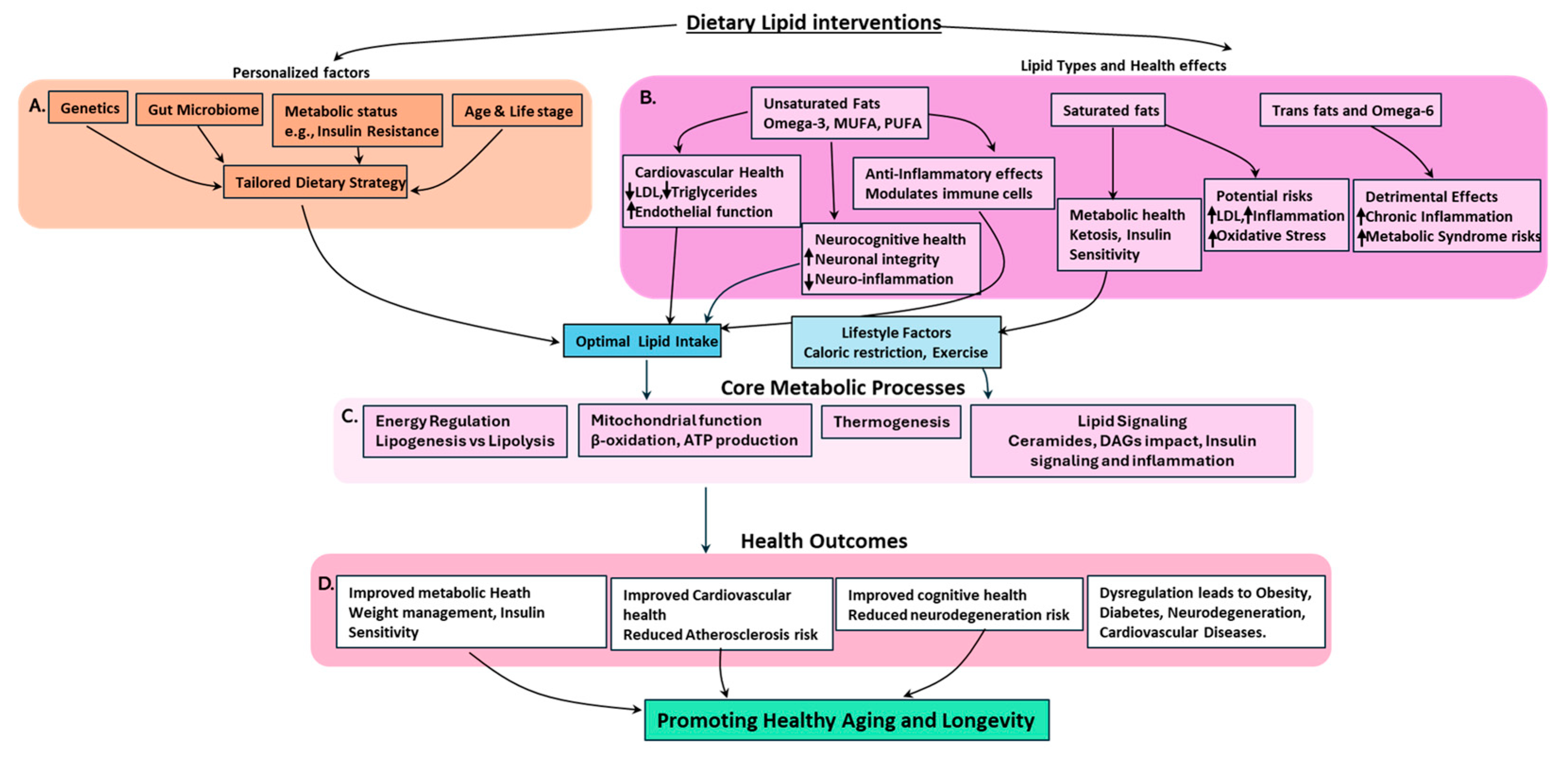
Dietary lipid interventions have a profound impact on human health, influencing metabolic processes, cardiovascular function, and overall disease risk. Lipids, including saturated fats, unsaturated fats, and essential fatty acids, play crucial roles in cellular function, inflammation, and energy metabolism. The quality and quantity of dietary lipids consumed can significantly affect lipid profiles, inflammatory markers, and chronic disease progression.
One of the most well-documented effects of dietary lipid interventions is their role in cardiovascular health. Replacing saturated fats with unsaturated fats, particularly omega-3 fatty acids, has been shown to reduce low-density lipoprotein (LDL) cholesterol levels, lower inflammation, and decrease the risk of atherosclerosis and coronary artery disease [161]. Omega-3 fatty acids, found in fatty fish and flaxseeds, are particularly effective in improving endothelial function and reducing triglyceride levels, making them essential components of heart-healthy diets.
Additionally, lipid interventions play a crucial role in metabolic health. High-fat, low-carbohydrate diets, such as the ketogenic diet, have gained attention for their ability to improve insulin sensitivity and promote weight loss in individuals with type 2 diabetes [162]. By shifting energy metabolism from glucose to fatty acids and ketones, these diets can enhance metabolic flexibility and reduce reliance on insulin. However, long-term adherence and potential cardiovascular risks associated with high saturated fat intake remain areas of ongoing research.
Lipid intake also influences inflammatory pathways. Diets rich in monounsaturated and polyunsaturated fats, such as the Mediterranean diet, have been shown to reduce systemic inflammation, partly through modulation of lipid rafts in immune cells [163]. In contrast, excessive intake of trans fats and omega-6 fatty acids, commonly found in processed foods, has been linked to chronic inflammation and an increased risk of metabolic syndrome.
Beyond metabolic and cardiovascular health, dietary lipid interventions impact cognitive function and neurodegenerative diseases. Omega-3 fatty acids, particularly docosahexaenoic acid (DHA), are essential for maintaining neuronal integrity and synaptic plasticity. Studies have demonstrated that diets enriched with omega-3s can reduce the risk of Alzheimer’s disease and age-related cognitive decline by lowering neuroinflammation and oxidative stress [164]. Conversely, diets high in saturated fats may promote neurodegeneration by increasing oxidative damage and impairing blood–brain barrier function.
Furthermore, lipid interventions play a role in gut health. Recent studies suggest that dietary fats influence the gut microbiome, which in turn affects systemic inflammation and metabolic health. High-fat diets rich in healthy fats, such as olive oil, have been associated with a more diverse gut microbiota, while excessive saturated fat intake may promote dysbiosis and contribute to inflammatory diseases [165].
Interestingly, dietary interventions and lifestyle modifications have been shown to mitigate some of these age-related lipid changes. For instance, diets rich in omega-3 fatty acids and antioxidants can help preserve membrane integrity and reduce lipid peroxidation, thereby improving metabolic and cognitive health in aging individuals [166]. Additionally, caloric restriction and intermittent fasting have been associated with improved lipid metabolism, reducing the accumulation of harmful lipid species and promoting longevity [167,168]. Lipid composition undergoes significant alterations with age, influencing health and disease progression. Understanding these changes provides valuable insights into aging-related conditions and highlights potential therapeutic strategies to promote healthy aging.

5.1. Energy Regulation and Lipid Metabolism: The Body’s Fuel Gauge

Lipid metabolism plays a fundamental role in energy regulation, influencing processes such as energy storage, mobilization, and expenditure. Lipids serve as the body’s primary energy reservoir, with triglycerides stored in adipose tissue acting as a long-term fuel source. When energy demand increases, lipid breakdown (lipolysis) releases free fatty acids into circulation, providing an efficient means of sustaining cellular metabolism.
A key regulator of lipid metabolism is the balance between lipogenesis (fat synthesis) and lipolysis (fat breakdown). Insulin, secreted in response to high glucose levels, promotes lipogenesis by stimulating fatty acid and triglyceride synthesis in adipose tissue and the liver. Conversely, during fasting or energy scarcity, lipolysis is activated, driven by hormones such as glucagon, catecholamines, and cortisol, which trigger the hydrolysis of triglycerides into glycerol and free fatty acids for oxidation. The process of β-oxidation occurs in the mitochondria, where fatty acids undergo sequential degradation to generate ATP, the primary cellular energy currency [169].
Mitochondria play a central role in lipid metabolism by converting fatty acids into energy through oxidative phosphorylation. Dysregulation of mitochondrial function has been implicated in metabolic disorders such as obesity, diabetes, and cardiovascular disease [170]. Emerging research highlights the impact of mitochondrial efficiency in determining energy expenditure, with variations in mitochondrial function influencing an individual’s propensity for weight gain or metabolic flexibility [171,172].
Lipid metabolism is also intricately linked to thermogenesis and energy homeostasis. Brown adipose tissue (BAT) and beige fat are specialized fat depots that burn lipids to generate heat, a process known as non-shivering thermogenesis. This process is mediated by uncoupling protein 1 (UCP1), which disrupts the mitochondrial proton gradient, allowing energy dissipation as heat instead of ATP synthesis [173]. Activating thermogenic pathways has been proposed as a strategy for combating obesity and improving metabolic health.
Another critical aspect of lipid metabolism is its role in signaling pathways that regulate energy homeostasis. Lipid-derived molecules such as ceramides, diacylglycerols, and lysophosphatidic acids act as bioactive mediators that influence insulin signaling, inflammation, and metabolic adaptation [174]. Disruptions in lipid signaling contribute to insulin resistance and metabolic syndrome, underscoring the importance of maintaining lipid balance for overall health.
Dietary lipid composition also plays a significant role in regulating energy metabolism. Diets rich in omega-3 fatty acids, for example, have been shown to enhance fatty acid oxidation and reduce inflammation, whereas excessive consumption of saturated fats may lead to lipid accumulation and metabolic dysfunction [175]. The gut microbiome further modulates lipid metabolism, with certain bacterial species influencing fat absorption and energy extraction from food. Lipid metabolism is central to energy regulation, affecting processes such as fat storage, oxidation, thermogenesis, and metabolic signaling. Understanding the mechanisms governing lipid metabolism offers insights into metabolic health and provides avenues for therapeutic interventions targeting obesity, diabetes, and other metabolic disorders (Table 3).

5.2. Personalized Dietary Approaches: Tailoring Fat to Your Biology

Personalized dietary lipid approaches focus on tailoring fat intake to an individual’s genetic profile, metabolic needs, and health conditions. Advances in nutrigenomics and lipidomics have allowed researchers to identify how different lipid types affect people based on genetic variations, lifestyle, and microbiome composition. These approaches offer a promising way to optimize health, manage metabolic disorders, and reduce disease risk.
One of the primary motivations behind personalized lipid interventions is the variation in lipid metabolism among individuals. Genetic differences influence how efficiently a person processes and utilizes dietary fats. For example, polymorphisms in the Apolipoprotein E (APOE) gene affect lipid transport and metabolism, altering the risk of cardiovascular diseases and Alzheimer’s disease [187,188]. Individuals with the APOE4 variant may benefit from reducing saturated fat intake and increasing omega-3 fatty acids to improve lipid profiles and cognitive function.
Beyond genetics, the gut microbiota plays a crucial role in lipid metabolism and inflammation. The gut microbiome composition affects how dietary lipids are digested and absorbed, influencing cholesterol metabolism and the production of bioactive lipid molecules. Recent research suggests that specific probiotic and prebiotic interventions can modify lipid absorption and reduce inflammation, making microbiome-targeted dietary adjustments a promising strategy in personalized nutrition.
Personalized lipid approaches are also essential in managing metabolic disorders such as obesity and diabetes. Low-carbohydrate, high-fat diets, such as the ketogenic diet, have been effective in improving insulin sensitivity and promoting weight loss, but their success varies among individuals. Some people respond better to higher monounsaturated or polyunsaturated fat intake, while others benefit from reduced overall fat consumption [175]. Understanding individual lipid responses can help optimize dietary recommendations for metabolic health.
Cardiovascular health is another area where personalized dietary lipid strategies are beneficial. Traditional dietary guidelines recommend reducing saturated fat intake to lower LDL cholesterol and cardiovascular risk. However, emerging evidence suggests that individual responses to dietary fats are highly variable, with some people experiencing no adverse effects from moderate saturated fat intake [167]. Omega-3 fatty acids from fish oil or plant sources are commonly recommended for cardiovascular protection, but their effectiveness depends on an individual’s genetic and metabolic background.
Personalized lipid approaches also extend to cognitive health. Omega-3 fatty acids, particularly docosahexaenoic acid (DHA), are essential for brain function, and deficiencies have been linked to neurodegenerative diseases. However, the extent of benefit from DHA supplementation depends on genetic factors, age, and baseline lipid status [168]. This highlights the need for tailored dietary strategies to support brain health throughout life. Personalized dietary lipid approaches offer a more effective way to optimize health by considering genetic, metabolic, and microbiome variations. As research advances, integrating precision nutrition into dietary guidelines will help improve disease prevention and treatment outcomes.

6. Impact on Aging and Health: The Lipid Legacy

Lipids play a fundamental role in aging and health, influencing metabolic processes, cellular signaling, and disease susceptibility. As individuals age, lipid metabolism undergoes significant changes, contributing to both beneficial and detrimental health outcomes. Alterations in lipid composition impact cellular function, inflammation, and neurodegenerative diseases, making them critical targets for aging-related research and interventions.
Aging is associated with shifts in lipid metabolism that influence systemic health. One major change is an increase in circulating lipid levels, which can lead to metabolic disorders such as obesity, insulin resistance, and cardiovascular disease [189]. Lipid peroxidation, driven by oxidative stress, accelerates aging by damaging cellular membranes and promoting inflammation, which is a key factor in age-related diseases such as atherosclerosis and neurodegeneration [190]. Furthermore, cholesterol homeostasis is disrupted with age, leading to an accumulation of lipid droplets in tissues, a phenomenon that has been linked to increased inflammation and reduced cellular resilience.
Lipids also play a crucial role in cognitive aging and neurodegenerative diseases such as Alzheimer’s disease. Disruptions in lipid metabolism affect synaptic plasticity, myelin integrity, and neuronal survival. Studies have shown that high serum lipid levels correlate with cognitive decline, with lipid peroxidation contributing to neuronal damage and impaired brain function [191]. Antioxidants and lipid-modulating therapies are being explored as potential strategies to counteract oxidative stress and improve lipid balance in the aging brain [189].
Mitochondrial function, which declines with age, is heavily influenced by lipid metabolism. Mitochondria rely on lipid-derived energy sources, and any disruption in lipid availability or processing can contribute to reduced energy production and increased oxidative damage. Pahal et al. [192] emphasize that lipid imbalances can impair mitochondrial respiration, leading to accelerated aging and increased vulnerability to metabolic diseases.
The relationship between lipids and aging extends to immune regulation. Chronic low-grade inflammation, also known as inflammaging, is driven in part by lipid metabolism dysfunction. Elevated levels of free fatty acids and cholesterol contribute to immune dysregulation, promoting a pro-inflammatory state that exacerbates age-related conditions [193]. Interestingly, interventions targeting lipid metabolism, such as dietary modifications and pharmacological approaches, have been shown to reduce inflammation and improve metabolic health in aging individuals.
Lipid-lowering therapies, including statins, are widely used to mitigate cardiovascular risk, but emerging research suggests they may also influence aging processes beyond cardiovascular health. Some studies indicate that lipid-lowering drugs can modulate inflammatory pathways and oxidative stress, potentially extend lifespan and improve overall health outcomes [194]. However, the effects of long-term lipid modulation on aging are still being investigated. Lipid metabolism is intricately linked to aging and overall health. Dysregulation of lipid homeostasis contributes to metabolic disorders, cognitive decline, mitochondrial dysfunction, and immune system aging. Understanding the role of lipids in aging provides valuable insights for developing targeted interventions to promote healthy aging and reduce the burden of age-related diseases (Table 4).

7. Therapeutic Implications: Turning Lipid Knowledge into Treatments

7.1. Therapeutic Strategies Targeting Thromboxane

Since thromboxane plays a central role in inflammation, several therapeutic approaches have been explored. Aspirin (COX-1 Inhibitor) blocks thromboxane synthesis, reducing inflammation and cardiovascular risk [205]. Thromboxane Receptor (TP) Antagonists like the drug Terutroban block TXA2 receptors, showing promise in vascular and autoimmune diseases [206]. TXA2 Synthase Inhibitors prevent TXA2 formation, reducing platelet activation and leukocyte infiltration.

7.2. Therapeutic Strategies Targeting Leukotrienes

Due to their strong inflammatory role, leukotrienes are targets for anti-inflammatory drugs, including: 5-Lipoxygenase (5-LOX) Inhibitors block leukotriene synthesis at the enzyme level, reducing inflammation [173]; and Leukotriene Receptor Antagonists (LTRAs) like montelukast and zafirlukast selectively block leukotriene receptors, providing relief from asthma and allergic inflammation [174].

7.3. Therapeutic Potential of S1P(Sphingosine-1-Phosphate)-Based Modulators

Given its neuroprotective effects, S1P modulation has been proposed as a potential therapeutic strategy. Drugs like fingolimod, an S1P receptor modulator, have shown promise in experimental models of neurodegeneration. Fingolimod enhances PI3K/Akt signaling, preventing neuronal loss in neurodegenerative models.

7.4. Targeting Lipid Signaling Pathways Offers Potential Therapeutic Strategies for Neurodegenerative Disease

Lipid metabolism modulators: Drugs that alter ceramide and sphingolipid levels can prevent apoptosis in neurodegenerative conditions.
Antioxidants: Agents that inhibit lipid peroxidation, such as Nrf2 activators, reduce oxidative stress in PD and ALS.
Cholesterol-lowering drugs: Statins and ApoE modulators may slow AD progression.
PLA2 inhibitors: Substances that reduce PLA2 activity could decrease neuroinflammation and membrane damage.

7.5. Therapeutic Interventions Against Lipid Metabolism in Neuropathies

Dietary L-serine supplementation, restoring canonical sphingolipid synthesis, decreasing deoxySL accumulation, and slowing axonal loss in HSAN1 and other serine-deficient conditions has been demonstrated in human clinical trials [148].
Modulating DEGS1 activity, chain-length–selective ceramide editing, and pharmacologic desaturase correction are active experimental strategies for lipid remodelling [151].
Anti-inflammatory therapies addressing ceramide-induced NLRP3 inflammasome activation can also target pain neuropathies associated with ceramide elevation, linking metabolic and immune signalling cascades [207].
LXR agonists increase cholesterol efflux, activate myelin gene expression, and are neuroprotective against metabolic stress in oligodendrocytes, although judicious titration is necessary to prevent hepatic lipid accumulation [208].
Recent technical developments in high-resolution lipidomics and single-cell profiling can now map “lipotypes,” or cell-type-specific lipid signatures. The combination of lipidomics and transcriptomics represents a potent platform for identifying disease-linked lipid pathways and tracking therapeutic responses in clinical trials. As lipid biochemistry becomes the forefront of neurology, peripheral neuropathies are being seen more and more as not just disorders of axons or myelin but as diseases of deranged lipid economy—where re-establishing metabolic homeostasis has real disease-modifying potential.

8. Conclusions and Future Prospects

Lipids are far more than mere structural components of cellular membranes or passive energy stores; they are dynamic, bioactive molecules central to the aging process and the pathogenesis of a wide array of age-related diseases (Figure 5). Aging is intrinsically linked to significant alterations in lipid metabolism, including dysregulated cholesterol homeostasis, increased lipid peroxidation, ectopic lipid deposition, and shifts in membrane phospholipid composition. These changes create a state of lipotoxicity and chronic, low-grade inflammation (“inflammaging”) that accelerates cellular dysfunction and tissue decline.
The complexity of lipid biology in aging presents both a challenge and an opportunity. Future research and clinical applications should focus on the following avenues:
Biomarker Discovery: Large-scale, longitudinal lipidomic studies are needed to identify specific lipid species or profiles (e.g., ceramide ratios, oxylipins, SPMs) that can serve as early, predictive biomarkers for specific age-related diseases, allowing for preemptive interventions.
Personalized Nutrition: Moving beyond one-size-fits-all dietary advice. Research should focus on how an individual’s genetics, gut microbiome, and metabolic health status determine their response to dietary lipids, enabling truly personalized nutritional strategies for healthy aging.
Beyond Statins: While statins are effective for cholesterol lowering, future therapeutics should target more specific lipid pathways. This includes: Sphingolipid Modulators: Developing drugs that inhibit ceramide synthesis or enhance S1P signaling to combat neurodegeneration and metabolic disease. Pro-Resolving Mediators: Harnessing the power of lipoxins, resolvins, and protectins as therapeutics to actively “resolve” chronic inflammation in aging rather than merely suppressing it. Ferroptosis Inhibitors: Developing potent inhibitors of lipid peroxidation (e.g., next-generation Nrf2 activators, ferroptosis-specific antioxidants) for neurodegenerative and cardiovascular diseases.
Spatial Lipidomics: Applying advanced imaging mass spectrometry to understand not just which lipids change with age, but where—within specific brain regions, within single cells, or in specific membrane microdomains like lipid rafts.
Understanding Lipid-Protein Interactions: Gaining a deeper structural understanding of how specific lipids allosterically modulate the activity of key receptors (GPCRs, TLRs) involved in aging and disease. This will facilitate the design of more precise drugs.
Gene and RNA Therapies: Utilizing lipid nanoparticles (LNPs) not just as delivery vehicles (e.g., for mRNA vaccines) but also to deliver genetic material designed to correct age-related dysregulation of lipid metabolism in specific tissues.
The Integrated Lifestyle Interventions: Synergistic Approaches: Systematic studies on how dietary interventions (e.g., Mediterranean diet, time-restricted feeding) combined with exercise specifically remodel lipid metabolism to improve health outcomes in aging.
Gut–Brain–Liver Axis: Further exploration of how dietary lipids shape the gut microbiome and how microbial metabolites, in turn, influence host-lipid metabolism and inflammation systemically, particularly in the brain.
In summary, the future of lipids in aging research lies in moving from correlation to causation, from bulk analysis to spatial precision, and from generalized treatments to personalized interventions. By leveraging lipids as biomarkers, targets, and therapeutics, we pave the way for novel strategies to delay aging, prevent disease, and ultimately extend human health span.

Author Contributions

S.L., S.M. (Sumira Malik), S.M. (Sagar Mondal) and J.B. contributed equally. P.S. Conceptualization. S.L., S.M. (Sagar Mondal), S.M. (Sumira Malik), J.B., S.P., D.T.V., P.S.: Original Draft. P.S. and S.M. (Sumira Malik) supervision. P.S. Final editing. All authors have read and agreed to the published version of the manuscript.

Funding

This research received no external funding.

Data Availability Statement

No new data were created in this review.

Conflicts of Interest

The authors declare no conflict of interest.

References

  1. Pan, H.; Qin, W.X.; Huo, K.K.; Wan, D.F.; Yu, Y.; Xu, Z.G.; Hu, Q.D.; Gu, K.T.; Zhou, X.M.; Jiang, H.Q.; et al. Cloning, mapping, and characterization of a human homologue of the yeast longevity assurance gene LAG1. Genomics 2001, 77, 58–64. [Google Scholar] [CrossRef]
  2. D’Mello, N.P.; Childress, A.M.; Franklin, D.S.; Kale, S.P.; Pinswasdi, C.; Jazwinski, S.M. Cloning and characterization of LAG1, a longevity-assurance gene in yeast. J. Biol. Chem. 1994, 269, 15451–15459. [Google Scholar] [CrossRef]
  3. Jiang, J.C.; Kirchman, P.A.; Zagulski, M.; Hunt, J.; Jazwinski, S.M. Homologs of the yeast longevity gene LAG1 in Caenorhabditis elegans and human. Genome Res. 1998, 8, 1259–1272. [Google Scholar] [CrossRef]
  4. Chen, Q.; Kovilakath, A.; Allegood, J.; Thompson, J.; Hu, Y.; Cowart, L.A.; Lesnefsky, E.J. Endoplasmic reticulum stress and mitochondrial dysfunction during aging: Role of sphingolipids. Biochim. Biophys. Acta Mol. Cell Biol. Lipids 2023, 1868, 159366. [Google Scholar] [CrossRef] [PubMed]
  5. Zaarur, N.; Desevin, K.; Mackenzie, J.; Lord, A.; Grishok, A.; Kandror, K.V. ATGL-1 mediates the effect of dietary restriction and the insulin/IGF-1 signaling pathway on longevity in C. elegans. Mol. Metab. 2019, 27, 75–82. [Google Scholar] [CrossRef]
  6. Eisenberg, T.; Schroeder, S.; Andryushkova, A.; Pendl, T.; Kuttner, V.; Bhukel, A.; Marino, G.; Pietrocola, F.; Harger, A.; Zimmermann, A. Nucleocytosolic depletion of the energy metabolite acetyl-coenzyme a stimulates autophagy and prolongs lifespan. Cell Metab. 2014, 19, 431–444. [Google Scholar] [CrossRef] [PubMed]
  7. Lapierre, L.R.; Gelino, S.; Melendez, A.; Hansen, M. Autophagy and lipid metabolism coordinately modulate life span in germline-less C. elegans. Curr. Biol. 2011, 21, 1507–1514. [Google Scholar] [CrossRef]
  8. Lin, Y.H.; Chen, Y.C.; Kao, T.Y.; Lin, Y.C.; Hsu, T.E.; Wu, Y.C.; Ja, W.W.; Brummel, T.J.; Kapahi, P.; Yuh, C.H. Diacylglycerol lipase regulates lifespan and oxidative stress response by inversely modulating TOR signaling in Drosophila and C. elegans. Aging Cell 2014, 13, 755–764. [Google Scholar] [CrossRef]
  9. Streeper, R.S.; Grueter, C.A.; Salomonis, N.; Cases, S.; Levin, M.C.; Koliwad, S.K.; Zhou, P.; Hirschey, M.D.; Verdin, E.; Farese, R.V., Jr. Deficiency of the lipid synthesis enzyme, DGAT1, extends longevity in mice. Aging 2012, 4, 13–27. [Google Scholar] [CrossRef] [PubMed]
  10. Mourikis, P.; Hurlbut, G.D.; Artavanis-Tsakonas, S. Enigma, a mitochondrial protein affecting lifespan and oxidative stress response in Drosophila. Proc. Natl. Acad. Sci. USA 2006, 103, 1307–1312. [Google Scholar] [CrossRef]
  11. Sacket, S.J.; Chung, H.Y.; Okajima, F.; Im, D.S. Increase in sphingolipid catabolic enzyme activity during aging. Acta Pharmacol. Sin. 2009, 30, 1454–1461. [Google Scholar] [CrossRef] [PubMed]
  12. Pulikottil-Jacob, R.; Dehipawala, S.; Smith, B.; Athavale, A.; Gusto, G.; Chandak, A.; Khachatryan, A.; Banon, T.; Fournier, M.; Guillonneau, S.; et al. Survival of patients with chronic acid sphingomyelinase deficiency (ASMD) in the United States: A retrospective chart review study. Mol. Genet. Metab. Rep. 2024, 38, 101040. [Google Scholar] [CrossRef] [PubMed]
  13. Shmookler Reis, R.J.; Xu, L.; Lee, H.; Chae, M.; Thaden, J.J.; Bharill, P.; Tazearslan, C.; Siegel, E.; Alla, R.; Zimniak, P.; et al. Modulation of lipid biosynthesis contributes to stress resistance and longevity of C. elegans mutants. Aging 2011, 3, 125–147. [Google Scholar] [CrossRef]
  14. Chen, A.L.; Lum, K.M.; Lara-Gonzalez, P.; Ogasawara, D.; Cognetta, A.B., 3rd; To, A.; Parsons, W.H.; Simon, G.M.; Desai, A.; Petrascheck, M.; et al. Pharmacological convergence reveals a lipid pathway that regulates C. elegans lifespan. Nat. Chem. Biol. 2019, 15, 453–462. [Google Scholar] [CrossRef]
  15. Aerts, A.M.; Zabrocki, P.; Francois, I.E.; Carmona-Gutierrez, D.; Govaert, G.; Mao, C.; Smets, B.; Madeo, F.; Winderickx, J.; Cammue, B.P.; et al. Ydc1p ceramidase triggers organelle fragmentation, apoptosis and accelerated ageing in yeast. Cell. Mol. Life Sci. 2008, 65, 1933–1942. [Google Scholar] [CrossRef] [PubMed]
  16. Duarte, C.; Akkaoui, J.; Yamada, C.; Ho, A.; Mao, C.; Movila, A. Elusive Roles of the Different Ceramidases in Human Health, Pathophysiology, and Tissue Regeneration. Cells 2020, 9, 1379. [Google Scholar] [CrossRef] [PubMed]
  17. Munk, R.; Anerillas, C.; Rossi, M.; Tsitsipatis, D.; Martindale, J.L.; Herman, A.B.; Yang, J.H.; Roberts, J.A.; Varma, V.R.; Pandey, P.R.; et al. Acid ceramidase promotes senescent cell survival. Aging 2021, 13, 15750–15769. [Google Scholar] [CrossRef] [PubMed]
  18. Mutlu, A.S.; Duffy, J.; Wang, M.C. Lipid metabolism and lipid signals in aging and longevity. Dev. Cell 2021, 56, 1394–1407. [Google Scholar] [CrossRef]
  19. Wu, S.; Liu, X.; Yang, H.; Ma, W.; Qin, Z. The effect of lipid metabolism on age-associated cognitive decline: Lessons learned from model organisms and human. IBRO Neurosci. Rep. 2023, 15, 165–169. [Google Scholar] [CrossRef]
  20. Sharma, R.; Diwan, B. Lipids and the hallmarks of ageing: From pathology to interventions. Mech. Ageing Dev. 2023, 215, 111858. [Google Scholar] [CrossRef] [PubMed]
  21. Chung, K.W. Advances in Understanding of the Role of Lipid Metabolism in Aging. Cells 2021, 10, 880. [Google Scholar] [CrossRef]
  22. Vanhaesebroeck, B.; Guillermet-Guibert, J.; Graupera, M.; Bilanges, B. The emerging mechanisms of isoform-specific PI3K signalling. Nat. Rev. Mol. Cell Biol. 2010, 11, 329–341. [Google Scholar] [CrossRef]
  23. Berridge, M.J.; Irvine, R.F. Inositol phosphates and cell signalling. Nature 1989, 341, 197–205. [Google Scholar] [CrossRef]
  24. Maceyka, M.; Harikumar, K.B.; Milstien, S.; Spiegel, S. Sphingosine-1-phosphate signaling and its role in disease. Trends Cell Biol. 2012, 22, 50–60. [Google Scholar] [CrossRef]
  25. Funk, C.D. Prostaglandins and leukotrienes: Advances in eicosanoid biology. Science 2001, 294, 1871–1875. [Google Scholar] [CrossRef]
  26. Simons, K.; Toomre, D. Lipid rafts and signal transduction. Nat. Rev. Mol. Cell Biol. 2000, 1, 31–39. [Google Scholar] [CrossRef] [PubMed]
  27. Byrne, E.F.X.; Sircar, R.; Miller, P.S.; Hedger, G.; Luchetti, G.; Nachtergaele, S.; Tully, M.D.; Mydock-McGrane, L.; Covey, D.F.; Rambo, R.P.; et al. Structural basis of Smoothened regulation by its extracellular domains. Nature 2016, 535, 517–522. [Google Scholar] [CrossRef] [PubMed]
  28. Huang, P.; Nedelcu, D.; Watanabe, M.; Jao, C.; Kim, Y.; Liu, J.; Salic, A. Cellular Cholesterol Directly Activates Smoothened in Hedgehog Signaling. Cell 2016, 166, 1176–1187.e14. [Google Scholar] [CrossRef] [PubMed]
  29. Luchetti, G.; Sircar, R.; Kong, J.H.; Nachtergaele, S.; Sagner, A.; Byrne, E.F.; Covey, D.F.; Siebold, C.; Rohatgi, R. Cholesterol activates the G-protein coupled receptor Smoothened to promote Hedgehog signaling. eLife 2016, 5, e20304. [Google Scholar] [CrossRef]
  30. Joseph, S.B.; Castrillo, A.; Laffitte, B.A.; Mangelsdorf, D.J.; Tontonoz, P. Reciprocal regulation of inflammation and lipid metabolism by liver X receptors. Nat. Med. 2003, 9, 213–219. [Google Scholar] [CrossRef]
  31. Ito, A.; Hong, C.; Rong, X.; Zhu, X.; Tarling, E.J.; Hedde, P.N.; Gratton, E.; Parks, J.; Tontonoz, P. LXRs link metabolism to inflammation through Abca1-dependent regulation of membrane composition and TLR signaling. eLife 2015, 4, e08009. [Google Scholar] [CrossRef] [PubMed]
  32. McIsaac, S.M.; Stadnyk, A.W.; Lin, T.J. Toll-like receptors in the host defense against Pseudomonas aeruginosa respiratory infection and cystic fibrosis. J. Leukoc. Biol. 2012, 92, 977–985. [Google Scholar] [CrossRef] [PubMed]
  33. Sunshine, H.; Iruela-Arispe, M.L. Membrane lipids and cell signaling. Curr. Opin. Lipidol. 2017, 28, 408–413. [Google Scholar]
  34. Schoeniger, A.; Fuhrmann, H.; Schumann, J. LPS- or Pseudomonas aeruginosa-mediated activation of the macrophage TLR4 signaling cascade depends on membrane lipid composition. PeerJ 2016, 4, e1663. [Google Scholar] [CrossRef] [PubMed]
  35. Schumann, J.; Leichtle, A.; Thiery, J.; Fuhrmann, H. Fatty acid and peptide profiles in plasma membrane and membrane rafts of PUFA supplemented RAW264.7 macrophages. PLoS ONE 2011, 6, e24066. [Google Scholar] [CrossRef]
  36. Randall, A.S.; Liu, C.H.; Chu, B.; Zhang, Q.; Dongre, S.A.; Juusola, M.; Franze, K.; Wakelam, M.J.; Hardie, R.C. Speed and sensitivity of phototransduction in Drosophila depend on degree of saturation of membrane phospholipids. J. Neurosci. 2015, 35, 2731–2746. [Google Scholar] [CrossRef]
  37. Briot, A.; Civelek, M.; Seki, A.; Hoi, K.; Mack, J.J.; Lee, S.D.; Kim, J.; Hong, C.; Yu, J.; Fishbein, G.A.; et al. Endothelial NOTCH1 is suppressed by circulating lipids and antagonizes inflammation during atherosclerosis. J. Exp. Med. 2015, 212, 2147–2163. [Google Scholar] [CrossRef]
  38. Fritzsche, M.; Li, D.; Colin-York, H.; Chang, V.T.; Moeendarbary, E.; Felce, J.H.; Sezgin, E.; Charras, G.; Betzig, E.; Eggeling, C. Self-organizing actin patterns shape membrane architecture but not cell mechanics. Nat. Commun. 2017, 8, 14347. [Google Scholar] [CrossRef]
  39. Tomishige, M.; Sako, Y.; Kusumi, A. Regulation mechanism of the lateral diffusion of band 3 in erythrocyte membranes by the membrane skeleton. J. Cell Biol. 1998, 142, 989–1000. [Google Scholar] [CrossRef]
  40. Tomishige, N.; Takahashi, K.; Pollet, B.; Richert, L.; Mely, Y.; Kobayashi, T. Using lipid binding proteins and advanced microscopy to study lipid domains. Methods Enzymol. 2024, 700, 217–234. [Google Scholar]
  41. Laude, A.J.; Prior, I.A. Plasma membrane microdomains: Organization, function and trafficking. Mol. Membr. Biol. 2004, 21, 193–205. [Google Scholar] [CrossRef]
  42. Tabeling, C.; Yu, H.; Wang, L.; Ranke, H.; Goldenberg, N.M.; Zabini, D.; Noe, E.; Krauszman, A.; Gutbier, B.; Yin, J.; et al. CFTR and sphingolipids mediate hypoxic pulmonary vasoconstriction. Proc. Natl. Acad. Sci. USA 2015, 112, E1614–E1623. [Google Scholar] [CrossRef]
  43. Ogiso, H.; Taniguchi, M.; Okazaki, T. Analysis of lipid-composition changes in plasma membrane microdomains. J. Lipid Res. 2015, 56, 1594–1605. [Google Scholar] [CrossRef]
  44. Milovanovic, D.; Honigmann, A.; Koike, S.; Göttfert, F.; Pähler, G.; Junius, M.; Müllar, S.; Diederichsen, U.; Janshoff, A.; Grubmüller, H.; et al. Hydrophobic mismatch sorts SNARE proteins into distinct membrane domains. Nat. Commun. 2015, 6, 5984. [Google Scholar] [CrossRef]
  45. Busch, D.J.; Houser, J.R.; Hayden, C.C.; Sherman, M.B.; Lafer, E.M.; Stachowiak, J.C. Intrinsically disordered proteins drive membrane curvature. Nat. Commun. 2015, 6, 7875. [Google Scholar] [CrossRef] [PubMed]
  46. Andersen, C.J. Lipid Metabolism in Inflammation and Immune Function. Nutrients 2022, 14, 1414. [Google Scholar] [CrossRef] [PubMed]
  47. Andersen, C.J.; Murphy, K.E.; Fernandez, M.L. Impact of Obesity and Metabolic Syndrome on Immunity. Adv. Nutr. 2016, 7, 66–75. [Google Scholar]
  48. Andersen, C.J. Impact of Dietary Cholesterol on the Pathophysiology of Infectious and Autoimmune Disease. Nutrients 2018, 10, 764. [Google Scholar] [CrossRef]
  49. Kumar, N.G.; Contaifer, D.; Madurantakam, P.; Carbone, S.; Price, E.T.; Van Tassell, B.; Brophy, D.F.; Wijesinghe, D.S. Dietary Bioactive Fatty Acids as Modulators of Immune Function: Implications on Human Health. Nutrients 2019, 11, 2974. [Google Scholar] [CrossRef] [PubMed]
  50. Harmon, G.S.; Lam, M.T.; Glass, C.K. PPARs and lipid ligands in inflammation and metabolism. Chem. Rev. 2011, 111, 6321–6340. [Google Scholar] [CrossRef]
  51. Kliewer, S.A.; Sundseth, S.S.; Jones, S.A.; Brown, P.J.; Wisely, G.B.; Koble, C.S.; Devchand, P.; Wahli, W.; Willson, T.M.; Lenhard, J.M.; et al. Fatty acids and eicosanoids regulate gene expression through direct interactions with peroxisome proliferator-activated receptors alpha and gamma. Proc. Natl. Acad. Sci. USA 1997, 94, 4318–4323. [Google Scholar] [CrossRef]
  52. Draper, E.; DeCourcey, J.; Higgins, S.C.; Canavan, M.; McEvoy, F.; Lynch, M.; Keogh, B.; Reynolds, C.; Roche, H.M.; Mills, K.H.; et al. Conjugated linoleic acid suppresses dendritic cell activation and subsequent Th17 responses. J. Nutr. Biochem. 2014, 25, 741–749. [Google Scholar] [CrossRef]
  53. Turek, J.J.; Schoenlein, I.A.; Clark, L.K.; Van Alstine, W.G. Dietary polyunsaturated fatty acid effects on immune cells of the porcine lung. J. Leukoc. Biol. 1994, 56, 599–604. [Google Scholar] [CrossRef]
  54. Rossetti, R.G.; Seiler, C.M.; DeLuca, P.; Laposata, M.; Zurier, R.B. Oral administration of unsaturated fatty acids: Effects on human peripheral blood T lymphocyte proliferation. J. Leukoc. Biol. 1997, 62, 438–443. [Google Scholar] [CrossRef] [PubMed]
  55. Takasaki, J.; Kawauchi, Y.; Yasunaga, T.; Masuho, Y. Human type II phospholipase A2-induced Mac-1 expression on human neutrophils. J. Leukoc. Biol. 1996, 60, 174–180. [Google Scholar] [CrossRef] [PubMed]
  56. Wang, X.; Ma, D.W.; Kang, J.X.; Kulka, M. n-3 Polyunsaturated fatty acids inhibit Fc epsilon receptor I-mediated mast cell activation. J. Nutr. Biochem. 2015, 26, 1580–1588. [Google Scholar] [CrossRef]
  57. Zapata-Gonzalez, F.; Rueda, F.; Petriz, J.; Domingo, P.; Villarroya, F.; Diaz-Delfin, J.; de Madariaga, M.A.; Domingo, J.C. Human dendritic cell activities are modulated by the omega-3 fatty acid, docosahexaenoic acid, mainly through PPAR(gamma):RXR heterodimers: Comparison with other polyunsaturated fatty acids. J. Leukoc. Biol. 2008, 84, 1172–1182. [Google Scholar] [PubMed]
  58. Bates, E.J.; Ferrante, A.; Harvey, D.P.; Poulos, A. Polyunsaturated fatty acids increase neutrophil adherence and integrin receptor expression. J. Leukoc. Biol. 1993, 53, 420–426. [Google Scholar] [CrossRef]
  59. Van der Pouw Kraan, T.C.; Boeije, L.C.; Smeenk, R.J.; Wijdenes, J.; Aarden, L.A. Prostaglandin-E2 is a potent inhibitor of human interleukin 12 production. J. Exp. Med. 1995, 181, 775–779. [Google Scholar] [CrossRef]
  60. Dong, Z.; Zhuang, Q.; Ning, M.; Wu, S.; Lu, L.; Wan, X. Palmitic acid stimulates NLRP3 inflammasome activation through TLR4-NF-κB signal pathway in hepatic stellate cells. Ann. Transl. Med. 2020, 8, 168. [Google Scholar]
  61. Shirasuna, K.; Takano, H.; Seno, K.; Ohtsu, A.; Karasawa, T.; Takahashi, M.; Ohkuchi, A. Palmitic acid induces interleukin-1β secretion via NLRP3 inflammasomes and inflammatory responses through ROS production in human placental cells. J. Reprod. Immunol. 2016, 116, 104–112. [Google Scholar] [CrossRef] [PubMed]
  62. Wen, H.; Gris, D.; Lei, Y.; Jha, S.; Zhang, L.; Huang, M.T.-H.; Brickey, W.J.; Ting, J.P. Fatty acid-induced NLRP3-ASC inflammasome activation interferes with insulin signaling. Nat. Immunol. 2011, 12, 408–415. [Google Scholar]
  63. Sureda, A.; Martorell, M.; Bibiloni, M.D.M.; Bouzas, C.; Gallardo-Alfaro, L.; Mateos, D.; Capo, X.; Tur, J.A.; Pons, A. Effect of Free Fatty Acids on Inflammatory Gene Expression and Hydrogen Peroxide Production by Ex Vivo Blood Mononuclear Cells. Nutrients 2020, 12, 146. [Google Scholar] [CrossRef]
  64. Hellstrom, A.; Hellstrom, W.; Hellgren, G.; Smith, L.E.H.; Puttonen, H.; Fyhr, I.M.; Savman, K.; Nilsson, A.K.; Klevebro, S. Docosahexaenoic Acid and Arachidonic Acid Levels Are Associated with Early Systemic Inflammation in Extremely Preterm Infants. Nutrients 2020, 12, 1996. [Google Scholar] [CrossRef] [PubMed]
  65. Yakah, W.; Ramiro-Cortijo, D.; Singh, P.; Brown, J.; Stoll, B.; Kulkarni, M.; Oosterloo, B.C.; Burrin, D.; Maddipati, K.R.; Fichorova, R.N.; et al. Parenteral Fish-Oil Containing Lipid Emulsions Limit Initial Lipopolysaccharide-Induced Host Immune Responses in Preterm Pigs. Nutrients 2021, 13, 205. [Google Scholar]
  66. Huang, J.; Yancey, P.G.; Tao, H.; Borja, M.S.; Smith, L.E.; Kon, V.; Davies, S.S.; Linton, M.F. Reactive Dicarbonyl Scavenging Effectively Reduces MPO-Mediated Oxidation of HDL and Restores PON1 Activity. Nutrients 2020, 12, 1937. [Google Scholar] [CrossRef] [PubMed]
  67. Norregaard, R.; Kwon, T.H.; Frokiaer, J. Physiology and pathophysiology of cyclooxygenase-2 and prostaglandin E2 in the kidney. Kidney Res. Clin. Pract. 2015, 34, 194–200. [Google Scholar] [CrossRef]
  68. Wang, B.; Wu, L.; Chen, J.; Dong, L.; Chen, C.; Wen, Z.; Hu, J.; Fleming, I.; Wang, D.W. Metabolism pathways of arachidonic acids: Mechanisms and potential therapeutic targets. Signal Transduct. Target. Ther. 2021, 6, 94. [Google Scholar] [CrossRef]
  69. Fukuishi, N.; Takahama, K.; Kurosaki, H.; Ono, S.; Asai, H. The Role of Endogenous Specialized Proresolving Mediators in Mast Cells and Their Involvement in Inflammation and Resolution. Int. J. Mol. Sci. 2025, 26, 1491. [Google Scholar] [CrossRef]
  70. Paredes, S.D.; Hernandez-Cortes, J.; Falahat, F.; Rancan, L.; Arias-Diaz, J.; Vara, E. Protective Effect of Pentoxifylline on the Development of Acute Gastric Mucosal Injury in a Model of LPS-Induced Sepsis. Antioxidants 2024, 13, 1481. [Google Scholar] [CrossRef]
  71. Rahmawati, S.I.; Indriani, D.W.; Ningsih, F.N.; Hardhiyuna, M.; Firdayani, F.; Ahmadi, P.; Rosyidah, A.; Septiana, E.; Dharmayanti, N.L.P.I.; Bayu, A.; et al. Dual anti-inflammatory activities of COX-2/5-LOX driven by kratom alkaloid extracts in lipopolysaccharide-induced RAW 264.7 cells. Sci. Rep. 2024, 14, 28993. [Google Scholar] [CrossRef]
  72. Conway, A.E.; White, A.A.; Borish, L.; Shaker, M.; Lee, M.W. Eicosanoids, innate immunity, and alarmins in aspirin-exacerbated respiratory disease. Ann. Allergy Asthma Immunol. 2024, 133, 13–15. [Google Scholar] [CrossRef] [PubMed]
  73. Brennan, E.; Kantharidis, P.; Cooper, M.E.; Godson, C. Pro-resolving lipid mediators: Regulators of inflammation, metabolism and kidney function. Nat. Rev. Nephrol. 2021, 17, 725–739. [Google Scholar] [CrossRef] [PubMed]
  74. Chiang, N.; Serhan, C.N. Specialized pro-resolving mediator network: An update on production and actions. Essays Biochem. 2020, 64, 443–462. [Google Scholar] [CrossRef]
  75. Levy, B.D.; Clish, C.B.; Schmidt, B.; Gronert, K.; Serhan, C.N. Lipid mediator class switching during acute inflammation: Signals in resolution. Nat. Immunol. 2001, 2, 612–619. [Google Scholar] [CrossRef] [PubMed]
  76. Pils, V.; Terlecki-Zaniewicz, L.; Schosserer, M.; Grillari, J.; Lammermann, I. The role of lipid-based signalling in wound healing and senescence. Mech. Ageing Dev. 2021, 198, 111527. [Google Scholar] [CrossRef] [PubMed]
  77. Chandrasekharan, J.A.; Sharma-Walia, N. Lipoxins: Nature’s way to resolve inflammation. J. Inflamm. Res. 2015, 8, 181–192. [Google Scholar]
  78. Serna, M.F.; Escudero, M.M.; García-Perdomo, H.A. Lipoxins and their relationship with inflammation-associated diseases. A systematic review. Obes. Res. Clin. Pract. 2023, 17, 298–307. [Google Scholar] [CrossRef]
  79. Serhan, C.N.; Chiang, N.; Dalli, J. The resolution code of acute inflammation: Novel pro-resolving lipid mediators in resolution. Semin. Immunol. 2015, 27, 200–215. [Google Scholar] [CrossRef]
  80. Serhan, C.N.; Levy, B.D. Resolvins in inflammation: Emergence of the pro-resolving superfamily of mediators. J. Clin. Investig. 2018, 128, 2657–2669. [Google Scholar] [CrossRef]
  81. Schwab, J.M.; Chiang, N.; Arita, M.; Serhan, C.N. Resolvin E1 and protectin D1 activate inflammation-resolution programmes. Nature 2007, 447, 869–874. [Google Scholar] [CrossRef]
  82. Hodges, R.R.; Li, D.; Shatos, M.A.; Bair, J.A.; Lippestad, M.; Serhan, C.N.; Dartt, D.A. Lipoxin A4 activates ALX/FPR2 receptor to regulate conjunctival goblet cell secretion. Mucosal Immunol. 2017, 10, 46–57. [Google Scholar] [CrossRef] [PubMed]
  83. Ortiz-Munoz, G.; Mallavia, B.; Bins, A.; Headley, M.; Krummel, M.F.; Looney, M.R. Aspirin-triggered 15-epi-lipoxin A4 regulates neutrophil-platelet aggregation and attenuates acute lung injury in mice. Blood 2014, 124, 2625–2634. [Google Scholar] [CrossRef]
  84. Hannun, Y.A.; Obeid, L.M. Sphingolipids and their metabolism in physiology and disease. Nat. Rev. Mol. Cell Biol. 2018, 19, 175–191. [Google Scholar] [CrossRef]
  85. Chaurasia, B.; Summers, S.A. Ceramides in Metabolism: Key Lipotoxic Players. Annu. Rev. Physiol. 2021, 83, 303–330. [Google Scholar] [CrossRef]
  86. Gaire, B.P.; Choi, J.W. Sphingosine 1-Phosphate Receptors in Cerebral Ischemia. Neuromolecular Med. 2021, 23, 211–223. [Google Scholar] [CrossRef] [PubMed]
  87. Spiegel, S.; Milstien, S. Sphingosine-1-phosphate: An enigmatic signalling lipid. Nat. Rev. Mol. Cell Biol. 2003, 4, 397–407. [Google Scholar] [CrossRef] [PubMed]
  88. Xie, Y.; Zeng, Q.; Chen, Z.; Song, J.; Wang, F.; Liu, D.; Sun, X.; Zhang, Y.; Huang, Q. Dysregulation of sphingolipid metabolism contributes to the pathogenesis of chronic myeloid leukemia. Cell Death Dis. 2025, 16, 282. [Google Scholar] [CrossRef]
  89. Green, C.D.; Maceyka, M.; Cowart, L.A.; Spiegel, S. Sphingolipids in metabolic disease: The good, the bad, and the unknown. Cell Metab. 2021, 33, 1293–1306. [Google Scholar] [CrossRef]
  90. Brinkmann, V.; Billich, A.; Baumruker, T.; Heining, P.; Schmouder, R.; Francis, G.; Aradhye, S.; Burtin, P. Fingolimod (FTY720): Discovery and development of an oral drug to treat multiple sclerosis. Nat. Rev. Drug Discov. 2010, 9, 883–897. [Google Scholar] [CrossRef]
  91. Allard, M.F.; Schönekess, B.O.; Henning, S.L.; English, D.R.; Lopaschuk, G.D. Contribution of oxidative metabolism and glycolysis to ATP production in hypertrophied hearts. Am. J. Physiol. 1994, 267, H742–H750. [Google Scholar]
  92. Wong, H.S.; Dighe, P.A.; Mezera, V.; Monternier, P.A.; Brand, M.D. Production of superoxide and hydrogen peroxide from specific mitochondrial sites under different bioenergetic conditions. J. Biol. Chem. 2017, 292, 16804–16809. [Google Scholar] [CrossRef] [PubMed]
  93. Wang, W.; Zhang, L.; Battiprolu, P.K.; Fukushima, A.; Nguyen, K.; Milner, K.; Gupta, A.; Altamimi, T.; Byrne, N.; Mori, J.; et al. Malonyl CoA Decarboxylase Inhibition Improves Cardiac Function Post-Myocardial Infarction. JACC Basic Transl. Sci. 2019, 4, 385–400. [Google Scholar] [CrossRef]
  94. Davila-Roman, V.G.; Vedala, G.; Herrero, P.; de las Fuentes, L.; Rogers, J.G.; Kelly, D.P.; Gropler, R.J. Altered myocardial fatty acid and glucose metabolism in idiopathic dilated cardiomyopathy. J. Am. Coll. Cardiol. 2002, 40, 271–277. [Google Scholar]
  95. Neglia, D.; De Caterina, A.; Marraccini, P.; Natali, A.; Ciardetti, M.; Vecoli, C.; Gastaldelli, A.; Ciociaro, D.; Pellegrini, P.; Testa, R.; et al. Impaired myocardial metabolic reserve and substrate selection flexibility during stress in patients with idiopathic dilated cardiomyopathy. Am. J. Physiol.-Heart Circ. Physiol. 2007, 293, H3270–H3278. [Google Scholar] [CrossRef]
  96. Yu, H.; Guo, Y.; Mi, L.; Wang, X.; Li, L.; Gao, W. Mitofusin 2 inhibits angiotensin II-induced myocardial hypertrophy. J. Cardiovasc. Pharmacol. Ther. 2011, 16, 205–211. [Google Scholar] [CrossRef] [PubMed]
  97. Schulze, P.C.; Drosatos, K.; Goldberg, I.J. Lipid Use and Misuse by the Heart. Circ. Res. 2016, 118, 1736–1751. [Google Scholar] [CrossRef] [PubMed]
  98. Diakos, N.A.; Navankasattusas, S.; Abel, E.D.; Rutter, J.; McCreath, L.; Ferrin, P.; McKellar, S.H.; Miller, D.V.; Park, S.Y.; Richardson, R.S.; et al. Evidence of Glycolysis Up-Regulation and Pyruvate Mitochondrial Oxidation Mismatch During Mechanical Unloading of the Failing Human Heart: Implications for Cardiac Reloading and Conditioning. JACC Basic Transl. Sci. 2016, 1, 432–444. [Google Scholar] [CrossRef]
  99. Da Dalt, L.; Cabodevilla, A.G.; Goldberg, I.J.; Norata, G.D. Cardiac lipid metabolism, mitochondrial function, and heart failure. Cardiovasc. Res. 2023, 119, 1905–1914. [Google Scholar] [CrossRef]
  100. Ballard, F.B.; Danforth, W.H.; Naegle, S.; Bing, R.J. Myocardial metabolism of fatty acids. J. Clin. Investig. 1960, 39, 717–723. [Google Scholar] [CrossRef]
  101. Murashige, D.; Jang, C.; Neinast, M.; Edwards, J.J.; Cowan, A.; Hyman, M.C.; Rabinowitz, J.D.; Frankel, D.S.; Arany, Z. Comprehensive quantification of fuel use by the failing and nonfailing human heart. Science 2020, 370, 364–368. [Google Scholar] [CrossRef]
  102. Glatz, J.F.C.; Luiken, J. Dynamic role of the transmembrane glycoprotein CD36 (SR-B2) in cellular fatty acid uptake and utilization. J. Lipid Res. 2018, 59, 1084–1093. [Google Scholar] [CrossRef]
  103. Son, N.H.; Basu, D.; Samovski, D.; Pietka, T.A.; Peche, V.S.; Willecke, F.; Fang, X.; Yu, S.Q.; Scerbo, D.; Chang, H.R.; et al. Endothelial cell CD36 optimizes tissue fatty acid uptake. J. Clin. Investig. 2018, 128, 4329–4342. [Google Scholar] [CrossRef] [PubMed]
  104. Finck, B.N.; Kelly, D.P. Peroxisome proliferator-activated receptor alpha (PPARalpha) signaling in the gene regulatory control of energy metabolism in the normal and diseased heart. J. Mol. Cell. Cardiol. 2002, 34, 1249–1257. [Google Scholar] [CrossRef] [PubMed]
  105. Son, N.H.; Park, T.S.; Yamashita, H.; Yokoyama, M.; Huggins, L.A.; Okajima, K.; Homma, S.; Szabolcs, M.J.; Huang, L.S.; Goldberg, I.J.; et al. Cardiomyocyte expression of PPARgamma leads to cardiac dysfunction in mice. J. Clin. Investig. 2007, 117, 2791–2801. [Google Scholar] [CrossRef]
  106. Umbarawan, Y.; Syamsunarno, M.R.A.A.; Koitabashi, N.; Obinata, H.; Yamaguchi, A.; Hanaoka, H.; Hishiki, T.; Hayakawa, N.; Sano, M.; Sunaga, H.; et al. Myocardial fatty acid uptake through CD36 is indispensable for sufficient bioenergetic metabolism to prevent progression of pressure overload-induced heart failure. Sci. Rep. 2018, 8, 12035. [Google Scholar] [CrossRef]
  107. Basu, D.; Goldberg, I.J. Regulation of lipoprotein lipase-mediated lipolysis of triglycerides. Curr. Opin. Lipidol. 2020, 31, 154–160. [Google Scholar] [CrossRef]
  108. Lee, C.S.; Zhai, Y.; Shang, R.; Wong, T.; Mattison, A.J.; Cen, H.H.; Johnson, J.D.; Vlodavsky, I.; Hussein, B.; Rodrigues, B. Flow-Induced Secretion of Endothelial Heparanase Regulates Cardiac Lipoprotein Lipase and Changes Following Diabetes. J. Am. Heart Assoc. 2022, 11, e027958. [Google Scholar] [CrossRef] [PubMed]
  109. Khan, R.S.; Lin, Y.; Hu, Y.; Son, N.H.; Bharadwaj, K.G.; Palacios, C.; Chokshi, A.; Ji, R.; Yu, S.; Homma, S.; et al. Rescue of heart lipoprotein lipase-knockout mice confirms a role for triglyceride in optimal heart metabolism and function. Am. J. Physiol.-Endocrinol. Metab. 2013, 305, E1339–E1347. [Google Scholar] [CrossRef]
  110. Shang, R.; Rodrigues, B. Lipoprotein Lipase and Its Delivery of Fatty Acids to the Heart. Biomolecules 2021, 11, 1016. [Google Scholar] [CrossRef]
  111. Riehle, C.; Abel, E.D. Insulin Signaling and Heart Failure. Circ. Res. 2016, 118, 1151–1169. [Google Scholar] [CrossRef]
  112. Pereira, R.O.; Wende, A.R.; Olsen, C.; Soto, J.; Rawlings, T.; Zhu, Y.; Riehle, C.; Abel, E.D. GLUT1 deficiency in cardiomyocytes does not accelerate the transition from compensated hypertrophy to heart failure. J. Mol. Cell. Cardiol. 2014, 72, 95–103. [Google Scholar] [CrossRef]
  113. Wang, G.; Bieberich, E. Sphingolipids in neurodegeneration (with focus on ceramide and S1P). Adv. Biol. Regul. 2018, 70, 51–64. [Google Scholar] [CrossRef] [PubMed]
  114. Sreejith, P.; Lolo, S.; Patten, K.R.; Gunasinghe, M.; More, N.; Pallanck, L.J.; Bharadwaj, R. Nazo, the Drosophila homolog of the NBIA-mutated protein-c19orf12, is required for triglyceride homeostasis. PLoS Genet. 2024, 20, e1011137. [Google Scholar] [CrossRef]
  115. Chew, H.; Solomon, V.A.; Fonteh, A.N. Involvement of Lipids in Alzheimer’s Disease Pathology and Potential Therapies. Front. Physiol. 2020, 11, 598. [Google Scholar] [CrossRef]
  116. Alecu, I.; Bennett, S.A.L. Dysregulated Lipid Metabolism and Its Role in alpha-Synucleinopathy in Parkinson’s Disease. Front. Neurosci. 2019, 13, 328. [Google Scholar] [CrossRef]
  117. Taniguchi, M.; Okazaki, T. Ceramide/Sphingomyelin Rheostat Regulated by Sphingomyelin Synthases and Chronic Diseases in Murine Models. J. Lipid Atheroscler. 2020, 9, 380–405. [Google Scholar] [CrossRef]
  118. Czubowicz, K.; Jesko, H.; Wencel, P.; Lukiw, W.J.; Strosznajder, R.P. The Role of Ceramide and Sphingosine-1-Phosphate in Alzheimer’s Disease and Other Neurodegenerative Disorders. Mol. Neurobiol. 2019, 56, 5436–5455. [Google Scholar] [CrossRef] [PubMed]
  119. Han, X.; Holtzman, D.M.; McKeel, D.W., Jr.; Kelley, J.; Morris, J.C. Substantial sulfatide deficiency and ceramide elevation in very early Alzheimer’s disease: Potential role in disease pathogenesis. J. Neurochem. 2002, 82, 809–818. [Google Scholar] [CrossRef] [PubMed]
  120. Mielke, M.M.; Haughey, N.J.; Bandaru, V.V.; Schech, S.; Carrick, R.; Carlson, M.C.; Mori, S.; Miller, M.I.; Ceritoglu, C.; Brown, T.; et al. Plasma ceramides are altered in mild cognitive impairment and predict cognitive decline and hippocampal volume loss. Alzheimer’s Dement. 2010, 6, 378–385. [Google Scholar] [CrossRef]
  121. Mielke, M.M.; Bandaru, V.V.; Haughey, N.J.; Xia, J.; Fried, L.P.; Yasar, S.; Albert, M.; Varma, V.; Harris, G.; Schneider, E.B.; et al. Serum ceramides increase the risk of Alzheimer disease: The Women’s Health and Aging Study II. Neurology 2012, 79, 633–641. [Google Scholar] [CrossRef]
  122. Savica, R.; Murray, M.E.; Persson, X.M.; Kantarci, K.; Parisi, J.E.; Dickson, D.W.; Petersen, R.C.; Ferman, T.J.; Boeve, B.F.; Mielke, M.M. Plasma sphingolipid changes with autopsy-confirmed Lewy Body or Alzheimer’s pathology. Alzheimer’s Dement. 2016, 3, 43–50. [Google Scholar] [CrossRef]
  123. Murphy, K.E.; Gysbers, A.M.; Abbott, S.K.; Tayebi, N.; Kim, W.S.; Sidransky, E.; Cooper, A.; Garner, B.; Halliday, G.M. Reduced glucocerebrosidase is associated with increased α-synuclein in sporadic Parkinson’s disease. Brain 2014, 137, 834–848. [Google Scholar] [CrossRef] [PubMed]
  124. Kurzawa-Akanbi, M.; Tammireddy, S.; Fabrik, I.; Gliaudelytė, L.; Doherty, M.K.; Heap, R.; Matečko-Burmann, I.; Burmann, B.M.; Trost, M.; Lucocq, J.M.; et al. Altered ceramide metabolism is a feature in the extracellular vesicle-mediated spread of alpha-synuclein in Lewy body disorders. Acta Neuropathol. 2021, 142, 961–984. [Google Scholar] [CrossRef]
  125. Kim, M.J.; Jeon, S.; Burbulla, L.F.; Krainc, D. Acid ceramidase inhibition ameliorates α-synuclein accumulation upon loss of GBA1 function. Hum. Mol. Genet. 2018, 27, 1972–1988. [Google Scholar] [CrossRef]
  126. Ikuno, M.; Yamakado, H.; Akiyama, H.; Parajuli, L.K.; Taguchi, K.; Hara, J.; Uemura, N.; Hatanaka, Y.; Higaki, K.; Ohno, K.; et al. GBA haploinsufficiency accelerates alpha-synuclein pathology with altered lipid metabolism in a prodromal model of Parkinson’s disease. Hum. Mol. Genet. 2019, 28, 1894–1904. [Google Scholar] [CrossRef]
  127. Abed Rabbo, M.; Khodour, Y.; Kaguni, L.S.; Stiban, J. Sphingolipid lysosomal storage diseases: From bench to bedside. Lipids Health Dis. 2021, 20, 44. [Google Scholar] [CrossRef] [PubMed]
  128. Miranda, A.M.; Lasiecka, Z.M.; Xu, Y.; Neufeld, J.; Shahriar, S.; Simoes, S.; Chan, R.B.; Oliveira, T.G.; Small, S.A.; Di Paolo, G. Neuronal lysosomal dysfunction releases exosomes harboring APP C-terminal fragments and unique lipid signatures. Nat. Commun. 2018, 9, 291. [Google Scholar] [CrossRef] [PubMed]
  129. Alcalay, R.N.; Hsieh, F.; Tengstrand, E.; Padmanabhan, S.; Baptista, M.; Kehoe, C.; Narayan, S.; Boehme, A.K.; Merchant, K. Higher Urine bis(Monoacylglycerol)Phosphate Levels in LRRK2 G2019S Mutation Carriers: Implications for Therapeutic Development. Mov. Disord. 2020, 35, 134–141. [Google Scholar] [PubMed]
  130. Erb, M.L.; Moore, D.J. LRRK2 and the Endolysosomal System in Parkinson’s Disease. J. Park. Dis. 2020, 10, 1271–1291. [Google Scholar] [CrossRef]
  131. Galvagnion, C.; Buell, A.K.; Meisl, G.; Michaels, T.C.; Vendruscolo, M.; Knowles, T.P.; Dobson, C.M. Lipid vesicles trigger alpha-synuclein aggregation by stimulating primary nucleation. Nat. Chem. Biol. 2015, 11, 229–234. [Google Scholar] [CrossRef]
  132. Sugiura, Y.; Ikeda, K.; Nakano, M. High Membrane Curvature Enhances Binding, Conformational Changes, and Fibrillation of Amyloid-beta on Lipid Bilayer Surfaces. Langmuir 2015, 31, 11549–11557. [Google Scholar] [CrossRef] [PubMed]
  133. Alaamery, M.; Albesher, N.; Aljawini, N.; Alsuwailm, M.; Massadeh, S.; Wheeler, M.A.; Chao, C.C.; Quintana, F.J. Role of sphingolipid metabolism in neurodegeneration. J. Neurochem. 2021, 158, 25–35. [Google Scholar] [CrossRef] [PubMed]
  134. Wang, W.; Zhao, Y.; Zhu, G. The role of sphingosine-1-phosphate in the development and progression of Parkinson’s disease. Front. Cell. Neurosci. 2023, 17, 1288437. [Google Scholar] [CrossRef]
  135. Stephenson, D.T.; Lemere, C.A.; Selkoe, D.J.; Clemens, J.A. Cytosolic Phospholipase A2(cPLA2) Immunoreactivity Is Elevated in Alzheimer’s Disease Brain. Neurobiol. Dis. 1996, 3, 51–63. [Google Scholar] [PubMed]
  136. Mouchlis, V.D.; Dennis, E.A. Phospholipase A2 catalysis and lipid mediator lipidomics. Biochim. Biophys. Acta (BBA)-Mol. Cell Biol. Lipids 2019, 1864, 766–771. [Google Scholar] [CrossRef]
  137. Lin, K.J.; Chen, S.D.; Lin, K.L.; Liou, C.W.; Lan, M.Y.; Chuang, Y.C.; Wang, P.W.; Lee, J.J.; Wang, F.S.; Lin, H.Y.; et al. Iron Brain Menace: The Involvement of Ferroptosis in Parkinson Disease. Cells 2022, 11, 3829. [Google Scholar] [CrossRef]
  138. Russo, A.; Putaggio, S.; Tellone, E.; Calderaro, A.; Cirmi, S.; Lagana, G.; Ficarra, S.; Barreca, D.; Patane, G.T. Emerging Ferroptosis Involvement in Amyotrophic Lateral Sclerosis Pathogenesis: Neuroprotective Activity of Polyphenols. Molecules 2025, 30, 1211. [Google Scholar] [CrossRef]
  139. Raulin, A.C.; Doss, S.V.; Trottier, Z.A.; Ikezu, T.C.; Bu, G.; Liu, C.C. ApoE in Alzheimer’s disease: Pathophysiology and therapeutic strategies. Mol. Neurodegener. 2022, 17, 72. [Google Scholar] [CrossRef]
  140. Jia, H.; Bian, C.; Chang, Y. Exploring the molecular interactions between ferroptosis and the Wnt/β-catenin signaling pathway: Implications for cancer and disease therapy. Crit. Rev. Oncol. Hematol. 2025, 210, 104674. [Google Scholar] [CrossRef]
  141. Estes, R.E.; Lin, B.; Khuera, A.; Davis, M.Y. Lipid Metabolism Influence on Neurodegenerative Disease Progression: Is the Vehicle as Important as the Cargo? Front. Mol. Neurosci. 2021, 14, 788695. [Google Scholar] [CrossRef]
  142. Zhao, X.; Zhang, S.; Sanders, A.R.; Duan, J. Brain Lipids and Lipid Droplet Dysregulation in Alzheimer’s Disease and Neuropsychiatric Disorders. Complex Psychiatry 2023, 9, 154–171. [Google Scholar] [CrossRef] [PubMed]
  143. Shao, F.; Wang, X.; Wu, H.; Wu, Q.; Zhang, J. Microglia and Neuroinflammation: Crucial Pathological Mechanisms in Traumatic Brain Injury-Induced Neurodegeneration. Front. Aging Neurosci. 2022, 14, 825086. [Google Scholar] [CrossRef]
  144. Nixon, R.A. The role of autophagy in neurodegenerative disease. Nat. Med. 2013, 19, 983–997. [Google Scholar] [CrossRef]
  145. Stern, S.T.; Johnson, D.N. Role for nanomaterial-autophagy interaction in neurodegenerative disease. Autophagy 2008, 4, 1097–1100. [Google Scholar] [CrossRef] [PubMed]
  146. Haidar, M.; Loix, M.; Bogie, J.F.J.; Hendriks, J.J.A. Lipophagy: A new player in CNS disorders. Trends Endocrinol. Metab. 2021, 32, 941–951. [Google Scholar] [CrossRef]
  147. Karsai, G.; Kraft, F.; Haag, N.; Korenke, G.C.; Hanisch, B.; Othman, A.; Suriyanarayanan, S.; Steiner, R.; Knopp, C.; Mull, M.; et al. DEGS1-associated aberrant sphingolipid metabolism impairs nervous system function in humans. J. Clin. Investig. 2019, 129, 1229–1239. [Google Scholar] [CrossRef] [PubMed]
  148. Fridman, V.; Suriyanarayanan, S.; Novak, P.; David, W.; Macklin, E.A.; McKenna-Yasek, D.; Walsh, K.; Aziz-Bose, R.; Oaklander, A.L.; Brown, R.; et al. Randomized trial of l-serine in patients with hereditary sensory and autonomic neuropathy type 1. Neurology 2019, 92, e359–e370. [Google Scholar] [CrossRef]
  149. Handzlik, M.K.; Gengatharan, J.M.; Frizzi, K.E.; McGregor, G.H.; Martino, C.; Rahman, G.; Gonzalez, A.; Moreno, A.M.; Green, C.R.; Guernsey, L.S.; et al. Insulin-regulated serine and lipid metabolism drive peripheral neuropathy. Nature 2023, 614, 118–124. [Google Scholar] [CrossRef]
  150. Lone, M.A.; Aaltonen, M.J.; Zidell, A.; Pedro, H.F.; Morales Saute, J.A.; Mathew, S.; Mohassel, P.; Bönnemann, C.G.; Shoubridge, E.A.; Hornemann, T. SPTLC1 variants associated with ALS produce distinct sphingolipid signatures through impaired interaction with ORMDL proteins. J. Clin. Investig. 2022, 132, e161908. [Google Scholar] [CrossRef]
  151. Dolgin, V.; Straussberg, R.; Xu, R.; Mileva, I.; Yogev, Y.; Khoury, R.; Konen, O.; Barhum, Y.; Zvulunov, A.; Mao, C.; et al. DEGS1 variant causes neurological disorder. Eur. J. Hum. Genet. 2019, 27, 1668–1676. [Google Scholar] [CrossRef]
  152. Capodivento, G.; Camera, M.; Liessi, N.; Trada, A.; Debellis, D.; Schenone, A.; Armirotti, A.; Visigalli, D.; Nobbio, L. Monitoring Myelin Lipid Composition and the Structure of Myelinated Fibers Reveals a Maturation Delay in CMT1A. Int. J. Mol. Sci. 2024, 25, 11244. [Google Scholar] [CrossRef]
  153. McInnis, J.J.; Sood, D.; Guo, L.; Dufault, M.R.; Garcia, M.; Passaro, R.; Gao, G.; Zhang, B.; Dodge, J.C. Unravelling neuronal and glial differences in ceramide composition, synthesis, and sensitivity to toxicity. Commun. Biol. 2024, 7, 1597. [Google Scholar] [CrossRef]
  154. Meyer Zu Reckendorf, S.; Brand, C.; Pedro, M.T.; Hegler, J.; Schilling, C.S.; Lerner, R.; Bindila, L.; Antoniadis, G.; Knöll, B. Lipid metabolism adaptations are reduced in human compared to murine Schwann cells following injury. Nat. Commun. 2020, 11, 2123. [Google Scholar] [CrossRef]
  155. Othman, A.; Bianchi, R.; Alecu, I.; Wei, Y.; Porretta-Serapiglia, C.; Lombardi, R.; Chiorazzi, A.; Meregalli, C.; Oggioni, N.; Cavaletti, G.; et al. Lowering plasma 1-deoxysphingolipids improves neuropathy in diabetic rats. Diabetes 2015, 64, 1035–1045. [Google Scholar] [CrossRef]
  156. Yang, S.; Wu, Y. Ceramide metabolism and cardiovascular risk factors: Insights into therapeutic strategies. Front. Cardiovasc. Med. 2025, 12, 1656113. [Google Scholar] [CrossRef]
  157. Eid, S.A.; Rumora, A.E.; Beirowski, B.; Bennett, D.L.; Hur, J.; Savelieff, M.G.; Feldman, E.L. New perspectives in diabetic neuropathy. Neuron 2023, 111, 2623–2641. [Google Scholar] [CrossRef] [PubMed]
  158. Zajaczkowska, R.; Kocot-Kepska, M.; Leppert, W.; Wrzosek, A.; Mika, J.; Wordliczek, J. Mechanisms of Chemotherapy-Induced Peripheral Neuropathy. Int. J. Mol. Sci. 2019, 20, 1451. [Google Scholar] [CrossRef]
  159. Chen, X.; Gan, Y.; Au, N.P.B.; Ma, C.H.E. Current understanding of the molecular mechanisms of chemotherapy-induced peripheral neuropathy. Front. Mol. Neurosci. 2024, 17, 1345811. [Google Scholar] [CrossRef] [PubMed]
  160. Lötsch, J.; Gasimli, K.; Malkusch, S.; Hahnefeld, L.; Angioni, C.; Schreiber, Y.; Trautmann, S.; Wedel, S.; Thomas, D.; Ferreiros Bouzas, N.; et al. Machine learning and biological validation identify sphingolipids as potential mediators of paclitaxel-induced neuropathy in cancer patients. eLife 2024, 13, RP91941. [Google Scholar] [CrossRef] [PubMed]
  161. Dawczynski, C.; Drobner, T.; Weidauer, T.; Schlattmann, P.; Kiehntopf, M.; Weber, D.; Grune, T.; März, W.; Kleber, M.E.; Lorkowski, S. Reduction of cardiovascular risk factors by the diet—Evaluation of the MoKaRi concept by a parallel-designed randomized study. Lipids Health Dis. 2025, 24, 88. [Google Scholar] [CrossRef]
  162. Kolivas, D.; Fraser, L.; Schweitzer, R.; Brukner, P.; Moschonis, G. A 6-Month mHealth Low-Carbohydrate Dietary Intervention Ameliorates Glycaemic and Cardiometabolic Risk Profile in People with Type 2 Diabetes. Nutrients 2025, 17, 937. [Google Scholar] [CrossRef]
  163. Lai, C.Q.; Gervis, J.E.; Parnell, L.D.; Lichtenstein, A.H.; Ordovas, J.M. Changes in triglyceride-rich lipoprotein particle profiles in response to one-week on a low fat or Mediterranean diet by TCF7L2 rs7903146 genotype: A randomized crossover dietary intervention trial. Genes Nutr. 2025, 20, 4. [Google Scholar] [CrossRef] [PubMed]
  164. Liang, Y.; Zhao, X.; Jin, G.; Hou, T. Selenium- and zinc-biofortified bean sprouts improve cognitive dysfunction in aging mice by reducing oxidative stress. J. Food Sci. 2025, 90, e70093. [Google Scholar] [CrossRef]
  165. Memmola, R.; Petrillo, A.; Di Lorenzo, S.; Altuna, S.C.; Habeeb, B.S.; Soggiu, A.; Bonizzi, L.; Garrone, O.; Ghidini, M. Correlation between Olive Oil Intake and Gut Microbiota in Colorectal Cancer Prevention. Nutrients 2022, 14, 3749. [Google Scholar] [CrossRef] [PubMed]
  166. Freitas, H.R.; Ferreira, G.D.C.; Trevenzoli, I.H.; Oliveira, K.J.; de Melo Reis, R.A. Fatty Acids, Antioxidants and Physical Activity in Brain Aging. Nutrients 2017, 9, 1263. [Google Scholar] [CrossRef]
  167. Berisha, H.; Hattab, R.; Comi, L.; Giglione, C.; Migliaccio, S.; Magni, P. Nutrition and Lifestyle Interventions in Managing Dyslipidemia and Cardiometabolic Risk. Nutrients 2025, 17, 776. [Google Scholar] [CrossRef] [PubMed]
  168. Cuffaro, F.; Lamminpaa, I.; Niccolai, E.; Amedei, A. Nutritional and Microbiota-Based Approaches in Amyotrophic Lateral Sclerosis: From Prevention to Treatment. Nutrients 2024, 17, 102. [Google Scholar] [CrossRef]
  169. Chandel, N.S. Lipid Metabolism. Cold Spring Harb. Perspect. Biol. 2021, 13, a040576. [Google Scholar] [CrossRef]
  170. Lee, J.H.; Jung, I.R.; Tu-Sekine, B.; Jin, S.; Anokye-Danso, F.; Ahima, R.S.; Kim, S.F. Loss of Skeletal Muscle Inositol Polyphosphate Multikinase Disrupts Glucose Regulation and Limits Exercise Capacity. Int. J. Mol. Sci. 2025, 26, 2395. [Google Scholar] [CrossRef]
  171. Das, M.; Sauceda, C.; Webster, N.J.G. Mitochondrial Dysfunction in Obesity and Reproduction. Endocrinology 2021, 162, bqaa158. [Google Scholar] [CrossRef]
  172. Hartsoe, P.; Holguin, F.; Chu, H.W. Mitochondrial Dysfunction and Metabolic Reprogramming in Obesity and Asthma. Int. J. Mol. Sci. 2024, 25, 2944. [Google Scholar] [CrossRef]
  173. YYing, Z.; Tramper, N.; Zhou, E.; Boon, M.R.; Rensen, P.C.N.; Kooijman, S. Role of thermogenic adipose tissue in lipid metabolism and atherosclerotic cardiovascular disease: Lessons from studies in mice and humans. Cardiovasc. Res. 2023, 119, 905–918. [Google Scholar]
  174. DeVito, L.M.; Dennis, E.A.; Kahn, B.B.; Shulman, G.I.; Witztum, J.L.; Sadhu, S.; Nickels, J.; Spite, M.; Smyth, S.; Spiegel, S. Bioactive lipids and metabolic syndrome-a symposium report. Ann. N. Y. Acad. Sci. 2022, 1511, 87–106. [Google Scholar] [CrossRef]
  175. DiNicolantonio, J.J.; O’Keefe, J.H. Monounsaturated Fat vs Saturated Fat: Effects on Cardio-Metabolic Health and Obesity. Mo. Med. 2022, 119, 69–73. [Google Scholar]
  176. Zhang, Y.; Tang, J.; Jiang, C.; Yi, H.; Guang, S.; Yin, G.; Wang, M. Dietary inflammatory potential exacerbates sleep disturbances in hyperlipidemia: Mediation by BMI and neuro-metabolic pathways. BMC Nutr. 2025, 11, 182. [Google Scholar] [CrossRef]
  177. Yao, F.; Niu, J.; Zheng, Y.; Shen, Y. Pro-Inflammatory Dietary Patterns Are Associated with Dyslipidemia, Poor Body Composition, and Sleep Quality Among Healthcare Workers: A Cross-Sectional Study. J. Hum. Nutr. Diet. 2025, 38, e70131. [Google Scholar]
  178. Tan, B.A.-O.; Norhaizan, M.A.-O. Effect of High-Fat Diets on Oxidative Stress, Cellular Inflammatory Response and Cognitive Function. Nutrients 2019, 11, 2579. [Google Scholar] [CrossRef] [PubMed]
  179. Simonetto, M.; Infante, M.; Sacco, R.L.; Rundek, T.; Della-Morte, D. A Novel Anti-Inflammatory Role of Omega-3 PUFAs in Prevention and Treatment of Atherosclerosis and Vascular Cognitive Impairment and Dementia. Nutrients 2019, 11, 2279. [Google Scholar] [CrossRef] [PubMed]
  180. Brown, E.M.; Clardy, J.; Xavier, R.J. Gut microbiome lipid metabolism and its impact on host physiology. Cell Host Microbe 2023, 31, 173–186. [Google Scholar] [CrossRef]
  181. Varma, V.R.; Wang, Y.; An, Y.; Varma, S.; Bilgel, M.; Doshi, J.; Legido-Quigley, C.; Delgado, J.C.; Oommen, A.M.; Roberts, J.A.; et al. Bile acid synthesis, modulation, and dementia: A metabolomic, transcriptomic, and pharmacoepidemiologic study. PLoS Med. 2021, 18, e1003615. [Google Scholar] [CrossRef] [PubMed]
  182. Foscolou, A.; Critselis, E.; Tyrovolas, S.; Chrysohoou, C.; Naumovski, N.; Sidossis, L.S.; Rallidis, L.; Matalas, A.L.; Panagiotakos, D. The association of animal and plant protein with successful ageing: A combined analysis of MEDIS and ATTICA epidemiological studies. Public Health Nutr. 2021, 24, 2215–2224. [Google Scholar] [CrossRef]
  183. Palmer, A.K.; Jensen, M.D. Metabolic changes in aging humans: Current evidence and therapeutic strategies. J. Clin. Investig. 2022, 132, e158451. [Google Scholar] [CrossRef] [PubMed]
  184. Aleksandrova, K.; Koelman, L.; Rodrigues, C.E. Dietary patterns and biomarkers of oxidative stress and inflammation: A systematic review of observational and intervention studies. Redox Biol. 2021, 24, 101869. [Google Scholar] [CrossRef]
  185. Liu, C.; Wu, C.; Zhang, S.; Lv, Z. Contribution of impaired autophagy, mitochondrial dysfunction and abnormal lipolysis to epididymal aging in mice. Exp. Gerontol. 2024, 195, 112528. [Google Scholar] [CrossRef] [PubMed]
  186. Somasundaram, I.; Jain, S.M.; Blot-Chabaud, M.; Pathak, S.; Banerjee, A.; Rawat, S.; Sharma, N.R.; Duttaroy, A.K. Mitochondrial dysfunction and its association with age-related disorders. Front. Physiol. 2024, 15, 1384966. [Google Scholar] [CrossRef]
  187. Krishnamurthy, H.K.; Rajavelu, I.; Reddy, S.; Pereira, M.; Jayaraman, V.; Krishna, K.; Song, Q.; Wang, T.; Bei, K.; Rajasekaran, J.J. Association of Apolipoprotein E (APOE) Polymorphisms with Serological Lipid and Inflammatory Markers. Cureus 2024, 16, e60721. [Google Scholar] [CrossRef]
  188. Liu, C.C.; Liu, C.C.; Kanekiyo, T.; Xu, H.; Bu, G. Apolipoprotein E and Alzheimer disease: Risk, mechanisms and therapy. Nat. Rev. Neurol. 2013, 9, 106–118. [Google Scholar] [CrossRef]
  189. Naik, R.A.; Mir, M.N.; Malik, I.A.; Bhardwaj, R.; Alshabrmi, F.M.; Mahmoud, M.A.; Alhomrani, M.; Alamri, A.S.; Alsanie, W.F.; Hjazi, A.; et al. The Potential Mechanism and the Role of Antioxidants in Mitigating Oxidative Stress in Alzheimer’s Disease. Front. Biosci. 2025, 30, 25551. [Google Scholar] [CrossRef]
  190. Wang, P.; Li, J.X.; Kong, Y.Y.; Zheng, S.L.; Miao, C.Y. Nicotinamide Mononucleotide and Nicotinamide Riboside Improve Dyslipidemia and Fatty Liver but Promote Atherosclerosis in Apolipoprotein E Knockout Mice. Pharmaceuticals 2025, 18, 281. [Google Scholar] [CrossRef]
  191. Boccardi, V.; Mancinetti, F.; Guazzarini, A.G.; Murasecco, I.; Melis, F.; Bastiani, P.; Scamosci, M.; Cecchetti, R.; Mecocci, P. Sex-specific associations between serum lipid levels and cognitive performance in older adults: Results from a cross-sectional real-world study. Aging Clin. Exp. Res. 2025, 37, 62. [Google Scholar] [CrossRef]
  192. Pahal, S.; Mainali, N.; Balasubramaniam, M.; Shmookler Reis, R.J.; Ayyadevara, S. Mitochondria in aging and age-associated diseases. Mitochondrion 2025, 82, 102022. [Google Scholar] [CrossRef]
  193. Mohammed, S.; Ohene-Marfo, P.; Jiang, C.; Peng, Z.; Thadathil, N.; Tran, A.; Nicklas, E.; Bhaskaran, S.; Wang, D.; Selvarani, R.; et al. Impact of Mlkl or Ripk3 deletion on age-associated liver inflammation, metabolic health, and lifespan. GeroScience 2025, 47, 4465–4483. [Google Scholar] [CrossRef] [PubMed]
  194. Kim, D.H.; Go, H.S.; Jeon, E.J.; Nguyen, T.Q.T.; Kim, D.Y.; Park, H.; Eom, H.J.; Kim, S.Y.; Park, S.C.; Cho, K.A. The Impact of Toll-Like Receptor 5 on Liver Function in Age-Related Metabolic Disorders. Aging Cell 2025, 24, e70009. [Google Scholar] [CrossRef]
  195. Tariq, K.A.-O.; Luikart, B.A.-O. Striking a balance: PIP(2) and PIP(3) signaling in neuronal health and disease. Explor. Neuroprot. Ther. 2021, 1, 86–100. [Google Scholar] [CrossRef]
  196. Yabu, T.; Shiba, H.; Shibasaki, Y.; Nakanishi, T.; Imamura, S.; Touhata, K.; Yamashita, M. Stress-induced ceramide generation and apoptosis via the phosphorylation and activation of nSMase1 by JNK signaling. Cell Death Differ. 2015, 22, 258–273. [Google Scholar] [CrossRef]
  197. Xu, S.; Tang, C. Cholesterol and Hedgehog Signaling: Mutual Regulation and Beyond. Front. Cell Dev. Biol. 2022, 10, 774291. [Google Scholar] [CrossRef]
  198. Tse, K.-H.; Chow, K.B.S.; Wise, H. PGE2 released by primary sensory neurons modulates Toll-like receptor 4 activities through an EP4 receptor-dependent process. J. Neuroimmunol. 2016, 293, 8–16. [Google Scholar] [CrossRef] [PubMed]
  199. Nadhan, R.; Nath, K.; Basu, S.; Isidoro, C.; Song, Y.S.; Dhanasekaran, D.N. Decoding lysophosphatidic acid signaling in physiology and disease: Mapping the multimodal and multinodal signaling networks. Signal Transduct. Target. Ther. 2025, 10, 337. [Google Scholar] [CrossRef]
  200. Li, M.H.; Suchland, K.L.; Ingram, S.L. Compensatory Activation of Cannabinoid CB2 Receptor Inhibition of GABA Release in the Rostral Ventromedial Medulla in Inflammatory Pain. J. Neurosci. 2017, 37, 626–636. [Google Scholar] [CrossRef] [PubMed]
  201. Li, P.; Chang, M.A.-O. Roles of PRR-Mediated Signaling Pathways in the Regulation of Oxidative Stress and Inflammatory Diseases. Int. J. Mol. Sci. 2021, 22, 7688. [Google Scholar] [CrossRef]
  202. Ramu, D.; Kim, E.A.-O. Exosomal Lipids in Cancer Progression and Metastasis. Cancer Med. 2025, 14, e70687. [Google Scholar] [CrossRef] [PubMed]
  203. Feng, S.; Tang, D.; Wang, Y.; Li, X.; Bao, H.; Tang, C.; Dong, X.; Li, X.; Yang, Q.; Yan, Y.; et al. The mechanism of ferroptosis and its related diseases. Mol. Biomed. 2023, 4, 33. [Google Scholar] [CrossRef]
  204. Xu, S.; Hu, Z.; Song, F.; Xu, Y.; Han, X. Lipid nanoparticles: Composition, formulation, and application. Mol. Ther. Methods Clin. Dev. 2025, 33, 101463. [Google Scholar] [CrossRef]
  205. Wu, K.K. Aspirin and other cyclooxygenase inhibitors: New therapeutic insights. Semin. Vasc. Med. 2003, 3, 107–112. [Google Scholar] [CrossRef] [PubMed]
  206. Gelosa, P.; Sevin, G.; Pignieri, A.; Budelli, S.; Castiglioni, L.; Blanc-Guillemaud, V.; Lerond, L.; Tremoli, E.; Sironi, L. Terutroban, a thromboxane/prostaglandin endoperoxide receptor antagonist, prevents hypertensive vascular hypertrophy and fibrosis. Am. J. Physiol.-Heart Circ. Physiol. 2011, 300, H762–H768. [Google Scholar] [CrossRef]
  207. Wang, J.; Zheng, G.; Wang, L.; Meng, L.; Ren, J.; Shang, L.; Li, D.; Bao, Y. Dysregulation of sphingolipid metabolism in pain. Front. Pharmacol. 2024, 15, 1337150. [Google Scholar] [CrossRef]
  208. Richartz, J.; Yam, S.C.; Zhan, N.; Schepers, M.; Tiane, A.; Mulder, M.T.; Wens, I.; Vanmierlo, T. Liver X receptors: A therapeutic target in demyelinating disorders. Pharmacol. Res. 2025, 219, 107861. [Google Scholar] [CrossRef] [PubMed]
Figure 1. Lipid Biogenesis Pathway. Each cellular organelle consists of metabolic enzymes associated with lipid biogenesis. The activity of these enzymes has been shown to influence lifespan and health-span. See Table 1. Created in Biorender. Perinthottathil, S. (2026) https://BioRender.com/0ytkezv.
Lipidology 03 00006 g001
Figure 2. Cardiac Substrate Metabolism and Its Role in Heart Failure Pathogenesis. (A) The heart utilizes three primary fuel sources: triglyceride-rich lipoproteins (chylomicrons and VLDL), circulating non-esterified fatty acids (NEFAs), and blood glucose. Substrates enter the cardiomyocyte via specific transporters: fatty acids (FAs) through CD36 and glucose via GLUT1/4. Lipoprotein lipase (LpL) on the vascular endothelium is critical for hydrolyzing lipoprotein triglycerides into absorbable FA’s. Intracellular metabolism diverges into two major pathways. The dominant route is mitochondrial fatty acid β-oxidation, which generates ~95% of cardiac ATP under normal conditions. The secondary route is glycolysis, which can proceed aerobically or, under stress, anaerobically to produce lactate. (B) Insulin resistance leads to increased levels of NEFA from adipose tissue, along with increased glucose uptake where GLUT1/4 transporters facilitate intake of glucose in cardiomyocyte. (C) Key regulatory nodes, including PPAR transcription factors and insulin signaling, modulate substrate preference. PPAR activation upregulates CD36, increasing FA uptake, while insulin resistance promotes NEFA release and inhibits glucose uptake. (D) Metabolic dysfunction generates several pathological intermediates: Reactive Oxygen Species (ROS) from oxidative metabolism, cytosolic acidosis from anaerobic glycolysis, and altered calcium homeostasis. These disruptions cause energy deficiency and lipotoxicity, and weaken the heart’s ability to contract, ultimately contributing to heart failure (both HFrEF and HFpEF).
Lipidology 03 00006 g002
Figure 3. Changes in lipid composition with age with respect to plasma membrane: In neurodegeneration, the brain’s lipid composition undergoes significant and detrimental changes. There is a marked decrease in protective and functional lipids such as Monounsaturated fatty acids, gangliosides, and polyunsaturated fatty acids (PUFAs), which are essential for healthy neuron signaling and membrane fluidity(as indicated by up arrows). Conversely, harmful lipids like ceramides and saturated fatty acids increase, promoting inflammation and cell death (as indicated by down arrows). This imbalance disrupts the structural integrity and function of neuronal membranes, contributing directly to the progressive dysfunction and loss of neurons characteristic of diseases like Alzheimer’s and Parkinson’s. Created in BioRender. Perinthottathil, S. (2026) https://BioRender.com/w026hfc.
Lipidology 03 00006 g003
Figure 4. Lipid Dysregulation in Neurodegeneration and Neuroinflammation. Lipids are not just passive bystanders but active drivers of neurodegeneration. (A) Genetic and dietary factors disrupt lipid balance in immune cells, leading to the release of both pro-inflammatory mediators (like cytokines from activated inflammasomes) and complex immunomodulatory lipids. These signals impact neurons, causing a critical breakdown in the ceramide-S1P balance. (B) The resulting ceramide accumulation promotes the formation of toxic protein aggregates, such as amyloid-β and α-synuclein, within specialized membrane domains. (C) These pathological proteins are then packaged into exosomes, facilitating their spread and seeding aggregation. Ultimately, the convergence of inflammatory signaling, lipid-induced stress, and proteotoxicity drives neuronal apoptosis and progressive neurodegeneration.
Lipidology 03 00006 g004
Figure 5. Dietary lipids are powerful modulators of health through multiple interconnected systems, and their impact is best understood and applied through a personalized, holistic lens. (A) Genetics, diet, and metabolism interconnect to shape health and longevity. (B) Dietary fats play a central role: unsaturated fats (Omega-3, MUFA, PUFA) have anti-inflammatory effects and support immune function, while saturated and trans fats promote inflammation. A tailored dietary strategy can enhance cardiovascular, neurocognitive, and metabolic health by improving insulin sensitivity and reducing oxidative stress. (C) At the metabolic level, the balance between fat storage (lipogenesis) and breakdown (lipolysis), mitochondrial function, and lipid signaling molecules like ceramides impact energy regulation and inflammation. (D) Balanced, it promotes weight management, reduces the risk of atherosclerosis and neurodegeneration, and supports healthy aging. Dysregulation, however, can lead to obesity, diabetes, cardiovascular disease, and cognitive decline. The integration of personalized nutrition, metabolic health, and lifestyle factors is key to promoting longevity and reducing disease risk.
Lipidology 03 00006 g005
Table 1. Organelle specific metabolic enzymes associated with lipid biogenesis, and their role in lifespan.
Endoplasmic ReticulumLipid DropletsMitochondriaLysosomes
Ceramide synthase [1,2,3,4]ATGL (Adipose triglyceride lipase) [5]Acyl-CoA synthase [6] Lipases [7,8]
Diacylglyceride acyltransferase [9]DAGL(Diacylglycerol lipase) [8]Acyl-CoA dehydrogenase [10]Sphingomyelinase [11,12]
Fatty acid desaturases and elongases [13]MAGL(Monoacylglycerol lipase) [14] Ceramidases [15,16,17]
Table 2. Effects of Various Lipids and Their Metabolites on Immune Cells.
LipidSourceImmune CellFunction
FA 18:0, 18:2, 18:3, 20:4EndogenousMacrophages, including hepatocytesActs as a ligand for PPAR-α and PPAR-γ receptors, regulating immune responses [51]
FA 18:2 n-6Dietary intakeDendritic cellsReduces LN infiltration and T-cell activation; decreases IL-12 and increases IL-10 [52]
FA 18:3 n-3SupplementAlveolar macrophagesEnhances phagocytosis and increases TNF-α production [53]
FA 18:3 n-3OralT-cellsSuppresses T-cell proliferation [54]
FA 20:4PLA2-II mediated release of arachidonic acid (no metabolism)NeutrophilsIncreases mac-1 (CD-11b/CD18) expression, supporting immune response [55]
FA 20:5SyntheticMast cellsReduces mast cell activation [56]
FA 22:6 n-3SyntheticDendritic cellsIncreases IL-12 levels while reducing IL-6 and IL-10 [57]
Leukotriene B4Endogenous, supplementNeutrophilsFacilitates adhesion to endothelial cells (CD11a and CD11b) [58]
PGE2EndogenousLymphocytesSuppresses TH1 response by inhibiting IL-12 production [59]
Palmitic acid (C16:0)SupplementNLRP3 inflammasomeIncreases production of IL-1β and IL-18 [60,61]
Oleic acid (C18:1)Supplement and dietary sourcesNLRP3 inflammasomeReduces IL-1β, TNF-α, and IL-6 levels [62]
Table 3. Lipid metabolism and its role in metabolic disorders.
AspectKey FindingsMechanisms Involved
Lipid Metabolism & AgingLipid accumulation contributes to metabolic disorders in aging populations. Increased dietary inflammatory index (DII) scores correlate with metabolic dysfunction, especially in individuals under 60.Dysregulation of lipid metabolism, increased fat storage, and inflammation accelerate metabolic aging [176,177].
High-Fat Diets & LongevityDiets rich in saturated fats accelerate aging by increasing oxidative stress and inflammation. Older adults show reduced metabolic flexibility, making it harder to metabolize high-fat diets efficiently.Increased oxidative stress, mitochondrial dysfunction, and systemic inflammation [178].
Omega-3 Fatty Acids & Cognitive AgingOmega-3 polyunsaturated fatty acids (PUFAs) protect against neurodegeneration, cardiovascular diseases, and metabolic decline.Anti-inflammatory effects, improved synaptic function, neuroprotection, and reduced lipid peroxidation [179].
Gut Microbiota & LipidsLipid composition influences gut microbiota, impacting immune function and inflammation regulation, which affect aging.Fatty acids modulate gut bacteria diversity, improve gut barrier integrity, and regulate inflammation [180].
Cholesterol & Cognitive DeclineHigh cholesterol levels are linked to increased risk of Alzheimer’s disease and cognitive decline. Managing cholesterol levels through diet can reduce these risks.Affects β-amyloid plaque formation, neuronal inflammation, and synaptic plasticity [181].
Flexitarian Diet & AgingModerate animal product intake combined with a plant-based diet improves lipid profiles and cardiovascular health, supporting healthier aging.Balances essential fatty acid intake, reduces saturated fat consumption, and enhances metabolic health [182].
Aging & ObesityAging alters metabolic response to dietary fats, increasing the risk of obesity-related diseases. Unlike diet-induced obesity, aging-related obesity is more resistant to weight loss interventions.Hormonal changes, reduced metabolic rate, and impaired lipid oxidation [183].
Centenarian Diets & LongevityTraditional diets high in plant-based lipids (olive oil, nuts, seeds) are associated with lower oxidative stress and better lipid profiles.Plant-based lipids provide anti-inflammatory effects and support cardiovascular health [184].
Mitochondrial Function & AgingLipid mediators regulate mitochondrial health, affecting cellular aging. Impaired lipid metabolism in mitochondria contributes to aging-related diseases.Dysregulated lipid transport in mitochondria leads to oxidative stress and apoptosis [185,186].
Table 4. Lipids in signaling pathways.
Lipid TypeSignaling RolePathway InvolvedMechanism
Phosphatidylinositol (PI) LipidsKey regulators of intracellular signalingPI3K-AKT PathwayPIP2 and PIP3 activate kinases involved in cell growth, survival, and metabolism [195]
SphingolipidsRegulate cell survival, apoptosis, and inflammationSphingomyelinase PathwayCeramide accumulation induces apoptosis and stress response [196]
Sterols (Cholesterol, Oxysterols)Modulate membrane fluidity and receptor functionHedgehog & Wnt SignalingCholesterol acts as a co-factor for Hedgehog proteins, affecting developmental processes [197]
Eicosanoids (Prostaglandins, Leukotrienes, Lipoxins)Mediate inflammation and immune responsesNF-κB and MAPK PathwaysProstaglandins (PGE2) activate EP receptors, modulating cytokine release [198]
Lysophospholipids (LPA, S1P)Control cell proliferation, migration, and immune cell traffickingGPCR Signaling (LPA, S1P Receptors)LPA and S1P activate G-protein-coupled receptors, influencing cytoskeletal remodeling and immune function [199]
Endocannabinoids (Anandamide, 2-AG)Neuromodulation, pain perception, and synaptic plasticityCB1/CB2 Receptor SignalingActivation of cannabinoid receptors modulates neurotransmitter release and anti-inflammatory pathways [200]
Oxidized PhospholipidsImpact inflammation and redox homeostasisROS & Nrf2 PathwaysInteract with pattern recognition receptors, modulating oxidative stress responses [201]
Exosomal
Lipids
Mediate intercellular communicationEV-mediated SignalingLipid components in exosomes transport bioactive molecules between cells, influencing tumor progression and immune response [202]
Ferroptosis-Associated LipidsRegulate iron-dependent cell deathp38 MAPK & ERK SignalingLipid peroxidation products drive ferroptosis, affecting cancer and neurodegenerative diseases [203]
Lipid Nanoparticles (LNPs)Enhance drug delivery and immune modulationmRNA TherapeuticsLNPs encapsulate RNA and modulate cellular uptake via lipid composition [204]
Disclaimer/Publisher’s Note: The statements, opinions and data contained in all publications are solely those of the individual author(s) and contributor(s) and not of MDPI and/or the editor(s). MDPI and/or the editor(s) disclaim responsibility for any injury to people or property resulting from any ideas, methods, instructions or products referred to in the content.