


Abstract
The shift from secondary school or college to university represents a period of change characterised by multiple transitions, educationally, socially, and emotionally. As students move from strictly regulated school environments to the relative independence of university study, they arrive at their expectations of university life. For some, their expectations of university will not change across the course of their degree, while for others, partial or total expectation shifts may occur. The current study conducted nine focus group sessions in 2018 with a total of 46 undergraduate psychology students (32 first-year and 14 third-year students), seeking to explore the academic factors that shape students’ experiences across their degree. Using thematic analysis, the study conceptualised five main themes: prior experience, adjustment to university, staff relationships, the experience of studying, and future career plans. By exploring the entry year and the final study year, we have shown how students’ expectations change across their undergraduate studies. We suggest that managing first-year students’ expectations would help in their initial transition. Ongoing support such as between-module check-ins and continued employability support across the span of each student’s degree would be beneficial for their overall experience. Additionally, the findings also highlight the key role played by staff in developing a feeling of belonging.
1. Introduction
When students decide to attend a university, they may have expectations about the program they have selected, including the type of topics they will cover and the teaching they will receive [1,2,3]. The progression from secondary to higher education is a period of change characterised by multiple concurrent transitions, involving several contextual and environmental changes such as geographical, educational, and lifestyle [4,5,6]. This period also involves various interpersonal transitions leading to changes in areas such as friendship, levels of independence, and self-perceptions, which are also connected to students’ well-being [7]. Although many researchers have explored the transitional period from college to university, further inquiry is needed to avoid so-called ‘blanket statements’ (generalised claims that overlook the diversity of student experiences and expectations) [8]. Not all students arrive with the same assumptions, and their expectations are shaped by a complex interplay of prior environments, educational experience, and personal aspirations.
Students’ transitions vary in form and intensity depending on their background, qualifications [9], and prior experiences. Yet for most, this period is marked by a sense of disequilibrium (a temporary disruption in their psychological or emotional balance as they adapt to new academic and social demands) [10]. This adjustment is often described as a U-shaped period of adjustment, where students initially experience excitement and enthusiasm during the early weeks, followed by a dip into disillusionment or stress, and eventually a recovery phase marked by adaptation and renewed engagement [11]. For some, the middle phase may be severe enough to prompt disengagement or even withdrawal from university. Students who have unrealistic academic expectations [12] tend to gain lower first-year grades than students who have lower or more realistic expectations of their academic abilities [13]. The first semester is seen as a key stage in the student’s transition cycle, as this is when they are most likely to drop out of university or disengage with their studies [14]. These risks are even higher for students from non-traditional or widening participation backgrounds, such as those with a disability (needing additional accessibility adjustments) [15] or international students [16], as they face additional challenges.
As well as navigating the personal challenges of higher education, such as financial pressures, making friends, and homesickness, students must also deal with academic challenges and changes that could affect their study outcomes [17,18,19]. Factors such as prior study [20] and transferable skills from prior academic and vocational experience [21] have been shown to affect the expectations of students arriving at university. Furthermore, factors such as engagement with learning, self-efficacy, and self-regulation are also known to impact students’ learning experiences once at university [22,23,24]. Additionally, even the structural environment, such as the use of a virtual learning environment (VLE) [25] or lecture recordings [26,27], can shape students’ experience and study behaviours [28,29]. Therefore, students face a range of barriers and facilitators to their learning, which are multifaceted and multidimensional. This complex interaction inevitably affects how students feel as they pursue their degrees [20], as well as their dropout risk, future engagement, and academic success [30]. To facilitate successful student transitions amidst the challenges they face, student expectations must be recognised.
It is common for students’ study expectations to vary from the reality of their university experience [31]. Additionally, these expectations can play a role in how students react to situations at different points in their academic journey. The immediacy of one’s experience may change the emphasis placed on factors affecting their learning experience. For example, if asked about exam stress, students will often emphasise anxiety, pressure, and nervousness before the exam period; however, once the exam is completed, they may emphasise relief and feelings of accomplishment, disappointment, and/or regret depending on their perceived performance [32]. The same is also true for wider student experiences. A time-lapse may be necessary across a student’s course of study to allow them to reflect on and fully appreciate the relevance of course activities. For example, Reed and Jones (2021) [33] found classes aimed at developing study skills were conceptualised as more valuable to students in retrospect compared to the time of their current engagement. Balloo (2018) [34] found that newly admitted students are unable to differentiate between their expectations and aspirations. As such, their expectations displayed may really represent socially desirable views or legitimate university objectives, such as career goals or academic interests. Therefore, it is essential to consider both the expectations of new students and the reflections of those who have completed their studies, which is currently an area of the literature that remains underdeveloped.
Building on this literature, the present study investigates how student expectations evolve across the university journey by comparing very early first-year students’ views with third-year students who have almost completed their studies. This study methodology is based on focus groups (qualitative study) within one institution and year. Retention and graduation are critical institutional metrics, so understanding how students move from entry to successful transition and eventually graduation can inform targeted support, particularly expectation-setting in the first fortnight and structured check-ins at key assessment points. We compare first- and third-year psychology students’ views regarding their degree programme. This study focuses on full-time undergraduate psychology students at a large research-intensive UK university. In the UK, typical undergraduate psychology degrees are three-year programmes; a fourth year typically denotes an optional placement year or integrated master’s route, which falls outside the present cohort. Student experiences in this setting typically involve large-cohort teaching supported by a virtual learning environment and lecture recordings, so the findings speak most directly to comparable full-time, on-campus programmes rather than adult or part-time cohorts. The study adopts a cross-sectional, cohort-separated design, comparing first-year focus groups held in weeks two to three with third-year focus groups conducted near graduation in 2018. Because we did not track the same individuals over time, the findings should be interpreted as illustrative rather than causal. Psychology students were intentionally selected due to their large cohort size, and the known variation in prior knowledge [20] and expectations [35] students have upon arriving at university. This study seeks to identify and explore whether these key academic factors influence student transitional experiences and how such factors change over one’s degree program.
Literature Context
Prior work highlights the interplay of prior knowledge, self-efficacy, and study regulation in shaping early adjustment, alongside learning-environment features such as class size, assessment regimes, and educational technologies. Systematic reviews and longitudinal studies indicate that expectation–reality mismatches and workload signalling are critical in the first semester, while access to clear guidance and engaged delivery support persistence and learning. The present study builds on this evidence by comparing very early first-year experiences with end-of-programme reflections within one institutional context, thereby illustrating how these mechanisms are described by students themselves.
More specifically, the research questions are as follows:
- RQ1. What academic factors do first-year students identify as most salient during their initial weeks of study?
- RQ2. How do third-year students retrospectively reflect on the academic factors that shaped their university experience?
- RQ3. In what ways do first- and third-year students’ perspectives converge or diverge across the themes identified?
2. Methods
2.1. Design and Ethical Approval
For this study, focus groups were conducted to understand students’ views and expectations. Group interactions can stimulate conversation and encourage participants to share their own experiences prompted by others’ disclosures [36]. As such, valuable insights into students’ perceptions of specific study areas can be gained, which does not impact their final grades. We adopted a cohort-separated cross-sectional design, meaning this study compared different groups at distinct time points rather than tracking the same individuals over time. This design allows students to freely share their opinions and preferences, even if they might be hesitant initially. The study was conducted in accordance with the ethical standards set out in the Declaration of Helsinki and received approval from the university ethics committee.
The focus groups were semi-structured to allow for specific areas of interest to be explored whilst giving participants the flexibility and spontaneity to take the discussion in unexpected directions. This study enabled participants to generate and express their opinions and highlighted priority areas within their own vocabulary [37]. A group setting also enables students to explore shared experiences, allowing for a more in-depth exploration of the research questions and the generation of rich data [38].
2.2. Participants and Recruitment
In total, 46 undergraduate psychology students (32 and 14 first- and third-year students, respectively) were recruited using opportunity sampling from a large Russell Group university (a UK association of research-intensive universities) in the Northwest of England via posters, course announcements, and word-of-mouth to participate in focus groups. The larger number of first-year participants reflects the recruitment context. Their involvement was linked to an internal research scheme that offered module credit and which supported higher uptake. Third-year recruitment relied on voluntary sign up, which led to a smaller group.
Nine focus group sessions were run, each containing four to six students. For accessibility reasons, a single third-year student was interviewed alone. The one-to-one session and one of the focus group sessions were conducted by one of the authors, whilst the remaining sessions were led by a master’s student close in age to the participants. A conscious decision was made to predominantly use a peer interviewer to facilitate student participation and disclosure [39]. The focus group sessions took place at two points in 2018—one at the end of the 2017–2018 academic year, and the other at the start of the 2018–2019 academic year. Upon completion of their degree, 14 students discussed their experiences from late May to early June. Additionally, within the second and third weeks of their degree (early/mid-October), 32 first-year students who participated in the focus groups could gain a small amount of course credit.
The demographics of the sample matched the general demographic profile of the university’s psychology student population in terms of sex, age, study accessibility need, ethnicity, and academic performance (see Table 1; Table 2 for breakdown). Gender identity was recorded using female, male, non-binary, and a self-describe option. In this sample, 43 students identified as female and 3 as male, with no participants selecting non-binary or self-describing. This distribution accords with national patterns for UK psychology, where around four in every five students are female [40,41,42,43] One student from the first-year group dropped out at the end of the first semester, whilst the remaining students graduated with an array of classifications, averaging a 2:1 classification. To minimise disclosure risk in a small, single-institution sample and in line with the approved protocol, we did not collect data on age or pre-university geography, such as urban or rural childhood residence or secondary school location. These variables were outside the scope of consent and ethical approval for the present study. For further detail on the interview, please see Appendix A.
Table 1.
Participant demographics.
Table 2.
Academic breakdown.
Each focus group session lasted between 20 and 65 min and was audio-recorded using voice recorders. The recording was then transcribed verbatim, without student hesitations or vocal disfluencies (i.e., speech fillers, such as umm or err).
2.3. Data Collection and Analysis
The study adopted an interpretive approach, using qualitative thematic analysis as its primary methodological framework. Braun and Clarke’s (2006) [38] model was selected for its clarity, flexibility, and suitability for a comprehensive analysis. This approach allowed for both inductive and deductive analysis, drawing on the existing literature and emergent data patterns, particularly in line with the main authors’ prior work. The framework offers a systematic process that supports rigour and consistency, enhancing the reliability of findings. Its adaptability enabled us to work effectively with a diverse dataset, facilitating the identification and interpretation of both explicit and underlying themes. The model also supports analysis beyond surface meanings, helping to uncover latent mechanisms and contextual influences. Widely used and well-documented, Braun and Clarke’s approach increases the transparency and replicability of our analysis, ensuring that our findings are both trustworthy and accessible to other researchers. We additionally used Astin’s inputs–environment–outcomes perspective as a sensitising framework to guide interpretation in the Discussion. This framing remained heuristic rather than causal and was not used as a coding template, ensuring alignment with reflexive thematic analysis (see Table 3). Data was analysed using Nvivio 12 (Denver, CO, USA).
Table 3.
Braun and Clarke’s (2006) Ref [38] framework steps, as operationalised in this study framework steps (as cited in [44]).
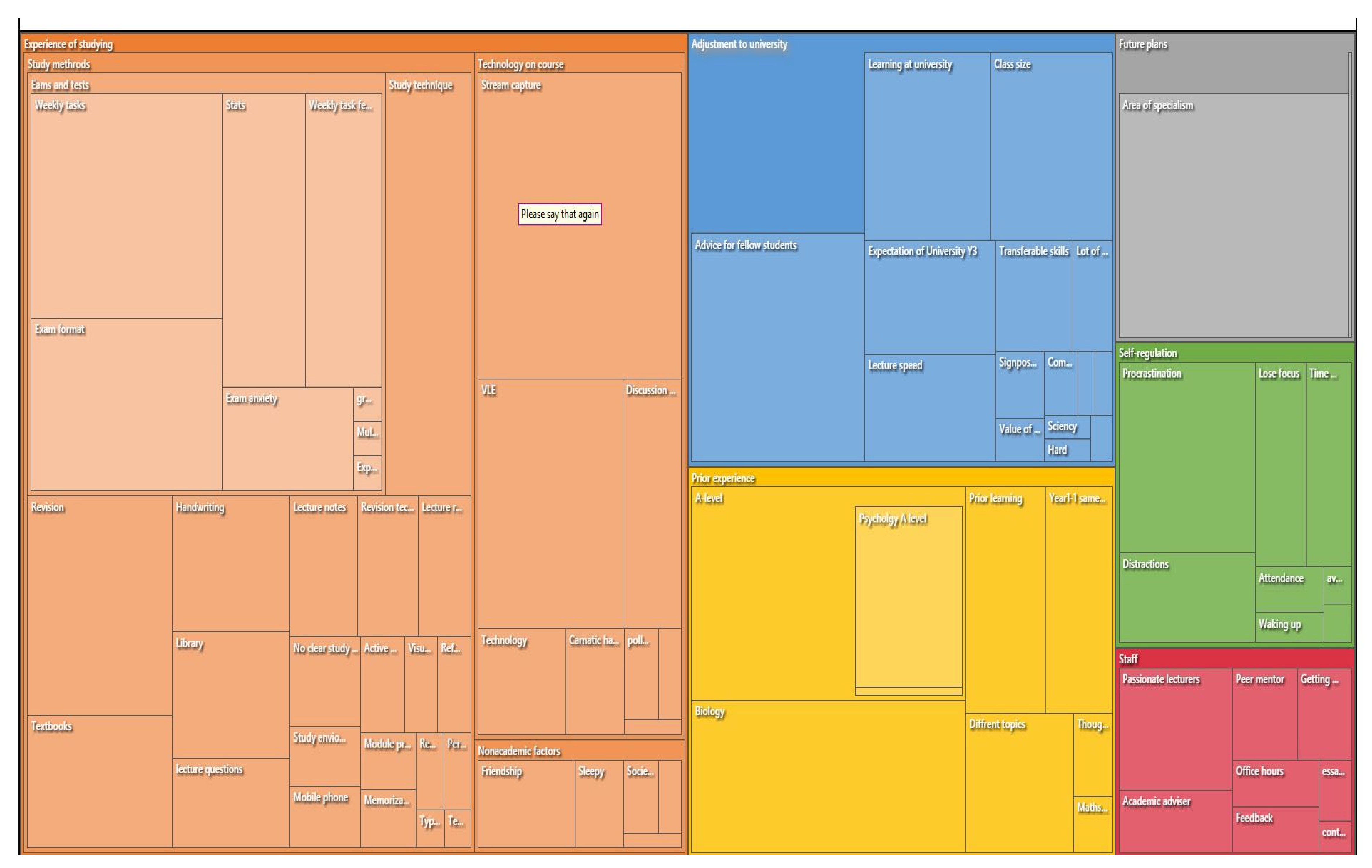
Firstly, the research team familiarised themselves with the discussion transcripts through an inductive process, approaching the data from the bottom up and taking participants’ accounts at face value. The transcripts were coded line by line, and these codes were refined to form categories within each interview. These categories were then grouped to generate initial themes. A side-by-side review of the relevant literature was used to refine these themes further, aiding clarification and conceptual development. The study aimed to explore student experiences at multiple levels, both superficially, as expressed directly in the focus group discussions, and conceptually, through shared patterns identified across the dataset. Following this initial phase, a second researcher independently analysed the data using a set of five themes: prior experience, adjustment to university, staff relationships, the experience of studying, and future career plans. To maintain comparability across cohorts, we applied the same codebook to first- and third-year data and reviewed theme definitions side by side, noting convergences and divergences relative to the research questions. These themes were generated inductively rather than imposed deductively. The hierarchy chart showing these themes can be found in Appendix B. Table 3 provides an overview of the analytic process.
2.4. Unique Contribution and Implications
This study’s unique contribution lies in its comparative lens, juxtaposing early-first year and final-year student perspectives within the same academic year. The findings suggest that expectation recalibration begins early and follows a trajectory shaped by five key themes. These insights highlight two actionable touchpoints: structured expectation-setting in the first fortnight and programme-level check-ins at key assessment junctures.
3. Results
The thematic analysis revealed five key themes and, within each, indicated points of convergence or divergence between first- and third-year students. These five finalised themes are as follows: (1) starting with uneven foundations, (2) from excitement to overwhelm, (3) staff enthusiasm as motivator and barrier, (4) shifting strategies under pressure, (5) uncertain futures and evolving aspirations. Together, these themes illustrate some of the barriers and facilitators students face within their transition to higher education. Theme 1 and Theme 2 primarily address RQ1, Themes 3–5 illuminate RQ2, and all themes contribute to RQ3 through cohort contrasts (Please see Table 4 below).
Table 4.
Identified themes.
3.1. Starting with Uneven Foundations
This theme highlights how students’ prior educational experiences shaped their expectations of university-level study. It relates to RQ1 and RQ2 by illustrating how early assumptions about academic preparation influenced confidence, adjustment, and perceived readiness across cohorts. It illustrates how students’ initial confidence in their prior learning was both enabling and undermining, creating early recalibrations of what counted as valuable knowledge. A common statement among the first-year participants was how they envisaged having an A-level in Psychology to be advantageous in their transition due to having a pre-established baseline of prior knowledge. This view was based on their experience of the introductory lectures where theories, studies, and researcher names were recognised, giving them some familiarity and connection between their secondary and tertiary knowledge. A few students spoke of this as being repetitive but mostly it was viewed as an advantage. Having prior experience can be important for undergraduate students in a few ways. Firstly, building on existing knowledge enables students to make connections due to the connection and relatability between current information and existing knowledge. Prior qualifications were seen as valuable for preparing students, as the following quote exemplifies:
“A-levels definitely help with coming into university when you’ve already had that kind of foundation of the tough exams at the end and you have to kind of manage your time studying.”(Y1, focus group 1)
An apparent difference between the years of study regarding the utility of specific subject prior knowledge was seen. Third-year students viewed holding an A-level qualification in Biology to be most beneficial in aiding their degree studies:
“…the only thing that helped from A-level was doing Biology; I don’t think Psychology helped at all whereas Biology gave you more of a head start with like neuro-science stuff.”(Y3, focus group 3)
Conversely first-year students placed greater emphasis on the benefits of holding a Psychology A-level qualification as they felt this gave them a greater grounding in the information they were currently being presented with:
“Doing psychology has made me, at A-level, really helped me just give it like the background knowledge. It is just like a basic, like foundation but it just helps you out so much like learning it, I cannot imagine like having to learn it all from scratch at university [laughs].”(Y1, focus group 2)
Given the timing of the first-year student interviews within the semester, it is possible that the students were unaware of the biological elements entailed in later semesters of their degree, thus placing greater focus on the utility of a Psychology A-level qualification due to it being the primary teaching area within the introductory weeks. However, by third year, students had shifted to feel that sciences were perhaps more important to their studies.
“There should be a bit of a sort of a disclaimer saying you know ‘some of the modules are quite heavily science-based, like you don’t require the science, but it may work in your favour to have it’, maybe ‘cos then at least people are aware.”(Y3, focus group 1)
It should be noted that prior experience can also have negative effects, possibly leading to student disappointment, confusion, and/or frustration, as demonstrated by one participant who commented:
“I thought we might get like some more applied psychology stuff as in like the theories as well as like what a psychologist does and like, how to be one. Whereas it’s more just—this is what psychology thinks.”(Y3, focus group 1)
Students also stressed the importance of scientific literacy in helping the development of their transferable skills and adjustment to higher education:
“I think it’s more what you’ve learnt as well like in A-levels ‘cos you learn like how to revise and how to manage your time compared to before then ‘cos you have a bit freer time, so I think that’s probably more useful.”(Y3, focus group 3)
“Just like the essay-writing and the problem-solving skills … you came to Uni with them. So, as you came to like more equipped going through like things like problems and stuff like on the course.”(Y3, focus group 2)
3.2. From Excitement to Overwhelm
This theme explores how initial enthusiasm and anticipation gradually shifted as students encountered workload pressures, assessment expectations, and emotional demands. It relates to RQ1 and RQ3 by highlighting changes in emotional experience over time and the role of transitional support in buffering overwhelm. Starting university marks a transition period for many students as they move away from home and learn to take care of themselves. Additionally, students must navigate an array of new social situations and emotional states, such as building social networks, living independently assimilating to university life/culture, and managing the academic demands placed on them. The transition from secondary to tertiary education is typically marked by a decrease in structured weekly class time, reduced direct contact with teachers, and a greater reliance on self-regulated learning. Across accounts, the transition was characterised by a shift from anticipation to disorientation, with large classes and pace of teaching crystallising the ‘shock’ of entry.
Through the sessions, students eloquently spoke about adjusting and adapting to university life. The stories told were of greater complexity than the simple comparison of the expectations to the realities of university life. Insights were instead given on how students’ study habits changed, how new technological systems were navigated, and even how students moderated their expectations to meet the realities of higher education. Lecturers’ teaching style and the classroom environment were frequently mentioned in the upscaling of class sizes from small A-level cohorts to large-scale lecture halls containing hundreds of students.
Many students enter higher education with unrealistic expectations and/or understanding or appreciation of study expectations and demands. This can partially be explained by the difference in pedagogical approaches between educational levels [3]. Such shifts in approaches, expectations, and complexities can lead to students feeling overwhelmed, as demonstrated in the following quote:
“I was expecting it to be a big jump between A-Level and degree level, obviously it’s a lot more work, but it’s a lot.”(Y1, focus group 4)
Some interviewees went further to show they are struggling already:
“I feel overwhelmed. I feel like it’s more difficult than I expected it to be, so I don’t know so far.”(Y1, focus group 3)
Throughout the interviews, it was obvious that the initial novelty of being at university was wearing off, and the realisation of university procedures and customs, particularly regarding the classroom environment, was proving difficult for many students. The sheer size of lectures was a big adjustment for most students, with many feeling a lack of assimilation or immersion in both the physical learning environment and the curriculum:
“Look, I mean you can’t ‘cos there’s such a big year group I don’t know my lecturers, like I know my supervisor and my tutor, but I don’t think, I could probably walk past any of them, and they’d have no idea who I was.”(Y3, focus group 1)
Additionally, other barriers were noted, such as irritations from typing noises, lack of confidence in class participation and lecture pace and length, as demonstrated by the following two excerpts:
“Seminars to me were daunting let alone lectures because I came from a Sixth Form where my biggest class had like seven people in it so than having suddenly having thirty people, I was like whoa this is a lot of people so I feel like I can’t speak up so then, never mind the lecture where there’s four hundred of us sat in the same room.”(Y1, focus group 5)
“They were like very fast-paced, like I was just sat there, and I couldn’t keep up with all the content and them speaking so fast and it was just a bit overwhelming I think.” …“didn’t realise that lectures would be two hours long, … after about half an hour my teacher had to give me a break …so being sat down for like two hours straight, after like the first half an hour, I lose focus.”(Y1, focus group 5)
Overall, while students acknowledged the differences between university and their previous education, our analysis suggests they did not fully understand the implications of these differences or the need to adjust their behaviour as a result.
3.3. Staff Enthusiasm as a Motivator and Barrier
This theme focuses on the role of staff relationships and teaching approaches in shaping motivation and engagement. It contributes to RQ1 and RQ3 by showing how interactions with staff can support or hinder students’ sense of belonging at different points in their degree. Inherently, the move from secondary to tertiary education involves changes in teaching styles, expectations, support, and contact with lecturers and other faculty members. Unsurprisingly, the students’ perceptions and their working relationships with staff members emerged as a key theme. Enthusiasm was noted by many of the interviewees through the passion the staff displayed when teaching about their own personal research areas. Such enthusiasm in lecturers clearly increased student motivation and carried over to their independent and wider study experiences, as exemplified in the following quotes:
“They’ve got such a fountain of knowledge from them that it’s just so good that you’ve got that as an ongoing resource, they’re in the building somewhere, you can go find them, they will help you, most of them will be completely happy to help you and just sit down and listen to your questions.”(Y3, focus group 3)
“Brain and Cognition is my favourite, just ‘cos errs, I was already interested in it, but the enthusiasm of the lecturer, or he wasn’t like fully enthusiastic but his, you could tell he really enjoyed it, so it sort of rubbed off on me.”(Y1, focus group 1)
Additionally, lecturer enthusiasm was also noted by the interviewees through lecturer idiosyncrasies and performance style:
“I find that some of the lecturers are quite engaging though as well like you can kind of, they’ll put in some of their own quirky jokes and stuff which I quite like cos I was quite worried that it was going to be like really mundane lectures sort of really kind of tight lecturers but actually they’re a lot more engaging and you can tell that they’re really passionate about their subject field as well.”(Y1, focus group 4)
Overall, students reported good relations with the academic staff; however, many noted that such rapport grew over time, with class size being a significant barrier to developing these relations, specifically within their first year of study:
“I think definitely one of the things we miss out on being such a massive course is having like that closer relationship with members of staff. You know when you’ve come from school and in A-levels you’re in like classes of 15 and you have really close relationships with your teachers. … So, I think that’s definitely one of the things I’ve found most helpful, but it is one of the things that you miss out on in the course because it so massive.”(Y3, focus group 3)
“From the initial [meeting with your supervisor] that makes you like not just a face in the crowd. Like, if you did that in first years like you’d know your lecturers. Like, only meeting them in this year and stuff is like great but it’s one of them things where you wish you’d have known them for first year ‘cos they’d have been of such help.”(Y3, focus group 2)
Students positioned staff enthusiasm as both an anchor for motivation and a reminder of distance in large cohorts, revealing how relational dynamics can both facilitate and inhibit belonging. The connection between staff and students within an educational institution is of paramount importance. This bond goes beyond the traditional roles of teacher and learner; it forms the cornerstone of a positive learning environment. When staff members genuinely engage with students, it fosters a sense of belonging, trust, and mutual respect. This connection allows educators to understand individual student needs, provide tailored support, and create an atmosphere where students feel comfortable expressing their concerns and ideas. Furthermore, a strong staff–student connection can enhance motivation, retention rates, and overall academic success. Beyond academics, this relationship also contributes to personal and professional growth, helping students to develop essential life skills and networks that can benefit them well beyond their time in education.
3.4. Shifting Strategies Under Pressure
This theme captures the evolving nature of students’ study strategies and time management habits as demands became clearer. It relates to RQ1 and RQ2 by demonstrating how learning approaches change over time and how third-year students reflect on earlier adaptation challenges. It highlights a trajectory of trial and error, as students negotiated procrastination, distraction, and new technologies, gradually developing strategies that were reactive rather than planned. Within this theme, three main subsections emerged—changes in study habits, time management, and technology use. Regarding study habits, there were distinct differences between year groups in student study habits and methods. Many first-year students predicted that they would need to change their study and revision habits to adapt to their new learning environment. Identifying appropriate methods and study techniques drastically varied across first-year students, with many still experimenting with different methods:
“I still haven’t found something that’s worked for me, like I didn’t find it in A-Level and I’m still trying out different methods for me. I think the only one that came close to slightly working was having visuals so like something colourful to look at.”(Y1, focus group 5)
For third-year students, many reflected on how they had to adapt, adjust, and try different methods until they reached a system that worked:
“It took me ages to try and work out the best way to actually take notes just in lectures and stuff, like I just spent like so long not, like just trying to figure out the most like efficient way to do it … I was like this is so difficult … kind of made like my own versions.”(Y3, focus group 1)
Third-year students recognised how much more work was required at the end of their degree compared to the start, as the following exchange shows:
Student 1: “I don’t know what we did with our hours in first year like, what did we do?”Student 2: “Just like watching some TV, like being hungover!”Student 1: “We just wasted so much time.”Student 3: “Now it’s like there’s not enough hours in the day.”Student 1: “Yeah, it’s just like completely different, isn’t it?”(Y3, focus group 3)
Time management is an essential skill required by students, with many noting procrastination and other forms of distraction as two of the biggest barriers to effective timekeeping. One first year noted:
“I procrastinate a lot …, it’s just sort of trying to motivate yourself to do it quickly, I often start things and then I’m like I’ll come back to that later and then I leave it really the last minute.”(Y1, focus group 1)
As shown, many students were aware of their working habits and noted their tendencies to procrastinate with the pressure of an emerging deadline inciting productivity:
“I made study timetables, but I didn’t have the self-control to stick to them. I think I tried every method possible; I tried working with somebody, I tried rewarding myself and it just never worked for me, I think I always kind of procrastinated and I work best under stress, that is when I do all.”(Y1, focus group 4)
This response was common throughout the interviews; distractions were another commonly mentioned barrier to learning with the use of technology (such as one’s mobile phone or laptop) and/or living in communal student residential spaces (which many had never experienced before), leading students to seek quiet working environments:
“It’s also getting distracted especially, I think I just need to work in the library because when I work back at the accommodation like I normally didn’t have my phone on me like at A-Levels I didn’t, but now it’ll be next to me and someone will be like “Oh do you want to meet up?” or “I’m doing washing, do you want to come down?” And I’ll be like, “Oh yeah” and then I’ll just leave it and then I eat tea and then I’ll just be like “Oh I’ll do it all tomorrow” and it’s just something that I shouldn’t do.”(Y1, focus group 5)
As well as distractions caused outside the classroom by fellow students and friends and one’s living environment, classroom distractions are also prominent. Such resources played an overwhelmingly positive, facilitative role in participants’ learning. Students consistently described helpful technologies, including lecture recordings and the university’s virtual learning environment (Blackboard in 2018), with features such as discussion boards. The use of recorded lectures increased as students progressed through their degree, with its main application being to catch up on missed lectures or recap the lectures themselves at the student’s own pace for clarification or revision purposes:
“It’s definitely a useful resource regardless of whether you do make use of it or not because especially if, erm it might not necessarily be because you haven’t understood the lecture and you feel like going over it again, if you are like ill, or for whatever reason you cannot make it.”(Y1, focus group 1)
Stream captures also played an important facilitating role for those with a learning difficulty or accessibility need as well as for international students who may be studying in a second language, as demonstrated in the following two excerpts:
“[I have a] hearing impairment and things like that so from an accessibility point of view, I feel it is quite essential at times to have it even if the majority of people don’t necessarily use it.”(Y1, focus group 4)
“…because I’m the only one listening to it, I can pause it when I need to, like I can slow it down to my pace to make the notes when I want, like if I’ve heard a certain part, I’ll pause it, make notes on it, replay that part to make sure I’ve got everything then move onto the next part.”(Y1, focus group 5)
As well as longitudinal increases, periodic increases in the use of stream captures were also noted. Heightened use was noted during exam periods for both first- and third-year students. The convenience of having learning resources online was also appreciated by students to accommodate their routine, work patterns, and availability:
“[The VLE platform] makes it really easy to do work at whatever time you have, so erm, like there was a certain bit of reading that we had to do that was available on Blackboard so it was really easy when you have a spare hour to like make the most of that and you can be in your room doing that as opposed to having to go to the library, find the book, find the right bit.”(Y1, focus group 1)
The convenience of VLE’s discussion board feature to interact with both the lecturers and fellow peers was also noted:
“Although not all lecturers replied efficiently, I thought it was really useful ‘cos obviously everything was all in one place … the discussion boards were good,” (Y3, focus group 1). … “. there are some things you wouldn’t have thought of and then someone’s asked a question on it, and you get the answer and you’re like, oh!”(Y3, focus group 2)
One aspect that varied across modules and affected student posting on discussion boards was the ability to do so anonymously:
“There’s been times that I’ve done it and not realising it’s not anonymous, so my name was coming up and I was like “god, I sound so stupid.”(Y3, focus group 2)
Students reported greater use of this feature when their responses were anonymous.
4. Uncertain Futures and Evolving Aspirations
This theme examines how students’ academic experiences influenced their developing academic and career identities. It addresses RQ2 and RQ3 by illustrating how initial aspirations shift over time and how third-year reflections illuminate the process of consolidating future directions. Experiences prior to entering higher education and then throughout can help students to identify and explore their career interests, as well as helping them develop desirable skills and knowledge in the eyes of employers. Future plans were narrated with uncertainty, reflecting how exposure to new subfields reshaped aspirations and revealed tensions between initial clarity and emergent ambiguity. First-year students displayed an array of perspectives, with some starting their degree with clear career aspirations, whilst others had no idea and were open to seeing where their interests fell:
“My main goal is to become a clinical psychologist, but we don’t have that module until next year.”(Y1, focus group 3)
“… I think it’s definitely open yeah, I’m not completely set in what I want to do yet, I’m not completely sure … over the next three years that I’ll get different tastes of different parts of Psychology and feel that maybe I might find something completely new that I might be more interested in … so I’ve got three years to decide.”(Y1, focus group 4)
Conversely, many of the third-year students reported that during their degree they had learnt about numerous career options that they were previously unaware of; for many, their career aspirations had changed. Whilst the scope of modules and training in different Psychology subfields widened as the course progressed, many students wanted these specialised classes to appear earlier on in their course. The main drive for this was for student expectations to be managed and for an accurate depiction of subfield contents and career pathways to be presented. For example, one third-year student noted:
“I just had so many misconceptions of what it actually entailed, and I think people think like it’s forensic psychology like massively glamorised and I actually don’t, don’t really know what it is until you, and I think what people think they want to do is like clinical psychology in a forensic setting rather than actual forensic psychology.”(Y3, focus group 3)
Future careers/directions also varied across the third-year students, with some wanting to leave academia and others wanting to take a break before returning for post-graduate study, whilst others planned to immediately continue studying in a related subfield of Psychology, such as Forensic or Clinical Psychology. Such preferences were given to these areas due to these offerings being prominent within master’s degree and doctorate programs.
In summary, across themes we observe early expectation–reality gaps, pressure points around assessment, and the dual role of staff enthusiasm and technology use as both facilitators and potential barriers. First-year accounts emphasise novelty, uncertainty, and trial-and-error study behaviours, whereas third-year reflections foreground consolidation and clearer appraisal of what works. Read together, these patterns suggest that targeted expectation-setting in the first fortnight and programme-level check-ins at predictable pressure points are well aligned with students’ self-reported needs. These conclusions flow directly from the patterns identified above rather than from external assumptions.
5. Discussion
The study compared very early first-year accounts with third-year reflections within one department and year using a cohort-separated cross-sectional design. Across themes, the pattern indicates rapid recalibration of expectations in weeks two to three, followed by consolidation of more durable study practices by the end of the degree. Read together, the themes highlight expectation recalibration as a rapid and recursive process, rather than a linear progression. This positions the findings as contributing to debates on how universities can intervene at critical moments of disequilibrium. Indeed, early ‘culture-shock’ experiences were evident sooner than is often assumed, echoing prior work on transition dynamics [45], and several features that heighten withdrawal risk appeared alongside these adjustments, including mismatches between expectations and workload signals [46].
Students’ accounts of drawing on prior knowledge and making new material feel relevant align with evidence that existing schemas support integration and retention of domain-relevant information [9] and with work showing that perceived connectedness can enhance memory for course content [47]. At the same time, the need to change habits and strategies was a recurring theme. This fits with established findings that students adapt study habits in response to task demands and context [48] and with more recent work documenting shifts in study behaviour across the first year [49].
This study makes a distinctive contribution by comparing very early first-year experiences (weeks two to three) with those of final-year students in the same institution and year. This snapshot reveals rapid expectation recalibration early in the semester, followed by consolidation of study strategies by graduation. Situating these findings alongside current debates on participation and engagement demonstrates that the mechanisms identified remain highly relevant for understanding student development today. Recent syntheses continue to note uneven digital study habits and elevated distress in university students, which heightens the value of early expectation-setting and consistent guidance on technology use.
Technology functioned as both a facilitator and a potential distraction. Participants described the virtual learning environment and lecture recordings as tools for pacing, recap, and access, especially around assessments, consistent with syntheses that educational technologies can enable engagement when they are purposefully embedded and accompanied by explicit guidance [50]. Evidence on lecture recordings similarly points to benefits for access and revision when expectations for attendance and participation are clear at the programme level [26,27,28,29], whereas unstructured device use can introduce distraction costs in lectures [51]. Our participants’ emphasis on accessible, well-structured teaching in large cohorts aligns with evidence that lecturing style shapes student preference and perceived learning; clearer, engaged delivery is associated with more favourable responses [52].
Taken together, the themes cohere with interface views of engagement in which outcomes emerge from the interplay of student inputs and the educational environment rather than from traits alone [53]. Although the data were collected in 2018, the mechanisms remain pertinent. Early expectation–reality gaps, uncertainty about effective study, and sensitivity to workload signals are still salient [54], and post-pandemic syntheses report elevated distress and uneven digital study habits in university students, which likely heightens the value of early expectation-setting, timely signposting, and consistent guidance on technology use [55,56,57,58].
The recommendations of this study are directly grounded in the themes reported by students. The call for structured expectation-setting in the first fortnight reflects the uncertainty expressed by first-years in weeks two to three. Programme-level check-ins correspond to students’ own descriptions of reassessing strategies and coping mid-course. Guidance on technology use stems from participants’ accounts of virtual learning and lecture recordings as both supportive and distracting. Read in this way, each recommendation maps onto specific elements of the data rather than remaining at a general level.
The environment includes large lectures, staff accessibility, assessment regimes, and digital tools. The outcomes include more effective strategies, greater realism about demands and more informed plans. Framed in this way, the results suggest three priorities. First, design explicit expectation-setting in the first fortnight that models workload, study approaches, and assessment preparation with short tasks that surface common misconceptions [13]. Second, institute programme-level check-ins at predictable pressure points that revisit expectations and signpost targeted skills support. Third, humanise large-cohort teaching through structured touchpoints that make staff accessible at scale and provide clear guidance on when and how to use recordings and virtual learning features to support learning while minimising distraction risk.
Astin’s inputs, environment, and outcomes (IEO model) perspective helps to translate our results into practical steps while remaining compatible with a reflexive qualitative stance [56]. In this study, inputs refer to what students brought to the module, including prior disciplinary knowledge, established study routines, time management and digital literacy practices, and confidence in their academic ability. These inputs shaped how students engaged with the learning environment analysed in the paper, namely the assessment structure, opportunities for formative feedback, clarity of expectations, accessibility of teaching staff, and the peer culture surrounding group work. Outcomes were evident in the reported changes in engagement, sense of belonging, self-efficacy, and perceived academic progress across the study period. We use the IEO model, which suggests heuristically rather than causally, aligning with reflexive qualitative analysis by guiding interpretation while keeping attention on positionality, negative cases, and context. Read this way, the mapping clarifies where to act to strengthen inputs through targeted induction and study-skills support, optimise environmental affordances by refining feedback timing and assessment weighting, and track outcomes using the indicators that emerged in our themes.
5.1. Limitations
The study employed a cross-sectional, cohort-separated design, comparing first-year focus groups conducted in weeks two to three of their first semester with third-year focus groups conducted near graduation in 2018. As the same individuals were not tracked over time, findings should be interpreted as illustrative rather than causal. While this design offers valuable comparative insights, it does not capture within-person change processes. A fully longitudinal study, tracking students throughout their degree, would provide stronger evidence of development trajectories, though such an approach was beyond the present project. A future follow-up study using a mixed-methods design that could incorporate both survey and interview data to track changes over time could be designed based on the findings of the present study.
Several demographic variables were not collected, including age and pre-university geography (e.g., urban or rural background, school location). These characteristics may influence transitional experiences and should be considered in future work that is ethically approved and adequately powered. The sample also included very few male participants, and no respondents identifying with the non-binary or self-describe categories, limiting the potential for gender-comparative or gender-diverse analyses [41,59].
Additionally, data on students’ extracurricular activities was not gathered, which may have shaped their academic engagement and perceptions. Finally, the study was conducted within a single research-intensive UK institution, and findings are most applicable to similar full-time, on-campus programmes. Caution should be exercised when generalising to other institutional types, part-time cohorts, or international contexts.
5.2. Additional Considerations on Gendered Differences
This study did not conduct statistical comparisons between gender groups, and a very small number of male participants combined with the absence of gender-diverse respondents [41] limits the scope for gender-based inference. Nonetheless, existing research highlights that gender can influence academic and social adjustment, with gender-diverse students in particular reporting lower levels of belonging and increased transition-related stressors [42]. In light of these findings, our themes should be interpreted with caution and sensitivity to gender diversity. Doing so reinforces the importance of inclusive practices in higher education, including early expectation-setting and targeted signposting that explicitly acknowledge and support diverse student identities [43].
6. Conclusions
This comparative snapshot of very early first-year and final-year student accounts shows that expectation recalibration begins rapidly—within the first two to three weeks—and that study strategies largely consolidate by graduation. Prior academic experience and transferable skills support early integration, but large-cohort features (lecture pace and limited staff familiarity) and unstructured digital use can impede adjustment. Staff enthusiasm emerged as a potent motivator shaping study approaches and career thinking. The study’s five-theme trajectory—prior experience, early disequilibrium, strategy change, consolidation, and future orientation—provides a practical heuristic for intervention timing. Practically, the findings support two immediate, data-grounded interventions: structured expectation-setting in the first fortnight and programme-level check-ins at predictable assessment pressure points, complemented by explicit guidance on purposeful use of digital learning tools. These recommendations are rooted in students’ own accounts and are particularly applicable to full-time, on-campus programmes in large, research-intensive institutions.
“Be yourself, don’t be worried and enjoy every single piece of university. It is a good experience, and you should love it.”(Y1, focus group 6)
Overall, highlighting the study’s novelty, the following points would summarise the importance of this study in university transition and student expectations. Specifically, this study provides one of the earliest empirical snapshots of expectation recalibration by comparing first-year students in weeks 2–3 with final-year graduates within the same academic year and institution. It also demonstrates that expectation recalibration begins very rapidly—within weeks of entry—rather than only across the first semester or year. We have also identified a coherent five-theme trajectory linking prior experience → early disequilibrium → strategy change → consolidation → future plans, offering a concise heuristic for programme-level intervention timing. It also shows how specific learning-environment features in large-cohort, research-intensive settings (lecture pace, VLE/recording use, and staff approachability) act simultaneously as facilitators and barriers in the early recalibration window. Finally, this study grounds actionable institutional touchpoints in participants’ own language, strengthening the case for targeted, time-sensitive supports (first-fortnight expectation-setting and assessment-stage check-ins).
Author Contributions
Conceptualization, C.A.H. and M.L.; methodology, C.A.H. and M.L.; validation, CAH.; formal analysis, C.A.H. investigation, C.A.H.; data curation, C.A.H.; writing—original draft preparation, C.A.H., M.L. and C.S.; writing—review and editing, C.A.H., M.L., and C.S.; supervision, M.L.; project administration, C.A.H. All authors have read and agreed to the published version of the manuscript.
Funding
This research received no external funding.
Institutional Review Board Statement
This study was conducted in accordance with the Declaration of Helsinki and approved by the Institutional Review Board of—Liverpool University—(protocol code IPHS 3444 and date 10/04/2018.
Informed Consent Statement
Informed consent was obtained from all subjects involved in this study.
Data Availability Statement
Quotations, topic guide and hierarchy chart available here https://osf.io/w8mup/files/osfstorage (accessed on 27 November 2025). NVivo file and full transcripts unavailable due to ethics restrictions.
Acknowledgments
The authors would like to thank the students who generously gave that time and expectations or reflections to this project. We would also like to thank Beth Wood- for undertaking the interviews and checking transcriptions.
Conflicts of Interest
The authors declare no conflict of interest.
Appendix A. Theme Hierarchy Chart of Themes and Subthemes
Appendix B. Semi-Structured Focus Group Topic Guide
Purpose
To explore expectations and reflections on academic learning at entry and near completion, focusing on study strategies, support, and perceived demands.
Opening prompts
- To start, please tell us what you expected studying psychology at university to be like.
- What has surprised you so far about how learning works here?
Prior experience
- What experiences from school or college do you think will help you most with university study?
- In what ways do those prior experiences feel different from how learning happens at university?
- Can you give an example of where your expectations matched or did not match reality?
Adjustment to university
- In the first weeks, what has been the biggest academic challenge?
- What helped you begin to adjust to the workload, pace, or ways of teaching and assessment?
- What study strategies have you tried so far, and how have they worked?
Staff relationships
- How do staff support your learning in and out of class?
- What kinds of feedback or interactions have been most useful for improving your work?
- Is there anything that would make it easier to ask for help?
Experience of studying
- How do you decide what, when, and how to study for your modules?
- How do lecture recordings, slides, online tests or the virtual learning environment (the areas of interest) fit into your study routine?
- When studying does not go to plan, what do you do next?
Future plans
- How, if at all, have your experiences so far influenced what you want to study next or your longer-term plans?
- What would you change in your programme to better prepare you for your next steps?
- Is there anything we have not asked that you think is important about studying here?
Closing prompt
- If you could give one piece of advice to a new student starting next week, what would it be?
Notes
- Prompts were adapted to cohort timing: early first-year groups emphasised expectations and initial adjustments; third-year groups emphasised reflection and consolidation.
- Follow-up probes explored examples, exceptions, and contrasts across modules.
References
- Tomlinson, A.; Simpson, A.; Killingback, C. Student expectations of teaching and learning when starting university: A systematic review. J. Further High. Educ. 2023, 47, 1054–1073. [Google Scholar] [CrossRef] [Scilit]
- Hassel, S.; Ridout, N. An investigation of first-year students’ and lecturers’ expectations of university education. Front. Psychol. 2018, 8, 2218. [Google Scholar] [CrossRef] [Scilit]
- Money, J.; Nixon, S.; Tracy, F.; Hennessy, C.; Ball, E.; Dinning, T. Undergraduate student expectations of university in the United Kingdom: What really matters to them? Cogent. Educ. 2017, 4, 1301855. [Google Scholar] [CrossRef] [Scilit]
- Holton, M. Adapting relationships with place: Investigating the evolving place attachment and ‘sense of place’ of UK higher education students during a period of intense transition. Geoforum 2015, 59, 21–29. [Google Scholar] [CrossRef] [Scilit]
- Hordósy, R. ‘I’ve changed in every possible way someone could change’–transformative university transitions. Res. Pap. Educ. 2021, 38, 187–207. [Google Scholar] [CrossRef] [Scilit]
- Gök, E.; Uslu, M. The effect of cognitive behavioural therapy-based psychoeducation on irrational beliefs, expressing emotions, and mental well-being. J. Res. Soc. Sci. Lang. 2025, 5, 1–18. [Google Scholar]
- Calderon Leon, M.D.; Guassi Moreira, J.F.; Saragosa-Harris, N.M.; Waizman, Y.H.; Sedykin, A.; Peris, T.S.; Silvers, J.A. Parent and friend relationship quality and links to trajectories of loneliness during the first year of college. Child. Psychiatry Hum. Dev. 2024, 55, 680–694. [Google Scholar] [CrossRef] [Scilit] [PubMed]
- Cifuentes, G.G.; Guzmán, P.; Santelices, M.V. Transitioning to higher education: Students’ expectations and realities. Educ. Res. 2022, 64, 424–439. [Google Scholar] [CrossRef] [Scilit]
- Witherby, A.E.; Carpenter, S.K. The rich-get-richer effect: Prior knowledge predicts new learning of domain-relevant information. J. Exp. Psychol. Learn. Mem. Cogn. 2022, 48, 483. [Google Scholar] [CrossRef] [Scilit] [PubMed]
- Li, J.; Lee, V.W. Thriving through transitioning: Unravelling the interplay of transitional challenges and adjustments into university. High. Educ. Res. Dev. 2025, 44, 465–479. [Google Scholar] [CrossRef] [Scilit]
- Jaremka, L.M.; Ackerman, J.M.; Gawronski, B.; Rule, N.O.; Sweeny, K.; Tropp, L.R.; Vick, S.B. Common academic experiences no one talks about: Repeated rejection, impostor syndrome, and burnout. Perspect. Psychol. Sci. 2020, 15, 519–543. [Google Scholar] [CrossRef] [Scilit]
- Denovan, A.; Macaskill, A. Stress and subjective well-being among first year UK undergraduate students. J. Happiness Stud. 2017, 18, 505–525. [Google Scholar] [CrossRef] [Scilit]
- Tomlinson, A.; Killingback, C. ‘You teach it, and then I go off and try to soak it all up’: A qualitative investigation of first year student expectations during transition. J. Univ. Teach. Learn. Pract. 2025, 22, 1–23. [Google Scholar] [CrossRef] [Scilit]
- Ball, I.; Banerjee, M.; Holliman, A.; Tyndall, I. Investigating success in the transition to university: A systematic review of personal risk and protective factors influencing academic achievement. Educ. Psychol. Rev. 2024, 36, 52. [Google Scholar] [CrossRef] [Scilit]
- Kilpatrick, S.; Johns, S.; Barnes, R.; Fischer, S.; McLennan, D.; Magnussen, K. Exploring the retention and success of students with disability in Australian higher education. Int. J. Incl. Educ. 2017, 21, 747–762. [Google Scholar] [CrossRef] [Scilit]
- Ecochard, S.; Fotheringham, J. International student’s unique challenges–why understanding international transitions to higher education matters. J. Perspect. Appl. Acad. Pract. 2017, 5, 100–108. [Google Scholar]
- English, T.; Davis, J.; Wei, M.; Gross, J.J. Homesickness and adjustment across the first year of college: A longitudinal study. Emotion 2017, 17, 1–5. [Google Scholar] [CrossRef] [Scilit] [PubMed]
- Maunder, R.E. Students’ peer relationships and their contribution to university adjustment: The need to belong in the university community. J. Furth. High. Educ. 2018, 42, 756–768. [Google Scholar] [CrossRef] [Scilit]
- Mulaudzi, I.C. Challenges faced by first-year university students: Navigating the transition to higher education. J. Educ. Hum. Dev. 2023, 12, 79–87. [Google Scholar]
- Hands, C.; Limniou, M. Why science qualifications should be a pre-requisite for Psychology degree programmes—A case study analysis from a UK university. In High Impact Practices in Higher Education: International Perspectives; Sengupta, E., Ed.; Emerald Publishing: Bingley, UK, 2023; Volume 51, Chapter 3. [Google Scholar]
- Schaeper, H. The first year in higher education: The role of individual factors and the learning environment for academic integration. High. Educ. 2020, 79, 95–110. [Google Scholar] [CrossRef] [Scilit]
- Honicke, T.; Broadbent, J. The influence of academic self-efficacy on academic performance: A systematic review. Educ. Res. Rev. 2016, 17, 63–84. [Google Scholar] [CrossRef] [Scilit]
- Panadero, E. A review of self-regulated learning: Six models and four directions for research. Front. Psychol. 2017, 8, 422. [Google Scholar] [CrossRef] [Scilit]
- Lin, S.; Mastrokoukou, S.; Longobardi, C.; Bozzato, P.; Gastaldi, F.G.M.; Berchiatti, M. Students’ transition into higher education: The role of self-efficacy, regulation strategies, and academic achievements. High. Educ. Q. 2023, 77, 121–137. [Google Scholar] [CrossRef] [Scilit]
- Hands, C.; Limniou, M. How does student access to a virtual learning environment (VLE) change during periods of disruption? J. High. Educ. Theory Pract. 2023, 23, 18–34. [Google Scholar]
- Edwards, M.R.; Clinton, M.E. A study exploring the impact of lecture capture availability and lecture capture usage on student attendance and attainment. High. Educ. 2019, 77, 403–421. [Google Scholar] [CrossRef] [Scilit]
- Nordmann, E.; Calder, C.; Bishop, P.; Irwin, A.; Comber, D. Turn up, tune in, don’t drop out: The relationship between lecture attendance, use of lecture recordings, and achievement at different levels of study. High. Educ. 2019, 77, 1065–1084. [Google Scholar] [CrossRef] [Scilit]
- Banerjee, S. To capture the research landscape of lecture capture in university education. Comput. Educ. 2021, 160, 104032. [Google Scholar] [CrossRef] [Scilit] [PubMed]
- O’Callaghan, F.V.; Neumann, D.L.; Jones, L.; Creed, P.A. The use of lecture recordings in higher education: A review of institutional, student, and lecturer issues. Educ. Inf. Technol. 2017, 22, 399–415. [Google Scholar] [CrossRef] [Scilit]
- Durand, T.M.; Faszewski, E.E.; Murphy, K.L.; Villegas-Reimers, E. “It wasn’t what I expected”: Students’ perspectives and experiences on a higher education merger. J. High. Educ. 2024, 1, 1–26. [Google Scholar]
- Bagnall, C.L.; James, L.A.; Skipper, Y. ‘I shouldn’t really be here’: University students’ perceptions and experiences of transitioning to university with a contextual offer admission. High. Educ. Q. 2025, 79, e70003. [Google Scholar] [CrossRef] [Scilit]
- Krispenz, A.; Gort, C.; Schültke, L.; Dickhäuser, O. How to reduce test anxiety and academic procrastination through inquiry of cognitive appraisals: A pilot study investigating the role of academic self-efficacy. Front. Psychol. 2019, 10, 1917. [Google Scholar] [CrossRef] [Scilit]
- Reed, D.E.; Jones, G.Z. The importance of first semester seminars for at-risk first-year students: Analysis of student skills and time spent on class preparation. Educ. Sci. 2021, 11, 510. [Google Scholar] [CrossRef] [Scilit]
- Balloo, K. In-depth profiles of the expectations of undergraduate students commencing university: A Q methodological analysis. Stud. High. Educ. 2018, 43, 2251–2262. [Google Scholar] [CrossRef] [Scilit]
- Brett, N. Teaching class: Justice and privatization in education. In Engaged Philosophy: Essays in Honour of David Braybrooke; Sherwin, S., Schotch, P., Eds.; University of Toronto Press: Toronto, ON, Canada, 2007; pp. 23–42. [Google Scholar]
- Ning, X.; Liu, Y.; Miao, J.L.; Li, W.L. Enhancing the potentials of the focus group discussion–engaging frequently neglected but essential situational factors for analyzing data. Int. J. Qual. Methods 2024, 23, 16094069241306332. [Google Scholar] [CrossRef] [Scilit]
- Longhurst, R.; Johnston, L. Semi-structured interviews and focus groups. In Key Methods in Geography, 4th ed.; Clifford, N., Cope, M., Gillespie, T.W., Eds.; SAGE Publications: London, UK, 2023; pp. 168–182. [Google Scholar]
- Braun, V.; Clarke, V. Using thematic analysis in psychology. Qual. Res. Psychol. 2006, 3, 77–101. [Google Scholar] [CrossRef] [Scilit]
- Devotta, K.; Woodhall-Melnik, J.; Pedersen, C.; Wendaferew, A.; Dowbor, T.P.; Guilcher, S.J.; Matheson, F.I. Enriching qualitative research by engaging peer interviewers: A case study. Qual. Res. 2016, 16, 661–680. [Google Scholar] [CrossRef] [Scilit]
- Higher Education Statistics Agency. Higher Education Student Statistics: UK, 2023–2024. Subjects Studied; HESA: Cheltenham, UK, 2025; Higher Education Student Statistics Report. Available online: https://www.hesa.ac.uk/news/20-03-2025/sb271-higher-education-student-statistics/subjects (accessed on 2 September 2025).
- Restar, A.J.; Lett, E.; Menezes, N.P.; Molino, A.R.; Poteat, T.C.; Dean, L.T.; Glick, J.L.; Baker, K.E.; Cole, S.W. Getting precise about gender and sex measurement: A primer for epidemiologists. Am. J. Epidemiol. 2024, 193, 1861–1867. [Google Scholar] [CrossRef] [Scilit] [PubMed]
- Kaim, Z.; Romi, S. Academic-adjustment and gender: Personal-resources and cognitive-resources, satisfaction and burnout among men and women. Front. Educ. 2025, 10, 1393700. [Google Scholar] [CrossRef] [Scilit]
- Benato, R.; Fraser, J.; White, F.R. Getting beyond peeing and pronouns: Living non-binary gender in higher education. J. Gend. Stud. 2024, 33, 698–710. [Google Scholar] [CrossRef] [Scilit]
- Anderson, B.; Marshall-Lucette, S.; Webb, P. African and Afro-Caribbean men’s experiences of prostate cancer. Br. J. Nurs. 2013, 22, 1296–1307. [Google Scholar] [CrossRef] [Scilit]
- Timmis, M.A.; Hibbs, A.; Polman, R.; Hayman, R.; Stephens, D. Previous education experience impacts student expectation and initial experience of transitioning into higher education. Front. Educ. 2024, 9, 1479546. [Google Scholar] [CrossRef] [Scilit]
- Karimi-Haghighi, M.; Castillo, C.; Hernández-Leo, D. A causal inference study on the effects of first year workload on the dropout rate of undergraduates. In Proceedings of the Artificial Intelligence in Education: 23rd International Conference, AIED 2022, Durham, UK, 27–31 July 2022, Proceedings, Part I; Rodrigo, M.M., Matsuda, N., Cristea, A.I., Dimitrova, V., Eds.; Lecture Notes in Computer Science; Springer: Cham, Switzerland, 2022; Volume 13355, pp. 15–27. [Google Scholar]
- Martin, A.J.; Ginns, P.; Papworth, B. Motivation and engagement: Same or different? Does it matter? Learn. Individ. Differ. 2017, 55, 150–162. [Google Scholar] [CrossRef] [Scilit]
- David, L.; Biwer, F.; Crutzen, R.; De Bruin, A. The challenge of change: Understanding the role of habits in university students’ self-regulated learning. High. Educ. 2024, 1, 1–19. [Google Scholar] [CrossRef] [Scilit]
- Pownall, M.; Blundell-Birtill, P.; Coats, R.O.; Harris, R. Pre-tertiary subject choice as predictors of undergraduate attainment and academic preparedness in psychology. Psychol. Teach. Rev. 2021, 27, 9–25. [Google Scholar] [CrossRef] [Scilit]
- Bond, M.; Bedenlier, S.; Buntins, K.; Kerres, M.; Zawacki-Richter, O. Facilitating student engagement in higher education through educational technology: A narrative systematic review in the field of education. Contemp. Issues Technol. Teach. Educ. 2020, 20, 315–368. [Google Scholar]
- Limniou, M.; Duret, D.; Hands, C. Comparisons between three disciplines regarding device usage in a lecture theatre, academic performance, and learning. High. Educ. Pedagog. 2020, 5, 132–147. [Google Scholar] [CrossRef] [Scilit]
- Zhou, H. Exploring the dynamic teaching-learning relationship in interactive learning environments. Interact. Learn. Environ. 2025, 33, 4363–4393. [Google Scholar] [CrossRef] [Scilit]
- Kahu, E.R.; Nelson, K. Student engagement in the educational interface: Understanding the mechanisms of student success. High. Educ. Res. Dev. 2018, 37, 58–71. [Google Scholar] [CrossRef] [Scilit]
- Liverpool, S.; Moinuddin, M.; Aithal, S.; Owen, M.; Bracegirdle, K.; Caravotta, M.; Karkou, V. Mental health and wellbeing of further and higher education students returning to face-to-face learning after COVID-19 restrictions. PLoS ONE 2023, 8, e0280689. [Google Scholar] [CrossRef] [Scilit]
- Li, Y.; Wang, A.; Wu, Y.; Han, N.; Huang, H. Impact of the COVID-19 pandemic on the mental health of college students: A systematic review and meta-analysis. Front. Psychol. 2021, 12, 669119. [Google Scholar] [CrossRef] [Scilit]
- Lischer, S.; Safi, N.; Dickson, C. Remote learning and students’ mental health during the COVID-19 pandemic: A mixed-method enquiry. Prospects 2021, 1, 1–11. [Google Scholar] [CrossRef] [Scilit] [PubMed]
- Nkosi, N.; Mashaba, M. Mending the epistemic wall for preservice teachers through the integration of African Indigenous Knowledge in Social Sciences. J. Res. Soc. Sci. Lang. 2025, 2025, 194. [Google Scholar]
- Astin, A.W. Student involvement: A developmental theory for higher education. In College Student Development and Academic Life: Psychological, Intellectual, Social and Moral Issues; Altbach, P.G., Arnold, K., King, I.C., Eds.; Routledge: New York, NY, USA, 2014; pp. 251–262. [Google Scholar]
- Bauer, G.R.; Braimoh, J.; Scheim, A.I.; Dharma, C. Transgender-inclusive measures of sex/gender for population surveys: Mixed-methods evaluation and recommendations. PLoS ONE 2017, 12, e0178043. [Google Scholar] [CrossRef] [Scilit] [PubMed]

Disclaimer/Publisher’s Note: The statements, opinions and data contained in all publications are solely those of the individual author(s) and contributor(s) and not of MDPI and/or the editor(s). MDPI and/or the editor(s) disclaim responsibility for any injury to people or property resulting from any ideas, methods, instructions or products referred to in the content. |
© 2025 by the authors. Licensee MDPI, Basel, Switzerland. This article is an open access article distributed under the terms and conditions of the Creative Commons Attribution (CC BY) license.