1. Introduction
The livestock industry in the United States has progressively shifted towards concentrated animal feeding operations (CAFOs), which resulted in an increase in production and improved economic conditions [
1]. This structural transformation reflects broader trends in agricultural intensification, land use consolidation, and supply chain developments aimed at meeting growing domestic and global demand for animal products. At the same time, this expansion has transformed formerly rural and sparsely populated agricultural lands into suburbanized areas. The escalation in both the scale and geographic concentration of these facilities has raised environmental and health concerns, particularly regarding air emissions. However, only recently has the livestock sector become a focus of stricter environmental compliance under various air regulatory legislations [
1,
2]. As a result, regulatory agencies and permit applicants are increasingly required to address air quality impacts that were historically treated as diffuse, episodic, or difficult to quantify. Ammonia emissions from livestock production are also recognized globally as a major contributor to secondary fine particulate matter formation. In regions with intensive animal agriculture, including Europe, East Asia, and Australia, agricultural ammonia emissions represent a dominant atmospheric nitrogen source and play a key role in the formation of secondary inorganic aerosols (SIAs) that contribute to regional PM
2.5 pollution [
3,
4,
5,
6,
7]. Consequently, improving methods to estimate ammonia-driven secondary PM
2.5 formation has relevance beyond U.S. regulatory contexts.
CAFOs face significant challenges in complying with the Environmental Protection Agency’s (EPA) National Ambient Air Quality Standards (NAAQS) for particulate matter (PM), specifically PM
10 and PM
2.5. Particulate matter is commonly classified according to aerodynamic diameter, where PM
10 refers to particles with an aerodynamic diameter of ≤10 microns (μm) and PM
2.5 refers to particles with an aerodynamic diameter of ≤2.5 μm. The current NAAQS for PM
10 is 150.0 micrograms per cubic meter (μg/m
3), based on a 24 h averaging time. For PM
2.5, the standard is 35.0 μg/m
3, also with a 24 h averaging time. Additionally, PM
2.5 is evaluated based on its primary and secondary forms [
8]. This distinction is particularly important for agricultural sources because regulatory compliance is determined at off-property receptors, where atmospheric transformation processes may dominate over direct emissions. For the livestock sector, PM
2.5 emissions primarily consist of fine fugitive dust generated during animal movement and vehicular activities (primary PM
2.5) as well as fine aerosols (secondary PM
2.5 or 2° PM
2.5), also referred to as SIA, formed through the reaction of precursor gases with low-volatile chemical emissions, such as sulfates, nitrates, and other acid-based substances [
9]. Traditionally, CAFOs requiring a permit have focused on limiting their PM
10 emissions to stay below the NAAQS off-property threshold. However, legislative changes have shifted the focus towards limiting PM
2.5 off-property concentrations, increasing pressure on both State Air Pollution Regulatory Agencies (SAPRAs) and the livestock sector to develop stricter permitting guidelines. This shift also impacts the agricultural sector, which now must comply with more stringent air quality (AQ) regulations, particularly due to the recent lowering of the annual ambient PM
2.5 concentration standard from 12 μg/m
3 to 9 μg/m
3. The San Joaquin Valley in California, the nation’s largest food basin, illustrates the significant challenges of complying with the new legislation despite agricultural bans, dust mitigation plans, and incentives for cleaner agricultural machinery [
10,
11]. These regulatory developments underscore the growing importance of accurately characterizing both primary and secondary PM
2.5 contributions from livestock operations.
The US EPA published the “Guidance for PM
2.5 Permit Modeling,” which outlines appropriate technical approaches to demonstrate compliance with PM
2.5 regulations. When precursor gas emissions exceed the Significant Emission Rates (SER) for a given area, it is necessary to evaluate the contribution of SIA [
12]. In CAFOs, ammonia (NH
3) is the most prevalent precursor gas, primarily emitted from animal housing, manure storage, and land applications. The presence of ammonia has been well correlated with PM
2.5 concentrations in both rural and urban settings, with PM
2.5 formed from ammonia emitted by livestock operations contributing approximately 5–11% of the total PM
2.5 pollution in the US [
3,
4,
13,
14]. To comply with the PM
2.5 NAAQS, cattle-feeding states have implemented measures to reduce ammonia emissions. For example, California Senate Bill 700 requires animal agriculture sources to report their ammonia emissions, and Idaho’s Permit by Rule program mandates compliance for dairy farms emitting more than 100 tons of ammonia annually [
15]. The total PM
2.5 emission factors (EFs) from CAFOs can range from 0.53 kg/animal head/day (kg/hd/d) to 11 kg/hd/d, with PM
2.5/total suspended particulate (TSP) ratios ranging from 0.12 to 0.20 [
14,
16]. In 2001, the US EPA assumed the PM
2.5/TSP ratio to be only 0.05 [
17]. Despite advancements in PM sampling and dispersion modeling techniques, no established secondary PM
2.5 emission factor exists for the livestock sector. Because of this, SAPRAs are left with no choice but to estimate emission factors, which can negatively affect both regulatory processes and emission inventory updating. This gap introduces uncertainty into permitting decisions and creates inconsistencies across jurisdictions, particularly for facilities located in PM
2.5 nonattainment or maintenance areas. Similar challenges in quantifying ammonia-derived secondary PM
2.5 from agricultural emissions have been reported internationally [
6], where regulatory agencies and researchers seek practical approaches to represent agricultural precursor chemistry in regional air-quality assessments.
The complexity of SIA formation has posed a significant challenge to developing a widely accepted protocol for estimating PM
2.5 formation in livestock operations [
18,
19]. The Community Multiscale Air Quality (CMAQ) model, a fully quantitative photochemical grid modeling system, has been the longstanding tool used by the US EPA to evaluate secondary PM
2.5 emissions. It is primarily used in the chemical, manufacturing, and transportation industries but sparingly used in agriculture and livestock. Moreover, the CMAQ model requires complex computing algorithms, which can be challenging to execute without comprehensive data from actual atmospheric measurements. Since the US EPA acknowledges the complexity of assessing secondary PM
2.5 impacts, it provides adequate flexibility to the SAPRAs and permit applicants to showcase any alternative case-by-case methods, subject to the EPA’s regional approval [
12]. Despite extensive atmospheric modeling studies linking ammonia emissions to secondary PM
2.5 formation [
3,
13,
20,
21,
22], there remains a lack of empirically derived secondary PM
2.5 emission factors suitable for use in EPA hybrid permitting assessments for CAFOs. In practice, permitting agencies often rely on conservative scaling assumptions or generalized fractions of primary PM
2.5 to approximate secondary contributions, which may not reflect site-specific precursor chemistry or conversion efficiencies. This study seeks to contribute to addressing this gap by developing a controlled, empirical approach to estimate secondary PM
2.5 formation from ammonia, consistent with screening-level regulatory applications.
This study presents the findings of an initial investigation into secondary PM
2.5 formation from NH
3 emissions using a hybrid protocol intended to support PM
2.5 impact assessments for CAFOs. This approach involves converting NH
3 emissions into equivalent amounts of direct PM
2.5 [
12], consistent with the US EPA hybrid PM
2.5 assessments, and is intended as an empirical screening method, such as for situations where full photochemical modeling is impractical. Solid aerosols were generated in a controlled laboratory reaction environment using a flow reactor, where NH
3 interacted with air and sulfur dioxide (SO
2), another precursor gas [
23] emitted in trace quantities from livestock facilities. Rather than attempting to replicate ambient atmospheric conditions or resolve detailed chemical reaction mechanisms, this study aims to demonstrate controlled gas-to-particle conversion, characterizing the physical and chemical properties of the resulting aerosols, and empirically relating NH
3 usage to measurable PM
2.5 mass. The resulting PM
2.5 yields are used to derive a preliminary, conservative secondary PM
2.5 emission factor. These yields should therefore be interpreted as screening-level estimates of NH
3–SO
2 secondary PM
2.5 formation potential derived under controlled experimental conditions and are not intended to represent atmospheric particle formation directly. Instead, they provide a practical and transparent empirical reference for comparative assessment and for informing the design of future CAFO air quality field studies across different geographic and meteorological settings.
2. Materials and Methods
2.1. Flow Reactor Set-Up and Operation
Simplified concentric tubular flow reactors were designed and fabricated using rigid polytetrafluoroethylene (PTFE) to ensure chemical resistance to corrosive gases, particularly anhydrous ammonia. Design details of the flow reactor are described elsewhere [
20]. Prior to installation, each reactor was cleaned of visible debris and stored in a convection oven at 35 °C. Four reactors were prepared, three assigned to experimental treatments and one maintained as a spare. All reactors were fully sealed to minimize external environmental influences. Three replicates were conducted for each treatment using the same reactor, with nitrogen (N
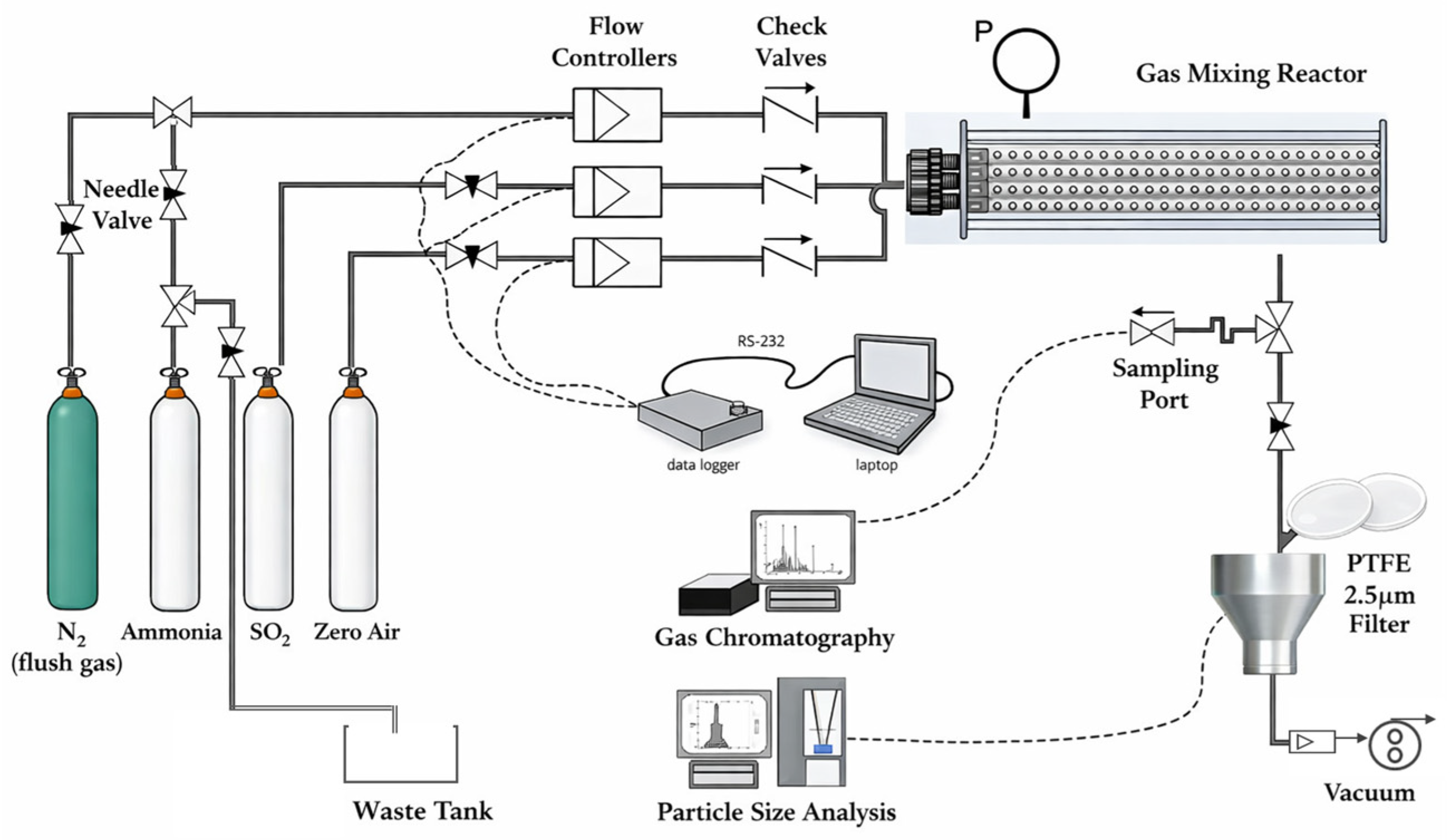
2) sweeping between runs to remove residual particulate matter. A schematic of the experimental gas mixing system is shown in
Figure 1. Reacting gases consisted of a certified SO
2 premix (1.70%
v/
v, N
2 balance), N
2 containing 2%
v/
v water vapor, and pure anhydrous NH
3. Zero air with combined CO and CO
2 impurities not exceeding 1 ppm was also introduced (Airgas, Inc., Radnor, PA, USA). The use of zero air minimized background atmospheric contaminants and isolated the interaction between NH
3 and SO
2, allowing controlled evaluation of the precursor gas conversion without interference from additional atmospheric species. Inlet flows were adjusted using needle valves upstream of Aalborg mass flow controllers (±1.0% accuracy), and all flow rates were logged at one-minute intervals. Check valves were installed to prevent backflow during operation. The reactor outlet was connected to a modified total suspended particulate (TSP) sampler equipped with a 47 mm PTFE quartz microfiber filter (2 µm effective pore size).
The NH3 supply line included a bypass for system purging during start-up and shutdown. Each experimental run consisted of a start-up purge, a steady-state reaction period, and a filter-based particulate matter collection phase conducted under near-ambient pressure conditions. Prior to each run, the reactor and gas lines were purged with N2 to minimize residual ammonia and moisture carryover. Reacting gases were introduced at a combined flow rate of 1 ± 0.20 L/min, corresponding to gas residence times on the order of seconds based on reactor volume. A downstream vacuum was applied to maintain continuous gas transport through the reactor and across the collection filter while keeping internal pressure near atmospheric conditions. During sampling, reactor pressure remained close to atmospheric (approximately 0–0.1 psig), indicating stable flow conditions within the system. Following reactor saturation, particulate matter was collected downstream using the TSP sampler operated at 0.8–1.0 L/min for approximately 90 min. Given the relatively low volumetric flow rate and near-atmospheric operating pressure, gas transport within the reactor is expected to occur under predominantly laminar flow conditions. Pressure increases observed during later stages of sampling were attributed to particle accumulation on the collection filter, which increased flow resistance.
Experiments were conducted near room temperature (23–25 °C) and relatively dry-to-moderate humidity (~27–30%), while reactor pressure remained near atmospheric (0 to 0.1 psig) throughout sampling. Relative humidity and oxidant composition were not independently controlled beyond the use of dry and zero-air conditions, and therefore the reported results reflect integrated system behavior rather than isolated kinetic effects.
2.2. PM Product Characterization
Preparation of filters, particulate matter (PM) recovery, and gravimetric analysis followed the Standard Operating Procedure for PM Gravimetric Analysis [
24]. Quartz microfiber filters (Whatman, Marlborough, MA, USA) were housed in 47 mm filter cassettes (Pall Laboratory, Port Washington, NY, USA), which were sterilized by gamma irradiation and sealed to maintain consistent humidity conditions. Prior to use, each cassette was passed through an anti-static system (Mettler Toledo, Columbus, OH, USA) to minimize electrostatic interference during weighing. Filters were conditioned and pre-weighed in a desiccator at room temperature prior to sampling. Following each experimental run, filters containing collected PM were again passed through the anti-static system before post-weighing. Gravimetric measurements were repeated until successive mass readings stabilized within ±5%. An ultra-microbalance (Sartorius, Bohemia, NY, USA) with a readability of 0.1 μg was used. The net PM mass was determined as the difference between pre- and post-sampling filter weights and reported in milligrams (mg). To account for particle losses to reactor surfaces, particulate matter deposited on the interior PTFE reactor walls was recovered after each experiment by rinsing the reactor surfaces with deionized water. The rinse solution was filtered through pre-weighed PTFE filters and dried to constant mass. The mass gain of the filters represented the gravimetrically recovered wall-deposited particulate matter.
Elemental composition of the collected PM was analyzed using a Vario EL Cube elemental analyzer (Elementar, Ronkonkoma, NY, USA). Approximately 2 mg of sample was used for each analysis, and results are reported as weight percentages of carbon (C), hydrogen (H), oxygen (O), nitrogen (N), and sulfur (S), with a precision of ±0.30% and detection limits below 0.10%. Because the reacting gas streams were assumed to contain negligible carbon, elemental carbon detected in the PM was interpreted as an indicator of potential background contamination (e.g., dust) rather than reaction-derived products.
Qualitative chemical characterization was further conducted using Fourier-transform infrared (FTIR) spectroscopy (IRAffinity-1S, Shimadzu Scientific, Columbia, MD, USA). Spectra were collected following ASTM E168 standard practices for qualitative infrared analysis [
25]. The analysis focused on the mid-infrared region between 4000 and 400/cm (2.5–25 μm), which encompasses the fundamental vibrational modes of most organic and inorganic functional groups [
26]. Particular attention was given to spectral features associated with N–H bonding, including bands in the 1500–1200/cm and 4000–3000/cm regions, to support the identification of ammonium-related species. Using the same FTIR analytical approach described above, spectra of the PTFE reactor interior were compared with those of collected PM; no overlapping spectral features associated with C–F bonding were observed, indicating a negligible contribution of reactor material to the PM (
Figure S1).
Particle morphology and surface elemental composition were examined using a Tescan Vega scanning electron microscope (SEM) equipped with an Oxford energy-dispersive X-ray spectroscopy (EDS) detector at the Microscopy and Imaging Center of Texas A&M University. SEM/EDS analysis was used to qualitatively assess particle shape and surface elemental distribution and to support the interpretation of bulk gravimetric and compositional results. Particle size distributions (PSDs) were measured for each reactant ratio to enable relative comparisons across experimental conditions. Collected PM samples were prepared and analyzed following standard Coulter counter sample preparation and measurement protocols using a Multisizer 3 (Beckman Coulter, Brea, CA, USA). PSD data were used solely for comparative assessment across treatments and were not intended to represent ambient aerosol size distributions.
2.3. Data Analysis
A range of ammonia-to-sulfur dioxide reactant ratios (
v/
v) was evaluated to quantify unit particulate matter (PM) emissions and secondary PM
2.5 formation under controlled laboratory conditions. The investigated ratios included NH
3:SO
2 values of 5:1, 10:1, and 30:1 without zero air conditions, as well as higher ratios of 60:1 and 100:1 with the addition of zero air. All experimental conditions were conducted in triplicate. The NH
3:SO
2 ratios evaluated in this study were selected to represent ammonia-rich conditions typical of livestock production environments where ammonia emissions from manure management substantially exceed local SO
2 concentrations. Reported measurements indicate that NH
3 concentrations inside CAFOs can range from approximately 35–100 ppm [
27], while SO
2 concentrations are typically much lower (approximately 0.028–0.50 ppm) [
28]. To allow measurable aerosol formation within the residence time of the laboratory reactor, precursor concentrations in the experimental system were intentionally elevated while maintaining the selected stoichiometric ratios. Under the investigated conditions, NH
3 concentrations ranged from approximately 9800–10,850 ppm, and SO
2 concentrations ranged from approximately 160–1850 ppm, depending on the reactant ratio, consistent with concentration ranges reported in previous laboratory studies of NH
3–SO
2 aerosol formation [
29].
For each experimental run, the unit PM emission was calculated based on gravimetrically recovered PM mass. The mass of PM collected on the filter (and, where applicable, combined with experimentally recovered wall-deposited PM) was normalized by the total mass of ammonia introduced during the run, which was determined from the inlet NH3 flow rate, run duration, and standard temperature and pressure conditions. Unit PM emissions were expressed as mass of PM per mass of NH3 used (mg PM/mg NH3).
To estimate the fraction of PM attributable to the PM
2.5 size range, PSD measurements were used to determine the percentage of collected particles with aerodynamic diameters ≤2.5 µm (%PM
2.5). PSD data were used exclusively as a size-based apportionment tool and were not intended to represent ambient aerosol size distributions. The equivalent direct secondary PM
2.5 formed from ammonia was calculated by multiplying the unit PM emission by the PSD-derived PM
2.5 mass fraction, as shown in Equation (1).
To provide a supporting estimate of gas-to-particle conversion, the apparent SO
2 conversion efficiency (X
SO2) was calculated based on the sulfur mass recovered in the particulate phase (Equation (2)). This recovery-based estimate represents the fraction of inlet SO
2 converted to particle-bound sulfur during sampling and is intended for relative comparison among experimental conditions rather than as a kinetic conversion metric.
where m
s is the mass of sulfur in the total collected PM (mg), Ms is the molar mass of sulfur (32 g/mol), ύ is the total volumetric flow rate (mL/min),
t is the sampling duration (min), C
SO2 is the inlet SO
2 concentration (
v/
v), and 22,400 mL/mol represents the molar volume at standard conditions.
For screening-level application to livestock operations, a secondary PM
2.5 emission factor (EF) for cattle feedyards was estimated by scaling the experimentally derived 2° PM
2.5 emission using literature-based ammonia emission factors (NH
3 EF), expressed as g NH
3 per head per day. This scaling yielded a corresponding 2° PM
2.5 EF in units of g of 2° PM
2.5 per head per day, as shown in Equation (3).
For each experimental condition, final unit PM emissions and secondary PM2.5 EF were reported as arithmetic means with associated standard deviations based on triplicate runs. Statistical comparisons among treatment levels were performed using one-way analysis of variance (ANOVA) at a significance level of α = 0.05 (JMP 14 software, SAS Institute, Cary, NC, USA), with statistically similar groups identified using shared-letter notation.
3. Results and Discussion
Prior to evaluating PM yields and secondary PM2.5 EF, the chemical identity and size distribution of the collected PM were examined to confirm that the measured mass originated from gas-phase reactions between NH3 and SO2 rather than from extraneous sources. Because a TSP collection approach was used, both fine and coarse particles were recovered, requiring size fractionation to derive PM2.5-equivalent mass. Reactor gas flow was continuously monitored during each sampling period. The total incoming flow rate was maintained at approximately 1.0 ± 0.20 L min−1, with a vacuum applied downstream to maintain near-atmospheric internal pressure. Under steady operation, the reactor pressure stabilized near 0 psig when the incoming gas flow balanced the vacuum flow, ensuring continuous gas transport through the reactor and across the collection filter. Gradual increases in pressure (0.10–0.5 psig) observed during later stages of sampling were attributed to particle accumulation on the filter surface, which increased flow resistance.
3.1. Chemical Validation of Reaction-Derived PM
FTIR spectroscopy was used to qualitatively assess the chemical nature of PM produced from NH
3–SO
2 reactions under varying reactant ratios (
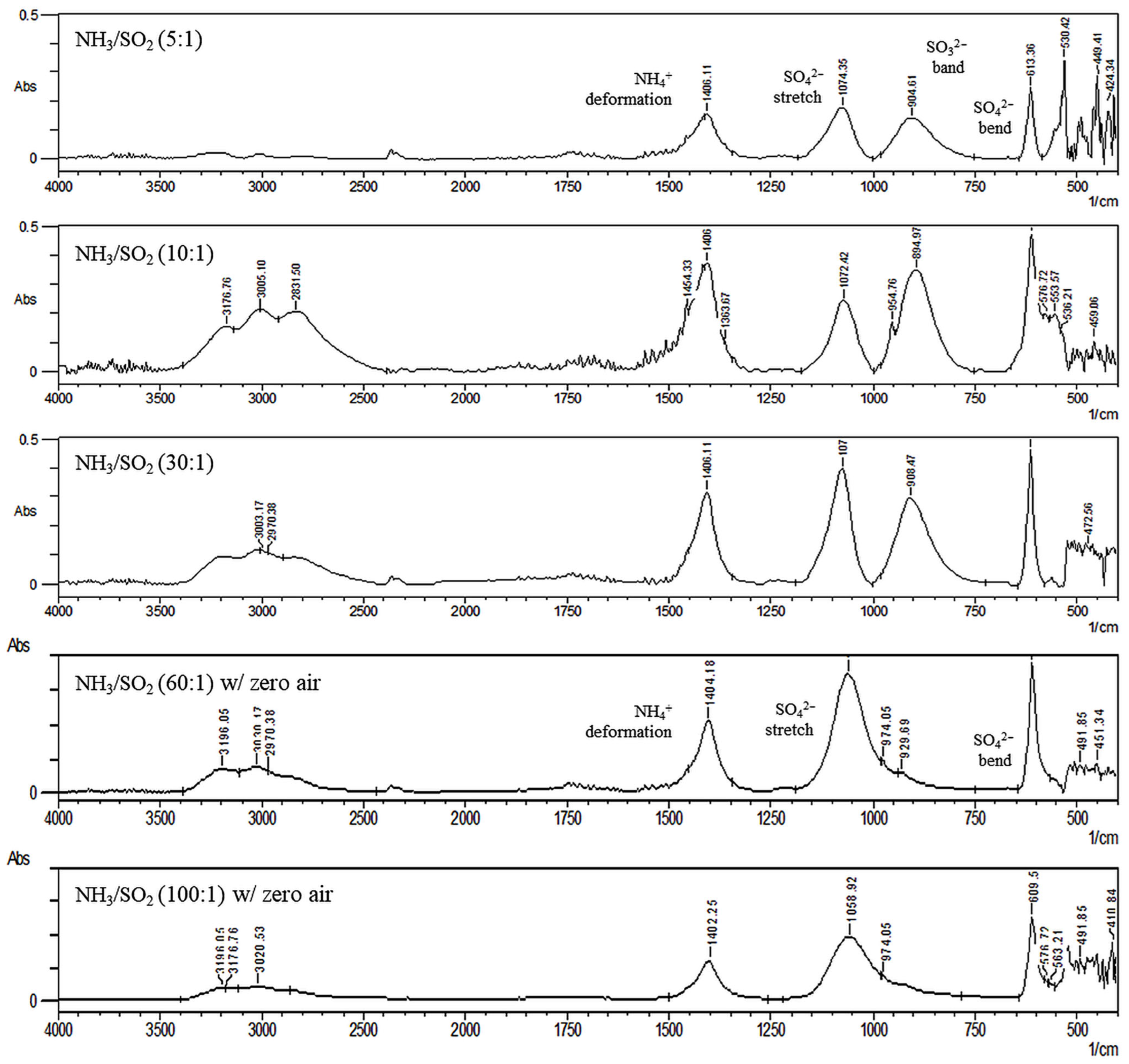
Figure 2). For experiments with no zero air added, FTIR spectra exhibited absorption features consistent with ammonium-containing sulfur compounds, including strong bands in the 1000–1250/cm and 1300–1500/cm regions associated with sulfate vibrations and broader N–H stretching features between 3000 and 3500/cm [
30]. These features are characteristic of ammonium sulfate and related ammonium–sulfur species reported in prior laboratory studies of NH
3–SO
2 systems [
30,
31].
Additional absorption features at lower wavenumbers were observed in no-zero-air conditions, consistent with the presence of sulfite-related intermediates. In contrast, PM collected in the presence of oxygen exhibited FTIR spectra that more closely resembled ammonium sulfate, with diminished sulfite-associated features, indicating preferential formation of oxidized sulfur products under oxygen-rich conditions. These observations are consistent with the known oxidation of sulfite to sulfate in NH
3–SO
2 systems [
29,
31].
Elemental analysis was used to support the reaction-derived and inorganic nature of the collected PM (
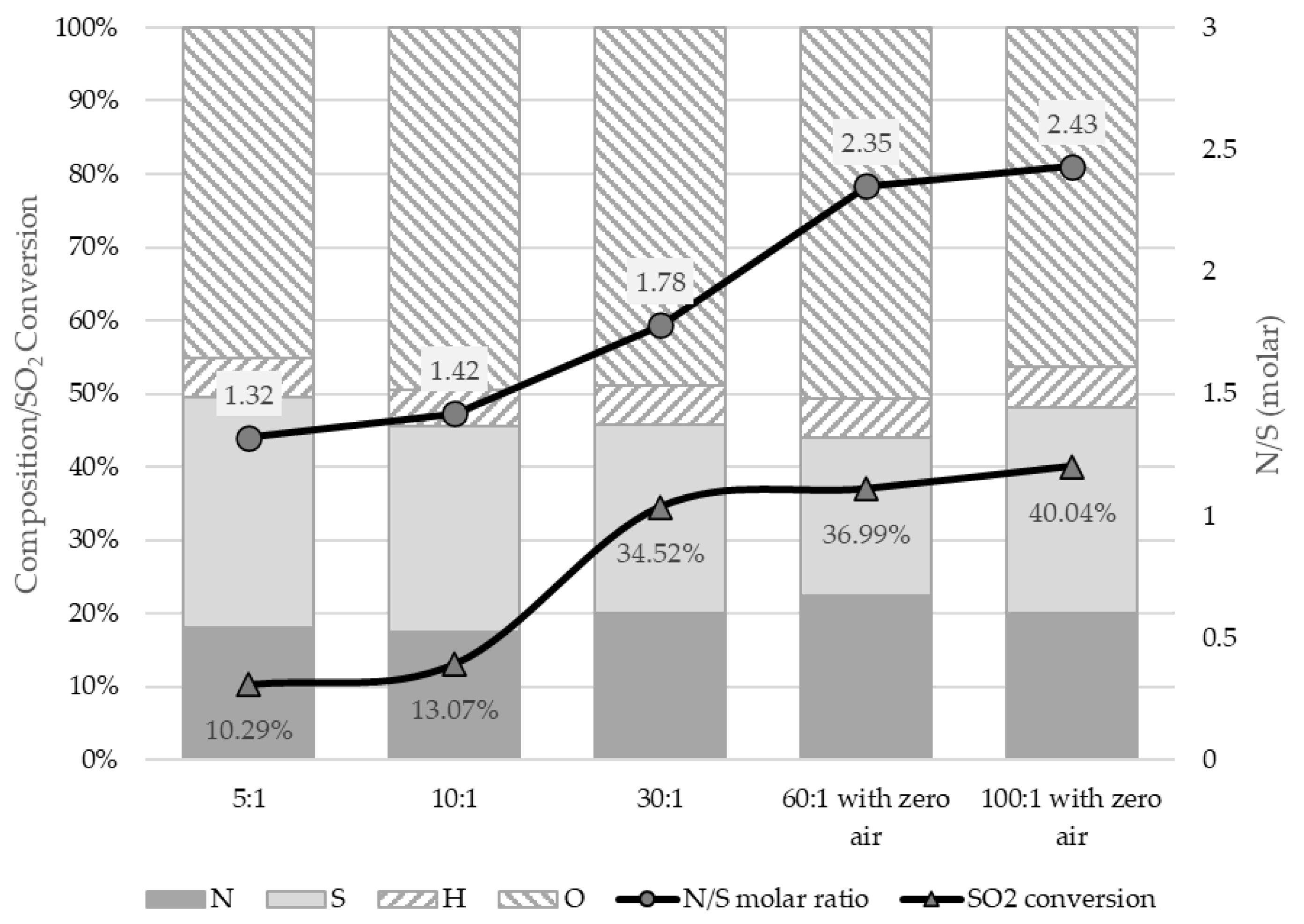
Figure 3). Carbon content remained uniformly low across all experimental conditions (<0.20 wt%), indicating a minimal contribution from dust or carbonaceous contaminants. The slightly higher carbon fraction observed in air-containing experiments (0.17 wt%) is attributed to trace CO/CO
2 impurities in the zero-air supply and does not materially affect PM composition. The relative abundances of nitrogen, sulfur, and oxygen were consistent with ammonium–sulfur compounds, with higher oxygen content observed in PM generated under oxygen-containing conditions.
Estimated SO
2 conversion efficiencies, calculated from sulfur recovered in the particulate phase using Equation (2), were approximately 35% in the absence of oxygen and ~40% under oxygen-rich conditions. These values are intended as qualitative indicators of effective gas-to-particle conversion under ammonia-rich conditions rather than as kinetic descriptors. The PM formed without oxygen exhibited an N/S molar ratio of approximately 1.78, while higher NH
3:SO
2 ratios in the presence of oxygen yielded ratios approaching ~2.43, consistent with increased neutralization toward 2:1 ammonium–sulfur aerosols. Elemental composition alone does not permit definitive differentiation between sulfite and sulfate species [
32]; accordingly, these results are used to corroborate FTIR-based trends and to confirm the internal consistency of the experimental system.
3.2. Morphology and Particle Size Distribution
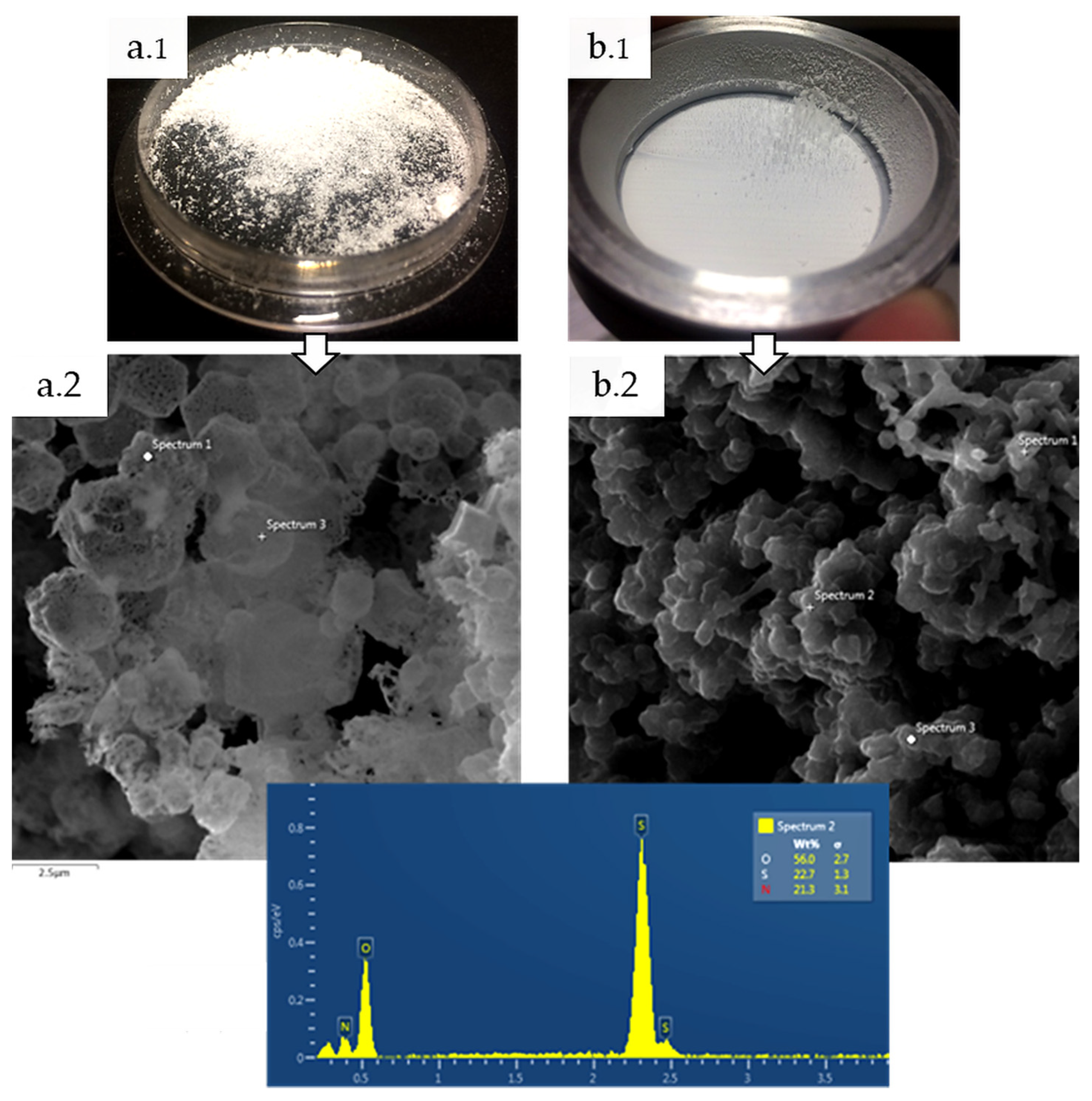
Representative photographs and SEM images of the PM collected from the flow reactor are shown in
Figure 4. Macroscopic images indicate that the recovered PM consisted of fine, white to off-white solids with a loosely consolidated appearance, consistent with hygroscopic inorganic aerosol formation [
32] and post-collection agglomeration on the sampling substrate. SEM analysis revealed that the particles exhibited irregular, non-spherical morphologies composed of aggregated sub-micron primary particles. Rather than discrete, well-defined spheres, the PM appeared as porous agglomerates, indicative of particle growth dominated by gas-to-particle conversion followed by coagulation [
33]. Such morphologies are commonly associated with secondary inorganic aerosols formed via rapid nucleation and condensation processes under elevated precursor concentrations. Differences in particle morphology and size distribution across experimental conditions also reflect the influence of precursor stoichiometry and oxidizing environment on particle growth. Increasing NH
3:SO
2 ratios and the presence of zero air promote enhanced neutralization and oxidation of sulfur species [
29], favoring the formation of ammonium–sulfur aerosols and greater particle aggregation. The agglomerated structures observed in SEM images are therefore consistent with gas-to-particle conversion processes occurring within the reactor, although some degree of agglomeration during filter deposition and SEM preparation cannot be excluded.
Under the SEM, individual primary particles were not easily distinguishable, suggesting that coalescence and restructuring occurred during residence in the reactor and/or during collection. The absence of smooth, crystalline facets implies that particle growth was kinetically limited and occurred under conditions favoring amorphous or poorly crystalline phases rather than equilibrium crystal growth. EDS analysis confirmed that the PM was dominated by S-, O-, and N-containing species, consistent with ammonium–sulfate-type aerosol formation. It is noted that particle morphology may be influenced by sampling artifacts, including filter deposition, drying, and partial restructuring under vacuum during SEM analysis [
32,
34,
35]. Consequently, the observed morphologies are interpreted qualitatively and used to support particle formation pathways rather than to infer exact atmospheric particle shapes.
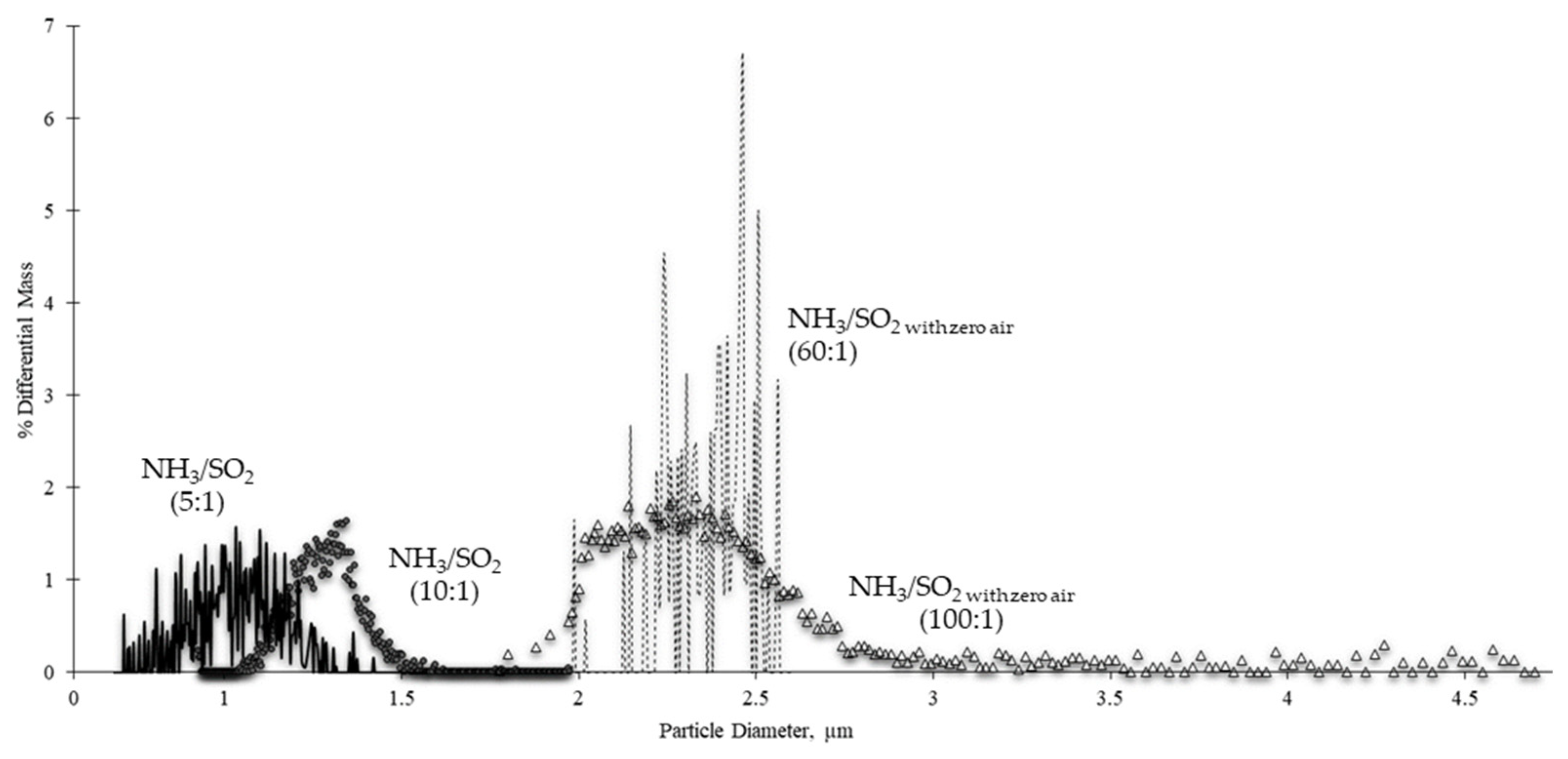
Figure 5 shows the PSDs of PM formed under varying NH
3:SO
2 ratios, with and without the addition of zero air. Across all conditions, particle mass was concentrated within the fine particle regime, with modal diameters generally between approximately 1 and 3 μm. At lower NH
3:SO
2 ratios (5:1 and 10:1), the PSDs were skewed toward smaller diameters, indicating limited particle growth under sulfur-constrained conditions. Increasing the NH
3:SO
2 ratio resulted in a systematic shift toward larger particle sizes, consistent with enhanced neutralization and condensational growth [
36].
The larger fluctuations observed in the PSD profiles for the 5:1 and 60:1 conditions likely reflect greater variability in particle formation dynamics under these experimental regimes. At the lower NH3:SO2 ratio (5:1), limited precursor availability may lead to intermittent nucleation and lower particle counts, producing greater variability in the measured size distribution. Under oxidizing conditions at the 60:1 ratio, transient particle growth and coagulation processes may also contribute to irregular PSD profiles. Such variability is commonly observed in aerosol PSD measurements, where particle populations evolve dynamically during formation.
The addition of zero air at higher NH3:SO2 ratios produced broader PSDs and increased mass fractions near and above 2.5 μm, indicating accelerated particle growth under more oxidizing conditions. Because the total collected PM spanned the PM2.5 cutoff, size-based apportionment was required to estimate secondary PM2.5 mass. The PM2.5 fraction was determined by integrating the measured PSDs up to 2.5 μm and normalizing this fraction to the total gravimetrically recovered PM mass, which was subsequently used in the calculation of secondary PM2.5 emission factors.
3.3. PM Yield and Reactor Wall Effects
Particle formation was observed not only on the collection filter but also on reactor walls and downstream surfaces, indicating measurable particle wall losses. Filter-only PM recovery therefore may represent a lower-bound estimate of total particulate production. Wall surfaces may also promote heterogeneous condensation and growth, potentially biasing the recovered particle population toward larger effective diameters [
37]. No seed particles were introduced in this study, and heterogeneous uptake to reactor surfaces may have competed with homogeneous nucleation, particularly at higher reactant ratios. While these processes limit direct extrapolation to ambient conditions, they do not invalidate relative comparisons across experimental treatments conducted under identical reactor configurations.
Table 1 summarizes mean PM production rates derived solely from filter-collected particulate matter across varying NH
3:SO
2 reactant ratios, with and without the addition of zero air. Under no-zero-air conditions, PM production rates decreased modestly with increasing reactant ratio, but no statistically significant differences were observed among the 5:1, 10:1, and 30:1 treatments at the 95% confidence level. This indicates that precursor concentrations within this range were sufficient to sustain particle nucleation and growth and that PM formation was not strongly limited by stoichiometry alone.
In contrast, the introduction of zero air resulted in significantly lower PM production rates relative to no-zero-air conditions. Treatments conducted with zero air (60:1 and 100:1 ratios) exhibited statistically distinct mean PM rates compared to no-zero-air treatments (ANOVA F = 6.90,
p < 0.01), suggesting altered gas-phase chemistry and partitioning behavior in the presence of oxygen [
38]. Uncertainty in PM production rates increased at higher reactant ratios, particularly under oxygen-rich conditions, as reflected by wider confidence intervals. This increased variability likely reflects differences in particle formation dynamics under the tested conditions, including heterogeneous uptake and partial volatilization effects.
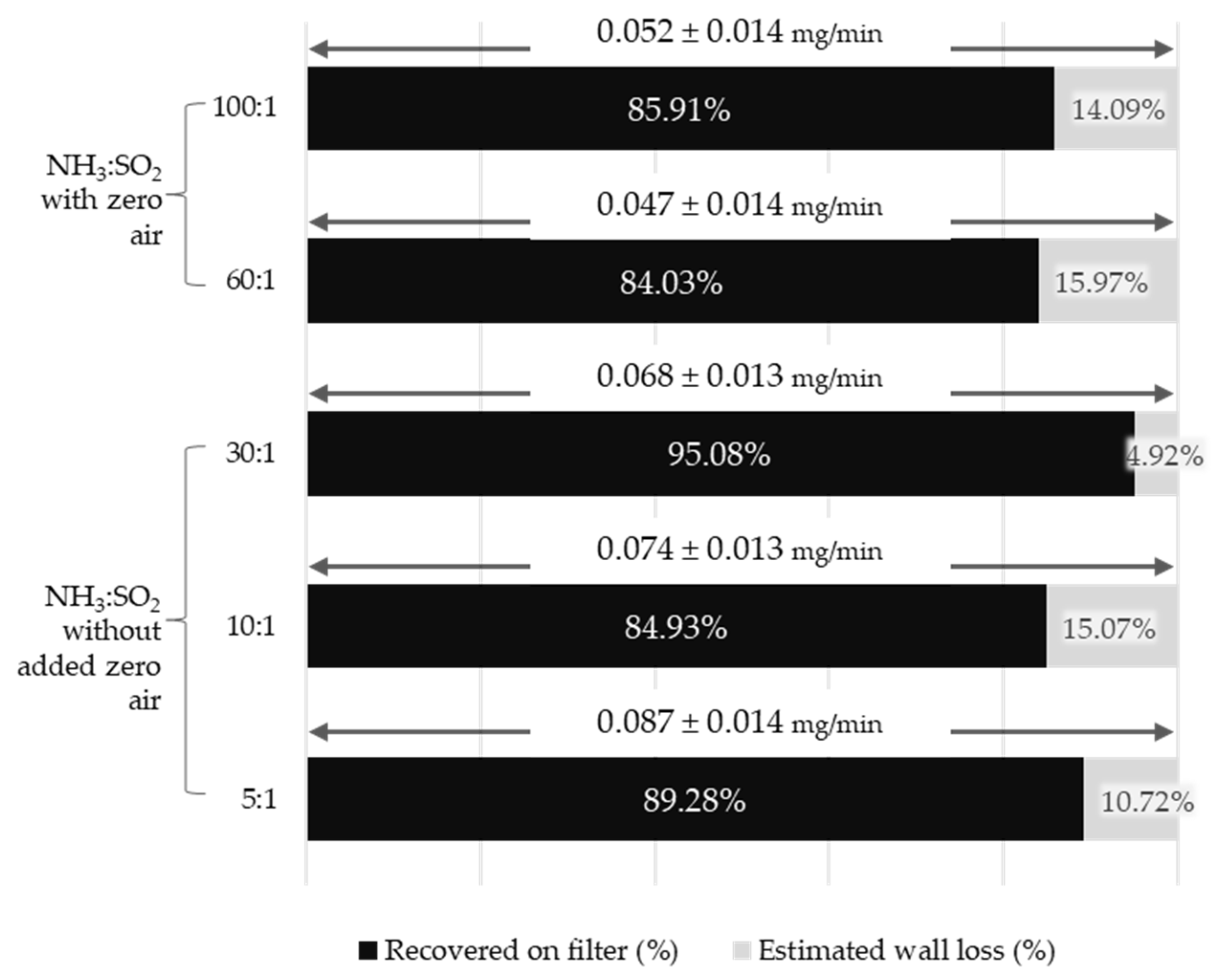
Figure 6 presents PM production rates after accounting for particulate matter recovered from reactor wall surfaces. Inclusion of wall-deposited PM increased total PM production rates by approximately 5–16%, corresponding to an average wall loss of ~12%, confirming that filter-only measurements systematically underestimate total PM formation [
37]. Related chamber and flow-reactor studies of ammonium sulfate aerosols have reported wall-loss fractions in the range of approximately 10–30% [
37,
39]. Although the magnitude of wall losses varied across treatments, relative trends in PM production were preserved after correction, indicating that wall deposition primarily affects absolute yield estimates rather than comparative interpretation.
Overall, these results demonstrate that NH3–SO2 reactions under all tested conditions produced measurable particulate matter, while underscoring the importance of accounting for particle wall losses when quantifying PM yields in flow-reactor systems. The corrected PM production rates therefore represent more robust, yet still conservative, estimates suitable for comparative and screening-level assessments of secondary PM formation.
3.4. Estimation of Secondary PM2.5 Emission Factor
Analysis of variance (ANOVA) indicated a statistically significant difference (α = 0.05) between emission factors derived under no-zero-air and zero-air conditions, supporting the separation of these systems into distinct emission factor categories (
Table 2). In contrast, no statistically significant differences were observed among unit emission factors under no-zero-air conditions across NH
3:SO
2 ratios from 5:1 to 30:1, nor between the two oxygenated cases (60:1 and 100:1 with zero air). These results indicate that, within the concentration ranges evaluated, PM formation scaled proportionally with NH
3 input and was relatively insensitive to reactant ratio within each oxygenation regime. Based on these findings, unit emission factors were arithmetically averaged for no-zero-air and zero-air systems, respectively. Average values were calculated separately using PM collected on filters alone and using total PM estimated from filter mass plus wall-deposited PM. Because the 95% confidence interval of the filter-based emission factor overlapped with the total PM estimate, and to avoid underestimation of PM formation, the combined filter-plus-wall-loss emission factor was adopted as a conservative basis for subsequent emission calculations. The resulting average unit emission factors were 0.0107 mg PM/mg NH
3 for no-zero-air conditions and 0.0069 mg PM/mg NH
3 for zero-air conditions. These values represent screening-level laboratory-derived emission factors intended to support a comparative assessment of secondary PM formation potential from NH
3–SO
2 interactions under controlled reaction environments, rather than a direct representation of ambient atmospheric yields.
For a conservative estimation of secondary PM2.5 formation, the unit PM emission factor derived under oxygenated (zero-air) conditions was used as the basis for scaling (0.0069 mg PM/mg NH3). The zero-air system yielded an average unit PM emission factor of 0.0069 mg PM/mg NH3, normalized to the total ammonia supplied during each experiment. This value was selected to represent conditions more relevant to atmospheric oxidation processes, while still reflecting the controlled and idealized nature of the laboratory system.
To estimate the fraction attributable to PM
2.5, the measured PM
2.5 mass fraction (76.62%;
Figure 5) was applied to the unit PM emission factor based on Equation (1). This resulted in an estimated secondary PM
2.5 unit emission factor of 5.287 mg secondary PM
2.5/g NH
3. Here, secondary PM
2.5 refers to the total fine particulate mass formed from NH
3–SO
2 interactions, encompassing a generalized NH
xSO
y aerosol system that may include ammonium sulfate, ammonium bisulfate, partially neutralized sulfate species, sulfite/bisulfite intermediates, and associated aerosol water. As such, the reported value represents an aggregate SIA mass rather than a stoichiometrically resolved single compound.
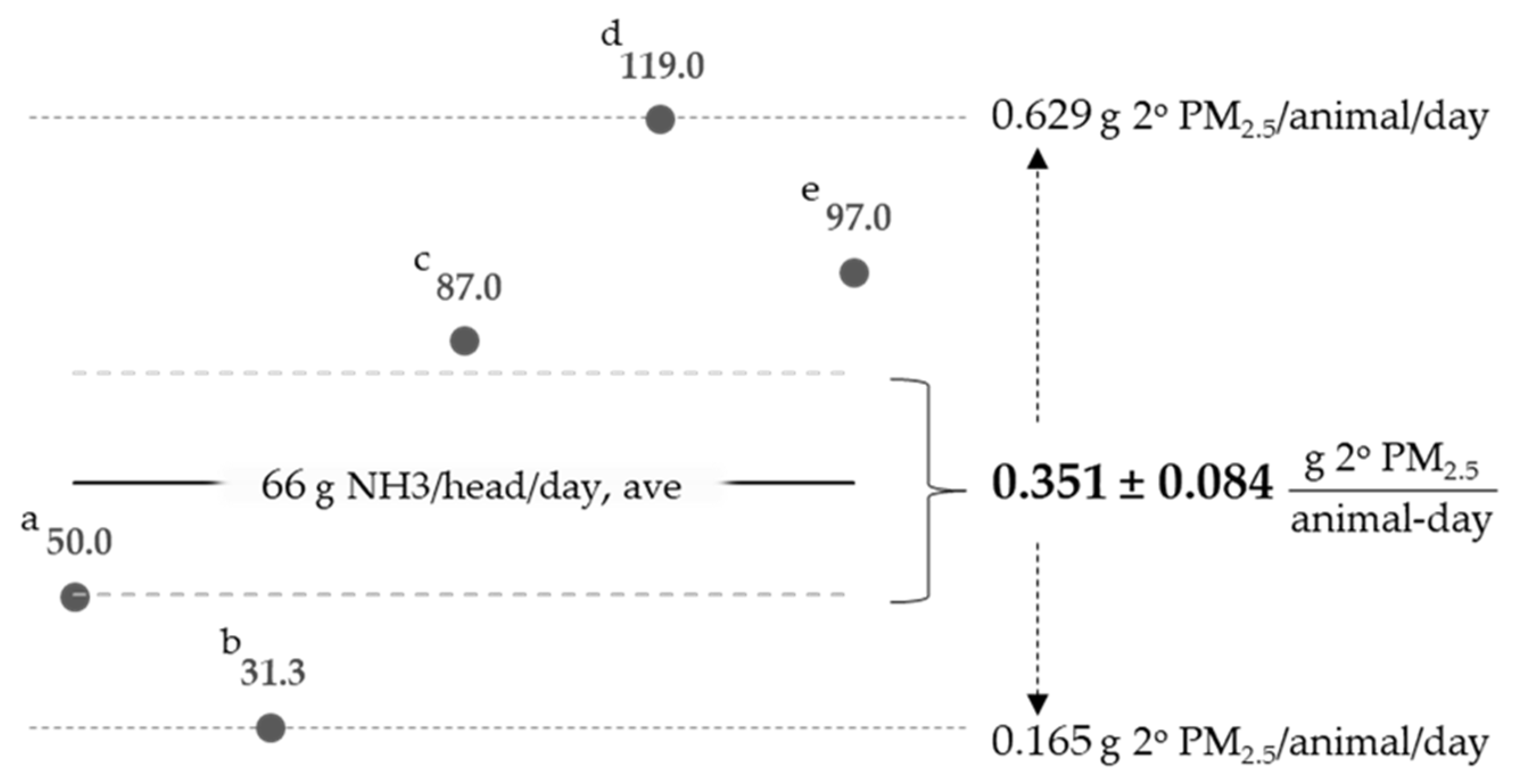
Published feedlot studies in North America report ammonia emission factors ranging from approximately 31.3 to 119 g NH
3/animal head/day with an arithmetic mean of 66 g NH
3/head/day (
Figure 7). Applying the secondary PM
2.5 unit emission factor to this mean ammonia emission rate (using Equation (3)) yields an estimated secondary PM
2.5 emission factor of 0.351 ± 0.084 g secondary PM
2.5/head/day. The reported uncertainty reflects variability in published ammonia emission factors and assumes approximate linear scaling between ammonia availability and NH
xSO
γ-derived secondary PM formation potential under NH
3-rich conditions. In real atmospheric environments, this relationship may be influenced by variations in SO
2 concentrations, oxidant availability, and meteorological conditions. Therefore, the derived emission factor should be interpreted as an order-of-magnitude screening estimate rather than a universally applicable value for all livestock systems.
Legend:
| Reference | Feedlot location in the US, NH3 measurement method, and EF averaging period |
| a Hutchinson, et al. [40] | NE Colorado, micrometeorological technique, annual |
| b US EPA [41] | Entire US (USDA data), national emissions inventory methodology, annual |
| c Cole, et al. [42] | New Mexico, N volatilization technique, annual |
| d Hristov, et al. [43] | US and Canada feedlots, N balance, annual |
| e Todd, et al. [44] | Texas Panhandle, acid gas washing sampling, annual |
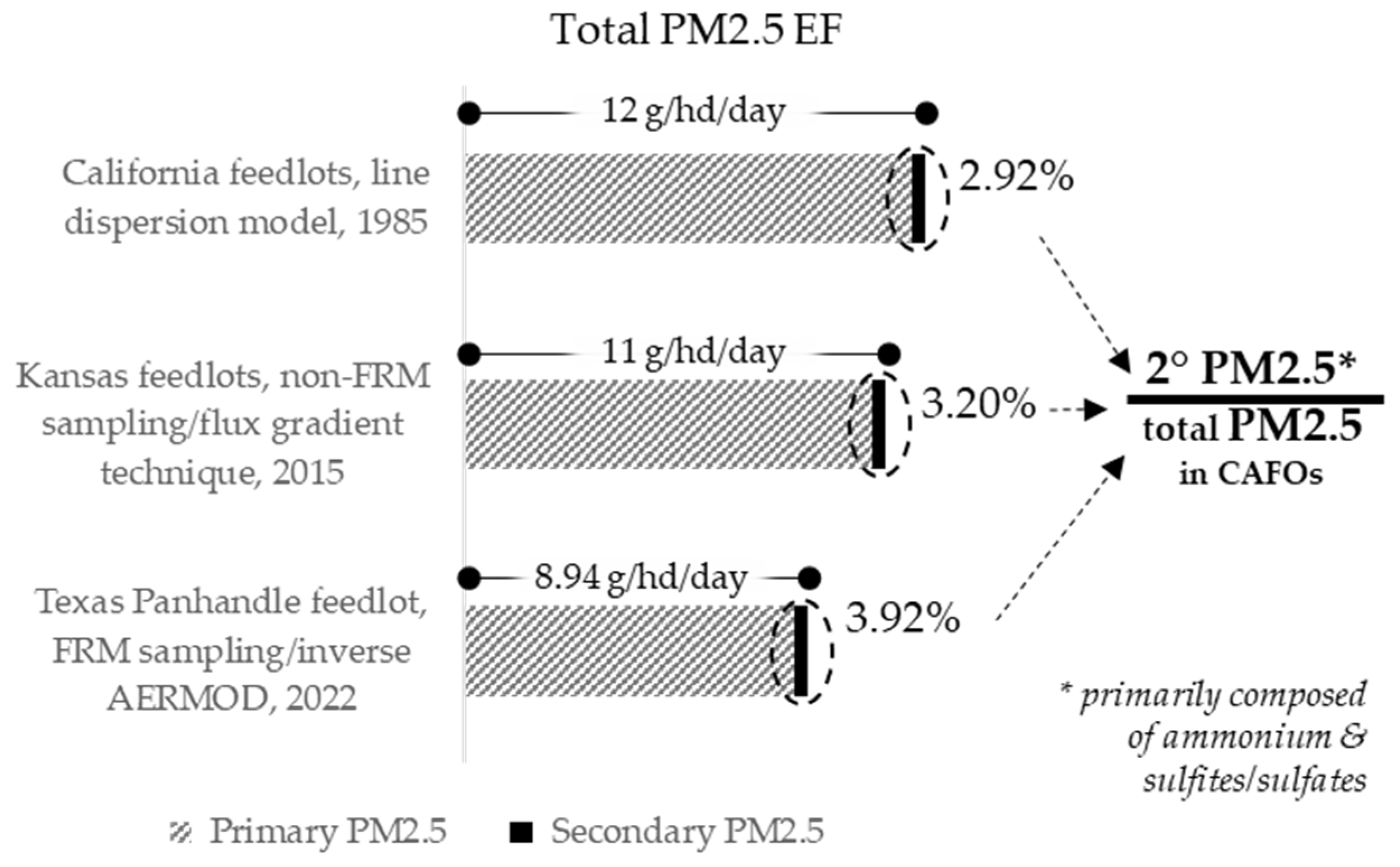
Relatively few studies have reported total PM
2.5 emission factors for cattle feedlots that explicitly combine both primary and secondary contributions. Available estimates from North American feedlots indicate total PM
2.5 emission factors on the order of 9–12 g/head/day with reported variability of approximately 15%, influenced by site location, meteorology, sampling methodology, and averaging period.
Figure 8 illustrates the relative contribution of inferred secondary PM
2.5 from three representative studies spanning 1985 to 2022 [
14,
16].
Based on these comparisons, secondary PM
2.5 formed from ammonia–sulfur interactions may account for approximately 3–4% of total PM
2.5 emissions from cattle feedlots under average conditions. This contribution reflects the formation of NH
xSO
γ-type secondary inorganic aerosol, rather than exclusively fully neutralized ammonium sulfate, and is consistent with prior assessments of secondary particulate contributions across agricultural and non-agricultural emission sources. Seasonal effects are expected to influence this fraction, as ammonia emissions from CAFOs are typically elevated during warmer periods [
44], potentially enhancing secondary PM
2.5 formation during summer months. For context, studies of mobile sources have reported secondary PM
2.5 contributions ranging from approximately 3 to 7% at minimum levels, with average contributions of 13–24% associated with sulfate, ammonium, and nitrate formation pathways [
23]. Urban environments with elevated NO
x and VOC concentrations tend to exhibit higher secondary PM
2.5 fractions than agricultural regions. Nonetheless, regional air quality studies have shown that ammonia emissions from cattle operations are sufficient to contribute measurably to ambient secondary PM
2.5, with reported contributions ranging from 5 to 11% of total PM
2.5 concentrations under certain meteorological conditions [
4].
Overall, the secondary PM2.5 emission factors estimated during this initial investigation fall within the lower end of published secondary-to-total PM2.5 ratios and are consistent with values reported across diverse source categories. While the experimental system represents an idealized reaction environment with controlled precursor availability and elevated reactant loadings, the results provide a transparent, empirical basis for bounding NHxSOγ-derived secondary PM2.5 formation potential from ammonia emissions in CAFO-related screening and comparative air quality assessments. It should be noted that the experimental system isolates the interaction between NH3 and SO2 and does not incorporate other atmospheric precursors such as NOx or VOCs that may influence secondary aerosol formation pathways. Consequently, the derived emission factors should be interpreted as screening-level estimates intended to approximate the potential magnitude of secondary PM formation arising from NH3–SO2 interactions rather than direct predictions of ambient PM concentrations under complex atmospheric conditions.
4. Conclusions
This study provides a controlled, laboratory-based assessment of secondary PM2.5 formation from NH3–SO2 interactions relevant to CAFO air quality evaluation. Measurable particulate matter was generated consistently across all tested ammonia-rich conditions, and multi-technique characterization showed that the recovered PM was dominated by inorganic ammonium–sulfur species. FTIR and elemental results indicated less oxidized sulfur-containing intermediates under no-zero-air conditions and more oxidized ammonium–sulfur aerosol under oxygenated conditions. SEM/EDS and PSD measurements further showed that the particles were predominantly aggregated fine particles formed through gas-to-particle conversion and growth. After accounting for wall-deposited material, which contributed about 5–16% additional recovered PM and averaged approximately 12% wall loss, the average unit PM emission factors were 0.0107 mg PM/mg NH3 for no-zero-air conditions and 0.0069 mg PM/mg NH3 for zero-air conditions. Using the oxygenated case as a conservative screening basis yielded an estimated secondary PM2.5 unit EF of 5.287 mg PM2.5/g NH3 and a scaled cattle feedlot secondary PM2.5 EF of 0.351 ± 0.084 g PM2.5/head/day. Relative to published total feedlot PM2.5 EFs, this suggests that NH3-derived NHxSOγ-type secondary aerosol may account for roughly 3–4% of total PM2.5 emissions under average conditions. Collectively, these findings support the relevance of ammonia as a measurable secondary PM2.5 precursor in livestock systems and provide a practical empirical reference for comparative and screening-level applications where full photochemical modeling is not feasible.
At the same time, the findings should be interpreted within the limits of the experimental design. The reactor system was intentionally simplified and does not reproduce the full complexity of atmospheric secondary aerosol formation, including variable humidity, photochemical aging, and interactions with other precursors such as NOx and VOCs. Relative humidity and oxidant composition were not independently controlled beyond the tested dry and zero-air conditions, and wall deposition introduced uncertainty in absolute yield estimates, even though relative trends were preserved. In addition, the reported fine-particle mass represents an aggregate NHxSOγ secondary inorganic aerosol system rather than a single stoichiometrically resolved compound. Accordingly, the emission factors reported here should be viewed as screening-level, order-of-magnitude estimates of NH3–SO2 secondary PM2.5 formation potential, not as direct predictors of ambient PM2.5 concentrations for all CAFO settings. Even with these limitations, the study establishes a transparent and reproducible framework that can inform future laboratory, field, and hybrid permitting assessments of ammonia-driven secondary PM2.5 from livestock operations.