Article

Oral Candida Colonisation in Radiotherapy-Treated Head and Neck Cancer Patients: Prevalence, Species Diversity and Antifungal Resistance Compared with Healthy Controls


by
Tanya Pereira-Riveros
1,
Alicia Lozano Borbalas
2,
Eric Fernández-De la Cruz
1,
Josep M. Sierra
1 and
Teresa Vinuesa
1,*
1
Laboratory of Molecular Microbiology & Antimicrobials, Department of Pathology and Experimental Therapeutics, Faculty of Medicine, University of Barcelona, C/Feixa Llarga s/n Pavello Govern. 5 pl. L’Hospitalet de Llobregat, 08908 Barcelona, Spain
2
Department of Radiation Oncology, Catalan Institute of Oncology, L’Hospitalet de Llobregat, 08908 Barcelona, Spain
*
Author to whom correspondence should be addressed.
Submission received: 12 December 2025 / Revised: 14 January 2026 / Accepted: 20 January 2026 / Published: 21 January 2026
(This article belongs to the Special Issue Multidisciplinary Approach to Oral Cavity Cancer: A Hard Enemy)

Abstract

Head and neck cancer (HNC) patients frequently experience alterations in the oral environment following radiotherapy, including xerostomia and impaired mucosal integrity, which may favour fungal overgrowth. This study aimed to characterise oral Candida colonisation in radiotherapy-treated HNC patients and compare it with that of healthy individuals. Unstimulated saliva samples from 61 HNC patients and 100 controls were cultured on chromogenic agar, and isolates were identified using API 20C AUX or MALDI-TOF. Salivary flow was measured to quantify xerostomia. A representative subset of isolates (10 per group) underwent antifungal susceptibility testing by disk diffusion according to CLSI/EUCAST criteria. Candida colonisation was significantly higher in HNC patients than in controls (64.6% vs. 20%, p < 0.001), with greater species diversity and increased detection of non-albicans yeasts, including C. tropicalis, C. parapsilosis, C. glabrata, and C. krusei. All HNC patients exhibited reduced salivary flow. Azole resistance was more frequent among HNC isolates (26%) than among controls (10%), whereas all isolates remained susceptible to amphotericin B and nystatin. These findings indicate that radiotherapy-associated xerostomia substantially alters the oral mycobiota and underscore the importance of routine species-level identification and antifungal susceptibility testing in HNC patients to guide clinical decision-making.

1. Introduction

The oral cavity of patients with head and neck cancer (HNC) undergoes alterations as a result of antineoplastic therapies, particularly radiotherapy. This treatment induces substantial changes in the oral microenvironment, including decreased salivary flow, pH modification, alteration of the composition of saliva, and loss of mucosal integrity, factors that together favour an environment conducive to the growth of opportunistic microorganisms such as Candida spp. [1,2,3]. Under healthy conditions, Candida is part of the oral microbiota as a regular commensal, mainly Candida albicans, whose presence is usually kept under control through the combined action of saliva, mucosal immunity, and microbial competition [4,5]. However, disruption of these defence mechanisms—as occurs in patients treated with radiotherapy—increases the risk of fungal colonisation and overgrowth [6]. In this context, the transition of Candida albicans from a commensal organism to an opportunistic pathogen is strongly influenced by the balance between fungal virulence traits and mucosal immune surveillance. Under homeostatic conditions, oral commensalism is maintained through epithelial integrity, salivary antimicrobial activity, and a controlled host inflammatory tone. However, radiotherapy-associated mucosal injury and local immune dysfunction reduce colonisation resistance and facilitate fungal persistence. C. albicans can exploit these conditions through multiple virulence traits, including adhesion to epithelial surfaces, hyphal morphogenesis, secretion of hydrolytic enzymes, and biofilm formation, which enhance tissue invasion and immune evasion [7]. In addition to quantitative increases, the oral microbiota undergoes significant qualitative changes, characterised by a shift from C. albicans to non-albicans species (C. glabrata, C. tropicalis, C. parapsilosis, C. krusei), which tend to be less susceptible to antifungal agents, more tolerant of hostile environments, and possess substantial pathogenic potential, particularly in immunocompromised hosts [8,9].
The appearance of less common yeasts in the oral cavity, such as Rhodotorula spp. or Saccharomyces boulardii, has also been documented in patients with HNC, suggesting a more profound degree of dysbiosis and a marked alteration of the oral ecosystem induced by cancer treatment [10,11]. These alterations in the fungal balance not only increase the risk of oropharyngeal candidiasis but may also affect quality of life, interfere with cancer treatment, and increase the need for antifungal interventions.
Although the literature consistently describes an increase in oral colonisation by Candida in head and neck cancer patients undergoing radiotherapy, the available studies show considerable methodological variability [12,13,14]. Aspects such as the quantification of fungal load, detailed characterisation of fungal composition, detection of unusual species, and evaluation of antifungal susceptibility under standardised criteria have not always been addressed together, making it difficult to obtain a fully integrated view of the impact of radiotherapy on the oral fungal ecosystem and limiting understanding of the mechanisms involved in the dysbiosis observed in these patients [15,16].
In this context, the present study aims to characterise oral colonisation by Candida in patients with head and neck cancer treated with radiotherapy and to compare it with that of healthy individuals using standardised microbiological methodologies. To this end, the prevalence of colonisation, fungal load, species diversity and distribution, the presence of unusual yeasts, and antifungal susceptibility profiles are analysed, along with their relationship with xerostomia and salivary hypofunction.

2. Materials and Methods

2.1. Study Design

A cross-sectional observational study was conducted to compare oral Candida colonisation between patients with head and neck cancer (HNC) treated with radiotherapy and a group of healthy controls.

2.2. Ethical Approval

The study was approved by the Clinical Research Ethics Committee of the University of Barcelona Dental Hospital (HOUB) in July 2021 (approval code: 22/2021) and was conducted in accordance with the principles of the Declaration of Helsinki (World Medical Association, 2017). All participants provided written informed consent prior to enrolment.

2.3. Participants

2.3.1. HNC Group

The group of patients with head and neck cancer (HNC) consisted of 61 individuals with a confirmed diagnosis of HNC. All patients had completed radiotherapy and were recruited from the Radiotherapy Service of the Catalan Institute of Oncology (ICO), L’Hospitalet de Llobregat, Spain. Unstimulated saliva samples were collected at a single follow-up visit within the first 12 months after completion of radiotherapy.

2.3.2. Control Group

The control group consisted of 100 healthy adults who attended the University of Barcelona Dental Hospital (HOUB). These individuals had no history of cancer and had not received any oncological treatment.

2.3.3. Exclusion Criteria

For both groups, the following exclusion criteria were applied:
  • Use of antibiotics in the previous 7 days;
  • Use of antibacterial mouthwash in the previous 2 weeks;
  • Treatment with immunosuppressant agents;
  • Severe decompensated systemic disease (ASA IV or equivalent).

2.4. Clinical Evaluation

Sialometry (Unstimulated Salivary Flow)

Unstimulated salivary flow was measured using the standardised 5 min spit-out method. For this assessment, the patient was seated with their head slightly tilted forward and instructed to allow saliva to drip into a graduated tube throughout the collection period. The volume obtained was expressed in mL/min.
The reference values used were as follows:
  • >1.0 mL/min: normal (code 0);
  • 1.0–0.25 mL/min: low flow (code 1);
  • <0.25 mL/min: very low flow (code 2).

2.5. Processing and Microbiological Identification of Samples

From the previously collected unstimulated saliva, 100 μL of each sample was taken for microbiological analysis. The saliva was diluted in sterile PBS (PanReac AppliChem, Darmstadt, Germany) at ratios of 1:10 (D1) and 1:100 (D2), and 100 μL of each dilution was then plated onto Brilliance™ Candida chromogenic agar (Oxoid, Basingstoke, UK), a selective and differential medium that allows preliminary species identification based on colony colour and morphology. The plates were incubated at 30 °C for 48 h, after which colony-forming units (CFUs) were counted to estimate total and species-specific fungal load.
Preliminary identification was based on colony morphology on the chromogenic medium, and final identification was confirmed using API 20C AUX (bioMérieux, Marcy-l’Étoile, France) or MALDI-TOF MS (MALDI Biotyper; Bruker Daltonics, Bremen, Germany), following manufacturer guidelines and standard laboratory procedures.

2.6. Antifungal Susceptibility Analysis

Antifungal susceptibility was assessed using the disc diffusion method following CLSI M44 and M60 (Clinical and Laboratory Standards Institute) recommendations for yeasts [17]. In the control group, all available isolates were analysed, while in the HNC group, up to two representative isolates per species were selected when possible.
Cultures were plated onto Sabouraud agar (Scharlau Microbiology, Barcelona, Spain), and discs containing fluconazole, itraconazole, miconazole, amphotericin B, and nystatin (Rosco Diagnostica, Taastrup, Denmark) were applied. After incubation for 48 h at 30 °C, inhibition zone diameters were measured in millimetres and classified as susceptible, intermediate, or resistant according to CLSI breakpoints, or EUCAST (European Committee on Antimicrobial Susceptibility Testing) criteria when CLSI cutoffs were unavailable.

2.7. Statistical Analysis

The data were analysed using descriptive statistics, with continuous variables expressed as means and standard deviations or medians and ranges, as appropriate. Comparisons of the prevalence of Candida colonisation and antifungal resistance between groups were performed using the χ2 test or Fisher’s exact test when necessary. The level of statistical significance was set at p < 0.05. Analyses were performed using SPSS v.26 (IBM Corp., Armonk, NY, USA).

3. Results

3.1. Characteristics of Participants

The study included 61 patients with head and neck cancer (HNC) and 100 healthy controls. The mean age was 59 years in the HNC group and 42.9 years (SD 16.2) in the control group. Males predominated among HNC patients (62%), while they represented 47% of the sample in the control group.
In the HNC group, the most common tumour sites were the oropharynx and oral cavity. All patients had received IMRT radiotherapy with curative intent, with total doses between 60 and 70 Gy, administered in 25–35 sessions, and a mean time of approximately 3 months since completion. More than half received concomitant chemotherapy, mostly cisplatin-based. The controls were healthy adults with no uncontrolled systemic comorbidities or history of cancer who attended the clinic for oral hygiene checks.

3.2. Prevalence of Candida Colonisation

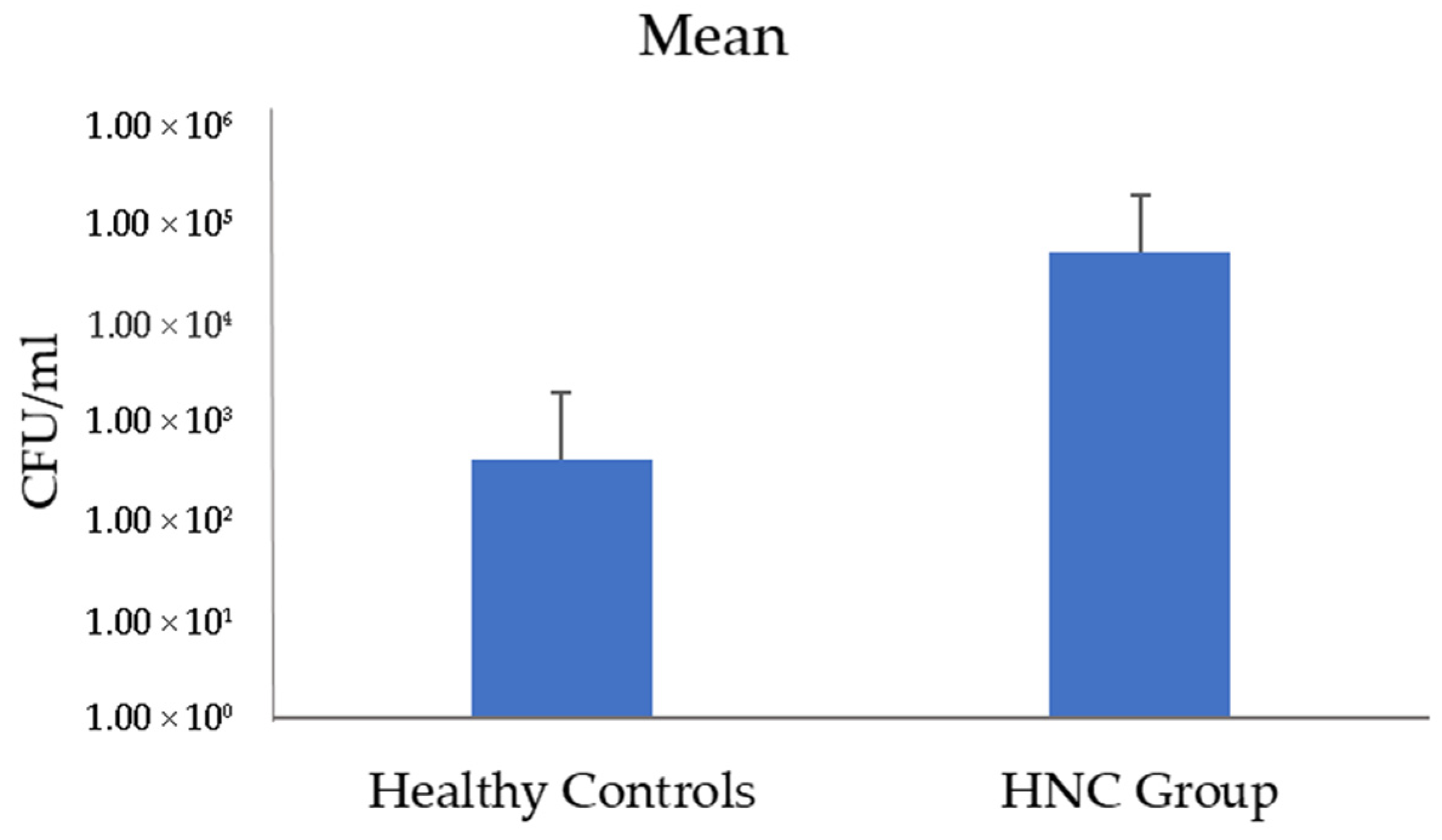
Oral colonisation by Candida was significantly more frequent and higher in patients with head and neck cancer (HNC) than in healthy controls. In the HNC group, 64.6% of patients showed Candida growth in unstimulated saliva, compared with 20% in the control group (p < 0.001). The total fungal load in unstimulated saliva was significantly higher in patients with head and neck cancer (HNC) than in healthy controls. The mean fungal load in the HNC group was 5.21 × 10⁴ CFU/mL, whereas the value for healthy controls was 4.2 × 10² CFU/mL (Figure 1).
This finding confirms a markedly increased risk of colonisation in patients undergoing radiotherapy and motivated a detailed analysis of the fungal composition in both groups.

3.3. Diversity of Candida Species

The distribution of species showed marked differences between groups. In healthy controls, colonisation was low and dominated by Candida albicans (13%), with sporadic isolates of C. parapsilosis (4%), C. tropicalis (3%), and C. glabrata (2%). No rare species or isolates of C. krusei or C. guilliermondii were detected.
In contrast, patients with HNC exhibited greater fungal diversity. C. albicans was isolated in 47.5% of cases, but non-albicans species were also observed, including C. tropicalis (16.4%), C. parapsilosis (8.2%), C. glabrata (6.6%), and C. krusei (4.9%). Additionally, species rarely found in the oral cavity were identified, such as C. guilliermondii (3.3%), Rhodotorula spp. (3.3%), and Saccharomyces boulardii (1.6%), none of which were present in controls (Table 1).
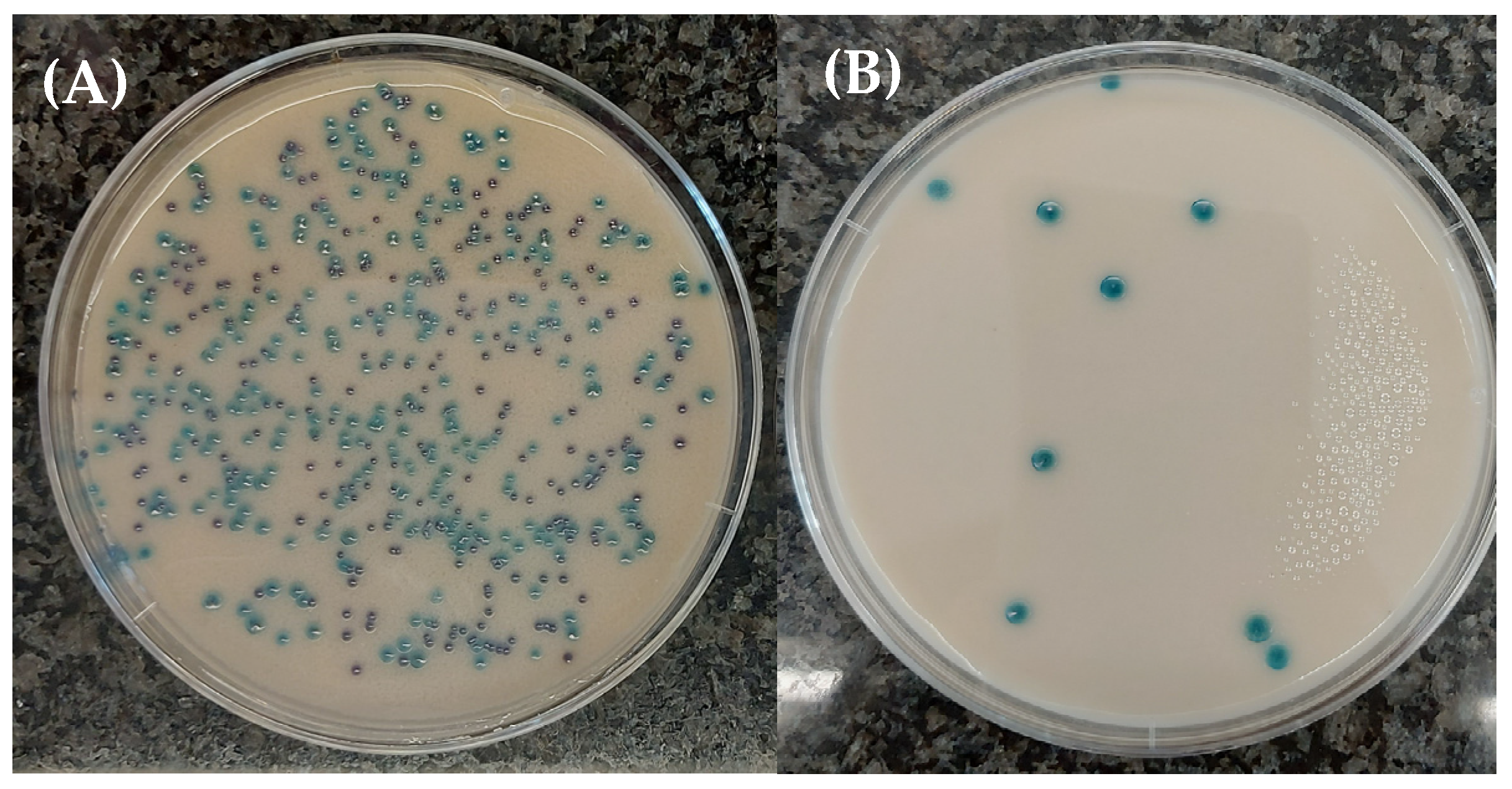
This profile suggests a fungal shift towards non-albicans species and the emergence of unusual yeasts in the HNC group, a pattern consistent with oral dysbiosis secondary to radiotherapy and disruption of local defence barriers (Figure 2).

3.4. Salivary Flow and Xerostomia

Unstimulated salivary flow showed marked differences between HNC patients and healthy controls. In the control group, all participants had values within the normal range, with no cases of hyposalivation or xerostomia.
In contrast, none of the HNC patients had normal salivary flow. Most presented with low flow (78.7%), and the remainder had very low flow (21.3%), reflecting generalised salivary hypofunction following cancer treatment.
This pattern confirms a high degree of xerostomia in HNC patients, a condition closely associated with the disruption of oral defence barriers and the increase in Candida colonisation observed in this group.

3.5. Antifungal Susceptibility

Twenty isolates were evaluated using disc diffusion (10 from healthy controls and 10 from HNC patients). Amphotericin B and nystatin showed uniform activity, with no resistance detected in any isolates.
In healthy controls, resistance was low (10%) and limited to azole antifungals. Most strains of C. albicans were sensitive, while some non-albicans species showed reduced inhibition halos.
In HNC patients, overall resistance was higher (26%) and affected only azoles (fluconazole, itraconazole, and miconazole). Resistance was concentrated in non-albicans species such as C. tropicalis, C. parapsilosis, C. glabrata, C. krusei, and C. guilliermondii. No isolates showed resistance to nystatin or amphotericin B.
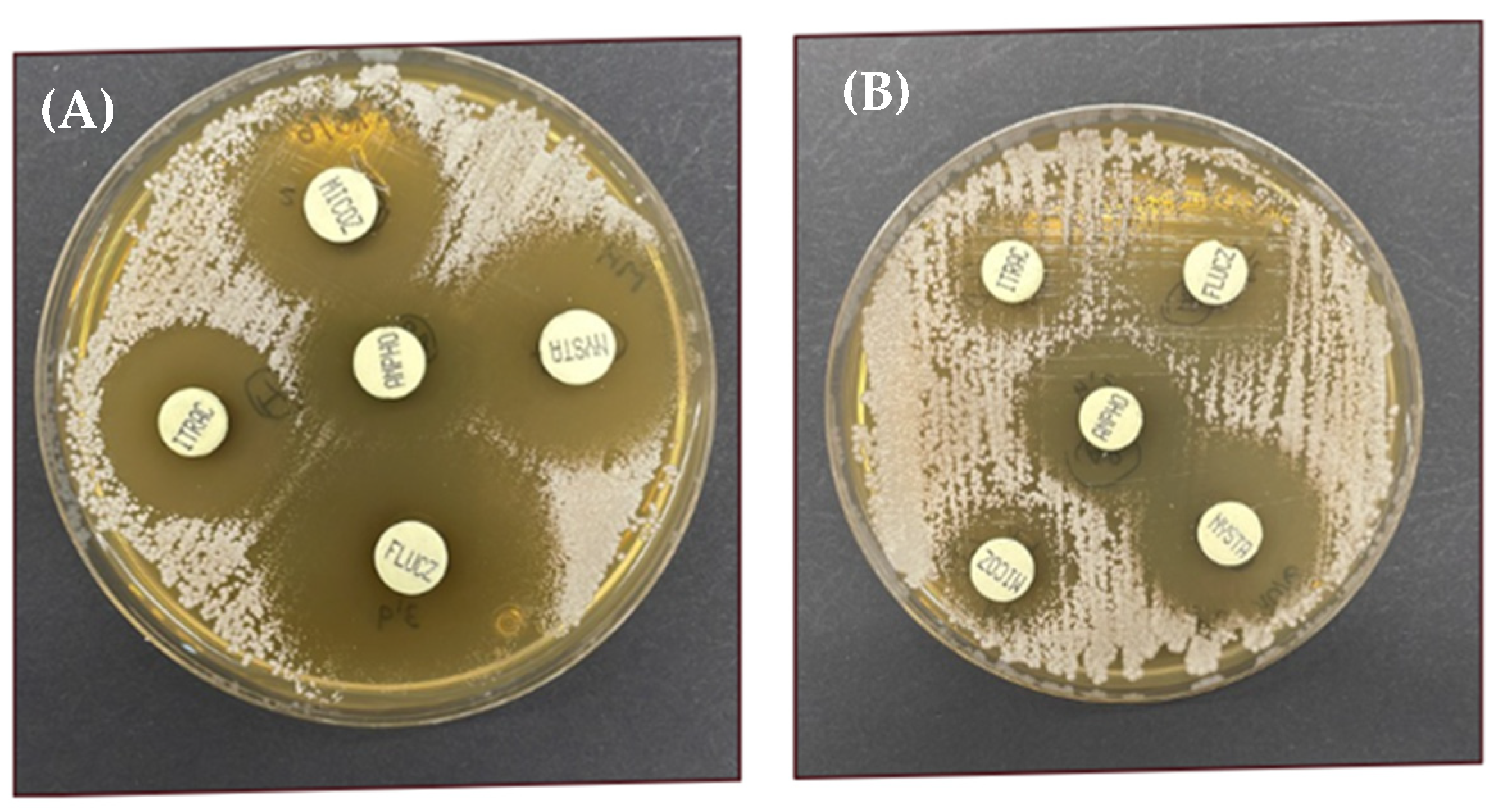
Overall, HNC patients exhibited higher rates of azole resistance and a less favourable antifungal profile, consistent with the greater fungal diversity and dysbiosis observed in this group (Figure 3).

4. Discussion

The results of this study show that oral colonisation by Candida is significantly more frequent in patients with head and neck cancer (HNC) treated with radiotherapy than in healthy individuals. The prevalence observed in the HNC group (64.6%) is consistent with that reported in recent studies, where colonisation or oropharyngeal candidiasis reaches values of 50–70% during radiotherapy. Shodo et al. (2025) [18] documented a 58% incidence of oropharyngeal candidiasis in patients undergoing RT, highlighting that clinical diagnosis underestimates the true colonisation rate, which reinforces the importance of microbiological culture and species-level identification as diagnostic tools.
In addition to this higher prevalence, our study shows a notable change in fungal composition. While Candida albicans predominated in healthy controls, HNC patients exhibited greater diversity, with an increase in non-albicans species such as C. tropicalis, C. parapsilosis, C. glabrata, and C. krusei, as well as unusual yeasts that were absent in controls. Saccharomyces boulardii, although widely used as a probiotic yeast in gastrointestinal disorders, is not considered part of the normal oral mycobiota and was detected in this study only as an uncommon oral isolate, likely reflecting transient colonisation associated with oral ecological imbalance. These findings are consistent with the study by Al-Manei et al. (2023) [19], which used MALDI-TOF to demonstrate a more complex mycobiota in patients with HNC undergoing radiotherapy, with frequent coexistence of multiple species and an increasing presence of non-albicans Candida (NAC). Taken together, these data suggest that radiotherapy induces fungal dysbiosis characterised by greater diversity and the expansion of less common species, probably facilitated by alterations in the oral microenvironment and the reduction of local defence mechanisms.
The profound physiological changes induced by radiotherapy, such as salivary hypofunction, loss of mucosal integrity, and decreased antimicrobial factors, appear to play a central role in this dysbiosis [20,21]. In our study, all patients in the HNC group had low or very low salivary flow, reinforcing the close relationship between xerostomia and fungal proliferation. The literature has shown that saliva is a key component in controlling the growth of Candida, and that its reduction promotes adhesion, biofilm formation, and the transition to more pathogenic forms [22]. In our HNC cohort, the marked salivary hypofunction and mucosal impairment following radiotherapy likely reduced local colonisation resistance, facilitating persistent fungal carriage even in the absence of clinically overt candidiasis. This supports the concept that, in post-radiotherapy patients, Candida-related dysbiosis is driven not only by quantitative overgrowth but also by impaired host–mucosa control mechanisms [23]. Likewise, clinical studies have indicated that the combination of xerostomia, mucositis, and salivary dysfunction significantly increases the risk of opportunistic infections, oral pain, and deterioration of oral health in patients undergoing radiotherapy or chemoradiotherapy [24].
Antifungal susceptibility testing provides an additional dimension of clinical relevance. While resistance was low (10%) and limited to azoles in healthy controls, it reached 26% in HNC patients, exclusively affecting this family of antifungals. This pattern is consistent with studies showing that non-albicans species, especially C. tropicalis, C. glabrata, and C. krusei, have lower intrinsic sensitivity to fluconazole and itraconazole, as well as a greater capacity to develop resistance in situations of environmental stress. Likewise, recent epidemiological surveillance studies have documented a significant increase in fluconazole-resistant strains, particularly in C. parapsilosis [25], reinforcing the trend observed in our cohort. Similarly, current reviews describe molecular mechanisms of resistance—such as mutations in ERG11 and overexpression of efflux pumps—responsible for the reduced sensitivity of numerous Candida species, especially non-albicans species [26]. Furthermore, recent European monitoring data confirm the persistent predominance of azole resistance over polyene resistance, reinforcing the clinical validity of our findings [27]. The absence of resistance to nystatin and amphotericin B in both groups is consistent with the literature, which indicates that resistance profiles to these polyenes remain exceptionally low even in large clinical collections of Candida [28,29].
Overall, our results indicate that patients with HNC have an oral ecosystem that is more susceptible to yeast colonisation and persistence, with greater fungal diversity, the presence of species less susceptible to antifungals, and high rates of azole resistance. The higher frequency of azole resistance observed in the HNC group may be partly explained by the increased proportion of non-albicans Candida species, several of which exhibit reduced intrinsic susceptibility to azoles, such as Candida glabrata and Candida krusei. In contrast, the control group was predominantly colonised by Candida albicans, which is generally more susceptible to azoles. In addition, repeated or prior exposure to azole antifungals during oncological care may exert selective pressure favouring the persistence of less susceptible strains. Although individual antifungal exposure and molecular resistance mechanisms were not assessed in the present study, well-established mechanisms—such as mutations in ERG11, overexpression of efflux pumps, and biofilm-associated tolerance—provide a biological rationale for the resistance patterns observed [30]. These findings have important clinical implications, as they may justify periodic mycological monitoring—particularly in patients with severe xerostomia—and support earlier identification of individuals at higher risk of fungal dysbiosis, thereby guiding targeted antifungal management during post-radiotherapy follow-up.
From a clinical perspective, the high prevalence of Candida colonisation, the increased presence of non-albicans species, and the higher rates of azole resistance observed in HNC patients support the use of topical polyene antifungals, such as nystatin or amphotericin B, particularly in patients with severe xerostomia or persistent oral symptoms after radiotherapy. Their favourable susceptibility profile and minimal systemic absorption make them suitable options for local management during follow-up. These findings highlight the importance of species-level identification and antifungal susceptibility testing to guide antifungal selection and avoid unnecessary azole exposure. Although this study has some limitations, such as the small number of isolates evaluated in susceptibility testing, differences in the age and sex distributions between the HNC and control groups, and the lack of a standardised assessment of oral hygiene, these do not prevent interpretation of the main results. While age- and sex-related differences and oral hygiene status may influence the oral microbiota, the available evidence suggests that radiotherapy-induced xerostomia is the main factor driving increased Candida colonisation and fungal dysbiosis in HNC patients. Factors not analysed in detail, such as the use of prostheses or certain oral habits, could also influence colonisation. Future studies should employ longitudinal designs, integrate molecular techniques (qPCR, NGS) to characterise the dynamics of the microbiome, and increase the number of isolates evaluated in susceptibility testing. It would also be of interest to explore interventions aimed at reducing xerostomia or restoring oral microbial balance.

5. Conclusions

Radiotherapy-treated patients with head and neck cancer exhibit significantly higher oral Candida colonisation compared with healthy controls, together with increased fungal diversity and a shift towards non-albicans species. All HNC patients showed salivary hypofunction, supporting radiotherapy-induced xerostomia as a key factor contributing to oral fungal dysbiosis. In addition, azole resistance was more frequent among isolates from HNC patients, whereas susceptibility to polyene antifungals was preserved. These findings underline the importance of species-level identification and, when clinically indicated, antifungal susceptibility testing during post-radiotherapy follow-up to support appropriate clinical decision-making. Future longitudinal studies are warranted to characterise the temporal dynamics of oral fungal colonisation and to evaluate preventive and management strategies targeting xerostomia and fungal overgrowth in this vulnerable population.

Author Contributions

Conceptualisation, T.P.-R. and T.V.; methodology, T.P.-R., T.V. and J.M.S.; formal analysis, T.P.-R., T.V. and A.L.B.; investigation, T.P.-R., T.V., J.M.S. and E.F.-D.l.C.; resources, T.V. and A.L.B.; data curation, T.P.-R. and T.V.; writing—original draft preparation, T.P.-R. and T.V.; writing—review and editing, T.V., T.P.-R. and E.F.-D.l.C.; visualisation, T.P.-R. and T.V.; supervision, T.V., T.P.-R. and A.L.B.; project administration, T.V. All authors have read and agreed to the published version of the manuscript.

Funding

This research received no external funding.

Institutional Review Board Statement

The study was approved by the HOUB Clinical Research Ethics Committee (approval code: 22/2021) on 5 July 2021. All procedures were conducted in accordance with the Declaration of Helsinki (World Medical Association, 2017).

Informed Consent Statement

Informed consent was obtained from all subjects involved in the study.

Data Availability Statement

The data presented in this study are available upon request from the corresponding author. The data are not publicly available due to ethical and privacy restrictions.

Conflicts of Interest

The authors declare no conflicts of interest.

Abbreviations

The following abbreviations are used in this manuscript:
AbbreviationMeaning
HNCHead and neck cancer
RTRadiotherapy
IMRTIntensity-modulated radiotherapy
CFUColony-forming unit
NACNon-albicans Candida
PBSPhosphate-buffered saline
MALDI-TOF MSMatrix-assisted laser desorption/ionization–time-of-flight mass spectrometry
CLSIClinical and Laboratory Standards Institute
EUCASTEuropean Committee on Antimicrobial Susceptibility Testing
API 20C AUXAnalytical Profile Index for Yeasts (20C AUX system)
NGSNext-generation sequencing
qPCRQuantitative polymerase chain reaction

References

  1. Ventura, T.M.O.; Ribeiro, N.R.; Taira, E.A.; de Lima Leite, A.; Dionizio, A.; Rubira, C.M.F.; da Silva Santos, P.S.; Buzalaf, M.A.R. Radiotherapy Changes the Salivary Proteome in Head and Neck Cancer Patients: Evaluation Before, During, and After Treatment. Clin. Oral Investig. 2022, 26, 225–258. [Google Scholar] [CrossRef]
  2. Winter, C.; Keimel, R.; Gugatschka, M.; Kolb, D.; Leitinger, G.; Roblegg, E. Investigation of Changes in Saliva in Radiotherapy-Induced Head and Neck Cancer Patients. Int. J. Environ. Res. Public Health 2021, 18, 1629. [Google Scholar] [CrossRef]
  3. Kwiatkowski, D.; Schuch, L.F.; Klaus, N.M.; Martins, M.D.; Hilgert, J.B.; Hashizume, L.N. Oral Microbiota in Head and Neck Cancer Patients during Radiotherapy: A Systematic Review. Support. Care Cancer 2025, 33, 127. [Google Scholar] [CrossRef]
  4. Lemberg, C.; Martinez de San Vicente, K.; Fróis-Martins, R.; Altmeier, S.; Tran, V.D.T.; Mertens, S.; Amorim-Vaz, S.; Rai, L.S.; D’enfert, C.; Pagni, M.; et al. Candida albicans Commensalism in the Oral Mucosa Is Favoured by Limited Virulence and Metabolic Adaptation. PLoS Pathog. 2022, 18, e1010012. [Google Scholar] [CrossRef] [PubMed]
  5. Vila, T.; Rizk, A.M.; Sultan, A.S.; Jabra-Rizk, M.A. The Power of Saliva: Antimicrobial and Beyond. PLoS Pathog. 2019, 15, e1008058. [Google Scholar] [CrossRef] [PubMed]
  6. Tamai, R.; Kiyoura, Y. Candida Infections: The Role of Saliva in Oral Health—A Narrative Review. Microorganisms 2025, 13, 717. [Google Scholar] [CrossRef]
  7. Fróis-Martins, R.; Lagler, J.; LeibundGut-Landmann, S. Candida albicans virulence traits in commensalism and disease. Curr. Clin. Microbiol. Rep. 2024, 11, 231–240. [Google Scholar] [CrossRef]
  8. Defta, C.L.; Albu, C.C.; Albu, Ș.D.; Bogdan-Andreescu, C.F. Oral Mycobiota: A Narrative Review. Dent. J. 2024, 12, 115. [Google Scholar] [CrossRef]
  9. Ellepola, K.; Seneviratne, C.J. Exploring the Oral Mycobiome: Biofilms and Inter-Kingdom Interactions in Health and Disease. In Fungal Biofilms; Ramage, G., Andes, D., Eds.; Springer Nature: Cham, Switzerland, 2025; Volume 15, pp. 81–103. [Google Scholar]
  10. Lyu, X.; Zheng, H.; Wang, X.; Zhang, H.; Gao, L.; Xun, Z.; Zhang, Q.; He, X.; Hua, H.; Yan, Z.; et al. Oral Microbiota Composition and Function Changes during Chronic Erythematous Candidiasis. Front. Cell. Infect. Microbiol. 2021, 11, 691092. [Google Scholar] [CrossRef]
  11. Cannon, R.D. Oral Fungal Infections: Past, Present, and Future. Front. Oral Health 2022, 3, 838639. [Google Scholar] [CrossRef] [PubMed]
  12. Funahara, R.; Soutome, S.; Funahara, M.; Tsuda, S.; Hasegawa, T.; Umeda, M.; Akashi, M. Effects of a Miconazole Oral Patch on Preventing Development of Oral Candidiasis in Patients with Head and Neck Cancer Undergoing Radiotherapy: Results of a Preliminary Study Quantifying the Prevalence of Candida albicans in Saliva. Support. Care Cancer 2022, 30, 907–914. [Google Scholar] [CrossRef]
  13. Mäkinen, A.I.; Mäkitie, A.; Meurman, J.H. Candida Prevalence in Saliva before and after Oral Cancer Treatment. Surgeon 2021, 19, e446–e451. [Google Scholar] [CrossRef]
  14. Golestannejad, Z.; Khozeimeh, F.; Najafizade, N.; Tabesh, A.; Faghihian, E.; Maheronnaghsh, M.; Kheirkhah, M.; Hosseini, S.M.; Sadeghalbanaei, L.; Jamshidi, M.; et al. Comparison of Oral Candidiasis Characteristics in Head-and-Neck Cancer Patients before and during Radiotherapy. Dent. Res. J. 2023, 20, 63. [Google Scholar] [CrossRef]
  15. Prakash, V.; Singh, R.K.; Saurabh, K.; Kumar, V.; Kumari, R.; Kumar, S.; Rajpal, K.; Sinha, D.K.; Parwez, A. Spectrum of Chemo-Radiotherapy Induced Fungal Infection in Head and Neck Cancer Patients at Tertiary Care Centre of Eastern India. Oral Oncol. Rep. 2023, 6, 100039. [Google Scholar] [CrossRef]
  16. de Freitas Neiva Lessa, A.; da Silva Amâncio, A.M.T.; de Oliveira, A.C.R.; de Sousa, S.F.; Caldeira, P.C.; de Aguiar, M.C.F.; Bispo, P.J.M. Assessing the Oral Microbiome of Head and Neck Cancer Patients before and during Radiotherapy. Support. Care Cancer 2024, 32, 752. [Google Scholar] [CrossRef]
  17. CLSI. Performance Standards for Antifungal Susceptibility Testing of Yeasts, 2nd ed.; CLSI Supplement M60; Clinical and Laboratory Standards Institute: Wayne, PA, USA, 2020. [Google Scholar]
  18. Shodo, R.; Ueki, Y.; Katsura, K.; Takahashi, T.; Omata, J.; Yokoyama, Y.; Soga, M.; Tanaka, K.; Kobayashi, T.; Ohshima, S.; et al. Oropharyngeal Candidiasis during Radiotherapy for Head and Neck Cancer: An Observational Study on Prevalence, Pain, and Risk Factors. Eur. Arch. Otorhinolaryngol. 2025, 282, 5275–5283. [Google Scholar] [CrossRef]
  19. Al-Manei, K.; Sobkowiak, M.J.; Nagadia, R.H.; Heymann, R.; Sällberg Chen, M.; Özenci, V. Mycobiota Profile of Oral Fungal Infections in Head and Neck Cancer Patients Receiving Radiotherapy: A 6-Year Retrospective MALDI-TOF Mass Spectrometry Study. Oral Oncol. 2023, 146, 106556. [Google Scholar] [CrossRef]
  20. Jensen, S.B.; Vissink, A.; Limesand, K.H.; Reyland, M.E. Salivary Gland Hypofunction and Xerostomia in Head and Neck Radiation Patients. JNCI Monogr. 2019, 2019, lgz016. [Google Scholar] [CrossRef]
  21. Lin, A.; Helgeson, E.S.; Treister, N.S.; Schmidt, B.L.; Patton, L.L.; Elting, L.S.; Lalla, R.V.; Brennan, M.T.; Sollecito, T.P. The Impact of Head and Neck Radiotherapy on Salivary Flow and Quality of Life: Results of the ORARAD Study. Oral Oncol. 2022, 127, 105783. [Google Scholar] [CrossRef]
  22. Bhumitrakul, J.; Lam-ubol, A.; Matangkasombut, O. Oral Candida in Post-Radiotherapy Patients with Xerostomia/Hyposalivation: A Narrative Review. Oral Dis. 2024, 31, 2723–2738. [Google Scholar] [CrossRef]
  23. Rupe, C.; Gioco, G.; Almadori, G.; Galli, J.; Micciché, F.; Olivieri, M.; Cordaro, M.; Lajolo, C. Oral Candida spp. colonisation is a risk factor for severe oral mucositis in patients undergoing radiotherapy for head & neck cancer: Results from a multidisciplinary mono-institutional prospective observational study. Cancers 2022, 14, 4746. [Google Scholar] [CrossRef]
  24. Pai, R.R.; Ongole, R.; Banerjee, S. Retrospective Evaluation of Oral Complications Following Radiotherapy and Chemoradiation in Patients with Head and Neck Cancer. Sci. Rep. 2025, 15, 24726. [Google Scholar] [CrossRef]
  25. Díaz-García, J.; Machado, M.; Alcalá, L.; Reigadas, E.; Pérez-Ayala, A.; Gómez-García de la Pedrosa, E.; Gónzalez-Romo, F.; Cuétara, M.S.; García-Esteban, C.; Quiles-Melero, I.; et al. Trends in Antifungal Resistance in Candida from a Multicenter Study Conducted in Madrid (CANDIMAD Study): Fluconazole-Resistant C. parapsilosis Spreading Has Gained Traction in 2022. Antimicrob. Agents Chemother. 2023, 67, e0098623. [Google Scholar] [CrossRef]
  26. Czajka, K.M.; Venkataraman, K.; Brabant-Kirwan, D.; Santi, S.A.; Verschoor, C.; Appanna, V.D.; Singh, R.; Saunders, D.P.; Tharmalingam, S. Molecular Mechanisms Associated with Antifungal Resistance in Pathogenic Candida Species. Cells 2023, 12, 2655. [Google Scholar] [CrossRef]
  27. Odoj, K.; Garlasco, J.; Pezzani, M.D.; Magnabosco, C.; Ortiz, D.; Manco, F.; Galia, L.; Foster, S.K.; Arieti, F.; Tacconelli, E. Tracking Candidemia Trends and Antifungal Resistance Patterns Across Europe: An In-Depth Analysis of Surveillance Systems and Surveillance Studies. J. Fungi 2024, 10, 685. [Google Scholar] [CrossRef]
  28. Kessler, S.Q.S.; Lang, P.M.; Dal-Pizzol, T.S.; Montagner, F. Resistance Profiles to Antifungal Agents in Candida albicans Isolated from Human Oral Cavities: Systematic Review and Meta-Analysis. Clin. Oral Investig. 2022, 26, 6479–6489. [Google Scholar] [CrossRef]
  29. Tkaczyk, M.; Kuśka-Kielbratowska, A.; Fiegler-Rudol, J.; Niemczyk, W.; Mertas, A.; Skaba, D.; Wiench, R. The Prevalence and Drug Susceptibility of Candida Species and an Analysis of Risk Factors for Oral Candidiasis—A Retrospective Study. Antibiotics 2025, 14, 876. [Google Scholar] [CrossRef]
  30. Li, Y.; Hind, C.; Furner-Pardoe, J.; Sutton, J.M.; Rahman, K.M. Understanding the Mechanisms of Resistance to Azole Antifungals in Candida Species. JAC-Antimicrob. Resist. 2025, 7, dlaf106. [Google Scholar] [CrossRef]
Figure 1. The mean fungal load of yeast CFU/mL in the healthy controls compared with the HNC group.
Targets 04 00003 g001
Figure 2. Brilliance™ Candida chromogenic agar plates with fungal growth from patient samples: (A) colonies of Candida albicans and Candida parapsilosis. (Saliva diluted 1/10, D1); (B) colonies of Candida albicans. (Saliva diluted 1/100, D2).
Targets 04 00003 g002
Figure 3. Comparison of two antifungals: (A) antifungal plate of C. guilliermondii sensitive to five antifungals; (B) antifungal plate of C. parapsilosis, which is resistant to miconazole and itraconazole.
Targets 04 00003 g003
Table 1. Distribution of Candida species in patients with HNC and healthy controls.
SpeciesHNC (%)Control (%)Key Difference
C. albicans47.5%13%↑ Higher in HNC
C. tropicalis16.4%3%↑ Markedly higher in HNC
C. parapsilosis8.2%4%↑ Higher in HNC
C. glabrata6.6%2%↑ Higher in HNC
C. krusei4.9%0%Present only in HNC
C. guilliermondii3.3%0%Present only in HNC
Rhodotorula spp.3.3%0%Present only in HNC
S. boulardii1.6%0%Present only in HNC
Note: ↑ indicates higher prevalence in the HNC group compared with controls.
Disclaimer/Publisher’s Note: The statements, opinions and data contained in all publications are solely those of the individual author(s) and contributor(s) and not of MDPI and/or the editor(s). MDPI and/or the editor(s) disclaim responsibility for any injury to people or property resulting from any ideas, methods, instructions or products referred to in the content.