Article

The Burden of Disease of Medication Errors: Analysis in ADR Caused Emergency Visits

1
Institute of Clinical Pharmacology, University Hospital of RWTH Aachen, 52074 Aachen, Germany
2
Federal Institute for Drugs and Medical Devices (BfArM), 53175 Bonn, Germany
3
Central Emergency Department, Hospital Ingolstadt, 85049 Ingolstadt, Germany
4
Central Emergency Department, University Hospital Augsburg, 86156 Augsburg, Germany
5
Department of Interprofessional Hospital Development, University Hospital Augsburg, 86156 Augsburg, Germany
6
Emergency Department, Hospital Fürth, 90766 Fürth, Germany
7
Dr. Margarete Fischer-Bosch Institute of Clinical Pharmacology (IKP), 70376 Stuttgart, Germany
8
Departments of Clinical Pharmacology, and of Pharmacy and Biochemistry, University Tübingen, 72076 Tübingen, Germany
9
Internal Medicine I, University Hospital Ulm, 89081 Ulm, Germany
10
Interdisciplicary Emergency Department, University Hospital Bonn, 53127 Bonn, Germany
11
Department of Clinical Pharmacology and Pharmacoepidemiology, Heidelberg University Hospital, 69120 Heidelberg, Germany
*
Author to whom correspondence should be addressed.
Pharmacoepidemiology 2026, 5(3), 36; https://doi.org/10.3390/pharma5030036 (registering DOI)
Submission received: 11 August 2026 / Revised: 10 September 2026 / Accepted: 17 September 2026 / Published: 19 September 2026

Abstract

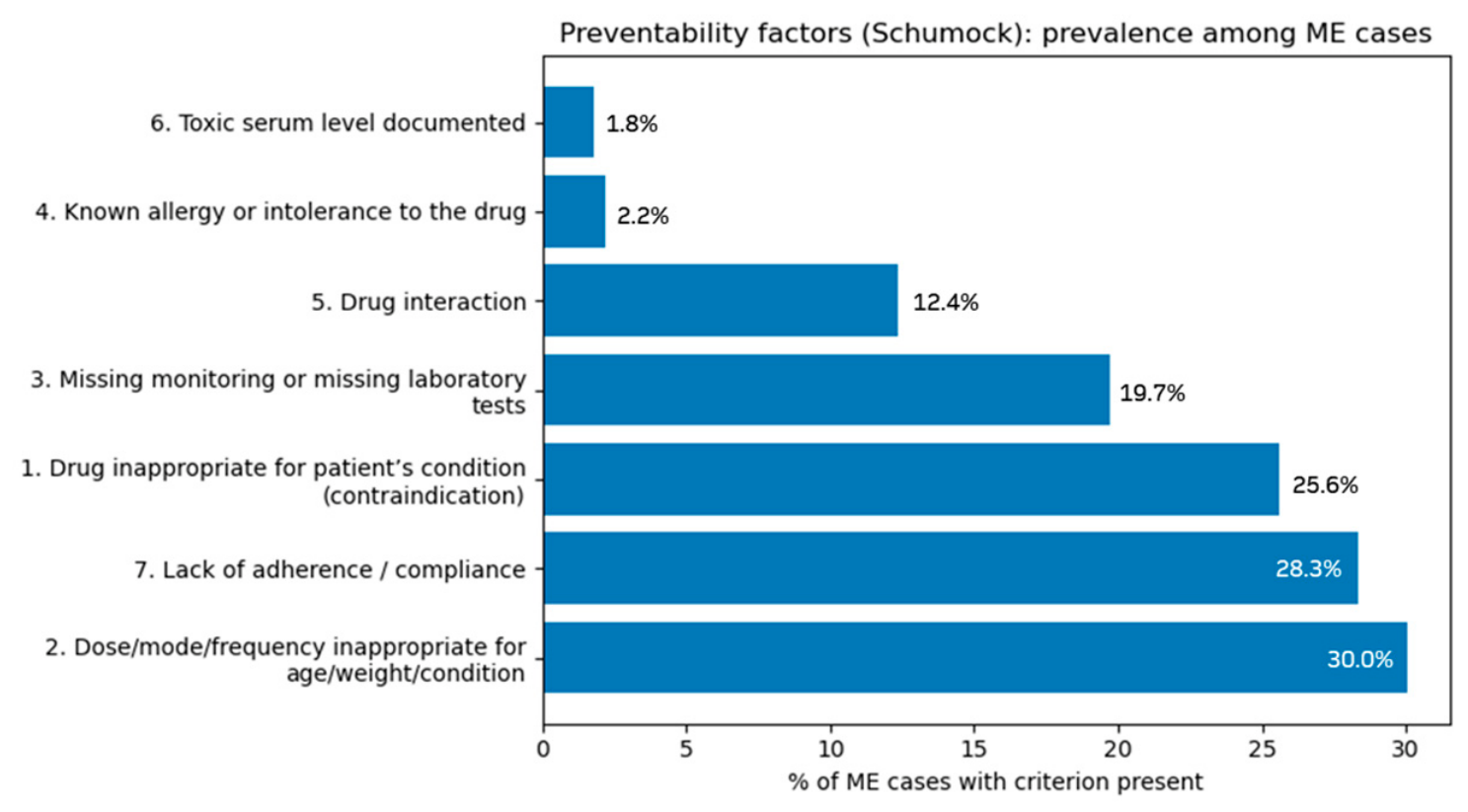
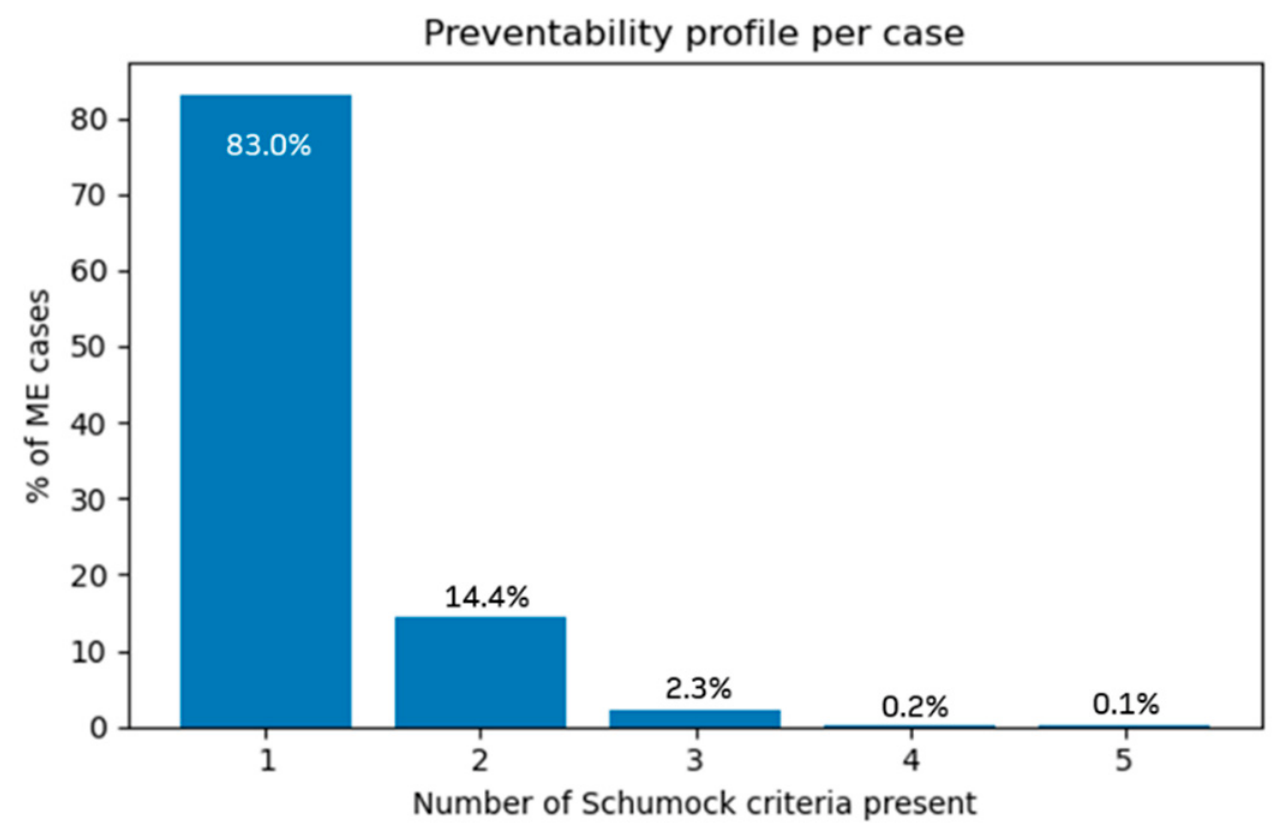
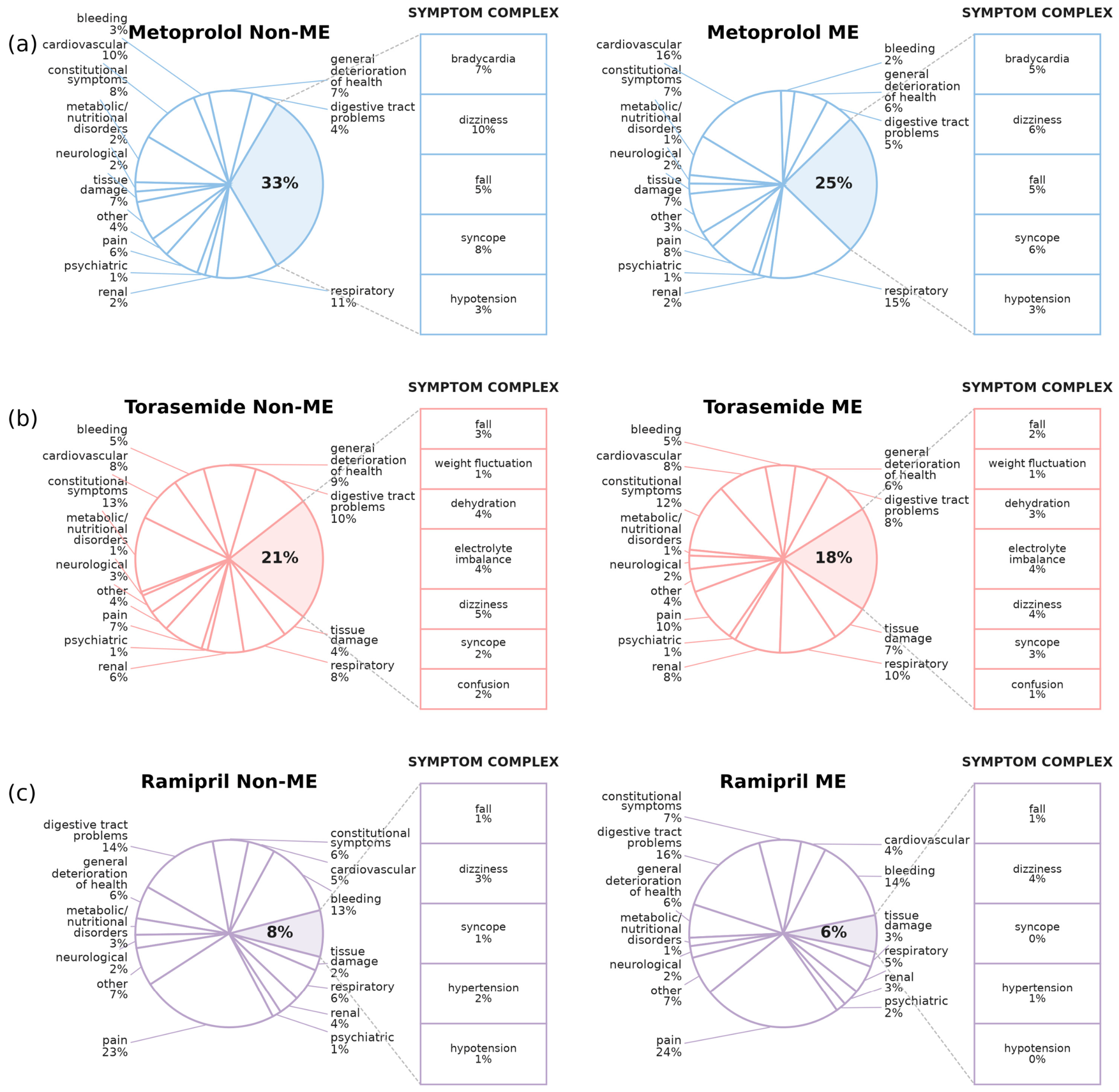
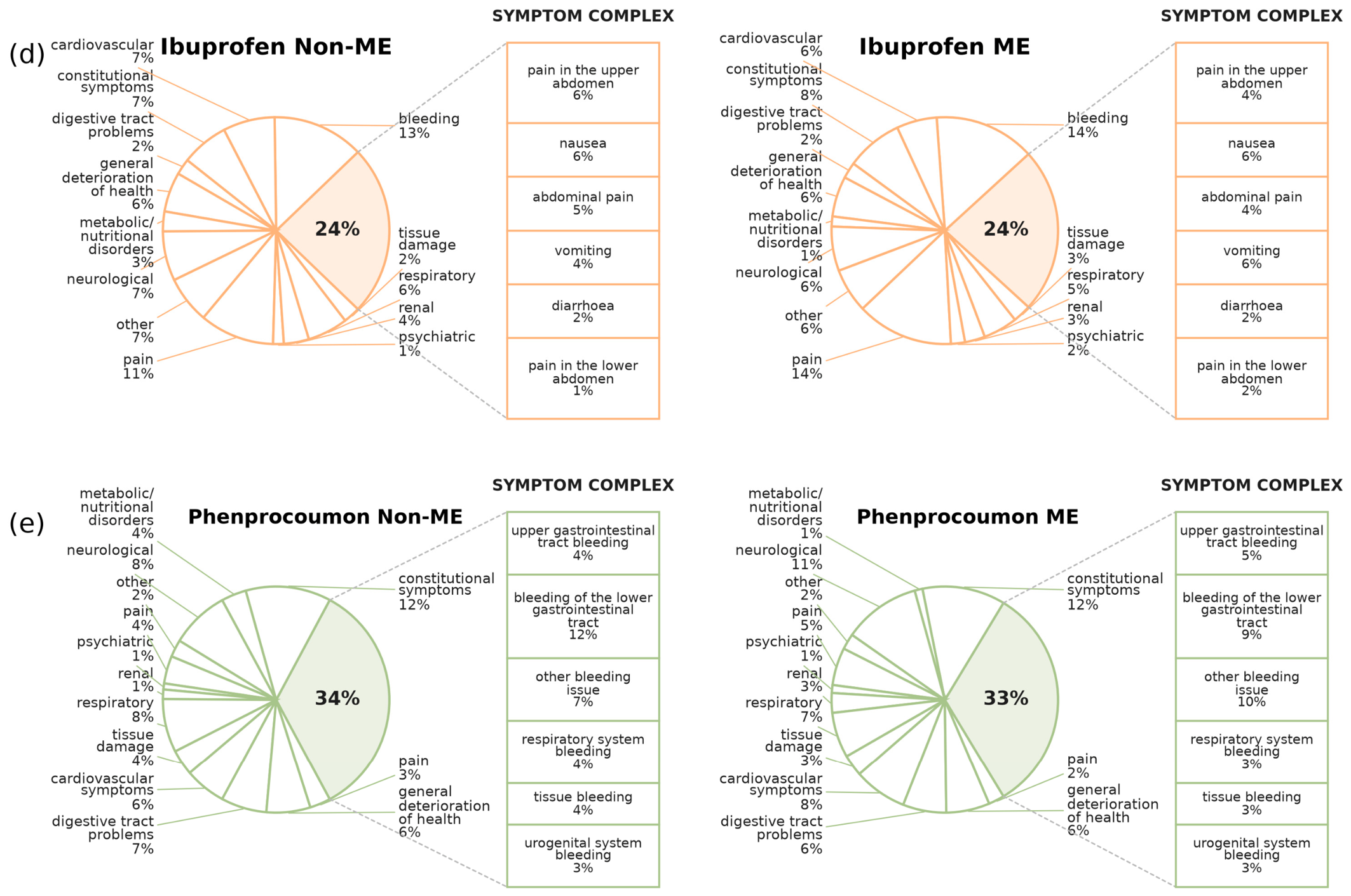
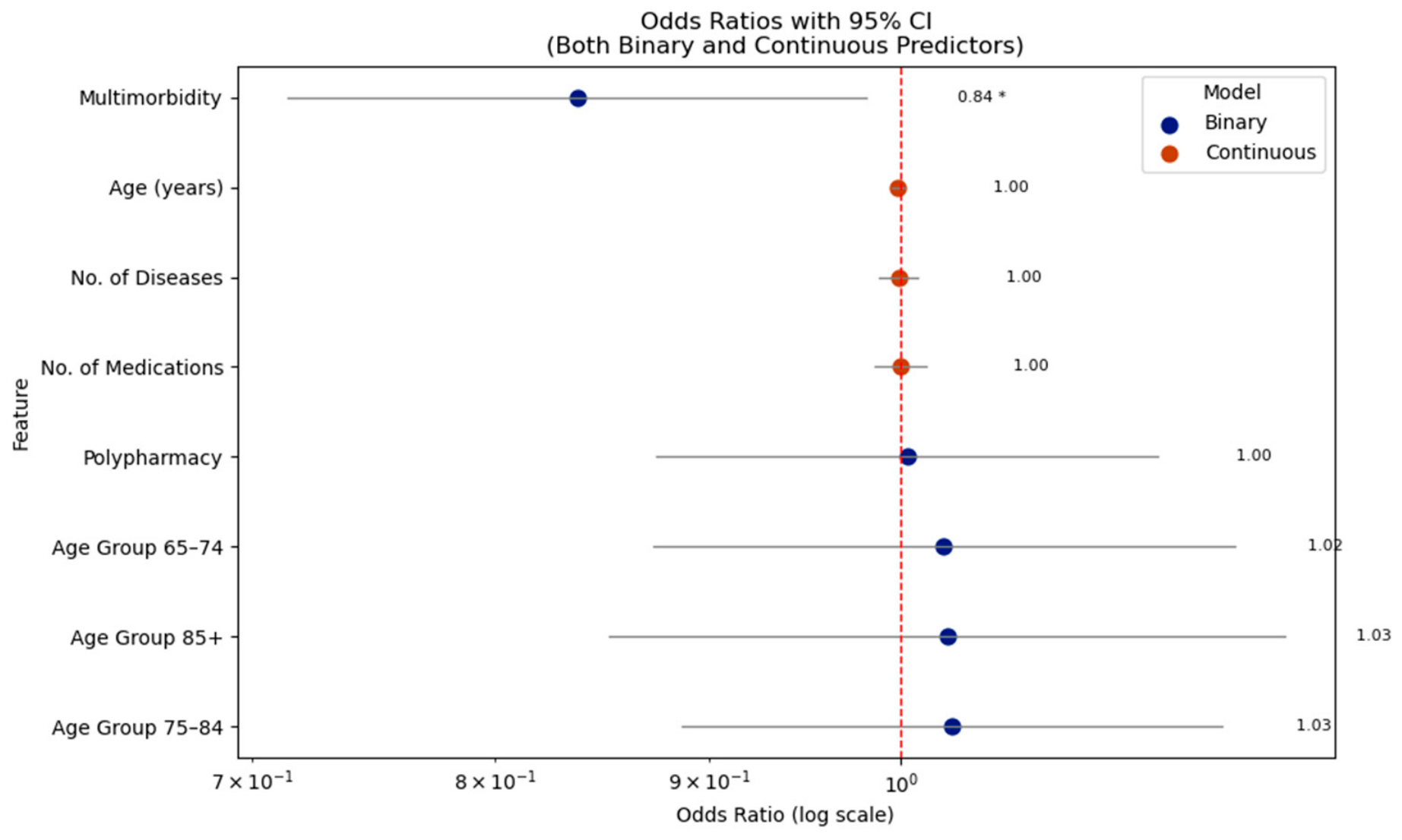
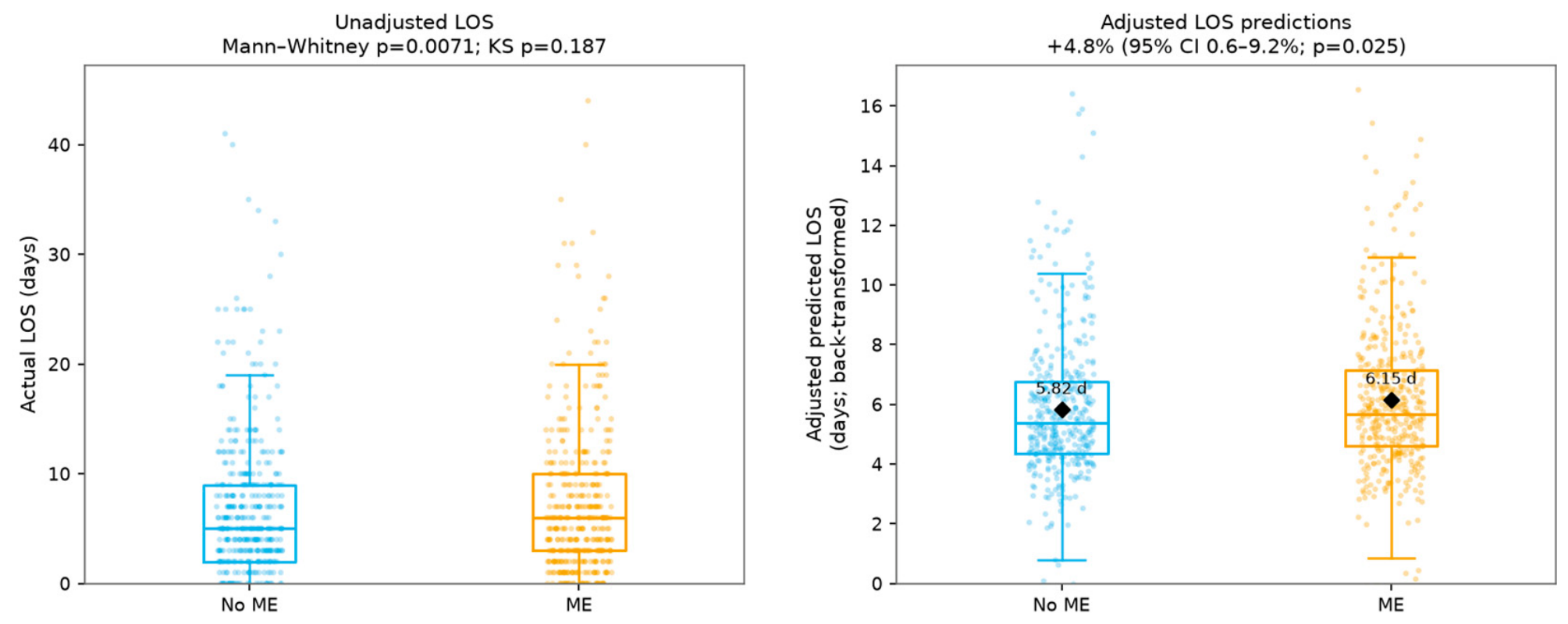
Background: Medication errors (MEs) are an important cause of preventable harm but remain insufficiently quantified in emergency care. This study assessed the frequency, characteristics, and clinical impact of MEs among adverse drug reaction (ADR)–related emergency department (ED) admissions in Germany. Methods: We conducted a prospective multicenter study across six EDs between 2015 and 2021 (n = 7967). ADRs and MEs were classified using standard causality (World Health Organization-Uppsala Monitoring Centre (WHO-UMC)) and preventability criteria (Schumock). Patient, medicine, symptom, and outcome characteristics were compared between ADRs caused by MEs and ADRs without documented MEs. Regression models assessed factors associated with ME involvement among ADR cases and length of hospital stay. Results: 20.1% of ADR-related cases involved an ME. Clinical presentation, symptom burden, triage severity, and discharge outcomes were similar between groups. MEs clustered around commonly used chronic medications, including pantoprazole, torasemide, metoprolol, ramipril, phenprocoumon, and ibuprofen. Schumock analysis showed preventability as primarily linked to dosing errors (30%), non-adherence (28%), contraindications (26%), and monitoring (20%). Medicine-specific symptom clusters mirrored expected pharmacological effects but were not specific to ME involvement. Multimorbidity was associated with slightly lower odds of ME attribution, although the estimate was borderline (OR 0.84, 95% CI 0.71–1.00); no robust associations were identified for the other patient-level characteristics examined. Adjusted length of hospital stay was slightly longer in cases involving MEs (+4.8%; p = 0.025), corresponding to an adjusted difference of 0.33 days. Conclusions: MEs were identified in a substantial proportion of ADR-related ED admissions. Most MEs arose from routine prescribing and monitoring processes involving commonly used medicines, suggesting that preventive efforts should focus on upstream safeguards, including medication reviews, electronic prescribing support, pharmacist involvement, and adherence support, rather than detection at emergency presentation.
Keywords: medication error; adverse drug reaction; polypharmacy; preventive care medication error; adverse drug reaction; polypharmacy; preventive care