
Meta-Analyses and Meta-Regression Analyses Revealed That Crimean–Congo Hemorrhagic Fever Disease Associates with Coagulopathy Independently of Thrombocytopenia
by
 , , , , and
Roaa Khafaji
1 ,
,
Sura S. Khafaji
2,
Reem S. Ubayis
3,
Sally Rita Witwit
1,
Eddean Witwit
1,
Ahmed Jawad
4,
Laurent O. Mosnier
5,
Juan C. de la Torre
5 and
and
Haydar Witwit
5,* 1
Independent Researcher, Chula Vista, CA 91910, USA
2
Department of Physiology, Pharmacology and Chemistry, College of Veterinary Medicine, Al-Qasim Green University, Al Qasim 51013, Iraq
3
Al Noor Pediatric Hospital, Ministry of Health, Hilla 51001, Iraq
4
Independent Researcher, Diwaniyah 58001, Iraq
5
Department of Immunology and Microbiology, The Scripps Research Institute, La Jolla, CA 92037, USA
*
Author to whom correspondence should be addressed.
Zoonotic Dis. 2026, 6(1), 7; https://doi.org/10.3390/zoonoticdis6010007
Submission received: 3 December 2025
/
Revised: 13 February 2026
/
Accepted: 24 February 2026
/
Published: 26 February 2026
Simple Summary
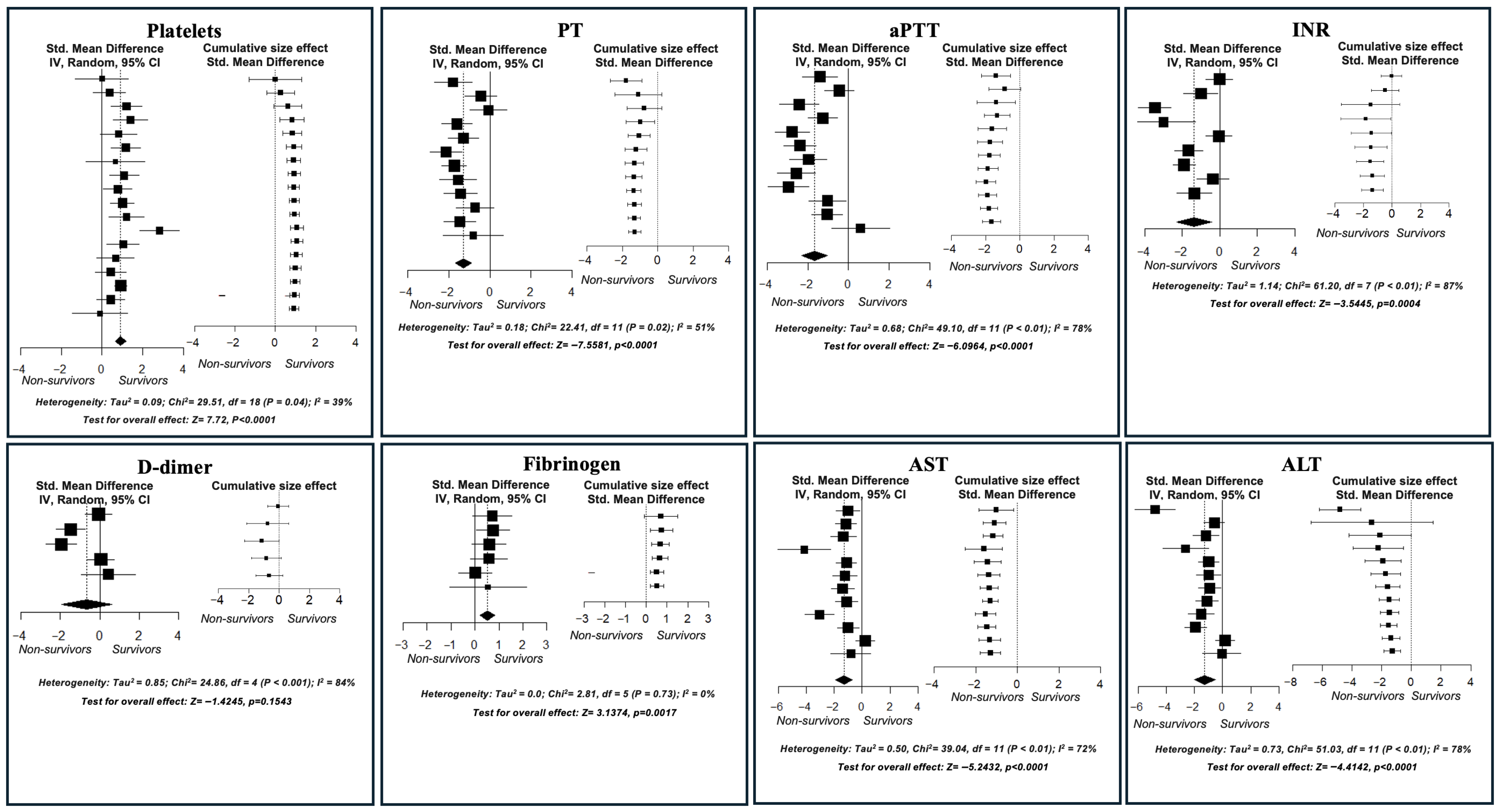
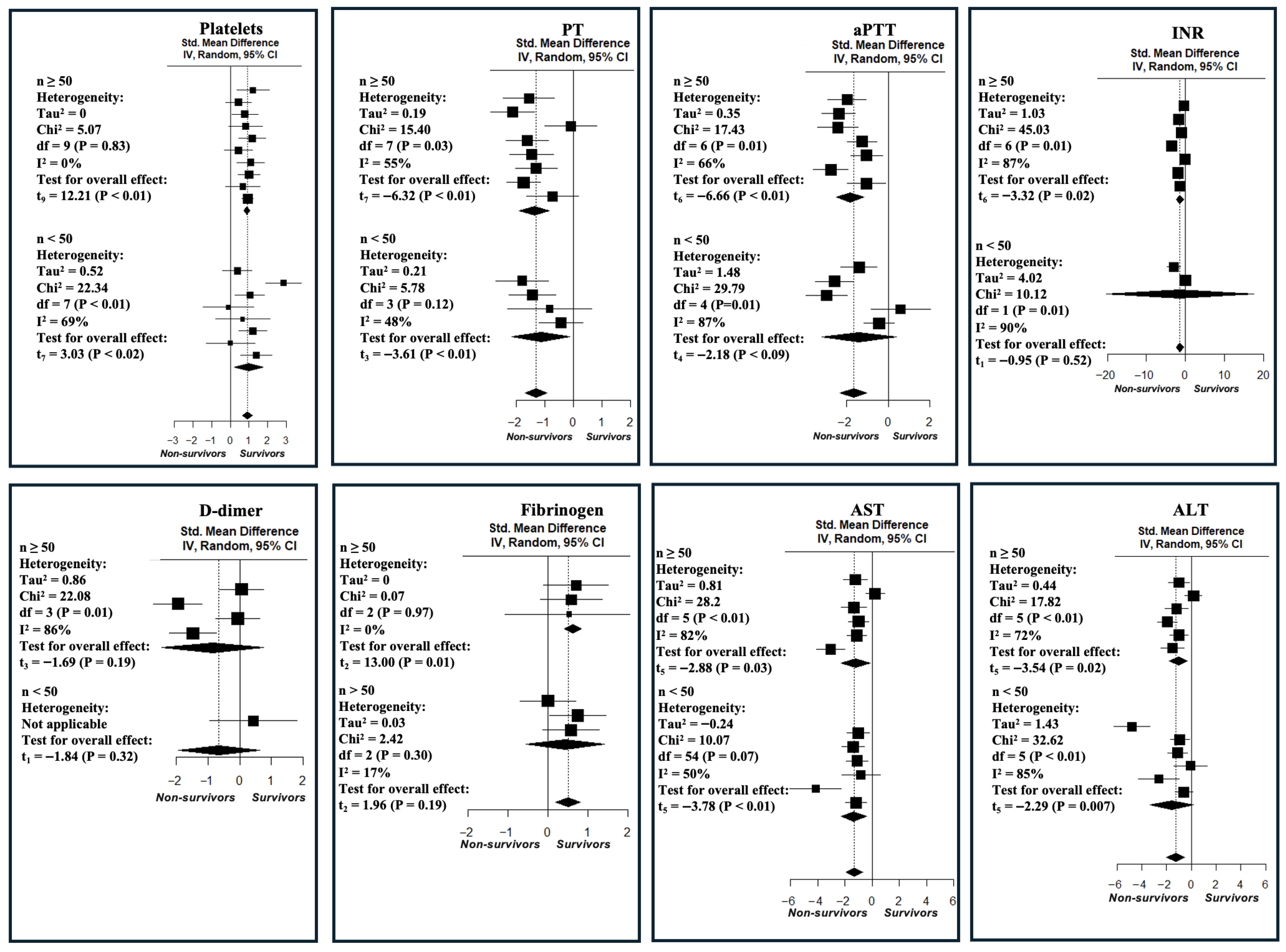
Crimean–Congo Hemorrhagic Fever (CCHF) causes high mortality through hemorrhage, but whether this reflects thrombocytopenia alone or combined coagulopathy remains unclear. We conducted meta-analyses of studies into each of the coagulation parameters (PT, aPTT, INR, fibrinogen, D-dimer, protein C and protein S, antithrombin) from survivors vs non-survivors. Fatal cases showed combined thrombocytopenia and coagulopathy (elevated PT/aPTT/INR, reduced fibrinogen/antithrombin) and liver damage (elevated AST/ALT). Protein C and protein S were unaffected, suggesting complex mechanisms beyond simple consumption or hepatic failure. These findings indicate coagulopathy contributes independently of thrombocytopenia to CCHF hemorrhage, supporting combined platelet and coagulation factor replacement therapy.
Abstract
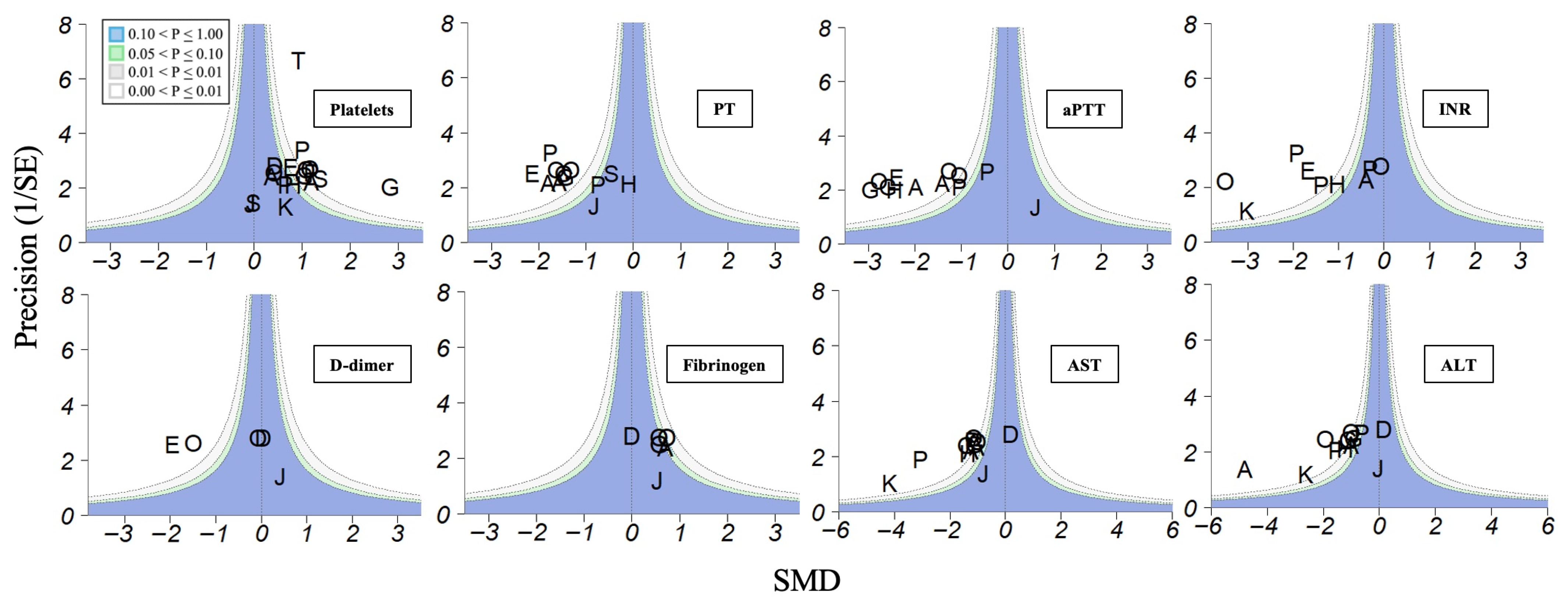
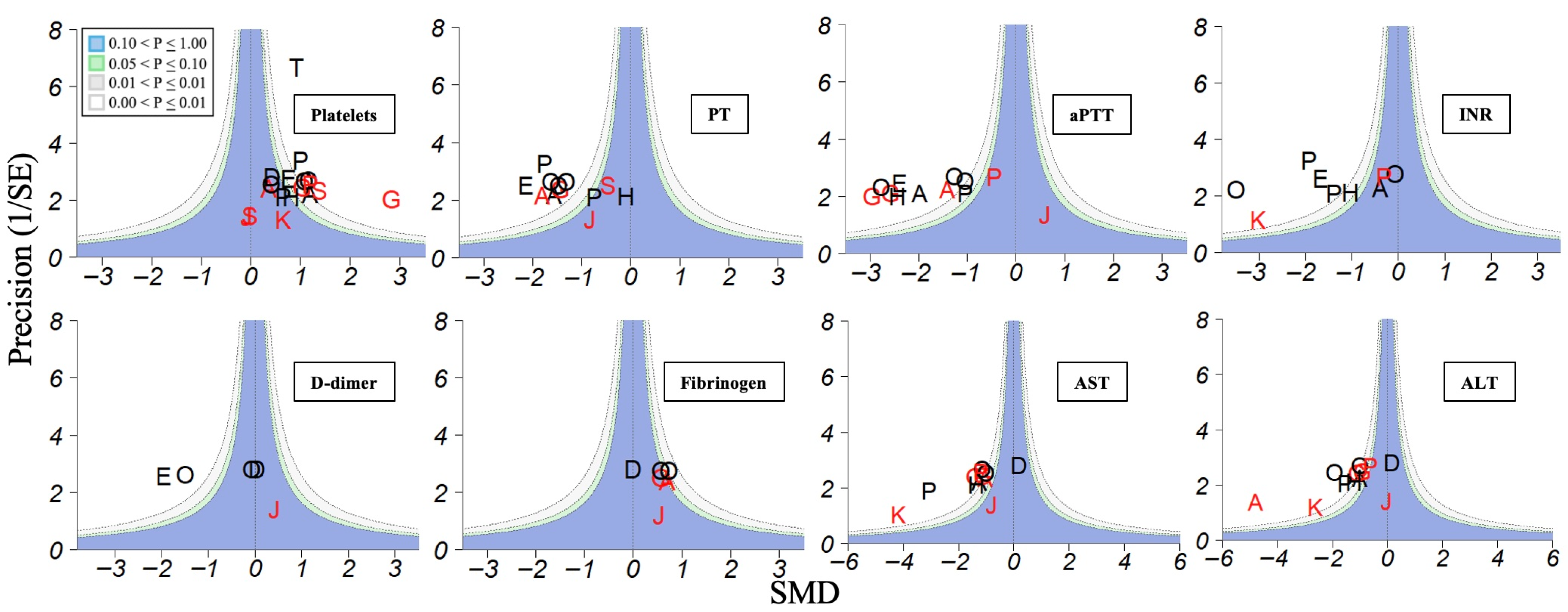
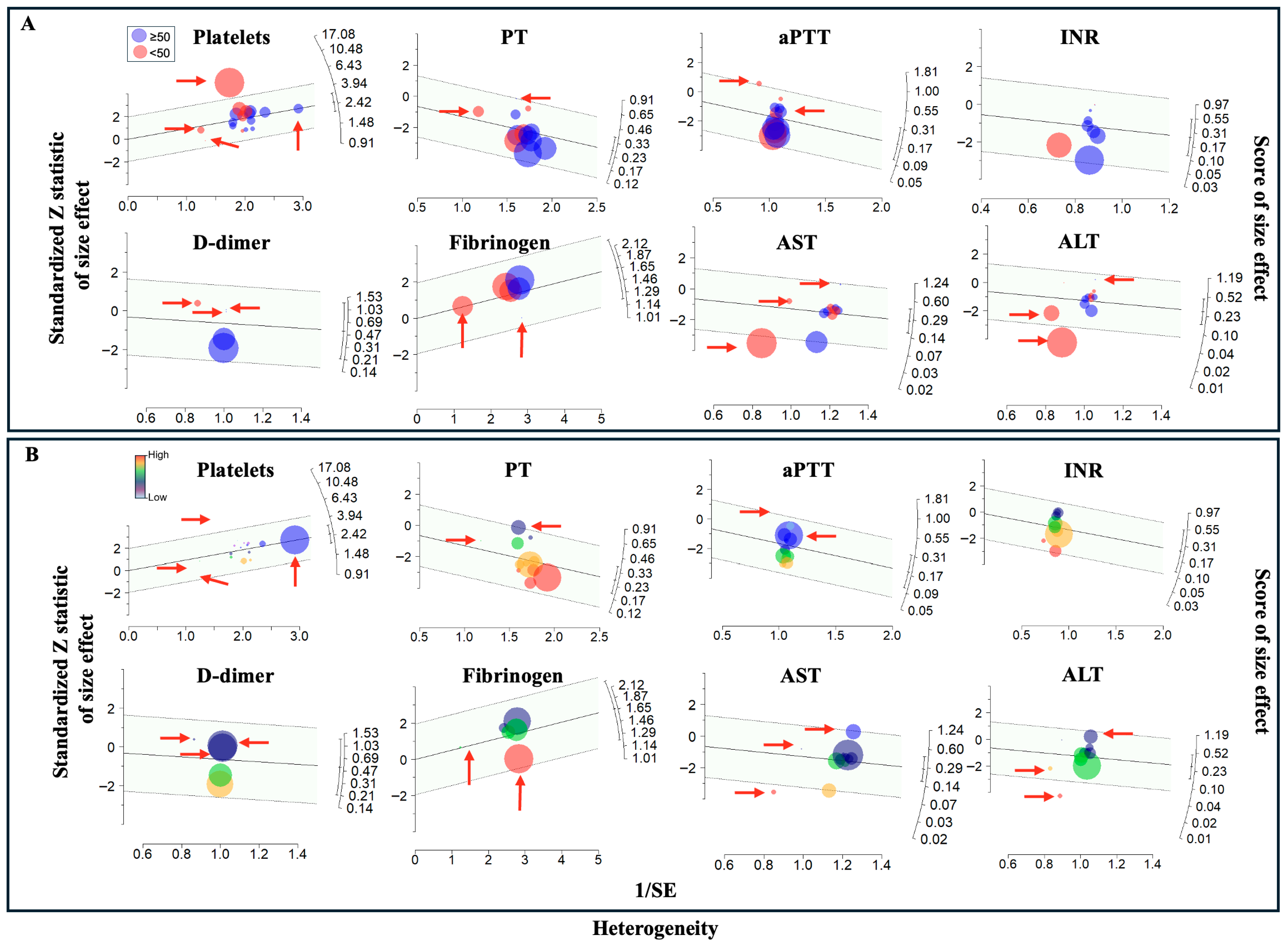
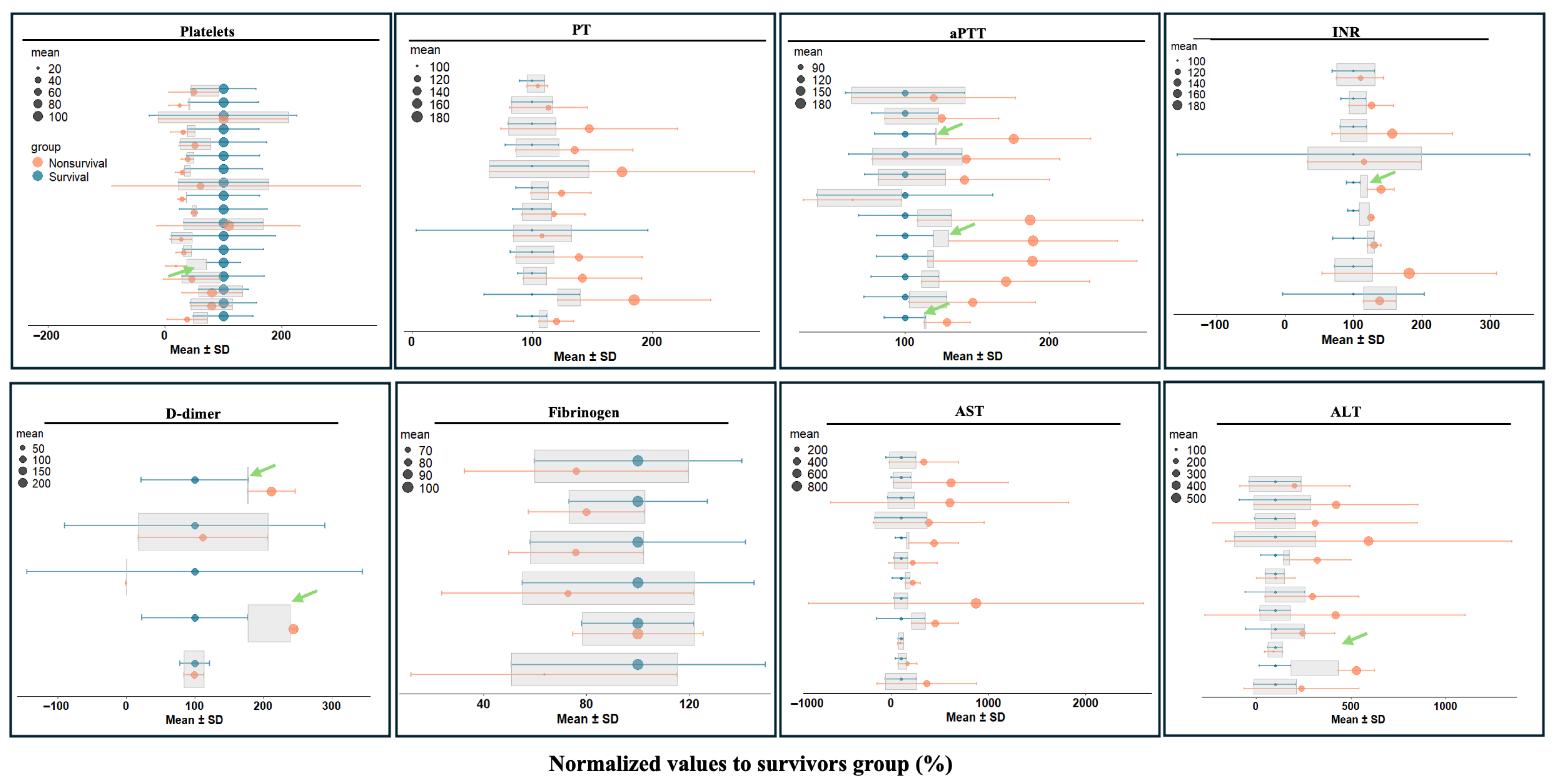
Crimean–Congo Hemorrhagic Fever (CCHF) disease, caused by the CCHF virus (CCHFV), poses a significant fatality risk whose underlying pathological mechanisms, including the contribution of coagulation factors, imbalances and platelet abnormalities, remain poorly understood. Here we present a meta-analysis and meta-regression analysis using clinical data from coagulation assays and platelet parameters as predictive disease indices with the goal of uncovering pathognomonic factors and to pave a way for the development of effective therapeutic approaches. Methods: We systematically analyzed published studies reporting coagulation assays and platelet indices in patients with confirmed CCHF. Data from 1779 patients across the published studies were analyzed to assess associations between laboratory parameters and the fatality risk, while evaluating heterogeneity and prognostic significance. Results: Fatal outcomes were strongly associated with elevated liver enzymes (AST: 1116.71 ± 1454.08 IU/mL; ALT: 446.56 ± 457.41 IU/mL) and prolonged clotting times (PT: 19.53 ± 6.57 s; aPTT: 64.02 ± 23.13 s; INR: 1.53 ± 0.56). D-dimer levels did not significantly predict fatality. Thrombocytopenia and coagulopathy emerged as independent risk factors for adverse outcomes. Notably, protein C and protein S levels did not differ between survivors and non-survivors, suggesting that the coagulopathy is not purely consumptive or a result of impaired hepatic synthesis. In contrast, mildly reduced antithrombin levels (83.65 ± 19.90) were weighted toward increased mortality.