

A New Era in Computing: A Review of Neuromorphic Computing Chip Architecture and Applications

Abstract
1. Introduction
2. Background
2.1. Spiking Neural Networks
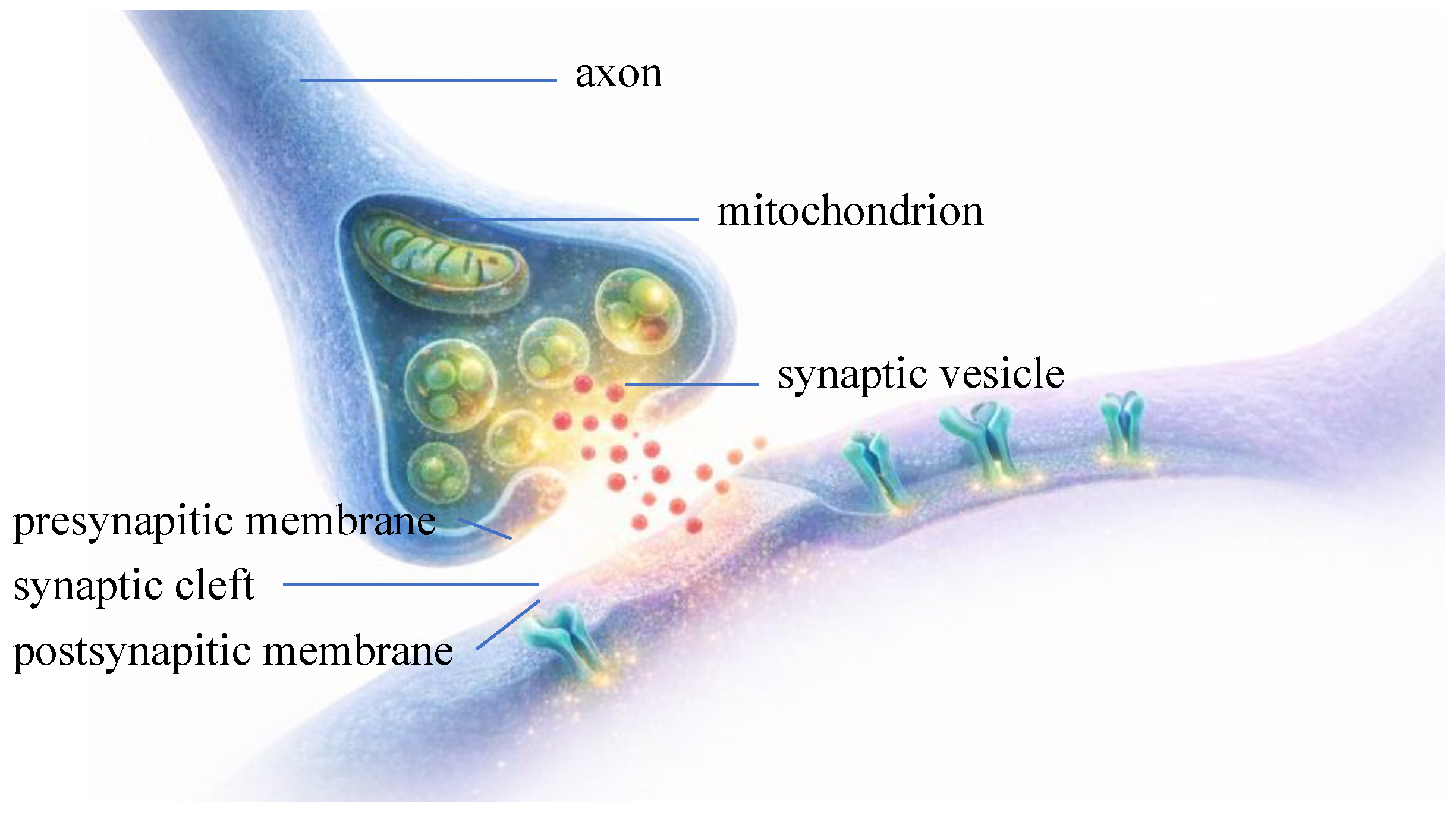
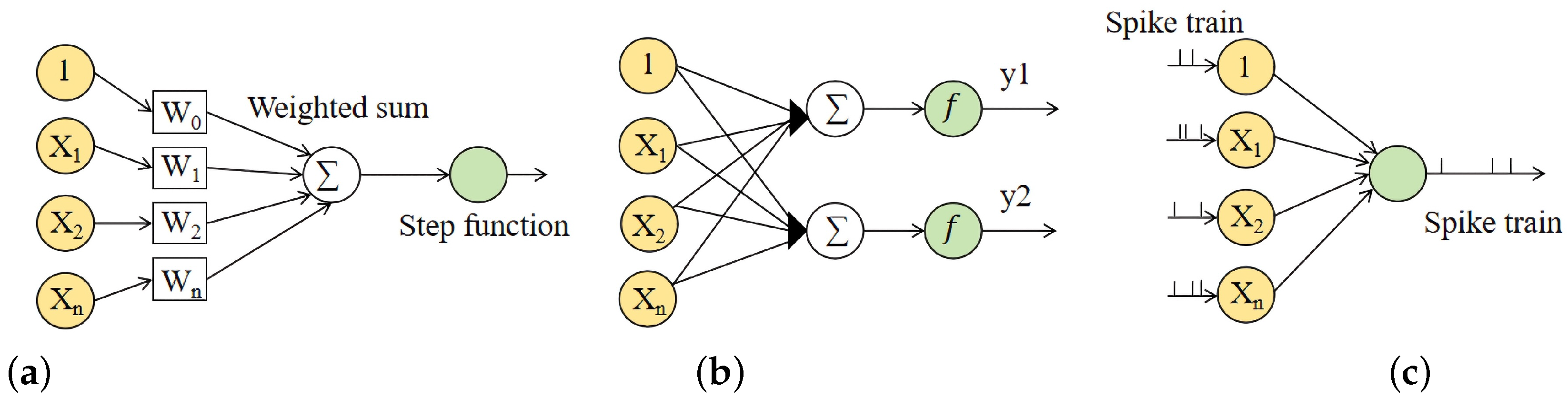
2.1.1. Spiking Neurons
- (1)
- Hodgkin–Huxley Model:
- (2)
- Leaky Integrate-and-Fire model
- (3)
- Spike Response Model
- (4)
- Izhikevich model
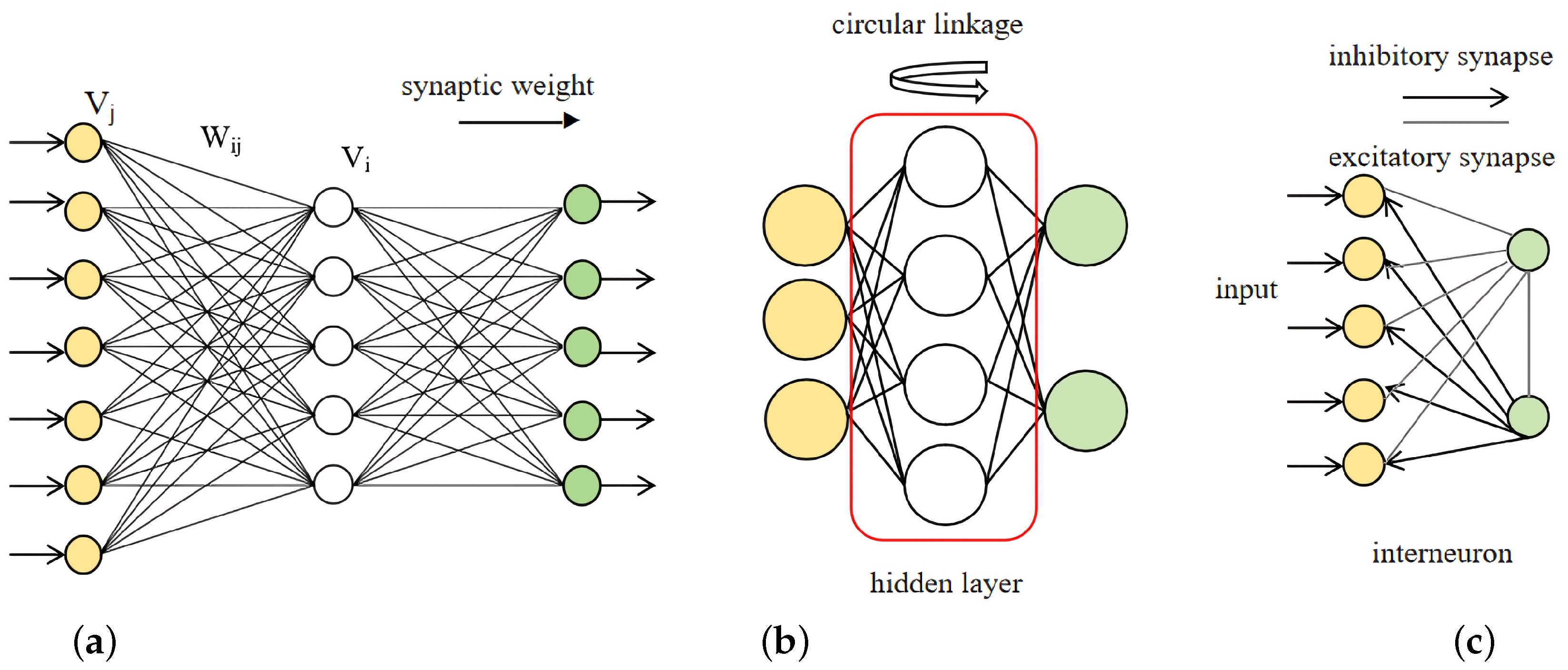
2.1.2. Topology of Neural Networks
- (1)
- Feedforward SNNs
- (2)
- Recurrent and cyclic SNNs
- (3)
- Hybrid SNNs
2.2. Neuromorphic Hardware
2.2.1. Neuron Simulator
2.2.2. Neuromorphic Computing Chips
2.2.3. Spiking Neural Networks Hardware
3. Neuromorphic Computing Chip Architecture
3.1. Digital–Analog Hybrid Implementation
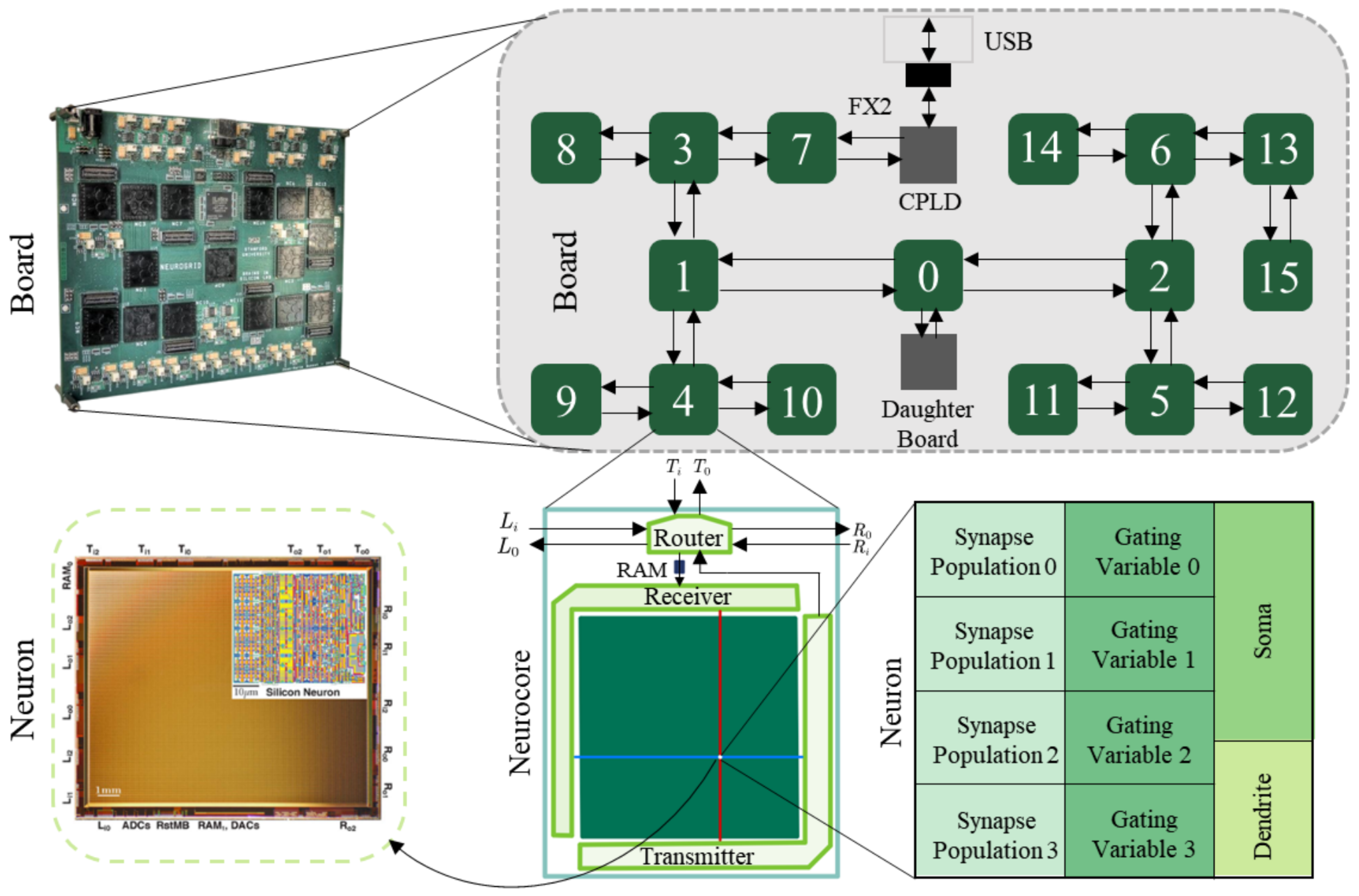
3.1.1. Neurogrid
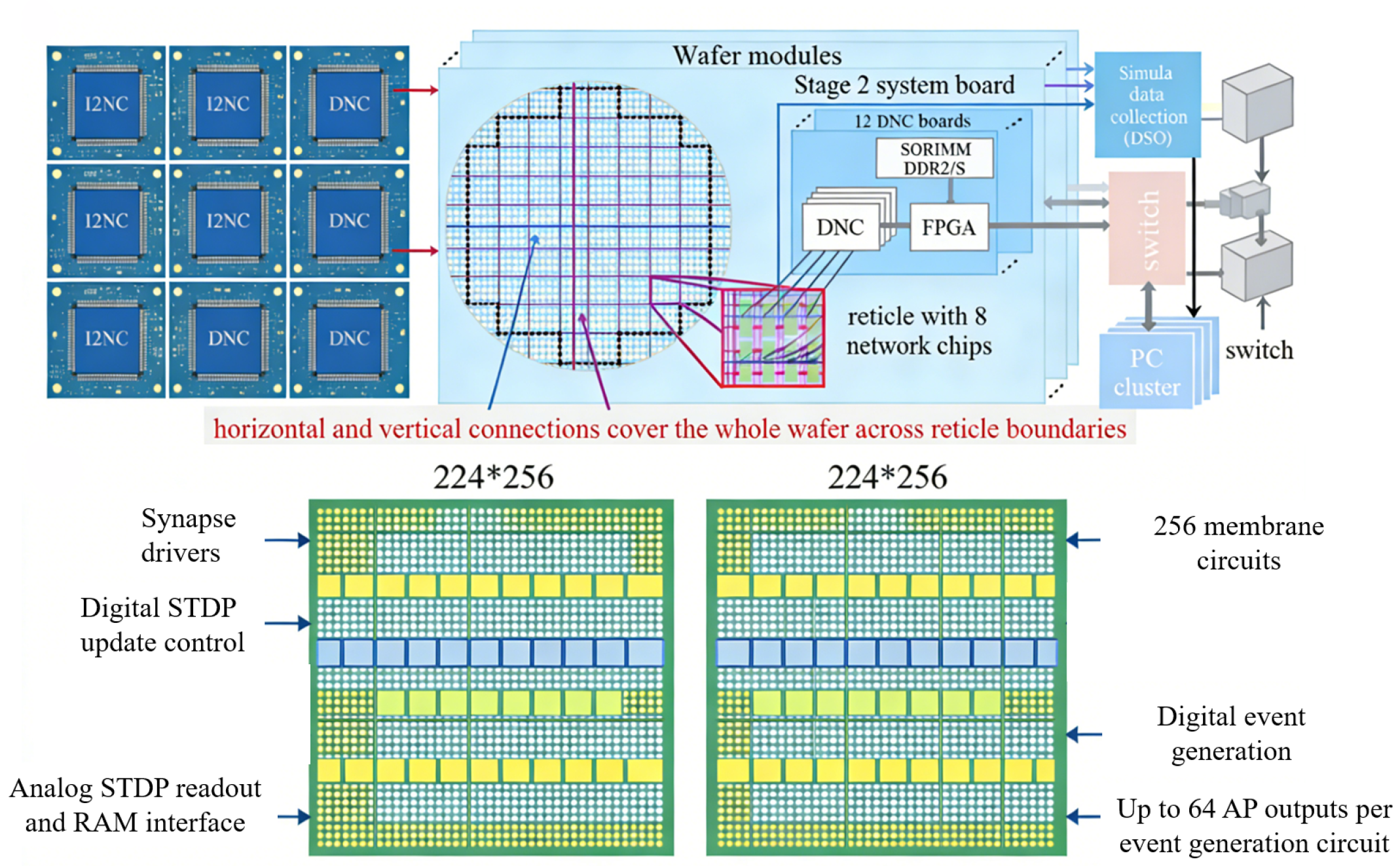
3.1.2. BrainScaleS
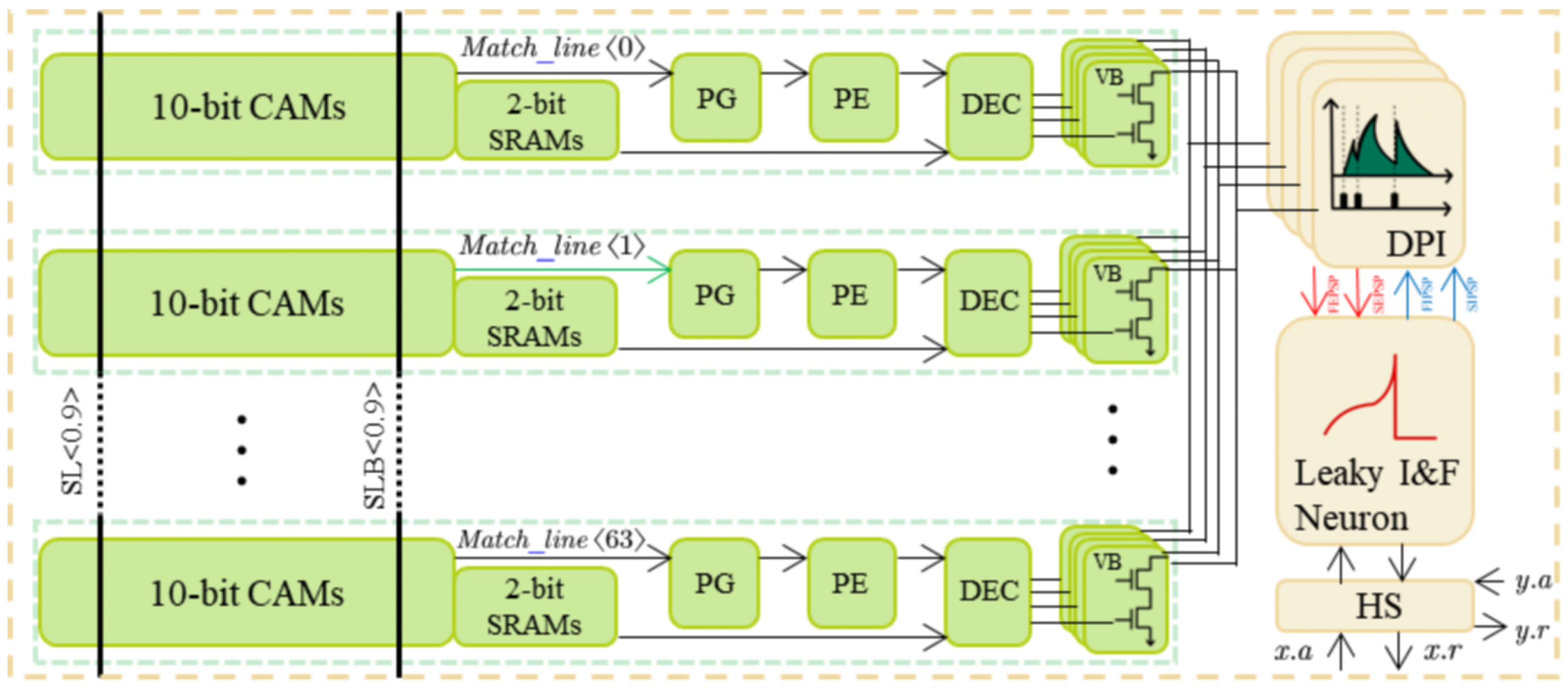
3.1.3. DYNAPs
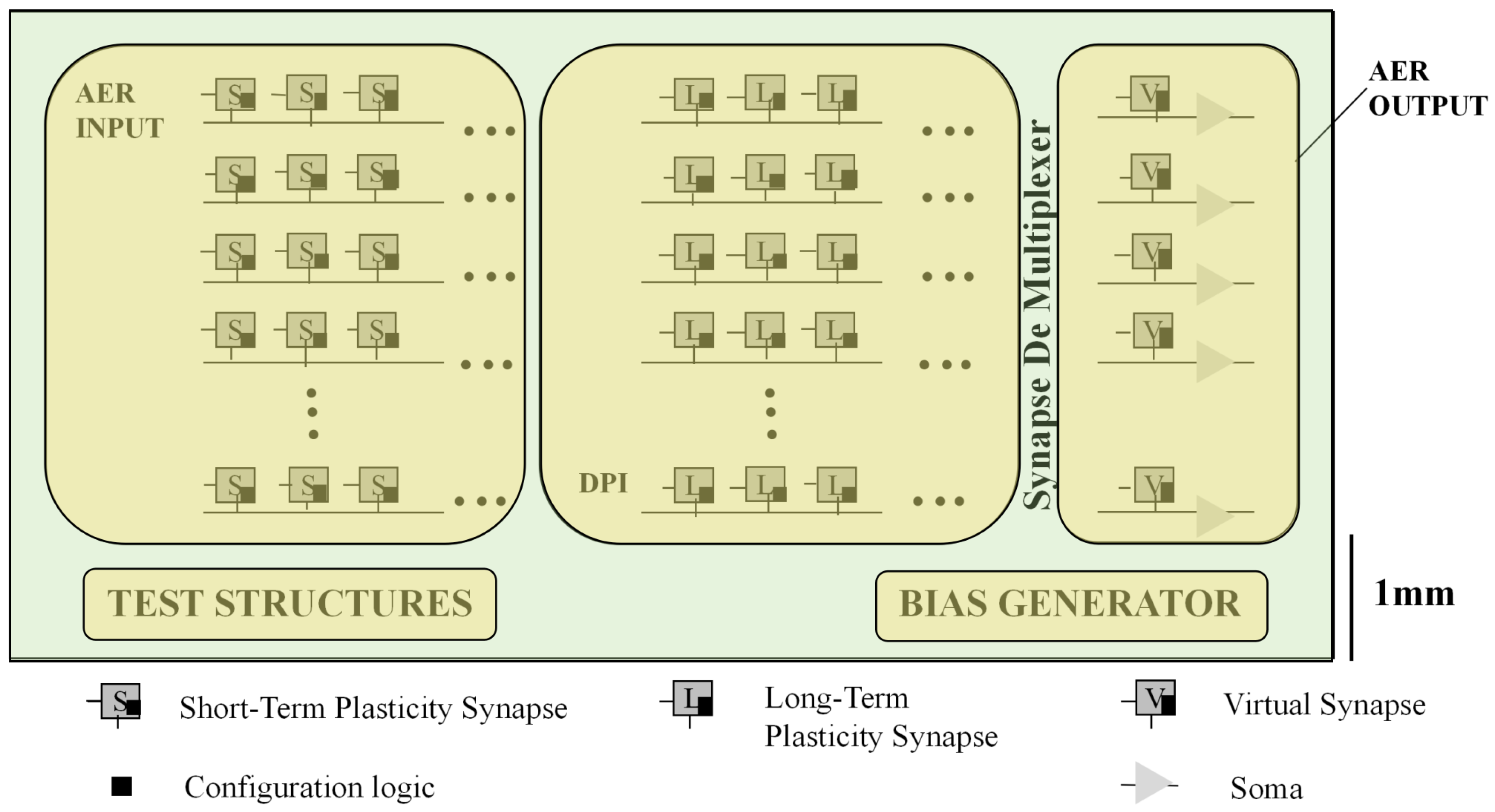
3.1.4. ROLLS

3.1.5. Comparative Analysis of Digital–Analog Hybrid Chips
3.2. Digital-Only Implementation
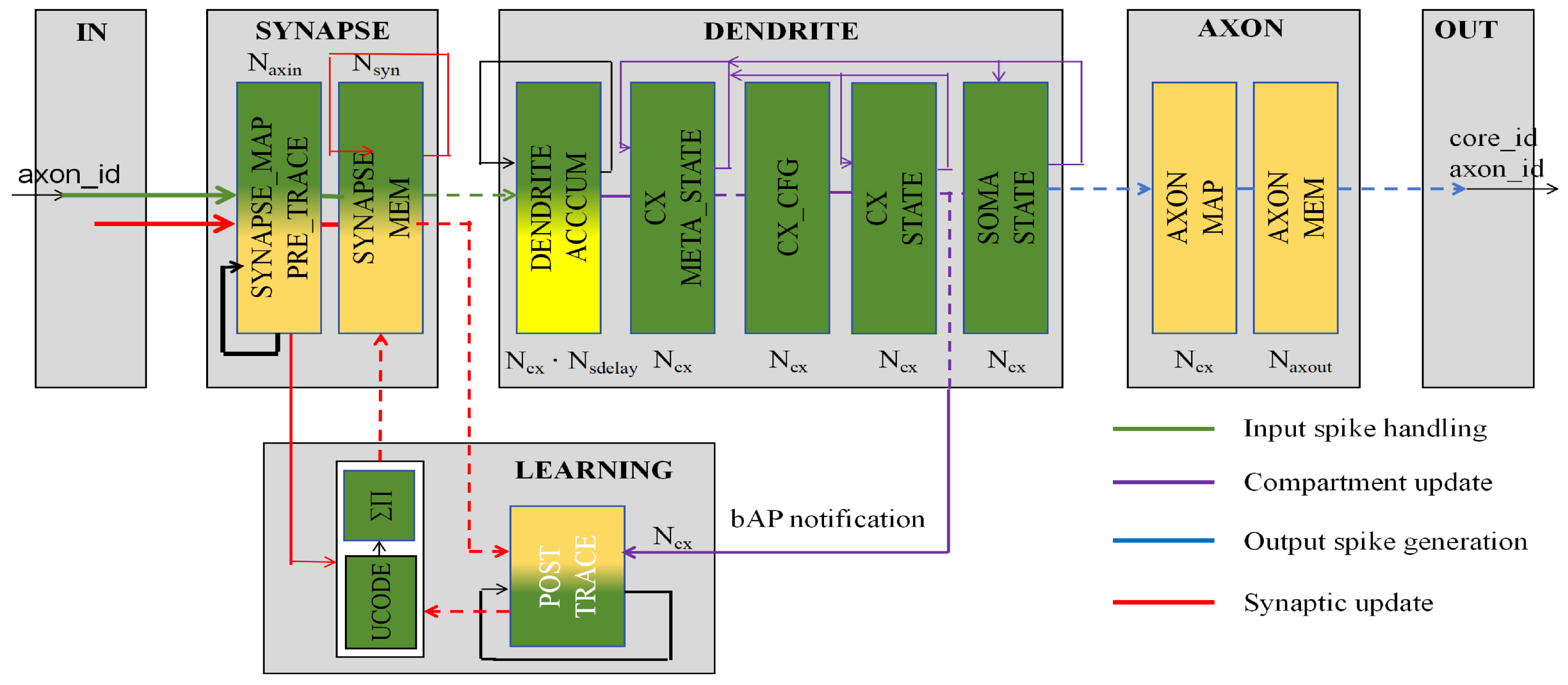
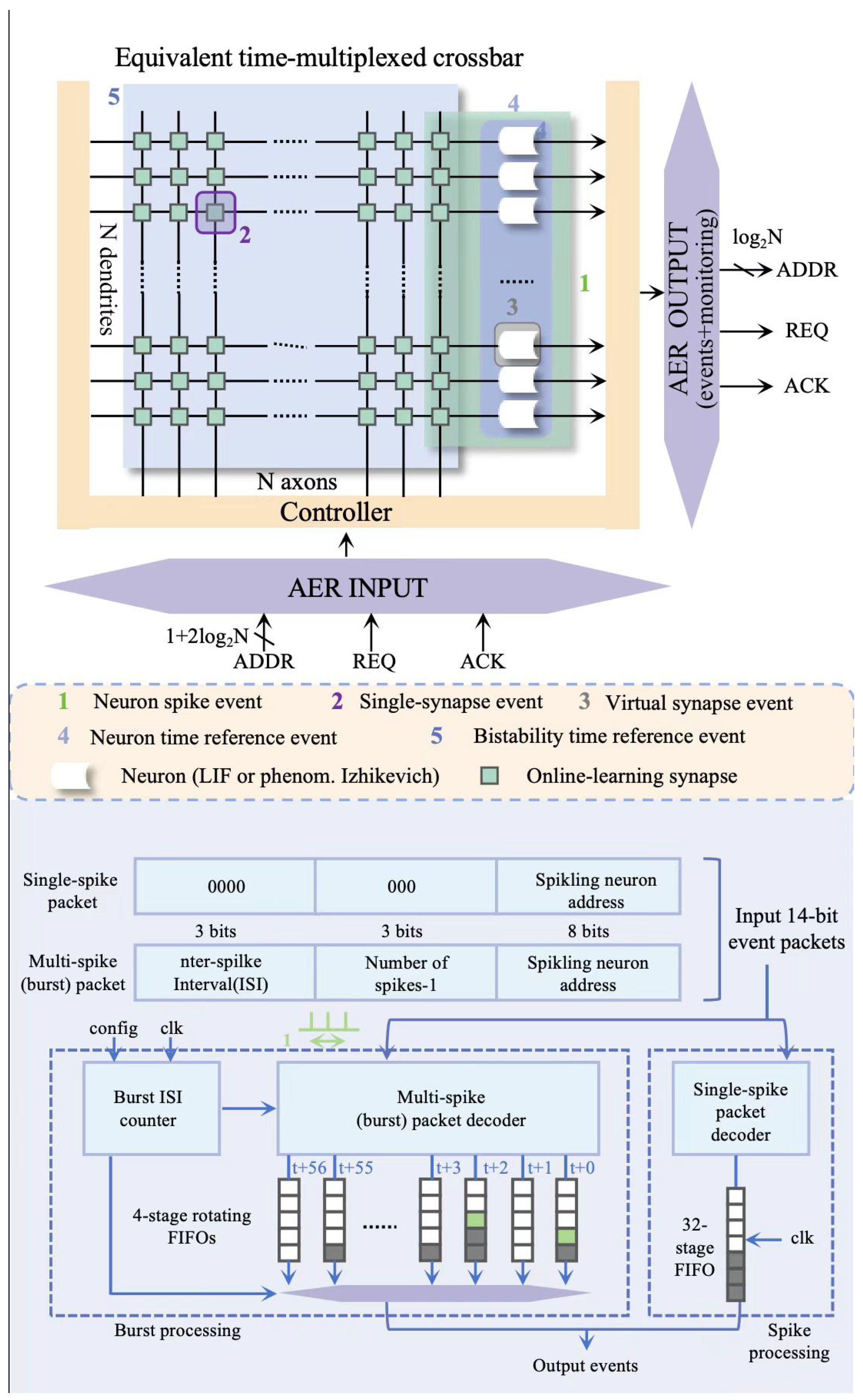
3.2.1. Loihi
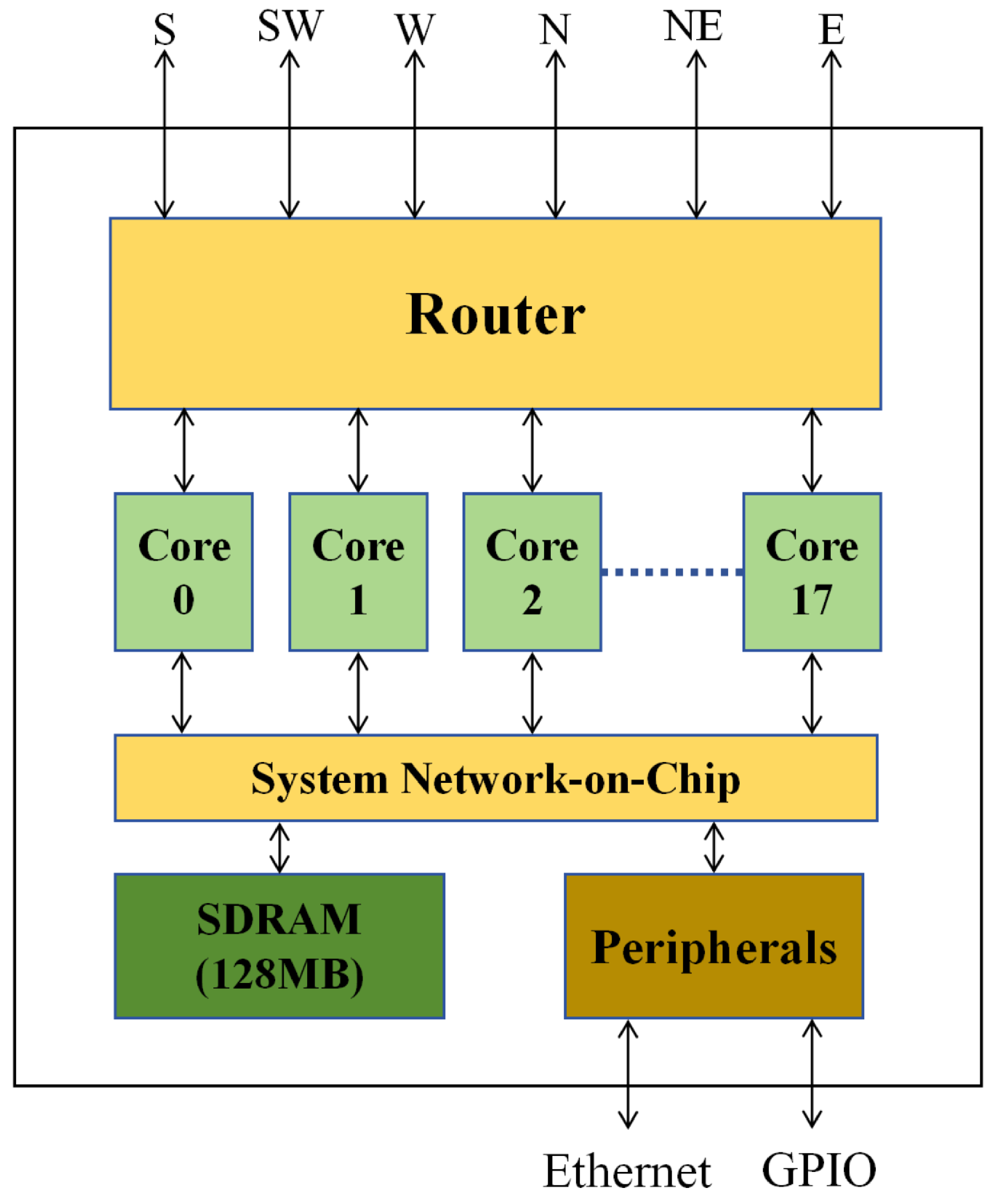
3.2.2. SpiNNaker
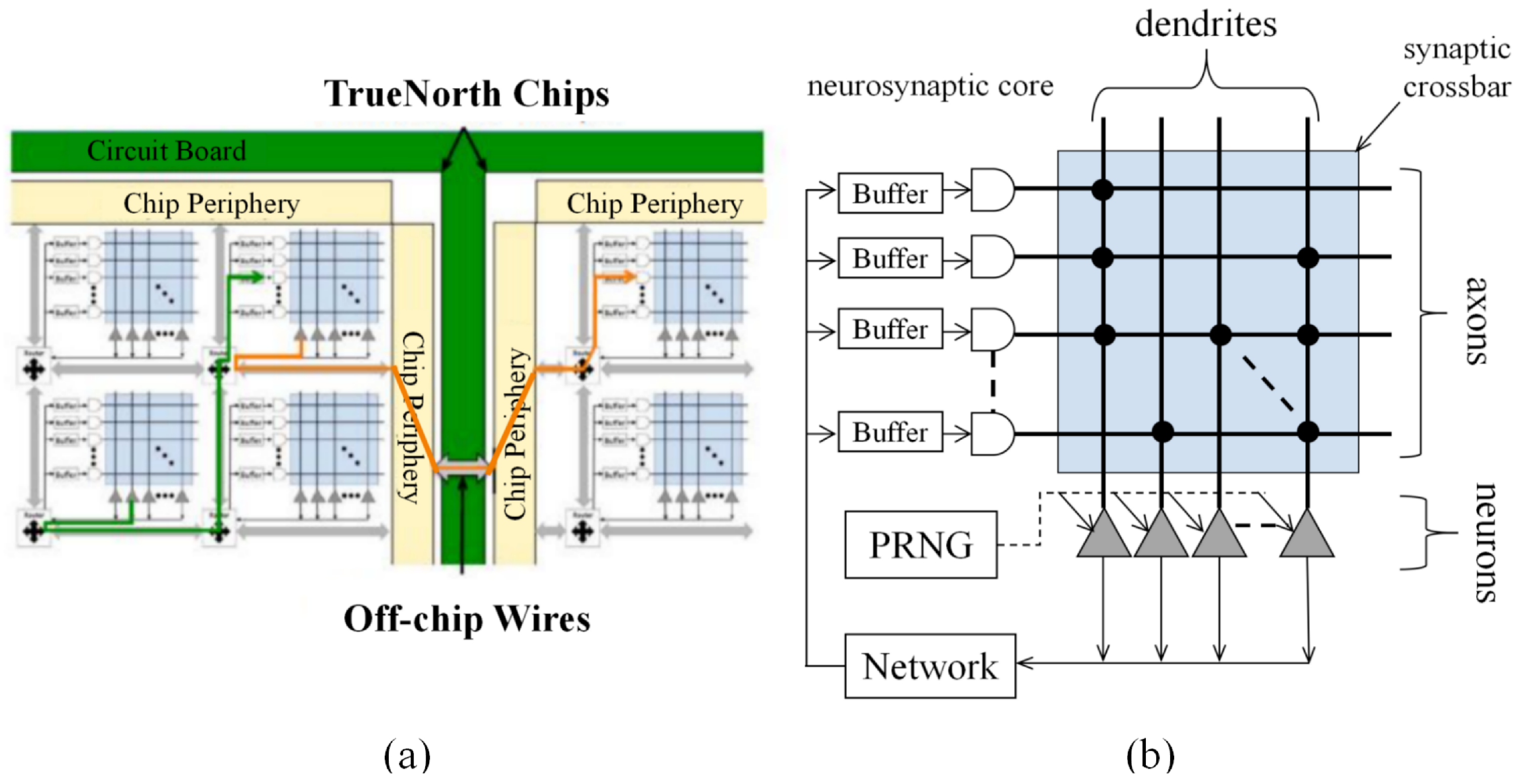
3.2.3. TrueNorth
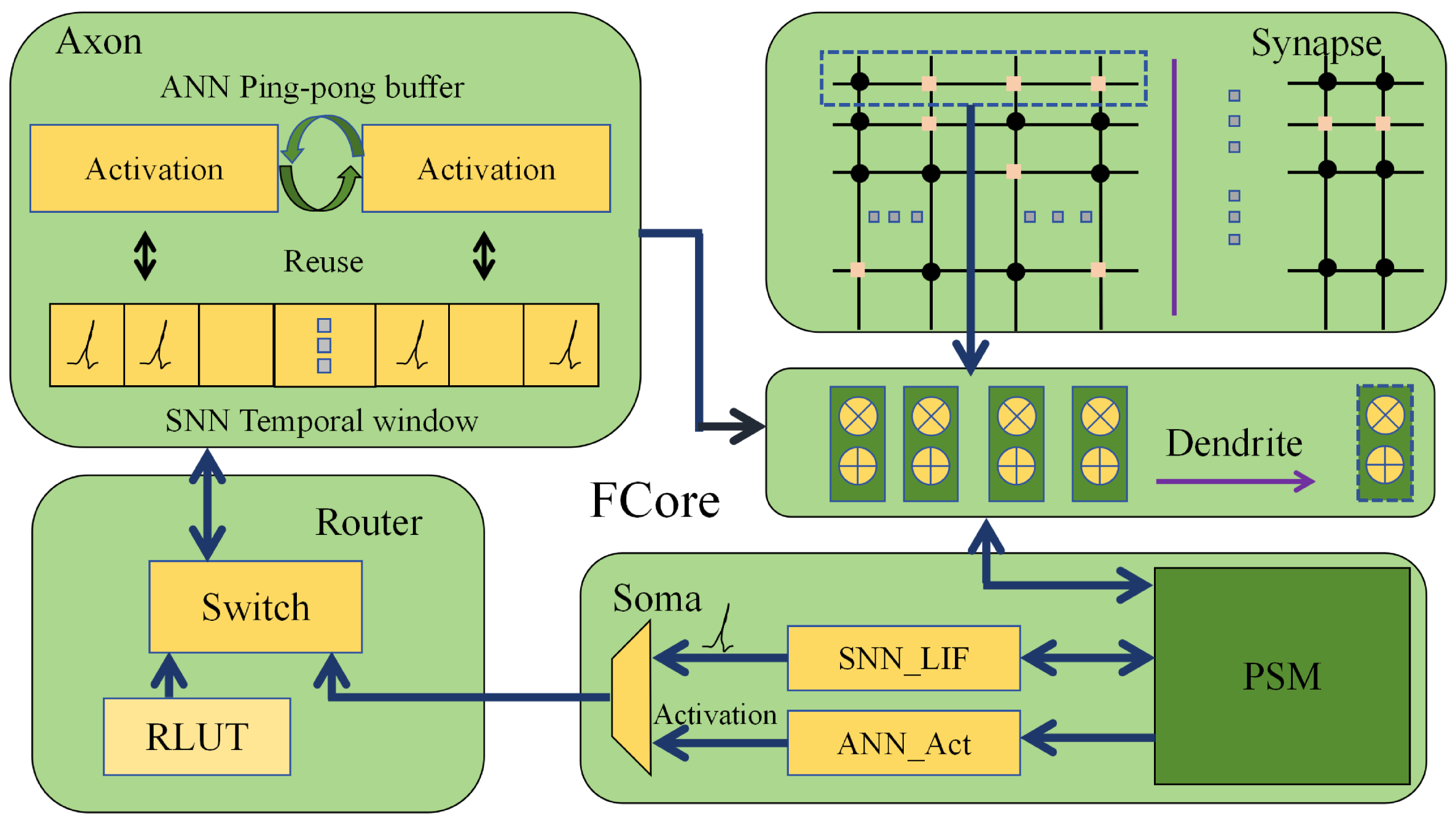
3.2.4. Tianjic
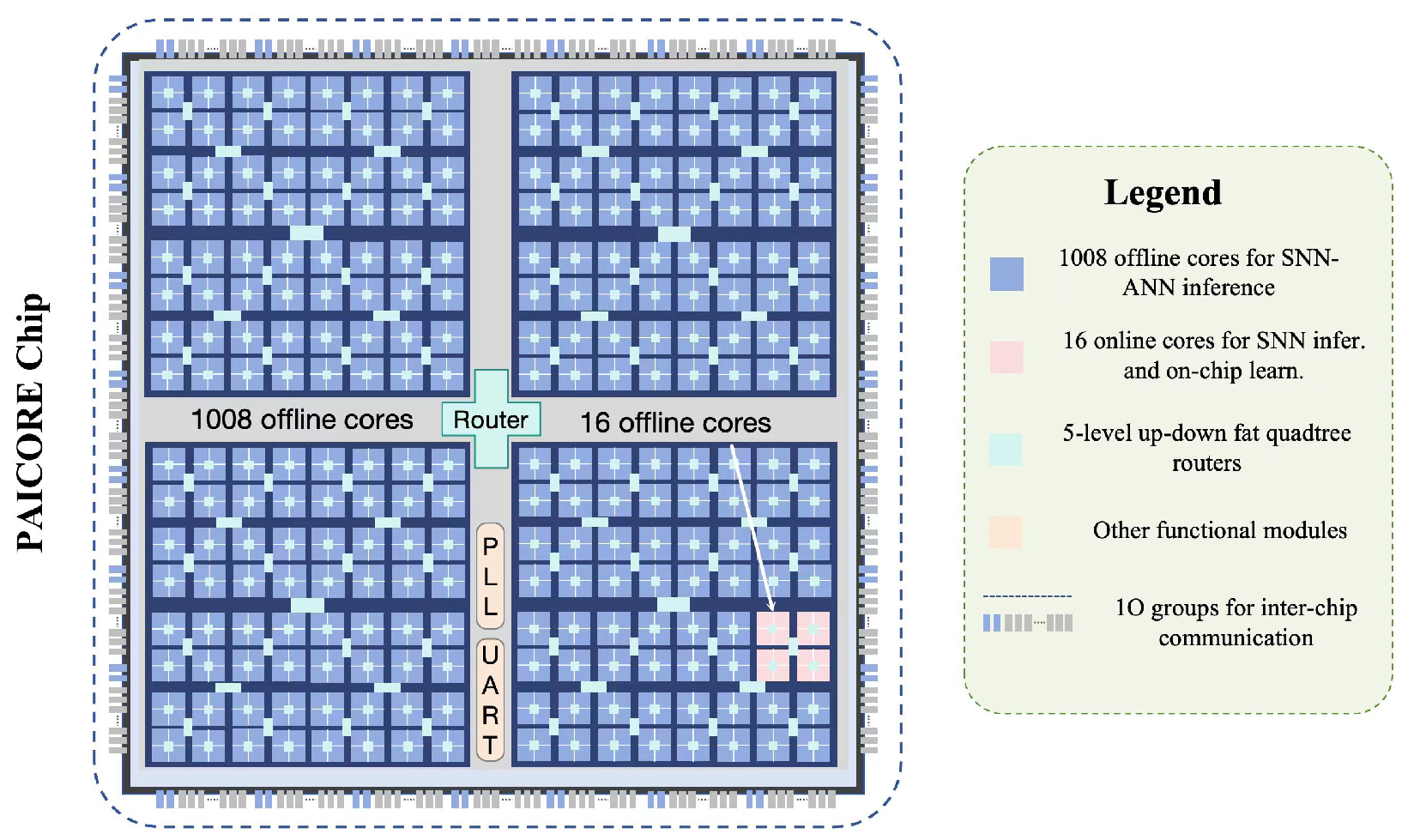
3.2.5. PAICORE
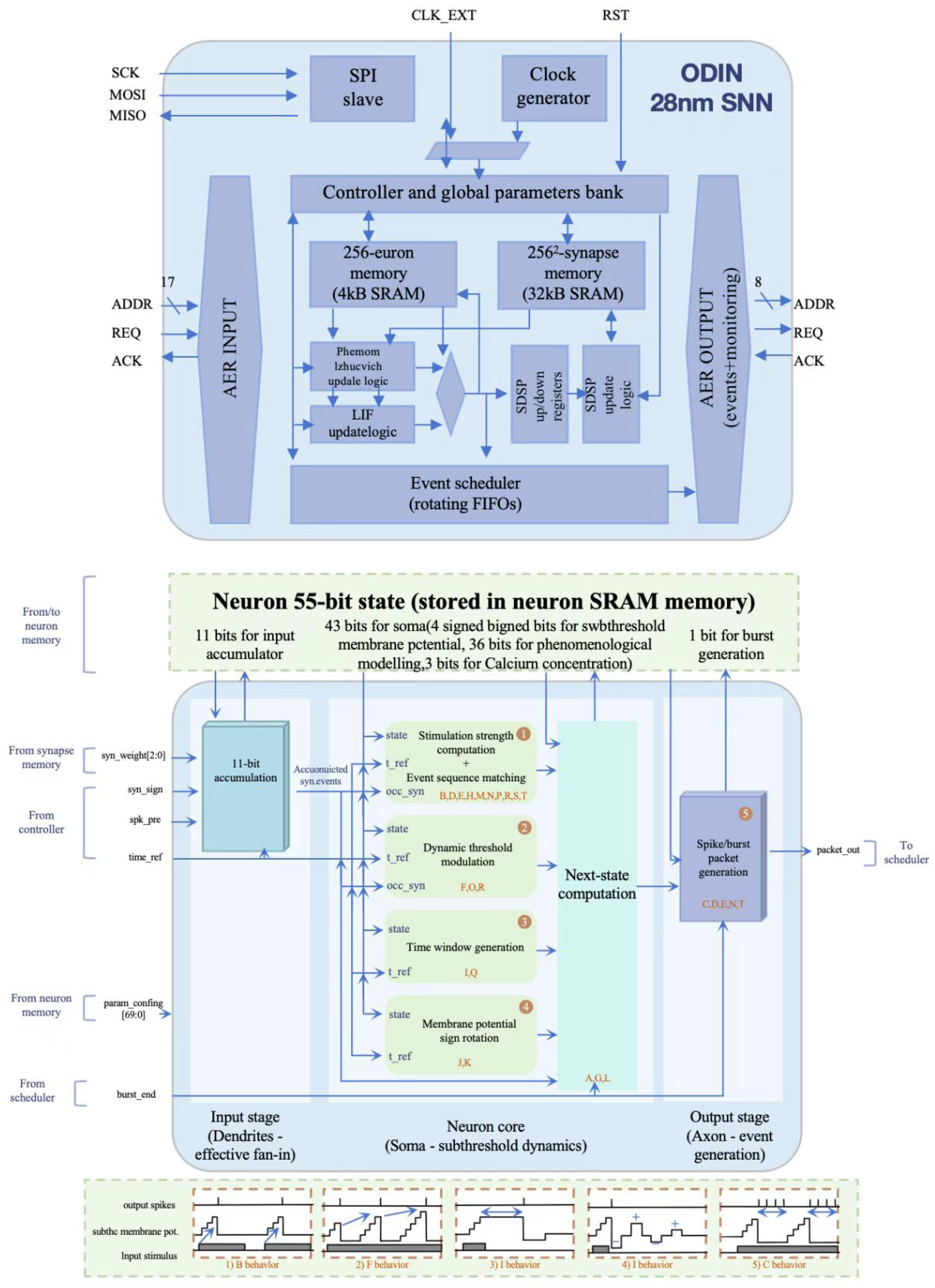
3.2.6. ODIN
3.2.7. Comparative Analysis of Digital-Only Chips
- Computational power improvement: As chip fabrication processes continue to improve, neuromorphic chips will be able to support larger-scale neural networks and enhance computational power.
- Energy efficiency optimization: Low power consumption will remain a design focus, and future chips will achieve a better balance between power consumption and computational power.
- Model flexibility: Support for hybrid computational models (e.g., SNN, ANN, reinforcement learning, etc.) will become an important direction in future chip design to handle more complex and dynamic tasks.
- Adaptive learning capability: Future neuromorphic chips will continue to develop adaptive learning functions, enabling real-time optimization based on changing environments.
3.2.8. Recent Advances: Loihi 2 and SpiNNaker 2
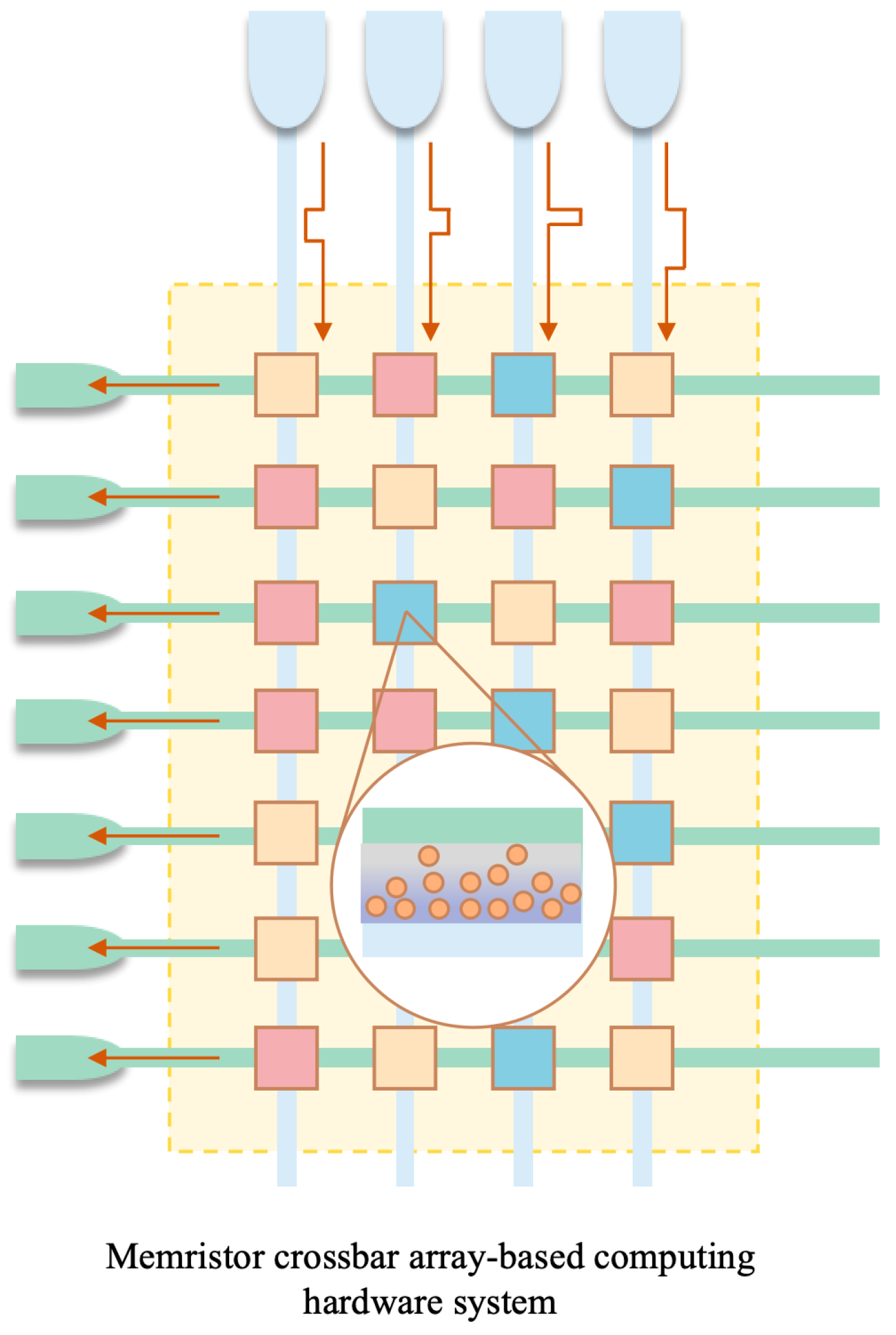
3.3. Memristor Implementation
3.3.1. WOx-Based Memristor
3.3.2. Pd/HfO2/Ta Memristor
3.3.3. HPAC Memristor
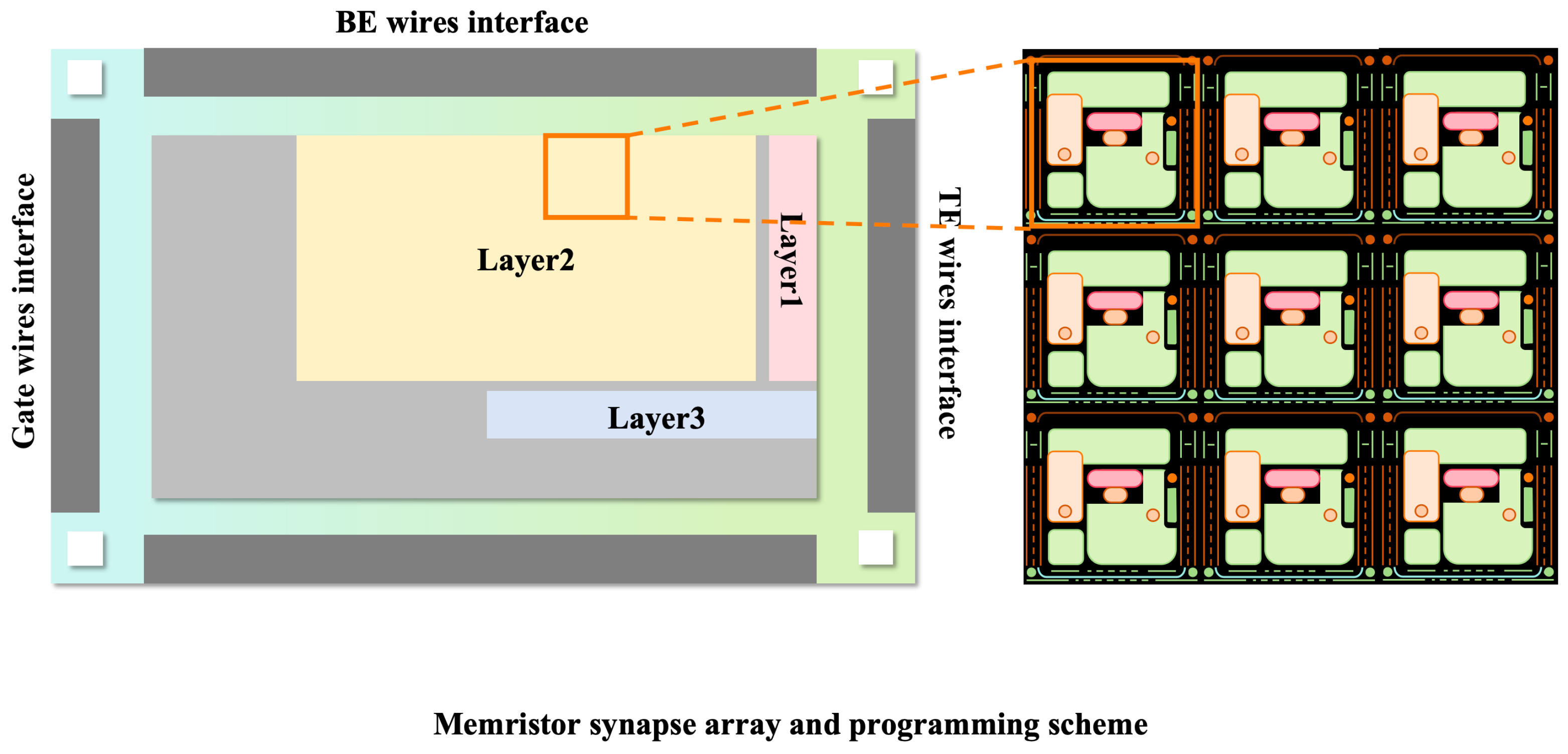
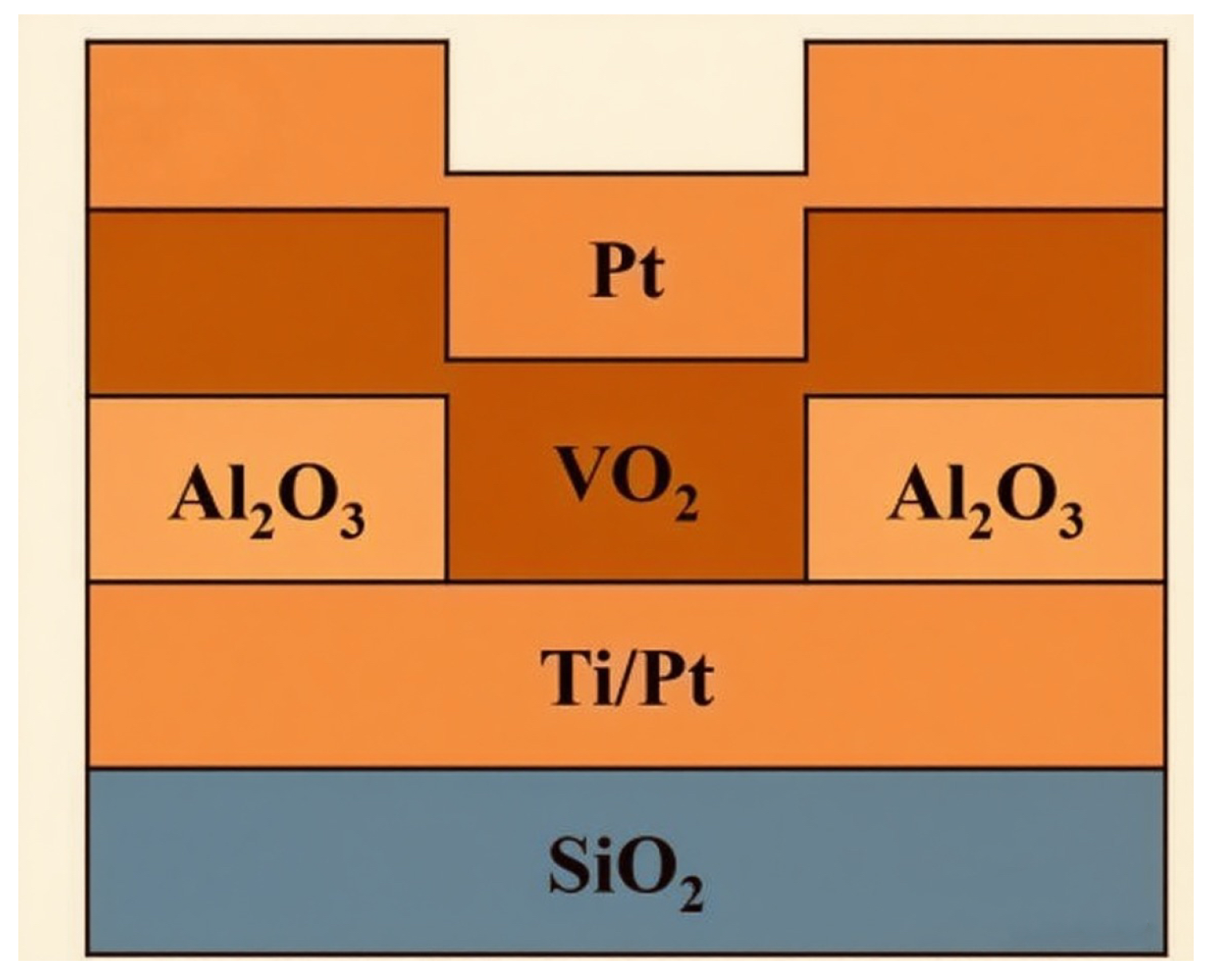
3.3.4. VO2-Based Memristor
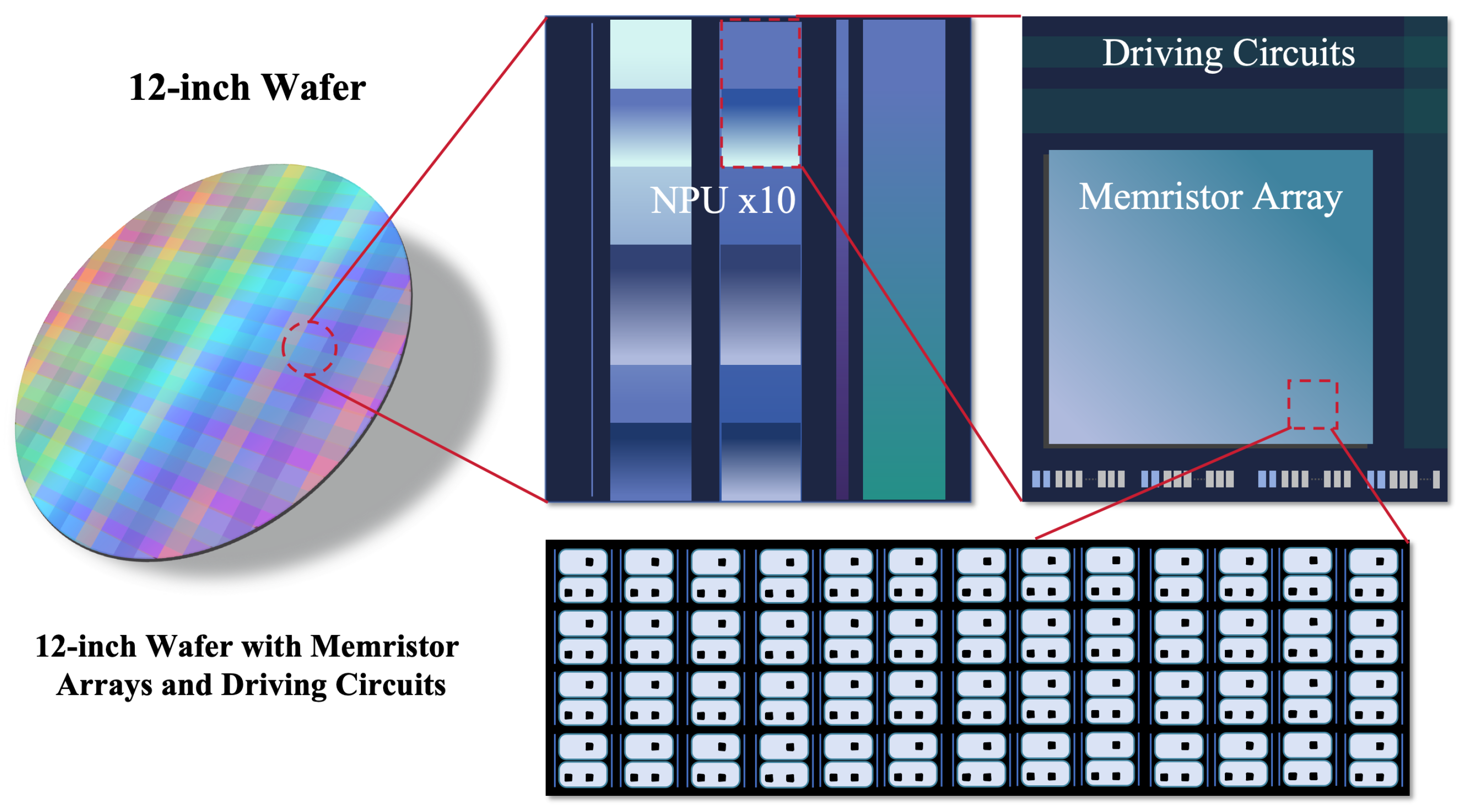
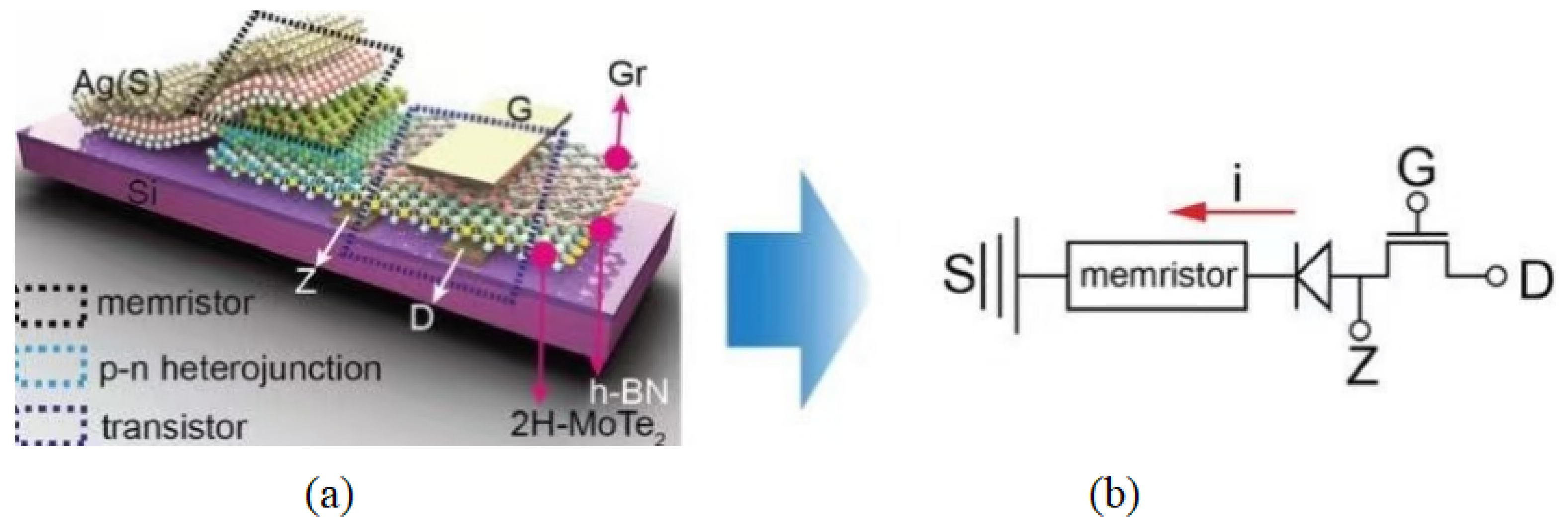
3.3.5. High-Precision 1T1R Memristor

3.3.6. Comparative Analysis of Memristor Technologies
4. Application
4.1. Artificial Intelligence
4.1.1. Image Recognition
4.1.2. Speech Processing
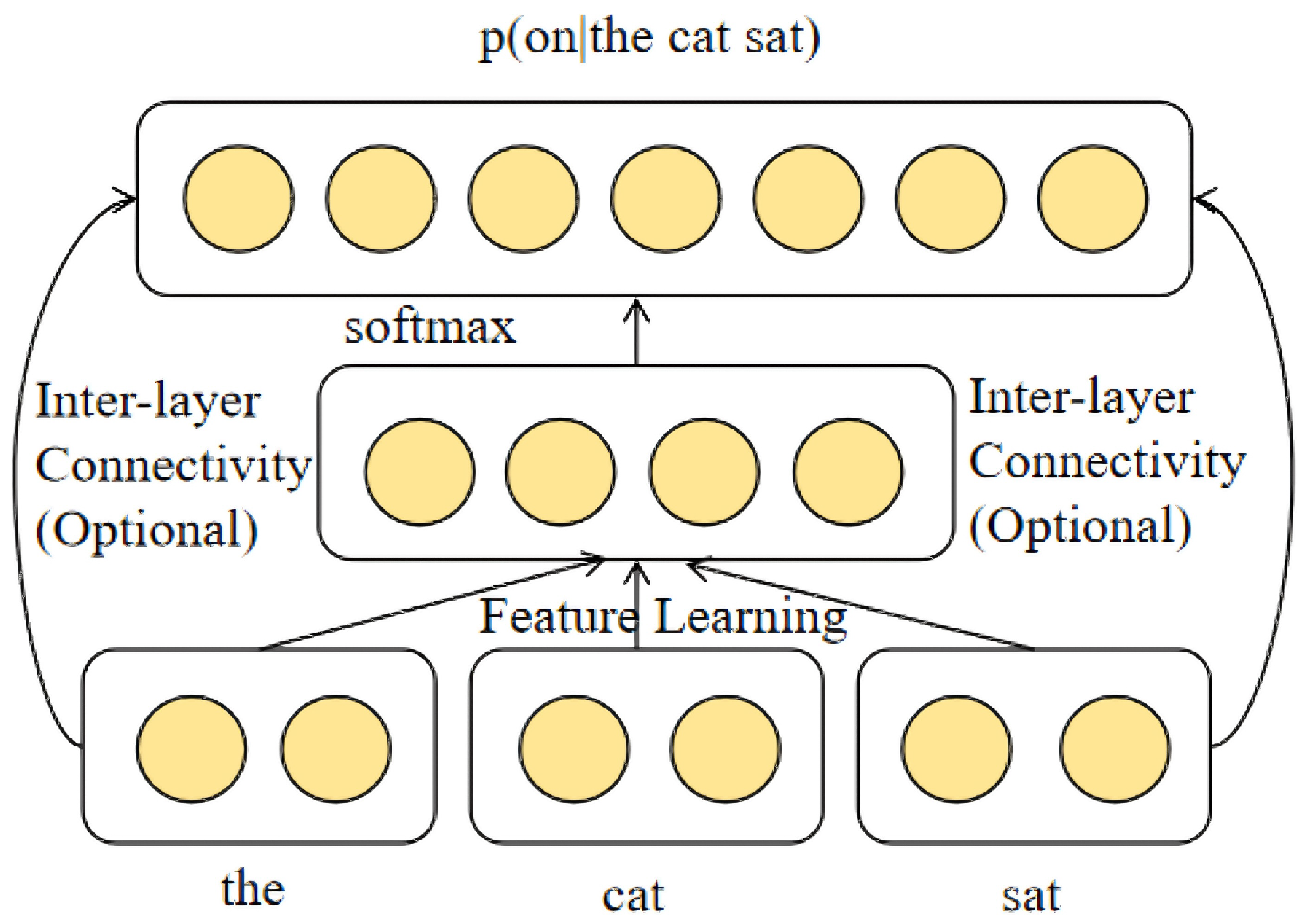
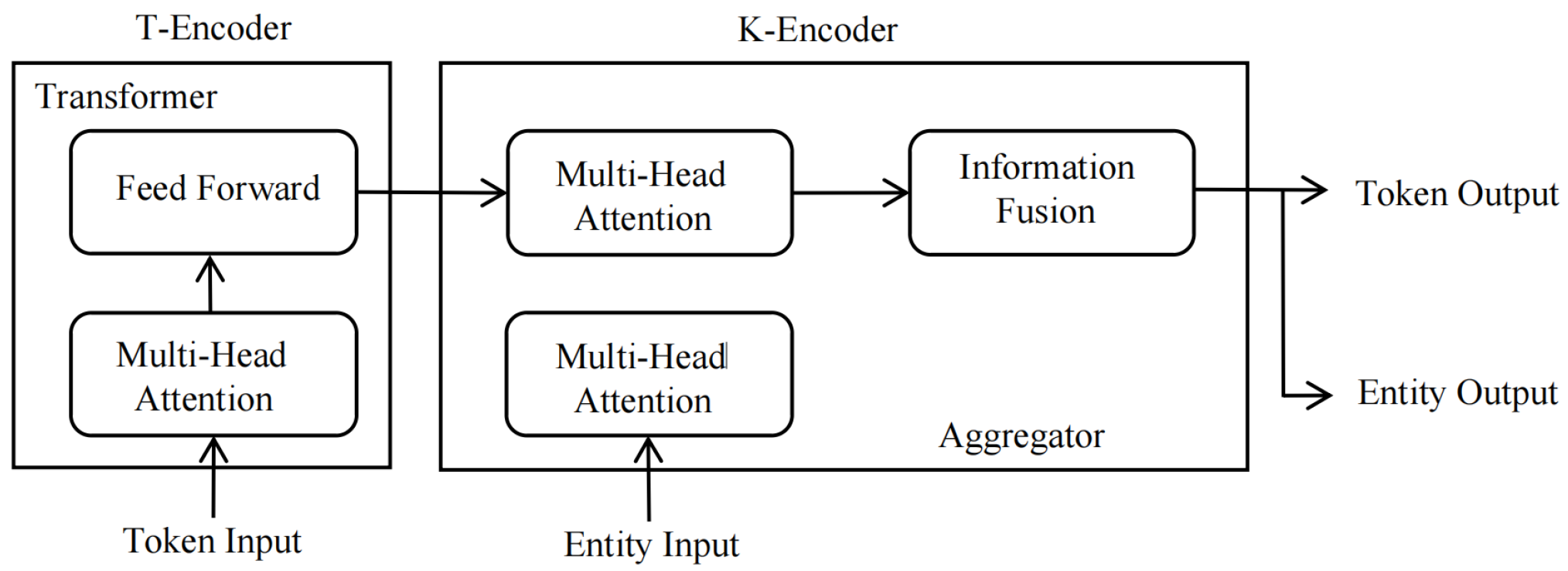
4.1.3. Natural Language Processing
4.1.4. Application Scenario of the Neuromorphic Computing Chips in AI
4.2. Embodied Intelligence
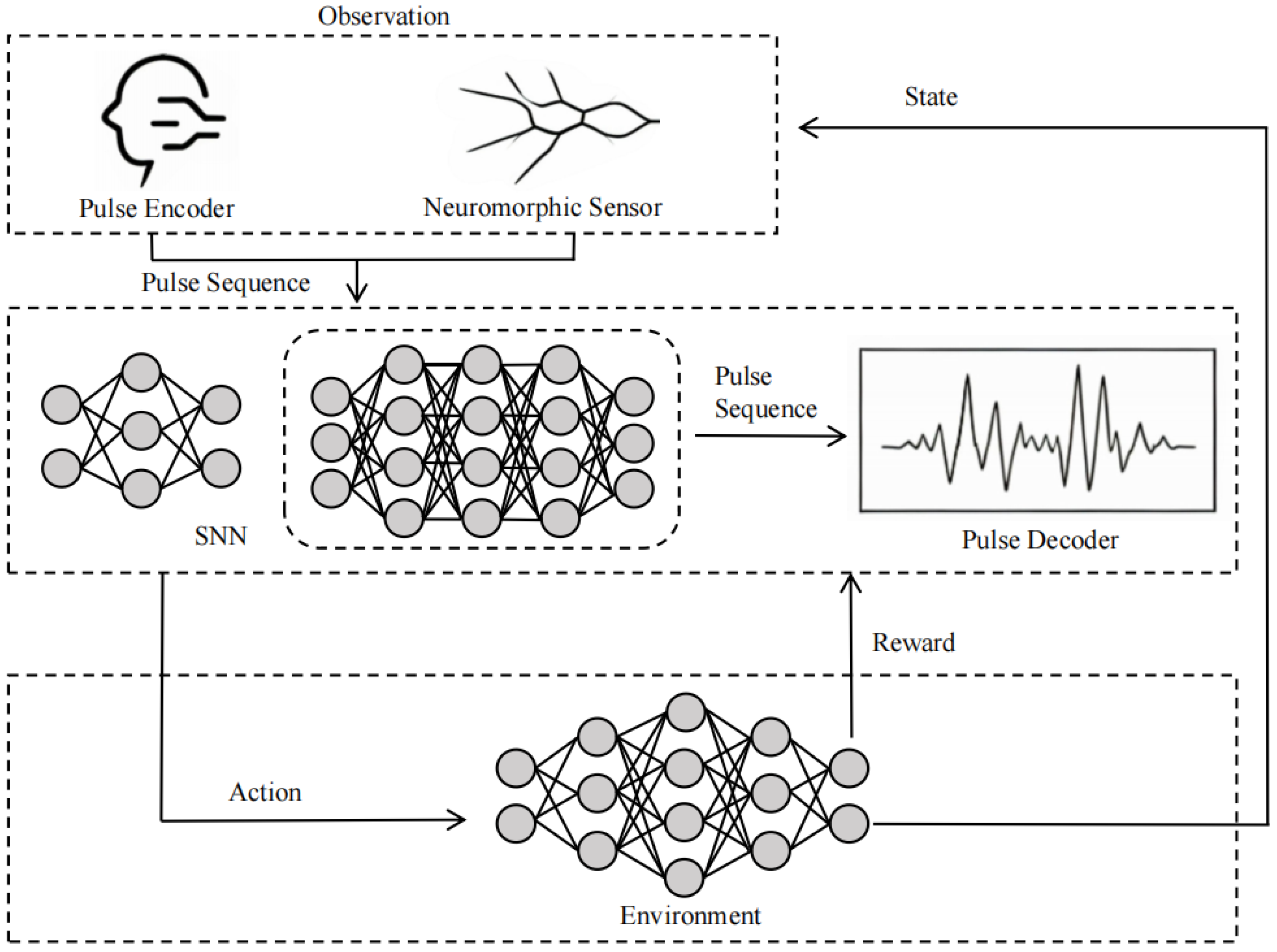
4.2.1. Perception and Learning
4.2.2. Decision-Making and Action Execution
4.3. Neuroscience
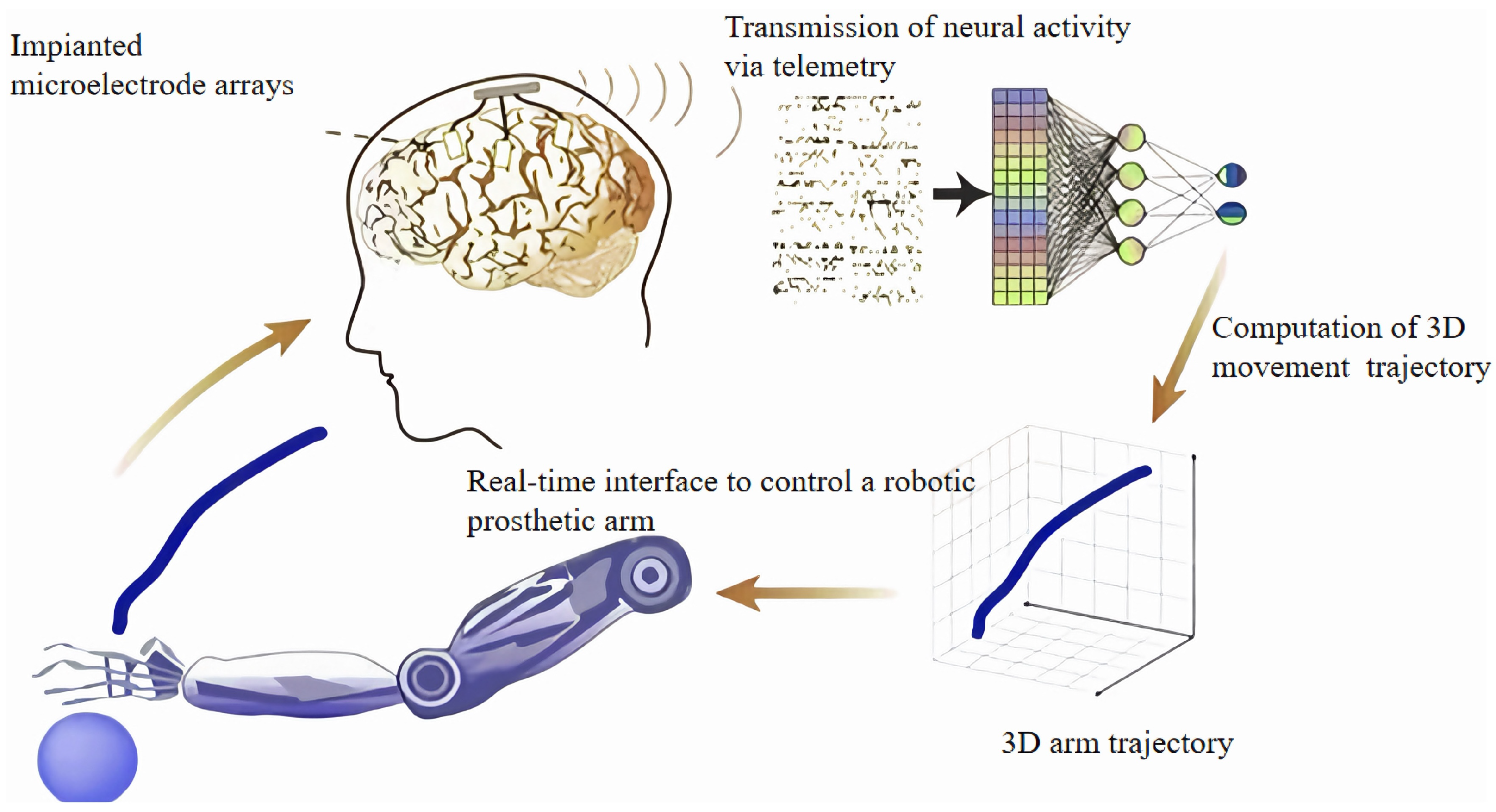
4.3.1. Brain–Computer Interface (BCI)
4.3.2. The Neurodegenerative Diseases Study
4.3.3. Perception–Calculation–Execution Closed Loop
4.4. Adaptive Control Systems
4.4.1. Autonomous Driving Technology
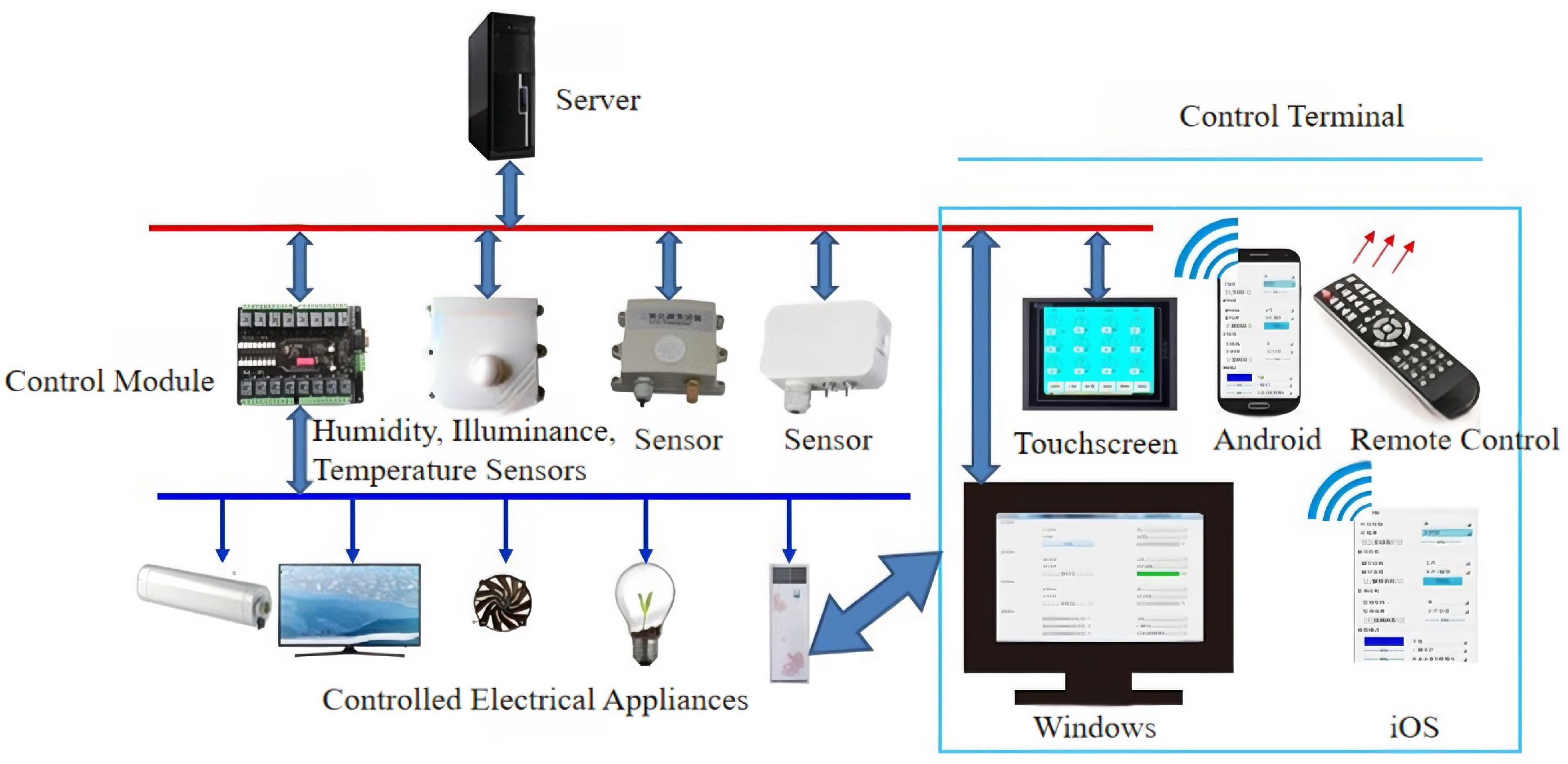
4.4.2. Smart Homes
4.4.3. Energy Management
5. Challenges
5.1. Hardware Limitations
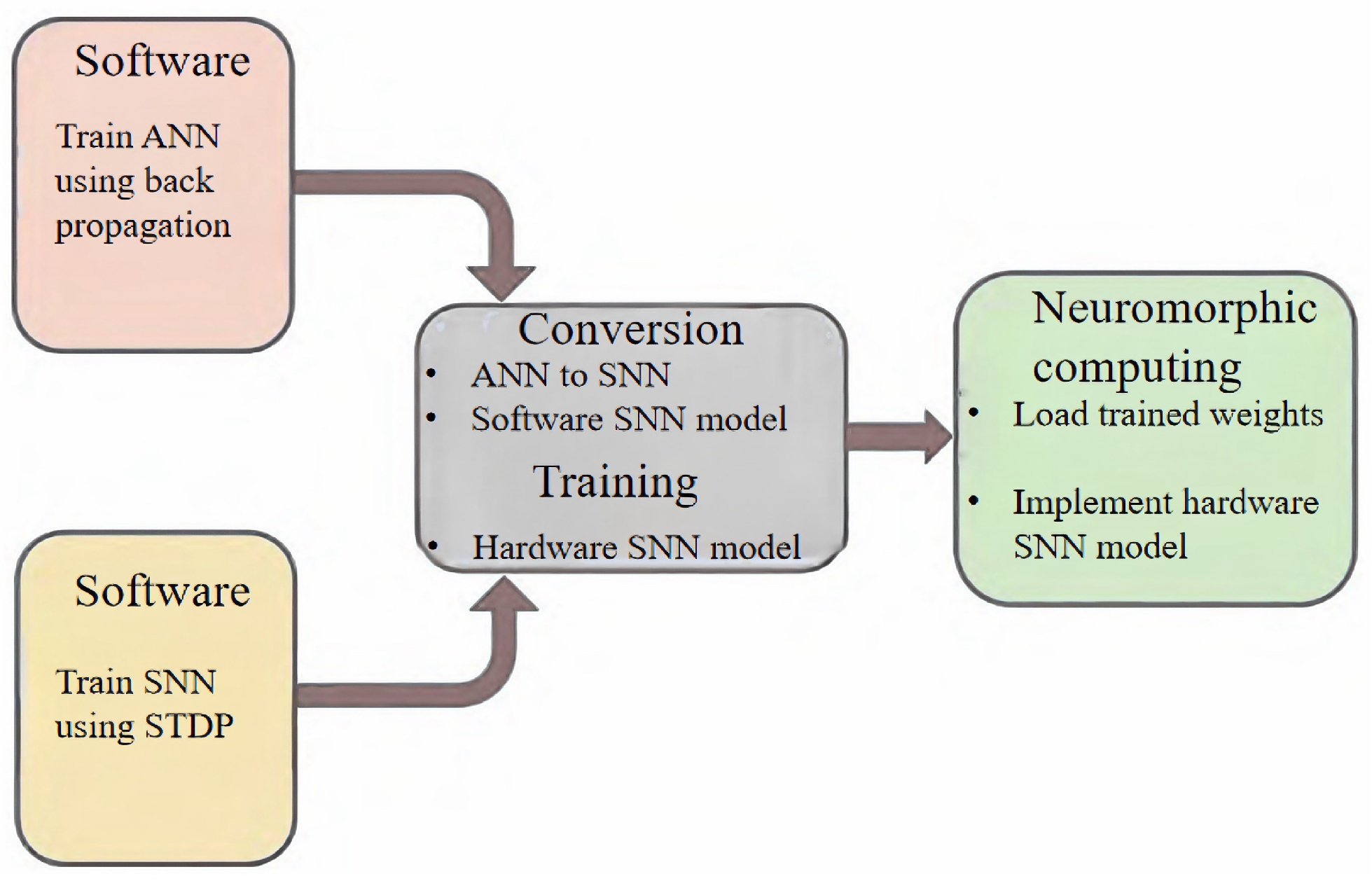
5.2. Algorithmic Challenges
5.3. Scalability and Integration with Existing Systems
6. Conclusions and Future Work
6.1. Conclusions
6.2. Future Work
- Improved Synaptic Plasticity Models:Although current neuromorphic systems use spike-timing-dependent plasticity (STDP) and voltage-dependent synaptic plasticity (VDSP), more biologically plausible models are needed. Research should focus on synaptic plasticity that better mimics brain functions, such as multi-factor learning rules that integrate both short- and long-term memory processes. This will enable neuromorphic systems to adapt more effectively to dynamic environments and complex tasks, improving their performance in real-world AI applications like robotics and autonomous vehicles.
- Efficient Cross-Layer Communication: Scalability remains a major issue in neuromorphic computing due to limitations in inter-layer communication and data transfer. Future research should focus on developing high-bandwidth, low-latency communication protocols for large-scale neuromorphic systems, particularly for hybrid analog–digital systems. Integration of advanced interconnect technologies, such as optical or memristor-based communication networks, could reduce bottlenecks and enable seamless scaling across larger networks of neuromorphic chips.
- Hardware–Software Co-Design: The development of integrated toolchains that span from algorithmic development to hardware deployment will be crucial for wider adoption of neuromorphic computing. Future work should focus on creating more accessible programming models and development environments that abstract the underlying hardware complexity while preserving performance and efficiency benefits.
Author Contributions
Funding
Data Availability Statement
Conflicts of Interest
References
- Kudithipudi, D.; Schuman, C.; Vineyard, C.M.; Pandit, T.; Merkel, C.; Kubendran, R.; Aimone, J.B.; Orchard, G.; Mayr, C.; Benosman, R.; et al. Neuromorphic computing at scale. Nature 2025, 637, 801–812. [Google Scholar] [CrossRef]
- Rathi, N.; Chakraborty, I.; Kosta, A.; Sengupta, A.; Ankit, A.; Panda, P.; Roy, K. Exploring neuromorphic computing based on spiking neural networks: Algorithms to hardware. ACM Comput. Surv. 2023, 55, 1–49. [Google Scholar] [CrossRef]
- Farmakidis, N.; Dong, B.; Bhaskaran, H. Integrated photonic neuromorphic computing: Opportunities and challenges. Nat. Rev. Electr. Eng. 2024, 1, 358–373. [Google Scholar] [CrossRef]
- Wahid, S.A.A.; Asad, A.; Mohammadi, F. A Survey on Neuromorphic Architectures for Running Artificial Intelligence Algorithms. Electronics 2024, 13, 2963. [Google Scholar] [CrossRef]
- Davies, M.; Wild, A.; Orchard, G.; Sandamirskaya, Y.; Guerra, G.A.F.; Joshi, P.; Plank, P.; Risbud, S.R. Advancing neuromorphic computing with loihi: A survey of results and outlook. Proc. IEEE 2021, 109, 911–934. [Google Scholar] [CrossRef]
- Schuman, C.D.; Potok, T.E.; Patton, R.M.; Birdwell, J.D.; Dean, M.E.; Rose, G.S.; Plank, J.S. A survey of neuromorphic computing and neural networks in hardware. arXiv 2017, arXiv:1705.06963. [Google Scholar] [CrossRef]
- Yamins, D.L.; DiCarlo, J.J. Using goal-driven deep learning models to understand sensory cortex. Nat. Neurosci. 2016, 19, 356–365. [Google Scholar] [CrossRef]
- Ghosh-Dastidar, S.; Adeli, H. Spiking neural networks. Int. J. Neural Syst. 2009, 19, 295–308. [Google Scholar] [CrossRef]
- Lin, C.Y.; Chen, P.H.; Lin, H.H.; Huang, W.M. U (1) dynamics in neuronal activities. Sci. Rep. 2022, 12, 17629. [Google Scholar] [CrossRef]
- Zeni, C.; Pinsler, R.; Zügner, D.; Fowler, A.; Horton, M.; Fu, X.; Wang, Z.; Shysheya, A.; Crabbé, J.; Ueda, S.; et al. A generative model for inorganic materials design. Nature 2025, 639, 624–632. [Google Scholar] [CrossRef]
- Izhikevich, E.M. Simple model of spiking neurons. IEEE Trans. Neural Netw. 2003, 14, 1569–1572. [Google Scholar] [CrossRef]
- Wang, J.; Xu, J.; Mo, X.; Qiu, J. The critical avalanche of an excitation–inhibition neural network composed of Izhikevich neurons is studied based on the bifurcation of the mean-field. Chaos Solitons Fractals 2025, 190, 115772. [Google Scholar] [CrossRef]
- Guo, D.; Li, C. Self-sustained irregular activity in 2-D small-world networks of excitatory and inhibitory neurons. IEEE Trans. Neural Netw. 2010, 21, 895–905. [Google Scholar] [PubMed]
- Heidarpur, M.; Ahmadi, A.; Ahmadi, M.; Azghadi, M.R. CORDIC-SNN: On-FPGA STDP learning with izhikevich neurons. IEEE Trans. Circuits Syst. Regul. Pap. 2019, 66, 2651–2661. [Google Scholar] [CrossRef]
- Xu, Q.; Liu, T.; Ding, S.; Bao, H.; Li, Z.; Chen, B. Extreme multistability and phase synchronization in a heterogeneous bi-neuron Rulkov network with memristive electromagnetic induction. Cogn. Neurodynamics 2023, 17, 755–766. [Google Scholar] [CrossRef] [PubMed]
- Wu, Y.; Deng, L.; Li, G.; Zhu, J.; Shi, L. Spatio-temporal backpropagation for training high-performance spiking neural networks. Front. Neurosci. 2018, 12, 331. [Google Scholar]
- Bellec, G.; Scherr, F.; Subramoney, A.; Hajek, E.; Salaj, D.; Legenstein, R.; Maass, W. A solution to the learning dilemma for recurrent networks of spiking neurons. Nat. Commun. 2020, 11, 3625. [Google Scholar] [CrossRef]
- Yik, J.; Van den Berghe, K.; den Blanken, D.; Bouhadjar, Y.; Fabre, M.; Hueber, P.; Ke, W.; Khoei, M.A.; Kleyko, D.; Pacik-Nelson, N.; et al. The neurobench framework for benchmarking neuromorphic computing algorithms and systems. Nat. Commun. 2025, 16, 1545. [Google Scholar] [CrossRef]
- Liu, Z.; Mei, J.; Tang, J.; Xu, M.; Gao, B.; Wang, K.; Ding, S.; Liu, Q.; Qin, Q.; Chen, W.; et al. A memristor-based adaptive neuromorphic decoder for brain–computer interfaces. Nat. Electron. 2025, 8, 362–372. [Google Scholar] [CrossRef]
- Pei, J.; Deng, L.; Song, S.; Zhao, M.; Zhang, Y.; Wu, S.; Wang, G.; Zou, Z.; Wu, Z.; He, W.; et al. Towards artificial general intelligence with hybrid Tianjic chip architecture. Nature 2019, 572, 106–111. [Google Scholar] [CrossRef]
- Merolla, P.A.; Arthur, J.V.; Alvarez-Icaza, R.; Cassidy, A.S.; Sawada, J.; Akopyan, F.; Jackson, B.L.; Imam, N.; Guo, C.; Nakamura, Y.; et al. A million spiking-neuron integrated circuit with a scalable communication network and interface. Science 2014, 345, 668–673. [Google Scholar] [CrossRef] [PubMed]
- Boi, F.; Moraitis, T.; De Feo, V.; Diotalevi, F.; Bartolozzi, C.; Indiveri, G.; Vato, A. A bidirectional brain-machine interface featuring a neuromorphic hardware decoder. Front. Neurosci. 2016, 10, 563. [Google Scholar] [CrossRef] [PubMed]
- Benjamin, B.V.; Gao, P.; McQuinn, E.; Choudhary, S.; Chandrasekaran, A.R.; Bussat, J.M.; Alvarez-Icaza, R.; Arthur, J.V.; Merolla, P.A.; Boahen, K. Neurogrid: A mixed-analog-digital multichip system for large-scale neural simulations. Proc. IEEE 2014, 102, 699–716. [Google Scholar]
- Billaudelle, S.; Stradmann, Y.; Schreiber, K.; Cramer, B.; Baumbach, A.; Dold, D.; Göltz, J.; Kungl, A.F.; Wunderlich, T.C.; Hartel, A.; et al. Versatile emulation of spiking neural networks on an accelerated neuromorphic substrate. In Proceedings of the 2020 IEEE International Symposium on Circuits and Systems (ISCAS), Seville, Spain, 12–14 October 2020; IEEE: Washington, DC, USA, 2020; pp. 1–5. [Google Scholar]
- Khodagholy, D.; Gelinas, J.N.; Thesen, T.; Doyle, W.; Devinsky, O.; Malliaras, G.G.; Buzsáki, G. NeuroGrid: Recording action potentials from the surface of the brain. Nat. Neurosci. 2015, 18, 310–315. [Google Scholar] [CrossRef]
- Johnson, M. Mapping the mind: A new tool reveals uncharted territories in the brain. Nat. Med. 2017, 23, 144–147. [Google Scholar] [CrossRef]
- Waldrop, M.M. Smart connections. Nature 2013, 503, 22. [Google Scholar] [CrossRef]
- Oldroyd, P.; Velasco-Bosom, S.; Bidinger, S.L.; Hasan, T.; Boys, A.J.; Malliaras, G.G. Fabrication of thin-film electrodes and organic electrochemical transistors for neural implants. Nat. Protoc. 2025, 20, 2100–2124. [Google Scholar] [CrossRef]
- Hong, G.; Lieber, C.M. Novel electrode technologies for neural recordings. Nat. Rev. Neurosci. 2019, 20, 330–345. [Google Scholar]
- Roy, K.; Jaiswal, A.; Panda, P. Towards spike-based machine intelligence with neuromorphic computing. Nature 2019, 575, 607–617. [Google Scholar] [CrossRef]
- Zhang, W.; Ma, S.; Ji, X.; Liu, X.; Cong, Y.; Shi, L. The development of general-purpose brain-inspired computing. Nat. Electron. 2024, 7, 954–965. [Google Scholar]
- He, W.; Zhu, J.; Feng, Y.; Liang, F.; You, K.; Chai, H.; Sui, Z.; Hao, H.; Li, G.; Zhao, J.; et al. Neuromorphic-enabled video-activated cell sorting. Nat. Commun. 2024, 15, 10792. [Google Scholar] [CrossRef]
- Moradi, S.; Qiao, N.; Stefanini, F.; Indiveri, G. A scalable multicore architecture with heterogeneous memory structures for dynamic neuromorphic asynchronous processors (DYNAPs). IEEE Trans. Biomed. Circuits Syst. 2017, 12, 106–122. [Google Scholar] [CrossRef]
- Schuman, C.D.; Kulkarni, S.R.; Parsa, M.; Mitchell, J.P.; Date, P.; Kay, B. Opportunities for neuromorphic computing algorithms and applications. Nat. Comput. Sci. 2022, 2, 10–19. [Google Scholar] [CrossRef]
- Wu, Y.; Zhao, R.; Zhu, J.; Chen, F.; Xu, M.; Li, G.; Song, S.; Deng, L.; Wang, G.; Zheng, H.; et al. Brain-inspired global-local learning incorporated with neuromorphic computing. Nat. Commun. 2022, 13, 65. [Google Scholar] [CrossRef] [PubMed]
- Zhang, Y.; Qu, P.; Ji, Y.; Zhang, W.; Gao, G.; Wang, G.; Song, S.; Li, G.; Chen, W.; Zheng, W.; et al. A system hierarchy for brain-inspired computing. Nature 2020, 586, 378–384. [Google Scholar] [CrossRef] [PubMed]
- Van Doremaele, E.; Ji, X.; Rivnay, J.; Van De Burgt, Y. A retrainable neuromorphic biosensor for on-chip learning and classification. Nat. Electron. 2023, 6, 765–770. [Google Scholar] [CrossRef]
- Qiao, N.; Mostafa, H.; Corradi, F.; Osswald, M.; Stefanini, F.; Sumislawska, D.; Indiveri, G. A reconfigurable on-line learning spiking neuromorphic processor comprising 256 neurons and 128K synapses. Front. Neurosci. 2015, 9, 141. [Google Scholar] [CrossRef]
- Bezugam, S.S.; Shaban, A.; Suri, M. Neuromorphic recurrent spiking neural networks for emg gesture classification and low power implementation on loihi. In Proceedings of the 2023 IEEE International Symposium on Circuits and Systems (ISCAS), Monterey, CA, USA, 21–25 May 2023; IEEE: Washington, DC, USA, 2023; pp. 1–5. [Google Scholar]
- Davies, M.; Srinivasa, N.; Lin, T.H.; Chinya, G.; Cao, Y.; Choday, S.H.; Dimou, G.; Joshi, P.; Imam, N.; Jain, S.; et al. Loihi: A neuromorphic manycore processor with on-chip learning. IEEE Micro 2018, 38, 82–99. [Google Scholar] [CrossRef]
- Kleyko, D.; Kymn, C.J.; Thomas, A.; Olshausen, B.A.; Sommer, F.T.; Frady, E.P. Principled neuromorphic reservoir computing. Nat. Commun. 2025, 16, 640. [Google Scholar] [CrossRef]
- Rao, A.; Plank, P.; Wild, A.; Maass, W. A long short-term memory for AI applications in spike-based neuromorphic hardware. Nat. Mach. Intell. 2022, 4, 467–479. [Google Scholar]
- Smith, J.D.; Hill, A.J.; Reeder, L.E.; Franke, B.C.; Lehoucq, R.B.; Parekh, O.; Severa, W.; Aimone, J.B. Neuromorphic scaling advantages for energy-efficient random walk computations. Nat. Electron. 2022, 5, 102–112. [Google Scholar] [CrossRef]
- Pedersen, J.E.; Abreu, S.; Jobst, M.; Lenz, G.; Fra, V.; Bauer, F.C.; Muir, D.R.; Zhou, P.; Vogginger, B.; Heckel, K.; et al. Neuromorphic intermediate representation: A unified instruction set for interoperable brain-inspired computing. Nat. Commun. 2024, 15, 8122. [Google Scholar] [CrossRef] [PubMed]
- Imam, N.; Cleland, T.A. Rapid online learning and robust recall in a neuromorphic olfactory circuit. Nat. Mach. Intell. 2020, 2, 181–191. [Google Scholar] [CrossRef]
- Sandamirskaya, Y.; Kaboli, M.; Conradt, J.; Celikel, T. Neuromorphic computing hardware and neural architectures for robotics. Sci. Robot. 2022, 7, eabl8419. [Google Scholar] [CrossRef] [PubMed]
- Kawasetsu, T.; Ishida, R.; Sanada, T.; Okuno, H. A hardware system for emulating the early vision utilizing a silicon retina and SpiNNaker chips. In Proceedings of the 2014 IEEE Biomedical Circuits and Systems Conference (BioCAS) Proceedings, Lausanne, Switzerland, 22–24 October 2014; IEEE: Washington, DC, USA, 2014; pp. 552–555. [Google Scholar]
- Furber, S.B.; Galluppi, F.; Temple, S.; Plana, L.A. The spinnaker project. Proc. IEEE 2014, 102, 652–665. [Google Scholar] [CrossRef]
- Soto, M.; Serrano-Gotarredona, T.; Linares-Barranco, B. An Intrinsic Method for Fast Parameter Update on the SpiNNaker Platform. In Proceedings of the 2018 IEEE International Symposium on Circuits and Systems (ISCAS), Florence, Italy, 27–30 May 2018; IEEE: Washington, DC, USA, 2018; pp. 1–5. [Google Scholar]
- Haessig, G.; Galluppi, F.; Lagorce, X.; Benosman, R. Neuromorphic networks on the SpiNNaker platform. In Proceedings of the 2019 IEEE International Conference on Artificial Intelligence Circuits and Systems (AICAS), Hsinchu, Taiwan, 18–20 March 2019; IEEE: Washington, DC, USA, 2019; pp. 86–91. [Google Scholar]
- Schoepe, T.; Janotte, E.; Milde, M.B.; Bertrand, O.J.; Egelhaaf, M.; Chicca, E. Finding the gap: Neuromorphic motion-vision in dense environments. Nat. Commun. 2024, 15, 817. [Google Scholar] [CrossRef]
- Lu, W.; Du, X.; Wang, J.; Zeng, L.; Ye, L.; Xiang, S.; Zheng, Q.; Zhang, J.; Xu, N.; Feng, J.; et al. Simulation and assimilation of the digital human brain. Nat. Comput. Sci. 2024, 4, 890–898. [Google Scholar] [CrossRef]
- Akopyan, F.; Sawada, J.; Cassidy, A.; Alvarez-Icaza, R.; Arthur, J.; Merolla, P.; Imam, N.; Nakamura, Y.; Datta, P.; Nam, G.J.; et al. TrueNorth: Design and tool flow of a 65 mw 1 million neuron programmable neurosynaptic chip. IEEE Trans. Comput. Aided Des. Integr. Circuits Syst. 2015, 34, 1537–1557. [Google Scholar]
- Zhang, W.; Gao, B.; Tang, J.; Yao, P.; Yu, S.; Chang, M.F.; Yoo, H.J.; Qian, H.; Wu, H. Neuro-inspired computing chips. Nat. Electron. 2020, 3, 371–382. [Google Scholar] [CrossRef]
- Siddique, A.; Vai, M.I.; Pun, S.H. A low cost neuromorphic learning engine based on a high performance supervised SNN learning algorithm. Sci. Rep. 2023, 13, 6280. [Google Scholar] [CrossRef]
- Schranghamer, T.F.; Oberoi, A.; Das, S. Graphene memristive synapses for high precision neuromorphic computing. Nat. Commun. 2020, 11, 5474. [Google Scholar] [CrossRef] [PubMed]
- Mehonic, A.; Kenyon, A.J. Brain-inspired computing needs a master plan. Nature 2022, 604, 255–260. [Google Scholar] [CrossRef] [PubMed]
- Shi, Q.; Liu, F.; Li, H.; Li, G.; Shi, L.; Zhao, R. Hybrid neural networks for continual learning inspired by corticohippocampal circuits. Nat. Commun. 2025, 16, 1272. [Google Scholar] [CrossRef] [PubMed]
- Shi, W.; Cao, J.; Chen, G.; Wang, X.; Liu, S.; Ding, Y. Peripheral Hardware System Design for a Neuromorphic Chip. In Proceedings of the 2023 IEEE 15th International Conference on ASIC (ASICON), Nanjing, China, 24–27 October 2023; IEEE: Washington, DC, USA, 2023; pp. 1–4. [Google Scholar]
- Rinaldi, F.; Clematide, S.; Schneider, G.; Romacker, M.; Vachon, T. ODIN: An advanced interface for the curation of biomedical literature. Nat. Preced. 2010, 1. [Google Scholar] [CrossRef]
- Frenkel, C. Bottom-Up and Top-Down Neuromorphic Processor Design: Unveiling Roads to Embedded Cognition. Ph.D. Dissertation, UC Louvain, Ottignies-Louvain-la-Neuve, Belgium, 2020. [Google Scholar]
- Frenkel, C.; Lefebvre, M.; Legat, J.D.; Bol, D. A 0.086-mm 2 12.7-pJ/SOP 64k-synapse 256-neuron online-learning digital spiking neuromorphic processor in 28-nm CMOS. IEEE Trans. Biomed. Circuits Syst. 2018, 13, 145–158. [Google Scholar]
- Hu, J.; Chen, B.; Ghosh, B.K. Formation-circumnavigation switching control of multiple ODIN systems via finite-time intermittent control strategies. IEEE Trans. Control Netw. Syst. 2024, 11, 1986–1997. [Google Scholar] [CrossRef]
- Antonelli, G.; Chiaverini, S.; Sarkar, N.; West, M. Adaptive control of an autonomous underwater vehicle: Experimental results on ODIN. IEEE Trans. Control Syst. Technol. 2002, 9, 756–765. [Google Scholar]
- Frenkel, C.; Legat, J.D.; Bol, D. A 65-nm 738k-synapse/mm 2 quad-core binary-weight digital neuromorphic processor with stochastic spike-driven online learning. In Proceedings of the 2019 IEEE International Symposium on Circuits and Systems (ISCAS), Sapporo, Japan, 26–29 May 2019; IEEE: Washington, DC, USA, 2019; pp. 1–5. [Google Scholar]
- Yang, S.; Li, W.; Vaseem, M.; Shamim, A. Additively manufactured dual-mode reconfigurable filter employing VO2-based switches. IEEE Trans. Components Packag. Manuf. Technol. 2020, 10, 1738–1744. [Google Scholar]
- Liu, C.; Tiw, P.J.; Zhang, T.; Wang, Y.; Cai, L.; Yuan, R.; Pan, Z.; Yue, W.; Tao, Y.; Yang, Y. VO2 memristor-based frequency converter with in situ synthesize and mix for wireless internet-of-things. Nat. Commun. 2024, 15, 1523. [Google Scholar]
- Wang, Z.; Li, C.; Song, W.; Rao, M.; Belkin, D.; Li, Y.; Yan, P.; Jiang, H.; Lin, P.; Hu, M.; et al. Reinforcement learning with analogue memristor arrays. Nat. Electron. 2019, 2, 115–124. [Google Scholar] [CrossRef]
- Hu, M.; Strachan, J.P.; Li, Z.; Grafals, E.M.; Davila, N.; Graves, C.; Lam, S.; Ge, N.; Yang, J.J.; Williams, R.S. Dot-product engine for neuromorphic computing: Programming 1T1M crossbar to accelerate matrix-vector multiplication. In Proceedings of the 53rd Annual Design Automation Conference; ACM Digital Library: New York, NY, USA, 2016; pp. 1–6. [Google Scholar]
- Pan, Z.; Zhang, J.; Liu, X.; Zhao, L.; Ma, J.; Luo, C.; Sun, Y.; Dan, Z.; Gao, W.; Lu, X.; et al. Thermally Oxidized Memristor and 1T1R Integration for Selector Function and Low-Power Memory. Adv. Sci. 2024, 11, 2401915. [Google Scholar] [CrossRef]
- Prezioso, M.; Merrikh-Bayat, F.; Hoskins, B.D.; Adam, G.C.; Likharev, K.K.; Strukov, D.B. Training and operation of an integrated neuromorphic network based on metal-oxide memristors. Nature 2015, 521, 61–64. [Google Scholar] [CrossRef] [PubMed]
- Song, W.; Rao, M.; Li, Y.; Li, C.; Zhuo, Y.; Cai, F.; Wu, M.; Yin, W.; Li, Z.; Wei, Q.; et al. Programming memristor arrays with arbitrarily high precision for analog computing. Science 2024, 383, 903–910. [Google Scholar] [CrossRef] [PubMed]
- Jo, S.H.; Chang, T.; Ebong, I.; Bhadviya, B.B.; Mazumder, P.; Lu, W. Nanoscale memristor device as synapse in neuromorphic systems. Nano Lett. 2010, 10, 1297–1301. [Google Scholar] [CrossRef] [PubMed]
- Jeong, H.; Han, S.; Park, S.O.; Kim, T.R.; Bae, J.; Jang, T.; Cho, Y.; Seo, S.; Jeong, H.J.; Park, S.; et al. Self-supervised video processing with self-calibration on an analogue computing platform based on a selector-less memristor array. Nat. Electron. 2025, 8, 168–178. [Google Scholar] [CrossRef]
- Xu, Q.; Peng, J.; Shen, J.; Tang, H.; Pan, G. Deep CovDenseSNN: A hierarchical event-driven dynamic framework with spiking neurons in noisy environment. Neural Netw. 2020, 121, 512–519. [Google Scholar] [CrossRef]
- Thakur, C.S.; Molin, J.L.; Cauwenberghs, G.; Indiveri, G.; Kumar, K.; Qiao, N.; Schemmel, J.; Wang, R.; Chicca, E.; Olson Hasler, J.; et al. Large-scale neuromorphic spiking array processors: A quest to mimic the brain. Front. Neurosci. 2018, 12, 891. [Google Scholar] [CrossRef]
- Karunathilake, I.D.; Brodbeck, C.; Bhattasali, S.; Resnik, P.; Simon, J.Z. Neural dynamics of the processing of speech features: Evidence for a progression of features from acoustic to sentential processing. J. Neurosci. 2025, 45, e1143242025. [Google Scholar] [CrossRef]
- Babu, A.; Wang, C.; Tjandra, A.; Lakhotia, K.; Xu, Q.; Goyal, N.; Singh, K.; Von Platen, P.; Saraf, Y.; Pino, J.; et al. XLS-R: Self-supervised cross-lingual speech representation learning at scale. arXiv 2021, arXiv:2111.09296. [Google Scholar]
- Sun, Y.; Wang, S.; Li, Y.; Feng, S.; Chen, X.; Zhang, H.; Tian, X.; Zhu, D.; Tian, H.; Wu, H. Ernie: Enhanced representation through knowledge integration. arXiv 2019, arXiv:1904.09223. [Google Scholar] [CrossRef]
- Baek, E.; Song, S.; Baek, C.K.; Rong, Z.; Shi, L.; Cannistraci, C.V. Neuromorphic dendritic network computation with silent synapses for visual motion perception. Nat. Electron. 2024, 7, 454–465. [Google Scholar] [CrossRef]
- Zhou, G.; Li, J.; Song, Q.; Wang, L.; Ren, Z.; Sun, B.; Hu, X.; Wang, W.; Xu, G.; Chen, X.; et al. Full hardware implementation of neuromorphic visual system based on multimodal optoelectronic resistive memory arrays for versatile image processing. Nat. Commun. 2023, 14, 8489. [Google Scholar] [CrossRef]
- Yang, S.; He, Q.; Lu, Y.; Chen, B. Maximum entropy intrinsic learning for spiking networks towards embodied neuromorphic vision. Neurocomputing 2024, 610, 128535. [Google Scholar] [CrossRef]
- Schliebs, S.; Kasabov, N. Computational modeling with spiking neural networks. In Springer Handbook of Bio-/Neuroinformatics; Springer: Berlin/Heidelberg, Germany, 2014; pp. 625–646. [Google Scholar]
- Chakraborty, B.; She, X.; Mukhopadhyay, S. A fully spiking hybrid neural network for energy-efficient object detection. IEEE Trans. Image Process. 2021, 30, 9014–9029. [Google Scholar] [CrossRef] [PubMed]
- Chaudhary, U.; Birbaumer, N.; Ramos-Murguialday, A. Brain–computer interfaces for communication and rehabilitation. Nat. Rev. Neurol. 2016, 12, 513–525. [Google Scholar] [CrossRef] [PubMed]
- Rothschild, R.M. Neuroengineering tools/applications for bidirectional interfaces, brain–computer interfaces, and neuroprosthetic implants–a review of recent progress. Front. Neuroeng. 2010, 3, 112. [Google Scholar] [CrossRef] [PubMed]
- Aimone, J.B.; Parekh, O. The brain’s unique take on algorithms. Nat. Commun. 2023, 14, 4910. [Google Scholar] [CrossRef]
- Willsey, M.S.; Shah, N.P.; Avansino, D.T.; Hahn, N.V.; Jamiolkowski, R.M.; Kamdar, F.B.; Hochberg, L.R.; Willett, F.R.; Henderson, J.M. A high-performance brain–computer interface for finger decoding and quadcopter game control in an individual with paralysis. Nat. Med. 2025, 31, 96–104. [Google Scholar] [CrossRef]
- Amartumur, S.; Nguyen, H.; Huynh, T.; Kim, T.S.; Woo, R.S.; Oh, E.; Kim, K.K.; Lee, L.P.; Heo, C. Neuropathogenesis-on-chips for neurodegenerative diseases. Nat. Commun. 2024, 15, 2219. [Google Scholar] [CrossRef]
- Liufu, H.; Huang, Z.; Zeng, X.; Tang, C.; Ma, L.; Li, H.; Chen, Y.; Yang, Y.; Lin, S.; Wang, J. Nitrogen-doped carbon confined Cr2S3 hybrid as an efficient low-cost catalyst for electrochemical ammonia synthesis under ambient condition. Inorg. Chem. Commun. 2024, 168, 112869. [Google Scholar] [CrossRef]
- Raikar, A.S.; Andrew, J.; Dessai, P.P.; Prabhu, S.M.; Jathar, S.; Prabhu, A.; Naik, M.B.; Raikar, G.V.S. Neuromorphic computing for modeling neurological and psychiatric disorders: Implications for drug development. Artif. Intell. Rev. 2024, 57, 318. [Google Scholar] [CrossRef]
- Wang, S.; Gao, S.; Tang, C.; Occhipinti, E.; Li, C.; Wang, S.; Wang, J.; Zhao, H.; Hu, G.; Nathan, A.; et al. Memristor-based adaptive neuromorphic perception in unstructured environments. Nat. Commun. 2024, 15, 4671. [Google Scholar] [CrossRef]
- Ostrau, C.; Klarhorst, C.; Thies, M.; Rückert, U. Benchmarking neuromorphic hardware and its energy expenditure. Front. Neurosci. 2022, 16, 873935. [Google Scholar] [CrossRef]







| Feature | Traditional Computing | Neuromorphic |
|---|---|---|
| Data Type | Binary digital signals | Spike signals |
| Data Flow | Sequential | Parallel event-driven |
| Computation Model | Centralized, control-based | Distributed, brain-inspired |
| Energy Efficiency | High power consumption | Low power, energy-efficient |
| Suitability for AI Tasks | Limited | Highly efficient |
| Real-time Processing | Not ideal | Well-suited |
| Learning | Software algorithm-driven | Hardware-level synaptic plasticity |
| Feature | Ours | [4] | [5] | [6] |
|---|---|---|---|---|
| Year | 2025 | 2024 | 2021 | 2017 |
| Focus Area | Chip Architecture | AI Algorithms | Loihi Chip | Neural Networks |
| Hardware Analysis | ✓ | ✓ | × | ✓ |
| Large-scale Application | ✓ | ✓ | × | × |
| Model | Characteristics | Complexity | Plausibility | Advantages | Disadvantages |
|---|---|---|---|---|---|
| IF (Integrate-and-Fire) | Simple threshold-based spiking | Low | Low | Simple, Efficient | Limited detail |
| LIF (Leaky Integrate-and-Fire) | Leaky membrane, spike on threshold | Low | Moderate | Simple, Efficient | Limited detail |
| HH (Hodgkin–Huxley) | Ion channels, detailed spikes | High | High | Accurate | Computationally costly |
| SRM (Spike Response Model) | Spike event superposition | Low | Moderate | Efficient | Simplified dynamics |
| Izhikevich | Two equations, diverse behaviors | Low | High | Diverse, Low cost | Simplified |
| Memristive Izhikevich | Memristor-based plasticity | Moderate | High | Plasticity, Complex | Complex tuning |
| Dimension | Traditional Computing Architecture | Neuromorphic System |
|---|---|---|
| Data Type | Binary digital signals | Spike signals (spatiotemporal encoding) |
| Computational Characteristics | Serial processing, high power consumption | Parallel event-driven, ultra-low power consumption |
| Architectural Design | Separation of storage and computation, fixed circuits | Computation-in-memory, reconfigurable synapses/neurons |
| Learning Mechanism | Software algorithm-driven (e.g., backpropagation) | Hardware-level synaptic plasticity(e.g., STDP rule) |
| Microchip | Technique | Neurons Size | Synapse Size | Power Consumption | Neuronal Model | Computational Model |
|---|---|---|---|---|---|---|
| Neurogrid [23] | 180 nm | 1,048,576 | billions | 5 W | AdExp-I&F | Izhikevich, STDP |
| BrainScaleS [27] | 65 nm | 196,608 | 50,331,648 | 5.6 W | QIF | LIF, STDP |
| DYNAPs [32] | 180 nm | 9216 | 589,824 | low | AdExp-I&F | LIF |
| ROLLS [35] | 180 nm | 256 | 128,000 | low | AdExp-I&F | LIF, STDP |
| Chip | Process Technology | Neuron Scale | Synapse Scale | Power Consumption | Architecture Features |
|---|---|---|---|---|---|
| SpiNNaker [47] | 130 nm | 1 billion | 1 trillion | 25 W | Based on ARM multi-core processors, supports large-scale parallel computing |
| TrueNorth [43] | 28 nm | 1 million | 256 million | 65 mW | Focused on Spiking Neural Networks, low-power design |
| Loihi [39] | 14 nm | 131,072 | 130 million | 26 W | Flexible adaptive learning capability, supports SNN |
| Tianjic [20] | 28 nm | 40,000 | 10 million | low | Supports multiple computational models (SNN, ANN, etc.) |
| PAICORE [58] | 28 nm | 156,250 | 156 million | low | Focused on neuromorphic computing, low-power design |
| ODIN [60] | 28 nm | 256 | 264,000 | low | Based on event-driven Spiking Neural Networks (SNNs) |
| Type | WOx-Based | Pd/HfO2/Ta | HPAC Memristor | VO2-Based | High-Precision 1T1R |
|---|---|---|---|---|---|
| Structural Features | Ni/WOx/ITO glass structure, simple | Pd/HfO2/Ta stack, precise layer control | HP-related, unique material combinations | 1T1R (transistor + VO2) | 1T1R with 256 × 256 crossbar |
| Storage | 4-bit (16 states), short-term memory | 24 resistance levels, high endurance (120 B cycles) | Not specified | Dual-mode: non-volatile (long-term) + volatile (short-term) | Non-volatile, high-precision conductance tuning |
| Computing Capability | Reservoir computing for temporal data | Neuromorphic computing, matrix-vector multiplication | Not specified | Ising machines for MAX-CUT, simulates neural dynamics | Reinforcement learning, PDE solving, 10× efficiency vs. ASICs |
| Integration Density | Integratable with other devices | 1T1R with SnS2 transistors | Hybrid chip compatible | High-density in spiking neural networks | Scalable to large arrays |
| Power Consumption | Low-power proposed (no data) | Low (inferred) | Energy-saving potential | Low-power in wireless IoT | Reduced data transmission energy |
| Switching Performance | Pulse-tunable conductance, reverse current decay | Fast (SET: 160 ns, RESET: 110 ns), high on/off ratio (1010) | Not specified | Low-voltage switching, self-oscillation (NDR-based) | Programming error < 1%, O(1) vector-matrix multiplication |
| Development Trends | Optimize stability, expand edge AI | Improve performance, advance neuromorphic applications | Faster, smaller, more efficient | Energy-saving potential | Higher precision, lower power, expand in AI/computing |
| Application Scenario | Suitable Applications | Representative Hardware Platforms | Advantages |
|---|---|---|---|
| Artificial Intelligence | Image recognition, speech processing, natural language processing | BrainScaleS, Loihi, TrueNorth | Low power, high parallelism, real-time response |
| Embodied Intelligence | Robot navigation, environmental interaction | DYNAPs, Tianjic | Real-time adaptation, enhanced autonomy |
| Neuroscience | BCI, neurodegenerative disease research | Loihi, ROLLS | Low-latency signal decoding, aids disease research |
| Adaptive Control Systems | Autonomous driving, energy management | Loihi, TrueNorth, DYNAPs | Dynamic control, efficient real-time processing |
Disclaimer/Publisher’s Note: The statements, opinions and data contained in all publications are solely those of the individual author(s) and contributor(s) and not of MDPI and/or the editor(s). MDPI and/or the editor(s) disclaim responsibility for any injury to people or property resulting from any ideas, methods, instructions or products referred to in the content. |
© 2026 by the authors. Licensee MDPI, Basel, Switzerland. This article is an open access article distributed under the terms and conditions of the Creative Commons Attribution (CC BY) license.
Share and Cite
Chen, G.; Xu, M.; Chen, Y.; Yuan, F.; Qin, L.; Ren, J. A New Era in Computing: A Review of Neuromorphic Computing Chip Architecture and Applications. Chips 2026, 5, 3. https://doi.org/10.3390/chips5010003
Chen G, Xu M, Chen Y, Yuan F, Qin L, Ren J. A New Era in Computing: A Review of Neuromorphic Computing Chip Architecture and Applications. Chips. 2026; 5(1):3. https://doi.org/10.3390/chips5010003
Chicago/Turabian StyleChen, Guang, Meng Xu, Yuying Chen, Fuge Yuan, Lanqi Qin, and Jian Ren. 2026. "A New Era in Computing: A Review of Neuromorphic Computing Chip Architecture and Applications" Chips 5, no. 1: 3. https://doi.org/10.3390/chips5010003
APA StyleChen, G., Xu, M., Chen, Y., Yuan, F., Qin, L., & Ren, J. (2026). A New Era in Computing: A Review of Neuromorphic Computing Chip Architecture and Applications. Chips, 5(1), 3. https://doi.org/10.3390/chips5010003