

Article

Difference in Knowledge About HPV, HPV Vaccination, and Influencing Factors Between Healthcare and Non-Healthcare Students of the University of Rijeka


by
Sandro Kresina
1,2,
Nataša Ivančić Jokić
3,4,
Vlatka Sotošek
4,5,
Helena Glibotić Kresina
6,7,
Danko Bakarčić
3,4,*,
Sara Kresina
8,
Tea Ivančić Jokić
9,
Maja Šikić Pogačar
10,
Karolina Vušković Ćosić
11 and
Neda Smiljan Severinski
4,12
1
Department of School and Adolescent Medicine, Teaching Institute of Public Health of Primorje-Gorski Kotar County, 51000 Rijeka, Croatia
2
Department of Family Medicine, Faculty of Medicine, University of Rijeka, 51000 Rijeka, Croatia
3
Department of Pediatric Dentistry, Faculty of Dental Medicine, University of Rijeka, 51000 Rijeka, Croatia
4
Clinical Hospital Center Rijeka, 51000 Rijeka, Croatia
5
Department of Anesthesiology, Reanimatology, Intensive Care and Emergency Medicine, Faculty of Medicine, University of Rijeka, 51000 Rijeka, Croatia
6
Department of Public Health, Faculty of Health Studies Rijeka, 51000 Rijeka, Croatia
7
Department of Public Health, Teaching Institute of Public Health of Primorje-Gorski Kotar County, 51000 Rijeka, Croatia
8
Faculty of Medicine, University of Rijeka, 51000 Rijeka, Croatia
9
Faculty of speech-language pathology, University of Rijeka, 51000 Rijeka, Croatia
10
Faculty of Medicine, University of Maribor, 2000 Maribor, Slovenia
11
Community Health Centre of the Primorje-Gorski Kotar County, 51000 Rijeka, Croatia
12
Department of Gynecology and Obstetrics, Faculty of Medicine, University of Rijeka, 51000 Rijeka, Croatia
*
Author to whom correspondence should be addressed.
Submission received: 13 November 2025 / Revised: 9 January 2026 / Accepted: 4 February 2026 / Published: 9 February 2026

Abstract

Background: Human papillomavirus (HPV) infection is the most common sexually transmitted infection worldwide and a major cause of several cancers. HPV vaccination is the most effective measure of preventing HPV infection, but knowledge and attitudes towards HPV vaccination are inconsistent. Methods: This study aimed to assess the knowledge, attitudes, and vaccination status related to HPV among university students in both healthcare and non-healthcare fields. A cross-sectional online survey was conducted among 769 full-time students, including 362 healthcare and 407 non-healthcare students. Validated questionnaires assessed HPV knowledge, vaccination attitudes, sociodemographic characteristics, and vaccination status. Results: Healthcare students scored significantly higher on HPV knowledge and had more positive attitudes towards vaccination compared to non-healthcare students. Vaccination rates were similar in both groups. Higher HPV knowledge was significantly correlated with reduced vaccine hesitancy and more positive vaccination attitudes. Binary logistic regression indicated that being younger, having more positive attitudes toward vaccination, and possessing greater knowledge about HPV were each associated with a significantly higher likelihood of HPV vaccination. Conclusions: In conclusion, targeted educational interventions are necessary to enhance HPV vaccination acceptance, especially among non-healthcare students. Universities represent crucial settings for promoting health literacy and increasing HPV vaccination coverage to effectively prevent HPV-related cancers among young adults.

1. Introduction

Human papillomavirus (HPV) infection is the most common sexually transmitted infection worldwide, caused by the HPV DNA virus, and it is estimated that most of the sexually active population will be exposed to the virus during their lifetime [1,2,3,4,5,6]. The incidence of HPV infection increases after the onset of sexual activity and is highest among individuals up to 25 years of age [7,8,9], suggesting that prevention strategies should extend beyond early adolescence to include the transition into young adulthood, a period of greatest exposure and transmission.
More than 200 HPV genotypes have been identified. These types are highly tissue-specific and primarily infect the epithelium of the skin and mucous membranes [10,11]. Among these, HPV 16 and 18 are the most clinically significant, accounting for approximately 70% of cervical cancers and a substantial proportion of other HPV-related malignancies [10,11]. It is estimated that approximately 5% of all new cases of malignancy each year are associated with HPV infection, with chronic inflammation induced by HPV being a prerequisite for the development of malignancy [10,12,13,14,15,16]. Although public awareness often focuses on cervical cancer, HPV is also a major etiological factor in other malignancies, including oropharyngeal, anal, and penile cancers [10,11,12,13]
In this context, vaccination against human papillomavirus represents the most effective primary prevention strategy against the majority of HPV-associated cancers and other HPV-related conditions [10,17,18,19,20,21]. The World Health Organization estimates that the implementation of prevention programs in which vaccination plays an important role could prevent 60 million new cases of cervical cancer and 45 million deaths over the next 100 years [22,23]. In line with this, the European Union aims to vaccinate 90% of girls under 15 years of age against human papillomavirus by 2030, while also enhancing vaccination coverage among boys [24]. This objective aligns with the World Health Organization’s Global Strategy to Accelerate the Elimination of Cervical Cancer, which also targets 90% HPV vaccination coverage for girls by 2030 [22,23]. HPV vaccination is recommended before the onset of sexual activity [25]. Despite the proven safety and effectiveness of vaccination, vaccination rates remain low worldwide [9,26,27,28,29]. This issue is particularly relevant in Croatia, where HPV vaccination has been available since 2007 and has been included in the National Immunization Program since 2015 [30]. The vaccine is currently recommended for children in grades 5–8 of primary school, and an extended catch-up program is available for individuals aged 9–25 years [30,31]. Nevertheless, national coverage remains suboptimal. Recent data for the 2008 birth cohort indicate coverage of 51.1% among girls and 34.3% among boys [31]. While primary prevention is directed toward preadolescents, university students constitute an important catch-up group, particularly those who missed vaccination at the recommended primary school age [30,31]. Universities provide an organized setting to reach young adults before they leave the education system and become less accessible to structured public health initiatives. Moreover, students, especially those in healthcare fields, are future professionals and opinion leaders whose attitudes can shape health literacy and vaccination norms in the broader community [32,33,34,35]. The success of vaccination programs is linked to the target population’s knowledge, attitudes, and acceptance of vaccination [2,27,28,29,34,36,37]. These factors vary with sociodemographic characteristics and educational level [32,33,34]. Although greater awareness is associated with higher acceptance and vaccination uptake, a persistent “knowledge–action gap” has been described [38]. In addition, concerns about adverse effects and exposure to misinformation continue to contribute to vaccine hesitancy [29,34,39,40,41].
Against this background, we examined students at the University of Rijeka to explore factors associated with the knowledge–action gap in HPV vaccination during young adulthood.
Considering that the incidence of HPV infection peaks in the twenties, university students are an important target group for targeted HPV vaccination measures [7,8,9]. They are considered important ‘catch-ups’ for HPV vaccination, especially for those who may have missed the vaccination during the recommended primary school age [42]. For this reason, educating students has important public health significance. It increases knowledge about the importance of vaccination, thus potentially increases the HPV vaccination rate in that population [32,33,34,35].
Despite the clear benefits of vaccination, evidence regarding the independent predictors of vaccine uptake among university students in Croatia remains limited. Therefore, this study aimed to analyze differences in HPV-related knowledge and attitudes toward vaccination between healthcare and non-healthcare students at the University of Rijeka. Factors and barriers associated with uptake were examined using binary logistic regression with adjustment for potential confounders, with the goal of generating evidence to support strategies to increase vaccination coverage in this key catch-up group.

2. Materials and Methods

2.1. Study Design and Participants

This cross-sectional study was conducted between 30 April 2024, and 26 June 2024, at the University of Rijeka, Croatia, an institution enrolling students from all regions of the country. Data collection was performed using an online survey distributed via official university email to the entire population (N = 10,193) of full-time students. A total of 769 students responded to the invitation and completed the questionnaire. The study included full-time undergraduate level students (1–3 years of study) and full-time graduate level students (4–6 years of study), while part-time students and doctoral students were not included. The inclusion criteria were status as a full-time student at the University of Rijeka and willingness to provide informed consent by completing the survey. Exclusion criteria included: part-time student status, incomplete survey responses, and students who had already graduated (alumni) at the time of data collection, to ensure the sample strictly represented the current student population. Both male and female students were included. The survey instrument assessed students’ knowledge of HPV, their attitudes toward HPV vaccination, and their vaccination status. Participants were stratified into two groups based on their field of study: healthcare students (students of medicine, dental medicine, and health sciences) and non-healthcare students (all other fields). They were further stratified by academic level: undergraduate level students (years 1–3) and graduate level students (years 4–6).
Participation in the study was voluntary and anonymous. Consent to participate was implied by completing the questionnaire.
The study received ethical approval from the Ethics Committee of the Faculty of Medicine, University of Rijeka, Rijeka, Croatia (Class: 007 -08/23-01/33; Reg. No: 2170-l -42-04-3 6/1-23-6; Rijeka, 29 May 2023) and the study followed the guidelines of the Helsinki Declaration.

2.2. Data Collection Instruments

Participants completed a series of online questionnaires, including a Sociodemographic Questionnaire, the Human Papillomavirus Knowledge Questionnaire (HPV-KQ; Harrison et al., 2021) [27], and the Vaccination Attitudes Examination Scale (VAX; Martin & Petrie, 2017) [43]. The Sociodemographic Questionnaire, developed specifically for this study, collected information on demographic and health-related variables such as sex, age, field and year of study, tobacco and alcohol use, sexual behavior, physical activity, history of chronic disease, parents’ educational level, and any prior experience with HPV infection or vaccination.
The Human Papillomavirus Knowledge Questionnaire (HPV-KQ) consisted of 13 questions. For analysis, these were grouped into two main factors: general knowledge about HPV (HPV-KQ-F1) and knowledge about its association with sexual behavior (HPV-KQ-F2). Participants could respond with “true”, “false”, or “don’t know”.
In addition to the total score, the questionnaire was analyzed as a two-dimensional measure: one factor reflecting general HPV knowledge, and the other reflecting perceptions of gender differences in HPV infection and vaccine recommendations. In the present study, Cronbach’s alpha reliability coefficients were 0.83 for the total scale, 0.75 for general HPV knowledge, and 0.65 for perceptions of gender differences in HPV infection and vaccine recommendations.
The Vaccination Attitudes Examination (VAX) scale was a validated questionnaire with 12 statements designed to measure attitudes towards vaccination. Participants rated their agreement with each statement on a 6-point Likert scale, from 1 (strongly disagree) to 6 (strongly agree). In addition to a total score, the VAX can be used as a four-dimensional measure assessing: (1) mistrust of vaccine benefit, (2) worries about unforeseen future effects, (3) concerns about commercial profiteering, and (4) preference for natural immunity. Higher total scores on the VAX scale indicate more negative attitudes toward vaccination (i.e., greater vaccine hesitancy). In this study, Cronbach’s alpha reliability coefficients were 0.90 for the total scale, 0.93 for the first factor, 0.78 for the second, 0.88 for the third, and 0.84 for the fourth.
Both the HPV-KQ and VAX questionnaires were validated and considered suitable for the student population in this study. The questionnaires were distributed via official faculty email lists and filled out through the Google Forms® (Google LLC, Googleplex, Mountain View, CA, USA) platform, with the data being automatically saved to a secure database.

2.3. Statistical Analysis

The sample size was calculated based on the number of participants among the target healthcare students and available data about HPV vaccination, with a 95% confidence interval and a 5% margin, while accounting for possible missing responses.
Descriptive statistics were used to summarize the data. Categorical variables were presented as frequencies (n) and percentages (%), while continuous variables were described using the mean (M) and standard deviation (SD). To compare the differences between healthcare and non-healthcare students, several inferential statistical tests were applied. The chi-square test (χ2) was used to analyze differences in the frequencies of categorical variables, such as sociodemographic characteristics and HPV vaccination history. The independent samples Student’s t-test was employed to compare the mean scores for age, the Vaccination Attitudes Examination (VAX) scale, and the Human Papillomavirus Knowledge Questionnaire (HPV-KQ) between the two groups. The relationship between knowledge scores (HPV-KQ) and attitude scores (VAX) was assessed using Pearson’s correlation coefficient (r). For all tests, a p-value of less than 0.05 was considered to indicate statistical significance. A binary logistic regression analysis was performed to assess whether sociodemographic characteristics, attitudes toward HPV vaccination, and knowledge about HPV predicted HPV vaccination status. All statistical analyses were performed using IBM SPSS Statistics for Windows, Version 26.0 (IBM Corp., Armonk, NY, USA).

3. Results

3.1. Socio-Demographic Characteristics of the Students

A total of 769 students successfully completed the questionnaires, representing an analytical sample of n = 362 (47.1%) healthcare students and n = 407 (52.9%) non-healthcare students. Among the participants who initiated the survey, the completion rate was 100%, as only fully submitted and valid questionnaires were included in the final analysis (Figure 1). The final sample size was determined based on a calculated power analysis to ensure statistical significance for the comparison between the two primary student groups.
Table 1 presents the socio-demographic characteristics of the participants.
In both healthcare and non-healthcare student groups, a statistically significant higher number of female students was observed. Male students were more numerous in the non-healthcare students compared to the healthcare students (p = 0.01).
There was no difference in age between healthcare and non-healthcare students. A statistically higher number of students were in undergraduate rather than graduate study in healthcare and non-healthcare student groups.
When comparing the number of smokers, alcohol use, sexual partners, physical activity, and history of chronic disease, no statistically significant differences were observed between healthcare and non-healthcare students.
When comparing the fathers’ and mothers’ education levels between healthcare and non-healthcare students, the educational attainment of fathers of healthcare students is generally higher, with a greater proportion holding undergraduate and particularly graduate or higher degrees. In contrast, fathers of non-healthcare students are more frequently represented in the ‘up to high school’ education category (p = 0.007).

3.2. Human Papillomavirus Vaccination and Infection

A comparison of HPV vaccination and infection history between healthcare and non-healthcare students revealed no statistically significant differences (Table 2).

3.3. Differences on Vaccination Attitudes Examination Scale and Papillomavirus Knowledge Questionnaire

On the Vaccination Attitudes Examination (VAX) scale, healthcare students exhibited significantly more positive attitudes across all subscales (p < 0.001), except for the Worries about Unforeseen Future Effects subscale, where no statistically significant difference was found compared to non-healthcare students (p = 0.149) (Table 3).
Additionally, healthcare students demonstrated significantly greater knowledge about HPV, as measured by the Papillomavirus Knowledge Questionnaire (HPV-KQ), compared to non-healthcare students (p < 0.001) (Table 4).

3.4. Correlations Between the Vaccination Attitudes Examination Scale and the Papillomavirus Knowledge Questionnaire Among Healthcare and Non-Healthcare Students

Table 5 presents the correlations between the Vaccination Attitudes Examination (VAX) scale and the Papillomavirus Knowledge Questionnaire (HPV-KQ) among healthcare and non-healthcare students.
Among healthcare students, general knowledge about HPV (HPV-KQ-F1) was negatively associated with concerns about adverse effects of the vaccine, as well as with the total score on the VAX scale. Knowledge related to HPV and its association with sexual behavior (HPV-KQ-F2), as well as the overall HPV-KQ score, was negatively correlated with all VAX subscales and the total VAX score. In other words, greater knowledge was associated with more positive attitudes.
Among non-healthcare students, general knowledge about HPV was negatively correlated with all attitude subscales except for Worries About Unforeseen Future Effects. Knowledge related to sexual aspects of HPV was not significantly associated with any of the attitude subscales. However, the overall HPV-KQ score was negatively correlated with all attitude subscales, except for Worries About Unforeseen Future Effects.

3.5. Correlations Between Vaccination Attitudes Examination Scale and Papillomavirus Knowledge Questionnaire Between Unvaccinated and Vaccinated Healthcare and Non-Healthcare Students

Correlations between the VAX Scale and the HPV-KQ among unvaccinated healthcare and non-healthcare students were presented in Table 6.
Among unvaccinated healthcare students, general knowledge about HPV (HPV-KQ-F1) was not significantly associated with any attitude scale. However, knowledge related to HPV and its association with sexual behavior (HPV-KQ-F2), as well as the overall HPV-KQ score, were negatively correlated with all subscales and the total score on the VAX questionnaire, except for the Concerns about commercial profiteering subscale. In other words, greater knowledge was associated with more positive attitudes.
Among unvaccinated non-healthcare students, general knowledge about HPV (HPV-KQ-F1) was negatively correlated with the Concerns about commercial profiteering and Preference for natural immunity subscales. Knowledge related to sexual aspects of HPV (HPV-KQ-F2) was not significantly associated with any attitude scale. The overall HPV-KQ score was negatively correlated with the Preference for natural immunity subscale.
Table 7 presents correlations between the VAX scale and the HPV-KQ among vaccinated healthcare and non-healthcare students.
Among vaccinated healthcare students, general knowledge about HPV (HPV-KQ-F1) and knowledge related to the sexual aspects of HPV (HPV-KQ-F2) were significantly negatively correlated with Worries about unforeseen future effects and Concerns about commercial profiteering subscale, as well as with the total VAX score. The overall HPV-KQ score was negatively correlated with all VAX subscales and the total VAX score, except for the Mistrust of vaccine benefit subscale.
Among vaccinated non-healthcare students, general knowledge about HPV (HPV-KQ-F1) was significantly negatively correlated with all VAX subscales and the total score, except for the Worries about unforeseen future effects subscale. Knowledge related to the sexual aspects of HPV (HPV-KQ-F2) was significantly negatively correlated with the Concerns about commercial profiteering and Preference for natural immunity subscale as well as the total VAX score. Additionally, the overall HPV-KQ score was negatively correlated with all VAX subscales and the total VAX score.

3.6. Predictors of HPV Vaccination Status

To examine whether gender, age, field of study (healthcare vs. non-healthcare), attitudes toward HPV vaccination, and HPV-related knowledge predicted HPV vaccination status, a binary logistic regression analysis was conducted. The results are presented in Table 8.
The analyzed predictor variables significantly predicted HPV vaccination (χ2 = 70.94; df = 5; p < 0.001). Younger participants, participants with more positive attitudes toward vaccination, and those with greater knowledge about HPV were significantly more likely to be vaccinated against HPV. The analyzed variables correctly classified 56.1% of unvaccinated participants and 70.2% of vaccinated participants. The overall classification accuracy was 63.3%, indicating that, based on the analyzed variables, the accuracy of distinguishing between vaccinated and unvaccinated participants increased by 13.3% compared to the chance level (50% when two outcomes are possible).

4. Discussion

HPV infection affects young, sexually active adults of both genders and represents a predisposing factor for the development of several types of cancer. Consequently, it has become a public health issue that requires proper education of the general population, especially among individuals at the age when they begin engaging in intimate relationships. One of the ways to prevent the transmission of HPV infection is through adequate education about the risks it carries, as well as the promotion of vaccination as the main method of primary prevention.
The results of this study provide insight into the level of knowledge, attitudes, and HPV vaccination status among students at the University of Rijeka and highlight differences between healthcare and non-healthcare students. The findings show that there is a significant difference in knowledge and attitudes, but no statistically significant difference in vaccination rates between the two examined groups. Healthcare students demonstrated significantly greater knowledge about HPV, as measured by the Papillomavirus Knowledge Questionnaire (HPV-KQ), compared to non-healthcare students, indicating better awareness of the general characteristics of the virus and its association with sexual behavior. On the other hand, non-healthcare students showed a lower level of knowledge and greater mistrust in the benefits of the vaccine. Similar results were obtained by Monteiro et al. [44], while Borlu et al. [45] reported low knowledge about HPV infection, risk factors, and vaccination. Mann and Kingsley [46] also found comparable results [44,45,46]. A study among medical, pharmacy, and dental students conducted by Aksoy et al. [47] demonstrated a statistically significant correlation between the level of knowledge and the number of vaccinated students [47]. More recent research conducted among medical students in Germany in 2024 also showed low levels of knowledge about HPV infection [48].
The greater knowledge of healthcare students can be explained by the formal education they receive during their studies. Healthcare students also show significantly more positive attitudes on the subscales Mistrust of vaccine benefit, Concerns about commercial profiteering, and Preference for natural immunity, yet even that is often insufficient to increase vaccination rates, which may be explained by the fear of side effects. This demonstrates that positive attitudes alone are often not enough to encourage students to get vaccinated; rather, it is necessary to increase awareness and knowledge about the safety and effectiveness of vaccines. This can be explained by the fact that information about vaccination and the vaccination itself were offered to them at an earlier age, when they had not yet acquired sufficient formal knowledge about HPV infection. The low vaccination rate among healthcare students is concerning, as they are the future healthcare professionals who will recommend the vaccine to their patients [27,44,45].
Education of university students about HPV represents a key public health strategy with a dual effect. In addition to promoting vaccination coverage within the population itself, it also has significant intergenerational potential, as informed parents are more likely to make decisions about vaccinating their children. As future holders of social and professional roles, students are key stakeholders in strengthening health literacy and promoting vaccination as the most effective method of primary prevention. This is especially true for those working in the education, health, and social care sectors [38]. Indeed, healthcare professionals, including physicians, nurses, and dentists, play a particularly important role in promoting HPV vaccination [33,34,35,43].
All studies emphasize the need for additional educational and informational campaigns about HPV vaccination to increase vaccination rates.
The findings of this study confirm that knowledge about HPV and positive attitudes toward vaccination are significantly associated with a greater willingness to be vaccinated.
In Croatia, where HPV vaccination is free of charge and recommended for pupils and students, the low uptake rate indicates the need for a more systematic approach to educating young people about the importance of vaccination [30,31,42].
The results highlight the need for the systematic inclusion of educational programs on HPV and vaccination in higher education curricula, as well as the importance of targeted communication aimed at dispelling misinformation and increasing trust in vaccines. The findings of this research confirm that knowledge about HPV and positive attitudes towards vaccination significantly correlate with a greater willingness to be vaccinated. The results highlight the need for the systematic inclusion of educational programs about HPV and vaccination in higher education curricula, as well as the importance of targeted communication aimed at dispelling misinformation and increasing trust in vaccines.
This study also shows that education should be implemented more effectively and more frequently through the national program in younger age groups, both within health education classes and through other forms of education that would encourage better understanding and acceptance of vaccination as the primary means of preventing this infection. It also showed that education and positive vaccination campaigns should be continued within the higher education system, since at this age students can make independent decisions about vaccination based on their knowledge, and this population contributes to prevention in multiple ways—through their own protection as well as through their professional activities in society.
The limitations of the study are several. First, the study was conducted at a single university. Furthermore, the responses may be subjective, and participants may provide acceptable rather than accurate responses. These limitations should be considered in future research, which should include larger and more diverse populations.

5. Conclusions

Students of healthcare studies show statistically significantly better knowledge about HPV infection and express more positive attitudes toward vaccination compared to students of non-healthcare studies. However, even this is not sufficient for the vaccination rate between these two groups to be statistically significant, although non-healthcare students showed greater mistrust in the benefits of the vaccine.
Greater knowledge is associated with more positive attitudes, but positive attitudes alone are often not enough to motivate students to get vaccinated. It is necessary to increase awareness and knowledge about the safety and effectiveness of vaccines and to include systematic education for all students—especially those working in the fields of education, healthcare, and social welfare—within public health strategies. It is necessary to conduct additional research on the basis of which the national HPV prevention strategy would be revised.

Author Contributions

Conceptualization, S.K. (Sandro Kresina), N.I.J. and V.S.; methodology, S.K. (Sandro Kresina), H.G.K., N.I.J. and D.B.; formal analysis, V.S. and M.Š.P.; visualization, S.K. (Sandro Kresina), N.I.J. and K.V.Ć.; investigation S.K. (Sandro Kresina), T.I.J., and S.K. (Sara Kresina) writing—original draft preparation, S.K. (Sandro Kresina), N.I.J., and V.S.; writing—review and editing, S.K. (Sandro Kresina), V.S., N.I.J. and N.S.S. All authors have read and agreed to the published version of the manuscript.

Funding

This research received no external funding.

Institutional Review Board Statement

The study was conducted in accordance with the Declaration of Helsinki, and approved by the Institutional Review Board Ethics Committee of the Faculty of Medicine, University of Rijeka, CroatiaClass: 007 -08/23-01/33; Reg. No: 2170-l -42-04-3 6/1-23-6; and date of approval is 29 May 2023.

Informed Consent Statement

Informed consent was obtained from all subjects involved in the study.

Data Availability Statement

The original contributions presented in this study are included in the article. Further inquiries can be directed to the corresponding authors.

Acknowledgments

We thank all participants and implementers of the study.

Conflicts of Interest

The authors state no conflict of interest.

Abbreviations

The following abbreviations are used in this manuscript:
HPVHuman papillomavirus
HPV-KQHuman papillomavirus knowledge questionnaire
VAXVaccination Attitudes Examination

References

  1. Torres, E.; Richman, A.; Wright, W.; Wu, Q. Assessing Dental Students’ HPV Health Literacy and Intention to Engage in HPV-Related Oropharyngeal Cancer Prevention. J. Cancer Educ. 2022, 37, 950–956. [Google Scholar] [CrossRef]
  2. Trucchi, C.; Amicizia, D.; Tafuri, S.; Sticchi, L.; Durando, P.; Costantino, C.; Varlese, F.; Di Silverio, B.; Bagnasco, A.M.; Ansaldi, F.; et al. Assessment of Knowledge, Attitudes, and Propensity towards HPV Vaccine of Young Adult Students in Italy. Vaccines 2020, 8, 74. [Google Scholar] [CrossRef]
  3. Insinga, R.P.; Dasbach, E.J.; Elbasha, E.H. Epidemiologic natural history and clinical management of Human Papillomavirus (HPV) Disease: A critical and systematic review of the literature in the development of an HPV dynamic transmission model. BMC Infect. Dis. 2009, 9, 119. [Google Scholar] [CrossRef] [PubMed]
  4. Forman, D.; de Martel, C.; Lacey, C.J.; Soerjomataram, I.; Lortet-Tieulent, J.; Bruni, L.; Vignat, J.; Ferlay, J.; Bray, F.; Plummer, M.; et al. Global Burden of Human Papillomavirus and Related Diseases. Vaccine 2012, 30, F12–F23. [Google Scholar] [CrossRef] [PubMed]
  5. Bruni, L.; Diaz, M.; Barrionuevo-Rosas, L.; Herrero, R.; Bray, F.; Bosch, F.X.; de Sanjosé, S.; Castellsagué, X. Global estimates of human papillomavirus vaccination coverage by region and income level: A pooled analysis. Lancet Glob. Health 2016, 4, e453–e463. [Google Scholar] [CrossRef] [PubMed]
  6. de Sanjosé, S.; Diaz, M.; Castellsagué, X.; Clifford, G.; Bruni, L.; Muñoz, N.; Bosch, F.X. Worldwide prevalence and genotype distribution of cervical human papillomavirus DNA in women with normal cytology: A meta-analysis. Lancet Infect. Dis. 2007, 7, 453–459. [Google Scholar] [CrossRef]
  7. Revzina, N.V.; DiClemente, R.J. Prevalence and incidence of human papillomavirus infection in women in the USA: A systematic review. Int. J. STD AIDS 2005, 16, 528–537. [Google Scholar] [CrossRef]
  8. Serrano, B.; Brotons, M.; Bosch, F.X.; Bruni, L. Epidemiology and burden of HPV-related disease. Best Pract. Res. Clin. Obstet. Gynaecol. 2018, 47, 14–26. [Google Scholar] [CrossRef]
  9. Bruni, L.; Albero, G.; Serrano, B.; Mena, M.; Collado, J.J.; Gómez, D.; Muñoz, J.; Bosch, F.X.; de Sanjosé, S.; ICO/IARC Information Centre on HPV and Cancer (HPV Information Centre). Human Papillomavirus and Related Diseases in the World. 2023. Available online: https://hpvcentre.net/statistics/reports/XWX.pdf (accessed on 30 July 2024).
  10. Graham, S.V. The human papillomavirus replication cycle, and its links to cancer progression: A comprehensive review. Clin. Sci. 2017, 131, 2201–2221. [Google Scholar] [CrossRef]
  11. Schiffman, M.; Doorbar, J.; Wentzensen, N.; de Sanjosé, S.; Fakhry, C.; Monk, B.J.; Stanley, M.A.; Franceschi, S. Carcinogenic human papillomavirus infection. Nat. Rev. Dis. Primers 2016, 2, 16086. [Google Scholar] [CrossRef]
  12. Fernandes, J.V.; Galvão de Araújo, J.M.; Allyrio Araújo de Medeiros Fernandes, T. Biology and natural history of human papillomavirus infection. Open Access J. Clin. Trials 2013, 5, 1–12. [Google Scholar] [CrossRef]
  13. Cindrić, A. Biologija Humanih Papiloma Virusa. 2009. Available online: https://urn.nsk.hr/urn:nbn:hr:217:762685 (accessed on 19 July 2024).
  14. de Martel, C.; Plummer, M.; Vignat, J.; Franceschi, S. Worldwide burden of cancer attributable to HPV by site, country and HPV type. Int. J. Cancer 2017, 141, 664–670. [Google Scholar] [CrossRef]
  15. Ferlay, J.; Shin, H.R.; Bray, F.; Forman, D.; Mathers, C.; Parkin, D.M. Estimates of worldwide burden of cancer in 2008: GLOBOCAN 2008. Int. J. Cancer 2010, 127, 2893–2917. [Google Scholar] [CrossRef]
  16. de Martel, C.; Ferlay, J.; Franceschi, S.; Vignat, J.; Bray, F.; Forman, D.; Plummer, M. Global burden of cancers attributable to infections in 2008: A review and synthetic analysis. Lancet Oncol. 2012, 13, 607–615. [Google Scholar] [CrossRef] [PubMed]
  17. Kornhaber, M.S.; Florence, T.; Davis, T.; Kingsley, K. Assessment of Oral Human Papillomavirus Prevalence in Pediatric and Adult Patients within a Multi-Ethnic Clinic Population. Dent. J. 2022, 10, 54. [Google Scholar] [CrossRef]
  18. Roden, R.B.S.; Stern, P.L. Opportunities and challenges for human papillomavirus vaccination in cancer. Nat. Rev. Cancer 2018, 18, 240–254. [Google Scholar] [CrossRef] [PubMed]
  19. Wang, R.; Pan, W.; Jin, L.; Huang, W.; Li, Y.; Wu, D.; Gao, C.; Ma, D.; Liao, S. Human papillomavirus vaccine against cervical cancer: Opportunity and challenge. Cancer Lett. 2020, 471, 88–102. [Google Scholar] [CrossRef]
  20. Rosalik, K.; Tarney, C.; Han, J. Human Papilloma Virus Vaccination. Viruses 2021, 13, 1091. [Google Scholar] [CrossRef]
  21. Petrie, K.; Wells, A.; Eckert, L.O. Human Papillomavirus Vaccine. Obs. Gynecol. Clin. North. Am. 2023, 50, 339–348. [Google Scholar] [CrossRef] [PubMed]
  22. World Health Organization. Global Strategy to Accelerate the Elimination of Cervical Cancer as a Public Health Problem. Available online: https://www.who.int/publications/i/item/9789240014107 (accessed on 6 February 2022).
  23. World Health Organization. Human Papillomavirus Vaccines: WHO Position Paper, December 2022. Wkly Epidemiol. Rec. 2022, 97, 645–672. [Google Scholar]
  24. Vaccines Europe. Vaccines Europe Statement on Vaccine Preventable Cancers. 2022. Available online: https://www.vaccineseurope.eu/news/press-releases/vaccines-europe-statement-on-vaccine-preventable-cancers (accessed on 16 July 2025).
  25. Wolf, J.; Kist, L.F.; Pereira, S.B.; Quessada, M.A.; Petek, H.; Pille, A.; Maccari, J.G.; Mutlaq, M.P.; Nasi, L.A. Human papillomavirus infection: Epidemiology, biology, host interactions, cancer development, prevention, and therapeutics. Rev. Med. Virol. 2024, 34, 2537. [Google Scholar] [CrossRef]
  26. Spayne, J.; Hesketh, T. Estimate of global human papillomavirus vaccination coverage: Analysis of country-level indicators. BMJ Open 2021, 11, e052016. [Google Scholar] [CrossRef] [PubMed]
  27. Harrison, S.E.; Yelverton, V.; Wang, Y.; Ostermann, J.; Fish, L.J.; Williams, C.L.; Vasudevan, L.; Walter, E.B. Examining Associations between Knowledge and Vaccine Uptake Using the Human Papillomavirus Knowledge Questionnaire (HPV-KQ). Am. J. Health Behav. 2021, 45, 810–827. [Google Scholar] [CrossRef]
  28. Gautreaux, J.; Pittman, E.; LaPorte, K.; Yang, J.; Barnard, M. Graduate and Health Professional Student Knowledge, Attitudes, Beliefs, and Behavior Related to Human Papillomavirus and Human Papillomavirus Vaccination: A Scoping Review of the Literature. Vaccines 2024, 12, 507. [Google Scholar] [CrossRef]
  29. Aldawood, E.; Dabbagh, D.; Alharbi, S.; Alzamil, L.; Faqih, L.; Alshurafa, H.; Dabbagh, R. HPV Vaccine Knowledge and Hesitancy Among Health Colleges’ Students at a Saudi University. J. Multidiscip. Heal. 2023, 16, 3465–3476. [Google Scholar] [CrossRef]
  30. Hrvatski Zavod za Javno Zdravstvo. Provedbeni Program Cijepljenja za 2024. Godinu. Available online: https://www.hzjz.hr/sluzba-epidemiologija-zarazne-bolesti/provedbeni-program-cijepljenja-za-2024-godinu/ (accessed on 5 December 2025).
  31. Hrvatski Zavod za Javno Zdravstvo. hzjz.hr. Nacionalni Dan Mimoza i Europski Tjedan Prevencije Raka Vrata Maternice 2024. 2024. Available online: https://www.hzjz.hr/sluzba-epidemiologija-zarazne-bolesti/nacionalni-dan-mimoza-i-europski-tjedan-prevencije-raka-vrata-maternice-2024/ (accessed on 30 December 2025).
  32. Rosen, B.L.; Shepard, A.; Kahn, J.A. US Health Care Clinicians’ Knowledge, Attitudes, and Practices Regarding Human Papillomavirus Vaccination: A Qualitative Systematic Review. Acad. Pediatr. 2018, 18, S53–S65. [Google Scholar] [CrossRef] [PubMed]
  33. Beavis, A.L.; Meek, K.; Moran, M.B.; Fleszar, L.; Adler, S.; Rositch, A.F. Exploring HPV vaccine hesitant parents’ perspectives on decision-making and motivators for vaccination. Vaccine X 2022, 12, 100231. [Google Scholar] [CrossRef] [PubMed]
  34. Schwendener, C.L.; Kiener, L.M.; Jafflin, K.; Rouached, S.; Juillerat, A.; Meier, V.; Maurer, S.S.; Muggli, F.; Gültekin, N.; Baumann, A.; et al. HPV vaccine awareness, knowledge and information sources among youth in Switzerland: A mixed methods study. BMJ Open 2022, 12, e054419. [Google Scholar] [CrossRef]
  35. Alawi, F. Oral health care providers should be administering vaccines. Oral Surg. Oral Med. Oral Pathol. Oral Radiol. 2021, 131, 267–268. [Google Scholar] [CrossRef]
  36. Jeannot, E.; Viviano, M.; Follonier, M.C.; Kaech, C.; Oberhauser, N.; Mpinga, E.K.; Vassilakos, P.; Kaiser, B.; Petignat, P. Human Papillomavirus Infection and Vaccination: Knowledge, Attitude and Perception among Undergraduate Men and Women Healthcare University Students in Switzerland. Vaccines 2019, 7, 130. [Google Scholar] [CrossRef]
  37. Kitur, H.; Horowitz, A.M.; Beck, K.; Wang, M.Q. HPV Knowledge, Vaccine Status, and Health Literacy Among University Students. J. Cancer Educ. 2022, 37, 1606–1613. [Google Scholar] [CrossRef]
  38. Sakanishi, Y.; Takeuchi, J.; Suganaga, R.; Nakayama, K.; Nishioka, Y.; Chiba, H.; Kishi, T.; Machino, A.; Mastumura, M.; Okada, T.; et al. Association between administration or recommendation of the human papillomavirus vaccine and primary care physicians’ knowledge about vaccination during proactive recommendation suspension: A nationwide cross-sectional study in Japan. BMJ Open 2023, 13, e074305. [Google Scholar] [CrossRef]
  39. Akca, G.; Akca, U. Turkish mothers’ knowledge and attitude about HPV vaccine. J. Pediatr. Nurs. 2022, 67, 83–87. [Google Scholar] [CrossRef]
  40. López, N.; Garcés-Sánchez, M.; Panizo, M.B.; de la Cueva, I.S.; Artés, M.T.; Ramos, B.; Cotarelo, M. HPV knowledge and vaccine acceptance among European adolescents and their parents: A systematic literature review. Public Health Rev. 2020, 41, 10. [Google Scholar] [CrossRef]
  41. Smolarczyk, K.; Duszewska, A.; Drozd, S.; Majewski, S. Parents’ Knowledge and Attitude towards HPV and HPV Vaccination in Poland. Vaccines 2022, 10, 228. [Google Scholar] [CrossRef] [PubMed]
  42. Hrvatski Zavod za Javno Zdravstvo. Cijepljenje Protiv Humanog Papiloma Virusa (HPV). 2025. Available online: https://www.hzjz.hr/aktualnosti/cijepljenje-protiv-humanog-papiloma-virusa-hpv/ (accessed on 29 July 2025).
  43. Martin, L.R.; Petrie, K.J. Understanding the Dimensions of Anti-Vaccination Attitudes: The Vaccination Attitudes Examination (VAX) Scale. Ann. Behav. Med. 2017, 51, 652–660. [Google Scholar] [CrossRef]
  44. Monteiro, D.L.M.; Brollo, L.C.S.; Souza TPde Santos JRPdos Santos, G.R.; Correa, T.; da Costa, J.T.; de Oliveira, M.A.P.; Trajano, A.J.B. Knowledge on the HPV vaccine among university students. Rev. Inst. Med. Trop. Sao Paulo 2018, 60, e46. [Google Scholar] [CrossRef]
  45. Borlu, A.; Gunay, O.; Balci, E.; Sagiroglu, M. Knowledge and Attitudes of Medical and Non-Medical Turkish University Students about Cervical Cancer and HPV Vaccination. Asian Pac. J. Cancer Prev. 2016, 17, 299–303. [Google Scholar] [CrossRef] [PubMed]
  46. Mann, S.K.; Kingsley, K. Human Papillomavirus (HPV) Vaccine Knowledge, Awareness and Acceptance among Dental Students and Post-Graduate Dental Residents. Dent. J. 2020, 8, 45. [Google Scholar] [CrossRef] [PubMed]
  47. Aksoy, N.; Ozturk, N.; Ulusoy, S.; Ömür, M.F. Knowledge and attitude of students studying at health department towards HPV and HPV vaccination. Vaccine 2022, 40, 7211–7218. [Google Scholar] [CrossRef]
  48. Aksoy, C.; Reimold, P.; Schumann, A.; Schneidewind, L.; Karschuck, P.; Flegar, L.; Leitsmann, M.; Heers, H.; Huber, J.; Zacharis, A.; et al. Enhancing Human Papillomavirus Vaccination Rates through Better Knowledge? Insights from a Survey among German Medical Students. Urol. Int. 2024, 108, 153–158. [Google Scholar] [CrossRef] [PubMed]
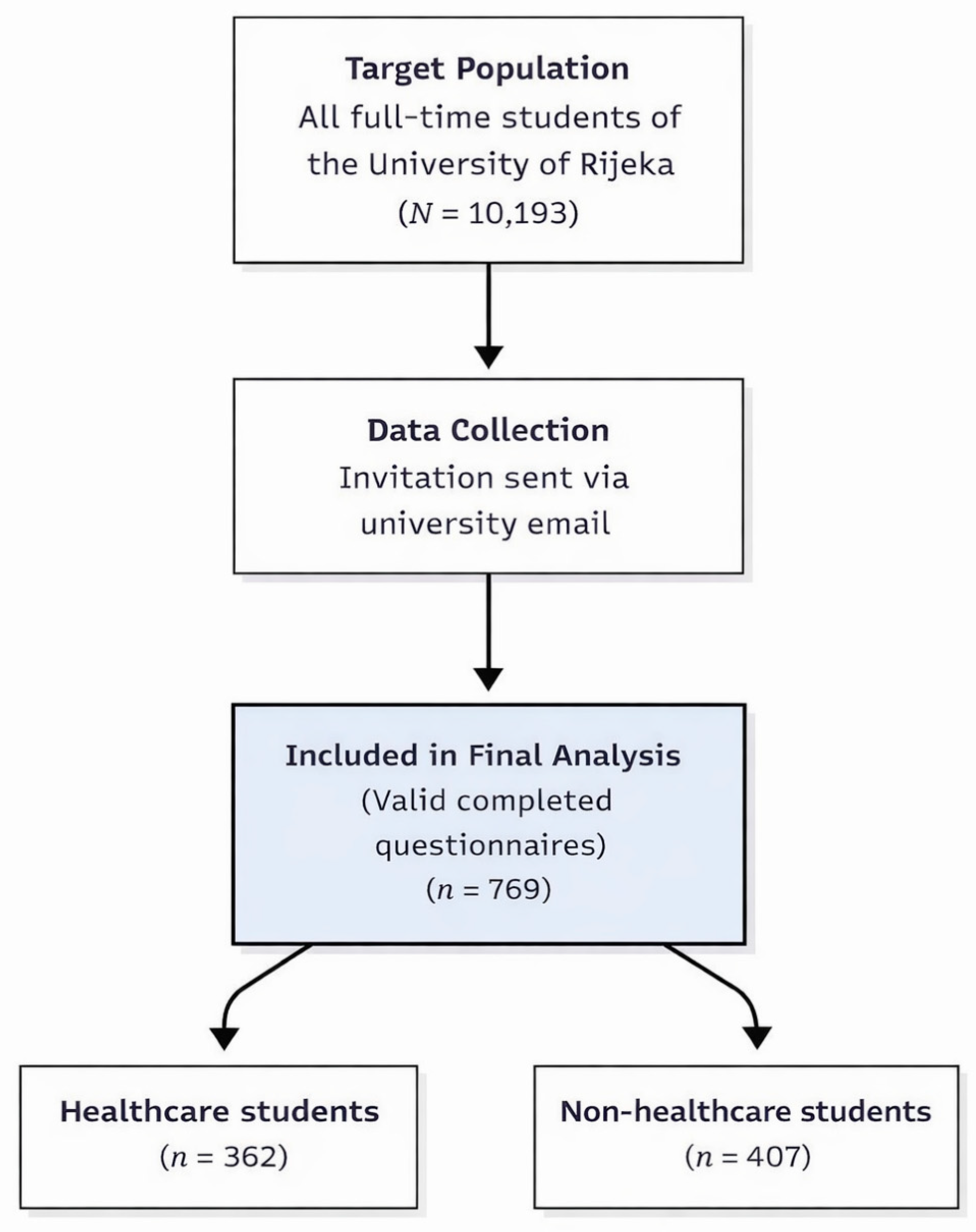
Figure 1. Flow chart of the study protocol.
Hygiene 06 00008 g001
Table 1. Socio-demographic characteristics of the students.
VariablesHealthcare Students
(n = 362)
Non-Healthcare Students
(n = 407)
p Value
Socio-demographic characteristics
Sex (Male/Female)56 (15%)/306 (85%)94 (23%)/313 (77%)0.010
Age (years) *22.84 ± 3.1622.39 ± 3.620.067
Academic level (Undergraduate level/Graduate level)238 (66%)/124 (34%)312 (77%)/95 (23%)0.010
Lifestyle-related characteristics
Smoking status (Non-smoker/Smoker)149 (41%)/213 (59%)146 (36%)/261 (64%)0.152
Alcohol use (Yes/No)319 (88%)/43 (12%)356 (87%)/51 (13%)0.869
≥3 sexual partners last year (Yes/No)12 (3%)/307 (97%)17 (4%)/342 (96%)0.663
Physical activity (Yes/No)296 (82%)/66 (18%)338 (83%)/69 (17%)0.711
Health-related characteristics
History of chronic disease (Yes/No)50 (14%)/312 (86%)41 (10%)/366 (90%)0.136
HPV vaccinated (Yes/No)198 (55%)/164 (45%)195 (48%)/212 (52%)0.071
History of HPV infection (Yes/No)16 (4%)/346 (96%)14 (3%)/393 (97%)0.607
Parental education
Father’s education level 0.007
Up to high school200 (55%)269 (66%)
Undergraduate level59 (16%)55 (14%)
Graduate or above103 (29%)83 (20%)
Mother’s education level 0.181
Up to high school189 (52%)227 (56%)
Undergraduate level41 (11%)56 (13%)
Graduate or above132 (37%)124 (31%)
Results are presented as absolute numbers and percentages. The chi-square test was performed to assess the difference between groups. * Results are presented as mean (M) and standard deviation (SD). Student t-test was performed to assess the difference between groups.
Table 2. History of HPV vaccination and infection.
VariablesHealthcare Students (n = 362)Non-Healthcare Students (n = 407)p Value
HPV-related characteristics
HPV vaccinated (Yes/No)198 (55%)/164 (45%)195 (48%)/212 (52%)0.071
History of HPV infection (Yes/No)16 (4%)/346 (96%)14 (3%)/393 (97%)0.607
Results are presented as absolute numbers and percentages. The chi-square test was performed to assess the difference between groups.
Table 3. Differences on Vaccination Attitudes Examination (VAX) scale.
VAX ScoreHealthcare Students
(n = 362)
Non-Healthcare Students
(n = 407)
p Value
Mistrust of vaccine benefit1.91 ± 0.982.57 ± 1.25<0.001
Worries about unforeseen future effects3.54 ± 1.223.66 ± 1.240.149
Concerns about commercial profiteering2.03 ± 1.022.68 ± 1.32<0.001
Preference for natural immunity2.70 ± 1.193.03 ± 1.230.001
Total VAX score2.53 ± 0.802.99 ± 1.02<0.001
Results are presented as mean (M) and standard deviation (SD). Student’s t-test was performed to assess the difference between groups.
Table 4. Differences on Papillomavirus Knowledge Questionnaire (HPV-KQ).
HPV-KQ ScoreHealthcare Students
(n = 362)
Non-Healthcare Students
(n = 407)
p Value
HPV-KQ-F16.21 ± 1.094.54 ± 1.95<0.001
HPV-KQ-F22.61 ± 0.691.96 ± 1.07<0.001
Total HPV-KQ10.56 ± 2.017.38 ± 3.13<0.001
Results are presented as mean (M) and standard deviation (SD). The Student’s t-test was performed to assess the difference between groups.
Table 5. Correlations between the Vaccination Attitudes Examination (VAX) Scale and the Papillomavirus Knowledge Questionnaire (HPV-KQ) among healthcare and non-healthcare students.
VAX ScaleHealthcare StudentsNon-Healthcare Students
HPV-KQ-F1
r (p)
HPV-KQ-F2
r (p)
Total HPV-KQ r (p)HPV-KQ-F1
r (p)
HPV-KQ-F2
r (p)
Total HPV-KQ r (p)
Mistrust of vaccine benefit−0.06 (0.231)−0.18 (0.001)−0.18 (0.001)−0.12 (0.015)−0.07 (0.189)−0.14 (0.004)
Worries about unforeseen future effects−0.17 (0.001)−0.20 (<0.001)−0.25 (<0.001)−0.05 (0.308)−0.03 (0.599)−0.07 (0.171)
Concerns about commercial profiteering−0.08 (0.130)−0.15 (0.003)−0.21 (<0.001)−0.22 (<0.001)−0.09 (0.073)−0.21 (<0.001)
Preference for natural immunity−0.08 (0.120)−0.18 (0.001)−0.20 (<0.001)−0.22 (<0.001)−0.09 (0.065)−0.21 (<0.001)
Total VAX score−0.14 (0.009)−0.24 (<0.001)−0.28 (<0.001)−0.18 (<0.001)−0.09 (0.084)−0.20 (<0.001)
p—level of statistical significance, r—correlation coefficient. Pearson’s test of correlation was performed to test the correlations.
Table 6. Correlations between the Vaccination Attitudes Examination (VAX) Scale and the Papillomavirus Knowledge Questionnaire (HPV-KQ) among unvaccinated healthcare and non-healthcare students.
VAX ScaleHealthcare StudentsNon-Healthcare Students
HPV-KQ-F1 r (p)HPV-KQ-F2
r (p)
Total HPV-KQ r (p)HPV-KQ-F1
r (p)
HPV-KQ-F2
r (p)
Total HPV-KQ r (p)
Mistrust of vaccine benefit−0.04 (0.576)−0.18 (0.019)−0.17 (0.029)−0.05 (0.441)0.01 (0.930)−0.06 (0.393)
Worries about unforeseen future effects−0.09 (0.266)−0.18 (0.022)−0.17 (0.026)0.03 (0.666)0.04 (0.561)0.04 (0.571)
Concerns about commercial profiteering−0.02 (0.765)−0.14 (0.075)−0.13 (0.092)−0.14 (0.050)0.02 (0.788)−0.10 (0.139)
Preference for natural immunity−0.01 (0.886)−0.19 (0.015)−0.16 (0.041)−0.17 (0.014)0.02 (0.741)−0.14 (0.037)
Total VAX score−0.06 (0.482)−0.25 (0.002)−0.22 (0.004)−0.10 (0.155)0.02 (0.729)−0.08 (0.243)
p—level of statistical significance, r—correlation coefficient. Pearson’s test of correlation was performed to test the correlations.
Table 7. Correlations between the Vaccination Attitudes Examination (VAX) Scale and the Papillomavirus Knowledge Questionnaire (HPV-KQ) among vaccinated healthcare and non-healthcare students.
VAX ScaleHealthcare StudentsNon-Healthcare Students
HPV-KQ-F1
r (p)
HPV-KQ-F2
r (p)
Total HPV-KQ r (p)HPV-KQ-F1
r (p)
HPV-KQ-F2
r (p)
Total HPV-KQ r (p)
Mistrust of vaccine benefit−0.03 (0.671)−0.07 (0.302)−0.09 (0.211)−0.18 (0.012)−0.11 (0.136)−0.21 (0.004)
Worries about unforeseen future effects−0.24 (0.001)−0.15 (0.038)−0.26 (<0.001)−0.13 (0.073)−0.08 (0.272)−0.17 (0.020)
Concerns about commercial profiteering−0.11 (0.138)−0.09 (0.225)−0.22 (0.002)−0.29 (<0.001)−0.18 (0.011)−0.32 (<0.001)
Preference for natural immunity−0.12 (0.083)−0.12 (0.108)−0.17 (0.017)−0.26 (<0.001)−0.21 (0.004)−0.28 (<0.001)
Total VAX score−0.19 (0.009)−0.15 (0.033)−0.26 (<0.001)−0.27 (<0.001)−0.18 (0.012)−0.30 (<0.001)
p—level of statistical significance, r—correlation coefficient. Pearson’s test of correlation was performed to test the correlations.
Table 8. Binary logistic regression predicting HPV vaccination status from gender, age, field of study (healthcare vs. non-healthcare), attitudes toward HPV vaccination, and HPV knowledge.
PredictorsOR95% CIp
Gender0.990.67–1.450.943
Age0.900.85–0.95<0.001
Healthcare/non-healthcare students0.840.59–1.180.311
Attitudes towards HPV vaccination0.590.50–0.70<0.001
HPV knowledge1.091.03–1.160.005
Note. OR = Odds Ratio. CI = Confidence Interval. Gender was coded as a dichotomous variable (0 = Females, 1 = Males). Healthcare/non-healthcare students were coded as a dichotomous variable (0 = Non-healthcare, 1 = Healthcare). Higher VAX scores indicate greater vaccine hesitancy (more negative attitudes).
Disclaimer/Publisher’s Note: The statements, opinions and data contained in all publications are solely those of the individual author(s) and contributor(s) and not of MDPI and/or the editor(s). MDPI and/or the editor(s) disclaim responsibility for any injury to people or property resulting from any ideas, methods, instructions or products referred to in the content.


