
The Mitochondrial Battleground: A Review of Microplastic-Induced Oxidative Stress and Inflammatory Pathways in Human Health

 , , , , , and
Abstract
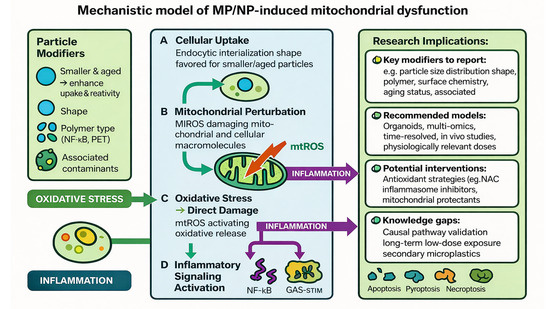
1. Introduction
2. Materials and Methods
2.1. Literature Search Strategy and Study Selection
2.2. Eligibility Criteria
2.3. Data Extraction and Narrative Synthesis
3. Microplastics Versus Nanoplastics: Size-Dependent Cellular Uptake and Toxicity
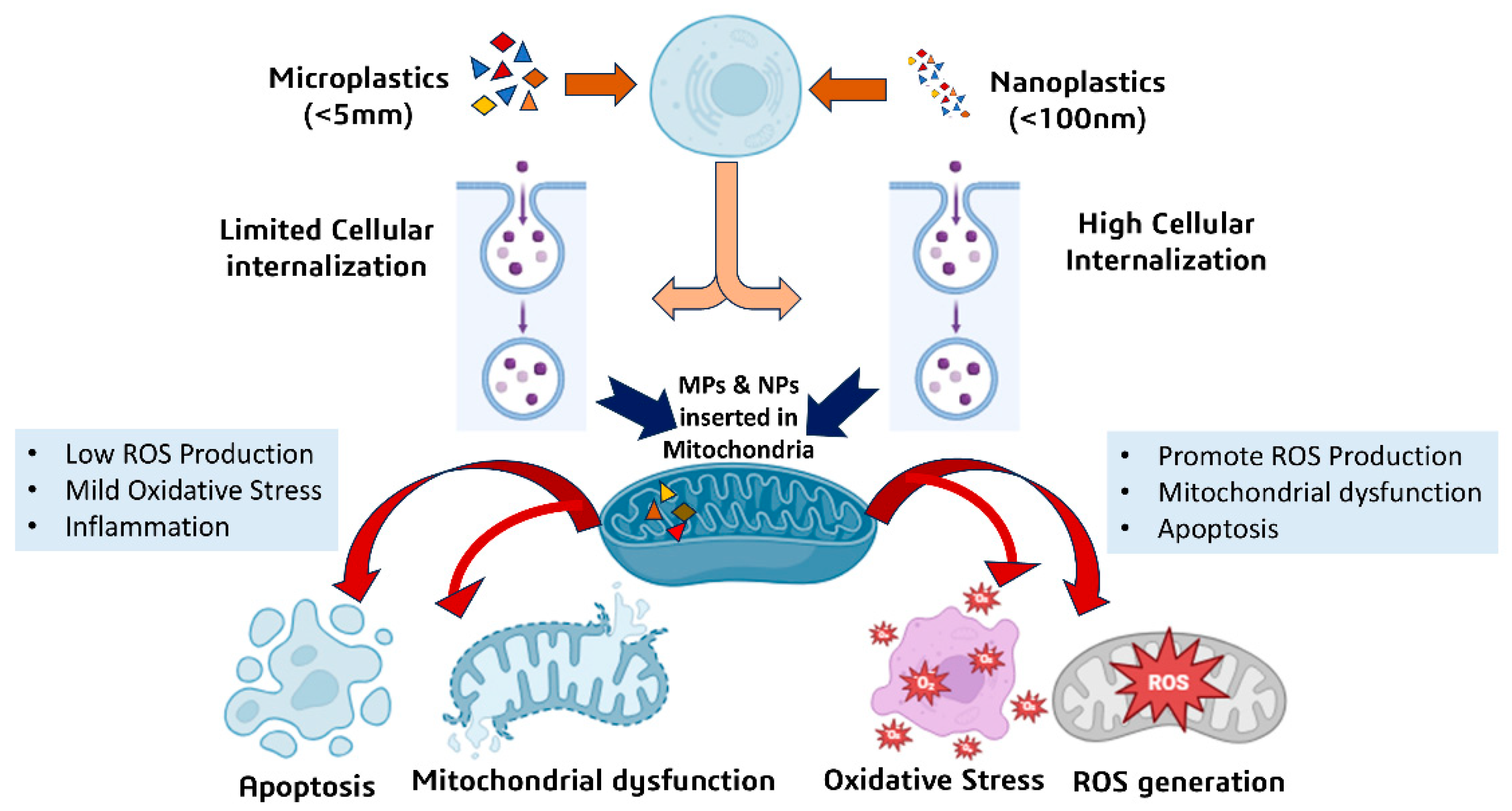
4. Mechanistic Pathways of Microplastic-Induced Mitochondrial Damage
4.1. Integrin α5β1-Mediated Internalization
4.1.1. Endocytic Drivers
4.1.2. Endosome Escape Mechanisms
4.2. Cytosolic Trafficking & Organelle Contact Sites
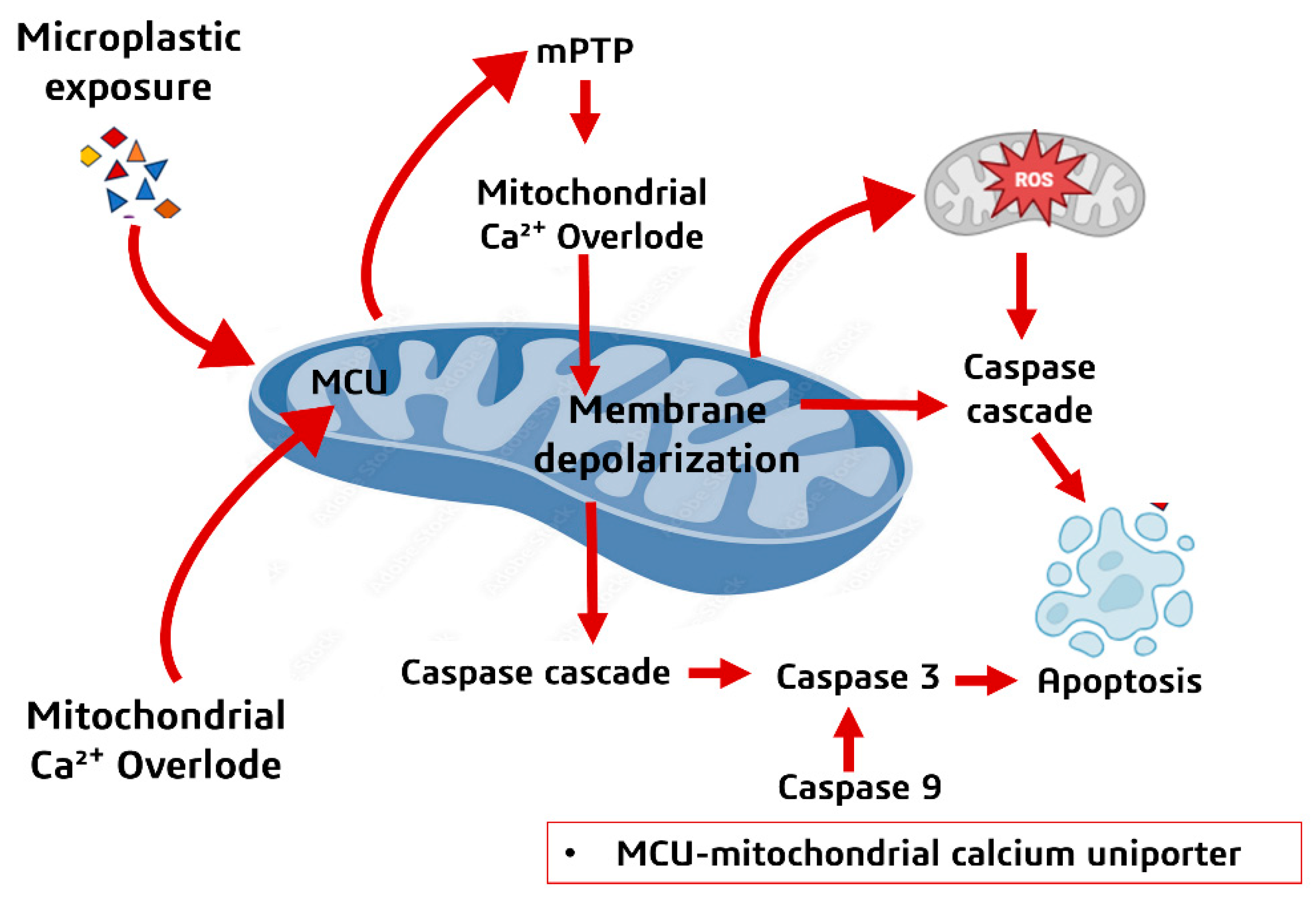
4.3. Ca2+ Dysregulation & Permeability Transition
4.4. ETC Collapse & ATP Failure
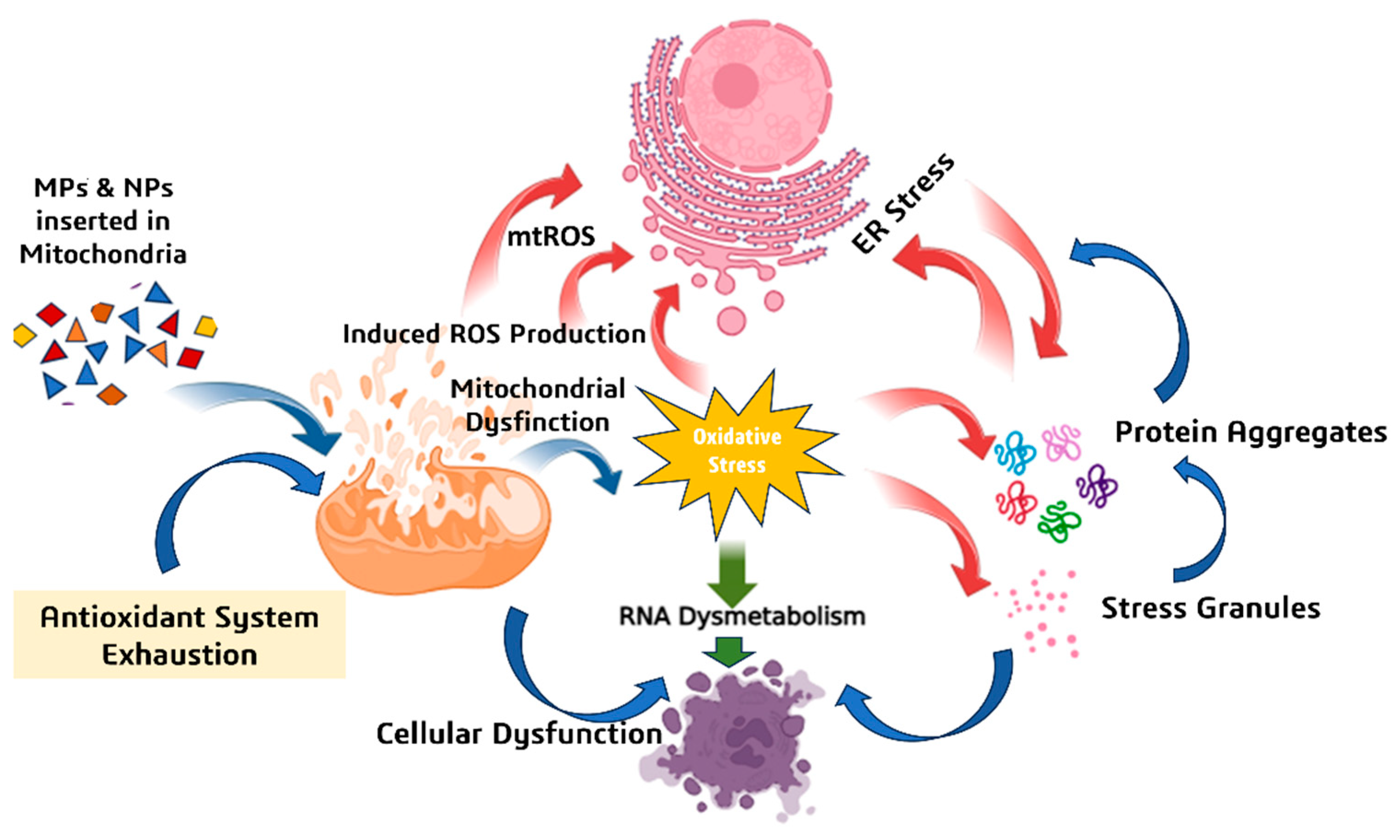
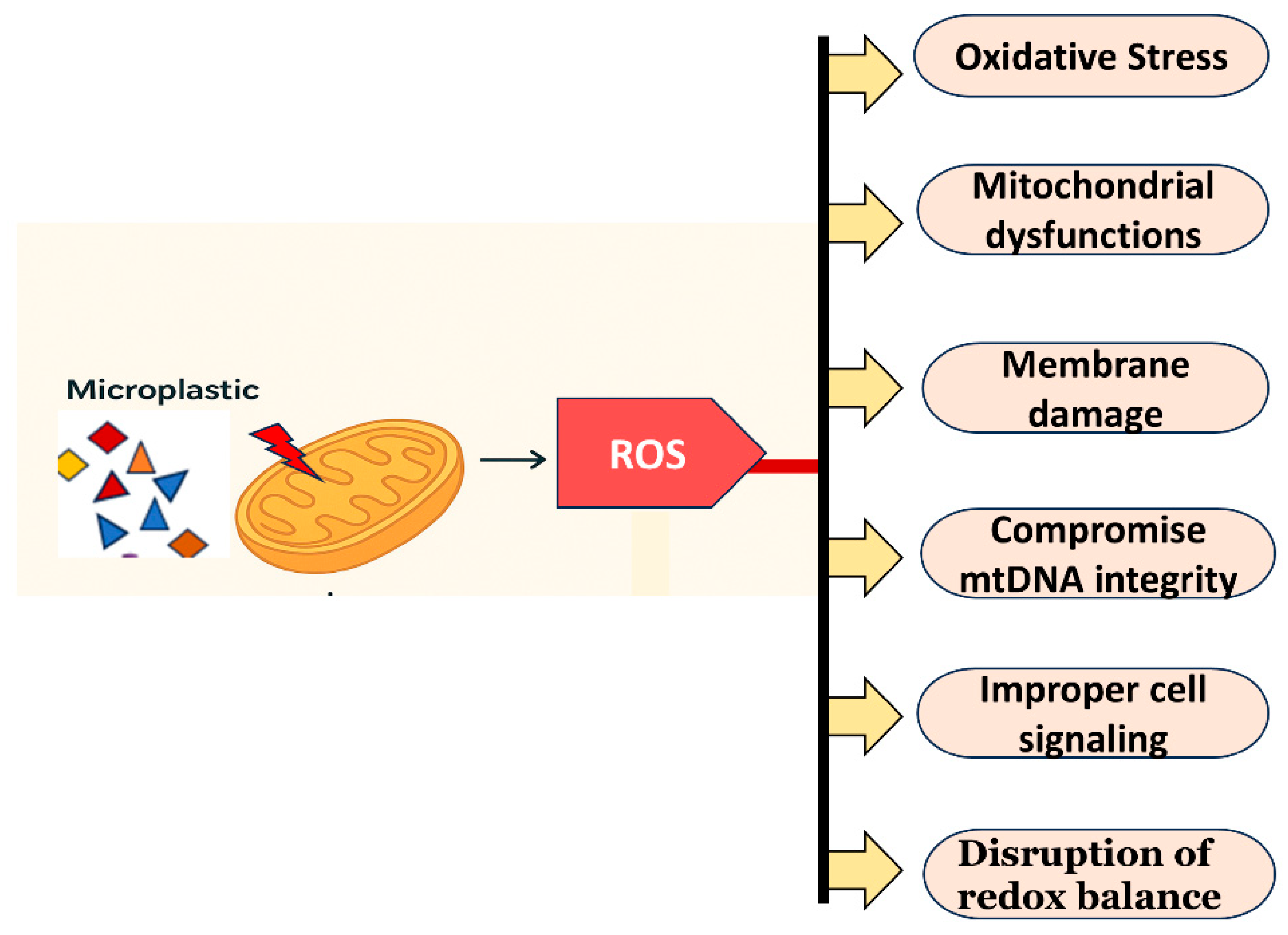
4.5. mtROS & Antioxidant System Exhaustion
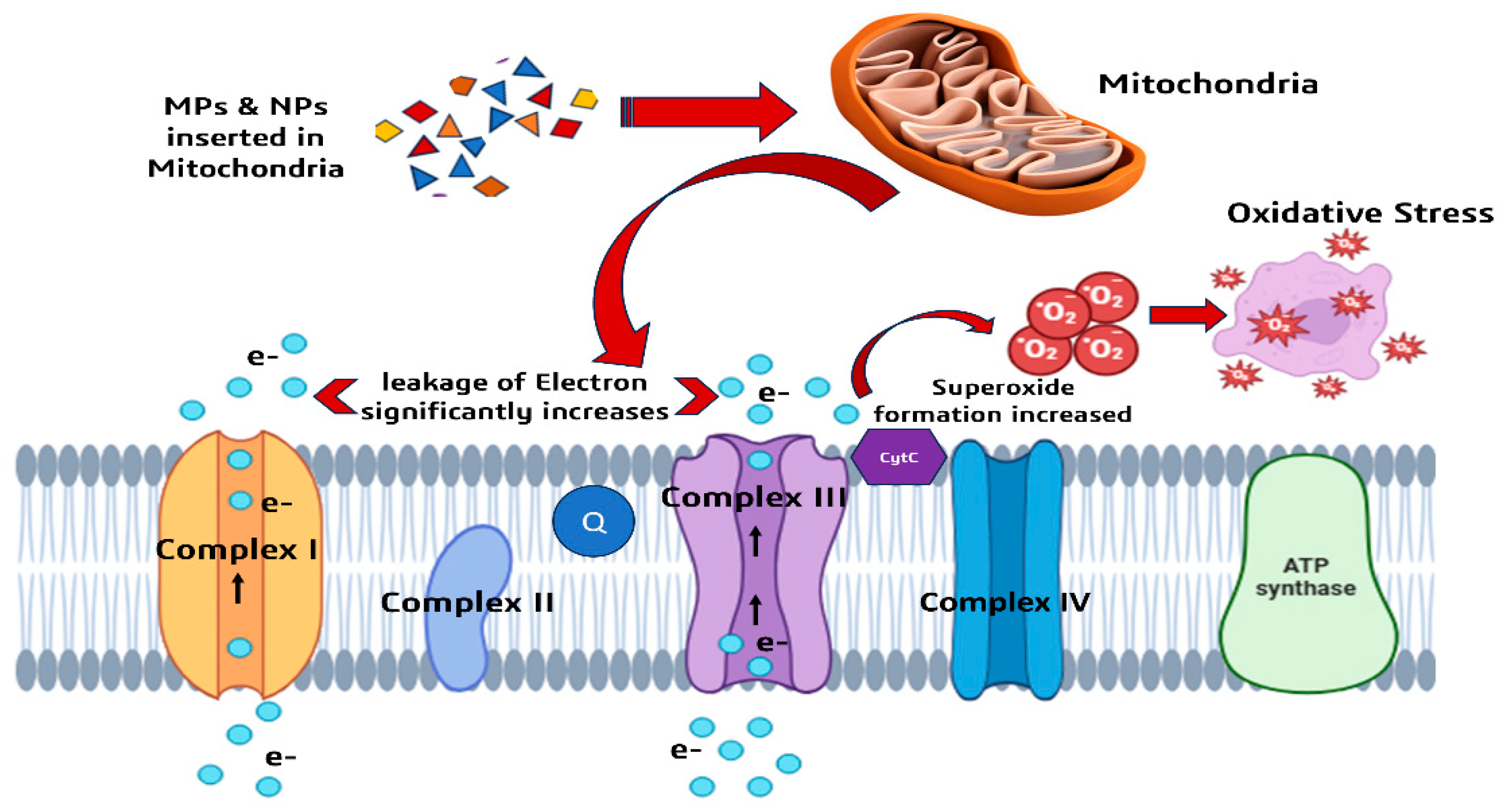
4.5.1. Complex I/III Superoxide Leakage
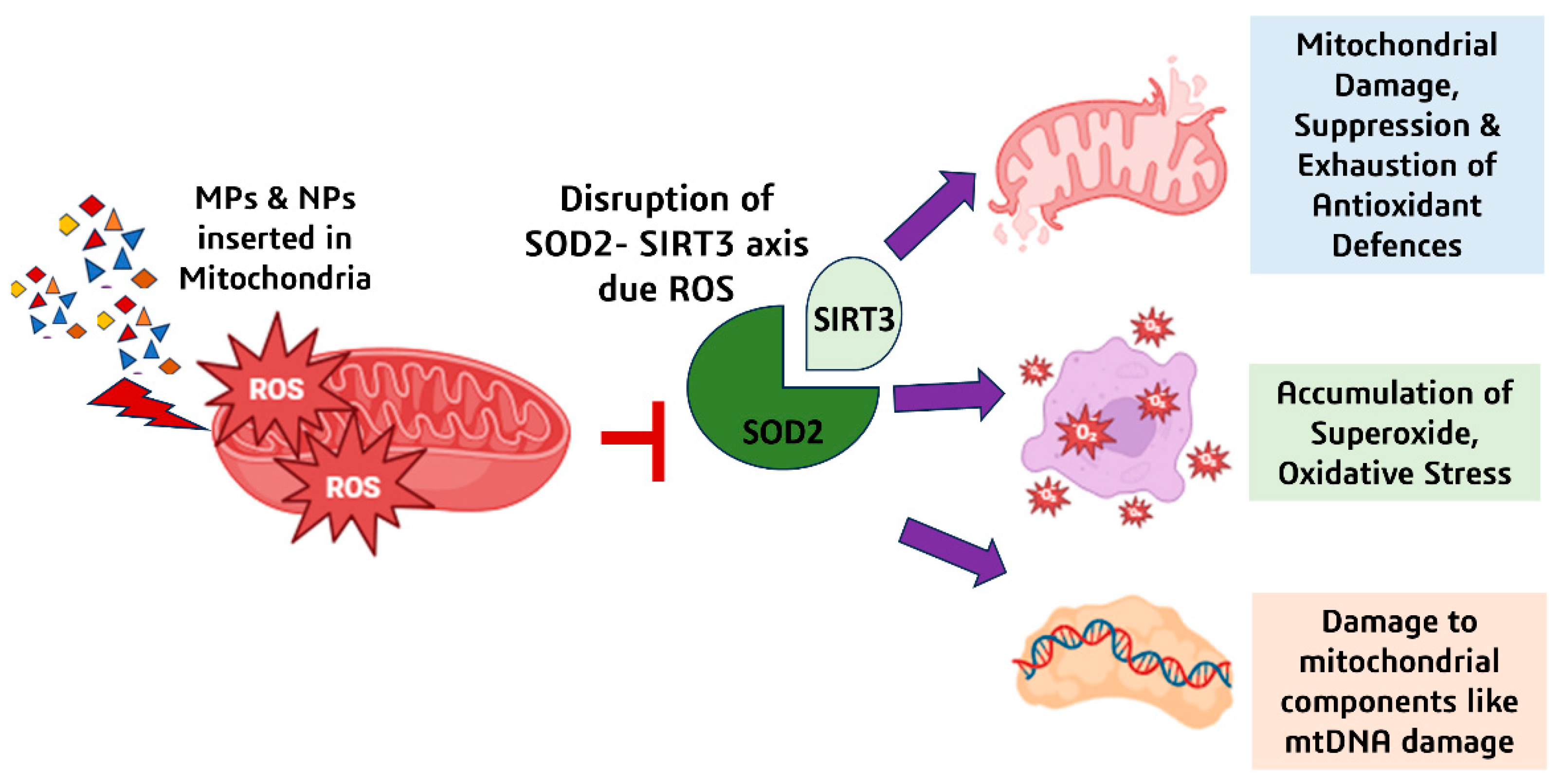
4.5.2. SOD2–SIRT3 Axis Disruption
4.5.3. mtDNA Oxidation Effects
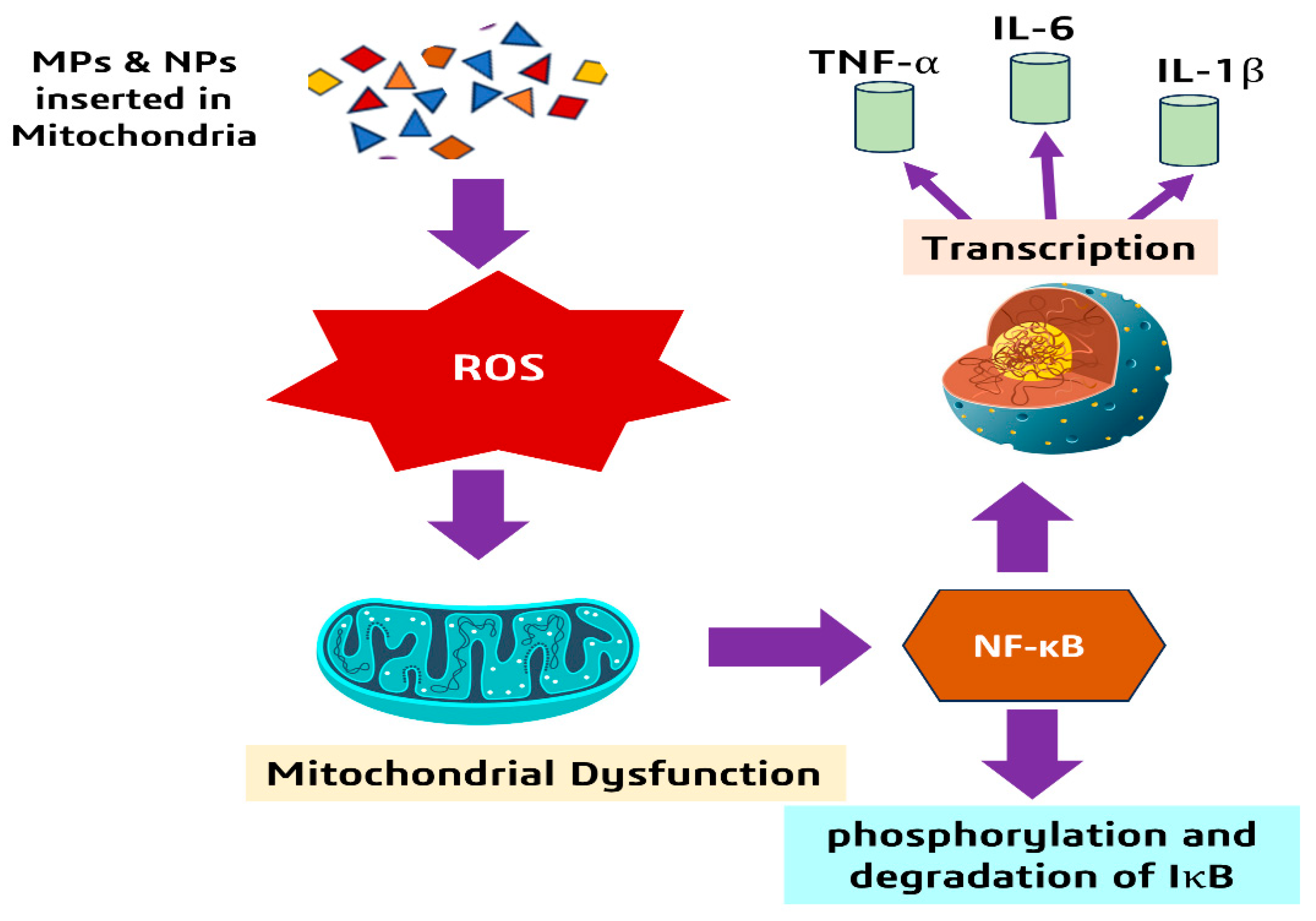
4.6. NF-κB Stress Signalling
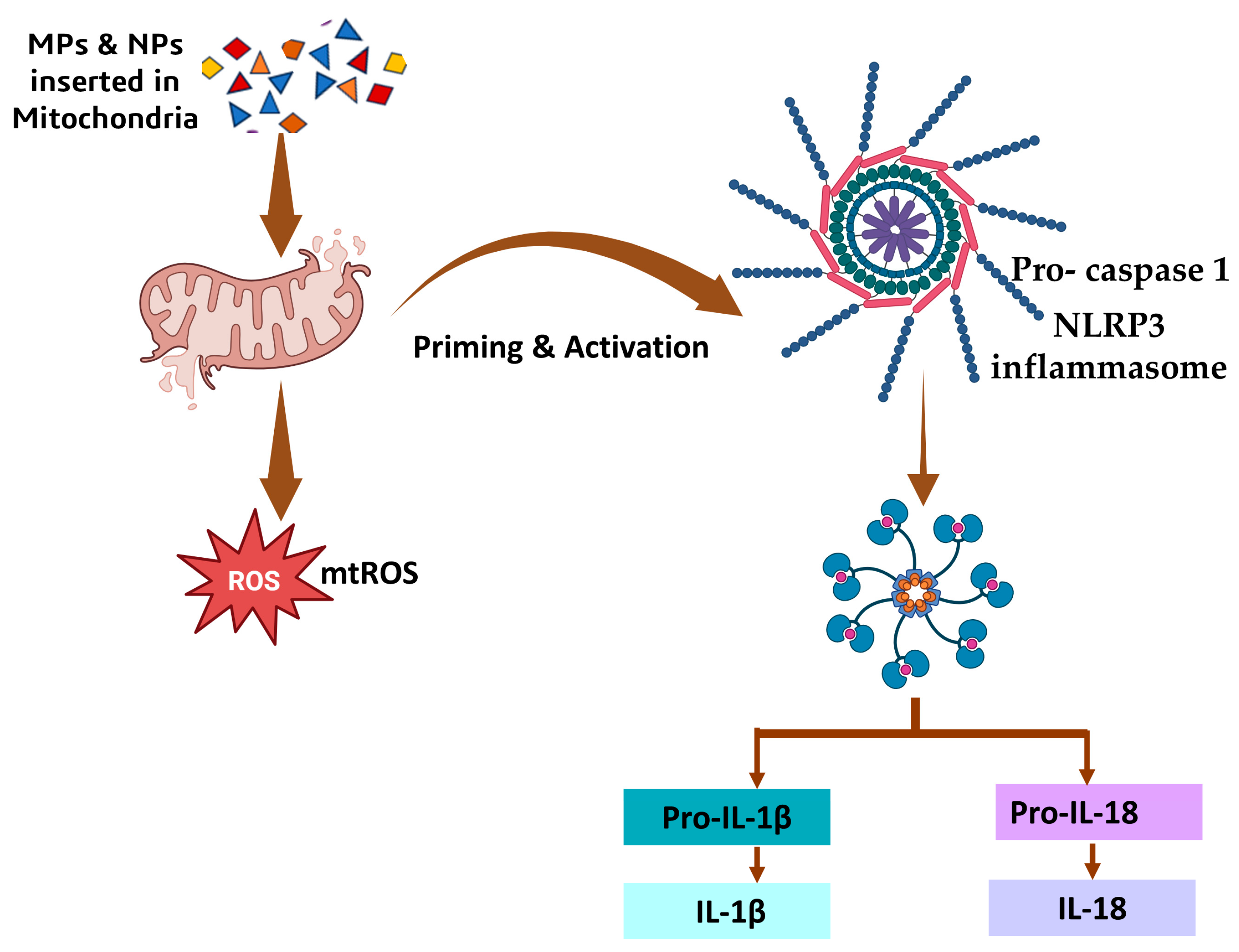
4.7. NLRP3 Inflammasome Priming & Activation
4.8. Cell Death Execution (Apoptosis & Pyroptosis)
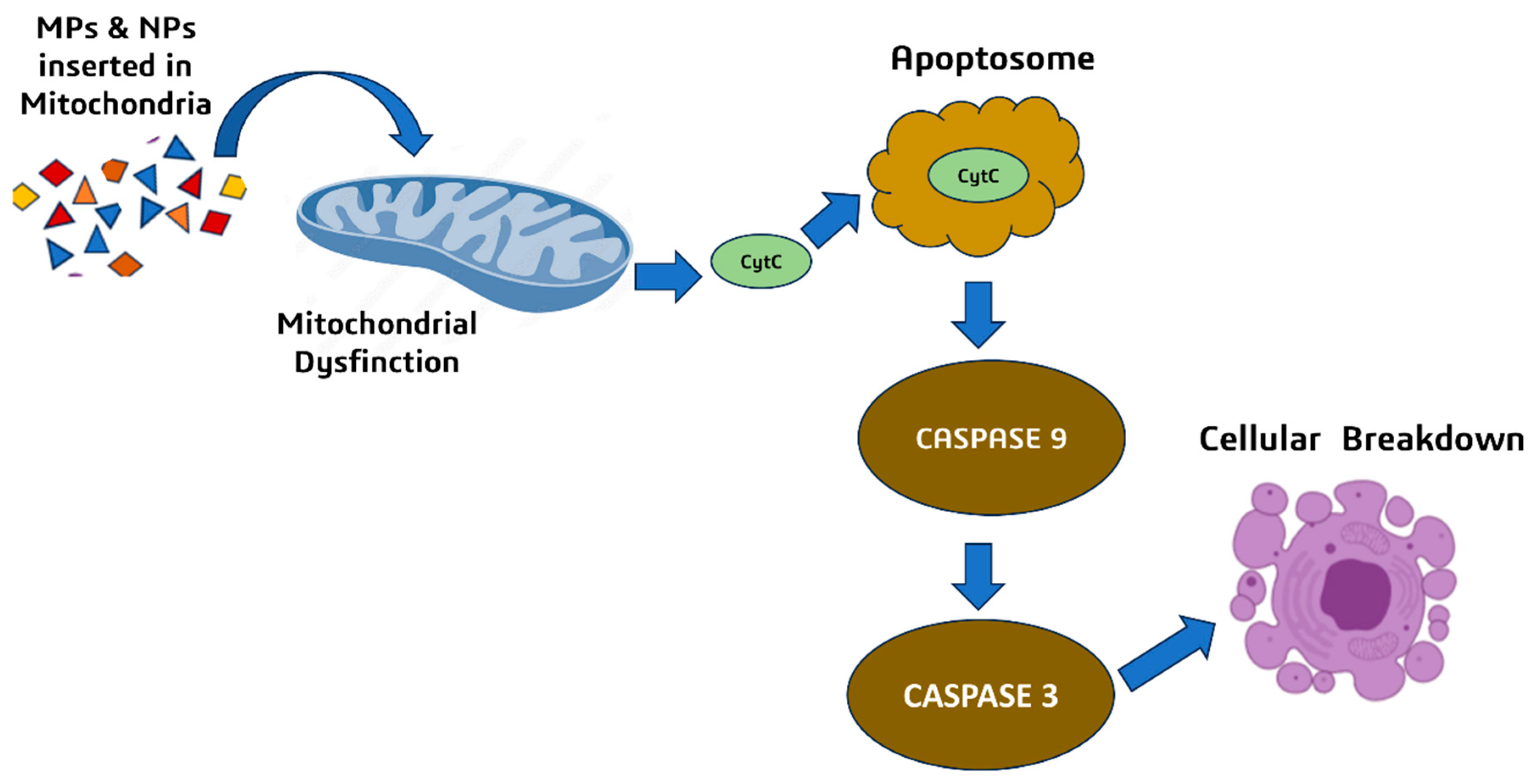
4.8.1. Cytochrome-c/Caspase-3/9 Cascade
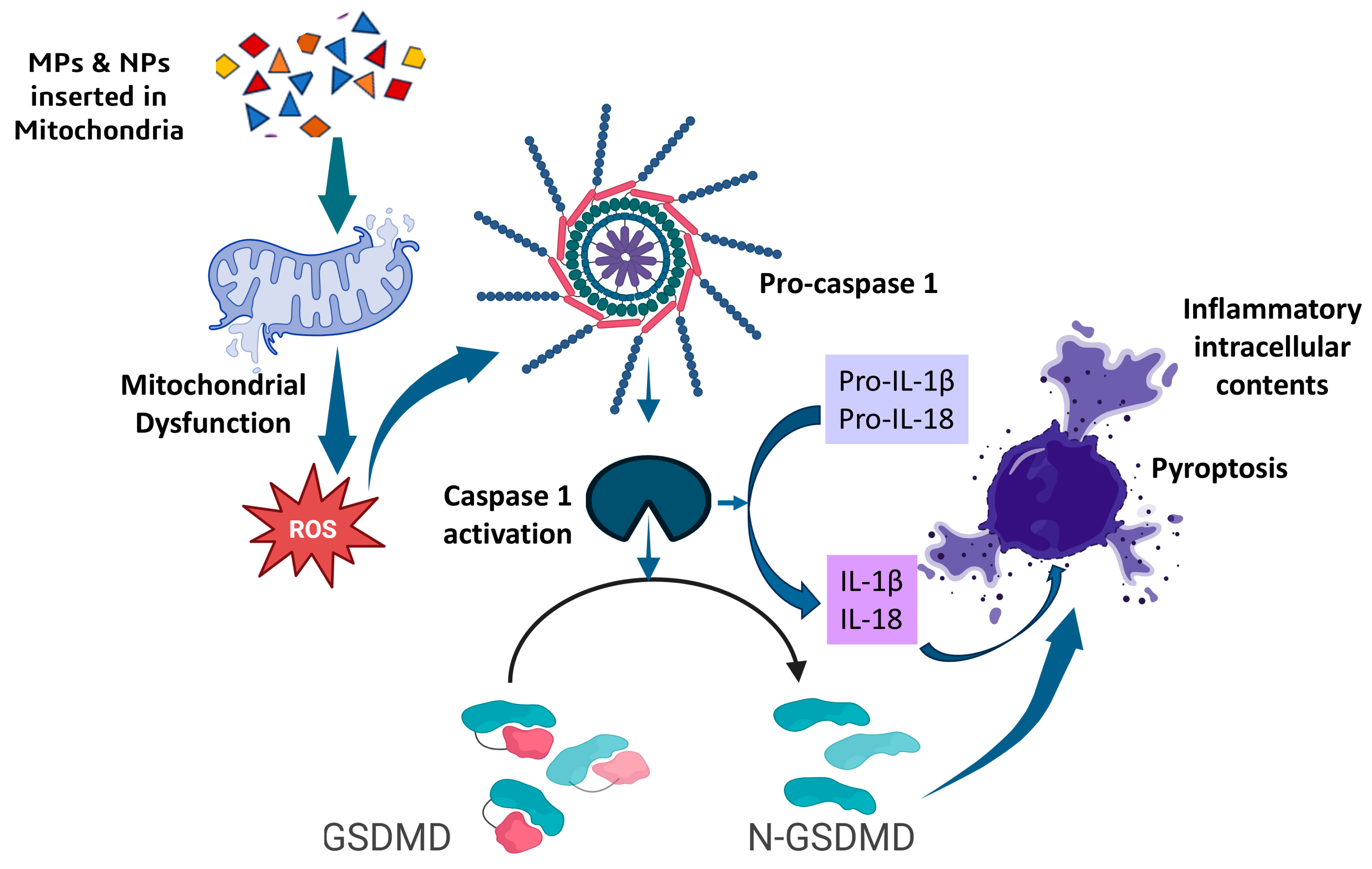
4.8.2. Gasdermin-D Pore Formation
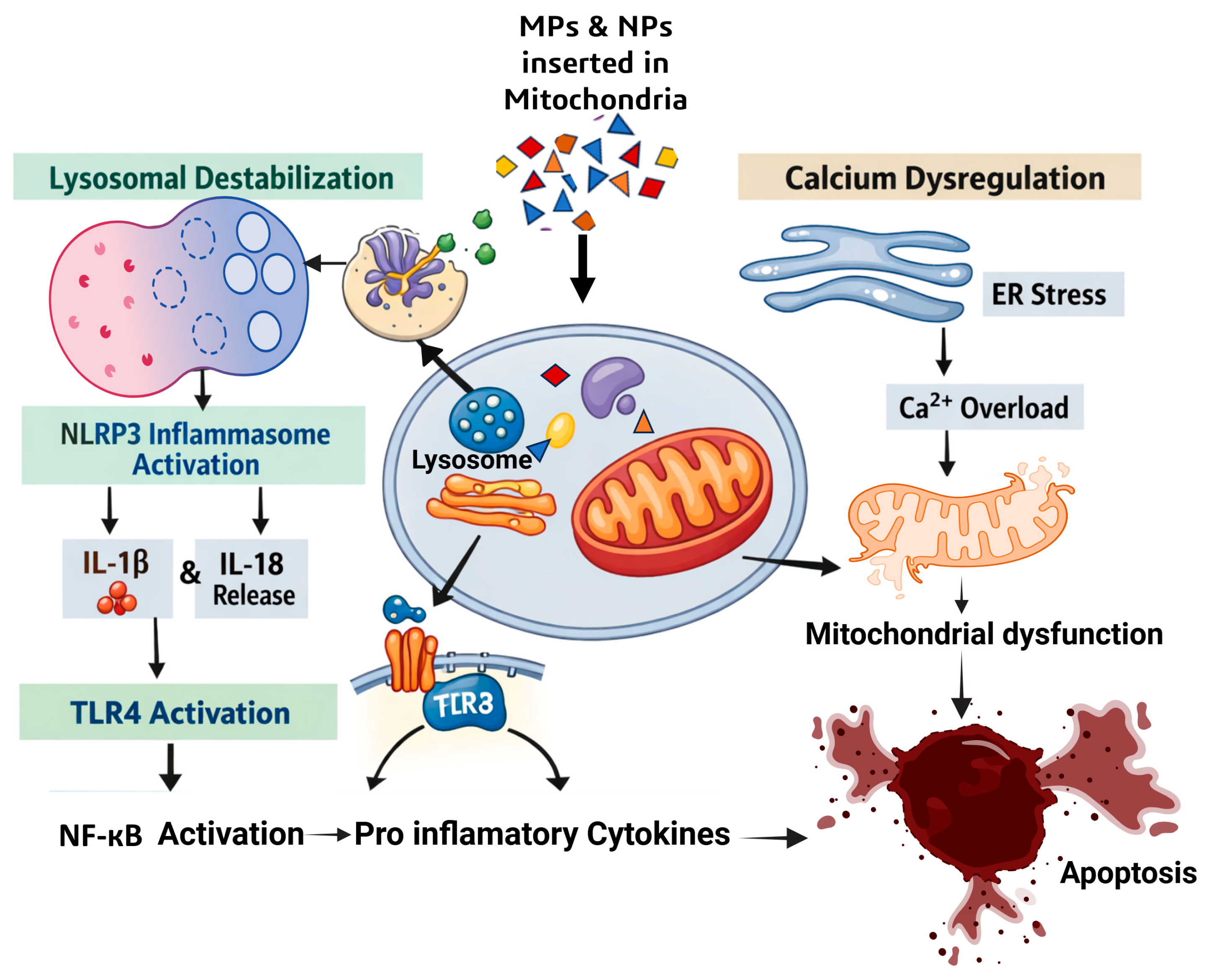
4.9. Mitochondria-Associated ROS-Independent and Partially Independent Inflammatory Pathways Induced by Microplastics
5. Overview of Evidence on Microplastic-Induced Oxidative Stress and Mitochondrial Dysfunction
6. Discussion and Future Directions
7. Conclusions
Supplementary Materials
Author Contributions
Funding
Institutional Review Board Statement
Informed Consent Statement
Data Availability Statement
Acknowledgments
Conflicts of Interest
Abbreviations
| MPs | Microplastics |
| NPs | Nanoplastics |
| ROS | Reactive Oxygen Species |
| ETC | Electron Transport Chain |
| mPTP | Mitochondrial Permeability Transition Pore |
| ΔΨm | Mitochondrial Membrane Potential |
| MCU | Mitochondrial Calcium Uniporter |
| ATP | Adenosine Triphosphate |
| MtROS | Mitochondrial Reactive Oxygen Species |
| SOD2 | Superoxide Dismutase 2 |
| SIRT3 | Sirtuin 3 |
| Nrf2 | Nuclear Factor Erythroid 2-Related Factor 2 |
| NADPH | Nicotinamide Adenine Dinucleotide Phosphate |
| mtDNA | Mitochondrial DNA |
| PET | Polyethylene Terephthalate |
| NF-κB | Nuclear Factor Kappa B |
| IκB | Inhibitor of Kappa B |
| TNF-α | Tumour Necrosis Factor Alpha |
| IL-6 | Interleukin 6 |
| IL-1β | Interleukin 1 Beta |
| NLRP3 | NOD-Like Receptor Family Pyrin Domain-Containing 3 |
| PAMPs | Pathogen-Associated Molecular Patterns |
| cGAS-STING | Cyclic GMP-AMP Synthase-Stimulator of Interferon Genes |
| MAPK | Mitogen-Activated Protein Kinases |
| GSDMD | Gasdermin D |
References
- Ding, P.; Xiang, C.; Yao, Q.; Li, X.; Zhang, J.; Yin, R.; Zhang, L.; Li, A.J.; Hu, G. Aged Polystyrene Microplastics Exposure Affects Apoptosis via Inducing Mitochondrial Dysfunction and Oxidative Stress in Early Life of Zebrafish. J. Environ. Manag. 2024, 367, 121995. [Google Scholar] [CrossRef]
- Dal Yöntem, F.; Aydoğan Ahbab, M. Mitochondria as a Target of Micro- and Nanoplastic Toxicity—R0/PR1 2023. Camb. Prism. Plast. 2024, 2, e6. [Google Scholar] [CrossRef]
- Welden, N. Microplastics: Emerging Contaminants Requiring Multilevel Management. In Waste; Elsevier: Amsterdam, The Netherlands, 2019; pp. 405–424. [Google Scholar]
- Valdivia, S.; Riquelme, C.; Carrasco, M.C.; Weisser, P.; Añazco, C.; Alarcón, A.; Alarcón, S. Polyethylene Microplastics and Human Cells: A Critical Review. Toxics 2025, 13, 756. [Google Scholar] [CrossRef]
- Shahzadi, C.; Di Serafino, A.; Aruffo, E.; Mascitelli, A.; Di Carlo, P. A549 as an In Vitro Model to Evaluate the Impact of Microplastics in the Air. Biology 2023, 12, 1243. [Google Scholar] [CrossRef] [PubMed]
- Fan, J.; Ha, Y. Micro- and Nanoplastics and the Immune System: Mechanistic Insights and Future Directions. Immuno 2025, 5, 52. [Google Scholar] [CrossRef]
- Mahmud, F.; Sarker, D.B.; Jocelyn, J.A.; Sang, Q.-X.A. Molecular and Cellular Effects of Microplastics and Nanoplastics: Focus on Inflammation and Senescence. Cells 2024, 13, 1788. [Google Scholar] [CrossRef] [PubMed]
- Sivakumar, R.; Senghor Kadalangudi Aravaanan, A.; Vellore Mohanakrishnan, V.; Kumar, J. From Environment to Endothelium: The Role of Microplastics in Vascular Aging. Microplastics 2025, 4, 52. [Google Scholar] [CrossRef]
- Araújo, A.M.; Mota, C.; Ramos, H.; Faria, M.A.; Carvalho, M.; Ferreira, I.M.P.L.V.O. The Neurotoxic Threat of Micro- and Nanoplastics: Evidence from In Vitro and In Vivo Models. Arch. Toxicol. 2025, 99, 3505–3525. [Google Scholar] [CrossRef]
- Thapliyal, C.; Negi, S.; Nagarkoti, S.; Daverey, A. Mechanistic Insight into Potential Toxic Effects of Microplastics and Nanoplastics on Human Health. Discov. Appl. Sci. 2025, 7, 645. [Google Scholar] [CrossRef]
- Campanale, C.; Massarelli, C.; Savino, I.; Locaputo, V.; Uricchio, V.F. A Detailed Review Study on Potential Effects of Microplastics and Additives of Concern on Human Health. Int. J. Environ. Res. Public Health 2020, 17, 1212. [Google Scholar] [CrossRef]
- Kadac-Czapska, K.; Ośko, J.; Knez, E.; Grembecka, M. Microplastics and Oxidative Stress—Current Problems and Prospects. Antioxidants 2024, 13, 579. [Google Scholar] [CrossRef]
- Bu, W.; Cui, Y.; Jin, Y.; Wang, X.; Jiang, M.; Huang, R.; Egbobe, J.O.; Zhao, X.; Tang, J. Unmasking the Invisible Threat: Biological Impacts and Mechanisms of Polystyrene Nanoplastics on Cells. Toxics 2024, 12, 908. [Google Scholar] [CrossRef] [PubMed]
- Guo, M.; Li, Y.; Niu, S.; Zhang, R.; Shen, X.; Ma, Y.; Wu, L.; Wu, T.; Zhang, T.; Tang, M.; et al. Oxidative Stress-Activated Nrf2 Remitted Polystyrene Nanoplastic-Induced Mitochondrial Damage and Inflammatory Response in HepG2 Cells. Environ. Toxicol. Pharmacol. 2024, 106, 104385. [Google Scholar] [CrossRef] [PubMed]
- Jiang, Y.; Li, Q.; Wang, Y.; Jin, J.; Wei, W.; Zhang, Y.; Yang, H. Polyester Microplastic Fibers Induce Mitochondrial Damage, Apoptosis and Oxidative Stress in Daphnia Carinata, Accompanied by Changes in Apoptotic and Ferroptosis Pathway. Aquatic Toxicology 2023, 263, 106690. [Google Scholar] [CrossRef] [PubMed]
- Lin, S.; Zhang, H.; Wang, C.; Su, X.-L.; Song, Y.; Wu, P.; Yang, Z.; Wong, M.-H.; Cai, Z.; Zheng, C. Metabolomics Reveal Nanoplastic-Induced Mitochondrial Damage in Human Liver and Lung Cells. Environ. Sci. Technol. 2022, 56, 12483–12493. [Google Scholar] [CrossRef]
- Casella, C.; Dondi, D.; Vadivel, D. Do Microplastics (MPs) and Nanoplastics (NPs) Directly Contribute to Human Carcinogenesis? Environ. Pollut. 2026, 388, 127343. [Google Scholar] [CrossRef]
- Sun, R.; Liu, M.; Xiong, F.; Xu, K.; Huang, J.; Liu, J.; Wang, D.; Pu, Y. Polystyrene Micro- and Nanoplastics Induce Gastric Toxicity through ROS Mediated Oxidative Stress and P62/Keap1/Nrf2 Pathway. Sci. Total Environ. 2024, 912, 169228. [Google Scholar] [CrossRef]
- Saenen, N.D.; Witters, M.S.; Hantoro, I.; Tejeda, I.; Ethirajan, A.; Van Belleghem, F.; Smeets, K. Polystyrene Microplastics of Varying Sizes and Shapes Induce Distinct Redox and Mitochondrial Stress Responses in a Caco-2 Monolayer. Antioxidants 2023, 12, 739. [Google Scholar] [CrossRef]
- Haga, Y.; Manabe, S.; Tsujino, H.; Asahara, H.; Higashisaka, K.; Tsutsumi, Y. Mechanisms of Cell Toxicity Caused by Degraded Microplastics. Yakugaku Zasshi 2024, 144, 177–181. [Google Scholar] [CrossRef]
- Hussain, Z.; Ali Bhatti, S.; Chandio, M.A. Hazard Effects and Mechanisms of Action of Microplastics on Health. J. Biomed. Sci. Biotechnol. Res. 2024, 2, 1–6. [Google Scholar] [CrossRef]
- Xu, Z.; Shen, J.; Lin, L.; Chen, J.; Wang, L.; Deng, X.; Wu, X.; Lin, Z.; Zhang, Y.; Yu, R.; et al. Exposure to Irregular Microplastic Shed from Baby Bottles Activates the ROS/NLRP3/Caspase-1 Signaling Pathway, Causing Intestinal Inflammation. Environ. Int. 2023, 181, 108296. [Google Scholar] [CrossRef]
- Yee, M.S.-L.; Hii, L.-W.; Looi, C.K.; Lim, W.-M.; Wong, S.-F.; Kok, Y.-Y.; Tan, B.-K.; Wong, C.-Y.; Leong, C.-O. Impact of Microplastics and Nanoplastics on Human Health. Nanomaterials 2021, 11, 496. [Google Scholar] [CrossRef]
- Karbalaei, S.; Hanachi, P.; Walker, T.R.; Cole, M. Occurrence, Sources, Human Health Impacts and Mitigation of Microplastic Pollution. Environ. Sci. Pollut. Res. 2018, 25, 36046–36063. [Google Scholar] [CrossRef]
- Lu, G.; Wei, S. Polystyrene Nanoplastics Exposure Causes Inflammation and Death of Esophageal Cell. Ecotoxicol. Environ. Saf. 2024, 269, 115819. [Google Scholar] [CrossRef]
- Xuan, L.; Wang, Y.; Qu, C.; Yan, Y.; Yi, W.; Yang, J.; Skonieczna, M.; Chen, C.; Miszczyk, J.; Ivanov, D.S.; et al. Metabolomics Reveals That PS-NPs Promote Lung Injury by Regulating Prostaglandin B1 through the CGAS-STING Pathway. Chemosphere 2023, 342, 140108. [Google Scholar] [CrossRef] [PubMed]
- Fan, J.; Liu, L.; Lu, Y.; Chen, Q.; Fan, S.; Yang, Y.; Long, Y.; Liu, X. Acute Exposure to Polystyrene Nanoparticles Promotes Liver Injury by Inducing Mitochondrial ROS-Dependent Necroptosis and Augmenting Macrophage-Hepatocyte Crosstalk. Part. Fibre Toxicol. 2024, 21, 20. [Google Scholar] [CrossRef] [PubMed]
- Chiu, Y.-H.; Hsu, S.-H.; Hsu, H.-W.; Huang, K.-C.; Liu, W.; Wu, C.-Y.; Huang, W.-P.; Chen, J.; Chen, B.-H.; Chiu, C.-C. Human Non-small Cell Lung Cancer Cells Can Be Sensitized to Camptothecin by Modulating Autophagy. Int. J. Oncol. 2018, 53, 1967–1979. [Google Scholar] [CrossRef] [PubMed]
- Xia, T.; Kovochich, M.; Liong, M.; Zink, J.I.; Nel, A.E. Cationic Polystyrene Nanosphere Toxicity Depends on Cell-Specific Endocytic and Mitochondrial Injury Pathways. ACS Nano 2008, 2, 85–96. [Google Scholar] [CrossRef]
- Mahadevan, G.; Valiyaveettil, S. Understanding the Interactions of Poly(Methyl Methacrylate) and Poly(Vinyl Chloride) Nanoparticles with BHK-21 Cell Line. Sci. Rep. 2021, 11, 2089. [Google Scholar] [CrossRef]
- Paget, V.; Dekali, S.; Kortulewski, T.; Grall, R.; Gamez, C.; Blazy, K.; Aguerre-Chariol, O.; Chevillard, S.; Braun, A.; Rat, P.; et al. Specific Uptake and Genotoxicity Induced by Polystyrene Nanobeads with Distinct Surface Chemistry on Human Lung Epithelial Cells and Macrophages. PLoS ONE 2015, 10, e0123297. [Google Scholar] [CrossRef]
- Han, M.; Liang, J.; Wang, K.; Si, Q.; Zhu, C.; Zhao, Y.; Khan, N.A.K.; Abdullah, A.L.B.; Shau-Hwai, A.T.; Li, Y.M.; et al. Integrin A5B1-Mediated Endocytosis of Polystyrene Nanoplastics: Implications for Human Lung Disease and Therapeutic Targets. Sci. Total Environ. 2024, 953, 176017. [Google Scholar] [CrossRef] [PubMed]
- Liu, L.; Xu, K.; Zhang, B.; Ye, Y.; Zhang, Q.; Jiang, W. Cellular Internalization and Release of Polystyrene Microplastics and Nanoplastics. Sci. Total Environ. 2021, 779, 146523. [Google Scholar] [CrossRef] [PubMed]
- Zhang, S.; Zhang, H.; Li, Y.; Sun, Z.; Chen, Y. Recent Advances on Transport and Transformation Mechanism of Nanoplastics in Lung Cells. Sci. Total Environ. 2024, 952, 175881. [Google Scholar] [CrossRef] [PubMed]
- Li, S.; Ma, Y.; Ye, S.; Tang, S.; Liang, N.; Liang, Y.; Xiao, F. Polystyrene Microplastics Trigger Hepatocyte Apoptosis and Abnormal Glycolytic Flux via ROS-Driven Calcium Overload. J. Hazard. Mater. 2021, 417, 126025. [Google Scholar] [CrossRef]
- Wang, C.; Ji, X.; Wang, X.; Song, Y.; Pan, C.; Qian, M.; Jin, Y. The Endoplasmic Reticulum-Mitochondrial Crosstalk Involved in Nanoplastics and Di(2-Ethylhexyl) Phthalate Co-Exposure Induced the Damage to Mouse Mammary Epithelial Cells. Environ. Pollut. 2025, 372, 126014. [Google Scholar] [CrossRef]
- Najahi, H.; Alessio, N.; Venditti, M.; Lettiero, I.; Aprile, D.; Oliveri Conti, G.; Cappello, T.; Di Bernardo, G.; Galderisi, U.; Minucci, S.; et al. Impact of Environmental Microplastic Exposure on HepG2 Cells: Unraveling Proliferation, Mitochondrial Dynamics and Autophagy Activation. Part. Fibre Toxicol. 2025, 22, 17. [Google Scholar] [CrossRef]
- Lemasters, J.J.; Theruvath, T.P.; Zhong, Z.; Nieminen, A.-L. Mitochondrial Calcium and the Permeability Transition in Cell Death. Biochim. Biophys. Acta (BBA)-Bioenerg. 2009, 1787, 1395–1401. [Google Scholar] [CrossRef]
- Chen, T.; Lin, Q.; Gong, C.; Zhao, H.; Peng, R. Research Progress on Micro (Nano)Plastics Exposure-Induced MiRNA-Mediated Biotoxicity. Toxics 2024, 12, 475. [Google Scholar] [CrossRef]
- Zhou, X.; Yang, W.; Lin, H.; Wang, B.; Xie, M.; Fang, H.; Zhang, H.; Zhang, M.; Teng, J. Membrane Fouling Mechanisms in the Presence of Microplastics and Organic Matter: The Unexpected Mitigating Role of Ca2+. Sci. Total Environ. 2024, 954, 176446. [Google Scholar] [CrossRef]
- Diao, L.; Ding, M.; Sun, H.; Xu, Y.; Yin, R.; Chen, H. Micro-Algal Astaxanthin Ameliorates Polystyrene Microplastics-Triggered Necroptosis and Inflammation by Mediating Mitochondrial Ca2+ Homeostasis in Carp’s Head Kidney Lymphocytes (Cyprinus carpio L.). Fish. Shellfish. Immunol. 2023, 143, 109205. [Google Scholar] [CrossRef]
- Zhou, B.; Zhang, A.; Wang, Y.; Feng, S.; Xue, Q.; Liu, Z.; Zhao, H.; Jing, Z.; Xie, J. Microplastics Induce Human Kidney Development Retardation through ATP-Mediated Glucose Metabolism Rewiring. J. Hazard. Mater. 2025, 486, 137002. [Google Scholar] [CrossRef]
- Ding, R.; Chen, Y.; Shi, X.; Li, Y.; Yu, Y.; Sun, Z.; Duan, J. Size-Dependent Toxicity of Polystyrene Microplastics on the Gastrointestinal Tract: Oxidative Stress Related-DNA Damage and Potential Carcinogenicity. Sci. Total Environ. 2024, 912, 169514. [Google Scholar] [CrossRef] [PubMed]
- Tang, Y.; Suo, Y.; Sun, Z.; Wu, X.; Xing, Q.; Bai, Y. Microplastics Induce Insulin Resistance by Causing Mitochondrial Dysfunction Associated with MROS in Skeletal Muscle in Vitro. Ecotoxicol. Environ. Saf. 2025, 302, 118585. [Google Scholar] [CrossRef] [PubMed]
- Zou, H.; Song, J.; Luo, X.; Ali, W.; Li, S.; Xiong, L.; Chen, Y.; Yuan, Y.; Ma, Y.; Tong, X.; et al. Cadmium and Polyvinyl Chloride Microplastics Induce Mitochondrial Damage and Apoptosis under Oxidative Stress in Duck Kidney. Poult. Sci. 2025, 104, 104490. [Google Scholar] [CrossRef] [PubMed]
- Cho, Y.; Kim, H.N. Organoid-Based Platforms for Investigating Microplastic-Induced Human Organ Toxicity. Organoid 2025, 5, e5. [Google Scholar] [CrossRef]
- Zou, H.; Qu, H.; Bian, Y.; Sun, J.; Wang, T.; Ma, Y.; Yuan, Y.; Gu, J.; Bian, J.; Liu, Z. Polystyrene Microplastics Induce Oxidative Stress in Mouse Hepatocytes in Relation to Their Size. Int. J. Mol. Sci. 2023, 24, 7382. [Google Scholar] [CrossRef]
- Wu, H.; Feng, L.; Wu, H.; Wang, L.; Xu, H.; Fu, F. Synergistic Effects of PS-NPs and Cd on Ovarian Toxicity in Adolescent Rats: Ferroptosis by Induction of Mitochondrial Redox Imbalance via the SIRT3-SOD2/Gpx4 Pathway. Ecotoxicol. Environ. Saf. 2025, 290, 117622. [Google Scholar] [CrossRef]
- Vattanasit, U.; Kongpran, J.; Ikeda, A. Airborne Microplastics: A Narrative Review of Potential Effects on the Human Respiratory System. Sci. Total Environ. 2023, 904, 166745. [Google Scholar] [CrossRef]
- Lee, S.; Choi, J.; Jho, E.H.; Shin, S. Effects of Polyvinyl Chloride and Low-Density Polyethylene Microplastics on Oxidative Stress and Mitochondria Function of Earthworm (Eisenia foetida). Ecotoxicol. Environ. Saf. 2024, 283, 116847. [Google Scholar] [CrossRef]
- Wang, W.; Guan, J.; Feng, Y.; Nie, L.; Xu, Y.; Xu, H.; Fu, F. Polystyrene Microplastics Induced Nephrotoxicity Associated with Oxidative Stress, Inflammation, and Endoplasmic Reticulum Stress in Juvenile Rats. Front. Nutr. 2023, 9, 1059660. [Google Scholar] [CrossRef]
- Meng, X.; Yin, K.; Zhang, Y.; Wang, D.; Lu, H.; Hou, L.; Zhao, H.; Xing, M. Polystyrene Microplastics Induced Oxidative Stress, Inflammation and Necroptosis via NF-ΚB and RIP1/RIP3/MLKL Pathway in Chicken Kidney. Toxicology 2022, 478, 153296. [Google Scholar] [CrossRef] [PubMed]
- Wei, J.; Wang, X.; Liu, Q.; Zhou, N.; Zhu, S.; Li, Z.; Li, X.; Yao, J.; Zhang, L. The Impact of Polystyrene Microplastics on Cardiomyocytes Pyroptosis through NLRP3/Caspase-1 Signaling Pathway and Oxidative Stress in Wistar Rats. Environ. Toxicol. 2021, 36, 935–944. [Google Scholar] [CrossRef] [PubMed]
- Huang, Y.; Xu, W.; Zhou, R. NLRP3 Inflammasome Activation and Cell Death. Cell Mol. Immunol. 2021, 18, 2114–2127. [Google Scholar] [CrossRef] [PubMed]
- Zeng, G.; Li, J.; Wang, Y.; Su, J.; Lu, Z.; Zhang, F.; Ding, W. Polystyrene Microplastic-Induced Oxidative Stress Triggers Intestinal Barrier Dysfunction via the NF-ΚB/NLRP3/IL-1β/MCLK Pathway. Environ. Pollut. 2024, 345, 123473. [Google Scholar] [CrossRef]
- Li, S.; Gu, X.; Zhang, M.; Jiang, Q.; Xu, T. Di (2-Ethylhexyl) Phthalate and Polystyrene Microplastics Co-Exposure Caused Oxidative Stress to Activate NF-ΚB/NLRP3 Pathway Aggravated Pyroptosis and Inflammation in Mouse Kidney. Sci. Total Environ. 2024, 926, 171817. [Google Scholar] [CrossRef]
- Kojima, H.; Endo, K.; Moriyama, H.; Tanaka, Y.; Alnemri, E.S.; Slapak, C.A.; Teicher, B.; Kufe, D.; Datta, R. Abrogation of Mitochondrial Cytochrome c Release and Caspase-3 Activation in Acquired Multidrug Resistance. J. Biol. Chem. 1998, 273, 16647–16650. [Google Scholar] [CrossRef]
- Koelmans, A.A.; Besseling, E.; Foekema, E.; Kooi, M.; Mintenig, S.; Ossendorp, B.C.; Redondo-Hasselerharm, P.E.; Verschoor, A.; van Wezel, A.P.; Scheffer, M. Risks of Plastic Debris: Unravelling Fact, Opinion, Perception, and Belief. Environ. Sci. Technol. 2017, 51, 11513–11519. [Google Scholar] [CrossRef]
- Lesniak, A.; Fenaroli, F.; Monopoli, M.P.; Åberg, C.; Dawson, K.A.; Salvati, A. Effects of the Presence or Absence of a Protein Corona on Silica Nanoparticle Uptake and Impact on Cells. ACS Nano 2012, 6, 5845–5857. [Google Scholar] [CrossRef]
- Kelley, N.; Jeltema, D.; Duan, Y.; He, Y. The NLRP3 Inflammasome: An Overview of Mechanisms of Activation and Regulation. Int. J. Mol. Sci. 2019, 20, 3328. [Google Scholar] [CrossRef]
- Hussain, S.; Sangtian, S.; Anderson, S.M.; Snyder, R.J.; Marshburn, J.D.; Rice, A.B.; Bonner, J.C.; Garantziotis, S. Inflammasome Activation in Airway Epithelial Cells Exposed to Engineered Nanoparticles. Part. Fibre Toxicol. 2014, 11, 28. [Google Scholar] [CrossRef]
- Sun, X.; Chen, B.; Li, Q.; Liu, N.; Xia, B.; Zhu, L.; Qu, K. Toxicities of Polystyrene Nano- and Microplastics toward Marine Bacterium Halomonas Alkaliphila. Sci. Total Environ. 2018, 642, 1378–1385. [Google Scholar] [CrossRef]
- Giorgi, C.; Marchi, S.; Pinton, P. The machineries, regulation and cellular functions of mitochondrial calcium. Nat. Rev. Mol. Cell Biol. 2018, 19, 713–730. [Google Scholar] [CrossRef]
- Zhang, Q.; Xu, E.G.; Li, J.; Chen, Q.; Ma, L.; Zeng, E.Y.; Shi, H. A Review of Microplastics in Table Salt, Drinking Water, and Air: Direct Human Exposure. Environ. Sci. Technol. 2020, 54, 3740–3751. [Google Scholar] [CrossRef]
- Zhao, Y.; Bao, Z.; Wan, Z.; Fu, Z.; Jin, Y. Polystyrene Microplastic Exposure Disturbs Hepatic Glycolipid Metabolism at the Physiological, Biochemical, and Transcriptomic Levels in Adult Zebrafish. Sci. Total Environ. 2020, 710, 136279. [Google Scholar] [CrossRef] [PubMed]
- Hu, Y.; Shen, M.; Wang, C.; Huang, Q.; Li, R.; Dorj, G.; Gombojav, E.; Du, J.; Ren, L. A Meta-Analysis-Based Adverse Outcome Pathway for the Male Reproductive Toxicity Induced by Microplastics and Nanoplastics in Mammals. J. Hazard. Mater. 2024, 465, 133375. [Google Scholar] [CrossRef] [PubMed]
- Zhao, Q.; Fang, Z.; Wang, P.; Qian, Z.; Yang, Y.; Ran, L.; Zheng, J.; Tang, Y.; Cui, X.; Li, Y.-Y.; et al. Polylactic Acid Micro/Nanoplastic Exposure Induces Male Reproductive Toxicity by Disrupting Spermatogenesis and Mitochondrial Dysfunction in Mice. ACS Nano 2025, 19, 5589–5603. [Google Scholar] [CrossRef] [PubMed]
- Liu, T.; Hou, B.; Zhang, Y.; Wang, Z. Determination of Biological and Molecular Attributes Related to Polystyrene Microplastic-Induced Reproductive Toxicity and Its Reversibility in Male Mice. Int. J. Environ. Res. Public Health 2022, 19, 14093. [Google Scholar] [CrossRef]
- Baroni, A.; Moulton, C.; Cristina, M.; Sansone, L.; Belli, M.; Tasciotti, E. Nano- and Microplastics in the Brain: An Emerging Threat to Neural Health. Nanomaterials 2025, 15, 1361. [Google Scholar] [CrossRef]
- Kadac-Czapska, K.; Knez, E.; Grembecka, M. Food and Human Safety: The Impact of Microplastics. Crit. Rev. Food Sci. Nutr. 2024, 64, 3502–3521. [Google Scholar] [CrossRef]
- Liu, S.Y.; Li, D.L.; Zhu, R.; Meng, S.T.; Wang, Y.T.; Li, L.; Yang, Z.Y.; Wu, L.F. Mechanisms Underlying Mitochondrial Dysfunction and Intestinal Damage Induced by Ingestion of Microplastics in Leuciscus Waleckii: The Role of the NF-ΚB/Nrf2 Signaling Pathway. Chemosphere 2024, 367, 143676. [Google Scholar] [CrossRef]
- Cornelli, U.; Casella, C.; Belcaro, G.; Cesarone, M.R.; Marucci, S.; Rondanelli, M.; Recchia, M.; Zanoni, G. Definition of Emerging Microplastic Syndrome Based on Clinical and Epidemiological Evidence: A Narrative Review. Microplastics 2025, 4, 93. [Google Scholar] [CrossRef]
- Kazmi, S.S.U.H.; Tayyab, M.; Pastorino, P.; Barcelò, D.; Yaseen, Z.M.; Grossart, H.-P.; Khan, Z.H.; Li, G. Decoding the Molecular Concerto: Toxicotranscriptomic Evaluation of Microplastic and Nanoplastic Impacts on Aquatic Organisms. J. Hazard. Mater. 2024, 472, 134574. [Google Scholar] [CrossRef]
- Cao, J.; Xu, R.; Wang, F.; Geng, Y.; Xu, T.; Zhu, M.; Lv, H.; Xu, S.; Guo, M. Polyethylene Microplastics Trigger Cell Apoptosis and Inflammation via Inducing Oxidative Stress and Activation of the NLRP3 Inflammasome in Carp Gills. Fish. Shellfish. Immunol. 2023, 132, 108470. [Google Scholar] [CrossRef]







| Oxidative Stress Markers | Inflammatory Mediator Expression | Mitochondrial Functional Parameters | Microplastic Physicochemical Characteristics | Biological Model Systems | References |
|---|---|---|---|---|---|
| Elevated ROS and DNA damage; oxidative damage higher with aged MPs | Upregulation of apoptosis-related genes; caspase-3/-9 activation | Decreased mitochondrial membrane potential; cytochrome c release | Aged polystyrene MPs with increased crystallinity and oxygen content | Zebrafish larvae and embryonic fibroblast cells | (Ding et al., 2024) [1] |
| ROS production induced by PS nanoplastics | Activation of inflammatory pathways linked to integrin α5β1-mediated uptake | Mitochondrial Ca2+ dysfunction and depolarization | Polystyrene nanoplastics with surface-mediated endocytosis | Human lung epithelial cells (in vitro) | (Han et al., 2024) [32] |
| ROS generation activating Nrf2 pathway; NAC inhibits damage | Inflammatory response is partially independent of p62 | Mitochondrial damage reversed by Nrf2 activation | Polystyrene Nano plastics, size ~50 nm | HepG2 and L02 liver cell lines | (Guo et al., 2024) [14] |
| Excessive ROS via NADPH oxidases; antioxidant system disruption | NF-κB pathway activation; pro-inflammatory cytokines increased | Mitochondrial depolarization; electron transport chain downregulation | Polystyrene Nano plastics, environmental relevant doses | Zebrafish larvae and ZF4 cells | (Jiang et al., 2023) [15] |
| Mitochondrial ROS increase in macrophages | Necroptosis signalling in macrophages; inflammation via crosstalk | Mitochondrial integrity disruption; mtROS elevation | 20 nm polystyrene nanoparticles | Mouse macrophages and hepatocytes in vivo | (Fan et al., 2024) [27] |
| ROS induction and oxidative stress | Multiple cell death pathways including pyroptosis and necroptosis | Mitochondrial dysfunction and bioenergetic disruption | Polystyrene nanoplastics with size and surface modifications | Various cellular models reviewed | (Bu et al., 2024) [13] |
| Increased ROS across models; oxidative damage to macromolecules | Pro-inflammatory cytokine production; NF-κB activation | Mitochondrial dysfunction linked to senescence | Micro- and nanoplastics of diverse types | Cell lines, organoids, animal systems | (Mahmud et al., 2024) [7] |
| Mitochondrial ROS accumulation due to iron overload | Elevated inflammatory cytokines; suppressed mitophagy | Mitochondrial autophagy inhibition exacerbates damage | Polystyrene nanoplastics | Human esophageal cell lines | (Lu & Wei, 2024) [25] |
| ROS-mediated oxidative stress; antioxidant enzyme suppression | Activation of P62/Keap1/Nrf2 pathway; apoptosis induction | Decreased mitochondrial membrane potential and ATP | Polystyrene micro- and nanoplastics, size-dependent | Mouse gastric tissue and cells | (Sun et al., 2024) [18] |
| Size-dependent ROS increase; DNA damage markers elevated | Redox-dependent β-catenin/YAP pathway activation | Mitochondrial damage and barrier injury | Polystyrene microplastics of varying sizes | Rat gastric epithelium in vivo and in vitro | (Ding et al., 2024) [43] |
| Mitochondrial ROS and Ca2+ overload | cGAS-STING pathway activation; inflammatory signaling | Decreased mitochondrial membrane potential | 100 nm polystyrene nanoplastics | Human lung and macrophage cell lines | (Xuan et al., 2023) [26] |
| Mitochondrial ROS overproduction; respiration suppression | Metabolic pathway disruption linked to mitochondrial damage | Altered mitochondrial membrane potential and respiration | 80 nm nanoplastics | Human liver and lung cells | (Lin et al., 2022) [16] |
| Increased ROS and oxidative stress markers | Autophagy activation with LC3 and p62 upregulation | Decreased mitochondrial membrane potential and mtDNA integrity | Polyethylene and PET microplastics | HepG2 human liver cells | (Najahi et al., 2025) [37] |
| Oxidative stress and mitochondrial dysfunction | NF-κB, MAPK, and NLRP3 inflammasome activation | Mitochondrial apoptosis and pyroptosis pathways | Micro- and nanoplastics | Immune cells and animal models reviewed | (Fan & Ha, 2025) [6] |
| Oxidative stress and mitochondrial dysfunction | Pro-inflammatory cytokine activation; epigenetic changes | Mitochondrial impairment in epithelial and immune cells | Polyethylene microplastics | In vitro human cell models | (Valdivia et al., 2025) [4] |
| ROS increase as molecular initiating event | Testicular inflammation and cytokine upregulation | Mitochondrial dysfunction and apoptosis in testicular cells | Micro- and nanoplastics | Mammalian reproductive toxicity models | (Hu et al., 2024) [66] |
| Mitochondrial ROS overproduction in testes | Testicular inflammation and BTB disruption | Mitochondrial structural damage in sperm | Polylactic acid micro/nanoplastics | Mouse reproductive system in vivo | (Zhao et al., 2025) [67] |
| ROS-induced mitochondrial damage; reversible after recovery | Apoptosis and inflammatory gene expression changes | Mitochondrial membrane potential and dynamics restored post-exposure | Polystyrene microplastics, 5 µm size | Male mice reproductive tissues | (Liu et al., 2022) [68] |
| Oxidative stress and mitochondrial dysfunction in vascular cells | NF-κB and NLRP3 inflammasome activation | Endothelial mitochondrial impairment | Polystyrene and polyethylene microplastics | Vascular tissue and animal models | (Sivakumar et al., 2025) [8] |
| ROS and mitochondrial dysfunction in neural cells | Neuroinflammation and cytokine elevation | Mitochondrial impairment in neurons and glia | Micro- and nanoplastics | In vitro and in vivo neural models | (Araújo et al., 2025) [9] |
| Oxidative stress and apoptosis in organoids | Inflammatory signaling and mitochondrial dysfunction | Impaired tissue morphogenesis | Micro- and nanoplastics | Human organoid platforms | (Cho & Kim, 2025) [46] |
| Elevated ROS and oxidative stress in respiratory cells | Inflammatory cytokines and apoptosis | Mitochondrial dysfunction in lung epithelial cells | Airborne microplastics | In vitro and in vivo respiratory models | (Vattanasit et al., 2023) [49] |
| Oxidative stress and mitochondrial dysfunction | Proinflammatory environment and apoptosis | Energy imbalance via mitochondrial impairment | Polystyrene micro- and nanoplastics | A549 lung epithelial cells | (Shahzadi et al., 2023) [5] |
| ROS increase and antioxidant enzyme activity changes | Apoptosis and ferroptosis pathway activation | Mitochondrial damage and increased mitochondrial count | Polyester microplastic fibers | Daphnia carinata aquatic model | (Jiang et al., 2023) [15] |
| Size-dependent oxidative stress; SIRT3 and SOD2 downregulation | Liver inflammation and apoptosis markers elevated | Mitochondrial vacuolation and membrane potential decrease | Polystyrene microplastics, 0.5 and 5 µm | Mouse liver in vivo | (Zou et al., 2025) [45] |
| Mitochondrial dysfunction and oxidative stress in brain | Chronic neuroinflammation and cytokine elevation | Mitochondrial impairment in neural tissue | Nano- and microplastics | Neural tissue and animal models | (Baroni et al., 2025) [69] |
| ROS generation and lipid peroxidation | Inflammatory signaling and apoptosis | Mitochondrial dysfunction and lysosomal defects | Microplastics of various sizes | Review of cellular and organismal studies | (Kadac-Czapska et al., 2024) [70] |
| Size- and shape-dependent ROS and redox gene changes | No direct inflammatory mediator measurement | Mitochondrial DNA content and morphology altered | Polystyrene microplastics, spheres and fibers | Caco-2 intestinal epithelial cells | (Saenen et al., 2023) [19] |
| Oxidative stress markers unchanged; antioxidant system affected | No significant inflammation detected | Mitochondrial function decreased with LDPE exposure | PVC and LDPE microplastics | Earthworm soil ecosystem model | (Lee et al., 2024) [50] |
| miRNA-mediated oxidative stress regulation | miRNA-linked inflammatory gene modulation | Mitochondrial dysfunction via miRNA pathways | Micro- and nanoplastics | Molecular and cellular models | (Chen et al., 2024) [39] |
| ROS production and mitochondrial membrane potential changes | NF-κB and apoptotic signaling activation | Altered mitochondrial dynamics and mitophagy | Micro- and nanoplastics | Review of cellular studies | (Dal Yöntem, 2024) [2] |
| ROS/NLRP3 inflammasome activation | IL-6, TNFα cytokine elevation | Mitochondrial ROS triggers inflammasome | Irregular microplastics from infant bottles | Human intestinal cells | (Xu et al., 2023) [22] |
| Oxidative stress and ER stress markers elevated | NF-κB, TNF-α, IL-6 upregulated; apoptosis genes increased | Mitochondrial dysfunction linked to nephrotoxicity | Polystyrene microplastics, 1 µm size | Juvenile rat kidney model | (Wang et al., 2023) [51] |
Disclaimer/Publisher’s Note: The statements, opinions and data contained in all publications are solely those of the individual author(s) and contributor(s) and not of MDPI and/or the editor(s). MDPI and/or the editor(s) disclaim responsibility for any injury to people or property resulting from any ideas, methods, instructions or products referred to in the content. |
© 2026 by the authors. Licensee MDPI, Basel, Switzerland. This article is an open access article distributed under the terms and conditions of the Creative Commons Attribution (CC BY) license.
Share and Cite
Saha, S.; Chandra, S.; Saha, D.; Saha, R.; Paul, A.; Gupta, M.; Roy, S.; Korotkova, E.I.; Saqib, M.; Kar, P.K. The Mitochondrial Battleground: A Review of Microplastic-Induced Oxidative Stress and Inflammatory Pathways in Human Health. Microplastics 2026, 5, 36. https://doi.org/10.3390/microplastics5010036
Saha S, Chandra S, Saha D, Saha R, Paul A, Gupta M, Roy S, Korotkova EI, Saqib M, Kar PK. The Mitochondrial Battleground: A Review of Microplastic-Induced Oxidative Stress and Inflammatory Pathways in Human Health. Microplastics. 2026; 5(1):36. https://doi.org/10.3390/microplastics5010036
Chicago/Turabian StyleSaha, Subrata, Sulagna Chandra, Debangana Saha, Rachita Saha, Ananya Paul, Manjil Gupta, Surovi Roy, Elena I. Korotkova, Muhammad Saqib, and Pradip Kumar Kar. 2026. "The Mitochondrial Battleground: A Review of Microplastic-Induced Oxidative Stress and Inflammatory Pathways in Human Health" Microplastics 5, no. 1: 36. https://doi.org/10.3390/microplastics5010036
APA StyleSaha, S., Chandra, S., Saha, D., Saha, R., Paul, A., Gupta, M., Roy, S., Korotkova, E. I., Saqib, M., & Kar, P. K. (2026). The Mitochondrial Battleground: A Review of Microplastic-Induced Oxidative Stress and Inflammatory Pathways in Human Health. Microplastics, 5(1), 36. https://doi.org/10.3390/microplastics5010036