


Abstract
The shift to circular agrosystems necessitates using new ideas like sustainable biochar, which provides many eco-beneficial attributes like enhancing soil fertility, storing atmospheric carbon dioxide, and retaining soil moisture. However, there is still a small number of farmers worldwide (particularly those located in low-income countries) adopting biochar. Accordingly, this research is focused primarily on determining how factors affecting behavior will influence the decision of wheat producers in Marvdasht County, in Iran’s Fars Province, to use biochar as a circular technology for farming. The study will focus on addressing issues related to environmental challenges (e.g., degradation of soil and drought) through the implementation of resource-efficient, sustainable agricultural technologies. The intent of this paper was to research the behavioral characteristics associated with wheat farmers who choose to use biochar in the city of Marvdasht, Fars Region, Iran, using a new Theory of Planned Behavior (TPB). The model is theoretically enriched through the inclusion of personal norms and connectedness to the land, allowing for a more comprehensive understanding of pro-environmental decision-making. Data was collected from a total of 386 wheat farmers through the use of a structured survey. The data was analyzed using Partial Least Squares Structural Equation Modeling (PLS-SEM) with the software Smart-PLS 3.0. The results reveal that attitude (β = 0.342, p < 0.001) and personal norms (β = 0.278, p < 0.001) are the strongest predictors of behavioral intention, while perceived behavioral control showed a weaker but significant effect (β = 0.178, p = 0.049). Subjective norms do not have a significant direct effect (β = 0.115, p = 0.199) but significantly influence intention indirectly through personal norms (β = 0.100, p < 0.001). Furthermore, connectedness to the land strongly affects personal norms (β = 0.420, p < 0.001) and exerts a significant indirect effect on intention (β = 0.117, p < 0.001), highlighting the importance of emotional attachment to land. The findings are significant because they demonstrated that farmers’ biochar adoption decisions are shaped not only by rational evaluations but also by moral obligations and emotional relationships with land. This study makes significant theoretical contributions by extending TPB with moral and relational constructs and empirically demonstrating their mediating roles in agricultural innovation adoption. The novelty of this study lies in integrating personal norms and connectedness to the land into the TPB framework to explain biochar adoption behavior within the context of circular agriculture in a developing country. Practically, the findings provide evidence-based insights for designing policies that integrate cognitive, ethical, and emotional drivers to promote biochar adoption and advance circular agriculture. Specifically, policymakers and extension agencies should prioritize behavioral-level strategies such as awareness campaigns, farmer training programs, and community-based initiatives that strengthen positive attitudes, environmental responsibility, and farmers’ emotional connection to land in order to enhance biochar adoption.
1. Introduction
The growing demand placed on agricultural systems to simultaneously increase productivity, reduce environmental degradation, and address climate change has intensified the need for sustainable and circular innovations [1]. Among such innovations is the biochar technology which has been deemed a viable solution compatible with the principles of circular economy through converting agricultural waste into a valuable soil amendment [2,3,4]. Biochar not only improves soil fertility and water retention but also serves as a long-term carbon sequestration mechanism, thereby addressing both agronomic and environmental challenges [5,6,7]. Despite its well-documented benefits, the adoption of biochar among farmers (particularly in developing regions) remains limited and uneven. This gap between technological potential and practical uptake underscores the need for a deeper understanding of the socio-psychological, behavioral, and contextual factors influencing farmers’ decisions [8,9,10]. In this regard, the present study focuses on Fars Province in Iran, a region characterized by diverse agro-ecological conditions and significant agricultural activity, making it an ideal context for examining the adoption dynamics of biochar as a circular technology.
Fars Province depends on agricultural production to provide enough food and support for the regional economy, but the agricultural sector is facing growing difficulty due to problems like reduced crop yields from soil degradation, water scarcity, and climate variability [11,12,13]. Conventional agricultural practices, heavily reliant on chemical inputs and linear resource use, have exacerbated these issues over time [14,15]. The integration of biochar into farming systems offers a viable pathway toward more sustainable and resilient agriculture by recycling organic waste into productive inputs [8,9,10]. However, the successful diffusion of such innovations is not merely a function of technical efficacy; rather, it depends heavily on farmers’ perceptions, attitudes, social influences, and behavioral intentions [16,17]. Therefore, understanding the underlying drivers to biochar adoption is essential for designing effective policies and interventions. This study responds to this need by investigating the behavioral mechanisms that shape farmers’ willingness to adopt biochar within the specific socio-cultural and environmental context of Fars Province.
Global biochar production and market trends further highlight the relevance of this research. In recent years, interest in biochar as both a durable means of improving soils and managing carbon has increased significantly around the world; particularly with regard to sustainable agriculture practices like regenerative agriculture and circular agriculture [18,19,20]. The international demand for biochar has been growing mostly due to the increase in environmental concerns related to soil degradation through climate change, and from overuse of synthetic chemical fertilizers [21,22]. Recent market assessments show continued, robust yearly increases in the biochar sector for both sustainable agricultural input products and for technologies that sequester carbon from the environment [23]. Biobased industries in countries in Asia and the Middle East are increasingly using recycled crop waste to produce biochar instead of burning or discarding them through various government-sponsored programs [24,25]. In Iran, particularly in areas of high-level agricultural production such as Fars Province, significant quantities of agricultural residues produced by wheat, corn and fruit trees provide a large amount of material that can be converted into biochar, thus providing an opportunity to deal with two problems: (1) waste disposal and (2) improvement of soil in a sustainable manner [26,27]. When placed beside most traditional organic fertilizers, biochar possesses numerous economic and agronomic benefits. Unlike compost or manure which may need to be applied multiple times and can also create challenges for transporting/storing, biochar’s high stability in soils means that it can confer long-lasting benefits after only one application [18,28]. In addition, producing biochar can often occur locally from less costly agricultural residue, which may help farmers become less reliant on costly chemical fertilizers/soil amendments that must be imported [29]. Although biochar’s share of the overall fertilizer market is currently very small relative to traditional fertilizers, the strategic role of biochar is increasingly recognized because of the many ways in which it contributes to the objectives of sustainable agriculture including improving the fertility of soils, improving the retention of water within soils, reducing greenhouse gases produced from agricultural activities, and promoting a circular economy [30]. These factors make biochar a highly pertinent option for arid and semi-arid regions of the world like Fars Province where there are potential challenges associated with maintaining sustainable practices with regard to soil and water management [31]. Thus, understanding the behavioral factors underlying the extent to which producers are willing to adopt biochar is of critical importance from both scientific and practical standpoints in facilitating the development of sustainable agricultural practices.
The interdisciplinary nature of this research is one of its primary contributions; by integrating the disciplines of environmental science, agricultural extension, and human behavior, this research offers a broad perspective on biochar use and its adoption. Most previous studies have focused on agronomic and environmental benefits of biochar; however, few studies have explored the human factors that influence the adoption of biochar. By examining behavioral and policy-relevant factors related to biochar adoption, this research helps to fill a significant gap in the literature. Additionally, biochar is a technical and socio-behavioral innovation; it requires alignment of individual motivation with social norms and institutional structures for successful use of circular technologies. In developing countries, an important viewpoint is the shared adoption of innovation through various levels of farmers’ intentions and behaviors that are a function of the economic and cultural factors and the information systems that develop as a consequence (social, ethnographic, cultural, etc.). A further significant contribution of this research is the consideration of policy and behavioral strategies specific to local conditions in order to develop a complete strategy for biochar adoption. The one-size-fits-all approach is ignored in this research, and consideration is given to identifying the unique attributes of Fars Province (farming structures, resources, cultural attributes) that will aid in determining the factors that influence farmers’ intentions and behaviors. The findings related to identifying the key determinants of adoption will enable policymakers, extension workers and development practitioners to create targeted program initiatives to encourage farmers to adopt biochar through education via campaigns, capacity building and incentives. In this way, the research supports the overall objective of encouraging a sustainable transition to agriculture and the development of a circular economy at the grassroots level.
This research represents a methodological contribution by using an advanced behavioral theory framework to conduct an analysis of the dynamics of adoption, thereby enhancing the robustness and explanatory ability of their findings. As compared to traditional methods, this research includes additional psychological and relational factors that are especially important in terms of environmental decision-making. By providing this enhanced perspective, there can be a more comprehensive understanding of how farmers form their intentions and convert those intentions into action. In conducting this analysis within a “real-world” context (i.e., Fars Province), this research produces empirical evidence based on how farmers actually made decisions regarding whether or not to adopt biochar and provides a model that can be used in other areas for similar studies. Ultimately, this work aims to bridge the gap between technological innovation and behavioral adoption, contributing to the development of more effective strategies for scaling up biochar and other circular technologies in agriculture.
2. Theoretical Background
Understanding why farmers choose to adopt biochar as a circular agricultural technology requires a strong theoretical framework that can account for the complex factors shaping human behavior in environmental decision-making [8,17]. This study uses the Theory of Planned Behavior (TPB) as its main analytical framework and extends it to better understand farmers’ adoption of biochar. The TPB has been widely applied and validated in research on environmental and agricultural decision-making [32], making it a suitable foundation for this study. According to the theory, a person’s intention to engage in a particular behavior is the strongest predictor of whether that behavior will occur. These intentions are shaped by three key factors: the individual’s attitude toward the behavior, the social pressures or expectations they perceive from others (subjective norms), and their perception of how easy or difficult it is to perform the behavior (perceived behavioral control) [33,34,35,36,37]. Although the TPB has been successfully applied across a wide range of contexts, recent studies suggest that its ability to explain behavior can be further strengthened by incorporating additional factors. In particular, researchers have highlighted the importance of moral responsibility, personal values, and individuals’ emotional and relational ties to the environment. Including these dimensions can provide a more comprehensive understanding of the motivations behind environmentally relevant decisions and behaviors [38,39,40]. Building on this perspective, the study extends the TPB by incorporating two additional factors (personal norms and connectedness to the land). These additions are intended to capture dimensions of farmers’ decision-making that may not be fully explained by the original TPB framework. By including these variables, the model offers a more nuanced understanding of the socio-cultural and environmental conditions that shape farmers’ choices in Fars Province.
Within the original TPB structure, attitude refers to the degree to which a farmer evaluates the adoption of biochar as favorable or unfavorable [41]. Farmers’ attitudes toward biochar are largely influenced by their expectations of its potential benefits. These may include improvements in soil health, higher crop productivity, and positive environmental outcomes. In Fars Province, where agricultural production is increasingly affected by soil degradation and water scarcity, farmers who perceive biochar as a practical and beneficial solution are more likely to develop favorable attitudes toward its use. Such positive perceptions can play an important role in strengthening their intention to adopt technology. According to several previous scholars, such as [42,43], subjective norms, which sometimes represent social identification, refer to the social influences that shape an individual’s decision to engage in a particular behavior for collective interests [44]. In the case of farmers, these influences often come from people and groups whose opinions matter to them, such as family members, fellow farmers, agricultural extension agents, and community leaders. When these influential actors express support for biochar use or encourage sustainable farming practices, farmers may feel a stronger motivation to adopt the technology themselves. As a result, subjective norms can play a significant role in shaping farmers’ intentions and decisions regarding biochar adoption [39,45]. In rural communities like those in Fars Province, where social relationships are often strong and closely interconnected, the opinions and actions of others can have a considerable influence on individual decision-making. Farmers frequently rely on advice, experiences, and expectations shared by family members, neighbors, fellow farmers, and local leaders. As a result, social influence can either encourage the adoption of biochar or create barriers that make farmers hesitant to embrace the technology [46]. Factors such as access to raw materials, technical expertise, and financial resources can significantly influence this perception [47]. While the TPB provides a solid foundation, it does not explicitly account for moral considerations that may drive environmentally responsible behavior [15,46,48]. To overcome this limitation, the present study expands the framework by incorporating personal norms, often referred to as moral norms, as an additional factor. Personal norms reflect an individual’s internal sense of moral responsibility and the belief that certain actions are the right thing to do. Rather than being driven by external pressures or expectations, these norms arise from deeply held values and ethical convictions that guide behavior. In this sense, personal norms capture the extent to which farmers feel a personal obligation to engage in or avoid a particular action, regardless of whether others expect it of them [49,50]. In the context of sustainable agriculture and the adoption of biochar, personal norms may be reflected in farmers’ sense of responsibility toward protecting the environment, preserving soil health, and using natural resources in a sustainable manner. Farmers who hold strong moral commitments to environmental stewardship may view the adoption of biochar not only as a practical farming decision but also to contribute to the long-term sustainability of their land and agricultural systems. These personal values can therefore serve as an important motivation for adopting environmentally friendly practices [48,51]. Importantly, this study suggests that attitudes and subjective norms do not only influence farmers’ intentions directly but also shape them indirectly by strengthening personal norms. In other words, when farmers hold positive views about biochar and feel that important people around them expect or support its use, these factors can also deepen their sense of moral responsibility to adopt the technology. This dual pathway highlights how farmers’ intentions are shaped not just by practical evaluations and social pressure, but also by their internal ethical beliefs, which are influenced by both cognition and social context [52,53].
Another important extension of the TPB in this study is the inclusion of connectedness to the land. This concept reflects the emotional and psychological relationship farmers have with their farmland and natural environment. It goes beyond purely economic or practical considerations, capturing a deeper sense of attachment, identity, and care for the land they cultivate [54]. This idea is especially important in traditional farming communities, where land is more than just a source of income or a productive asset. Instead, it often carries deep personal and cultural significance, shaping farmers’ identity, sense of belonging, and connection to their family heritage. In such contexts, the land is closely tied to history, tradition, and a way of life that is passed down through generations [55]. Farmers with a strong sense of connectedness to the land are more likely to engage in practices that preserve and enhance the long-term health of their soil and ecosystem [56]. Within this framework, connectedness to the land is expected to directly shape personal norms and, through them, indirectly influence farmers’ intentions to act. In other words, when farmers feel a strong emotional attachment to their land, this bond can strengthen their sense of moral responsibility toward it. This heightened sense of obligation, in turn, may encourage them to adopt sustainable practices such as biochar application, as a way of caring for and protecting the land they deeply value [57]. By integrating this construct, the model captures a potently overlooked dimension of environmental behavior—namely, the role of affective and relational factors.
The extended conceptual framework developed in this study offers a more comprehensive understanding of farmers’ behavioral intentions by bringing together cognitive, social, moral, and emotional dimensions. Within this model, attitudes and subjective norms are treated as key foundational factors that shape intention both directly and indirectly through their influence on personal norms. Perceived behavioral control continues to function as a direct predictor of intention, reflecting how farmers’ perceptions of available resources, knowledge, and practical feasibility affect their willingness to adopt biochar. At the same time, personal norms serve as an important mediating mechanism, translating farmers’ beliefs and social influences into a sense of moral obligation. The inclusion of connectedness to the land further enriches the framework by highlighting the role of emotional attachment in shaping ethical responsibility toward the environment. Together, these relationships suggest that farmers’ intentions are not driven solely by rational or economic considerations, but are also deeply embedded in social relationships, moral values, and emotional ties to the land they cultivate.
By applying this extended Theory of Planned Behavior framework to the case of biochar adoption in Fars Province, this study makes several meaningful contributions. First, it deepens the theoretical understanding of pro-environmental behavior in agriculture by showing the importance of including moral values and relational factors alongside traditional TPB constructs. Second, it offers a more holistic explanation of farmers’ intentions by capturing the complex ways in which different psychological, social, and contextual factors interact with one another. Third, the study provides practical insights for designing more effective interventions to encourage sustainable behavior. Rather than focusing on a single aspect of decision-making, such interventions can address multiple drivers at once, including farmers’ attitudes, social influences, moral responsibilities, and emotional ties to the land. Approaches that take this broader perspective are more likely to successfully promote the adoption of biochar and similar sustainable technologies. In general, the conceptual framework developed in this study (Figure 1) provides a strong basis for empirical analysis and serves as a useful tool for both researchers and practitioners who aim to better understand (and positively influence) agricultural decision-making within sustainability transitions.
Figure 1.
Theoretical framework of the study.
3. Methodology
3.1. Study Area
Marvdasht County in Fars Province, Iran, is known as one of the most productive agricultural regions within the country, primarily for its wheat production. This area has good soil quality/quantity and has been an important agricultural contributor to both the area and nation over history in relation to food security. However, like most of Iran’s agricultural areas, Marvdasht has been experiencing increasing environmental issues, such as decreased soil quality/quantity, reduced organic matter and limited available water resources. Given the conditions of Marvdasht, it is a reasonable location to study sustainable soil management practices, especially biochar application. Due to Marvdasht’s high amount of wheat farming and dependence on soil to produce crops, it is an appropriate site to assess the behavioral and psychological factors that affect farmers’ decision-making processes when adopting circular agriculture technologies. Currently, there is little or no systematic data on widespread biochar use by wheat farmers in the region of interest. A complete lack of data on how long and how much biochar has been applied to the soil in Marvdasht County precludes the possibility of having statistical data regarding methodical use patterns. There are also no systematic state-sponsored programs or extension initiatives capturing data about the impact of biochar at this regional level. This research study examines only farmers’ intention to use biochar and not their actual use of it; therefore, an empirical analysis of biochar usage patterns was not included as part of this study. However, agricultural extension efforts, demonstration projects and broad-based dialog on sustainable soil management practices have led to increasing recognition of biochar among Iranian farmers.
3.2. Statistical Population and Sampling Method
This study looked at a population of 10,036 wheat farmers in Fars Province, with a particular focus on those living and working in Marvdasht County. Because farmers are spread across a wide area, and it would not be practical to reach everyone directly, a multi-stage cluster random sampling method was used to make the study both manageable and representative. First, the main agricultural areas within Marvdasht County were identified. Then, several village clusters were randomly selected from these areas. In the final step, individual farmers were randomly chosen from the selected villages to take part in the study. To decide how many participants were needed, the Krejcie and Morgan table was used, which is a standard tool in social science research for estimating appropriate sample sizes. Based on this, 386 farmers were selected for the final sample. This number is considered sufficient for structural equation modeling, especially for variance-based techniques such as Partial Least Squares Structural Equation Modeling (PLS-SEM). Looking at who participated in the study, most of the farmers had been working in agriculture for a long time—typically between 10 and 25 years. On average, they had about 17 years of farming experience, which suggests they had strong hands-on knowledge of agricultural practices. In terms of education, most of them had at least completed secondary school. Around 28% had also taken part in formal agricultural training programs, such as extension services or vocational courses, which likely helped them gain more specialized skills. Even though the participants were selected randomly, the group turned out to be fairly similar in key aspects like farming experience and farm size. This kind of consistency is useful because it means the respondents were generally well-qualified to provide reliable and informed answers about wheat farming practices and their willingness to adopt new methods. In general, using cluster random sampling along with a properly calculated sample size strengthens the study’s reliability and makes the results more applicable to the wider farming population.
3.3. Research Instrument
The researchers created a questionnaire in order to collect data for this research study using a structured method. The developed questionnaire used constructs from the extended Theory of Planned Behavior and focused on the specific context of biochar adoption among wheat farmers. All items representing the primary study concepts (behavioral intention, attitude, subjective norms, perceived behavioral control, personal norms and connectedness to land) were measured on a five-point Likert scale with “Strongly Disagree” to “Strongly Agree” being at the extremes of the scale. A summary of the items included in this research study can be found in Table 1. Closed-ended questionnaires were used in this study so that the research outcomes could be quantitatively analyzed and to allow for respondent consistency. The wording of the items was amended to be appropriate to the local agricultural context and ensure that all respondents understood the meaning of the questions. Respondents had been given a short introduction to the study goals and to the definition of biochar before completing the questionnaire. Biochar was defined as a soil amendment made from agricultural residues (e.g., wheat straw) found in the area, which is produced from burning these residues through the pyrolysis process. The explanation was intended to provide a shared understanding of biochar to the respondents. This was meant to facilitate respondents’ ability to provide accurately informed opinions regarding the adoption of biochar. The instrument was finalized and refined before the main data collection period commenced so that it reflected the study goals and concepts upon which the research was based.
Table 1.
Items used to measure the constructs.
3.4. Validity and Reliability
The validity and reliability of the research instrument were checked through several careful steps. First, to ensure the questionnaire was meaningful and appropriate, its content validity was reviewed by a group of experts in agricultural extension, soil science, environmental management, agro-technology, and rural development. These specialists examined the questions for clarity, relevance, and completeness, and their suggestions were used to refine and improve the instrument. Next, a pilot study was carried out with 30 wheat farmers who were not part of the main sample. This small-scale test helped uncover any unclear or confusing items and provided an early check of the questionnaire’s internal consistency. Based on the feedback and results from this pilot phase, a few minor adjustments were made to improve the overall quality of the survey tool. In the final stage, the construct validity and reliability were tested using SmartPLS 3 software. Several statistical measures were examined, including factor loadings, composite reliability, Cronbach’s alpha, rho_A, the Fornell–Larcker criterion, outer and inner VIF values, and average variance extracted (AVE). These indicators together confirmed that the measurement model met all recommended standards. In other words, the constructs showed good convergent and discriminant validity, as well as strong internal consistency. The detailed results of these analyses are presented in Section 4.1 the first section of the findings.
3.5. Data Analysis Method
Data analysis was carried out using Partial Least Squares Structural Equation Modeling (PLS-SEM) with SmartPLS 3 software. This approach was selected because it works well for complex models that involve several constructs and relationships, and it is also suitable when the data do not follow a normal distribution or when the sample size is relatively limited. The analysis was carried out in two main steps. First, the measurement model was evaluated to make sure the constructs were reliable and valid. This step ensured that the tools used to measure the concepts were accurate and consistent. Second, the structural model was tested to examine the relationships between the variables. This involved looking at path coefficients, significance levels, and the amount of variance explained (R2 values). In addition, indirect effects were examined to understand whether personal norms played a mediating role within the extended theoretical framework. These indirect effects were tested using the bootstrapping technique to determine their statistical significance. In all, using PLS-SEM allowed for a thorough and structured analysis of the proposed model, making it possible to better understand the behavioral factors that influence farmers’ intention to adopt biochar as a circular agricultural technology.
4. Results
4.1. Measurement Model Results
Testing the measurement model demonstrates that the constructs assessed for this study had sufficient validity and reliability to establish both the survey instrument’s appropriateness and the dataset’s reliability for structural analysis (Table 2). The outer loadings for all items were assessed and found to be between 0.647 and 0.888, thereby exceeding the commonly accepted minimum threshold (0.60), providing assurance that the observed variables adequately reflect their respective latent construct. For example, attitude construct had significant loads for each of its four items, with loads from 0.733 to 0.798, reflecting a common, positive attitude toward biochar. Loadings for the intention construct also produced significant results, with values ranging from 0.692 to 0.765, providing evidence that response variables for intent exhibit a willingness to adopt biochar. For the connectedness to the land variables, loadings were found to range from 0.661 to 0.867 with item CL2 showing the highest loading, indicating that connectedness to the land is an important and valid construct among wheat farmers. The perceived behavioral control construct produced high loading values from 0.763 to 0.870 indicating that this construct accurately reflects farmers’ perceptions of their capacity and available resources to implement biochar. Items measuring both personal norms and subjective norms also exhibited good loadings, with personal norm item 3 (PN3) showing a load of 0.647, which is somewhat below the minimum load criteria of 0.70, but still above the minimum established for retention. All subjective norm items exhibited loadings ranging from 0.717 to 0.799, confirming the constructs’ convergent validity or internal consistency (see Table 2). PN3 was retained in the final model because its exclusion did not improve the composite reliability or average variance extracted (AVE) of the construct, and its inclusion provided an acceptable level of internal consistency for the personal norms construct. Additionally, PN3 was conceptually relevant in terms of capturing the moral obligation component of personal norms, thereby supporting the content validity of this construct.
Table 2.
Construct reliability and validity indices including loading factors, Cronbach’s Alpha, rho_A, CR, and AVE.
Along with reliability as indicated by indicators, internal consistency and convergent validity of the variables/constructs were also verified (Table 2). The Cronbach’s alpha values for the variables ranged from 0.727 for behavioral intention to 0.780 for perceived behavioral control, all exceeding the recommended (i.e., exploratory and applied research) threshold value of 0.70, thus demonstrating that all variables have an adequate level of reliability. Additionally, the composite reliability of all constructs was greater than 0.828, and the perceived behavioral control construct had a composite reliability value of 0.870, thus showing a high level of stability for all constructs. The rho_A values of the constructs also support this finding, as all constructs’ rho_A values were above 0.740, which demonstrates the consistency of scores for the underlying (latent) variables. Finally, through the assessment of convergent validity using average variance extracted (AVE), the AVE value for each construct ranges from 0.546 (behavioral intention) to 0.691 (perceived behavioral control) and therefore exceeded the 0.50 threshold of convergent validity; as such, each construct has accounted for a considerable amount of variability in its indicators. The outer VIFs varied from 1.221 to 1.915 are well below the critical limit of 5 which indicates that there is no concern about multicollinearity between indicators. Together these results demonstrate that the measurement model is reliable and valid thereby providing a solid base for evaluating structural relationships. By providing verification of strong indicator loadings, internal consistency and convergent validity this study supports that attitude, personal norms, connectedness to the land, subjective norms, behavioral intention assessment and perception of behavioral control were measured correctly and meaningully in the context of adoption of biochar by farmers in Marvdasht County.
An analysis was performed to evaluate whether constructs exhibited discriminant validity via both the Fornell–Larcker criterion and inner VIF values, which ensures that every latent variable represents a unique dimension of the extended TPB framework (Table 3). The square root of the AVE for each construct was shown as being greater than the correlations to all other constructs per the Fornell–Larcker criterion, therefore indicating sufficient levels of discriminant validity. For example, the square root of the AVE for attitude was 0.764 and exceeds its correlation with behavioral intention (0.627), connectedness to the land (0.572), perceived behavioral control (0.372), personal norms (0.586), and subjective norms (0.483). The square root of the AVE for behavioral intention was 0.739 and also exceeds its correlation with all other constructs, therefore establishing that the measures used to assess intention are conceptually distinct from those to assess attitude, norms, or perceived control. This was also true of connectedness to the land (0.744), perceived behavioral control (0.831), personal norms (0.807), and subjective norms (0.766). This illustrates that each construct is capturing a unique theoretical dimension, eliminating any concerns surrounding multicollinearity or overlapping measures.
Table 3.
Discriminant validity assessment results.
Inner VIF values further confirm that there were no significant amounts of multicollinearity present among predictor constructs. Total VIF’s across the six predictors ranged from 1.512 to 3.736 and were all well below the recommended VIF threshold of 5, indicating that multicollinearity will not bias the estimates of the structural models. As an example: perceived behavioral control (VIF = 3.144) and subjective norms (VIF = 3.736) are both theoretically related to personal norms and behavioral intention and reached reasonable levels of independence as predictors. Another example includes connectedness to the land (VIF = 2.393) and personal norms (VIF = 2.799). Therefore, re-estimating either the direct or indirect effects of both of these constructs can be carried out reliably using a well-established and valid method. Therefore, the results of the discriminant validity assessment indicate that the measurement model provides an adequate basis for distinguishing between attitude, behavioral intention, connectedness to the land, perceived behavioral control, personal norms, and subjective norms. Therefore, this establishes a strong foundation for conducting the structural analysis and testing the hypotheses.
4.2. Structural Model Results
The results of the structural model analysis provide important insights into the determinants of wheat farmers’ behavioral intention to adopt biochar as a circular agricultural technology. Among the direct effects, attitude emerged as the strongest predictor of behavioral intention (β = 0.342, t = 7.176, p < 0.001), indicating that farmers who hold more positive evaluations of biochar are significantly more likely to intend to adopt it (Table 4; Figure 2 and Figure 3). Personal norms also demonstrated a substantial and significant positive effect on behavioral intention (β = 0.278, t = 4.349, p < 0.001), highlighting the critical role of moral obligation and internalized responsibility in shaping pro-environmental decision-making. In addition, perceived behavioral control had a positive and marginally significant effect on intention (β = 0.178, t = 1.969, p = 0.049), suggesting that farmers’ perception of their ability and resources to use biochar slightly influences their willingness to adopt it. Although statistically significant, the effect size is relatively small compared to attitude and personal norms, indicating limited practical importance in driving adoption decisions. Moreover, the result is sensitive to the chosen significance threshold (p ≈ 0.05), implying that its statistical significance should be interpreted with caution. Nonetheless, even a modest effect of perceived behavioral control may still be relevant in practice, as improving access to knowledge, inputs, and technical support could facilitate adoption under enabling conditions. In contrast, subjective norms did not have a statistically significant direct effect on behavioral intention (β = 0.115, t = 1.288, p = 0.199), implying that perceived social pressure alone may not directly motivate farmers’ adoption decisions in this context (Table 4; Figure 2 and Figure 3). Asterisks in Figure 2 demonstrate the significance of the paths and loadings.
Table 4.
The direct and mediating effects of the independent variables on the dependent variables.
Figure 2.
Structural model of the study with standardized paths.
Figure 3.
Structural model with T values.
The findings of this study revealed that farmers’ emotional connection with their land (β = 0.420; t = 6.871; p < 0.001) and their perceived social/subjective norms (β = 0.358; t = 6.488; p < 0.001) had strong positive and statistically significant influences on the farmers’ moral obligation to use biochar as an example of a sustainable agricultural practice. While attitudes toward using biochar had a somewhat weaker yet still statistically significant positive impact (β = 0.173; t = 4.554; p < 0.001) on farmers’ sense of moral obligation, it does suggest that positive evaluations of biochar may help to develop an ethical obligation to use sustainable agricultural practices, such as biochar. Furthermore, this study indicates that personal norms serve as mediators between farmers’ attitudes toward and perceived social norms regarding using biochar and their intention to use biochar. The analysis of these indirect effects supports that conclusion with significant indirect effects of personal norms from attitudes (β = 0.048; t = 2.947; p = 0.003), land connectedness (β = 0.117; t = 3.606; p < 0.001), and social norms (β = 0.100; t = 3.769; p < 0.001) on behavioral intention, as mediated through personal norms. One of the most significant variables that emerged in this analysis was connectedness to one’s land as having the highest indirect effect. Thus, the connection that farmers feel to their lands and the emotional and relational basis of their relationships to their lands helps to create ethical motivation, thereby leading to intended behaviors (Table 4; Figure 2 and Figure 3). Overall, these findings provide support for the extended theoretical framework and highlight the combined importance of the cognitive, social, moral and emotional aspects in explaining farmers’ adoption intentions.
Table 5 shows the R2, adjusted R2, and Q2 values referring to the structuring model’s explanatory power and prediction relevance of the endogenous constructs. The results indicate that there is a high proportion of variance explained for both the behavioral intention and the personal norms constructs in farmers’ adoption of biochar. More specifically, the behavioral intention (R2 = 0.583) value indicates that the model accounts for 58.3% of the variance in farmers’ intention to adopt biochar (i.e., behavioral intention). Likewise, there is a strong explanatory power in the model in accounting for 69.4% of the variance (R2 = 0.694) in farmer’s personal norms for adopting biochar. The R2 of the adjusted R2 values for the model established for behavioral intention (0.577) and personal norms (0.691) are likewise closely aligned with the respective original R2 value which strongly supports the stability of the model and confirms that the explanatory power has not been inflated due to the number of predictor variables in the model. Additionally, the Q2 values for the behavioral intention (0.289) and personal norms (0.424) constructs established in the model are both above 0 indicating that the model has predictive relevance. In summary, the high Q2 values for both of these constructs indicates that the proposed extended TPB framework represents an acceptable predictive capability with respect to farmers’ behavioral intentions and moral obligations for adopting biochar.
Table 5.
R square and Q2 values.
In Table 6, f2 effect sizes show the relative size of the impact of each of the exogenous constructs on the endogenous variables within the structural model. For behavioral intention, the f2 = 0.179 for attitude indicates that it is a moderate predictor of farmers’ behavior concerning biochar. Personal norms have an impact (f2 = 0.066) and exhibit small effect sizes for perceived behavioral control (f2 = 0.024), suggesting that they are less strong; however, they make a contribution to behavioral intention. The very small effect (f2 = 0.009) of subjective norms suggests they have little direct influence on intention in this case. Connectedness to land as a personal norm has a large effect size of f2 = 0.241, suggesting it plays a major role in creating farmers’ moral obligation to adopt biochar. Subjective norms also have a considerable effect on personal norms (f2 = 0.200), indicating that social influences play a role but largely occur through moral internalization. The small effect of attitude on personal norms (f2 = 0.064) indicates it may contribute somewhat. In general, the results confirm that attitude is the strongest driver of behavioral intention, while connectedness to the land is the most influential determinant of personal norms, reinforcing the importance of emotional and moral pathways in the extended TPB model.
Table 6.
f square values.
5. Discussion and Implications
This study’s findings provide an understanding of farmers’ intentions to adopt biochar, based on the empirical evidence of the behavioral mechanisms involved. This understanding is framed within the context of the TPB and its expanded version by contributing additional constructs through the incorporation of personal norms and land connectedness. Overall, farmers’ decisions are based on a complex interplay of cognitive evaluations, moral beliefs, social pressures, and emotional attachments. Furthermore, the findings provide the basis for implications for future policy and practice as they relate to the adoption of biochar as an innovative method of producing agricultural products in Marvdasht County, Fars Province, Iran. One of the key findings from this study is that the attitude has a significant influence on farmers’ behavioral intentions to adopt biochar. Farmers who perceive the positive attributes of biochar (i.e., usefulness, effectiveness, and advantages) are more likely to adopt biochar. This finding is consistent with the many other studies on agricultural/environmental behavior that have identified the attitude as a significant predictor of intention to adopt new agriculture methods. Several studies such as Refs. [14,15] on sustainable farming practices, especially in organic agriculture, conservation tillage, and compost use, have similarly reported that positive perceptions of outcomes significantly enhance willingness to adopt innovations. A high coefficient attitude supports that knowledge sharing and creating awareness are critical. Farmers must understand the agronomic, economic, and environmental applications of biochar to build a good attitude towards it; therefore, extension services and policymakers should be proactive in creating educational campaigns, demonstrations, or other methods to help farmers understand and share the potential benefits of using biochar for better soil quality, increased water retention, and improved crop production.
Personal norms are critical when attempting to understand an individual’s behavioral intention. Farmers’ sense of moral obligation is internally constructed and therefore significantly affects the decision-making process when adopting an innovative practice. That is, farmers consider the result or consequences of their actions based on their perception of what constitutes responsible farming (i.e., ethical beliefs). Findings from past research within the environmental psychology literature, as well as those related to pro-environmental behavior, emphasize the importance of moral norms in enhancing sustainable behavior. For example, several previous studies, such as Refs. [5,48] on soil and water-conserving farming technologies and resource conservation, have shown that individuals who feel morally responsible for environmental protection are more likely to adopt sustainable practices. The implication of this result is that policy interventions should not be limited to economic incentives or technical support but should also aim to strengthen farmers’ sense of environmental stewardship. This can be achieved through awareness programs that emphasize the long-term consequences of unsustainable practices and the ethical responsibility of farmers to preserve natural resources for future generations.
The study also reveals that perceived behavioral control has a positive but relatively weak effect on behavioral intention. While the effect is statistically significant, its magnitude is lower compared to attitude and personal norms. This suggests that although farmers’ perceptions of their ability to use biochar matter, they are not the primary drivers of intention in this context. This finding is consistent with previous research (see [15,48,58]), which has shown that perceived behavioral control tends to play a more prominent role when there are significant barriers to adoption, such as lack of access to resources or technical knowledge. While farmers may believe they can use biochar in Marvdasht, the final decision will more likely involve moral and attitudinal reasons (i.e., belief). However, especially since there is limited (but still measurable) practical significance from the construct of perceived behavioral control, increases in (a) the availability of resources, (b) technical training, and (c) institutional supports for farmers could eventually lead to a higher likelihood of adoption. Nevertheless, the relatively low level of statistical significance supports the possibility that this relationship could be affected significantly by minor changes to the model specification or significance criteria; thus, researchers must exercise caution when interpreting these results and should avoid overstating the effects of perceived behavioral control compared with the more dominant predictors, such as attitude and personal norms. As such, policymakers should consider behavioral control-related interventions as complementary support rather than as primary drivers of change among farmers, with other attitudinal and moral aspects serving as the main drivers of change. Policymakers should provide farmers with the resources (e.g., time), training, and infrastructure needed to properly utilize biochar. Specific measures may include (a) the provision of technical advice on biochar production/application, (b) improved access to feedstocks, and (c) financial assistance/subsidization to help reduce the initial costs associated with biochar.
An interesting finding of this study is that subjective norms did not have a direct significant effect on the farmers’ behavioral intention to adopt biochar. The result suggests that the social pressure by significant others (e.g., friends, family, and/or extension agents) does not have a direct influence on farmers’ behavioral intention to adopt biochar. At face value, these findings may seem to differ from other studies that have recognized the role of social norms in influencing agricultural behavior (e.g., harvesting practices, field preparation). However, the discrepancy can be explained by the role of personal norms as a mediator in the extended model design. Subjective norms have a direct and significant effect on the farmers’ personal norms and, subsequently, on the farmers’ behavioral intentions; therefore, social norms become internalized as moral obligations prior to influencing behaviors. Farmers may not adopt biochar due to others’ expectations, but rather their expectations will shape how the farmers feel morally responsible to adopt biochar. These findings are consistent with theoretical perspectives that support the idea that social norms can be internalized as a key mechanism of moral decision-making. Recent studies have also found that subjective norms do not show a strong relationship with intentions or that they frequently exert influence on intentions indirectly by activating moral or personal norms in pro-environmental agricultural settings. For instance, Chen et al. reported that subjective norms impacted the adoption of green prevention and control methods largely through norm activation processes rather than direct pathways to intention behaviors. Similarly, Yaghoubi Farani et al. concluded that social expectations and/or subjective norms do not demonstrate a strong connection to Iranian farmers’ environmentally responsible behavior. Likewise, Asante et al. found that subjective norms did not show a significant effect on smallholder maize farmers’ intention to adopt integrated pest management techniques for controlling fall armyworm in Ghana. Their research indicates that the determination towards adopting these farming behaviors is more likely influenced by farmer’s personal performance evaluations and attitudes than by perceived social pressures, supporting the view that social influences may not always play a direct role in determining sustainable agricultural behaviors. This reinforces the argument that social pressures may have a greater effect when they are internalized within the personal ethical commitments of farmers. From policy standpoint, this indicates that interventions should not just be aimed at producing social pressure but should also focus on fostering a greater sense of value alignment and personal ethical commitment among farmers.
This study’s contribution regarding connection to the land has been shown to be one of the most innovative and sound contributions made by this research. Connectedness to the land was found to have a statistically significant and strong effect on personal norms; moreover, it was found to have an indirect but large effect on behavioral intention through personal norms. These findings demonstrate how emotional and relational factors help to shape people’s environmental behavior. When farmers have a strong sense of connection with their land, they are more likely to have a moral obligation to preserve and sustain it. This result is in line with emerging research in environmental psychology (see [57,58]) which emphasizes the role of place attachment and connectedness to nature in promoting pro-environmental behavior. The connection between farmers and their land can be seen in the daily lives of farmers as they depend on agriculture for their livelihood and identity. This strong indirect impact of the connectedness to land indicates that policies designed to promote sustainable agriculture practices must take advantage of this emotional aspect of being connected to the land. For example, extension programs should sell biochar adoption to ensure the future health and legacy of the land by promoting it as a tool to protect the land for the next generation. Although this finding may seem to be common sense based on the fact that most farmers view their land not only as a productive asset but also as long-term capital that requires ongoing investment and stewardship, the current study shows that connectedness to land does not exist as a direct predictor of adopting a new farming practice. Therefore, the connection between connectedness to land and intention to adopt a new farming practice is activated through the reduction in moral obligation. More simply, the emotional connection to land ultimately increases a farmer’s belief that he has a moral obligation to practice sustainable agriculture, thereby increasing his intention to adopt biochar. This illustrates that decisions regarding the use of land are influenced by more than just economic factors, such as the desire to maximize profit from an asset, but also by a farmer’s ethical and psychological commitment to maintaining soil and the environment for future generations. The results therefore provide empirical evidence for the behavioral mechanism through which farmers’ attachment to land is translated into pro-environmental adoption intentions.
The mediating role of personal norms is another important result and warrants exploration. The findings demonstrate the significant indirect influence of behavior on personal norms, through attitude, subjective norms and attachment to the land. The significant indirect effect of attitudes, subjective norms and attachment to the land through personal norms supports the integral role of ethical values in the decision-making process, as well as validates the modified TPB framework employed in this research. Compared to traditional TPB frameworks which only emphasize rational forms of behavior, the inclusion of personal moral norms provides a broader perspective of the factors that determine behavior. Additionally, this finding concurs with findings from many previous studies that included personal moral values in behavioral theories, as such studies generated improved explanatory capacity. The implication to future theory is that the consideration of moral and emotional constructs should be part of future investigations into the adoption of agricultural innovations to fully comprehend the influence of such constructs upon behavior.
This study has provided actionable policy implications to some extent from an applied viewpoint. The first recommendation is that to enhance biochar’s appeal, awareness and educational campaigns should be conducted with a focus on enhancing positive perceptions of biochar by effectively communicating its benefits; demonstration plots, pilot projects, and “success stories” would all be effective methods for enhancing public perception of biochar as good practice. The second recommendation is that interventions should encourage personal norms as well as promote environmental ethics and personal responsibility; examples of this might include providing environmental ethics and personal responsibility through training programs, discussing with communities, and using local leaders to advocate for environmentally friendly practices. The third recommendation is that policymakers can help individuals overcome physical obstacles and facilitate adoption by expanding access to financial resources, providing technical assistance, and providing financial incentives. The fourth recommendation is that there should be efforts to foster farmers’ sense of belonging/connection with the land by highlighting sustainable land management’s cultural, emotional, and long-term benefits. Specifically, agricultural policymakers could encourage the use of biochar by creating demonstration farms/pilot projects where farmers can see the agronomic and environmental advantages of biochar in their local area. Extension organizations could create targeted training programs that provide farmers with practical suggestions about how to produce, handle, and apply biochar. In addition, local agricultural cooperatives can act as important vehicles for the exchange of knowledge and collective learning by facilitating direct communication between farmers and sharing examples of successful adoption. There are also potential financial assistance mechanisms, such as cost sharing arrangements, low-interest loans, or temporary subsidies to assist with the production and use of biochar to reduce the perceived risk for farmers and promote experimentation with biochar. Biochar should also be promoted within existing sustainable agriculture programs and soil conservation efforts to enhance its visibility and credibility among the farming community. Since personal norms emerged as a major influence on intention to adopt biochar, extension communications should provide more than just technical messages to farmers about biochar and its benefits; they should also emphasize the farmer’s role in being good stewards of soil resources and environmental sustainability. Because of the importance that connectedness to the land has for farmers, extension campaigns may also be more effective at framing the adoption of biochar as an opportunity to invest in the long-term health, productivity, and legacy of agricultural land for future generations. This study will not only have immediate practical implications, but will also further develop theoretical models of agricultural behavior. The findings demonstrate the importance of personal norms and connectedness to the land and require an extension of purely rational decision-making models to account for the cognitive, social, moral and emotional dimensions involved in farm life. This will provide a more complete view of farming and can be applied to other contexts/technologies to provide insight into fostering sustainable practice.
In the end it should be noted that the results of this research demonstrate that there is a multi-dimensionality to the farmers’ adoption behaviors and suggest that interventions should include not only economic and technical factors but also psychological and social dimensions of the farmers. In addition, the substantial effects of attitudes and personal norms, the mediating effect of moral considerations, and the significant impact of connectedness to the land highlight the need for integrated, context-specific policy interventions. It is possible, therefore, to promote greater uptake of biochar through the alignment of interventions with farmers’ core values, beliefs and emotional attachment, thus supporting several broader objectives such as sustainable agricultural production and the circular economy.
6. Conclusions, Limitations, and Future Direction
This study examines the acceptance of biochar by wheat farmers in Fars Province with respect to their behavioral determinants for adoption through an extended version of the TPB. Findings suggest that as a rule, farmers’ intention to adopt biochar is influenced by a combination of cognitive, moral/ethical, social and affective factors. Specifically, attitudes and personal norms are the most significant predictors of behavioral intention. This underscores the relative importance of both cognitive assessments and internalized moral obligations in the decision-making process for adopting biochar. Further analysis shows that both subjective norms and the attachment to their land indirectly influence behavioral intention to adopt biochar through personal norms, thus illustrating the role of ethical considerations as mediators. These findings support an extension of the traditional TPB through the addition of other constructs which would provide greater insight into the psychological and relational aspects of decision-making. This research will provide practical and theoretical contributions towards understanding how sustainable agricultural technologies, such as biochar, can be more effectively promoted among farmers in regions sensitive to environmental issues.
The study has many limitations, which should be noted. The first limitation is that it occurred in a single geographical area, the Marvdasht County of Fars Province; thus, these findings will likely not apply to other parts of the world with different socio-economic, cultural, and environmental contexts. Second, this study utilized a cross-sectional research design, so there is no way to determine causality with regard to the change in farming attitudes or behavior over time. Third, because the data were collected from respondents using a self-reported survey means, we cannot rule out the potential for response bias, such as social-desirability bias. All the variables were measured with the same survey instrument, and all respondents were only surveyed at one point in time; therefore, there is a possibility of common method bias. To alleviate this potential common method bias, each respondent was assured of anonymity and confidentiality, and their participation was voluntary. Either way, future studies can use additional statistical and/or procedural solutions, such as marker variables, Harman’s single-factor test, or some multi-method data collection techniques, to determine and reduce potential common method variance.
Also, while the extended TPB model demonstrated increased explanatory power, it is possible that additional relevant variables (e.g., economic limitations; policy incentives; market access; and finance) associated with biochar adoption were not completely captured within this model. In addition, as biochar adoption in this geographic region is still so new, no reliable data exist regarding actual adoption behavior or pilot-scale implementation; therefore, this study utilized the Theory of Planned Behavior framework to estimate future adoption behavior by using behavioral intention. Thus, this research was limited to the socio-psychological factors that influence adoption rather than the agronomic performance of biochar. Specifically, there was no specific examination of farmers’ perception of biochar affordability, farmers’ willingness to pay for biochar, comparisons of biochar with other alternatives (i.e., organic fertilizers), or the potential impacts of biochar purchasing, production, and use on farmers’ adoption decisions. Although this research emphasized behavioral/psychological factors influencing farmers’ behavioral intentions to adopt, economic factors can significantly affect a farmer’s decision-making process. Consequently, caution should be exercised when interpreting the results and further research is necessary to validate and expand on the findings.
Some areas for future research can be suggested based on limitations of previous studies. Future work should replicate this research across different geographical areas or with different types of farmers to strengthen the external validity of findings. Longitudinal studies on how behavioral intentions convert into actual adoption behavior over time, as well as how these relationships change, will provide useful insight. Additionally, future research should try adding other variables to the model, such as financial aspects, risk perceptions, or institutional support, for a more complete picture of the dynamics involved in adopting new practices. In addition, future research should examine more closely the economic viability of biochar’s adoption, including the cost of biochar relative to other soil-enhancing technologies, and consumer willingness to pay for biochar and expected economic returns. These analyses will clarify to what extent economic factors affect both farmers’ intentions to adopt as well as what they ultimately choose to do. Also, comparative analyses between different approaches to sustainability may provide useful information on how behavioral factors relate among different technologies. Lastly, qualitative research methods, such as interviews or focus groups, will augment the results of quantitative research by offering rich descriptions of farmer motivation, experiences, and barriers. These studies will advance theory development and assist in better design of policies or programs that promote sustainable and circular agricultural systems.
Author Contributions
Conceptualization, methodology, software, formal analysis, data curation and writing—original draft preparation, N.V. and T.-A.T.L.; validation, investigation, resources, writing—review and editing, visualization, supervision, and project administration, A.K.; formal analysis, writing—review and editing, N.V., T.-A.T.L. and A.K. All authors have read and agreed to the published version of the manuscript.
Funding
This research received no external funding.
Institutional Review Board Statement
Not applicable.
Informed Consent Statement
Not applicable.
Data Availability Statement
The data presented in this study were generated at Shiraz University. The datasets are not publicly available due to institutional and privacy restrictions. However, the derived data supporting the findings of this study are available from the corresponding author upon reasonable request.
Acknowledgments
The authors hereby express their special gratitude to all the farmers who participated in the interviews and completed the questionnaires with great patience as well as the surveyors and interviewers who did their best in the data collection process. Also, the original manuscript was written in Persian and translated into English by the authors. During language refinement, ChatGPT (OpenAI, GPT-5) was used solely as a language editing tool to improve grammar and clarity. No generative AI tools were used for generating scientific content, data analysis, or interpretation.
Conflicts of Interest
The authors declare no conflicts of interest.
References
- Abbasian, A.; Chizari, M.; Bijani, M. Farmers’ Views on the Factors Inhibiting the Implementation of Soil Conservation Practices. J. Agric. Sci. Technol. 2017, 19, 797–807. [Google Scholar]
- Patel, M.R.; Panwar, N.L. Biochar from Agricultural Crop Residues: Environmental, Production, and Life Cycle Assessment Overview. Resour. Conserv. Recycl. Adv. 2023, 19, 200173. [Google Scholar] [CrossRef] [Scilit]
- Waheed, A.; Xu, H.; Qiao, X.; Aili, A.; Yiremaikebayi, Y.; Haitao, D.; Muhammad, M. Biochar in Sustainable Agriculture and Climate Mitigation: Mechanisms, Challenges, and Applications in the Circular Bioeconomy. Biomass Bioenergy 2025, 193, 107531. [Google Scholar] [CrossRef] [Scilit]
- Shyam, S.; Ahmed, S.; Joshi, S.J.; Sarma, H. Biochar as a Soil Amendment: Implications for Soil Health, Carbon Sequestration, and Climate Resilience. Discov. Soil 2025, 2, 18. [Google Scholar] [CrossRef] [Scilit]
- Yadav, S.P.S.; Bhandari, S.; Bhatta, D.; Poudel, A.; Bhattarai, S.; Yadav, P.; Ghimire, N.; Paudel, P.; Paudel, P.; Shrestha, J.; et al. Biochar Application: A Sustainable Approach to Improve Soil Health Shubh. J. Agric. Food Res. 2023, 11, 100498. [Google Scholar] [CrossRef] [Scilit]
- Marin, F.; Tanislav, O.M.; Constantinescu, M.; Roman, A.; Bucura, F.; Oancea, S.; Zaharioiu, A.M. Biochar for Soil Fertility and Climate Mitigation: Review on Feedstocks, Pyrolysis Conditions, Functional Properties, and Applications with Emerging AI Integration Applications with Emerging AI Integration. Agriculture 2025, 15, 2345. [Google Scholar] [CrossRef] [Scilit]
- Velasquez-Pinas, J.A.; Ghofrani-Isfahani, P.; Maya, D.Y.; Ravenni, G.; Castro, L.E.N.; Angelidaki, I.; Forster-Carneiro, T. Biochar in the Circular Bioeconomy: A Bibliometric Analysis of Technologies, Applications, and Trends. Biofuels Bioprod. Biorefin. 2025, 19, 1515–1551. [Google Scholar] [CrossRef] [Scilit]
- Latawiec, A.E.; Kr, J.B.; Kubo, M. Willingness to Adopt Biochar in Agriculture: The Producer’s Perspective. Sustainability 2017, 9, 655. [Google Scholar] [CrossRef] [Scilit]
- Kyalo, A.M.; Mogaka, H.; Kirimi, F.K.; Kizito, K.; Ndirangu, S.N.; Onyari, C.N.; Muriithi, L.; Elvin, O.N.; Mutungi, S.K.; Kiprotich, S.; et al. Exploring Socio-Economic Characteristics on Adoption Intensity of Biochar Among Farming Households In Sub-Humid Regions of Western Kenya. J. Glob. Innov. Agric. Sci. 2025, 13, 549–560. [Google Scholar] [CrossRef] [Scilit]
- Perrone, M.; Ruggeri, G.; Tosca, A.; Verga, E.; Mazzocchi, C. Exploring Behavioural Intentions behind Biochar Technology Adoption in Agriculture. Sustain. Prod. Consum. 2025, 61, 66–81. [Google Scholar] [CrossRef] [Scilit]
- Khalili, N.; Arshad, M.; Farajzadeh, Z. Does Drought Affect Smallholder Health Expenditures? Evidence from Fars Province, Iran. Env. Dev. Sustain. 2021, 23, 765–788. [Google Scholar] [CrossRef] [Scilit]
- Abdollahzadeh, G.; Sharifzadeh, M.S.; Sklenička, P.; Azadi, H. Adaptive Capacity of Farming Systems to Climate Change in Iran: Application of Composite Index Approach. Agric. Syst. 2023, 204, 103537. [Google Scholar] [CrossRef] [Scilit]
- Nouri, M.; Nooripoor, M.; Hayati, D.; Sharifzadeh, M.; Warner, L.A.; Woosnam, K.M.; Yazdanpanah, M. Assessment of Farmers’ Resilience to Drought and Its Influencing Components: The Case of Fars Province, Iran. Clim. Dev. 2025, 17, 572–586. [Google Scholar] [CrossRef] [Scilit]
- Bazrafkan, K.; Valizadeh, N.; Khannejad, S.; Kianmehr, N.; Bijani, M.; Hayati, D. What Drives Farmers to Use Conservation Agriculture? Application of Mediated Protection Motivation Theory Khadijeh. Front. Psychol. 2022, 13, 991323. [Google Scholar] [CrossRef] [Scilit]
- Valizadeh, N.; Bijani, M.; Haghighi, N.F.; Hayati, D.; Bazrafkan, K.; Azadi, H. Conceptualization of Farmers’ Water Conservation Intention and Behavior through the Lens of Economic Man Worldview: Application of Structural Equation Modeling. Water 2023, 15, 3199. [Google Scholar] [CrossRef] [Scilit]
- Rosário, J.; Madureira, L.; Marques, C.; Silva, R. Understanding Farmers’ Adoption of Sustainable Agriculture Innovations: A Systematic Literature Review. Agronomy 2022, 12, 2879. [Google Scholar] [CrossRef] [Scilit]
- Rizzo, G.; Migliore, G.; Schifani, G.; Vecchio, R. Key Factors Influencing Farmers’ Adoption of Sustainable Innovations: A Systematic Literature Review and Research Agenda. Organ. Agric. 2024, 14, 57–84. [Google Scholar] [CrossRef] [Scilit]
- Woolf, D.; Amonette, J.E.; Street-Perrott, F.A.; Lehmann, J.; Joseph, S. Sustainable Biochar to Mitigate Global Climate Change. Nat. Commun. 2010, 1, 56. [Google Scholar] [CrossRef] [Scilit] [PubMed]
- Schmidt, H.P.; Kammann, C.; Hagemann, N.; Leifeld, J.; Bucheli, T.D.; Sánchez Monedero, M.A.; Cayuela, M.L. Biochar in Agriculture—A Systematic Review of 26 Global Meta-analyses. GCB Bioenergy 2021, 13, 1708–1730. [Google Scholar] [CrossRef] [Scilit]
- Lehmann, J.; Joseph, S. Biochar for Environmental Management: Science, Technology and Implementation; Taylor & Francis: Abingdon, UK, 2024. [Google Scholar]
- Thengane, S.K.; Kung, K.; Hunt, J.; Gilani, H.R.; Lim, C.J.; Sokhansanj, S.; Sanchez, D.L. Market Prospects for Biochar Production and Application in California. Biofuels Bioprod. Biorefin. 2021, 15, 1802–1819. [Google Scholar] [CrossRef] [Scilit]
- Phadtare, P.D.; Kalbande, S.R. Biochar Production Technologies from Agricultural Waste, Its Utilization in Agriculture and Current Global Biochar Market: A Comprehensive Review. Int. J. Environ. Clim. Chang. 2022, 12, 1010–1031. [Google Scholar] [CrossRef] [Scilit]
- Herath Bandara, S.J. Exploring the Potential of Biochar in Enhancing U.S. Agriculture. Reg. Sci. Environ. Econ. 2025, 2, 23. [Google Scholar] [CrossRef] [Scilit]
- Agegnehu, G.; Bass, A.M.; Nelson, P.N.; Bird, M.I. Benefits of Biochar, Compost and Biochar-Compost for Soil Quality, Maize Yield and Greenhouse Gas Emissions in a Tropical Agricultural Soil. Sci. Total Environ. 2016, 543, 295–306. [Google Scholar] [CrossRef] [Scilit]
- Kammann, C.; Ippolito, J.; Hagemann, N.; Borchard, N.; Cayuela, M.L.; Estavillo, J.M.; Fuertes-Mendizabal, T.; Jeffery, S.; Kern, J.; Novak, J.; et al. Biochar as a Tool to Reduce the Agricultural Greenhouse-Gas Burden—Knowns, Unknowns and Future Research Needs. J. Environ. Eng. Landsc. Manag. 2017, 25, 114–139. [Google Scholar] [CrossRef] [Scilit]
- Fouladidorhani, M.; Shayannejad, M.; Arthur, E. Evaluation of the Potential of Feedstock Combinations and Their Biochars for Soil Amendment. Waste Manag. Res. 2022, 40, 932–939. [Google Scholar] [CrossRef] [Scilit] [PubMed]
- Naeimi, E.F.; Gürdil, G.A.K.; Demirel, B. Integrating GIS Mapping and Artificial Neural Networks for Assessing Biomass Energy Potential From Agricultural Residues in Iran. Food Energy Secur. 2025, 14, e70045. [Google Scholar] [CrossRef] [Scilit]
- Jeffery, S.; Verheijen, F.G.A.; van der Velde, M.; Bastos, A.C. A Quantitative Review of the Effects of Biochar Application to Soils on Crop Productivity Using Meta-Analysis. Agric. Ecosyst. Environ. 2011, 144, 175–187. [Google Scholar] [CrossRef] [Scilit]
- Das, S.K.; Ghosh, G.K.; Avasthe, R. Application of Biochar in Agriculture and Environment, and Its Safety Issues. Biomass Convers. Biorefin. 2023, 13, 1359–1369. [Google Scholar] [CrossRef] [Scilit]
- Glaser, B.; Lehr, V.I. Biochar Effects on Phosphorus Availability in Agricultural Soils: A Meta-Analysis. Sci. Rep. 2019, 9, 9338. [Google Scholar] [CrossRef] [Scilit]
- Lal, R. Soil Organic Matter and Water Retention. Agron. J. 2020, 112, 3265–3277. [Google Scholar] [CrossRef] [Scilit]
- Valizadeh, N.; Azimi-Nejadian, H.; Azadi, H. Conservation Agriculture Measures as a Strategy to Create Sustainable Social and Psychological Changes in Agricultural Communities. Environ. Sustain. Indic. 2024, 24, 100522. [Google Scholar] [CrossRef] [Scilit]
- Janzen, I. The Theory of Planned Behaviour. Organ. Behav. Hum. Decis. Process. 1991, 50, 179–211. [Google Scholar] [CrossRef] [Scilit]
- Senger, I.; Borges, J.A.R.; Machado, J.A.D. Using the Theory of Planned Behavior to Understand the Intention of Small Farmers in Diversifying Their Agricultural Production. J. Rural Stud. 2017, 49, 32–40. [Google Scholar] [CrossRef] [Scilit]
- Moordiani, R.; Rahayu, E.S.; Sutrisno, J.; Barokah, U. Assessing Farmers’ Intentions to Adopt Good Coffee Farming Practices: The Perspective of the Theory of Planned Behavior and Behavioral Reasoning Theory. Int. J. Agric. Biosci. 2026, 15, 956–964. [Google Scholar] [CrossRef] [Scilit]
- Etongo, D.; Labrosse, J.C.; Serret, L.; Sinon, S. Using the Theory of Planned Behavior to Assess Seychellois Farmers’ Intentions to Adopt Agroforestry. Land Use Policy 2026, 164, 107943. [Google Scholar] [CrossRef] [Scilit]
- Borges, J.A.R.; Lansink, A.G.J.M.O.; Ribeiro, C.M.; Lutke, V. Understanding Farmers’ Intention to Adopt Improved Natural Grassland Using the Theory of Planned Behavior. Livest. Sci. 2014, 169, 163–174. [Google Scholar] [CrossRef] [Scilit]
- Sapkota, U.; Adhikari, S.; Bhandari, G. Farmers’ Behavioral Intention towards Pesticide Safety in Nepal: An Assessment of the Extended Theory of Planned Behavior. J. Environ. Manag. 2025, 389, 126185. [Google Scholar] [CrossRef] [Scilit]
- Nejadsadeghi, E.; Alavijeh, A.S.; Coetzer-Liversage, A.; Fard, N.J.H.; Jamshidi, F.; Jorfi, S.; Araban, M.; Damalas, C.A. Modeling Farmers’ Behavior in the Use of Agricultural Pesticides: Application of an Extended Theory of Planned Behavior. Environ. Health Eng. Manag. J. 2025, 12, 1275. [Google Scholar] [CrossRef] [Scilit]
- Novak, A.; Juvan, L.; Juvancic, L.; Sumrada, T. What Affects Farmers’ Intention to Learn about Sustainability in Online Settings? An Application of the Extended Theory of Planned Behaviour in Slovenia. J. Rural Stud. 2025, 114, 103548. [Google Scholar] [CrossRef] [Scilit]
- Adenuga, A.H.; Jack, C.; McCarry, R. Behavioural Drivers of Long-Term Land Leasing Adoption: Application of an Extended Theory of Planned Behaviour. Environ. Dev. Sustain. 2025, 27, 16819–16839. [Google Scholar] [CrossRef] [Scilit]
- Savari, M.; Amghani, M.S.; Miladi, H. Sustainable Rice Production under Water Scarcity Conditions Using Drip Irrigation: Based on Evidence among Iranian Farmers. Results Eng. 2025, 27, 106443. [Google Scholar] [CrossRef] [Scilit]
- Maleknia, R.; Halalisan, A.F.; Namdari, S.; Susaeta, A. Key Determinants of Farmers’ Adoption of Agroforestry in Forested Regions: Insights from Analysis of Psychological Factors. Agrofor. Syst. 2025, 99, 2025. [Google Scholar] [CrossRef] [Scilit]
- Valizadeh, N.; Sadeghi Shahrnoy, K.; Bijani, M.; Hayati, D.; Hallaj, Z.; Azadi, H. Towards Conserving Wetlands: Application of the Social Identity Model of Collective Action. Land Degrad. Dev. 2022, 33, 3703–3717. [Google Scholar] [CrossRef] [Scilit]
- Cammarata, M.; Scuderi, A.; Timpanaro, G.; Cascone, G. Factors Influencing Farmers’ Intention to Participate in the Voluntary Carbon Market: An Extended Theory of Planned Behavior. J. Environ. Manag. 2024, 369, 122367. [Google Scholar] [CrossRef] [Scilit]
- Nasiri, A.R.; Kerachian, R.; Mashhadi, M.; Shahangian, S.A.; Zobeidi, T. Extending the Theory of Planned Behavior to Predict the Behavior of Farmers in Choosing Low-Water-Intensive Medicinal Plants. J. Environ. Manag. 2024, 369, 122333. [Google Scholar] [CrossRef] [Scilit] [PubMed]
- Atta-Aidoo, J.; Antwi-agyei, P.; Dougill, A.J.; Ogbanje, C.E.; Akoto-Danso, E.K.; Eze, S. Adoption of Climate-Smart Agricultural Practices by Smallholder Farmers in Rural Ghana: An Application of the Theory of Planned Behavior. PLoS Clim. 2022, 1, e0000082. [Google Scholar] [CrossRef] [Scilit]
- Savari, M.; Damaneh, H.E.; Damaneh, H.E.; Cotton, M. Integrating the Norm Activation Model and Theory of Planned Behaviour to Investigate Farmer Pro-Environmental Behavioural Intention. Sci. Rep. 2023, 13, 5584. [Google Scholar] [CrossRef] [Scilit]
- Ataei, P.; Karimi, H.; Moradhaseli, S.; Babaei, M.H. Analysis of Farmers’ Environmental Sustainability Behavior: The Use of Norm Activation Theory (a Sample from Iran). Arab. J. Geosci. 2022, 15, 859. [Google Scholar] [CrossRef] [Scilit]
- Yuan, Y.; Sun, L.; She, Z.; Niu, H.; Chen, S. Farmers’ Willingness to Adopt Low-Carbon Technologies: Exploring Key Determinants Using an Integrated Theory of Planned Behavior and the Norm Activation Theory Framework. Sustainability 2025, 17, 7399. [Google Scholar] [CrossRef] [Scilit]
- Karim, A.R.; Darsono, D.; Harisudin, M.; Dharmawan, B. Uncovering Hidden Determinants of Millennial Farmers’ Intentions in Running Conservation Agriculture: An Application of the Norm Activation Model. Open Agric. 2024, 9, 20220257. [Google Scholar] [CrossRef] [Scilit]
- Liu, M.T.; Liu, Y.; Mo, Z. Moral Norm Is the Key: An Extension of the Theory of Planned Behaviour (TPB) on Chinese Consumers’ Green Purchase Intention. Asia Pac. J. Mark. Logist. 2020, 32, 1823–1841. [Google Scholar] [CrossRef] [Scilit]
- Brehmer, M. Perceived Moral Norms in an Extended Theory of Planned Behavior in Predicting University Students’ Bystander Intentions toward Relational Bullying. Eur. J. Investig. Health Psychol. Educ. 2023, 13, 1202–1218. [Google Scholar] [CrossRef] [Scilit]
- Klaniecki, K.; Leventon, J.; Abson, D.J. Human–Nature Connectedness as a ‘Treatment’ for pro-Environmental Behavior: Making the Case for Spatial Considerations. Sustain. Sci. 2018, 13, 1375–1388. [Google Scholar] [CrossRef] [Scilit]
- Sierra-bar, W.; Olivos-Jara, P.; Gómez-Acosta, A.; Navarro, O. Environmental Identity, Connectedness with Nature, and Well-Being as Predictors of Pro-Environmental Behavior, and Their Comparison between Inhabitants of Rural and Urban Areas. Sustainability 2023, 15, 4525. [Google Scholar] [CrossRef] [Scilit]
- Gosling, E.; Williams, K.J.H. Connectedness to Nature, Place Attachment and Conservation Behaviour: Testing Connectedness Theory among Farmers. J. Environ. Psychol. 2010, 30, 298–304. [Google Scholar] [CrossRef] [Scilit]
- Valizadeh, N.; Bijani, M.; Karimi, H.; Naeimi, A.; Hayati, D.; Azadi, H. The Effects of Farmers’ Place Attachment and Identity on Water Conservation Moral Norms and Intention. Water Res. 2020, 185, 116131. [Google Scholar] [CrossRef] [Scilit]
- Valizadeh, N.; Jalilian, S.; Hallaj, Z.; Bayat, S.E.; Hayati, D.; Bazrafkan, K.; Kianmehr, N.; Akbari, M. Encouraging Adoption of Green Manure Technology to Produce Clean Rice Product. Sci. Rep. 2023, 13, 8690. [Google Scholar] [CrossRef] [Scilit]
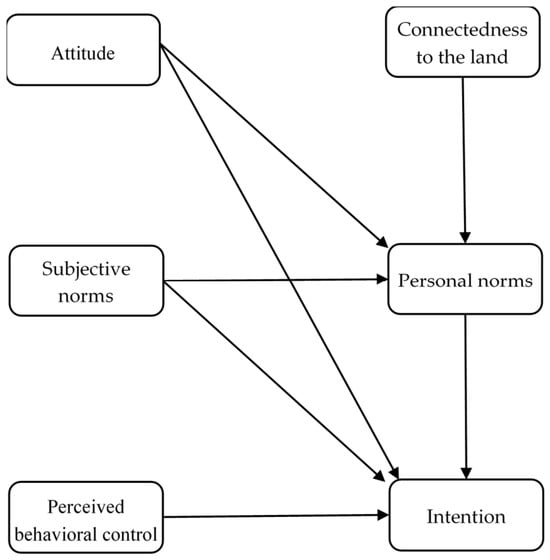
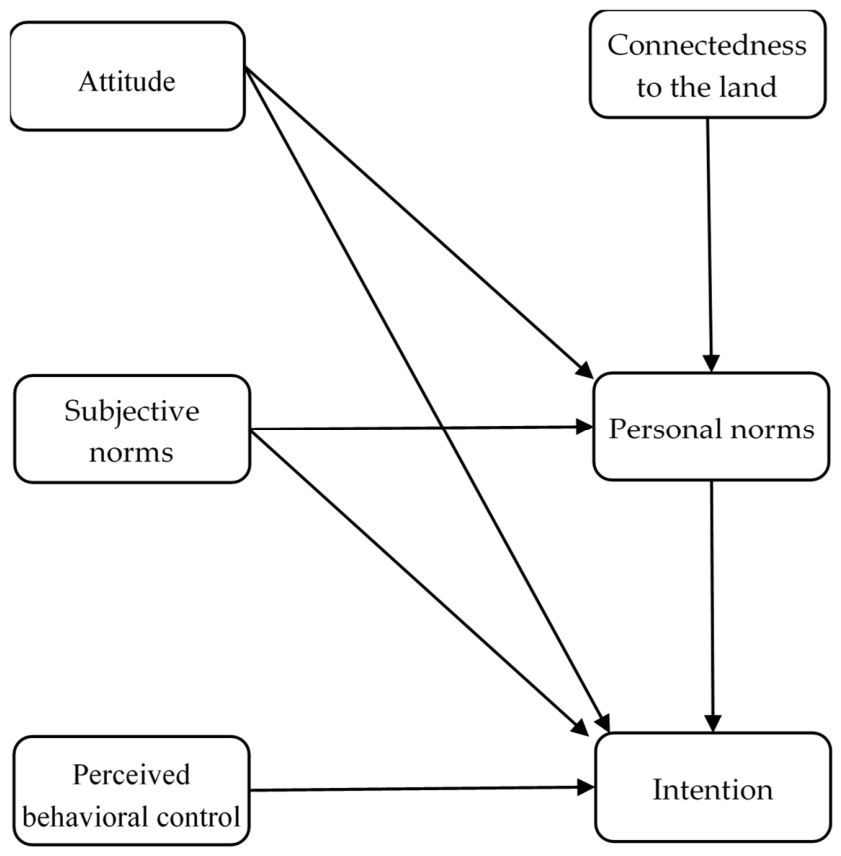
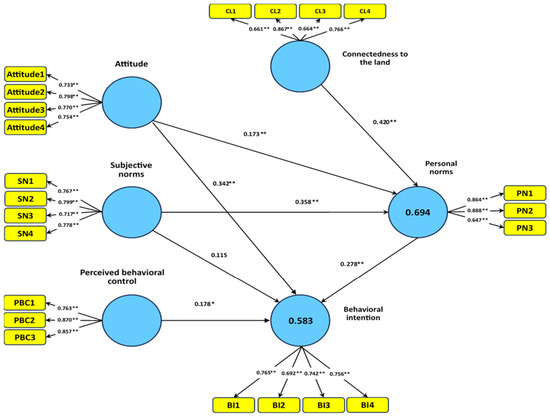
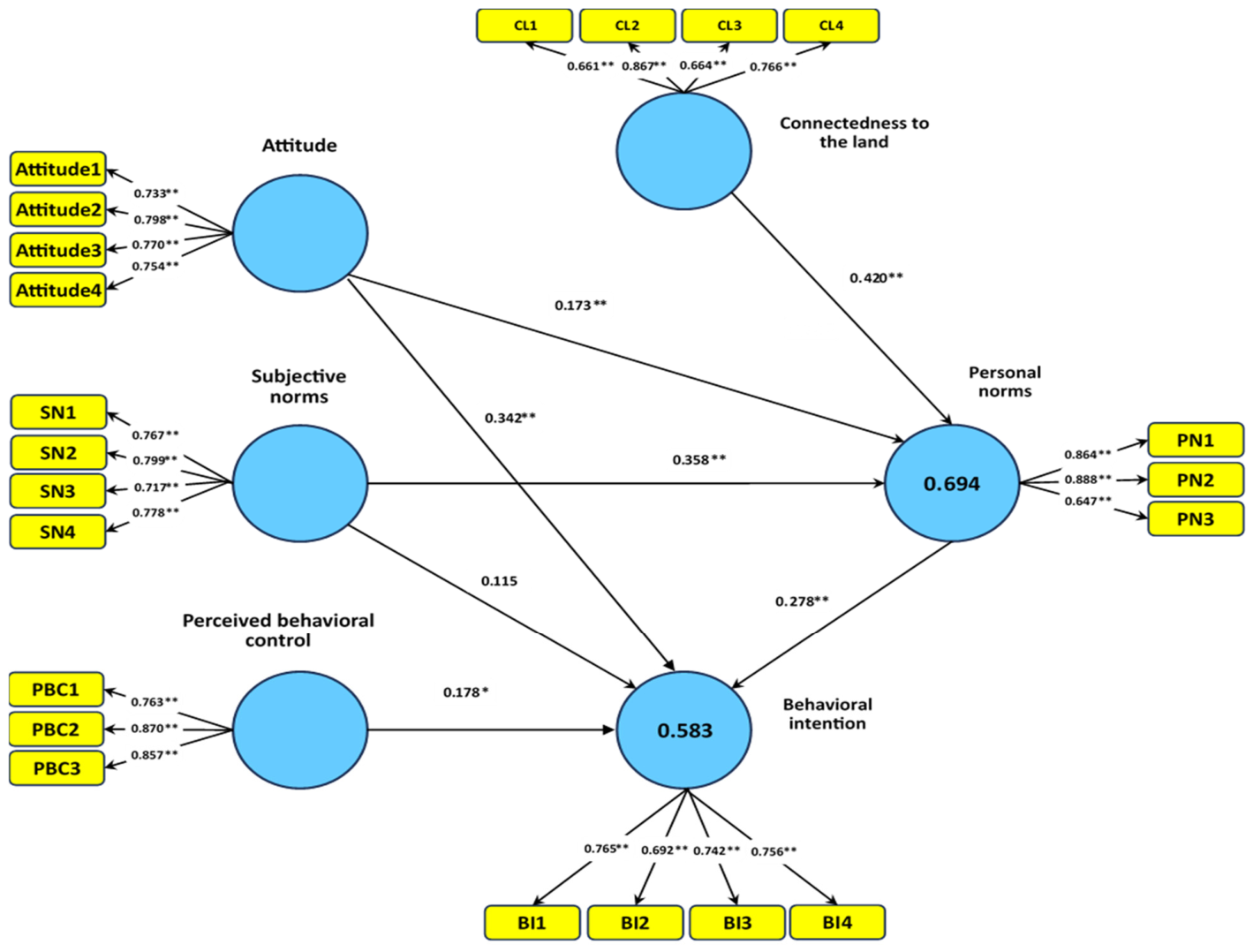
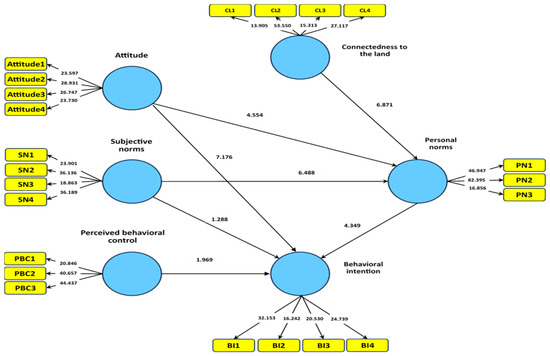
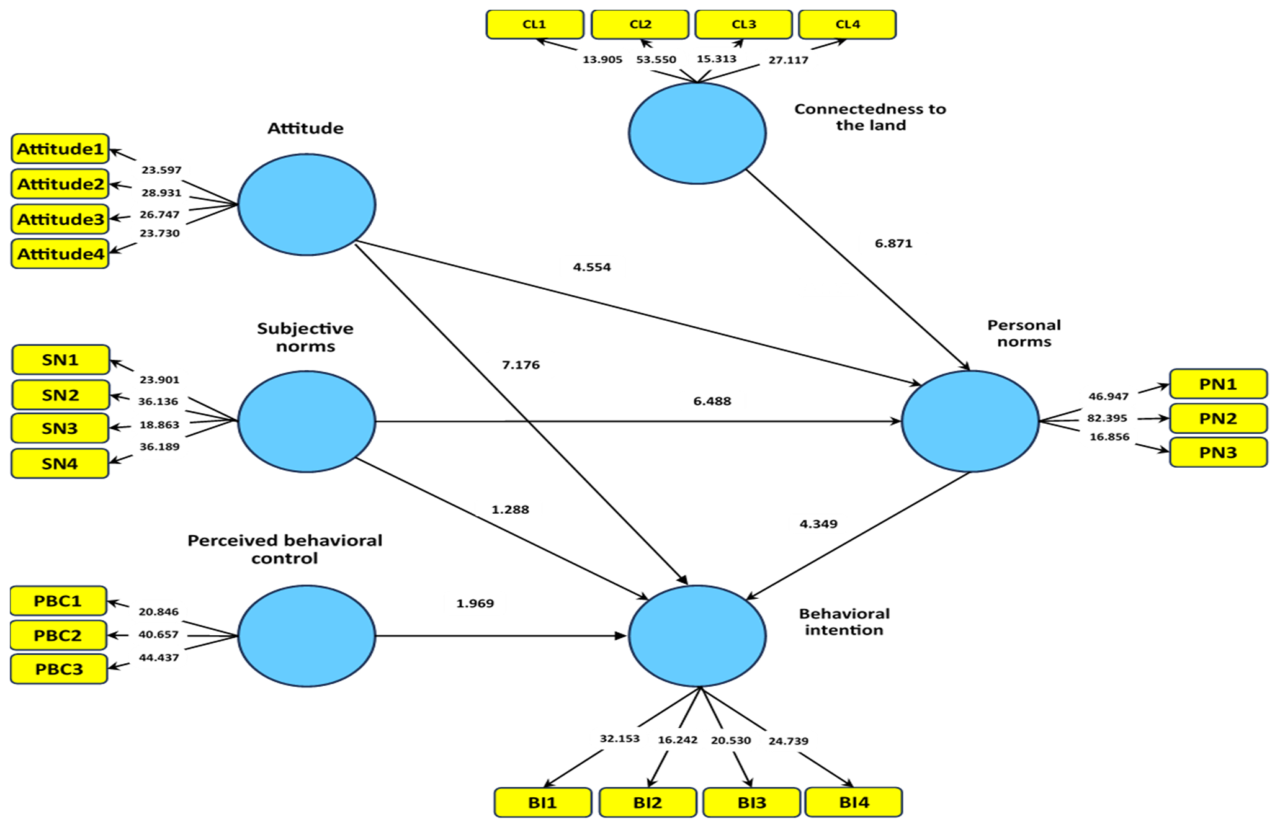

Disclaimer/Publisher’s Note: The statements, opinions and data contained in all publications are solely those of the individual author(s) and contributor(s) and not of MDPI and/or the editor(s). MDPI and/or the editor(s) disclaim responsibility for any injury to people or property resulting from any ideas, methods, instructions or products referred to in the content. |
© 2026 by the authors. Licensee MDPI, Basel, Switzerland. This article is an open access article distributed under the terms and conditions of the Creative Commons Attribution (CC BY) license.