3.1. Principal Component Analysis for Pristine and Aged Samples
In this study, the AE data obtained from both pristine and aged samples was organized into a matrix [
X] of dimensions
m x
n, where
m denotes the number of AE hits, which varies depending on the sample type and its acoustic emissivity, and
n represents the number of AE descriptors, totaling 14. After performing PCA, the resulting matrix [
X] becomes symmetric when
m =
n, indicating that each AE event is characterized by a unique set of descriptors. Each AE hit was described by 14 parameters: rise time (RISE), counts (COUNT), energy (ENER), duration (DURATION), amplitude (AMP), average frequency (A-FRQ), root mean square (RMS), counts to peak (PCNTS), reverberation frequency (R-FRQ), initiation frequency (I-FRQ), signal strength (SIG-STRENGTH), absolute energy (ABS-ENERGY), centroid frequency (C-FRQ), and peak frequency (P-FRQ). Following the procedure described in [
12], the AE data was preprocessed under the assumption that most features follow Gaussian distributions [
36]. However, certain descriptors, particularly DURATION and ENER, tend to exhibit exponential distributions. Therefore, their values were transformed logarithmically to ensure consistency for further analysis. To standardize the dataset, normalization was performed using the normalize function available in the selected computational environment, ensuring that all descriptors contribute equally before applying PCA. Once PCA was implemented, the AE features were projected onto a two-dimensional space corresponding to the first two principal components, which capture the largest variances in the data. The principal components were identified by selecting those with the greatest variability, and descriptors with higher eigenvector values were deemed more influential. To determine the most significant AE parameters, two selection criteria were employed as outlined in [
12,
16]: (1) the exclusion of any descriptor should not lead to information loss, and (2) the vector corresponding to a significant AE parameter must differ in both magnitude and direction from those already chosen to represent the principal components.
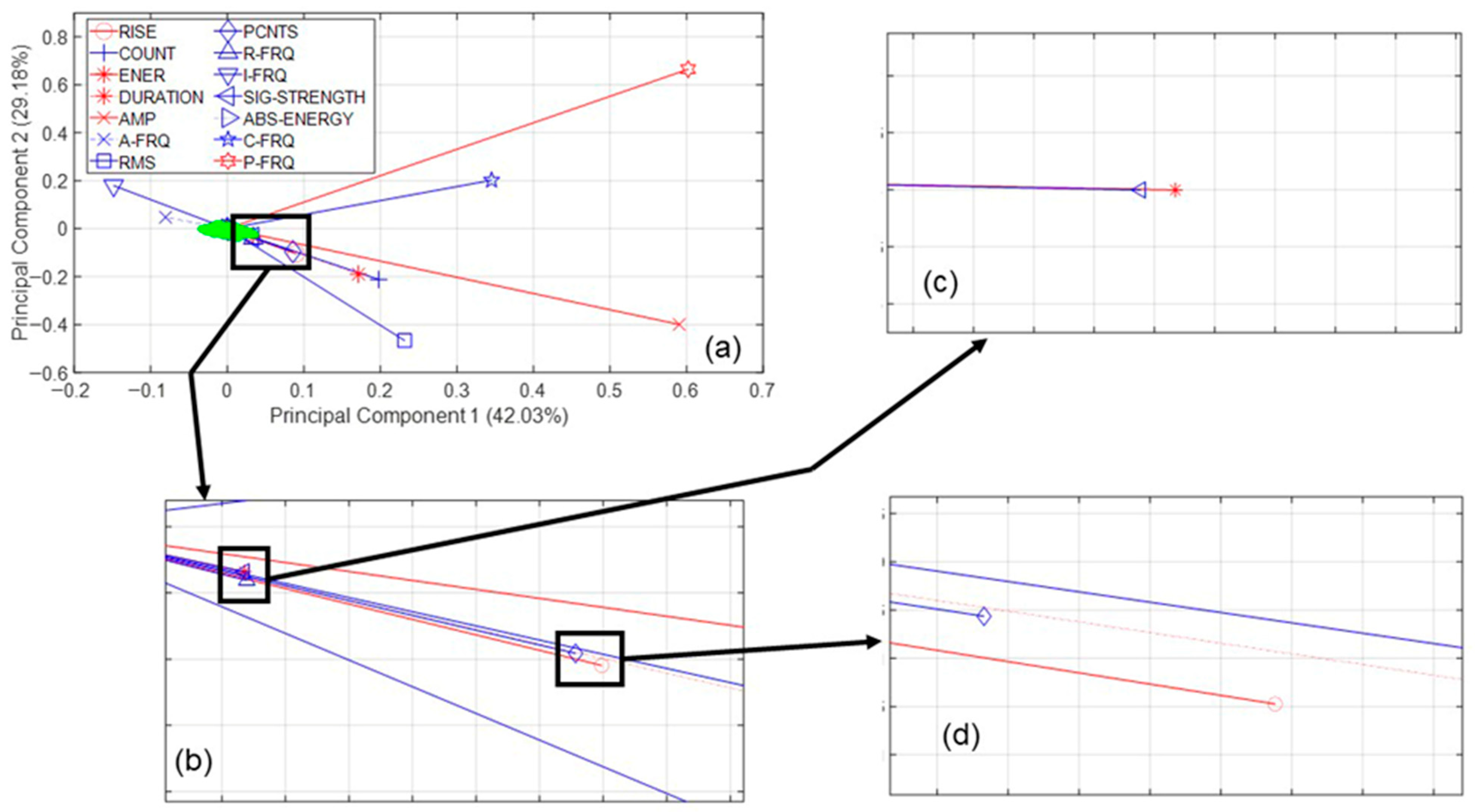
Figure 2 shows the projection of the first two principal components when PCA is applied to pristine samples of GF-PP tape specimens. For unaged (pristine) samples, the experimental data and their AE signals were used as a baseline for comparison with aged samples at 95 °C in DI water for the different aging periods. The principal components characterize the underlying behavior of the GF-PP tape specimens. Thus, the selection of the most relevant AE descriptors was based specifically on the dataset from the GF-PP tape samples, which encompasses all potential damage mechanisms. The descriptors chosen as the most influential are highlighted using red lines and symbols. Data from Channel 1 (Ch1) was used for the analysis and plotting of all materials because no meaningful differences were observed between the two acquisition channels. In
Figure 2a, peak frequency, amplitude and duration emerge as three key AE descriptors selected under the criteria described earlier. P-FRQ is marked with a hexagram symbol and a solid line, AMP with a cross and a solid line, and DURATION with an asterisk and a dashed line, all of them emphasized with red color. P-FRQ corresponds to the dominant frequency identified through the Fast Fourier Transform. On the other hand, AMP represents the highest peak of an AE waveform, providing valuable insight into signal intensity. DURATION measures the time between the first and last threshold crossings of each AE hit, making it a critical parameter for temporal damage characterization. To capture all relevant variations in AE behavior, it is necessary to zoom into the PCA projection, as shown in
Figure 2b and then in
Figure 2c,d.
Figure 2c presents two additional descriptors: ENER and SIG-STRENGTH. Previous research [
37] demonstrated the usefulness of energy in assessing damage severity in composite materials, motivating its inclusion here to evaluate its contribution to energy dissipation during mechanical failure. Finally, in
Figure 2d, RISE is selected, as in similar works [
17,
38], because it quantifies how quickly an AE signal reaches its maximum intensity after the event is first detected. Because different damage mechanisms generate signals with distinct temporal characteristics, RISE is an important indicator of the underlying failure mode. Accordingly, after performing PCA, five AE descriptors were retained: amplitude, peak frequency, duration, energy, and risetime. These parameters exhibit no mutual correlation and were chosen objectively following the selection procedure established in this study. The selection of principal components is guided by the amount of variance each component explains. As summarized in
Table 2, the first two principal components account for 42.03% and 29.18% of the total variance, respectively, and are therefore sufficient for the clustering analysis conducted in this study. Although the first two principal components explain approximately 71.21% of the total variance, higher-order components were evaluated and found to contribute mainly low-variance information associated with noise and descriptor redundancy. Including additional components in the clustering analysis did not improve cluster separation, stability, or physical interpretation of damage mechanisms. Accordingly, the analysis was limited to the first two principal components to preserve the dominant damage-related information while maintaining interpretability and robustness. Thus,
Table 2 also highlights the descriptors that contribute most strongly to each principal component.
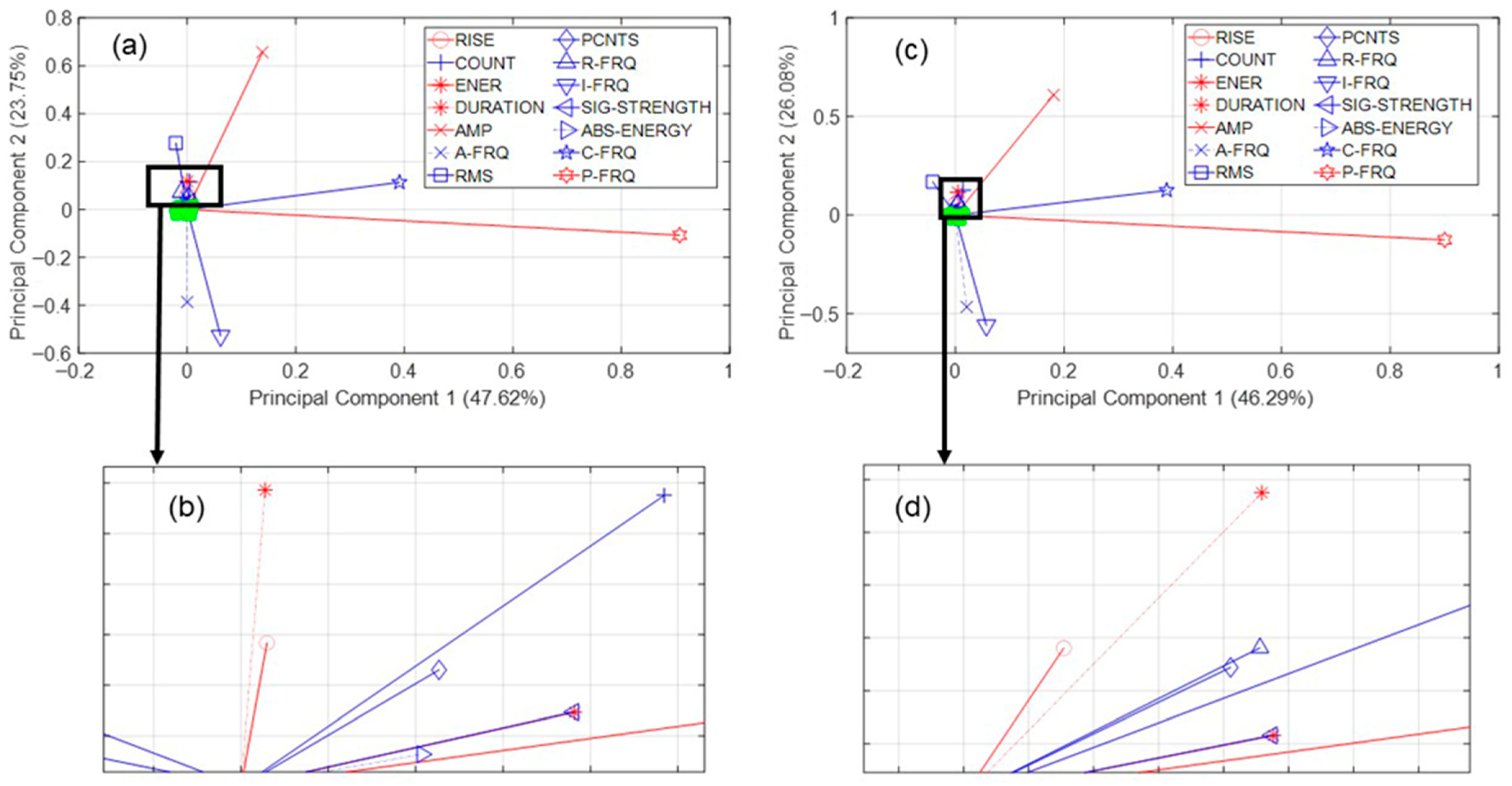
Figure 3 presents the projection of the first two principal components obtained from PCA applied to the AE datasets of GF–PP tape specimens aged for 1 and 4 weeks in DI water. The plots clearly illustrate how the aging conditions influence the distribution of AE descriptors. For the 1-week and 4-week aged samples (
Figure 3a,c), amplitude and peak frequency emerge as the dominant descriptors, reflecting their strong contribution to the variance captured by the first two components. In contrast, the PCA projection in
Figure 3b requires a magnified view to identify additional descriptors for the 1-week dataset; this closer inspection highlights the relevance of rise time, energy, and duration. A similar trend is observed in
Figure 3d for the 4-week aged samples, where rise time, energy, and duration also cluster prominently, indicating their significance after prolonged exposure. The key AE descriptors identified for both aging durations, amplitude, peak frequency, duration, energy, and rise time, are consistent with those determined for unaged samples. Notably, only the first two principal components are necessary to cluster and distinguish these relevant descriptors under both aging conditions. The contributions of these components account for 47.62% and 23.75% of the total variance for the 1-week aged samples, and 46.29% and 26.08% for the 4-week aged samples.
Table 3 summarizes the variance explained by each principal component and lists the dominant AE descriptors associated with both aging periods. It is important to clarify that although AE descriptors are not physically equiponderated, all parameters are initially normalized to remove scale effects rather than to imply equal physical relevance. The relative importance of each descriptor is subsequently determined through PCA, which acts as an implicit, data-driven weighting mechanism by emphasizing parameters that contribute most strongly to the variance associated with active damage mechanisms. As a result, descriptors such as frequency-, energy-, or rise-time–based parameters naturally gain prominence depending on the prevailing damage regime and aging condition, while less informative features are de-emphasized. This approach enables objective handling of descriptor relevance without imposing a priori weighting assumptions and supports transferability of the methodology to other composite systems and loading conditions.
To objectively determine the appropriate and suitable quantity of clusters for the k-means algorithm,
DB and
CH indices are employed.
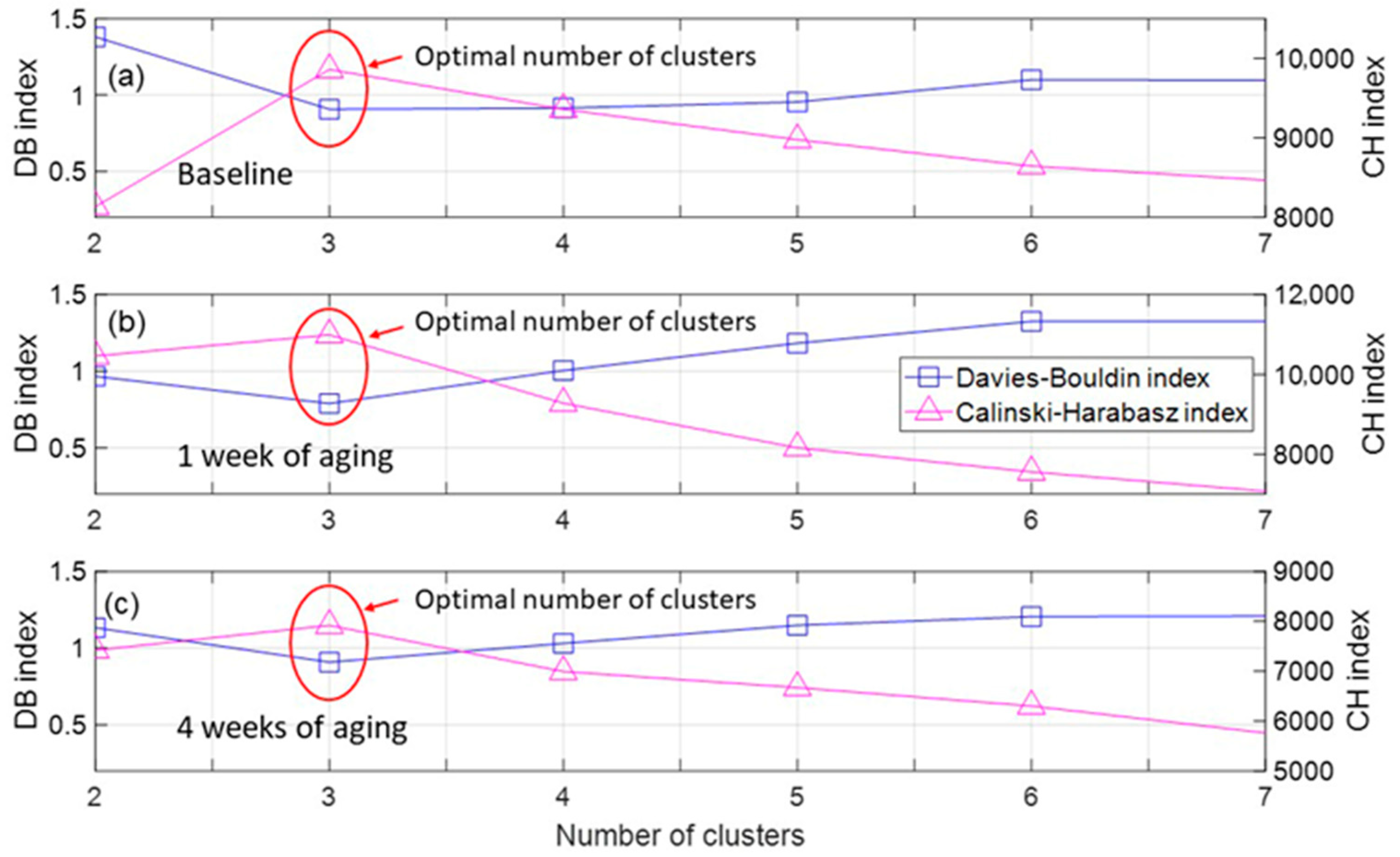
Figure 4 shows three plots that compare the
DB and
CH indices for different numbers of clusters under baseline, 1-week, and 4-week aging conditions. In all cases, the optimal number of clusters is found at k = 3, where the
DB index reaches its minimum and the
CH index reaches its maximum, indicating the best balance between cluster compactness and separation. For the baseline material, both indices show a clear optimum at three clusters, reflecting well-defined and distinct AE groups that correspond to primary damage mechanisms such as matrix cracking, interfacial debonding, and fiber breakage. After 1 week of aging, the optimal number of clusters remains three, but the
DB minimum is slightly higher, and the
CH maximum is lower compared to the baseline. With 4 weeks of aging, three clusters are again optimal, showing that the number of dominant damage clusters remains constant. Thus, in the next subsection AE data for each experiment is analyzed in detail, comparing pristine and aged samples with fiber specimens.
3.2. AE Data of Each Conducted Experiment
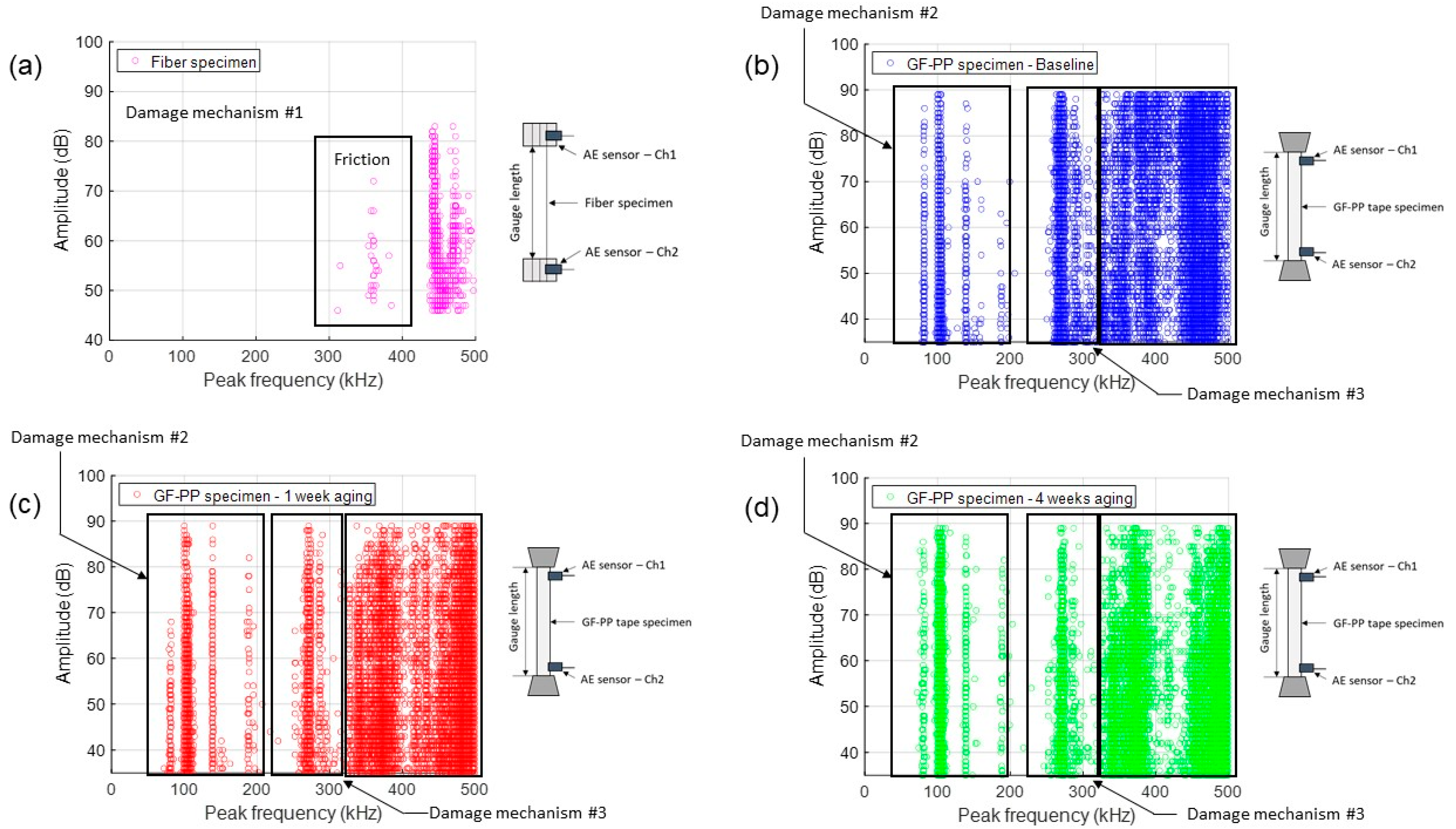
Following the identification of the optimal number of clusters, three damage mechanisms were associated with each cluster. These damage mechanisms were labeled as follows: damage mechanism #1: fiber breakage; damage mechanism #2: matrix cracking; and damage mechanism #3: matrix/fiber debonding. The amplitude-peak frequency distributions presented in
Figure 5a–d illustrate the evolution of AE signals from fiber specimens and GF-PP tapes for the baseline and hydrothermally aged conditions. These plots provide insights into the dominant damage mechanisms and their progression with aging time. As shown in
Table 4, the frequency bands identified for the unaged GF-PP tape specimens, as well as for the individual fiber specimens, correspond with those reported in the technical literature, where each band is associated with a distinct damage mechanism.
Figure 5a depicts AE signals with peak frequencies ranging between approximately 350 and 500 kHz and amplitudes of 45 to 84 dB which were collected from the fiber specimens. These signals are necessarily associated with fiber damage events. Firstly, a narrow cluster of AE hits with low amplitude and lower peak frequencies (350 to 378 kHz) are labeled ‘Friction’ in
Figure 5a. Presumably, signals in this region were generated by interactions among broken fibers and fibers still bearing mechanical loads, as mentioned in [
37]. Because no polymer matrix was present that could contribute AE signals related to matrix or fiber-matrix damage, the presumption of frictional interactions causing the cluster between 350 and 378 kHz is reasonable. A second, more prominent cluster of AE hits is present between 400 and 500 kHz. These high-frequency signals are considered to reflect actual fiber breakage. Therefore, the frequency band between 350 kHz and 500 kHz is related to a host of fiber-dominated damage mechanisms called herein damage mechanisms #1. Related AE signals are comparable to results described in [
39,
40], in which the ranges are 380–570 kHz and 350–500 kHz, respectively.
In contrast to the fiber specimens, the pristine GF-PP tape, which serves as the baseline in the present study, exhibits a much broader and more complex distribution of AE activity, see
Figure 5b. Three frequency regions can be distinguished, each associated with a distinct class of damage. The low-frequency region, between 70 and 190 kHz and named as damage mechanism #2, is populated by events attributed to matrix cracking, based on frequency bands described for this damage mode in [
39,
40] ranging between 80 and 120 kHz and 10 and 150 kHz, respectively. An intermediate band of AE hits, spanning 230–375 kHz, corresponds to mixed-mode processes such as interfacial slip, partial debonding, and matrix–shear interactions as cracks propagate and interact with embedded fibers. Hence, these events are categorized as matrix/fiber debonding, i.e., damage mechanism #3. In [
39], the frequency band for this damage mechanism was reported as 240–350 kHz. Finally, the high-frequency region, extending from 350 to 500 kHz, overlaps with the region identified in the fiber specimen plot in
Figure 5a, confirming that fiber-related events contribute significantly to the baseline composite’s response. The presence of all three bands reflects the balanced and progressive damage sequence typical of unaged GF-PP systems, where the matrix, interface, and fibers interact to resist the applied load. In terms of amplitude values, the range of 35–90 dB observed during the mechanical loading reflects the more heterogeneous and energetic nature of damage accumulation.
The AE signal distribution collected after one week of hydrothermal aging, shown in
Figure 5c, indicates that the damage mechanisms become more active across all frequency ranges. The density of low-frequency events (70–190 kHz) slightly increases, suggesting matrix cracking and microcavity formation might be caused by moisture absorption and polymer plasticization. These mechanisms reduce the stiffness and yield strength of polypropylene, promoting crack initiation. At the same time, the frequency band from 350 kHz to 500 kHz becomes less populated, implying that the fiber–matrix interface weakens prematurely (230–375 kHz), allowing the fibers to experience breakage. This change may indicate a partial loss of load-transfer efficiency between the matrix and fiber phases. The broader amplitude range (35–90 dB) observed after 1 week of aging reflects the more heterogeneous and energetic nature of damage accumulation as in the baseline. By 4 week of aging,
Figure 5d reveals a shift toward fiber-dominated failure. The AE activity becomes slightly concentrated in the 70–190 kHz region, which could demonstrate an increase in matrix cracking and then interface degradation in the next frequency band of 230–375 kHz that might indicate a loss of bonding between the fibers and the polymer. In contrast, the high-frequency fiber-dominated region (350–500 kHz) exhibits reduced activity, suggesting that fiber breakage events occur later or less frequently because the matrix is no longer able to maintain adequate load transfer, as compared to baseline in
Figure 5b. The reduced presence of high-frequency emissions might indicate that damage in aged specimens is governed by the weakened matrix rather than by interaction between fibers. This transition from a multi-mechanism response to a predominantly fiber-driven failure mode is characteristic of hydrothermally degraded thermoplastic composites. In terms of amplitude values, the range is similar to the previous baseline and 1 week of aging from 50 dB to 90 dB. However, the dominance of each damage mechanism will be discussed in the next subsection.
Amplitude is widely used as an AE descriptor, yet comparing amplitude trends across studies is difficult because AE signals vary with test setups and material types. In this work, amplitude ranges for different damage events overlap, making it hard to separate damage modes based on amplitude or peak frequency alone. As a result, single-variable descriptors are insufficient for reliable damage identification in GF-PP tape specimens. This motivates the need for a multivariable AE analysis. The next subsection therefore applies k-means clustering to PCA-derived AE descriptors to establish clearer groupings associated with distinct damage mechanisms.
3.3. Clustering Based on K-Means Algorithm and Mechanical Performance
In this subsection, the cluster analysis of the most influential AE descriptors obtained through PCA and how they are related to the mechanical performance of the GF-PP tape specimens (unaged and aged samples) are explained in detail.
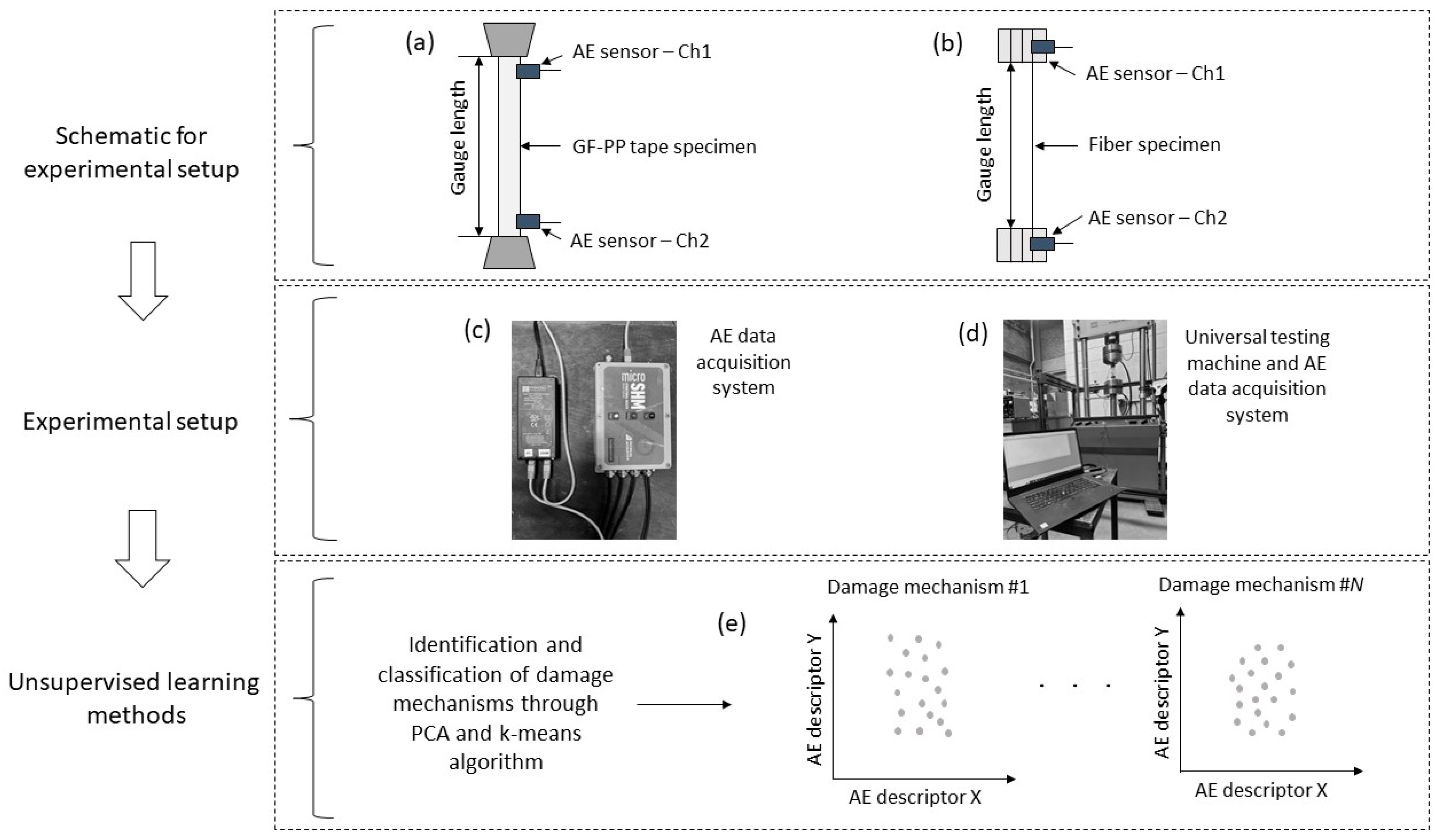
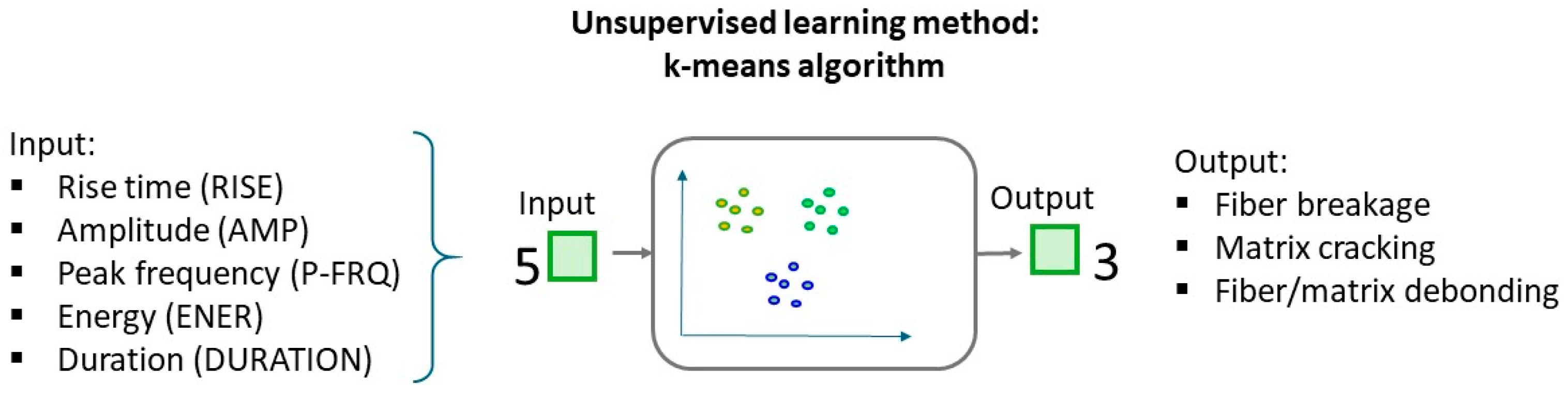
Figure 6 illustrates the k-means–based unsupervised learning approach as used to classify AE signals into damage mechanisms. Five AE descriptors (rise time, amplitude, peak frequency, energy, and duration) serve as the input features. These multidimensional data points are grouped into three clusters by the k-means algorithm, which organizes hits with similar signal characteristics. The resulting clusters are then interpreted as corresponding to fiber breakage, matrix cracking, and fiber/matrix debonding, highlighting how unsupervised learning converts raw AE measurements into meaningful indicators of damage in composite materials. As part of this process, it is essential to deeply analyze the AE data patterns based on information provided by the selected descriptors to fully associate the different clusters with the corresponding damage mechanisms.
The combined results presented in
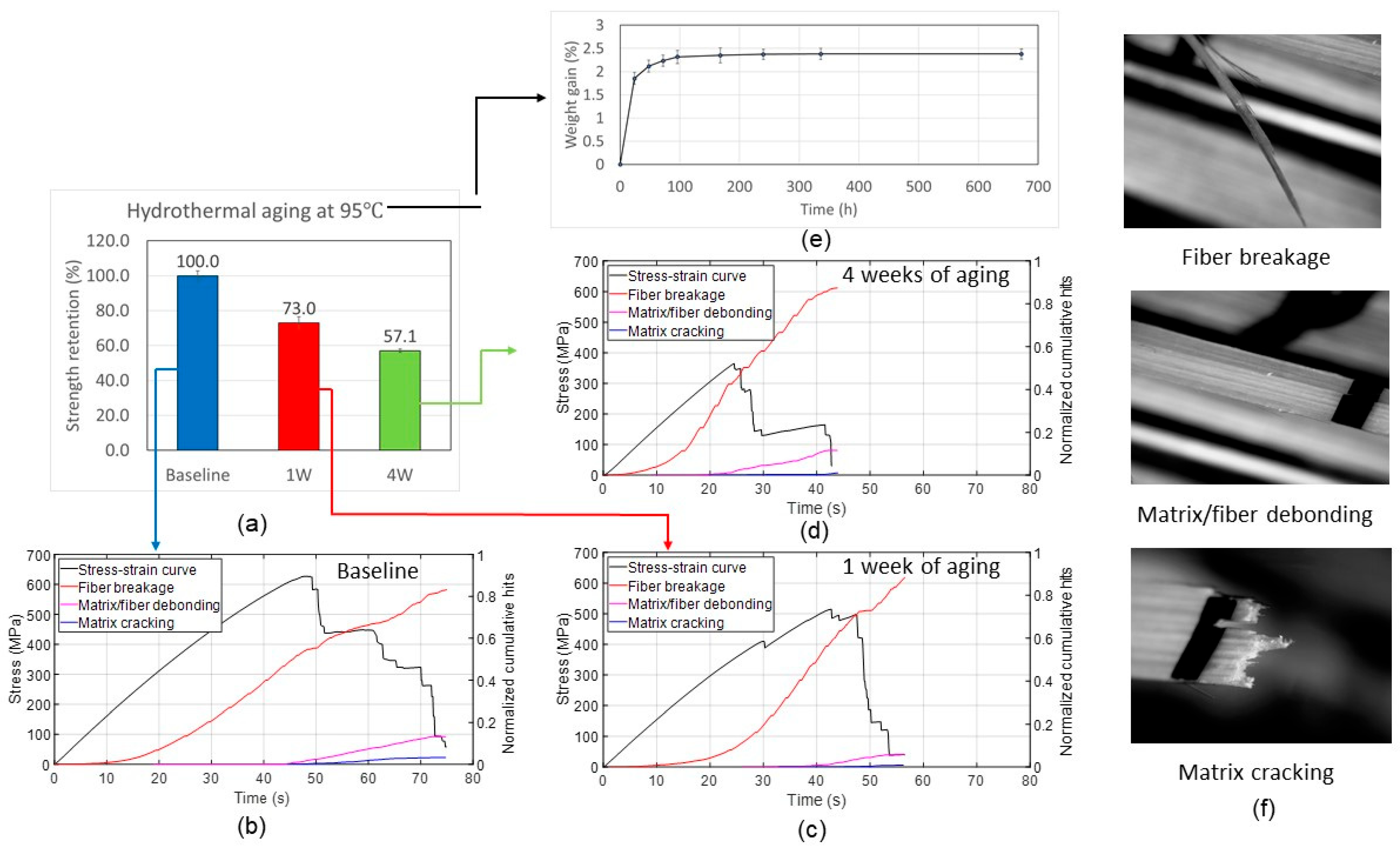
Figure 7 illustrate the influence of hydrothermal aging at 95 °C on the mechanical integrity, damage evolution and failure mechanisms of the tested composite systems along with their corresponding normalized cumulative AE hits for each condition.
Figure 7a summarizes the strength retention after aging. Compared to baseline GF-PP tape specimens exhibiting full strength, samples aged for 1 week and 4 weeks retain only 73 ± 3.4% and 57 ± 0.9% of their original capacity. Notably, these values exceed a 25% drop in strength retention which was designated a significant deterioration in the present study. This decline highlights that prolonged hydrothermal exposure substantially compromises load-bearing capability due to detrimental effects such as moisture-induced matrix plasticization and interfacial degradation. In addition, a deeper understanding of the evolving failure behavior is provided by the stress-time responses and accompanying AE cumulative hit curves in
Figure 7b–d. On the other hand, the water uptake behavior of the GF-PP tape specimens, shown in
Figure 7e, exhibits a diffusion-controlled trend, with a rapid increase in mass during the initial exposure period with a weight gain of 2.37% and a standard deviation of 0.12% followed by a gradual approach toward saturation after approximately 230 h of immersion with a weight gain of 2.38% and a standard deviation of 0.11%. The final moisture uptake level observed at saturation is consistent with values commonly reported for GF-PP systems exposed to hot-water environments, particularly for thin laminates with high fiber volume fractions [
41]. The relatively short time required to reach equilibrium might be attributed to the small specimen thickness, which may promote faster through-thickness diffusion rather than indicating unusually high moisture affinity of the material. An explicit effective diffusion coefficient was not calculated, as the primary objective of the present study was to relate moisture uptake progression to mechanical degradation and AE-based damage evolution rather than to develop a detailed diffusion model. The measured moisture uptake can provide an appropriate basis for interpreting the associated mechanical degradation and AE response observed in this study.
Referring to the baseline specimens in
Figure 7b, a typical fiber-dominated failure mode can be observed, characterized by a steadily increasing stress-time response followed by a sharp, high-stress rupture of 627.5 MPa at 48.21 s. AE activity in the baseline condition shows delayed initiation of matrix cracking at 44.59 s, reflecting a strong interface and effective stress transfer. Fiber breakage is the dominant damage mode in terms of normalized cumulative AE hits, which might be confirmed with the volume fraction of 60 ± 5% and similar results in [
9]. The next dominant damage mode is matrix/fiber debonding and then matrix cracking. In contrast, specimens aged for 1 week exhibit a reduced peak stress of 514.68 MPa at 42.73 s and earlier onset of damage-related AE events. Fiber breakage remains as the dominant failure mechanism, followed by matrix/fiber debonding and then matrix cracking. AE activity in the 1-week aging condition reveals that matrix cracking starts to develop at 30.87 s. After 4 weeks of aging, deterioration became more severe. The stress-time traces reveal lower maximum stress of 364.4 MPa at 24.51 s, intermittent stress drops, and a more unstable progression to failure. As in the previous samples, fiber breakage is the dominant failure mode, followed by matrix/fiber debonding and then matrix cracking. In addition, in the 4-week aging condition, matrix cracking occurs at 19.08 s. AE signatures along tensile testing confirm that the durations of AE hits related to matrix cracking, matrix/fiber debonding and fiber breakage reduced after aging, indicating a transition to an interface- and matrix-controlled failure mode driven by moisture-induced degradation. In the case of baseline GF-PP specimens, fiber breakage events last 74.81 s, followed by matrix/fiber debonding events with 54.97 s and then matrix cracking events with 30.22 s. After 1 week of aging, fiber breakage events reduced to 55.22 s, matrix/fiber debonding events to 30.41 s and matrix cracking events to 23.51 s. By 4 weeks, fiber breakage events reduced to 43.69 s, matrix/fiber debonding events to 28.52 s and matrix cracking events to 21.62 s. The microscopy images in
Figure 7f show fiber breakage mode, typically associated with the catastrophic failure stage GF-PP tapes, matrix/fiber debonding and matrix cracking.
The cumulative AE energy curves shown in
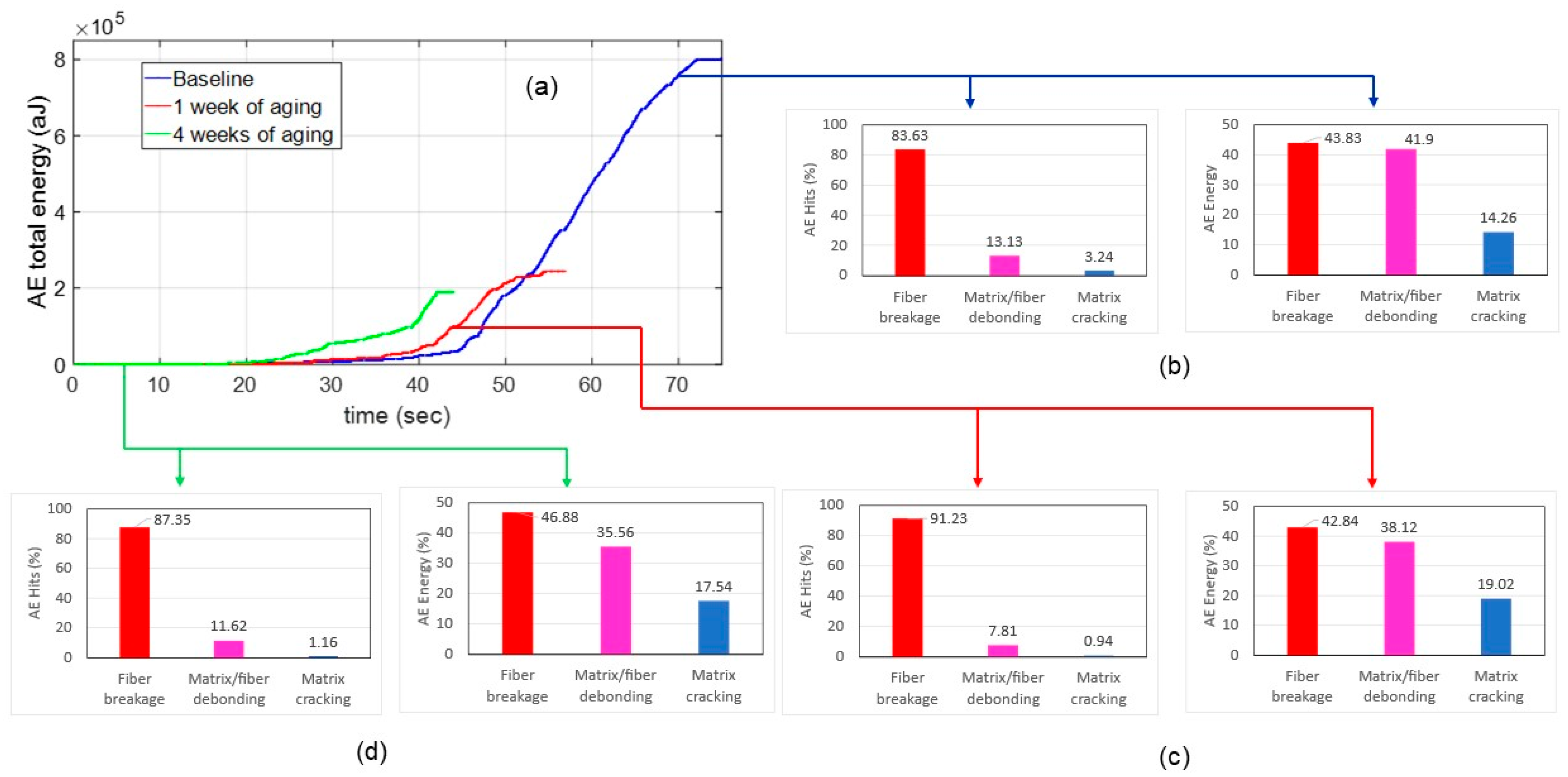
Figure 8a reveal clear distinctions in damage evolution among the baseline, 1-week aged, and 4-week aged composites. The unaged material exhibits the latest onset of AE activity, with significant energy accumulation occurring only after approximately 45 s. This late and steep rise results in the highest total AE energy of all conditions, reflecting the ability of the intact matrix and fiber–matrix interface to resist damage progression and absorb energy before catastrophic failure. In contrast, the 1-week aged material initiates AE activity earlier, around 30–35 s, and accumulates a noticeably lower AE energy before failure, consistent with matrix softening and early microcracking triggered by moisture absorption. The most severely aged sample, exposed for 4 weeks, shows the earliest AE onset at approximately 20–25 s and generates the lowest cumulative AE energy, indicating substantial loss of toughness and a transition toward brittle failure due to extensive hydrothermal degradation.
The relative AE hit counts and energy distributions in
Figure 8 further clarify the influence of aging on the governing damage mechanisms. In the baseline condition shown in
Figure 8b, fiber breakage overwhelmingly dominates the number of recorded AE events, contributing approximately 83.63% of total hits. Matrix/fiber debonding accounts for around 13.13%, and matrix cracking events contribute only 3.24% of all hits. Despite this, the AE energy distribution exhibits a more balanced profile, with matrix cracking representing only about 14.26% of the accumulated energy, while matrix/fiber debonding and fiber breaking contribute approximately 41.9% and 43.83%, respectively. These high-energy contributions, particularly from fiber fracture, confirm that the unaged composite undergoes a progressive, multi-stage damage process in which the fibers engage effectively and release significant energy during final failure.
After one week of aging, the distribution of AE hits is even stronger when dominated by fiber breakage, comprising roughly 91.23% of the events. Conversely, matrix/fiber debonding and matrix cracking decreases to about 7.81% and 0.94%, respectively. Notably, the AE energy distribution shifts toward mechanisms associated with interfacial degradation. Matrix cracking contributes about 19.02% of the total AE energy, whereas matrix/fiber debonding and fiber-breaking reduce to 38.12% and 42.84%, respectively. In the 4-week aged condition, the analysis of AE hits shows similarities to the 1-week aged samples, i.e., fiber breakage remains the most frequent mechanism, contributing approximately 87.35%; matrix/fiber debonding maintains a contribution of about 11.62%; and matrix cracking events remain very limited at approximately 1.16% of hits. However, the AE energy distribution reveals the effects of long-term aging. With 46.88% fiber-breaking events are associated with the highest share of AE energy over the three aging cases. Correspondingly, the energy share associated with matrix cracking and matrix/fiber debonding was reduced to 17.54% and 35.56% of the total AE energy. These changes suggest that fibers fail due to the loss of matrix and interfacial support, a hallmark of brittle failure in extensively aged composites. Taken together, these results show a transition in damage behavior as aging progresses. The baseline composite exhibits a typical staged failure process with significant energy absorption. The 1-week aged material begins to shift toward interfacial degradation, showing earlier AE activity and reduced energy accumulation. By 4 weeks, the composite displays considerable brittleness, with reduced energy absorption, early initiation of microcracking, and sudden, high-energy fiber failures. Although hydrothermal aging primarily degrades the polymer matrix and the fiber-matrix interface, fiber breakage remains the dominant acoustic emission mechanism in terms of hit count across all aging conditions. This behavior is attributed to the high fiber volume fraction (60 ± 5%) and the longitudinal tensile loading configuration, which enforce a fiber-dominated load-transfer regime. Matrix and interfacial degradation due to aging lead to earlier damage initiation, reduced energy dissipation, and altered AE descriptor distributions, but do not alter the governing role of fiber fracture in final failure. Consequently, aging effects are more sensitively captured by changes in AE energy, duration, and damage onset rather than by a reduction in the absolute number of fiber-related AE hits. The combined evolution of AE hits and energy may confirm that hydrothermal aging progressively weakens both the matrix and interphase, reducing the supporting effect that the matrix provides to the composite, promoting a shift toward a brittle, fiber-controlled fracture process [
10,
37,
42,
43,
44].
As described in [
23,
45,
46], an efficient method employing the amplitude along with rise time to quantify tensile and sharing events in composite materials during mechanical loading is the RA value, which can be defined as the ratio value of the rise time of an AE hit and its peak amplitude. These studies have demonstrated that tensile-driven damage typically produces AE hits characterized by shorter rise times and higher peak amplitudes. In contrast, shear-related events generate acoustic signals with comparatively longer rise times and lower peak amplitudes. AE hits with RA values below unity are generally indicative of tension-dominated damage mechanisms, including matrix cracking and fiber fracture. In contrast, RA values exceeding unity are typically linked to shear-driven processes such as matrix/fiber interfacial debonding. Traditionally, the maximum amplitude component used in calculating the RA value is reported in volts. However, in this study, a modified approach was adopted in which the peak amplitude is expressed in decibels (dB), following the methodology in [
23] as:
in which a 26 dB preamplifier gain applied in the AE sensors is used.
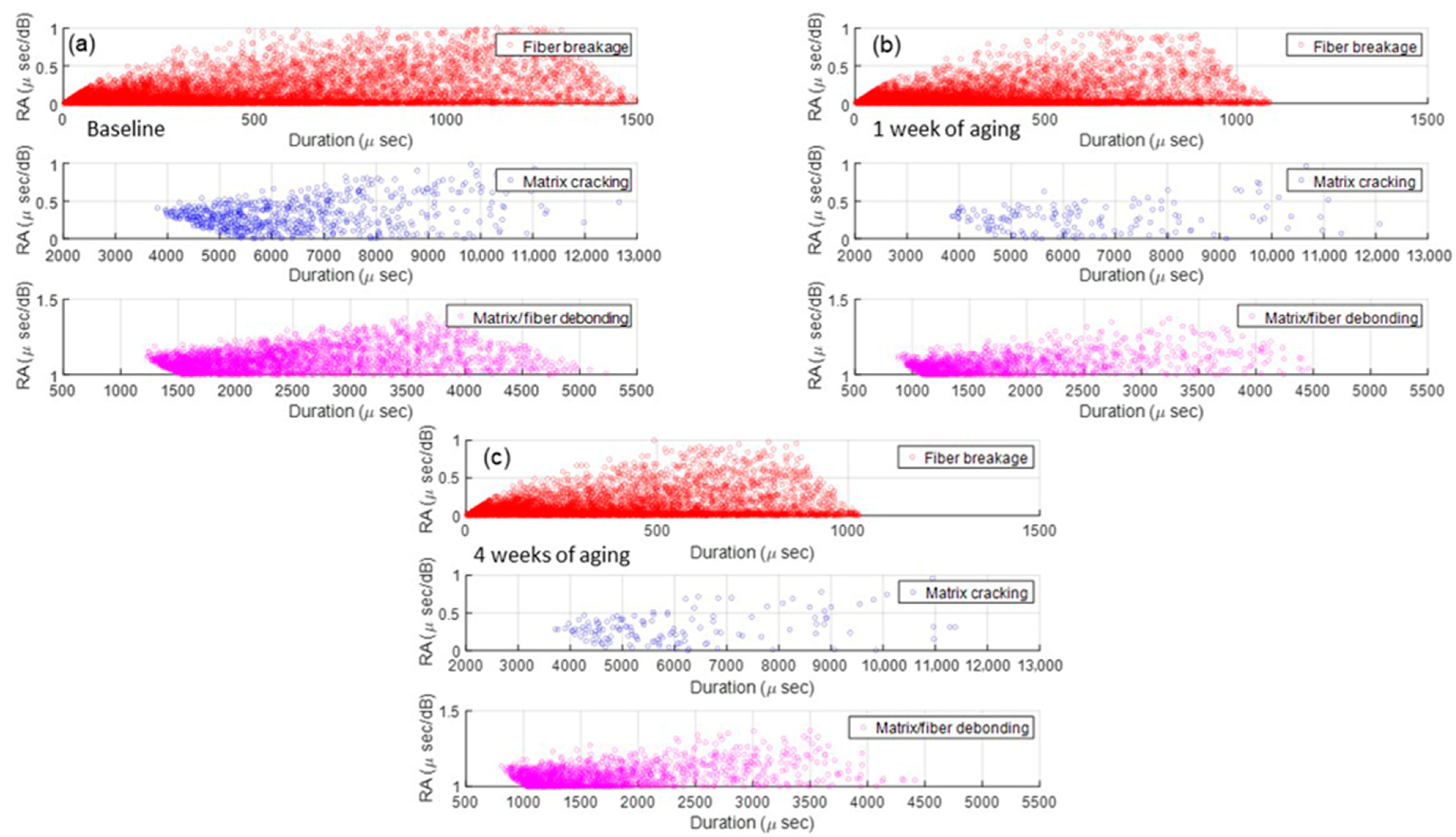
Figure 9 shows the RA value for the unaged and aged GF-PP tape specimens as a function of duration. In
Figure 9a, the baseline condition shows clear separation among the three damage mechanisms. Fiber-related events form a dense cluster at RA values below 1 µ·sec/dB with durations generally between 0 and 1500 µs, indicating frequent fiber breakage with a stiff, unaged matrix, as also shown in
Figure 5b. Matrix cracking signals appear at RA levels of approximately 0.1–0.9 µ·sec/dB and extend to durations as high as 12,500 µs, reflecting the longer-lasting nature the PP matrix cracking events under tensile testing. Matrix/fiber debonding shows moderate RA values between 1 and 1.45 µ·sec/dB and durations from 1000 to 5500 µs, consistent with interfacial sliding and progressive separation between the fiber and matrix.
After 1 week of hydrothermal aging, the distributions shift toward lower durations and slightly reduced RA values, which could reveal early signs of material degradation. Fiber breakage signatures remain dominant, as shown in
Figure 8, but contract to durations of 0–1200 µs while maintaining RA values below 1 µ·sec/dB, suggesting matrix plasticization due to moisture uptake and thus direct fiber failure. Matrix cracking events also shift, showing durations reduced to roughly 3000–11,500 µs and more diffuse RA levels in the range of 0.15–0.7 µ·sec/dB. The matrix/fiber debonding cluster also becomes more compact, with durations between 800 and 4500 µs and RA values around 1–1.38 µ·sec/dB, pointing to the onset of interfacial weakening. Altogether, these shifts might reveal the first measurable effects of aging on the matrix and the fiber–matrix interface. After 4 weeks of aging, the changes in AE behavior become more pronounced. Fiber breakage events cluster tightly at RA values below 0.5 µ·sec/dB and durations mostly under 1050 µs. Matrix cracking activity diminishes significantly; the remaining events appear at shorter durations of approximately 3000–11,000 µs with RA values trending toward 0.1–0.5 µ·sec/dB, that may confirm reductions in load-transfer. Interfacial debonding is the most affected mechanism: its durations reduced to 700–4000 µs, and RA values fall to the 1–1.33 µ·sec/dB range, which might indicate reductions in interfacial strength and a transition toward friction-dominated sliding rather than abrupt debonding. Therefore, the AE hits show a 20–40% reduction in duration ranges and a 10–30% decrease in RA amplitude ranges from baseline to 4 weeks, demonstrating hydrothermal degradation of the matrix, the interface, and the overall mechanical response of the GF-PP tapes.
It should be noted that dominance in AE hit count does not directly imply statistical dominance in the governing degradation mechanisms. AE hit counts represent the frequency of detected events, whereas degradation severity and structural relevance are more effectively reflected by parameters such as AE energy, duration, RA value, and associated reductions in mechanical performance. In the present study, fiber breakage produces the highest number of AE hits due to the fiber-dominated loading configuration, while aging-induced degradation is primarily manifested through matrix and interfacial weakening, as evidenced by changes in AE energy distribution, damage onset, and mechanical strength retention.
In addition, a correlation is observed between the mechanical response of the GF-PP tapes and the advanced AE analysis across all aging conditions. For unaged specimens, high cumulative AE energy and the dominance of fiber-breakage–related clusters coincide with high tensile strength, stable stress–time evolution, and abrupt final failure, indicating efficient load transfer between the matrix and fibers (see
Figure 7b). After hydrothermal aging, AE activity initiates at lower stress levels, accompanied by a reduction in cumulative AE energy (see
Figure 7d,e). These AE trends are consistent with the observed reductions in tensile strength (see
Figure 7a), earlier stress instabilities, and shorter time to failure, reflecting moisture-induced matrix plasticization and interfacial weakening [
41]. With increasing aging duration, changes in AE descriptors such as reduced hit duration, lower RA values, and altered cluster energy contributions further mirror the transition from a progressive, energy-dissipative failure mode to a more brittle, interface-controlled fracture response [
41]. Collectively, these results demonstrate that AE-based metrics provide a sensitive and quantitative link between microstructural damage evolution and macroscopic mechanical degradation in aged GF-PP composites.
Based on the combined mechanical testing and advanced AE analysis, a quantitative damage criteria framework could be proposed for evaluating aging-induced degradation in GF-PP tapes. The framework might integrate macroscopic mechanical thresholds with AE-derived indicators as follows: (i) Mechanical criterion: a tensile strength reduction greater than 25% is defined as a threshold for significant structural degradation, indicating loss of load-bearing capability. (ii) Damage initiation criterion: the earlier onset of sustained AE activity during tensile loading, relative to the baseline condition, could be used to identify premature damage initiation associated with aging. (iii) Damage evolution criterion: progressive changes in AE descriptors, including reduced hit duration, lower RA values, and decreased cumulative AE energy, could be used to quantify the transition from energy-dissipative to more brittle damage behavior. Together, these criteria might provide a consistent and measurable framework for linking microstructural damage evolution to macroscopic mechanical degradation, enabling objective assessment of hydrothermal aging effects and supporting condition-based evaluation of unidirectional thermoplastic composites.
3.5. Microscopic Observations and Correlation
GF-PP tape specimens were inspected using an optical microscope after tensile testing.
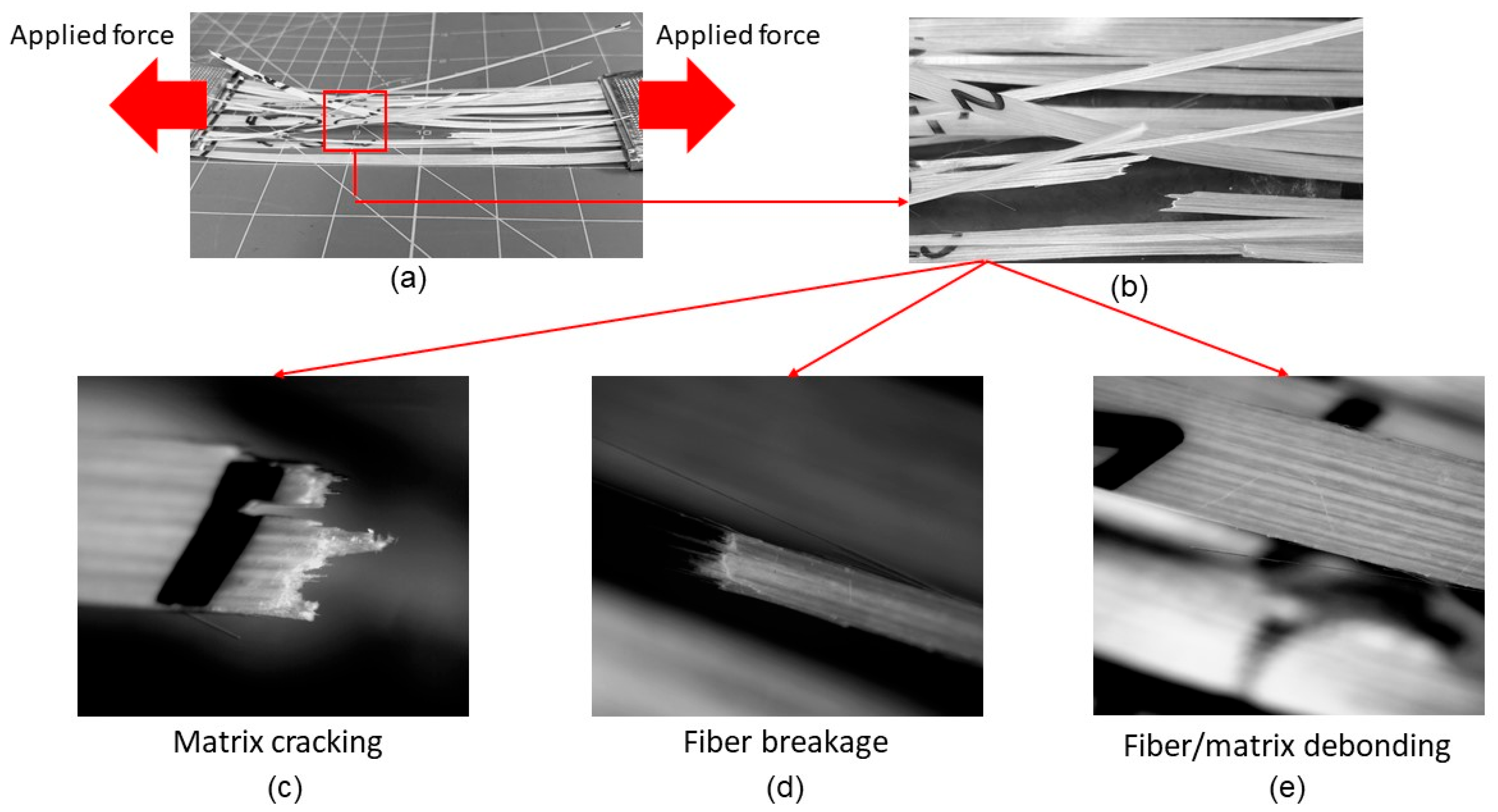
Figure 11 illustrates the progressive damage mechanisms occurring in a GF-PP tape specimen subjected to axial tensile loading. In the global view shown in
Figure 11a, the specimen undergoes a longitudinal deformation, ultimately resulting in catastrophic failure. The applied tensile forces (red arrows) act in opposite directions along the fiber axis, generating a combination of matrix-dominated and fiber-dominated damage modes. The red box highlights the central fracture region, where the transition from elastic response to brittle fragmentation becomes evident as the load increases. A magnified view in
Figure 11b captures the localized failure zone in more detail. Here, multiple fiber bundles separate and split apart, indicating that load redistribution among fiber tows plays a critical role in the final fracture process. The staggered fiber ends and uneven separation of the tape demonstrate that failure does not occur through a single dominant mechanism but instead through the interaction of several damage modes that develop sequentially and sometimes simultaneously.
The interpretation of PCA-based AE clusters was further validated using the frequency-domain analysis in
Section 3.2 and optical microscopy images shown in
Figure 11c–e. Peak-frequency distributions revealed three well-defined bands (presented in
Table 3) corresponding to matrix cracking (~70–190 kHz), matrix/fiber debonding (~230–375 kHz), and fiber breakage (~350–500 kHz), which are consistent with literature-reported ranges. Additional support is provided by RA-value and duration analyses, which distinguish tensile-dominated damage mechanisms (matrix cracking and fiber breakage) from shear-related interfacial debonding. Optical microscopy images confirmed the presence of these damage modes, showing characteristic matrix cracks, interfacial separation, and brittle fiber fracture surfaces that correlate with the AE-derived clusters. The convergence of unsupervised clustering, frequency-domain AE characteristics, and direct visual evidence reinforces the robustness of the assigned damage-mode interpretation.
The lower images,
Figure 11c–e, provide micro-mechanical evidence of these specific failure mechanisms in the case of baseline specimens.
Figure 11c shows matrix cracking, identifiable by the brittle and jagged fracture of the polymer matrix surrounding the fibers. This mode in this type of composites might be characterized by AE waveforms with high duration, low energy levels, and also RA values less than unity. In
Figure 11d, fiber breakage is observed, characterized by clean, sharp fracture surfaces typical of brittle glass fibers. This mechanism signifies that the applied load has exceeded the tensile strength of individual fibers, often marking the onset of catastrophic failure. In the composite specimens studied in the present work, this damage mechanism presents AE waveforms with low duration, high energy, and RA values less than unity.
Figure 11e illustrates matrix/fiber debonding, a common interfacial failure mode where the fibers detach from the surrounding matrix. The smooth separation along the interface indicates inadequate stress transfer caused by overloaded bonding regions. Debonding reduces the composite’s stiffness and accelerates the progression toward fiber breakage by increasing local stress concentrations. The AE waveforms of this damage mechanism are more complex, with the latter showing higher energy than matrix cracking and RA values greater than unity.
3.6. Measurement Traceability and Uncertainty Considerations
A metrology-driven framework requires that all measurements be traceable to standardized procedures and that sources of uncertainty be explicitly acknowledged and controlled. In the present study, traceability is ensured through the use of internationally recognized testing standards and calibrated instrumentation across all measurement stages. Tensile testing was conducted in accordance with ASTM D3039, providing traceability of force and displacement measurements to calibrated load cells and crosshead systems. Mass-change measurements followed ASTM D5229M-20, using an analytical balance with a resolution of 0.001 g, ensuring consistent and repeatable quantification of moisture uptake behavior. Acoustic emission measurements were performed using a calibrated AE acquisition system with fixed sensor gain, threshold settings, and timing parameters held constant across all tests. AE descriptors such as amplitude, energy, duration, rise time, and frequency content are treated as quantitative measurement outputs rather than qualitative indicators, enabling reproducible signal characterization. The use of standardized AE features and normalization prior to analysis further supports traceability and comparability between specimens and aging conditions.
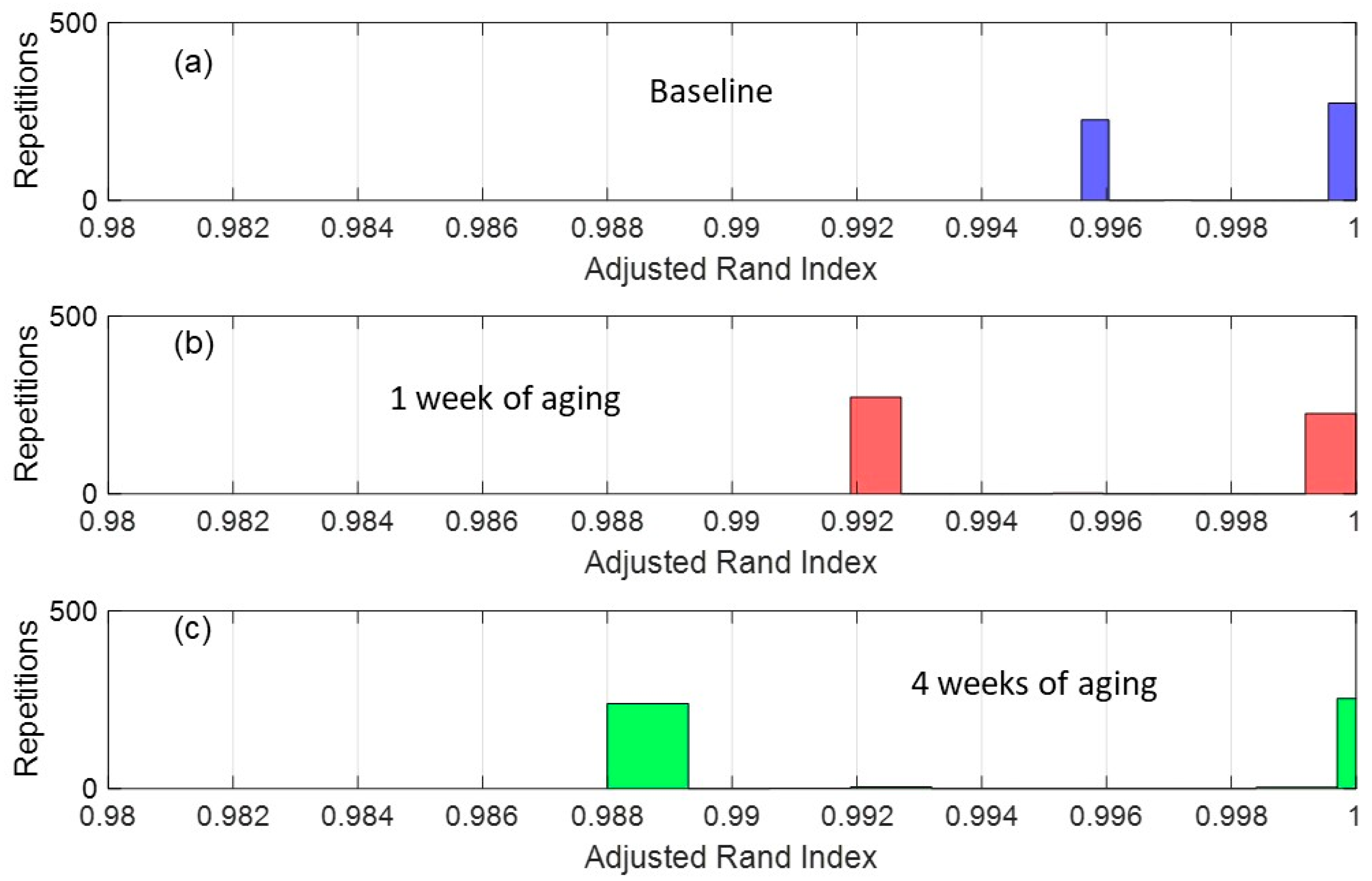
Experimental uncertainty and dispersion were addressed through replicate testing, with a minimum of five specimens evaluated for each aging condition. Variability in tensile strength retention, mass uptake, and AE response was found to be limited, and consistent trends were observed across all replicates. In the AE-based damage classification, uncertainty associated with algorithmic sensitivity and data perturbation was quantified using ARI, which consistently yielded values close to unity across baseline and aged conditions. This indicates high clustering stability and low sensitivity to noise or initialization effects. While individual AE events are inherently stochastic, the large number of recorded hits per test enables statistically meaningful analysis of cumulative metrics such as AE energy, hit distributions, and descriptor evolution. As a result, uncertainty at the signal level does not materially affect the identification of dominant damage mechanisms or the interpretation of aging-induced degradation trends. Collectively, these considerations establish a link between measured quantities, standardized procedures, and quantified confidence, reinforcing the traceability and reliability of the proposed metrological framework.