


Abstract
Rapid antigenic drift in the coronavirus spike protein motivates alternative antiviral strategies. We target the conserved nucleocapsid (N) protein—central to RNA binding, genome packaging, and replication—and perform a comparative, cross-species 3D structure-based in silico evaluation. A library of 494 compounds (natural, phytochemical, synthetic) was docked with AutoDock Vina against the MERS-CoV N–terminal RNA–binding domain (NTD; PDB 7DYD) and the C–terminal dimerization domains (CTD) of SARS-CoV (2CJR) and SARS-CoV-2 (8R6E), reflecting the availability of high-resolution, functionally relevant domain structures for each virus. Top-ranked poses underwent ADME profiling and 100 ns GROMACS molecular-dynamics (MD) simulations. Myricetin 3-O-β-D-Galactopyranoside (myricetin) showed the most favorable predicted docking scores across targets (−8.9 kcal/mol, MERS–NTD; −10.1, SARS–CTD; −9.8, SARS-CoV-2 CTD). Curcumin showed moderate predicted affinity (−7.1 to −8.1), while MCC950 achieved consistently favorable docking score (−7.9 to −9.0). ADME results highlighted a trade-off: glycosylated flavonoids offered rich interaction networks but violated oral drug-likeness criteria (e.g., high TPSA), whereas MCC950 met Lipinski/Veber guidelines, supporting translational potential. MD analyses revealed ligand- and target-specific stability: myricetin maintained persistent binding over 100 ns in the SARS-CoV-2 CTD with lower RMSD than comparators; curcumin exhibited transient stability (~30 ns) in MERS- and SARS-bound complexes; MCC950 showed intermittent interactions. Collectively, these findings suggest that the conserved N protein RNA-binding groove represents a resistance-resilient target for broad-spectrum antiviral discovery. Natural flavonoids provide promising scaffolds for optimization, and MCC950 warrants further exploration given its drug-like profile. As this study is purely computational, the results are hypothesis-generating and should be validated via RNA-binding disruption assays, antiviral cell studies, and in vivo models.
1. Introduction
Respiratory infections remain a major global health burden, responsible for millions of deaths and hospitalizations annually [1]. Among the viral pathogens, coronaviruses (CoVs) have been particularly impactful, with three major outbreaks in the last two decades: SARS-CoV in 2002 [2], MERS-CoV in 2012 [3,4], and the SARS-CoV-2 pandemic [5], which began in 2019 and affected every region of the world [6,7]. Coronaviruses are enveloped, positive-sense single-stranded RNA viruses belonging to the Nidovirales order, which includes other families such as Arteriviridae, Mesoniviridae, and Roniviridae [8,9,10]. They are taxonomically classified into four genera—alpha, beta, gamma, and delta—with human-pathogenic strains belonging primarily to the beta genus [3]. Genomic studies show that SARS-CoV-2 is closely related to bat coronaviruses (~88% similarity) and SARS-CoV (79%), but more distant from MERS-CoV (~50%), highlighting the genetic diversity and zoonotic origins of these pathogens [4]. The coronavirus genome encodes four main structural proteins: spike (S), envelope (E), membrane (M), and nucleocapsid (N). The spike protein mediates host–cell attachment and entry, the membrane protein coordinates virion assembly [5], and the envelope protein contributes to morphogenesis and pathogenesis within the ER–Golgi network [6,7,8]. In contrast, the nucleocapsid (N) protein plays a multifaceted and central role in the viral life cycle by binding to viral RNA, facilitating genome packaging, enhancing replication, and modulating the host immune response [9,10].
Furthermore, the 46 kDa N protein of coronaviruses is a 419-amino-acid, multi-domain RNA-binding protein characterized by high domain-level conservation and significant structural plasticity. It consists of two conserved, independently folded domains—the N–terminal domain (NTD) and the C–terminal domain (CTD)—which are connected by an intrinsically disordered linker region (LKR) that is enriched in Ser/Arg residues and harbors approximately 22 putative phosphorylation sites. In addition, intrinsically disordered regions (IDRs) flank both termini, specifically the N–arm and C–tail. Functionally, the NTD mediates RNA binding while the CTD contributes to both RNA recognition and dimerization, with the surrounding IDRs regulating overall binding affinity and oligomerization [11,12,13].
Recent structural and computational investigations have solidified the SARS-CoV-2 nucleocapsid (N) protein as a viable therapeutic target, providing a robust framework for in silico drug screening [14]. The availability of high-resolution crystal structures for both the N–terminal (NTD) and C–terminal (CTD) domains has been instrumental in this effort, enabling detailed characterization of binding pockets and facilitating structure-guided inhibitor design through comparisons of conserved features across various human-infecting coronaviruses [14,15,16]. Consequently, numerous docking-based and virtual screening studies have been conducted, with primary strategies focusing either on the NTD RNA-binding surface to identify small molecules that interfere with RNA recognition or the CTD dimerization interface to disrupt oligomerization and virion assembly [14,15,16]. More broadly, molecular simulation studies have underscored the dynamic behavior of N protein domains and their interfaces, suggesting that ligand stabilization must be interpreted within the context of domain flexibility and conformational adaptation [17]. Despite these advances, cross-lineage comparisons that integrate broad chemical screening with pharmacokinetic filtering and stability assessment remain limited, particularly across SARS-CoV, MERS-CoV, and SARS-CoV-2 [17]. Importantly, SARS-CoV and SARS-CoV-2 belong to lineage beta-coronaviruses and show closely related N protein 3D architectures, whereas MERS-CoV belongs to lineage C and exhibits distinct folding patterns across nucleocapsid domains. This lineage-linked structural divergence, combined with the functional modularity of the NTD and CTD, motivates evaluating conserved yet adaptable binding grooves across viruses rather than assuming identical pocket geometry across lineages. These structural and functional attributes not only render the N protein essential for the viral life cycle but also establish it as a promising antiviral target due to its high conservation across CoV species [18,19].
Most therapeutic strategies have targeted the spike (S) protein; however, its rapid mutation rate undermines vaccine durability and antibody efficacy [20,21]. Accordingly, current antiviral development has also prioritized small-molecule inhibitors of conserved enzymatic proteins, including RNA-dependent RNA polymerase (e.g., remdesivir) and viral proteases (e.g., Mpro inhibitors), alongside monoclonal antibodies and entry inhibitors. Despite these advances, resistance-associated mutations, lineage variability, and immune escape continue to challenge durable protection, reinforcing the value of complementary targets that are both conserved and functionally indispensable. In contrast, the nucleocapsid (N) protein is highly conserved and functionally indispensable, making it a stable and universal target for pan-coronavirus therapy [22]. To date, few studies have systematically compared N protein inhibition across SARS-CoV, MERS-CoV, and SARS-CoV-2, and most have evaluated only limited compound sets. To address this gap, we performed 3D structure-based virtual screening of 494 compounds—including natural, phytochemical, and synthetic agents—against the MERS-CoV NTD (PDB: 7DYD) and the CTDs of SARS-CoV (2CJR) and SARS-CoV-2 (8R6E), leveraging high-resolution, functionally relevant domain structures with well-defined pockets for each virus, and focusing on conserved interaction grooves rather than strict domain equivalence across lineages. Because NTD and CTD are modular and can differ in pocket geometry across lineages, our comparative analysis is framed around conserved, druggable interaction surfaces that can support inhibitor discovery across viruses [23]. The most promising candidates were further assessed through 100 ns molecular dynamics simulations and ADME profiling to evaluate stability and translational potential.
This work is distinctive in three ways: (i) it compares ligand binding across multiple coronaviruses, identifying conserved druggable grooves [19,20,23]; (ii) it contrasts natural flavonoids with synthetic candidates such as MCC950 to balance potency and drug-likeness [24,25,26]; (iii) it integrates docking, molecular dynamics, and ADME profiling to generate translationally relevant hypotheses [27,28,29,30,31]. By combining cross-species structural assessment with pharmacokinetic prioritization, this dual-track strategy aims to highlight both optimization-ready natural scaffolds and immediately actionable drug-like candidates, providing practical direction for broad-spectrum coronavirus inhibitor development.
2. Materials and Methods
2.1. Protein Structures Retrieval and Preparation
High-resolution crystal structures of the nucleocapsid (N) protein domains were obtained from the RCSB Protein Data Bank (PDB): MERS-CoV N–terminal domain (NTD; PDB ID: 7DYD), SARS-CoV C–terminal domain (CTD; 2CJR), and SARS-CoV-2 CTD (8R6E) [11,12,13]. The selection of target domains was guided by structural quality, pocket definition, and draggability consideration rather than domain equivalence. Specifically, the RNA-binding pocket of the MERS-CoV NTD exhibits validated ligandable surfaces appropriate for our ligand library, while the CTDs of SARS-CoV and SARS-CoV-2 present well-defined hydrophobic dimerization interfaces with consistent pocket geometry and high structural resolution suitable for comparative docking and dynamics. For consistency, only chain A was retained. All structures were preprocessed using Discovery Studio Visualizer v2023 (BIOVIA, San Diego, CA, USA) [32] by removing crystallographic water molecules, ions, and non-essential heteroatoms, followed by the addition of hydrogen atoms at physiological pH (7.4). Special attention was paid to resolving alternative atomic conformations (ALT locations). Since AutoDock Vina v1.2.3 (The Scripps Research Institute, La Jolla, CA, USA) does not account for atomic occupancy and cannot reliably treat multiple conformations without producing physically unrealistic overlap in steric volumes or additive electrostatic potentials, only a single conformer was retained for residues exhibiting alternate positions. Therefore, a single optimal conformer was selected for each residue, prioritizing the most populated and structurally relevant positions. For the SARS-CoV-2 CTD (8R6E), these choices were LYS3 altB, GLU7 altA, ARG13 altB, GLN43 altA, ARG47 altA, and LYS53 altB, consistent with electron density quality and binding pocket integrity. The prepared structures were inspected in PyMOL v2.5.2 (Schrödinger, LLC, New York, NY, USA) [33], and steric clashes were manually relieved using its sculpting/clean-up tools. The resulting minimized structures were saved in PDB format and used as receptors for downstream structure-based virtual screening and molecular dynamics (MD) simulations.
2.2. Ligand Library Preparation
A library of 494 compound ligands was assembled for virtual screening, consisting of 462 natural nutraceuticals (Sigma-Aldrich, Saint Louis, MO, USA), 18 phytochemicals, and 14 synthetic compounds with reported antiviral or immunomodulatory activity [19,21]. The 3D structures were retrieved in SDF format from the PubChem database [34]. Each ligand was geometry-optimized and energy-minimized to relieve steric clashes, then converted into PDBQT format using the default parameters in PyRx v0.7 [35]. This ensured compatibility with AutoDock Vina v1.1.2 [36] for docking studies. Ligand protonation states were adjusted assuming a physiological pH of 7.4 using default protonation parameters, and rotatable bonds were preserved where chemically appropriate to allow conformational flexibility during docking.
2.3. Docking Validation
The docking protocol was validated through blind docking of the cocrystallized ligand from the 7DYD protein structure. The grid box was maximized to encompass the entire protein structure to the ligand to explore all potential binding sites without predefined constraints. The ligand was initially removed from the prepared protein structure, and docking was performed using AutoDock Vina v1.1.2 via PyRx v0.7, employing the same parameters as in the virtual screening process (exhaustiveness of 8, grid spacing of 1.0 Å). The ability of the protocol to identify the known binding pocket was assessed by comparing the top-ranked docked pose to the experimental conformation, with root mean square deviation (RMSD) calculated using PyMOL. For the proteins 2CJR and 8R6E structures, no cocrystallized ligands were available, so classical redocking-based validation could not be performed for these structures. To ensure methodological reliability, docking parameters were validated using the ligand-bound structure (7DYD), where the protocol successfully identified the experimental binding site. The same validated docking settings were subsequently applied to 2CJR and 8R6E.
2.4. Structure-Based Virtual Screening
Structure-based virtual screening was conducted following the protocol of Guendouzi et al. [37] using AutoDock Vina v1.1.2 [36] through the PyRx v0.7 platform [35]. Receptor structures, processed as described in Section 2.1 to ensure only a single conformer was retained for residues with alternate locations, were converted to PDBQT format prior to docking. Docking grids were centered on the experimentally validated RNA-binding/dimerization sites of each nucleocapsid domain: MERS-CoV NTD, SARS-CoV CTD, and SARS-CoV-2 CTD. All 494 ligands were docked independently against each target, and binding affinities were reported in kcal/mol. Parameters included an exhaustiveness of 8 and a grid spacing of 1.0 Å. Grid box centers and dimensions were as follows: MERS-CoV—center: X: 6.0625, Y: 14.5583, Z: 20.2797; dimensions: 33.80 × 40.33 × 44.46 Å; SARS-CoV—center: X: −13.6228, Y: 15.4180, Z: −13.5328; dimensions: 45.38 × 31.42 × 46.78 Å; SARS-CoV-2—center: X: −7.9245, Y: 4.2088, Z: 18.0164; dimensions: 53.21 × 49.44 × 52.25 Å. To balance breadth and feasibility, the natural nutraceuticals were ranked by docking scores for each protein target, and the top 30 candidates per protein were shortlisted (threshold: ≤ −7.0 kcal/mol). These were combined with all phytochemicals and synthetic compounds, yielding a final set of 62 ligands for ADME analysis. This consistent treatment of receptor conformers ensures that all docking results avoid inaccuracies from overlapping steric or electrostatic effects that can arise when using multiconformer models in AutoDock Vina.
2.5. ADME Profiling
All shortlisted compounds (30 natural nutraceuticals, 18 phytochemicals, and 14 synthetics) were evaluated for physicochemical and pharmacokinetic properties using a custom Python (version 3.10.12) workflow developed with RDKit (version 2023.03.3), with results cross-validated against SwissADME [38]. The integrated workflow for pharmacokinetic prioritization and data presentation followed established templates for drug-like inhibitor discovery [37]. Key descriptors included molecular weight (MW), lipophilicity (LogP), hydrogen bond donors (HBD), hydrogen bond acceptors (HBA), topological polar surface area (TPSA), number of rotatable bonds, ring count, and heteroatom count. Compounds were assessed against Lipinski’s Rule of Five [39] and Veber’s criteria [40] to predict oral bioavailability. Ligands violating ≥2 Lipinski rules or exceeding Veber thresholds (TPSA > 140 Å2 or >10 rotatable bonds) were classified as poor oral candidates and flagged for potential optimization. Natural nutraceuticals meeting drug-likeness criteria, with strong binding affinity (≤−7.0 kcal/mol), balanced hydrogen bonding, and moderate lipophilicity, were selected for molecular dynamics simulation. Representative candidates from the other categories were also retained, as they exhibited balanced molecular properties.
2.6. Molecular Dynamics (MD) Simulation Analysis
For molecular dynamics (MD) simulations, one representative ligand was selected from each compound category based on docking performance and ADME profiles, and literature-based findings: Myricetin 3-O-β-D-Galactopyranoside (myricetin; natural), Curcumin D (curcumin; phytochemical), and MCC950 D (synthetic). Each ligand was simulated in complex with the three protein targets (7DYD, 2CJR, and 8R6E), yielding nine protein–ligand systems for downstream analysis. All MD simulations were performed using GROMACS 2023 [41]. Protein topologies were generated with the CHARMM36-jul2022 force field via pdb2gmx, and ligand parameters were derived using the CHARMM General Force Field (CGenFF), converted into GROMACS-compatible format using cgenff_charmm2gmx.py [42]. Each complex was solvated in a dodecahedral water box with a 1.0 nm buffer using the SPC216 water model and neutralized with Na+/Cl− counterions. Energy minimization was performed using the steepest descent algorithm until the maximum force converged below 1000 kJ/mol/nm. Furthermore, equilibration was carried out in two phases: (i) NVT ensemble (100 ps, 300 K) with velocity-rescaling thermostat, followed by (ii) NPT ensemble (100 ps, 1 bar) with the Parrinello–Rahman barostat. Production MD simulations were performed for 100 ns with a 2 fs timestep. The LINCS algorithm was applied to constrain all bonds involving hydrogens, while long-range electrostatics were calculated with the Particle Mesh Ewald (PME) method. A cutoff of 1.0 nm was applied to both Coulombic and van der Waals interactions.
Finally, trajectory analyses were conducted using VMD 1.9.4a53. Post-simulation evaluations included root mean square deviation (RMSD), root mean square fluctuation (RMSF), radius of gyration (Rg), and solvent-accessible surface area (SASA). Ligand RMSD was computed for both all atoms and heavy atoms to minimize hydrogen fluctuation noise. Hydrogen bond persistence was quantified with gmx hbond, while non-bonded interaction energies (Coulombic and Lennard–Jones) were calculated using the rerun module with a dedicated interaction-energy.mdp file. Graphs and plots were generated using QtGrace [43,44].
2.7. Molecular Mechanics—Poisson–Boltzmann Surface Area (MM–PBSA) Analysis
The binding free energies of the protein–ligand complexes were estimated using the Molecular Mechanics Poisson–Boltzmann Surface Area (MM–PBSA) approach as implemented in gmx_MMPBSA (version 1.5.0.3) under a single-trajectory protocol. Following MD simulation using GROMACS, the 100 ns production trajectory was corrected for periodic boundary conditions and subjected to least-squares fitting to a reference structure to remove global translational and rotational motions, yielding the fitted trajectory (md_100ns_fit.xtc) and its associated topology (md_100ns.tpr) as input for analysis. Custom atom groups were defined via gmx make_ndx, with separate indices for the protein, ligand, and combined complex. The equilibrated portion of the trajectory (70–100 ns) was selected for MM–PBSA analysis based on RMSD and radius of gyration (Rg) stabilization, with frames sampled every 100 ps to yield 301 snapshots. Polar solvation energies were obtained from the Poisson–Boltzmann (PB) model with an ionic strength of 0.150 M and atomic radii taken from the topology (radiopt = 0), whereas nonpolar contributions were computed from solvent-accessible surface area (SASA) under default settings. The total binding free energy was expressed as the sum of van der Waals, electrostatic, polar solvation, and nonpolar solvation terms (ΔG_bind = ΔE_vdW + ΔE_elec + ΔG_polar + ΔG_nonpolar), with internal bonded terms assumed to cancel under the single-trajectory approximation and no configurational entropy term included, consistent with standard end-point comparative MM–PBSA protocols. Per-frame ΔG_bind traces with moving averages were plotted to assess convergence, and component bar plots were generated to illustrate relative energetic contributions. An identical MM–PBSA protocol and parameter set were applied across all systems (7DYD, 2CJR, and 8R6E complexes with Curcumin, MCC950–D, and Myricetin) to ensure direct comparability of computed affinities.
3. Results
3.1. Structural and Physicochemical Characteristics of Target Proteins
The three protein structures selected for the study comprised nucleocapsid proteins from MERS-CoV and SARS-CoV coronaviruses with distinct domains and structural resolutions. The N–terminal domain (NTD) of the Middle East respiratory syndrome coronavirus (MERS-CoV) nucleocapsid protein was represented by PDB ID 7DYD, resolved at 2.39 Å by X-ray diffraction. This structure, deposited by Hou et al. [11], contains 130 amino acids with a molecular weight of 14.25 kDa, a theoretical pI of 9.57, and an instability index of 34.43. The protein displayed an aliphatic index of 57.08 and a grand average of hydropathicity (GRAVY) of −0.63 (Figure 1a,d–j). The second protein, called the oligomerization domain of the severe acute respiratory syndrome coronavirus (SARS-CoV) nucleocapsid protein, was represented by PDB ID 2CJR, resolved at 2.50 Å and deposited by Chen and Hsiao [12]. This structure, encompassing 128 amino acids, had a molecular weight of 14.53 kDa and a theoretical pI of 9.77. Its instability index was 38.31, with an aliphatic index of 49.69 and a GRAVY score of −0.912 (Figure 1b,d–j). The third structure, PDB ID 8R6E, corresponds to the dimerization domain of the severe acute respiratory syndrome coronavirus 2 (SARS-CoV-2) nucleocapsid protein, resolved at 1.53 Å by Fahoum and colleagues [13]. This protein consists of 118 amino acids with a molecular weight of 13.23 kDa, a theoretical pI of 9.77, and an instability index of 30.7. The aliphatic index was 53.9, while the GRAVY score of −0.804 indicated hydrophilicity (Figure 1c–j). Together, these three proteins represent structurally and functionally distinct nucleocapsid domains across coronaviruses. The detailed summary, along with the amino acid sequences, of these proteins has been given in the Supplementary Table (Table S1).
Figure 1.
Protein 3D structures, physicochemical properties and the N and C–terminals terminals of the target proteins. (a) 7DYD protein (green); (b) 2CJR protein (red); (c) 8R6E protein (blue), (d–i) shows the number of amino acids, molecular weight (MW) in kilo Dalton, theoretical iso electric point (pI), instability index, aliphatic index, and grand average of hydropathy (GRAVY) for the three proteins (green, red, and blue bars represent 7DYD, 2CJR, and 8R6E, respectively). (j) Domain organization and structural representation of the coronavirus nucleocapsid (N) protein. The protein consists of an N–arm (residues 1–43), an N–terminal domain (NTD; residues 44–174), a serine/arginine-rich (SR) region (175–203), a central linker, a C–terminal domain (CTD), and a C–tail.
3.2. Validation of the Docking Protocol
Prior to the structure-based virtual screening, the docking protocol was validated to confirm its reliability and reproducibility. For the 7DYD, the cocrystallized ligand was first removed from the prepared receptor, and redocking was executed. The top-ranked docked pose was superimposed onto the experimental crystal conformation, and it yielded the root-mean-square deviation (RMSD) of 2.94 Å. Although marginally above the conventional 2.0 Å threshold for focused redocking, this RMSD remains acceptable for a blind docking approach, as it reflects the broader conformational search space explored. No cocrystallized ligands were available for the 2CJR or 8R6E structures; therefore, classical redocking validation could not be performed for these targets, but the docking parameters validated on the ligand-bound structure (7DYD) were applied uniformly to these two targets. This validation step established the suitability of the computational settings prior to virtual screening of the 494-compound library against the nucleocapsid domains (Figure S10).
3.3. Virtual Screening and ADME Profiling
Following validation of the docking protocol, structure-based virtual screening was executed in a systematic, multi-stage workflow. The ligands, consisting of 462 natural nutraceuticals from Sigma-Aldrich, 18 phytochemicals, and 14 synthetic compounds with reported antiviral or immunomodulatory activity, were screened against the targets. The details of all the compounds are provided in Supplementary Table S2. Each compound was prepared in PDBQT format and docked independently against each of the three nucleocapsid targets (7DYD; 2CJR; 8R6E). Docking grids were positioned over the biologically relevant sites of each domain, and all poses were ranked according to the lowest binding energy. Docking scores ranged from −3.3 to −14.8 kcal/mol. Among natural compounds, punicalagin showed the highest-ranking predicted affinities (−9.0, −12.2, −9.7 kcal/mol). Phytochemicals yielded the highest-ranking predicted affinities, with Tetrandrine D consistently ranking highest across all targets (−11.5, −14.8, and −13.7 kcal/mol), while synthetics were led by TMC310911 D (−7.3, −10.2, −8.1 kcal/mol). At the protein level, 2CJR produced the most favorable average predicted affinity (−8.5 kcal/mol), followed by 8R6E (−8.0 kcal/mol) and 7DYD (−7.2 kcal/mol) (Table S3). Additional high-performing compounds included Cepharanthine, Resibufogenin, and Safrole, which exhibited multi-target affinities. To achieve a balance between comprehensive coverage and computational feasibility, the 462 natural nutraceuticals were ranked by docking score for each protein target. Compounds exhibiting binding energies ≤ −7.0 kcal/mol were retained, yielding the top 30 candidates per target. These were then combined with the entire set of 18 phytochemicals and 14 synthetic compounds, thus producing a final shortlist of 62 ligands for downstream ADME evaluation. This threshold-based selection strategy was chosen to prioritize molecules with energetically favorable interactions while maintaining a manageable number for subsequent pharmacokinetic assessment (Tables S4–S6).
The shortlisted 62 compounds subsequently underwent comprehensive ADME profiling to evaluate their drug-likeness and pharmacokinetic suitability. Physicochemical and pharmacokinetic descriptors—including molecular weight (MW), lipophilicity (LogP), hydrogen bond donors (HBD), hydrogen bond acceptors (HBA), topological polar surface area (TPSA), number of rotatable bonds, ring count, and heteroatom count—were calculated using a custom Python workflow based on RDKit and cross-validated against the SwissADME web server. Drug-likeness was assessed according to Lipinski’s Rule of Five and Veber’s criteria to predict oral bioavailability. Compounds violating two or more Lipinski rules or exceeding Veber thresholds (TPSA > 140 Å2 or >10 rotatable bonds) were flagged as having potential limitations for oral administration and marked for possible structural optimization. The ADME profiling of compounds screened against the 7DYD, 2CJR), and 8R6E consistently demonstrated wide physicochemical diversity across natural, phytochemical, and synthetic categories. Molecular weights extended from small drug-like scaffolds such as benzimidazole (118.14 Da) and favipiravir (157.10 Da) to high-mass glycosides and polyphenols, including jujuboside A (1207.36 Da), punicalagin (1084.72 Da), and tannic acid (1701.21 Da. Lipophilicity values spanned from strongly hydrophilic compounds with negative LogP (e.g., salicin –1.64, echinacoside –3.19, avenacosides –2.85) to highly lipophilic molecules such as alpha-tocopherol (8.84) and uvaol (7.0. Hydrogen-bonding potential showed similar variability, with donor counts ranging from 0 in rigid alkaloids (e.g., cepharanthine, tetrandrine, artemisinin) to 25 in tannic acid, and acceptors extending up to 46, whereas rotatable bonds ranged from highly rigid scaffolds (e.g., cryptotanshinone, artemisinin, punicalagin) to very flexible structures such as ritonavir (17) and tannic acid (21). TPSA values further reflected these extremes, with minimal values around 18–28 Å2 (safrole, myricetin), in contrast to maximal values exceeding 500 Å2 in punicalagin and up to 777.98 Å2 in tannic acid. Structural diversity was evident in ring distributions, ranging from simple scaffolds with 0–2 aromatic or aliphatic rings to highly polycyclic molecules containing up to 13 rings, with heteroatom counts varying between 2 (benzimidazole) and 46 (tannic acid) (Tables S7–S9).
A focused evaluation of the seven top-performing candidates showed molecular weights between 270.24 Da (emodin) and 606.72 Da (cepharanthine), mostly within drug-like space. LogP values ranged from −0.83 (myricetin) to 8.84 (alpha-tocopherol), while hydrogen bond donors and acceptors varied from 0 to 9 and 2–13, respectively. TPSA values ranged from 29.46 Å2 (alpha-tocopherol) to 230.74 Å2 (myricetin), with the latter exceeding permeability thresholds, suggesting reduced membrane permeability. Most compounds met favorable ADME criteria, except alpha-tocopherol (excessive lipophilicity) and myricetin (poor predicted permeability) (Table 1). Collectively, many smaller phytochemicals and synthetics fall within drug-likeness space and exhibit favorable pharmacokinetic properties, while larger natural nutraceuticals such as polyphenols and glycosidic derivatives frequently exceed classical thresholds.
Table 1.
Binding energies and compound categories of myricetin, curcumin, MCC950, and four other compounds docked against the nucleocapsid proteins of MERS-CoV, SARS-CoV, and SARS-CoV-2. ADME-related physicochemical properties of the top seven candidate compounds docked against the nucleocapsid proteins. (* HBD: Hydrogen bond donors, HBA: Hydrogen bond acceptors, and TPSA: Topological polar surface area).
Consequently, ADME results of the selected three compounds—myricetin 3-O-β-D-galactopyranoside (natural), curcumin D (phytochemical), and MCC950 D (synthetic)—revealed consistent physicochemical parameters across the targets (Tables S10 and S11). Myricetin showed a molecular weight of 480.38 Da, LogP −0.83, nine HBDs, thirteen HBAs, and high TPSA (230.74 Å2). Curcumin D had 368.39 Da, LogP 3.37, two HBDs, six HBAs, and moderate TPSA (93.06 Å2), while MCC950 D measured 404.49 Da, LogP 2.99, three HBDs, five HBAs, and TPSA 108.64 Å2 (Figure 2a–c). So, myricetin displayed superior binding affinity but suboptimal drug-likeness, whereas curcumin and MCC950 offered an optimal compromise between affinity and pharmacokinetic suitability, balancing acceptable lipophilicity and ADME profiles, justifying their advancement to dynamic studies.
Figure 2.
Radar charts of ADME-related physicochemical properties of the top ligands for (a) MERS-CoV (7DYD), (b) SARS-CoV (2CJR), and (c) SARS-CoV-2 (8R6E). Myricetin is represented in black, curcumin in blue, while MCC950 is shown in pink, as shown in the legends.
3.4. Ligands-Protein Interaction: MERS-CoV, SARS-CoV, and SARS-CoV-2 Nucleocapsid Proteins
Docking analysis of the three selected ligands with the MERS-CoV nucleocapsid N–terminal domain (7DYD, Chain A) revealed distinct binding orientations and molecular interactions. The 3D ribbon representation demonstrated binding poses of myricetin, Curcumin D, and MCC950 D within the active pocket, with binding affinities of –8.9, –7.2, and –7.9 kcal/mol, respectively (Figure 3a). The 2D interaction profile of myricetin showed multiple hydrogen bonds with Tyr99, Tyr101, Gln81, Thr40, and Pro140, in addition to π-cation contacts (Arg138), pi-sigma bond (Thr45), and π–alkyl interactions involving Ala145. Moreover, in the Myricetin–7DYD complex, an unfavorable donor–donor interaction was also observed with Arg97 (Figure 3b). Curcumin D formed hydrogen bonds with Tyr44 and Thr137, alongside carbon-hydrogen and π-donor hydrogen interactions with Asn66, while π–π stacking contacts with Trp43 (Figure 3c). Additionally, MCC950 D established hydrogen bonds with Ala67, complemented by a carbon–hydrogen bond (Asn66), π–sigma (Ile146), π-π stacking (Trp43), and π–alkyl interactions with Tyr44, and Phe135 (Figure 3d).
Figure 3.
Binding interactions of selected ligands with the MERS-CoV nucleocapsid generated using AutoDock Vina and visualized in Discovery Studio Visualizer. (a) 3D ribbon representation of the N–terminal domain showing docked poses of myricetin (yellow), curcumin (green), and MCC950 (magenta). (b) 2D interaction diagram of myricetin illustrating hydrogen bonds (green dotted lines), along with π-cation (orange), unfavorable donor-donor (red), π-sigma (purple), and π-alkyl (light purple) interactions. (c) 2D interaction map of curcumin showing hydrogen bonds and π–π stacking (pink) (d) 2D interaction diagram of MCC950 highlighting hydrogen bonds, π-alkyl and sigma and π-π stacking interactions.
Furthermore, to gain deeper insights into ligand interactions, all three compounds were subsequently docked with the C–terminal domain (CTD) of the SARS-CoV nucleocapsid protein following their evaluation against the MERS-CoV NTD. Myricetin achieved the most favorable docking score (−10.1 kcal/mol) among the tested ligands, forming hydrogen bonds with Thr264, Ala265, and Thr297, with additional interactions (π–π stacking; Phe275 and unfavorable donor-donor; Arg278 and Gly285) (Figure 4a,b). On the other hand, curcumin showed a lower docking score (−8.1 kcal/mol), with hydrogen bonds (Thr264, Arg278, Phe287, and Thr297), carbon–hydrogen bonds (Gln261 and Gly285), π-alkyl (Ala265) and π–π stacking (Phe275 and Trp302) interactions (Figure 4c). Consequently, MCC950 exhibited a docking score of −9.0 kcal/mol, interacting via hydrogen bonds with Arg278 and Tyr334 and π–π stacking with Phe275, Phe315, and π-alkyl with Pro310 (Figure 4d).
Figure 4.
Docking complexes and interactions of the SARS-CoV nucleocapsid protein C–terminal domain with selected ligands generated using AutoDock Vina and visualized in Discovery Studio Visualizer. (a) 3D ribbon representation showing docked poses of myricetin (green), curcumin (blue), and MCC950 (purple). (b) 2D interaction diagram of myricetin (c) 2D interaction diagram of curcumin (d) 2D interaction diagram of MCC950.
Additionally, docking to the CTD of the SARS-CoV-2 nucleocapsid protein also identified myricetin as the top-scoring ligand (−9.8 kcal/mol), establishing two hydrogen bonds with Arg13 and Arg16, one π-alkyl interaction with Pro12 (Figure 5a,b). Curcumin displayed a lower docking score (−7.1 kcal/mol). It formed a carbon-hydrogen bond with Gln14, π–alkyl with Pro12, and additional unfavorable donor-donor contact with Arg13 (Figure 5c). MCC950, on the other hand, achieved an intermediate docking score (−8.6 kcal/mol), characterized by π–cation interactions with Lys92 within the threshold interaction region (Figure 5d).
Figure 5.
Docking complexes and interactions of the SARS-CoV-2 nucleocapsid protein C–terminal domain (PDB ID: 8R6E, Chain A) with selected ligands generated using AutoDock Vina and visualized in Discovery Studio Visualizer. (a) 3D ribbon representation showing docked poses of myricetin (blue), curcumin (green), and MCC950 (yellow). (b) 2D interaction diagram of myricetin (c) 2D interaction diagram of curcumin (d) 2D interaction diagram of MCC950.
Comparative docking across MERS-CoV NTD, SARS-CoV CTD, and SARS-CoV-2 CTD revealed myricetin as the most potent binder, with consistently highest docking scores (average score; (−9.6 kcal/mol) stabilized by extensive hydrogen bonds (e.g., Tyr99, Thr264, Arg13) and reinforced by π–π and π-alkyl contacts, with only minor unfavorable clashes that did not compromise stability. MCC950 showed intermediate average affinity −8.5 kcal/mol), forming fewer hydrogen bonds but relying on multiple aromatic and hydrophobic interactions (Trp43, Phe275, Phe315), resulting in moderate stability. In contrast, Curcumin D consistently scored lowest (−7.46 kcal/mol; average score), with limited hydrogen bonding and interaction diversity, further weakened by destabilizing donor–donor clashes (e.g., Arg13 in SARS-CoV-2 CTD). Collectively, these findings position Myricetin as the most promising candidate, MCC950 as a moderate binder, and curcumin as the least effective due to its weaker and less favorable interaction profile. The detailed docking scores are provided in Table S3.
3.5. MD Simulation of Protein–Ligand Complex Stability (RMSD Analysis)
Molecular dynamics simulations were conducted over 100 ns to evaluate the structural stability of ligand–protein complexes using root-mean-square deviation (RMSD) profiles (Table S12). For 7DYD, myricetin showed initial fluctuations peaking at 1.1–1.2 nm within the first 10 ns before stabilizing at 0.4 ± 0.1 nm. Curcumin followed a similar trend with early peaks up to 1.0 nm and a stabilized average of 0.5 ± 0.2 nm, while MCC950 achieved comparable stability with an average of 0.4 ± 0.1 nm (Figure 6a). Myricetin and MCC950 displayed consistent low RMSD values, whereas curcumin showed slightly higher variability. After 60 ns, curcumin showed relative stability around 0.6 nm as compared to the other two ligands in the 7DYD complex. For 2CJR, myricetin exhibited pronounced fluctuations with peaks reaching 2.5 nm between 10 and 30 ns, yielding an overall average of 1.5 ± 0.5 nm; curcumin averaged 0.8 ± 0.3 nm with moderate oscillations up to 1.5 nm; and MCC950 averaged 0.7 ± 0.2 nm, showing the least deviation post-20 ns (Figure 6b). In this case, MCC950 and curcumin maintained lower RMSD values than myricetin, which demonstrated the highest instability. For 8R6E, myricetin fluctuated up to 1.25 nm initially but stabilized at 0.5 ± 0.2 nm after 20 ns; curcumin sustained higher deviations, averaging 1.0 ± 0.4 nm with peaks at 1.7 nm, and MCC950 closely mirrored myricetin with an average of 0.5 ± 0.2 nm (Figure 6c). In this system, myricetin and MCC950 maintained lower RMSD values than curcumin. Meanwhile, cross-protein analysis showed that myricetin was most stable in 7DYD (0.4 nm) and 8R6E (0.5 nm) but less stable in 2CJR (1.5 nm); curcumin showed moderate consistency across targets with higher RMSD in 8R6E (1.0 nm) relative to 7DYD (0.5 nm) and 2CJR (0.8 nm); MCC950 consistently maintained low RMSD values with minimal differences among 7DYD (0.4 nm), 2CJR (0.7 nm), and 8R6E (0.5 nm).
Figure 6.
Root-mean-square deviation (RMSD) profiles from molecular dynamics simulations over 100 ns, illustrating structural stability of ligand-protein complexes. (a) RMSD graph for 7DYD protein with myricetin (black), curcumin (red), and MCC950 (green); (b,c) RMSD for 2CJR and 8R6E proteins with the same ligands.
Ligand RMSD
To further evaluate binding stability, ligand-only RMSD profiles were analyzed over the 100 ns simulations (Figures S1–S9). Ligand RMSD provides insight into the positional stability of the ligand within the binding pocket. For 2CJR, curcumin exhibited moderate mobility with intermittent stabilization phases (Figure S1), and MCC950 showed comparatively restrained deviations (Figure S2). In contrast, myricetin demonstrated pronounced fluctuations throughout the simulation (Figure S3). For 7DYD, curcumin displayed comparatively larger deviations during the early simulation phase, followed by partial stabilization after ~60 ns (Figure S4). Meanwhile, MCC950 and myricetin exhibited relatively stable trajectories following initial equilibration (Figures S5 and S6). Finally, for 8R6E, curcumin maintained a relatively stable position across the trajectory (Figure S7). Whereas MCC950 and myricetin displayed generally variable RMSD behavior after the equilibration phase (Figures S8 and S9). Overall, MCC950 consistently showed lower ligand RMSD fluctuations across all receptor systems. Curcumin exhibited mostly greater conformational mobility, while myricetin demonstrated system-dependent stability, particularly reduced in the 2CJR complex. These observations complement the protein–ligand complex RMSD analysis and reinforce the relative stability trends among ligands.
3.6. Post-MD Evaluation
3.6.1. Root Mean Square Fluctuation (RMSF)
The post-MD evaluation of ligand–protein complexes using RMSF profiles over 100 ns revealed distinct flexibility patterns. For the 7DYD, the myricetin complex showed an initial fluctuation peak of ~0.4 nm, stabilizing thereafter with an average RMSF of 0.2 ± 0.1 nm, though residues 60–75 and 80–100 exhibited localized spikes reaching 0.5 nm. The curcumin complex displayed a higher initial peak of ~0.7 nm, followed by relatively stable dynamics with an average RMSF of 0.3 ± 0.1 nm. Similarly, the MCC950 complex fluctuated up to 0.5 nm, maintaining an average of 0.3 ± 0.1 nm across the trajectory (Figure 7a). For the 2CJR, the myricetin complex exhibited the highest variability, with a prominent peak of ~1.75 nm around residue 20, but overall maintained a relatively low average fluctuation of 0.25 ± 0.1 nm. The curcumin complex also showed elevated flexibility, with peaks above 1.5 nm near residue 20, and sustained an average RMSF of 0.3 ± 0.1 nm across the trajectory. In contrast, the MCC950 complex displayed an early peak of ~1.75 nm at the beginning of the simulation, with a comparatively higher average fluctuation of 0.4 ± 0.1 nm (Figure 7b). For 8R6E, the myricetin complex showed initial fluctuations up to ~0.9 nm, stabilizing from residue 20 onward with an average RMSF of 0.3 ± 0.2 nm, while local spikes were observed between residues 60–90. The curcumin complex exhibited higher flexibility, peaking at ~1.0 nm around residue 60 and maintaining an average of 0.5 ± 0.1 nm. In contrast, the MCC950 complex displayed the lowest overall fluctuations, with values reaching as low as 0.1 nm and an average RMSF of 0.2 ± 0.1 nm across the simulation (Figure 7c).
Figure 7.
Root-mean-square fluctuation (RMSF) profiles from molecular dynamics simulations over the whole length of the three target proteins, depicting residual flexibility of ligand-protein complexes. (a) RMSF graph for 7DYD protein with myricetin (black), curcumin (red), and MCC950 (green); (b,c) RMSF for 2CJR and 8R6E proteins with the same ligands.
Overall, the RMSF profiles demonstrated that ligand-induced flexibility varied both across ligands and protein complexes. Myricetin generally conferred stable binding, showing low average fluctuations in 7DYD (0.2 nm) and 2CJR (0.25 nm), though it exhibited localized spikes, particularly near residue 20 in 2CJR and residues 60–90 in 8R6E. Curcumin consistently displayed higher flexibility, with larger peaks (0.7–1.0 nm) and higher average fluctuations, indicating weaker stabilization of the complexes. MCC950 showed variable behavior, with relatively stable dynamics in 7DYD and especially 8R6E (lowest average, 0.2 nm), but higher fluctuations in 2CJR (0.4 nm). Collectively, these findings suggest that myricetin maintains balanced stability across all three systems, MCC950 performs best in SARS-CoV-2 CTD (8R6E), while curcumin is the least stabilizing ligand due to consistently higher flexibility.
3.6.2. Radius of Gyration (Rg)
The structural compactness and stability of the ligand–protein complexes were assessed through radius of gyration (Rg) analysis over a 100 ns simulation period. For the MERS-CoV NTD (7DYD), the myricetin complex remained relatively stable, fluctuating between 1.44 and 1.51 nm with transient peaks around 20–40 ns and an average of 1.48 ± 0.02 nm. The curcumin complex exhibited slightly greater expansion, reaching up to 1.55 nm and averaging 1.50 ± 0.03 nm, while the MCC950 complex demonstrated the greatest compactness, peaking only at 1.50–1.51 nm with the lowest average value of 1.47 ± 0.01 nm (Figure 8a). For the SARS-CoV CTD (2CJR), the myricetin complex reached peaks of 1.64 nm between 10 and 20 ns, maintaining an average of 1.50 ± 0.04 nm. The curcumin complex displayed higher fluctuations, peaking at 1.72 nm with an average of 1.55 ± 0.03 nm, and showed a pronounced upward drift between 60 and 80 ns. The MCC950 complex exhibited reduced fluctuations overall but reached the highest transient peak of 1.80 nm, with an average of 1.48 ± 0.02 nm (Figure 8b). For the SARS-CoV-2 CTD (8R6E), the myricetin complex peaked at 1.60 nm with an average of 1.55 ± 0.04 nm, while the curcumin complex displayed the greatest structural expansion, fluctuating up to 1.90 nm with sustained elevations after 40 ns and an average of 1.61 ± 0.05 nm. In comparison, the MCC950 complex reached 1.70 nm at 5–10 ns but stabilized thereafter, maintaining an average of 1.51 ± 0.03 nm (Figure 8c).
Figure 8.
Radius of gyration (Rg) profiles from molecular dynamics simulations over 100 ns, assessing the compactness of ligand-protein complexes. (a) Rg for 7DYD protein with myricetin (black), curcumin (red), and MCC950 (green); (b) Rg for 2CJR protein with the same ligands; (c) Rg for 8R6E protein with the same ligands, illustrating structural compactness across the simulation period.
Overall, the Rg analysis revealed distinct ligand-dependent effects on structural compactness across the three complexes. MCC950 consistently promoted the greatest stability and compactness, particularly in 7DYD (lowest average Rg of 1.47 nm) and 8R6E (1.51 nm), although it exhibited a transiently high peak in 2CJR. Myricetin maintained moderate stability, with relatively stable averages in 7DYD (1.48 nm) and 2CJR (1.50 nm), but showed higher expansion in 8R6E (1.55 nm). In contrast, curcumin induced the greatest structural expansion and fluctuations across all complexes, most notably in 8R6E, where it sustained elevations up to 1.90 nm with the highest average Rg (1.61 nm). Collectively, these findings suggest that MCC950 confers the highest overall compactness, myricetin maintains balanced stability with some target-dependent variability, while curcumin is the least stabilizing ligand due to its tendency to increase structural flexibility and expansion.
3.6.3. Solvent Accessible Surface Area (SASA)
In the MD simulations, we also assessed the solvent-accessible surface area (SASA) of ligand–protein complexes over 100 ns. For 7DYD, myricetin ranged between 76 and 86 nm2 with an average of 81 ± 2 nm2; curcumin fluctuated up to 90 nm2 with an average of 83 ± 3 nm2; and MCC950 peaked at 88 nm2 with an average of 82 ± 2 nm2 (Figure 9a). For 2CJR, myricetin reached 98 nm2 between 10 and 20 ns, averaging 85 ± 2 nm2. Meanwhile, curcumin peaked at 99 nm2 with an average of 86 ± 3 nm2, and MCC950 showed maxima of 96 nm2 with an average of 82 ± 2 nm2 (Figure 9b). For 8R6E, myricetin fluctuated up to 96 nm2 with sustained elevations after 40 ns, averaging 88 ± 2 nm2, while curcumin peaked above 100 nm2 with an average of 93 ± 3 nm2, and MCC950 reached 96 nm2 with an average of 85 ± 3 nm2 (Figure 9c).
Figure 9.
Solvent-accessible surface area (SASA) profiles from molecular dynamics simulations over 100 ns, quantifying the solvent-exposed surface of ligand-protein complexes. (a) SASA for 7DYD protein with myricetin (black), curcumin (red), and MCC950 (green); (b,c) SASA for 2CJR and 8R6E proteins with the same ligands, providing a detailed representation of solvent accessibility and interaction dynamics throughout the simulation timeframe.
Overall, the SASA analysis indicated ligand-dependent effects on protein surface exposure across the three complexes. In 7DYD, all ligands showed comparable profiles, with myricetin (81 nm2) being slightly more compact than curcumin (83 nm2) and MCC950 (82 nm2). For 2CJR, MCC950 again maintained the lowest average SASA (82 nm2), whereas curcumin exhibited the highest surface exposure (86 nm2), with myricetin remaining intermediate (85 nm2). In 8R6E, curcumin induced the greatest expansion (93 nm2), followed by myricetin (88 nm2), while MCC950 conferred the lowest average SASA (85 nm2). Collectively, these results suggest that MCC950 consistently stabilizes complexes by minimizing solvent exposure, myricetin maintains moderate compactness with some variability, and curcumin promotes higher solvent exposure, reflecting lower structural stability.
3.7. MM-PBSA Analysis
In the 7DYD system, the temporal binding free energy trace for the 7DYD–Curcumin complex shows dynamic fluctuations in ΔG values with the moving average consistently maintained below zero (Figure 10a). The energy decomposition for this complex reveals dominant negative contributions from van der Waals, electrostatic, nonpolar solvation, and ΔGbind components, whereas the polar solvation component exhibits a positive contribution (Figure 10b). For the 7DYD–MCC950-D complex, the binding free energy plot similarly demonstrates oscillations over time, with the moving average remaining below the zero reference, and the corresponding decomposition identifies substantial favorable contributions from van der Waals interactions alongside more modest electrostatic and nonpolar solvation energies (Figure 10c,d). In the 7DYD–Myricetin system, ΔG values oscillate but maintain an overall negative trend across the sampled frames, and the energy decomposition shows that van der Waals interaction contributes the most toward the total binding energy, while polar solvation contributes positively (Figure 10e,f). For the 2CJR complexes, the binding free energy trace of the 2CJR–Curcumin system reveals significant variability in ΔG over the trajectory with a moving average below zero, and the corresponding energy decomposition highlights strong negative contributions from van der Waals interactions with additional modulation from electrostatics and solvation terms (Figure 10g,h). In the 2CJR–MCC950-D complex, the ΔG trace fluctuates above and below zero with an overall negative moving average, and its decomposition indicates that favorable van der Waals contributions are partially offset by positive polar solvation contributions, with other terms contributing smaller effects (Figure 10i,j). The 2CJR–Myricetin complex also shows a dynamic ΔG profile with net negative average values over time, and the decomposition further demonstrates predominant favorable contributions from van der Waals interactions with comparatively smaller contributions from other energetic terms (Figure 10k,l).
Figure 10.
MM–PBSA binding free energy stability and energy decomposition of ligands in the 7DYD and 2CJR systems. Time-resolved binding free energy profiles (left panels) and corresponding per-component energy decompositions (right panels) are shown for curcumin, MCC950-D, and myricetin complexes. (a,b) 7DYD–curcumin binding free energy trace with moving average and energy component bar chart; (c,d) 7DYD–MCC950-D binding stability and energy terms; (e,f) 7DYD–myricetin ΔG stability and energy decomposition; (g,h) 2CJR–curcumin binding free energy versus time and constituent energy contributions; (i,j) 2CJR–MCC950-D ΔG trace and component breakdown; (k,l) 2CJR–myricetin binding free energy stability with corresponding energy component plot. All ΔG values are derived from 301 equally spaced snapshots from the equilibrated portions of 100 ns MD simulations, with the moving average included to illustrate convergence over time.
In the 8R6E dataset, the ΔG trace for 8R6E–Curcumin fluctuates throughout the analyzed portion of the trajectory, with the moving average remaining consistently below zero, and the energy decomposition depicts strong negative components from van der Waals and nonpolar solvation coupled with a positive polar solvation contribution (Figure 10b). The 8R6E–MCC950-D complex exhibits variable ΔG values over time with an overall negative moving average, and component analysis shows dominant favorable van der Waals interactions with relatively smaller contributions from electrostatics and solvation terms (Figure S11c,d). Finally, the 8R6E–Myricetin system presents a dynamic ΔG trace with a negative moving average, and its energy decomposition highlights a significant favorable influence of van der Waals interactions, whereas polar solvation contributes positively to the total energy (Figure 10e,f).
4. Discussion
The structural and physicochemical features of the nucleocapsid protein domains from MERS-CoV, SARS-CoV, and SARS-CoV-2 highlight their promise as therapeutic targets in coronavirus drug discovery [15,16,17]. High-resolution crystal structures (1.53–2.50 Å) allow accurate modeling of ligand interactions at RNA-binding and dimerization sites essential for viral replication [18]. Their hydrophilic character, reflected by negative GRAVY scores (−0.636 to −0.912), indicates solvent-exposed pockets favorable for polar interactions, while basic pI values (9.57–9.77) suggest electrostatic engagement with anionic ligands. Instability indices (30.7–38.31) point to structural flexibility that may aid ligand accommodation but hinder stable inhibition. Notably, the SARS-CoV-2 CTD (8R6E) displays the lowest instability and highest aliphatic index, implying a more rigid hydrophobic core that could improve inhibitor selectivity at dimerization interfaces [19]. Taken together, these conserved yet domain-specific properties justify pan-coronavirus strategies while underscoring the need for tailored optimization to exploit subtle differences in hydropathicity and aliphatic composition [20,21].
Building upon this structural foundation, the assembly of a diverse ligand library was designed to probe nucleocapsid inhibition through multiple chemical modalities. By incorporating natural nutraceuticals, phytochemicals, and synthetic compounds, the library strategically integrates a wide spectrum of chemotypes. Polyphenols, flavonoids, and triterpenoids represent natural scaffolds known for antiviral potential, whereas synthetic molecules such as remdesivir analogs and inflammasome inhibitors expand the chemical space with clinically relevant pharmacophores [22,45]. This diversity mitigates the risk of bias toward a single scaffold type s allows the identification of multi-target hits that could circumvent viral resistance through synergistic mechanisms, including interferon modulation and cytokine suppression. In addition, a wide range of compounds has previously been explored through structure-based virtual screening, including FDA-approved drug libraries [46], drug candidates under clinical investigation [27], and other pharmacologically active molecules [28]. Furthermore, the inclusion of phytochemicals such as curcumin derivatives and berberine bridges traditional medicine with modern pharmacology [29,30]. At the same time, repurposable synthetic agents like MCC950 provide translational advantages due to pre-existing safety data [24,31]. Thus, the design of this library not only facilitates robust virtual screening but also promotes the discovery of hybrid scaffolds that combine the bioavailability of natural products with the potency and stability of synthetic leads.
Virtual screening of this library revealed differential ligand affinities across nucleocapsid domains, reflecting the distinct binding landscapes that may guide targeted inhibitor development. The superior performance of phytochemicals such as Tetrandrine, with docking scores ranging from −11.5 to −14.8 kcal/mol, demonstrates that medium-sized, aromatic-rich compounds optimally occupy the CTD pockets of SARS-CoV and SARS-CoV-2, likely disrupting oligomerization through π-stacking and hydrophobic contacts [47,48]. Similarly, the polyphenolic framework of Punicalagin yielded strong multi-target binding affinities (−9.0 to −12.2 kcal/mol), exploiting hydrogen-bonding networks within hydrophilic protein surfaces. At the protein level, the SARS-CoV CTD (2CJR) consistently displayed the strongest average affinities, implying greater pocket accessibility or electrostatic complementarity compared to the MERS-CoV NTD, perhaps reflecting evolutionary divergences in dimerization motifs. Importantly, prioritization of hits using affinity thresholds identified leads such as Cepharanthine with pan-coronavirus potential, offering promise for broad-spectrum efficacy against emerging variants [25]. These findings reinforce the utility of structure-based screening for distilling large, chemically diverse libraries into pharmacologically viable candidates, thereby laying the groundwork for experimental validation.
Following virtual screening, ADME profiling refined ligand selection by revealing pharmacokinetic strengths and limitations [49]. Natural nutraceuticals, though potent binders, often violate Lipinski’s rules due to high molecular weights and hydrogen bonding, indicating poor oral absorption unless aided by delivery strategies such as liposomes [50]. In contrast, phytochemicals generally satisfied drug-likeness criteria, offering balanced LogP and TPSA values for oral bioavailability, while synthetics displayed the most optimized profiles, with low rotatable bonds and stable polar surface areas [51]. Representative leads illustrate this balance: Myricetin showed strong affinity but high TPSA (230.74 Å2), limiting permeability; Curcumin D exhibited moderate yet favorable parameters; and MCC950 D met Veber’s criteria, predicting good oral bioavailability [52]. These results underscore the value of combining docking with ADME profiling to identify ligands that pair potent binding with pharmacological feasibility.
In addition to this, detailed docking interaction analyses further elucidated the molecular basis of ligand performance. Myricetin’s superior binding scores (−8.9 to −10.1 kcal/mol) arose from extensive hydrogen bonding with residues such as Tyr99 and Thr264, supplemented by π-alkyl interactions. Similar evidence has been reported in earlier studies, where myricetin demonstrated significant inhibition of SARS-CoV-2 Mpro with an IC50 of 3.684 ± 0.076 μM, attributed to π–π stacking with His41 and hydrogen bonding with key catalytic residues (Phe140, Glu166, Asp187) [53]. In another study, myricetin exhibited −8.2 kcal/mol binding energy against COVID-19 Mpro, with H-bond interacting residues such as Leu141, Ser144, Met165, Thr190, and Gln192. These reported results support our docking observations, where myricetin formed stable interactions. In contrast, MCC950 stabilized dimerization interfaces through aromatic stacking with Trp43 and Phe275, while Curcumin D showed weaker affinities due to donor–donor clashes from its linear scaffold. Comparisons highlighted myricetin’s consistent pan-inhibitory potential via conserved hydrogen-bond networks, with MCC950 displaying selective CTD activity. These insights clarify affinity patterns and suggest scaffold optimization to reduce steric clashes and enhance π-interactions for improved nucleocapsid inhibition.
Finally, molecular dynamics simulations validated docking predictions by evaluating the stability of ligand–protein complexes under dynamic conditions [54,55]. Myricetin exhibited low RMSD values in MERS-CoV and SARS-CoV-2 systems (0.4–0.5 nm), indicating stable binding, though higher fluctuations in the SARS-CoV CTD suggested target-dependent adaptability. MCC950 consistently maintained compact complexes, reflected by minimal radius of gyration (1.47–1.51 nm) and SASA values (82–85 nm2), demonstrating robust stabilization through hydrophobic burial and reduced solvent exposure. Comparable MD studies on phytochemicals, such as pedalitin, against multiple SARS-CoV-2 proteins demonstrated stable binding during MD simulations, maintaining low RMSD values and consistent hydrogen-bonding and hydrophobic interactions throughout the trajectory [26]. In comparison, our analysis of curcumin revealed weaker binding to the nucleocapsid protein, with higher RMSD (up to 1.0 nm) and Rg values (1.61 nm), indicating transient and less stable interactions. This contrast suggests that while some phytochemicals achieve durable protein engagement, curcumin may require structural optimization or formulation strategies to enhance its inhibitory potential. To further evaluate binding stability, ligan-only RMSD profiles were analyzed (Supplementary Figures S1–S9). The ligand RMSD trends were consistent with the complex RMSD results. Myricetin and MCC950 displayed clear plateau regions following initial equilibrium, indicating stable conformation during the simulation. Curcumin exhibited comparatively higher fluctuations, reflecting its increased structural variability within the binding pocket. RMSF analyses further indicated that MCC950 reduced flexibility in SARS-CoV-2 CTD binding loops, in line with its known role as an inflammasome inhibitor. These findings emphasize the importance of simulations in bridging static docking models with physiological behavior, revealing that while myricetin achieves strong initial binding, MCC950 confers superior long-term stability and thermodynamic favorability. Complementing the docking and dynamics results, MM–PBSA analysis provided quantitative estimates of binding free energies and their constituent contributions across all protein–ligand complexes. The per-frame ΔG profiles and energy decompositions revealed that favorable van der Waals and nonpolar solvation components consistently underlie stronger binding for the top ligands, while polar solvation often opposes binding, supporting the relative stability trends observed in MD simulations. These results reinforce the differential thermodynamic signatures of curcumin, MCC950-D, and myricetin across nucleocapsid domains ahead of concluding ligand prioritization.
In conclusion, this integrated computational pipeline identifies MCC950 as the most promising candidate for further development, given its balanced affinity, favorable ADME properties, and dynamic stability across nucleocapsid domains. Myricetin remains a potent lead but will require formulation strategies to overcome pharmacokinetic liabilities, while curcumin appears less suited as a direct nucleocapsid inhibitor, though it may retain value as an adjunct therapy. Altogether, these results not only inform the prioritization of nucleocapsid-targeting ligands but also provide a framework for pan-coronavirus therapeutic design that can be rapidly adapted to emerging viral threats.
5. Conclusions
This structure-based virtual screening study underscores the nucleocapsid (N) protein as a promising yet underexplored therapeutic target across SARS-CoV, MERS-CoV, and SARS-CoV-2, offering a foundation for the development of broad-spectrum coronavirus therapeutics. The investigation revealed that natural flavonoids, particularly myricetin, exhibited exceptional predicted binding affinity, with docking scores ranging from −8.9 to −10.1 kcal/mol, and demonstrated unique stability by maintaining persistent interactions within the SARS-CoV-2 C–terminal domain (CTD) throughout the entire 100 ns molecular dynamics simulation. In contrast, curcumin displayed short-lived stabilization, lasting approximately 30 ns in MERS-CoV and SARS-CoV complexes, while most other ligands dissociated earlier, a phenomenon likely attributable to the high intrinsic mobility of N protein domains. Meanwhile, the synthetic compound MCC950 emerged as a robust candidate, combining favorable docking scores (−7.9 to −9.0 kcal/mol) with drug-like pharmacokinetic properties, including compliance with Lipinski’s Rule of Five and Veber’s bioavailability parameters, and its prior evaluation in clinical trials for inflammatory diseases further enhances its translational potential [26,31]. The consistent targeting of the conserved RNA-binding groove by high-affinity compounds across all three coronaviruses supports its role as a broad-spectrum druggable pocket, with key interactions involving hydrogen bonding with positively charged residues (e.g., Arg13, Arg16, Arg92, Lys61) and π–π stacking with aromatic residues (e.g., Tyr99, Tyr110, Pro12), suggesting a competitive inhibition mechanism that disrupts RNA binding and viral assembly [19,20,21,23,46]. The conservation of these critical residues across coronaviruses indicates that N protein-directed inhibitors may offer resistance-resilient antiviral strategies, particularly when compared to spike-focused therapeutics, which are limited by rapid mutational drift. Consequently, these findings advocate for a dual-track discovery approach: advancing natural scaffolds like myricetin and curcumin through structural optimization to overcome their pharmacokinetic limitations, such as high topological polar surface area or suboptimal bioavailability, while simultaneously leveraging synthetic molecules like MCC950 for rapid translational progression due to their favorable ADME profiles and established safety data. The availability of preclinical and clinical safety data for compounds such as curcumin, flavonoids, and MCC950 strengthens their potential for repurposing, further supported by their capacity for polypharmacology, which may simultaneously target viral proteins and modulate host immune responses [24,26,31,55]. Collectively, these results provide a robust foundation for subsequent experimental validation, including in vitro assays to confirm N protein inhibition and in vivo studies to assess efficacy and bioavailability, alongside medicinal chemistry refinement to enhance binding persistence and pharmacokinetic properties. By pursuing these avenues, this study sets the stage for accelerating the development of broad-spectrum coronavirus therapeutics, addressing urgent unmet medical needs through a combination of computational insights and translational strategies.
6. Data and Software Availability
All input data and code required to reproduce the docking and molecular dynamics analyses are available at Zenodo: https://zenodo.org/records/17182310?preview=1&token=eyJhbGciOiJIUzUxMiJ9.eyJpZCI6IjMzZTM5NWQyLTYxZjQtNGNiYy1iYzlmLWVhN2ZhNGM2NWJmMSIsImRhdGEiOnt9LCJyYW5kb20iOiI0MjY0NGRlOWQxMzZkYmY0NDcxNTMwYzRkYjIwYWJlMiJ9.-ClXX1Ucw31KODv2pI0WreKK96I0V96U39XMKRv0OJMqhE8JuQIKxwq3ixo2IxPtZZdce-GCcuKSfb3ra4Iw-Q (accessed on 23 September 2025).
The deposit includes: ligand libraries (SMILES/CSV), prepared receptor coordinates and PDBQT files with PDB IDs, AutoDock Vina configuration files and grid parameters, ranked docking poses (SDF/PDBQT), ADMET/ADME datasets (CSV), MD input/topology/parameter files, and analysis scripts (e.g., RMSD/RMSF and MM/GBSA inputs). In accordance with JCIM policy, large MD trajectories are not required and are not deposited; representative end-state structures and all parameter/input files are provided to ensure reproducibility.
Supplementary Materials
The following supporting information can be downloaded at: https://www.mdpi.com/article/10.3390/covid6030036/s1, Figure S1: Root-mean-square deviation (RMSD) profiles from molecular dynamics simulations over 100 ns, illustrating RMSD profiles of protein, ligand, and protein–ligand complex of 2CJR and curcumin-D; Figure S2: Root-mean-square deviation (RMSD) profiles from molecular dynamics simulations over 100 ns, illustrating RMSD profiles of protein, ligand, and protein–ligand complex of 2CJR and Mcc950-D; Figure S3: Root-mean-square deviation (RMSD) profiles from molecular dynamics simulations over 100 ns, illustrating RMSD profiles of protein, ligand, and protein–ligand complex of 2CJR and Myricetin-D; Figure S4: Root-mean-square deviation (RMSD) profiles from molecular dynamics simulations over 100 ns, illustrating RMSD profiles of protein, ligand, and protein–ligand complex of 7DYD and Curcumin-D; Figure S5: Root-mean-square deviation (RMSD) profiles from molecular dynamics simulations over 100 ns, illustrating RMSD profiles of protein, ligand, and protein–ligand complex of 7DYD and Mcc950-D; Figure S6: Root-mean-square deviation (RMSD) profiles from molecular dynamics simulations over 100 ns, illustrating RMSD profiles of protein, ligand, and protein–ligand complex of 7DYD and Myricetin; Figure S7: Root-mean-square deviation (RMSD) profiles from molecular dynamics simulations over 100 ns, illustrating RMSD profiles of protein, ligand, and protein–ligand complex of 8r6e and Curcumin-D; Figure S8: Root-mean-square deviation (RMSD) profiles from molecular dynamics simulations over 100 ns, illustrating RMSD profiles of protein, ligand, and protein–ligand complex of 8r6e and Mcc950-D; Figure S9: Root-mean-square deviation (RMSD) profiles from molecular dynamics simulations over 100 ns, illustrating RMSD profiles of protein, ligand, and protein–ligand complex of 8r6e and Myricetin; Figure S10:Docking validation by redocking of the co-crystallized ligand with the 7DYD protein. The experimental ligand pose (red) and the redocked pose (blue) show acceptable agreement (RMSD = 2.94 Å), with both conformations occupying the native binding pocket; Figure S11: MM-PBSA binding free energy stability and energy decomposition of ligands in the 8R6E system. Shown are the time series of calculated binding free energies (left) and the corresponding energy decomposition bar plots (right) for curcumin, MCC950-D, and myricetin. (a, b) 8R6E–curcumin binding free energy trace with moving average and component contributions; (c, d) 8R6E–MCC950-D ΔG stability and energy term breakdown; (e, f) 8R6E–myricetin binding free energy profile and energy decomposition. ΔG values were obtained from 301 snapshots sampled from the equilibrated portion of the 100 ns production trajectories, with decomposed van der Waals, electrostatic, polar solvation, and nonpolar solvation contributions displayed for each complex. Table S1: The details of the target proteins used in this study. The physicochemical properties were retrieved from Expassy ProtParam server; Table S2: All the 494 compounds selected for virtual screening in this study; Table S3: Docking results of all the compounds against the target proteins; Table S4: Top 30 natural, phytochemical and synthetic compounds and and docking results against protein (7DYD) Details; Table S5: Top 30 natural, phytochemical and synthetic compounds and and docking results against protein (2CJR) Details; Table S6: Top 30 natural, phytochemical and synthetic compounds and and docking results against protein (8R6E) Details; Table S7: Top 30 natural, 18 phytochemical and 14 synthetic compounds and and ADME results against protein (7DYD) Details; Table S8: Top 30 natural, 18 phytochemical and 14 synthetic compounds and and ADME results against protein (2CJR) Details; Table S9: Top 30 natural, 18 phytochemical and 14 synthetic compounds and and ADME results against protein (8R6E) Details; Table S10: Molecular docking analysis result of selected 3 ligands (Myricetin, Curcumin, and MCC950); Table S11: Binding energies and compound categories of myricetin, curcumin, and MCC950 docked against the nucleocapsid proteins of MERS-CoV, SARS-CoV, and SARS-CoV-2. ADME-related physicochemical properties of the top seven candidate compounds docked against the nucleocapsid proteins; Table S12: MD results table.
Author Contributions
Conceptualization and computational work: E.A., M.A. and S.Y. Image preparation and visualization: E.A., H.A., H.M.A. and S.Y. Data analysis: E.A., S.Y. and N.F.A. Writing—original draft: All authors. Writing—review & editing: All authors. All authors have read and agreed to the published version of the manuscript.
Funding
This research received no external funding.
Institutional Review Board Statement
Not applicable. This study involved computational analyses and did not include human participants or animal subjects.
Informed Consent Statement
Not applicable.
Data Availability Statement
All input data and code required to reproduce the docking and molecular dynamics analyses are available at Zenodo: https://zenodo.org/records/17182310?preview=1&token=eyJhbGciOiJIUzUxMiJ9.eyJpZCI6IjMzZTM5NWQyLTYxZjQtNGNiYy1iYzlmLWVhN2ZhNGM2NWJmMSIsImRhdGEiOnt9LCJyYW5kb20iOiI0MjY0NGRlOWQxMzZkYmY0NDcxNTMwYzRkYjIwYWJlMiJ9.-ClXX1Ucw31KODv2pI0WreKK96I0V96U39XMKRv0OJMqhE8JuQIKxwq3ixo2IxPtZZdce-GCcuKSfb3ra4Iw-Q (accessed on 23 September 2025). The deposit includes ligand libraries (SMILES/CSV), prepared receptor coordinates and PDBQT files with PDB IDs, AutoDock Vina configuration files and grid parameters, ranked docking poses (SDF/PDBQT), ADMET datasets (CSV), MD input/topology/parameter files, and analysis scripts (RMSD/RMSF and MM/GBSA inputs). Large MD trajectories are not deposited; representative end-state structures and all parameter/input files are provided to ensure reproducibility. Files available at Zenodo include: Supplementary_tables_V2.xlsx (Tables S1–S12), attachments.zip (SMILES collection, ADMET data, docking tables), Docking_2Dstruuctr.zip (2D structures), Plots_ForManuscript.zip (figures), Raw_data.zip (Vina configs, grids, logs, receptor files), MDS__raw_data.zip (MD inputs and representative structures).
Conflicts of Interest
The authors declare no conflicts of interest.
References
- José, R.J. Respiratory infections: A global burden. Ann. Res. Hosp. 2018, 2, 12. [Google Scholar] [CrossRef] [Scilit]
- Zhong, N.S.; Zheng, B.J.; Li, Y.M.; Poon, L.L.M.; Xie, Z.H.; Chan, K.H.; Li, P.H.; Tan, S.Y.; Chang, Q.; Xie, J.P.; et al. Epidemiology and cause of severe acute respiratory syndrome (SARS) in Guangdong, People’s Republic of China, in February, 2003. Lancet 2003, 362, 1353–1358. [Google Scholar] [CrossRef] [Scilit] [PubMed]
- Khuri-Bulos, N.; Payne, D.; Lu, X.; Erdman, D.; Wang, L.; Faouri, S.; Shehabi, A.; Johnson, M.; Becker, M.; Denison, M.; et al. Middle East respiratory syndrome coronavirus not detected in children hospitalized with acute respiratory illness in Amman, Jordan, March 2010 to September 2012. Clin. Microbiol. Infect. 2014, 20, 678–682. [Google Scholar] [CrossRef] [Scilit] [PubMed]
- Mackay, I.M.; Arden, K.E. MERS coronavirus: Diagnostics, epidemiology and transmission. Virol. J. 2015, 12, 222. [Google Scholar] [CrossRef] [Scilit]
- Adil, M.T.; Rahman, R.; Whitelaw, D.; Jain, V.; Al-Taan, O.; Rashid, F.; Munasinghe, A.; Jambulingam, P. SARS-CoV-2 and the pandemic of COVID-19. Postgrad. Med. J. 2021, 97, 110–116. [Google Scholar] [CrossRef] [Scilit]
- Mittal, L.; Kumari, A.; Srivastava, M.; Singh, M.; Asthana, S. Identification of potential molecules against COVID-19 main protease through structure-guided virtual screening approach. J. Biomol. Struct. Dyn. 2021, 39, 3662–3680. [Google Scholar] [CrossRef] [Scilit]
- Wang, D.; Hu, B.; Hu, C.; Zhu, F.; Liu, X.; Zhang, J.; Wang, B.; Xiang, H.; Cheng, Z.; Xiong, Y.; et al. Clinical characteristics of 138 hospitalized patients with 2019 novel coronavirus–infected pneumonia in Wuhan, China. JAMA 2020, 323, 1061–1069. [Google Scholar] [CrossRef] [Scilit]
- Fehr, A.R.; Perlman, S. Coronaviruses: An overview of their replication and pathogenesis. In Coronaviruses: Methods and Protocols; Springer: New York, NY, USA, 2015; pp. 1–23. [Google Scholar]
- Gupta, N.; Ahmed, S. Coronavirus: An Overview of Genetics and Transmission Stages. In Health Informatics and Technological Solutions for Coronavirus (COVID-19); CRC Press: Boca Raton, FL, USA, 2021; pp. 41–63. [Google Scholar]
- Britton, P. Coronaviruses: General Features (Coronaviridae). Encycl. Virol. 2021, 193–197. [Google Scholar]
- Hsu, J.-N.; Chen, J.-S.; Lin, S.-M.; Hong, J.-Y.; Chen, Y.-J.; Jeng, U.-S.; Luo, S.-Y.; Hou, M.-H. Targeting the N-Terminus Domain of the Coronavirus Nucleocapsid Protein Induces Abnormal Oligomerization via Allosteric Modulation. Front. Mol. Biosci. 2022, 9, 871499. [Google Scholar] [CrossRef] [Scilit]
- Chen, C.-Y.; Chang, C.-K.; Chang, Y.-W.; Sue, S.-C.; Bai, H.-I.; Riang, L.; Hsiao, C.-D.; Huang, T.-H. Structure of the SARS Coronavirus Nucleocapsid Protein RNA-binding Dimerization Domain Suggests a Mechanism for Helical Packaging of Viral RNA. J. Mol. Biol. 2007, 368, 1075–1086. [Google Scholar] [CrossRef] [Scilit]
- Fahoum, J.; Wiener, R.; Rouvinski, A.; Isupov, M.N. SARS-CoV-2 Nucleocapsid Dimerization Domain; The Edmond and Benjamin de Rothschild Foundation, Israel Science Foundation, Israel Ministry of Science and Technology: Jerusalem, Israel, 2024. [Google Scholar]
- Dhankhar, P.; Dalal, V.; Singh, V.; Tomar, S.; Kumar, P. Computational guided identification of novel potent inhibitors of N-terminal domain of nucleocapsid protein of severe acute respiratory syndrome coronavirus 2. J. Biomol. Struct. Dyn. 2021, 39, 4898–4913. [Google Scholar] [CrossRef] [Scilit]
- Ahamad, S.; Gupta, D.; Kumar, V. Targeting SARS-CoV-2 nucleocapsid oligomerization: Insights from molecular docking and molecular dynamics simulations. J. Biomol. Struct. Dyn. 2021, 39, 4499–4512. [Google Scholar] [CrossRef] [Scilit]
- Peng, Y.; Du, N.; Lei, Y.; Dorje, S.; Qi, J.; Luo, T.; Gao, G.F.; Song, H. Structures of the SARS-CoV-2 nucleocapsid and their perspectives for drug design. EMBO J. 2020, 39, e105938. [Google Scholar] [CrossRef] [Scilit]
- Ribeiro-Filho, H.V.; Jara, G.E.; Batista, F.A.H.; Schleder, G.R.; Tonoli, C.C.C.; Soprano, A.S.; Guimarães, S.L.; Borges, A.C.; Cassago, A.; Bajgelman, M.C.; et al. Structural dynamics of SARS-CoV-2 nucleocapsid protein induced by RNA binding. PLoS Comput. Biol. 2022, 18, e1010121. [Google Scholar] [CrossRef] [Scilit]
- Hsin, W.-C.; Chang, C.-H.; Chang, C.-Y.; Peng, W.-H.; Chien, C.-L.; Chang, M.-F.; Chang, S.C. Nucleocapsid protein-dependent assembly of the RNA packaging signal of Middle East respiratory syndrome coronavirus. J. Biomed. Sci. 2018, 25, 47. [Google Scholar] [CrossRef] [Scilit] [PubMed]
- Bai, Z.; Cao, Y.; Liu, W.; Li, J. The SARS-CoV-2 Nucleocapsid Protein and Its Role in Viral Structure, Biological Functions, and a Potential Target for Drug or Vaccine Mitigation. Viruses 2021, 13, 1115. [Google Scholar] [CrossRef] [Scilit] [PubMed]
- Wang, Q.; Wong, G.; Lu, G.; Yan, J.; Gao, G.F. MERS-CoV spike protein: Targets for vaccines and therapeutics. Antivir. Res. 2016, 133, 165–177. [Google Scholar] [CrossRef] [Scilit]
- Du, L.; He, Y.; Zhou, Y.; Liu, S.; Zheng, B.-J.; Jiang, S. The spike protein of SARS-CoV--a target for vaccine and therapeutic development. Nat. Rev. Microbiol. 2009, 7, 226–236. [Google Scholar] [CrossRef] [Scilit]
- Handa, T.; Saha, A.; Narayanan, A.; Ronzier, E.; Kumar, P.; Singla, J.; Tomar, S. Structural Virology: The Key Determinants in Development of Antiviral Therapeutics. Viruses 2025, 17, 417. [Google Scholar] [CrossRef] [Scilit] [PubMed]
- Chauhan, A.; Avti, P.; Shekhar, N.; Prajapat, M.; Sarma, P.; Bhattacharyya, A.; Kumar, S.; Kaur, H.; Prakash, A.; Medhi, B. Structural and conformational analysis of SARS CoV 2 N-CTD revealing monomeric and dimeric active sites during the RNA-binding and stabilization: Insights towards potential inhibitors for N-CTD. Comput. Biol. Med. 2021, 134, 104495. [Google Scholar] [CrossRef] [Scilit]
- Zheng, Y.; Zhang, X.; Wang, Z.; Zhang, R.; Wei, H.; Yan, X.; Jiang, X.; Yang, L. MCC950 as a promising candidate for blocking NLRP3 inflammasome activation: A review of preclinical research and future directions. Arch. Pharm. 2024, 357, e2400459. [Google Scholar] [CrossRef] [Scilit]
- Xia, B.; Zheng, L.; Li, Y.; Sun, W.; Liu, Y.; Li, L.; Pang, J.; Chen, J.; Li, J.; Cheng, H. The brief overview, antivirus and anti-SARS-CoV-2 activity, quantitative methods, and pharmacokinetics of cepharanthine: A potential small-molecule drug against COVID-19. Front. Pharmacol. 2023, 14, 1098972. [Google Scholar] [CrossRef] [Scilit]
- Azeem, M.; Mustafa, G.; Mahrosh, H.S. Virtual screening of phytochemicals by targeting multiple proteins of severe acute respiratory syndrome coronavirus 2: Molecular docking and molecular dynamics simulation studies. Int. J. Immunopathol. Pharmacol. 2022, 36, 3946320221142793. [Google Scholar] [CrossRef] [Scilit]
- Mahanta, S.; Chowdhury, P.; Gogoi, N.; Goswami, N.; Borah, D.; Kumar, R.; Chetia, D.; Borah, P.; Buragohain, A.K.; Gogoi, B. Potential anti-viral activity of approved repurposed drug against main protease of SARS-CoV-2: An in silico based approach. J. Biomol. Struct. Dyn. 2021, 39, 3802–3811. [Google Scholar] [CrossRef] [Scilit]
- Vijayakumar, B.G.; Ramesh, D.; Joji, A.; Prakasan, J.J.; Kannan, T. In silico pharmacokinetic and molecular docking studies of natural flavonoids and synthetic indole chalcones against essential proteins of SARS-CoV-2. Eur. J. Pharmacol. 2020, 886, 173448. [Google Scholar] [CrossRef] [Scilit] [PubMed]
- Akaberi, M.; Sahebkar, A.; Emami, S.A. Turmeric and curcumin: From traditional to modern medicine. In Studies on Biomarkers and New Targets in Aging Research in Iran: Focus on Turmeric and Curcumin; Springer: Cham, Switzerland, 2021; pp. 15–39. [Google Scholar]
- Kannigadu, C.; N’Da, D.D. Recent advances in the synthesis and development of curcumin, its combinations and formulations and curcumin-like compounds as anti-infective agents. Curr. Med. Chem. 2021, 28, 5463–5497. [Google Scholar] [CrossRef] [Scilit] [PubMed]
- Li, H.; Guan, Y.; Liang, B.; Ding, P.; Hou, X.; Wei, W.; Ma, Y. Therapeutic potential of MCC950, a specific inhibitor of NLRP3 inflammasome. Eur. J. Pharmacol. 2022, 928, 175091. [Google Scholar] [CrossRef] [Scilit]
- BIOVIA. Dassault Systèmes, Discovery Studio Visualizer; Dassault Systèmes: San Diego, CA, USA, 2023. [Google Scholar]
- Schrödinger, LLC. The PyMOL Molecular Graphics System, Version 2.5; Schrödinger, LLC: New York, NY, USA, 2023.
- Kim, S.; Chen, J.; Cheng, T.; Gindulyte, A.; He, J.; He, S.; Li, Q.; Shoemaker, B.A.; Thiessen, P.A.; Yu, B.; et al. PubChem in 2021: New data content and improved web interfaces. Nucleic Acids Res. 2021, 49, D1388–D1395. [Google Scholar] [CrossRef] [Scilit]
- Dallakyan, S.; Olson, A.J. Small-molecule library screening by docking with PyRx. In Chemical Biology; Humana Press: New York, NY, USA, 2015; pp. 243–250. [Google Scholar]
- Trott, O.; Olson, A.J. AutoDock Vina: Improving the speed and accuracy of docking with a new scoring function, efficient optimization, and multithreading. J. Comput. Chem. 2010, 31, 455–461. [Google Scholar] [CrossRef] [Scilit]
- Guendouzi, A.; Belkhiri, L.; Guendouzi, A.; Culletta, G.; Tutone, M. Unveiling Novel Hybrids Quinazoline/Phenylsulfonylfuroxan Derivatives with Docking, Dynamics Simulations, and ADMET Properties. ChemistrySelect 2024, 9, e202404283. [Google Scholar] [CrossRef] [Scilit]
- Daina, A.; Michielin, O.; Zoete, V. SwissADME: A free web server to support pharmacokinetics, drug-likeness and medicinal chemistry friendliness of small molecules. Sci. Rep. 2017, 7, 42717. [Google Scholar] [CrossRef] [Scilit] [PubMed]
- Lipinski, C.A. Lead-and drug-like compounds: The rule-of-five revolution. Drug Discov. Today Technol. 2004, 1, 337–341. [Google Scholar] [CrossRef] [Scilit] [PubMed]
- Veber, D.F.; Johnson, S.R.; Cheng, H.-Y.; Smith, B.R.; Ward, K.W.; Kopple, K.D. Molecular properties that influence the oral bioavailability of drug candidates. J. Med. Chem. 2002, 45, 2615–2623. [Google Scholar] [CrossRef] [Scilit]
- Abraham, M.J.; Murtola, T.; Schulz, R.; Páll, S.; Smith, J.C.; Hess, B.; Lindahl, E. GROMACS: High performance molecular simulations through multi-level parallelism from laptops to supercomputers. SoftwareX 2015, 1, 19–25. [Google Scholar] [CrossRef] [Scilit]
- Vanommeslaeghe, K.; Hatcher, E.; Acharya, C.; Kundu, S.; Zhong, S.; Shim, J.; Darian, E.; Guvench, O.; Lopes, P.; Vorobyov, I.; et al. CHARMM general force field: A force field for drug-like molecules compatible with the CHARMM all-atom additive biological force fields. J. Comput. Chem. 2010, 31, 671–690. [Google Scholar] [CrossRef] [Scilit] [PubMed]
- QtGrace [Computer Software]. SourceForge. Available online: https://sourceforge.net/projects/qtgrace/ (accessed on 10 October 2025).
- Cabrera-Torrejón, D.; Bueno, P.; Castro-Navas, F.F.; Castro Illana, V.; Cobos, A.; Moya Vaquero, J.; Barrera, J.L.; Barbado, L.; Calvo Gutierrez, G.; Martín-Acebes, M.A. Discovery and characterization of potent and selective SARS-CoV-2 antivirals with pan-coronavirus potential. Dep. Biotecnol. 2023, 35, e51. [Google Scholar]
- Ghosh, A.K.; Mishevich, J.L.; Mesecar, A.; Mitsuya, H. Recent drug development and medicinal chemistry approaches for the treatment of SARS-CoV-2 infection and COVID-19. ChemMedChem 2022, 17, e202200440. [Google Scholar] [CrossRef] [Scilit]
- Kandeel, M.; Al-Nazawi, M. Virtual screening and repurposing of FDA approved drugs against COVID-19 main protease. Life Sci. 2020, 251, 117627. [Google Scholar] [CrossRef] [Scilit]
- Song, J.; Liu, Y.; Guo, Y.; Yuan, M.; Zhong, W.; Tang, J.; Guo, Y.; Guo, L. Therapeutic effects of tetrandrine in inflammatory diseases: A comprehensive review. Inflammopharmacology 2024, 32, 1743–1757. [Google Scholar] [CrossRef] [Scilit]
- Mo, L.; Zhang, F.; Chen, F.; Xia, L.; Huang, Y.; Mo, Y.; Zhang, L.; Huang, D.; He, S.; Deng, J.; et al. Progress on structural modification of Tetrandrine with wide range of pharmacological activities. Front. Pharmacol. 2022, 13, 978600. [Google Scholar] [CrossRef] [Scilit]
- Wang, J.; Urban, L. The impact of early ADME profiling on drug discovery and development strategy. DDW Drug Discov. World 2004, 5, 73–86. [Google Scholar]
- Singh, R.; Singh, K. Lipinski s Rule of Five. In 2-Deoxy-D-Glucose: Chemistry and Biology; Bentham Science Publishers: Sharjah, United Arab Emirates, 2024; pp. 242–246. [Google Scholar]
- Soares, A.C.G.; Sousa, G.H.M.; Calil, R.L.; Trossini, G.H.G. Absorption matters: A closer look at popular oral bioavailability rules for drug approvals. Mol. Inform. 2023, 42, e202300115. [Google Scholar] [CrossRef] [Scilit]
- Kowalska, M.; Fijałkowski, Ł.; Nowaczyk, A. The biological activity assessment of potential drugs acting on cardiovascular system using Lipinski and Veber Rules. J. Educ. Health Sport 2018, 8, 184–191. [Google Scholar]
- Xiao, T.; Cui, M.; Zheng, C.; Wang, M.; Sun, R.; Gao, D.; Bao, J.; Ren, S.; Yang, B.; Lin, J.; et al. Myricetin Inhibits SARS-CoV-2 Viral Replication by Targeting M(pro) and Ameliorates Pulmonary Inflammation. Front. Pharmacol. 2021, 12, 669642. [Google Scholar] [CrossRef] [Scilit] [PubMed]
- Shivanika, C.; Kumar, S.D.; Ragunathan, V.; Tiwari, P.; Sumitha, A.; Devi, P.B. Molecular docking, validation, dynamics simulations, and pharmacokinetic prediction of natural compounds against the SARS-CoV-2 main-protease. J. Biomol. Struct. Dyn. 2022, 40, 585–611. [Google Scholar]
- Singh, S.; Baker, Q.B.; Singh, D.B. Molecular docking and molecular dynamics simulation. In Bioinformatics; Elsevier: Amsterdam, The Netherlands, 2022; pp. 291–304. [Google Scholar]
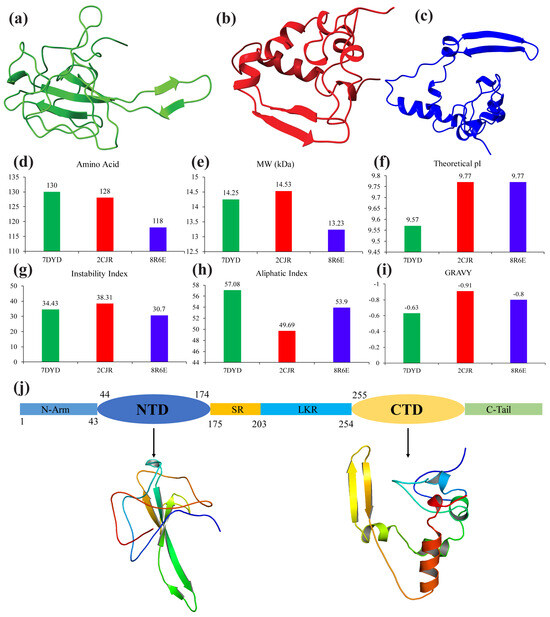
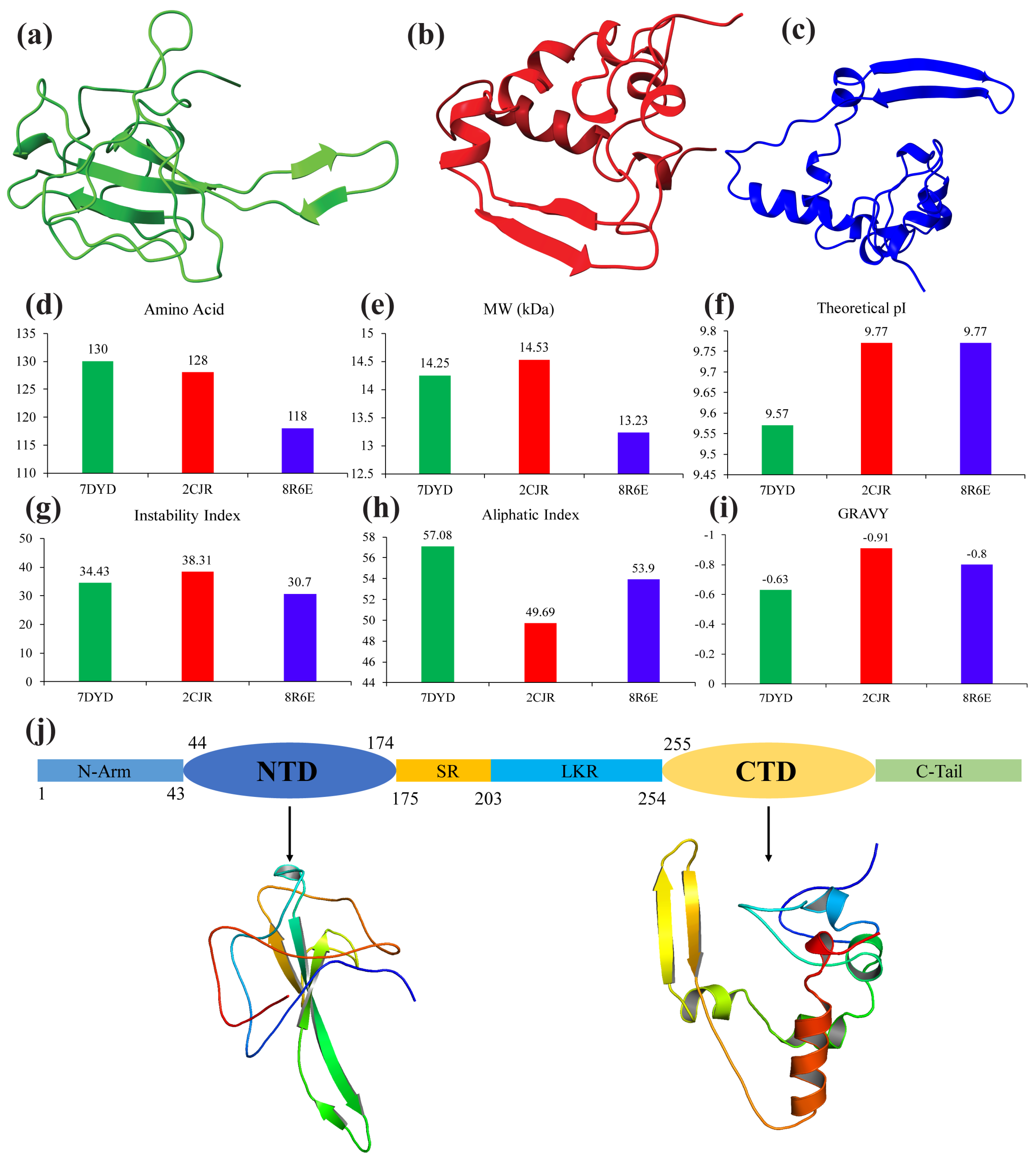
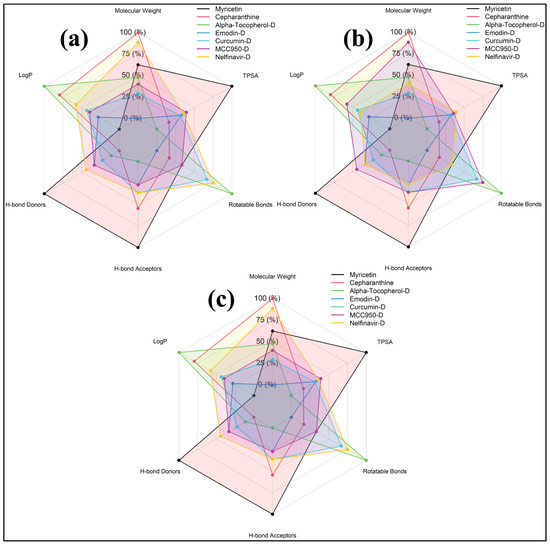
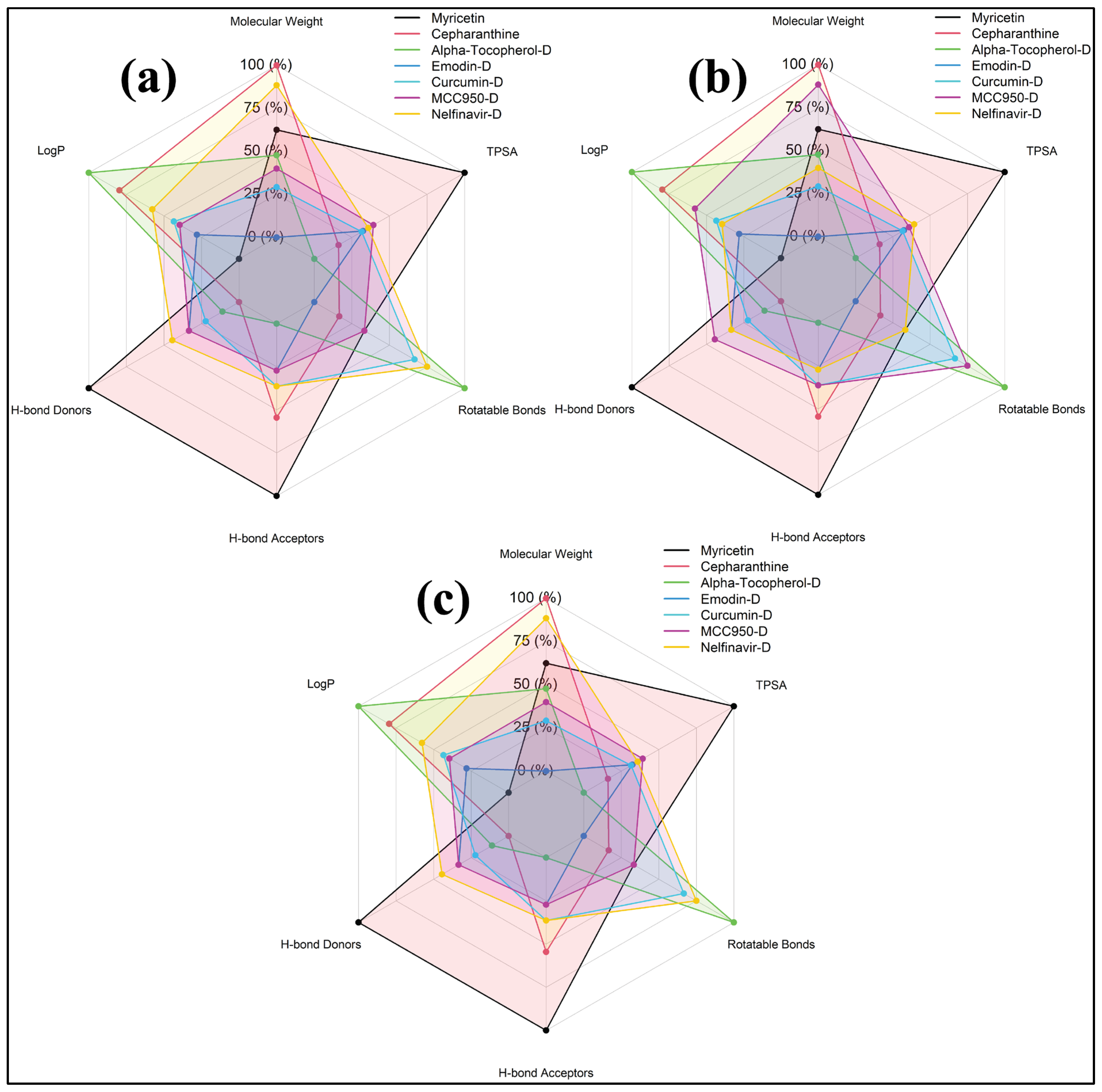
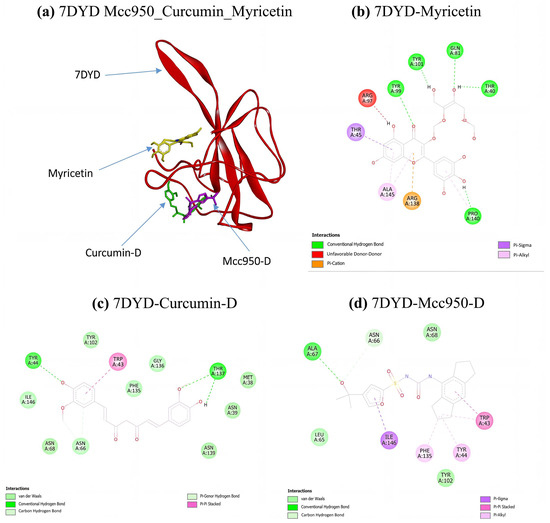
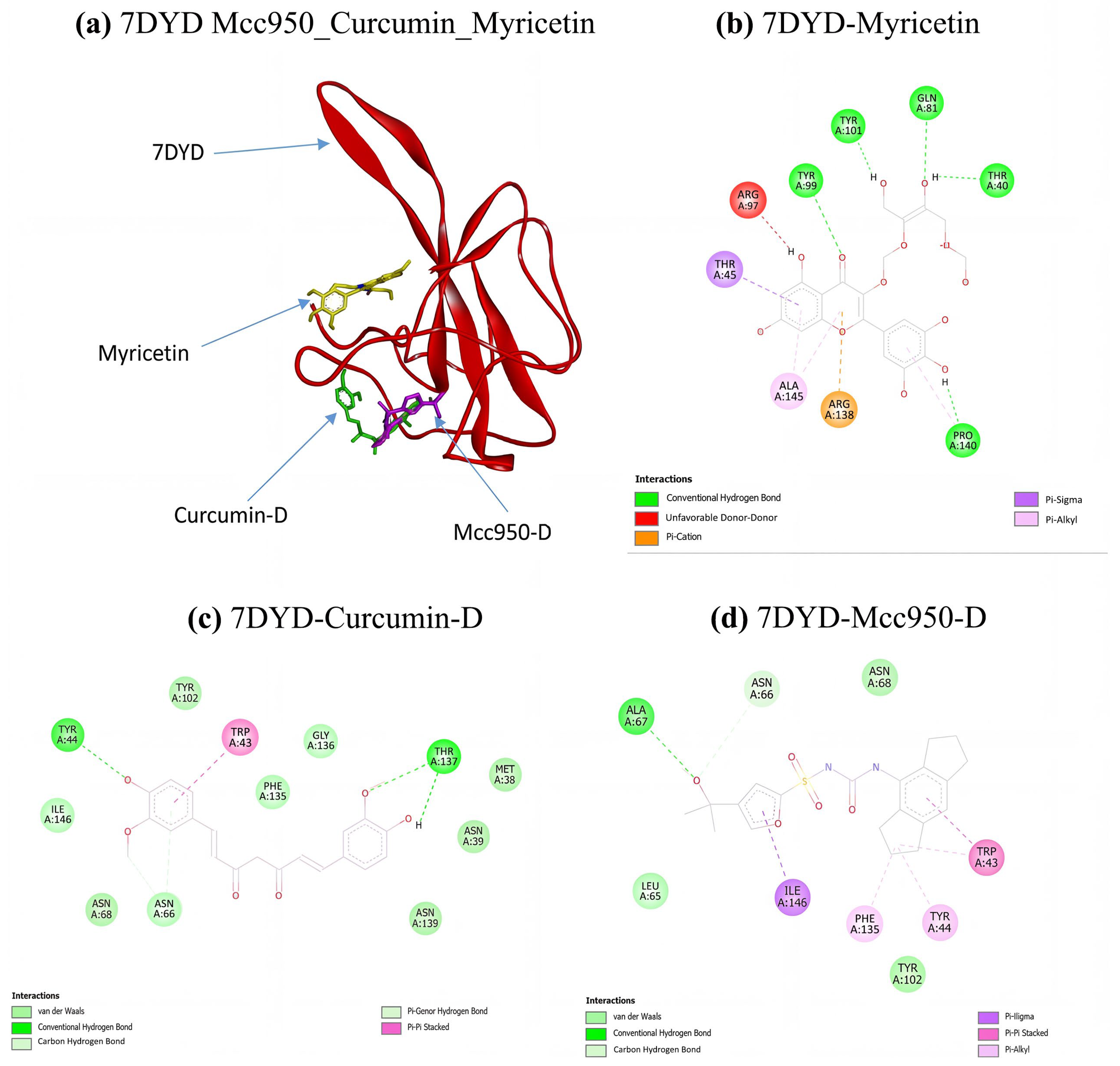
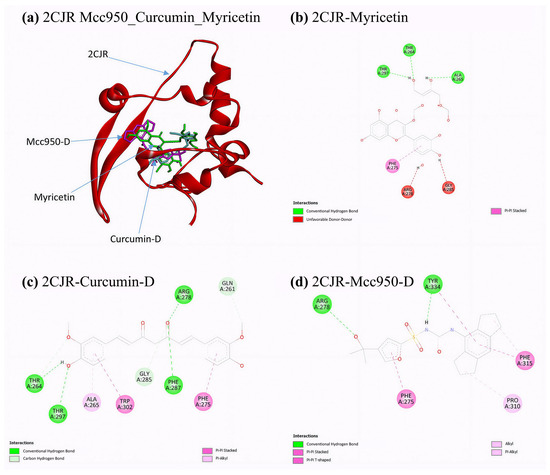
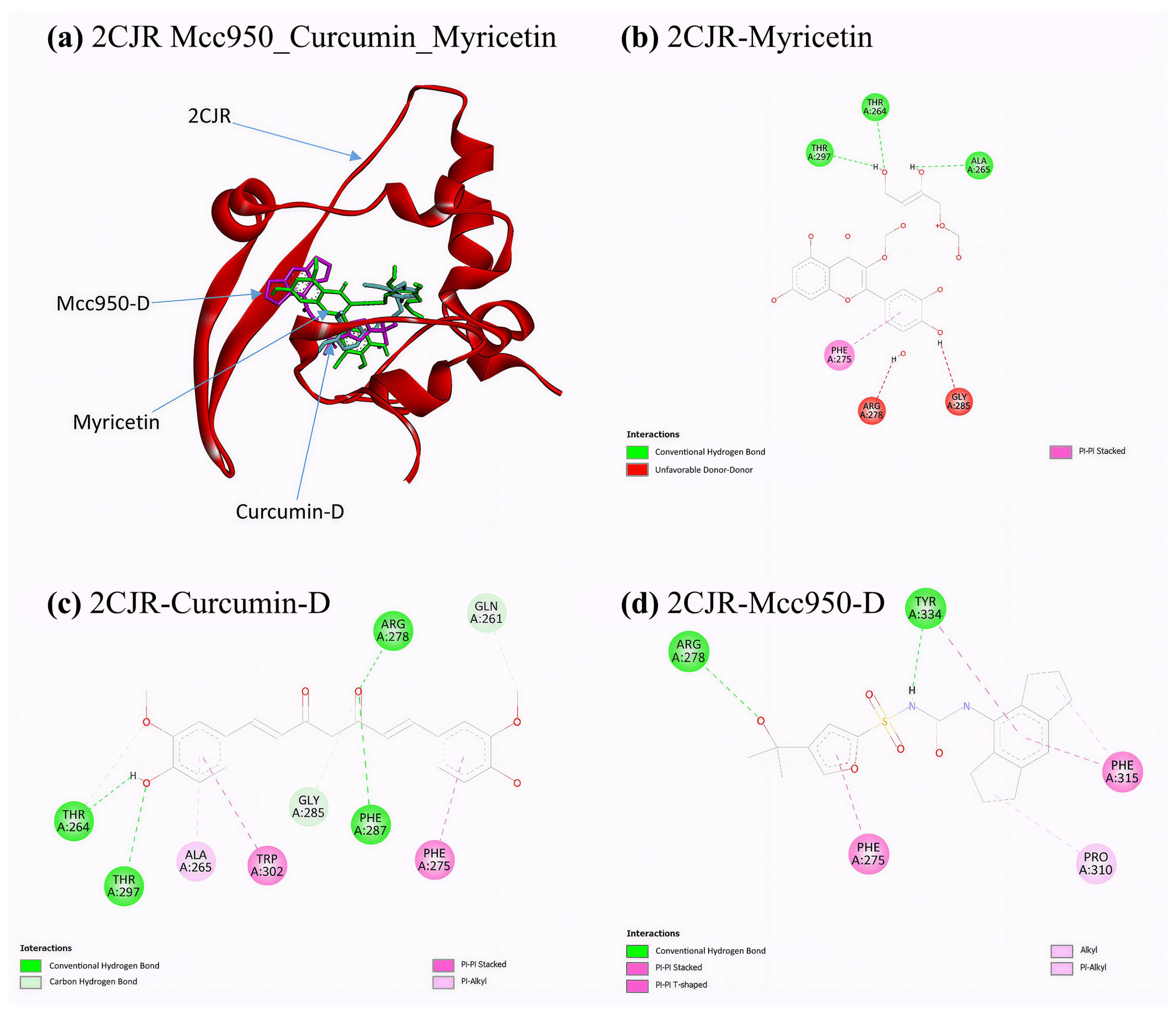
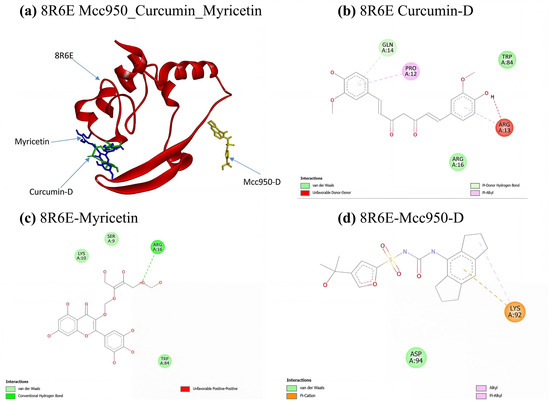
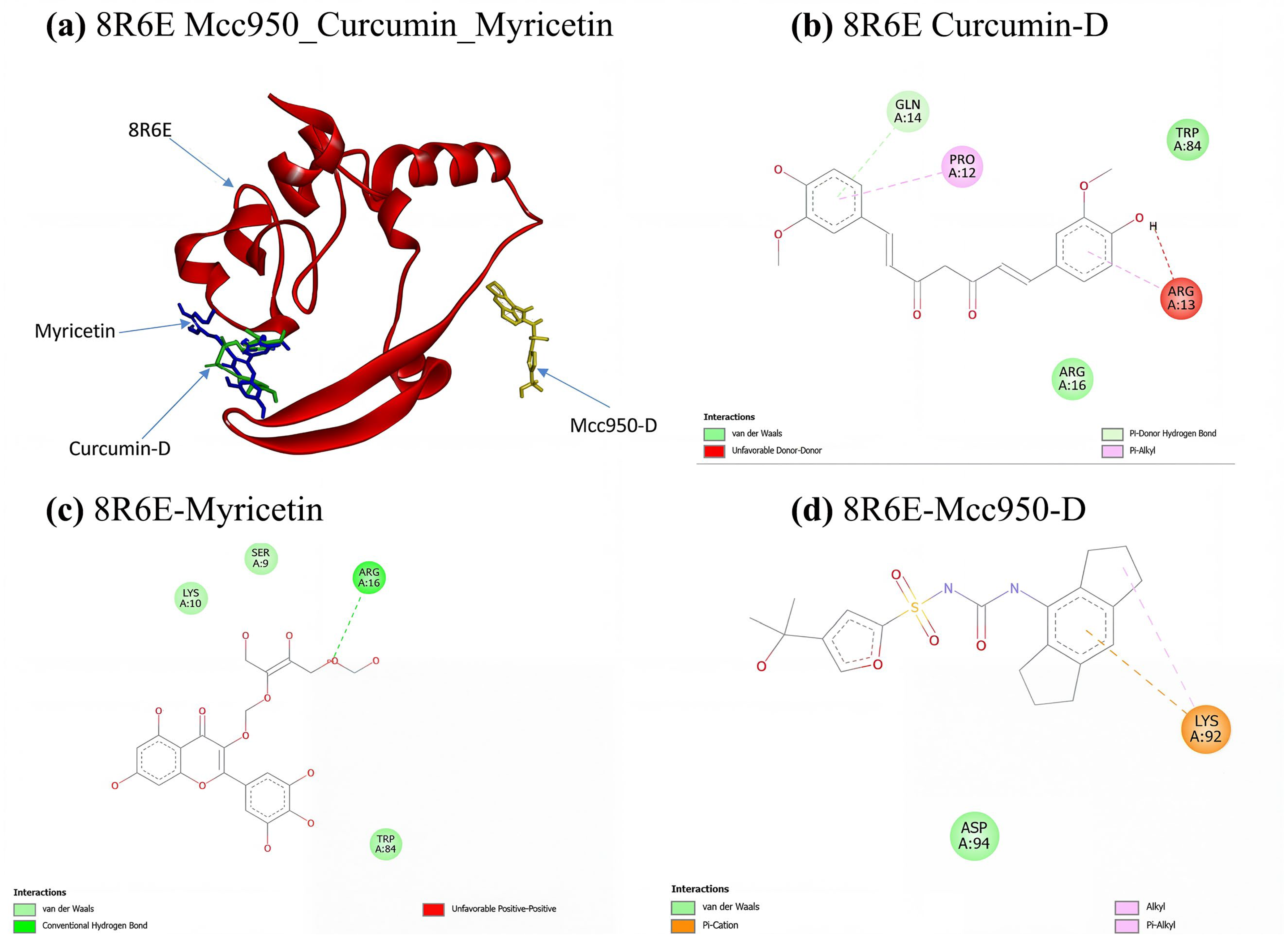
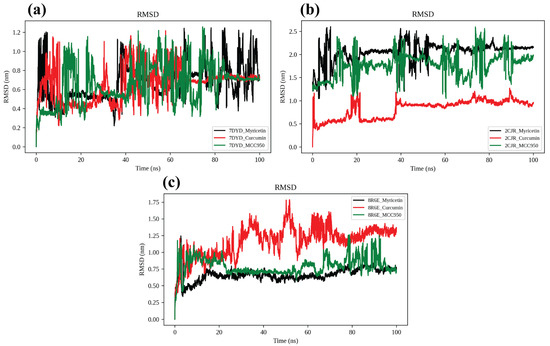
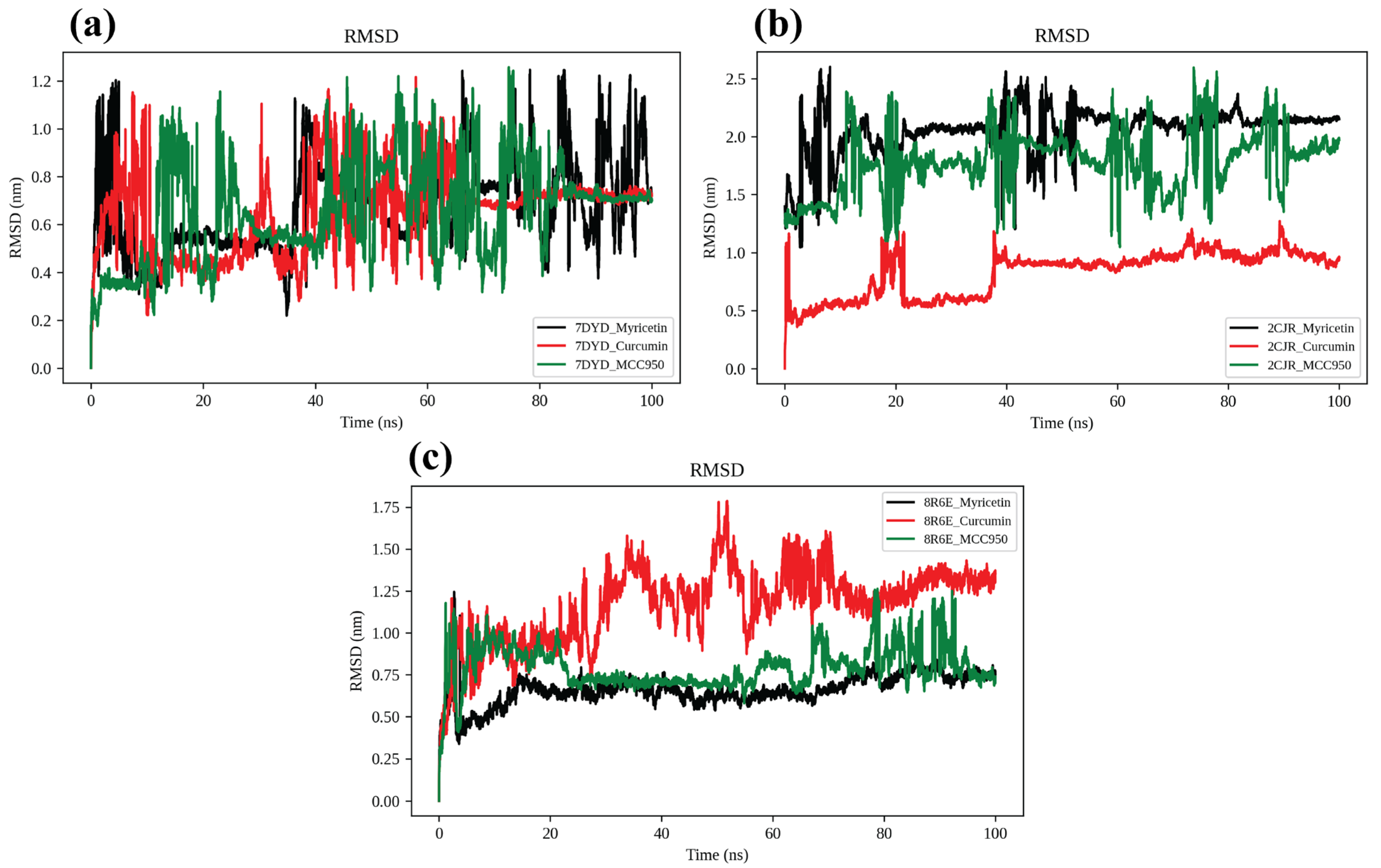
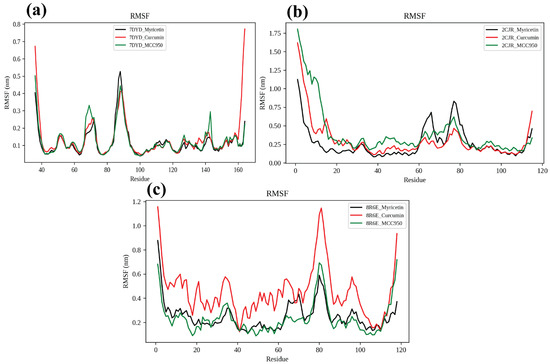
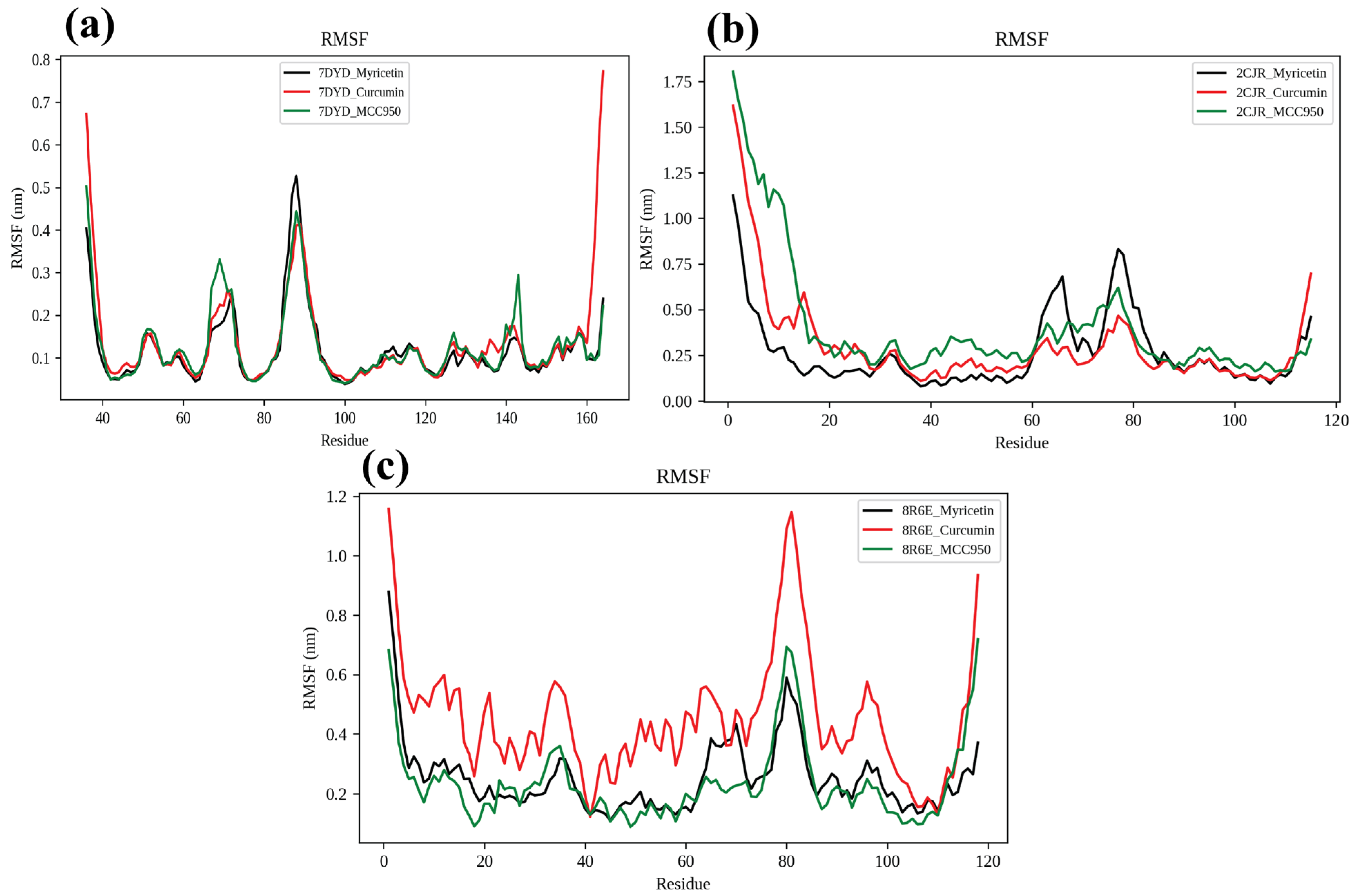
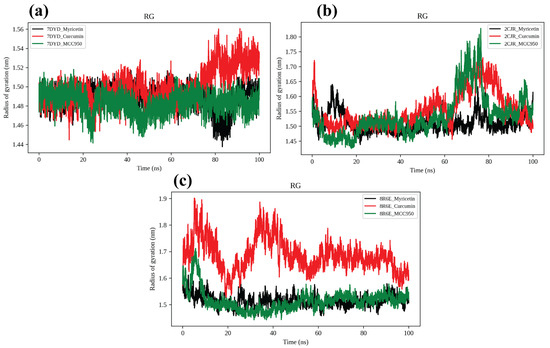
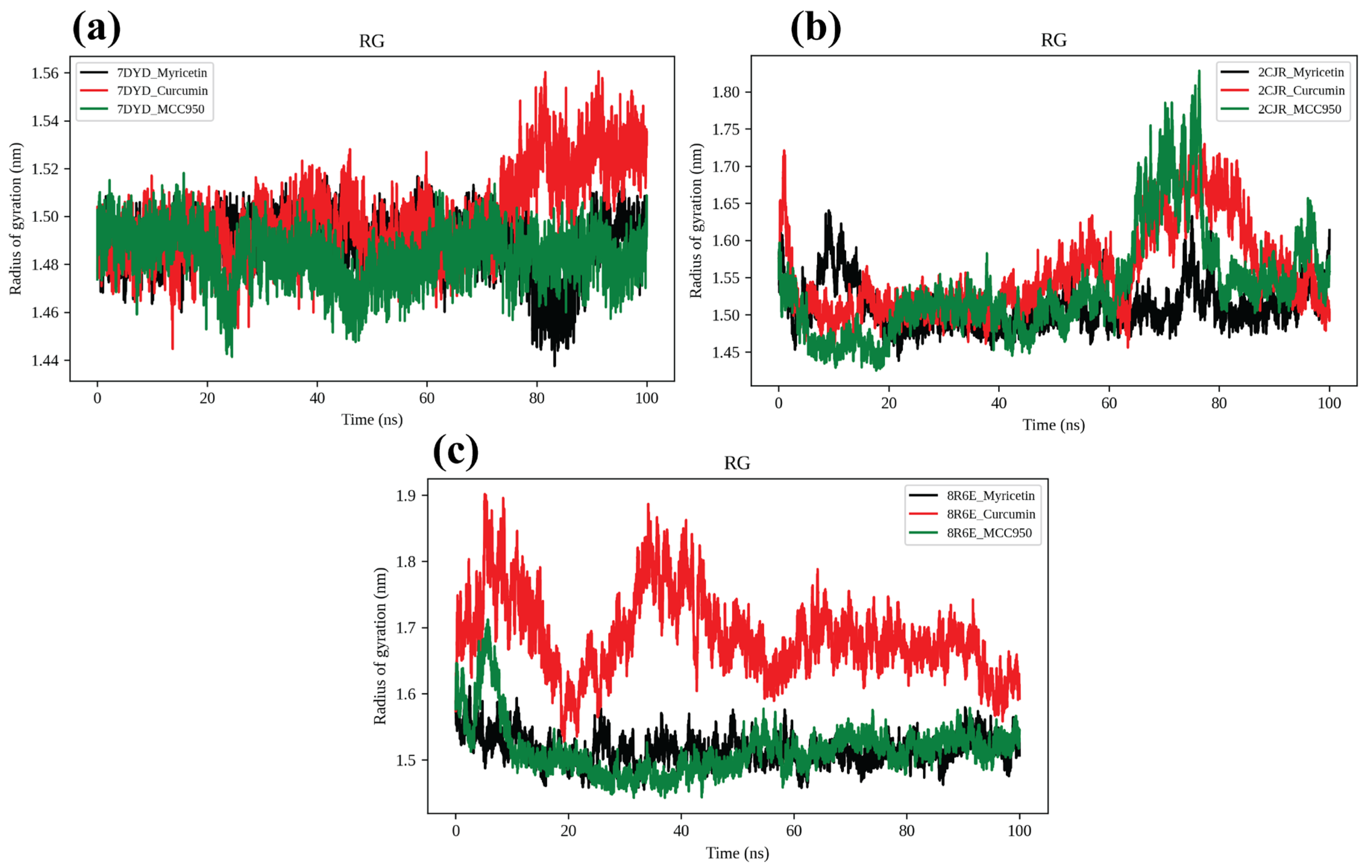
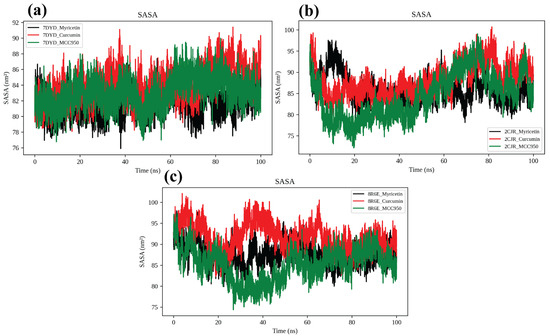
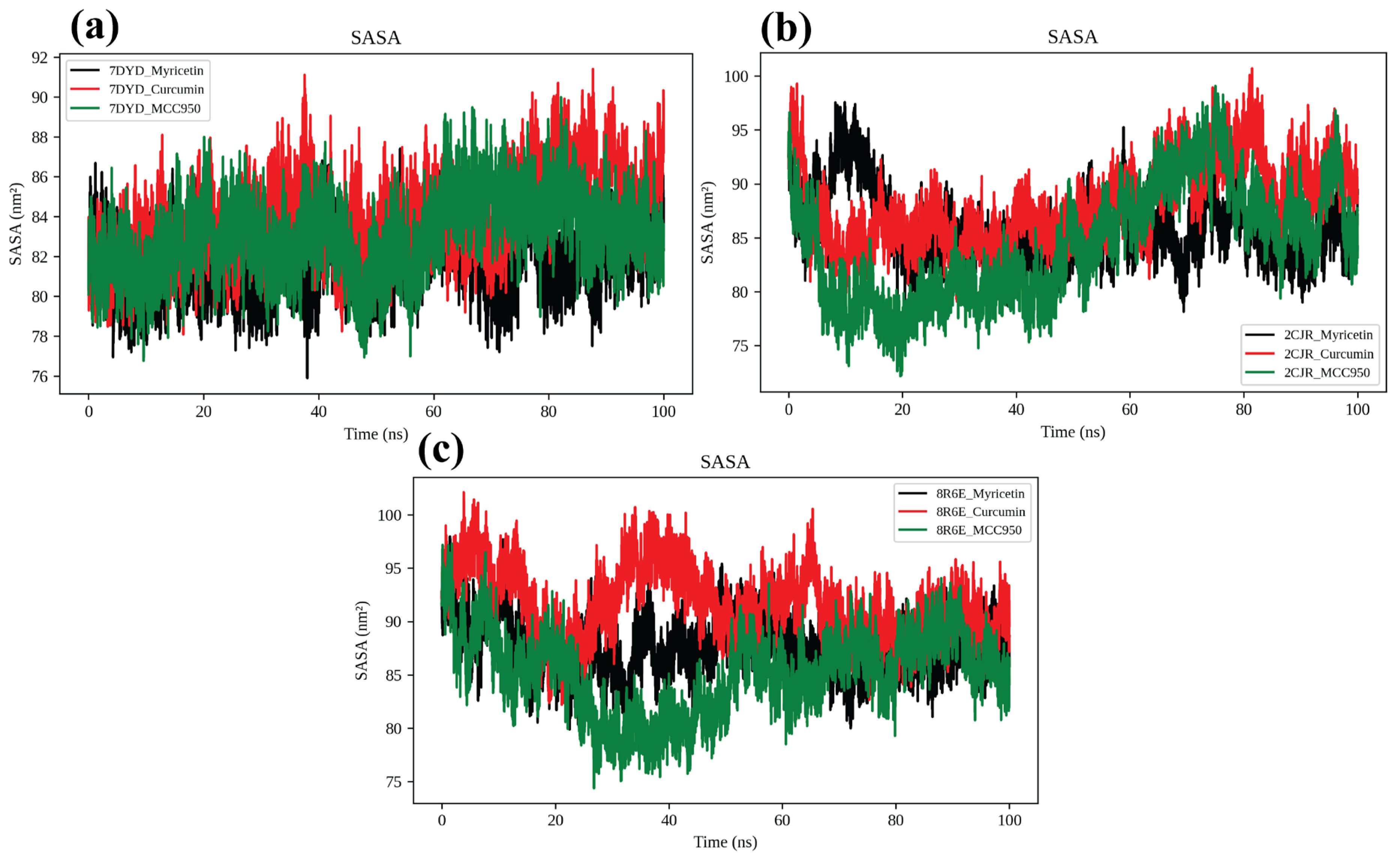
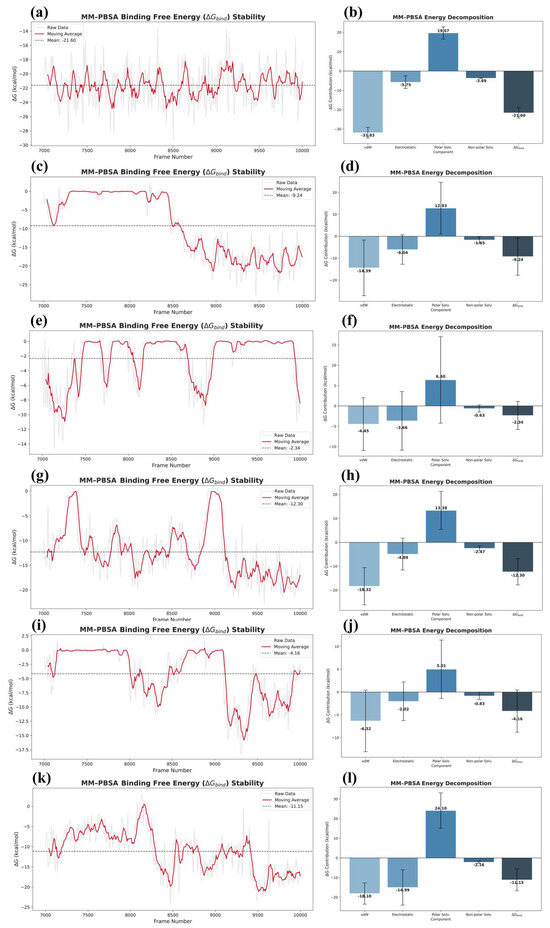
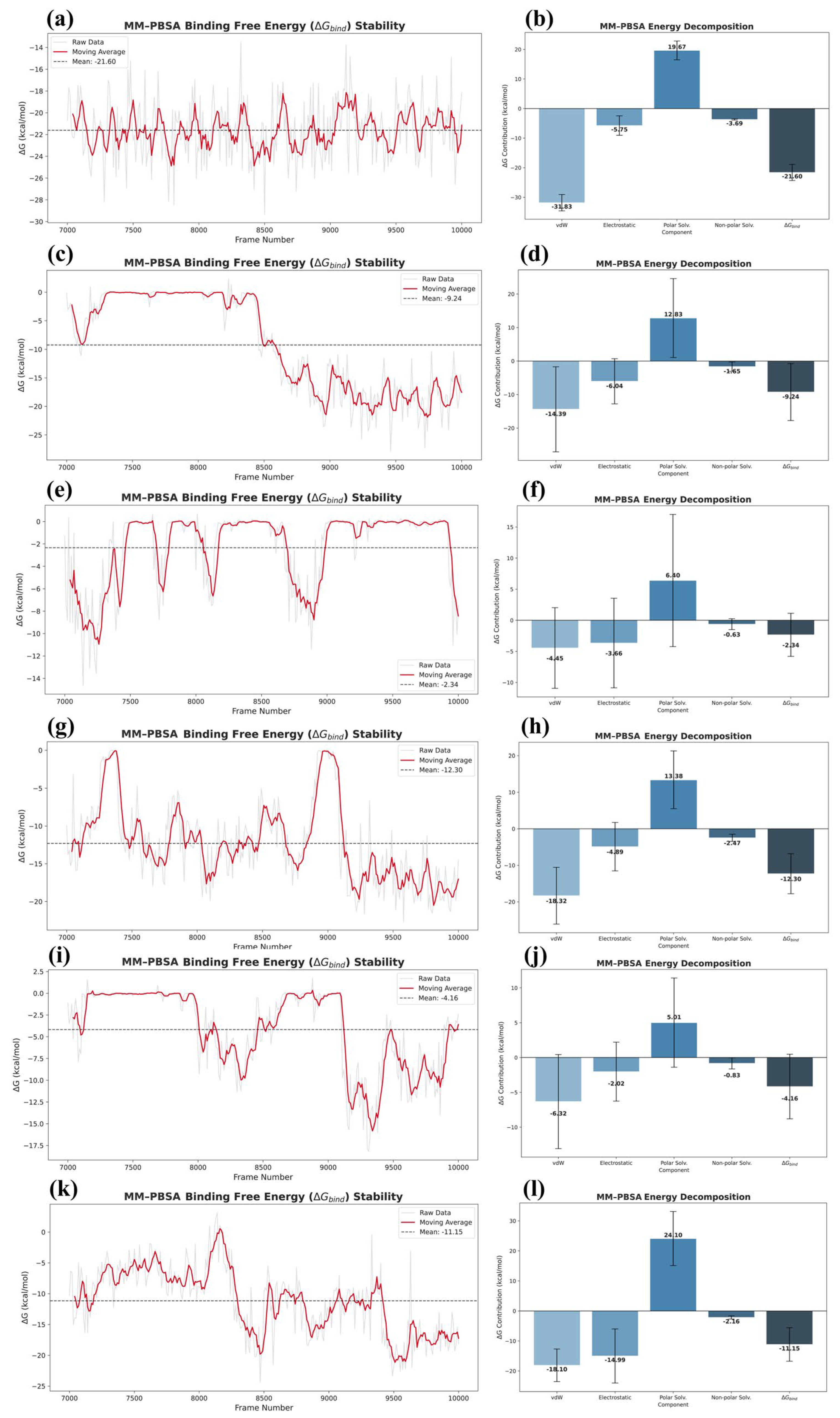

Disclaimer/Publisher’s Note: The statements, opinions and data contained in all publications are solely those of the individual author(s) and contributor(s) and not of MDPI and/or the editor(s). MDPI and/or the editor(s) disclaim responsibility for any injury to people or property resulting from any ideas, methods, instructions or products referred to in the content. |
© 2026 by the authors. Licensee MDPI, Basel, Switzerland. This article is an open access article distributed under the terms and conditions of the Creative Commons Attribution (CC BY) license.