Article

Impact of Enterococcus sp. SB12 Strain on Gut Microbiome, Blood Biochemistry, and Oxidative Stress Markers in Mice


1
Laboratory of Biotechnology and Clinical Biochemistry, Institute of Animal Biology National Academy of Agrarian Sciences of Ukraine, 79034 Lviv, Ukraine
2
Genetics and Biotechnology Department, Ivan Franko National University of Lviv, 79005 Lviv, Ukraine
3
Laboratory of Pharmaceutical Research of Veterinary Medicinal Products and Biocides, State Scientific-Research Control Institute of Veterinary Medicinal Products and Feed Additives, 79010 Lviv, Ukraine
4
Faculty of Food Technologies and Biotechnology, Stepan Gzhytskyi National University of Veterinary Medicine and Biotechnologies of Lviv, 79010 Lviv, Ukraine
5
Biochemistry and Hygiene Department, Ivan Boberskyi Lviv State University of Physical Culture, 79007 Lviv, Ukraine
*
Author to whom correspondence should be addressed.
Appl. Microbiol. 2026, 6(9), 102; https://doi.org/10.3390/applmicrobiol6090102

Submission received: 3 June 2026 / Revised: 28 July 2026 / Accepted: 30 July 2026 / Published: 31 August 2026

Abstract

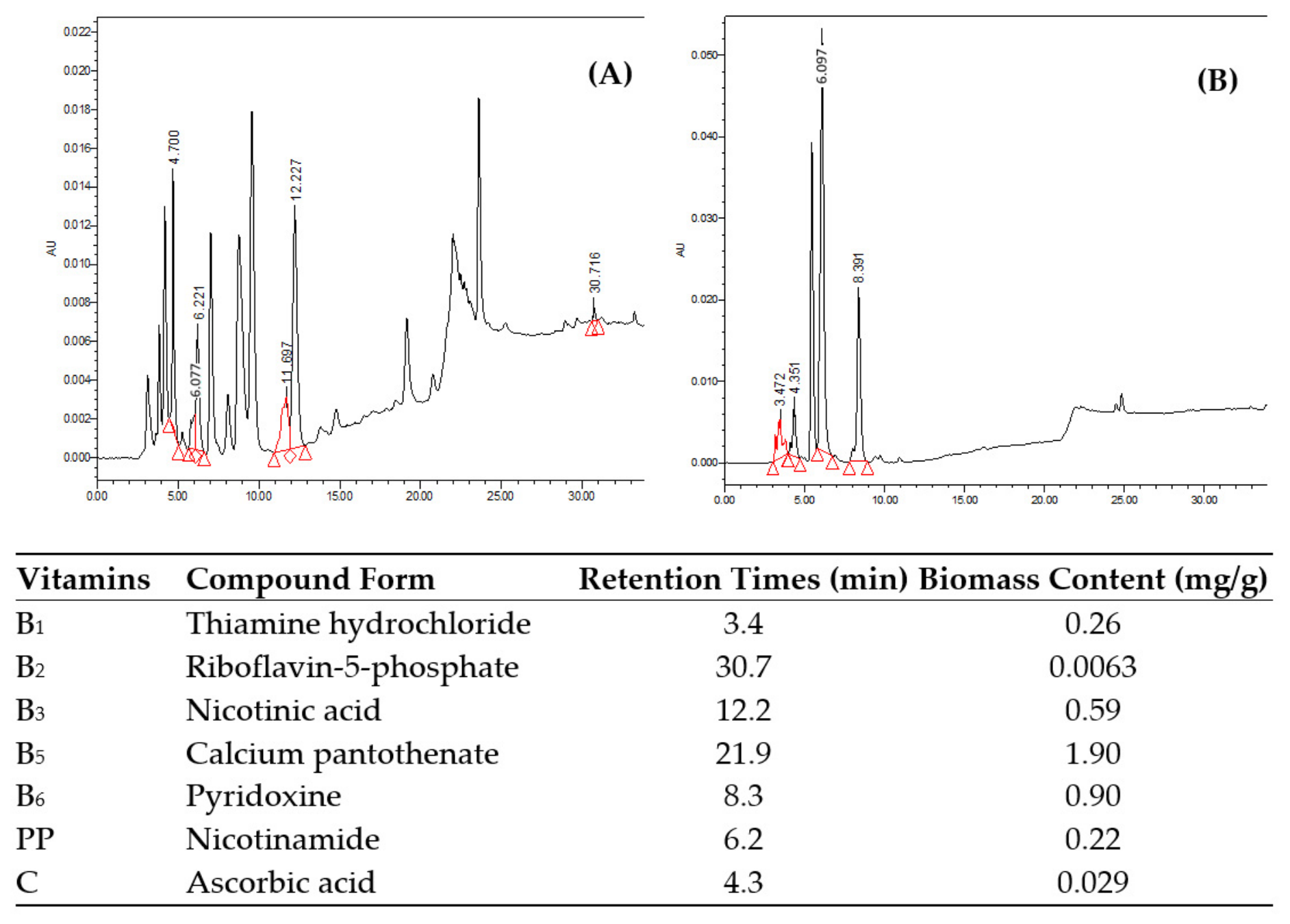
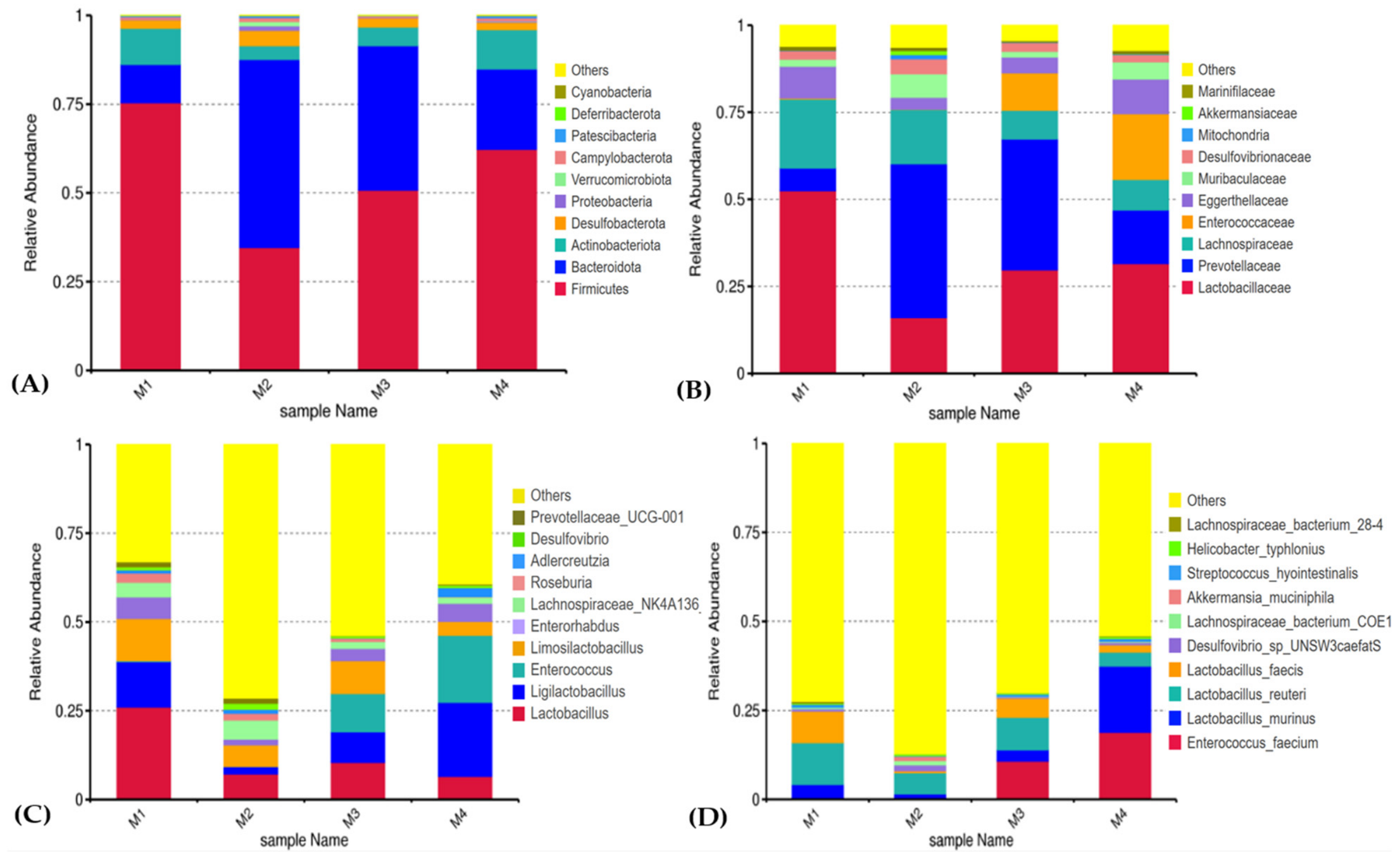
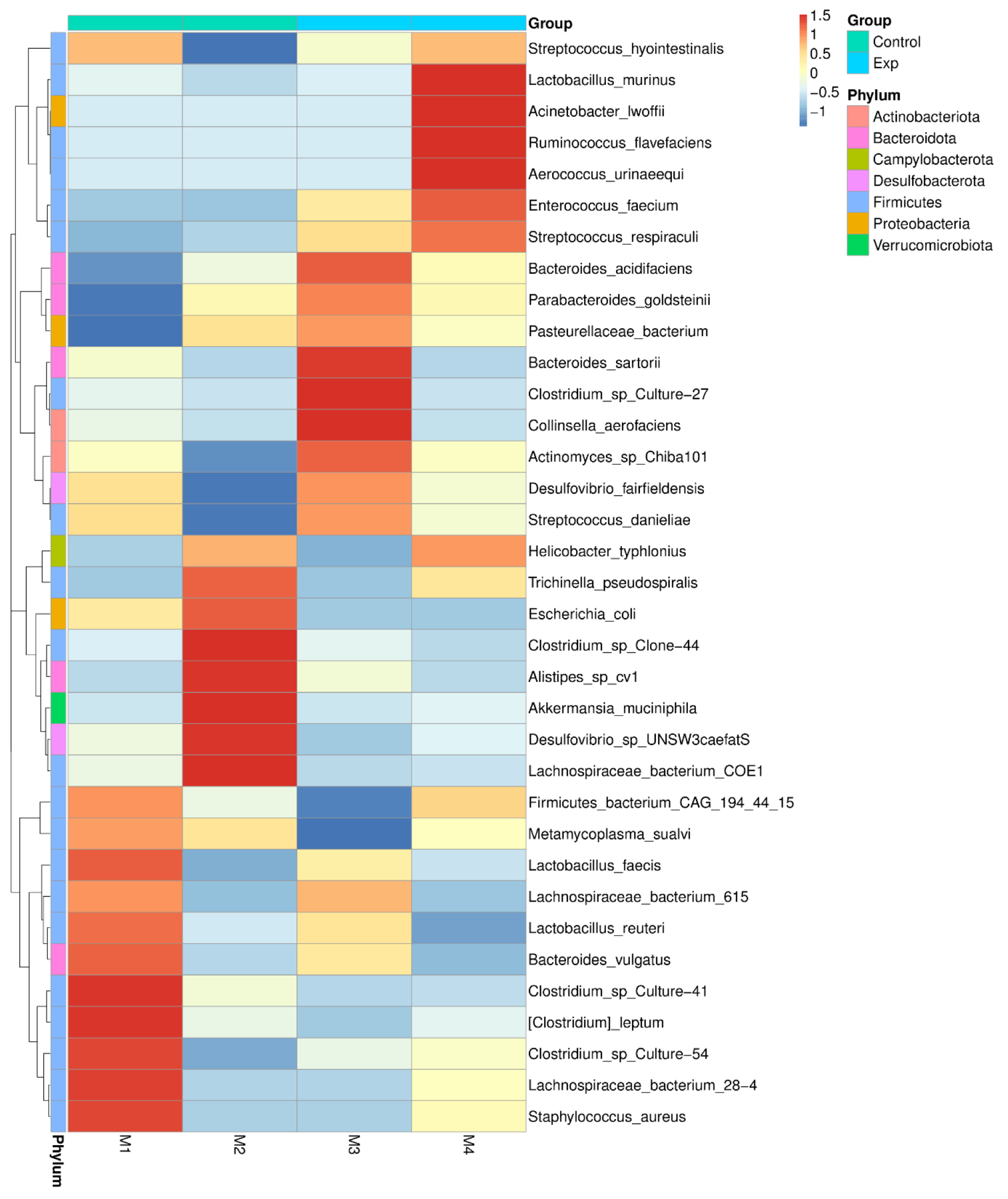
The gastrointestinal microbiome plays a central role in host physiology, and the predominance of beneficial microorganisms is associated with improved metabolic and immune functions. Enterococci are natural members of the gut microbiota and are known to produce enterocins with antimicrobial activity against various pathogenic bacteria, thereby modulating microbial community structure. This study investigates the metabolic potential of Enterococcus sp. SB12, including vitamin and amino acid profiles, as well as its effects on intestinal microbiome composition, blood biochemistry, and oxidative stress markers in mice. Vitamin and amino acid profiles were analyzed by HPLC in bacterial biomass, as well as in the growth medium before and after cultivation of Enterococcus sp. SB12. Twenty one-month-old female mice were divided into control and experimental groups (n = 10 per group). The experimental group received Enterococcus sp. SB12 daily in drinking water at a dose of 1 × 10⁸ CFU/g body weight for 29 days. Gut microbiota composition was assessed using 16S rRNA gene and ITS2 sequencing, and biochemical and oxidative stress parameters were determined in blood and tissues. HPLC analysis of bacterial biomass detected several biologically important vitamins, including vitamins B1, B3, B5, B6, and C, together with amino acids such as valine (9.27 mg/g), cysteine (5.80 mg/g), glutamine (5.34 mg/g), proline (4.47 mg/g), and taurine (2.82 mg/g). Metataxonomic analysis revealed an increased relative abundance of Enterococcus in the experimental group, which may be consistent with persistence of enterococci in the gastrointestinal tract. Administration of SB12 was associated with an increased relative abundance of Enterococcus and several Firmicutes-associated taxa, accompanied by a reduced relative abundance of members of the family Desulfovibrionaceae and Helicobacter-associated taxa compared with the control group. Mice receiving SB12 exhibited significantly higher body weight than controls (28.1 ± 1.05 vs. 27.2 ± 0.82 g; p < 0.05), whereas visceral fat mass, organ weights, blood glucose, total protein, HDL cholesterol, LDL cholesterol, and oxidative stress markers did not differ significantly between groups. Overall, administration of Enterococcus sp. SB12 was associated with compositional changes in the intestinal microbiome and did not induce detectable alterations in biochemical or oxidative stress parameters. These findings provide preliminary evidence supporting the probiotic potential and safety of Enterococcus sp. SB12 under the experimental conditions used; however, additional studies are required to confirm its long-term safety profile and functional effects on the host.
Keywords: gut microbiome; Enterococcus; probiotic; biochemistry; metataxonomy gut microbiome; Enterococcus; probiotic; biochemistry; metataxonomy