
Molecular Insight and Antioxidative Therapeutic Potentials of Plant-Derived Compounds in Breast Cancer Treatment
by
 , , , , , and
Sandhya Shukla
1,† ,
,
Arvind Kumar Shukla
2,*,† ,
,
Adarsha Mahendra Upadhyay
3, 
Navin Ray
4 ,
,
Fowzul Islam Fahad
2 ,
,
Arulkumar Nagappan
4,5,
Sayan Deb Dutta
6,7,8 and
and
Raj Kumar Mongre
9,* 1
Department of Pharmacology, Bharti Vidyapeeth Deemed University Medical College, Pune 411043, India
2
School of Biomedical Convergence Engineering, Pusan National University, Yangsan 50612, Republic of Korea
3
Department of Gastrointestinal Surgery, School of Overseas Education, Guizhou Medical University, Guiyang 550025, China
4
Laboratory of Mucosal Exposome and Biomodulation, Department of Integrative Biomedical Sciences, Pusan National University, Yangsan 50612, Republic of Korea
5
Center for Global Health Research, Saveetha Medical College and Hospital, Saveetha Institute of Medical and Technical Sciences, Saveetha University, Chennai 602105, India
6
Department of Biosystems Engineering, Kangwon National University, Chuncheon 24341, Republic of Korea
7
Institute of Forest Science, Kangwon National University, Chuncheon 24341, Republic of Korea
8
School of Medicine, University of California Davis, Sacramento, CA 95817, USA
9
Department of Surgery, Boston Children’s Hospital, Harvard Medical School, Harvard University, 300 Longwood Ave, Boston, MA 02115, USA
*
Authors to whom correspondence should be addressed.
†
These authors contributed equally to this work.
Onco 2025, 5(2), 27; https://doi.org/10.3390/onco5020027
Submission received: 28 April 2025
/
Revised: 30 May 2025
/
Accepted: 3 June 2025
/
Published: 9 June 2025
(This article belongs to the Special Issue The Evolving Landscape of Contemporary Cancer Therapies)
Simple Summary
Breast cancer is one of the most prevalent cancers that affects women globally, and it is still difficult to treat because of problems like relapse, side effects, and drug resistance. This review investigates how plant-based natural compounds may enhance the treatment of breast cancer. These plant-based compounds may help slow or even stop the growth and spread of cancer by targeting particular molecular signals in cancer cells. This review seeks to shed light on how these substances interact with significant biological processes in order to better understand how they might complement existing treatments. Future research may be guided by the findings, which could help create safer and more efficient breast cancer treatment options.
Abstract
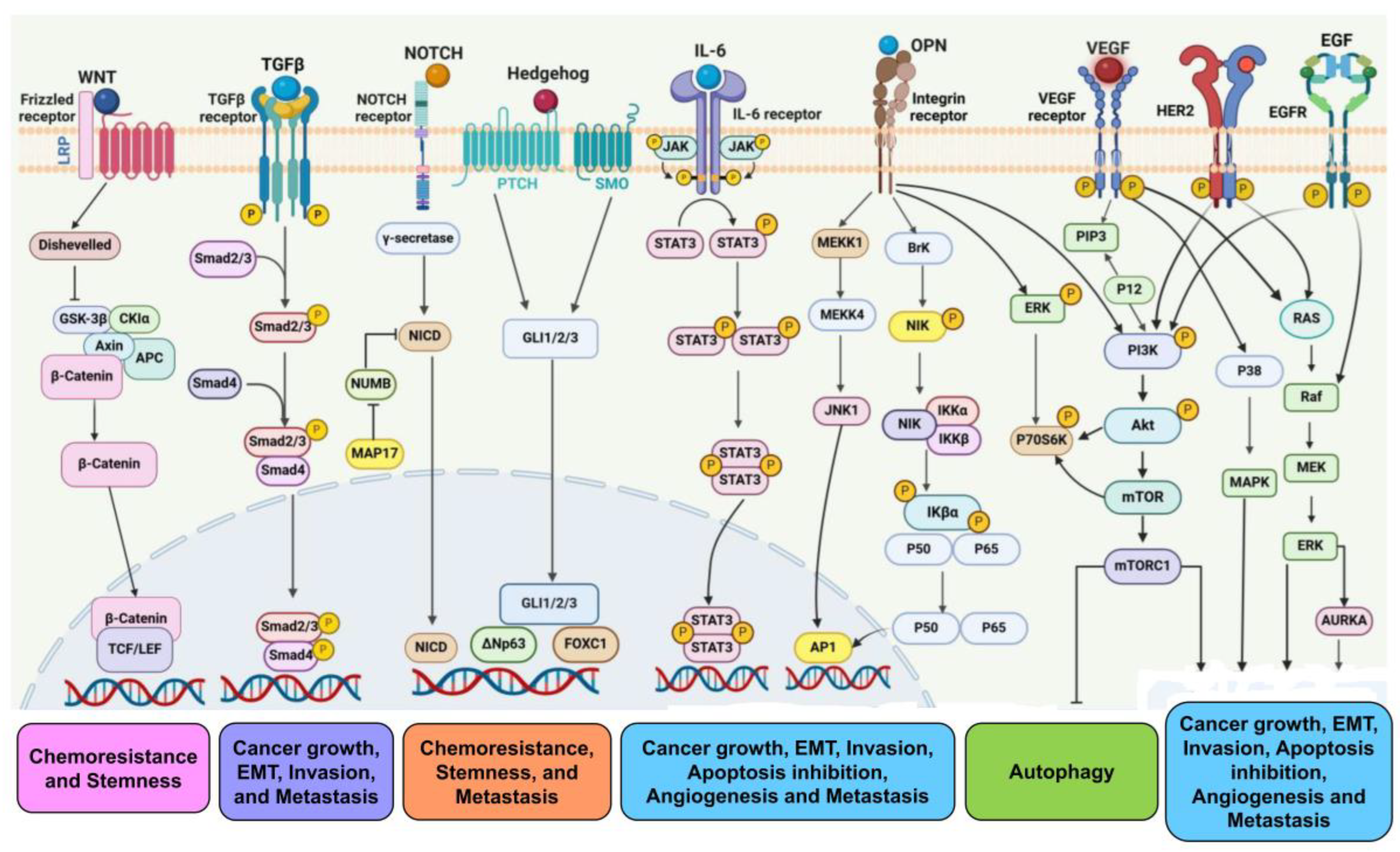
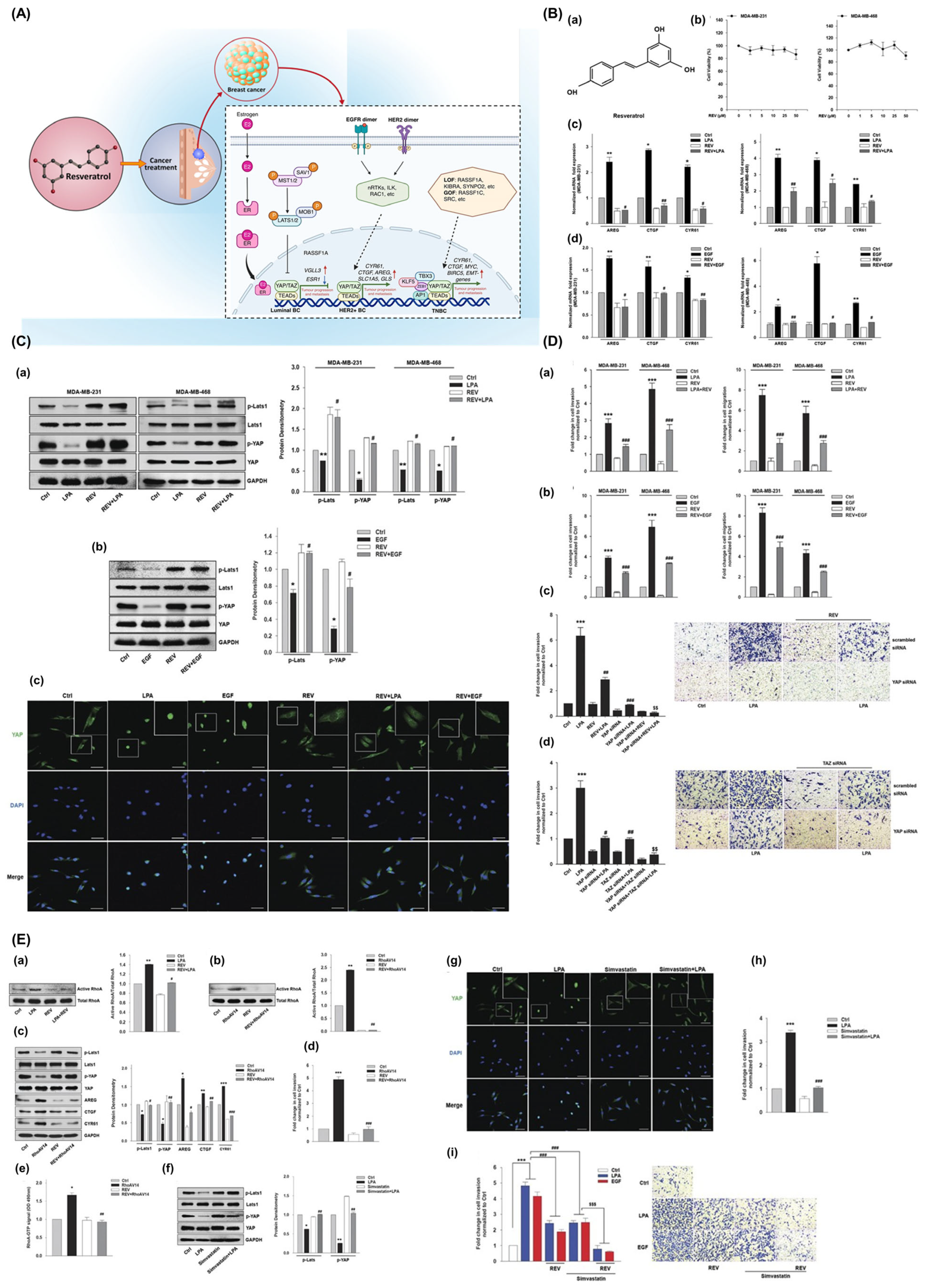
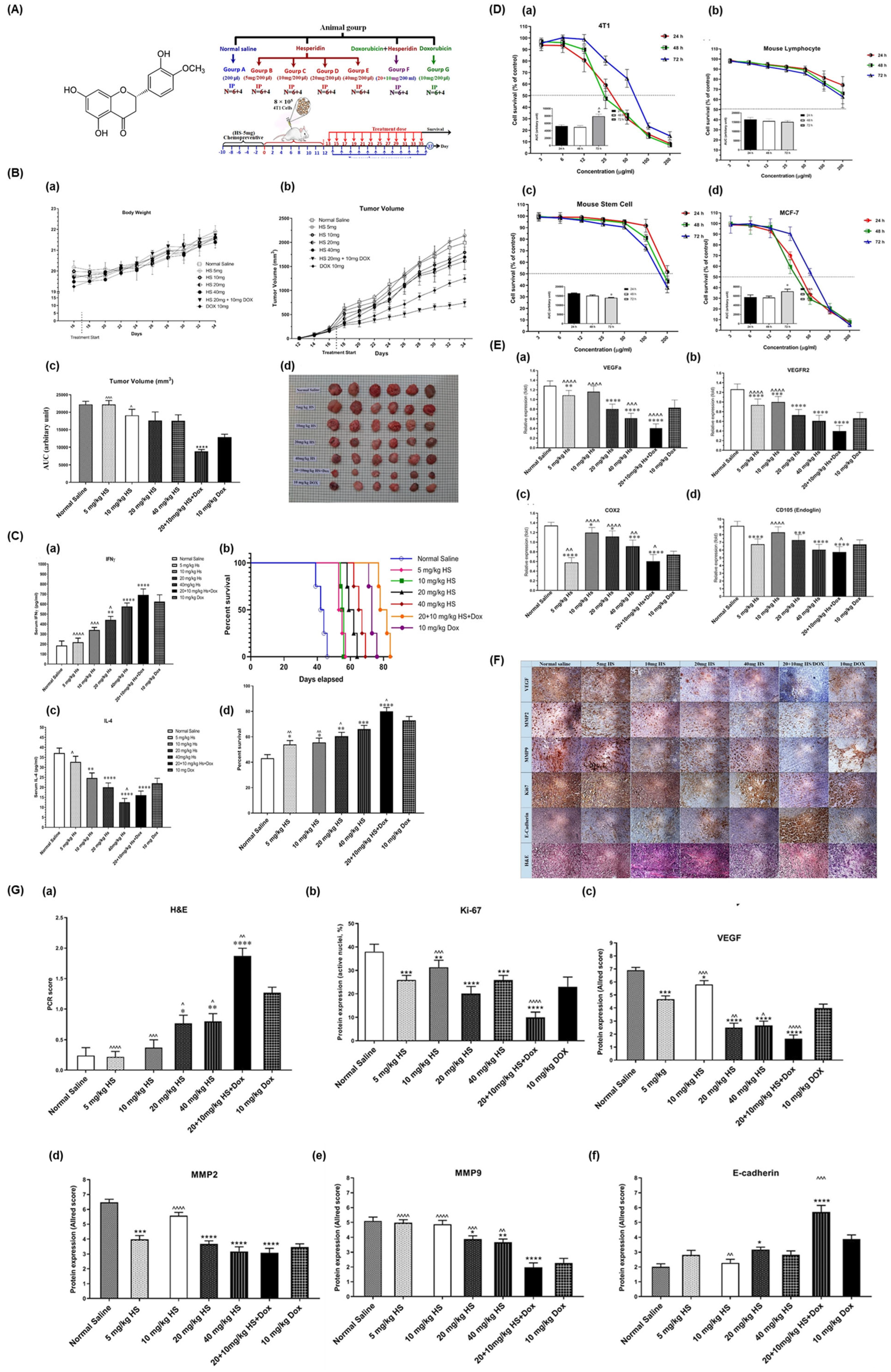
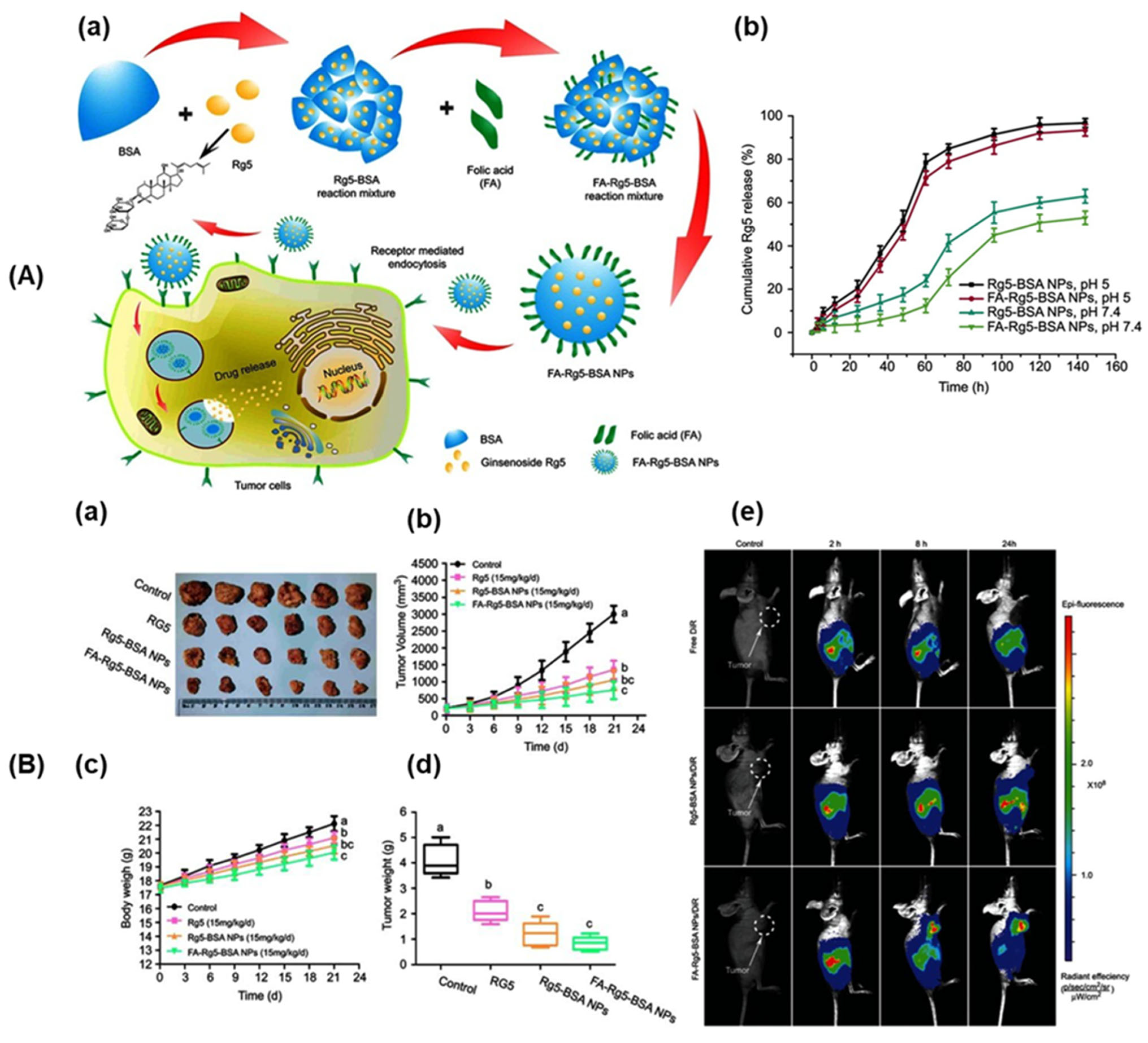
Breast cancer is one of the most common and difficult-to-treat cancers affecting women globally. Long-term treatment success is still limited by problems like drug resistance, toxicity, and recurrence, even with advancements in conventional therapies. The application of substances derived from plants for medical purposes, or phytotherapy, has become a viable adjunctive approach to the treatment of breast cancer. An integrative approach to phytotherapy is examined in this review, focusing on how it can alter important molecular pathways implicated in the development, progression, and metastasis of breast cancer. By focusing on important signaling cascades like TGF-β, Wnt, Hedgehog, Notch, IL-6, Integrins, VEGF, HER2, EGFR, PI3K/Akt, and MAPK, and estrogen receptor pathways, a variety of phytochemicals, such as flavonoids, alkaloids, terpenoids, and polyphenols, demonstrate strong anticancer effects. This review also discusses how they affect immune modulation, angiogenesis, cell cycle regulation, and apoptosis. Moreover, it also emphasizes the challenges with these natural compounds’ bioavailability, standardization, and clinical translation while highlighting preclinical and clinical research that supports their therapeutic potential. This review attempts to give a thorough grasp of how plant-based compounds can support efficient and focused breast cancer treatments by fusing molecular insights with phytotherapeutic approaches.