
MOCVD Nano-Structured TiO2 Coatings for Corrosion Protection of Stainless Steel in Accelerated Sulfuric Acid


 ,
,  ,
,  , and
, and
Abstract
1. Introduction
2. Experimental Procedure
2.1. Preparation of TiO2 Coatings
2.2. Microstructural Characterization
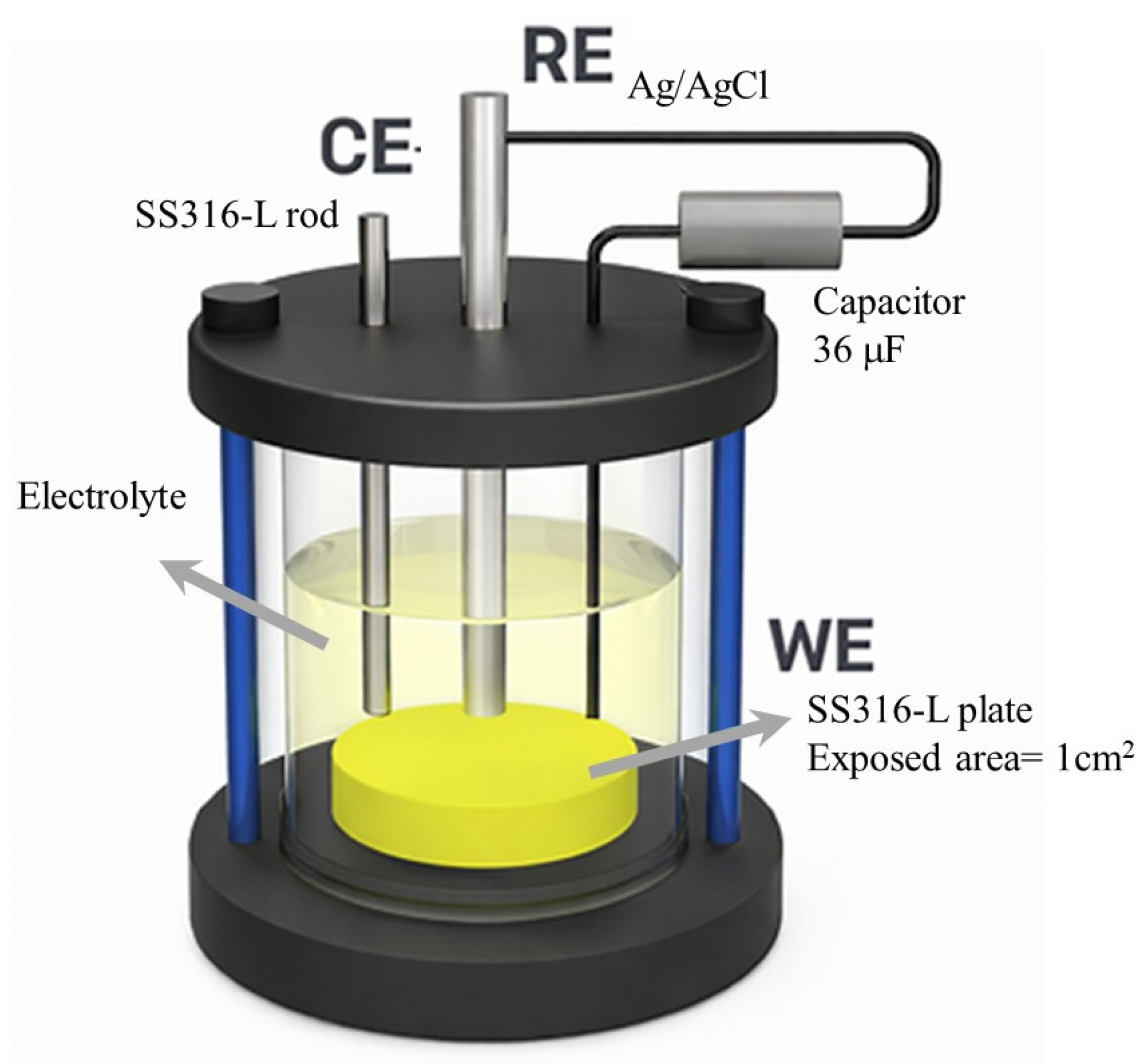
2.3. Electrochemical Measurements
3. Results and Discussion
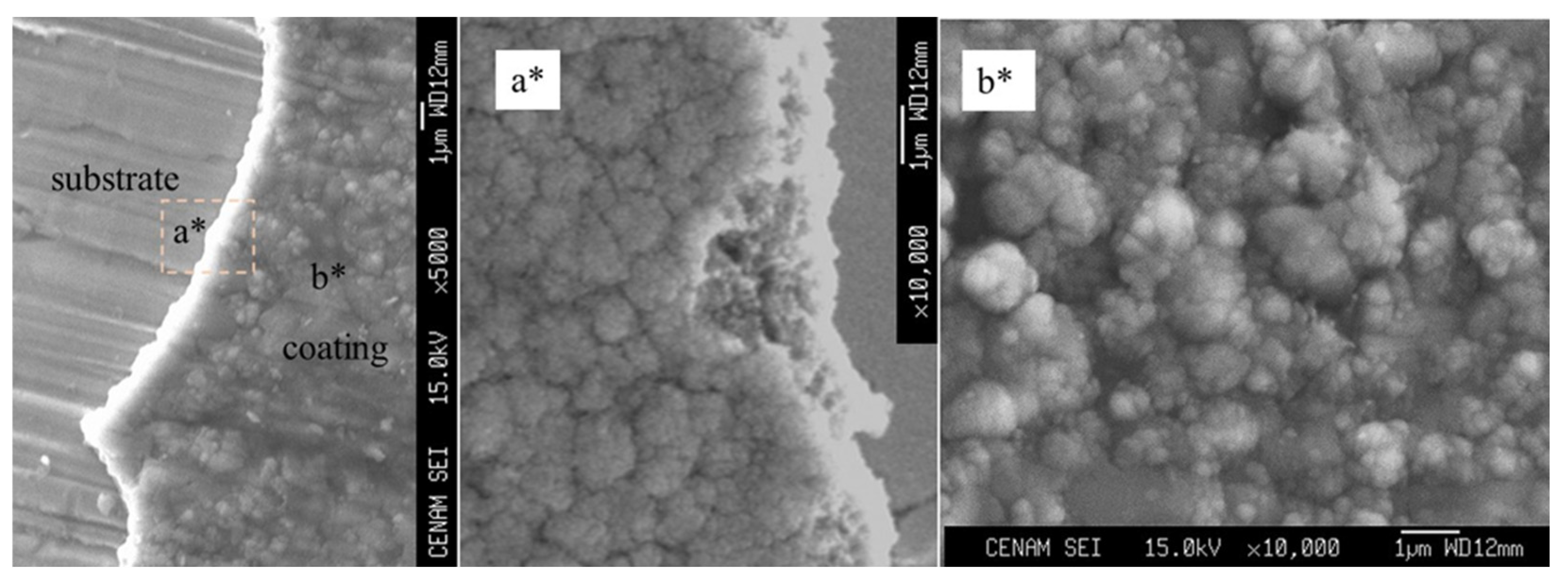
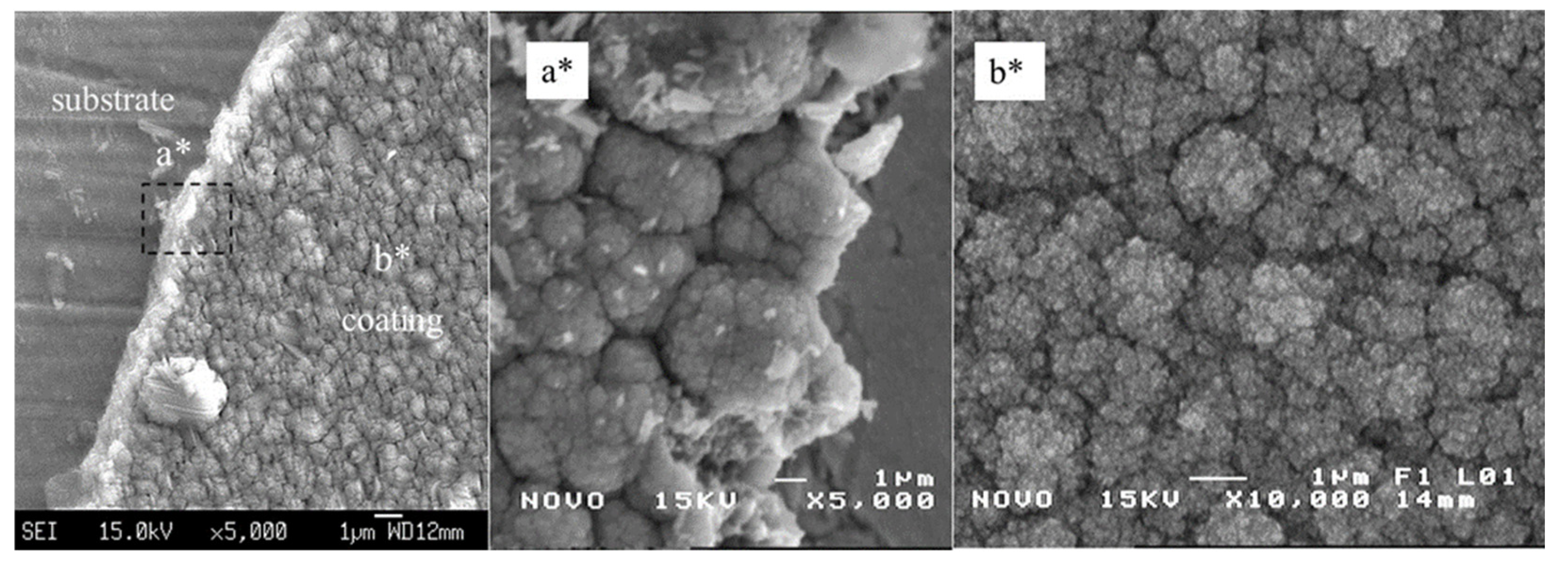
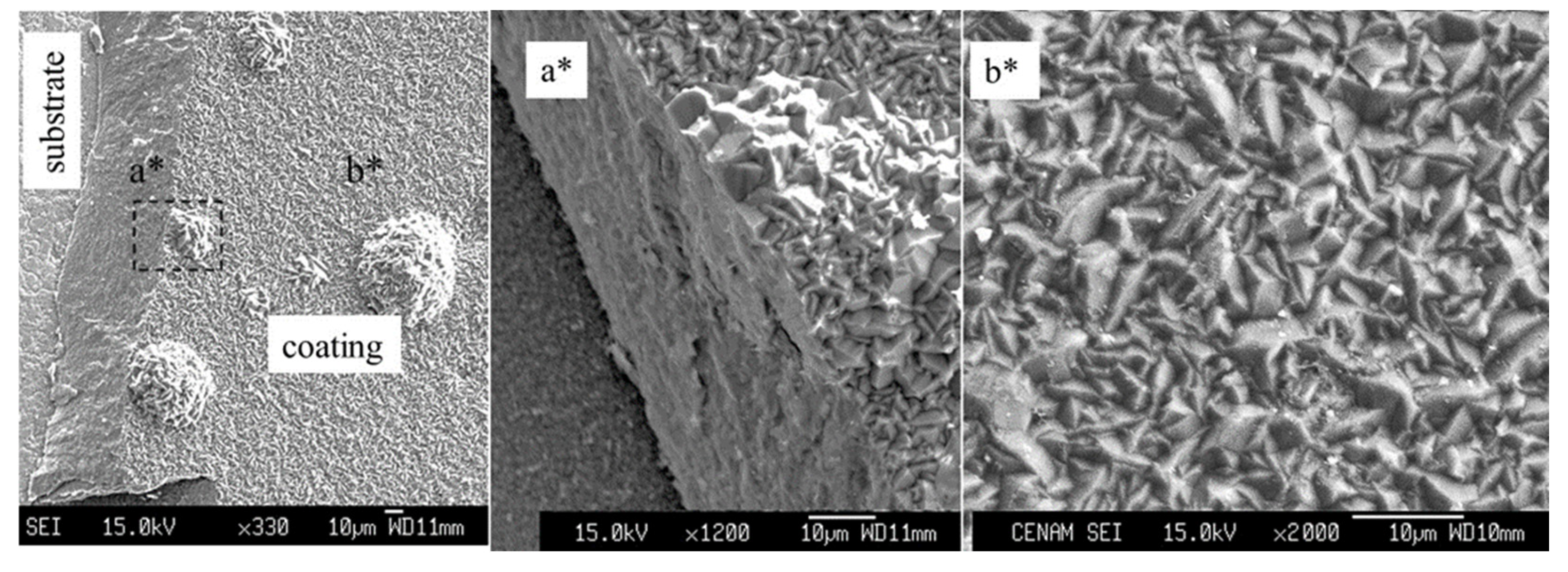
3.1. Microstructure and Morphology Analysis
3.2. X-Ray Diffraction Analysis
3.3. X-Crystallographic Analysis
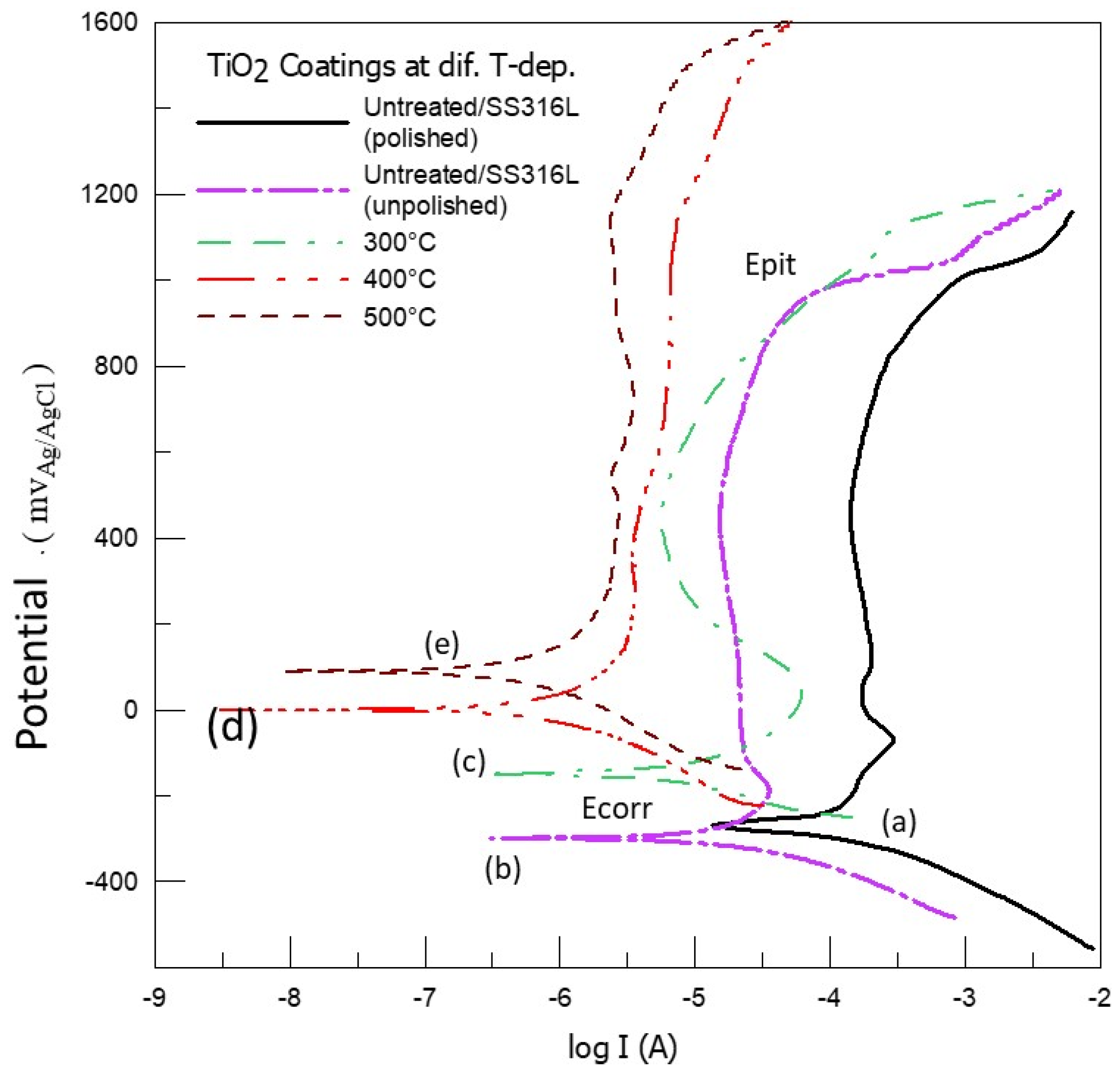
3.4. Potentiodynamic Anodic Polarization (AP) Test for Corrosion Behavior
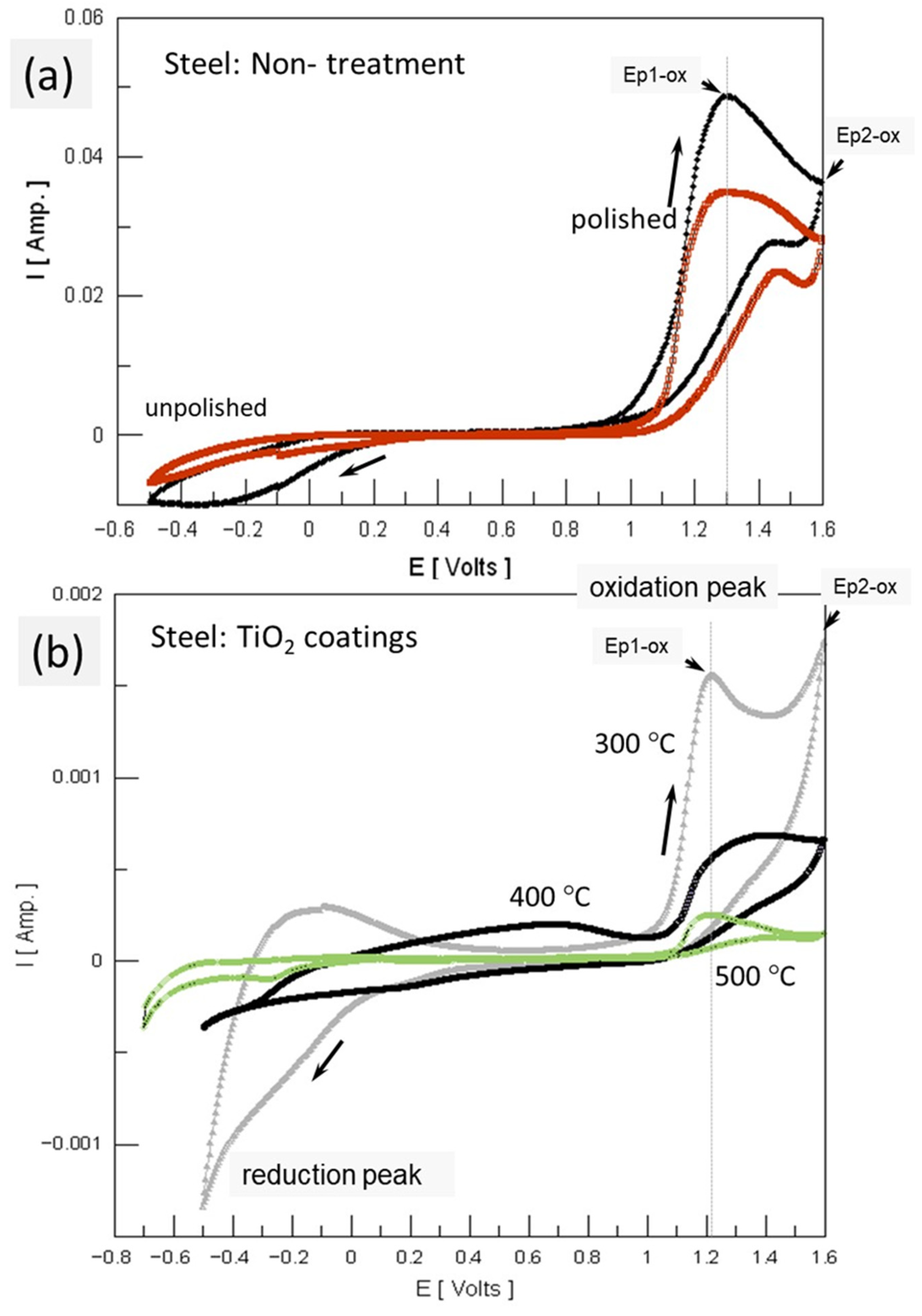
3.5. Cyclic Voltammetry Test for Corrosion Behavior
- At 300 °C, the protective performance of the coating is limited by the presence of microcracks and defects. The voltammogram shows a broad, poorly defined reduction peak and two pronounced anodic peaks, reflecting diffusion and kinetic limitations likely associated with a less-crystalline TiO2 structure.
- At 400 °C, the anodic current drops by one order of magnitude, while oxidation and reduction peaks become sharper. This behavior suggests enhanced conductivity and improved electrochemical interactions, with barrier properties approaching reversibility.
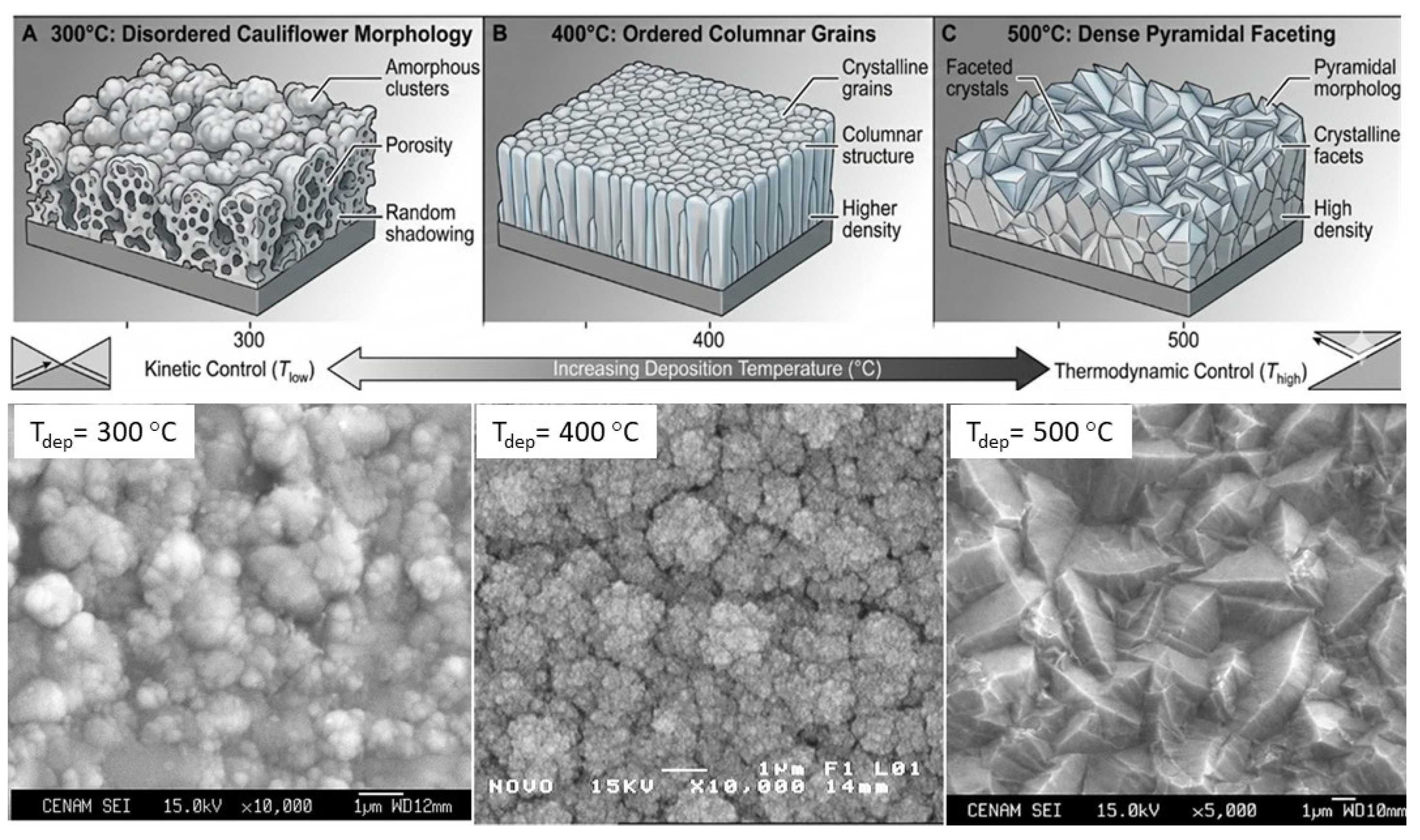
- At 500 °C, anodic peaks are entirely suppressed, and the voltammetric response becomes narrow and stable. This is consistent with a dense, adherent TiO2 coating observed by SEM, which has reached a more ordered anatase-phase crystalline structure, effectively blocks ionic transport, and provides better corrosion protection.
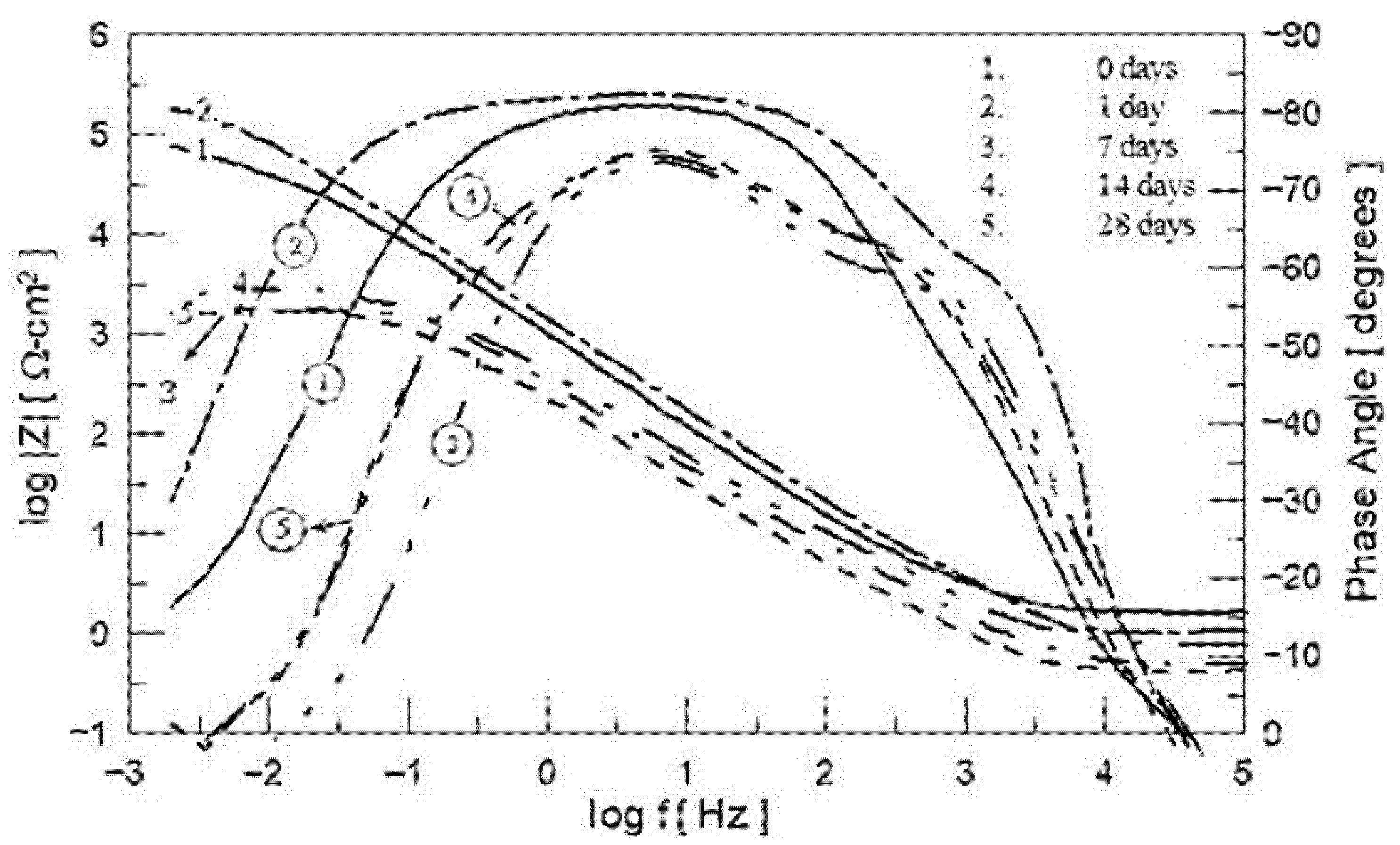
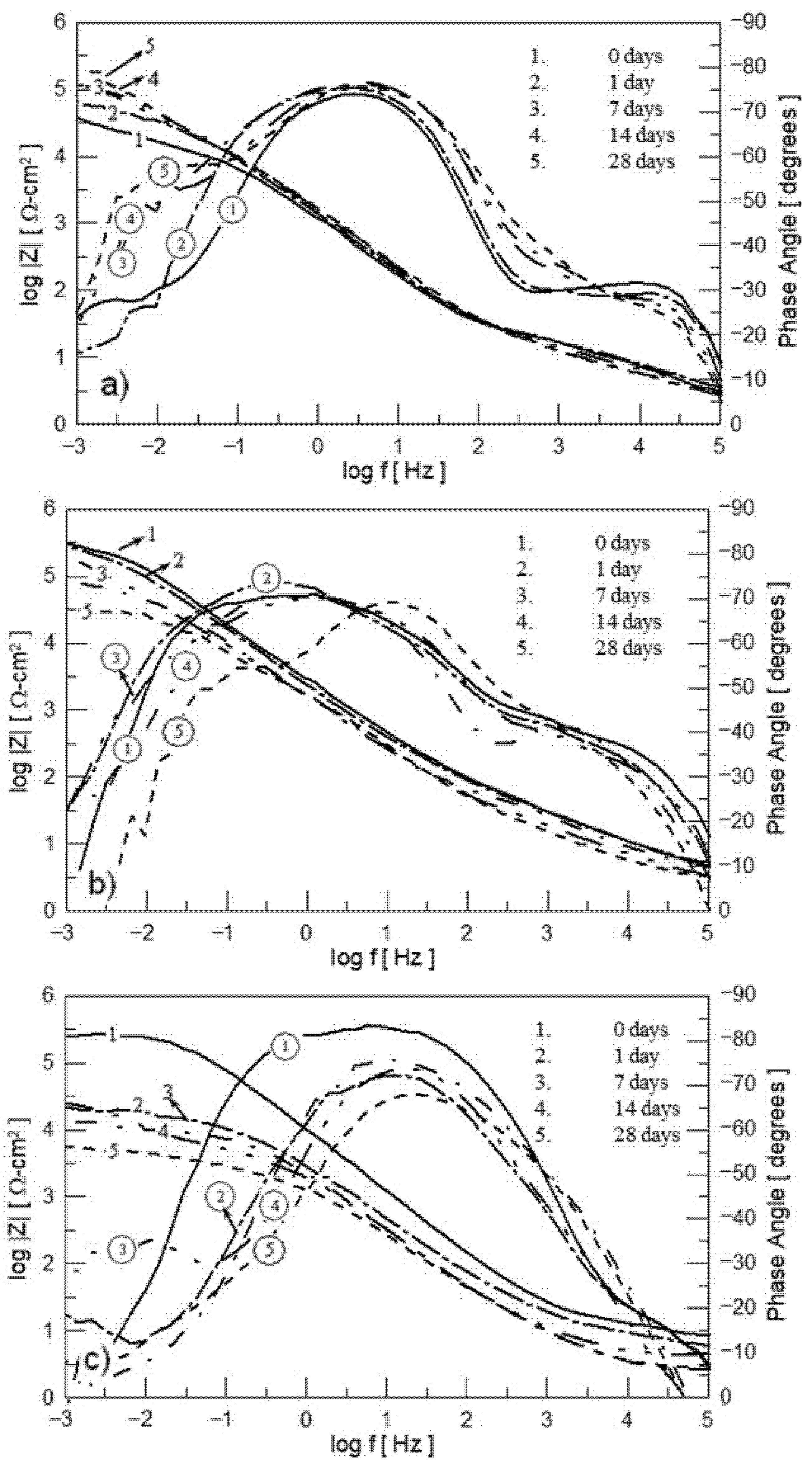
3.6. Electrochemical Impedance Spectroscopy Test for Corrosion Behavior
4. Conclusions
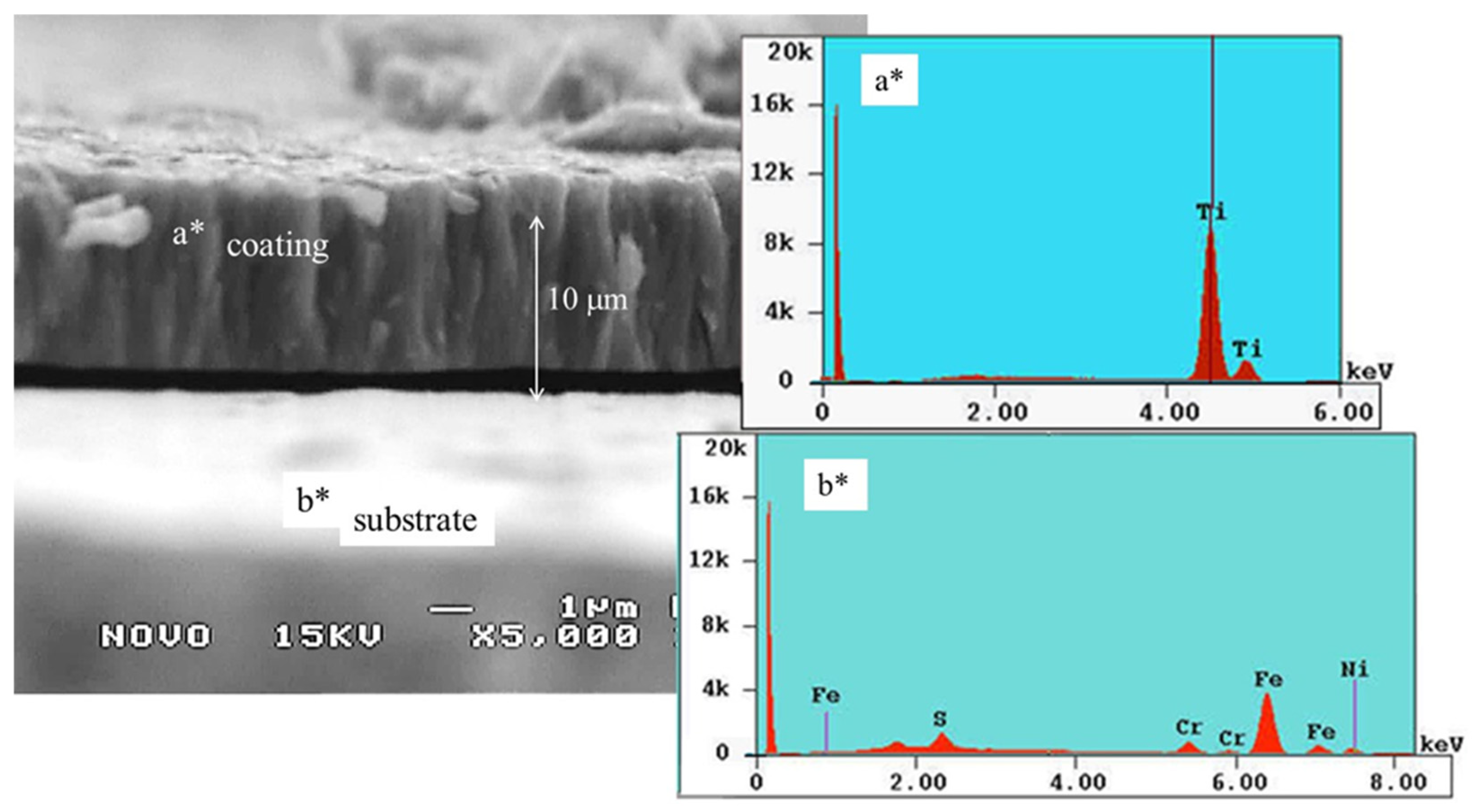
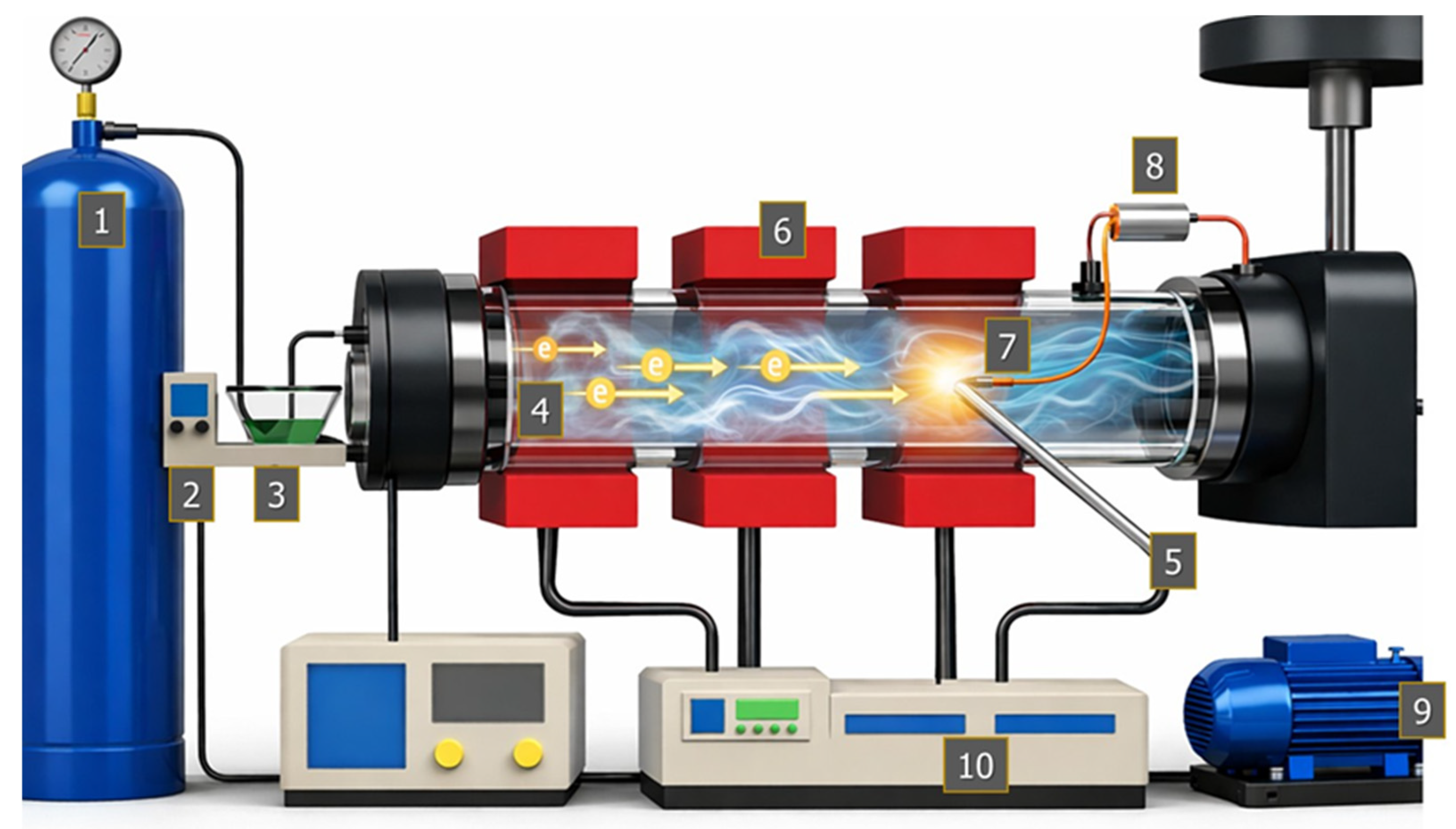
- TiO2 coatings were successfully deposited on 316SS substrates using a laboratory-scale horizontal hot-wall tubular reactor based on the MOCVD method. The results of this research validate the feasibility and reproducibility of this in-laboratory engineered system for producing nanostructured coatings.
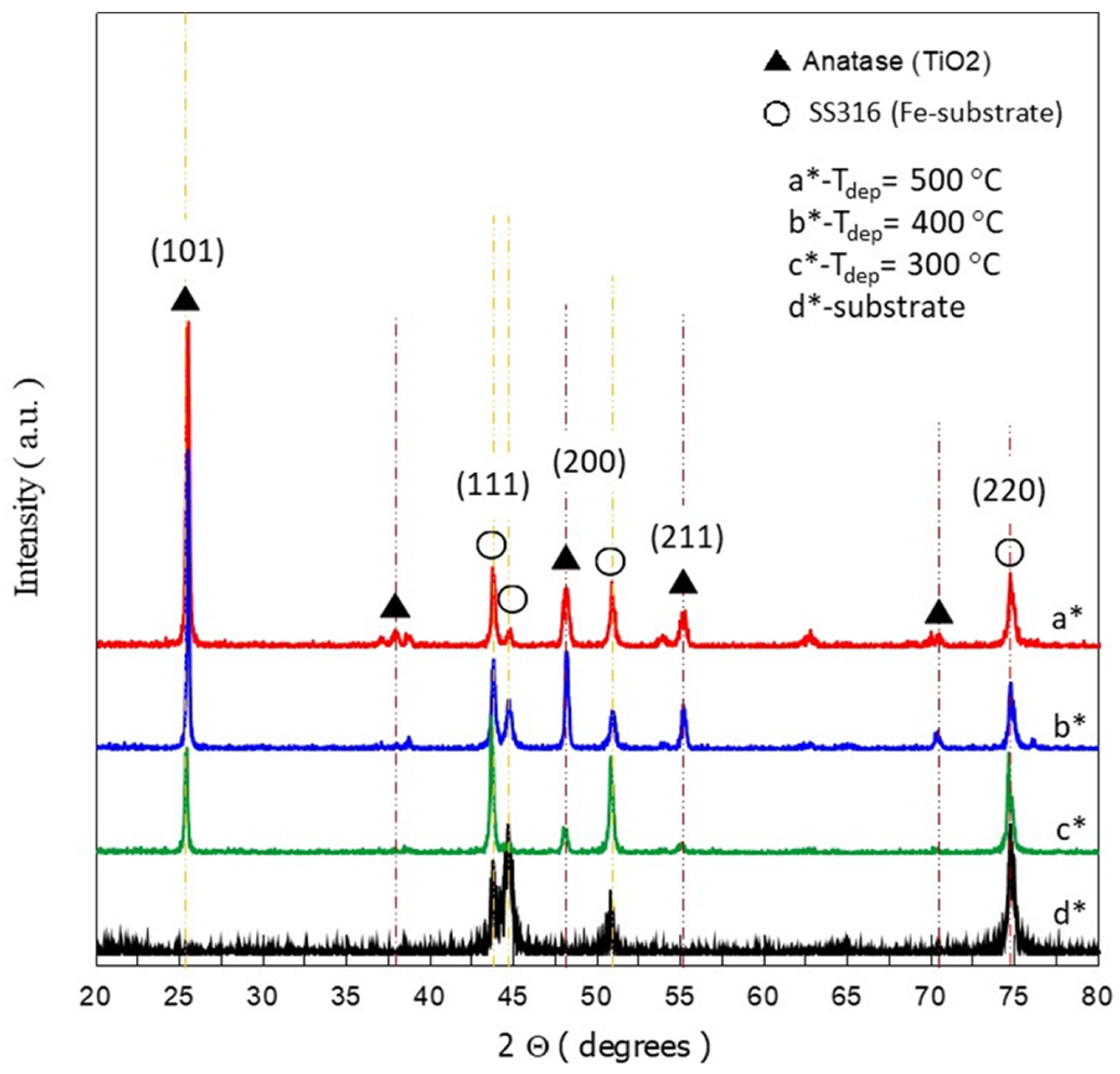
- A clear correlation between deposition temperature (Tdep) and crystallinity was found in this research. Coating deposited in the range of 400 to 500 °C exhibits a well-defined (101) diffraction peak, characteristic of the anatase phase and indicative of a highly crystalline structure. In contrast, coatings deposited at lower temperatures (300 °C) show a weaker anatase signal, suggesting poorer crystallinity.
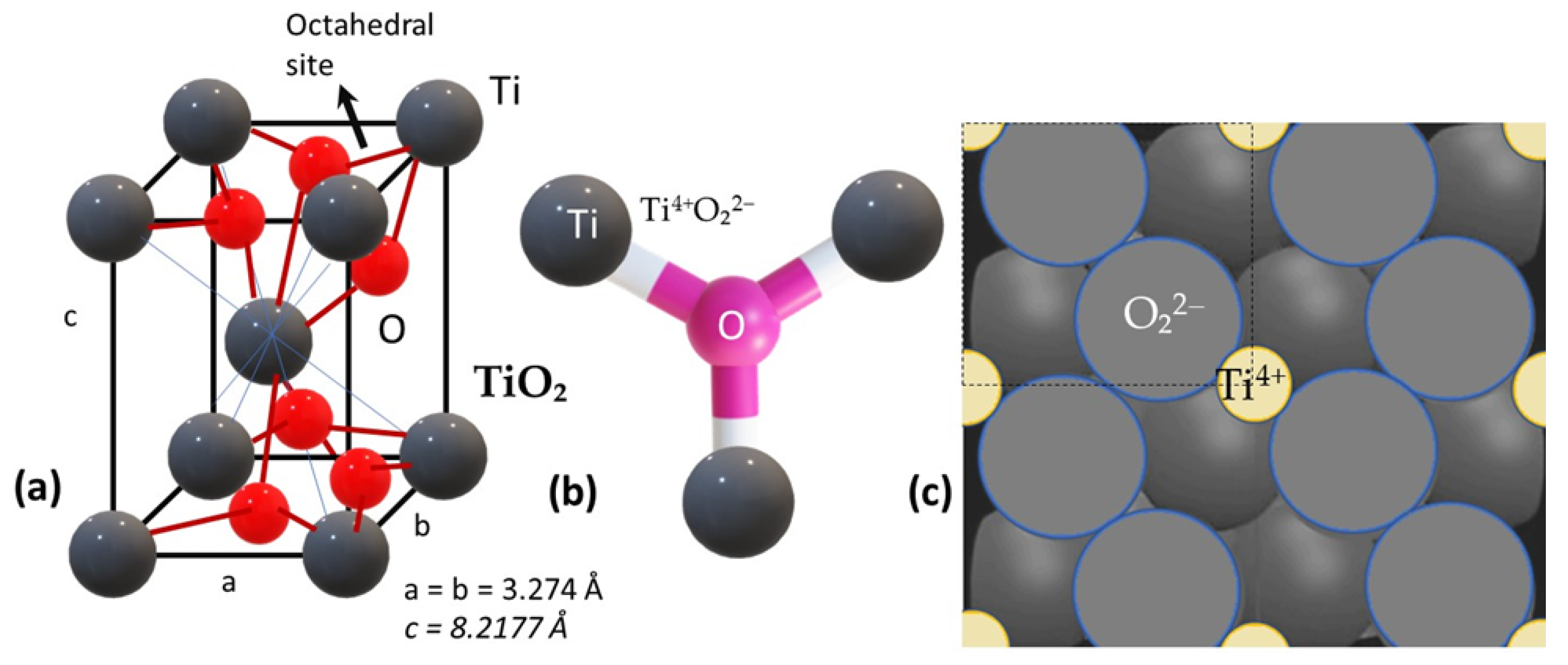
- By X-ray analysis, this research demonstrates that anatase is the dominant phase, confirming that deposition temperature promotes the formation of a well-ordered anatase lattice. The pronounced (101) diffraction peak observed at elevated temperatures indicates preferential orientation and high definition of this crystallographic plane, signaling the stabilization of the tetragonal anatase phase. In contrast, coatings deposited at lower temperatures, near 300 °C, predominantly exhibit an amorphous structure.
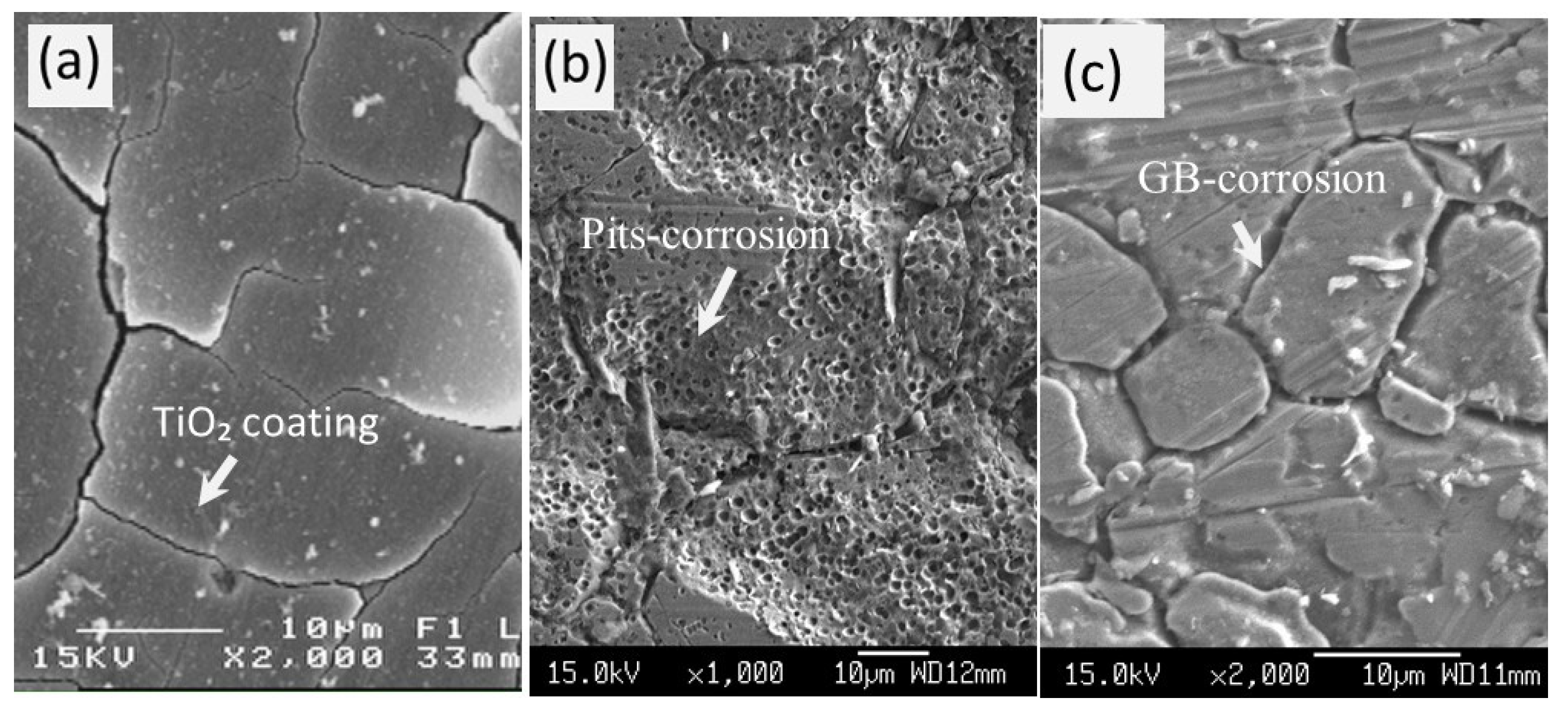
- The morphological evolution of TiO2 coatings with increasing deposition temperature clearly demonstrates a transition in structure from a kinetically controlled, porous, cauliflower-like configuration at 300 °C to more ordered columnar grains at 400 °C, and ultimately to thermodynamically stabilized, dense pyramidal faceting at 500 °C. This progression emphasizes the essential role of thermal energy in determining crystallinity, density, and faceted growth, highlighting the shift from kinetic to thermodynamic control during the formation of thin films.
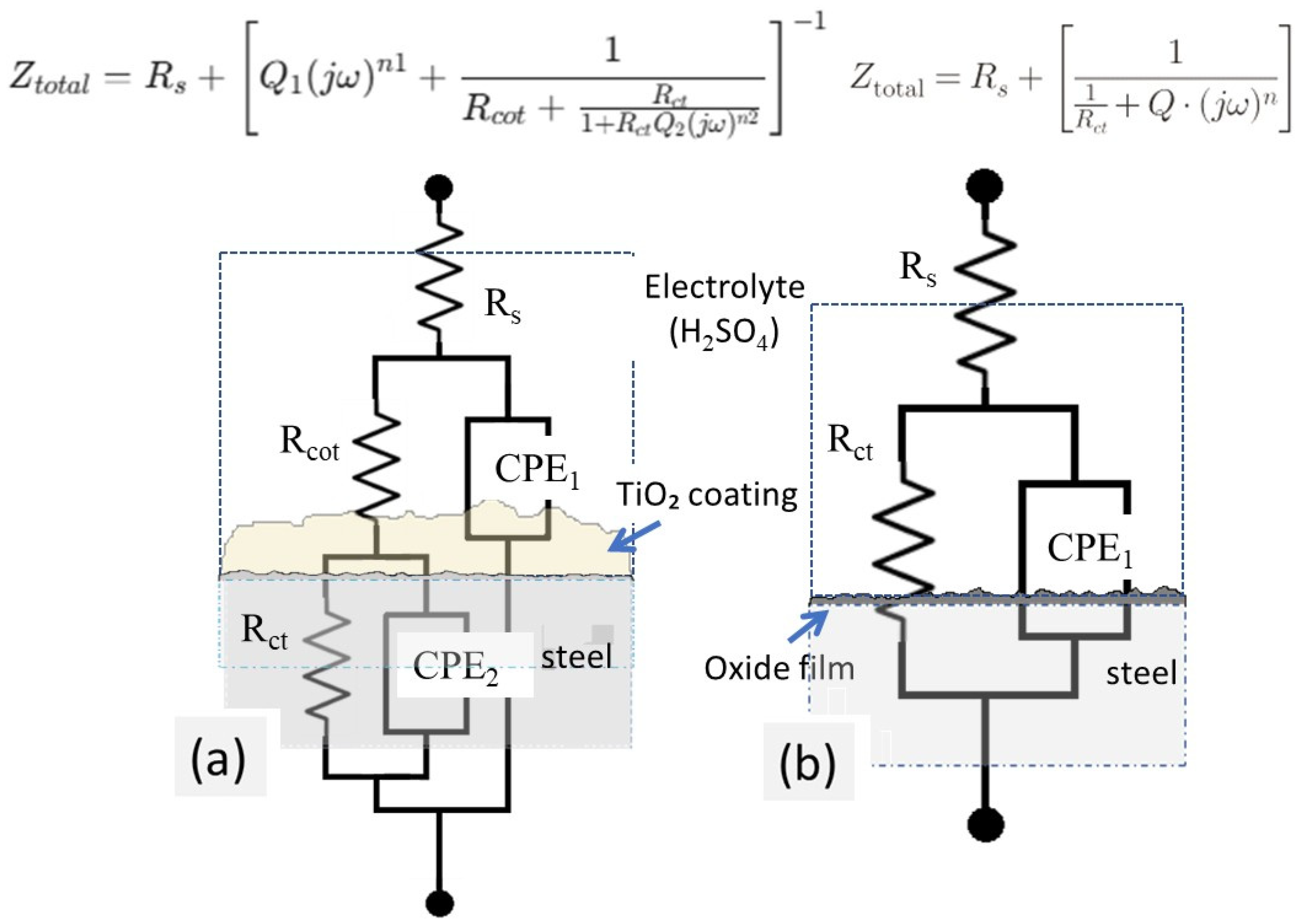
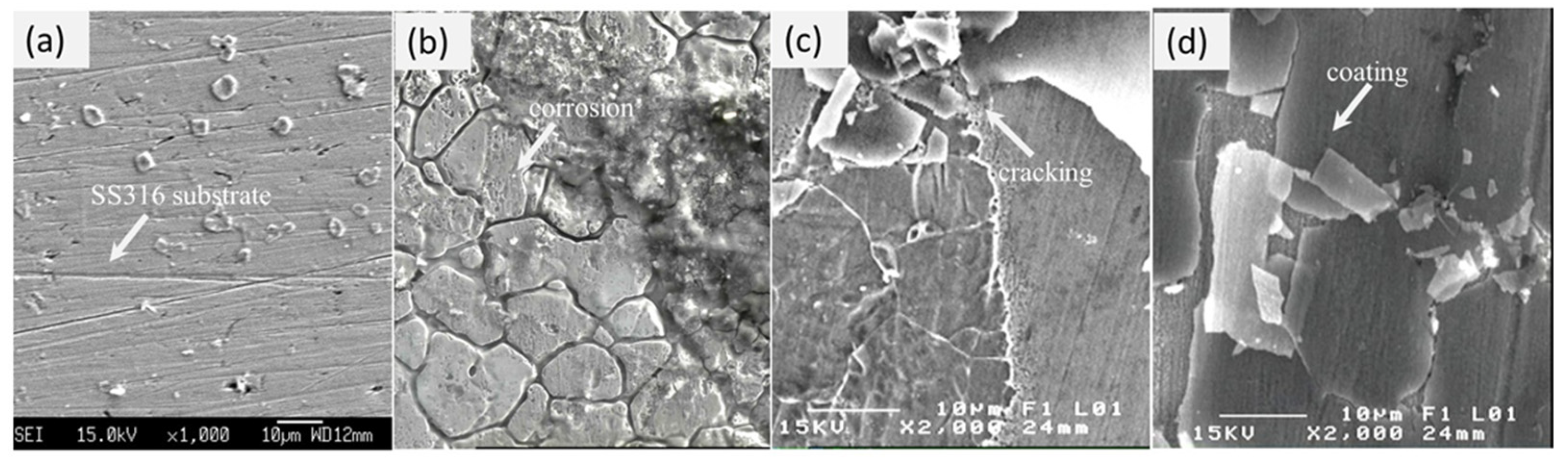
- The remarkable durability of stainless steel coated with TiO2 at 500 °C, resisting acid exposure for over 28 days. Electrochemical testing revealed that this enhancement is directly attributed to the coating’s microstructure: densely packed pyramidal-like anatase nanoparticles effectively impede charge-transfer pathways. While the untreated surface exhibits extensive pitting and intergranular corrosion, the coated surface preserves its integrity, even with minor coating defects.
- TiO2 coatings markedly improve the corrosion resistance of stainless steel, as evidenced by the electrochemical test of Anodic Polarization (AP), which shows a significant reduction in corrosion current density. The film deposited at 400 °C achieves an Icorr (1.9 × 10⁻⁶ A/cm2), nearly two orders of magnitude lower than the as-received substrates (as polished 0.6 × 10⁻⁴ A/cm2), while the coating at 300 °C maintains consistently 3.0 × 10⁻⁵ A/cm2. A lower value of Icorr (8.0 × 10⁻⁶ A/cm2) was measured for the coating deposited at 500 °C. This result confirms the excellent protective performance of TiO2 coatings and highlights deposition temperature as a decisive factor in optimizing their effectiveness, as changes in coating morphology and structure occur.
- The cyclic voltammetry (CV) data support the protective findings by showing a significant suppression of anodic current peaks as the deposition temperature increases. Notably, at 500 °C, the anodic current density decreases by more than three orders of magnitude (1.2 × 10⁻⁵ A/cm2) relative to the bare substrate (as-polished, 4.87 × 10⁻² A/cm2), indicating the highest protective efficiency and a marked reduction in redox activity.
- Electrochemical Impedance Spectroscopy (EIS) results corroborate the trend in deposition temperature over immersion time. The charge-transfer resistance (Rct) increases from 0.2 KΩ·cm2 for the bare substrate to nearly 297 KΩ·cm2 for the coating deposited at 500 °C after prolonged immersion of 28 days in accelerated 0.5 M sulfuric acid. At the same time, double-layer capacitance (Cdl) decreases sharply from 590 to 2.7 μF/cm2, confirming the formation of a highly effective protective TiO2 barrier layer.
- In conclusion, the MOCVD deposition temperature (Tdep) emerged as a decisive factor in determining the structural and morphological properties of the TiO2 coatings, consequently affecting their corrosion protection performance. The findings confirm that increasing Tdep from 300 to 500 °C not only promoted coating densification and improved adhesion but also favored phase evolution through diffusion kinetics.
Author Contributions
Funding
Data Availability Statement
Acknowledgments
Conflicts of Interest
References
- Shih, C.-C.; Shih, C.-M.; Su, Y.-Y.; Su, L.H.J.; Chang, S.M.; Lin, S.-J. Effect of surface oxide properties on corrosion resistance of 316L stainless steel for biomedical applications. Corros. Sci. 2004, 46, 427–441. [Google Scholar] [CrossRef] [Scilit]
- Bekmurzayeva, A.; Duncanson, W.J.; Azevedo, H.S.; Kanayeva, D. Surface modification of stainless steel for biomedical applications: Revisiting a century-old material. Mater. Sci. Eng. C 2018, 93, 1073–1089. [Google Scholar] [CrossRef] [Scilit] [PubMed]
- Manam, N.S.; Harun, W.S.W.; Shri, D.N.A.; Ghani, S.A.C.; Kurniawan, T.; Ismail, M.H.; Ibrahim, M.H.I. Study of corrosion in biocompatible metals for implants: A review. J. Alloys Compd. 2017, 701, 698–715. [Google Scholar] [CrossRef] [Scilit]
- Ko, G.; Kim, W.; Kwon, K.; Lee, T.-K. The Corrosion of Stainless Steel Made by Additive Manufacturing: A Review. Metals 2021, 11, 516. [Google Scholar] [CrossRef] [Scilit]
- Sabará, E.W.F.; Pereira, V.; Molisani, A.L.; Caldeira, L.; Souza, R.C.; Simões, T.A.; Bueno, A.H.S. Electrochemical behaviour and microstructural characterization of different austenitic stainless steel for biomedical applications. Mater. Res. Express 2020, 7, 105402. [Google Scholar] [CrossRef] [Scilit]
- Nagarajan, S.; Mohana, M.; Sudhagar, P.; Raman, V.; Nishimura, T.; Kim, S.; Kang, Y.S.; Rajendran, N. Nanocomposite Coatings on Biomedical Grade Stainless Steel for Improved Corrosion Resistance and Biocompatibility. ACS Appl. Mater. Interfaces 2012, 4, 5134–5141. [Google Scholar] [CrossRef] [Scilit]
- Lo, K.H.; Shek, C.H.; Lai, J.K.L. Recent developments in stainless steels. Mater. Sci. Eng. R Rep. 2009, 65, 39–104. [Google Scholar] [CrossRef] [Scilit]
- Li, D.; Liu, Q.; Wang, W.; Jin, L.; Xiao, H. Corrosion Behavior of AISI 316L Stainless Steel Used as Inner Lining of Bimetallic Pipe in a Seawater Environment. Materials 2021, 14, 1539. [Google Scholar] [CrossRef] [Scilit]
- Fossati, A.; Borgioli, F.; Galvanetto, E.; Bacci, T. Corrosion resistance properties of glow-discharge nitrided AISI 316L austenitic stainless steel in NaCl solutions. Corros. Sci. 2006, 48, 1513–1527. [Google Scholar] [CrossRef] [Scilit]
- Khatak, H.S.; Raj, B. Corrosion of Austenitic Stainless Steels: Mechanism, Mitigation and Monitoring; Woodhead Publishing: Cambridge, UK, 2002. [Google Scholar]
- Röttger, A.; Boes, J.; Theisen, W.; Thiele, M.; Esen, C.; Edelmann, A.; Hellmann, R. Microstructure and mechanical properties of 316L austenitic stainless steel processed by different SLM devices. Int. J. Adv. Manuf. Technol. 2020, 108, 769–783. [Google Scholar] [CrossRef] [Scilit]
- Olsson, C.O.A.; Landolt, D. Passive films on stainless steels—Chemistry, structure and growth. Electrochim. Acta 2003, 48, 1093–1104. [Google Scholar] [CrossRef] [Scilit]
- Schmuki, P. From Bacon to barriers: A review on the passivity of metals and alloys. J. Solid State Electrochem. 2002, 6, 145–164. [Google Scholar] [CrossRef] [Scilit]
- Pardo, A.; Merino, M.; Coy, A.; Viejo, F.; Arrabal, R.; Matykina, E. Effect of Mo and Mn additions on the corrosion behaviour of AISI 304 and 316 stainless steels in H2SO4. Corros. Sci. 2008, 50, 780–794. [Google Scholar] [CrossRef] [Scilit]
- Hashimoto, K.; Asami, K.; Kawashima, A.; Habazaki, H.; Akiyama, E. The role of corrosion-resistant alloying elements in passivity. Corros. Sci. 2007, 49, 42–52. [Google Scholar] [CrossRef] [Scilit]
- Wang, Z.; Paschalidou, E.-M.; Seyeux, A.; Zanna, S.; Maurice, V.; Marcus, P. Mechanisms of Cr and Mo Enrichments in the Passive Oxide Film on 316L Austenitic Stainless Steel. Front. Mater. 2019, 6, 232. [Google Scholar] [CrossRef] [Scilit]
- Yang, Y.; Zhao, F.; Ling, Y.; Yang, X.; Gu, Y.; Zhang, Z. Comparisons of Air and Water Oxidation on the Passive Properties of Chromium. J. Mater. Eng. Perform. 2024, 33, 14318–14328. [Google Scholar] [CrossRef] [Scilit]
- Sequeira, C.A.; Santos, D.M.; Sousa, J.R.; Brito, P. The Mechanism of Oxide Film Formation on AISI 316 Stainless Steel in Sulphate Solutions. ECS Trans. 2009, 16, 67. [Google Scholar] [CrossRef] [Scilit]
- Sedriks, A.J. Corrosion of Stainless Steels; John Wiley & Sons: Hoboken, NJ, USA, 1996. [Google Scholar]
- Garfias-Garcia, E.; Colin-Paniagua, F.A.; Herrera-Hernández, H.; Juarez-Garcia, J.M.; Palomar-Pardavé, M.E.; Romero-Romo, M.R. Electrochemical and Microscopy Study of Localized Corrosion on a Sensitized Stainless Steel AISI 304. ECS Trans. 2010, 29, 93. [Google Scholar] [CrossRef] [Scilit]
- Sayadi, D.; Rajabi, S.; Nikouei, S.M.; Khajehzadeh, M. Enhancing corrosion resistance of additive manufactured 316L stainless steel in a physiological environment by remelting strategy for biomedical implants applications. Int. J. Adv. Manuf. Technol. 2025, 141, 1451–1468. [Google Scholar] [CrossRef] [Scilit]
- Gao, J.; Cao, Y.; Ma, Y.; Zheng, K.; Zhang, M.; Hei, H.; Gong, H.; Yu, S.; Kuai, P.; Liu, K. Wear, Corrosion, and Biocompatibility of 316L Stainless Steel Modified by Well-Adhered Ta Coatings. J. Mater. Eng. Perform. 2022, 31, 8784–8798. [Google Scholar] [CrossRef] [Scilit]
- Evangeline, A.; Sathiya, P. Dissimilar Cladding of Ni–Cr–Mo Superalloy over 316L Austenitic Stainless Steel: Morphologies and Mechanical Properties. Met. Mater. Int. 2021, 27, 1155–1172. [Google Scholar] [CrossRef] [Scilit]
- Fu, Y.; Dong, H.; Ma, S.; Zhang, J.; Zheng, L.; Fu, C. Microstructure and Corrosion Resistance of Ni-Cr-Mo-Si/Cr3C2 Coatings Prepared by Laser Cladding. Mater. Corros. 2025, 76, 1526–1537. [Google Scholar] [CrossRef] [Scilit]
- Nikolova, M.P.; Tzvetkov, I. Influence of Deposition Temperature on Microstructure and Properties of Tantalum Oxide Sputtered Coatings. Materials 2025, 18, 1895. [Google Scholar] [CrossRef] [Scilit] [PubMed]
- Zakaria, M.B.; Elmorsi, M.A.; Ebeid, E.-Z.M. Nanostructured TiO2 Coated Stainless Steel for Corrosion Protection. J. Nanosci. Nanotechnol. 2016, 16, 9215–9222. [Google Scholar] [CrossRef] [Scilit]
- Garcia-Perez, V.I.; Hotchkiss, K.M.; Silva-Bermudez, P.; Hernández, M.M.; Prado-Prone, G.; Olivares-Navarrete, R.; E Rodil, S.; Almaguer-Flores, A. Amorphous TiO2 nano-coating on stainless steel to improve its biological response. Biomed. Mater. 2024, 19, 055037. [Google Scholar] [CrossRef] [Scilit]
- Lakkimsetty, N.R.; Al Qaidi, M.A.A.; Joy, V.M.; S, K.; Shaik, F. Anti-corrosion behaviour of TiO2-nanocomposites coated stainless steel. Mater. Today Proc. 2023, 80, 641–647. [Google Scholar] [CrossRef] [Scilit]
- Hosseinalipour, S.; Ershad-Langroudi, A.; Hayati, A.N.; Nabizade-Haghighi, A. Characterization of sol–gel coated 316L stainless steel for biomedical applications. Prog. Org. Coat. 2010, 67, 371–374. [Google Scholar] [CrossRef] [Scilit]
- Ćurković, L.; Ćurković, H.O.; Salopek, S.; Renjo, M.M.; Šegota, S. Enhancement of corrosion protection of AISI 304 stainless steel by nanostructured sol–gel TiO2 films. Corros. Sci. 2013, 77, 176–184. [Google Scholar] [CrossRef] [Scilit]
- Sunil, A.; Gopika, M.S.; Jayasudha, S.; Nair, P.B. Multifunctional applications of TiO2 thin films synthesized by sol–gel dip coating technique. J. Sol-Gel Sci. Technol. 2024, 110, 346–362. [Google Scholar] [CrossRef] [Scilit]
- Benzait, Z.; Tatar, D.; Ertugrul, M. Effect of oxygen addition on the formation of anatase TiO2 nano-coatings obtained by spray pyrolysis technique. J. Appl. Res. Technol. 2018, 16, 1–8. [Google Scholar] [CrossRef] [Scilit]
- Gardon, M.; Guilemany, J.M. Milestones in Functional Titanium Dioxide Thermal Spray Coatings: A Review. J. Therm. Spray Technol. 2014, 23, 577–595. [Google Scholar] [CrossRef] [Scilit]
- Hou, X.; Choy, K.-L. Deposition mechanism and structural characterization of TiO2 films produced using ESAVD method. Surf. Coat. Technol. 2004, 180–181, 15–19. [Google Scholar] [CrossRef]
- Nezar, S.; Saoula, N.; Sali, S.; Faiz, M.; Mekki, M.; Laoufi, N.A.; Tabet, N. Properties of TiO2 thin films deposited by rf reactive magnetron sputtering on biased substrates. Appl. Surf. Sci. 2017, 395, 172–179. [Google Scholar] [CrossRef] [Scilit]
- Escobar-Alarcón, L.; Haro-Poniatowski, E.; Camacho-López, M.; Fernández-Guasti, M.; Jímenez-Jarquín, J.; Sánchez-Pineda, A. Structural characterization of TiO2 thin films obtained by pulsed laser deposition. Appl. Surf. Sci. 1999, 137, 38–44. [Google Scholar] [CrossRef] [Scilit]
- Bernardi, M.I.B.; Lee, E.J.H.; Lisboa-Filho, P.N.; Leite, E.R.; Longo, E.; Souza, A.G. Influence of the growth parameters on TiO2 thin films deposited using the MOCVD method. Cerâmica 2002, 48, 192–198. [Google Scholar] [CrossRef] [Scilit]
- Piszczek, P.; Muchewicz, Ż.; Radtke, A.; Gryglas, M.; Dahm, H.; Różycki, H. CVD of TiO2 and TiO2/Ag antimicrobial layers: Deposition from the hexanuclear μ-oxo Ti(IV) complex as a precursor, and the characterization. Surf. Coat. Technol. 2013, 222, 38–43. [Google Scholar] [CrossRef] [Scilit]
- El Habra, N.; Visentin, F.; Russo, F.; Galenda, A.; Famengo, A.; Rancan, M.; Losurdo, M.; Armelao, L. Supported MOCVD TiO2 Thin Films Grown on Modified Stainless Steel Mesh for Sensing Applications. Nanomaterials 2023, 13, 2678. [Google Scholar] [CrossRef] [Scilit]
- Backman, U.; Auvinen, A.; Jokiniemi, J.K. Deposition of nanostructured titania films by particle-assisted MOCVD. Surf. Coat. Technol. 2005, 192, 81–87. [Google Scholar] [CrossRef] [Scilit]
- Antunes, R.A.; de Oliveira, M.C.L.; Pillis, M.F. Effect of the Deposition Temperature on the Corrosion Stability of TiO2 Films Prepared by Metal Organic Chemical Vapor Deposition. Int. J. Electrochem. Sci. 2013, 8, 1487–1500. [Google Scholar] [CrossRef] [Scilit]
- Popescu, S.; Demetrescu, I.; Sarantopoulos, C.; Gleizes, A.N.; Iordachescu, D. The biocompatibility of titanium in a buffer solution: Compared effects of a thin film of TiO2 deposited by MOCVD and of collagen deposited from a gel. J. Mater. Sci. Mater. Med. 2007, 18, 2075–2083. [Google Scholar] [CrossRef] [Scilit]
- Espinoza-Beltrán, F.; Che-Soberanis, O.; García-González, L.; Morales-Hernández, J. Effect of the substrate bias potential on crystalline grain size, intrinsic stress and hardness of vacuum arc evaporated TiN/c-Si coatings. Thin Solid Films 2003, 437, 170–175. [Google Scholar] [CrossRef] [Scilit]
- Morales Hernández, J.; Mandujano Ruíz, A.; Torrez-González, J.; Antaño López, R.; Castaño Zaldivar, F.; Espinoza Beltrán, F.J. Characterization of Thin Films Deposited by Physical Vapor Deposition (PVD), Using Electrochemical Impedance Spectroscopy (EIS) Technique. J. Mex. Chem. Soc. 2015, 59, 308–313. [Google Scholar] [CrossRef] [Scilit]
- Pérez, J.G.; Valero, J.A.M.d.O.; García, J.V.; Rosales, H.D. Preparation of nanostructured Al2O3–TiO2 composite films by MOCVD. J. Alloys Compd. 2010, 495, 617–619. [Google Scholar] [CrossRef] [Scilit]
- Trentin, A.; Mardoukhi, A.; Lambai, A.; Pohjanne, P.; Huttunen-Saarivirta, E. Pitting corrosion of austenitic and duplex stainless steels in dilute acids at elevated temperature: Effect of electrolyte chemistry and material microstructure. Corros. Sci. 2025, 247, 112769. [Google Scholar] [CrossRef] [Scilit]
- Huttunen-Saarivirta, E.; Isotahdon, E.; Que, Z.; Lindgren, M.; Mardoukhi, A.; Jorcin, J.-B.; Mocnik, P.; Kosec, T.; El Ouazari, Y.; Mameng, S.H.; et al. Pitting corrosion on highly alloyed stainless steels in dilute sulphuric acid containing sodium chloride. Electrochim. Acta 2023, 457, 142404. [Google Scholar] [CrossRef] [Scilit]
- Herrera Hernández, H. Protección a la Corrosión de Materiales Compuestos de Aluminio (Al/SiC-MMCs). Ph.D. Thesis, Instituto Politécnico Nacional, ESIQIE-IPN, Mexico City, Mexico, 2007. [Google Scholar]
- Herrera-Hernandez, H.; Vargas-Garcia, J.R.; Hallen-Lopez, J.M.; Mansfeld, F. Evaluation of different sealing methods for anodized aluminum-silicon carbide (Al/SiC) composites using EIS and SEM techniques. Mater. Corros. 2007, 58, 825–832. [Google Scholar] [CrossRef] [Scilit]
- Herrera-Hernández, H.; Franco-Tronco, M.I.; Miranda-Hernández, J.G.; Hernández-Sánchez, E.; Espinoza-Vázquez, A.; Fajardo, G. Gel de aloe-vera como potencial inhibidor de la corrosión del acero de refuerzo estructural. Av. Cienc. Ing. 2015, 6, 9–23. [Google Scholar]
- Herrera Hernández, H.; Ruiz Reynoso, A.M.; Trinidad González, J.C.; González Morán, C.O.; Miranda Hernández, J.G.; Mandujano Ruiz, A.; Morales Hernández, J.; Orozco Cruz, R. Electrochemical Impedance Spectroscopy (EIS): A Review Study of Basic Aspects of the Corrosion Mechanism Applied to Steels. In Electrochemical Impedance Spectroscopy; El-Azazy, M., Min, M., Annus, P., Eds.; IntechOpen: London, UK, 2020. [Google Scholar]
- Hernández, H.H.; Morán, C.O.G.; Hernández, G.L.; Ramírez-León, I.Z.; Romero, C.J.T.; Cárdenas, J.A.A.; Cuautle, J.d.J.A.F. Electrospinning Technology to Influence Hep-G2 Cell Growth on PVDF Fiber Mats as Medical Scaffolds: A New Perspective of Advanced Biomaterial. J. Compos. Sci. 2025, 9, 401. [Google Scholar] [CrossRef] [Scilit]
- Babelon, P.; Dequiedt, A.; Mostéfa-Sba, H.; Bourgeois, S.; Sibillot, P.; Sacilotti, M. SEM and XPS studies of titanium dioxide thin films grown by MOCVD. Thin Solid Films 1998, 322, 63–67. [Google Scholar] [CrossRef] [Scilit]
- Battiston, G.; Gerbasi, R.; Gregori, A.; Porchia, M.; Cattarin, S.; Rizzi, G. PECVD of amorphous TiO2 thin films: Effect of growth temperature and plasma gas composition. Thin Solid Films 2000, 371, 126–131. [Google Scholar] [CrossRef] [Scilit]
- Mathur, S.; Kuhn, P. CVD of titanium oxide coatings: Comparative evaluation of thermal and plasma assisted processes. Surf. Coat. Technol. 2006, 201, 807–814. [Google Scholar] [CrossRef] [Scilit]
- Battiston, G.A.; Gerbasi, R.; Porchia, M.; Marigo, A. Influence of substrate on structural properties of TiO2 thin films obtained via MOCVD. Thin Solid Films 1994, 239, 186–191. [Google Scholar] [CrossRef] [Scilit]
- Galenda, A.; Natile, M.M.; El Habra, N. Large-Scale MOCVD Deposition of Nanostructured TiO2 on Stainless Steel Woven: A Systematic Investigation of Photoactivity as a Function of Film Thickness. Nanomaterials 2022, 12, 992. [Google Scholar] [CrossRef] [Scilit] [PubMed]
- Cullity, B.D.; Stock, S.R. Elements of X-Ray Diffraction, 3rd ed.; Pearson Education: London, UK, 2001. [Google Scholar]
- Patterson, A.L. The Scherrer Formula for X-Ray Particle Size Determination. Phys. Rev. 1939, 56, 978–982. [Google Scholar] [CrossRef] [Scilit]
- Howard, C.J.; Sabine, T.M.; Dickson, F. Structural and thermal parameters for rutile and anatase. Acta Crystallogr. Sect. B 1991, 47, 462–468. [Google Scholar] [CrossRef] [Scilit]
- Treacy, J.P.W.; Hussain, H.; Torrelles, X.; Grinter, D.C.; Cabailh, G.; Bikondoa, O.; Nicklin, C.; Selcuk, S.; Selloni, A.; Lindsay, R.; et al. Geometric structure of anatase TiO2(101). Phys. Rev. B 2017, 95, 075416. [Google Scholar] [CrossRef] [Scilit]
- Diebold, U. The surface science of titanium dioxide. Surf. Sci. Rep. 2003, 48, 53–229. [Google Scholar] [CrossRef] [Scilit]
- Sun, H.; Xu, Z.; Zhang, D.; Peng, L.; Lai, X. Corrosion behavior of passivation layer Cr2O3 of uncoated stainless steel under the anodic and cathodic conditions: A first-principles study. Chem. Eng. J. 2024, 493, 152658. [Google Scholar] [CrossRef] [Scilit]
- Wang, L.; Seyeux, A.; Marcus, P. Thermal stability of the passive film formed on 316L stainless steel surface studied by ToF-SIMS. Corros. Sci. 2020, 165, 108395. [Google Scholar] [CrossRef] [Scilit]
- Burstein, G.T.; Pistorius, P.C. Surface Roughness and the Metastable Pitting of Stainless Steel in Chloride Solutions. Corrosion 1995, 51, 380–385. [Google Scholar] [CrossRef] [Scilit]
- Sato, N. An overview on the passivity of metals. Corros. Sci. 1990, 31, 1–19. [Google Scholar] [CrossRef] [Scilit]





| Parameter | Value/Description |
|---|---|
| Precursor | Titanium tetra-isopropoxide (TTIP), Ti(OC3H7)4, purity ≥ 98% |
| Vaporization temperature (TV) | 40 °C (bubbler heated to ensure precursor vaporization) |
| Carrier gas | Argon, high purity (99.999%) |
| Total reactor pressure | 1 torr |
| Carrier gas flow rate | 30 cm3/min |
| Substrate | 316 of Stainless-Steel plates (25 × 25 mm2, 1 mm thickness) |
| Substrate temperatures (Tdep) | 300–500 °C |
| Deposition Temperature °C | FWHM (°) | Crystallite Size (nm) | Interplanar Spacing d101 (nm) | Lattice Parameter a (nm) |
|---|---|---|---|---|
| 300 | 0.35 | 23.26 | 0.3511 | 0.3261 |
| 400 | 0.28 | 29.08 | 0.3517 | 0.3268 |
| 500 | 0.20 | 40.71 | 0.3524 | 0.3274 |
| Feature | Value/Description |
|---|---|
| Unit cell | Tetragonal, a = b ≈ 3.274 Å, c ≈ 8.2177 Å |
| Ti coordination | Octahedral (6 O neighbors) |
| O coordination | Trigonal planar (3 Ti neighbors) |
| Ti–O bond length | ~1.91–2.01 Å |
| Ionic radii | Ti4+ ≈ 0.605 Å; O2− ≈ 1.38 Å |
| (101) Plane | Most stable and defining facet in morphology |
| Deposition Temperature (°C) | Average Size of the Crystallites (nm) | Coating Thickness (μm) | Morphology |
|---|---|---|---|
| 300 | 23.26 | 5 | rounded spheres or clusters |
| 400 | 29.08 | 10 | vertical, elongated grains |
| 500 | 40.71 | 20 | pyramidal facet |
| Sample | Ecorr [mV] | Epit [mV] | Icorr [A/cm2] | Dominant Mechanism/ Coating Morphology |
|---|---|---|---|---|
| Polished | −270 | +800 | 0.6 × 10⁻⁴ | No oxide film; partial passivation, high susceptibility to corrosion |
| Unpolished | −300 | +950 | 8.5 × 10⁻⁴ | Native chromium oxide (Cr2O3) film; temporal passive stage |
| TiO2-300 °C | −150 | +500 | 3.0 × 10⁻⁵ | Cluster-like growth; disordered structure, structural defects; partial protection |
| TiO2-400 °C | 0 | +1400 | 1.9 × 10⁻⁶ | Columnar growth; stable passivation |
| TiO2-500 °C | +100 | +1500 | 8.0 × 10⁻⁶ | Pyramidal crystals assembly; fully dense, highly adherent barrier; excellent corrosion performance |
| Sample | * Ep1-Cr3+ [V/Ag/AgCl] | Ip1-Cr3+ (A/cm2) | ** Ep2-Cr6+ [V/Ag/AgCl] | Ip2-Cr6+ (A/cm2) | Stability Properties |
|---|---|---|---|---|---|
| Polished | 1.32 | 4.87 × 10⁻² | 1.60 | 3.48 × 10⁻² | Broad anodic peak; corrosion |
| Unpolished | 1.28 | 3.49 × 10⁻² | 1.60 | 2.80 × 10⁻² | Sharper anodic peak; pre-existing Cr2O3; stable passivation. |
| TiO2-300 °C | 1.20 | 1.54 × 10⁻³ | 1.60 | 1.71 × 10⁻³ | Pronounced Cr3+ oxidation; porous and less compact coating; moderate passivation. |
| TiO2-400 °C | 1.41 | 6.87 × 10⁻⁴ | 1.60 | 6.60 × 10⁻⁴ | Reduced anodic current; improved passivation |
| TiO2-500 °C | 1.22 | 1.20 × 10⁻⁵ | 1.60 | 8.67 × 10⁻⁵ | Strongly suppressed redox activity; highest protective efficiency. |
| Sample | Rs [Ω-cm2] | Rct [KΩ-cm2] | Cdl [μF/cm2] | θ-PHASEmax [°]/[Hz] | Stability Property | |
|---|---|---|---|---|---|---|
| TiO2-500 | 2.97 | 296.9 | 2.7 | −75 | 3.98 | High protection, intact barrier; slow degradation kinetics |
| TiO2-400 | 3.25 | 30.88 | 116.1 | −72 | 8.46 | Moderate protection; progressive electrolyte ingress |
| TiO2-300 | 2.87 | 3.31 | 151.3 | −68 | 26.20 | Low protection; rapid barrier failure; charge-transfer dominated |
| 316SS-substrate | 2.5 | 0.2 | 590 | −74 | 6.31 | Significant film degradation; corrosion developing on metal, charge transfer dominated |
Disclaimer/Publisher’s Note: The statements, opinions and data contained in all publications are solely those of the individual author(s) and contributor(s) and not of MDPI and/or the editor(s). MDPI and/or the editor(s) disclaim responsibility for any injury to people or property resulting from any ideas, methods, instructions or products referred to in the content. |
© 2026 by the authors. Licensee MDPI, Basel, Switzerland. This article is an open access article distributed under the terms and conditions of the Creative Commons Attribution (CC BY) license.
Share and Cite
Hernández, H.H.; Galaviz-Pérez, J.A.; Hernández Cruz, M.G.; Hernández, J.M.; Dorantes Rosales, H.J.; Flores Cuautle, J.J.A.; Lara Hernández, G.; Díaz Cruz, M. MOCVD Nano-Structured TiO2 Coatings for Corrosion Protection of Stainless Steel in Accelerated Sulfuric Acid. Physchem 2026, 6, 24. https://doi.org/10.3390/physchem6020024
Hernández HH, Galaviz-Pérez JA, Hernández Cruz MG, Hernández JM, Dorantes Rosales HJ, Flores Cuautle JJA, Lara Hernández G, Díaz Cruz M. MOCVD Nano-Structured TiO2 Coatings for Corrosion Protection of Stainless Steel in Accelerated Sulfuric Acid. Physchem. 2026; 6(2):24. https://doi.org/10.3390/physchem6020024
Chicago/Turabian StyleHernández, Héctor Herrera, Jorge A. Galaviz-Pérez, María Guadalupe Hernández Cruz, Jorge Morales Hernández, Héctor J. Dorantes Rosales, J. J. A. Flores Cuautle, G. Lara Hernández, and Manuela Díaz Cruz. 2026. "MOCVD Nano-Structured TiO2 Coatings for Corrosion Protection of Stainless Steel in Accelerated Sulfuric Acid" Physchem 6, no. 2: 24. https://doi.org/10.3390/physchem6020024
APA StyleHernández, H. H., Galaviz-Pérez, J. A., Hernández Cruz, M. G., Hernández, J. M., Dorantes Rosales, H. J., Flores Cuautle, J. J. A., Lara Hernández, G., & Díaz Cruz, M. (2026). MOCVD Nano-Structured TiO2 Coatings for Corrosion Protection of Stainless Steel in Accelerated Sulfuric Acid. Physchem, 6(2), 24. https://doi.org/10.3390/physchem6020024