
Physiological and Metabolic Adaptations of Halotolerant Filamentous Fungus Trichoderma afroharzianum to Salt Stress

 , , ,
, , ,  ,
,  , and
, and
Abstract
1. Introduction
2. Results
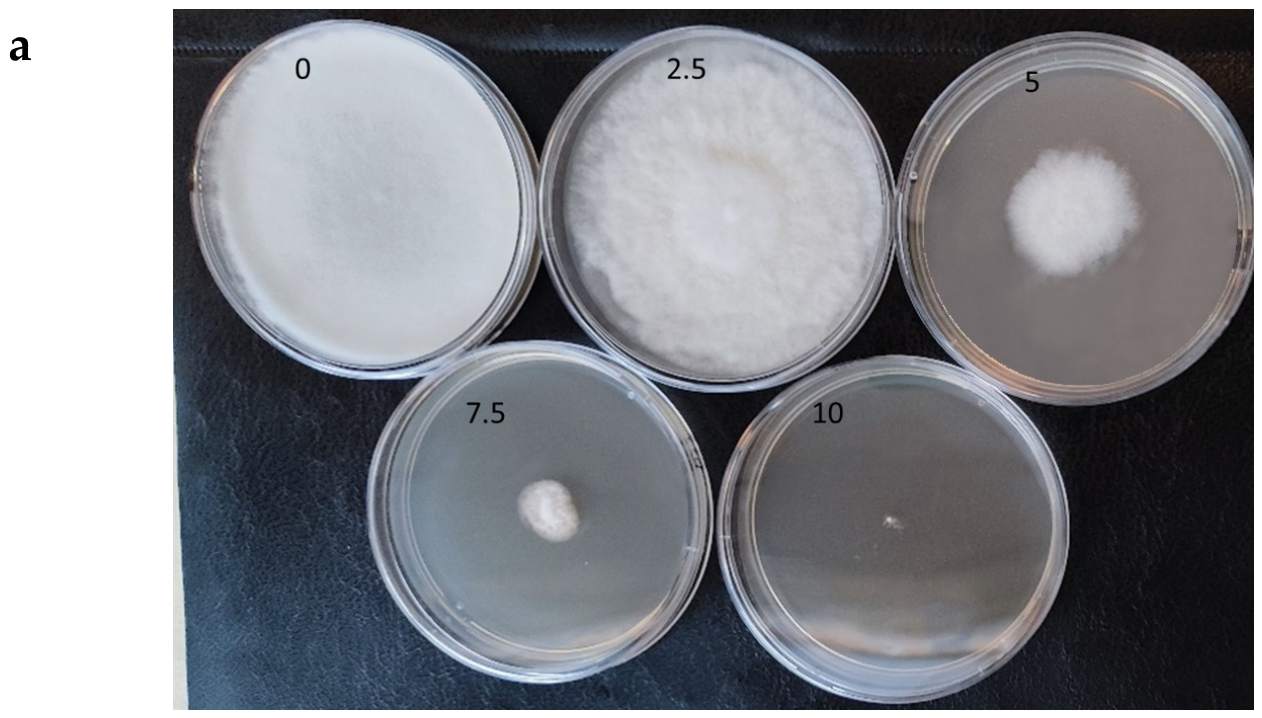
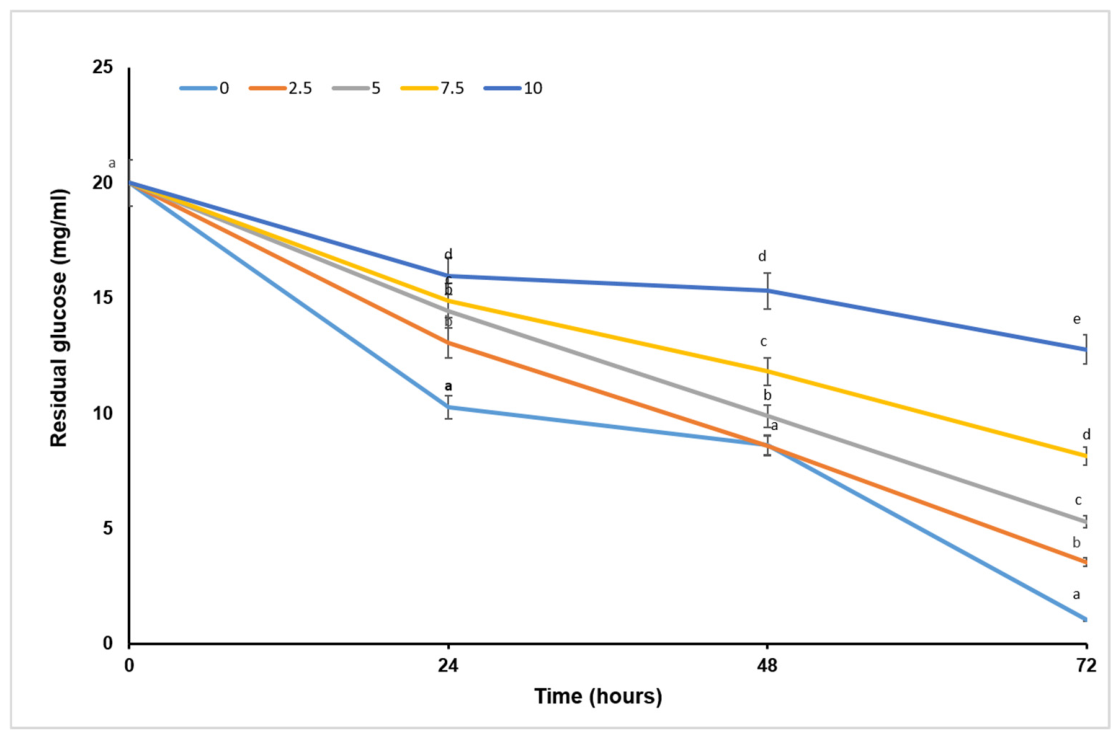
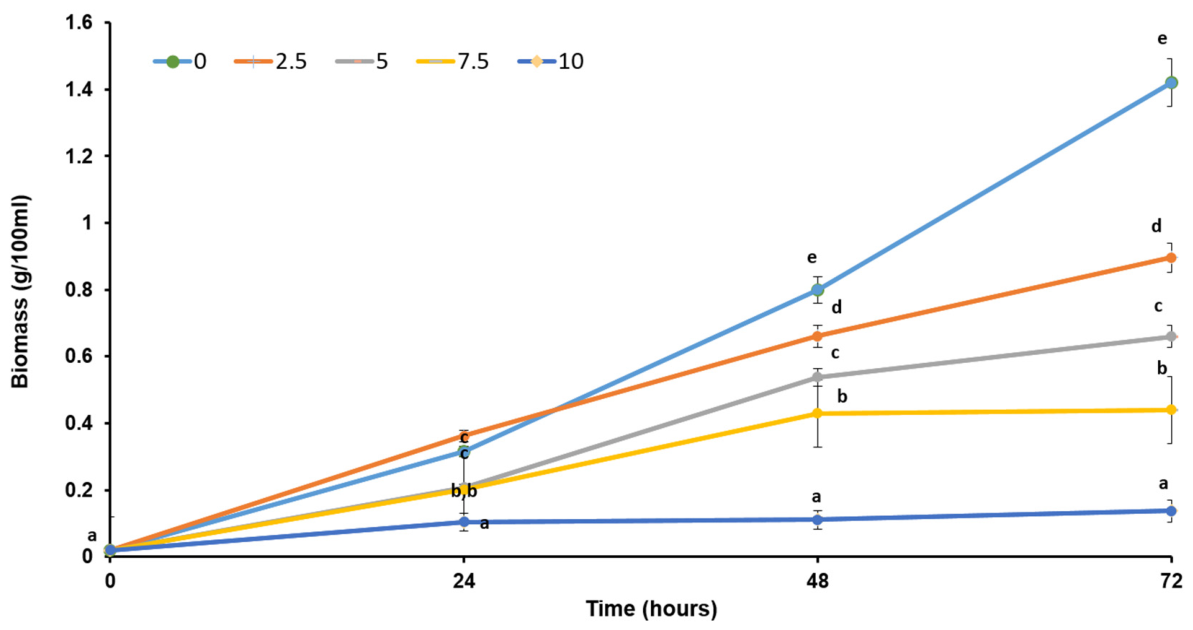
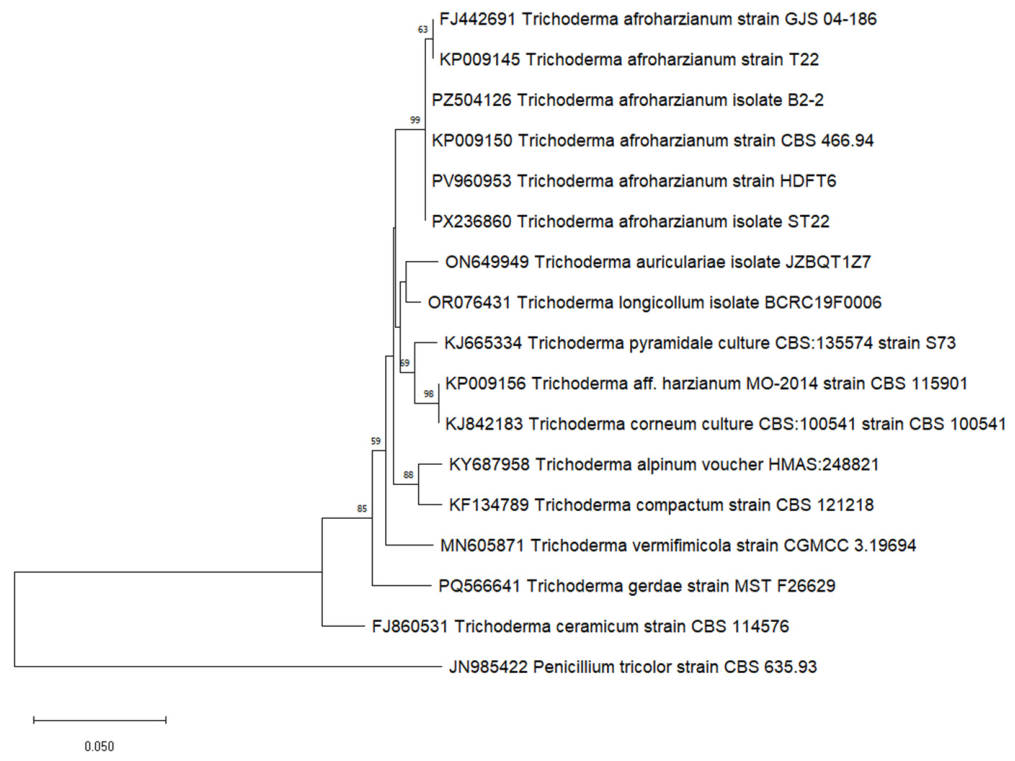
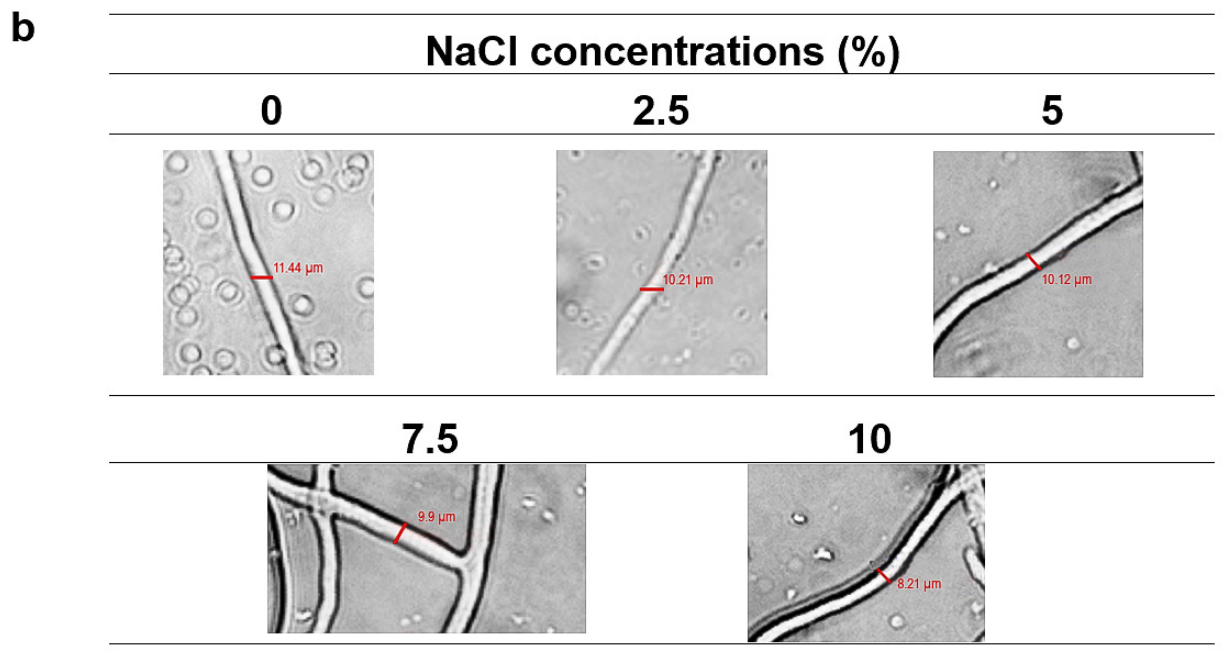
2.1. Morphological and Physiological Characteristics of the Strain Trichoderma afroharzianum B 2.2
2.2. Relationship Between High Salinity and Oxidative Stress
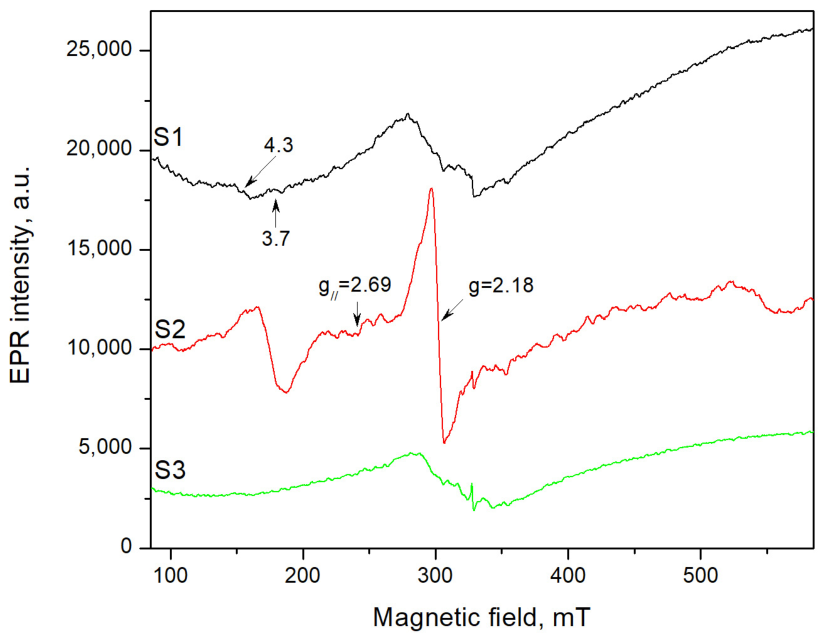
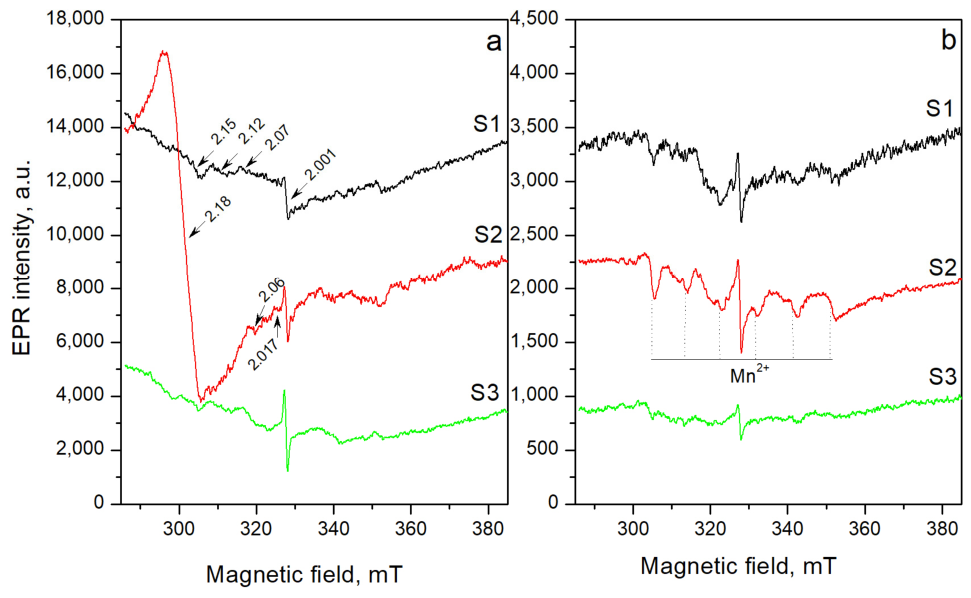
2.2.1. EPR Analysis of Paramagnetic Centers in Mycelium Under Salt Stress
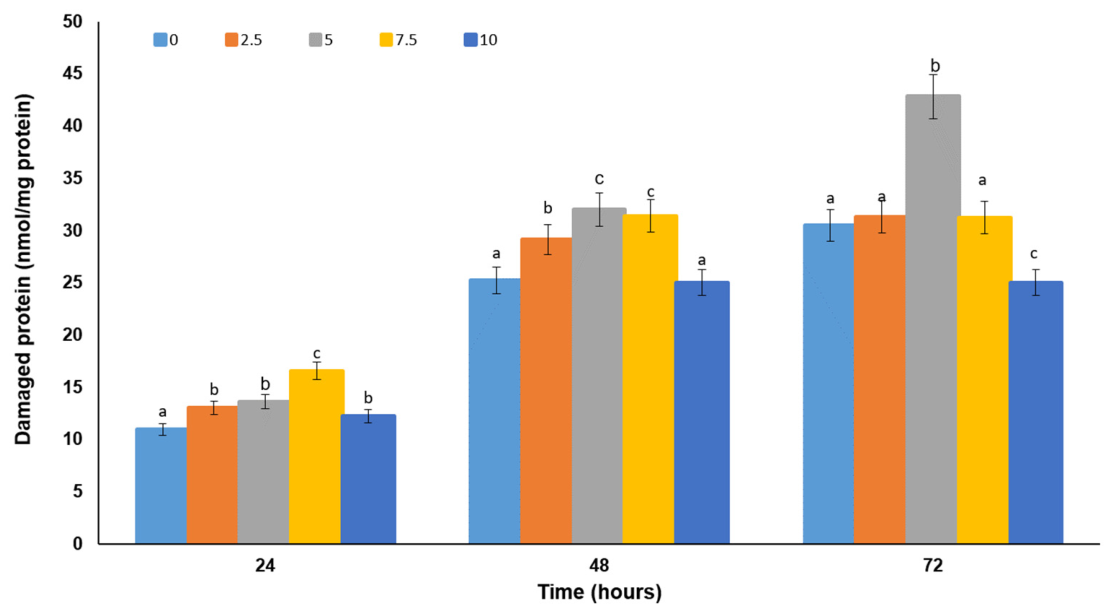
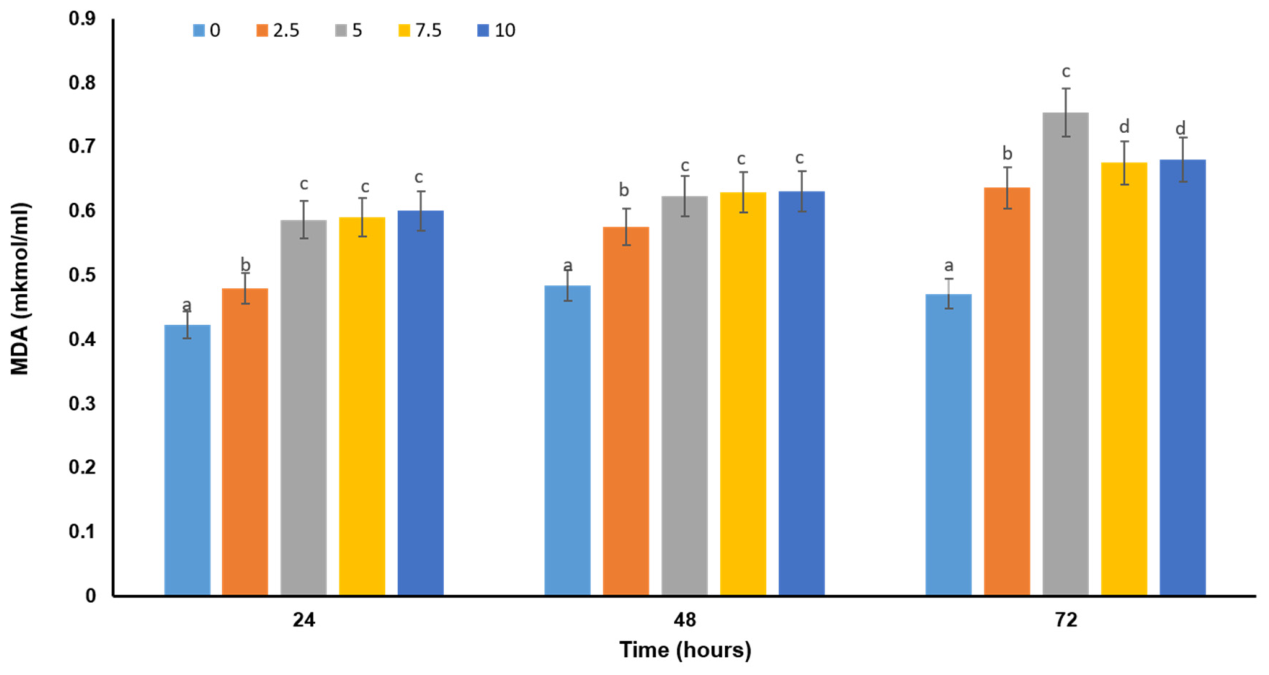
2.2.2. Biomarkers of Oxidative Stress Under High-Salinity Growth Conditions
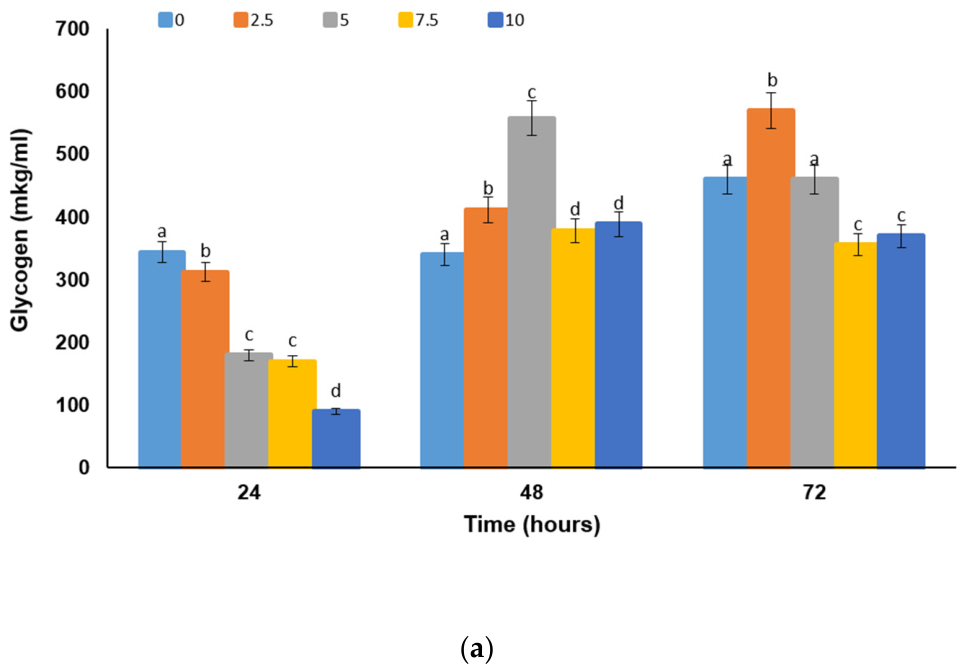
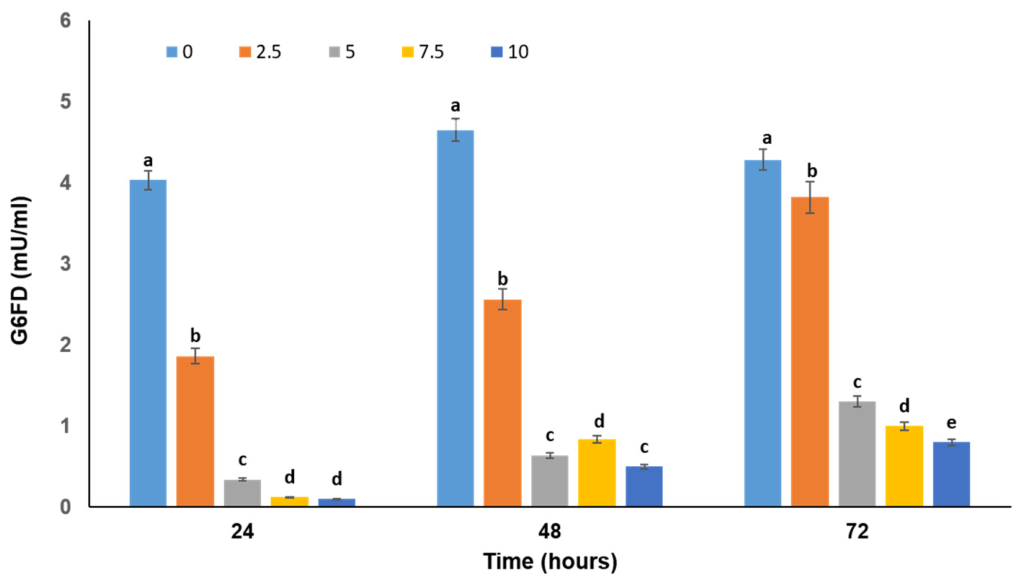
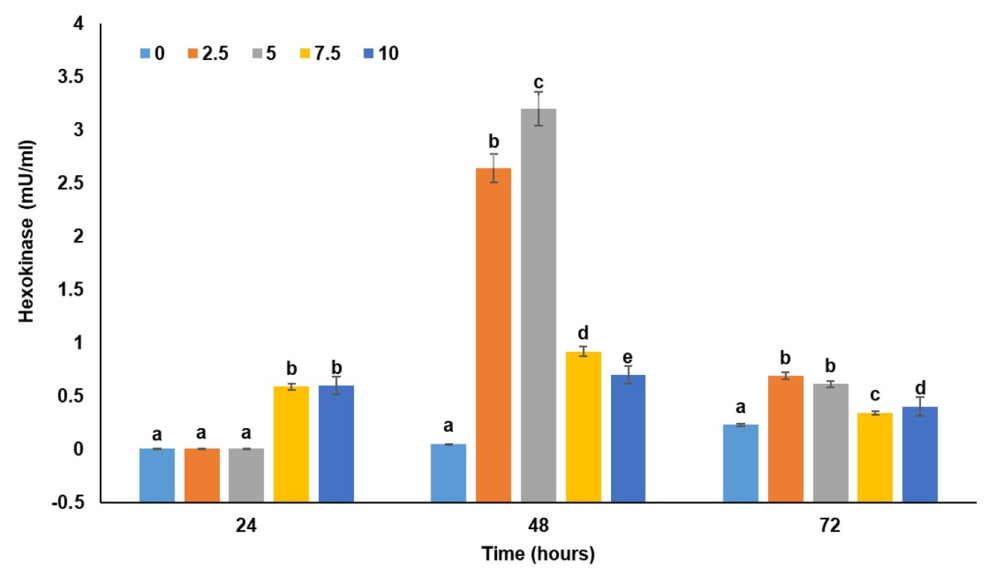
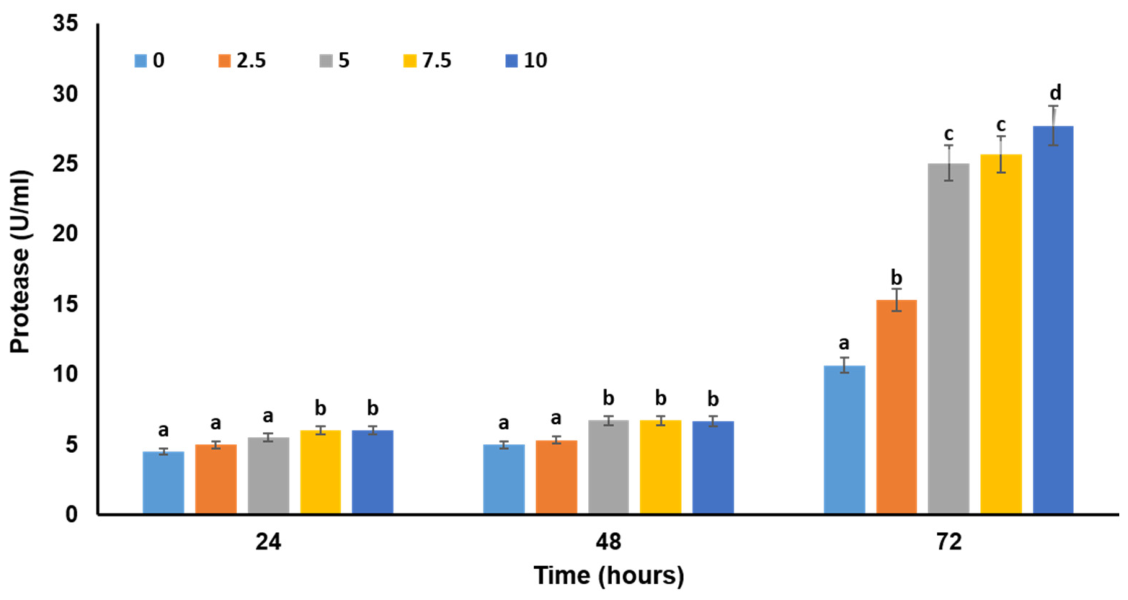
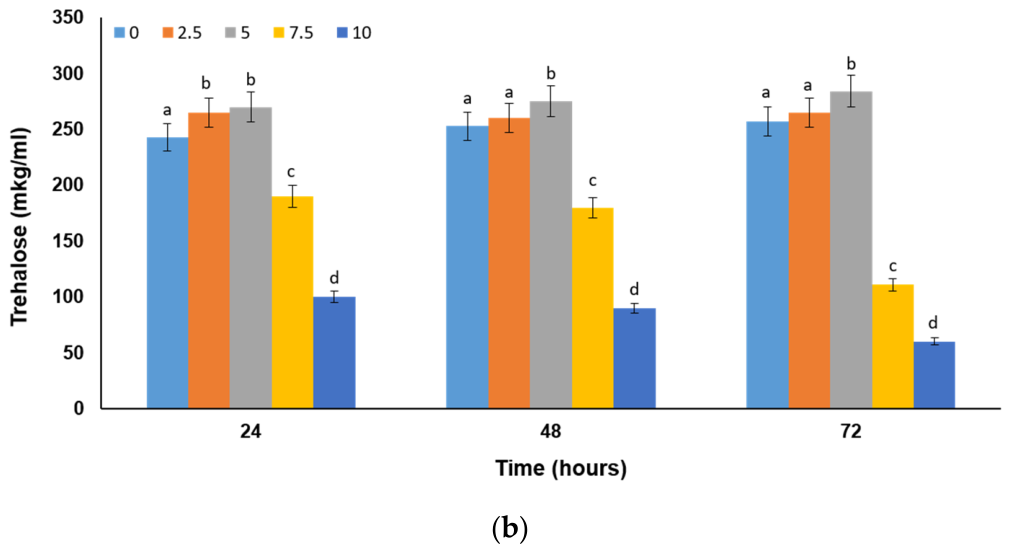
2.3. Metabolic Adaptation
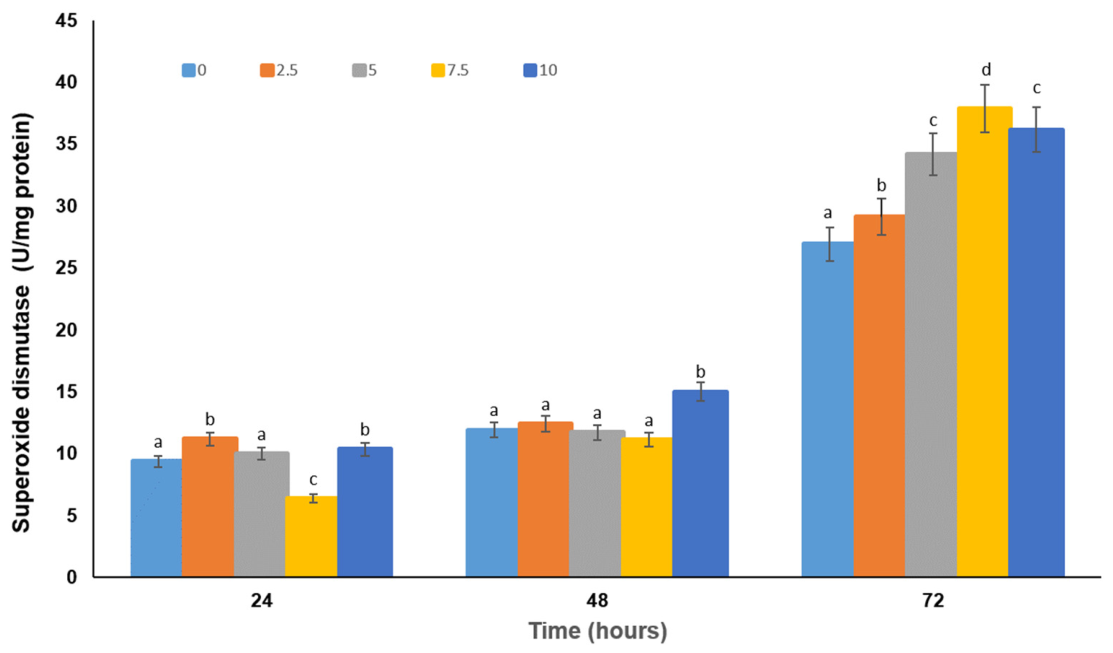
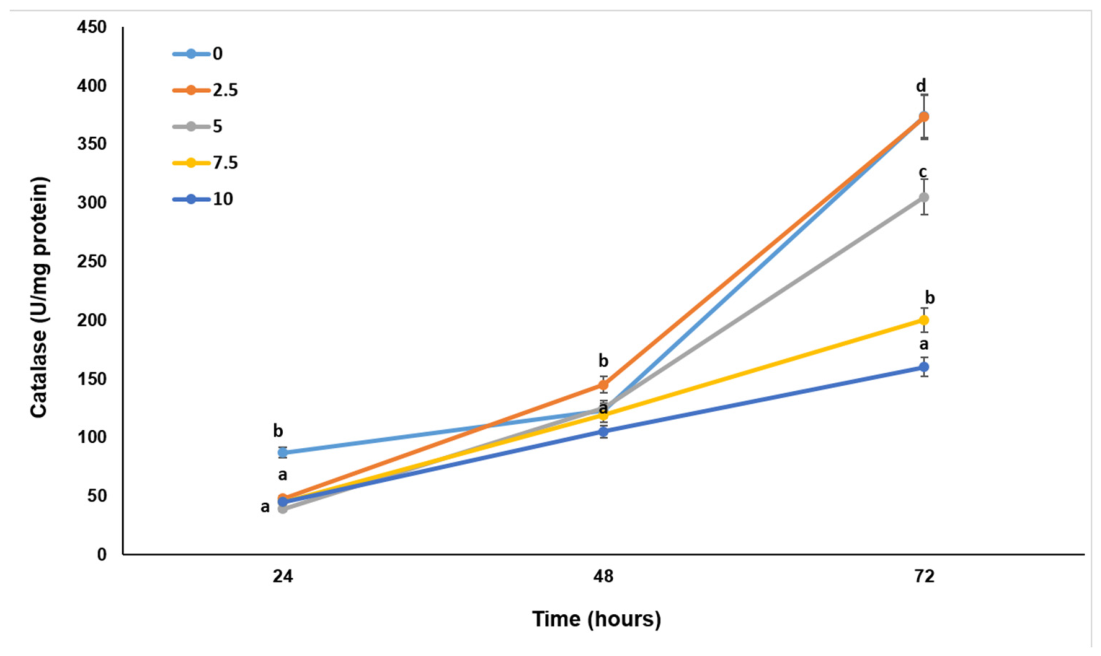
2.4. Role of Antioxidant Defense in the Cellular Response to High Salinity
3. Discussion
4. Materials and Methods
4.1. Fungal Strains and Culture Conditions
4.1.1. Molecular Genetic Identification of the Fungal Strain
4.1.2. Morphological Studies
4.1.3. A Cultivation of the Strain
4.2. Biochemical Studies
4.2.1. EPR Analyses
4.2.2. Biomass Measurement
4.2.3. Cell-Free Extract Preparation
4.3. Enzyme Activities Determination
4.4. Soluble Reducing Sugars Determination
4.5. Total Protein Determination
4.6. Oxidatively Modified Proteins and Lipids Determination
4.7. Determination of the Content of Reserve Carbohydrates
4.8. Statistical Evaluation of the Results
5. Conclusions
Author Contributions
Funding
Institutional Review Board Statement
Informed Consent Statement
Data Availability Statement
Acknowledgments
Conflicts of Interest
References
- Gunde-Cimerman, N.; Zalar, P.; de Hoog, S.; Plemenitaš, A. Hypersaline waters in salterns—Natural ecological niches for halophilic black yeasts. FEMS Microbiol. Ecol. 2000, 32, 235–240. [Google Scholar] [CrossRef] [Scilit]
- Chamekh, R.; Deniel, F.; Donot, C.; Jany, J.-L.; Nodet, P.; Belabid, L. Isolation, identification and enzymatic activity of halotolerant and halophilic fungi from the Great Sebkha of Oran in northwestern of Algeria. Mycobiology 2019, 47, 230–241. [Google Scholar] [CrossRef] [Scilit] [PubMed]
- Lee, H.-S. Diversity of halophilic archaea in fermented foods and human intestines and their application. J. Microbiol. Biotechnol. 2013, 23, 1645–1653. [Google Scholar] [CrossRef] [Scilit] [PubMed]
- Oren, A. Life in hypersaline environments. In Their World: A Diversity of Microbial Environments; Springer: Berlin/Heidelberg, Germany, 2016; pp. 301–339. [Google Scholar]
- Corral, P.; Amoozegar, M.A.; Ventosa, A. Halophiles and their biomolecules: Recent advances and future applications in biomedicine. Mar. Drugs 2020, 18, 33. [Google Scholar]
- Kushner, D.J.; Kamekura, M. Physiology of halophilic eubacteria. In Halophilic Bacteria; CRC Press: Boca Raton, FL, USA, 1988; Volume 1, pp. 109–138. [Google Scholar]
- Orwa, P.; Mugambi, G.; Wekesa, V.; Mwirichia, R. Isolation of haloalkaliphilic fungi from Lake Magadi in Kenya. Heliyon 2020, 6, e02823. [Google Scholar] [CrossRef] [Scilit] [PubMed]
- Ahumada-Rudolph, R.; Novoa, V.; Becerra, J. Morphological response to salinity, temperature, and pH changes by marine fungus Epicoccum nigrum. Environ. Monit. Assess. 2019, 191, 35. [Google Scholar]
- Grum-Grzhimaylo, A.A.; Falkoski, D.L.; van den Heuvel, J.; Valero-Jiménez, C.A.; Min, B.; Choi, I.-G.; Lipzen, A.; Daum, C.G.; Aanen, D.K.; Tsang, A.; et al. The obligate alkalophilic soda-lake fungus Sodiomyces alkalinus has shifted to a protein diet. Mol. Ecol. 2018, 27, 4808–4819. [Google Scholar] [CrossRef] [Scilit] [PubMed]
- Gunde-Cimerman, N.; Zalar, P. Extremely halotolerant and halophilic fungi inhabit brine in solar salterns around the globe. Food Technol. Biotechnol. 2014, 52, 170–179. [Google Scholar]
- Plemenitaš, A.; Lenassi, M.; Konte, T.; Kejžar, A.; Zajc, J.; Gostinčar, C.; Gunde-Cimerman, N. Adaptation to high salt concentrations in halotolerant/halophilic fungi: A molecular perspective. Front. Microbiol. 2014, 5, 199. [Google Scholar] [CrossRef] [Scilit] [PubMed]
- AbdElgawad, H.; Zinta, G.; Hegab, M.M.; Pandey, R.; Asard, H.; Abuelsoud, W. High salinity induces different oxidative stress and antioxidant responses in maize seedlings organs. Front. Plant Sci. 2016, 7, 276. [Google Scholar] [CrossRef] [Scilit] [PubMed]
- Yovchevska, L.; Miteva-Staleva, J.; Dishliyska, V.; Stoyancheva, G.; Gocheva, Y.; Abrashev, R.; Spasova, B.; Angelova, M.; Krumova, E. Response to salt stress of the halotolerant filamentous fungus Penicillium chrysogenum P13. Molecules 2025, 30, 1196. [Google Scholar] [CrossRef] [Scilit] [PubMed]
- Yaakoub, H.; Mina, S.; Calenda, A.; Bouchara, J.-P.; Papon, N. Oxidative stress response pathways in fungi. Cell. Mol. Life Sci. 2022, 79, 333. [Google Scholar] [CrossRef] [Scilit] [PubMed]
- Gostinčar, C.; Gunde-Cimerman, N. Overview of oxidative stress response genes in selected halophilic fungi. Genes 2018, 9, 143. [Google Scholar] [CrossRef] [Scilit] [PubMed]
- Pérez-Llano, Y.; Rodríguez-Pupo, E.C.; Druzhinina, I.S.; Chenthamara, K.; Cai, F.; Gunde-Cimerman, N.; Zalar, P.; Gostinčar, C.; Kostanjšek, R.; Folch-Mallol, J.L.; et al. Stress reshapes the physiological response of halophile fungi to salinity. Cells 2020, 9, 525. [Google Scholar] [CrossRef] [Scilit] [PubMed]
- Plemenitaš, A.; Vaupotič, T.; Lenassi, M.; Kogej, T.; Gunde-Cimerman, N. Adaptation of extremely halotolerant black yeast Hortaea werneckii to increased osmolarity: A molecular perspective at a glance. Stud. Mycol. 2008, 61, 67–75. [Google Scholar] [CrossRef] [Scilit] [PubMed]
- Gostinčar, C.; Lenassi, M.; Gunde-Cimerman, N.; Plemenitaš, A. Fungal adaptation to extremely high salt concentrations. In Advances in Applied Microbiology; Academic Press: Cambridge, MA, USA, 2011; pp. 71–96. [Google Scholar]
- Turk, M.; Méjanelle, L.; Šentjurc, M.; Grimalt, J.O.; Gunde-Cimerman, N.; Plemenitaš, A. Salt-induced changes in lipid composition and membrane fluidity of halophilic yeast-like melanized fungi. Extremophiles 2004, 8, 53–61. [Google Scholar] [PubMed]
- Kogej, T.; Gorbushina, A.A.; Gunde-Cimerman, N. Hypersaline conditions induce changes in cell-wall melanization and colony structure in a halophilic and a xerophilic black yeast species of the genus Trimmatostroma. Mycol. Res. 2006, 110, 713–724. [Google Scholar] [CrossRef] [Scilit] [PubMed]
- Galasso, C.; Corinaldesi, C.; Sansone, C. Carotenoids from marine organisms: Biological functions and industrial applications. Antioxidants 2017, 6, 96. [Google Scholar] [CrossRef] [Scilit] [PubMed]
- Cai, F.; Druzhinina, I.S. In honor of John Bissett: Authoritative guidelines on molecular identification of Trichoderma. Fungal Divers. 2021, 107, 1–69. [Google Scholar] [CrossRef] [Scilit]
- Chandra, S.; Ruchi. Synthesis, spectroscopic characterization, molecular modeling and antimicrobial activities of Mn(II), Co(II), Ni(II), Cu(II) complexes containing the tetradentate aza Schiff base ligand. Spectrochim. Acta Part A Mol. Biomol. Spectrosc. 2013, 103, 338–348. [Google Scholar] [CrossRef] [Scilit]
- Wingfield, L.K.; Jitprasitporn, N.; Che-Alee, N. Isolation and characterization of halophilic and halotolerant fungi from man-made solar salterns in Pattani Province, Thailand. PLoS ONE 2023, 18, e0281623. [Google Scholar] [CrossRef] [Scilit] [PubMed]
- Nazareth, S.; Gonsalves, V.; Nayak, S. A first record of obligate halophilic Aspergilli from the Dead Sea. Indian J. Microbiol. 2012, 52, 22–27. [Google Scholar] [PubMed]
- Yadav, A.N.; Kaur, T.; Kour, D.; Rana, K.L.; Yadav, N.; Rastegari, A.A.; Kumar, M.; Paul, D.; Sachan, S.G.; Saxena, A.K. Saline microbiome: Biodiversity, ecological significance, and potential role in amelioration of salt stress. In New and Future Developments in Microbial Biotechnology and Bioengineering; Elsevier: Amsterdam, The Netherlands, 2020; pp. 283–309. [Google Scholar]
- Jiménez-Gómez, I.; Valdés-Muñoz, G.; Moreno-Perlin, T.; Mouriño-Pérez, R.R.; Sánchez-Carbente, M.d.R.; Folch-Mallol, J.L.; Pérez-Llano, Y.; Gunde-Cimerman, N.; Sánchez, N.d.C.; Batista-García, R.A. Haloadaptative responses of Aspergillus sydowii to extreme water deprivation: Morphology, compatible solutes, and oxidative stress at NaCl saturation. J. Fungi 2020, 6, 316. [Google Scholar] [CrossRef] [Scilit]
- Kunčič, M.K.; Kogej, T.; Drobne, D.; Gunde-Cimerman, N. Morphological response of the halophilic fungal genus Wallemia to high salinity. Appl. Environ. Microbiol. 2010, 76, 329–337. [Google Scholar] [CrossRef] [Scilit]
- Liu, K.-H.; Ding, X.-W.; Narsing Rao, M.P.; Zhang, B.; Zhang, Y.-G.; Liu, F.-H.; Liu, B.-B.; Xiao, M.; Li, W.-J. Morphological and transcriptomic analysis reveals the osmoadaptive response of endophytic fungus Aspergillus montevidensis ZYD4 to high salt stress. Front. Microbiol. 2017, 8, 1789. [Google Scholar] [CrossRef] [Scilit] [PubMed]
- Matsuda, Y.; Sugiyama, F.; Nakanishi, K.; Ito, S.-I. Effects of sodium chloride on growth of ectomycorrhizal fungal isolates in culture. Mycoscience 2006, 47, 212–217. [Google Scholar] [CrossRef] [Scilit]
- Hernández, J.A.; Jiménez, A.; Mullineaux, P.; Sevilia, F. Tolerance of pea (Pisum sativum L.) to long-term salt stress is associated with induction of antioxidant defences. Plant Cell Environ. 2000, 23, 853–862. [Google Scholar] [CrossRef] [Scilit]
- Jain, S.; Choudhary, D.K.; Varma, A. Ecological perspectives of halophilic fungi and their role in bioremediation. In Soil Bioremediation; John Wiley & Sons, Ltd.: Hoboken, NJ, USA, 2021; pp. 175–192. [Google Scholar]
- Batista-García, R.A.; Sutton, T.; Jackson, S.A.; Tovar-Herrera, O.E.; Balcázar-López, E.; Sánchez-Carbente, M.D.R.; Sánchez-Reyes, A.; Dobson, A.D.W.; Folch-Mallol, J.L. Characterization of lignocellulolytic activities from fungi isolated from the deep-sea sponge Stelletta normani. PLoS ONE 2017, 12, e0173750. [Google Scholar] [CrossRef] [Scilit] [PubMed]
- Petrovič, U. Role of oxidative stress in the extremely salt-tolerant yeast Hortaea werneckii. FEMS Yeast Res. 2006, 6, 816–822. [Google Scholar] [CrossRef] [Scilit] [PubMed]
- Śliżewska, W.; Struszczyk-Świta, K.; Marchut-Mikołajczyk, O. Metabolic potential of halophilic filamentous fungi—Current perspective. Int. J. Mol. Sci. 2022, 23, 4189. [Google Scholar] [CrossRef] [Scilit] [PubMed]
- Ayangbenro, A.S.; Babalola, O.O. A new strategy for heavy metal polluted environments: A review of microbial biosorbents. Int. J. Environ. Res. Public Health 2017, 14, 94. [Google Scholar] [CrossRef] [Scilit] [PubMed]
- Blagov, A.V.; Summerhill, V.I.; Sukhorukov, V.N.; Zhigmitova, E.B.; Postnov, A.Y.; Orekhov, A.N. Potential use of antioxidants for the treatment of chronic inflammatory diseases. Front. Pharmacol. 2024, 15, 1378335. [Google Scholar] [CrossRef] [Scilit] [PubMed]
- Lukoyanov, D.; Yang, Z.-Y.; Duval, S.; Danyal, K.; Dean, D.R.; Seefeldt, L.C.; Hoffman, B.M. A confirmation of the quench-cryoannealing relaxation protocol for identifying reduction states of freeze-trapped nitrogenase intermediates. Inorg. Chem. 2014, 53, 3688–3693. [Google Scholar] [CrossRef] [Scilit] [PubMed]
- Czechowski, F.; Golonka, I.; Jezierski, A. Organic matter transformation in the environment investigated by quantitative electron paramagnetic resonance (EPR) spectroscopy: Studies on lignins. Spectrochim. Acta Part A Mol. Biomol. Spectrosc. 2004, 60, 1387–1394. [Google Scholar] [CrossRef] [Scilit]
- Micic, O.; Zhang, Y.; Cromack, K.R.; Trifunac, D.A.; Thurnauer, M. Photoinduced hole transfer from titanium dioxide to methanol molecules in aqueous solution studied by electron paramagnetic resonance. J. Phys. Chem. 1993, 97, 13284–13288. [Google Scholar] [CrossRef] [Scilit]
- Gonzalez-Perez, M.; Martin-Neto, L.; Colnago, L.A.; Milori, D.M.B.P.; Antonio de Camargo, O.; Berton, R.; Bettiol, W. Characterization of Humic Acids Extracted from Sewage Sludge-Amended Oxisols by Electron Paramagnetic Resonance. Soil Tillage Res. 2006, 91, 95–100. [Google Scholar] [CrossRef] [Scilit]
- Chakarawet, K.; Harris, T.D.; Long, J.R. Semiquinone Radical-Bridged M2 (M = Fe, Co, Ni) Complexes with Strong Magnetic Exchange Giving Rise to Slow Magnetic Relaxation. Chem. Sci. 2020, 11, 8196–8203. [Google Scholar] [CrossRef] [Scilit] [PubMed]
- Guerra, J.P.L.; Penas, D.; Tavares, P.; Pereira, A.S. Influence of Cupric (Cu2+) Ions on the Iron Oxidation Mechanism by DNA-Binding Protein from Starved Cells (Dps) from Marinobacter nauticus. Int. J. Mol. Sci. 2023, 24, 10256. [Google Scholar] [CrossRef] [Scilit] [PubMed]
- Cordero, R.J.B.; Casadevall, A. Functions of Fungal Melanin beyond Virulence. Fungal Biol. Rev. 2017, 31, 99–112. [Google Scholar] [CrossRef] [Scilit] [PubMed]
- Buszman, E.; Pilawa, B.; Zdybel, M.; Wilczyński, S.; Gondzik, A.; Witoszyńska, T.; Wilczok, T. EPR Examination of Zn2+ and Cu2+ Binding by Pigmented Soil Fungi Cladosporium cladosporioides. Sci. Total Environ. 2006, 363, 195–205. [Google Scholar] [CrossRef] [Scilit] [PubMed]
- Pal, A.K.; Gajjar, D.U.; Vasavada, A.R. DOPA and DHN Pathway Orchestrate Melanin Synthesis in Aspergillus Species. Med. Mycol. 2014, 52, 10–18. [Google Scholar] [PubMed]
- Brückner, A. In Situ Electron Paramagnetic Resonance: A Unique Tool for Analyzing Structure–Reactivity Relationships in Heterogeneous Catalysis. Chem. Soc. Rev. 2010, 39, 4673–4684. [Google Scholar] [CrossRef] [Scilit] [PubMed]
- Kumar, C.P.; Gopal, N.O.; Wang, T.C.; Wong, M.-S.; Ke, S.C. EPR investigation of TiO2 nanoparticles with temperature-dependent properties. J. Phys. Chem. B 2006, 110, 5223–5229. [Google Scholar] [CrossRef] [Scilit] [PubMed]
- Nakaoka, Y.; Nosaka, Y. ESR investigation into the effects of heat treatment and crystal structure on radicals produced over irradiated TiO2 powder. J. Photochem. Photobiol. A Chem. 1997, 110, 299–305. [Google Scholar] [CrossRef] [Scilit]
- Su, C.; Jiang, L.Q.; Zhang, W.J. A Review on Heavy Metal Contamination in the Soil Worldwide: Situation, Impact and Remediation Techniques. Environ. Skept. Crit. 2014, 3, 24–38. [Google Scholar]
- Osman, M.S.; Badawy, A.A.; Osman, A.I.; Abdel Latef, A.A.H. Ameliorative Impact of an Extract of the Halophyte Arthrocnemum macrostachyum on Growth and Biochemical Parameters of Soybean under Salinity Stress. J. Plant Growth Regul. 2020, 40, 1245–1256. [Google Scholar] [CrossRef] [Scilit]
- Feofilova, E.P.; Tereshina, V.M.; Khokhlova, N.S.; Memorskaya, A.S. Different Mechanisms of the Biochemical Adaptation of Mycelial Fungi to Temperature Stress: Changes in the Cytosol Carbohydrate Composition. Microbiology 2000, 69, 504–508. [Google Scholar] [CrossRef] [Scilit]
- Kanwal, S.; Saharan, R.K.; Mahmood, A.; Sharma, S.C. Effect of Reserve Carbohydrates on Oxidative Stress in Yeast Saccharomyces cerevisiae Y6210. Curr. Res. J. Biol. Sci. 2011, 3, 633–636. [Google Scholar] [CrossRef] [Scilit]
- Yang, L.; Dai, L.; Zhang, H.; Sun, F.; Tang, X.; Feng, W.; Yu, H.; Zhang, J. Molecular and Functional Analysis of Trehalose-6-Phosphate Synthase Genes Enhancing Salt Tolerance in Anoectochilus roxburghii (Wall.) Lindl. Molecules 2023, 28, 5139. [Google Scholar] [CrossRef] [Scilit] [PubMed]
- Yang, Y.; Xie, J.; Li, J.; Zhang, J.; Zhang, X.; Yao, Y.; Wang, C.; Niu, T.; Bakpa, E.P. Trehalose Alleviates Salt Tolerance by Improving Photosynthetic Performance and Maintaining Mineral Ion Homeostasis in Tomato Plants. Front. Plant Sci. 2022, 13, 974507. [Google Scholar] [CrossRef] [Scilit] [PubMed]
- Krumova, E.; Andreyinski, N.; Abrashev, R.; Stoyancheva, G.; Kostadinova, N.; Miteva-Staleva, J.; Dishlijska, V.; Spasova, B.; Angelova, M. Comparison of the Oxidative Stress Response of Two Aspergillus fumigatus Strains Isolated from Polluted Soils against Combined Heavy Metal Toxicity. Geomicrobiol. J. 2021, 38, 515–523. [Google Scholar] [CrossRef] [Scilit]
- Krumova, E.T.; Koeva, E.K.; Stoitsova, S.R.; Paunova-Krasteva, T.S.; Stoyancheva, G.D.; Angelova, M.B. Cell Response of Antarctic Strain Penicillium griseofulvum against Low Temperature Stress. Pol. J. Microbiol. 2022, 43, 125–143. [Google Scholar]
- Fillinger, S.; Chaveroche, M.-K.; van Dijck, P.; de Vries, R.; Ruijter, G.; Thevelein, J.; d’Enfert, C. Trehalose Is Required for the Acquisition of Tolerance to a Variety of Stresses in the Filamentous Fungus Aspergillus nidulans. Microbiology 2001, 147, 1851–1862. [Google Scholar] [CrossRef] [Scilit] [PubMed]
- Warris, A.; Ballou, E.R. Oxidative Responses and Fungal Infection Biology. Semin. Cell Dev. Biol. 2019, 89, 34–46. [Google Scholar] [CrossRef] [Scilit] [PubMed]
- Gibson, B.R.; Lawrence, S.J.; Leclaire, J.P.R.; Powell, C.D.; Smart, K.A. Yeast Responses to Stresses Associated with Industrial Brewery Handling. FEMS Microbiol. Rev. 2007, 31, 535–569. [Google Scholar] [CrossRef] [Scilit] [PubMed]
- Vardi, A.; Eisenstadt, D.; Murik, O.; Berman-Frank, I.; Zohary, T.; Levine, A.; Kaplan, A. Synchronization of Cell Death in a Dinoflagellate Population Is Mediated by an Excreted Thiol Protease. Environ. Microbiol. 2007, 9, 360–369. [Google Scholar] [PubMed]
- Slade, D.; Radman, M. Oxidative Stress Resistance in Deinococcus radiodurans. Microbiol. Mol. Biol. Rev. 2011, 75, 133–191. [Google Scholar] [CrossRef] [Scilit] [PubMed]
- Møller, I.M.; Jensen, P.E.; Hansson, A. Oxidative Modifications to Cellular Components in Plants. Annu. Rev. Plant Biol. 2007, 58, 459–481. [Google Scholar] [CrossRef] [Scilit]
- Angelova, M.B.; Genova, L.K.; Pashova, S.B.; Slokoska, L.S.; Dolashka, P.A. Effect of cultural conditions on the synthesis of superoxide dismutase by Humicola lutea 110. J. Ferment. Bioeng. 1996, 82, 464–468. [Google Scholar] [CrossRef] [Scilit]
- Beauchamp, C.; Fridovich, I. Superoxide dismutase: Improved assays and an assay applicable to acrylamide gels. Anal. Biochem. 1971, 44, 276–287. [Google Scholar] [CrossRef] [Scilit] [PubMed]
- Beers, R.F.; Sizer, I.W. A spectrophotometric method for measuring the breakdown of hydrogen peroxide by catalase. J. Biol. Chem. 1952, 195, 133–140. [Google Scholar] [CrossRef] [Scilit] [PubMed]
- Somogyi, M. Notes on sugar determination. J. Biol. Chem. 1952, 195, 19–23. [Google Scholar] [CrossRef] [Scilit]
- Lowry, O.H.; Rosebrough, N.J.; Farr, A.L.; Randall, R.J. Protein measurement with the Folin phenol reagent. J. Biol. Chem. 1951, 193, 265–275. [Google Scholar] [CrossRef] [Scilit] [PubMed]
- Becker, J.U. A method for glycogen determination in whole yeast cells. Anal. Biochem. 1978, 86, 56–64. [Google Scholar] [CrossRef] [Scilit] [PubMed]
- Vandercammen, A.; François, J.; Hers, H.-G. Characterization of trehalose-6-phosphate synthase and trehalose-6-phosphate phosphatase of Saccharomyces cerevisiae. Eur. J. Biochem. 1989, 182, 613–620. [Google Scholar] [CrossRef] [Scilit]
- Parrou, J.L.; Teste, M.-A.; François, J. Effects of various types of stress on the metabolism of reserve carbohydrates in Saccharomyces cerevisiae: Genetic evidence for a stress-induced recycling of glycogen and trehalose. Microbiology 1997, 143, 1891–1900. [Google Scholar] [CrossRef] [Scilit] [PubMed]








| Sample | Time | |
|---|---|---|
| 24 h | 48 h | |
| S1 0% NaCl | 1553.53 | 642.48 |
| S2 5% NaCl | 2059.10 | 863.67 |
| S3 10% NaCl | 3012.29 | 308.08 |
Disclaimer/Publisher’s Note: The statements, opinions and data contained in all publications are solely those of the individual author(s) and contributor(s) and not of MDPI and/or the editor(s). MDPI and/or the editor(s) disclaim responsibility for any injury to people or property resulting from any ideas, methods, instructions or products referred to in the content. |
© 2026 by the authors. Licensee MDPI, Basel, Switzerland. This article is an open access article distributed under the terms and conditions of the Creative Commons Attribution (CC BY) license.
Share and Cite
Yovchevska, L.; Stoyancheva, G.; Dishliyska, V.; Miteva-Staleva, J.; Abrashev, R.; Spasova, B.; Angelova, M.; Gocheva, Y.; Karakirova, Y.; Mladenova, R.; et al. Physiological and Metabolic Adaptations of Halotolerant Filamentous Fungus Trichoderma afroharzianum to Salt Stress. Stresses 2026, 6, 50. https://doi.org/10.3390/stresses6030050
Yovchevska L, Stoyancheva G, Dishliyska V, Miteva-Staleva J, Abrashev R, Spasova B, Angelova M, Gocheva Y, Karakirova Y, Mladenova R, et al. Physiological and Metabolic Adaptations of Halotolerant Filamentous Fungus Trichoderma afroharzianum to Salt Stress. Stresses. 2026; 6(3):50. https://doi.org/10.3390/stresses6030050
Chicago/Turabian StyleYovchevska, Lyudmila, Galina Stoyancheva, Vladislava Dishliyska, Jeny Miteva-Staleva, Radoslav Abrashev, Boryana Spasova, Maria Angelova, Yana Gocheva, Yordanka Karakirova, Ralitsa Mladenova, and et al. 2026. "Physiological and Metabolic Adaptations of Halotolerant Filamentous Fungus Trichoderma afroharzianum to Salt Stress" Stresses 6, no. 3: 50. https://doi.org/10.3390/stresses6030050
APA StyleYovchevska, L., Stoyancheva, G., Dishliyska, V., Miteva-Staleva, J., Abrashev, R., Spasova, B., Angelova, M., Gocheva, Y., Karakirova, Y., Mladenova, R., & Krumova, E. (2026). Physiological and Metabolic Adaptations of Halotolerant Filamentous Fungus Trichoderma afroharzianum to Salt Stress. Stresses, 6(3), 50. https://doi.org/10.3390/stresses6030050