Article

Asphalt Binder Rheological Performance Properties Using Recycled Plastic Wastes and Commercial Polymers


by
Hamad I. Al Abdul Wahhab
1,2,
Waqas Rafiq
2,*,
Mohammad Ahsan Habib
1,
Ali Mohammed Babalghaith
2,
Suleiman Abdulrahman
2 and
Shaban Shahzad
2,*
1
Department of Civil and Environmental Engineering, King Fahd University of Petroleum and Minerals (KFUPM), Dhahran 31261, Saudi Arabia
2
Interdisciplinary Research Center for Construction and Building Materials (IRC-CBM), King Fahd University of Petroleum & Minerals (KFUPM), Dhahran 31261, Saudi Arabia
*
Authors to whom correspondence should be addressed.
Constr. Mater. 2025, 5(4), 75; https://doi.org/10.3390/constrmater5040075

Submission received: 20 August 2025 / Revised: 23 September 2025 / Accepted: 28 September 2025 / Published: 4 October 2025

Abstract

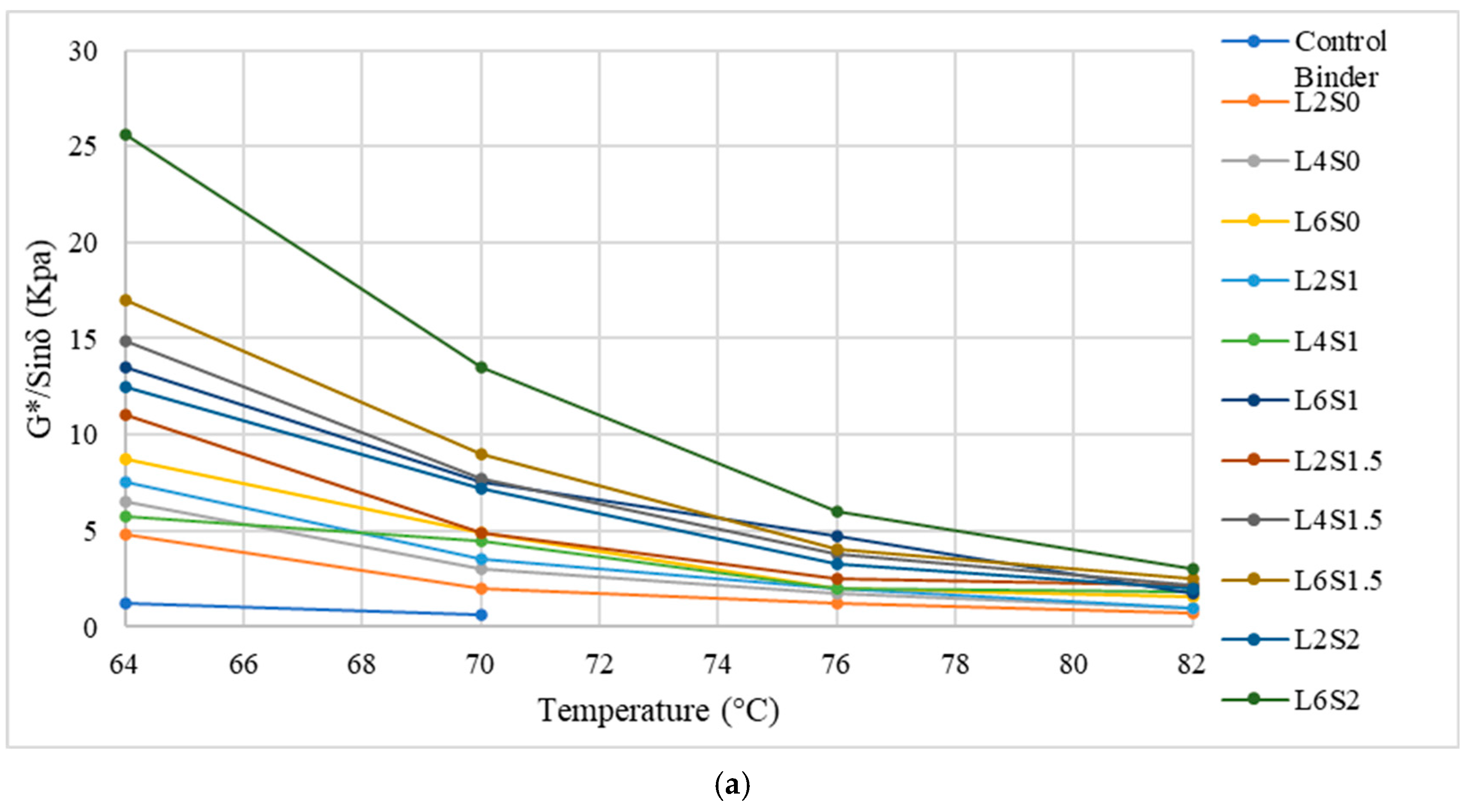
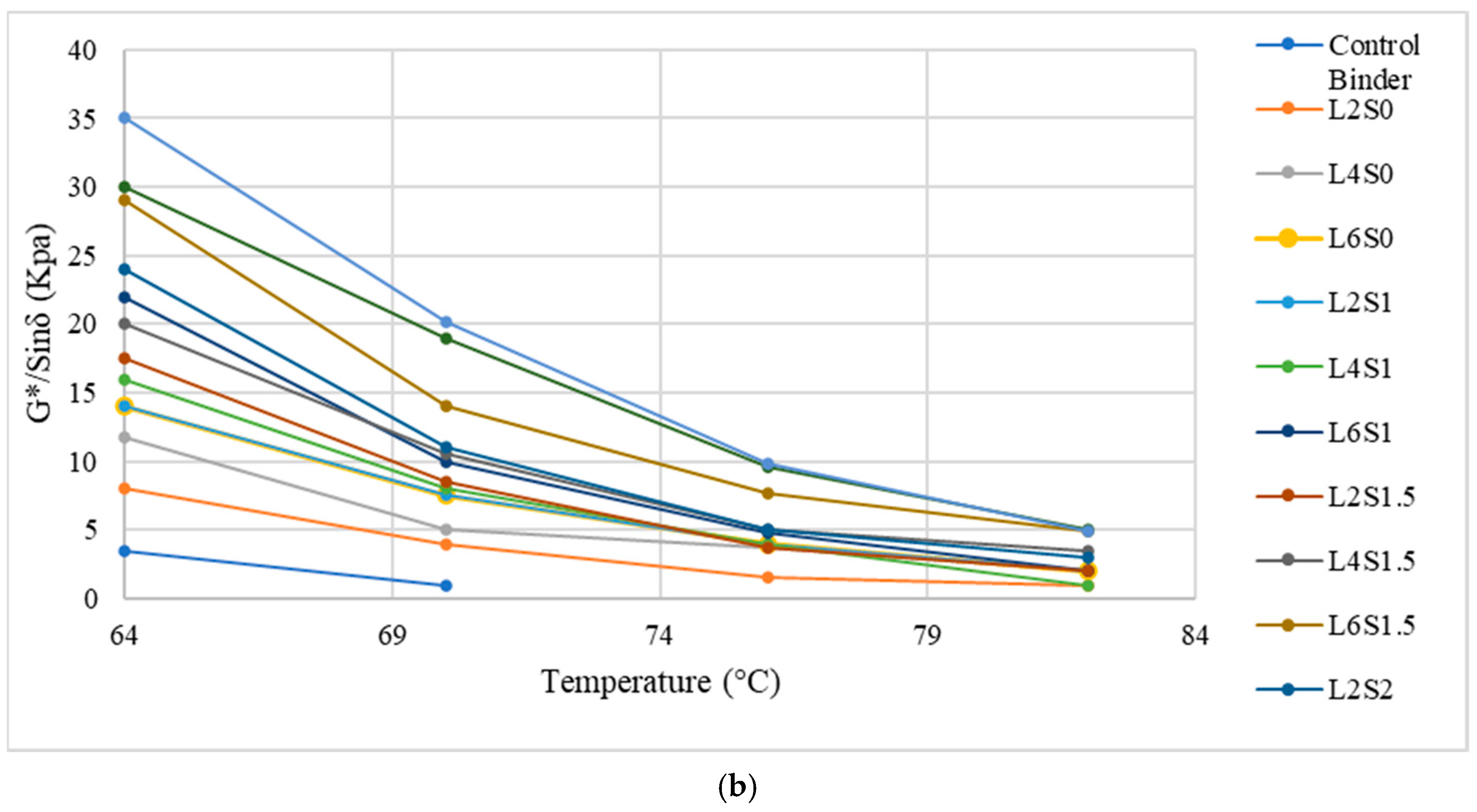
Polymer-based product usage in modern society is increasing day by day. Following usage, these inert products and hydrophobic materials contribute to environmental pollution, often accumulating as litter in ecosystems and contaminating water bodies. The rapid socio-economic development in the Kingdom of Saudi Arabia (KSA) has resulted in a significant increase in waste generation. This study was conducted on the utilization of recycled plastic waste (RPW) polymer along with commercial polymer (CP) for the modification of the local binder. The hot environmental conditions and increased traffic loading are the major reasons for the permanent deformation and thermal cracks on the pavements, which require improved and modified road performance materials. The Ministry of Transport and Logistical Support (MOTLS) in Saudi Arabia, along with other related agencies, spends a substantial amount of money each year on importing modifiers, including chemicals, hydrocarbons, and polymers, for modification purposes. This research was conducted to investigate and utilize available local recycled plastic materials. Comprehensive laboratory experiments were designed and carried out to enhance recycled plastic waste, including low-density polyethylene (rLDPE), high-density polyethylene (rHDPE), and polypropylene (rPP), combined with varying percentages of commercially available polymers such as Styrene-Butadiene-Styrene (SBS) and Polybilt (PB). The results indicated that incorporating recycled plastic waste expanded the binder’s susceptible temperature range from 64 °C to 70 °C, 76 °C, and 82 °C. The resistance to rutting was shown to have significantly improved by the dynamic shear rheometer (DSR) examination. Achieving the objectives of this research, combined with the intangible environmental benefits of utilizing plastic waste, provides a sustainable pavement development option that is also environmentally beneficial.
Keywords: recycled plastic waste; commercial polymers; dynamic shear rheometer; upper performance grade; rutting recycled plastic waste; commercial polymers; dynamic shear rheometer; upper performance grade; rutting