Article

Preliminary Modeling of Single Pulp Fiber Using an Improved Mass–Spring Method

by
Yin Liu
1,2,
Wenhao Shen
2,*,
Douglas W. Coffin
3,
Tao Song
2,
Jean-Francis Bloch
4 and
Jean-Pierre Corriou
5
1
School of Art and Media, Guangzhou Vocational University of Science and Technology, Guangzhou 510555, China
2
State Key Laboratory of Advanced Papermaking & Paper-based Materials, South China University of Technology, Guangzhou 510641, China
3
Department of Chemical, Paper, and Biomedical Engineering, Miami University, Oxford, OH 45056, USA
4
3SR, Grenoble INP, CNRS, University Grenoble Alpes, 38000 Grenoble, France
5
Laboratoire Réactions et Génie des Procédés, UMR 7274-CNRS, ENSIC, Lorraine University, 54001 Nancy, Cedex, France
*
Author to whom correspondence should be addressed.
Solids 2025, 6(3), 50; https://doi.org/10.3390/solids6030050
Submission received: 28 July 2025 / Revised: 19 August 2025 / Accepted: 1 September 2025 / Published: 3 September 2025
(This article belongs to the Topic Multi-scale Modeling and Optimisation of Materials)

Abstract

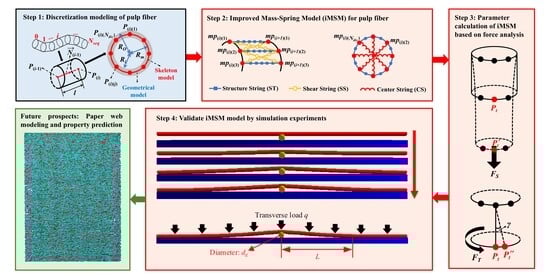
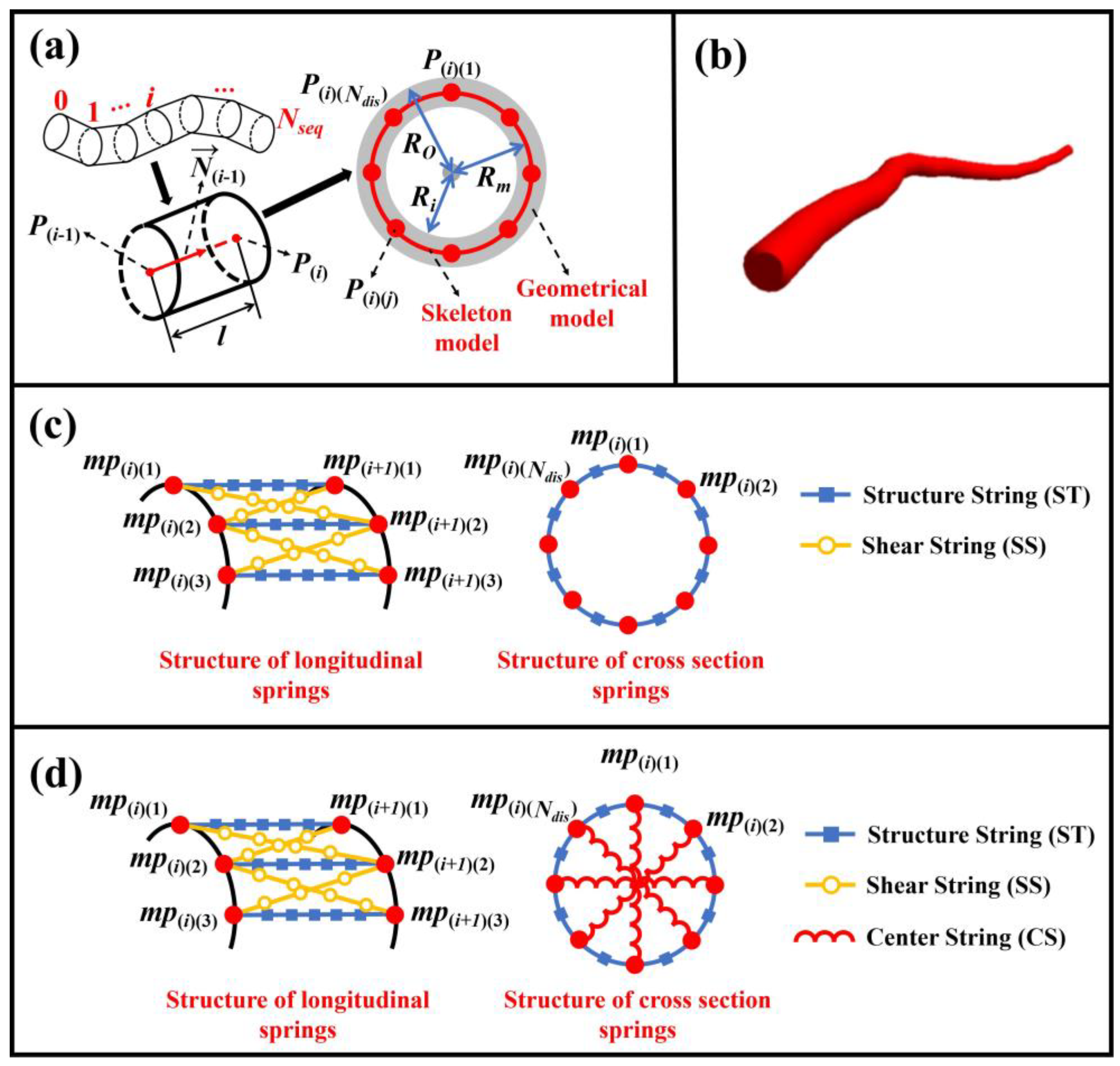
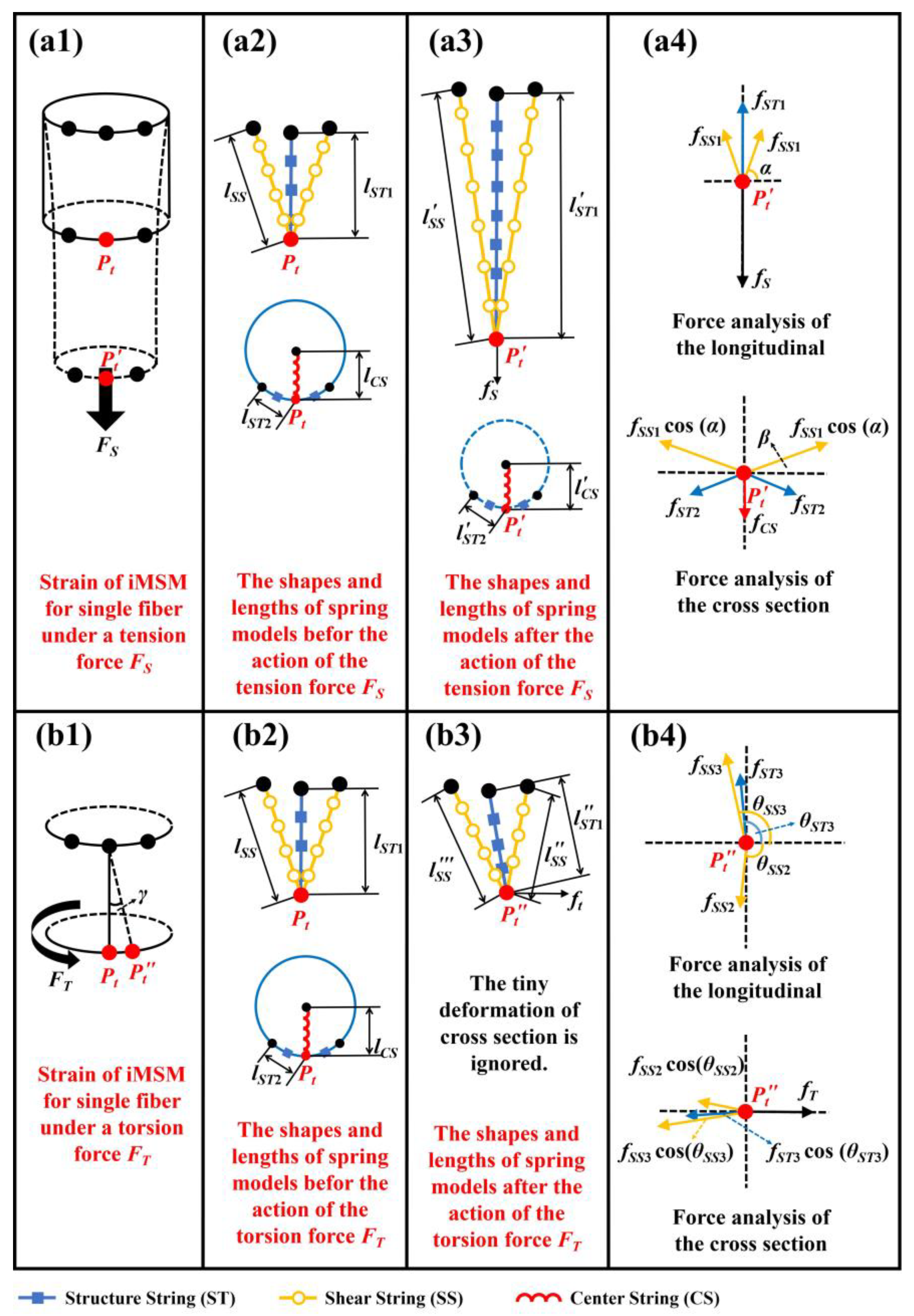
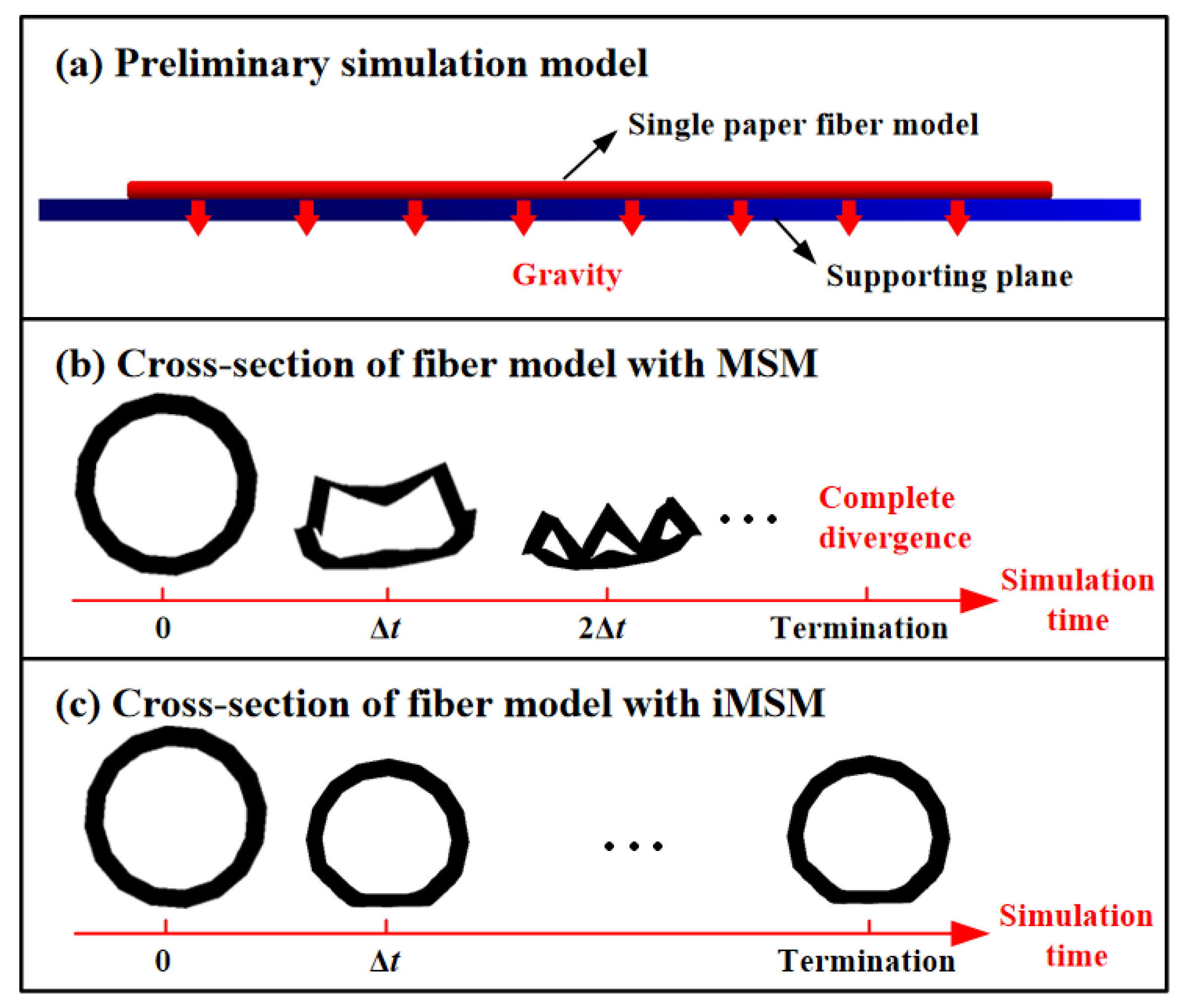
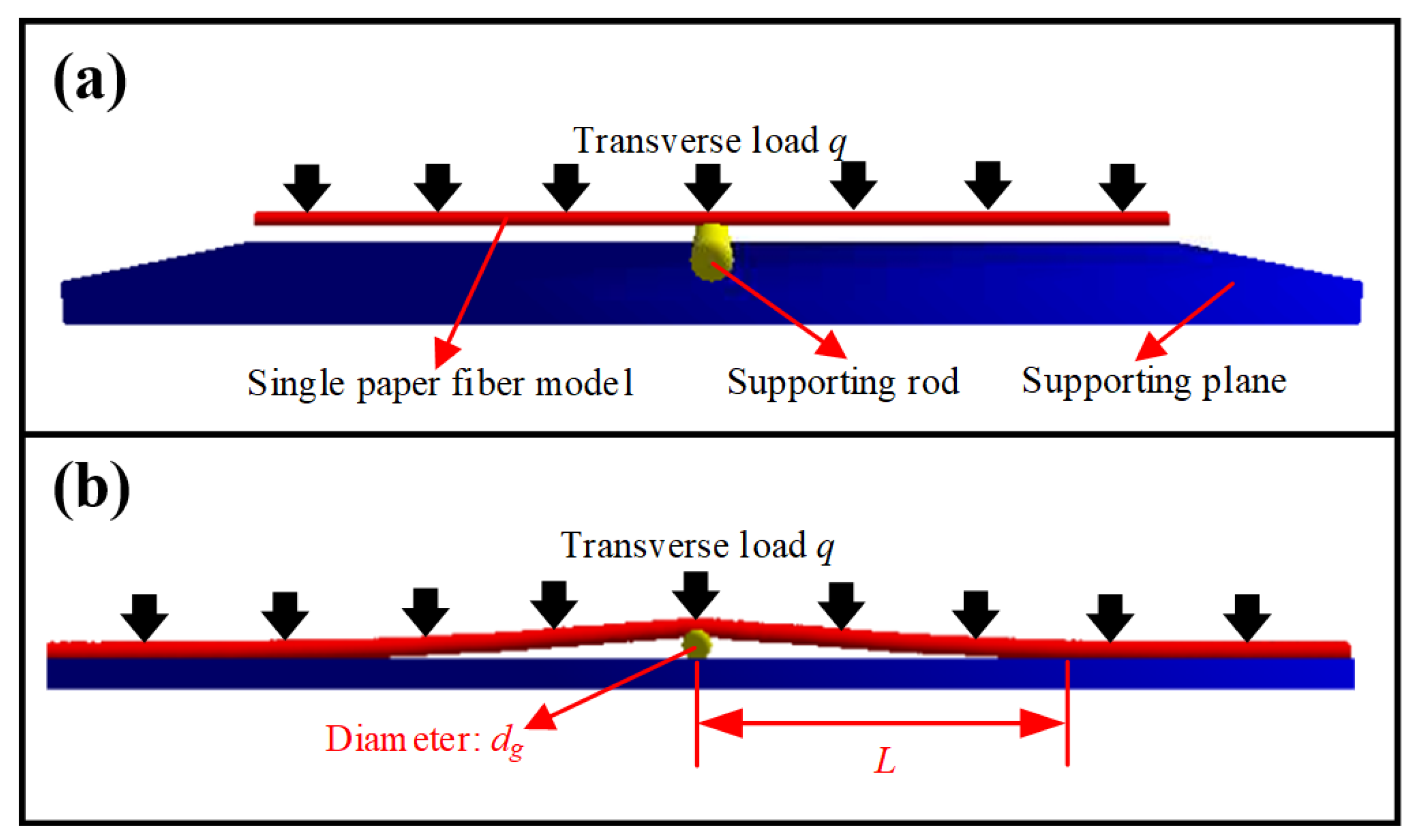
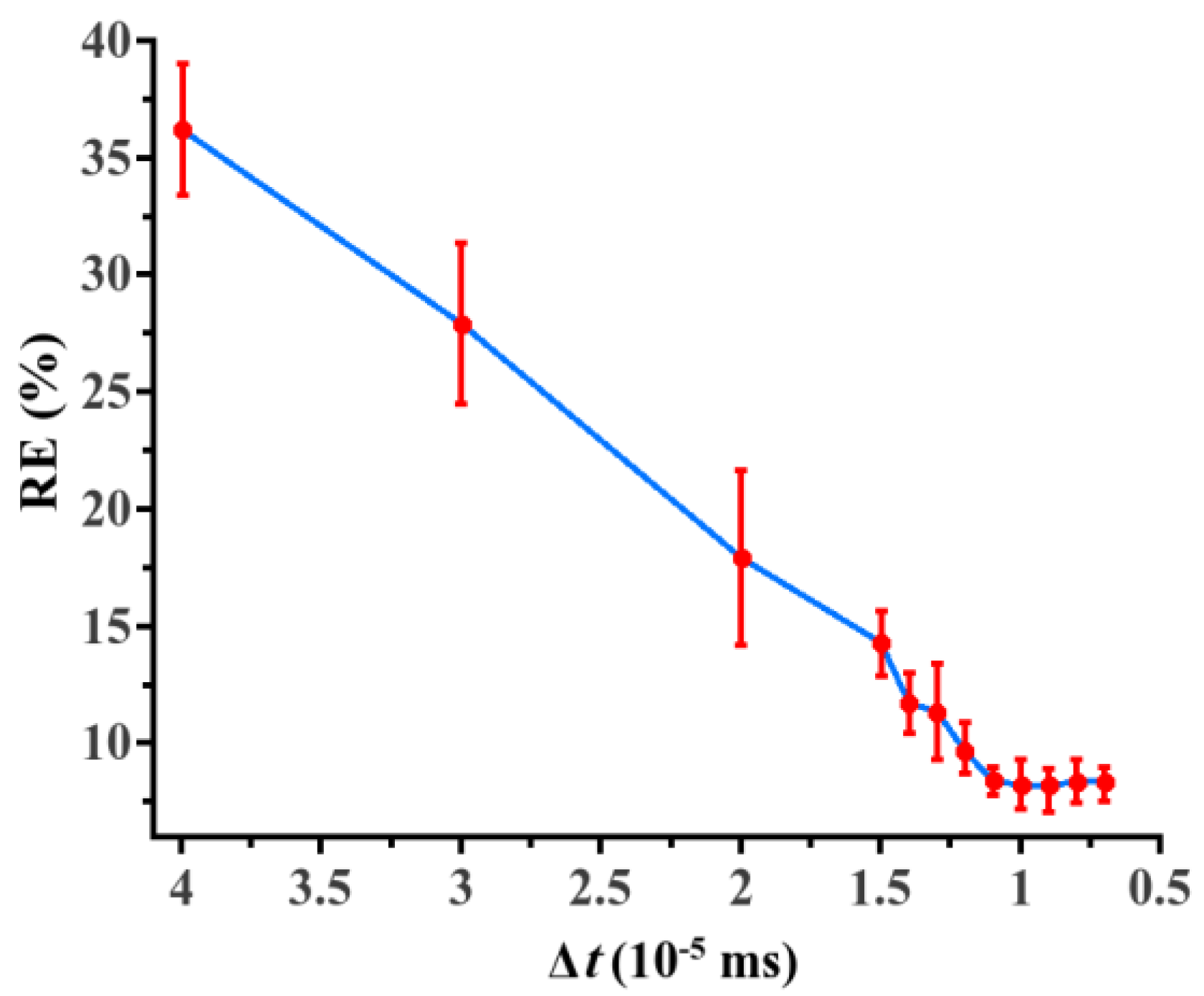
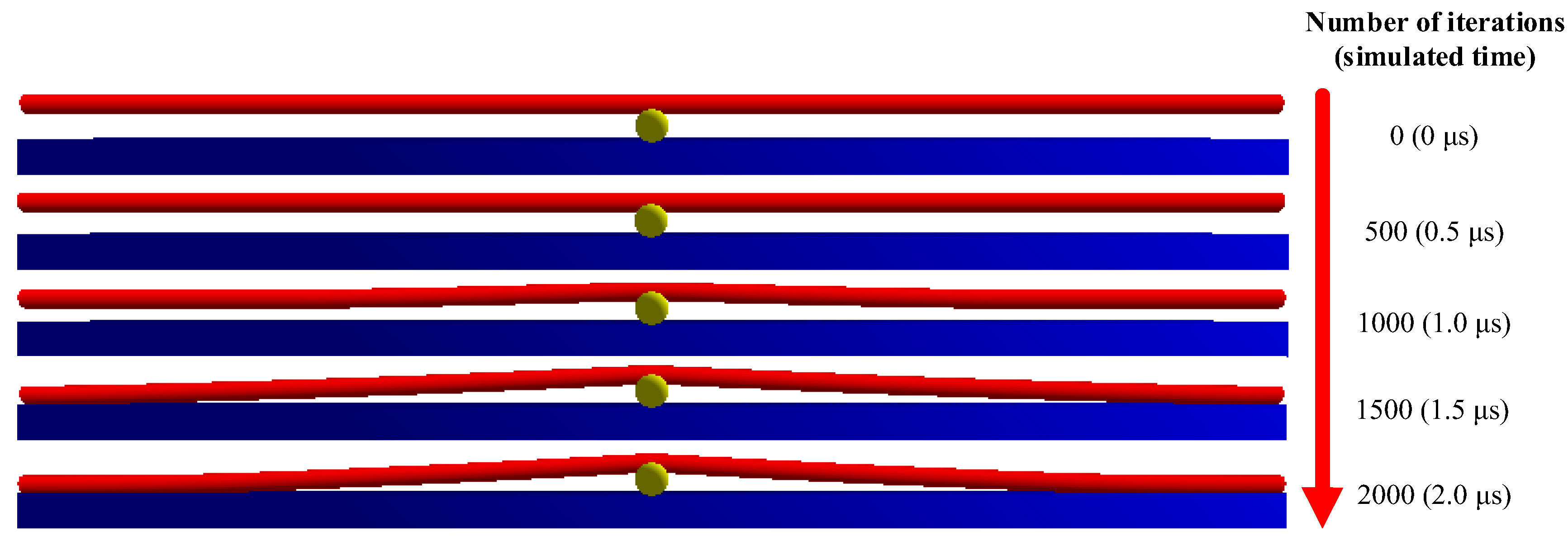
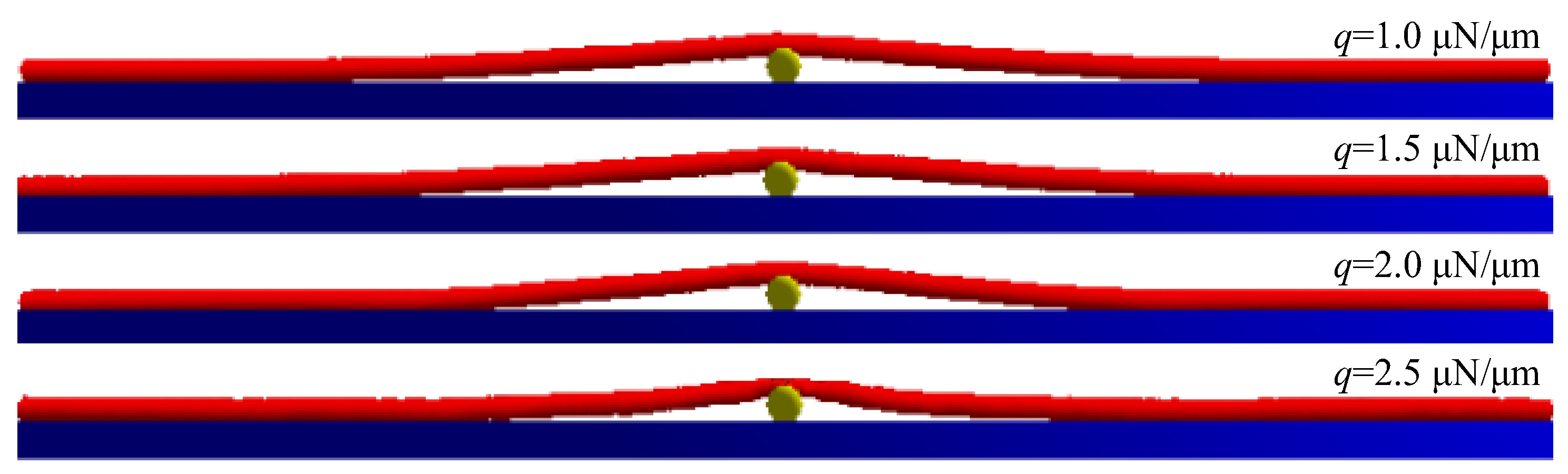
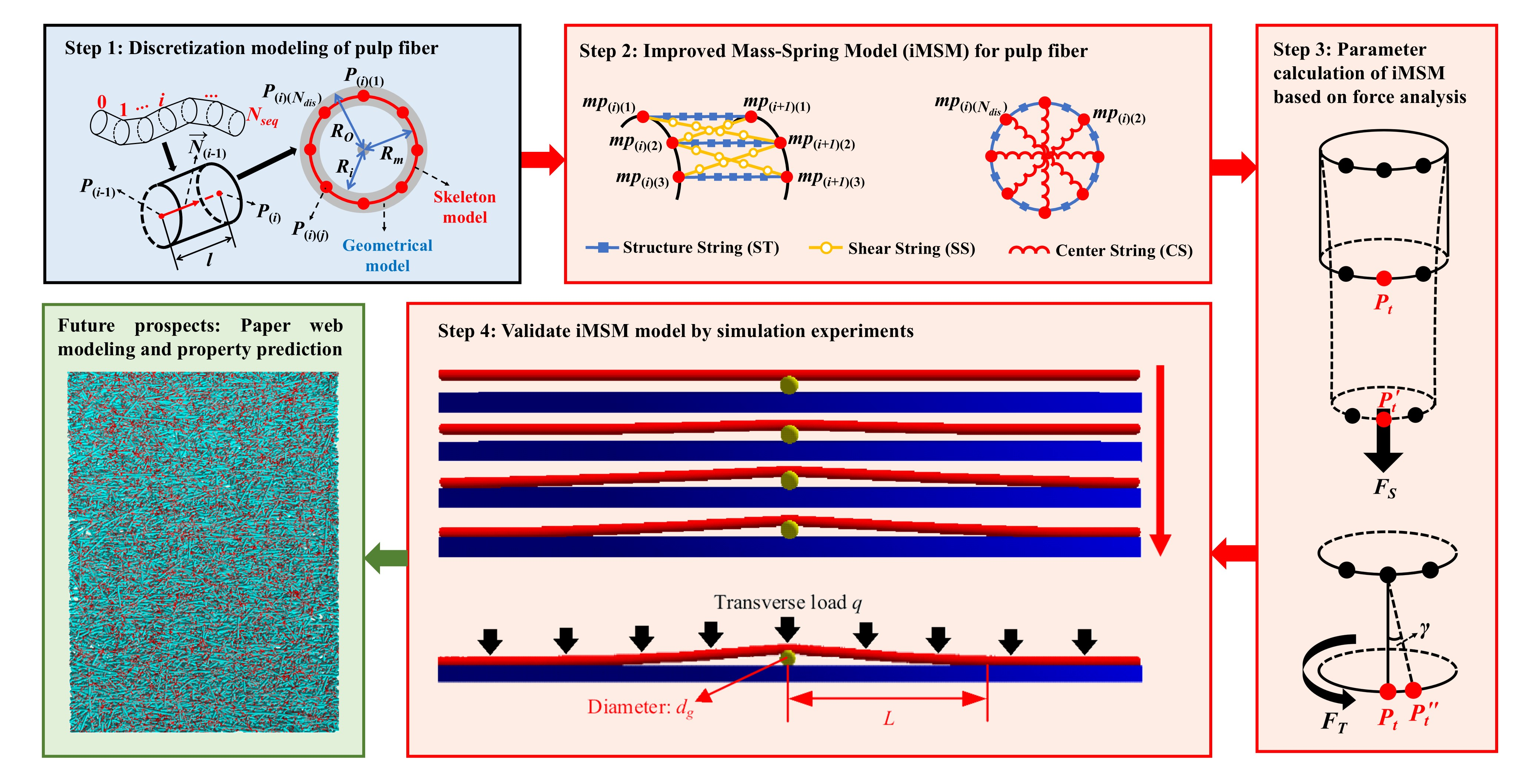
An improved Mass–Spring Model (iMSM) is developed by adding central springs to the conventional Mass–Spring Models (MSMs) of tubular structures. This improvement is necessary to model fibers that have enough stiffness so that they do not collapse under transverse loading. Such is the case with many pulp fibers used in papermaking. Four different types of pulp fibers (Aspen CTMP, Aspen BCTMP, Birch BCTMP, and Spruce BKP) were simulated in the study. A geometric model and iMSM of a single fiber were developed, in which the topological structure of iMSM is explained in detail. The mass of mass points and the elastic coefficient of different springs in iMSM were calculated using axial tensile and torsional responses. A dynamic simulation of transverse bending of the fiber over a rigid cylinder and subjected to a transverse pressure was used to determine the effective elastic modulus for four different single fibers and compared to experimental values with an average relative error of 8.49%. The dynamic simulations were completed in 1.04–2.64 min for the four different paper fibers representing sufficient speeds to meet the needs of most real application scenarios. The acceptable accuracy and the fast simulation speed with the developed iMSM fiber model demonstrate the feasibility of the methodology in analyzing paper structures as well as similar fiber-based materials.
Keywords: fiber; simulation; mechanical property; mass–spring model; property prediction fiber; simulation; mechanical property; mass–spring model; property prediction
Graphical Abstract