Article

Coexistence of Periodontitis and Systemic Lupus Erythematosus: Insights into Polymorphisms in the VDR, MTHFR, and DNMT Genes


by
Karolyne de Melo Soares
1,†,
Vânia Vieira Reis
2,†,
José Nunes de Queiroz Neto
2,
Darlene Camati Persuhn
2,
Eutília Andrade Medeiros Freire
3,
Sabrina Garcia de Aquino
4,
Cristina Wide Pissetti
5 and
Naila Francis Paulo de Oliveira
1,2,*
1
Graduate Program in Dentistry, Health Sciences Center, Federal University of Paraíba—UFPB, João Pessoa 58051-900, PB, Brazil
2
Department of Molecular Biology, Center for Exact and Natural Sciences, Federal University of Paraíba—UFPB, João Pessoa 58051-900, PB, Brazil
3
Department of Internal Medicine, Medical Sciences Center, Federal University of Paraíb—UFPB, João Pessoa 58051-900, PB, Brazil
4
Department of Clinic and Social Dentistry, Health Sciences Center, Federal University of Paraíba—UFPB, João Pessoa 58051-900, PB, Brazil
5
Department of Obstetrics and Gynecology, Medical Sciences Center, Federal University of Paraíba—UFPB, João Pessoa 58051-900, PB, Brazil
*
Author to whom correspondence should be addressed.
These authors contributed equally to this work.
Submission received: 5 February 2026 / Revised: 18 May 2026 / Accepted: 28 May 2026 / Published: 1 June 2026

Highlights

What are the main findings?
  • The single nucleotide polymorphisms (SNPs) studied do not show an exclusive association with the coexistence of periodontitis and systemic lupus erythematosus (SLE).
  • The VDR SNP rs1544410 is associated with SLE with or without periodontitis, and SNP rs731236 is associated with SLE, but not with its coexistence with periodontitis. The MTHFR rs1801131 SNP may be a protective factor against periodontitis, but not when it coexists with SLE.
What are the implications of the main findings?
  • Within the limitations of this study, these data provide insights into the genetics of periodontitis and SLE. The findings highlight the importance of stratifying individuals with or without SLE for future genetic studies focusing on periodontitis, since differences were observed before and after group stratification.
  • Following validation of these data in larger populations, VDR SNPs rs1544410 and rs731236 genotyping have the potential to be used as risk stratification markers for the development of SLE. Similarly, MTHFR SNP rs1801131 genotyping could be used for risk stratification for the development of periodontitis.

Abstract
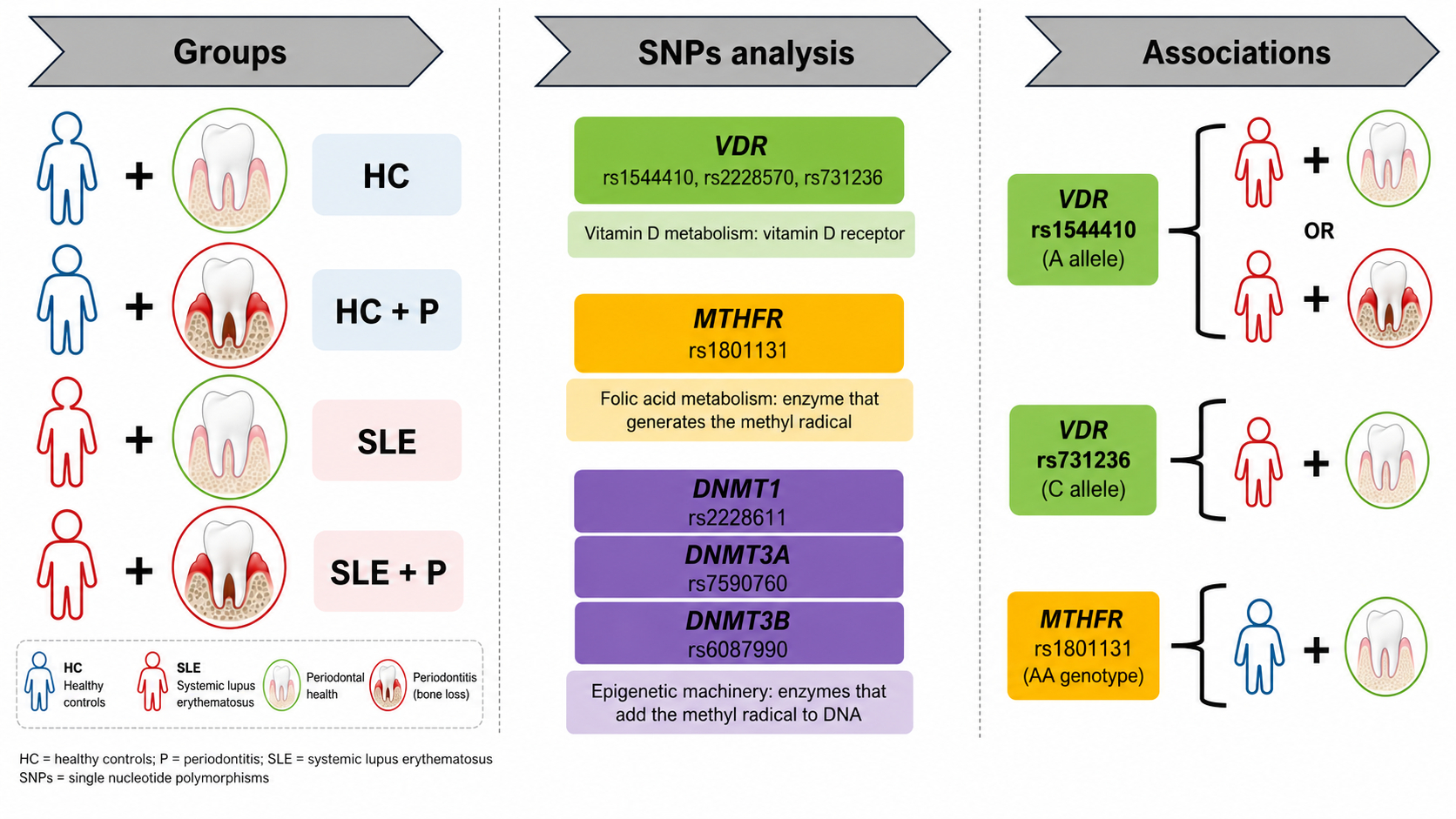
Objective: To investigate the association between genetic polymorphisms of the vitamin D receptor (VDR: rs1544410, rs2228570, rs731236), methylenetetrahydrofolate reductase (MTHFR: rs1801131), and DNA methyltransferase (DNMT1: rs2228611, DNMT3A: rs7590760, DNMT3B: rs6087990) genes and the coexistence of periodontitis and systemic lupus erythematosus (SLE). Methods: Systematically healthy individuals and patients with SLE of both sexes, aged over 20 years, were recruited and divided into four groups: healthy, periodontitis, SLE, and SLE with periodontitis. Seven polymorphisms in the VDR, MTHFR, DNMT1, DNMT3A, and DNMT3B genes were analyzed. Results: The frequency of the rs1801131 (MTHFR) AA genotype was higher in the healthy group than in the periodontitis group. The B allele of rs1544410 (VDR) was more frequent in patients with SLE, regardless of the presence of periodontitis. The t allele of rs731236 (VDR) was more frequent in patients with SLE without periodontitis. Conclusions: The polymorphisms studied do not show an exclusive association with the coexistence of periodontitis and SLE. However, the MTHFR rs1801131 polymorphism may be a protective factor against periodontitis, but not when it coexists with SLE. VDR rs1544410 is associated with SLE regardless of the presence of periodontitis, and rs731236 is associated with SLE, but not in coexistence with periodontitis. These data provide insights into the genetics of periodontitis and lupus; however, they are currently exploratory, as they were obtained from a single-center study in which it was not possible to adjust for demographic variables (age and sex) between groups due to the modest sample size.

Graphical Abstract

1. Introduction

There is evidence of a link between periodontal disease and systemic diseases such as systemic lupus erythematosus (SLE) [1,2]. Periodontal disease and the autoimmune disease SLE share pathological similarities in the mechanisms involved in tissue destruction [3,4]. A recent population-based study showed that patients with SLE have twice the risk of developing periodontitis compared to individuals without SLE [5]. Notably, a genetic study hypothesized that periodontitis could be a precursor rather than a consequence of SLE [6]. Both diseases are chronic inflammatory conditions: periodontitis affects the supporting tissues of the teeth and is associated with a dysbiotic biofilm and a dysregulated local host immune-inflammatory response, which may contribute to systemic low-grade inflammation [7,8], while SLE is a systemic immune-mediated disease characterized by loss of self-tolerance and excessive production of autoantibodies, with multiple clinical manifestations affecting the joints, internal organs, skin, and oral cavity [5,9,10].
The multifactorial nature of periodontitis, the decisive role of the immune-inflammatory response in disease progression, and individual susceptibility, which is influenced by genetic factors among other things, are also observed in SLE [4]. Little is known about the genetic factors involved in the coexistence of these diseases. Studies focusing on genetic polymorphisms are rare [11,12,13].
The biological pathways involved in vitamin D and folic acid metabolism, as well as the epigenetic pathway, have been associated separately with periodontitis and SLE [14,15,16,17,18,19]. Vitamin D metabolism depends on vitamin D receptors, encoded by the VDR gene. VDR is a transcription factor involved in the activation of over 300 genes and has important immunomodulatory functions [20]. Folic acid metabolism relies on various enzymes, one of the most important being methylenetetrahydrofolate reductase, encoded by the MTHFR gene [21]. MTHFR is essential for cellular homeostasis, maintaining the balance between homocysteine and methionine to prevent cellular dysfunction. MTHFR also generates methyl groups in the folate cycle, which are used by DNA methyltransferase enzymes to methylate DNA. These enzymes are encoded by DNMT genes, which, by methylating DNA, promote epigenetic control of gene transcription [16,21].
Genetic polymorphisms in the VDR, MTHFR, and DNMTs can affect the metabolic pathways described above, as they are associated with decreased protein activity or altered expression levels. Changes in protein activity and expression may, in turn, disrupt cellular homeostasis and contribute to the development of diseases, including periodontitis and systemic lupus erythematosus [11,20,21,22,23,24,25].
As these biological pathways have been independently linked to lupus and periodontitis, we hypothesize that polymorphisms in genes involved in vitamin D metabolism (vitamin D receptor—VDR), folate metabolism (Methylenetetrahydrofolate reductase—MTHFR), and the epigenetic machinery (DNA methyltransferases—DNMTs) are associated with the coexistence of periodontitis and systemic lupus erythematosus. The aim of the present study was therefore to test the association of polymorphisms in the VDR gene (rs1544410, rs2228570, rs731236), MTHFR gene (rs1801131), DNMT1 (rs2228611), DNMT3A (rs7590760), and DNMT3B (rs6087990) genes with the coexistence of periodontitis and systemic lupus erythematosus (SLE). It is important to note that this is the first study to evaluate these SNPs in which patients with periodontitis were stratified according to the presence or absence of lupus. Taken together, the molecular data have clinical value for identifying predictors of both diseases and promoting personalized intervention strategies.

2. Materials and Methods

2.1. Ethical Considerations

The procedures for this research followed the guidelines and standards for human studies as set out in National Health Council Resolution 466/12 and were in accordance with the 1964 Declaration of Helsinki and its subsequent amendments on comparable ethical standards. This study was approved by the Research Ethics Committee of the Center for Health Sciences of the Federal University of Paraíba (UFPB) (Opinion: 2.046.751 and 6.033.203). All participants signed the informed consent form to authorize their participation in this study.

2.2. Study Design

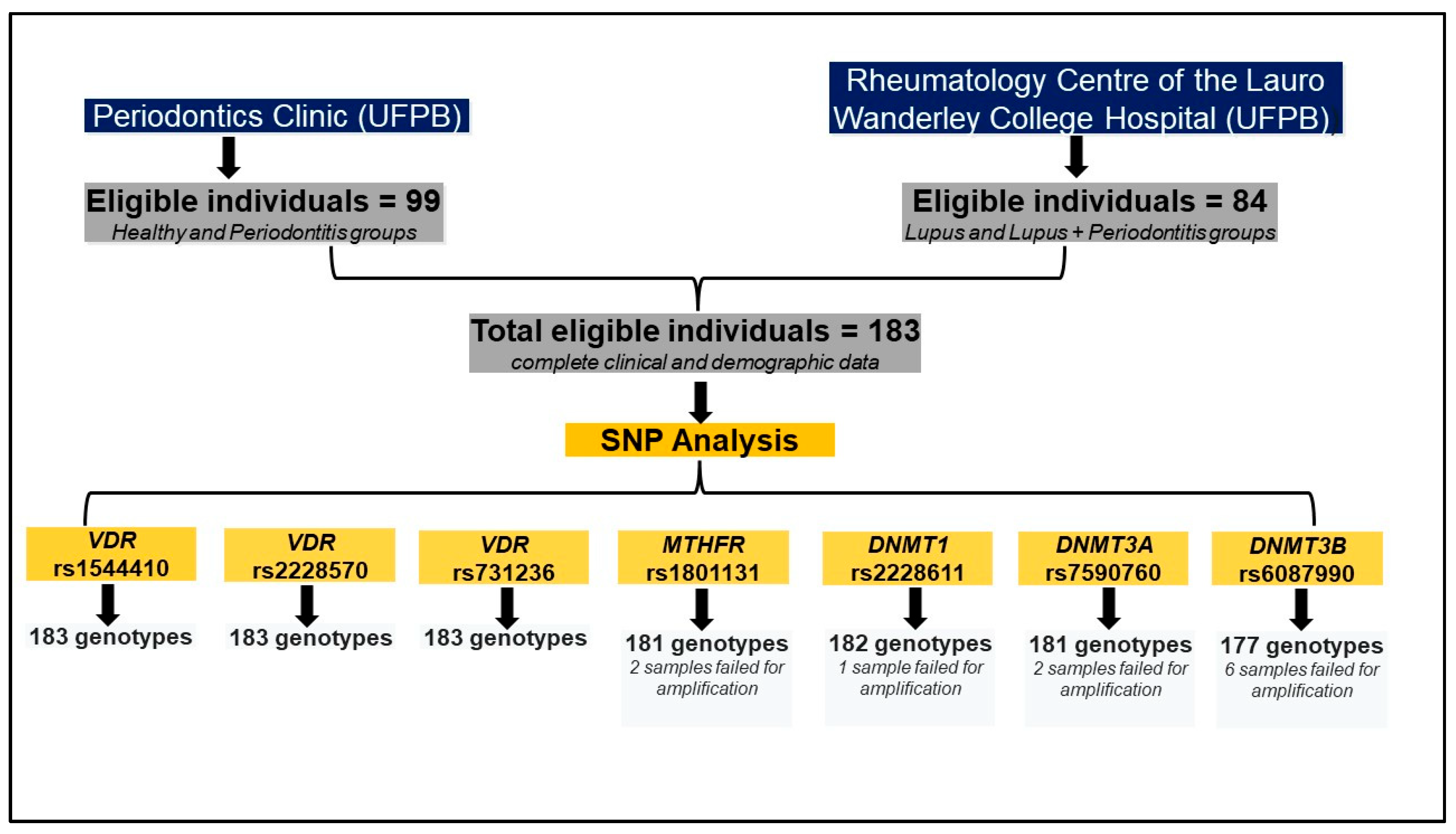
This is a cross-sectional study with laboratory analyses conducted at a single center. This study was carried out in João Pessoa, Paraíba, in northeastern Brazil, with patient recruitment taking place during 2017 and 2019. The sample comprised 183 participants of both sexes, aged over 20 years. Systemically healthy individuals (n = 99) were recruited at the Periodontology Clinic in the Department of Clinical and Social Dentistry, and individuals with systemic lupus erythematosus (n = 84) were recruited at the Rheumatology Centre of the Lauro Wanderley University Hospital, both at the Federal University of Paraíba (UFPB). Patients with a history of HIV, hepatitis, diabetes, use of orthodontic appliances, cognitive disorders, smoking, pregnancy, and autoimmune or chronic diseases (except periodontitis and systemic lupus erythematosus) were excluded. After collecting the biological samples, the laboratory analyses were performed in the Laboratory of Human Molecular Genetics, located in the Department of Molecular Biology at UFPB.

2.3. Sample Size

Using G*Power software (version 3.1.9.2, Faul F., University of Kiel, Germany), the sample size was calculated assuming a mean effect size (0.50) for the outcome of interest (difference in genotypic profile between SLE with and without periodontitis). A minimum sample size of 47 individuals with the outcome of interest (SLE) was determined, considering a study power of 80% and a 95% confidence interval. The a posteriori sample size was assessed based on the effect sizes for comparisons between the different groups of individuals and resulted in a study with an inferential power of 80%.

2.4. Assessment of Periodontitis and Systemic Lupus Erythematosus

Periodontitis diagnosis was assessed by a single, previously calibrated examiner (κ = 0.90) and included the following clinical parameters: Visible Plaque Index (VPI), Probing Depth (PD), Bleeding on Probing (BP), Clinical Attachment Level (CAL) at six sites per tooth, and the number of missing teeth, excluding third molars (at least 15 natural remaining teeth). Because the etiology of tooth loss could not be retrospectively determined, missing teeth were not considered as an isolated parameter for periodontal staging. The periodontal assessment was based on the current classification of periodontal and peri-implant diseases and conditions [26]. The primary criterion for the diagnosis of periodontitis was clinical interproximal attachment loss at the worst site of at least 3–4 mm, detected at two or more non-adjacent interproximal sites, and secondarily PS of up to 5 mm (corresponding to stages II, III, and IV). Participants were classified as having a predominantly Grade B profile, since longitudinal follow-up and standardized radiographic assessment were not available for all participants. In addition, smoking and diabetes were controlled through the exclusion criteria. Periodontal evaluation was performed using the primary clinical parameters recommended by the current classification of periodontal and peri-implant diseases and conditions.
All patients with SLE met at least four of the eleven criteria for the diagnostic classification of systemic lupus erythematosus established by the American Academy of Rheumatology [27]. This index includes clinical and laboratory features to determine disease activity (SLEDAI: Systemic Lupus Erythematosus Disease Activity Index). A rheumatologist categorised SLE activity at the first visit as inactive (SLEDAI < 5) or active (SLEDAI ≥ 5) according to the guidelines of the American Academy of Rheumatology. The SLEDAI assesses disease activity over the previous 10 days based on clinical and laboratory criteria [28]. The scale ranges from 0 to 105, with a score assigned for each clinical and laboratory assessment. In addition, the patient’s medical history, including time since lupus diagnosis and medication protocol, was analyzed from the medical records.

2.5. Study Population

After recruitment, the study participants were divided into four groups: healthy group (n = 57): individuals without systemic disease and with a healthy periodontium (i.e., without clinical attachment loss and probing depth < 3 mm, bleeding on probing at less than 10% of sites); periodontitis group (n = 42): patients without systemic disease, diagnosed with periodontitis, who had at least 15 natural teeth and clinical interproximal attachment loss of at least 3 mm at two or more non-adjacent interproximal sites and secondary probing depth ≥5 mm (corresponding to stages II, III and IV); SLE group (n = 46): individuals with systemic lupus erythematosus and without periodontitis; and SLE + periodontitis group (n = 38): individuals with systemic lupus erythematosus and periodontitis (corresponding to stages II, III and IV).

2.6. Analysis of Polymorphisms in the VDR, MTHFR and DNMT Genes

Single nucleotide polymorphism (SNP) analysis was performed using DNA from saliva. Biological samples were collected by rinsing the mouth for 1 min with 6 mL of autoclaved 3% dextrose. Genomic DNA was then purified with 8 M ammonium acetate as previously described [29]. Seven SNPs were selected using the dbSNP database (http://www.ncbi.nlm.nih.gov/projects/SNP/, accessed on 10 April 2023). The SNPs were chosen based on their functional significance (Table 1) and a minor allele frequency >0.20 according to the 1000 Genomes database. Genotyping of polymorphisms in the VDR (rs1544410, rs2228570, rs731236), MTHFR (rs1801131), DNMT1 (rs2228611), DNMT3A (rs7590760), and DNMT3B (rs6087990) genes was performed using the PCR-RFLP (polymerase chain reaction–restriction fragment length polymorphism) technique, which involves DNA amplification by PCR and digestion of DNA fragments by a restriction enzyme (Thermo Scientific™, Waltham, MA, USA). The primers and reaction conditions were as previously described and are listed in Table 1 [30,31].

2.7. Statistical Analysis

All data were categorized and tabulated in Excel® spreadsheets and analyzed using SPSS version 21 software, with a significance level set at p < 0.05. Data normality was assessed using the Kolmogorov–Smirnov test. Variables with a normal distribution were presented as mean ± standard deviation and analyzed using the independent samples t-test or ANOVA for comparisons involving more than two groups. Variables not normally distributed were expressed as medians (25th–75th percentile, p25–p75) and analyzed using the Mann–Whitney U test or the Kruskal–Wallis test for more than two groups. Categorical variables were analyzed using Pearson’s chi-square test, with results reported as totals and percentages. The odds ratio (OR) and corresponding 95% confidence intervals (95% CI) were calculated from contingency tables following chi-square tests. Results were adjusted for multiple comparisons using the Bonferroni correction of p-values when necessary. The Hardy–Weinberg equilibrium (HWE) was assessed using the chi-square test using the Courtlab HW Calculator (Court, 2005–2008).

3. Results

Figure 1 shows the study design, the number of individuals eligible for analysis, and the genotypes obtained for each SNP studied.

3.1. Demographic and Clinical Data

For the demographic data of the study population (n = 183), ages ranged from 20 to 71 years, with the majority being female (84.7%). Group stratification showed that the mean age in the periodontitis group (49 years) was higher than in the other groups (p < 0.0001; ANOVA), as was the frequency of men (47.7%) compared to the other groups (p = 0.001; chi-square) (Table 2).
Among patients diagnosed with periodontitis (n = 80), the frequency of stage II or III/IV diagnosis was similar between groups, with 22 (52.3%) individuals in stage III/IV in the periodontitis group and 20 (52.6%) in the periodontitis and lupus group (p > 0.05; chi-square). The number of missing teeth, probing depth (PD), and clinical attachment loss (CAL) were also similar between groups (p > 0.05). However, differences were observed in bleeding on probing (BOP) and sites with periodontal pockets, with higher scores in the periodontitis group (41 [0–97] and 28 [1–87], respectively) than in the lupus + periodontitis group (19.5 [0–94] and 12 [4–101], respectively) (p < 0.0001; Kruskal–Wallis and p = 0.001; Mann–Whitney, respectively) (Table 2).
Regarding the diagnosis of systemic lupus erythematosus (n = 84), 38 patients (45%) had periodontitis, and these had the longest duration since diagnosis (9 years [1–31]) compared to patients without periodontitis (3.5 years [0–26]) (p = 0.0005; Mann–Whitney). Of the total lupus population (n = 84), 42.6% had the active form, with 26 (56.6%) individuals in the group without periodontitis and 14 (36.9%) in the group with periodontitis, with no significant difference between groups (p = 0.07; chi-square). The medication profile was similar between groups, with no differences observed (p > 0.05; chi-square) (Table 2).

3.2. Genetic Data

For the VDR BsmI SNP (rs1544410), differences in allelic and genotypic frequencies were observed between groups with and without SLE. The frequency of the A (B) allele was significantly higher in SLE patients compared to systematically healthy individuals (53% vs. 40%), and individuals with this allele were 1.7 times more likely to develop SLE (OR = 1.7, 95% CI [1.1–2.6], p = 0.01). This was also observed for the AA + AG (BB + Bb) genotypes (74% vs. 58%), with individuals carrying these genotypes being twice as likely to develop SLE (OR = 2.0, 95% CI [1.0–3.8], p = 0.04) (Table 3). Stratification by group showed that this association persisted. Individuals with the A (B) allele and the AA + AG (BB + Bb) genotypes were 2 and 3 times more likely to develop SLE, respectively (Table 4).
For the VDR TaqI SNP (rs731236), genotype frequencies differed between groups with and without SLE, with CC + CT (tt + Tt) genotypes being more frequent in the SLE group than in the systematically healthy group (76% vs. 58%). This profile was associated with a 2.3-fold increased likelihood of developing SLE with or without periodontitis (OR = 2.3, 95% CI [1.2–4.4], p = 0.01) (Table 3). However, when stratifying the groups (Table 4), it is clear that the frequency of the C(t) allele is higher only in patients with SLE without periodontitis (OR = 2.3, 95% CI [1.2–4.4], p = 0.01 with Bonferroni correction).
For the MTHFR SNP (rs1801131), no differences were observed in allelic or genotypic distributions between the groups with and without SLE (Table 3). After stratification of the groups (Table 4), a higher frequency of the A allele was observed in the healthy group (75%) compared to the group with periodontitis (61%) (p = 0.04; chi-square). The genotypic distribution of this SNP differs between the healthy and periodontitis groups (p = 0.01; chi-square), between the periodontitis and lupus groups (p = 0.03; chi-square), and between the periodontitis group and the group with coexisting periodontitis and lupus (p = 0.0005; chi-square). The odds ratio (OR) analysis shows that the AA genotype is a protective factor against periodontitis (OR = 0.29; 95% CI [0.12–0.7]; p = 0.02 with Bonferroni’s correction), but not for the coexistence of periodontitis and lupus (p > 0.05).
For the DNMT1 SNP (rs2228611), no differences were observed in allelic or genotypic distributions between the groups with and without SLE (Table 3). After stratification of the groups (Table 4), the genotype frequency differs between the healthy and periodontitis groups (p = 0.02; chi-square) and between the healthy and periodontitis + lupus groups (p = 0.03; chi-square), with a higher frequency of AA and AG genotypes in the healthy group. However, after Bonferroni’s correction was applied in the OR analysis, this association was not confirmed.
For the VDR FokI (rs2228570), DNMT3A (rs7590760), and DNMT3B (rs6087990) SNPs, no differences were observed in allelic or genotypic distributions between the groups with and without SLE (Table 3), nor after stratification of the groups (Table 4).
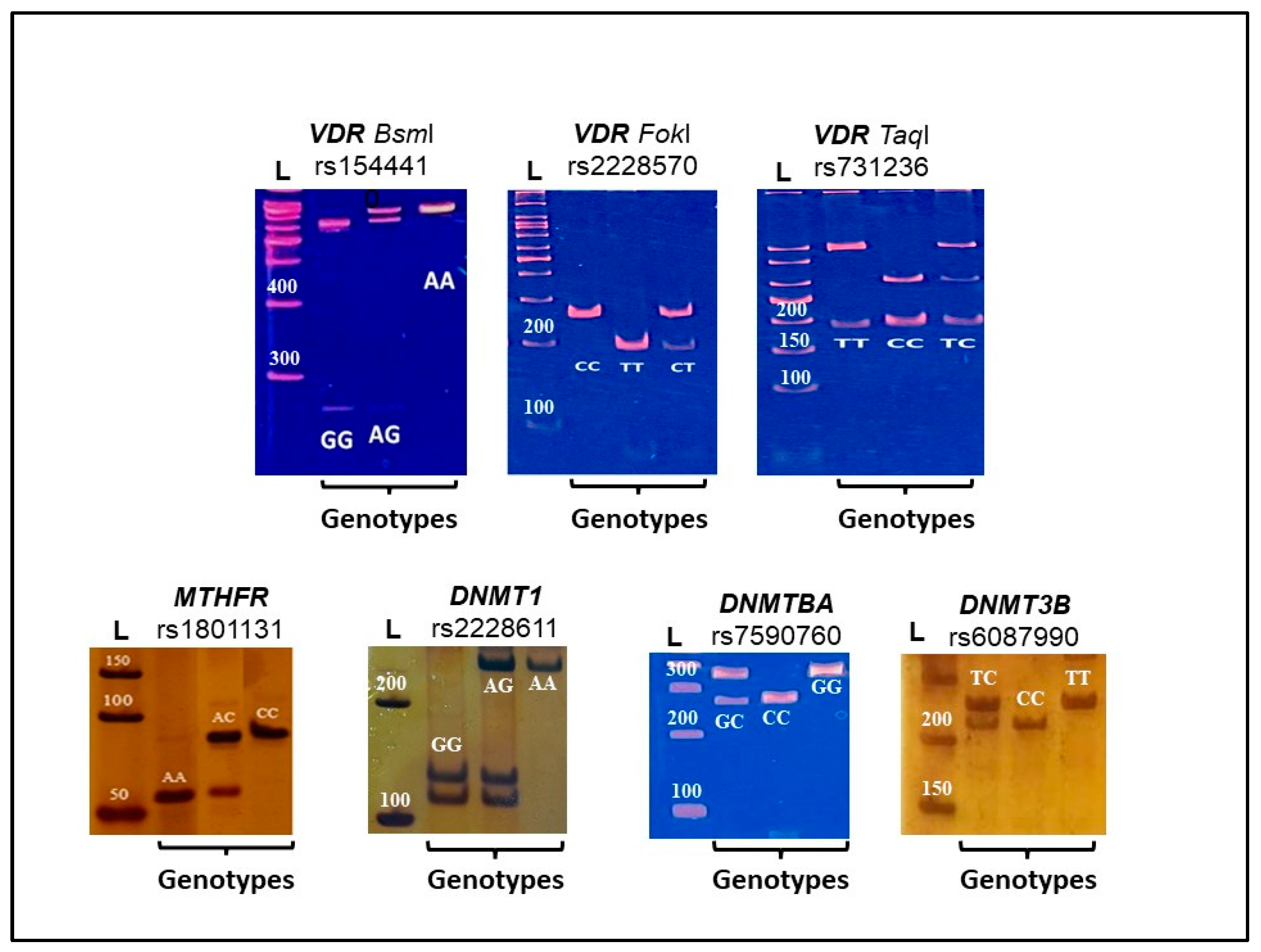
Figure 2 shows the band patterns (genotypes) of the analyzed polymorphisms.

4. Discussion

The demographic and clinical data of this study are consistent with previous studies, and the main contributions from the genetic data indicate that: (a) the VDR BsmI polymorphism (rs1544410) is associated with SLE in patients both with and without periodontitis; (b) the VDR TaqI polymorphism (rs731236) is associated with SLE only in the absence of periodontitis; (c) the MTHFR rs1801131 polymorphism acts as a protective factor against periodontitis, but not when it coexists with lupus.
The demographic and clinical data align with previous studies, including a higher prevalence of older individuals and a greater proportion of men in the group of patients with systemic health and periodontitis [32,33]; a higher proportion of women in the group of patients with SLE [34]; and no differences in the stage of periodontal disease, probing depth, or clinical attachment loss between patients with and without SLE [10,35].
These issues have been extensively explored in the literature, with explanations including (a) greater prevalence of periodontitis in older people due to a decline in periodontal function, and in men due to neglect of oral hygiene [36,37,38]; (b) higher prevalence of SLE in women due to an imbalance of hormonal factors such as estrogen and progesterone, and possibly the presence of the XIST RNA-protein immunogenic complex, which is only present in women, which increase immunological response and susceptibility to autoimmune disease [39,40]; (c) periodontal disease in patients with SLE does not necessarily have higher rates than in patients without SLE [10,41]. These data underline the importance of personalized treatment that takes demographic factors into account. Age, gender, and immunological profile influence the susceptibility and severity of both diseases, so it is important to adapt management strategies accordingly [42]. Even if the demographic data were as expected, it would be important to adjust for these variables, which was not possible in the present study due to the small sample size.
Associations were found regarding the presence of periodontitis and longer time since SLE diagnosis, as well as a greater number of bleeding sites and periodontal pockets in patients with periodontitis but without SLE. These findings have also been reported in other studies, but the underlying hypotheses require further investigation, particularly in longitudinal studies.
The hypothesis that a longer duration since SLE diagnosis is associated with the presence of periodontitis is not yet well established. However, studies indicate that the longer the disease persists, the more gingivitis (which can progress to periodontitis) and greater organ damage occur due to persistent inflammation and a hyperinflammatory state [6,12,43].
The hypothesis to explain the lower number of bleeding sites and periodontal pockets in patients with SLE and periodontitis has been proposed previously and may be related to SLE treatment. The classes of drugs used to treat SLE may or may not contribute to periodontal tissue destruction. Immunosuppressants have been associated with protection against periodontal inflammation, while prolonged use of high-dose corticosteroids has been linked to increased periodontal destruction in patients with SLE [44,45]. In the present study, both drug classes were used in patients with lupus (Table 2). To our knowledge, there are no data on the use of hydroxychloroquine and periodontitis in patients with SLE. However, a study on rheumatoid arthritis and periodontitis showed that antirheumatic drugs containing hydroxychloroquine improved the periodontal parameters of these patients [46]. These results require further investigation to clarify how SLE and pharmacological treatment interact in the context of periodontitis, considering the possibility of a relative protective effect on the progression of periodontitis in these patients.
Considering the genetic data, this is the first study in which patients were stratified based on the presence or absence of SLE or periodontitis.
For VDR BsmI (rs1544410), the A allele (B) and the AA and AG genotypes (BB and Bb) were more frequent in SLE patients. The most recent meta-analysis [47] showed that the B allele and the BB and Bb genotypes are associated with SLE in the African population, but not in other populations (B: OR = 1.8, 95% CI [1.4–2.4], p = 0.000; BB + Bb: OR = 2.9, 95% CI [1.9–4.4], p = 0.000). In contrast to our findings, another Brazilian study with patients from the south did not show the same association as the present study, which was conducted in the northeast of the country [48]. Brazil is continental in size with a highly mixed population, featuring a unique blend of Amerindian, European and African ancestry, which can be a confounding factor [49]. Indeed, controversial results have been observed for polymorphisms in the VDR gene in Brazil [50].
This SNP is located in intron 8, and the A > G (B > b) change may affect mRNA stability and VDR gene expression, as well as alter splice sites for mRNA transcription or regulatory elements within the VDR intron [20]. A Chinese study found that SLE patients carrying the B allele had lower VDR mRNA expression than those carrying the b allele [51]. Therefore, it is possible that the B allele, which is more common in individuals with SLE in the present study, is associated with lower levels of VDR mRNA, resulting in reduced availability of this receptor for binding with vitamin D. Reduced availability of the vitamin D receptor can impact cellular homeostasis, as this receptor, when bound to vitamin D, modulates the expression of numerous genes (around 300) involved in cellular differentiation, immune regulation, and inflammation [20]. However, our data must be interpreted with caution, as the periodontitis group did not reach Hardy–Weinberg Equilibrium and was used as a control for the OR analysis, since there were no significant differences between the systematically healthy group and the patients with SLE after group stratification. Similarly, Hardy–Weinberg Equilibrium was also not reached in studies involving patients with SLE or periodontitis regarding the BsmI polymorphism [47,52].
An association was also found for VDR TaqI (rs731236), with the C allele (t) being more frequent in SLE patients without periodontitis. This SNP has been little explored in the context of SLE, and data analyzed in a meta-analysis to date do not show any association with the general population [46]. However, an association was found in two separate studies. In the Indian study, the C allele (t) and the CT genotype (Tt) were associated with SLE (t: OR = 1.60, 95% CI [1.25–2.09], p = 0.0002; Tt: OR = 2.07, 95% CI [1.49–2.89], p < 0.0001) [53]. In the Iranian study, the CT (Tt) genotype could increase the probability by 2.8 times (OR: 2.8, 95% CI [1.6–5], p = 0.0002) [54]. Contrary to our data, another Brazilian study with patients from the southeast showed an association of this SNP with periodontitis [55].
This SNP is located in exon 9 and presents a T > C (T > t) change, causing a synonymous change in the coding sequence (isoleucine). Although it does not alter the amino acid sequence of the protein, it can affect the stability of the mRNA [20]. One study showed that healthy intestinal fibroblasts from carriers of the CC genotype expressed lower protein levels of VDR [56]. Similarly to the BsmI SNP, low availability of the vitamin D receptor can affect cellular homeostasis by modulating the expression of genes involved in inflammation, immune regulation, and cell differentiation [20].
After stratifying the groups, it was found that the association was not maintained in the group of patients with coexistence of P and SLE. This suggests that the coexistence of these diseases may have a common molecular mechanism that does not involve the TaqI polymorphism. Alternatively, it is possible that patients with SLE may develop periodontitis in the future, as the time to diagnosis is shorter in this group and, as previously mentioned, a longer time to diagnosis is associated with greater damage. The data must be carefully analyzed, as the group of SLE patients did not reach Hardy–Weinberg Equilibrium. Similar to our study, another study did not observe Hardy–Weinberg Equilibrium for TaqI in a population with SLE [54].
The deviation from Hardy–Weinberg Equilibrium found for BsmI and TaqI could be related to the small sample size and the genetic variability that characterizes the Brazilian population, as it is highly mixed [49,57].
The AA genotype for the rs1801131 MTHFR polymorphism was identified as a protective factor against periodontitis, but not when coexisting with lupus. This SNP is located in exon 7, where the A > C substitution results in the replacement of glutamine with alanine at position 429 of the protein, leading to a 20% decrease in its activity. Thus, the A allele is associated with higher activity of the enzyme methylenetetrahydrofolate reductase, which converts folic acid (vitamin B9) into L-methylfolate, the active form of vitamin B [23]. A recent systematic review has shown that B vitamins are important for the prevention of periodontitis [58]. Furthermore, higher MTHFR activity prevents an increase in homocysteine, an inflammatory marker found at higher concentrations in patients with periodontitis compared to healthy individuals [59,60,61]. In fact, a large-scale population genetic study showed that individuals with genotypes associated with higher enzymatic activity (AA) had lower homocysteine levels [62]. The AA genotype, identified as a protective factor against periodontitis in the present study, was also associated with protection against type 2 diabetes in Chinese individuals and against neural tube defects in Egyptians [63,64]. To our knowledge, this is the first study to examine the rs1801131 polymorphism in periodontitis. In relation to lupus, a study of American patients also found no association [65], but in a study of Iranian patients, the C allele and the CC and AC genotypes (associated with lower enzymatic activity) were associated with lupus [66].
One limitation of this study is the small sample size. It was conducted at a single center, and the inclusion criteria were strict. These factors may limit the generalizability of the results and reflect only a sample of the Brazilian population in the northeast of the country. To consolidate the conclusions obtained, it is recommended that this study be repeated in larger populations of different ethnic origins and that multicenter studies be validated to provide a more robust basis for interpreting the relationship between the genetic polymorphisms studied and the diseases analyzed. In addition, although the demographic data were as expected, it would be important to adjust for these variables, which was not possible in the present study due to the small sample size. Moreover, even if the distribution of genotypes does not depend on age and sex, the genotype–phenotype interaction may depend on these variables [67], which in turn influence immunosenescence and sex hormones and are associated with the diseases studied. Another limitation was the absence of complementary radiographic assessment of alveolar bone loss.
Despite these limitations, this is the first study to evaluate the SNPs rs1544410, rs2228570, rs731236, rs1801131, rs2228611, rs7590760, and rs6087990 in which patients with periodontitis were stratified according to the presence or absence of lupus, and our data reveal important insights into group stratification. For example, differences were found only for the MTHFR gene after stratifying the groups according to the presence of periodontitis. The VDR gene, by contrast, seems to be more associated with lupus than with periodontitis, at least in our population. These data add to knowledge about the genetics of periodontitis and lupus; however, they are currently exploratory, as they were obtained from a single-center study in which it was not possible to adjust demographic variables (age and sex) between groups because of the modest sample size.
It is important to note that lupus and periodontitis are multifactorial diseases, and the data from the present study do not demonstrate genetic causality but rather suggest that SNPs in the VDR gene may contribute to the development of these diseases. In this context, when these findings are further explored and validated, they may become relevant in clinical practice. Once a patient’s genetic predisposition is identified, recommendations should include maintaining healthy lifestyle habits (not smoking, abstaining from or moderating alcohol consumption, following a balanced diet that maintains body mass index and includes foods rich in vitamin D, engaging in physical activity, practicing good oral hygiene, managing stress, and ensuring adequate sleep). In addition, meta-analyses show positive effects of vitamin D supplementation in patients with periodontitis and systemic lupus erythematosus; therefore, patients carrying alleles associated with lower VDR expression could particularly benefit from such supplementation [68,69]. Similarly, the SNP in the MTHFR gene alone does not protect against periodontitis, and maintaining a healthy lifestyle and oral hygiene, as mentioned above, contributes to protection against periodontitis. In summary, our data contribute to the development of a panel of protective or susceptibility genes for periodontitis and lupus.

5. Conclusions

It is concluded that the polymorphisms studied do not show an exclusive association with the coexistence of periodontitis and systemic lupus erythematosus. However, the VDR BsmI (rs1544410) polymorphism (B allele) is associated with systemic lupus erythematosus, with or without periodontitis, and the TaqI (rs731236) polymorphism (t allele) is associated with systemic lupus erythematosus, but not with its coexistence with periodontitis. The rs1801131 MTHFR polymorphism (AA genotype) may contribute to protection against periodontitis. These data provide insights into the genetics of periodontitis and lupus; however, they are currently exploratory, as they were obtained from a single-center study in which it was not possible to adjust demographic variables (age and sex) between groups due to the modest sample size.

Author Contributions

Conceptualization: N.F.P.d.O. and S.G.d.A.; methodology: N.F.P.d.O., S.G.d.A., D.C.P., E.A.M.F. and C.W.P.; formal analysis and investigation: K.d.M.S., V.V.R., J.N.d.Q.N., S.G.d.A. and E.A.M.F.; writing—original draft preparation: K.d.M.S., N.F.P.d.O. and V.V.R.; writing—review and editing: K.d.M.S., N.F.P.d.O., S.G.d.A., D.C.P., J.N.d.Q.N., EAMF, C.W.P. and V.V.R. All authors have read and agreed to the published version of the manuscript.

Funding

Karolyne de Melo Soares was supported by Coordenação de Aperfeiçoamento de Pessoal de Nível Superior (CAPES-Brazil) and José Nunes de Queiroz Neto was supported by Conselho Nacional de Desenvolvimento Científico e Tecnológico (CNPq-Brazil).

Institutional Review Board Statement

This study was conducted in accordance with the Declaration of Helsinki and approved by the Ethics Committee of the Center for Health Sciences of the Federal College of Paraíba (UFPB) (Opinion: 2.046.751, 4 May 2017 and 6.033.203, 2 May 2023).

Informed Consent Statement

Informed consent was obtained from all subjects involved in this study.

Data Availability Statement

The data that support the findings of this study are available from the corresponding author upon reasonable request.

Conflicts of Interest

The authors declare no conflicts of interest.

References

  1. Fischer, R.G.; Gomes Filho, I.S.; Cruz, S.S.D.; Oliveira, V.B.; Lira-Junior, R.; Scannapieco, F.A.; Rego, R.O. What is the future of Periodontal Medicine? Braz. Oral Res. 2021, 35, e102. [Google Scholar] [CrossRef] [PubMed]
  2. Hajishengallis, G.; Chavakis, T. Local and systemic mechanisms linking periodontal disease and inflammatory comorbidities. Nature reviews. Immunology 2021, 21, 426–440. [Google Scholar] [CrossRef]
  3. Calderaro, D.C.; Ferreira, G.A.; Corrêa, J.D.; Mendonça, S.M.; Silva, T.A.; Costa, F.O.; Lúcio Teixeira, A. Is chronic periodontitis premature in systemic lupus erythematosus patients? Clin. Rheumatol. 2017, 36, 713–718. [Google Scholar] [CrossRef]
  4. Sete, M.R.; Figueredo, C.M.; Sztajnbok, F. Periodontitis and systemic lupus erythematosus. Rev. Bras. Reumatol. 2016, 56, 165–170. [Google Scholar] [CrossRef]
  5. Bolstad, A.I.; Sehjpal, P.; Lie, S.A.; Fevang, B.S. Periodontitis in patients with systemic lupus erythematosus: A nationwide study of 1990 patients. J. Periodontol. 2022, 93, 364–372. [Google Scholar] [CrossRef]
  6. Bae, S.C.; Lee, Y.H. Causal association between periodontitis and risk of rheumatoid arthritis and systemic lupus erythematosus: A Mendelian randomization. Z. Rheumatol. 2020, 79, 929–936. [Google Scholar] [CrossRef]
  7. Eke, P.I.; Borgnakke, W.S.; Genco, R.J. Recent epidemiologic trends in periodontitis in the USA. Periodontology 2000, 82, 257–267. [Google Scholar] [CrossRef] [PubMed]
  8. Van Dyke, T.E.; Bartold, P.M.; Reynolds, E.C. The Nexus Between Periodontal Inflammation and Dysbiosis. Front. Immunol. 2020, 11, 511. [Google Scholar] [CrossRef]
  9. García-Ríos, P.; Pecci-Lloret, M.P.; Oñate-Sánchez, R.E. Oral Manifestations of Systemic Lupus Erythematosus: A Systematic Review. Int. J. Environ. Res. Public Health 2022, 19, 11910. [Google Scholar] [CrossRef]
  10. Hussain, S.B.; Leira, Y.; Zehra, S.A.; Botelho, J.; Machado, V.; Ciurtin, C.; D’Aiuto, F.; Orlandi, M. Periodontitis and Systemic Lupus Erythematosus: A systematic review and meta-analysis. J. Periodontal Res. 2022, 57, 1–10. [Google Scholar] [CrossRef] [PubMed]
  11. Dias, L.N.D.S.; Coêlho, M.C.; Persuhn, D.C.; Ribeiro, I.L.A.; Freire, E.A.M.; Oliveira, N.F.P.; Aquino, S.G. DNMT3B (rs2424913) polymorphism is associated with systemic lupus erythematosus alone and with co-existing periodontitis in a Brazilian population. J. Appl. Oral Sci. 2022, 30, e20210567. [Google Scholar] [CrossRef]
  12. Kobayashi, T.; Ito, S.; Yamamoto, K.; Hasegawa, H.; Sugita, N.; Kuroda, T.; Kaneko, S.; Narita, I.; Yasuda, K.; Nakano, M.; et al. Risk of periodontitis in systemic lupus erythematosus is associated with Fcgamma receptor polymorphisms. J. Periodontol. 2003, 74, 378–384. [Google Scholar] [CrossRef]
  13. Kobayashi, T.; Ito, S.; Yasuda, K.; Kuroda, T.; Yamamoto, K.; Sugita, N.; Tai, H.; Narita, I.; Gejyo, F.; Yoshie, H. The combined genotypes of stimulatory and inhibitory Fc gamma receptors associated with systemic lupus erythematosus and periodontitis in Japanese adults. J. Periodontol. 2007, 78, 467–474. [Google Scholar] [CrossRef] [PubMed]
  14. Liaw, A.; Liu, C.; Ivanovski, S.; Han, P. The Relevance of DNA Methylation and Histone Modification in Periodontitis: A Scoping Review. Cells 2022, 11, 3211. [Google Scholar] [CrossRef]
  15. Machado, V.; Lobo, S.; Proença, L.; Mendes, J.J.; Botelho, J. Vitamin D and Periodontitis: A Systematic Review and Meta-Analysis. Nutrients 2020, 12, 2177. [Google Scholar] [CrossRef]
  16. Pawlowska, E.; Szczepanska, J.; Derwich, M.; Sobczuk, P.; Düzgüneş, N.; Blasiak, J. DNA Methylation in Periodontal Disease: A Focus on Folate, Folic Acid, Mitochondria, and Dietary Intervention. Int. J. Mol. Sci. 2025, 26, 3225. [Google Scholar] [CrossRef]
  17. Ranjan, S.; Das, B.K.; Tripathy, R.; Pattanaik, S.S.; Parida, M.; Tripathy, S.R.; Panda, A.K. Vitamin D Is Associated With Susceptibility and Disease Severity in Systemic Lupus Erythematosus: A Systematic Review and Meta-Analysis. Int. J. Rheum. Dis. 2025, 28, e70379. [Google Scholar] [CrossRef]
  18. Stojan, G.; Li, J.; Liu, T.; Kane, M.A.; Petri, M.A. Intracellular homocysteine metabolites in SLE: Plasma S-adenosylhomocysteine correlates with coronary plaque burden. Lupus Sci. Med. 2021, 8, e000453. [Google Scholar] [CrossRef] [PubMed]
  19. Zhou, X.; Zhou, S.; Li, Y. An updated review on abnormal epigenetic modifications in the pathogenesis of systemic lupus erythematosus. Front. Immunol. 2025, 15, 1501783. [Google Scholar] [CrossRef]
  20. Ruiz-Ballesteros, A.I.; Meza-Meza, M.R.; Vizmanos-Lamotte, B.; Parra-Rojas, I.; de la Cruz-Mosso, U. Association of Vitamin D Metabolism Gene Polymorphisms with Autoimmunity: Evidence in Population Genetic Studies. Int. J. Mol. Sci. 2020, 21, 9626. [Google Scholar] [CrossRef] [PubMed]
  21. Mahmoud, A.M.; Ali, M.M. Methyl Donor Micronutrients that Modify DNA Methylation and Cancer Outcome. Nutrients 2019, 11, 608. [Google Scholar] [CrossRef]
  22. Lee, S.J.; Jeon, H.S.; Jang, J.S.; Park, S.H.; Lee, G.Y.; Lee, B.H.; Kim, C.H.; Kang, Y.M.; Lee, W.K.; Kam, S.; et al. DNMT3B polymorphisms and risk of primary lung cancer. Carcinogenesis 2005, 26, 403–409. [Google Scholar] [CrossRef]
  23. Weisberg, I.S.; Jacques, P.F.; Selhub, J.; Bostom, A.G.; Chen, Z.; Curtis Ellison, R.; Eckfeldt, J.H.; Rozen, R. The 1298A→C polymorphism in methylenetetrahydrofolate reductase (MTHFR): In vitro expression and association with homocysteine. Atherosclerosis 2001, 156, 409–415. [Google Scholar] [CrossRef]
  24. Xu, Z.; Taylor, J.A. SNPinfo: Integrating GWAS and candidate gene information into functional SNP selection for genetic association studies. Nucleic Acids Res. 2009, 37, W600–W605. [Google Scholar] [CrossRef] [PubMed]
  25. Yuan, X.Q.; Zhang, D.Y.; Yan, H.; Yang, Y.L.; Zhu, K.W.; Chen, Y.H.; Li, X.; Yin, J.Y.; Li, X.L.; Zeng, H.; et al. Evaluation of DNMT3A genetic polymorphisms as outcome predictors in AML patients. Oncotarget 2016, 7, 60555–60574. [Google Scholar] [CrossRef][Green Version]
  26. Caton, J.G.; Armitage, G.; Berglundh, T.; Chapple, I.L.C.; Jepsen, S.; Kornman, K.S.; Mealey, B.L.; Papapanou, P.N.; Sanz, M.; Tonetti, M.S. A new classification scheme for periodontal and peri-implant diseases and conditions—Introduction and key changes from the 1999 classification. J. Clin. Periodontol. 2018, 45, S1–S8. [Google Scholar] [CrossRef]
  27. Hochberg, M.C. Updating the American College of Rheumatology revised criteria for the classification of systemic lupus erythematosus. Arthritis Rheum. 1997, 40, 1725. [Google Scholar] [CrossRef]
  28. Touma, Z.; Urowitz, M.B.; Gladman, D.D. Systemic lupus erythematosus disease activity index 2000 responder index-50 website. J. Rheumatol. 2013, 40, 733. [Google Scholar] [CrossRef] [PubMed]
  29. Aidar, M.; Line, S.R. A simple and cost-effective protocol for DNA isolation from buccal epithelial cells. Braz. Dent. J. 2007, 18, 148–152. [Google Scholar] [CrossRef] [PubMed]
  30. Viana Filho, J.M.C.; de Souza, B.F.; Coêlho, M.C.; Valença, A.M.G.; Persuhn, D.C.; de Oliveira, N.F.P. Polymorphism but not methylation status in the vitamin D receptor gene contributes to oral mucositis in children. Oral Dis. 2023, 29, 3381–3392. [Google Scholar] [CrossRef]
  31. Guimarães, J.R.; de Souza, B.F.; Filho, J.M.C.V.; Damascena, L.C.L.; Valença, A.M.G.; Persuhn, D.C.; de Oliveira, N.F.P. Epigenetic mechanisms and oral mucositis in children with acute lymphoblastic leukaemia. Eur. J. Oral Sci. 2024, 132, e13009. [Google Scholar] [CrossRef]
  32. Holde, G.E.; Oscarson, N.; Trovik, T.A.; Tillberg, A.; Jönsson, B. Periodontitis prevalence and severity in adults: A cross-sectional study in Norwegian Circumpolar Communities. J. Periodontol. 2017, 88, 1012–1022. [Google Scholar] [CrossRef] [PubMed]
  33. Nazir, M.; Al-Ansari, A.; Al-Khalifa, K.; Alhareky, M.; Gaffar, B.; Almas, K. Global Prevalence of Periodontal Disease and Lack of Its Surveillance. Sci. World J. 2020, 2020, 2146160. [Google Scholar] [CrossRef] [PubMed]
  34. Siegel, C.H.; Sammaritano, L.R. Systemic Lupus Erythematosus: A Review. JAMA 2024, 331, 1480–1491. [Google Scholar] [CrossRef]
  35. Gegout, P.Y.; Wabbi, R.; Jung, S.; Huck, O. Oral Consequences of Systemic Lupus Erythematosus: An Update. Curr. Oral Health Rep. 2023, 10, 184–195. [Google Scholar] [CrossRef]
  36. Lipsky, M.S.; Su, S.; Crespo, C.J.; Hung, M. Men and Oral Health: A Review of Sex and Gender Differences. Am. J. Mens. Health 2021, 15, 15579883211016361. [Google Scholar] [CrossRef]
  37. Trindade, D.; Carvalho, R.; Machado, V.; Chambrone, L.; Mendes, J.J.; Botelho, J. Prevalence of periodontitis in dentate people between 2011 and 2020: A systematic review and meta-analysis of epidemiological studies. J. Clin. Periodontol. 2023, 50, 604–626. [Google Scholar] [CrossRef]
  38. Zhu, L.; Tang, Z.; Hu, R.; Gu, M.; Yang, Y. Ageing and Inflammation: What Happens in Periodontium? Bioengineering 2023, 10, 1274. [Google Scholar] [CrossRef]
  39. McMurray, R.W.; May, W. Sex hormones and systemic lupus erythematosus: Review and meta-analysis. Arthritis Rheum. 2003, 48, 2100–2110. [Google Scholar] [CrossRef]
  40. Dou, D.R.; Zhao, Y.; Belk, J.A.; Zhao, Y.; Casey, K.M.; Chen, D.C.; Li, R.; Yu, B.; Srinivasan, S.; Abe, B.T.; et al. Xist ribonucleoproteins promote female sex-biased autoimmunity. Cell. 2024, 187, 733–749.e16. [Google Scholar] [CrossRef]
  41. Rutter-Locher, Z.; Smith, T.O.; Giles, I.; Sofat, N. Association between Systemic Lupus Erythematosus and Periodontitis: A Systematic Review and Meta-analysis. Front. Immunol. 2017, 8, 1295. [Google Scholar] [CrossRef] [PubMed]
  42. Stojan, G.; Petri, M. Epidemiology of systemic lupus erythematosus: An update. Curr. Opin. Rheumatol. 2018, 30, 144–150. [Google Scholar] [CrossRef] [PubMed]
  43. Fernandes, E.G.; Savioli, C.; Siqueira, J.T.; Silva, C.A. Oral health and the masticatory system in juvenile systemic lupus erythematosus. Lupus 2007, 16, 713–719. [Google Scholar] [CrossRef]
  44. Mendonça, S.M.S.; Corrêa, J.D.; Souza, A.F.; Travassos, D.V.; Calderaro, D.C.; Rocha, N.P.; Vieira, É.L.M.; Teixeira, A.L.; Ferreira, G.A.; Silva, T.A. Immunological signatures in saliva of systemic lupus erythematosus patients: Influence of periodontal condition. Clin. Exp. Rheumatol. 2019, 37, 208–214. [Google Scholar] [PubMed]
  45. Pires, J.R.; Nogueira, M.R.S.; Nunes, A.J.F.; Degand, D.R.F.; Pessoa, L.C.; Damante, C.A.; Zangrando, M.S.R.; Greghi, S.L.A.; de Rezende, M.L.R.; Sant’Ana, A.C.P. Deposition of Immune Complexes in Gingival Tissues in the Presence of Periodontitis and Systemic Lupus Erythematosus. Front. Immunol. 2021, 12, 591236. [Google Scholar] [CrossRef]
  46. Jung, G.U.; Han, J.Y.; Hwang, K.G.; Park, C.J.; Stathopoulou, P.G.; Fiorellini, J.P. Effects of Conventional Synthetic Disease-Modifying Antirheumatic Drugs on Response to Periodontal Treatment in Patients with Rheumatoid Arthritis. Biomed. Res. Int. 2018, 2018, 1465402. [Google Scholar] [CrossRef]
  47. Yang, S.K.; Liu, N.; Zhang, W.J.; Song, N.; Yang, J.P.; Zhang, H.; Gui, M. Impact of Vitamin D Receptor Gene Polymorphism on Systemic Lupus Erythematosus Susceptibility: A Pooled Analysis. Genet. Test. Mol. Biomarkers 2022, 26, 228–238. [Google Scholar] [CrossRef]
  48. Monticielo, O.A.; Brenol, J.C.; Chies, J.A.; Longo, M.G.; Rucatti, G.G.; Scalco, R.; Xavier, R.M. The role of BsmI and FokI vitamin D receptor gene polymorphisms and serum 25-hydroxyvitamin D in Brazilian patients with systemic lupus erythematosus. Lupus 2012, 21, 43–52. [Google Scholar] [CrossRef]
  49. Pena, S.D.; Santos, F.R.; Tarazona-Santos, E. Genetic admixture in Brazil. Am. J. Med. Genet. C Semin. Med. Genet. 2020, 184, 928–938. [Google Scholar] [CrossRef]
  50. Simões, G.L.D.B.A.; Camera, P.; Pacheco, A.; do Nascimento, R.E. Polimorfismos genéticos no receptor da vitamina D e a suscetibilidade a doenças no Brasil. Rev. Patol. Tocantins 2020, 7, 83–87. [Google Scholar] [CrossRef]
  51. Luo, X.Y.; Yang, M.H.; Wu, F.X.; Yuan, G.H. Vitamin D receptor gene BsmI polymorphism B allele, but not BB genotype, is associated with systemic lupus erythematosus in a Han Chinese population. Lupus 2012, 21, 53–59. [Google Scholar] [CrossRef]
  52. Mashhadiabbas, F.; Neamatzadeh, H.; Nasiri, R.; Foroughi, E.; Farahnak, S.; Piroozmand, P.; Mazaheri, M.; Zare-Shehneh, M. Association of vitamin D receptor BsmI, TaqI, FokI, and ApaI polymorphisms with susceptibility of chronic periodontitis: A systematic review and meta-analysis based on 38 case -control studies. Dent. Res. J. 2018, 15, 155–165. [Google Scholar]
  53. Mahto, H.; Tripathy, R.; Das, B.K.; Panda, A.K. Association between vitamin D receptor polymorphisms and systemic lupus erythematosus in an Indian cohort. Int. J. Rheum. Dis. 2018, 21, 468–476. [Google Scholar] [CrossRef]
  54. Salimi, S.; Eskandari, F.; Rezaei, M.; Sandoughi, M. Vitamin D Receptor rs2228570 and rs731236 Polymorphisms are Susceptible Factors for Systemic Lupus Erythematosus. Adv. Biomed. Res. 2019, 8, 48. [Google Scholar] [CrossRef] [PubMed]
  55. De Brito Júnior, R.B.; Scarel-Caminaga, R.M.; Trevilatto, P.C.; de Souza, A.P.; Barros, S.P. Polymorphisms in the vitamin D receptor gene are associated with periodontal disease. J. Periodontol. 2004, 75, 1090–1095. [Google Scholar] [CrossRef]
  56. Gisbert-Ferrándiz, L.; Cosin-Roger, J.; Hernández, C.; Macias-Ceja, D.C.; Ortiz-Masiá, D.; Salvador, P.; Wildenberg, M.E.; Esplugues, J.V.; Alós, R.; Navarro, F.; et al. The vitamin D receptor Taq I polymorphism is associated with reduced VDR and increased PDIA3 protein levels in human intestinal fibroblasts. J. Steroid Biochem. Mol. Biol. 2020, 202, 105720. [Google Scholar] [CrossRef]
  57. Nunes, K.; Araújo Castro e Silva, M.; Rodrigues, M.R.; Lemes, R.B.; Pezo-Valderrama, P.; Kimura, L.; de Sena, L.S.; Krieger, J.E.; Catoia Varela, M.; de Azevedo, L.O.; et al. Admixture’s impact on Brazilian population evolution and health. Science 2025, 388, eadl3564. [Google Scholar] [CrossRef]
  58. Mi, N.; Zhang, M.; Ying, Z.; Lin, X.; Jin, Y. Vitamin intake and periodontal disease: A meta-analysis of observational studies. BMC Oral Health 2024, 24, 117. [Google Scholar] [CrossRef]
  59. Botelho, J.; Machado, V.; Leira, Y.; Proença, L.; Mendes, J.J. Periodontal Inflamed Surface Area Mediates the Link between Homocysteine and Blood Pressure. Biomolecules 2021, 11, 875. [Google Scholar] [CrossRef]
  60. Mallapragada, S.; Kasana, J.; Agrawal, P. Effect of Nonsurgical Periodontal Therapy on Serum Highly Sensitive Capsule Reactive Protein and Homocysteine Levels in Chronic Periodontitis: A Pilot Study. Contemp. Clin. Dent. 2017, 8, 279–285. [Google Scholar] [CrossRef]
  61. Penmetsa, G.S.; Bhaskar, R.U.; Mopidevi, A. Analysis of Plasma Homocysteine Levels in Patients with Chronic Periodontitis Before and After Nonsurgical Periodontal Therapy Using High-Performance Liquid Chromatography. Contemp. Clin. Dent. 2020, 11, 266–273. [Google Scholar] [CrossRef]
  62. Fredriksen, A.; Meyer, K.; Ueland, P.M.; Vollset, S.E.; Grotmol, T.; Schneede, J. Large-scale population-based metabolic phenotyping of thirteen genetic polymorphisms related to one-carbon metabolism. Hum. Mutat. 2007, 28, 856–865. [Google Scholar] [CrossRef]
  63. Hassan, M.H.; Raslan, M.A.; Tharwat, M.; Sakhr, H.M.; El-Khateeb, E.E.; Sakr, S.F.; Ameen, H.H.; Hamdan, A.R. Metabolic Analysis of Methylenetetrahydrofolate Reductase Single Nucleotide Polymorphisms (MTHFR 677C<T and MTHFR 1298A<C), Serum Folate and Vitamin B12 in Neural Tube Defects. Indian J. Clin. Biochem. 2023, 38, 305–315. [Google Scholar] [CrossRef] [PubMed]
  64. Zhang, S.; Chen, S.; He, K.; Liu, J.; Su, X.; Li, W.; Ma, J.; Cheng, C.; Ouyang, R.; Mu, Y.; et al. The Interaction of Dietary Patterns and Genetic Variants on the Risk of Cardiovascular Diseases in Chinese Patients with Type 2 Diabetes. Mol. Nutr. Food Res. 2023, 67, e2300332. [Google Scholar] [CrossRef] [PubMed]
  65. Summers, C.M.; Cucchiara, A.J.; Nackos, E.; Hammons, A.L.; Mohr, E.; Whitehead, A.S.; Von Feldt, J.M. Functional polymorphisms of folate-metabolizing enzymes in relation to homocysteine concentrations in systemic lupus erythematosus. J. Rheumatol. 2008, 35, 2179–2186. [Google Scholar] [CrossRef]
  66. Salimi, S.; Keshavarzi, F.; Mohammadpour-Gharehbagh, A.; Moodi, M.; Mousavi, M.; Karimian, M.; Sandoughi, M. Polymorphisms of the folate metabolizing enzymes: Association with SLE susceptibility and in silico analysis. Gene 2017, 637, 161–172. [Google Scholar] [CrossRef]
  67. Yao, C.; Joehanes, R.; Johnson, A.D.; Huan, T.; Esko, T.; Ying, S.; Freedman, J.E.; Murabito, J.; Lunetta, K.L.; Metspalu, A.; et al. Sex- and age-interacting eQTLs in human complex diseases. Hum. Mol. Genet. 2014, 23, 1947–1956. [Google Scholar] [CrossRef] [PubMed]
  68. Liang, F.; Zhou, Y.; Zhang, Z.; Zhang, Z.; Shen, J. Association of vitamin D in individuals with periodontitis: An updated systematic review and meta-analysis. BMC Oral Health 2023, 23, 387. [Google Scholar] [CrossRef]
  69. Zheng, R.; Gonzalez, A.; Yue, J.; Wu, X.; Qiu, M.; Gui, L.; Zhu, S.; Huang, L. Efficacy and Safety of Vitamin D Supplementation in Patients With Systemic Lupus Erythematosus: A Meta-analysis of Randomized Controlled Trials. Am. J. Med. Sci. 2019, 358, 104–114. [Google Scholar] [CrossRef]
Figure 1. Study design, eligible individuals, and genotyped samples. UFPB: Universidade Federal da Paraíba-Brazil; SNP: single nucleotide polymorphism.
Oral 06 00067 g001
Figure 2. Representative fragments of PCR-RFLP reactions for polymorphisms. Photograph of a 10% polyacrylamide gel stained with 0.5% silver nitrate (MTHFR, DNMT1, DNMT3B) or with a DNA intercalating dye (GelRed®-Biotium—Fremont, CA, USA) visualized under ultraviolet light (UV Transilluminator—Loccus Biotechnology—Cotia, Brazil) (VDR, DNMT3A). L = ladder (bp = base pair), 100 bp for BsmI, FokI, DNMT1, DNMT3A, and 50 bp for TaqI, MTHFR, DNMT3B.
Oral 06 00067 g002
Table 1. Examined genes and their information on location, predicted functionality and reaction conditions for PCR-RFLP analysis of polymorphisms.
Gene/SNPSNP Location Amino Acid
Change
Predicted FunctionalityPrimers
(5′-3′)
Annealing
(°C-s)
Product and
Restriction
Fragments
(bp)
RE—RS
(°C—h)
VDR
rs1544410
BsmI
intron 8--May affect the stability of the mRNA and gene expression of the VDR, in addition to a change in the splice sites for transcription of the mRNA or a change in the regulatory elements of the VDR intronF: caaccaagactacaagtaccgcgtcagtga
R: aaccagcgggaagtcaaggg
58 (40 s)870
A (B): 870
G (b): 640, 230
BsmI
GAATGC
(65—16 h)
VDR
rs2228570
FokI
exon 2ThrMetMay lead to translation of a shorter and more potent protein of 424 amino acidsF:agctggccctggcactgactctggct
R: atggaaacaccttgcttcttctccctc
69 (40 s)267
C (F): 267
T (f): 197, 70
FokI
GGATG
(37—2 h)
VDR
rs731236
TaqI
exon 9IleIleAlthough it does not cause changes in the amino acids of the protein, can affect the stability of the mRNAF: gggacgatgagggatggacagagc
R: ggaaaggggttaggttggacagga
68 (40 s)713
T (T): 512, 201
C (t): 311, 201
TaqI
TCGA
(65—16 h)
MTHFR
rs1801131
A1298C
exon 7Glu429AlaThe C allele decreases enzyme activity, leading to a decreased amount of the methyl radical donorF: ctttggggagctgaaggactactac
R: cactttgtgaccattccggtttg
62 (30 s)163
AA: 56, 31, 30, 28, 18
AC: 84, 56, 31,30, 28, 18
CC: 84, 31, 30, 18
MboII
GAAGA
(37—16 h)
DNMT1
rs2228611
A > G
exon 17Pro453ProThe G allele can lead to alternative splicing and to the development of several transcription variants of DNMT1F: tatgttgtccaggctcgtctc
R: gtactgtaagcacggtcacctg
55 (40 s)260
AA: 232, 28
AG: 232, 108, 124, 28
GG: 108, 124, 28
BsmaI
GTCTC
(55—16 h)
DNMT3A
rs7590760
C > G
intron 6--May be associated with increased expression of DNMT3A, which can lead to abnormal de novo methylationF: tgctgtgcctactccaaaca
R: gccatgaatgtccagaaggt
62.6 (40 s)343
CC: 267, 76
CG: 267, 76, 343
GG: 343
RsaI
GT^AC
(37—16 h)
DNMT3B
rs6087990
T-283C
promoter
-283
--The T allele may be associated with reduced expression of DNMT3B, which predisposes to reduced methylationF: gaaaaaggccccagaaggc
R: ggcggggacgagggaaattt
56 (30 s)184
TT: 184
TC: 184, 167, 17
CC: 167, 17
BanI
G^GYRCC
(37—2 h)
PCR-RFLP: polymerase chain reaction—restriction fragment length polymorphism; SNP: single nucleotide polymorphism; VDR: vitamin D receptor; MTHFR: DNMT: DNA methyltranferase; F: forward; R: reverse; h: hours; s: seconds; AT: annealing temperature; RE: restriction enzyme; RS: restriction site; °C: temperature in degrees Celsius; bp: base pairs; B, F, T: alleles not cleaved by the restriction enzyme; b, f, t: alleles cleaved by restriction enzyme.
Table 2. Demographic and clinical data of the study population (n = 183).
VariableHealthy
(n = 57)
Periodontitis
(n = 42)
Lupus
(n = 46)
Lupus +
Periodontitis
(n = 38)
p-Value
Age38 (7.6)49 (11.9)33 (8.9)39 (9.9) <0.0001 a
(mean–SD)
Gender n % <0.0001 b
Male2 (3.5%)20 (47.7%)4 (8.7%)2 (5.3%)
Female55 (96.5%)22 (52.3%)42 (91.3%) 36 (94.7%)
Ethnicity n % >0.05 b
White47 (82%)28 (67%)30 (78%)28 (74%)
Black/Pardo10 (18%)14 (33%)16 (22%)10 (26%)
Periodontal status
Stage II n (%)--20 (47.7%) --18 (47.4%)>0.05 b
Stage III or IV n (%)--22 (52.3%) --20 (52.6%)
Number of missing teeth
(median [min–max])
--8 [0–25]6 [2–21]9 [0–17]0.44 c
Bleeding sites
(median [min–max])
--41 [0–97]3 [0–87]19.5 [0–94]< 0.0001 c
Sites with periodontal pockets
(median [min–max])
--28 [1–87]--12 [4–101]0.001 d
Probing depth (mm)
(median [min–max])
--6 [4–12]--5.50 [5–8]0.05 d
Clinical attachment level
(mean–SD)
--4.40 (1.63)--5.14 (1.42)>0.05 e
Lupus status
Lupus duration (years)
(median [min–max])
----3.5 [0–26]9 [1–31]0.0005 d
Inactive Lupus n (%)----20 (43.4%)24 (63.1%)0.07 b
Active Lupus n (%)----26 (56.6%)14 (36.9%)
Medication use
Corticosteroid n (%)----17 (36.9%)16 (42.1%)>0.05 b
Immunosuppressive n (%)----29 (63.0%)17 (44.7%)>0.05 b
Hydroxychloroquine n (%)----42 (91.3%)34 (89.5%)>0.05 b
n: absolute frequency; %: percentage frequency; -: not applicable; mm: millimeters; p25–p75: 25th percentile–75th percentile; SD: standard deviation; [min–max]: minimum–maximum; a ANOVA; b Chi-Square; c Kruskal–Wallis; d Mann–Whitney; e Student t-test; significance level p < 0.05. The ethnic classification follows the criteria of the Brazilian Institute of Geography and Statistics (IBGE).
Table 3. Genotypic and allelic frequencies of polymorphisms in the VDR (BsmI-rs1544410, FokI-rs2228570, TaqI-rs731236), MTHFR (rs1801131) and DNMTs (rs2228611, rs7590760, rs6087990) genes in patients with or without lupus (n = 183).
PolymorphismPatients
Without Lupus
Patients
with Lupus
p-ValueOR [95% CI]
p-Value
Genotypic and
allelic frequency
Healthy and
Periodontitis
n (%)
Lupus and
Lupus + Periodontitis
n (%)
VDR BsmI
AA + AG
GG
55 (58%)
40 (42%)
58 (73%)
21 (27%)
0.04 *2.0 [1.0–3.8]
p = 0.04
A (B)
G (b)
76 (40%)
114 (60%)
84 (53%)
74 (47%)
0.01 *1.7 [1.1–2.6]
p = 0.01
HWE (p-value)0.010.09
VDR FokI
CC
CT
TTT
47 (48%)
38 (39%)
12 (13%)
37 (44%)
38 (45%)
9 (11%)
>0.05NS
C (F)
T (f)
132 (68%)
62 (32%)
112 (67%)
56 (33%)
>0.05NS
HWE (p-value)0.320.86
VDR TaqI
CC + CT
TT
56 (58%)
41 (42%)
64 (76%)
20 (24%)
0.008 *2.3 [1.2–4.4]
p = 0.01
C (t)
T (T)
67 (35%)
127 (65%)
72 (43%)
96 (57%)
>0.05NS
HWE (p-value)0.700.00
MTHFR
AA
AC
CCC
43 (44%)
48 (50%)
6 (6%)
46 (55%)
27 (33%)
10 (12%)
>0.05NS
A
C
134 (69%)
60 (31%)
119 (72%)
47 (28%)
>0.05NS
HWE (p-value)0.110.07
DNMT1
AA
AG
GGG
30 (31%)
50 (51%)
18 (18%)
30 (36%)
39 (46%)
15 (18%)
>0.05NS
A
G
110 (56%)
86 (44%)
99 (59%)
69 (41%)
>0.05NS
HWE (p-value)0.720.70
DNMT3A
GG
GC
CCC
26 (27%)
45 (46%)
26 (27%)
30 (36%)
41 (49%)
13 (15%)
>0.05NS
G
CC
97 (50%)
97 (50%)
101 (60%)
67 (40%)
>0.05NS
HWE (p-value)0.470.86
DNMT3B
TT
TC
CCC
23 (24%)
58 (61%)
14 (15%)
21 (26%)
47 (57%)
14 (17%)
>0.05NS
T
CC
104 (55%)
86 (45%)
89 (54%)
75 (46%)
>0.05NS
HWE (p-value)0.020.16
HWE: Hardy–Weinberg Equilibrium, significance level p < 0.05; * Chi-square; NS: not significant; OR: odds ratio; CI: confidence interval. For VDR FokI, MTHFR and DNMT SNPs, the data were also analyzed under recessive and dominant inheritance models, and no significance was found. For HWE: values < 0.05 are not in Hardy–Weinberg Equilibrium.
Table 4. Genotypic and allelic frequencies of polymorphisms in the VDR (BsmI-rs1544410, FokI-rs2228570, TaqI-rs731236), MTHFR (rs1801131) and DNMTs (rs2228611, rs7590760, rs6087990) genes after stratification of groups (n = 183).
PolymorphismHealthyPeriodontitisLupusLupus +
Periodontitis
p-ValueH versus PH versus LH versus L + PP versus LP versus L + P
Genotypic and
Allelic
Frequency
n (%)n (%)n (%)n (%) p-Value #
OR [95% CI]
p-Value #
OR [95% CI]
p-Value
OR [95% CI]
p-Value #
OR [95% CI]
p-Value #
OR [95% CI]
VDR BsmI
AA + AG
GG
37 (66%)
19 (34%)
18 (46%)
21 (54%)
32 (73%)
12 (27%)
26 (74%)
9 (26%)
0.01 * P × L
0.01 * P × L +P
NSNSNSp = 0.04
3.1 [1.2–7.7]
p = 0.04
3.3 [1.2–9.0]
A (B)
G (b)
52 (46%)
60 (54%)
24 (31%)
54 (69%)
45 (51%)
43 (49%)
39 (56%)
31 (44%)
0.03 * H × P
0.04 * P × L
0.02 * P × L +P
NSNSNSp = 0.03
2.3 [1.2–4.4]
p = 0.00
2.8 [1.4–5.5]
HWE (p-value)0.110.080.370.14
VDR FokI
CC
CT
TT
32 (56%)
19 (33%)
6 (11%)
15 (38%)
19 (47%)
6 (15%)
20 (44%)
20 (44%)
6 (12%)
17 (45%)
18 (47%)
3 (8%)
>0.05NSNSNSNSNS
C (F)
T (f)
83 (73%)
31 (27%)
49 (61%)
31 (39%)
60 (65%)
32 (35%)
52 (68%)
24 (32%)
>0.05NSNSNSNSNS
HWE (p-value)0.230.100.780.73
VDR TaqI
CC + CT
TT
36 (63%)
21 (37%)
20 (50%)
20 (50%)
38 (83%)
08 (17%)
26 (68%)
12 (32%)
0.02 * H × L
0.001 * P × L
NSNS NSNSNS
C (t)
T (T)
44 (39%)
70 (61%)
23 (29%)
57 (71%)
45 (49%)
47 (51%)
27 (36%)
49 (64%)
0.007 * P × LNSNSNSp = 0.01
2.3 [1.2–4.4]
NS
HWE (p-value)0.780.800.010.00
MTHFR
AA
AC
CC
32 (56%)
21 (37%)
4 (07%)
11 (28%)
27 (68%)
2 (05%)
24 (53%)
18 (40%)
3 (07%)
22 (58%)
9 (24%)
7 (18%)
0.01 * H × P
0.03 * P × L
0.0005 * P × L + P
p = 0.02
0.29 [0.12–0.7]
NSNSNSNS
A
C
85 (75%)
29 (25%)
49 (61%)
31 (39%)
66 (73%)
24 (27%)
53 (70%)
23 (30%)
0.04 * H × P
NSNSNSNSNS
HWE (p-value)0.820.0070.870.006
DNMT1
AA
AG
GG
16 (28%)
35 (61%)
6 (11%)
14 (34%)
15 (37%)
12 (29%)
16 (35%)
25 (54%)
5 (11%)
14 (37%)
14 (37%)
10 (26%)
0.02 * H × P
0.03 * H × L+ P
NSNSNSNSNS
A
G
67 (59%)
47 (41%)
43 (52%)
39 (48%)
57 (62%)
35 (38%)
42 (55%)
34 (45%)
> 0.05NSNSNSNSNS
HWE (p-value)0.040.080.290.11
DNMT3A
GG
GC
CC
15 (27%)
25 (45%)
16 (28%)
11 (27%)
20 (49%)
10 (24%)
15 (33%)
25 (54%)
6 (13%)
15 (39%)
16 (42%)
7 (19%)
>0.05NSNSNSNSNS
G
C
57 (50%)
57 (50%)
42 (51%)
40 (49%)
55 (60%)
37 (40%)
46 (60%)
30 (40%)
>0.05NSNSNSNSNS
HWE (p-value)0.420.870.370.46
DNMT3B
TT
TC
CC
15 (27%)
32 (58%)
8 (14%)
08 (20%)
26 (65%)
6 (15%)
11 (25%)
24 (55%)
9 (20%)
10 (26%)
23 (61%)
5 (13%)
>0.05NSNSNSNSNS
T
C
62 (56%)
48 (44%)
42 (53%)
38 (47%)
46 (52%)
42 (48%)
43 (57%)
33 (43%)
>0.05NSNSNSNSNS
HWE (p-value)0.170.050.530.15
H: healthy; P: periodontitis; L: lupus; HWE: Hardy–Weinberg Equilibrium, significance level p < 0.05; * Chi-square; NS: not significant; OR: odds ratio; CI: confidence interval; 2 samples failed for MTHFR amplification; 1 sample failed for DNMT1 amplification; 2 samples failed for DNMT3A amplification; 6 samples failed for DNMT3B amplification; for VDR FokI, and DNMT SNPs, the data were also analyzed under recessive and dominant inheritance models and no significance was found. # Bonferroni’s correction. For HWE: values < 0.05 are not in Hardy–Weinberg Equilibrium.
Disclaimer/Publisher’s Note: The statements, opinions and data contained in all publications are solely those of the individual author(s) and contributor(s) and not of MDPI and/or the editor(s). MDPI and/or the editor(s) disclaim responsibility for any injury to people or property resulting from any ideas, methods, instructions or products referred to in the content.