

Article

Screening for Superficial Oral Mucosal Lesions in Sjögren’s Disease Using Natural Language Processing (NLP) Approaches


by
Jose Ramon Herrera III
1,
Balaji Kolasani
1,
Sandeepkumar Gaddam
1,
Aishwarya Kunam
1,
Devon Roese
1,
George J. Eckert
2,
Grace Gomez Felix Gomez
1,3 and
Thankam P. Thyvalikakath
1,3,*
1
Department of Dental Public Health and Dental Informatics, Indiana University School of Dentistry, Indianapolis, IN 46202, USA
2
Department of Biostatistics and Health Data Science, Indiana University School of Medicine, Indianapolis, IN 46202, USA
3
Regenstrief Institute Inc., Indianapolis, IN 46202, USA
*
Author to whom correspondence should be addressed.
Submission received: 24 December 2025 / Revised: 25 March 2026 / Accepted: 1 April 2026 / Published: 14 April 2026

Abstract

Background/Objectives: Superficial oral mucosal (SOM) lesions are prevalent among patients with Sjögren’s disease (SjD) due to mucosal dryness. Given the limited evidence on screening and referral for SOMs, and the presence of relevant information only in dental clinical notes, a natural language processing (NLP) pipeline was developed to screen for SOMs among SjD patients. This retrospective study analyzed dental clinical notes from 180 linked electronic dental and health records, including both with and without a diagnosis of SjD. Materials and Methods: An annotation schema with four classes (SOMs, signs and symptoms of dry mouth, treatment for xerostomia, referral to specialists) was inductively created using the Extensible Human Oracle Suite of Tools (eHOST) to manually annotate clinical notes. Relevant keyterms were retrieved using a rule-based approach with Python’s Natural Language Toolkit (NLTK). SjD and control groups were compared using Fisher’s Exact tests. Four annotators reviewed ninety-three records. Results: SjD patients (mean age 54.8 ± 11.7 years) had fewer total visits across 15 years but had more dental visits per year (10.2 ± 13.3) than controls. SjD patients were more likely to have oral candidiasis (p = 0.041), exhibit signs and symptoms of dry mouth (p = 0.004), receive treatments for xerostomia (p < 0.001), be treated with cholinergic agonists (p = 0.005), and be referred to a specialist (p = 0.046), but findings were not significant for all SOMs. Additionally, SjD patients had a higher proportion of sialadenitis (p = 0.045), rheumatoid arthritis (p = 0.001), systemic lupus erythematosus (p < 0.001), myalgia/myositis/fibromyalgia (p = 0.010), and anxiety/nervousness (p = 0.004). Conclusions: These findings encourage the feasibility of using text mining from dental clinical notes for screening and management of oral conditions.

1. Introduction

Sjögren’s Syndrome (SS), officially termed Sjögren’s disease (SjD) [1], has been accepted as a systemic autoimmune condition characterized by the progressive destruction of exocrine glands, specifically the salivary and lacrimal glands [2]. Oral symptoms such as xerostomia and clinical oral signs such as hyposalivation are commonly presented by individuals with SjD, and are associated with a marked reduction in salivary secretion [3,4,5]. It is a known fact that protective and antibacterial functions within the oral cavity are significantly influenced by saliva. As a result, oral mucosal infections and pathologies can be predisposed by a decrease in salivary flow and an alteration in its composition. Some of the commonly occurring superficial oral mucosal lesions (SOMs) among SjD patients are angular cheilitis, aphthous ulcers, lip dryness, stomatitis, and non-specific ulcers [5,6], but a clear association is not shown by all SOMs [3,7]. Though the etiology of SjD is unknown, its propensity to target the female population is remarkable, with an annual incidence of 3.9 per 100,000 [8,9]. An incidence of 5.9 per 100,000 over a 40-year period was reported by a longitudinal study on primary Sjögren’s patients, and showed no difference in mortality rate from the general population [10]. Mostly among secondary SjD, co-occurrence with rheumatoid arthritis (RA) and systemic lupus erythematosus (SLE) is observed [11,12,13]. A spectrum of symptoms ranging from asymptomatic to debilitating conditions that negatively influence the quality of life compared to non-SjD patients is experienced by Sjögren’s patients [14]. A systematic review of 18 cross-sectional studies indicated an increased prevalence of oral mucosal lesions among SjD [3]. The diagnosis of SjD is considered challenging, and confirmation is required by the presence of autoantibodies or a lip biopsy. Oral and ocular sign tests such as the salivary flow test, ocular staining, and Schirmer’s test are included among the criteria proposed by the American–European Consensus Group (AECG), American College of Rheumatology (ACR) and the European League Against Rheumatism (EULAR) classification criteria for SjD diagnosis [15,16]. Furthermore, it has been concluded that oral health is independently influential on the overall quality of life of patients with SjD [17].
Although increased susceptibility to SOMs has been reported in several studies among patients with SjD, limited research has been conducted addressing the process that is followed for screening and referring these patients during routine dental visits [5]. The presence of decreased saliva, frequent oral mucosal lesions, or atypical caries should warrant further referral and testing to understand and identify underlying systemic conditions. The progression of severe oral manifestations can be prevented much earlier through multidisciplinary management intervention by dental clinicians, physicians, and other clinical specialists. There is currently no treatment for SjD; thus, the current management relies on preventive measures [18,19]. Though studies have shown the prevalence and incidence of mucosal lesions in SjD patients, none of them have examined early referral for a potential SjD diagnosis upon routine regular dental screening when SOMs and dry mouth are present [3,5]. Early recognition of self-reported oral symptoms and subsequent referral to specialists, specifically oral pathologists, for evaluation and further follow-up for therapeutic intervention can prevent more severe oral manifestations and facilitate the diagnosis of other co-occurring systemic conditions.
Patient-reported symptoms are usually captured by dental providers in clinical notes that are recorded in the electronic dental record (EDR). Similarly, findings including SOMs, treatments, and referrals to another provider are recorded mostly as descriptive text in the dental clinical notes (progress notes) and not as structured data. Thus, extraction of this information is required from clinical notes in the EDR using text mining or natural language processing approaches. The study unraveled the importance of dental clinical notes and how it contributes to early detection and management of SOMs, their characteristics, classification types among SjD patients, their signs and symptoms, treatment for xerostomia, and referral to a specialist. This feasibility study explored the use of the natural language processing (NLP) method, which can have a potential impact on extracting information related to patient outcomes and support clinical decision making. This study aimed to screen unstructured dental clinical notes in the EDR for the prevalence of SOMs among patients with a SjD diagnosis using the NLP approach and compared them to non-SjD controls. Further, we studied the association of SjD diagnosis with SOM manifestations, other medical conditions, treatment for xerostomia, and the subsequent referral rate upon recognition of oral mucosal lesions to specialists. The null hypothesis was that no difference would be seen between SjD and controls. The findings from this study would help in automating SOMs across dental clinical notes in the patient management system and for application in future studies. It will promote awareness among dental clinicians to manage and refer patients coming for dental treatments.

2. Materials and Methods

This retrospective cohort study of 180 EDR patients with or without SjD was approved as an exempt through the Indiana University Institutional Review Board (protocol #1908582138) with a waiver of informed consent from patients. Secondary data from two data sources, dental and medical records, were used to achieve the study’s main objectives.

2.1. Study Design and Cohort Selection

EDR data of patients 18 years and above at the Indiana University School of Dentistry (IUSD) who underwent dental treatments between 1 January 2005 and 31 December 2020 were included. The EDR data through axiUm® (Henry Schein One I Exan, Vancouver, British Columbia, Canada) was matched with the patients’ electronic health record (EHR) data available through the Indiana Network for Patient Care-Research (INPC-R) database, which is a copy of the Indiana Health Information Exchange’s (IHIE) database used for research and maintained by Regenstrief Institute, Inc. Next, the matched EDR-EHR data were queried to identify patients with a diagnostic code for SjD using the International Classification of Diseases, 9th and 10th revision (ICD9/10) diagnostic codes for SjD. Details of this method and the clinical presentation of the resulting cohort recorded in the EDR and EHR are described in the previously published paper [4]. Of the 377 patients with SjD, 90 had a confirmed or positive SjD diagnosis in the EHR, constituting the case–cohort for this study. The case–cohort had at least one of the diagnostic codes (710.2, M35.0, M35.04, M35.09) and the internal/local concept codes used by the Regenstrief Data Services (RDS). Using a 1:1 ratio, 90 patient records with no documentation of SjD diagnosis in the EDRs were selected as the control group (non-SjD). Controls with no diagnosis of SjD were selected and matched with the SjD group based on age and gender (+/−5 years), race and date of dental visit (+/−3 years). Controls were 18 years older and were selected within the 15-year time period of the study. Further cases and controls were excluded if there was a mention on the history of head and neck radiation treatment (includes thyroid cancer patients who underwent radiation/ablation with radioactive iodine (mCi), hepatitis C, human immunodeficiency virus/acquired immunodeficiency syndrome (HIV/AIDS), sarcoidosis, pre-existing lymphoma, amyloidosis, graft versus host disease, primary biliary cirrhosis, and Immunoglobulin G4 (IgG4)-related disease on their EDR-EHRs [4].
Annotation guidelines and a schema were developed by a dental faculty researcher (GFG) and a dental student (JH) to annotate patients’ dental clinical notes (Table 1 and Table 2). Four annotators (JH, BK, DR, AK) were calibrated using inter-annotator agreement (IAA) scores. A threshold of 75% was set prior to trial annotation runs. After three rounds of annotations, the three annotators (JH, BK, DR) achieved an IAA score of 89.2%. A fourth annotator (AK) was added subsequently and was calibrated by comparing to the consensus file to achieve at least 75%. Based on the manual annotation and guidelines, we trained a regular expression-based NLP system to extract phrases or texts related to SOMs, signs and symptoms of dry mouth, treatment related to dry mouth, and referral to a specialist from clinical notes. All manual annotations were performed using the Extensible Human Oracle Suite of Tools (eHOST), which is an open-source annotation system developed to improve user tools and functionalities to reduce annotator workload and improve the quality of reference standards [20]. From the 180 EDR-EHR patient records with both cases and controls, only those with information on SOMs, signs and symptoms of dry mouth, treatment related to xerostomia (dry mouth), and referrals to a specialist were included in the data analysis. The steps detailed below were used to develop an NLP pipeline to extract information on the different types of SOMs, clinical findings, management and referral from dental clinical notes.

2.2. Development of Annotation Guidelines

Dental clinical notes from five EDR patient records from axiUm® patient management database system with a confirmed diagnosis of Sjögren’s as verified in the EHR to develop guidelines for manual annotation were utilized. The dental clinical notes were retrieved from axiUm® patient database and converted into text files. Each patient record was configured into corpus, saved, config, and adjudication folders in the eHost annotation tool. The clinical notes were loaded within the corpus folder. Span of text or words were annotated and classified into classes, attributes and attribute values. From the clinical corpus, semantic features related to superficial oral mucosal lesions (SOMs), signs, symptoms, treatments for xerostomia, and referral to specialists for follow-up of SOMs were identified. Classification of these clinical features was described as a set of classes, each containing attributes and their values. Annotation guidelines were finalized through multiple iterations, testing, and revision of the manual review annotator guidelines. Annotation was performed on the earliest mention in the sequence of occurrence in the clinical text. Each span of text was assigned a specific class. Each class was defined and described with an example, as shown in Table 1. The span of text was highlighted and a class was selected; an attribute was assigned to each class and then an attribute value was selected. Manual annotation guidelines for annotating specific text spans in the context of each markable class were developed. The associations with two different classes were formulated. The annotation schema is depicted in Table 2. Annotations related to SOMs and dryness of the mouth were only captured for the depicted annotation schema. Manual annotations on mention of over-the-counter mouth rinse or spray for managing dryness were only captured when not for preventing dental caries. Annotations on referrals to a specialist for SOMs and dryness were not captured if it was for extraction of teeth or other medical consultations. Dental students with clinical experience were trained in using the annotation tool eHost. Inter-annotator agreement was computed, and disagreements were resolved through discussion and consensus between annotators and experts.

2.3. Annotation Schema

As stated and defined in Table 1, the following four major classes were used for annotations: superficial oral mucosal lesions, signs/symptoms of dry mouth, treatment for xerostomia, and referral to a specialist. Each class has multiple attributes and attribute values. These are provided in Table 2. Once an annotator selected a class, specific attributes relevant to describing the clinical situation defined in the class were chosen. These attributes allowed for specificity within each chosen class. Likewise, the sequential selection of attribute values allowed the annotation to be completed, resulting in one specific clinical situation. Table 2 details the schematic representation that the researchers used during annotations.
Following the guidelines and the schema development, four annotators independently screened, and if information was present, it was annotated within the set of 180 unique patients’ clinical dental notes (90 SjD cases and 90 controls). Annotators highlighted the span of text relevant for the class and assigned attributes and attribute values. For example, text such as ‘mouth has been feeling dry’ in a dental clinical note was annotated and classified as ‘Signs/symptoms (SS) of dry mouth’ and an attribute ‘Dryness/hyposalivation’ with an attribute value ‘mouth’ was provided (Figure 1).

2.4. Natural Language Processing Model Training

A rule-based NLP program pipeline was developed and implemented using the manually labeled data. A lexicon database was built as a gold standard using annotated labels and attributes from the clinical notes. This pre-defined database included a list of terminologies of keyterms and spans of text, their synonyms and variations that were derived based on the mention of SOMs, signs and symptoms of dry mouth, treatments for dry mouth, and referrals to a specialist within the dental clinical notes. The derived lexicon through manual annotations was incorporated into the NLP pipeline. Using the annotation guidelines, we assigned the classes, attributes, and attribute values/relationships for a few keywords; attribute values needed to be manually reviewed and assigned based on the patient’s clinical note. Although we had 90 SjD cases and 90 controls, not all records had a mention of SOM and other related information according to the annotation guidelines.
Based on the pre-defined lexicon that was generated using manual annotations, the clinical notes were processed to identify specific keyterms, variations of keywords, and attributes. The dental clinical notes were preprocessed by converting the unstructured text-based data into lower case and as individual words or tokens through tokenization and into its base or root form based on lemmatization using the NLTK (Natural Language Toolkit), in the Python program library for text analysis [21,22,23,24]. This ensures that there is consistency in term recognition. The resulting notes were processed using SpaCY NLP model-integrating components such as the EntityRuler for named entity recognition (NER) [25], and Negex for negation detection [26,27]. Fuzzy-Wuzzy string matching techniques were used to handle spelling variations for accurate match terms and whole word matching. Classes, attributes, and attribute values were assigned based on the pre-defined lexicon database. For semantic analysis that required contextual understanding of the keyterms, manual review of the clinical notes was performed to assign specific attribute values. These NLP pipelines and data analysis were established and performed in IU’s HIPAA-compliant supercomputing environment. Python libraries such as Pandas and NumPy were used for processing data for analysis [28,29,30,31].
The above mentioned rule-based NLP approach was used instead of using supervised machine learning models like Bidirectional Encoder Representations from Transformers (BERT), which require large amounts of annotated data to learn complex patterns. Rule-based NLP offered greater transparency and interpretability as well as easy customization and efficiency, allowing explanations of how terms were identified and annotated.

2.5. Statistical Analysis

The SjD and non-SjD groups were compared for differences in patient characteristics using Wilcoxon Rank Sum tests for continuous and count variables, Mantel–Haenszel chi-square tests for ordered categorical variables, and Pearson chi-square tests for nominal categorical variables. The proportions of patients in the SjD and non-SjD groups with SOM lesions, signs/symptoms of dry mouth, and treatment for xerostomia were summarized and compared between groups using Fisher’s Exact tests; odds ratios with exact 95% confidence intervals for the presence of the condition for SjD vs. non-SjD were also presented. Similar analyses of the proportion of patients with referral to a specialist were performed in the subset of patients with SOM lesions.
The patients with SOM lesions were then further analyzed with regard to their date of first SOM lesion. This date was compared with the patient’s specific index date, or date of SjD diagnosis. A manual review was done to tally the total number of patients for whom the first incident of SOM lesions occurred prior to the diagnosis date, and vice versa. Further, the patients who received referrals to specialists were analyzed, along with the date of their SjD diagnosis. A 5% significance level was used for all analyses. Statistical analysis was performed using SAS software (version 9.4, SAS Institute Inc., Cary, NC, USA).

3. Results

Of the 180 patient records (90 SjD cases; 90 non-SjD controls) that were included for the manual annotations, a total of 93 (47 SjD; 46 non-SjD) patient records resulted in relevant, usable data from the dental clinical notes. The dataset, including 4333 clinical notes that were available during the time period, was processed for screening, reviewing, and annotation. Out of these, only 223 clinical notes had information available related to SOMs, signs, and symptoms for xerostomia, treatment, and referral.
Table 3 presents the demographics, patient characteristics, and dental treatment status of both the SjD patients and the controls. Of the 93 patient records, the mean age (M ± SD) in years calculated from the index date for SjD patients was 54.8 (11.7) and for controls was 60.3 (12.2). About 70% of SjD patients were above 50 years old. However, SjD patients were younger (p = 0.037) than the controls. In total, 96% of the SjD case patients were females, 45% were of unknown race, and 38% were White. More than 75% self-paid for their dental treatment procedures.
Related to dental treatment history, within the 15-year time period of receiving dental treatment at IUSD, the length of years that SjD patients had dental care was 3.2 ± 3.9 years, which was significantly less (p < 0.001) than the controls at 7.6 ± 5.3 years. Although the number of years they received dental care was less, SjD patients had significantly (p < 0.001) more dental visits (10.2 ± 13.3) per year compared to their controls (4.7 ± 5.9). Also, SjD patients had significantly (p = 0.023) fewer total number of dental visits (15.3 ± 17.6) than the controls.
Overall, the class of SOMs among SjD patients was less prevalent and significantly different than controls (p = 0.041). However, more specifically, patients with SjD were more likely to have oral candidiasis (p = 0.041) among the red and white lesions than the controls within the class of SOMs. Further, SjD patients were more likely to have signs and symptoms of dry mouth (p = 0.004) and required more treatments for xerostomia (p < 0.001) than the controls. Within the treatments for xerostomia, using cholinergic agonists was significantly different (p = 0.005) from the controls. However, SjD patients were less likely to have treatment using over-the-counter (OTC) mouth rinse/spray if receiving a treatment for xerostomia (p = 0.008). In SjD patients with xerostomia treatment, 21% received a hydration treatment, 96% received a sialagogue/salivary stimulant, and 4% received a topical application. There was no significant difference (p = 0.228) between SjD patients and their controls when the treatments for xerostomia were compared among patients reporting dry mouth. There was also a significance in referral of SjD patients to specialists (p = 0.046) related to SOMs. None of the other comparisons reached statistical significance; however, the small sample size limited the ability to detect a statistical difference between the groups. Table 4 shows the frequencies of four classes with their specific attributes and values for both SjD patients and controls.
Although SOMs were not significantly different except for oral candidiasis, interestingly, of the 47 patients with SjD, 28 (60%) patients presented with SOM lesions. Half of these patients (14) had SOM lesions prior to their SjD diagnosis. In addition, 10 (36%) of the 28 patients with SOM lesions had a referral to a specialist, while only one patient had a referral prior to their first SOM lesion. Among 32 patients with dry mouth, 14 (44%) were referred to a specialist. SjD patients were more likely to have diagnoses of sialadenitis (p = 0.045), rheumatoid arthritis (p = 0.001), systemic lupus erythematosus (p < 0.001), myalgia and myositis/fibromyalgia (p = 0.010), and anxiety and nervousness (p = 0.004). Table 5 shows the frequencies of other oral and medical conditions among SjD patients and control patients in the electronic health record data. Secondary SjD associated with RA (34%) and SLE (32%) was commonly seen in this study.

4. Discussion

Due to the wide range of symptoms experienced by those diagnosed with SjD, the ability to improve diagnosis and therapy remains a challenge. There have been various case reports reported in the literature detailing abnormal and unusual symptoms in patients who eventually become diagnosed with SjD [32,33,34,35]. The gap in screening and referral protocol remains significantly understudied. Only a small number of studies highlight the need for increased attention to prevent oral health distress [36,37]. It is well known that a decrease in saliva decreases the protective and antibacterial properties, leading to unfavorable disease states in the oral cavity. To date, many studies highlight oral manifestations as a result of xerostomia in SjD patients, yet few studies indicate that these symptoms are actually diagnosed early [6]. The current study evaluated the distinction between various types of superficial oral mucosal lesions from EDR data in patients with a SjD diagnosis, or to determine their referral rate to various clinical specialties. Similarly, to our knowledge, no study has examined the occurrence of superficial oral mucosal lesions in clinical dental notes to relate the time of presentation of these findings to the time of diagnosis of SjD. Innovation in this study is shown by the inclusion of only patients with a confirmed diagnosis of SjD determined based on their signs and symptoms in the EHR, and also by the evaluation of other medical conditions in these patients through comparison with the controls.
SjD often has a delayed diagnosis and the patients in this study had an approximate average age of 55 years at the time of diagnosis. About 50% of SjD patients with SOMs had lesions prior to their Sjogren’s diagnosis indicating the need for early identification and appropriate referral. The most common oral lesion in this study was denture stomatitis (43% of SjD patients with SOM lesions). However, oral candidiasis was significantly more common among SjD patients than among controls. This is consistent with a 2020 systematic review, which found that the most common oral lesions in patients with primary SjD were angular cheilitis and oral manifestations of candidiasis [3]. Non-specific ulcerations were the next prevalent SOMs after denture stomatitis in this study. Of the 28 SOM lesions in SjD patients, 10 were ulcerative, vesicular, and bullous lesions, and 9 of those were non-specific ulcerations, which are consistent with previous study results [6]. Moreover, SOMs such as oral lichen planus and oral lichenoid reactions, reported only in one patient in this study, have been reported in a previous study [38]. Finally, SOMs may occur due to autoimmune conditions other than SjD.
The case–cohort was significantly different from controls with the presence of other autoimmune conditions such as rheumatoid arthritis (n = 16), systemic lupus erythematosus (n = 15), systemic sclerosis (n = 2), and comorbidities such as fibromyalgia, myalgia, un-specified anemia and myositis. Patients with SjD accompanied with another autoimmune disorder are at higher risks of morbidity, mortality, and hospitalization risk [39]. The patients with SjD in the case–cohort also had anxiety, nervousness, and sialadenitis. About 60% of patients in the case–cohort had a record of depressive disorders in the EHR, consistent with a previous study that reported high prevalence of anxiety and depression among patients with primary SjD [14]. One of the limitations of this study is that a 1:1 ratio was used rather than a 1:2 ratio (SjD cases and control group).
Presently, no definitive treatment exists for SjD patients. Treatment standards differ greatly, as they are treated on an individual basis according to disease activity. Treatment must involve an interdisciplinary team, spanning family physicians, rheumatologists, internal medicine, and dentists. Currently, treatment protocols rely primarily on palliative care, early diagnosis and prevention, and proper selection for rheumatologists using immunosuppressive therapy [40]. The study findings showed that treatments for xerostomia (p = 0.003) were more likely to be received by SjD patients when compared to the non-SjD group, which was expected. Moreover, SjD patients in this study were more likely to use cholinergic agonists if receiving treatments for xerostomia (p = 0.032). Correspondingly, the use of muscarinic agonists, such as pilocarpine, remains as a first line treatment for patients experiencing moderate to severe xerostomia [41]. Despite a marked increase in salivary production, there are many side effects to these medications, such as hyperhidrosis, hot flashes, and nausea, resulting in lack of continued use by SjD patients. In this study, SjD patients were less likely to have treatment using OTC mouth rinse/spray if receiving a treatment for xerostomia (p = 0.046). Evidently, there is a lack of strong evidence indicating that topical therapy, which includes use of lozenges, sprays, mouth rinses, gels, oils, and chewing gum, is effective for relieving the symptom of dry mouth [42,43]. The use of these agents may only temporarily alleviate xerostomia for patients experiencing this symptom chronically. The sample size was very small and limits the generalizability of the findings. Further studies are needed to evaluate the efficacy of OTC products used in Sjögren’s disease.
The feasibility of utilizing a rule-based approach to extract relevant keyterms was evaluated in the study. The use of NLP to screen SjD patients’ EDR data for SOM lesions along with their signs and symptoms of dry mouth, their treatment and referral to a specialist remains an unstudied area of research. Within dentistry, and pertaining to this study, the use of NLP remains an efficient approach for extracting information from large volumes of clinical text and converting them into quantifiable data for analysis. A deterministic rule-based NLP pipeline was implemented to identify keyterms and mimic the manual annotations, but the concept of the information is not understood. Dictionaries of keyterms and common variants of these terminologies were built based on the manually annotated dental clinical notes. Since the rule-based classification is limited to mimicking manual annotation and does not comprehend concepts, it was used as a pre-screener, and it was further manually reviewed for the accuracy of the concept.
Despite being innovative, the study has some limitations. Final analysis included only patient records with information that was found based on the manual annotation guidelines. The limited availability of annotated and labeled data posed a limitation to explore other open-source machine learning models such as BERT that will create overfitting. It is likely that the true effect for the individual SOMs was not discernible, only the effect was seen in the overall class SOM and one of its attribute values, oral candidiasis. Also, performance metrics comparing the manual annotation and automatic extraction of keyterms were not conducted because of the use of a rule-based approach with a set of pre-defined rules, and there was no learning or prediction from the data. After automatic extraction, the keyterms were verified manually for their categories and attributes for accuracy. We did not develop a fully generalizable NLP classifier model but used a rule-based automatic method to scale up the human annotation process. We manually excluded categories that were highlighted that were not part of the manual annotation guidelines. For example, OMS (Oral and Maxillofacial surgeon), doctor, physician, and medical consult were flagged for specialist referral but were excluded after manual review of the clinical notes if they were related to extractions or a medical consult related to extractions. One other limitation is both signs and symptoms were pooled together for dryness, manifestations, and salivary composition/consistency and rate. Dryness/hyposalivation was based on the location of where it was found. If the patient complains that their mouth has been dry, it is considered subjective and we add dryness as an attribute and mouth as the location. For manifestations, salivary gland dysfunction and sialadenitis were considered signs. We considered both signs and symptoms as a predisposing factor to SOMs.

5. Conclusions

Extensive information is included in dental clinical notes as descriptive text. The application of text mining methods and NLP technologies for extracting information is used to provide a new knowledge base and to enable the application of information to practice. Patient characteristics are unraveled by converting the descriptive clinical text to structured data to highlight findings that are not immediately discernible to dental professionals. Since the occurrence of SOMs, signs and symptoms of dry mouth, treatment of dry mouth through OTC and prescriptions, and referral are mentioned within dental clinical notes, the study’s findings are provided by text mining. Although SOMs are less likely to be found among SjD patients overall, oral candidiasis was more prevalent than in controls. Signs and symptoms for dry mouth, treatment, and referral were found to be more common among SjD patients than controls. The clinical relevance of this study is to promote an increased awareness among oral health professionals that will result in earlier intervention at earlier stages of SjD, which is extremely important for a disease that unfortunately relies strictly on preventative measures for alleviation. It is also important to note the current state of failures for referrals to specialists as seen from the study results, despite the small sample size. The long-term clinical significance of this study will be indicated by the extraction of much needed information for dental clinicians from extensive clinical notes, which will allow them to make better clinical decisions, improve dental clinical workflow, and increase the quality of patient care. Within the limitations of the study, the findings from this study could be extrapolated due to large sample size, and the feasibility of automating and identifying clinical findings through extensive dental clinical notes provides an opportunity to assess and evaluate patients longitudinally and promote a patient-centered care approach.

Author Contributions

The original research study on Assessing the oral health and dental treatment outcomes of Sjögren’s Syndrome patients (PI: T.P.T.) was conceptualized by T.P.T.; Funding acquisition was by T.P.T. Original draft was written by J.R.H.III; Further writing, editing, review by J.R.H.III, G.G.F.G., B.K., T.P.T. and G.J.E.; Annotations by J.R.H.III, B.K., D.R., A.K.; Supervision, project planning, mentorship by G.G.F.G. and T.P.T.; annotation guidelines, schema by G.G.F.G. and J.R.H.III; Adding reference, data accuracy, data review, formatting by B.K., G.G.F.G. and A.K.; Methodology by T.P.T., G.G.F.G. and S.G.; Clinical notes preprocessing and establishing an NLP pipeline by S.G.; Data analysis by G.J.E. Graphical abstract was originally prepared and completed by S.G. and edited by G.G.F.G. All authors have read and agreed to the published version of the manuscript.

Funding

This research is a part of the project that was funded by National Institute of Health, National Institute of Dental and Craniofacial Research, grant number 1R21DE027786-01A1; 1R56DE029195-01.

Institutional Review Board Statement

The study was conducted in accordance with the Declaration of Helsinki and approved by the Institutional Review Board (or Ethics Committee) of Indiana University (Protocol #: 1908582138A001 and 14 November 2019).

Informed Consent Statement

Patient consent was waived due to the reason that it is a retrospective study on patient records with no more than minimal risk of loss of privacy, and an adequate plan was in place to protect identifiers from improper use and disclosure.

Data Availability Statement

Data cannot be shared publicly because data contain confidential patient information from medical records and are managed by the Regenstrief Institute. Data are available from the Indiana University Institutional Data Access/Ethics Committee (contact Regenstrief Data Services via https://www.regenstrief.org/data-request/ accessed on 30 March 2026) for researchers who meet the criteria for access to confidential data. However, you can request more information on the specific purpose of the data access for review and approval through Indiana University School of Dentistry privacy and compliance office before authorization and data access is granted.

Acknowledgments

Mei Wang, Divya Rajendran, Craig Eberhardt. Partial support for this work was provided by institutional funds from the Regenstrief Institute Center for Biomedical Informatics.

Conflicts of Interest

The authors Grace Gomez Felix Gomez and Thankam P. Thyvalikakath hold courtesy research scientist appointments at the Regenstrief Institute Inc., a non-governmental research institution affiliated with Indiana University. The remaining authors declare that the research was conducted in the absence of any commercial or financial relationships that could be construed as a potential conflict of interest.

Abbreviations

The following abbreviations are used in this manuscript:
SOMsSuperficial Oral Mucosal Lesions
SjDSjögren’s disease
IUSDIndiana University School of Dentistry
NLPNatural Language Processing

References

  1. Sjögren’s Foundation. Sjögren’s Syndrome to Sjögren’s Disease: Why the Name Changed; Sjögren’s Foundation: Reston, VA, USA, 2026; Available online: https://sjogrens.org/understanding-sjogrens/sjogrens-syndrome-to-sjogrens-disease-why-the-name-changed (accessed on 2 April 2025).
  2. Generali, E.; Costanzo, A.; Mainetti, C.; Selmi, C. Cutaneous and Mucosal Manifestations of Sjögren’s Syndrome. Clin. Rev. Allergy Immunol. 2017, 53, 357–370. [Google Scholar] [CrossRef] [Scilit]
  3. Serrano, J.; López-Pintor, R.-M.; González-Serrano, J.; Fernández-Castro, M.; Casañas, E.; Hernández, G. Oral lesions in sjögren’s syndrome: A systematic review. Med. Oral Patol. Oral Cir. Bucal 2018, 23, e391–e400. [Google Scholar] [CrossRef] [Scilit]
  4. Felix Gomez, G.G.; Hugenberg, S.; Zunt, S.; Patel, J.; Wang, M.; Rajapuri, A.; Lembcke, L.; Rajendran, D.; Smith, J.; Cheriyan, B.; et al. Characterizing Clinical Findings of Sjögren’s Disease Patients in Community Practices Using Matched Electronic Dental-Health Record Data. PLoS ONE 2023, 18, e0289335. [Google Scholar] [CrossRef] [Scilit]
  5. Serrano, J.; López-Pintor, R.M.; Fernández-Castro, M.; Ramírez, L.; Sanz, M.; Casañas, E.; García, J.A.; Recuero, S.; Bohorquez, C.; Hernández, G. Oral lesions in patients with primary Sjögren’s syndrome. A case-control cross-sectional study. Med. Oral Patol. Oral Cir. Bucal 2020, 25, e137–e143. [Google Scholar] [CrossRef] [Scilit]
  6. Blochowiak, K.; Olewicz-Gawlik, A.; Polanska, A.; Nowak-Gabryel, M.; Kociecki, J.; Witmanowski, H.; Sokalski, J. Oral mucosal manifestations in primary and secondary Sjögren syndrome and dry mouth syndrome. Postep. Dermatol. Alergol. 2016, 33, 23–27. [Google Scholar] [CrossRef] [Scilit] [PubMed]
  7. Olate, S.; Muñoz, D.; Neumann, S.; Pozzer, L.; Cavalieri-Pereira, L.; de Moraes, M. A descriptive study of the oral status in subjects with Sjögren’s syndrome. Int. J. Clin. Exp. Med. 2014, 7, 1140–1144. Available online: https://www.scopus.com/inward/record.uri?eid=2-s2.0-84900391863&partnerID=40&md5=f5f85c2f5e002131387509914193fdcf (accessed on 16 June 2023).
  8. Patel, R.; Shahane, A. The epidemiology of Sjögren’s syndrome. Clin. Epidemiol. 2014, 6, 247–255. [Google Scholar] [CrossRef] [Scilit] [PubMed]
  9. Pillemer, S.R.; Matteson, E.L.; Jacobsson, L.T.H.; Martens, P.B.; Melton, L.J.; O’Fallon, W.M.; Fox, P.C. Incidence of physician-diagnosed primary Sjögren syndrome in residents of Olmsted County, Minnesota. Mayo Clin. Proc. 2001, 76, 593–599. [Google Scholar] [CrossRef] [Scilit] [PubMed]
  10. Maciel, G.; Crowson, C.S.; Matteson, E.L.; Cornec, D. Incidence and Mortality of Physician-Diagnosed Primary Sjögren Syndrome: Time Trends Over a 40-Year Period in a Population-Based US Cohort. Mayo Clin. Proc. 2017, 92, 734–743. [Google Scholar] [CrossRef] [Scilit]
  11. Carsons, S.E.; Blum, M.A. Sjogren Syndrome. In StatPearls; StatPearls Publishing: Treasure Island, FL, USA, 2025. Available online: http://www.ncbi.nlm.nih.gov/books/NBK431049/ (accessed on 28 February 2026).
  12. Bloch, K.J.; Buchanan, W.W.; Wohl, M.J.; Bunim, J.J. Sjögren’s syndrome: A clinical, pathological, and serological study of sixty-two cases. Medicine 1965, 44, 187–231. [Google Scholar] [CrossRef] [Scilit]
  13. Sjögren’s Syndrome: A Clinical, Pathological, and Serological Study of Sixty-Two Cases. Available online: https://oce-ovid-com.proxy.ulib.uits.iu.edu/article/00005792-196505000-00001/HTML (accessed on 28 February 2026).
  14. Cui, Y.; Li, L.; Xia, L.; Zhao, Q.; Chen, S.; Fu, T.; Ji, J.; Gu, Z. The impact of disease activity and psychological status on quality of life for Chinese patients with primary Sjögren’s syndrome. Patient Prefer. Adherence 2018, 12, 1513–1519. [Google Scholar] [CrossRef] [Scilit]
  15. Vitali, C.; Bombardieri, S.; Jonsson, R.; Moutsopoulos, H.; Alexander, E.; Carsons, S.; Daniels, T.; Fox, P.; Fox, R.; Kassan, S.; et al. Classification criteria for Sjögren’s syndrome: A revised version of the European criteria proposed by the American-European Consensus Group. Ann. Rheum. Dis. 2002, 61, 554–558. [Google Scholar] [CrossRef] [Scilit]
  16. Shiboski, C.H.; Shiboski, S.C.; Seror, R.; Criswell, L.A.; Labetoulle, M.; Lietman, T.M.; Rasmussen, A.; Scofield, H.; Vitali, C.; Bowman, S.J.; et al. 2016 ACR-EULAR Classification Criteria for primary Sjögren’s Syndrome: A Consensus and Data-Driven Methodology Involving Three International Patient Cohorts. Arthritis Rheumatol. 2017, 69, 35–45. [Google Scholar] [CrossRef] [Scilit] [PubMed]
  17. Stewart, C.M.; Berg, K.M.; Cha, S.; Reeves, W.H. Salivary dysfunction and quality of life in Sjögren syndrome: A critical oral-systemic connection. J. Am. Dent. Assoc. 1939 2008, 139, 291–299. [Google Scholar] [CrossRef] [Scilit]
  18. Tian, Y.; Yang, H.; Liu, N.; Li, Y.; Chen, J. Advances in Pathogenesis of Sjögren’s Syndrome. J. Immunol. Res. 2021, 2021, 5928232. [Google Scholar] [CrossRef] [Scilit]
  19. Decup, F.; Rihab, B.; Nocturne, G.; Gosset, M. The role of dental professionals in identifying patients with a suspected primary Sjögren’s syndrome and suggestions for prevention and treatment of oral complications: A narrative review. Heliyon 2025, 11, e43564. [Google Scholar] [CrossRef] [Scilit]
  20. South, B.R.; Shen, S.; Leng, J.; Forbush, T.B.; DuVall, S.L.; Chapman, W.W. A prototype tool set to support machine-assisted annotation. In BioNLP: Proceedings of the 2012 Workshop on Biomedical Natural Language Processing; Association for Computational Linguistics: Stroudsburg, PA, USA, 2012; pp. 130–139. [Google Scholar]
  21. NLTK: Natural Language Toolkit. Available online: https://www.nltk.org/ (accessed on 22 December 2025).
  22. Seatgeek/Thefuzz (20 December 2025). Python. SeatGeek. Available online: https://github.com/seatgeek/thefuzz (accessed on 22 December 2025).
  23. EntityRuler. spaCy API Documentation. EntityRuler. Available online: https://spacy.io/api/entityruler (accessed on 22 December 2025).
  24. Bird, S. Natural Language Processing with Python; Reilly Media, Inc.: Sebastopol, CA, USA, 2009. [Google Scholar]
  25. Python. Named Entity Recognition (NER) Using spaCy. GeeksforGeeks. Available online: https://www.geeksforgeeks.org/python/python-named-entity-recognition-ner-using-spacy/ (accessed on 22 December 2025).
  26. Pizarro, J. Jenojp/Negspacy. (22 December 2025). Python. Available online: https://github.com/jenojp/negspacy (accessed on 22 December 2025).
  27. Chapman, W.W.; Bridewell, W.; Hanbury, P.; Cooper, G.F.; Buchanan, B.G. A Simple Algorithm for Identifying Negated Findings and Diseases in Discharge Summaries. J. Biomed. Inform. 2001, 34, 301–310. [Google Scholar] [CrossRef] [Scilit]
  28. Hosseini, K.; Nanni, F.; Coll Ardanuy, M. DeezyMatch: A Flexible Deep Learning Approach to Fuzzy String Matching. In Proceedings of the 2020 Conference on Empirical Methods in Natural Language Processing: System Demonstrations; Liu, Q., Schlangen, D., Eds.; Association for Computational Linguistics: Stroudsburg, PA, USA, 2020; pp. 62–69. [Google Scholar] [CrossRef] [Scilit]
  29. Wang, M.; Agrawal, A.; Rogers, N.; John, V.; Thyvalikakath, T. Rule-Based Text Classification of Dental Diagnosis. In MEDINFO 2023—The Future Is Accessible; IOS Press: Amsterdam, The Netherlands, 2024; pp. 624–628. [Google Scholar] [CrossRef] [Scilit]
  30. Caccamisi, A.; Jørgensen, L.; Dalianis, H.; Rosenlund, M. Natural language processing and machine learning to enable automatic extraction and classification of patients’ smoking status from electronic medical records. Ups. J. Med. Sci. 2020, 125, 316–324. [Google Scholar] [CrossRef] [Scilit]
  31. Ladas, N.; Borchert, F.; Franz, S.; Rehberg, A.; Strauch, N.; Sommer, K.K.; Marschollek, M.; Gietzelt, M. Programming techniques for improving rule readability for rule-based information extraction natural language processing pipelines of unstructured and semi-structured medical texts. Health Inform. J. 2023, 29, 14604582231164696. [Google Scholar] [CrossRef] [Scilit]
  32. Bouraoui, A.; Bari, S.F.; Nash, J.; Dawson, K. Unusual presentation of Sjögren’s syndrome. BMJ Case Rep. 2014, 2014, bcr2014206489. [Google Scholar] [CrossRef] [Scilit]
  33. Sundarsingh, V.; Kumar, R.M.; Kulkarni, M.; Mammoo, F.R.; Rodrigues, P.R.; Prashanth, Y.M. Unusual presentation of Sjogren’s syndrome during pregnancy: A case report. J. Med. Case Rep. 2024, 18, 236. [Google Scholar] [CrossRef] [Scilit]
  34. Sahwan, O.; Jamal, F.; Elshaer, A.; Batha, L.; Shahin, T.; Pham, M.M. An Unusual Gastrointestinal Presentation of Sjogren’s Syndrome: A Case Report. Clin. Case Rep. 2025, 13, e71112. [Google Scholar] [CrossRef] [Scilit]
  35. Neumann, M.; Quintero, J.; Shih, T.; Capitle, E.M. Not all Sicca is Sjögren’s and not all Sjögren’s is Sicca. Cureus 2021, 13, e12996. [Google Scholar] [CrossRef] [Scilit]
  36. Vujovic, S.; Desnica, J.; Stevanovic, M.; Mijailovic, S.; Vojinovic, R.; Selakovic, D.; Jovicic, N.; Rosic, G.; Milovanovic, D. Oral Health and Oral Health-Related Quality of Life in Patients with Primary Sjögren’s Syndrome. Medicina 2023, 59, 473. [Google Scholar] [CrossRef] [Scilit] [PubMed]
  37. Lundström, I.M.C.; Lindström, F.D. Iron and vitamin deficiencies, endocrine and immune status in patients with primary Sjögren’s syndrome. Oral Dis. 2001, 7, 144–149. [Google Scholar] [CrossRef] [Scilit] [PubMed]
  38. Likar-Manookin, K.; Stewart, C.; Al-Hashimi, I.; Curtis, W.; Berg, K.; Cherian, K.; Lockhart, P.; Brennan, M. Prevalence of oral lesions of autoimmune etiology in patients with primary Sjogren’s syndrome. Oral Dis. 2013, 19, 598–603. [Google Scholar] [CrossRef] [Scilit] [PubMed]
  39. Ferro, F.; La Rocca, G.; Elefante, E.; Sambataro, G.; Tripoli, A.; Governato, G.; Fulvio, G.; Moretti, M.; Bulleri, A.; Romei, C.; et al. Pleural Irregularities: A new ultrasound marker for lung involvement in primary Sjögren’s disease. Jt. Bone Spine 2025, 92, 105820. [Google Scholar] [CrossRef] [Scilit]
  40. Vivino, F.; Bunya, V.Y.; Massaro-Giordano, G.; Johr, C.R.; Giattino, S.L.; Schorpion, A.; Shafer, B.; Peck, A.; Sivils, K.; Rasmussen, A.; et al. Sjogren’s syndrome: An update on disease pathogenesis, clinical manifestations and treatment. Clin. Immunol. 2019, 203, 81–121. [Google Scholar] [CrossRef] [Scilit]
  41. André, F.; Böckle, B.C. Sjögren’s syndrome. J. Dtsch. Dermatol. Ges. 2022, 20, 980–1002. [Google Scholar] [CrossRef] [Scilit]
  42. Furness, S.; Bryan, G.; McMillan, R.; Worthington, H.V. Interventions for the management of dry mouth: Nonpharmacological interventions. Cochrane Database Syst. Rev. 2013, 2013, CD009603. [Google Scholar] [CrossRef]
  43. Furness, S.; Worthington, H.V.; Bryan, G.; Birchenough, S.; McMillan, R. Interventions for the management of dry mouth: Topical therapies. Cochrane Database Syst. Rev. Online 2011, 12, CD008934. [Google Scholar] [CrossRef] [Scilit] [PubMed]
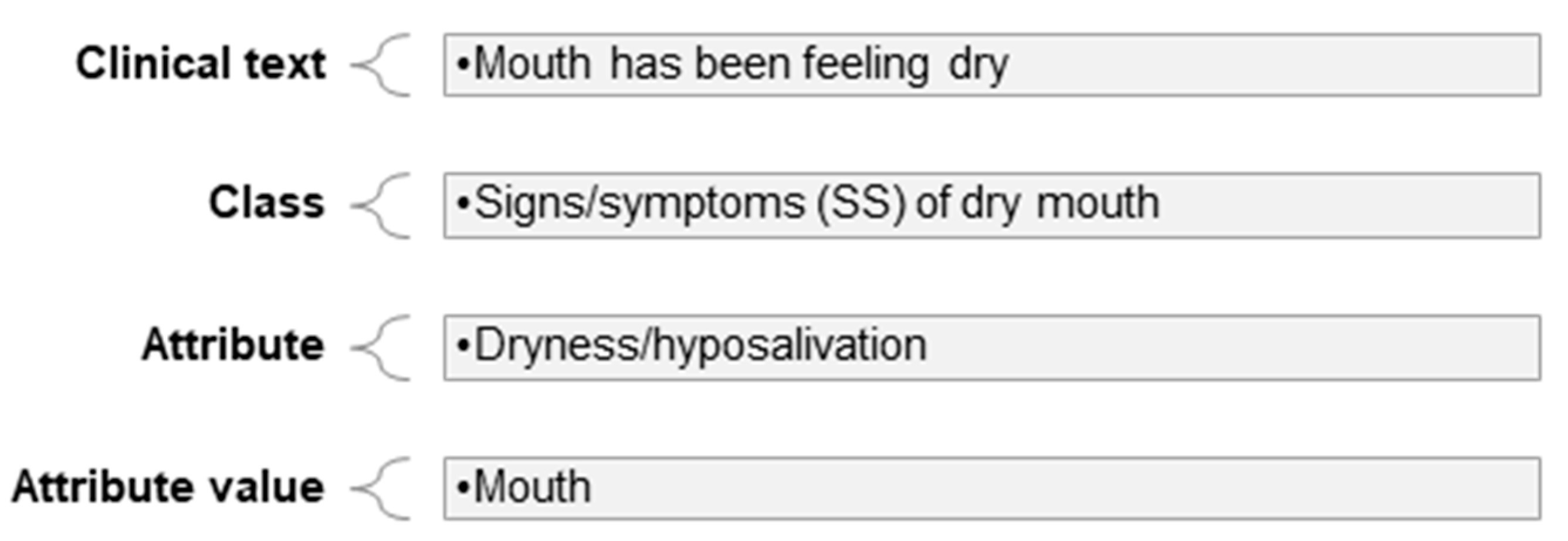
Figure 1. Example of an annotation with class, attribute, and attribute values.
Oral 06 00044 g001
Table 1. Definitions of the classes for the annotation guidelines and examples.
ClassDefinitionExample
Superficial oral mucosal lesions (SOMs) Lesions that are arising from the epithelium and/or connective tissue within the oral cavity or perioral region. Mucosal surface lesions appear as an alteration in tissue color (white, pigmented, erythematous) or surface texture (vesicular, ulcerated, erythematous, papillary, or verruciform) rather than a swelling/enlargement. Lesions may also be characterized by cancer risk, being benign or malignant. SOMs could be an ulcer, abnormal growth, change in mucosal surface, pain, location, and color. Ulcer, candidiasis, aphthous ulcers, and angular cheilitis
Signs and symptoms (S/S) 1 of dry mouth A mention of increased dryness or loss of natural lubrication in areas related to specific locations.
Xerostomia: sensation of decreased saliva in the mouth, which is perceptible only to the patient.
Manifestations of S/S 1 of dry mouth may include dysfunction of salivary glands, inflammation of mucosal tissues, or changes in normal function. Salivary composition and rate are also included within this category.
“dry mouth”, “frothy saliva”, “difficulty chewing”
Treatment for xerostomia Prescription or over-the-counter (OTC) medications are used to improve the signs and symptoms of dry mouth. Sialagogues and salivary stimulants are included in this category.
Hydration is included as well, as it serve as alleviation in times of dryness. Along with hydration, topical applications can be used.
“Humidifiers”, “fluids”, “Vaseline”, “pilocarpine”, “Biotene”
Referral to a specialist A referral to a specialist is made when the treatment or diagnosis that a patient presents with is out of the scope of the treating dentist. It is a written order from a doctor to a specialist for a specific medical service.“General physician”, “oral pathologist”, “rheumatologist”
1 S/S Signs and symptoms.
Table 2. Annotation schemas depicting attributes and specific attribute values.
Count Class Attribute Class Attribute Value
1 Superficial oral mucosal (SOM) lesions
-
Pigmented lesions
-
Mucocele, hematoma, amalgam tattoo, purpura/petechiae, ecchymosis, vitiligo, drug-induced melanosis, physiological pigmentation, melanocytic nevus, melanoacanthoma, melanotic macule
-
Ulcerative vesicular and bullous lesions
-
Small aphthae, Sutton’s aphthae, shingles/zoster, herpes labialis, non-specific ulceration, chronic ulcerative stomatitis, infectious mononucleosis/cytomegalovirus, traumatic ulcer, mucous membrane pemphigoid, recurrent aphthous stomatitis, oral hypersensitivity reactions, necrotizing ulcerative gingivitis/periodontitis
-
Benign lesions
-
Lipoma, neogenic lesions, vascular tumors, epithelial tumors, pyogenic granuloma, fibrous inflammatory hyperplasia, fibroma
-
Malignant lesions
-
Squamous cell carcinoma
-
Red and white lesions
-
Fissured tongue, exfoliate cheilitis, median rhomboid glossitis, dorsal tongue erythema, atrophic glossitis, angular cheilitis, allergic reaction to oral products, oral submucous fibrosis, erythroplakia, oral leukoplakia, hairy tongue, white sponge nevus, leukoedema, geographic tongue, nicotinic stomatitis, smokeless tobacco keratosis, lupus erythematosus, oral lichenoid reactions, oral lichen planus, oral candidiasis
-
Denture sore spot
-
Locations: palate, floor of mouth, buccal mucosa, extraoral, intraoral, upper quadrant, lower quadrant, tongue, lips, gingiva, vestibule
2 Signs/symptoms (S/S) of dry mouth
-
Salivary composition/consistency/rate
-
Lack of pooling of saliva, frothy, sticky, thick, normal, thin, and watery, greater than 0.1 mL/min, less than 0.1 mL/min, serous, mucous
-
Dryness/hyposalivation
-
Tongue, skin, eye, trachea, throat, nose, lips, mouth
-
Manifestations
-
Salivary gland dysfunction, sialadenitis, mucositis, trouble chewing, cough due to dryness, impaired taste, halitosis, burning sensation, dysphagia, tongue fissure, thirst
3 Treatment (Rx) 1 for xerostomia
-
Sialagogue/salivary stimulants
-
Dry mouth relief products, OTC 2 mouth rinse/spray, prescription mouth rinse/spray, synthetic/artificial saliva, cholinergic agonist
-
Hydration
-
Humidifier, sipping water, fluids
-
Topical applications
-
Wax, Vaseline/lip balm, ointment/medicament, oil
4 Referral to a specialist
-
Yes
-
No
-
Oral surgeon, general physician, general dentist, ophthalmologist, oral medicine, oral pathologist, rheumatologist
1 Rx Prescription and treatment; 2 OTC over-the-counter.
Table 3. Demographics and dental visit characteristics of patients through electronic dental and medical records.
CharacteristicsCase (Mean ± SD)Control (Mean ± SD)p-Value
Age (calculated from index date)54.8 (11.7)60.3 (12.2)0.037 *
Age group 0.027 *
20–290 (0%)1 (2%)
30–396 (13%)1 (2%)
40–498 (17%)3 (7%)
50–5916 (34%)18 (39%)
60–6914 (30%)13 (28%)
70–792 (4%)9 (20%)
80+1 (2%)1 (2%)
Gender 0.384
Female45 (96%)42 (91%)
Male2 (4%)4 (9%)
Race 0.620
Black or African American8 (17%)9 (20%)
Unknown21 (45%)16 (35%)
White18 (38%)21 (46%)
Dental Insurance Category 0.260
Government1 (2%)0 (0%)
Private10 (21%)5 (11%)
Self-Pay36 (77%)39 (89%)
Length of care at IUSD # (years)3.2 (3.9)7.6 (5.3)<0.001 *
Number of dental visits15.3 (17.6)21.4 (16.4)0.023 *
Number of dental visits per year10.2 (13.3)4.7 (5.9)0.001 *
* p-value is the level of statistical significance at less than 0.05; # IUSD—Indiana University School of Dentistry.
Table 4. Frequencies of the findings of superficial oral mucosal lesions, signs and symptoms, treatment for xerostomia, and referral to a specialist.
Outcomes:
Class
          Attribute Class
                    Relationship/Attribute Value
Cases
N (%)
Control
N (%)
Odds Ratio (95% CI)p-Value
Superficial mucosal lesions28 (60%)37 (80%)0.36 (0.12–0.99)0.041 *
          Benign lesions4 (14%)4 (11%)1.38 (0.23–8.14)0.717
                    Fibroma2 (50%)1 (25%)3.00 (0.08–235.00)1.000
                    Fibrous inflammatory hyperplasia1 (25%)2 (50%)0.33 (0.00–12.69)1.000
                    Lipoma1 (25%)0 (0%)---1.000
                    Pyogenic granuloma0 (0%)1 (25%)---1.000
          Denture stomatitis12 (43%)16 (43%)0.98 (0.32–2.96)1.000
                    Intraoral2 (17%)5 (31%)0.44 (0.04–3.59)0.662
                    Lower quadrant7 (58%)9 (56%)1.09 (0.19–6.47)1.000
                    Palate3 (25%)1 (6%)5.00 (0.32–279.57)0.285
                    Upper quadrant2 (17%)5 (31%)0.44 (0.04–3.59)0.662
                    Vestibule1 (8%)1 (6%)1.36 (0.02–114.08)1.000
          Pigmented lesions2 (7%)4 (11%)0.63 (0.05–4.86)0.692
                    Ecchymosis1 (50%)2 (50%)1.00 (0.01–117.33)1.000
                    Melanotic macule1 (50%)0 (0%)---0.333
                    Mucocele1 (50%)2 (50%)1.00 (0.01–117.33)1.000
          Red and white lesions6 (21%)9 (24%)0.85 (0.21–3.16)1.000
                    Angular cheilitis2 (33%)1 (11%)4.00 (0.15–264.84)0.525
                    Atrophic glossitis1 (17%)0 (0%)---0.400
                    Dorsal tongue erythema0 (0%)1 (11%)---1.000
                    Hairy tongue0 (0%)4 (44%)---0.103
                    Oral candidiasis5 (83%)2 (22%)17.50 (0.86–941.81)0.041 *
                    Oral lichen planus1 (17%)1 (11%)1.60 (0.02–141.06)1.000
                    Oral lichenoid reactions1 (17%)0 (0%)---0.400
          Ulcerative vesicular and bullous lesions10 (36%)11 (30%)1.31 (0.40–4.23)0.789
                    Herpes labialis2 (20%)4 (36%)0.44 (0.03–4.39)0.635
                    Non-specific ulcerations9 (90%)5 (45%)10.80 (0.81–550.48)0.063
                    Traumatic ulcers2 (20%)2 (18%)1.13 (0.07–18.90)1.000
Signs/symptoms (S/S) of dry mouth32 (68%)17 (37%)3.64 (1.43–9.39)0.004 *
          Dryness/hyposalivation27 (84%)12 (71%)2.25 (0.42–11.69)0.285
                    Eye6 (22%)1 (8%)3.14 (0.31–157.49)0.403
                    Mouth25 (93%)12 (100%)---1.000
                    Skin1 (4%)0 (0%)---1.000
          Manifestations8 (25%)1 (6%)5.33 (0.60–251.17)0.136
                    Burning sensation2 (25%)0 (0%)---1.000
                    Dysphagia1 (13%)0 (0%)---1.000
                    Halitosis1 (13%)1 (100%)---0.222
                    Impaired taste1 (13%)1 (100%)---0.222
                    Mucositis2 (25%)0 (0%)---1.000
                    Salivary gland dysfunction3 (38%)0 (0%)---1.000
                    Sialadenitis1 (13%)0 (0%)---1.000
                    Trouble chewing1 (13%)0 (0%)---1.000
          Salivary composition/consistency/rate6 (19%)4 (24%)0.75 (0.15–4.30)0.721
                    Frothy1 (17%)0 (0%)---1.000
                    Lack of pooling of saliva1 (17%)0 (0%)---1.000
                    Less than 0.1 mL/min2 (33%)0 (0%)---0.467
                    Normal1 (17%)0 (0%)---1.000
                    Sticky1 (17%)0 (0%)---1.000
                    Thick2 (33%)0 (0%)---0.467
                    Thin and watery2 (33%)4 (100%)---0.076
Treatments for xerostomia (all patients)24 (51%)7 (15%)5.81 (1.99–18.25)<0.001 *
          Hydration5 (21%)4 (57%)0.20 (0.02–1.68)0.150
                    Fluids1 (20%)0 (0%)---1.000
                    Sipping water4 (80%)4 (100%)---1.000
          Sialagogue/salivary stimulants23 (96%)5 (71%)9.20 (0.37–565.41)0.120
                    Cholinergic agonist17 (74%)0 (0%)---0.005 *
                    Dry mouth relief products (gum, candy, lozenge)3 (13%)1 (20%)0.60 (0.04–39.28)1.000
                    OTC 1 mouth rinse/spray7 (30%)5 (100%)---0.008 *
                    Prescription mouth rinse/spray2 (9%)0 (0%)---1.000
                    Synthetic/artificial saliva4 (17%)0 (0%)---1.000
          Topical applications1 (4%)0 (0%)---1.000
                    Oil1 (100%)0 (0%)---1.000
                    Ointment/medicament1 (100%)0 (0%)---1.000
                    Vaseline/lip balm1 (100%)0 (0%)---1.000
Treatments for xerostomia (limited to patients with dry mouth)20 (63%)7 (41%)2.38 (0.61–9.46)0.228
Referral to specialist (all patients)15 (32%)6 (13%)3.13 (0.99–10.87)0.046 *
          General physician2 (13%)0 (0%)---1.000
          Oral medicine4 (27%)1 (17%)1.82 (0.12–107.19)1.000
          Oral pathologist5 (33%)3 (50%)0.50 (0.05–5.35)0.631
          Oral surgeon2 (13%)1 (17%)0.77 (0.03–54.36)1.000
          Rheumatologist7 (47%)1 (17%)4.38 (0.33–235.94)0.336
Referral to a specialist (limited to patients with superficial mucosal lesions)10 (36%)6 (16%)2.87 (0.78–11.18)0.087
Referral to specialist (limited to patients with dry mouth)4 (44%)3 (18%)3.63 (0.77–22.97)0.114
* p-value is the level of statistical significance at less than 0.05; 1 OTC over-the-counter; Italicized refer to attribute class.
Table 5. Frequencies of other medical conditions among SjD and control patients as reported in the linked electronic health record data.
Patient CharacteristicCase
N (%)
Control
N (%)
Odds Ratio (95% CI)p-Value
Sialadenitis diagnosis4 (9%)0 (0%)---0.045 *
Sialolithiasis diagnosis ---
Rheumatoid arthritis diagnosis16 (34%)3 (7%)7.23 (1.80–41.20)0.001 *
Systemic lupus erythematosus diagnosis15 (32%)1 (2%)20.63 (2.82–887.45)0.000 *
Crohn’s disease diagnosis2 (4%)0 (0%)---0.162
Ulcerative colitis diagnosis0 (0%)1 (2%)---0.304
Hypothyroidism diagnosis16 (34%)15 (33%)1.03 (0.40–2.68)0.943
Diabetes diagnosis15 (32%)23 (51%)0.45 (0.18–1.13)0.062
Anemia diagnosis22 (47%)20 (44%)1.10 (0.45–2.71)0.820
Cushing’s syndrome diagnosis
Depressive disorder diagnosis25 (53%)17 (38%)1.87 (0.75–4.68)0.138
Hypertension diagnosis32 (68%)32 (71%)0.87 (0.32–2.31)0.753
Myalgia and myositis/fibromyalgia diagnosis20 (43%)8 (18%)3.43 (1.21–10.28)0.010 *
Circumscribed scleroderma diagnosis ---
Parkinson’s disease diagnosis ---
Alzheimer’s diagnosis1 (2%)0 (0%)---0.325
Systemic sclerosis diagnosis3 (6%)0 (0%)---0.085
Mixed connective tissue disease diagnosis3 (6%)0 (0%)---0.085
Bell’s palsy diagnosis1 (2%)0 (0%)---0.325
Stress diagnosis5 (11%)2 (4%)2.56 (0.39–28.01)0.263
Atrophic gastritis diagnosis ---
Chronic fatigue diagnosis1 (2%)0 (0%)---0.325
Renal disease diagnosis0 (0%)1 (2%)---0.304
Hyperparathyroid diagnosis ---
Anxiety and Nervousness Diagnosis19 (40%)6 (13%)4.41 (1.43–15.05)0.004 *
Autoimmune thyroid condition diagnosis2 (4%)0 (0%)---0.162
Actinomycosis diagnosis ---
Cytomegalovirus diagnosis ---
Hemochromatosis diagnosis ---
* p-value is the level of statistical significance at less than 0.05.
Disclaimer/Publisher’s Note: The statements, opinions and data contained in all publications are solely those of the individual author(s) and contributor(s) and not of MDPI and/or the editor(s). MDPI and/or the editor(s) disclaim responsibility for any injury to people or property resulting from any ideas, methods, instructions or products referred to in the content.


