1. Introduction
Periodontitis is a chronic, multifactorial inflammatory disease that affects approximately (~)15% of the global adult population, making it the sixth most common disease worldwide [
1,
2]. This pathology is characterized by the progressive destruction of tooth-supporting tissues, including gingiva, periodontal ligament, cementum, and alveolar bone, ultimately leading to tooth mobility and tooth loss [
3]. The severity of the impact of periodontitis extends beyond oral health, being associated with multiple systemic conditions, such as diabetes mellitus, cardiovascular disease, rheumatoid arthritis, and Alzheimer’s disease [
4,
5].
The pathogenesis of periodontitis is the result of a complex interaction between the polymicrobial bacterial biofilm and the host immune response [
6,
7]. Within the subgingival biofilm, bacteria such as
Aggregatibacter actinomycetemcomitans (AA),
Fusobacterium nucleatum (FN) and
Streptococcus oralis (SO) play distinct roles in colonization and disease progression [
8,
9]. FN functions as a bridge organism, connecting primary streptococcal colonizers with predominantly anaerobic secondary colonizers such as
Porphyromonas gingivalis (PG) and AA [
10,
11]. The latter is a low-abundance Gram-negative bacterium and is associated with localized aggressive periodontitis, particularly in adolescents of African descent, where it exhibits the ability to evade the host mucosal immune system [
12,
13].
Conventional therapeutic modalities (scaling, root planning, antibiotic therapy and surgery) have shown variable efficacy in controlling disease progression [
14,
15]. These have some limitations including: inconsistent results, potential postoperative complications and the inability to completely restore damaged periodontal tissues to their original form and function [
16,
17]. Furthermore, current treatments focus mainly on controlling inflammation without comprehensively addressing tissue regeneration, and the increasing antibiotic resistance of periodontal pathogens is a major current concern [
18,
19].
From an immunopathogenic point of view, periodontitis is characterized by the dysregulation of the local immune microenvironment, allowing pathogen invasion and triggering excessive inflammatory responses [
20,
21]. Macrophages play a central role in pathogenesis, polarizing towards the pro-inflammatory M1 phenotype in the initial stages of the disease, with the release of pro-inflammatory cytokines (TNF-α, IL-1β, IL-6) and matrix metalloproteinases (MMP-1), mediating soft tissue degradation and alveolar bone destruction [
22,
23]. PG lipopolysaccharide (LPS), recognized by Toll-like receptors (TLR4, TLR2), activates inflammatory signaling pathways and contributes to mitochondrial dysfunction in macrophages, perpetuating the inflammatory cycle [
24]. Understanding these immunopathogenic mechanisms has paved the way for innovative immunomodulatory therapies aimed at restoring immune balance and promoting tissue regeneration [
25,
26].
Recent elucidation of the pathogenesis of periodontitis has highlighted the importance of modulating the immune and inflammatory response to achieve predictable periodontal regeneration [
27,
28]. Emerging therapeutic strategies include the use of bioactive molecules, antimicrobial peptides, mesenchymal stem cell therapies, gene therapies, and nanomedicine-related therapies with immunomodulatory properties [
29,
30]. One example is gingival-derived mesenchymal stem cells (GMSCs) that have demonstrated their ability to shape the immune microenvironment, inhibiting M1 macrophage activation and promoting the anti-inflammatory M2 phenotype, essential for tissue regeneration [
31,
32]. In parallel, the concept of mucosal vaccine immunotherapy against periodontitis has gained interest, with studies demonstrating the potential of intranasal and sublingual vaccination with bacterial PG lysates in reducing alveolar bone loss in murine models [
33,
34]. Bacterial lysates, obtained by thermal inactivation and ultrasonication, can function as immunomodulators, stimulating protective immune responses without generating active infection [
35,
36].
Moreover, recent advances in nanomedicine have allowed the development of targeted delivery systems that combine antibacterial, immunomodulatory and regenerative properties [
37,
38]. Thus, nanoparticles with functionalized cell membranes, expressing TLR4 receptors, have demonstrated the ability to neutralize LPS in the periodontal microenvironment, reduce inflammatory activation of macrophages and promote bone regeneration in experimental models of ligature-induced periodontitis [
37,
39]. Advanced biomaterials, such as multifunctional bio-adhesive hydrogels and collagen membranes incorporated with antimicrobial agents, offer promising platforms for the controlled local administration of active principles, facilitating the eradication of mature bacterial biofilms and creating an environment favorable for tissue regeneration [
40,
41]. Probiotics and their metabolite (postbiotic) therapies have been investigated as alternatives to antibiotics for the guided recolonization of periodontal pockets with beneficial microorganisms [
42,
43]. Species such as
Streptococcus salivarius,
Lactobacillus reuteri and SO subsp.
dentisani have demonstrated inhibitory effects in vitro on major periodontal pathogens, including AA, FN and PG [
44,
45]. Also, phytochemical compounds with immunomodulatory properties represent a promising direction, targeting specific events generated by neutrophils, pro-inflammatory cytokines and lymphocytes in the immunopathogenesis of periodontitis [
25,
46].
In the context of the limitations of conventional therapies and the urgent need for comprehensive therapeutic strategies that combine antibacterial, immunomodulatory and regenerative effects [
47,
48], the present study aims to evaluate an innovative preparation based on bacterial lysates derived from relevant periodontal pathogens (SO, AA and FN). The working hypothesis is that bacterial lysates, by exposing the immune system to bacterial antigens in a controlled manner, can stimulate protective immunomodulatory responses and promote tissue regeneration in periodontitis, offering a viable and safe alternative to conventional antibiotic therapy.
2. Materials and Methods
2.1. Ethics Statement
The study was conducted in accordance with national and international regulations (Directive 2010/63/EU Law no. 43/2014 and ANSVSA Order no. 14/2016) regarding the use of laboratory animals in scientific research. The experimental protocol was designed respecting the principles of the “3Rs” to minimize suffering and optimize animal welfare, receiving favorable approval from the Ethics Committee of the National Institute for Medical-Military Research and Development “Cantacuzino”, Bucharest, Romania (Opinion no. 537/13.05.2025) and the Sanitary-Veterinary and Food Safety Directorate of Bucharest (Opinion no. 13/16.06.2025).
All invasive procedures (induction of periodontitis by applying ligatures, administration of treatments by oral gavage, collection of biological samples) were performed under general anesthesia, administered intraperitoneally. The general condition of the animals, body weight, behavior and water and food consumption were monitored daily by qualified personnel (according to the requirements of the ANSVSA Order no. 37/2016 on the professional training of persons working with animals used for scientific purposes).
Ligatures were used to promote plaque accumulation and facilitate bacterial colonization, serving as a standard component of experimental periodontitis models. The combination of ligature placement and bacterial inoculation was employed to induce a stable, bacteria-driven inflammatory condition representative of periodontitis.
Clear humane endpoint criteria were established to prevent prolonged suffering as weight loss > 20% of the initial body weight, severe signs of discomfort/pain (abnormal postures, immobility, lack of response to stimuli), secondary infections that do not respond to treatment, severe hemorrhages or respiratory difficulties. In the event of the appearance of these signs, the animals would have been excluded from the study and humanely euthanized, according to approved protocols.
The authors declare that there are no conflicts of interest in conducting this study. The data were collected, analyzed and reported objectively, respecting the principles of scientific integrity. This study does not involve research on human subjects and does not require informed consent. The authors confirm that all ethical aspects of the research were respected and that the study was conducted in accordance with the highest ethical standards in biomedical research, ensuring the protection and welfare of the animals used in the experiment.
2.2. Animals and Maintenance Conditions
The study was conducted on a total of 20 female Wistar rats, adult, with a body weight between 250 and 300 g at the time of the start of testing, aged 8–10 weeks. The animals were obtained from the laboratory animal breeding facility of the National Institute for Medical-Military Research and Development “Cantacuzino” (CI) and were acclimatized in the experimental space of the CI Preclinical Testing Unit, for a minimum period of 5 days before the start of the experiment. Identification was achieved by marking the animals with markers and labeling the cages.
All procedures were performed in accordance with ISO 10993-2 [
49], the “Guide for the Care and Use of Laboratory Animals” and the ARRIVE guidelines. Animals were housed in groups of five in fully equipped cages (Tecniplast Static Cage 233 in
2- 1500U, Tecniplast S.p.A., Buguggiate, Varese, Italy), under controlled microclimate conditions (temperature 18–24 °C, humidity 35–75%, 12 h light/12 h dark cycle). Food and drinking water were provided ad libitum, both of which were tested to exclude the presence of contaminants that could influence the experimental results. Only healthy animals, with no history of use in previous experiments, were selected for the study.
2.3. Obtaining the Bacterial Lysate
The bacterial strains used in the study were SO, FN and AA, all coming from the CI bacterial strain collection. They were cultured under specific conditions: strain AA in Schadler medium, and strains SO and FN in Brain Heart Infusion (BHI) medium, until reaching a final concentration of ~109 CFU/mL.
The cultivation protocol involved three successive passages. In the first passage, the initial culture (1 mL) was inoculated into a tube containing 9 mL of specific medium. The second passage was performed by transferring a volume of 1 mL of the fresh culture to another tube with 9 mL of medium. In the third passage, each 10 mL tube was transferred into 250 mL flasks, containing the same type of culture medium assigned to each bacterial species used.
Each cultivation step was incubated for 24 h under controlled anaerobic conditions (37 °C, 80% N2, 10% CO2 and 10% H2). After incubation, the cultures were centrifuged at 3000 rpm for 25 min at 4 °C (Hanil Combi 514R Centrifuge, Hanil Scientific Inc., Gimpo-si, Gyeonggi-do, Republic of Korea). The resulting bacterial pellet was washed twice with isotonic saline (8.75 g/L NaCl) and subsequently resuspended in the same solution.
For bacterial inactivation, the suspensions obtained were maintained in a water bath at 70 °C for 60 min, followed by a sterility control carried out over a period of 14 days, by inoculation on BHI, Sabouraud and Thioglycolate culture media (Oxoid, Thermo Scientific, Newton Drive, Carlsbad, CA, USA).
The inactivated bacterial suspensions were then subjected to ultrasonication (Ultrasonic CD-4801, Shenzhen, China) to obtain bacterial lysate. Ultrasonication was performed for a total duration of 1 h, applied in repeated cycles of 480 s, with intermittent cooling to prevent overheating. The resulting lysates were filtered to remove residual debris using a 0.22 µm filter, followed by a second sterility check carried out over a similar period of 14 days. Prior to lysis, bacterial suspensions were standardized based on optical density, and lysate concentrations were expressed as bacterial cell equivalents.
To ensure batch-to-batch consistency, all bacterial lysates were prepared using identical culture conditions, bacterial densities, and processing parameters. No biochemical quantification of protein or antigen content was performed; therefore, lysates were standardized according to bacterial cell equivalents rather than molecular composition.
The individual lysates were evaluated in vitro to determine the optimal concentration with antimicrobial activity, as well as for toxicity and stability analysis. In the final step, the three types of bacterial lysates were combined in equal volumes, homogenized and aseptically packaged in sterile vials for subsequent experimental uses.
2.4. In Vitro Studies
The determination of the minimum inhibitory concentration (MIC) was performed according to the microdilution methodology in broth [
50,
51], adapted for the evaluation of the effect of bacterial lysates on homologous SO, FN and AA species. Bacterial cultures were standardized to a concentration of 1 × 10
9 CFU/mL by adjusting the optical density at 600 nm (DLAB SP-UV1100 UV/Vis Spectrophotometer, DLAB Scientific Co., Ltd., Beijing, China). Bacterial lysates were obtained from homologous cultures by complete cell lysis and sterilized by filtration (Rotilabo PES 0.22 µm (33 mm), Carl Roth GmbH + Co. KG, Karlsruhe, Germany), subsequently being quantified according to the equivalent of the initial bacterial concentration. The MIC test was performed in sterile 96-well plates by combining 50 μL of live bacterial suspension (1 × 10
9 CFU/mL) with 50 μL of homologous bacterial lysate at concentrations corresponding to the dilution series tested, resulting in a final volume of 100 μL per well and final bacterial concentrations of 5 × 10
8 CFU/mL. The plates were incubated for 24 h at 37 °C under anaerobic conditions. After incubation, the optical density of the suspensions was measured spectrophotometrically at 600 nm to evaluate the degree of bacterial growth.
Cytotoxicity was tested using the human gingival fibroblast cell line (HGF-1 ATCC® CRL-2014, American Type Culture Collection; Manassas, VA, USA). HGF-1 cells were maintained in culture in DMEM medium supplemented with 10% Fetal Bovine Serum (FBS) (Sigma-Aldrich, Darmstadt, Germany), 100 U/mL penicillin, 100 μg/mL streptomycin and 1 mM glutamine, at 37 °C, in a humidified atmosphere and 5% CO2. HGF-1 gingival fibroblasts between passages 7 and 20 were used for all experiments to minimize the risk of early passage variability and late passage senescence. Cell viability was routinely assessed prior to experiments, and only cultures with viability ≥ 90% were included. Cells were regularly monitored for morphology and growth characteristics, and no signs of senescence or phenotypic instability were observed during the experimental period. A 0.05% trypsin/0.02% EDTA solution was used to detach cells from the surface of cell culture flasks, after which the cells were washed, resuspended in culture medium and cultured in 96-well culture plates at a density of 5 × 10⁴ cell/mL, 100 μL/well, for 24 h at 37 °C, in a humidified atmosphere and 5% CO2. After 24 h, the culture medium was removed, and the cells were cultured in the presence of the test lysates in binary dilutions in culture medium without FBS starting with the 1/10 dilution, for 48 h at 37 °C, in a humidified atmosphere and 5% CO2.
At the end of the incubation period, cell viability was measured using the 3-(4,5-dimethylthiazol-2-yl)-2,5-diphenyltetrazolium bromide (MTT) assay.
The MTT assay is based on the reduction by intracellular dehydrogenases of the soluble yellow tetrazolium salt to an insoluble purple formazan salt that accumulates in metabolically active cells. Cells were incubated for 4 h with MTT (1 mg/mL) and subsequently lysed to solubilize formazan crystals. The number of viable cells is proportional to the level of formazan formed. The percentage of viable cells was calculated from the absorbance at 570 nm and was reported to the percentage of control cells considered 100%.
Microbiological stability testing was performed for the filtered bacterial lysates over a 90-day period. The lysates were stored in standard laboratory refrigerator, at 4 °C, in sterile glass tubes with screw caps. Sterility was assessed at intervals of 7, 14, 21, 30, 60, and 90 days by aseptically inoculating 100 µL samples onto Sabouraud, Thioglycolate, and BHI agar plates. The inoculated tubes were incubated at 37 °C and monitored daily by macroscopic observation for 14 days for any signs of microbial growth (bacterial or fungal contamination). The lysates were also examined visually at each sampling time point for any changes in appearance, turbidity, or precipitation that would indicate degradation or contamination.
2.5. In Vivo Study—Induction of Experimental Periodontitis
The experimental periodontitis model was performed in several stages. Before the induction of infection (day-5), the animals received Kanamycin (20 mg/L) (Kanamicina Panpharma, Beignon, France) and Ampicillin (20 mg/L) (Ampicilin, Antibiotice, Iași, Romania) in the drinking water for 4 days, associated with oral swabs with 2% chlorhexidine, for decontamination of the oral cavity.
On day 0, under anesthesia with Ketamine (75 mg/kg) (Ketalrom, Romvac Company SA, Voluntari, Romania) and Medetomidine (5 mg/kg) (DorbeneVet, Biotur, Alexandia, Romania), the gingiva was lifted around the upper incisors and a cotton thread ligature was placed. With a total volume of 0.6 mL of bacterial suspension (0.2 mL of each of the three strains: AA, SO, and FN; concentration 109 CFU/mL), periodontitis was induced by daily impregnation of the ligature for 28 days. Although ligature placement alone may induce a mild and transient inflammatory response, its primary role in the present model was to act as a plaque-retentive niche facilitating bacterial biofilm formation. Sustained periodontal inflammation and tissue destruction are primarily driven by bacterial colonization rather than mechanical stimulation alone.
A total of 20 rats were initially included in the study. Following the experimental induction period of periodontitis, five animals were euthanized to confirm disease establishment through clinical and histological assessment. The remaining 15 rats were randomly assigned to three experimental groups (control, bacterial lysate, and metronidazole), with five animals per group. Starting with day 29, treatment was initiated according to the lotting scheme (
Table 1) for 10 days, followed by final euthanasia and jaw collection for histopathological examination.
During the experiment, the animals were monitored daily for general health. Weighing was performed on days 0, 7, 14, 21, 28 and 38. Measurement of the gingival sac (with periodontal probe) and sulcular fluid volume, as well as blood sampling for hematological and biochemical analyses, were performed at the same intervals, when the animals were anesthetized. Histopathological examinations were performed for all experimental groups.
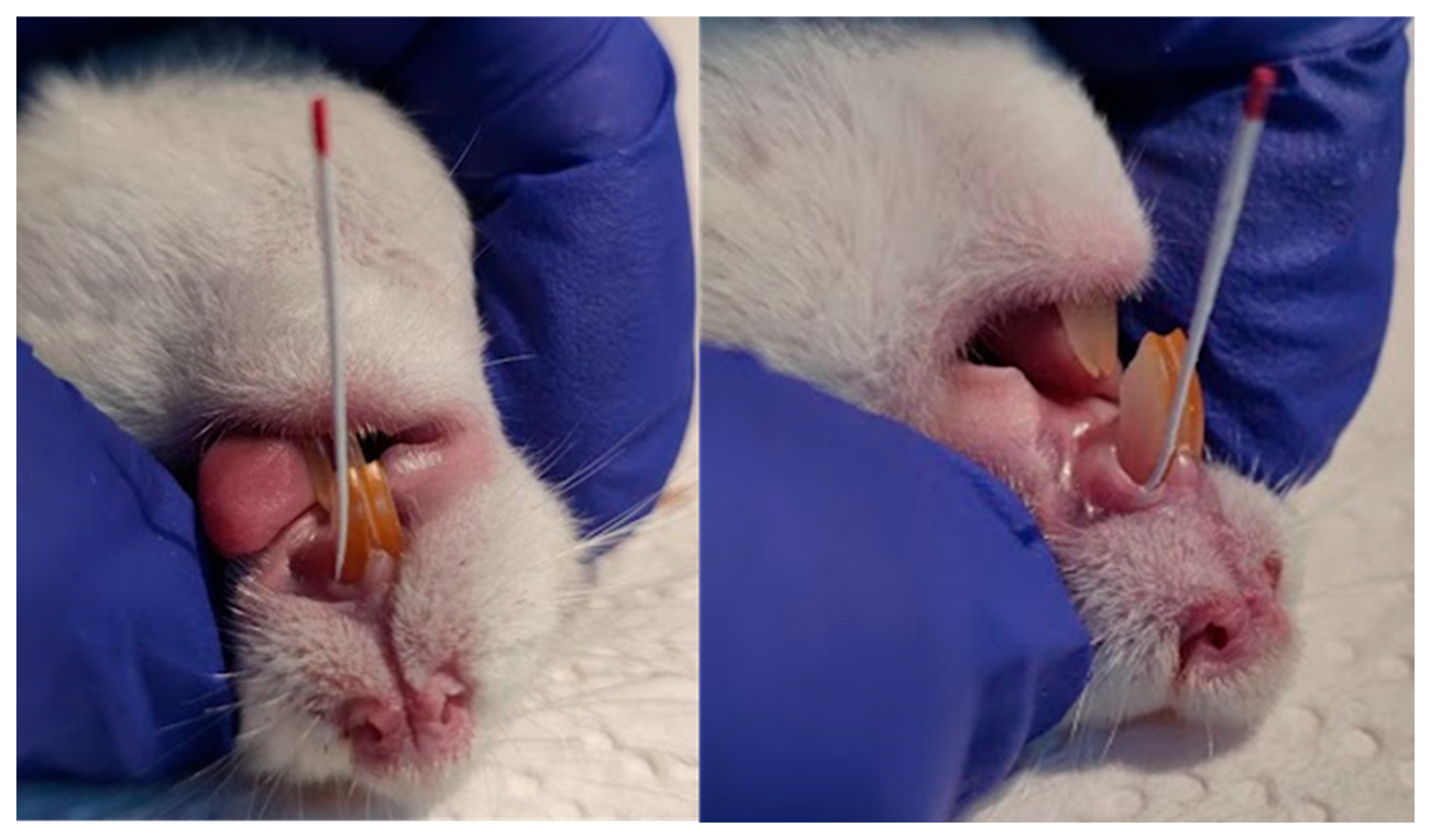
The sulcular fluid volume was measured using endodontic cones inserted into the gingival sac and maintained at this level for 10 s. These were weighed on an analytical balance before and after their application into the gingival sac, and the difference represented the sulcular fluid volume specific to periodontitis.
Hematological analyses were performed on an Idexx ProCyte 5Diff device, with blood collected on EDTA tubes (Vacutest Kima, Arzergrande, Italy) on days 0, 7, 14, 21, 28 and 38, but the results of this examination are related to the comparison of the examined parameters (Systemic Immunoinflammatory Index—SII, Systemic Inflammation Response Index—SIRI and Aggregate Systemic Inflammation Index—AISI) before and after treatment. These indices were calculated based on the results obtained in the complete blood count, using the following calculation formulas:
SII = (Neutrophils × Platelets): Lymphocytes;
SIRI = (Neutrophils × Monocytes): Lymphocytes;
AISI = (Neutrophils × Monocytes × Platelets): Lymphocytes.
The biochemical analyses were performed on a Catalyst One device, and the blood was collected on vacutainers with Lithium-heparin (Vacutest Kima, Arzergrande, Italy), on days 0, 7, 14, 21, 28 and 38. The aim of the biochemical examination was to evaluate the parameter Alanyl aminotransferase (ALT), which is a liver marker and a marker of bone resorption, relevant aspects in the context of experimental periodontitis and the administration of the tested therapies. The results of the examination will be related to the comparison of ALT before and after treatment.
Plasma levels of TNF-α, IL-6, and IL-1β were assessed using commercially available LXSARM-3 kit (R&D Systems Inc., Minneapolis, MN, USA), according to the manufacturers’ instructions. However, cytokine concentrations were frequently close to or below the detection limits, and no consistent differences were observed between experimental groups.
Histological analysis: After euthanasia (on day 28, to confirm the induction of periodontitis and on day 38, to evaluate the effectiveness of the treatment), the jaw samples together with the incisors were harvested and preserved in a 10% formalin solution. They followed the standard process of processing and staining with hematoxylin-eosin, provided for in the internal protocols of the Histovet histopathology laboratory (Histovet, Bucharest, Romania). Histological evaluation was complemented by a semi-quantitative scoring system. Bone regeneration and connective tissue organization were independently scored on a scale from 0 to 3 (0 = absent, 1 = mild, 2 = moderate, 3 = pronounced) by a blinded histopathologist. The assessment was performed on representative sections from each sample, and group allocation was concealed during evaluation.
2.6. Statistical Analysis
The sample size was determined using the GraphPad Prism software (10.6.1 version, GraphPad Software, San Diego, CA, USA). Based on previous studies employing ligature-induced periodontitis models in rats, an effect size of 0.6 was assumed for primary outcome variables such as gingival pocket depth and sulcular fluid volume, with an estimated standard deviation of 20–25% of the mean values. With a significance level of 0.05 and a desired statistical power of ≥80%, a minimum of five animals per group was required. The actual statistical analysis was performed in the same program. The data were expressed as mean ± standard deviation (SD). Comparison of differences between experimental groups was performed by analysis of variance (one-way ANOVA), followed by post hoc tests (Tukey) where necessary. A level of p < 0.05 was considered statistically significant. The statisticians who analyzed the data had no knowledge of the groups analyzed, so all data were analyzed blindly.
3. Results
3.1. Biocompatibility Test on Human Gingival Fibroblasts
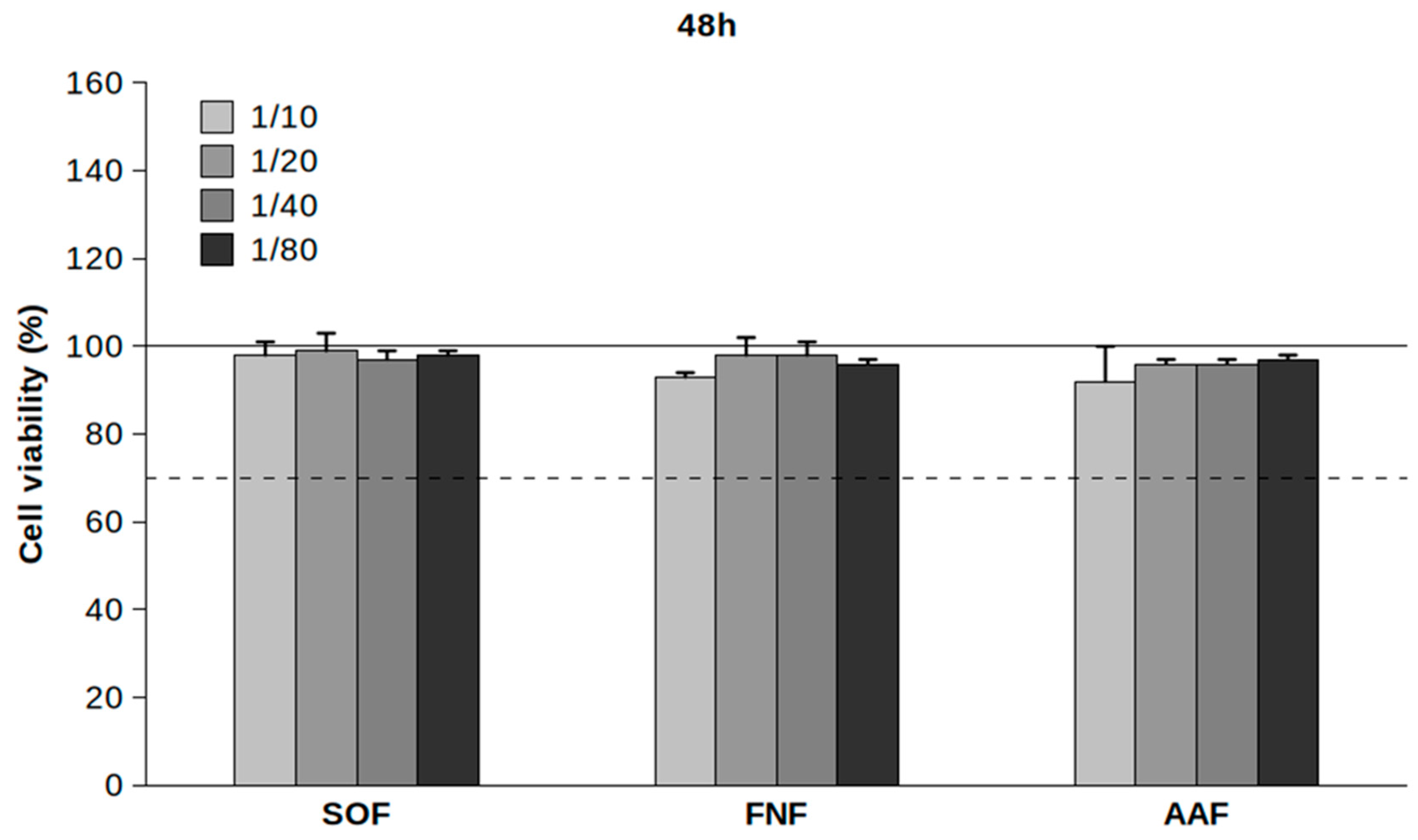
The results showed that none of the filtered bacterial lysates exhibited cytotoxicity on HGF-1 cells. After 48 h of incubation with filtered SO (SOF), FN (FNF) and AA (AAF) lysates, cell viability remained constant at ~90–100% for all dilutions tested (1/10, 1/20, 1/40 and 1/80) (
Figure 1).
3.2. The Test for Establishing the Minimum Inhibitory Concentration
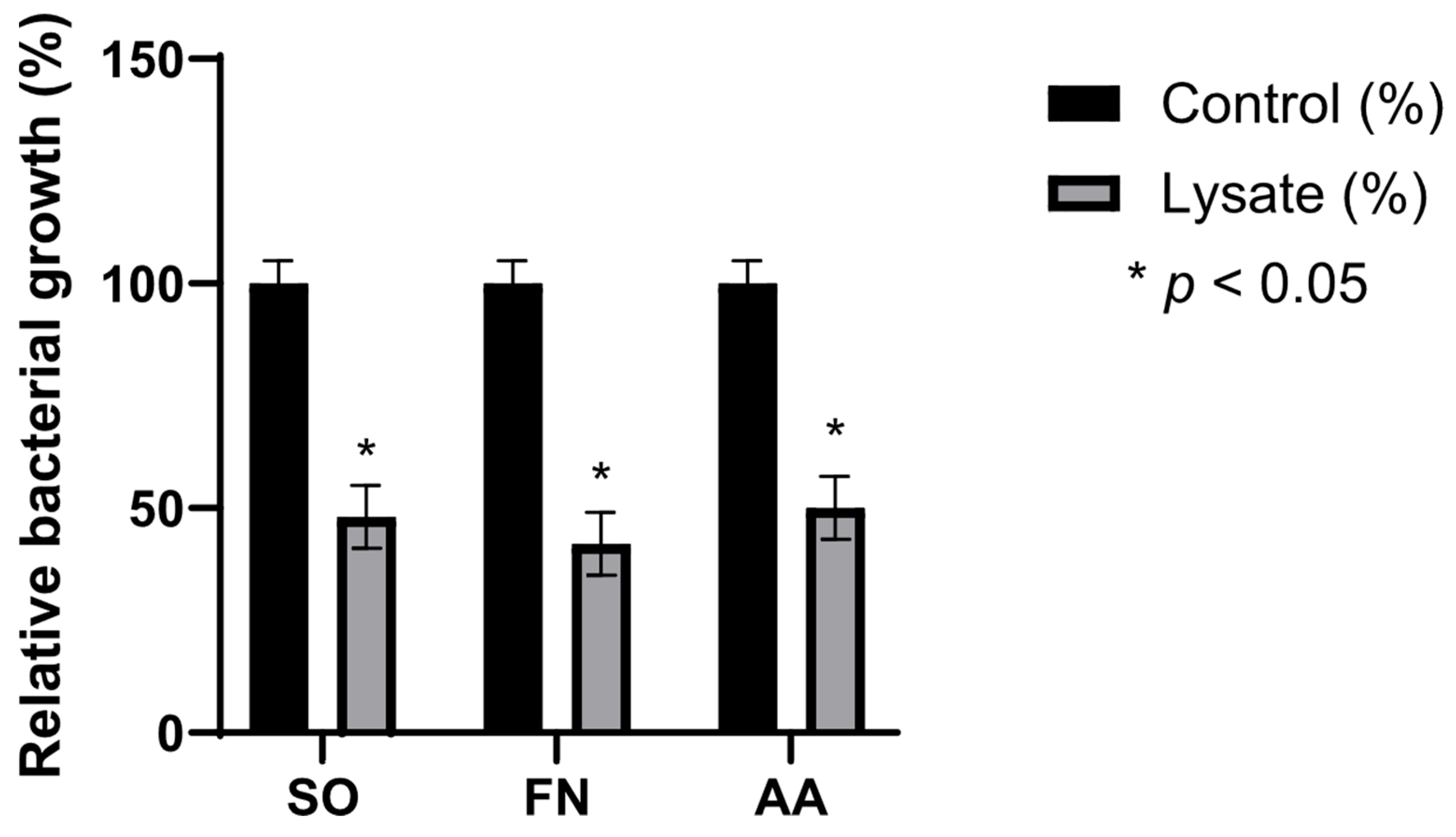
The test showed a favorable effect of the bacterial lysates used in a concentration double the initial bacterial concentration used to induce the experimental model of periodontal disease. Thus, the lysates of SO, FN and AA, administered at a concentration of 2 × 10
9 CFU/mL equivalent, demonstrated significant inhibitory properties on bacterial growth, without inducing a complete inhibition that could compromise the cellular viability of the host tissues. The MIC assay demonstrated a marked reduction in bacterial growth for all three tested species when exposed to homologous bacterial lysates at an equivalent concentration of 2 × 10
9 CFU/mL. As shown in
Figure 2, relative bacterial growth was reduced to approximately 40–50% compared to untreated controls.
3.3. Microbiological Stability Testing
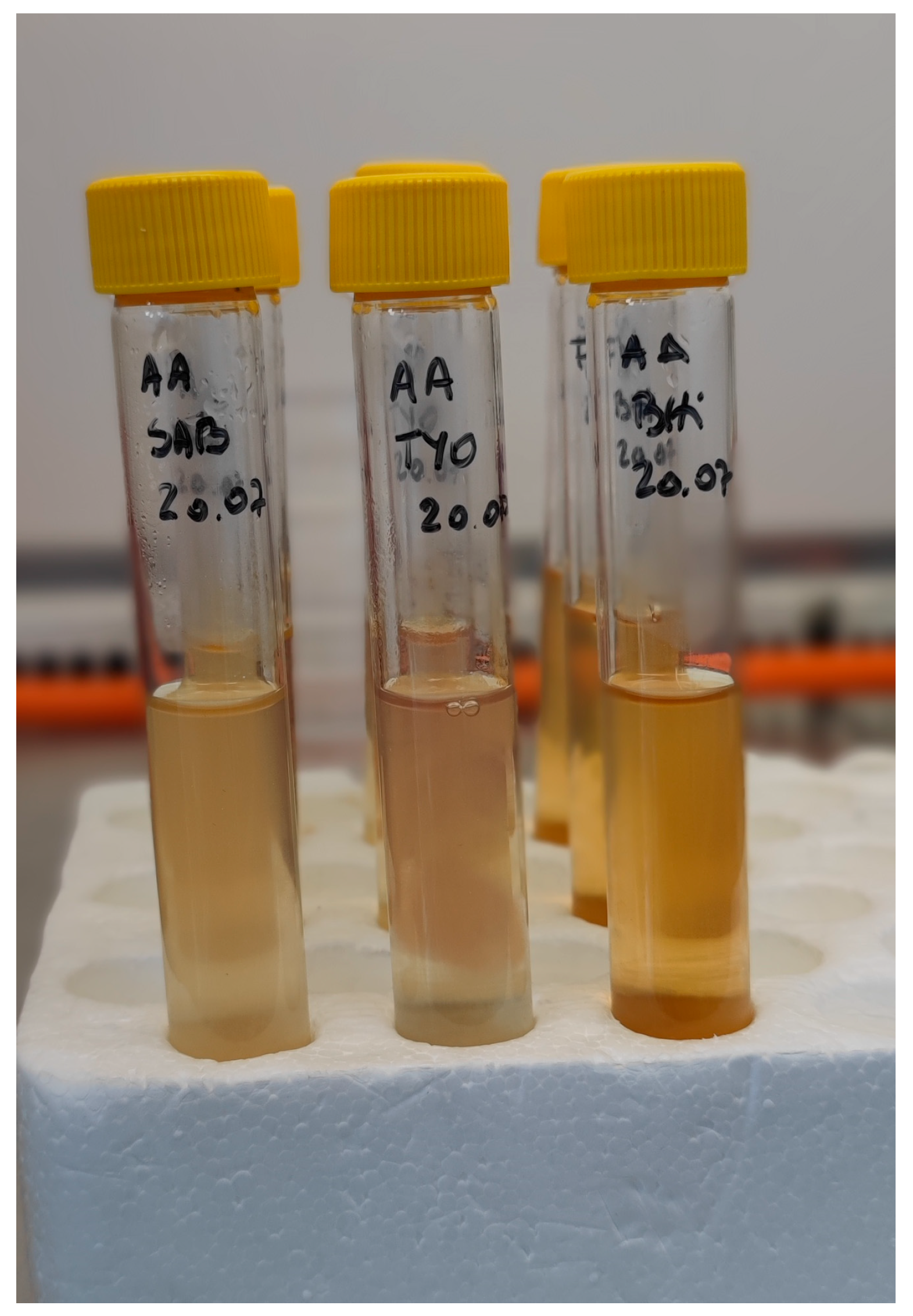
Microbiological stability testing demonstrated that the bacterial lysates maintained sterility for at least 90 days after preparation (
Figure 3 and
Table 2). Throughout the entire testing period, all culture tubes (Sabouraud, Thioglycolate, and BHI media) showed complete absence of bacterial or fungal growth at all time points tested (7, 14, 21, 30, 60, and 90 days). No visible turbidity, colony formation, or color changes indicative of contamination were observed during the 14-day monitoring period following each seeding. Visual inspection of the lysate preparations at each sampling time point confirmed maintenance of their clear, homogeneous appearance without turbidity, precipitation, or color changes (
Figure 3). These results confirm that the heat inactivation (70 °C for 60 min), ultrasonication, and sterile filtration (0.22 µm) procedures effectively eliminated viable microorganisms and that the lysate preparations remained sterile and stable under the storage conditions employed, ensuring their suitability for experimental use throughout the study period.
3.4. Clinical Examination
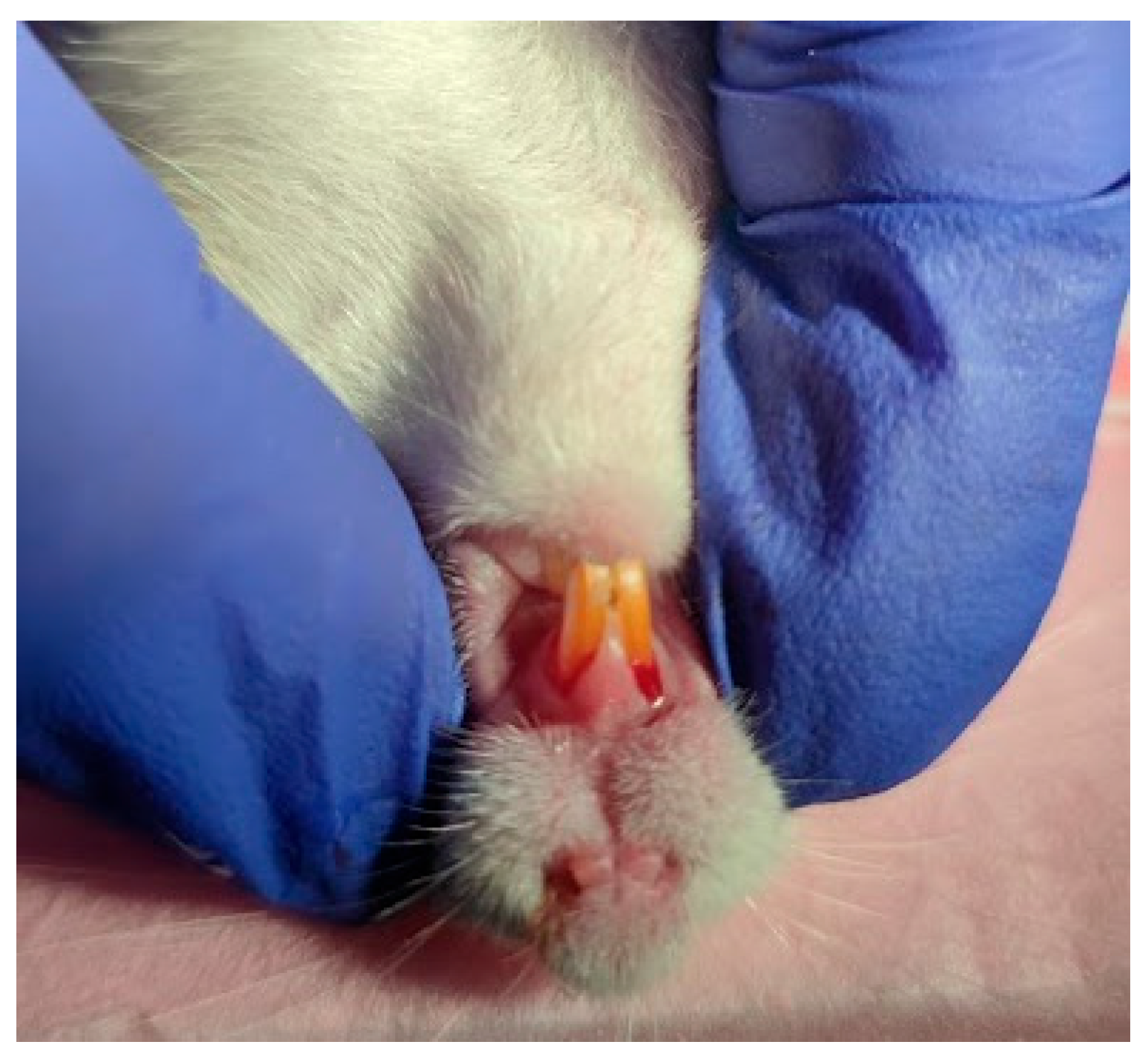
During the period of induction of periodontitis, the animals showed specific signs of the onset of the disease. Thus, starting on day 7, bleeding on probing, swelling of the gums, and the appearance of sulcular fluid were observed (
Figure 4).
3.5. Body Weight
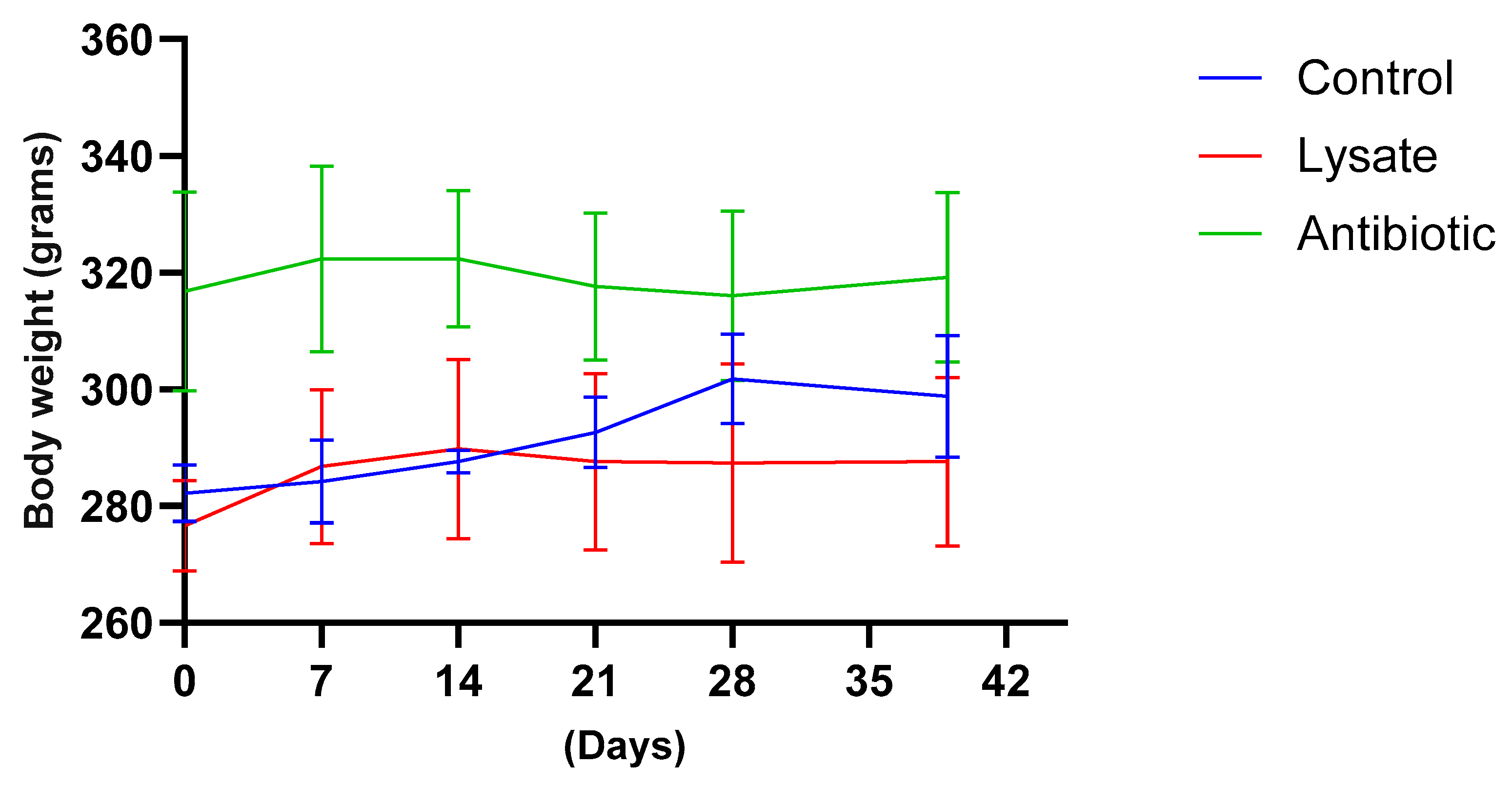
Throughout the study, all rats showed a gradual increase in body weight. Notably, rats in the antibiotic group started with a slightly higher weight (~320 g) and showed minimal further gain, whereas the control and lysate groups increased steadily to ~300 g by day 38. Error bars indicate variability within each group (
Figure 5).
3.6. Gingival Pocket Depth
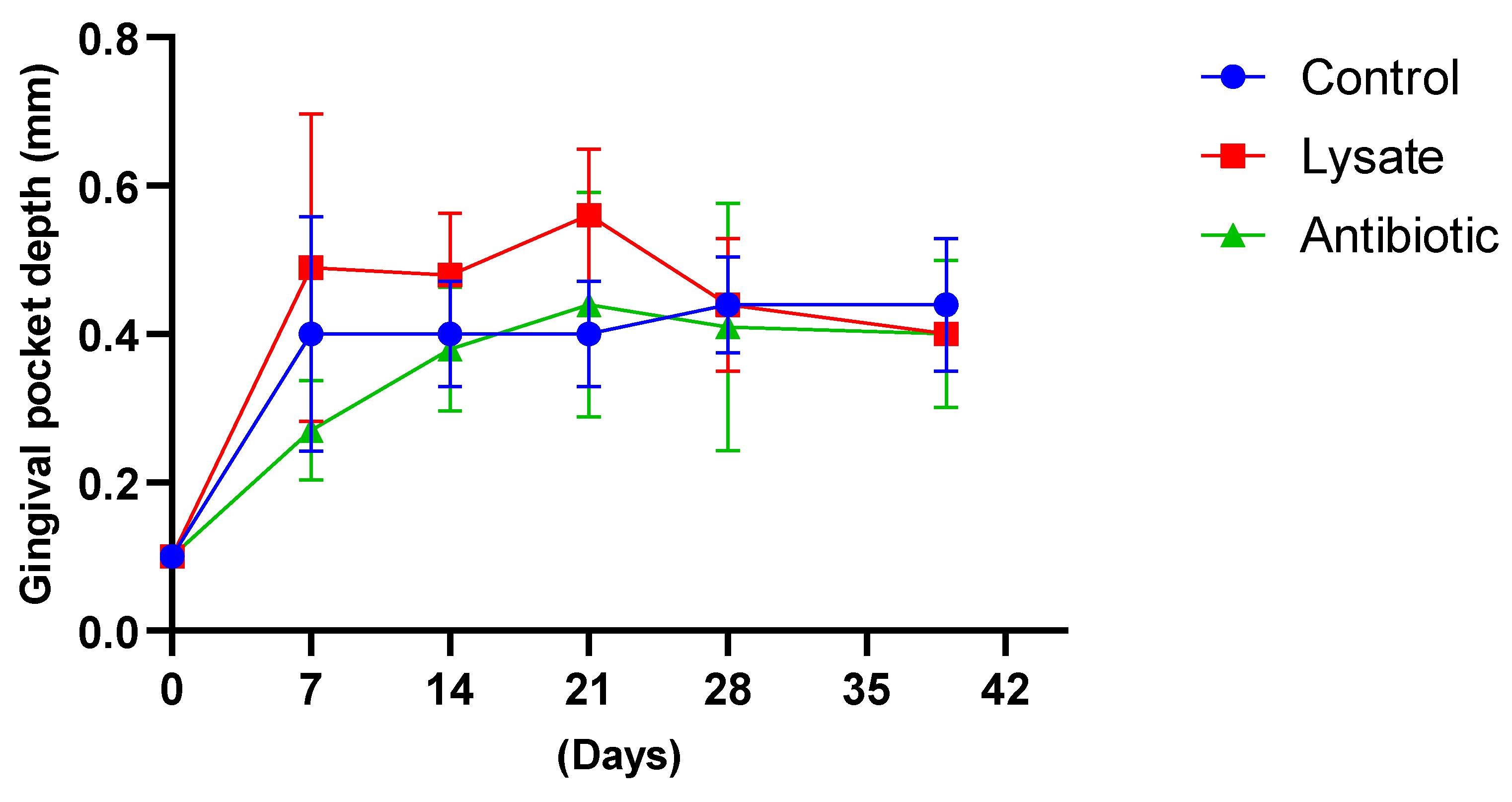
At baseline, all rats had a normal, virtually nonexistent gingival depth (~0.1 mm), confirming the good health of the periodontal tissues before disease induction. Application of the bacterially contaminated ligature rapidly triggered an inflammatory reaction, such that at the first assessment, after only 7 days, the gingival pocket depth had increased substantially in all groups.
At this early stage, the group that was to receive bacterial lysates already had the greatest gingival pocket depth, ~0.5 mm, compared to the control and antibiotic groups that recorded values of ~0.4 mm and 0.25 mm, respectively.
On days 7–28, all three groups continued to have significant gingival pocket depths, remaining around 0.4–0.5 mm. The lysate group remained consistently the most affected, reaching a peak of ~0.55 mm around day 21, while the control and antibiotic groups fluctuated slightly, with values between 0.35 and 0.45 mm. Over the next 10 days of active treatment, a reduction in gingival pocket depth was observed in the lysate and antibiotic groups, whereas the control group showed a slight increasing trend.
Day 35 showed a convergence of values between the three groups, all being around the 0.4–0.45 mm threshold. The lysate group benefited from a more pronounced reduction, reaching levels comparable to the other groups. The antibiotic-treated group showed a constant and gradual decrease, while the control group had a similar evolution (
Figure 6).
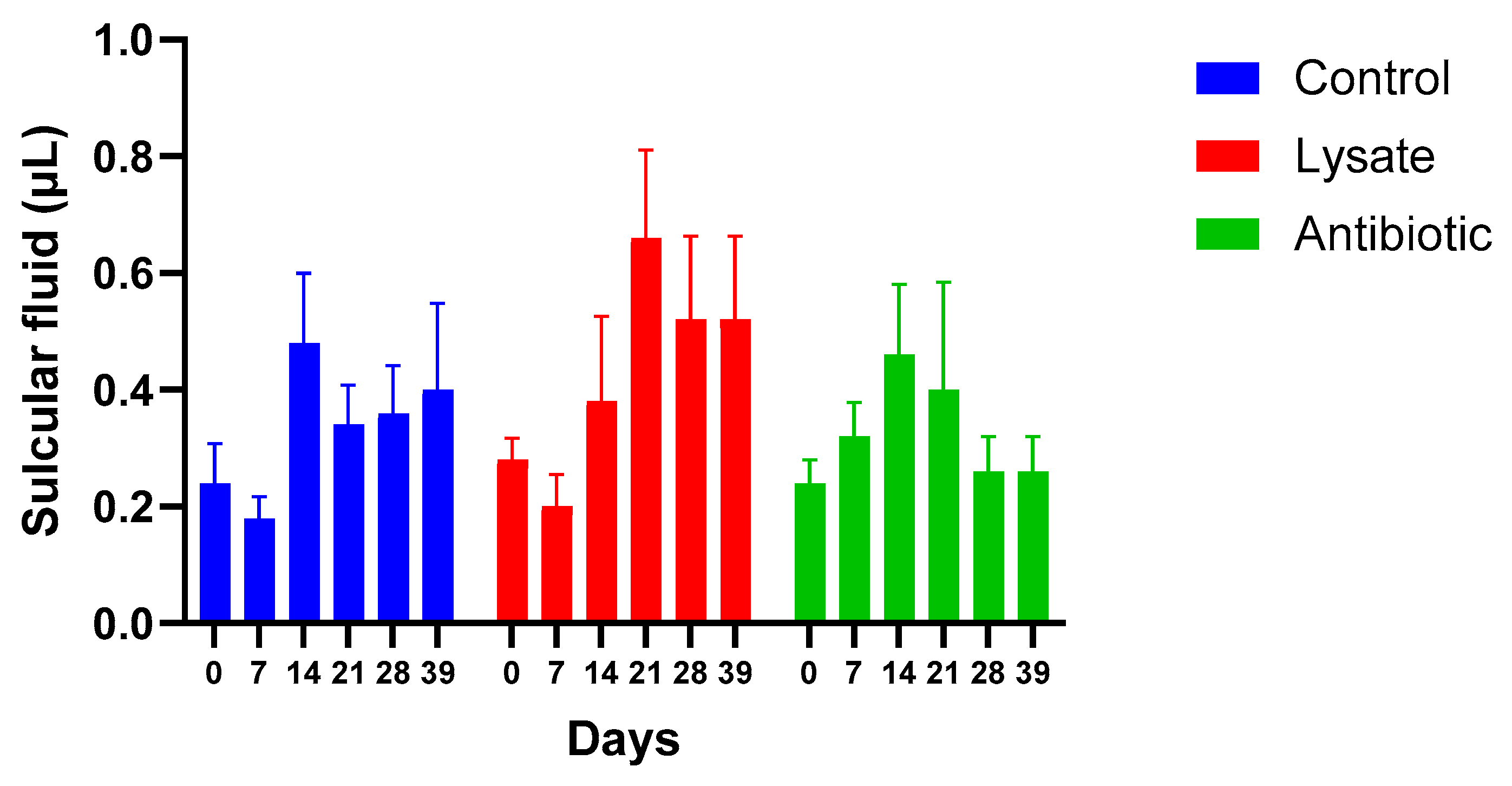
3.7. Sulcular Fluid Volume
At baseline, day 0, sulcular fluid volume was minimal in all groups, with values ranging from 0.15 to 0.25 μL, reflecting the state of periodontal health before disease induction. These low baseline values are characteristic of healthy gingival tissues, where crevicular fluid flow is minimal in the absence of inflammation.
After application of the bacterially contaminated ligature, the inflammatory response was rapidly manifested by an increase in sulcular fluid volume in all groups (
Figure 7).
During the induction period, all groups exhibited increased sulcular fluid volume consistent with periodontal inflammation. Although minor inter-group differences were observed at this time point, these variations were not statistically significant and occurred prior to treatment initiation.
On day 7, the control group reached 0.5 μL, while the lysate and antibiotic groups showed lower values (0.3 μL and 0.25 μL). The control group maintained relatively constant values (0.35–0.5 μL) throughout the disease induction period.
The lysate group showed a distinct behavior: after moderate values in the first two weeks (0.2–0.3 μL), a sudden increase was observed on day 21 (0.65 μL, the highest value in the study), remaining high until day 28 (0.5 μL). After the initiation of treatment, the volume progressively decreased from 0.65 μL to ~0.25 μL on the final day.
The antibiotic-treated group showed the most consistent reduction, from 0.3 μL during the induction period to 0.25–0.3 μL at day 39, with small error bars indicating a homogeneous and predictable response (
Figure 8).
3.8. Hematologycal Analysis
Evaluation of the complete blood count (CBC) performed during the 10 days of treatment revealed significant changes in systemic immunoinflammatory indices, reflecting the body’s response to the therapies applied in the experimental model of periodontitis in rats.
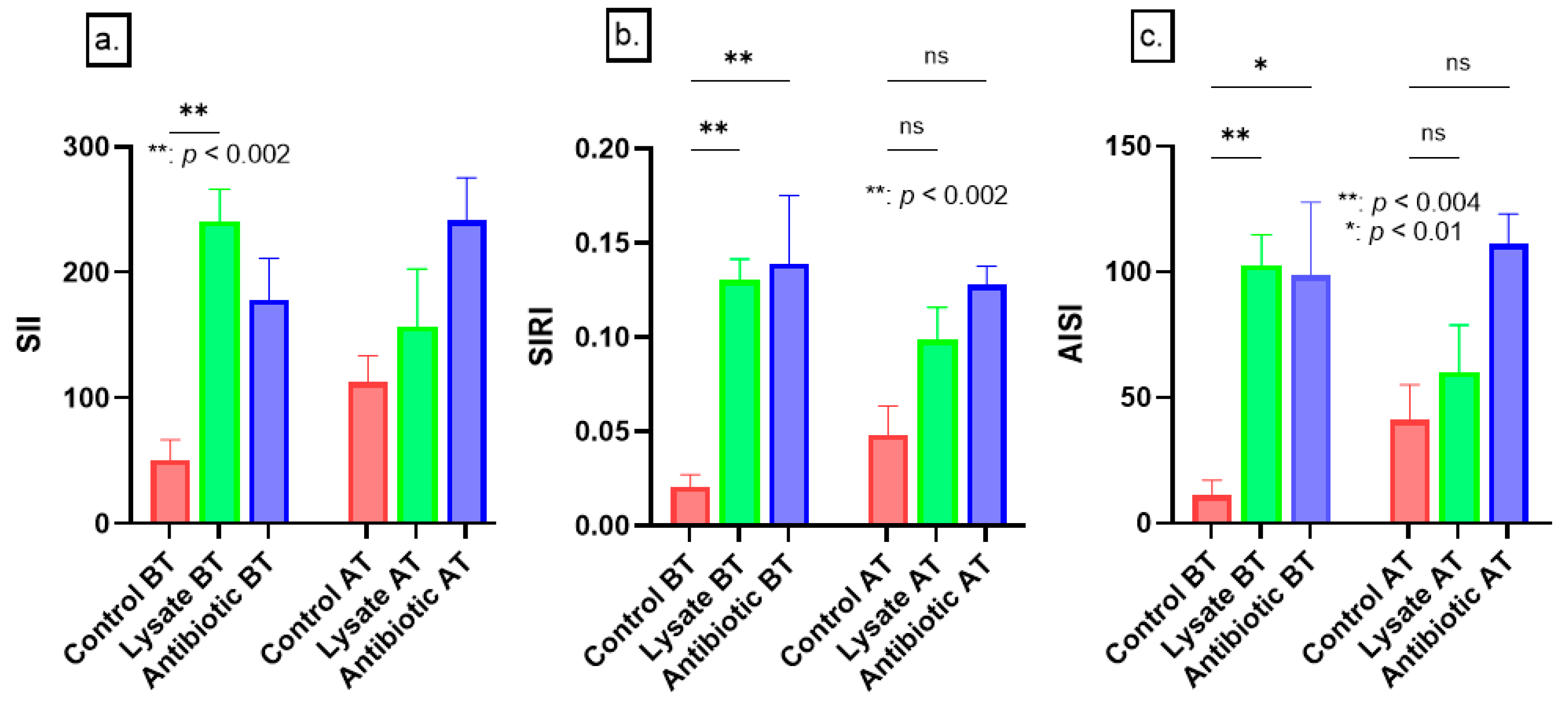
The SII analysis demonstrates a statistically significant increase (**
p < 0.002) in the values after treatment in all experimental groups compared to the initial values. The group treated with bacterial lysates presented the most marked increase in SII, from ~50 to over 230 units, followed by the antibiotic treatment which reached values close to 180 units. The control group also recorded an increase, but more moderate, reaching ~110 units (
Figure 9a.).
The SIRI results confirm the pattern observed in SII, with statistically significant differences (**
p < 0.002) between pre- and post-treatment values. Both the lysate-treated group (~0.13) and the antibiotic-treated group (~0.14) presented similar SIRI values after treatment, significantly higher than the initial control group (~0.02) but without statistically significant differences between them (lysate versus antibiotic). The post-treatment control group recorded a moderate increase in SIRI (~0.05), but the difference compared to the treated groups remains statistically insignificant (
Figure 9b.).
AISI shows a similar dynamic to the other two indices, with statistically significant increases (* p < 0.01 and ** p < 0.004) in the treated groups compared to the initial values. Treatment with bacterial lysates determined an increase to ~105 units, while antibiotic treatment reached values of ~100 units, both being significantly higher than the initial control group (~12 units). Similar to SIRI, there are no statistically significant differences between the efficacy of lysates and antibiotic (ns).
The post-treatment control group showed an increase to ~40 units, reflecting the natural evolution of the inflammatory process in the absence of specific therapeutic interventions. The insignificant differences between the treated groups and the post-treatment control group suggest that, although the treatments induce an immune mobilization, this is not disproportionate and is maintained within physiological limits (
Figure 9c).
3.9. Biochemical Analysis
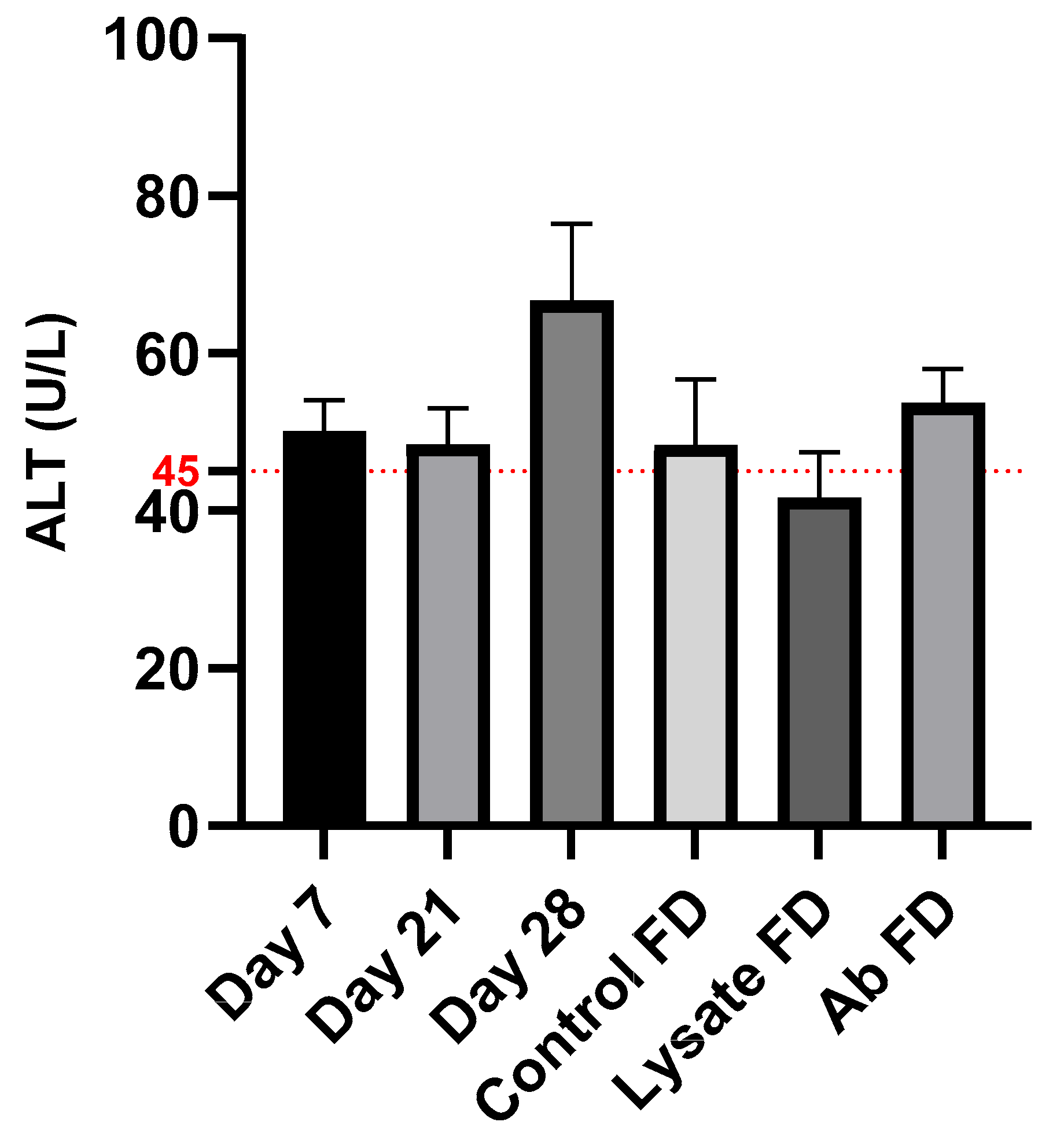
ALT values remained within a relatively constant range throughout the study, varying between ~40–70 U/L, without major fluctuations or pathological values (
Figure 10).
On day 0, the mean ALT level was ~45 IU/L, representing the baseline value of the experimental groups. On day 28, a moderate increase in ALT to ~68 IU/L is observed, with a higher variability reflected in the error bars. Comparative evaluation of the groups treated with saline (Control FD), bacterial lysates (Lysate FD) and antibiotic—metronidazole (Ab FD) in the post-treatment period does not reveal significant differences between the groups. The control group presented values of ~48 IU/L, the group treated with lysates ~42 IU/L, and the group treated with antibiotic ~55 IU/L.
3.10. Immunological Examination—Analysis of Proinflammatory Cytokines
Systemic plasma levels of TNF-α, IL-6, and IL-1β did not show statistically significant differences among groups, likely reflecting the localized nature of periodontal inflammation.
3.11. Histological Monitoring
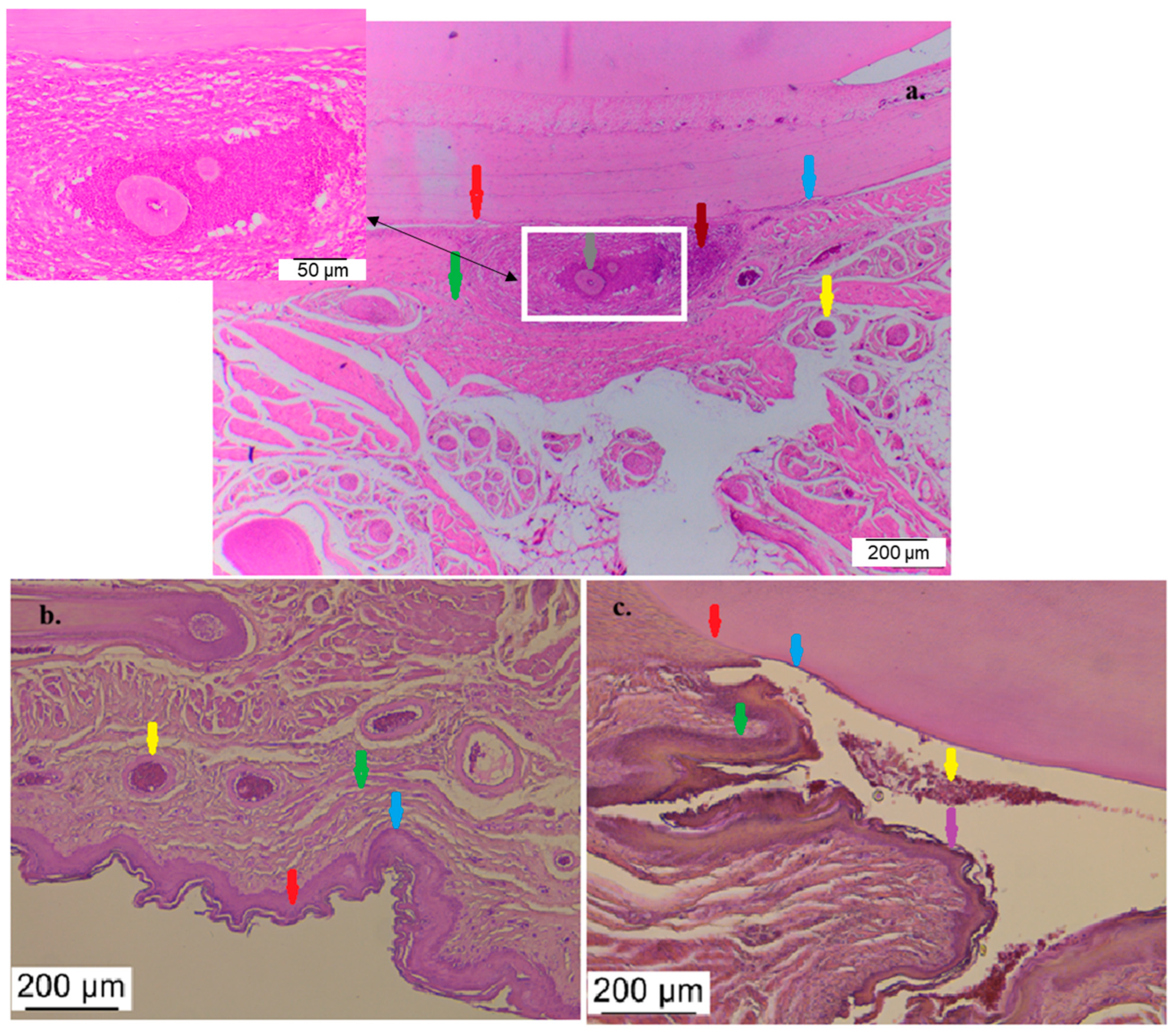
Histopathological examination of periodontal tissues revealed marked differences between experimental groups (
Figure 11a–c).
In the experimental periodontitis group (
Figure 11a), the alveolar bone exhibited a disrupted trabecular architecture with irregular resorptive surfaces, enlarged medullary spaces, and the presence of active osteoclasts, consistent with advanced osteolysis. A dense and diffuse inflammatory infiltrate, predominantly composed of mononuclear and polymorphonuclear cells, was observed centrally and extended into the periodontal connective tissue, mimicking attachment loss. The periodontal ligament was severely altered, showing disorganization of collagen fibers and loss of normal orientation, accompanied by connective tissue edema, vascular congestion, and focal areas of tissue necrosis, reflecting a sustained chronic inflammatory response.
In the lysate-treated group (
Figure 11b), periodontal tissues showed clear signs of structural improvement. The gingival epithelium displayed a well-organized stratified squamous keratinized architecture with a continuous basement membrane and regular connective papillae. The connective tissue exhibited improved organization, with more uniformly arranged collagen fibers and spindle-shaped fibroblasts, indicating active remodeling. The periodontal ligament demonstrated partial restoration of fiber orientation, while inflammatory infiltrate was minimal and focal. Bone tissue showed a more regular trabecular pattern with viable osteocytes, active osteoblasts, and newly formed bone matrix, suggesting a favorable balance between bone resorption and formation. Evidence of angiogenesis was noted through the presence of newly formed capillaries within the connective tissue.
In the metronidazole-treated group (
Figure 11c), mineralized dental structures exhibited intense eosinophilic staining and preserved morphology. The cementum showed relatively regular contours without extensive resorptive changes, supporting adequate periodontal ligament attachment. The gingival epithelium maintained a normal stratified keratinized organization with a well-defined epithelial–connective tissue interface. The connective tissue appeared homogeneous, containing fibroblasts with normal density and morphology, and minimal extracellular edema. Inflammatory infiltrate was scarce and predominantly mononuclear, mainly localized near the internal dental spaces, indicating effective control of inflammation.
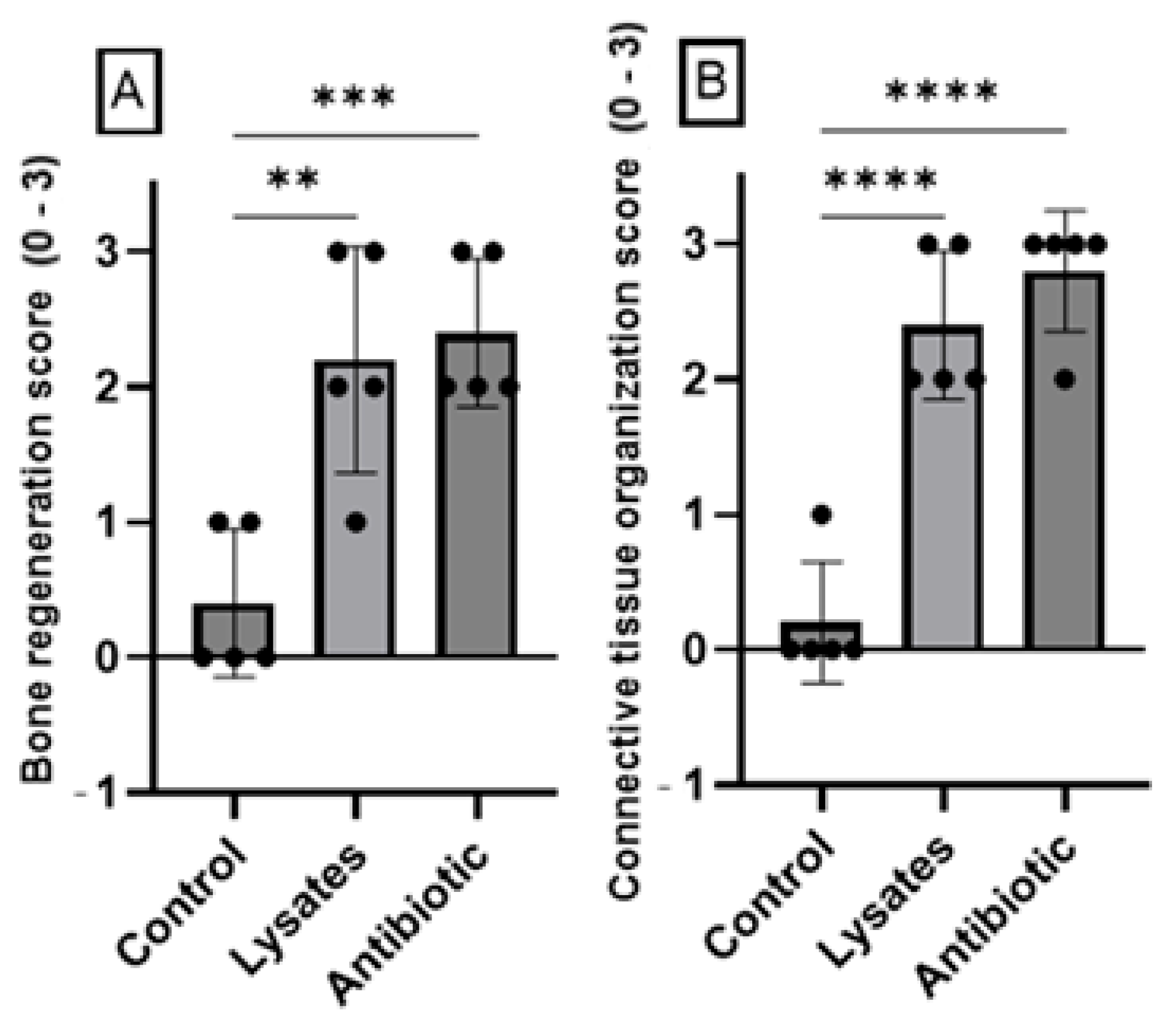
Semi-quantitative histological analysis demonstrated significantly higher bone regeneration and connective tissue organization scores in the bacterial lysate group compared to the untreated control group (
Figure 12). The scores observed in the lysate-treated group were comparable to those in the antibiotic-treated group.
4. Discussion
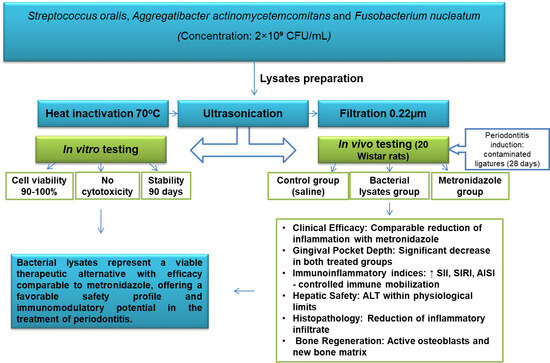
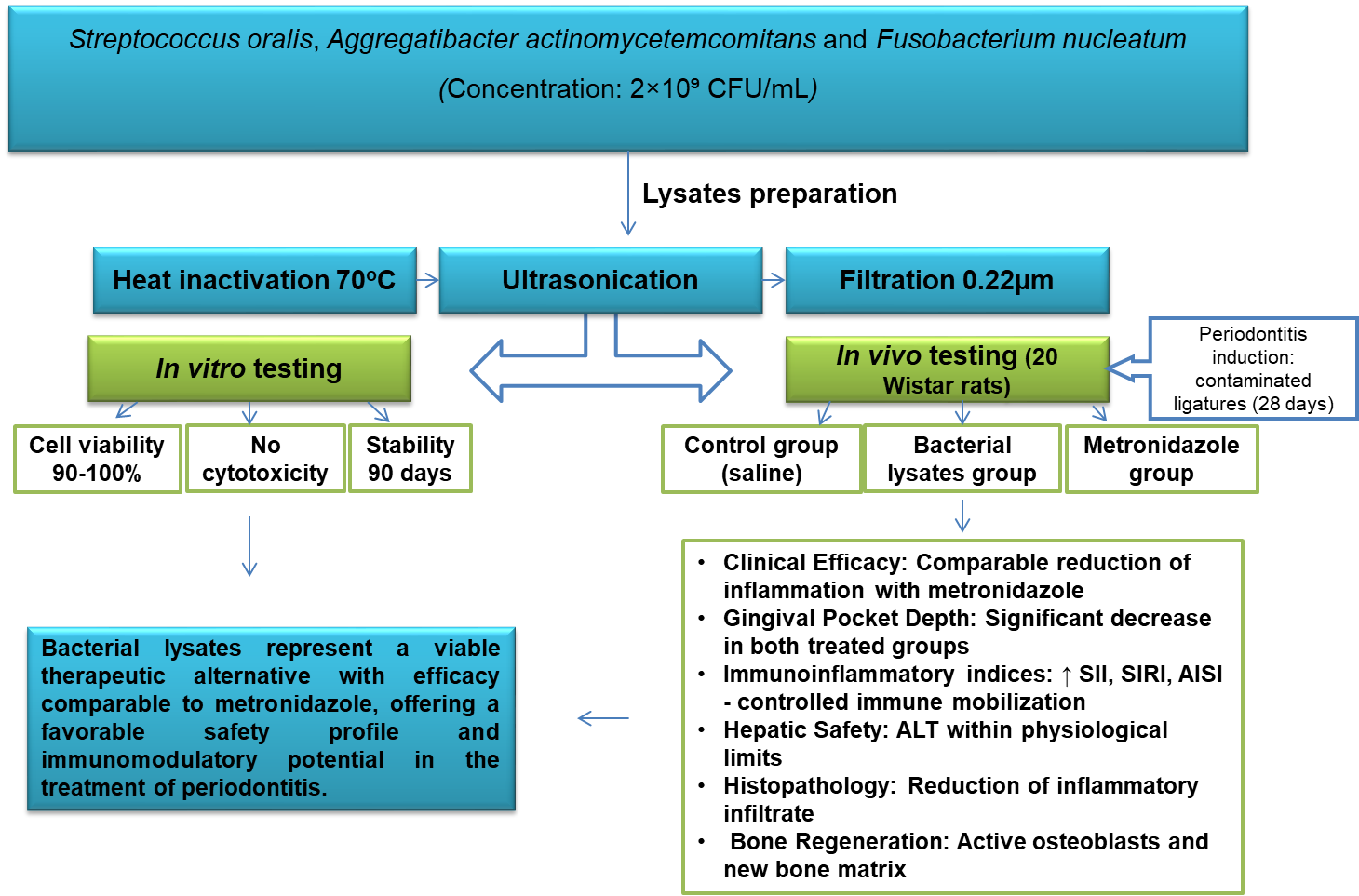
The present study demonstrated that the preparation based on bacterial lysates of SO, AA and FN represents a viable and safe therapeutic alternative in the treatment of experimental periodontitis in rats, with efficacy comparable to the conventional treatment with metronidazole.
Bacterial lysates demonstrated a significant capacity to reduce periodontal inflammation and were associated with improved histological features indicative of periodontal tissue regeneration. The dramatic reduction in gingival pocket depth and sulcular fluid volume in the lysate-treated group, comparable to that observed in the antibiotic-treated group, confirms the anti-inflammatory efficacy of this therapeutic approach. These results are consistent with recent studies demonstrating that immunomodulatory therapies can supplement or even replace conventional therapeutic methods in periodontitis [
18,
52]. Although initially the lysates were associated with greater variability of response, at the end of the treatment period, the results were similar to those obtained by the administration of metronidazole, with no statistically significant differences between the two approaches.
The safety profile of bacterial lysates was demonstrated by in vitro studies that confirmed the absence of cytotoxicity on human gingival fibroblasts, with maintenance of cell viability at 90–100% for all dilutions tested. These results are comparable to those obtained in studies evaluating the biocompatibility of dental materials on human gingival fibroblasts, where cell viability above 70–80% is considered acceptable [
53,
54]. In vivo, the lysates did not induce systemic toxicity, maintaining liver parameters (ALT) within physiological limits throughout the study. Body weight changes remained within a physiological range throughout the study, with no abrupt losses or signs of impaired growth in any experimental group. Although rats in the antibiotic group showed minimal additional weight gain compared to the control and lysate groups, overall body weight evolution did not indicate adverse effects that could compromise general health or normal development. The greater fluctuations observed in gingival pocket depth and sulcular fluid volume during the induction period, particularly in the bacterial lysate group, likely reflect individual variability in host response to ligature placement and bacterial challenge. During this phase, no therapeutic intervention had been initiated, and periodontal inflammation evolved dynamically as part of disease establishment. Since animals were randomized only after confirmation of periodontitis, transient inter-animal variability before treatment was expected and does not indicate baseline group imbalance.
Notably, after treatment initiation, periodontal parameters within each group demonstrated a progressive reduction in variability, indicating convergence toward a more stable inflammatory state. This convergence suggests a consistent therapeutic effect rather than random fluctuation, supporting the reliability of the observed treatment outcomes.
The coordinated increase in systemic immunoinflammatory indices (SII, SIRI and AISI) in the group treated with lysates reflects a controlled and efficient activation of the host immune response, distinct from a pathological inflammatory reaction. SII and SIRI have recently been validated as relevant biomarkers in periodontitis, being associated with disease severity and treatment response [
55,
56], with recent NHANES population studies demonstrating that elevated SIRI (OR = 1.11, 95% CI: 1.06–1.17) and SII are significantly associated with moderate/severe periodontitis [
57]. Although the present findings suggest that bacterial lysates influence the systemic inflammatory state, as reflected in changes in composite indices such as SII, SIRI and AISI, the study does not provide direct evidence for specific cytokine-mediated immunomodulatory mechanisms. The lack of significant differences in plasma levels of TNF-α, IL-6 and IL-1β may be attributed to the localized nature of periodontal inflammation, for which gingival crevicular fluid represents a more sensitive biological matrix. Therefore, the immunological effects observed in this study should be interpreted as a systemic inflammatory modulation, rather than a direct activation of the molecular immune pathway. By comparison with the effect of metronidazole, we can hypothesize that the lysates have additional therapeutic potential by stimulating adaptive immunity and possibly developing a long-term protective “immunological memory” [
58,
59]. Probiotics and bacterial lysates have previously been shown to modulate dendritic cell maturation and promote the secretion of anti-inflammatory interleukin-10, mechanisms similar to those observed in our study [
60]. Although direct immune mediators were not quantitatively assessed at the local tissue level, the observed improvements in inflammatory indices and histological regeneration scores support an immunomodulatory contribution that warrants further mechanistic investigation.
Histopathological evaluation revealed favorable morphological changes in periodontal tissues treated with bacterial lysates. The significant reduction in the inflammatory infiltrate, from a dense and diffuse appearance characteristic of the acute stage of the disease to a minimal and focal infiltrate in the post-treatment stage, demonstrates the efficacy in controlling the inflammatory process. Reorganization of the connective tissue, with partial restoration of the fibrillar architecture and the presence of active fibroblasts, indicates ongoing healing and tissue repair processes, consistent with experimental models of periodontitis in rodents [
61,
62].
The promising aspect is represented by the signs of bone regeneration observed in the lysate-treated group. The presence of active osteoblasts on the alveolar bone surface, newly formed bone matrix with adequate mineralization, and inversion lines marking the transition from resorption to bone neoformation suggest that lysates stimulate bone regeneration processes, an essential therapeutic goal in the treatment of periodontitis. Recent studies demonstrate that osteoblast activation and the expression of osteogenic markers such as Runx2, Osterix, and alkaline phosphatase are essential for periodontal bone regeneration [
63]. This ability to induce regeneration, not just control infection, represents a potential advantage over classical antimicrobial therapies that focus mainly on eliminating bacteria without actively stimulating regenerative processes [
64]. Stability tests confirmed that bacterial lysates maintain the necessary characteristics for a period of at least 90 days, with the absence of contamination and the maintenance of the integrity of the bioactive components. This stability, coupled with the ease of administration by oral lavage and the absence of the need for invasive procedures, suggests a potential convenient clinical application. The established optimal concentration (2 × 10
9 CFU/mL equivalent, double the disease-inducing concentration) demonstrated an ideal balance between antimicrobial efficacy and tissue safety, reducing bacterial load without compromising cell viability or local tissue homeostasis.
Although metronidazole provided a slightly faster and more predictable therapeutic response, with gradual and consistent reduction in inflammatory markers from the first days of treatment, bacterial lysates ultimately achieved comparable results in terms of reducing inflammation and stimulating tissue healing. Metronidazole is recognized for its antimicrobial effects against anaerobic periodontopathic bacteria, but recent studies also highlight its non-antibacterial anti-inflammatory properties, including modulation of cytokine production and reduction in oxidative stress [
65,
66,
67].
This therapeutic equivalence, achieved through different mechanisms of action (direct antimicrobial for metronidazole versus immunomodulatory for lysates), offers clinicians multiple therapeutic options adaptable to different clinical contexts. The combination of metronidazole-amoxicillin is considered the gold standard in adjuvant antimicrobial therapy of periodontitis [
68,
69], but increasing concerns about antibiotic resistance justify the exploration of immunomodulatory alternatives [
64].
A potential advantage of lysates lies in their immunomodulatory mechanism of action, which could induce long-term protection against reinfection by exposing the immune system to specific bacterial antigens, an aspect that cannot be achieved by conventional antimicrobial therapy. This “education” of the immune system could reduce the recurrence rate of periodontal disease, a significant clinical problem in the long-term management of this condition. Modern immunomodulatory approaches, including stem cell therapies, biomimetic nanoparticles, and macrophage modulators, show promise in promoting periodontal regeneration by restoring the local immune microenvironment [
20,
37,
70]. However, a limitation of the study is the absence of local cytokine measurements in gingival sulcular fluid, which would have provided more direct insight into periodontal immune responses. Future studies that include local immunological markers and molecular pathway analyses are needed to fully elucidate the immunomodulatory mechanisms of bacterial lysates.
Although the results are promising, the study has certain limitations that should be acknowledged. Thus, biochemical characterization of bacterial lysates (protein concentration or antigen content) could further improve reproducibility and mechanistic interpretation. Regarding the cytotoxicity assessment, in order to provide more comprehensive results on biocompatibility, other periodontal cell types (e.g., periodontal ligament cells or osteoblasts) should also be tested. The study focused on the short-term therapeutic effects of bacterial lysates during a 10-day treatment period. Consequently, no conclusions can be drawn regarding long-term efficacy, sustained immune modulation, or prevention of disease recurrence. Furthermore, although the observed improvements in periodontal parameters suggest a beneficial biological effect, the underlying molecular and immunological mechanisms were not directly investigated. Future studies incorporating extended observation periods and mechanistic analyses are required to clarify the durability and mode of action of bacterial lysates in periodontitis. The experimental model of induced periodontitis, although relevant and standardized according to validated protocols [
61,
62], does not fully reproduce the complexity of human periodontal disease, which involves multiple factors (genetic, behavioral, systemic) and a complex oral microbiology developed over long periods [
71,
72]. In ligature-induced periodontitis models, mechanical stimulation caused by ligature placement may contribute to an initial inflammatory response; however, this effect is generally transient and insufficient to reproduce the sustained periodontal tissue destruction characteristic of periodontitis. In the present study, ligatures were applied uniformly across all experimental groups, ensuring that the mechanical component remained constant and did not confound intergroup comparisons. The absence of a ligature-only control group represents a limitation of the study and should be considered in future investigations aimed at dissecting the relative contributions of mechanical and microbial factors.
On the other hand, an optimal dosage along with adjusting the duration of treatment for different disease severities, could be useful for evaluating potential dose–response effects. A significant research direction is also to establish the molecular mechanisms by which lysates exert their immunomodulatory effects, with emphasis on TLR4 signaling, activation of NF-κB and MAPK pathways, and the role of pro-resolving mediators. Also, establishing potential synergy with other therapeutic modalities (adjunctive therapies), including scaling and root planning, guided tissue regeneration membranes, and growth factors [
73] as well as clinical applicability in human periodontitis models and pilot clinical trials, with evaluation of cost-effectiveness and patient acceptability, represent important steps to investigate in the future.