Article

The International Retirement Migration and Migration-Development Nexus: The Case of Lake Balaton


Institute for Regional Studies, ELTE Centre for Economic and Regional Studies, 1097 Budapest, Hungary
*
Author to whom correspondence should be addressed.
Tour. Hosp. 2026, 7(5), 122; https://doi.org/10.3390/tourhosp7050122
Submission received: 9 March 2026 / Revised: 12 April 2026 / Accepted: 20 April 2026 / Published: 28 April 2026
(This article belongs to the Special Issue Challenges and Development Opportunities for Tourism in Rural Areas)

Abstract

This study examines the transformation of the Balaton region in Hungary from a traditional tourist destination into an international retirement migration destination for older adults from Western Europe. Migration theories and models are applied to illustrate the relationships between migration and development and to explore how tourism, lifestyle aspirations, and socio-economic factors influence the settlement decisions of older migrants. Empirical findings suggest that prior tourism experience can mitigate the uncertainty associated with migration and foster belonging. However, many retirees move to Hungary with limited knowledge of the country, relying on social networks and real estate agents for information. These retired migrants also utilize local services and infrastructure, including healthcare and community spaces, which shape their daily lives and help them integrate into the community. The migration of older adults stimulates the development of peripheral rural areas through real estate purchases, renovations, and small-scale entrepreneurial activities, particularly in the accommodation sector. This challenges the traditional perception of older-age migrants as inactive.

1. Introduction

Using Lake Balaton as a case study, this study examines the multifaceted network of relationships between tourism, development, and international retirement migration (IRM). While IRM-tourism links are well studied, the specific relationship between international retirement migration and development remains significantly under-researched, particularly regarding the active role of older migrants. This is despite considerable attention being paid to the regional development and economic impacts of domestic migration among the elderly (Fagan & Longino, 1993; Deller, 1995; Pan et al., 2021). This study aims to shed light, through interviews conducted with older migrants who have settled in Hungary for varying lengths of time, on the role tourism played in their migration decision, the services they utilize after settling, and the developmental impact of their settlement.
The relevant literature examines the social phenomenon under study from various perspectives and employs a distinctly heterogeneous methodological approach. Within the theoretical framework of international retirement migration, emphasis is placed on the motivational factors driving international migration among older adults (King et al., 1998), highlighting push and pull factors, which result in older adults engaging in international migration and often settling in popular tourist destinations. On the one hand, they often have prior travel experience in the region (Barbosa et al., 2021), and on the other hand, the hospitality services essential for their settlement are already well-established there (Iorio, 2020; Ormond & Toyota, 2017). We argue that migratory decisions, especially among older adults, are embedded within a complex set of choices. While research has confirmed that previous tourism and travel experiences positively influence migration decisions in later life, the results show that a significant share of retirees moved to the region without substantial prior experience or knowledge of Hungary.
In contrast, studies focusing on the migration-development nexus (Nyberg-Sørensen et al., 2002) concentrate on the regional and economic development forces generated by migration. Although there is a vast body of literature on the subject—with numerous publications appearing as early as the 1950s—the vast majority of these studies have emphasized migration between the global South and North, primarily examining the economic impacts of labor migration among working-age individuals, typically men (Bastia et al., 2022). Although several studies have examined the economic impacts of migration among retirees who are no longer of working age, these have consistently focused on the internal migration of older adults, whether in the United States (Fagan & Longino, 1993; Deller, 1995) or China (Pan et al., 2021). These studies typically portray older migrants as passive actors who influence the local economy solely through demand. In contrast, our field research argues that older adults involved in international migration are far from passive and actively engage in local economic life.
By addressing these overlooked dimensions, this study provides new empirical data on the complex and active relationship between tourism, international retiree migration, and regional development, particularly in the understudied context of Central-Eastern Europe. These findings contribute to a better understanding of how tourism and hospitality services influence international retirement migration, the extent to which older immigrants contribute to the local economy, and the channels through which they contribute to tourism development. We addressed the following research questions:
(1)
How do tourism experiences shape the decision-making processes of international retirement migrants settling in Hungary?
(2)
What economic (tourism-related) development impacts could be associated with foreign retirees settling in the Balaton region?
(3)
Which public and private services are considered important for international retirement migrants, and how do they assess their availability and quality?
The remainder of this paper is organized as follows. The first section outlines the study’s theoretical and conceptual framework. The second section presents the research materials and methods. The empirical findings are discussed in three subsections, addressing the role of tourism and earlier visits in the relocation of older migrants, the impact of local enterprises on tourism development, and the access to public and market-based services of older migrants. The paper concludes with a comprehensive discussion of the principal findings and the conclusion.

Conceptualizing International Retirement Migration and Migration-Development Nexus

Our topic lies at the intersection of two distinct research areas (IRM and the migration-development nexus), each of which is, in itself, part of a broader field of expertise (migration and development).
International retirement migration is an emerging topic with constantly evolving characteristics. The concept of international retirement migration has been prevalent since the 1990s (King et al., 1998) and remains a key area of research focusing on older migrants (Iorio, 2020; Toyota, 2022). Previous studies have suggested that retirees who migrate internationally tend to be more affluent (Gustafson, 2001; Fauser, 2020) and seek better climates, wish to explore exotic locations, or long for a more peaceful life away from their homeland (Benson & O’Reilly, 2009). However, recent research shows that retirees with lower incomes are also engaging in this form of mobility (Bolzman et al., 2021; King et al., 2021), and they tend to establish new migration destinations rather than opting for the traditionally popular areas (Bender et al., 2018; Iorio, 2020; Toyota, 2022; Koós et al., 2025). The motivations of less affluent older adults who participate in international migration differ significantly from those of the group described earlier. Research indicates that one of the main motivations for migration later in life is the desire to avoid a decline in social status (Botterill, 2017; Iorio, 2020; Váradi et al., 2025). This is often driven by financial concerns, such as a deterioration in the financial situation in the country of origin (Iorio, 2020; Ormond & Toyota, 2017) or the expectation of a higher pension in the destination country (Illés & Kincses, 2008).
A large body of research demonstrates that the relationship between tourism and the international migration of older adults is conceptually intertwined (Alén et al., 2017; Barbosa et al., 2021; Breuer, 2005; Huete & Mantecón, 2012; Janoschka & Haas, 2014; Rodriguez, 2001). Tourism often functions as a forerunner of retirement migration: prior short-term visits reduce uncertainty, construct place attachment, and shape destination imaginaries (Barbosa et al., 2021; Carling & Schewel, 2018; Tomás, 2025; Williams et al., 2000). However, a purely tourism-based approach has its limitations. Overemphasizing the tourism dimension may obscure issues of lifestyle considerations, social integration, welfare aspects, and long-term demographic transformation. Cross-border social relationships, such as visiting friends and relatives (VFR), are the main factors shaping migration intentions (Williams et al., 2000). VFR reduces uncertainty and lowers migration thresholds, while social networks maintained through VFR facilitate retirement migration. Retirement migration, intertwined with tourism, frequently unfolds gradually rather than through a single decisive move. In line with the neoclassical theory of migration (Massey et al., 1993), Barbosa et al. (2021) argue that tourism experiences contribute to a rational decision-making process of the prospective migrant. Future migrants have accurate information about lifestyle and living experiences in the target country due to visits; thus, they either proceed with migration to the preferred country or opt out of relocation. The article indicates that strong ties are essential for gathering relevant information about the destination, while tourism is not as prominent in developing new connections. Simultaneously, tourism facilitates migrants’ decision-making processes by providing relevant information on the destination (Barbosa et al., 2021).
However, the distinction between seasonal and permanent residents is often indistinct, and the mobility of older individuals can be understood as a continuum between tourism and permanent migration, including second home ownership and circular mobility (Breuer, 2005). The concept of residential tourism challenges traditional tourism definitions, as retirees do not simply escape from everyday life but rather combine lifestyle-oriented motivations with long-term settlement considerations, creating economic and demographic effects in destination areas (Huete & Mantecón, 2012). While tourism infrastructure enhances retirement migration, the authors point out that migration theories are inevitable in the interpretation of the phenomenon of later-life mobility, in addition to the tourism literature. Research has indicated that second-home use and repeated seasonal movements generate tourism-like demand; however, these differ from conventional short-term travel (Maroto et al., 2026). These mobility practices create recurrent consumption patterns in accommodation, health services, leisure activities, and local retail sectors. Thus, older migrants are considered not only tourists but also consumers within the local economy.
Another strand of the relevant literature focuses not on migration itself or its driving forces but rather on its economic (and social) consequences. The term “migration-development nexus” appeared only around the turn of the millennium (Nyberg-Sørensen et al., 2002); however, the research field itself dates back much further, with the first relevant publications appearing as early as the 1950s (De Haas, 2010). Following World War II, labor migration from developing countries to developed countries substantially increased. In some cases, the concerned governments actively encouraged this, viewing labor migration abroad as a tool for development. However, critical voices have grown, arguing that the emigration of the most highly educated individuals limits the development potential of their country of origin (brain drain), while remittances often fuel inflation in the receiving countries. A general consensus emerged that the developmental benefits fell short of expectations (Lipton, 1980). However, empirical research over the past few decades has shown that the relationship between migration and development is not deterministic. In some cases, migration has significant developmental impacts, while in others, its effects on development are neutral or even explicitly negative (De Haas, 2009).
Traditionally, debates surrounding migration and development have focused on four main areas: (i) the role of remittances in development, (ii) the involvement of diaspora communities in development, (iii) the impact of return migration on development, and (iv) skilled migration and brain drain (Bastia et al., 2022). These studies sought to capture the potential development impacts associated with migration from developing countries, as well as their context. At that time, international migration of older adults was primarily understood in terms of return migration, that is, when those who had previously emigrated returned to their homeland as retirees. Based on a study of return migrants to Italy from the United States, Cerase (1974) wrote of ‘little development potential’, as the returnees wanted to spend their retirement years in peace and quiet rather than seeking to revitalize the local economy. Even if returning migrants’ entrepreneurial activities are limited, their pensions still have positive economic effects by boosting the local economy if pensions are fully transferable (Hunter, 2018). Another important developmental impact is that returnees allocate part of their savings to building or renovating houses, which stimulates the local construction industry and creates jobs.
Subsequently, another contrasting migration trend emerged: affluent retirees from developed countries began moving south in search of attractive locations to enjoy their retirement. In Europe, the main countries of origin were Sweden, the United Kingdom, Germany, and the Netherlands, while the principal destinations for international migration of the elderly were Mediterranean countries, especially Spain, Italy, Greece, and Turkey (King et al., 1998). A similar migration pattern can be observed between the United States and Mexico (Sunil et al., 2007), as well as in an increasing number of Latin American countries, such as Ecuador and Costa Rica (Hayes, 2014; Janoschka & Haas, 2014).
However, research on IRM in developing countries has focused less on its impact on economic development and more on its negative environmental and social consequences (Botterill, 2017; Bastia et al., 2022). The economic aspects of international migration among older adults played a prominent role in Hayes’s (2014, 2015, 2021) research; however, in his work, this was not seen as an economic consequence felt in the destination country but rather as a key driving force behind migration. He coined the term ‘geoarbitrage’, defined as ‘relocating day-to-day living expenses to low-cost destinations’ (Hayes, 2014). By moving to Ecuador, later-life migrants can maintain and improve their standard of living in an attractive urban setting (Hayes, 2014).
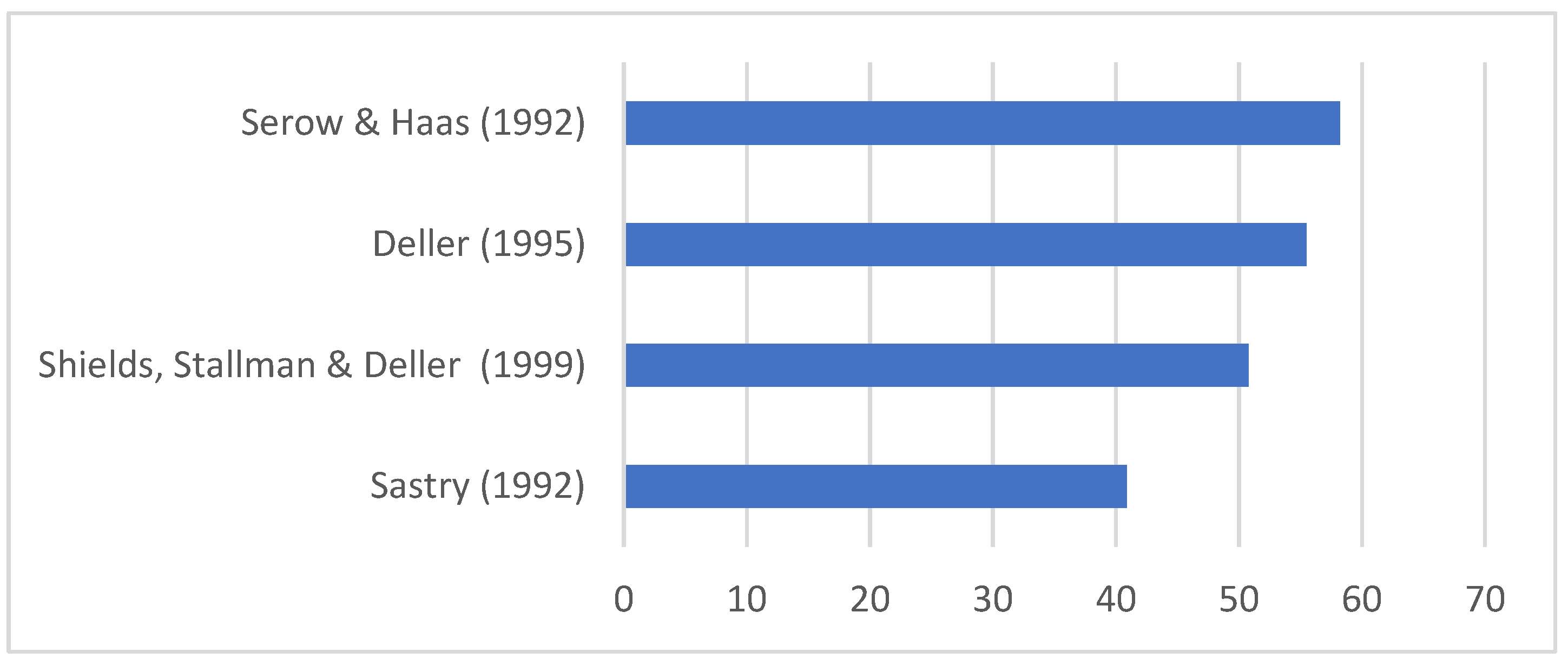
Although this does not fall within the scope of traditional migration literature, it is worth noting, given its relevance, that the impact of domestic migration among older adults on the local economy has also been examined in economic research. In the 1990s, significant attention was devoted to an approach favoring economic development based on demand-side economics rather than export-led theory (industrialization) (Fagan & Longino, 1993). The rationale was that attracting retirees to rural areas would create new demand, thereby expanding the economic base and generating employment-multiplier effects (Glasgow, 1990; Fagan & Longino, 1993; Deller, 1995). This framework predicts that retiree migration strengthens the feedback loop between employment and migration. In the 1990s, numerous studies focused on capturing this feedback loop. According to research using input-output models, the excess demand generated by 100 retirees arriving in a region from outside creates 40.9–58.2 new jobs in the local economy (see Figure 1). Based on Regional Economic Models (REMI), the creation of new jobs is particularly significant in retail, medical, construction, real estate, and hospitality (Deller, 1995). Interestingly, the Chinese development policy has also addressed the migration of retirees to rural areas, emphasizing that the establishment of care homes can effectively combat rural poverty (Pan et al., 2021).
This study is significant because it examines the intersection of international migration and local economic dynamics, with a particular focus on tourism. Moving beyond the traditional simplistic approach, which links migration decisions to past tourism experiences, this study highlights the diversity of migration motivations. Furthermore, this study explores the impact of retired migrants’ consumption habits on local services and raises the question of whether these individuals play solely a consumer role in the local economy or also emerge as active entrepreneurs, potentially expanding the tourism offerings. Overall, this study provides a comprehensive framework for policymakers and stakeholders to better meet the needs of this new group integrating into local society while leveraging their potential contribution to sustainable local development.

2. Materials and Methods

2.1. Lake Balaton Tourist Destination

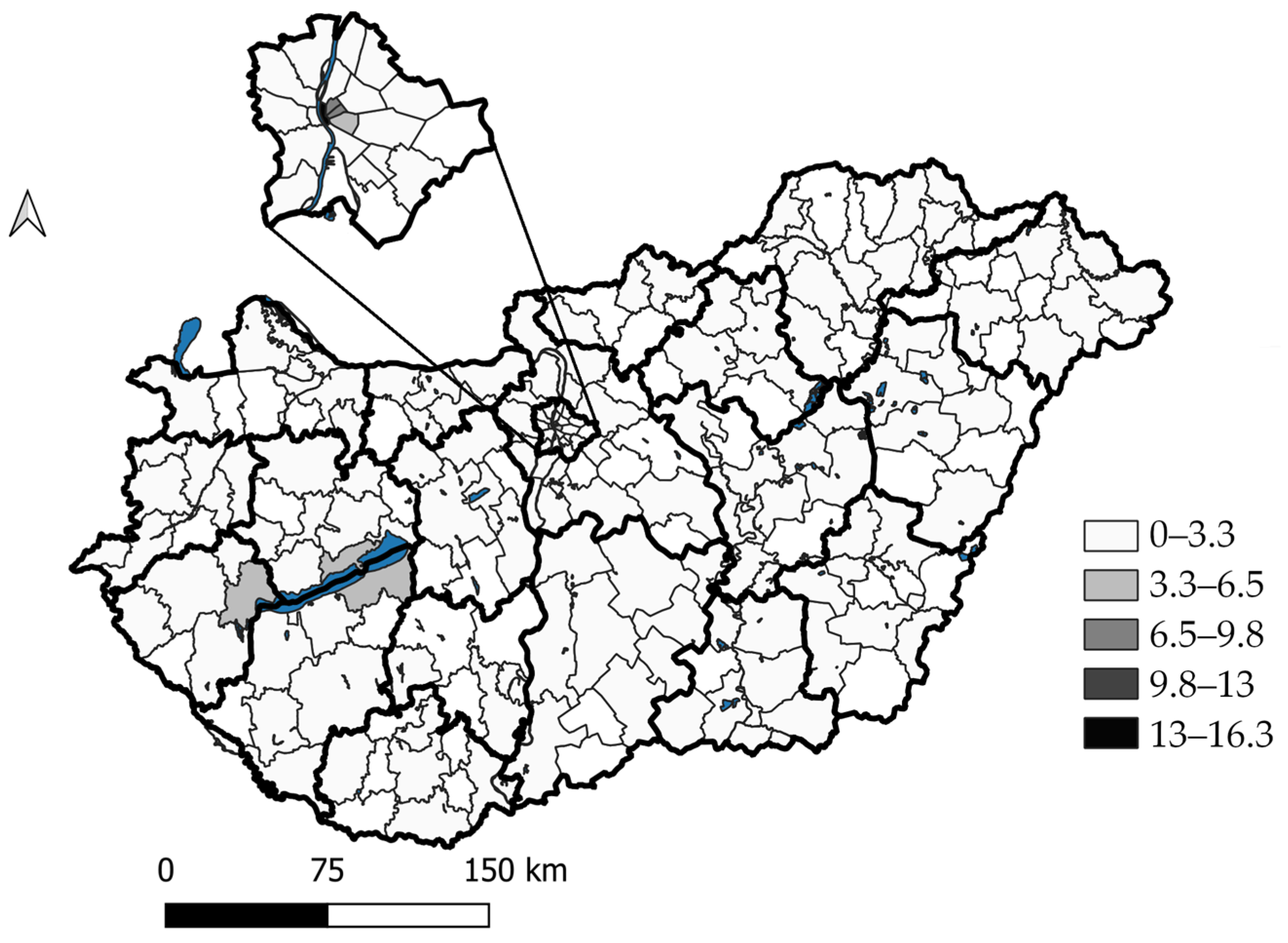
Lake Balaton, with an area of 596 km2, is the largest shallow lake in Central Europe. The lake gained tourist importance in the 19th century when the railway connecting it to the capital was built, attracting wealthy citizens from Budapest to the area. The next turning point came in the 1960s, when the development of inland tourism was given a significant boost with the construction of numerous hotels, campsites, spas, and restaurants in the area. The mass construction of holiday homes by the domestic population began, resulting in the massive urbanization of the area (Petrovszki et al., 2024). Consequently, the Lake Balaton region has increasingly become an international tourist destination, as Hungary has become more accessible to citizens of both the socialist bloc and Western European countries, with relatively few restrictions. Spa tourism has played an important role in this, as foreigners visiting Hungary have primarily visited the capital and the country’s major spas, including Lake Balaton (Michalko et al., 2012; Smith, 2025). Consequently, high-quality accommodation in Hungary remains highly concentrated in terms of location (see Figure 2), with most of it located in the capital and the Lake Balaton region.
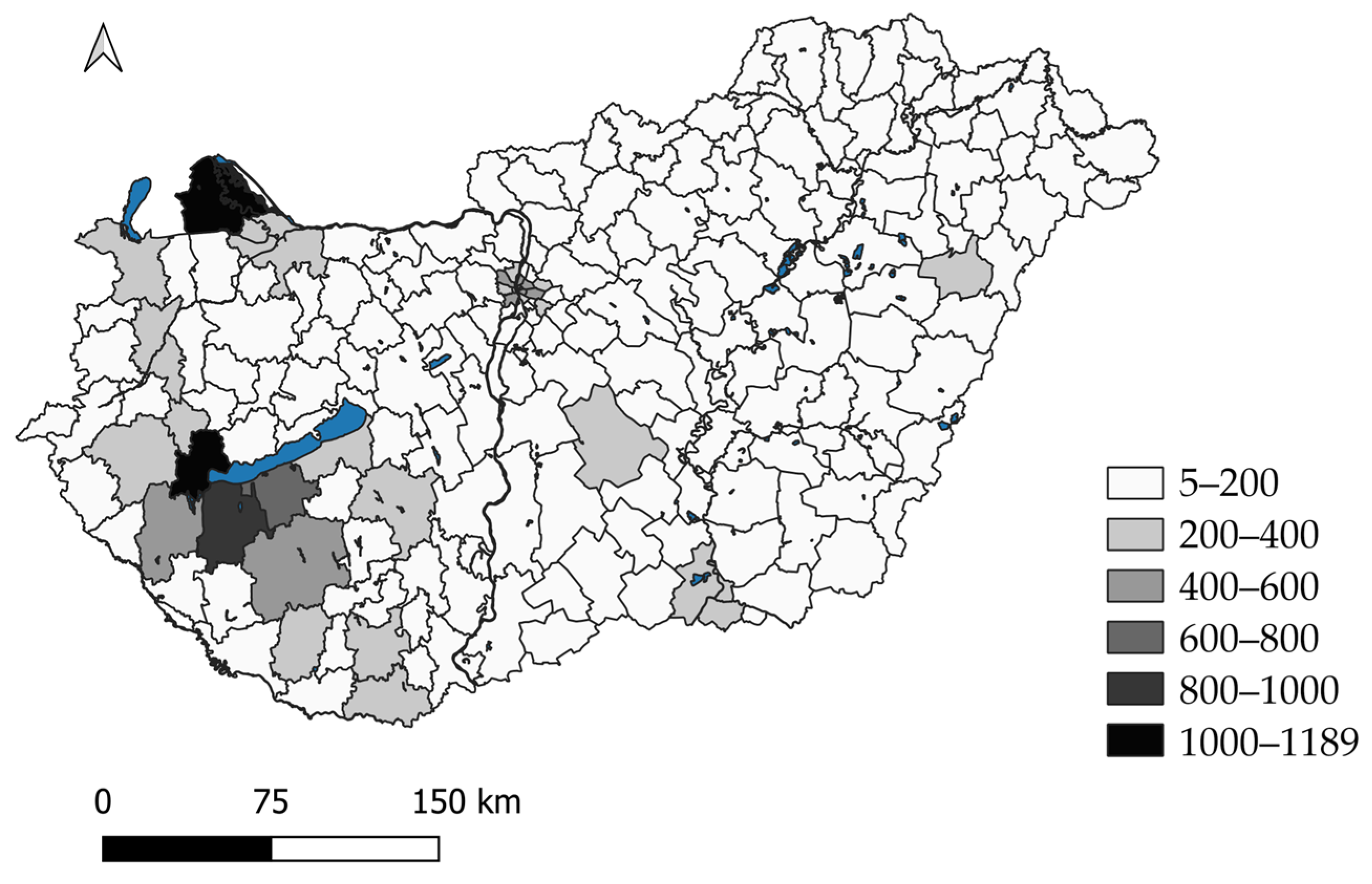
To capture international retirement migration directed at Hungary and explore its territorial dimensions, we used an unpublished database compiled by the Hungarian Central Statistical Office (KSH) on foreign nationals staying in Hungary for more than three months. This database records the sex, age, nationality, and country of birth of those registered. However, given that the 2011 amendment to the Hungarian nationality law allowed Hungarian minorities living in neighboring countries to apply for non-resident citizenship, citizenship data alone no longer accurately reflects migration to Hungary by older people (Bálint et al., 2017). In light of this, we examine a group of individuals born abroad who are not Hungarian citizens. Narrowing the study down to individuals over 59 years of age reveals that international retirement migration in Hungary is primarily concentrated in the Lake Balaton region and the capital city of Budapest (see Figure 3). The data indicate that these areas attract the majority of older foreign nationals, reflecting their appeal as preferred retirement destinations. Lake Balaton, a long-standing tourist hotspot, has evolved into a key destination for international retirees, particularly in the western and southern regions, where a blend of tourism infrastructure, natural amenities and lifestyle factors fosters retirement migration. Budapest, as the capital, offers urban amenities, healthcare services, and social infrastructure that also act as significant pull factors for older migrants. This spatial concentration underscores the dual role of well-established tourist and urban centers as focal points in Hungary’s IRM landscape, influencing local demographic and economic dynamics.

2.2. Methods

For the empirical research, we applied a qualitative method. Based on administrative data, we selected the South Transdanubian region, specifically Somogy County in Hungary, where a relatively large number of older migrants reside (Figure 3). Following preliminary fieldwork conducted in several villages in Somogy County, we conducted semi-structured interviews with mayors, local residents, service providers, and older migrants to explore the social and economic conditions of these settlements, as well as the effects of immigration by Western European citizens.
We selected three small villages (with populations ranging from 200 to 700 inhabitants) in which sociological fieldwork was conducted between 2022 and 2024. In addition to the authors, interviews were conducted by Monika Mária Váradi and Krisztina Németh. By focusing on these disadvantaged rural settlements, we aimed to examine why older German citizens choose to relocate to peripheral villages that lack well-developed infrastructure, amenities, or distinctive landscapes, which are features typically associated with lifestyle migration. Interviewees were recruited primarily through the snowball method, complemented by spontaneous contacts and direct visits to the field. In total, 33 semi-structured interviews were conducted with Western European migrants; 24 of the respondents were German, and 21 were over the age of 50. A total of 25 interviews were conducted with local residents without migrant backgrounds, including mayors, service providers, and neighbors of migrant residents. Although these interviews were not incorporated into the present analysis, they nonetheless enriched the overall understanding of the phenomenon under discussion. This study exclusively analyzes interviews conducted with older migrants from Western Europe, focusing on their lived experiences.
The interviews, conducted in German or English, explored migration trajectories, housing arrangements, entrepreneurial activities, perceptions of local services, and community integration, providing rich qualitative insights into the nuanced and incremental impacts of international retirement migration on rural Hungarian localities. The interviews were analyzed using an inductive method (Altheide, 1987). During the analysis, we identified different topics emerging from the interviews, focusing on the research question of the paper (local development, tourism, consumption, and perception of services for older migrants). We analyzed the data through thematic analysis.
One of the methodological limitations of this study is that the interviews were conducted through selective sampling. Fieldwork was conducted in three small villages with relatively small populations of older migrants; consequently, the range of personal experiences captured in this study was necessarily limited. Second, several potential respondents declined to participate because of fear or lack of interest in the research. Their perceptions were absent from the analysis. Third, as this study primarily focused on disadvantaged areas, the responses would likely differ in regions with more favorable economic prospects. Consequently, the findings should be interpreted as exploratory rather than statistically representative of the region’s older migrant population. However, we argue that the findings broadly reflect the perceptions and experiences of older migrants from Western Europe relocating to rural Hungary, as they constitute a distinct subgroup of migrants who consciously choose this destination for relocation.
The interviewees from Western Europe did not belong to the most affluent layer of their societies of origin; however, relocating to Hungary and purchasing a house represented a significant improvement compared with their previous living conditions. In terms of health, most of them were in relatively good condition and did not require substantial care. Their prior occupations were mainly in education, the social sector, healthcare, and the service industry, with some having operated small businesses in their countries of origin. At the time of the interviews, most were retired and living on pensions, occasionally supplementing their income with work, while only a few remained fully employed or relied on personal savings. In accordance with GDPR regulations, all interviewees were informed of the aims of the research prior to the interviews and were asked to provide consent for audio recording and the use of anonymized data. To ensure the participants’ confidentiality, no names are disclosed in this paper.

3. Results

Analysis of the interviews reveals a multifaceted understanding of international retirement migration to rural Hungary. This understanding is structured around three key thematic areas: the role of tourism and earlier visits in the relocation of older migrants, the impact of local enterprises on tourism development, and older migrants’ access to public and market-based services.
Earlier visits often play a crucial role in shaping migrants’ perceptions and decisions (Barbosa et al., 2021; Tomás, 2025). Some individuals rely on prior tourism experiences or social networks, whereas others engage in more opportunistic or economically motivated relocations. Business initiatives, primarily centered on accommodation services, demonstrate a blend of economic and social motivations; however, their local economic impact is often limited. Tourism and services emerge as facilitators of social interaction, with migrants utilizing dining venues, spas, and informal gatherings to maintain community ties. However, they also expressed critical reflections on service quality and accessibility. Finally, perceptions of local infrastructure highlight concerns regarding declining services and public safety. However, migrants generally adopt a pragmatic and non-confrontational stance towards local social dynamics. This underscores the incremental nature of retirement migration’s influence on rural Hungarian communities.

3.1. The Role of Tourism and Earlier Visits in the Relocation of Older Migrants

A fundamental question regarding the international migration of older adults is the motivation underlying the choice of destination country and settlement. The relevant literature attributes a prominent role to previous tourism experiences (Carling & Schewel, 2018; Williams et al., 2000). These were indeed mentioned during fieldwork, but they cannot be considered decisive, despite the fact that we are dealing with older adults who have settled in one of Hungary’s major tourist destinations (Lake Balaton).
In fact, a significant proportion of respondents had never visited Hungary before purchasing their first property. In these cases, relocation is facilitated by real estate agencies and online communication. Their mobility trajectories resemble the patterns known from network theory (Massey et al., 1993), in which interpersonal relationships connect migrants and other actors in the countries of origin and the destination. In this case, acquaintances or informants from the country of origin often provide advice, reassurance, and practical assistance, which helps reduce the costs and risks of the migration.
A third group can be identified that occupies an intermediate position between the first two. Although they possessed some prior knowledge of the destination, many retrospectively framed their settlement decisions as a matter of chance or serendipity rather than deliberate long-term planning. Simultaneously, they frequently emphasized cost–benefit considerations and interpreted their relocation through the lens of geo-arbitrage (Hayes, 2014), highlighting the economic advantages of living in Hungary compared to their country of origin.
In many cases, personal migration narratives begin with the first purchase of real estate. Interviewees often frame their lives in Hungary from the moment they acquired their first property. For example, a Dutch couple had been visiting Hungary in the early 1990s as teachers, bringing educational aid to schools through a Dutch organization operating on the former eastern side of the Iron Curtain. These visits familiarized them with the country and enabled them to build close professional and personal relationships with their Hungarian colleagues. Eventually, they decided to purchase a house and settle there permanently.
‘I was raised in the countryside and like nature; we always talked about wine when we were there [in Hungary]. I was interested in wine and grapes. Why don’t you do it yourself? Then, my wife said, ‘Why don’t you buy a small house?’
(Dutch man, 71 years old)
Migration in later life is strongly shaped by lifestyle considerations and factors associated with specific life course stages (Benson & O’Reilly, 2009). Several interviewees explicitly referred to their earlier lifestyles, which had included regular travel. Their decision to choose Hungary as a destination in later life was often embedded in a broader trajectory of former travel and tourism experiences across Europe and beyond, even though they did not have any information about Hungary.
‘It was by accident. Because my husband and I travel around with the caravan and have a rented house, we put away the house because we are never at home, and then we went to the winter to Spain and were looking at the Internet to see if we could buy a small piece of land. We were there for the whole winter in a camping place where we had booked the whole place, so we had time to look around there, but we saw this house on the Internet and liked it so much. It belonged to a Dutch owner, so we contacted this family, and within a week, we bought this house.’
(Dutch woman, 74 years old)
Many emphasized that one of the advantages of settling in Hungary was its geographical proximity to their country of origin, while prior tourism did not play a role in their decision. Selecting a destination relatively close to the sending country can be interpreted as part of a rational decision-making process when deciding where to relocate, an attitude also recognized in the neoclassical migration theory (Massey et al., 1993). Besides previous travel experiences, economic considerations, and physical proximity, the citation below points out that cultural proximity is also taken into account:
‘We had already lived in Turkey five years ago, and we would have gladly stayed there; […but they had to leave for health reasons.] At that point, we considered whether to go to Thailand or somewhere closer to Germany. In Thailand, you would first have to learn the language, and you cannot read the signs at all; therefore, we decided to go to Hungary instead.’
(German woman, 75 years old)
While accessibility (Darcy et al., 2020) and healthcare-driven migration (Bolzman et al., 2021) are also relevant factors to consider for older migrants, our empirical material did not specifically address these issues. Older migrants from Western Europe in our sample generally arrived in relatively good health and, according to our findings, did not express a need for social care services such as home-based assistance or support from social workers. Many of them had cars which significantly facilitated mobility and everyday activities. However, it is possible that individuals who had already left Hungary may have decided to return to their country of origin due to declining health conditions or emerging care needs.
Some interviewees had not visited Hungary for tourism prior to purchasing a property, and in certain cases, they had not seen the village or the house in person, relying solely on photographs. Their primary motivation was to acquire affordable real estate for their later life and to leave their country of origin. This decision is often perceived as unusual in their social environment. Simultaneously, social media groups provide an ideal platform for obtaining information about the process and mitigating risks, and the process was also aided by the emergence of a group specializing in the sale of real estate to foreigners. Individual agents, Hungarian lawyers speaking Dutch and German, and local intermediaries (often with a migrant background) are facilitating the inflow of older adults from Western European countries. Financial considerations are central to these decisions. As Váradi et al. (2025) argue, the social status of older German migrants significantly influences their willingness to relocate to an Eastern European country. By moving to peripheral villages in Hungary, these people protected themselves from the deterioration of their financial situation and created living conditions that would not have been possible in their countries of origin. Consequently, they can maintain their relatively privileged social status.
‘We moved in last March. In January, we discovered that we would definitely get the house. Until then, we had not seen it at all; we had only photos and pictures sent over the internet because we said we wanted to see the size of the rooms and, if possible, pictures. […] My son said, ‘Are you crazy? You are moving to Hungary without even seeing the house?’ I said, ‘Why not? We are moving there; no problem’.
(German woman, 62 years old)
Overall, while earlier tourist visits to Hungary played a significant role in shaping older migrants’ perceptions of the country and reducing the risks associated with relocation, another pattern can also be perceived, where, due to economic constraints, older migrants choose their new homes in peripheral villages of an Eastern European landlocked country. This pattern differs from classical lifestyle migration considerations, in which retirees typically target coastal and tourist-oriented destinations. Moving to rural Hungary instead of popular sites for retirees can be a sign of a lower economic position.

3.2. The Impact of Local Enterprises on Tourism Development

Older adults arriving from Western Europe represent diverse age groups, life course positions, and future plans. For those still working, property purchased in rural Hungary is often considered a second home rather than a primary residence. Second-home owners tend to frame their stays in Hungary as leisure-oriented; therefore, tourism-related infrastructure plays a significant role in their everyday lives.
Those who arrived at a younger age or earlier in the observed period considered entrepreneurial activities to supplement their incomes. The most common business idea among older Western European migrants was to offer accommodation services. While long-term rentals to other migrants may constitute a relatively stable source of income, even in small rural settlements, short-term summer lodging often proves economically unsustainable, partly because of the peripheral locations of these villages. Providing accommodation is not merely an economic activity; it frequently involves social interactions, informal exchanges, and experimentation, which may render it personally rewarding beyond financial gains. While older migrants influence local tourism-related initiatives, many of these attempts are short-lived.
‘I have had a camping place here. That was the camping, with eight places. […] I had one or two guests, and after three years, I started to make ads, and it started to grow. I was a member of a Dutch camping club, and they found me through my membership. Then it started; a few people came, 10 people, the next season, 20 people, but it was never enough to catch your money out of the cost. I had to make electricity, and I had to make sanitary facilities. I have invested a lot of money into it, but I have never had enough guests.’
(Dutch woman, 74 years old)
Long-term house rentals do not significantly stimulate the local economy, as only a limited number of such arrangements were identified in the field. In these cases, the primary financial benefit accrues to the property owner, who often sets modest rental prices, particularly when renting to fellow German migrants. The arrival of older migrants does not appear to generate demand for new housing construction. However, property renovations represent a substantial economic contribution. When older migrants purchase houses, they typically employ local construction workers for renovation and refurbishment, thereby providing income opportunities and contributing to local economic stability. In addition to providing accommodation, some older migrants offer their services on the market, such as plumbing or auto repair. Mayors have also reported two larger electrical contracting firms that, in addition to their German owners, now employ local staff and typically take on projects in nearby towns.
Overall, older Western European migrants contribute to rural localities in differentiated and often indirect ways in the following ways. Although their presence does not fundamentally restructure local tourism economies or generate large-scale investments, it produces selective and situational effects on local tourism. Older migrants do not receive any support from the municipality when they start their own businesses, which is not a unique phenomenon in the operation of rural local governments, as their financial sources are scarce.

3.3. Access to Public and Market-Based Services After Relocation

For older migrants settling in Hungary, going to a restaurant is not merely a family occasion; it also functions as an important social arena for meeting friends and maintaining community connections. Some interviewees referred to regular gatherings in a neighboring town, located approximately 45 min away by car. These venues serve as informal meeting points where migrant residents socialize and exchange practical information.
Even if families and friend groups dine out only once a week, this activity contributes to the local economy, particularly as many migrants can afford restaurant meals because of the comparatively lower prices than in their countries of origin. At the same time, older migrants frequently express their surprise at the limited range and quality of catering services compared to those in Western Europe. As one Dutch resident remarked, ’If there were a good restaurant nearby, I would never cook’, noting that the nearest acceptable option is about a 30 min drive away. While Dutch migrants tend to have their own regular meeting places, German residents have organized a ’Stammtisch’ in a local pub after the village restaurant was closed. As one German woman, who was asked to coordinate these gatherings, explained: ’We also get together in the evenings at the table reserved for us. How can I put it: being together, talking, exchanging information, knowing someone who can do this or that, when they are available—things like that.’ Such initiatives demonstrate how migrants actively recreate social infrastructure in response to local limitations.
Hungary’s well-known spa culture is widely recognized among older migrants from Western Europe, and many are aware of its reputation before their arrival. Several thermal bath facilities are accessible within the region, and the internationally known spa town of Hévíz is less than an hour away by car, along with some smaller establishments. Spa visits constitute a convenient leisure activity, particularly as most older migrants maintain car mobility. Nevertheless, a small number of new arrivals were initially unaware of these opportunities, suggesting that health tourism was not necessarily their primary motivation for relocating. Based on this detail, while spa culture may enhance quality of life after settlement, it does not consistently function as a decisive pull factor in migration trajectories in the long term.
Interestingly, most older migrants were satisfied with public healthcare services in Hungary, including the local general practitioner (GP) system and hospital care. However, satisfaction levels appear to be strongly influenced by language accessibility; those whose GP speaks at least one foreign language (English or German) expressed significantly higher levels of comfort than those whose doctors did not speak any foreign languages.
‘In England, if you are ill and want to see a doctor, you are lucky if you can see one after a week or two. Here, if you do not see someone on a particular day, you will see them the following day. In England, it is very difficult to see a doctor now […] It is much better for her [her mother] to be here with us, close by than in England on her own. She was incredibly lucky last year. She had cancer in the last year. The health services provided were absolutely amazing. If she had been to England, she would have died.’
(British woman, in her 60s)
The comparison and idealization of Hungary are recurring tropes in the narratives of older migrants, and healthcare is no exception. As a 71-year-old Dutch interviewee remarked: “Here it’s not perfect, but in Holland, it’s also not perfect—less perfect.” Such statements illustrate that the perspectives of new residents are relational and sometimes biased.
However, the interviews also indicated that most older migrants did not conduct research on healthcare institutions prior to relocating to rural Hungary. The hospital nearest to the research site generally has a bad reputation, which is reflected in publicly available online reviews. Several interviewees expressed dissatisfaction with the communication style and lack of patient-oriented attitudes among hospital staff.
Many interviewees living in rural Hungary expressed concerns about the gradual decline in the availability and quality of local services. According to their perceptions, the range of public services in the village has diminished over time. Some respondents criticized the mayor for insufficient development initiatives, such as road improvements and measures to mitigate seasonal flooding. However, these perceptions do not fully consider the limited fiscal and administrative capacity of local governments, whose budgets are often constrained by centralized redistribution mechanisms.
Public safety is important for all older migrants, especially since many of them perceive that the number of refugees and the scale of irregular migration in their country of origin are increasing. In the Hungarian countryside, refugees are largely absent; instead, Roma communities characterized by disadvantaged socio-economic conditions are present. Although a few newly arrived residents had experienced rip-offs and burglaries, they did not resent the local community and avoided attributing criminality to Hungarians or Roma. Instead, they emphasized their intention to coexist peacefully with other villagers, suggesting a non-confrontational approach to local social relations.
‘We were burgled several times, […] and suffered losses; the hose and all our tools were stolen—so we suffered huge, enormous losses. […] Actually, we took it quite easy. We said, My God, this is what happened, so we are not going to say that these are burglars—no! For us, the person matters. If I get to know the person and they have a good character, then they cannot be bad.’
(German woman, 60 years old)
Experiences with different services demonstrate that older migrants engage with local infrastructure that reflects both leisure-oriented and everyday needs. While tourism-related amenities, such as dining facilities and thermal baths, enhance quality of life and provide important social meeting points, public services, particularly healthcare, are evaluated through a comparative perspective shaped by previous life experiences. These findings emphasize that retirement migration is embedded in a broader nexus of tourism, lifestyle expectations, and service encounters.
Social relations between older migrants and local residents in rural Hungary are not necessarily without conflicts; however, as part of a rural lifestyle, these relations also shape the experiences of newly arrived retirees. Overall, retirement migration and rural development appear weak and nuanced rather than transformative, shaped by life-course position, economic resources, and individual aspirations, as detailed above.

4. Discussion

The southern region of Lake Balaton (20–30 km from the shore) is currently undergoing a gradual transformation in its resident profiles. While the lake previously primarily attracted younger tourists, it is increasingly attracting older adults, including older migrants seeking longer-term or permanent residences. This shift suggests the emergence of a new demographic characteristic that may reshape local demand patterns, service structures, and seasonal dynamics.
In this paper, we raised three research questions: (1) How do tourism experiences shape the decision-making processes of international retirement migrants settling in Hungary? (2) What economic (tourism-related) development impacts could be associated with foreign retirees settling in the Balaton region? (3) Which public and private services are considered important for international retirement migrants, and how do they assess the availability and quality of these services?
Concerning the first research question, the empirical findings demonstrate that international retirement migration to rural Hungary is closely intertwined with tourism practices, previous travel experiences, and lifestyle-oriented aspirations. Consistent with the literature on lifestyle migration (Benson & O’Reilly, 2009), relocation is frequently embedded in long-term imaginaries of a “better life”, often shaped by earlier visits, leisure consumption, and positive destination experiences. Simultaneously, the case confirms arguments in tourism–migration research that mobility in later life unfolds along a continuum between tourism and permanent settlement, with second-home ownership, seasonal residence, and gradual transitions blurring the boundaries between visitor and resident status (Williams et al., 2000). Overall, the data suggest that tourism functions both as a forerunner and as an infrastructural framework for retirement migration, while lifestyle considerations provide a subjective rationale that connects mobility, place attachment, and everyday practices in later life.
Although the aspects and considerations of international migrants are discussed in the literature, particularly in relation to access to healthcare provision (Bolzman et al., 2021), travel and proximity (King et al., 1998; Benson & O’Reilly, 2009), accessibility (Darcy et al., 2020), and the capability to move (de Haas, 2021), certain dimensions were not explicitly addressed in the interviews. Nevertheless, our findings indirectly confirm the importance of accessibility: interviewees were generally highly mobile, and car-dependent, which significantly shaped their everyday practices. This may also suggest a health selection effect, whereby relatively fit older adults are more likely to engage in international relocation.
Regarding the second research question, the international migration of older adults has a unique impact on the local economy of the receiving country. On the one hand, they stimulate the local economy by purchasing, renting, renovating and modernizing real estate. Their long-term presence also boosts consumption and contributes to regional development. It is important to note that, although they are older adults, they cannot be described merely as inactive consumers; they also participate in the local economy as entrepreneurs. Notably, they are involved in tourism and providing accommodation, but many also act as entrepreneurs, drawing on their professional experience in areas such as painting and decorating, electrical work, auto repair, and organic food production. This evidence challenges the notion of retirees as merely ‘passive actors’ and highlights their role as active participants in local economic processes.
In relation to the third research question, we saw that older migrants interact with a wide range of local services that meet both their daily needs and lifestyle preferences. The perceptions of Western European migrant interviewees mirror the patterns identified in the existing literature. Lifestyle migration, conceptualized as a way to achieve a better quality of life (Benson & O’Reilly, 2009; Benson, 2010), often involves a degree of idealization of the host country. This tendency was also evident in our interviews, which revealed a clear sense of belonging to the Hungarian countryside and strong emotions towards everyday practices. Leisure-oriented amenities, such as restaurants and thermal baths, play an important role in improving well-being and fostering social interaction, while essential services, such as healthcare, are often assessed against those in their countries of origin. These patterns show that retirement migration is closely linked to a combination of tourism-related experiences, personal expectations and everyday service use. Simultaneously, migration can be understood as a process of constant negotiation (Gábriel et al., 2026). Our interviewees demonstrated that they continually evaluated their decisions and reaffirmed the validity of relocating to a Central-Eastern European country. Although many older migrants avoided the topic, their migration decisions were deeply embedded in pragmatic considerations—most notably the lower cost of living in Hungary, a phenomenon Hayes (2014) conceptualizes as geoarbitrage.
This study has several methodological limitations that warrant consideration when interpreting its findings. First, the interviews were conducted using selective sampling in three small villages where relatively few elderly migrants live, meaning that the range of recorded personal experiences is necessarily limited. The selection of the field sites was based on the need to understand IRM processes in aging, disadvantaged small settlements; thus, the experiences gained here cannot necessarily be transferred or generalized to processes in other Hungarian or Central European destinations, particularly in more populous and prosperous regions. Second, many potential respondents declined to participate because of fear or lack of interest, resulting in their perspectives being excluded from the analysis. Although we returned to the field sites on multiple occasions to reduce seasonal bias, it is certain that some stakeholders were still left out. To facilitate research triangulation, we conducted interviews (25) with local officials and business owners who have insight into the processes and actors under study to improve the reliability of the research results by incorporating multiple perspectives and opinions. The external validity of the research findings would be greatly enhanced if comparative studies were conducted in regions of Central and Eastern European countries with similar characteristics.

5. Conclusions

This study provides novel empirical insights into the complex interactions between tourism, international retirement migration, and regional development in Hungary’s Lake Balaton region. By exploring the motivations and experiences of older Western European migrants, we demonstrated that while prior tourism experiences often shape relocation decisions, economic considerations and social networks play an equally significant and sometimes more decisive role. Our findings highlight that IRM contributes to local economies not only through home renovations and the use of services but also because many of them are active as entrepreneurs. This empirical evidence underscores their role in shaping local economic processes and regional development.
The nuanced picture that emerges regarding local services and infrastructure highlights the importance of bespoke policy measures to promote integration and realize the potential of this demographic group. Local governments must play a decisive role, particularly in small villages where there are no civil society organizations (Torres et al., 2026). Therefore, this study concludes with several policy recommendations for local governments and service providers in regions with a growing elderly migrant population. These recommendations relate to local development strategies and social integration measures in regions affected by IRM.
First, in localities with a significant number of residents with a migrant background, the provision of free or subsidized language courses for newly arrived residents is recommended. In addition, it would be beneficial for general practitioners, specialized healthcare providers, and social workers to have proficiency in languages such as English and/or German; therefore, targeted language training for service providers is also advisable. Second, establishing community spaces that provide social interactions and shared activities can help counteract isolation and foster connections between residents and migrants. Local governments can create these physical spaces and promote actions and events, such as volunteer programs, mentorship initiatives, or village events that encourage interactions among different groups.
Third, municipalities should acknowledge the skills, knowledge, and potential developmental contributions of older migrants by providing opportunities for participation in local economic, political, cultural, and social life. For example, older migrants may teach their native language to local residents, while municipalities can support migrant-led enterprises through legal support or advertisements.

Author Contributions

Conceptualization, B.K.; methodology, D.G. and B.K.; writing—original draft preparation, D.G.; writing—review and editing, B.K. visualization: B.K. All authors have read and agreed to the published version of the manuscript.

Funding

This study (Pre)retirement migration and its potential development impacts in rural Hungary [K138838590 and K139127] was supported by the National Research, Development, and Innovation Office, Hungary.

Institutional Review Board Statement

The study was approved by the ELTE CERS Research Ethics Committee (protocol code no.: 1Főig/12-1/2026 and date of approval: 17 March 2026). All procedures performed in studies involving human participants were in accordance with the ethical standards of the institutional research committee and with the 1964 Helsinki Declaration and its later amendments or comparable ethical standards.

Informed Consent Statement

Informed consent was obtained from all participants before they were included in the study.

Data Availability Statement

The raw data supporting the conclusions of this article will be made available by the authors on request.

Conflicts of Interest

The authors declare no conflicts of interest.

References

  1. Alén, E., Losada, N., & De Carlos, P. (2017). Profiling the segments of senior tourists throughout motivation and travel characteristics. Current Issues in Tourism, 20(14), 1454–1469. [Google Scholar] [CrossRef]
  2. Altheide, D. L. (1987). Reflections: Ethnographic content analysis. Qualitative Sociology, 10(1), 65–77. [Google Scholar] [CrossRef]
  3. Barbosa, B., Santos, C. A., & Santos, M. (2021). Tourists with migrants’ eyes: The mediating role of tourism in international retirement migration. Journal of Tourism and Cultural Change, 19(4), 530–544. [Google Scholar] [CrossRef]
  4. Bastia, T., Lulle, A., & King, R. (2022). Migration and development: The overlooked roles of older people and ageing. Progress in Human Geography, 46(4), 1009–1027. [Google Scholar] [CrossRef]
  5. Bálint, L., Csányi, Z., Farkas, M., Hluchány, H., & Kincses, Á. (2017). International migration and official migration statistics in Hungary. Regional Statistics, 7(2), 101–123. [Google Scholar] [CrossRef]
  6. Bender, D., Hollstein, T., & Schweppe, C. (2018). International retirement migration revisited: From amenity seeking to precarity migration? Transnational Social Review, 8(1), 98–102. [Google Scholar] [CrossRef]
  7. Benson, M. (2010). The context and trajectory of lifestyle migration: The case of the British residents of Southwest France. European Societies, 12(1), 45–64. [Google Scholar] [CrossRef]
  8. Benson, M., & O’Reilly, K. (2009). Migration and the search for a better way of life: A critical exploration of lifestyle migration. The Sociological Review, 57(4), 608–625. [Google Scholar] [CrossRef]
  9. Bolzman, C., Fokkema, T., Guissé, I., & van Dalen, D. (2021). Starting a new life in the South? Swiss, Dutch and Flemish ageing in Morocco: A lifecourse perspective. Ageing and Society, 41(6), 1240–1266. [Google Scholar] [CrossRef]
  10. Botterill, K. (2017). Discordant lifestyle mobilities in East Asia: Privilege and precarity of British retirement in Thailand: Discordant lifestyle mobilities in East Asia. Population, Space and Place, 23(5), e2011. [Google Scholar] [CrossRef]
  11. Breuer, T. (2005). Retirement migration or rather second-home Tourism? German senior citizens on the Canary Islands. Die Erde, 136(3), 313–333. [Google Scholar]
  12. Carling, J., & Schewel, K. (2018). Revisiting aspiration and ability in international migration. Journal of Ethnic and Migration Studies, 44(6), 945–963. [Google Scholar] [CrossRef]
  13. Cerase, F. P. (1974). Expectations and reality: A case study of return migration from the United States to Southern Italy. International Migration Review, 8(2), 245–262. [Google Scholar] [CrossRef]
  14. Darcy, S., McKercher, B., & Schweinsberg, S. (2020). From tourism and disability to accessible tourism: A perspective article. Tourism Review, 75(1), 140–144. [Google Scholar] [CrossRef]
  15. De Haas, H. (2009). Mobility and human development. Human development research paper 2009/01. United Nations Development Programme. [Google Scholar]
  16. De Haas, H. (2010). Migration and development: A theoretical perspective1. International Migration Review, 44, 227–264. [Google Scholar] [CrossRef]
  17. de Haas, H. (2021). A theory of migration: The aspirations-capabilities framework. Comparative Migration Studies, 9(1), 8. [Google Scholar] [CrossRef]
  18. Deller, S. C. (1995). Economic impact of retirement migration. Economic Development Quarterly, 9(1), 25–38. [Google Scholar] [CrossRef]
  19. Fagan, M., & Longino, C. F., Jr. (1993). Migrating retirees: A source for economic development. Economic Development Quarterly, 7(1), 98–106. [Google Scholar] [CrossRef]
  20. Fauser, M. (2020). Emigrant citizenship, privileged local belonging and the option to return: Germans on the Turkish coast. Comparative Migration Studies, 8(1), 7. [Google Scholar] [CrossRef]
  21. Gábriel, D., Németh, K., & Váradi, M. M. (2026). ‘In Hungary, everything is better’–complex motivations to migrate to rural Hungary in recently settled German retirement migrants. Central and Eastern European Migration Review. forthcoming.
  22. Glasgow, N. L. (1990). Attracting retirees as a community development option. Journal of the Community Development Society, 21(1), 102–114. [Google Scholar] [CrossRef]
  23. Gustafson, P. (2001). Retirement migration and transnational lifestyles. Ageing and Society, 21(4), 371–394. [Google Scholar] [CrossRef]
  24. Hayes, M. (2014). ‘We gained a lot over what we would have had’: The geographic arbitrage of North American lifestyle migrants to Cuenca, Ecuador. Journal of Ethnic and Migration Studies, 40(12), 1953–1971. [Google Scholar] [CrossRef]
  25. Hayes, M. (2015). Moving south: The economic motives and structural context of North America’s emigrants in Cuenca, Ecuador. Mobilities, 10(2), 267–284. [Google Scholar] [CrossRef]
  26. Hayes, M. (2021). A global sociology on lifestyle migrations. In J. Dominguez-Mujica, J. McGarrigle, & J. M. Parreño-Castellano (Eds.), International residential mobilities (pp. 3–18). Springer International Publishing. [Google Scholar] [CrossRef]
  27. Huete, R., & Mantecón, A. (2012). Residential tourism or lifestyle migration: Social problems linked to the non-definition of the situation. In O. Moufakkir, & P. M. Burns (Eds.), Controversies in tourism (1st ed., pp. 160–173). CABI. [Google Scholar] [CrossRef]
  28. Hunter, A. (2018). Retirement home? Ageing migrant workers in France and the question of return. Springer. [Google Scholar]
  29. Illés, S., & Kincses, Á. (2008). Foreign retired migrants in Hungary. Statisztikai Szemle, 86(12), 88–111. [Google Scholar]
  30. Iorio, M. (2020). Italian retirement migration: Stories from Bulgaria. Geoforum, 111, 198–207. [Google Scholar] [CrossRef]
  31. Janoschka, M., & Haas, H. (2014). Contested spatialities of lifestyle migration Approaches and research questions. In M. Janoschka, & H. Haas (Eds.), Contested spatialities, lifestyle migration and residential tourism (pp. 1–12). Routledge. Available online: https://www.taylorfrancis.com/books/9781136232381 (accessed on 21 November 2025).
  32. King, R., Cela, E., & Fokkema, T. (2021). New frontiers in international retirement migration. Ageing and Society, 41(6), 1205–1220. [Google Scholar] [CrossRef]
  33. King, R., Warnes, A. M., & Williams, A. M. (1998). International retirement migration in Europe. International Journal of Population Geography, 4(2), 91–111. [Google Scholar] [CrossRef]
  34. Koós, B., Tátrai, P., & Gábriel, D. (2025). Factors influencing the spatial distribution of international retirement migrants settling in Hungary. Comparative Migration Studies, 13, 36. [Google Scholar] [CrossRef]
  35. Lipton, M. (1980). Migration from the rural areas of poor countries: The impact on rural productivity and income distribution. World Development, 8, 1–24. [Google Scholar] [CrossRef]
  36. Maroto, M. A. B., Faber, B., Levy, A., & Muñoz, M. (2026). Senior migration, local economic development and spatial concentration (No. W34725). National Bureau of Economic Research. [Google Scholar] [CrossRef]
  37. Massey, D. S., Arango, J., Hugo, G., Kouaouci, A., Pellegrino, A., & Taylor, J. E. (1993). Theories of international migration: A review and appraisal. Population and Development Review, 19(3), 431. [Google Scholar] [CrossRef]
  38. Michalko, G., Rátz, T., & Hinek, M. (2012). Spatial differences in Hungarian medical tourism supply based on service providers’ online presence. Hungarian Geographical Bulletin, 61(1), 31–47. [Google Scholar]
  39. Nyberg-Sørensen, N., Van Hear, N., & Engberg-Pedersen, P. (2002). The migration-development nexus: Evidence and policy options. State-of-the-art overview. International Migration, 40(5), 3–47. [Google Scholar] [CrossRef]
  40. Ormond, M., & Toyota, M. (2017). Confronting economic precariousness through international retirement migration: Japan’s old-age ‘economic refugees’ and Germany’s ‘exported grannies’. In K. Hannam, M. Mostafanezhad, & J. Rickly (Eds.), Tourism and leisure mobilities (pp. 134–146). Routledge. [Google Scholar]
  41. Pan, Y., Wang, X., & Ryan, C. (2021). Chinese seniors holidaying, elderly care, rural tourism and rural poverty alleviation programmes. Journal of Hospitality and Tourism Management, 46, 134–143. [Google Scholar] [CrossRef]
  42. Petrovszki, J., Szilassi, P., & Erős, T. (2024). Mass tourism generated urban land expansion in the catchment of Lake Balaton, Hungary–Analysis of long-term changes in characteristic socio-political periods. Land Use Policy, 142, 107185. [Google Scholar] [CrossRef]
  43. Rodriguez, V. (2001). Tourism as a recruiting post for retirement migration. Tourism Geographies, 3(1), 52–63. [Google Scholar] [CrossRef]
  44. Sastry, M. L. (1992). Estimating the economic impacts of elderly migration: An input-output analysis. Growth and Change, 23(1), 54–79. [Google Scholar] [CrossRef]
  45. Serow, W. J., & Haas, W. H. (1992). Measuring the economic impact of retirement migration: The case of western North Carolina. Journal of Applied Gerontology, 11(2), 200–215. [Google Scholar] [CrossRef]
  46. Shields, M., Stallmann, J. I., & Deller, S. C. (1999). Simulating the economic and fiscal impacts of high-and low-income elderly on a small rural region. The Review of Regional Studies, 29(2), 175. [Google Scholar] [CrossRef]
  47. Smith, M. K. (2025). Health tourism in Hungary: Future challenges for thermal spas. Worldwide Hospitality and Tourism Themes, 17(2), 187–199. [Google Scholar] [CrossRef]
  48. Sunil, T. S., Rojas, V., & Bradley, D. E. (2007). United States’ international retirement migration: The reasons for retiring to the environs of Lake Chapala, Mexico. Ageing & Society, 27(4), 489–510. [Google Scholar]
  49. Tomás, L. (2025). Factors influencing transnational mobilities in old age: Climate, finances, attachments, and life course events. Swiss Journal of Sociology, 50(3), 401–424. [Google Scholar] [CrossRef]
  50. Torres, M. M., Fundão Zanini, M. T., de Moraes Sousa, M., & Ghatak, A. (2026). Beyond retirement migration: Older migrants, entrepreneurship, and Ageing Migration Paradox. The International Journal of Entrepreneurship and Innovation, 14657503261422292. [Google Scholar] [CrossRef]
  51. Toyota, M. (2022). Shut-in abroad: Social incapacitation among low-income male Japanese retirees in Thailand. American Behavioral Scientist, 66(14), 1896–1911. [Google Scholar] [CrossRef]
  52. Váradi, M. M., Gábriel, D., Koós, B., & Németh, K. (2025). Lehet-e Riviéra a periféria? Nyugat-európai időskorúak vidéki terekben. Socio.hu, 15(2), 48–73. [Google Scholar] [CrossRef]
  53. Williams, A. M., King, R., Warnes, A., & Patterson, G. (2000). Tourism and international retirement migration: New forms of an old relationship in southern Europe. Tourism Geographies, 2(1), 28–49. [Google Scholar] [CrossRef]
Figure 1. The number of new jobs created for every 100 retirees who settle in the area. Source: Compiled by the authors based on the results of cited studies (Serow & Haas, 1992; Deller, 1995; Shields et al., 1999; Sastry, 1992).
Tourismhosp 07 00122 g001
Figure 2. Percentage distribution of quality accommodation turnover in Hungary (2023). Source: own calculation and editing based on Central Statistical Office data.
Tourismhosp 07 00122 g002
Figure 3. Distribution of foreign nationals aged 60 and over applying for a residence permit by declared place of residence (2021). Source: own calculation and editing based on Hungarian Central Statistical Office data.
Tourismhosp 07 00122 g003
Disclaimer/Publisher’s Note: The statements, opinions and data contained in all publications are solely those of the individual author(s) and contributor(s) and not of MDPI and/or the editor(s). MDPI and/or the editor(s) disclaim responsibility for any injury to people or property resulting from any ideas, methods, instructions or products referred to in the content.