Article

From Battlefield Tourism to Military Cultural Tourism as a Catalyst for Rural Development: A Case Study of Cultural Heritage in Extremadura (Spain)

by
Ignacio Ruiz Guerra
1,
Santos Manuel Cavero López
1,* and
Rodolfo Arroyo de la Rosa
2
1
Department of Business Organization, Complutense University of Madrid, 28003 Madrid, Spain
2
Doctoral School, Complutense University of Madrid, 28003 Madrid, Spain
*
Author to whom correspondence should be addressed.
Tour. Hosp. 2026, 7(4), 90; https://doi.org/10.3390/tourhosp7040090
Submission received: 8 February 2026 / Revised: 17 March 2026 / Accepted: 23 March 2026 / Published: 25 March 2026
(This article belongs to the Special Issue Challenges and Development Opportunities for Tourism in Rural Areas)

Abstract

This research examines the potential of Battlefield Tourism as a strategic tool for rural development, focusing on the cultural heritage of Extremadura, Spain. Given the specific nature of the regional tourism offer, this paper is presented as a case study to analyze how military historical resources can be integrated into sustainable tourism models. The study employs a mixed-methodology approach, combining a quantitative cross-sectional survey with complementary qualitative analysis of open-ended responses. A sample of 149 municipal managers was analyzed to evaluate their institutional perceptions of military cultural tourism and its potential integration into regional strategic initiatives. Results, supported by χ2 tests and Cronbach’s α reliability analysis, suggest that the use of specific terminology associated with cultural heritage, rather than ‘war’ or ‘dark’ tourism, is perceived by local stakeholders as more socially and politically acceptable for rural development plans. Given the sample size and self-selection bias, these perception-based findings highlight the importance of terminological sensitivity for local leaders exploring new tourism offerings. The study concludes that, from an institutional standpoint, framing Battlefield Tourism through professional heritage protocols may facilitate its acceptance as a potential tool for economic diversification in inland destinations facing challenges of depopulation.

1. Introduction

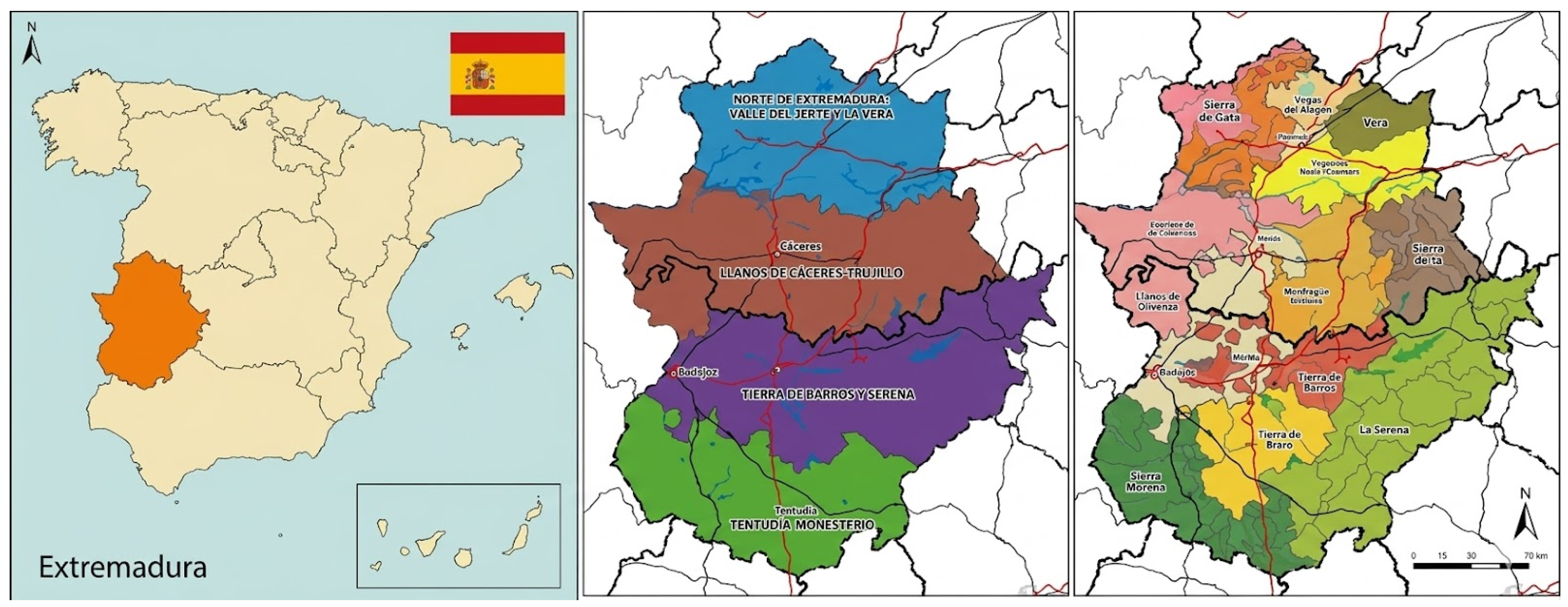
Extremadura, a region in western Spain bordering Portugal, possesses a vast and diverse military historical heritage, ranging from Roman fortifications to Spanish Civil War sites. Traditionally, these resources have remained secondary in regional tourism planning, which has focused primarily on natural and major monumental cities such as Mérida, Cáceres, and Badajoz. However, the region’s rural hinterland, comprising 388 municipalities distributed across 15 tourist areas (Figure 1), faces significant challenges of depopulation and economic stagnation, characteristic of the so-called “empty Spain” phenomenon.
Extremadura is developing territorial processes that have been framed within the context of the European landscape convention Florence (Council of Europe, 2000), which entered into force in 2004 and was formally ratified by Spain in 2007. Following its implementation in 2008, this convention catalyzed the creation of the National Cultural Landscape Plan in 2012 (Ministerio de Cultura y Deporte, 2012). This framework incorporates landscapes of high cultural interest in coordination with other strategic national initiatives (Gazapo & Lapayese, 2019), such as the Traditional Architecture Plan and the Defensive Architecture Plan (Ministerio de Cultura y Deporte, 2015), which are characterized by their rigorous historical perspectives.
Tourism practices in these inland territories related to WT clearly seek authentic experiences (MacCannell, 1976), which promote the rise of CT by contributing to its appreciation and visibility, although they could generate risks through pressure on its sustainability. However, the process of understanding the landscape as a protected area by official bodies also modifies the landscape’s morphology (Sauer, 1925) through the interaction between cultural values, customs, and uses (Taylor, 2008; Nogué, 2010). Tourist motivations vary significantly depending on the site. For instance, studies on the battlefields of the Somme (Dunkley et al., 2011) and Ypres (Winter, 2011) emphasize education, recreation, and remembrance. In contrast, visitors to the Gallipoli battlefield in Turkey often characterize their experience as a secular pilgrimage directly related to spirituality or nationalistic exaltation (Hyde & Harman, 2011).
According to official data from the National Institute of Statistics (INE), during 2025, Extremadura reached record figures in its tourism sector, with almost 2.5 million overnight stays. Yet, most of this flow remains concentrated in traditional urban hubs, leaving rural areas with significant heritage resources largely underutilized. In this context, Battlefield Tourism, understood as travel motivated by interest in military history and heritage, has been proposed as a potential niche for diversifying the economic base of inland destinations (Baldwin & Sharpley, 2009; Cànoves et al., 2017).
Academically, Battlefield Tourism (BT) has experienced considerable growth over the last century, driven by the expansion of the tourism sector and the frequency of armed conflicts. It has often been categorized in the academic discourse within the broader framework of Dark Tourism (DT), a concept introduced by Foley and Lennon (2000) to describe travel to sites associated with death, disaster, and the macabre. Subsequent scholarship has expanded this typology, with Stone (2006) proposing a DT spectrum ranging from the darkest (focused on death and suffering) to the lightest (associated with death but presented in an educational or heritage-oriented manner).
This institutional hierarchy suggests that death and suffering, when framed within a historically legitimate war narrative, are more politically acceptable (Baldwin & Sharpley, 2009; Seaton, 1996).
As detailed in Table 1, rural destinations are diversifying their offerings by integrating traditional products with emerging segments to address modern development challenges.
War Tourism (WT) is fundamentally characterized by travel motivated by an interest in military history and heritage. Academic discourse differentiates this practice between a focus on military equipment and infrastructure (Hrusovsky & Noeres, 2011) and a broader perspective related to the tangible and intangible heritage of history (Coelho et al., 2014).
Within the Spanish context, military culture provides a rich repository of values and assets that can be leveraged for regional branding. General Fontenla Ballesta (2019) defines military culture as the set of traditional values inherent to the institution, while Feliú Bernárdez (2022) notes it is shaped by principles, history, and customs. Furthermore, the UNWTO (2017) recognizes that resources associated with armed conflicts are not merely vestiges of the past but essential tools for territorial development and historical education (Fonseca et al., 2016).
To ensure conceptual and terminological consistency, this study explicitly distinguishes four interrelated categories used throughout the manuscript:
Dark Tourism (DT) encompasses travel to sites of death, disaster, and suffering.
Battlefield Tourism (BT) is a specific subset focused primarily on visiting sites of armed conflict.
War Tourism (WT) broadens this scope to include travel motivated by general military history and heritage.
Finally, Military Cultural Tourism (MCT) is proposed and justified as the central concept of this study.
While DT and WT often carry morbid or negative connotations—which generate institutional resistance in the Spanish context due to the legacy of the Civil War—MCT is framed firmly within Cultural Tourism. It emphasizes pedagogical, commemorative, and rigorous heritage dimensions (tangible assets and intangible identity). Consequently, while our methodology evaluates managers’ baseline perceptions using the standard academic terms (DT and WT), MCT is presented as the most socially and institutionally acceptable terminology for sustainable rural development in Spain.
Within this spectrum, war-related sites have occupied an ambiguous position. As Table 2 illustrates, early characterizations of DT emphasized dimensions such as “tragedy” (Rojek, 1996), “sadism” (Blom, 2000), and “suffering” (Stone, 2006). However, a parallel line of research has increasingly distinguished War Tourism (WT) as a distinct phenomenon with its own motivational profile. Studies of visitors to the Somme (Dunkley et al., 2011), Ypres (Winter, 2011), and Gallipoli (Hyde & Harman, 2011) reveal that motivations such as education, historical interest, recreation, remembrance, and, in some contexts, patriotic sentiment are far more salient than any fascination with death (Table 3) (Dunkley et al., 2011; Winter, 2011; Hyde & Harman, 2011).
The divergence has led some researchers, such as Hernández Mogollón et al. (2017) and Moreno Lobato et al. (2020), to situate it within Cultural Tourism (CT), emphasizing its high-quality standards, rigorous historical content, and the involvement of specialized expertise (Juaneda et al., 2020). Building on this, the concept of Military Cultural Tourism (MCT) has emerged as a way to revalue historical memory, promote intercultural dialogue, and foster a reflective understanding of the past through military heritage (Smith, 2015) based on rigorous content and specialized expertise. In Stone’s (2006) terms, MCT would align with the “lighter” end of the DT spectrum: sites are associated with death, but the interpretive frame is pedagogical and commemorative rather than morbid, while various locations across Europe have become cultural destinations and a significant source of income for these territories (Bornarel et al., 2021).
The evolution of this conceptual landscape is synthesized in Table 2, which traces how successive authors have characterized DT, and Table 3, which compares DT motivations with those identified specifically for WT. Taken together, these tables suggest that while DT and WT share certain heritage sites, they may appeal to fundamentally different visitor motivations, a distinction with important implications for how such sites are managed and promoted.
In Spain, this conceptual distinction acquires particular significance due to cultural and historical factors. As Molinero and Ysàs (2018) analyze, the fear generated by the Civil War in Spain and a collective desire to avoid repeating a violent past led Spanish society toward a peaceful transition. This has resulted in a societal rejection of the term “war” itself, which carries negative connotations among potential tourists and limits its integration into strategic tourism plans. MCT emphasizes the pedagogical and commemorative dimensions of conflict heritage over its morbid associations, aligning with the “lighter” end of the Stone (2006) spectrum.
In summary, if we start with the motivations of DT, we find that not all of them appear among those given by WT researchers, and that some new ones emerge. These differences are outlined in Table 3.
Consequently, while initiatives such as battle reenactments (Battle of La Albuera) have gained popularity, they are typically framed in terms of “historical reenactment” or “cultural heritage” rather than “War Tourism”. This terminological sensitivity is not merely semantic; it reflects deeper institutional perceptions about what is acceptable to promote and how. As Fontenla Ballesta (2019) notes, military culture in Spain encompasses both tangible assets (fortifications, weaponry, uniforms) and intangible values (identity, cohesion, history), providing a rich repository that can be leveraged for regional branding, provided it is framed appropriately (Smith, 2015; Fathi, 2021).
Despite the abundance of conflict-related resources in regions like Extremadura and the growing academic interest in Battlefield Tourism, there remains a significant gap in the literature regarding the strategic integration of these resources into rural development plans from the perspective of local stakeholders. While studies have examined tourist motivations at major European battlefields (Dunkley et al., 2011; Winter, 2011; Hyde & Harman, 2011), less attention has been paid to how municipal managers, the very actors responsible for initiating and supporting such tourism products, perceive these initiatives and the terminology used to promote them (Sharpley, 2005).
This gap is particularly relevant for inland regions facing depopulation challenges, where the success of tourism diversification depends critically on institutional willingness to adopt new products. Recent international literature on memory tourism and heritage governance (e.g., Božić Marojević, 2025; Feakins et al., 2024; Ivanova & Buda, 2020) emphasizes that battlefield interpretation is no longer merely a descriptive preservation of the past but a highly politicized process of spatial management. In this contemporary framework, local governments do not just act as passive administrators; they are active agents who curate historical narratives to align with modern socioeconomic needs and community identity (Timothy, 2020). The implementation of cultural tourism attractions—such as interpretation centers or historical reenactments—must therefore be critically understood as a complex governance strategy. It balances the ethical imperatives of memory tourism with the pragmatic goals of sustainable territorial development and economic revitalization (Richards, 2001; Smith, 2015). Consequently, understanding how local stakeholders conceptualize these sites—whether they associate them with the morbid connotations of DT or the pedagogical value of CT—is essential for designing strategies that achieve both political legitimacy and social traction.
In this sense, the motivations of municipalities that promote the creation of a cultural tourist attraction are multidimensional and respond to a combination of territorial development, heritage preservation, historical identity, and tourism diversification.
The transformation of these resources into tourist attractions allows for the conversion of specialized heritage into a structured cultural tourism product, favoring its conservation and dissemination (Timothy, 2020). From a public management perspective, this enhancement not only implies the physical protection of heritage but also its historical interpretation and its integration into the cultural narrative of the destination. The reuse of heritage for tourism purposes constitutes an effective strategy for urban regeneration and territorial enhancement Municipalities can find in military cultural tourism a means of economic revitalization based on thematic specialization. Unlike general tourism, this segment attracts visitor profiles with high cultural, historical, and educational interests, which translate into higher average spending and longer stays (Smith, 2015). According to Dwyer et al. (2004), public investment in themed cultural attractions produces multiplier effects on the local economy, especially in destinations with a strong historical identity.
Another key motivation for local councils is the preservation and dissemination of the history of conflicts. War Tourism is not limited to entertainment; it also serves an educational and commemorative function (Dunkley et al., 2011). In municipalities with military remains, the creation of military cultural tourism attractions also responds to a desire for identity (Liebermann & Alejandro-Medina, 2012).
Ultimately, from the perspective of public services, this type of tourism represents an opportunity to transform specialized historical resources into sustainable, educational cultural products with high symbolic value.
To address this gap, the present study examines the case of Extremadura (Spain) through the following research questions:
  • How do municipal managers in Extremadura conceptualize WT and DT? Specifically, do they perceive these as related or distinct phenomena?
  • Is there an association between these conceptualizations and their willingness to develop specific heritage products like museums about slavery, disaster, or crime?
  • What terminology is most acceptable for promoting conflict-related heritage initiatives in a rural development context? Does the term “war” itself constitute a barrier to institutional support?
By answering these questions, the study aims to provide both a conceptual contribution clarifying how DT and WT are distinguished at the level of institutional perception and a practical contribution offering evidence-based guidance for integrating military cultural heritage into sustainable rural development strategies. In doing so, it responds to recent calls for greater territorial applicability and methodological coherence in tourism research (UNWTO, 2017; Cànoves et al., 2017) and addresses the recommendations of academic evaluators who have emphasized the need to delve deeper into these dimensions.

2. Materials and Methods

This study employs a cross-sectional survey design with an exploratory–descriptive scope. It is complemented by a minor qualitative component using open-ended questions analyzed with ATLAS.ti, although the approach is predominantly quantitative. The unit of analysis is municipal managers, not tourists; therefore, the results reflect institutional perceptions and political disposition, not demands from the visitor market.
All 388 municipalities in Extremadura were invited to participate via official email, yielding 149 valid responses (38.4% response rate). Given this self-selection process, the sampling strategy should be interpreted as exploratory and convenience-based, rather than strictly representative of the broader population. To assess potential non-response bias, the characteristics (province and municipality size) of respondents were compared to non-respondents, with no significant differences found in the provincial distribution (χ2, p > 0.05). However, it is possible that municipalities with greater tourist appeal are overrepresented. Crucially, variables such as tourism intensity, municipal capacity, and existing heritage assets were not controlled for, which could drive institutional responses and attitudes. Therefore, the representativeness is limited to the profile of the participating municipalities and cannot be automatically extrapolated to the region as a whole without acknowledging this self-selection bias.
The questionnaire included questions about knowledge of DT and WT and willingness to create museums (slavery, disaster, crime). The internal consistency of the attitudinal scales was low (α < 0.41). This low reliability severely limits the construct validity of a unified ‘Dark Tourism attitude’ measure. To address this implication, no summative scales were created; instead, items are strictly analyzed and interpreted as independent variables. Consequently, our conclusions do not rely on a cohesive latent construct but only reflect fragmented, context-specific responses to individual museum proposals.
Chi-squared tests were performed to examine associations between categorical variables. In all cases, it was verified that less than 20% of the cells had expected frequencies below 5, meeting the test assumptions. To quantify the magnitude of the associations, Cramér’s V was calculated and interpreted according to J. Cohen’s (1988) criteria. The analyses were performed using JASP (0.18.3). ATLAS.ti was used for the complementary qualitative processing. Furthermore, ChatGPT-4 was used exclusively for English language editing and translation purposes to improve the readability of the manuscript. It did not intervene in the statistical analysis, data processing, substantive interpretation of the results, or the drawing of conclusions, strictly adhering to academic ethical guidelines regarding artificial intelligence.

3. Results

3.1. Methodology and Data Analysis

The results are presented in two phases. First, the associations between knowledge of Dark Tourism (DT) and the willingness to create controversial museum exhibits (slavery, disaster, crime) are analyzed. Second, the relationship between knowledge of Dark Tourism (DT) and War Tourism (WT) is examined, as well as the internal consistency among the different museum proposals.
Given the categorical nature of the variables and the violation of the parametric assumptions, contingency tables and chi-squared tests were used. Cramér’s V was calculated to quantify the magnitude of the associations (J. Cohen, 1988). It was verified that less than 20% of the cells had expected frequencies below 5, thus fulfilling the test assumptions in all cases analyzed.
The low internal consistency of the attitudinal scales (α < 0.41) suggested treating each item independently instead of constructing summative indices; therefore, the analyses are based on the original responses to each question.
The findings are presented below, structured into three sections: (a) the relationship between knowledge of Dark Tourism (DT) and attitudes toward specific museums; (b) the relationship between knowledge of DT and War Tourism (WT); and (c) the consistency of responses across different museum proposals.

3.1.1. Technical Specifications of the Questionnaire Used

This subsection details the technical specifications of the data collection instrument utilized in this research. Table 4 summarizes the core methodological parameters of the survey, which was designed under a quantitative, descriptive, and cross-sectional framework. The primary instrument consisted of a structured questionnaire comprising closed-ended, multiple-choice questions. Data collection was conducted digitally via self-administered Google Forms sent to the official email addresses of municipal representatives (specifically targeting mayors, town clerks, or tourism professionals) across the 388 municipalities of Extremadura. The survey was administered between 13 and 31 January 2025, yielding a final sample of 149 responses. Furthermore, the table outlines the principal objectives of the study, which focus on evaluating the municipalities’ level of awareness regarding Dark Tourism and War Tourism, determining their willingness to promote such tourism initiatives, and exploring their preferred terminology when associating conflict-related products with either Dark Tourism or Historical and Cultural Tourism.

3.1.2. Results and Analysis of the Questions Raised

For each section, contingency tables with absolute frequencies and percentages are presented, accompanied by chi-squared statistics, degrees of freedom, significance level, and effect size (Cramér’s V). Interpretations are strictly based on statistical evidence, avoiding inferences about actual tourist demand, since the unit of analysis is municipal managers, not visitors.
Among those familiar with Dark Tourism (Table 5), 65.2% were in favor of creating a slavery museum, while among those unfamiliar with it, the percentage dropped to 37.3%. However, the chi-squared test did not reach statistical significance (p = 0.076), although the effect size (V = 0.17) suggests a weak association. Since this p-value (0.076) is slightly higher than the standard significance level of 0.05, it is concluded that there is no statistically significant association between prior knowledge of Dark Tourism and the willingness to create a slavery museum. In other words, for this sample, both variables behaved independently.
Although the percentages (Table 6) show a similar trend (those familiar with the DT concept are more favorable), the association is not significant (p = 0.409; v = 0.12). This indicates that knowledge of the concept does not determine attitudes toward this type of museum.
There is no significant association (x2 = 0.97; df = 2; p = 0.616; v = 0.08). Knowledge of one type of tourism (Table 7) does not imply knowledge of the other, which supports the conceptual distinction between the 2 phenomena.
There is a significant and moderate association (Table 8) between the three questions, indicating some consistency in the municipalities’ attitudes. However, the correlation is not high enough to consider that they measure the same construct, which justifies the low Cronbach’s alpha and the separate analyses.
In cases where the contingency table exceeded the 2 × 2 format, it was verified that less than 20% of the cells had an expected frequency lower than 5, and application assumptions were met in all cases (Table 9). Cramér’s V was used as a measure of effect size, with values starting at 0.30 indicating a medium effect and at 0.50 indicating a large effect size (J. Cohen, 1988). The analyses were performed using JASP statistical software (version 0.18.3) (Table 9).
A non-significant trend was observed (Table 10) regarding the willingness to create a slavery museum (V = 0.17) or a disaster museum (V = 0.12) among participants familiar with DT, whereas the association with knowledge of WT was even weaker (V = 0.08). The relationship between Q3 and Q4 with respect to the crime museum and slavery museum was moderate (0.32), while the most significant and closest to a large effect was the relationship between Q4 and Q5 (0.41). Effect sizes are considered small starting at 0.10, moderate starting at 0.30, and large starting at 0.50 (J. Cohen, 1988).
  • Pearson chi-squared: χ2 = 8.47
  • Degrees of Freedom: gl = 4
  • p-value: p = 0.076
  • Cramér’s V: V = 0.170 (small effect)
There is no statistically significant association (Table 11) at the conventional level of 0.05, although a trend is observed (p < 0.10). Municipalities that are familiar with Dark Tourism (Q1: Yes) show a higher proportion of affirmative responses (65.2%) compared to those that are not (37.6%).
  • Pearson’s chi-squared: χ2 = 3.98
  • Degrees of freedom: df = 4
  • p-value: p = 0.409
  • Cramér’s V: V = 0.117 (small effect)
There is no significant association (Table 12). Awareness of Dark Tourism does not influence the willingness to create a disaster museum.
  • Pearson’s chi-squared test: χ2 = 0.97
  • Degrees of freedom: df = 2
  • p-value: p = 0.616
  • Cramér’s V: V = 0.081(very small effect)
There is no significant association (Table 13). Knowing one type of tourism does not imply knowing the other, which supports the conceptual differentiation between the two phenomena.

4. Discussion

4.1. Empirical Findings

The empirical findings of this study suggest a conceptual dissociation among Extremadura’s municipal managers regarding War Tourism (WT) and Dark Tourism (DT). Rather than reiterating the exact statistical frequencies, the core empirical takeaway is that local stakeholders do not appear to perceive these phenomena as equivalent. Aligning with the theoretical spectrum proposed by Stone (2006) and the motivation-based differentiation highlighted by Dunkley et al. (2011) and Winter (2011), there is a clear institutional hierarchy. Historically framed conflict heritage (such as military sites or battle reenactments) is reported as being significantly more acceptable than explicit Dark Tourism offerings (such as disaster or crime museums). It is crucial to note that these statistical associations primarily reflect stated institutional perceptions rather than direct evidence of actual tourism development impacts. Nevertheless, this distinction operates fundamentally at the level of institutional representations and seems to influence the willingness to support specific local development initiatives, a dynamic that resonates with the socio-political sensitivities surrounding conflict heritage in Spain, analyzed by Molinero and Ysàs (2018).

4.2. Theoretical Implications

Theoretically, this dissociation challenges the traditional academic taxonomy that strictly subsumes WT under the broader umbrella of DT (Foley & Lennon, 2000). While Stone’s (2006) ‘Dark Tourism spectrum’ provides a foundational framework, our findings suggest that at the institutional governance level, WT operates in a distinct semantic field. Engaging with the literature on battlefield visitor motivations—which emphasizes education, remembrance, and cultural transmission (Dunkley et al., 2011; Winter, 2011)—it becomes evident why municipal managers distance WT from the morbid fascination or ‘sadism’ traditionally associated with the darkest ends of DT (Blom, 2000; Sharpley, 2009). The pedagogical and commemorative dimensions of WT act as symbolic buffers, aligning it closer to Cultural Tourism (CT) than to the commodification of death. As Arroyo de la Rosa (2026) synthesizes, WT is increasingly assimilated as a distinct typology that actively avoids negative connotations.

4.3. Policy Recommendations and Practical Implications

From a policy perspective, understanding this conceptual boundary is critical for heritage governance, particularly in Spain, where the legacy of the Civil War generates acute institutional sensitivity (Molinero & Ysàs, 2018). The resistance to ‘dark’ or even ‘war’ terminology suggests that successful rural development strategies must employ carefully curated nomenclatures. Framing these initiatives as Military Cultural Tourism (MCT) provides a politically viable pathway. By officially emphasizing rigorous historical content, intercultural dialogue, and cultural landscape preservation, policymakers can neutralize societal resistance, exploring how underutilized military heritage might serve as a potential strategic opportunity for territorial cohesion, rather than assuming a demonstrated developmental impact.
Finally, it must be reiterated that these dynamics reflect institutional supply-side perceptions, not tourist demand. Future research should empirically test whether actual visitors to Extremadura’s battlefields share this conceptual distinction between MCT and DT. Moreover, the replicability of these findings to other European regions cannot be assumed without comparative empirical data, given the highly specific historical memory frameworks operating in Spain (Herrero Prieto, 2011).

5. Conclusions

This study examined how municipal managers in Extremadura (Spain) perceive Battlefield Tourism and its potential role in rural development, focusing on the conceptual distinction between WT and DT. The findings derived from a survey of 149 municipalities (38.4% response rate) yield several conclusions with implications for both theory and practice.
The results suggest that at the institutional level, WT is perceived as a form of cultural heritage tourism rather than a subcategory of DT. Municipal managers operate with a clear conceptual dissociation between the two phenomena: WT is associated with historical memory, education, and cultural transmission, while DT evokes a fascination with death that lacks institutional legitimacy. This distinction is not grounded in expert knowledge (as shown by the absence of association between familiarity with DT and WT; V = 0.08), but rather reflects local interpretive frameworks shaped by Spain’s historical sensitivity toward the term ‘war’ (Molinero & Ysàs, 2018).
There exists a clear gradation in municipal willingness to support different heritage products. Historical battle reenactments receive the highest acceptance (56.6%), followed by slavery museums (49%) and disaster museums (41.5%). This hierarchy suggests that temporal distance and symbolically coded narratives, such as heroic battles or historical injustices, facilitate political and social acceptance, while events lacking such framing generate greater reluctance. Institutional support is therefore not homogeneous but contingent on the commemorative and symbolic weight of the heritage site in question.
The low internal consistency of the attitudinal scales (α < 0.41) limits construct validity and indicates that municipal managers do not possess a unified construct toward Dark Tourism (Soro, 2020). Responses are highly fragmented and context-dependent, with each type of facility evaluated on its own merits rather than through a general criterion of acceptance or rejection. Because we cannot rely on a cohesive latent construct, our conclusions are strictly limited to the specific independent variables analyzed. This finding challenges the assumption that DT can be treated as a coherent category in applied policy contexts. Instead, it suggests that stakeholders differentiate sharply among various manifestations of “dark” heritage.
From a theoretical perspective, the study qualifies the academic taxonomy that subsumes WT under DT (Stone, 2006; Foley & Lennon, 2000). While these phenomena may share heritage sites, they occupy distinct semantic and motivational fields at the level of institutional perception (Krippendorf, 1986). The motivations attributed to WT in the literature, such as education, culture, recreation, and remembrance, systematically exclude the morbid fascination associated with DT, which likely explains why municipal managers find WT more acceptable for public promotion. This suggests that Stone’s (2006) “Dark Tourism spectrum” could be refined to better accommodate the “lighter” end, where pedagogical and commemorative framings dominate (Stone et al., 2018).
The unit of analysis is municipal managers, not tourists; therefore, no inferences can be drawn about actual visitor demand or motivations. The response rate (38.4%) and potential self-selection bias warrant caution in generalizing the findings beyond the participating localities, which limits the strength of the policy implications described. Specifically, the lack of control for variables such as tourism intensity, municipal capacity, and existing heritage assets means that these unobserved factors could still drive municipal managers’ attitudes. Furthermore, the low reliability of the scales precludes the construction of robust attitudinal indices, underscoring the need for future research to develop and validate instruments specifically for institutional populations.
Future studies should complement these findings by surveying actual visitors to Battlefield Tourism sites in Extremadura, examining whether their motivations align with the perceptions of municipal managers. Crucially, the replicability of these findings in other European regions must be treated with caution; comparative research across territories with different densities of conflict heritage and varying historical memory politics is strictly necessary to support any broader generalizations. Finally, longitudinal designs could assess whether terminological preferences and willingness to develop products evolve as Battlefield Tourism becomes a potential strategic opportunity in rural development, rather than an already demonstrated impact.
In practical terms, the study offers exploratory insights into how institutional perceptions might shape the potential integration of military cultural heritage into sustainable rural development. The clear preference for terms such as Military Cultural Tourism over War Tourism suggests that future promotion strategies could benefit from foregrounding educational and commemorative dimensions while avoiding terminology that may evoke societal resistance. By framing battlefields as cultural landscapes rather than sites of death, policymakers may potentially harness stakeholder willingness to explore these spaces as opportunities for economic diversification and territorial cohesion. However, further research is needed to measure the actual developmental outcomes and visitor responses to such initiatives.


Author Contributions

Conceptualization, I.R.G., S.M.C.L. and R.A.d.l.R.; methodology, S.M.C.L.; software, R.A.d.l.R.; validation, I.R.G., S.M.C.L. and R.A.d.l.R.; formal analysis, R.A.d.l.R.; investigation, R.A.d.l.R.; resources, I.R.G., S.M.C.L. and R.A.d.l.R.; data curation, R.A.d.l.R.; writing—original draft preparation, R.A.d.l.R.; writing—review and editing, I.R.G. and S.M.C.L.; visualization, R.A.d.l.R.; supervision, I.R.G. and S.M.C.L. All authors have read and agreed to the published version of the manuscript.

Funding

This research received no external funding.

Institutional Review Board Statement

Ethical review and approval were waived for this study because it does not involve the processing of personal data, in accordance with Recital 26 of the GDPR (EU 2016/679) and Article 2 along with the 17th Additional Provision of the Spanish Organic Law 3/2018.

Informed Consent Statement

Informed consent was obtained from all subjects involved in the study.

Data Availability Statement

The original contributions presented in the study are included in the article. Further inquiries can be directed to the corresponding author.

Acknowledgments

During the preparation of this manuscript, the authors used ATLAS.ti (25) for the analysis of data extracted from open-ended survey questions. The authors have reviewed and edited the output and take full responsibility for the content of this publication.

Conflicts of Interest

The authors declare no conflicts of interest.

Abbreviations

The following abbreviations are used in this manuscript:
BTBattlefield Tourism
CTCultural Tourism
DTDark Tourism
ITInland Tourism
MCTMilitary Cultural Tourism
MTMilitary Tourism
WTWar Tourism

References

  1. Arroyo de la Rosa, R. (2026). Turismo oscuro en Extremadura, España [Unpublished doctoral thesis]. Universidad Complutense de Madrid.
  2. Baldwin, F., & Sharpley, R. (2009). Battlefield Tourism: Bringing organized violence back to life. In R. Sharpley, & P. Stone (Eds.), The darker side of travel: The theory and practice of dark tourism (pp. 186–206). Channel View Publications. [Google Scholar] [CrossRef]
  3. Blom, T. (2000). Morbid tourism. A postmodern market niche with an example from Althorp. Norsk Geografisk Tidsskrift–Norwegian Journal of Geography, 54(1), 29–36. [Google Scholar] [CrossRef]
  4. Bornarel, F., Delacour, H., Liarte, S., & Virgili, S. (2021). Exploring travelers’ experiences when visiting Verdun battlefield: A TripAdvisor case study. Current Issues in Tourism, 24(6), 824–841. [Google Scholar] [CrossRef]
  5. Božić Marojević, M. (2025). Interpreting contested heritage: Musealization of the idea of reconciliation on TikTok. Museologica Brunensia, 1, 2–14. [Google Scholar] [CrossRef]
  6. Cànoves, G., Blanco Romero, A., Prat, J. M., & Villarino, M. (2017). Turismo de Interior en España: Productos y dinámicas territoriales (digital ed.). Publicacions de la Universitat de València. [Google Scholar] [CrossRef]
  7. Coelho, J. F., Mota, L., & Costa, C. (2014). O turismo militar e a ativação turística do património: Conceitos, perspetivas e tendências. Revista Turismo & Desenvolvimento, 21–22, 113–120. [Google Scholar]
  8. Cohen, E. (2011). Educational dark tourism in popular sites: The holocaust museum in Jerusalem. Annals of Tourism Research, 38(1), 193–209. [Google Scholar] [CrossRef]
  9. Cohen, J. (1988). Statistical power analysis for the behavioral sciences (2nd ed.). Lawrence Erlbaum Associates. [Google Scholar]
  10. Council of Europe. (2000). European landscape convention Florence, 20 October 2000, CETS no. 176. Available online: https://www.coe.int/en/web/landscape/about-the-convention (accessed on 15 March 2025).
  11. Dunkley, R., Morgan, N., & Westwood, S. (2011). Visiting the trenches: Exploring meanings and motivations in Battlefield Tourism. Tourism Management, 32(4), 860–868. [Google Scholar] [CrossRef]
  12. Dwyer, L., Forsyth, P., & Spurr, R. (2004). Evaluating tourism’s economic effects: New and old approaches. Tourism Management, 25, 307–317. [Google Scholar] [CrossRef]
  13. Fathi, R. (2021). Centenary (Battlefield Tourism). In U. Daniel, & J. Winter (Eds.), 1914–1918-online: International encyclopedia of the first world war. Freie Universität Berlin. [Google Scholar] [CrossRef]
  14. Feakins, C., Barrett, E., & Bower, M. (2024). Trauma-heritage: Towards a trauma-informed understanding of heritage. International Journal of Heritage Studies, 30(8), 857–871. [Google Scholar] [CrossRef]
  15. Feliú Bernárdez, L. (2022). La cultura militar en el siglo XXI. Asociación de Militares Españoles. Available online: https://www.acami.es/wp-content/uploads/2022/05/Cultura-militar-sXXI-web.pdf (accessed on 22 March 2026).
  16. Foley, M., & Lennon, J. (2000). Dark tourism: The attraction of death and disaster. Continuum. [Google Scholar]
  17. Fonseca, A. P., Seabra, C., & Silva, C. (2016). Dark tourism: Concepts, typologies and sites. Journal of Tourism Research and Hospitality, S2(002), 1–6. [Google Scholar] [CrossRef]
  18. Fontenla Ballesta, S. (2019). La cultura militar en España: Situación y perspectivas [Artículo de la asociación de militares españoles]. Asociación de Militares Españoles. Available online: https://ame1.org.es/la-cultura-militar-en-espana-situacion-y-perspectivas-salvador-fontenla-ballesta-general-de-brigada-r/ (accessed on 22 March 2026).
  19. Gazapo, M., & Lapayese, C. (2019). La dimensión de la memoria en la construcción del territorio europeo. In Paisajes de guerra: Huellas, reconstrucción, patrimonio (1939-años 2000) (pp. 108–127). Investigación. Ediciones Complutense. ISBN 978-84-669-3648-4. [Google Scholar]
  20. Hernández Mogollón, J. M., Folgado Fernández, J. A., & Campón Cerro, A. M. (2017). Eventos basados en recreaciones históricas militares como estrategia dinamizadora del turismo local: El caso de la batalla de La Albuera (España). Revista Turismo & Desenvolvimento, 27/28, 1071–1082. [Google Scholar]
  21. Herrero Prieto, L. C. (2011). El turismo cultural en España: Un sector estratégico. Papeles de Economía Española, 128, 172–187. [Google Scholar]
  22. Hrusovsky, M., & Noeres, K. (2011). Military tourism. In A. Papathanassis (Ed.), The long tail of tourism: Holiday niches and their impact on mainstream tourism (pp. 87–94). Gabler. [Google Scholar] [CrossRef]
  23. Hyde, K. F., & Harman, S. (2011). Motives for a secular pilgrimage to the Gallipoli battlefields. Tourism Management, 32(6), 1343–1351. [Google Scholar] [CrossRef]
  24. Ivanova, M., & Buda, D.-M. (2020). Thinking rhizomatically about communist heritage tourism. Annals of Tourism Research, 84, 103000. [Google Scholar] [CrossRef]
  25. Juaneda, B. G., Arbona, G. M., & Busquets, S. S. (2020). Turisme cultural: Anàlisi, diagnòstic i perspectives de futur. Agència d’Estratègia Turística Illes Balears. Available online: https://dialnet.unirioja.es/servlet/libro?codigo=765610 (accessed on 22 March 2026).
  26. Krippendorf, J. (1986). Tourism in the system of industrial society. Annals of Tourism Research, 13(4), 517–532. [Google Scholar] [CrossRef]
  27. Liebermann, F., & Alejandro-Medina, A. (2012). Turismo cultural y Dark Tourism: La inclusión de la arqueología del conflicto como nueva oferta al visitante en destinos maduros. Coloquios de Historia Canario Americana. Available online: https://revistas.grancanaria.com/index.php/CHCA/issue/summaryJournal (accessed on 22 March 2026).
  28. MacCannell, D. (1976). The tourist: A new theory of the leisure class. Schocken Books. [Google Scholar]
  29. Ministerio de Cultura y Deporte. (2012). Plan nacional de paisaje cultural. Available online: https://oibc.oei.es/uploads/attachments/179/PAISAJES_CULTURALES.pdf (accessed on 22 March 2026).
  30. Ministerio de Cultura y Deporte. (2015). Plan nacional de arquitectura defensiva. Available online: https://www.cultura.gob.es/planes-nacionales/dam/jcr:1c6991a0-aa01-4357-a98a-e788b245a877/03-maquetado-defensiva.pdf (accessed on 22 March 2026).
  31. Molinero, C., & Ysàs, P. (2018). Cultura política y vía pacífica a la democracia: El miedo y el olvido en la transición española. Iberoamericana, 18(2), 107–127. [Google Scholar]
  32. Moral, M. M. (2017). El turismo de batallas: Un turismo experiencial y sostenible. Revista Turydes: Turismo y Desarrollo, 10(22), 3. [Google Scholar]
  33. Moreno Lobato, A., Hernández Mogollón, J. M., & Di Clemente, E. (2020). Análisis de la intermediación en la integración de la cadena de valor en la comercialización de itinerarios culturales basados en patrimonio militar e histórico. Revista Espacios, 41(31), 16. [Google Scholar]
  34. Nogué, J. (2010). El paisaje en la ordenación del territorio. Estudios Geográficos, 71(269), 415–448. [Google Scholar] [CrossRef][Green Version]
  35. Peloche Fernández, E. V., & Blanco Gregory, R. (2020). Aproximación al turismo bélico y de batallas: Un estudio empírico sobre Extremadura. Revista Extremeña de Ciencias Sociales, 12, 71–99. [Google Scholar] [CrossRef]
  36. Richards, G. (Ed.). (2001). Cultural attractions and European tourism. CABI Publishing. [Google Scholar]
  37. Rojek, C. (1996). Ways of escape: Modern transformations in leisure and travel [Ph.D. thesis, Universidad de Glasgow]. Available online: http://theses.gla.ac.uk/2507/1/1991rojekphd.pdf (accessed on 22 March 2026).
  38. Sauer, C. (1925). The morphology of landscape. University of California Publications in Geography, 2(2), 19–54. [Google Scholar]
  39. Seaton, A. V. (1996). Guided by the dark: From thanatopsis to thanatourism. International Journal of Heritage Studies, 2(4), 234–244. [Google Scholar] [CrossRef]
  40. Sharpley, R. (2005). Tourism and the environment. In L. Pender, & R. Sharpley (Eds.), The management of tourism (pp. 259–274). SAGE. [Google Scholar] [CrossRef]
  41. Sharpley, R. (2009). Shedding light on dark tourism: An introduction. In R. Sharpley, & P. Stone (Eds.), The darker side of travel: The theory and practice of dark tourism (pp. 3–22). Channel View Publications. [Google Scholar] [CrossRef]
  42. Smith, M. (2015). Issues in cultural tourism studies (3rd ed.). Routledge. [Google Scholar] [CrossRef]
  43. Soro, E. (2020). Turismo oscuro: Perfiles, nichos, motivaciones y experiencias a nivel mundial. The Ostelea School of Tourism & Hospitality. Grupo de Investigación Interdisciplinar GRIT-OSTELEA. Available online: http://aept.org/archivos/documentos/informe_turismo_oscuro.pdf (accessed on 22 March 2026).
  44. Stone, P. R. (2006). A Dark Tourism spectrum: Towards a typology of death and macabre related tourist sites, attractions and exhibitions. Tourism: An Interdisciplinary International Journal, 54(2), 145–160. Available online: https://clok.uclan.ac.uk/27720/ (accessed on 22 March 2026).
  45. Stone, P. R., Hartmann, R., Seaton, T., Sharpley, R., & White, L. (Eds.). (2018). The Palgrave handbook of dark tourism studies. Palgrave Macmillan. [Google Scholar] [CrossRef]
  46. Stone, P. R., & Sharpley, R. A. (2008). Consuming dark tourism: A Thanatological Perspective. Annals of Tourism Research, 35, 574–595. [Google Scholar] [CrossRef]
  47. Tarlow, P. (2005). Dark tourism: The appealing “dark” side of tourism and more. In N. Douglas, N. Douglas, & R. Derrett (Eds.), Niche tourism: Contemporary issues, trends and cases (pp. 47–58). Elsevier. [Google Scholar]
  48. Taylor, K. (2008). General assembly & international symposium. Available online: https://publ.icomos.org/publicomos/jlbSai?html=Bur&base=technica&ref=41499&file=138.pdf&path=77-wrVW-272.pdf-272.pdf (accessed on 22 March 2026).
  49. Timothy, D. J. (2020). Cultural heritage and tourism: An introduction (2nd ed.). Channel View Publications. [Google Scholar] [CrossRef]
  50. UNWTO. (2017). Tourism and culture. Available online: https://www.unwto.org/tourism-and-culture (accessed on 22 March 2026).
  51. Winter, C. (2011). Battlefield visitor motivations: Explorations in the great war town of Ieper, Belgium. International Journal of Tourism Research, 13(2), 164–176. [Google Scholar] [CrossRef]
Figure 1. Tourist areas of Extremadura: 4 areas based on major urban destinations and 15 tourist territories in Extremadura. (Own elaboration).
Tourismhosp 07 00090 g001
Table 1. Main types of tourism in inland areas.
Traditional ProductsImported Products from Coastal or Urban AreasEmerging or Developing Products
Rural tourismBusiness tourism Health tourism
EcotourismConference tourismSustainable tourism
Adventure tourism Cultural tourismDark tourism
Gastronomic tourismSports tourism: golf, kayakingWar tourism
Nature tourismHistorical tourismDrifter (backpacking)
Wine tourismTrade fair and exhibition tourismLanguage tourism
Sports tourism: caving, climbingCouples’ tourismLGBTQ+ tourism
Wellness tourismFamily tourismMeetings tourism
Ethnic/anthropological tourismResidential tourismSolidarity tourism
Responsible tourism Responsible tourism
Weekend tourism
Astronomical tourism
Source: Own elaboration based on Smith (2015), Foley and Lennon (2000), and UNWTO (2017).
Table 2. Evolution of the characterization of Dark Tourism.
AuthorCharacterization
Rojek (1996) tragic sadness
Foley and Lennon (2000)deathdisaster
Blom (2000) sadistic
Tarlow (2005)death tragic shocking
Stone (2006)death macabre suffering
Sharpley (2009)death macabreatrocities
E. Cohen (2011)deathdisaster atrocities
Moral (2017)death historic
Stone and Sharpley (2008)deathdisastermacabre
Source: Own elaboration.
Table 3. Comparison between the motivations of DT versus WT.
Motivations for Dark TourismMotivations for War Tourism
Dunkley et al. (2011)Winter (2011)Hyde and Harman (2011)Smith (2015)Fathi (2021)Peloche Fernández and Blanco Gregory (2020)
Culture History of wars
Education Education ProfessionalsEducation
Recreation RecreationRecreation RecreationRecreation
Introspective Experience Pilgrimage
Personal interest
Memory
MemoryFriendship Spirituality Family reasonsCuriosity
Disruptive Experience Validation Iconic sites
Necrophilia Death
Nationalism Political
Source: Own elaboration.
Table 4. Study Title: Survey of the level of interest of Extremadura’s municipalities in developing tourist destinations related to Dark Tourism and War Tourism and associated motivations.
Complutense University of Madrid:Faculty of Commerce and Tourism
Principal Investigator:Rodolfo Arroyo de la Rosa
Type of Research:Quantitative, descriptive, cross-sectional
Instrument Applied:Structured questionnaire with closed-ended multiple-choice questions
Data Collection Technique:Self-administered survey in digital format (Google Forms)
Survey Distribution Method:Email to official municipal addresses
Target Population:Mayor, town clerk, or tourism professional at the corresponding municipality
Sample:149
Unit Size:388 municipalities
Date of Application:13–31 January 2025
Person Responsible for Application:Rodolfo Arroyo de la Rosa, PhD Student
Unit of Analysis:Municipality
Average Survey Duration:3 min
Data Processing and Analysis:JASP (0.18.3) and ATLAS.ti (25)
Objectives:
  • Understanding the level of awareness of Dark Tourism (WT) and War Historical and Cultural Tourism in their municipalities.
  • Dark Tourism:
    Determine if they would be willing to promote tourism based on Dark Tourism, should the opportunity arise.
    Explore the relationship between interest in businesses focused on Dark Tourism and the existence of crimes in their respective localities.
  • War Tourism from a cultural perspective
    Determine if they would be willing to promote tourism based on War Tourism, should the opportunity arise.
    Explore the relationship between interest in businesses focused on War Tourism and the existence of war-related events in the localities.
  • Observe the preferred terminology related to War Tourism.
  • Observe the preference of local councils to associate the existence of a war-related product with War Tourism (Dark Tourism approximation) or Historical and Cultural Tourism.
Source: Own elaboration.
Table 5. Willingness to create a slavery museum.
YesPerhapsNo
Yes15 (65.2%)6 (26.1%)2 (8.7%)23 (100%)
No38 (37.3%)54 (52.9%)9 (8.8%)102 (100%)
Perhaps8 (34.8%)14 (60.9%)1 (4.3%)23 (100%)
Total61 (41.5%)74 (50.3%)13 (8.2%)147 (100%)
Source: Own elaboration.
Table 6. Willingness to create a disaster museum.
YesPerhapsNo
Yes13 (56.5%)7 (30.4%)3 (13.0%)23 (100%)
No34 (34%)42 (42%)24 (24%)100 (100%)
Perhaps8 (34.8%)12 (52.2%)3 (13%)23 (100%)
Total61 (41.5%)74 (50.3%)13 (8.2%)147 (100%)
Source: Own elaboration.
Table 7. Relationship between Dark Tourism (DT) and knowledge about War Tourism (WT).
Previous Knowledge DT (Q1)MulticolumnPrevious Knowledge WT (Q6)Total
YesNo
Yes18 (78.3%)5 (21.7%)23 (100%)
No69 (67.6%)33 (32.4%)102 (100%)
Perhaps19 (79.2%)5 (20.8%)24 (100%)
Total106 (71.1%)43 (28.9%)149 (100%)
Source: Own elaboration.
Table 8. Comparison between pairs of variables.
Pair of VariablesCramér’s Vχ2glp-ValueInterpretation
Q3 (Crime Museum) vs. Q4 (Slavery Museum)0.3231.24<0.001Moderate
Q3 (Crime Museum) vs. Q5 (Disaster Museum)0.2823.84<0.001Moderate
Q4 (Slavery Museum) vs. Q5 (Disaster Museum)0.4151.64<0.001Moderate–high
Source: Own elaboration.
Table 9. Relationship analyzed between paired variables.
Relationship Analyzedχ2glpCramér’s VConclusion
Q1 (knows DT) vs. Q4 (Slavery Museum)8.4740.0760.17Not significant (tendency)
Q1 vs. Q5 (Disaster Museum)3.9840.4090.12Not significant
Q1 vs. Q6 (knows WT)0.9720.6160.08Not significant
Q3 (Crime Museum) vs. Q4 (Slavery Museum)31.24<0.0010.32Significant
Q3 vs. Q5 (Disaster Museum)23.84<0.0010.28Significant
Q4 vs. Q551.64<0.0010.41Significant
Source: Own elaboration.
Table 10. Evaluation of significance for paired variables.
Relationship Analyzedχ2glpCramér’s VConclusion
Q1 (knows DT) vs. Q4 (Slavery Museum)8.4740.0760.17Not significant (tendency)
Q1 vs. Q5 (Disaster Museum)3.9840.4090.12Not significant
Q1 vs. Q6 (knows WT)0.9720.6160.08Not significant
Q3 (Crime Museum) vs. Q4 (Slavery Museum)31.24<0.0010.32Significant
Q3 vs. Q5 (Disaster Museum)23.84<0.0010.28Significant
Q4 vs. Q551.64<0.0010.41Significant
Source: Own elaboration.
Table 11. Analysis of results Q1.
Q4: YesQ4: PerhapsQ4: NoTotal
Q1: Yes15 (65.2%)6 (26.1%)2 (8.7%)23 (100%)
Q1: No38 (37.6%)54 (53.5%)9 (8.9%)101 (100%)
Q1: Perhaps8 (34.8%)14 (60.9%)1 (4.3%)23 (100%)
Total61 (41.5%)74 (50.3%)12 (8.2%)147 (100%)
Source: Own elaboration.
Table 12. Relationship between Q1 (Knowledge about Dark Tourism—DT) and Q5 (Create a Disaster Museum).
Q5: YesQ5: PerhapsQ5: NoTotal
Q1: Yes13 (56.5%)7 (30.4%)3 (13.0%)23 (100%)
Q1: No34 (34.0%)42 (42.0%)24 (24.0%)100 (100%)
Q1: Perhaps8 (34.8%)12 (52.2%)3 (13.0%)23 (100%)
Total55 (37.7%)61 (41.8%)30 (20.5%)146 (100%)
Source: Own elaboration.
Table 13. Relationship between Q1 and Q6 (frequencies and percentages).
Q6: YesQ6: NoTotal
Q1: Yes18 (78.3%)5 (21.7%)23 (100%)
Q1: No69 (67.6%)33 (32.4%)102 (100%)
Q1: Perhaps19 (79.2%)5 (20.8%)24 (100%)
Total106 (71.1%)43 (28.9%)149 (100%)
Source: Own elaboration.
Disclaimer/Publisher’s Note: The statements, opinions and data contained in all publications are solely those of the individual author(s) and contributor(s) and not of MDPI and/or the editor(s). MDPI and/or the editor(s) disclaim responsibility for any injury to people or property resulting from any ideas, methods, instructions or products referred to in the content.