Article

Solar Irradiance Forecasting in Data-Sparse Tropical Regions Using a Novel Spatial Site-Adapted WRF–LSTM Hybrid Approach


by
Fakhriaji Juliansyah
1,
Pranda Mulya Putra Garniwa
1,
Ratih Dewanti Dimyati
2,
Josaphat Tetuko Sri Sumantyo
3,
Satria Indratmoko
1,
Jarot Mulyo Semedi
1 and
Muhammad Dimyati
1,*
1
Department of Geography, Universitas Indonesia, Depok 16424, Indonesia
2
Research Center for Geoinformatics (PRGI), Research Organization for Electronics and Informatics (OREI), National Research and Innovation Agency (BRIN), Cibinong, Bogor 16915, Indonesia
3
Center for Environmental Remote Sensing (CEReS), Chiba University, Chiba 263-8522, Japan
*
Author to whom correspondence should be addressed.
Earth 2026, 7(5), 150; https://doi.org/10.3390/earth7050150
Submission received: 26 July 2026 / Revised: 5 September 2026 / Accepted: 8 September 2026 / Published: 12 September 2026
(This article belongs to the Special Issue Feature Papers for AI and Big Data in Earth Science)

Abstract

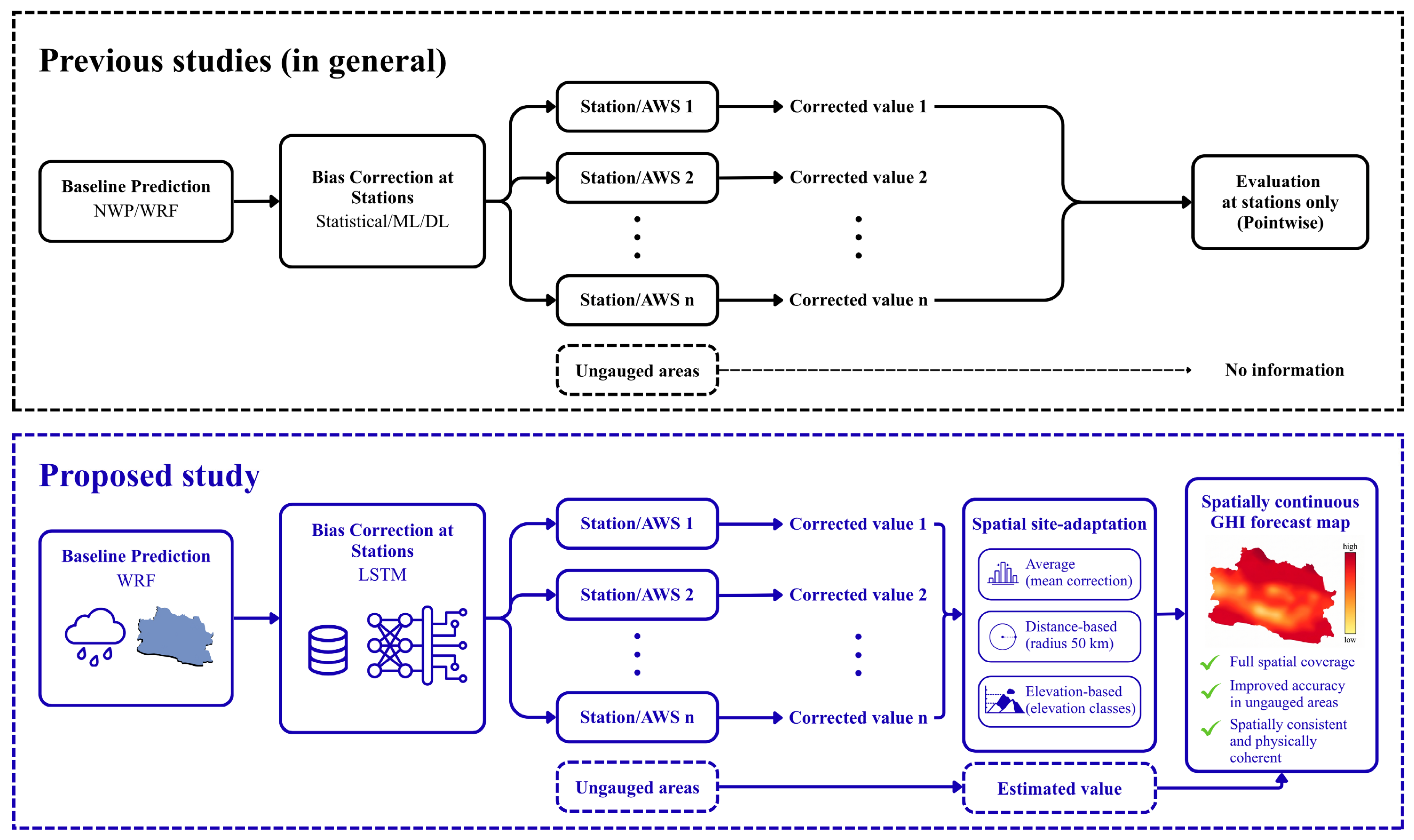
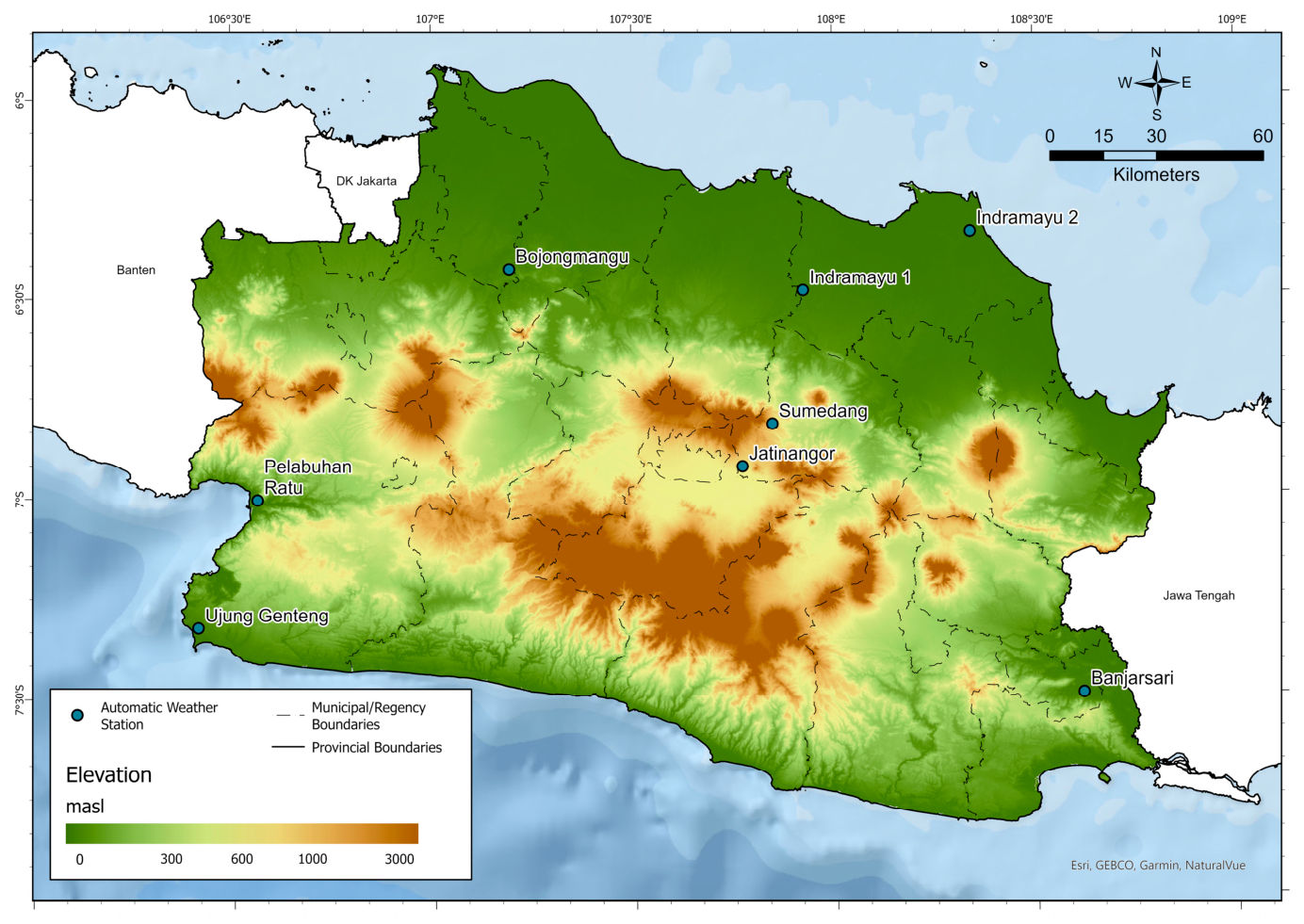
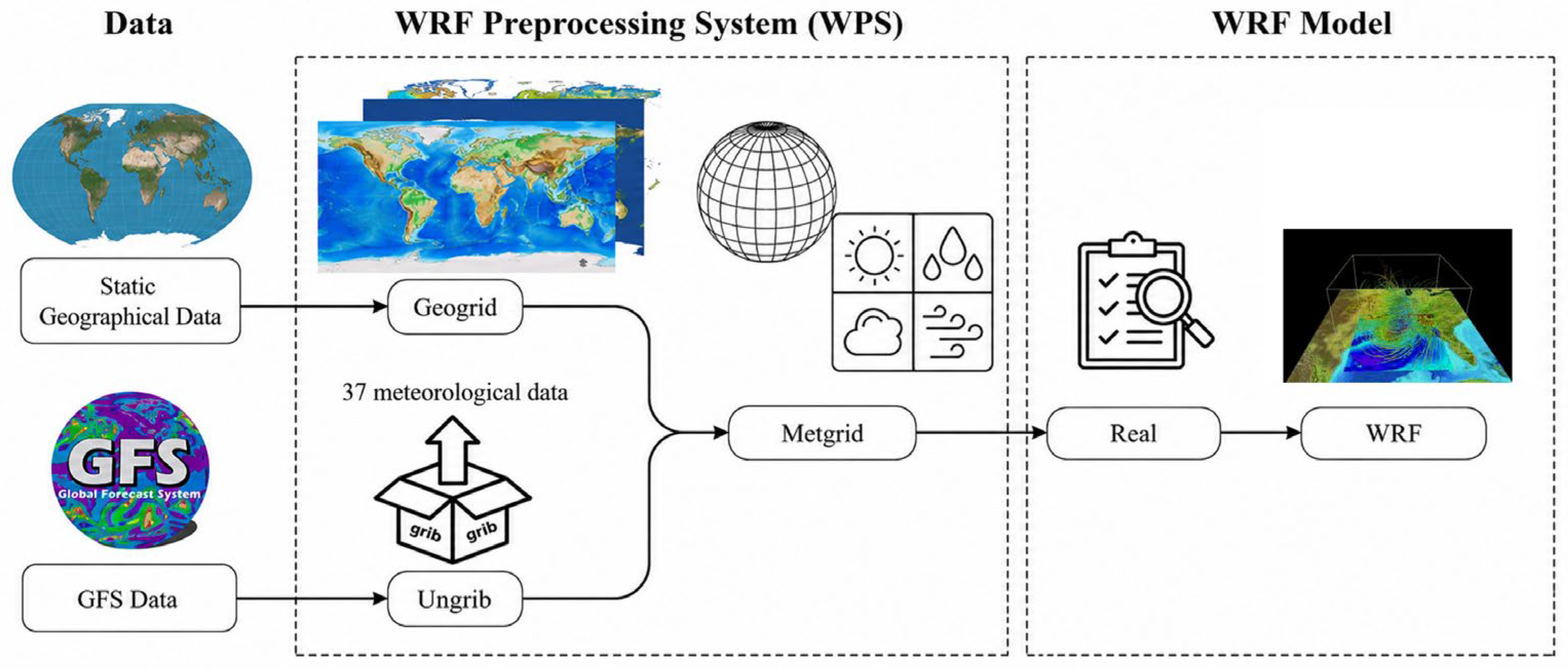
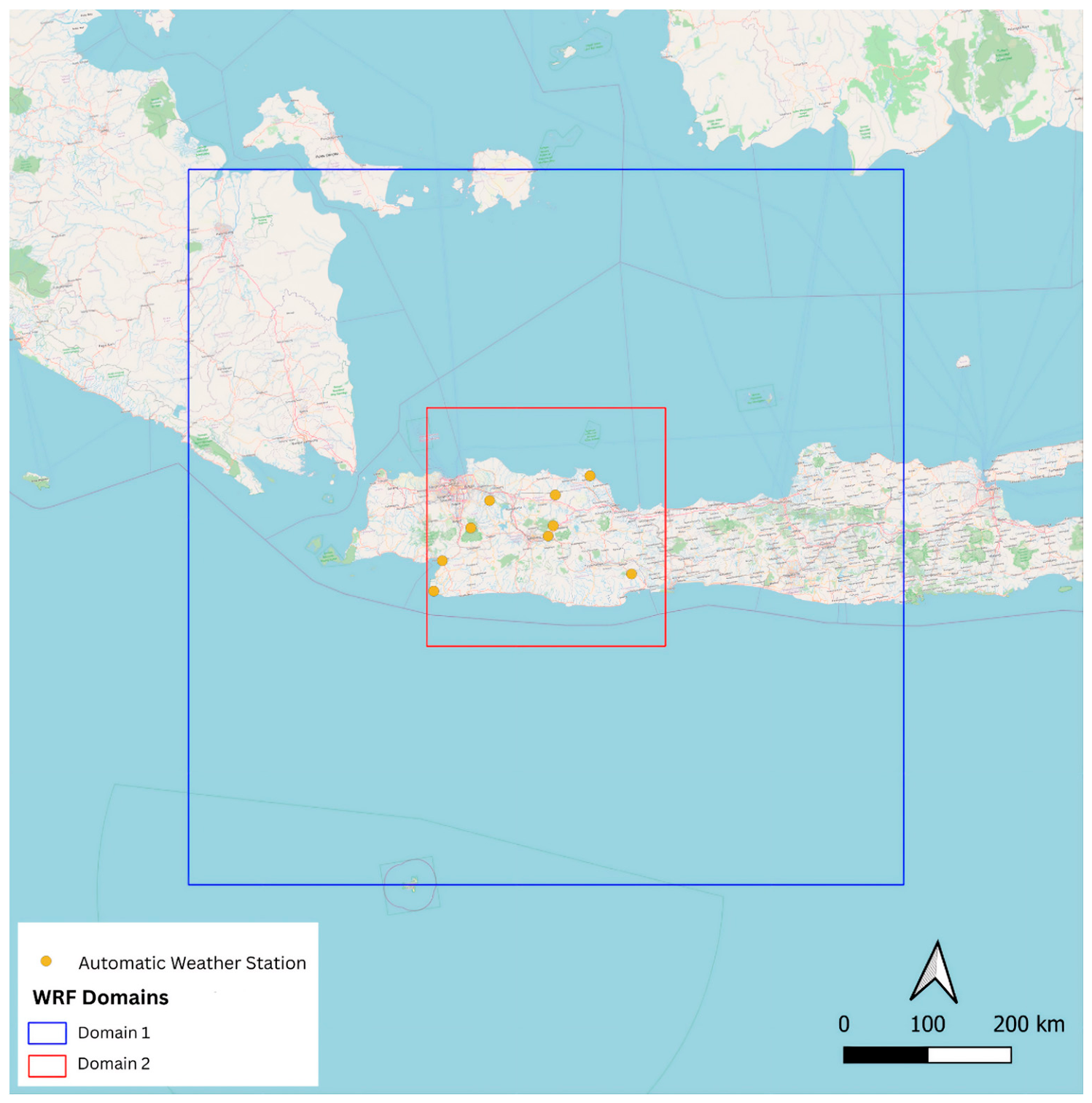
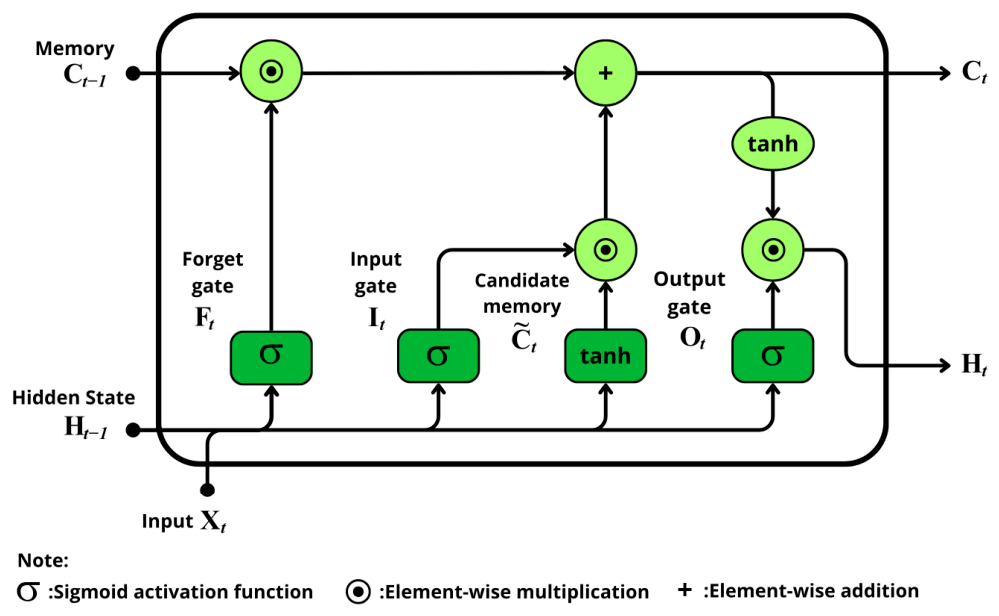
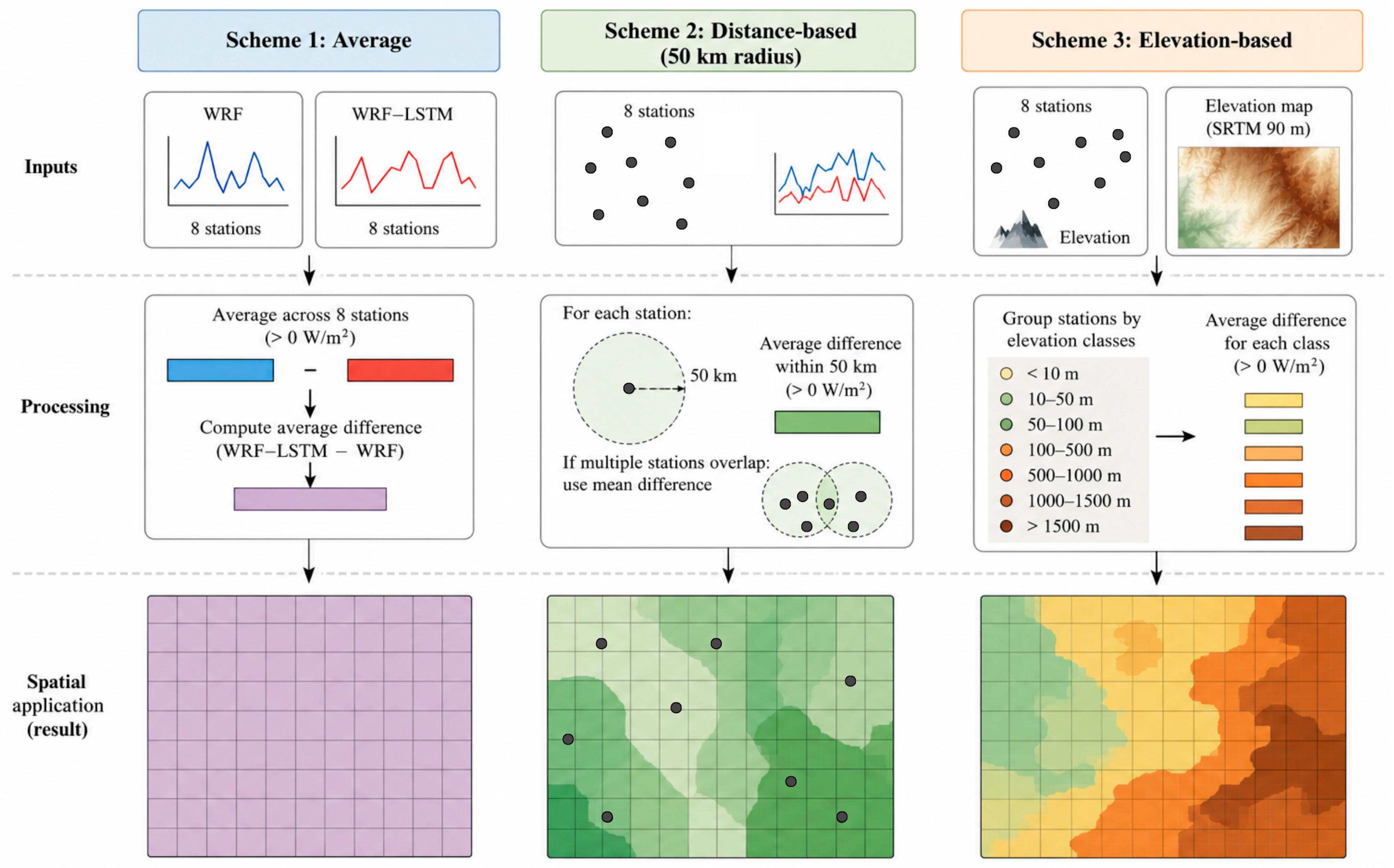
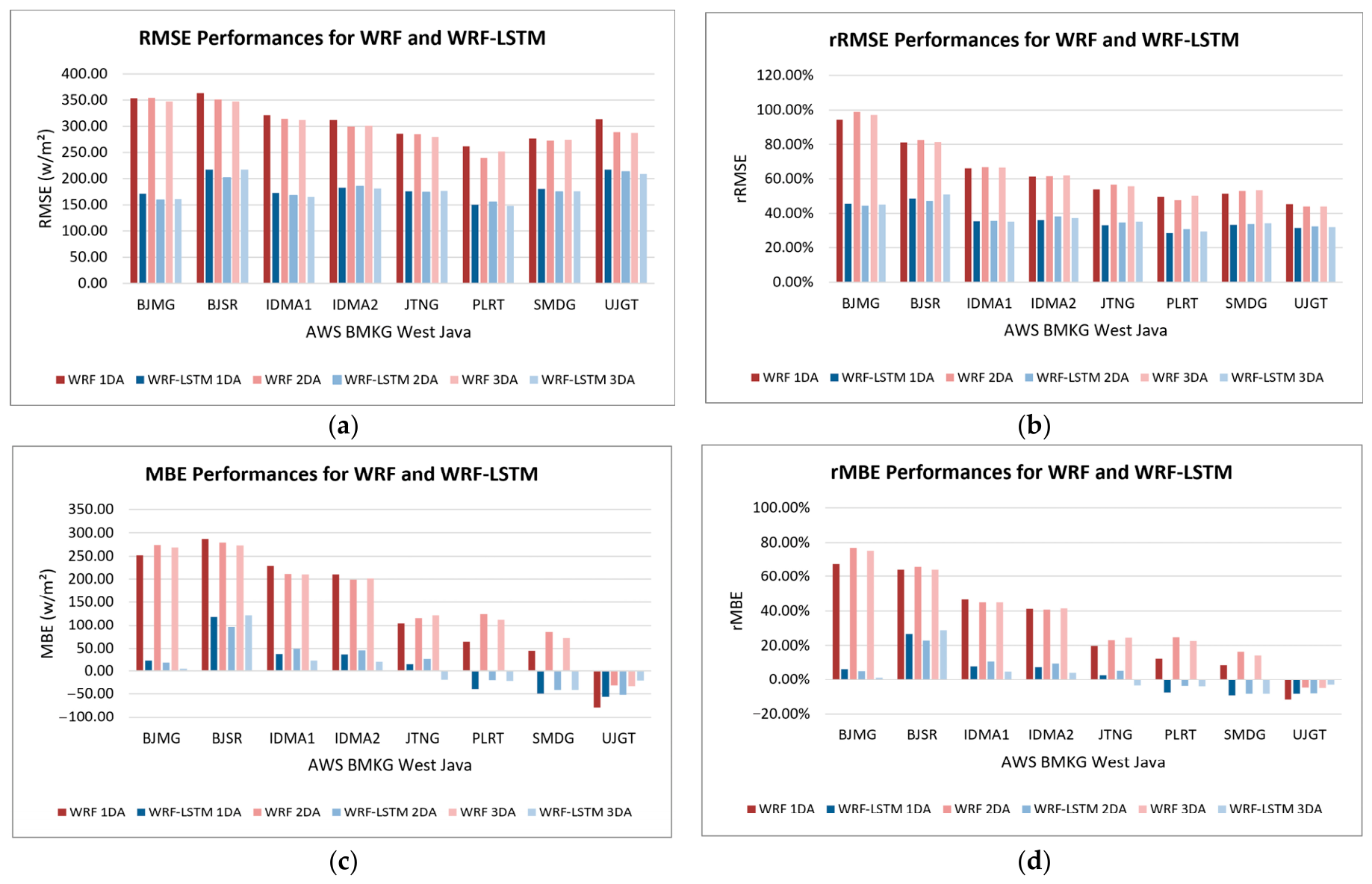
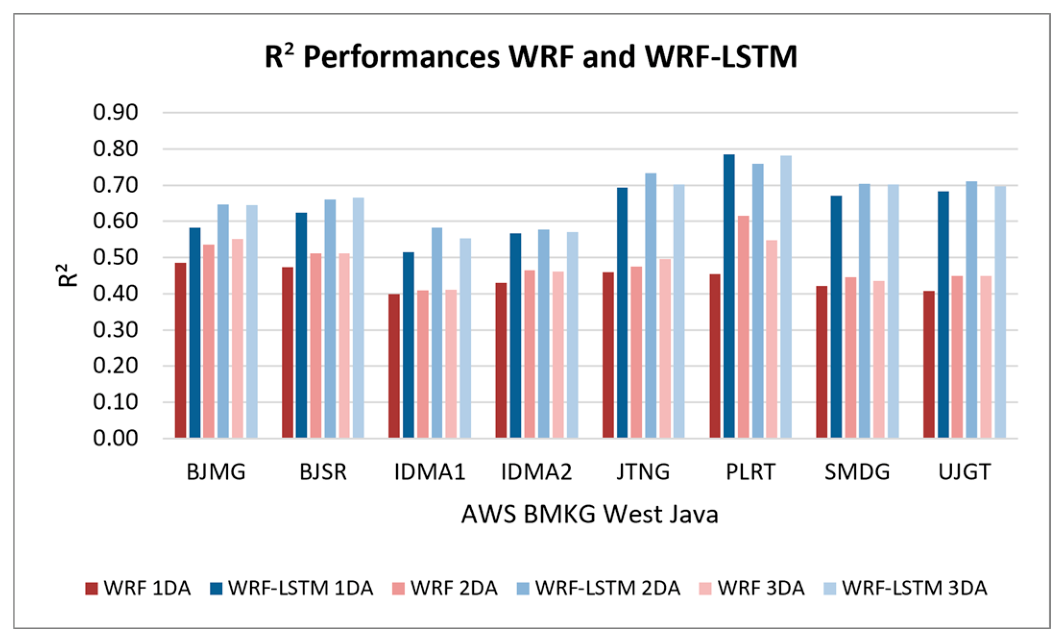
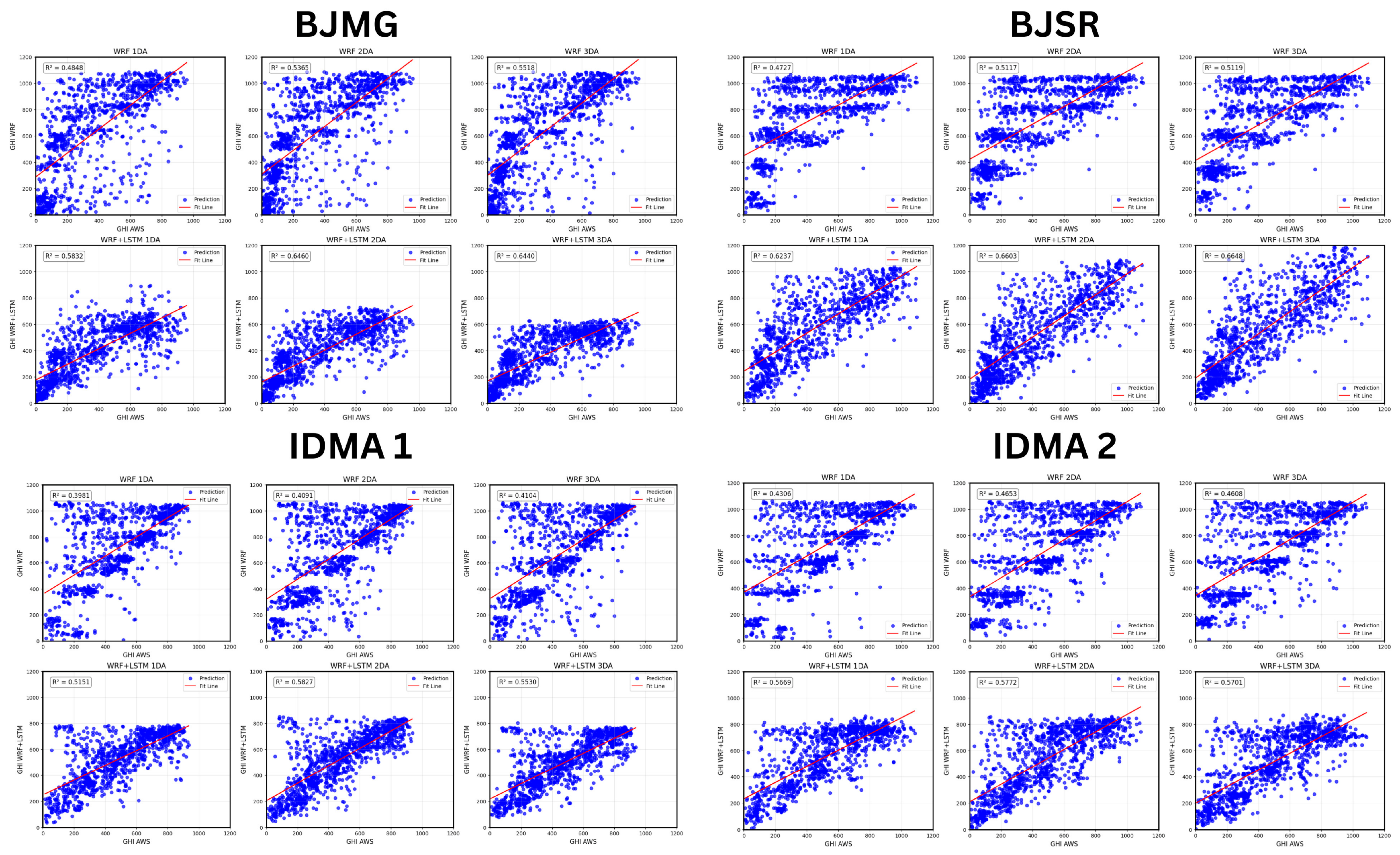
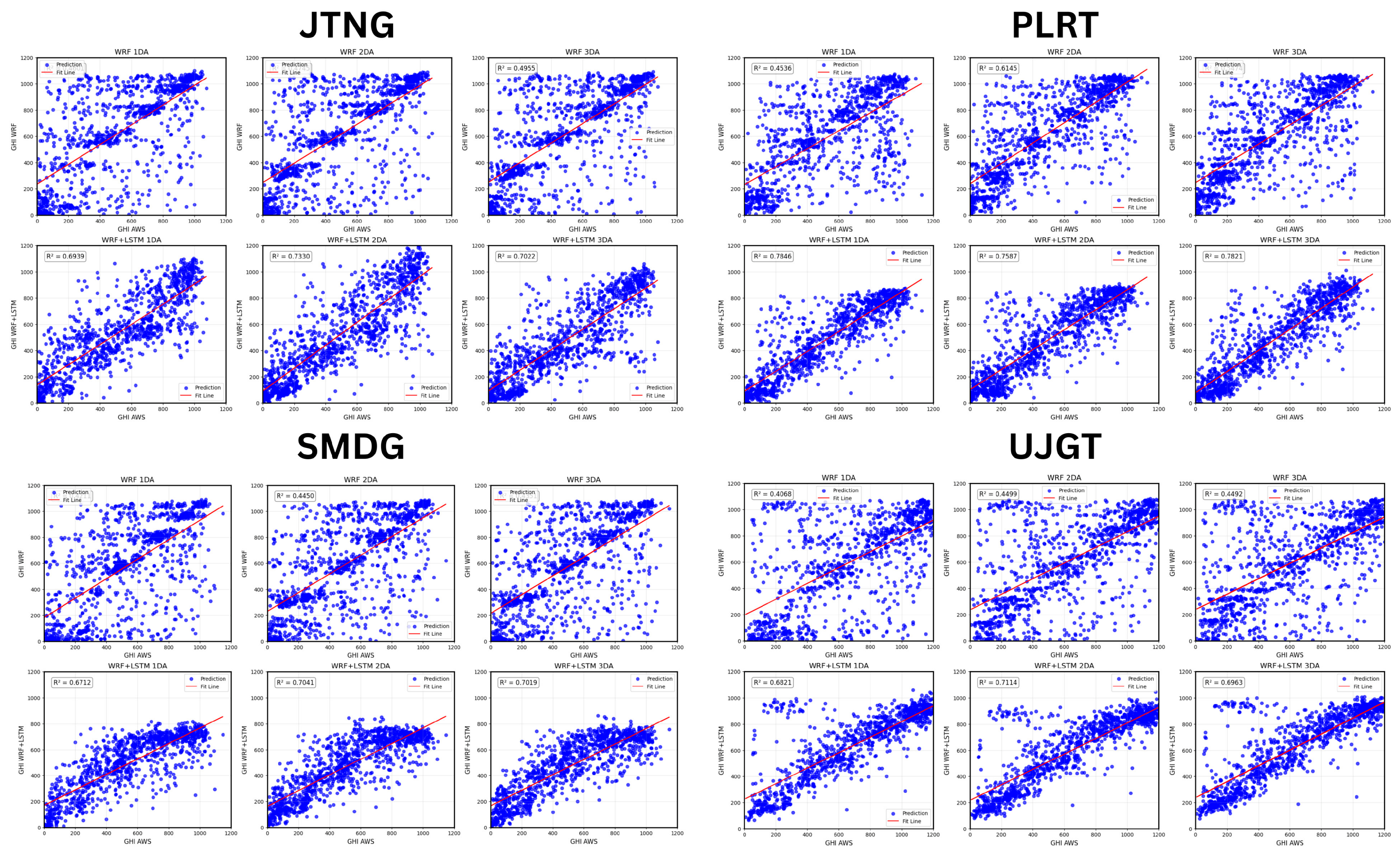
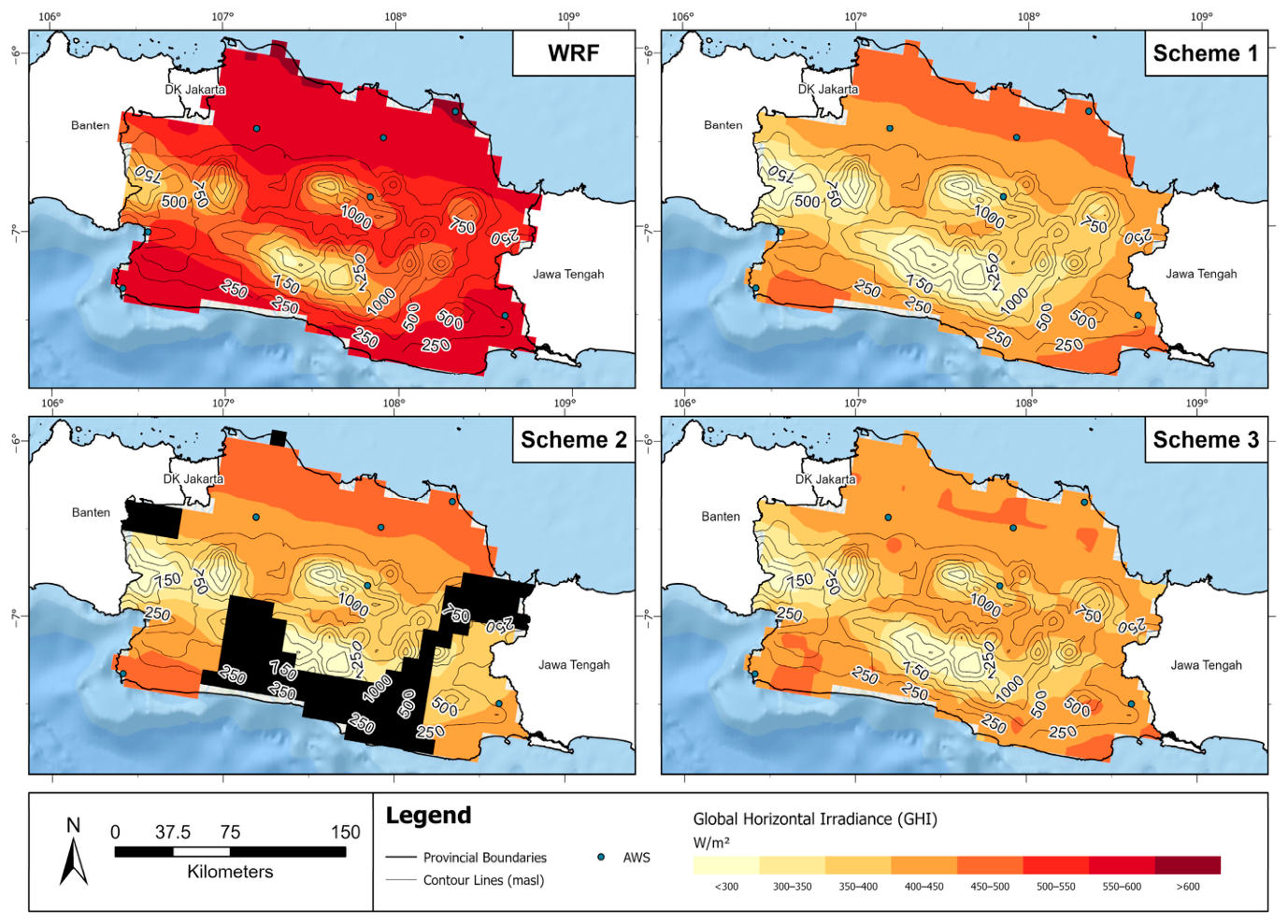
Accurate solar irradiance forecasting in data-sparse tropical regions remains challenging due to complex terrain, rapid convective cloud formation, and limited ground-based observations. This study introduces a novel hybrid forecasting framework that integrates the Weather Research and Forecasting (WRF) model (10 km) with station-based Long Short-Term Memory (LSTM) bias correction, complemented by three innovative spatial site-adaptation strategies to produce spatially coherent short-term irradiance fields. The hybrid system leverages hourly Global Horizontal Irradiance (GHI) data from eight BMKG stations (2023) alongside GK2A satellite cloud information to dynamically correct WRF forecast biases, capturing nonlinear cloud–irradiance interactions that standard Numerical Weather Prediction (NWP) models fail to resolve. Results indicate that the hybrid WRF–LSTM system reduces 1–3-day root mean square error (RMSE) by 120–127 W/m2 and relative RMSE (rRMSE) by 26%, while lowering relative mean bias error (rMBE) from 31–36% (raw WRF) to 2.5–4.1%, with the largest improvements observed in regions exhibiting initially high WRF errors. Among the spatial adaptation methods, the average-based scheme minimizes RMSE but exhibits weak spatial coherence; the distance-weighted scheme achieves the strongest spatial consistency with regional reanalysis (R2 = 0.37) with minimal bias; and the elevation-based scheme ensures full-domain coverage with moderate skill. This study demonstrates that the integration of dynamical NWP modeling with LSTM-based bias correction and tailored spatial transfer strategies provides a robust, scalable approach for short-term solar irradiance forecasting and resource mapping in tropical environments. The proposed framework offers practical implications for PV power forecasting, grid management, and renewable energy planning in regions where observational data are sparse and the terrain is highly heterogeneous.
Keywords: solar irradiance forecasting; WRF; LSTM; hybrid modeling; spatial site adaptation; tropical regions solar irradiance forecasting; WRF; LSTM; hybrid modeling; spatial site adaptation; tropical regions