
Proceeding Paper

Recent Advances in Fiber-Reinforced Biopolymers Derived from Rice Husk Waste for Sustainable Construction Materials †

by
Pabina Rani Boro
,
Partha Protim Borthakur
*,
Madhurjya Saikia
,
Saroj Yadav
and
Rupam Deka
Department of Mechanical Engineering, Dibrugarh University, Dibrugarh 786004, India
*
Author to whom correspondence should be addressed.
Presented at the 4th International Online Conference on Materials, 3–6 November 2025; Available online: https://sciforum.net/event/IOCM2025.
Mater. Proc. 2025, 26(1), 16; https://doi.org/10.3390/materproc2025026016
Published: 9 March 2026
(This article belongs to the Proceedings of The 4th International Online Conference on Materials)

Abstract

The increasing demand for sustainable and environmentally friendly construction materials has spurred interest in biopolymer composites reinforced with agricultural waste. Rice husk (RH), a byproduct of rice milling, is abundant and rich in lignocellulosic fibers and silica, making it excellent for use in fiber-reinforced biopolymers. The novelty of this study lies in its integrated and construction-oriented evaluation of rice husk (RH)-reinforced biopolymers, combining mechanical, thermal, environmental, and economic perspectives within a single framework. The study introduces a novel comparative approach by benchmarking multiple polymer matrices-including PP, recycled HDPE, epoxy, PLA, and bio-binders-under unified quantitative performance criteria. Another key novelty is the identification of the dual functional role of silica-rich RH in simultaneously enhancing structural strength and flame retardancy while contributing to carbon emission reduction. With a high silica content (15–20%) and lignocellulosic structure, RH serves as a natural filler that enhances the performance of polymer matrices such as polypropylene (PP), epoxy, polylactic acid (PLA), and recycled polyethylene. Mechanically, RH-reinforced composites demonstrate significant improvements in tensile, flexural, and impact strength. For example, PP composites with NaOH-treated RH and coffee husks achieved tensile strengths between 27.4 MPa and 37.4 MPa, with corresponding Young’s modulus values ranging from 1656 MPa to 2247.8 MPa. Recycled HDPE-RH blends reached tensile strengths up to 74 MPa and flexural values of 39 MPa, validating their structural applicability. Epoxy matrices embedded with 0.45 wt.% RH nanofibers showed degradation thresholds of 411 °C and 678 °C, reflecting substantial thermal resistance. Flame retardancy is further improved by the presence of RH biochar, which leads to reduced peak heat release rate (PHRR) and enhanced char formation. In building insulation applications, RH-based composites exhibit low thermal conductivity values between 0.08 and 0.14 W/m·K, contributing to energy efficiency. Economically, RH reduces material costs by 30–40%, while environmentally, its integration lowers carbon emissions in PP composites by up to 10%, and promotes biodegradability. Despite challenges such as moisture absorption and interfacial adhesion, these can be mitigated through alkali treatment, compatibilizers (e.g., MAPP), or hybrid reinforcement strategies.

1. Introduction

The transition toward sustainable materials has driven growing interest in the use of natural fibers as reinforcements in biopolymer matrices. Among them, rice husk (RH)-a widely available agro-industrial byproduct-has gained attention as a cost-effective and environmentally sustainable option. Due to its high silica and cellulose content, RH has been increasingly incorporated into biodegradable composites to enhance mechanical and thermal properties. In terms of mechanical performance, the addition of RH improves tensile strength, flexural rigidity, and impact resistance-key traits for applications in packaging, construction, and the automotive sector [1]. Surface treatments, particularly with alkali solutions, enhance stress transfer at the fiber–matrix interface, further improving mechanical efficiency [2,3]. Although untreated RH can slightly compromise thermal stability due to weak bonding with the matrix, treatments such as sodium hydroxide (NaOH) modification and surface compatibilization significantly improve heat resistance and crystallinity [2,4]. Moreover, the high silica content in RH provides a natural flame-retardant effect, boosting the fire resistance of biocomposites [5,6]. One major advantage of RH-based composites lies in their biodegradability. Fiber loading and particle size can be optimized to control the degradation rate in composting environments, making these materials suitable for food packaging, mulch films, and other disposable applications [4,7]. To improve compatibility with polymer matrices, chemical treatments-especially alkali treatment-are commonly used to remove surface lignin and hemicellulose, thus enhancing fiber adhesion [2]. When incorporated into polymers such as polyester or polylactic acid (PLA), treated RH leads to increased stiffness and better load-bearing properties [8]. The particle size of RH also influences performance. Smaller particles result in better dispersion, leading to improved mechanical strength and biodegradation behavior ([7]). Additionally, combining RH with other natural fibers like jute or sunnhemp in hybrid composites enhances overall durability and mechanical performance [3]. Compatibilizers such as maleic anhydride have also been employed to improve bonding and dispersion in recycled polymer matrices [9]. From an environmental and economic perspective, the use of RH helps reduce agricultural waste and supports circular economy goals by converting low-value waste into high-performance green materials [1,10]. Economically, its wide availability and low cost make RH a competitive filler, reducing the expense of biocomposite production without compromising material quality [8,11]. Recent studies have explored the use of bio-binders such as Rhizopus oligosporus and surface coatings like nanocellulose to improve adhesion [12]. Furthermore, transitioning from lab-scale synthesis to industrial-scale production requires improvements in processing methods, durability optimization, and comprehensive lifecycle assessments [13]. Rice husk-reinforced biocomposites offer an attractive path toward eco-efficient materials. With the help of chemical treatments, hybrid reinforcement, and sustainable processing strategies, these composites demonstrate a strong balance between performance, biodegradability, and cost. Future research should continue to address compatibility and scalability issues to unlock broader applications in packaging, construction, and structural materials.

2. Mechanical Properties of Fiber-Reinforced Biopolymers Made from RH

RH is gaining significant attention as a reinforcing fiber in biopolymer composites due to its sustainability, high silica content, and structural integrity. Its incorporation into polymer matrices such as polyethylene, epoxy, polyester, and recycled plastics substantially influences the mechanical performance of the resulting biocomposites.
  • Tensile Strength: Tensile strength, or resistance to pulling forces, is a key performance parameter in composite design. The addition of RH to low-density polyethylene (LDPE) increases tensile strength, although the benefit is slightly offset by reduced thermal stability. This makes such composites favorable for rigid packaging applications [4]. The reinforcement of epoxy resin with RH, along with sawdust and seashells, yields a significant increase in tensile strength. The hybridization of fillers improves fiber–matrix bonding [14]. In recycled linear low-density polyethylene (LLDPE), RH combined with nanosilica or nanoclay enhances tensile strength. The use of compatibilizers like maleic anhydride facilitates better dispersion and stress transfer [15].
  • Flexural Strength: Flexural strength refers to a material’s ability to resist deformation under bending. Glass–Epoxy Composites: Incorporating RH into glass fiber-reinforced epoxy systems increases both flexural strength and interlaminar shear resistance. This makes them suitable for lightweight structural components [16]. Polyester-Based Composites: Hybrid composites formed by RH and red mud coir in polyester matrices demonstrate improved flexural properties, attributed to enhanced interfacial adhesion.
  • Impact Resistance: Impact resistance measures the energy a material can absorb before fracture. Adding RH improves the impact resistance of epoxy composites, especially when used with coir pith and other fillers. This contributes to toughness and crack resistance. While the addition of RH slightly decreases impact resistance in LDPE composites due to fiber rigidity, the effect can be mitigated with nanoscale additives or toughening agents [4].
  • Hardness: The hardness of a composite indicates its resistance to surface indentation or wear. RH enhances the surface hardness of epoxy composites, making them ideal for flooring panels, automotive dashboards, or tool casings [14,16].
  • Water Absorption and Swelling: The hydrophilic nature of RH fibers affects the water absorption behavior of composites. Water uptake increases due to the natural porosity of RH, which may lead to swelling and reduced dimensional stability [4]. Treatments like nanosilica inclusion help reduce water absorption and thickness swelling in recycled plastic–RH composites, increasing their applicability in humid environments [15].
  • Thermal Properties: Thermal behavior is critical for determining a composite’s operating limits. Thermal stability slightly decreases, but the degree of crystallinity increases with RH addition, which can improve stiffness [4]. When RH is used in conjunction with carbon or silica particles, thermal resistance improves, supporting applications in electronics and heat-sensitive packaging [17]. Table 1 compiles reported mechanical performance metrics of rice husk-reinforced polymers, highlighting variations in strength under different matrix conditions.

3. Comparison of Mechanical Properties of Fiber-Reinforced Biopolymers Derived from Rice Husk Waste

RH functions as a reinforcing phase due to its lignocellulosic structure and silica content, enhancing tensile strength, flexural performance, stiffness, hardness, and impact resistance. However, the magnitude of improvement varies considerably among epoxy systems, polypropylene composites, biodegradable binders, and hybrid structures. A comparative synthesis of the available evidence reveals distinct mechanical behavior trends that are strongly influenced by interfacial bonding and microstructural optimization.
In epoxy matrices, RH-particularly in nano-powder form-produces the highest absolute mechanical gains. Ref. [27] reported that nano rice husk powder reinforcement increased tensile strength from approximately 65 MPa in neat epoxy to 140–152 MPa at 1–4 wt.% loading, while flexural strength improved from 70 MPa to 135 MPa and hardness increased from 80 Shore D to nearly 97 Shore D. Impact strength also rose significantly, from 5.6 kJ/m2 to 13.7 kJ/m2 at optimal filler content. These substantial enhancements are attributed to improved stress transfer, crack deflection mechanisms, and strong interfacial adhesion between the nano-sized RH particles and the epoxy matrix. Similarly, hybridization with natural fibers such as sisal further amplifies reinforcement efficiency by combining fiber bridging and particulate strengthening mechanisms [27,28]. Thus, epoxy-based RH composites demonstrate the highest mechanical performance among the compared systems.
Thermoplastic systems, particularly polypropylene (PP) and polypropylene random copolymer (PPRC), exhibit moderate but well-balanced mechanical improvements. NaOH-treated RH fillers increased tensile strength to 37.4 MPa and Young’s modulus to 2247 MPa, while impact strength ranged from 3.1 to 19.6 kJ/m2 depending on treatment and loading. Chemical treatment removes hemicellulose and surface impurities, improving fiber roughness and interfacial bonding. Structural and thermal improvements in lignocellulosic fiber-reinforced PPRC composites have also been reported. Compared with epoxy systems, PP composites exhibit lower ultimate tensile values but superior toughness, fatigue behavior, and impact resistance stability. Furthermore, RH-reinforced polymer composites display stable cyclic performance with enhanced energy dissipation, indicating good fatigue resistance due to viscoelastic deformation and microcrack–fiber interaction mechanisms [22,29,30]. These properties make thermoplastic RH composites particularly attractive for semi-structural and load-bearing applications where toughness and durability are critical [31,32].
In additively manufactured resin systems, RH particles also enhance mechanical behavior, tensile strength in 3D-printed resin–RH gyroid lattice structures increased from 8.56 MPa at 10% RH loading to 18.7 MPa at 30% RH loading. The modulus also increased (up to approximately 718 MPa), demonstrating that controlled geometry combined with biofiller reinforcement can optimize strength-to-weight performance. The gyroid lattice configuration improved load distribution and structural efficiency compared with flat composites, highlighting the importance of architecture in mechanical performance enhancement [33].
Biopolymer matrices derived from biological binders present a different performance profile; mycelium-bound RH composites can achieve tensile strength of 2.59 MPa and flexural strength of 5.79 MPa. Although these values are significantly lower than petro-based matrices, such systems provide biodegradable and low-density alternatives suitable for non-structural components such as insulation panels and packaging [34]. Similarly, the feasibility of rice bran-based bioplastics reinforced with natural fillers through extrusion and injection molding was demonstrated, emphasizing sustainable manufacturability rather than high structural strength. These findings suggest that RH reinforcement in fully bio-based systems prioritizes environmental compatibility over maximum mechanical output [35].
Hybrid and cementitious biocomposite systems demonstrate additional reinforcement effects. Combining rice husk with rice straw fibers enhances modulus and tensile strength through hybrid reinforcement synergy. Incorporating silica derived from rice husk into fiber cement increased modulus of elasticity by 9.4%, illustrating how RH’s silica fraction contributes to stiffness improvements in mineral-based matrices. Furthermore, tribo-mechanical studies indicate that alkali-treated RH improves wear resistance and mechanical stability in polypropylene-based biocomposites, although excessive chemical treatment may reduce hardness due to fiber damage and reduced compatibility [36,37,38].
Across studies, optimal RH loading typically falls between 20 and 30 wt.% for thermoplastic and resin systems, while nano-sized RH particles produce the most pronounced improvements in thermoset matrices [27,29,33]. Chemical treatment consistently enhances interfacial bonding, though careful control is necessary to prevent degradation of mechanical integrity [37]. Overall, epoxy–RH systems achieve the highest tensile and flexural strengths; polypropylene–RH composites provide the best balance of stiffness, toughness, and impact resistance; 3D-printed resin systems benefit from structural geometry optimization; and biodegradable biopolymer matrices offer environmentally sustainable, low-strength alternatives suitable for non-load-bearing applications. As shown in Table 2, rice husk reinforcement significantly enhances tensile strength, modulus, and impact resistance across different polymer matrices.

4. Thermal Stability of Rice Husk (RH)-Reinforced Polymers

The thermal stability of rice husk (RH)-reinforced polymers varies significantly depending on factors such as the polymer matrix, treatment methods applied to the rice husk, and the inclusion of additional fillers or fibers. Thermal stability tends to decrease with increased RH content in polypropylene (PP) and high-density polyethylene (HDPE) composites, as rice husk flour (RHF) exhibits lower thermal stability compared to pure polymers [38]. Similarly, alkaline treatment of RH using sodium hydroxide (NaOH) has been shown to degrade hemicellulose and lignin, which reduces the thermal resistance of the fibers [39]. Conversely, incorporating inorganic fillers such as titanium dioxide (TiO2) in PP/RH composites improves thermal stability [40]. The addition of basalt fibers (BFs) to RH/polyvinyl chloride (PVC) composites also enhances their heat resistance [41]. Thermal analysis of PP and HDPE composites reveals that RHF influences activation energy differently across matrices. While PP composites show a rise and then plateau in activation energy post 30% degradation, HDPE exhibits a reduction with increased RH content [38]. Epoxy composites with 0.45 wt.% RH nano-biofillers and Borassus fibers report improved degradation thresholds at 411 °C and 678 °C [42]. In PLA-based systems, while increasing RH can lower stability, the overall thermal resistance improves when combined with glass fibers [43]. Low-density polyethylene (LDPE) composites benefit from RH reinforcement, showing greater stability [12]. Furthermore, the inclusion of 40% RH biochar in recycled HDPE yields superior fire resistance and minimal degradation [44]. Table 3 provides reported studies on the thermal stability of RH-reinforced polymers, including polymer matrices, reinforcement types, and degradation temperatures.

5. Potential Applications of Fiber-Reinforced Biopolymers Made from Rice Husk Waste in the Construction Industry

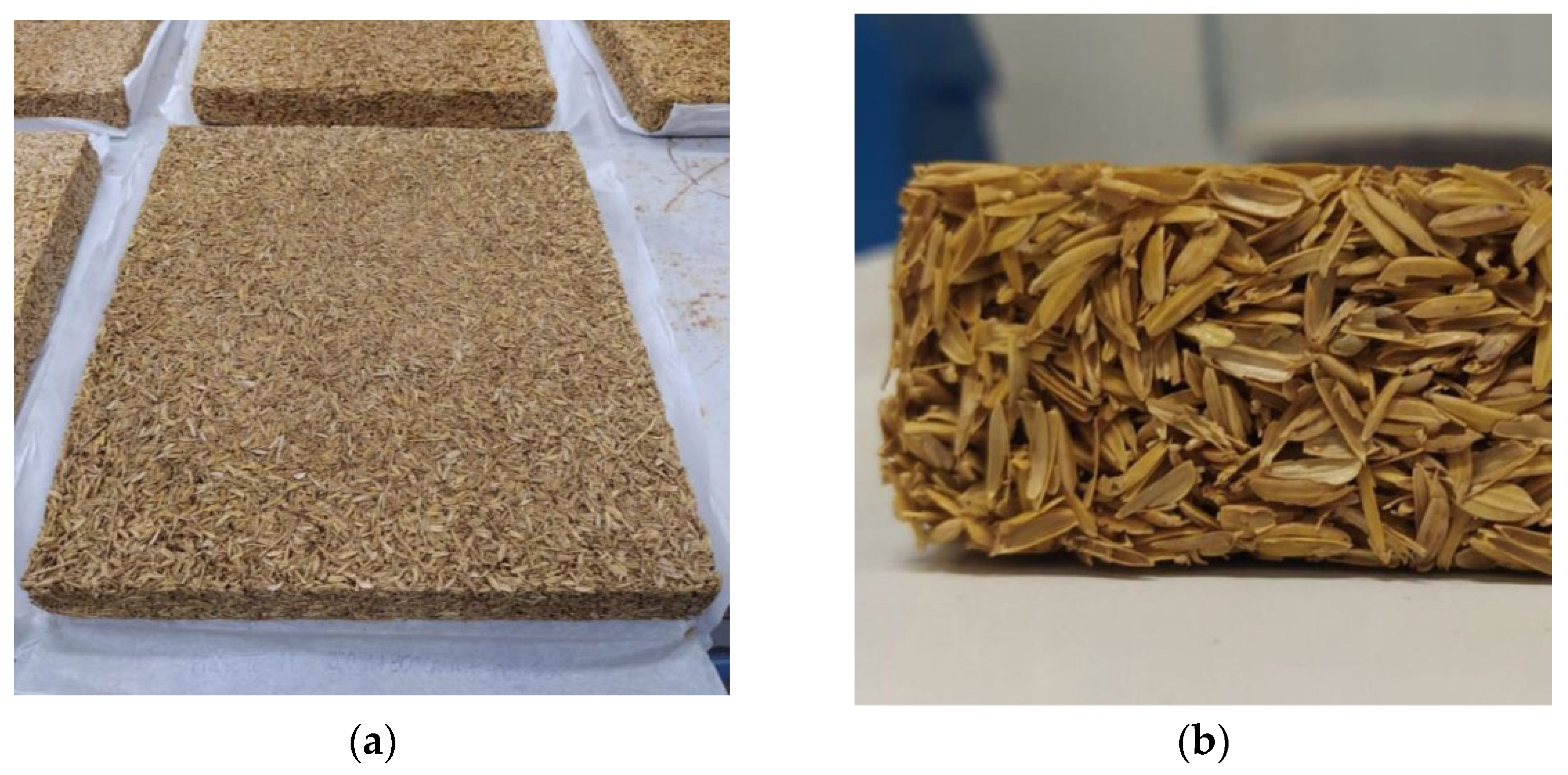
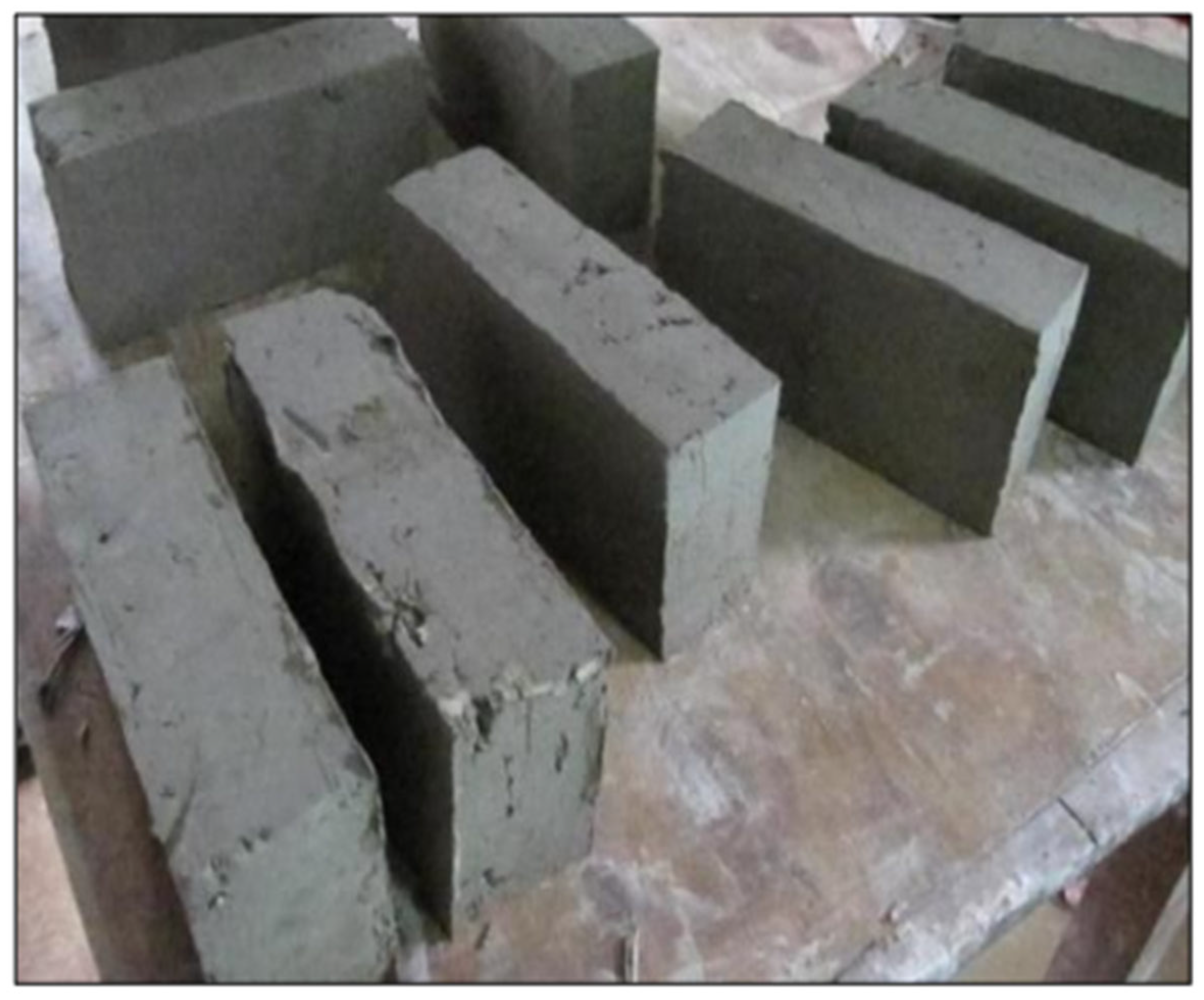
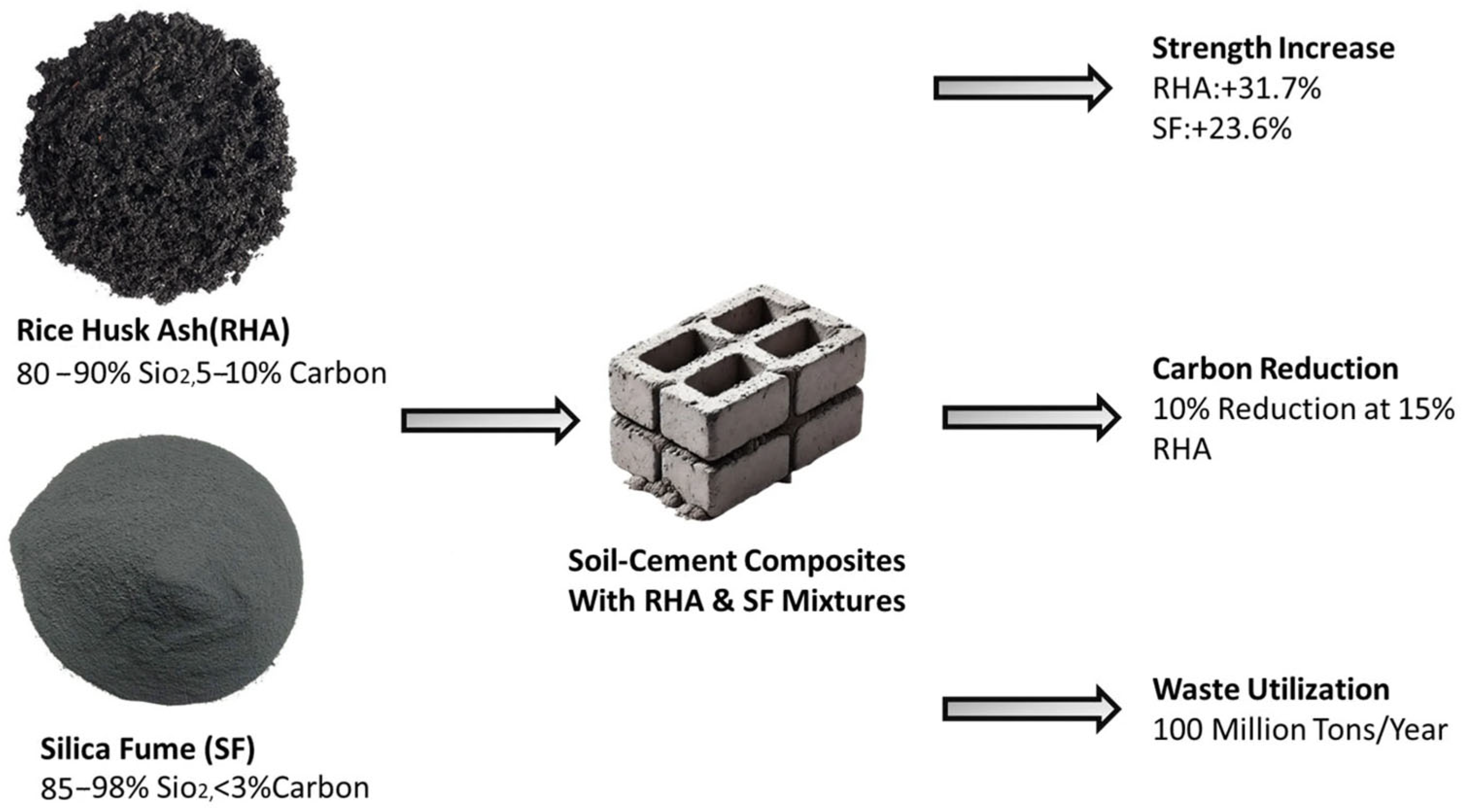
The construction industry is increasingly embracing sustainable, biodegradable, and cost-effective alternatives to traditional materials. Among these innovations, fiber-reinforced biopolymers derived from rice husk waste offer tremendous promise due to their mechanical strength, durability, fire resistance, and eco-efficiency. Rice husk (RH), a lignocellulosic byproduct of rice milling, is not only abundantly available but also rich in silica, making it an ideal reinforcing material for a wide range of construction applications. Figure 1 illustrates composite insulation plates made from rice husk and reed fibers, with sodium silicate used as the binder. All plates were cast in a metallic mold measuring 300 × 300 × 30 mm. The mixture for each composition was manually prepared to ensure the binder was evenly distributed over the fibers [51]. Figure 2 shows the use of RH in refractory mortar. Figure 3 illustrates the benefits of incorporating rice husk ash (RHA) and silica fume (SF) into soil–cement composites, emphasizing both performance and sustainability. The use of RHA (80–90% SiO2, 5–10% carbon) and SF (85–98% SiO2, <3% carbon) leads to notable compressive strength increases of +31.7% for RHA and +23.6% for SF. Moreover, integrating 15% RHA results in a 10% reduction in carbon emissions, aligning with eco-friendly construction goals. Importantly, this practice supports the utilization of approximately 100 million tons of agro-industrial waste annually, highlighting a scalable approach to sustainable material innovation in the building sector [51].
Fiber-reinforced biopolymers derived from rice husk waste present significant opportunities in structural and load-bearing applications due to their enhanced mechanical performance, thermal stability, and sustainable profile. These materials combine the lightweight and renewable nature of agricultural residues with the strength of engineered polymers, offering viable alternatives to conventional composites in a range of industries. The incorporation of rice husk fibers into polymer matrices such as polypropylene (PP) and epoxy has been found to improve tensile, flexural, and impact strength. For example, PP composites filled with NaOH-treated rice and coffee husks demonstrated tensile strengths between 27.4 MPa and 37.4 MPa, with Young’s modulus ranging from 1656 MPa to 2247.8 MPa [29]. Epoxy matrices reinforced with rice husk microfibers have also shown superior fatigue resistance and impact absorption, validating their suitability for mechanical load-bearing uses [54]. HDPE and PP composites have been fabricated with strengths up to 74 MPa in tensile and 39 MPa in flexural properties, extending their use to lightweight construction applications [55]. The presence of binders in these systems further improves impact resistance, critical for construction components subjected to mechanical stress. Thermal stability is another critical performance indicator for structural composites. Rice husk biochar fillers have been shown to improve thermal degradation thresholds in polypropylene matrices, attributed to their high carbon content and char-forming nature [44]. Coupling agents and chemical treatments further enhance these composites by increasing interfacial adhesion and minimizing fiber degradation under thermal stress [56,57]. These enhancements ensure dimensional and mechanical stability under elevated operating temperatures. Rice husk ash (RHA), rich in amorphous silica, serves as an excellent pozzolanic additive in cement-based composites. Replacing part of the cement with RHA improves compressive strength, flexural toughness, and long-term durability, while reducing the overall carbon footprint of the construction process. The combination of RHA and sisal fiber reinforcement has demonstrated substantial improvements in mechanical performance and eco-efficiency [58]. Rice husk can be integrated into corrugated-core sandwich panels used for walls, flooring, and roof insulation. These panels offer superior bending strength, lightweight performance, and cost-effectiveness, surpassing conventional oriented strand board (OSB) panels in mechanical testing. Their utilization contributes to circular economy goals by transforming agricultural waste into durable building components [59].
One of the primary applications is in building insulation. Rice husk composites, particularly when combined with other natural fibers such as wheat husk, wood, or textile waste, exhibit thermal conductivity values ranging from 0.08 to 0.14 W/m·K. These properties, along with favorable mechanical performance, make them suitable alternatives to synthetic insulation materials. Their implementation not only enhances energy efficiency but also contributes to sustainable indoor thermal management [60]. In addition to insulation, RH-based biocomposites are increasingly used in structural components. When reinforced into cementitious or polymer matrices, rice husk fibers significantly improve tensile strength and crack resistance, making them appropriate for semi-structural applications such as panels, package trays, and other load-bearing components in the construction and automotive sectors [61]. Rice husk fibers also find application in masonry and humidity-regulating building materials. Earth-based composites stabilized with gypsum or lime and reinforced with RH have shown the ability to regulate indoor air humidity while maintaining good thermal insulation performance. These bio-based materials provide sustainable and comfortable alternatives for walling and masonry solutions, especially in humid or variable climates [11]. The multifunctionality of RH biopolymers is further demonstrated through innovations such as the simultaneous extraction of cellulose fibers and biogenic silica from the same RH feedstock, which can be integrated into composite films or structural panels with enhanced fire resistance and biodegradability [62]. Furthermore, RH biocomposites are being increasingly adapted to produce construction materials compatible with dynamic curing and biodegradable elastomers, expanding their industrial applications [63]. Rice husk serves as a sustainable filler in biopolymers like polylactic acid (PLA) and low-density polyethylene (LDPE). These biocomposites offer significant mechanical enhancements, such as increased tensile and impact strength, while remaining biodegradable and low in environmental impact. They are particularly suitable for temporary structures, green packaging for construction materials, and interior paneling [4,7,64]. Integrating rice husk into biocomposites aligns well with green engineering principles. These composites reduce reliance on petroleum-based materials and help achieve LEED certification criteria by minimizing volatile organic compounds (VOCs) and embedded carbon [65]. Rice husk biochar, when blended with biopolymers like chitosan and natural fibers such as hemp, enhances soil stabilization efforts in landfills, slopes, roadbeds, and embankments. These composites improve shear strength, compaction characteristics, and resilience to water infiltration, making them ideal for subgrade reinforcement in sustainable infrastructure development [66]. Polyester-based composites reinforced with RH provide lightweight, durable, and cost-efficient alternatives to mineral-based construction boards. These are used in false ceilings, interior claddings, and partition walls, particularly in modular and low-income housing systems [8,67]. Hybrid biocomposites that combine RH with other fibers (e.g., jute, hemp, or glass fiber) or nanomaterials offer improved mechanical integrity, thermal stability, and moisture resistance. These materials are gaining traction in façade panels, formworks, and reinforcement skins for load-bearing members [68]. Flame retardancy is critical in building materials, and rice husk’s inherent silica content contributes positively to fire performance. With additional treatment using fire retardants, RH-based biocomposites demonstrate enhanced thermal stability, smoke suppression, and limited flame propagation, making them suitable for insulation panels, ceilings, and fire-rated cladding systems [29,69].

6. Environmental and Economic Benefit of Rice Husk-Reinforced Polymer Composites

Rice husk-reinforced polymer composites offer considerable environmental and economic advantages, making them an increasingly attractive alternative to conventional synthetic materials. Environmentally, these composites support pollution reduction by providing a productive use for rice husk, an agricultural byproduct that is often burned or discarded, contributing to air contamination and waste accumulation [5,70,71]. By incorporating rice husk into polymer matrices, manufacturers reduce dependency on petroleum-based polymers and wood-derived fillers, thereby conserving nonrenewable resources and minimizing the pressures of deforestation [5,71,72]. Additionally, the integration of rice husk fibers has been shown to lower overall carbon emissions-nearly 10% in some polypropylene composite systems-demonstrating clear climate benefits [70]. Because rice husk-based materials also display higher biodegradability compared to traditional synthetic composites, their long-term environmental footprint is significantly reduced [35,73,74].
Economically, rice husk is abundantly available and inexpensive, making it a cost-effective reinforcing agent that lowers production expenses while simultaneously improving material efficiency [5,75,76]. The mechanical performance of these composites-such as enhanced tensile, flexural, and impact strengths-further increases their value in diverse industrial applications, allowing them to compete favorably with traditional composites [70,71,74,77]. Their adoption also strengthens the circular economy by supporting waste valorization and encouraging industries to meet environmental responsibility standards, thereby improving market competitiveness [70]. On a broader socioeconomic scale, the utilization of rice husk creates additional income opportunities for farming communities and reduces the harmful practice of burning agricultural residues, bringing direct benefits to rural populations [72]. Collectively, these advantages highlight rice husk-reinforced polymer composites as a sustainable, economically sound, and technically capable class of materials suitable for automotive components, construction applications, consumer goods, and lightweight packaging solutions [70,73,78].

7. Sustainability of Fiber-Reinforced Biopolymers Derived from Rice Husk Waste

The sustainability of fiber-reinforced biopolymers derived from rice husk (RH) waste has gained substantial scholarly attention due to their combined environmental, mechanical, and functional advantages for construction applications. Rice husk is generated in millions of tons annually as an agricultural byproduct of rice milling, and its disposal through open burning or landfilling contributes significantly to air pollution and greenhouse gas emissions. Valorizing this biomass into high-performance composite materials aligns strongly with circular economy principles by converting low-value agro-waste into durable construction resources [79,80]. Chemically, rice husk is rich in lignocellulosic fibers and contains approximately 15–20% silica in its ash form, which enhances pozzolanic reactivity and contributes to improved durability in cementitious and polymer systems [81]. The integration of rice husk into bio-based and cementitious matrices therefore offers a dual sustainability benefit: waste mitigation and reduction in reliance on carbon-intensive conventional materials. From an environmental standpoint, incorporating rice husk biochar, ash, or fibers into cementitious systems significantly reduces global warming potential by lowering clinker content in Portland cement blends [82]. Substituting Portland cement with rice husk biochar can reduce global warming potential by up to 88% at optimized replacement levels. Similarly, partial replacement of cement with rice husk ash improves sustainability by decreasing CO2 emissions associated with cement production while maintaining or even enhancing mechanical performance [81,83]. Beyond cement replacement, RH-based composites embody circular material flows by integrating agricultural residues into construction products such as lightweight panels, insulation boards, and geopolymer binders, thereby promoting resource efficiency and reduced environmental burden [66,84]. Mechanically, rice husk fibers act as effective reinforcement agents in biopolymer and composite systems due to their high cellulose content and rough surface morphology, which facilitates strong interfacial bonding with polymer matrices. Ref. [81] reported that microcrystalline cellulose derived from rice husk significantly improves tensile strength, stiffness, and dimensional stability in green composites. Similarly, ref. [30] found that lignocellulosic fiber reinforcement enhances both structural integrity and thermal performance in polymer composites. Surface treatments such as alkaline modification further improve fiber–matrix adhesion and thermal stability by removing hemicellulose and impurities, resulting in enhanced composite durability [2]. Moreover, innovative bio-binder systems using fungal mycelium as a matrix for rice husk reinforcement have demonstrated promising potential for sustainable, non-load-bearing construction components [34]. These developments confirm that RH-reinforced biopolymers can achieve mechanical properties suitable for lightweight and semi-structural building applications while maintaining low embodied energy. In cementitious and geopolymer systems, rice husk derivatives contribute not only to sustainability but also to improved structural performance. Lightweight cementitious composites incorporating rice husk maintained durability under acidic and alkaline accelerated aging conditions, attributed to silica-driven mineral formation and matrix densification [85]. Rice husk-based cementitious composites retain mechanical integrity even after high-temperature exposure, outperforming conventional foamed concrete in some conditions. In geopolymer stabilization applications, biochar derived from agricultural residues enhances compressive strength and early-age performance due to improved microstructural bonding [86]. Additionally, rice husk particles have been successfully integrated as multifunctional bio-aggregates in 3D-printable cementitious composites, improving shape retention, porosity control, and mechanical stability while reducing material density. These findings collectively support the viability of RH-based materials in advanced construction technologies. Rice husk also plays an important role in soil stabilization and geotechnical engineering. The inclusion of RH fibers in clay soils significantly increases unconfined compressive strength and stiffness under both drained and undrained conditions [87,88,89]. When combined with biopolymers and biochar, rice husk contributes to improved freeze–thaw resistance and tensile performance in geostructures, highlighting its value in sustainable infrastructure systems [66]. Such applications expand the sustainability impact of RH-reinforced materials beyond building envelopes to foundational and subgrade systems. Functionally, RH-based composites exhibit enhanced thermal insulation, fire resistance, acoustic absorption, and tribological performance. The silica content in rice husk contributes to improved thermal and fire-retardant properties, making these materials attractive for wall and insulation applications. Incorporating rice husk ash into fiber-reinforced epoxy systems improves thermal performance suitable for wall insulation [5,90]. Fly ash geopolymer composites containing rice husk aggregates demonstrate superior acoustic and hygric properties, supporting indoor environmental quality in green building systems [91]. Acoustic studies further confirm that rice husk ash-based composites can effectively absorb sound while maintaining mechanical integrity [92]. In addition, sustainable biocomposites containing rice husk fillers show enhanced wear resistance at optimal filler content, contributing to extended service life and reduced maintenance requirements [93]. These multifunctional properties reinforce the argument that RH-reinforced biopolymers not only reduce environmental impact but also enhance overall building performance. Overall, the convergence of evidence across environmental assessments, mechanical testing, durability studies, and functional evaluations strongly supports the sustainability of fiber-reinforced biopolymers derived from rice husk waste. These materials reduce carbon emissions, promote circular economy practices, improve mechanical and thermal performance, and demonstrate resilience under aging and environmental stressors. Their applicability spans lightweight structural components, wall insulation systems, geopolymer binders, soil stabilization, and 3D-printed construction materials. Consequently, rice husk-reinforced biopolymer systems represent a highly promising and scientifically validated pathway toward more sustainable construction materials, combining ecological responsibility with engineering performance [82,84,85].

8. Challenges and Future Directions of Rice Husk-Reinforced Polymer Composites

8.1. Challenges of Rice Husk-Reinforced Polymer Composites

Rice husk-reinforced polymer composites have gained significant attention as sustainable alternatives to traditional synthetic composites. However, despite their promise, several technical challenges still limit their widespread adoption. Understanding these limitations and identifying future research pathways is essential to optimizing the performance, durability, and industrial scalability of these composites.
Mechanical Limitations: One of the major challenges associated with rice husk (RH)-reinforced composites is their often-reduced mechanical performance. Many studies report that while RH can enhance stiffness, it may simultaneously reduce tensile, flexural, and impact strength, making the composites unsuitable for high-load or structural applications [75,94]. Additionally, RH-filled composites tend to absorb moisture due to the hydrophilic nature of the lignocellulosic fibers, leading to swelling, microcracking, and degradation of mechanical properties over time [68]. Moisture-induced deterioration remains a key obstacle to long-term reliability.
Compatibility and Interfacial Adhesion Issues: Another major challenge is the poor compatibility between RH fibers and many hydrophobic polymer matrices. The low aspect ratio and surface chemistry of RH create weak interfacial bonding, which results in ineffective stress transfer and compromised composite strength [75]. Studies also highlight the difficulty of achieving uniform dispersion and adhesion of RH particles within the matrix, further reducing mechanical and thermal properties [68,95]. Inadequate interfacial bonding continues to be one of the most critical limitations in RH composite technology.
Durability and Environmental Degradation: The long-term durability of RH composites under environmental stressors remains a concern. Exposure to heat, humidity, acidic or alkaline conditions, and UV radiation can accelerate the degradation of organic RH components, resulting in matrix embrittlement and loss of structural integrity [82,83]. High-temperature applications are especially challenging, as lignocellulosic fillers degrade earlier than most polymer matrices, reducing thermal stability and limiting advanced engineering applications [2]. Processing and Manufacturing Challenges: Achieving effective fiber–matrix adhesion often requires pre-treatment or modification of RH fibers. Although surface treatments such as alkalization, mercerization, compatibilizers, and plasma treatments have shown improvements, each method also introduces limitations related to cost, environmental impact, or incomplete chemical modification [1,75,95]. Furthermore, achieving uniform mixing, reducing porosity, and controlling fiber orientation during processing remain persistent manufacturing challenges.

8.2. Future Directions of Rice Husk-Reinforced Polymer Composites

Advanced and Eco-Friendly Surface Treatments: Improving interfacial bonding remains a primary research direction. Plasma treatment is emerging as an efficient, environmentally friendly method that enhances RH surface reactivity without harmful chemicals [75]. Alkali treatment continues to gain interest due to its low cost and effectiveness in removing waxes, hemicellulose, and lignin, thereby increasing fiber roughness and promoting stronger fiber–matrix adhesion [2,95].
Development of Hybrid Composites: Combining RH fibers with other reinforcement materials is a promising strategy to overcome mechanical limitations. Hybrid composites utilizing natural fibers such as kenaf or aloe vera, or even synthetic reinforcements like carbon fiber, can significantly improve mechanical, thermal, and damping properties [68,96]. Additionally, integrating inorganic fillers such as titanium dioxide (TiO2) has been shown to enhance thermal stability, stiffness, and fire-retardant properties [40].
Innovation in Fabrication and Processing Techniques: Advanced manufacturing techniques are opening new possibilities for RH composite applications. Additive manufacturing (3D printing) represents an emerging frontier, enabling custom shapes, reduced waste, and efficient production of lightweight RH-based filaments [94]. Improved resin infusion, compression molding, and optimized extrusion processes can further enhance mechanical consistency and reduce defects [68].
Sustainable and Scalable Production Pathways: Future research should prioritize eco-friendly and energy-efficient processing methods to ensure industrial scalability. Transitioning toward green surface modification processes and bio-based polymer matrices will significantly enhance the sustainability profile of RH composites [97]. Additionally, improving long-term durability, especially under environmental exposure, remains critical for real-world adoption in construction, automotive, and consumer product sectors [68,97,98].
Rigorous Performance Evaluation and Standardization: To fully assess the viability of RH composites, comprehensive testing-including mechanical, thermal, biodegradation, creep, and fire-resistance studies-is essential. Establishing standardized global testing protocols will also ensure consistency and reliability across industries [10,68]. Such data-driven standardization will play a crucial role in encouraging manufacturers to adopt RH composites at scale.

9. Conclusions

Rice husk (RH)-reinforced biopolymer composites represent a sustainable, high-performance alternative to conventional materials in the construction, packaging, and automotive industries. These composites harness the abundant, low-cost, and silica-rich characteristics of rice husk, providing substantial improvements in mechanical and thermal properties while offering strong environmental and economic benefits. Mechanically, RH integration enhances tensile strength, flexural strength, and impact resistance across various polymer matrices. For instance, epoxy-based composites reinforced with RH and co-fillers such as sawdust report tensile strength gains of over 25%, while hybrid systems with glass fiber further increase flexural rigidity and hardness. In polypropylene (PP) systems, the incorporation of 2–8% RH and 5% calcium carbonate shows improved stiffness beyond 6% filler loading. Similarly, rice husk-filled HDPE composites demonstrate tensile strengths up to 74 MPa and flexural strengths of 39 MPa, making them suitable for structural and load-bearing applications. Thermally, RH composites exhibit notable fire resistance due to the high silica content in rice husk, which acts as a natural flame retardant. Epoxy composites with 0.45 wt.% RH nanofillers recorded degradation temperatures of 411 °C and 678 °C, signaling high heat resilience. The inclusion of biochar from rice husk in recycled HDPE enhances flame retardancy, limits burning rates, and improves char stability, essential for applications in fire-rated panels and structural insulation. Environmentally, RH-based biocomposites reduce carbon emissions by nearly 10% in polypropylene systems and promote circular economy practices by transforming agro-waste into functional materials. Their biodegradability significantly reduces long-term ecological impact, especially in single-use or disposable applications. Economically, their use lowers production costs due to the low raw material cost, while creating rural employment opportunities by valorizing agricultural residues. Despite these advantages, technical challenges remain-particularly in ensuring fiber–matrix compatibility, moisture resistance, and long-term durability under environmental stressors. However, emerging solutions such as plasma treatments, coupling agents (e.g., MAPP), and hybrid reinforcement strategies with jute or carbon fiber show promising potential. Additionally, innovations in additive manufacturing and eco-friendly processing could support industrial scalability. The review finds that rice husk (RH) reinforcement significantly enhances mechanical performance, with epoxy composites reaching tensile strengths of 140–152 MPa and flexural strengths up to 135 MPa at 4 wt.% nano-RH loading. In polypropylene (PP) systems, NaOH-treated RH increases tensile strength to 37.4 MPa, Young’s modulus to 2247 MPa, and impact strength up to 19.6 kJ/m2, demonstrating balanced structural and toughness improvements. Additive-manufactured resin–RH composites show tensile strength increases from 8.56 MPa (10% RH) to 18.7 MPa (30% RH), with modulus values reaching approximately 718 MPa due to optimized lattice geometry. In cementitious systems, silica derived from RH improves modulus of elasticity by about 9.4%, while RH biochar blends can reduce global warming potential by up to 88% when partially replacing Portland cement. Economically, RH incorporation can lower raw material costs by 30–40% while maintaining competitive performance, supporting its viability for sustainable construction applications.

Author Contributions

Conceptualization, M.S. and P.P.B.; methodology, S.Y.; software, R.D.; validation, M.S., S.Y., and P.P.B.; formal analysis, S.Y.; investigation, S.Y.; resources, M.S.; data curation, P.P.B.; writing-original draft preparation, P.R.B. and R.D.; writing-review and editing, P.P.B., M.S., and S.Y.; visualization, M.S.; supervision, P.P.B.; project administration, P.P.B.; funding acquisition, S.Y. All authors have read and agreed to the published version of the manuscript.

Funding

This research received no external funding.

Institutional Review Board Statement

Not applicable.

Informed Consent Statement

Not applicable.

Data Availability Statement

No new data were created or analyzed in this study. Data sharing is not applicable to this article.

Conflicts of Interest

The authors declare no conflicts of interest.

References

  1. Manickaraj, K.; Thirumalaisamy, R.; Palanisamy, S.; Ayrilmis, N.; Massoud, E.E.S.; Palaniappan, M.; Sankar, S.L. Value-added utilization of agricultural wastes in biocomposite production: Characteristics and applications. Ann. N. Y. Acad. Sci. 2025, 1549, 72–91. [Google Scholar] [CrossRef] [Scilit]
  2. Choudhary, M.; Jain, S.K.; Devnani, G.L.; Sonawane, S.R.S.; Singh, D. Thermal kinetics and morphological investigation of alkaline treated rice husk biomass. J. Indian Chem. Soc. 2022, 99, 100444. [Google Scholar] [CrossRef] [Scilit]
  3. Choudhary, M.; Singh, D.; Jain, S.K.; Singh, D.; Devnani, G.L.; Singh, S.; Patel, A.K.; Singhania, R.R.; Giri, B.S.; Kumar, M. Thermal and mechanical investigation of chemically treated hybrid biomass epoxy bio-composite: An approach of pyrolysis kinetics. Bioresour. Technol. Rep. 2023, 23, 101589. [Google Scholar] [CrossRef] [Scilit]
  4. Bajsic, E.G.; Persic, A.; Jemric, T.; Buhin, J.; Grgic, D.K.; Zdraveva, E.; Zizek, K.; Grguric, T.H. Preparation and characterization of polyethylene biocomposites reinforced by rice husk: Application as potential packaging material. Chemistry 2021, 3, 1344–1362. [Google Scholar] [CrossRef] [Scilit]
  5. Sridhar, B.S.; Harish Gowda, H.S.; Revanth, G.; Siddaling Cunha, J.D.; Shashikala, A.R. Influence of rice husk reinforced material to analyse thermal and fire retardant properties. J. Mines Met. Fuels 2023, 71, 377–381. [Google Scholar] [CrossRef] [Scilit]
  6. Dutta, N.; Maji, T.K. Development of waste rice husk/PVC/GO nanocomposite using TA–CaO adduct and ESO as green additives. J. Thermoplast. Compos. Mater. 2023, 36, 2212–2232. [Google Scholar] [CrossRef] [Scilit]
  7. Nunes, F.M.; Moraes, J.A.R.; Machado, Ê.L.; Lutterbeck, C.A.; Rizzetti, T.M.; Santana, R.M.C. Rice-based biocomposites: The influence of the rice husk granulometry on physical and biodegradation properties of rice bran matrix biocomposites. J. Mater. Cycles Waste Manag. 2024, 26, 2935–2946. [Google Scholar] [CrossRef] [Scilit]
  8. Subramaniyan, V.; Sellamuthu, P.S.; Sadiku, E.R. Polyester-based composites reinforced with rice husk fillers. In Polyester-Based Biocomposites; Taylor & Francis Group: Abingdon, UK, 2023; pp. 161–182. [Google Scholar] [CrossRef] [Scilit]
  9. Chen, R.S.; Ahmad, S. Mechanical performance and flame retardancy of rice husk/organoclay-reinforced blend of recycled plastics. Mater. Chem. Phys. 2017, 198, 57–65. [Google Scholar] [CrossRef] [Scilit]
  10. Suhot, M.A.; Hassan, M.Z.; Aziz, S.A.; Md Daud, M.Y. Recent Progress of Rice Husk Reinforced Polymer Composites: A Review. Polymers 2021, 13, 2391. [Google Scholar] [CrossRef] [Scilit] [PubMed]
  11. Bras, A.; Antunes, A.; Faria, P. Gypsum and lime stabilised earth-rice husk composite. In Proceedings of the Fifth International Conference on Sustainable Construction Materials and Technologies, London, UK, 14–17 July 2019. [Google Scholar]
  12. Mushtaq, A.; Khan, R.M.; Ali, Z.U. Effect of rice husk reinforcement on low density polyethylene. Pak. J. Sci. Ind. Res. Ser. B Biol. Sci. 2023, 66 B, 154–162. [Google Scholar]
  13. Bangar, S.P.; Whiteside, W.S.; Kajla, P.; Tavassoli, M. Value addition of rice straw cellulose fibers as a reinforcer in packaging applications. Int. J. Biol. Macromol. 2023, 243, 125320. [Google Scholar] [CrossRef] [Scilit]
  14. Ramarao, M.; Sakthikumar, P.; Raju, K.; Sathiyamurthy, S.; Senthilkumar, M. Investigation on mechanical properties of reinforced epoxy resin with sawdust, seashell and rice husk composites. Int. J. Veh. Struct. Syst. 2024, 16, 118–120. [Google Scholar] [CrossRef] [Scilit]
  15. Sadik, W.A.A.; El Demerdash, A.G.M.; Abbas, R.; Bedir, A. Effect of nanosilica and nanoclay on the mechanical, physical, and morphological properties of recycled linear low density polyethylene/rice husk composites. J. Polym. Environ. 2021, 29, 1600–1615. [Google Scholar] [CrossRef] [Scilit]
  16. Rout, A.K.; Satapathy, A. Development and characterization of rice husk-filled glass fiber-reinforced epoxy biocomposites. Compos. Mech. Comput. Appl. 2012, 3, 95–106. [Google Scholar] [CrossRef] [Scilit]
  17. Hsieh, Y.-Y.; Chen, T.-Y.; Kuo, W.-C.; Lai, Y.-S.; Yang, P.-F.; Lin, H.-P. Rice husk-derived porous carbon/silica particles as green filler for electronic package application. J. Appl. Polym. Sci. 2017, 134, 44699. [Google Scholar] [CrossRef] [Scilit]
  18. Rahman, M.R.; Islam, M.N.; Huque, M.M.; Hamdan, S.; Ahmed, A.S. Effect of chemical treatment on rice husk (RH) reinforced polyethylene (PE) composites. BioResources 2010, 5, 854–869. [Google Scholar] [CrossRef] [Scilit]
  19. Alradha, R.M.A. Effect of calcium carbonate (CaCO3) on mechanical properties of polypropylene (PP) reinforced rice husk (RH). Int. J. Appl. Eng. Res. 2017, 12, 12275–12278. [Google Scholar]
  20. Hua, J.; Zhao, Z.; Yu, W.; Wei, B. Hydroscopic and mechanical properties performance analysis of rice husk powder/PLA composites. Adv. Mater. Res. 2011, 230–232, 1231–1235. [Google Scholar] [CrossRef] [Scilit]
  21. Arenas, A.S.E.; Escutin, C.M.L.; de Yro, P.A.N. Mechanical properties and morphological analysis of high-density polyethylene/poly(ethylene glycol)methacrylate/rice husk composite. Mater. Sci. Forum 2022, 1069, 3–8. [Google Scholar] [CrossRef] [Scilit]
  22. Sareeladdanon, S.; Potiyaraj, P. Mechanical properties of PLA/LLDPE films reinforced with silica from rice husk. Adv. Mater. Res. 2014, 1025–1026, 221–226. [Google Scholar] [CrossRef] [Scilit]
  23. Salleh, M.N.; Aziz, R.A.; Shan Chen, R.; Musa, L.; Juhardi, N.N.; Ai, T.M.; Razak, M.F.S.A.; Chaowana, P.; Jeż, B. Enhancing mechanical and flammability properties of rice husk-reinforced recycled high-density polyethylene composites through chemical treatment. Arch. Metall. Mater. 2024, 69, 1205–1213. [Google Scholar] [CrossRef] [Scilit]
  24. Silva-Vela, A.; Roudet, F.; Calderón, N.; Huanca-Zuñiga, P.; Tupayachy-Quispe, D.; Almirón, J. Study of the mechanical properties of polymer composites based on polyolefins with the addition of rice husk and compatibilizer. Mater. Sci. Forum 2022, 1053, 9–15. [Google Scholar] [CrossRef] [Scilit]
  25. Kumar, V.; Saini, M.S.; Kanungo, B.K.; Sinha, S. Effect of various additives on mechanical properties of rice husk polypropylene (RHPP) composites. J. Polym. Eng. 2012, 32, 163–166. [Google Scholar] [CrossRef] [Scilit]
  26. Kumar, S.; Mer, K.K.S.; Gangil, B.; Patel, V.K. Synergy of rice-husk filler on physico-mechanical and tribological properties of hybrid Bauhinia-vahlii/sisal fiber reinforced epoxy composites. J. Mater. Res. Technol. 2019, 8, 2070–2082. [Google Scholar] [CrossRef] [Scilit]
  27. Thiyagarajan, R.; Velusamy, N.; Avinash, B.; Kesavan, J.; Shivakumar, N.; Manikandan, S.P. Analysis of mechanical properties in natural composites using sisal fiber and nano rice husk powder reinforced epoxy matrix. AIP Conf. Proc. 2024, 3231, 050003. [Google Scholar] [CrossRef] [Scilit]
  28. Makul, N.; Sua-iam, G. Gallium incorporation for enhanced cement hydration: A pilot study in chemical and environmental engineering. Clean. Mater. 2025, 18, 100347. [Google Scholar] [CrossRef] [Scilit]
  29. Yiga, V.A.; Lubwama, M.; Olupot, P.W. Investigation on char residues and mean reactivity of compression molded rice and coffee husks bio-char reinforced polypropylene. In Proceedings of the Thermal and Fluids Engineering Summer Conference, New Orleans, LA, USA, 5–8 April 2020; pp. 49–62. [Google Scholar] [CrossRef] [Scilit]
  30. Rabbani, F.A.; Yasin, S.; Iqbal, T.; Mahmood, H.; A Mujtaba, M.; Fouad, Y.; Soudagar, M.E.M.; Kalam, M.A. Lignocellulosic fiber reinforcement in PPRC composites: An analysis of structural and thermal enhancements. PLoS ONE 2024, 19, e0309128. [Google Scholar] [CrossRef] [Scilit] [PubMed]
  31. Wang, K.; Yan, Z.; Cao, K.; Zhang, S.; Xiao, R.; Zhu, H.; Jiang, X. Workability and mechanical performance of shield muck–slag-based engineered geopolymer composites modified with chemical admixtures. Case Stud. Constr. Mater. 2025, 23, e05173. [Google Scholar] [CrossRef] [Scilit]
  32. Mohamed, S.A.N.; Zainudin, E.S.; Sapuan, S.M.; Azaman, M.D.; Arifin, A.M.T. Energy behavior assessment of rice husk fibres reinforced polymer composite. J. Mater. Res. Technol. 2020, 9, 383–393. [Google Scholar] [CrossRef] [Scilit]
  33. Chouhan, G.; Bidare, P.; Murali, G.B. Comparative study on tensile and morphological properties of resin and rice husk reinforced polymer composite gyroid lattice structures. Eng. Res. Express 2024, 6, 025543. [Google Scholar] [CrossRef] [Scilit]
  34. Shakir, M.A.; Ahmad, M.I.; Aziz, A.A.; Abdul Khalil, H.P.S. Development and characterization of fiber-reinforced biopolymer composites from rice husk waste with Rhizopus oligosporus as a bio-binder. Express Polym. Lett. 2025, 19, 893–908. [Google Scholar] [CrossRef] [Scilit]
  35. Alonso-González, M.; Felix, M.; Romero García, A.; Sergi, C.; Sarasini, F. Lab-scale biocomposite manufacturing: Exploring rice bran-based bioplastics reinforced with natural fillers through extrusion and injection molding. Resour. Conserv. Recycl. 2025, 212, 107990. [Google Scholar] [CrossRef] [Scilit]
  36. Kumar, R.; Ranjan, C.; Kumar, K. Investigation of mechanical properties of rice straws and rice husk reinforced hybrid polymeric composite. In Hybrid Composites: Processing, Characterization, and Applications; De Gruyter Brill: Vienna, Austria, 2022; pp. 59–79. [Google Scholar] [CrossRef] [Scilit]
  37. Rabbani, F.A.; Sulaiman, M.; Tabasum, F.; Yasin, S.; Iqbal, T.; Shahbaz, M.; Mujtaba, M.; Bashir, S.; Fayaz, H.; Saleel, C.A. Investigation of tribo-mechanical performance of alkali treated rice-husk and polypropylene-random-copolymer based biocomposites. Heliyon 2023, 9, e22028. [Google Scholar] [CrossRef] [Scilit]
  38. Kim, H.-S.; Yang, H.-S.; Kim, H.-J.; Park, H.-J. Thermogravimetric analysis of rice husk flour filled thermoplastic polymer composites. J. Therm. Anal. Calorim. 2004, 76, 395–404. [Google Scholar] [CrossRef] [Scilit]
  39. Ndazi, B.S.; Nyahumwa, C.; Tesha, J. Chemical and thermal stability of rice husks against alkali treatment. BioResources 2008, 3, 1267–1277. [Google Scholar] [CrossRef] [Scilit]
  40. Awang, M.; Wan Mohd, W.R.; Sarifuddin, N. Study the effects of an addition of titanium dioxide (TiO2) on the mechanical and thermal properties of polypropylene-rice husk green composites. Mater. Res. Express 2019, 6, 075311. [Google Scholar] [CrossRef] [Scilit]
  41. Jiang, L.; Fu, J.; Liu, L.; Du, P. Wear and thermal behavior of basalt fiber reinforced rice husk/polyvinyl chloride composites. J. Appl. Polym. Sci. 2021, 138, 50094. [Google Scholar] [CrossRef] [Scilit]
  42. Singh, J.K.; Rout, A.K. Thermal stability and dynamic mechanical analysis of nano-biofillers blended hybrid composites reinforced by cellulosic Borassus flabellifer L. fiber. Int. J. Polym. Anal. Charact. 2023, 28, 552–563. [Google Scholar] [CrossRef] [Scilit]
  43. Sun, Y.; Zhang, Z.; Wang, J.; Liu, H.; Shi, D.; Liu, M.; Ying, J.; Mu, W.; Li, D.; Wu, S. Mechanical and thermal properties of rice husk/glass fiber/polylactic acid composites. Polym. Compos. 2024, 45, 15878–15890. [Google Scholar] [CrossRef] [Scilit]
  44. Shah, A.U.R.; Imdad, A.; Sadiq, A.; Malik, R.A.; Alrobei, H.; Badruddin, I.A. Mechanical, thermal, and fire retardant properties of rice husk biochar reinforced recycled high-density polyethylene composite material. Polymers 2023, 15, 1827. [Google Scholar] [CrossRef] [Scilit]
  45. Parida, S.; Panda, M.; Parija, A.; Das, S.C. Thermal studies of different agrowaste reinforced novolac composites prepared under isothermal conditions. Res. J. Pharm. Biol. Chem. Sci. 2014, 5, 1580–1592. [Google Scholar]
  46. Hamid, M.R.Y.; Ahmad, S. Effect of flame retardants on wood plastic composites-HDPE based. Key Eng. Mater. 2011, 471–472, 640–645. [Google Scholar] [CrossRef] [Scilit]
  47. Fayzullin, I.; Gorbachev, A.; Volfson, S.; Zhakypova, G.; Uderbayev, S.; Nakyp, A.; Akylbekov, N. Influence of different dosages of rice husk particles on thermal, physical, mechanical and rheological properties of polypropylene-based composites. J. Compos. Sci. 2025, 9, 443. [Google Scholar] [CrossRef] [Scilit]
  48. Panda, M.; Parija, A.; Das, S.C. Thermal & fire retardancy studies of rice husk filled aminopolymer. Annu. Tech. Conf.—ANTEC Conf. Proc. 2011, 1, 778–791. Available online: https://www.scopus.com/pages/publications/80051726299?origin=resultslist (accessed on 4 July 2025).
  49. Souza, G.F.; Yataco, L.M.; Oliveira, R.R.; Rodrigues, R.C.L.B.; Rangari, V.; Kodali, D.; Moura, E.A.B. Mechanical and Thermal Properties of 3D-Printed ABS Composites with Rice Husk Ash Incorporation; Minerals, Metals and Materials Series; Springer: Berlin/Heidelberg, Germany, 2025; pp. 413–424. [Google Scholar] [CrossRef] [Scilit]
  50. Mohamed, R.M.; Radwan, R.M.; Abdel-Aziz, M.M.; Khattab, M.M. Electrical and thermal properties of γ-irradiated nitrile rubber/rice husk ash composites. J. Appl. Polym. Sci. 2010, 115, 1495–1502. [Google Scholar] [CrossRef] [Scilit]
  51. Silva, A.; Gaspar, F.; Bakatovich, A. Composite Materials of Rice Husk and Reed Fibers for Thermal Insulation Plates Using Sodium Silicate as a Binder. Sustainability 2023, 15, 11273. [Google Scholar] [CrossRef] [Scilit]
  52. Thang, N.H. Novel Porous Refractory Synthesized from Diatomaceous Earth and Rice Husk Ash. J. Polym. Compos. 2020, 8, 128–137. [Google Scholar] [CrossRef] [Scilit]
  53. Yin, X.; Rahman, M.M.; Sun, Y.; Zhao, Y.; Wang, J. Sustainable Soil–Cement Composites with Rice Husk Ash and Silica Fume: A Review of Performance and Environmental Benefits. Materials 2025, 18, 2880. [Google Scholar] [CrossRef] [Scilit]
  54. Hussain, S.K.; Nikhat, F.F.; Salma, U.; Ali, M.N.; Ahmed, M.; Maajid, S.A.; Saeed, S. Fatigue, DMA, creep and drop load impact of Artocarpus Hirsutus husk biocarbon and rice husk microfiber reinforced epoxy resin composite. Polym. Bull. 2026, 83, 120. [Google Scholar] [CrossRef] [Scilit]
  55. Wambua, P.M.; Mayaka, A.N.; Odhong, E.O.V. Recycling and fibre reinforcement of thermoplastic wastes to produce composites for construction works. Res. J. Appl. Sci. Eng. Technol. 2012, 4, 703–708. [Google Scholar]
  56. Adnan, U.I.A.-B.M.; Wong, F.R.; Morni, M.F.; Abdullah, A.H.; Rashid, A.A.; Yong, S.K. Mechanical Properties of Rice Husk-Recycled Polypropylene Composite. J. Mech. Eng. 2023, SI12, 45–61. [Google Scholar] [CrossRef] [Scilit]
  57. Yeh, S.-K.; Yang, S.-H.; Han, L.; Liu, H.-Y.; Liao, Y.-S.; Chang, Y.-C. Foam extrusion of polypropylene–rice husk composites using CO2 as the blowing agent. J. Cell. Plast. 2019, 55, 401–419. [Google Scholar] [CrossRef] [Scilit]
  58. Calazans, K.G.; Lima, P.R.L.; Filho, R.D.T. Mechanical behavior and eco-efficiency of sisal fiber reinforced cement composites containing husk rice ash. Mag. Civ. Eng. 2024, 17, 12702. [Google Scholar] [CrossRef]
  59. Lamichhane, A.; Kuttoor Vasudevan, A.; Mohammadabadi, M.; Ragon, K.; Street, J.; Seale, R.D. From crop residue to corrugated core sandwich panels as a building material. Materials 2025, 18, 31. [Google Scholar] [CrossRef] [Scilit] [PubMed]
  60. Muthuraj, R.; Lacoste, C.; Lacroix, P.; Bergeret, A. Sustainable thermal insulation biocomposites from rice husk, wheat husk, wood fibers and textile waste fibers: Elaboration and performances evaluation. Ind. Crops Prod. 2019, 135, 238–245. [Google Scholar] [CrossRef] [Scilit]
  61. Castrillon, N.; Jativa, F.; Lantsoght, E.; Ukrainczyk, N.; Dubyey, L.; Koenders, E. Bio-based materials for eco-efficient construction. In Binding Materials for Sustainable Construction; Woodhead Publishing: Philadelphia, PA, USA, 2025; pp. 461–496. [Google Scholar] [CrossRef] [Scilit]
  62. Karaca, A.E.; Özel, C.; Özarslan, A.C.; Yücel, S. The simultaneous extraction of cellulose fiber and crystal biogenic silica from the same rice husk and evaluation in cellulose-based composite bioplastic films. Polym. Compos. 2022, 43, 6838–6853. [Google Scholar] [CrossRef] [Scilit]
  63. Pichaiyut, S.; Buakaew, S.; Uthaipan, N.; Nakason, C. Influence of rice husk ash on the properties of dynamically cured ENR/TPS biocomposites. Polym. Bull. 2025, 82, 10763–10799. [Google Scholar] [CrossRef] [Scilit]
  64. García, M.; Garmendia, I.; García, J. Influence of natural fiber type in eco-composites. J. Appl. Polym. Sci. 2008, 107, 2994–3004. [Google Scholar] [CrossRef] [Scilit]
  65. Asmara, Y.P. Green Engineering Materials: Innovations and Applications for Sustainable Construction; Taylor & Francis Group: Abingdon, UK, 2025; pp. 1–172. [Google Scholar] [CrossRef] [Scilit]
  66. Shalchian, M.M.; Arabani, M.; Farshi, M.; Ranjbar, P.Z.; Khajeh, A.; Payan, M. Sustainable construction materials: Application of chitosan biopolymer, rice husk biochar, and hemp fibers in geo-structures. Case Stud. Constr. Mater. 2025, 22, e04528. [Google Scholar] [CrossRef] [Scilit]
  67. Krishnasamy, S.; Muthukumar, C.; Thiagamani, S.M.K.; Siengchin, S. Polyester-Based Biocomposites; Taylor & Francis Group: Abingdon, UK, 2023; pp. 1–320. [Google Scholar] [CrossRef] [Scilit]
  68. Haruna, B.; Abdullahi, I.; Abdullahi, U. A comprehensive review of performance enhancement of hybrid rice husk polymer resin biocomposite. J. Umm Al-Qura Univ. Eng. Archit. 2025, 16, 1309–1321. [Google Scholar] [CrossRef] [Scilit]
  69. Yiga, V.A.; Lubwama, M.; Pagel, S.; Benz, J.; Olupot, P.W.; Bonten, C. Flame retardancy and thermal stability of agricultural residue fiber-reinforced polylactic acid: A review. Polym. Compos. 2021, 42, 15–44. [Google Scholar] [CrossRef] [Scilit]
  70. Liu, X.; Zhao, F.; Guo, W.; Feng, T.; Zhao, J. Sustainable lightweight rice husk fiber-reinforced polypropylene composites: Preparation, properties, and environmental benefits. Polym. Compos. 2025, 46, 12966–12980. [Google Scholar] [CrossRef] [Scilit]
  71. Nguyen, H.; Tran, T.; Doan, L.; Nguyen, T.; Truong, L.; Do, S.; Vo, T.; Ho, T. Development of High Density Polyethylene/Rice Husk Composites. International Polyolefins Conference 2011: Evolving Technology for the Global Economy. Available online: https://www.scopus.com/pages/publications/84858016402?origin=resultslist (accessed on 4 July 2025).
  72. Patel, D.K.; Kumar, S.; Sharma, H.O.; Kumar, S.R. Comparative review of mechanical properties of rice straw and rice husk fiber reinforced polymer composite. Key Eng. Mater. 2024, 981, 151–164. [Google Scholar] [CrossRef] [Scilit]
  73. Kumar, R.; Singh, T. Rice husk-reinforced composites: A review. In Lecture Notes in Mechanical Engineering; Springer: Berlin/Heidelberg, Germany, 2014; Volume 15, pp. 395–405. [Google Scholar] [CrossRef] [Scilit]
  74. Andanje, M.N.; Mwangi, J.W.; Mose, B.R.; Carrara, S. Biofilaments from recycled high-density polyethylene and rice husks for fused filament fabrication: Biofilamente aus recyceltem Polyethylen hoher Dichte und Reishülsen für die Herstellung von Schmelzfilamenten. Mater. Und Werkst 2025, 56, 581–600. [Google Scholar] [CrossRef] [Scilit]
  75. Ezenkwa, O.E.; Hassan, A.; Samsudin, S.A. Influence of different surface treatment techniques on properties of rice husk incorporated polymer composites. Rev. Chem. Eng. 2021, 37, 907–930. [Google Scholar] [CrossRef] [Scilit]
  76. Wiebeck, H.; Valenzuela-Díaz, F.R.; Esper, F.J.; Martín-Cortés, G.R.; Hennies, W.T.; Costa, M.V.V. Tire rubber powder/rice husk ash polymer compound. Mater. Sci. Forum 2012, 727–728, 1547–1551. [Google Scholar] [CrossRef] [Scilit]
  77. Pham, T.H.; Truong, K.T.; Van Tran, K. Study on composite materials based on unsaturated polyester resin matrix and modified rice husk reinforcement. Mech. Mach. Sci. 2025, 177, 513–525. [Google Scholar] [CrossRef] [Scilit]
  78. Kumar, V.; Sinha, S.; Saini, M.S.; Kanungo, B.K.; Biswas, P. Rice husk as reinforcing filler in polypropylene composites. Rev. Chem. Eng. 2010, 26, 41–53. [Google Scholar] [CrossRef] [Scilit]
  79. Bisht, N.; Gope, P.C.; Rani, N. Rice husk as a fibre in composites: A review. J. Mech. Behav. Mater. 2020, 29, 147–162. [Google Scholar] [CrossRef] [Scilit]
  80. Shanmugam, V.; Mensah, R.A.; Försth, M.; Sas, G.; Restás, Á.; Addy, C.; Xu, Q.; Jiang, L.; Neisiany, R.E.; Singha, S.; et al. Circular economy in biocomposite development: State-of-the-art, challenges and emerging trends. Compos. Part C Open Access 2021, 5, 100138. [Google Scholar] [CrossRef] [Scilit]
  81. Amran, M.; Fediuk, R.; Murali, G.; Vatin, N.; Karelina, M.; Ozbakkaloglu, T.; Krishna, R.S.; Kumar, A.S.; Kumar, D.S.; Mishra, J. Rice husk ash-based concrete composites: A critical review of their properties and applications. Crystals 2021, 11, 168. [Google Scholar] [CrossRef] [Scilit]
  82. Chen, W.-H.; Magdaraog, B.J.P.; Ubando, A.T.; Felix, C.B.; Lin, K.-Y.A.; Conejos, S. Sustainable cementitious materials: A comprehensive review on rice husk biochar–Portland cement blends. Case Stud. Constr. Mater. 2025, 23, e05087. [Google Scholar] [CrossRef] [Scilit]
  83. Morato, B.N.; Guedes, V.S.; Barbosa, R.A.; Branco, L.A.M.N.; Ribeiro, S.E.C.; Flor, J.M.; De Oliveira, D.M.; Almeida, M.L.B. Influence of coconut fiber waste and rice husk ash on green concrete. Rev. Gestão Soc. Ambient. 2024, 18, e04588. [Google Scholar] [CrossRef] [Scilit]
  84. Techawinyutham, L.; Sundaram, R.S.; Suyambulingam, I.; Mo-On, S.; Srisuk, R.; Divakaran, D.; Rangappa, S.M.; Siengchin, S. Rice husk biowaste derived microcrystalline cellulose reinforced sustainable green composites: A comprehensive characterization for lightweight applications. Int. J. Biol. Macromol. 2025, 299, 140153. [Google Scholar] [CrossRef] [Scilit]
  85. Pachla, E.C.; Silva, D.B.; Bolina, F.L.; Perez, D.M.; Graeff Â, G.; Lorenzi, L.S.; da Silva Filho, L.C.P. Durable lightweight cementitious composites incorporating rice husk: Accelerated aging studies with acidic and basic solutions. J. Build. Eng. 2024, 95, 110057. [Google Scholar] [CrossRef] [Scilit]
  86. Silva, D.B.; Pachla, E.C.; Bolina, F.L.; Graeff, Â.G.; Lorenzi, L.S.; da Silva Filho, L.C.P. Mechanical and chemical properties of cementitious composites with rice husk after natural polymer degradation at high temperatures. J. Build. Eng. 2024, 85, 108716. [Google Scholar] [CrossRef] [Scilit]
  87. Bai, Y.; Arulrajah, A.; Horpibulsuk, S.; Zhou, A. Geopolymer stabilization of carbon-negative gasified olive stone biochar as a subgrade construction material. Constr. Build. Mater. 2024, 442, 137617. [Google Scholar] [CrossRef] [Scilit]
  88. Tinoco, M.P.; Cavalcante, T.C.; de Andrade, L.D.; de Araújo, O.M.; Lopes, R.T.; Filho, R.D.T.; Mendoza-Reales, O.A. Mix design strategies for 3D printable bio-based cementitious composites using rice husk particles as multifunctional aggregates. J. Build. Eng. 2025, 100, 111740. [Google Scholar] [CrossRef] [Scilit]
  89. Baldin, C.R.B.; Kawanami, M.Y.; Costa, W.G.S.; Bordignon, V.R.; da Luz, C.C.; Dos Santos Izzo, R.L.D.S. Mechanical properties of a clay soil reinforced with rice husk under drained and undrained conditions. J. Rock Mech. Geotech. Eng. 2023, 15, 2676–2686. [Google Scholar] [CrossRef] [Scilit]
  90. Akhter, M.A.; Mondal, D.; Debnath, A.K.; Islam, A.; Rabbi, M.S. Evaluation of mechanical and thermal performance of jute and coconut fiber-reinforced epoxy composites with rice husk ash for wall insulation applications. Heliyon 2025, 11, e42211. [Google Scholar] [CrossRef] [Scilit] [PubMed]
  91. Narattha, C.; Wattanasiriwech, S.; Wattanasiriwech, D. Sustainable, multifunctional fly ash geopolymer composite with rice husk aggregates for improved acoustic, hygric, and thermal performance. Constr. Build. Mater. 2024, 445, 137743. [Google Scholar] [CrossRef] [Scilit]
  92. Setyanto, R.; Herdiman, L.; Susmartini, S.; Rohman, T. Acoustic sound absorbing material and mechanical properties made from rice husk ash and bagasse reinforced glutinous glue. AIP Conf. Proc. 2024, 2838, 060035. [Google Scholar] [CrossRef] [Scilit]
  93. Pulikkalparambil, H.; Babu, A.; Thilak, A.; Vighnesh, N.; Rangappa, S.M.; Siengchin, S. A review on sliding wear properties of sustainable biocomposites: Classifications, fabrication and discussions. Heliyon 2023, 9, e14381. [Google Scholar] [CrossRef] [Scilit]
  94. Jena, D.; Das, A.K.; Mohapatra, R.C. Thermomechanical characterization of rice husk-filled carbon-reinforced hybrid polymer composites. J. Test. Eval. 2021, 49, 2328–2335. [Google Scholar] [CrossRef] [Scilit]
  95. Gupta, A.; Kataria, P.; Sharma, V. Physical, chemical composition and morphological analysis of rice husk reinforced epoxy composites. Oxf. Open Mater. Sci. 2025, 5, etaf012. [Google Scholar] [CrossRef] [Scilit]
  96. Singh, A.K.; Bedi, R.; Khajuria, A. A review of composite materials based on rice straw and future trends for sustainable composites. J. Clean. Prod. 2024, 457, 142417. [Google Scholar] [CrossRef] [Scilit]
  97. Aridi, N.A.M.; Sapuan, S.M.; Zainudin, E.S.; Al-Oqla, F.M. A review of rice husk bio-based composites. Curr. Org. Synth. 2017, 14, 263–271. [Google Scholar] [CrossRef] [Scilit]
  98. Motaung, T.E.; Linganiso, L.Z. Critical review on agrowaste cellulose applications for biopolymers. Int. J. Plast. Technol. 2018, 22, 185–216. [Google Scholar] [CrossRef] [Scilit]
Figure 1. Composite plate after being removed from the mold: (a) top view and (b) side view. Reprinted from [51].
Materproc 26 00016 g001
Figure 2. Use of RH in refractory mortar. Reprinted from [52].
Materproc 26 00016 g002
Figure 3. Sustainable soil–cement composites using RHA and SF. Reprinted from [53].
Materproc 26 00016 g003
Table 1. Reported studies of the mechanical properties of RH-reinforced polymers.
MatrixParametric StudyTensile Strength (MPa)Impact Strength (kJ/m2)Study
Polyethylene (PE)Alkaline-treated rice husk, 35% filler loadingHigher than untreatedNot specified[18]
Polypropylene (PP)2–8% rice husk, 5% calcium carbonateReduced until 6%, then increasedReduced until 6%, then increased[19]
PLARice husk powder with MAPP coupling agentIncreased with RH contentNot specified[20]
HDPERice husk with PEGMA compatibilizerImprovedNot specified[21]
PLA and LLDPE0.5–1% rice husk silicaDecreased with 1% RH silicaNot specified[22]
Epoxy resinGlass fiber and rice husk particulatesModifiedNot specified[16]
Recycled HDPE (r-HDPE)Maleate, alkali, acid-treated rice huskHighest with maleate at 10%Not specified[23]
Polyolefins (LDPE, HDPE, PP)30% LDPE, 40% HDPE, 30% PP, rice husk, Polybond compatibilizerImprovedNot specified[24]
PPRice husk with talc, mica, CaCO3, wollastonite, zirconium oxide, MAPPImprovedImproved[25]
Epoxy resin0–6% rice husk with BVW and BVWS fibersImprovedSlightly decreased[26]
Table 2. Comparative summary table of RH contribution to mechanical properties.
Matrix TypeRH Contribution to Mechanical PropertiesQuantitative OutcomesStudy
EpoxyMajor gains in tensile, flexural, impact, and hardness due to strong interfacial bonding and nano-particle reinforcementTensile: 152 MPa; Flexural: 135 MPa; Hardness: 97 Shore D; Impact: 13.7 kJ/m2[27]
Polypropylene (PP/PPRC)Improved tensile strength, modulus, and impact after NaOH treatment; good fatigue stabilityTS up to 37.4 MPa; Modulus up to 2247 MPa; Impact up to 19.6 kJ/m2[29,30,32]
Resin (3D-printed gyroid)Significant tensile and modulus increase with higher RH loading; geometry enhances load distributionTensile: 8.56 → 18.7 MPa (10–30% RH); Modulus ≈ 718 MPa[33]
Mycelium biopolymer binderModerate tensile and flexural strength; biodegradable, low-density compositeTensile: 2.59 MPa; Flexural: 5.79 MPa[34]
Cementitious biopolymer compositesSilica-rich RH increases stiffness and elastic modulus9.4% increase in modulus of elasticity[36]
Hybrid (RH + rice straw)Synergistic improvement in tensile strength and modulusHighest values in NaOH-treated hybrid systems[35]
Table 3. Reported studies of the thermal stability of RH-reinforced polymers.
Polymer MatrixReinforcementThermal StabilityDegradation Temp (°C)Other Thermal PropertiesStudy
EpoxyRHNFs (0.25, 0.45, 0.65 wt.%)0.45 wt.% RHNFs: 371–384 °C411 °C (1st), 678 °C (2nd)Improved Tg: E″ (90.48–97.69 °C), tan δ (103.35–109.67 °C)[42]
PP, HDPERHFDecreased with RHF increase-Activation energy varied with content[38]
NovolacRH, CC, AVRH composite had higher stability-Improved flame retardancy[45]
-NaOH-treated RHDecreased with NaOHLowered by 24–26 °C-[39]
HDPERH, sawdustEvaluated via TGA-Fire-retardant agents improved behavior[46]
PVCRH, BFImproved with BF--[41]
Recycled HDPERH biochar (10–40%)40%: Best thermal stability-Lowest burning rate, high LOI, reduced PHRR & THR[44]
PPRH (0–60 wt.%)Increased with RH content--[47]
Thio urea-formaldehydeRH (10, 30, 50 wt.%)50%: More stable100 °C: 5–7%, 250 °C: 30–40%, 400 °C: 55–60%, 650 °C: 60–70%-[48]
ABSRHAAffected by RHA content--[49]
NBRRHA, FSImproved with γ-irradiation--[50]
Disclaimer/Publisher’s Note: The statements, opinions and data contained in all publications are solely those of the individual author(s) and contributor(s) and not of MDPI and/or the editor(s). MDPI and/or the editor(s) disclaim responsibility for any injury to people or property resulting from any ideas, methods, instructions or products referred to in the content.