1. Introduction
Technology has reduced the effort and time, and it has increased the efficiency of the production requirements in the society. It has made our lives easy, comfortable, productive, and enjoyable. Technology brought a change in both transportation and communication. Both scientific and technological progress have made us more independent in every aspect of our lives. After a certain stage of invention, technology becomes essential to human existence and as well as an important component of society [
1].
Transportation is a fundamental aspect of daily life, particularly in urban areas where mobility is essential for work, school, and other activities. In the Philippines, tricycles are the common mode of transportation in small towns and provinces [
2]. Romblon is one of these provinces, located in the MIMAROPA region. The province is composed of 10 municipalities, with the capital being Romblon town. According to the Philippine Statistics Authority, as of 1 May 2020, the province of Romblon had a total population of 40,554 persons. Tricycles are the vital component of the transportation system in Romblon, providing access to services and opportunities, especially in remote and hard-to-reach areas. Thomas Tim [
3] even noted that in every barangay in the Philippines, tricycles are found to be the regular mode of transport—not the jeepneys. As proof of the Filipinos’ remedyo creativity, the tricycles can be seen in all sorts of terrain, transporting people and carrying cargo that defies physics and engineering—carrying up to 10 passengers at one go.
Like many small islands, the Municipality of Romblon faces transport challenges, such as lack of investment in public transport and basic transport infrastructure, shortage of clean vehicle technologies, and a topology that is not always suited to high-density public central transport systems. The study also found that tricycles are the primary service of transportation for work, school, and other activities for a majority of Romblon’s population.
However, despite the significant role that tricycles play in Romblon’s transportation system, there are still issues of inconvenience and time inefficiency in the current booking and dispatch system [
4]. Booking and dispatch are mainly done through verbal communication, with passengers hailing tricycles on the street or contacting drivers through phone calls. This system poses several problems, such as difficulty in finding available tricycles, long waiting times for passengers, and lack of accountability and transparency.
In light of these issues, there is a need for a more time-efficient and convenient tricycle booking and dispatch system in the Municipality of Romblon. The development of TRIPSY—an Android-based application that provides real-time information on driver’s availability, standard pricing system, feedback mechanisms for drivers and other features, which will be tackled in the latter parts of the study—can address these issues and enhance the transportation system in the Municipality of Romblon.
2. Materials and Methods
This section presents the materials, methods, and the way the project will work.
TRIPSY version 1 was used in the Municipality of Romblon to determine its usefulness for all the users of the system, which are the passengers and tricycle drivers. The respondents were individuals who were living within the municipality especially those who ride the tricycle as their means of transportation. The programming languages that the developers worked with in the development of the system were combinations of HTML, CSS, Javascript, Laravel Framework and TailwindCSS. React Native and hybrid app development techniques were also among the software in order to integrate the system into Android application. For the database, MySQL 8.0 was used as the storage of data. More so, Visual Studio Code version 1.84 was utilized as code editor and technologies for server-side services are Node JS, Apache Server and Composer. Moreover, the developers used the GCash 5.70 x app as a mobile wallet for the passenger. This served as the online payment method of passengers for a secure and faster transaction with the driver; however, this is another payment option only since the passenger can pay in cash. For security, the developers included a One-Time Password upon creating an account of both passengers and drivers to heightened the security and prevent unauthorized access to the system. The passenger and driver used an Android application while the administrator used a web-based system.
How the Project Will Work
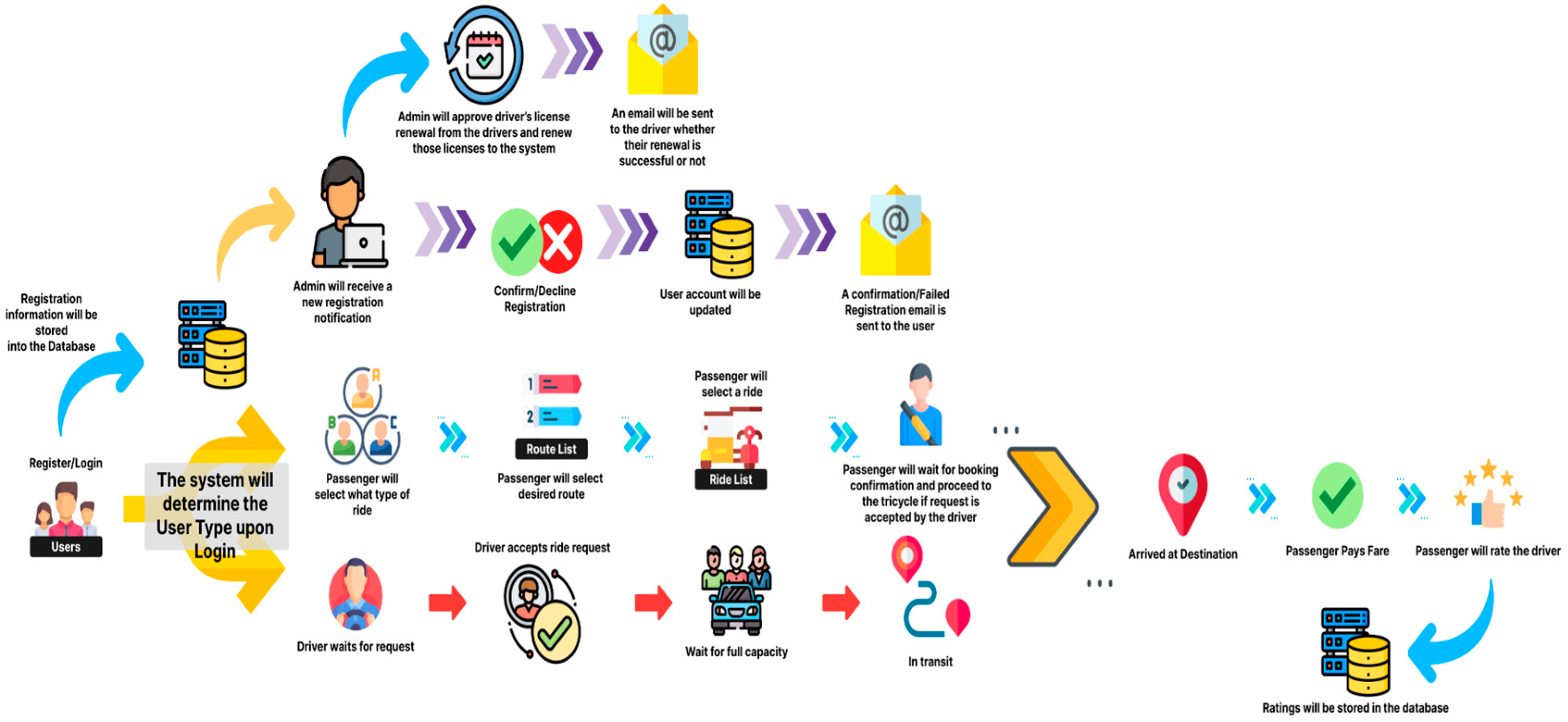
The users will download the application with the use of Android devices through the official website of TRIPSY or the developers will share the app via SHAREit or Bluetooth. After the download process, the users will open the application and will choose if they wish to create an account as passenger or driver. For the passenger, they will need to input their preferred username and password as well as an email address. Moving onto the next page, the passenger will provide their name, address, contact number, date of birth, gender, emergency contact number, a valid ID, and profile photo. Upon clicking submit, they will proceed to the verification page where the system will ask the user to input the One-Time Password which was sent to their Gmail account or phone via SMS. In this way, the information of the users will be secured since only the targeted recipient will receive the OTP.
Afterwards, the passenger will wait up to 24 h for the verification notification. It is the responsibility of the administrator to validate the submitted identification card and the selfie of the user and they will have the control to approve or deny the registration if the information provided matches. Once verified, the passenger will be able to use the application’s features where they can book ride by selecting a route and the available tricycle. The same process applies to the drivers when creating a new account; however, there are some differences when it comes to the information needed such as license number, type of ID and photo of driver’s license.
Registration will also undergo verification through a One-Time Password, which will be sent to their Gmail account or through SMS. Upon account verification for the driver, the driver will need to register their tricycle, importing relevant information such as color, plate number, model, seating capacity, and a photo of the tricycle. After the registration process and once verified, the driver can utilize the application where they can view the leaderboard and either accept or decline ride request, as well as accept payments.
Furthermore, one of the online gateway payment methods that is linked to the system is GCash since it is currently a popular payment mode for any transaction—both online and offline.
As for the administrator, they will need to go to the official website of TRIPSY and to log in in order to modify the data within the system. He can add routes, view rides, suspend users and so on. Overall, the administrator will supervise the system and will have the control to add and delete data in the system (see
Figure 1).
3. Results and Discussion
This section presents the findings, analysis and interpretation of data gathered, with the main objective of developing an Android-based application for tricycle booking and dispatch system in the Municipality of Romblon. Moreover, the system was also created in order to provide an alternative way of booking a tricycle that is more convenient and time-efficient.
According to PhilAtlas [
5], the total population of the Municipality of Romblon as of 2020 is around 40, 554 making it possible to proceed with the battery testing. A total of 50 respondents from the student and 50 respondents from the regular passenger population were chosen. In addition, from a total population of 1295 tricycle drivers in every TODA (Tricycle Operators and Drivers Association), 10 tricycle drivers were selected to participate in the battery testing. Convenience sampling was used as a sampling procedure due to time constraints and availability of the respondents. A survey using evaluation tool based on ISO 25010:2011 standard [
6] was conducted to provide tangible information that would provide a reliable and valid analysis of the specific objectives of the system.
3.1. Graphical User Interface for Both Passengers and Drivers
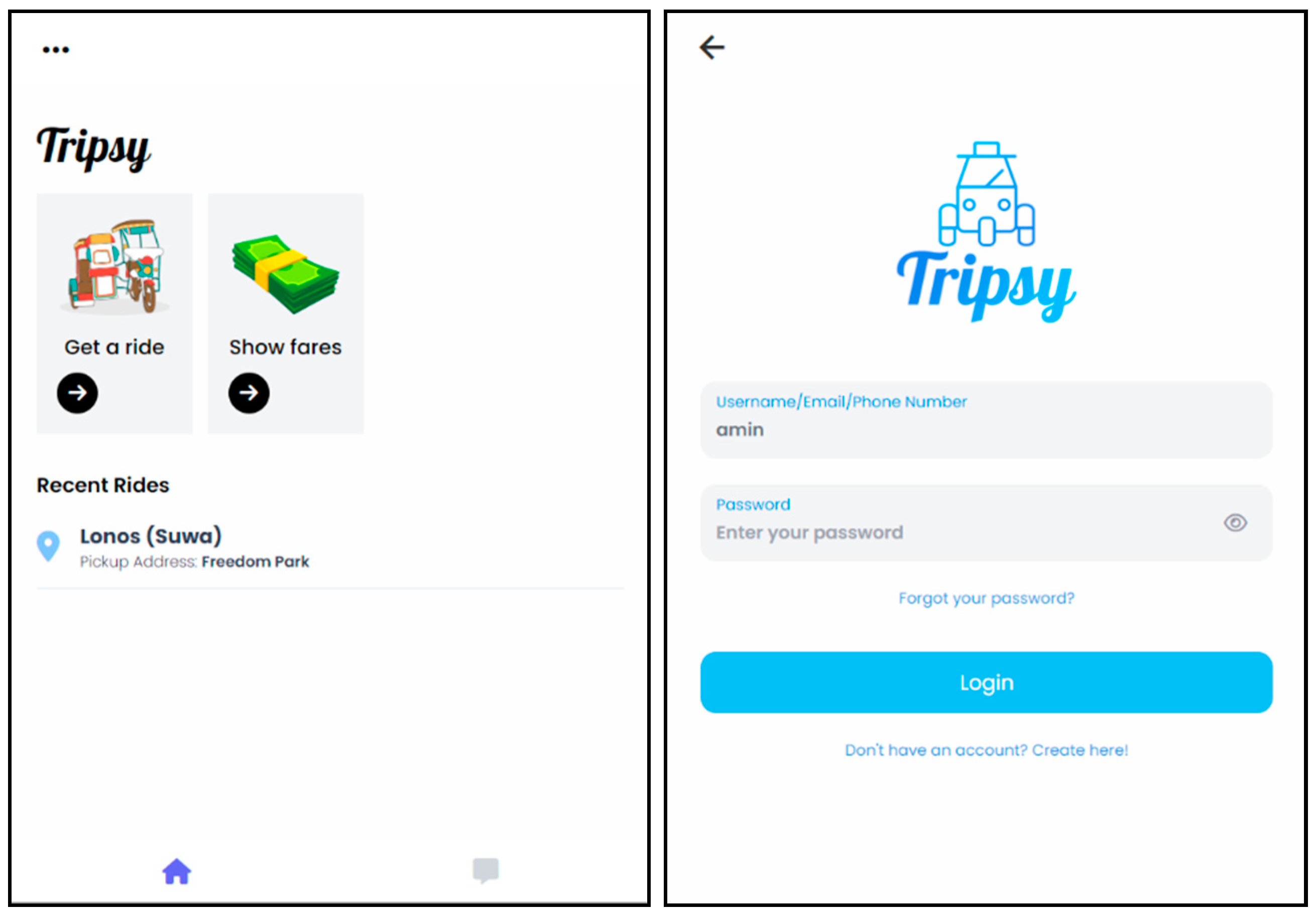
One feature of the application is the provision of a user-friendly graphical user interface for both passengers and drivers. The importance of having this characteristic is that it enables the user to have a better interaction with the application by having a clear, clean, and intuitive design. The screenshot of the GUI for the user is presented below, labeled as
Figure 2.
3.2. Multiple Verification Layer
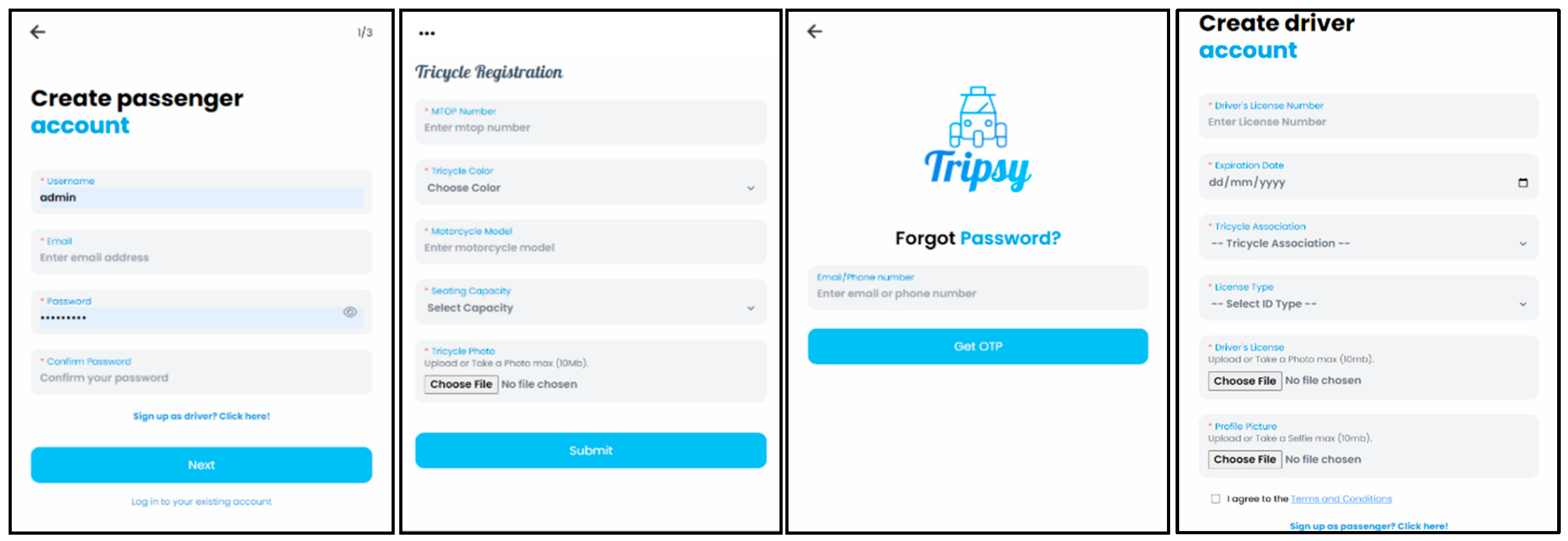
Aside from having a user-friendly GUI, this application has multiple verification steps to ensure safety of drivers and passengers. Incorporating multiple verification methods in the application enhances security, safety, and trust in the system. It provides a comprehensive approach to addressing various aspects of user authentication, data accuracy, and emergency response, contributing to a more reliable and user-friendly tricycle booking and dispatch system. Multiple verification steps include the registration of account for both passengers and drivers, requiring the upload of the user’s personal information, valid ID, and a selfie. Drivers are obliged to take a photo of their tricycle, provide the MTOP number, color and model of their tricycle for faster identification by the passengers. Moreover, a One-Time Password is sent on Gmail upon registration to ensure that only the authorized user can have the access to its own account. Presented below is the screen-capped version of this feature, labeled as
Figure 3.
3.3. Automatic Fare Estimation
Another feature involves the integration of an automatic fare estimation and calculation for every ride for both local and foreign passengers. Integrating an automatic fare estimation and calculation system in the application enhances transparency, fairness, and user convenience. It addresses the needs of both local and foreign passengers, making tricycle booking and dispatch system more efficient, trustworthy, and competitive in the Municipality of Romblon. Furthermore, the fares provided in the application are solely based on the Fare Matrix issued by the Municipal Government along with its MTOP number. Provided below is the screen-capped version of this feature, labeled as
Figure 4.
3.4. Payment Gateway
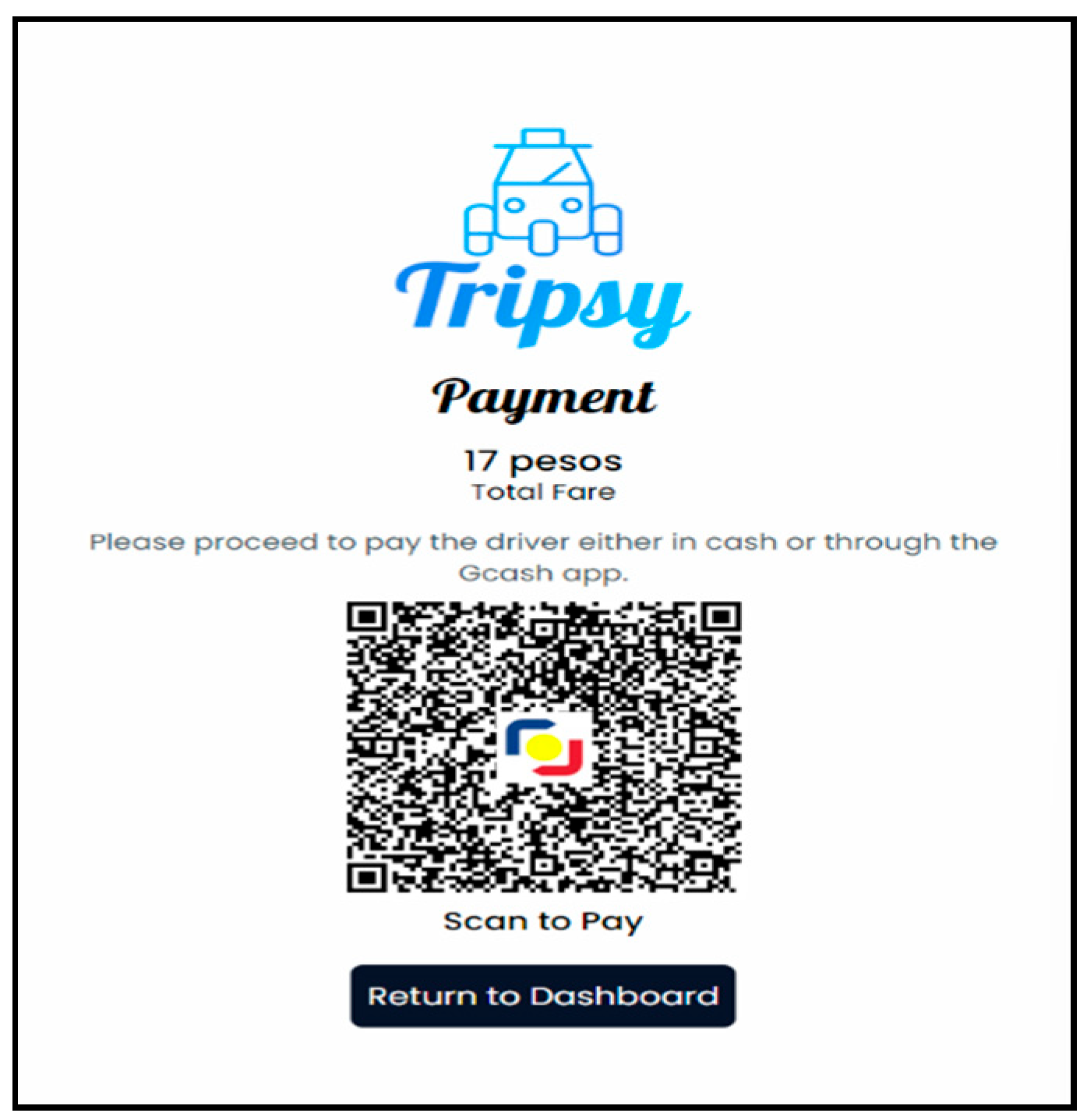
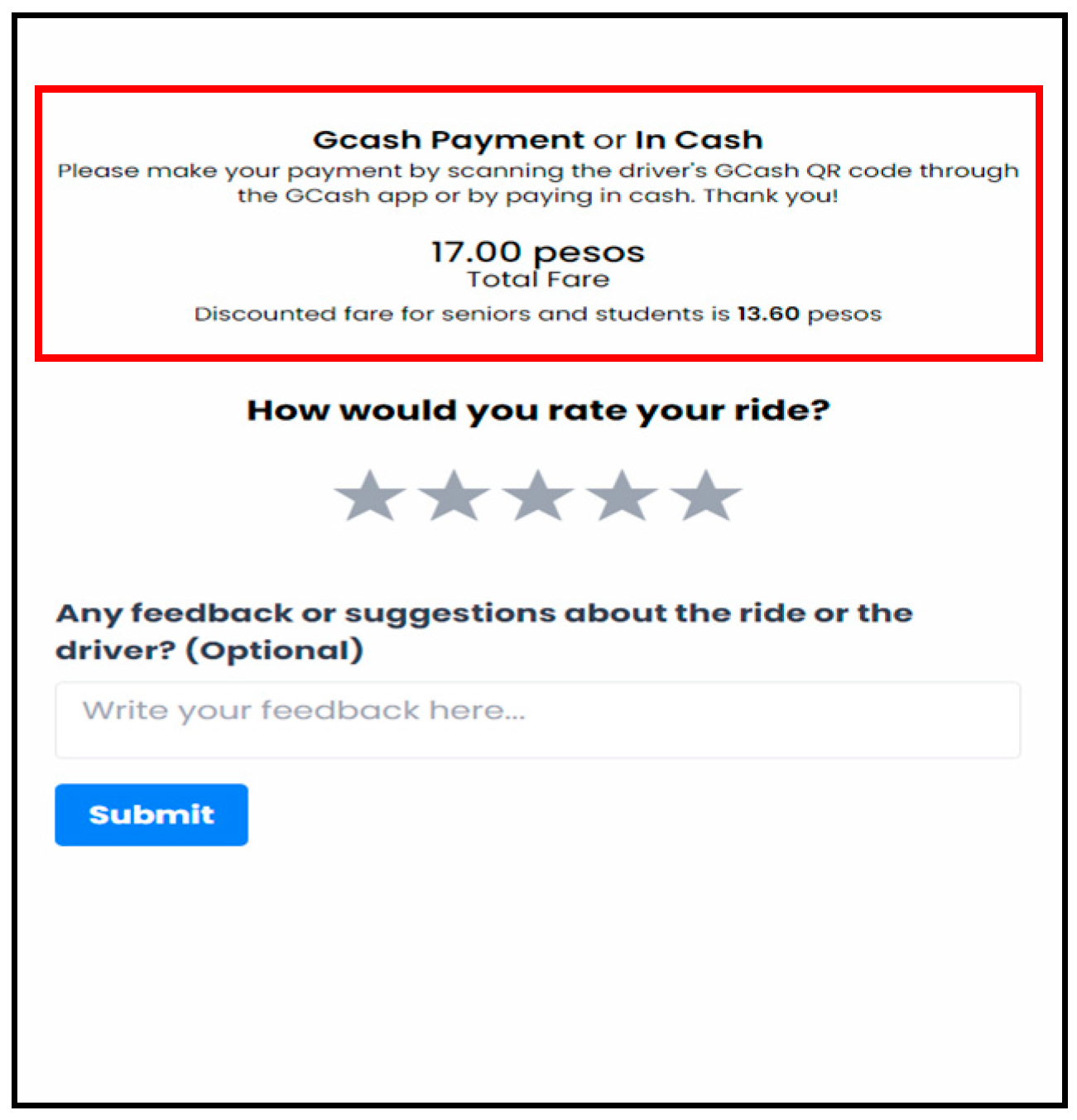
Aside from the above-mentioned features of the application, one feature that the researchers aimed to include is the one that enables payment options/gateway for secure transactions. Enabling payment options or a secure payment gateway in the application boosts user convenience, safety, and efficiency. It also contributes to the trustworthiness and credibility of the service, attracting a wider range of users and improving the overall financial management of tricycle booking and dispatch system in the Municipality of Romblon. The screen-capped version of the feature is displayed below, labeled as
Figure 5.
3.5. Passenger Feedback
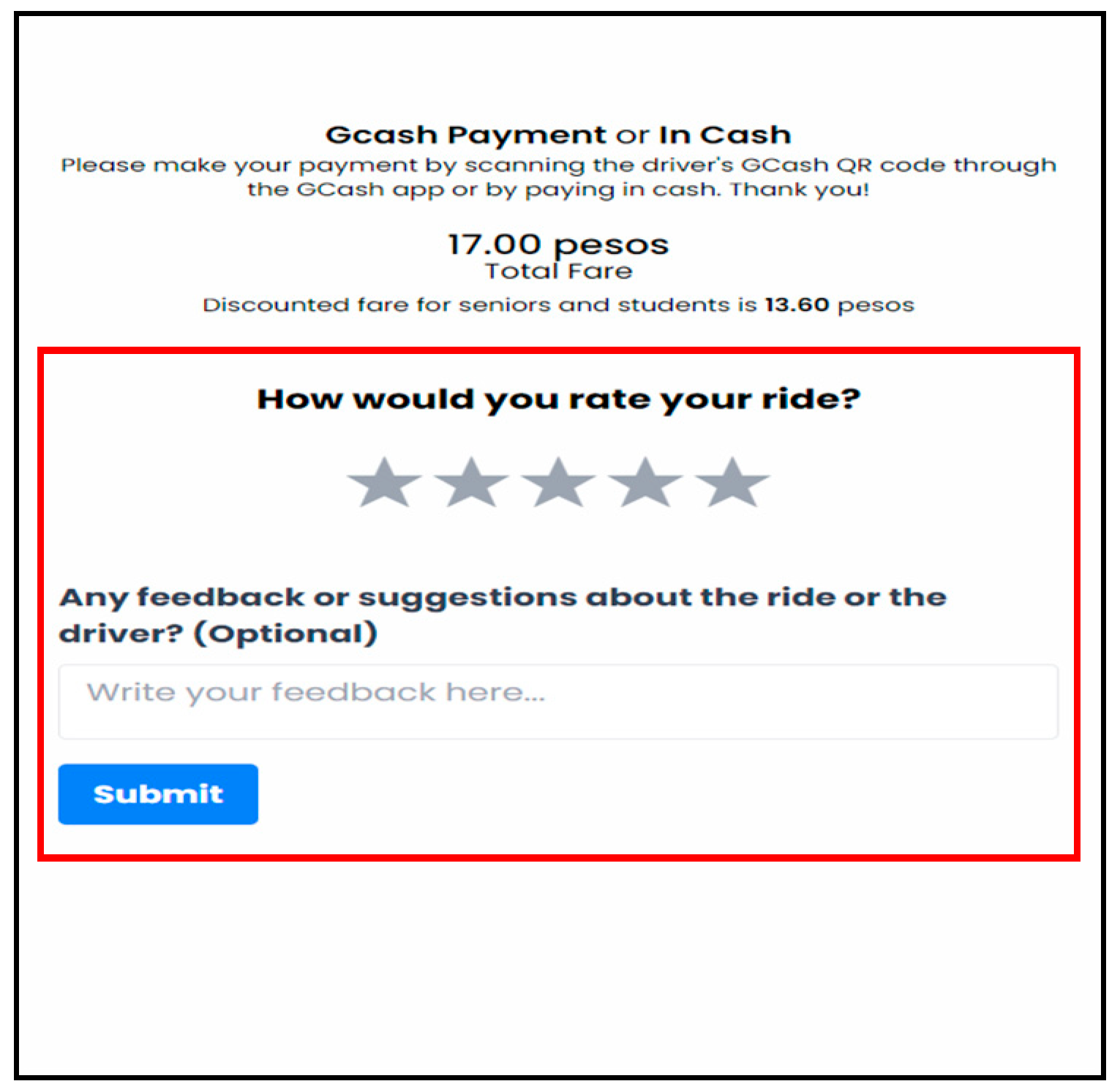
Moreover, another feature that was also included in the application for quality use is the one that provides real-time passenger feedback and/or ratings to drivers. Assimilating a real-time passenger feedback and/or rating system in the application contributes to service quality improvement, accountability, and user empowerment. It fosters a dynamic feedback loop that enhances the overall tricycle booking and dispatch experience for both drivers and passengers in the Municipality of Romblon. Illustrated below is the screenshot of the feature, captioned as
Figure 6.
3.6. Leaderboard
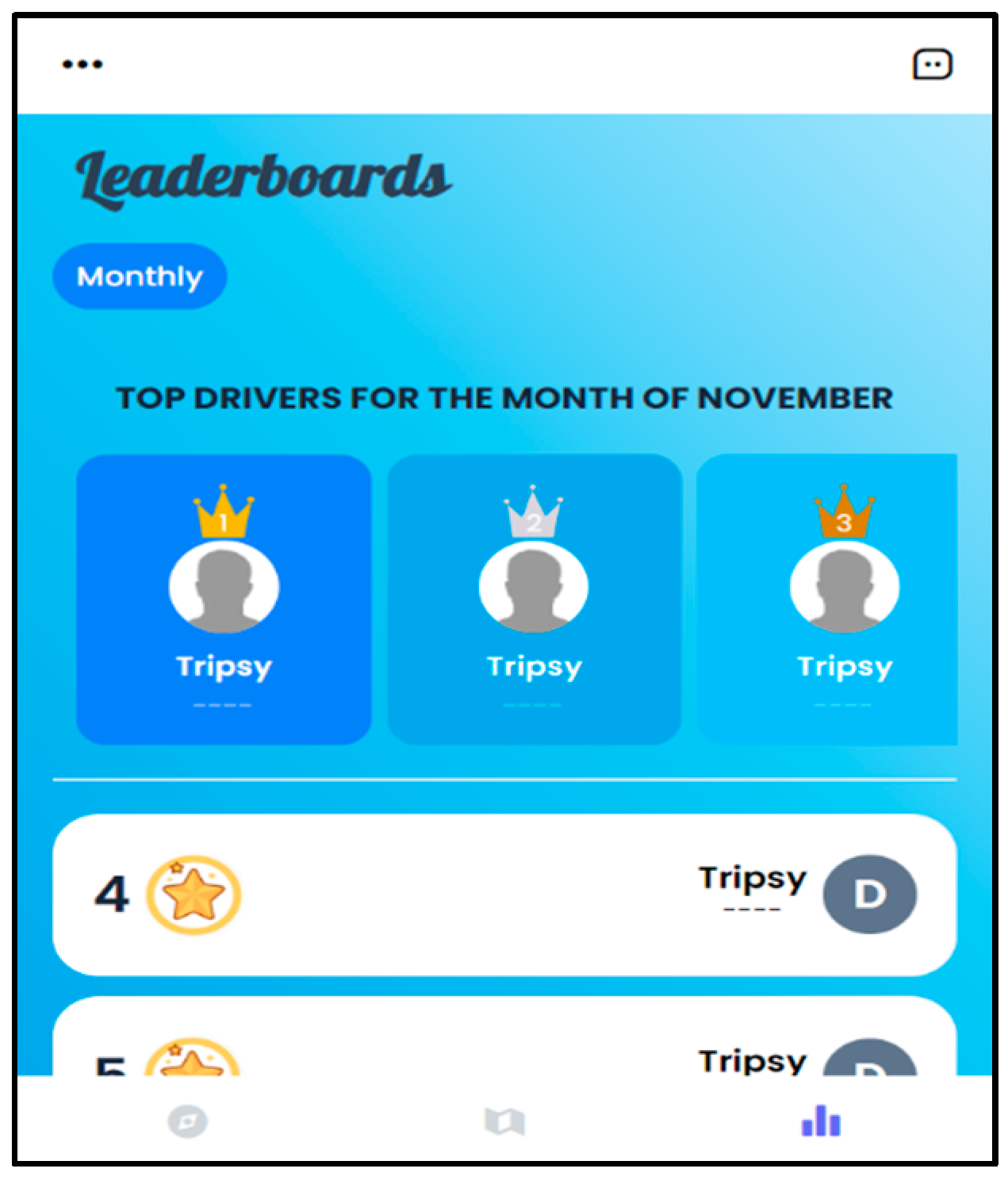
Finally, one more feature of the application involves the implementation of a leaderboard for drivers based on passengers’ ratings. A leaderboard for drivers based on passengers’ ratings in the application can have various positive effects, including motivation, transparency, trust-building, and continuous improvement. It creates a system where drivers are incentivized to provide excellent service, ultimately enhancing the overall tricycle booking and dispatch experience in the Municipality of Romblon. The screenshot of the feature is presented below, captioned as
Figure 7.
3.7. Acceptability Result Using ISO/IEC 25010:2011 Standard
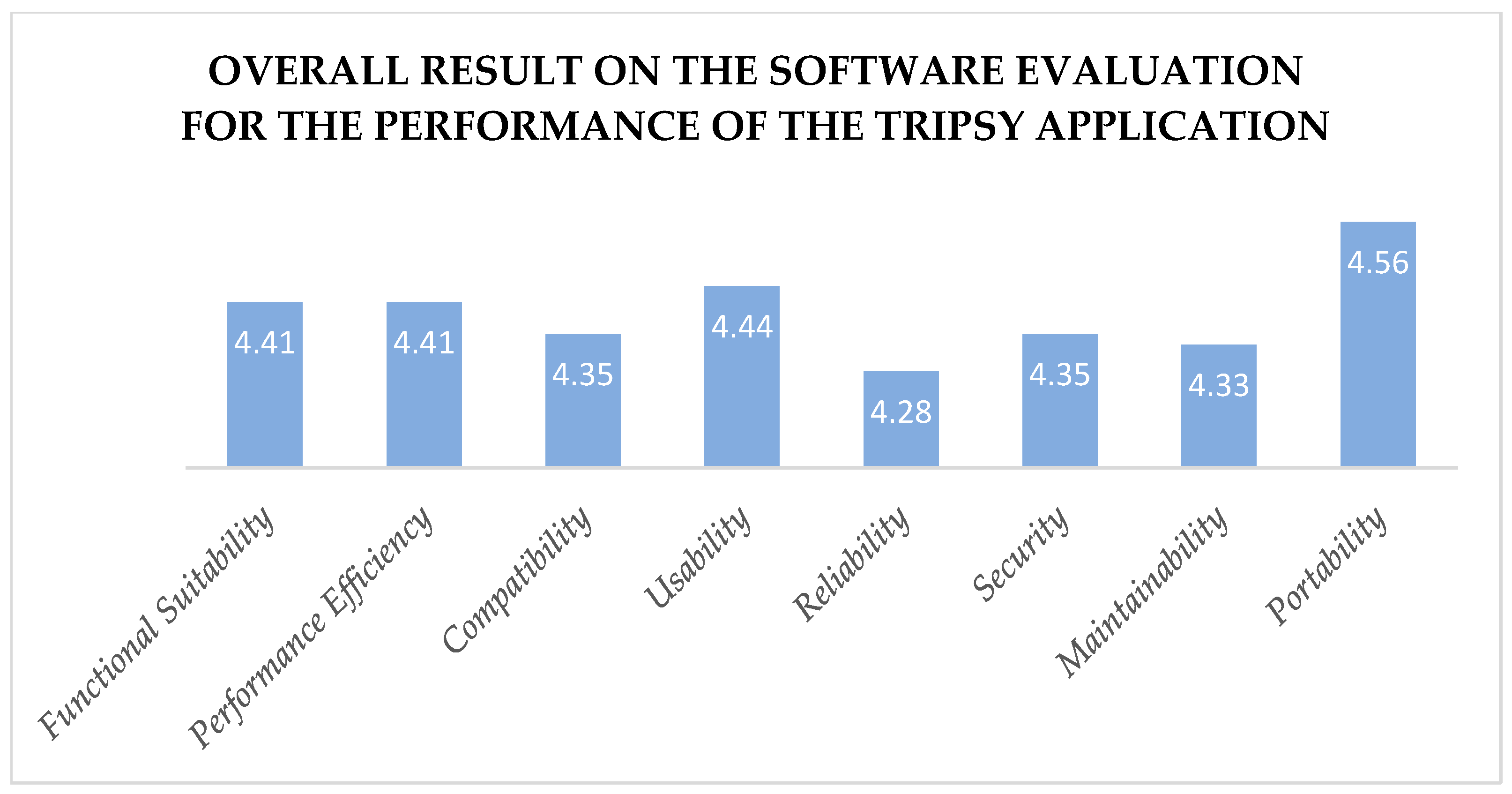
The evaluation of the TRIPSY application, a tricycle booking and dispatch system for the Municipality of Romblon, yielded an overall weighted mean of 4.39, corresponding to a verbal interpretation of Strongly Agree under the ISO/IEC 25010:2011 standard. This high rating indicates that the system is technically sound and ready for immediate deployment and implementation for local passengers and drivers. The application demonstrated exceptional performance in portability (4.56) and usability (4.44), suggesting that it is highly adaptable to various mobile environments and easy for users to learn and operate effectively. Furthermore, the system scored consistently high in functional suitability (4.41) and performance efficiency (4.41), confirming that it is both capable of serving its intended purpose and that it is efficient in its use of system resources.
The assessment also highlighted the system’s architecture through its scores in compatibility (4.35), security (4.35), and maintainability (4.33). These results reflect a system that can coexist with other applications without interference, protect user data integrity, and undergo future modifications without compromising existing quality. While reliability received the lowest weighted mean at 4.28, it still maintained a Strongly Agree interpretation. The researchers noted that this lower relative score likely stems from user concerns regarding data recovery during connection or processor failures. Although internet connectivity remains outside the researchers’ scope, this finding points to a specific area for future optimization to ensure the system remains resilient under fluctuating network conditions (see
Figure 8).
4. Conclusions
Based on the design evaluation of the system, the developers concluded the following:
The system was successfully engineered to fulfill its objective of creating an Android-based application for tricycle booking and dispatch system here in the Municipality of Romblon to provide passengers with more convenient and time-efficient transportation. Additionally, account registration and data from the gathered information were recorded in the database making it easier for the admin to verify and locate the user. The admin can manipulate the system by adding or deleting the rides, fares, users and routes.
The target features of the planned system were successfully applied, including: (1) a user-friendly graphical user interface for passengers and drivers; (2) multiple verification steps for safety purposes to drivers and passengers; (3) automatic fare estimation and calculation for every ride for both local and foreign passengers; (4) payment options/gateway method for secure transactions; (5) real-time passenger feedback and/or ratings to drivers; and (6) leaderboard for drivers based on passengers’ rating.
The application was developed to be acceptable to passengers and drivers in the Municipality of Romblon and evaluated using the ISO 25010:2011 standard. This indicates that the Android-based application for tricycle booking and dispatch system was prepared for deployment in the said municipality.
5. Recommendations
Future researchers who adapt this study are encouraged to expand the scope by integrating the application into the iOS platform and enhancing it as a native mobile application to allow for offline access. To improve the generalizability of the findings, future studies should employ probability sampling with a significantly larger participant pool, more accurately reflecting the diverse socio-economic demographics of the 1295 tricycle drivers in the Municipality of Romblon. Furthermore, a longitudinal study is recommended post-deployment to measure the long-term operational impact on driver income and passenger waiting times, moving the assessment beyond initial acceptability toward real-world utility. Finally, transitioning from the initial Waterfall SDLC to an Agile or Iterative development approach would facilitate the continuous integration of qualitative user feedback and push notifications, ensuring the system evolves alongside the shifting needs of the local transport sector.
Author Contributions
Conceptualization, methodology, validation, formal analysis, investigation, resources, data curation, and writing—original draft preparation, E.J.M.M., G.E.M.A., K.T.M., C.P.J., E.M.I., J.M.M.M.-M. and J.P.M.M.; Review and editing, visualization, supervision, and project administration, J.M.M.M.-M., E.J.M.M., G.E.M.A. and J.P.M.M. All authors have read and agreed to the published version of the manuscript.
Funding
This research received no external funding.
Institutional Review Board Statement
This study involving system development and user evaluation complied with the ethical standards of the institution. Formal ethical review board approval was not required for this capstone project in accordance with institutional guidelines.
Informed Consent Statement
Informed consent was obtained from all participants involved in the study. All participants voluntarily agreed to participate in the evaluation of the system.
Data Availability Statement
The data supporting the findings of this study are available from the corresponding author upon reasonable request. Some data may not be publicly available due to privacy and confidentiality considerations.
Conflicts of Interest
The authors declare no conflict of interest.
References
- Vedantu. Technology Essay. 2022. Available online: https://www.vedantu.com/english/technology-essay (accessed on 9 March 2023).
- Balba, N.P.; Rosas, N.M.F.; Drilon, P.J.Z.; Fallaria, S.J.F.; Fallaria, J.F. ISAKAY: Android based booking system for tri-bike operators and driver’s association with cloud-based data analytics. Int. J. Innov. Technol. Explor. Eng. 2019, 8, 1265–1269. [Google Scholar] [CrossRef] [Scilit]
- Orbos, T.M. Tricycle in Our Minds. 2020. Available online: https://businessmirror.com.ph/2020/02/24/tricycles-in-our-minds/ (accessed on 12 February 2023).
- Abana, E.C.; Cruz, A.D.; Paño, M.C.; Delizo, C.; Danga, P.; Cariño, F.L. Tryke: A tricycle driver conduct reporting mobile application. Int. J. Emerg. Trends Eng. Res. 2020, 8, 2278–2281. [Google Scholar] [CrossRef] [Scilit]
- PhilAtlas. Romblon. Available online: https://www.philatlas.com/luzon/mimaropa/romblon/romblon.html (accessed on 12 February 2023).
- ISO/IEC 25010:2011; Systems and Software Engineering—Systems and Software Quality Requirements and Evaluation (SQuaRE)—System and Software Quality Models. ISO (International Organization for Standardization): Geneva, Switzerland, 2011.
| Disclaimer/Publisher’s Note: The statements, opinions and data contained in all publications are solely those of the individual author(s) and contributor(s) and not of MDPI and/or the editor(s). MDPI and/or the editor(s) disclaim responsibility for any injury to people or property resulting from any ideas, methods, instructions or products referred to in the content. |



 ,
,