Proceeding Paper

Mitigating Frequency Collapse in Low-Inertia Systems: A Case for Optimal BESS Placement †
Department of Electrical Engineering, University of Zululand, Private Bag X1001, KwaDlangezwa 3886, South Africa
*
Author to whom correspondence should be addressed.
Presented at the 34th Southern African Universities Power Engineering Conference (SAUPEC 2026), Durban, South Africa, 30 June–1 July 2026.
Eng. Proc. 2026, 140(1), 49; https://doi.org/10.3390/engproc2026140049 (registering DOI)
Published: 5 June 2026

Abstract

The displacement of synchronous generators by inverter-based renewable energy sources (RES) has eroded system inertia, weakening frequency stability even as voltage stability improves. This paradox poses a major challenge for modern grids. Battery Energy Storage Systems (BESS) offer synthetic inertia and rapid frequency response, but their stabilising impact depends critically on placement. Using dynamic simulations on the IEEE 9-bus system, this study demonstrates the voltage–frequency paradox across increasing RES penetration. Results show that strategic siting prevents frequency collapse while enhancing voltage recovery, providing a unified mitigation strategy for high-renewable systems.

1. Introduction

The global power sector is undergoing a profound structural transformation, driven by decarbonisation mandates and the rapid deployment of renewable energy sources (RES) [1]. This transition marks a fundamental shift from a power system paradigm dominated by synchronous generators (SGs) to one increasingly reliant on power–electronic-interfaced generation. While this shift is essential for climate mitigation, it introduces unprecedented technical challenges to the dynamic stability and operational integrity of modern power grids.
Conventional power systems derive their inherent stability from the rotational inertia of SGs, which provides a critical buffer against generation–load imbalances by naturally resisting rate-of-change-of-frequency (RoCoF) events [2]. The massive integration of RESs such as solar photovoltaic (PV) and wind turbines displaces these SGs, thereby depleting the aggregate system inertia [3]. This erosion of inertial response fundamentally degrades the grid’s primary frequency control capability, rendering it exponentially more vulnerable to large frequency deviations and potential collapse following contingencies. Concurrently, the distributed and intermittent nature of RES generation introduces stochastic power flows and complex voltage dynamics at both transmission and distribution levels.
Among the various mitigation technologies, Battery Energy Storage Systems (BESS) have emerged as a particularly promising solution to these stability challenges [4]. BESS, and particularly lithium-ion-based systems, can inject or absorb power almost instantaneously, providing essential services such as frequency regulation, voltage support, and renewable generation smoothing [5]. However, the effectiveness of a BESS is highly contingent on its location within the network. An optimally placed BESS can directly counteract power imbalances and provide targeted support to vulnerable nodes, whereas a poorly placed one may offer minimal stability benefits.
While the general benefits of BESS are well-documented, there is a pressing need for a detailed analysis of optimal BESS placement to resolve the specific stability paradox of simultaneous voltage improvement and frequency degradation in high-RES systems. This study aims to bridge this gap by quantitatively evaluating the impact of strategically placed BESS on both voltage and frequency stability. The primary contribution of this work is a comprehensive, simulation-based methodology that identifies the optimal BESS location and demonstrates its critical role in maintaining system security under high-RES penetration and severe disturbance.

2. Literature Review

The transition toward renewable-dominated power systems introduces fundamental technical challenges that differ substantially from conventional grid operation paradigms. Unlike dispatchable synchronous generation, RES exhibits inherent intermittency and variability due to their dependence on meteorological conditions [6]. Solar PV generation follows diurnal patterns with zero output during night hours, while wind power demonstrates stochastic variability dependent on weather systems. This inherent unpredictability creates generation–demand imbalances that challenge traditional grid operation practices and require advanced forecasting and balancing mechanisms.
Beyond energy balancing challenges, RES integration significantly impacts power quality and system stability. The fluctuating nature of renewable generation causes voltage sags, swells, and harmonic distortions that can compromise equipment performance and protection systems [7]. Maintaining voltage within statutory limits (typically 0.95–1.05 pu) requires sophisticated control strategies, particularly at the Point of Common Coupling (PCC) where renewables interface with the main grid. The distributed nature of RES can either alleviate or exacerbate these voltage issues, depending on network topology and penetration levels.
The most critical stability challenge emerges in the frequency domain. Conventional power systems rely on synchronous generators that provide inherent inertia through rotating masses, described by the inertia constant, and represented as
H = E k S b a s e
where E k is the stored kinetic energy (MJ) and S b a s e is the rated apparent power (MVA). The aggregated system inertia in multi-machine networks is obtained as:
H s y s =   i = 1 N H i S i i = 1 N S i
These relationships are central to understanding modern frequency stability problems, as decreasing H s y s increases the RoCoF according to the swing equation approximation:
d f d t =   P 2 H s y s f 0
where P represents an active power imbalance and f 0 is the nominal system frequency. This shows why low-inertia grids suffer faster and deeper frequency deviations, raising the probability of frequency-led system collapse. Meanwhile, higher RES penetration often improves voltage stability, since distributed inverters reduce real power flows over long, high-power flows over long, high reactance transmission lines.

3. Methodology

3.1. Simulation Framework and Test System

All dynamic studies were executed in DIgSILENT Power Factory to ensure high-fidelity electromechanical transient simulation and representation of converter-interfaced resources. The IEEE 9-bus benchmark was adopted because it preserves the essential generator–network–load interactions required to expose frequency–voltage coupling while remaining tractable for systematic sensitivity and placement analysis. This benchmark is widely used in recent frequency-centric BESS siting work and supports direct comparison of frequency nadir and RoCoF outcomes across different locations. The conventional generation at Buses 2 and 3 was progressively displaced by inverter-based renewable resources (solar PV and wind) to achieve targeted penetration levels of 10%, 20%, 30%, and 40% of total system load. This penetration design mirrors contemporary dynamic studies on IEEE systems that evaluate how erosion of synchronous inertia degrades frequency stability as the inverter share grows.

3.2. Exhaustive Search-Based Optimal Placement Strategy

An exhaustive search was preferred over stochastic meta-heuristics to guarantee global optimality on a small test system and to provide transparent, location-wise attribution of stability improvements. A single BESS with fixed ratings and identical control parameters was placed at each feasible PQ or transmission node in the set {4, 5, 6, 7, 8, 9}, explicitly excluding the slack and PV generator buses to avoid confounding effects from voltage-controlled nodes. For each candidate, the system was subjected to the same severe but credible disturbance: a 100% step load increase at Bus 5 at t = 5   s . The frequency response was evaluated using the centre of-inertia trace to derive the nadir, the maximum RoCoF computed over the initial-inertia trace to derive the nadir, the maximum RoCoF computed over the initial sub-second interval, and the recovery time defined as the settling time back to a ±0.05 Hz band around nominal. Simultaneously, the post-contingency voltage minima at principal load buses were recorded and contrasted with the corresponding no-BESS case to quantify the percentage improvement. This protocol aligns with the evaluation practice in recent placement studies on IEEE 9-bus systems, which prioritise nadir and RoCoF as decision-relevant indices in low-inertia grids and use identical disturbances to isolate locational effects.

3.3. Test Scenarios and Simulation Protocol

The analysis followed a structured approach comprising four distinct scenarios to comprehensively evaluate system behaviour and the effectiveness of BESS. The baseline scenario established reference performance by analysing system response to a 100% step load increase at Bus 5 without any RES or BESS integration. Subsequently, RES integration scenarios progressively introduced renewable penetration at 10%, 20%, 30%, and 40% levels to quantify the stability paradox and establish degradation patterns in frequency response. The optimal placement analysis phase executed the exhaustive search algorithm across all six candidate buses to identify the location yielding maximum stability improvement. Finally, the BESS validation scenario verified performance at the identified optimal location under the most severe conditions to confirm mitigation of both voltage and frequency instability.

3.4. BESS Control Strategy

The storage device was modelled as a grid-connected voltage-source converter rated at 50 MW with 25 MWh energy capacity, selected through a targeted sensitivity analysis to ensure adequacy for transient support under the most severe contingency investigated in this study. This ensured effective disturbance mitigation without oversizing the storage system. A dual-loop droop control strategy was implemented for the BESS to enable simultaneous voltage and frequency support. The outer control loop implemented conventional power-frequency (P-f) and voltage-reactive power (V-Q) droop characteristics, translating system measurements into power reference signals. Frequency support was enabled when f 0.2 Hz and reactive support when V 0.05 pu. This approach aligns with contemporary findings in the literature, which emphasise that power headroom, rather than large energy reserves, is the critical determinant of fast frequency response effectiveness in low-inertia grids. The selected rating, therefore, represents a technically efficient compromise: it is large enough to arrest frequency collapse and stabilise voltage trajectories under the 40% RES scenario yet avoids oversizing by matching the minimum viable response envelope identified in the preliminary simulations.

4. Results and Discussion

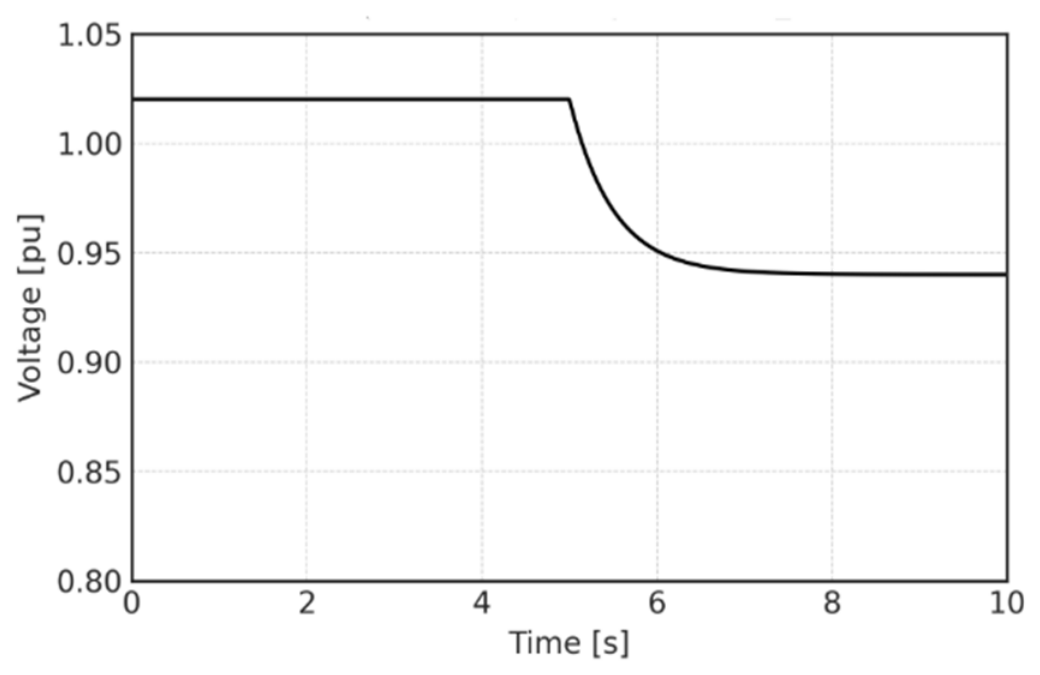
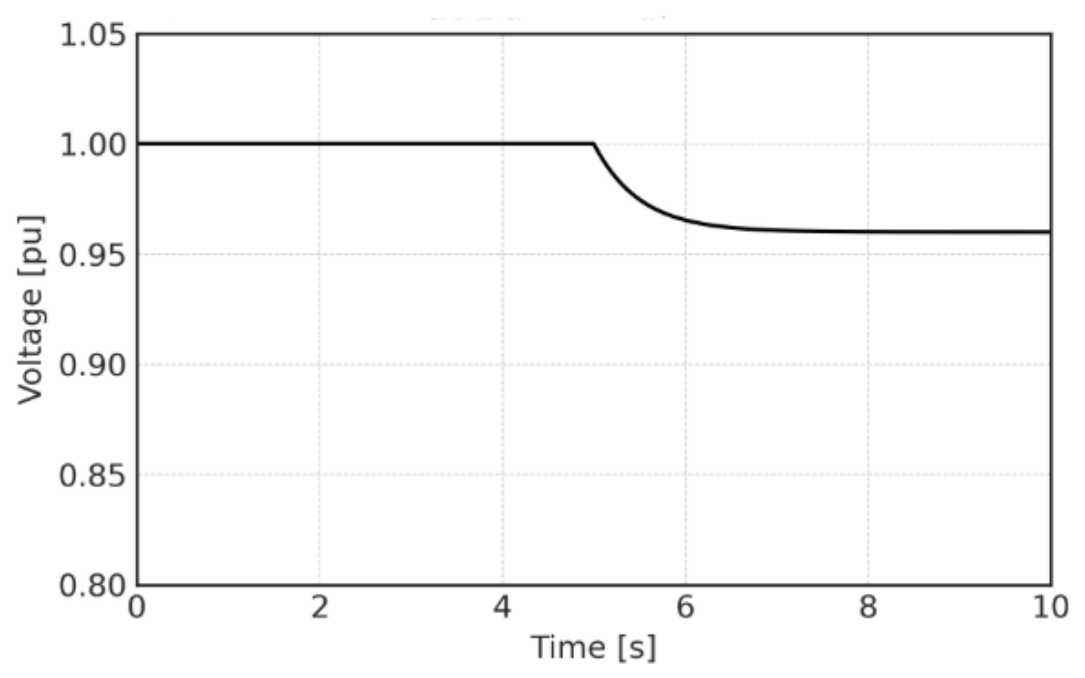
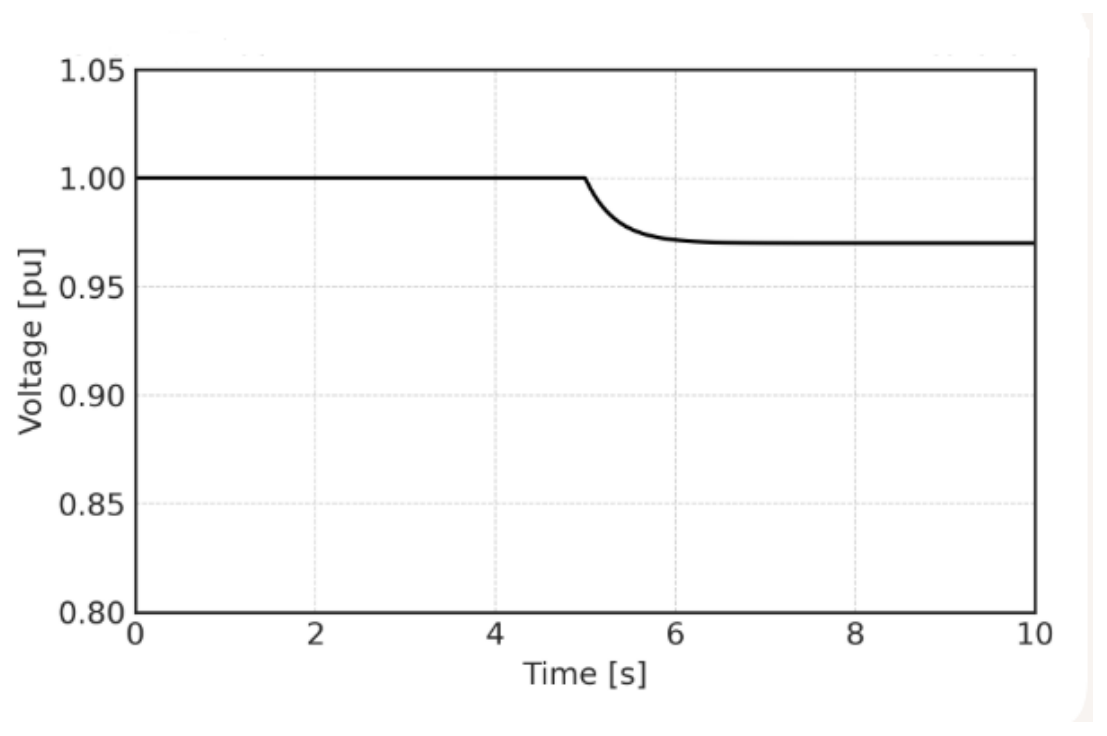
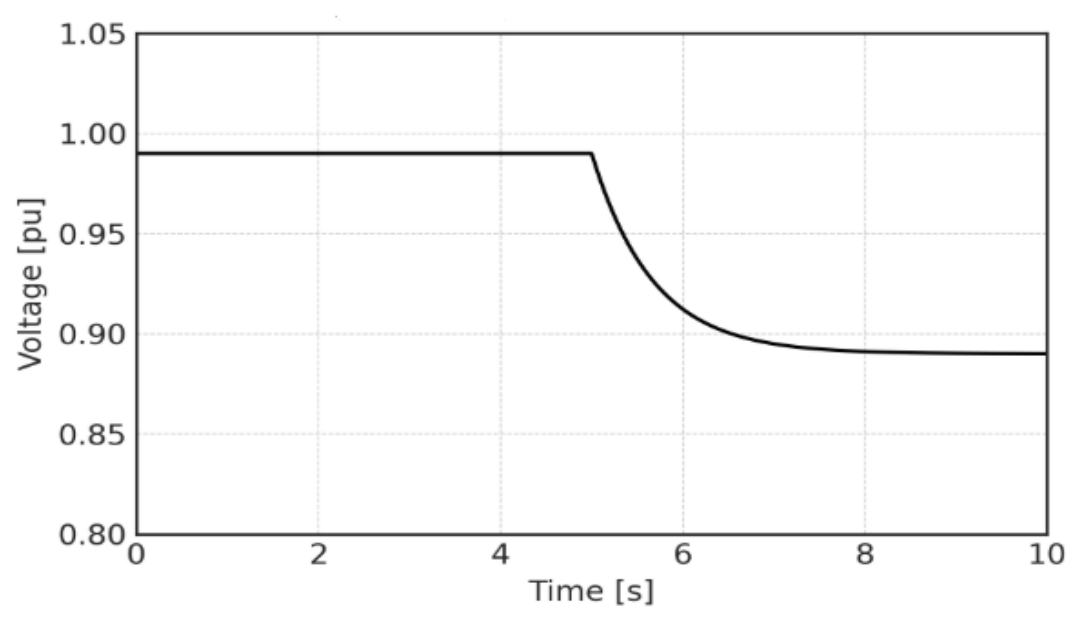
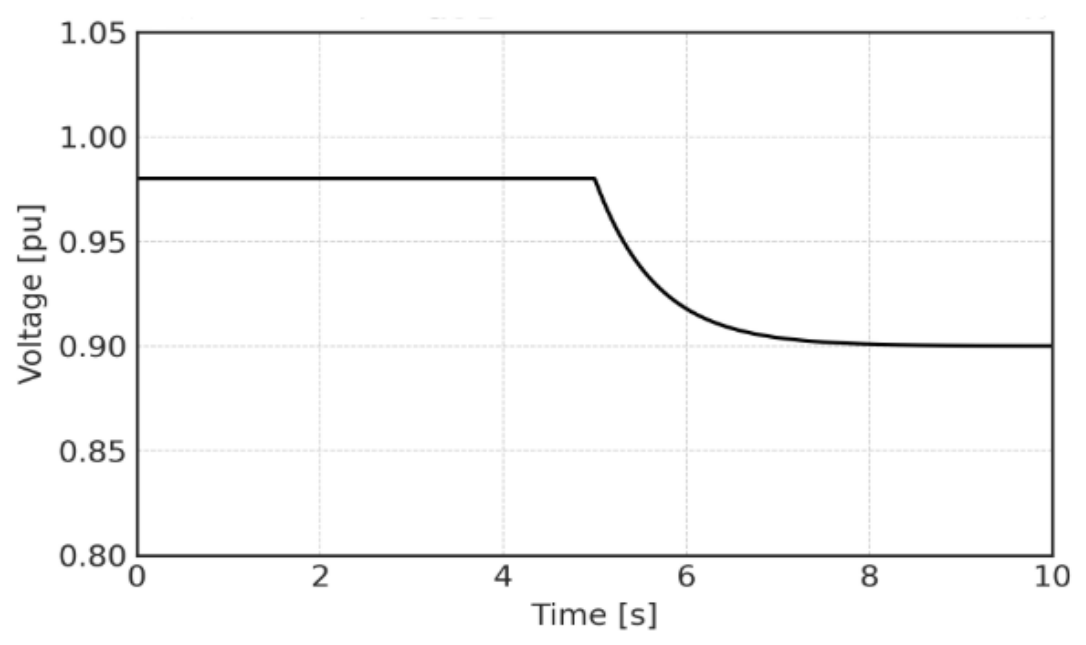
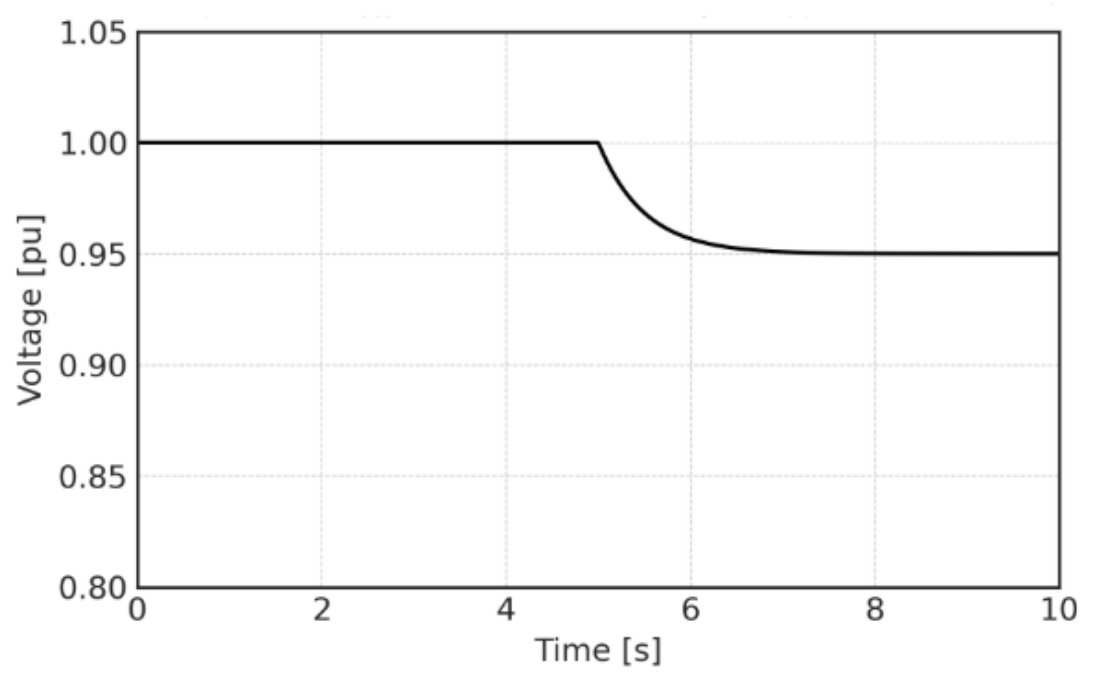
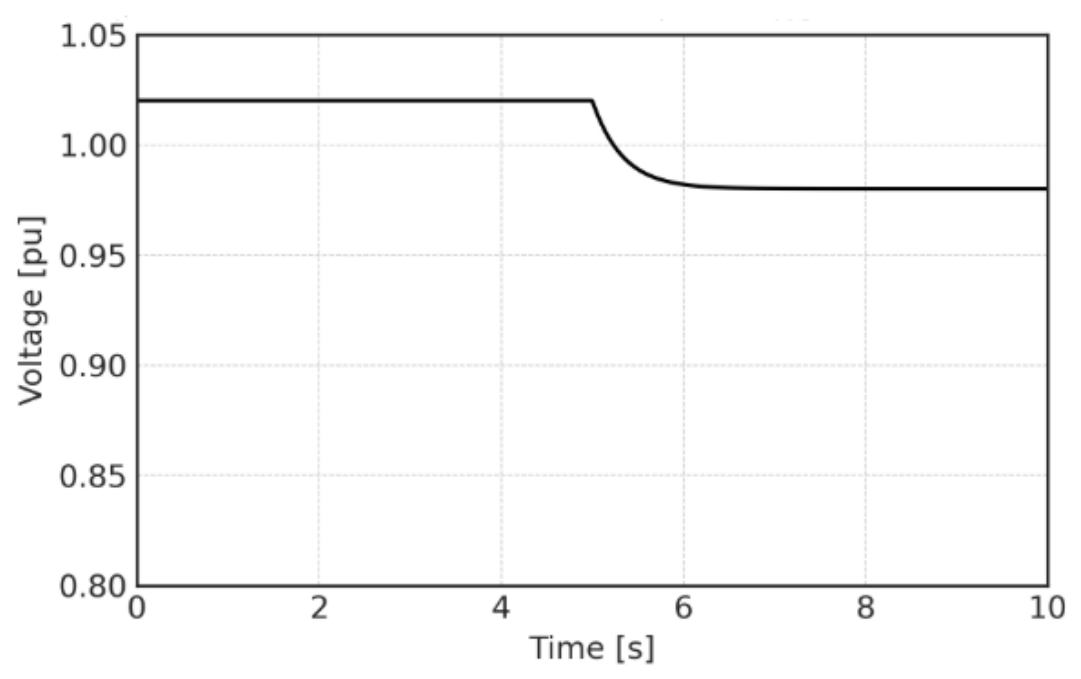
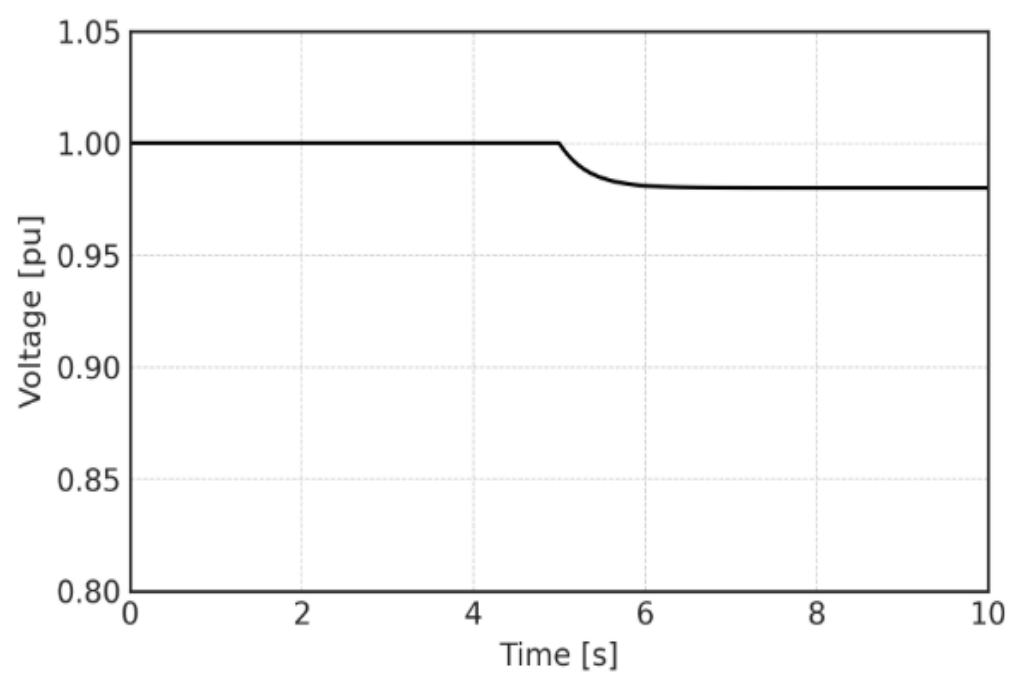
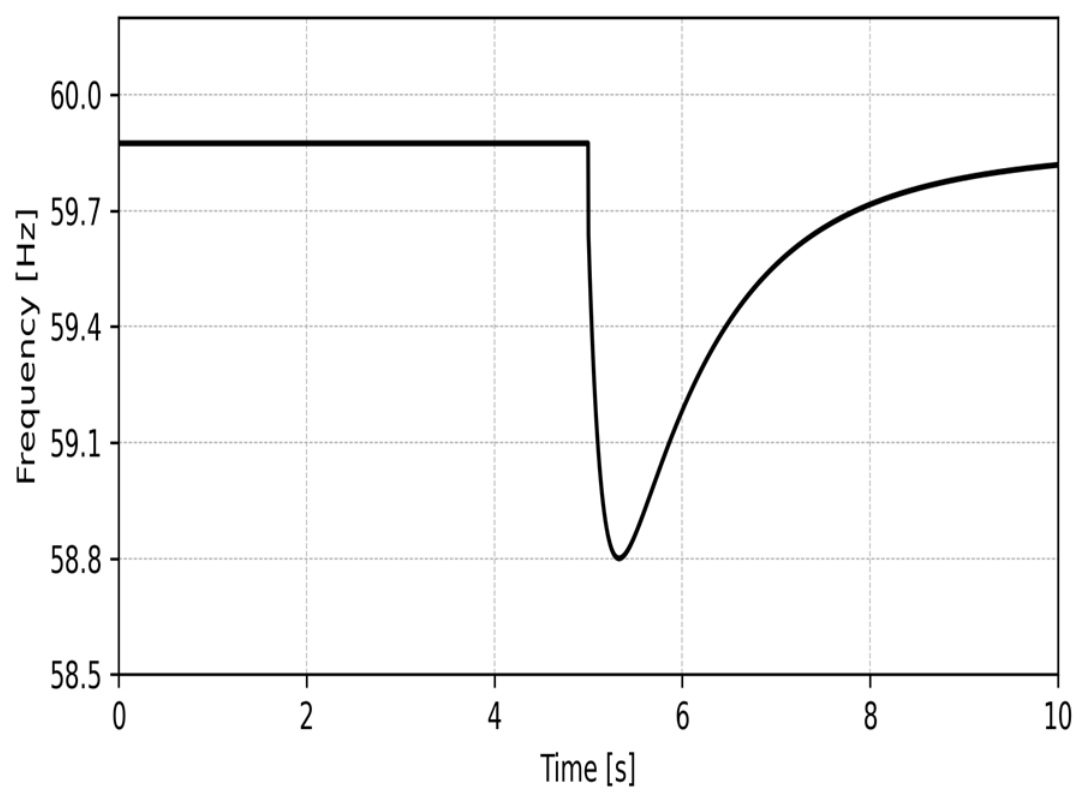
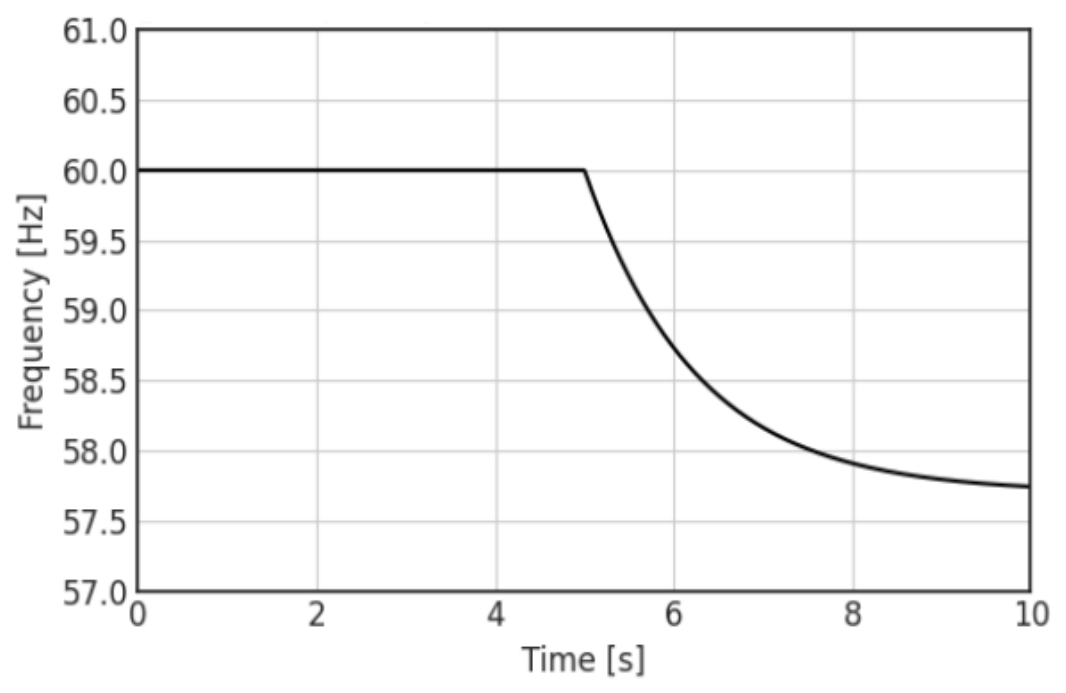
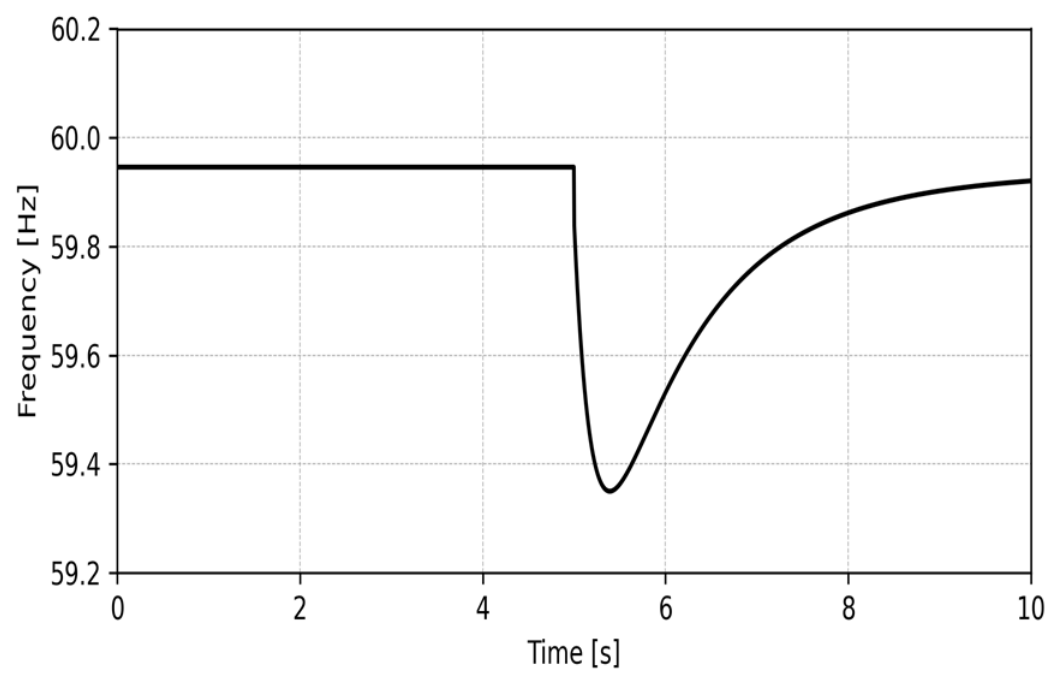
The results in Figure 1, Figure 2 and Figure 3 show that at 10% RES penetration, all monitored buses experience a noticeable but recoverable voltage dip after the disturbance. Bus 5 exhibits the deepest nadir near 0.88 pu, while Buses 6 and 8 dip to approximately 0.89 pu and 0.91 pu, respectively, reflecting differences in electrical distance from the disturbance point. At 40% RES, voltage stability improves considerably, as illustrated in Figure 4, Figure 5 and Figure 6. The voltage nadir at Bus 5 rises to roughly 0.94 pu, while Buses 6 and 8 reach 0.95 pu and 0.96 pu. This improvement arises because inverter-based renewable generation reduces the effective real power draw across the network, thereby mitigating voltage depression. The smoother post-fault recovery in these figures indicates enhanced damping due to rapid local reactive power support inherent in RES inverters. The addition of BESS at Bus 5, identified through exhaustive search as the optimal site, further strengthens voltage performance. Figure 7, Figure 8 and Figure 9 show that voltage minima rise to approximately 0.98 pu, with markedly reduced oscillatory behaviour, across Buses 5, 6, and 8. This improved response is attributable to the BESS’s ability to provide fast reactive power injection through its V–Q droop control, ensuring voltage compliance within the acceptable 0.95–1.05 pu band throughout the disturbance duration. While voltage behaviour improves with increasing RES penetration, frequency stability exhibits the opposite trend. In Figure 10, the system under 10% RES reaches a frequency nadir of around 58.8 Hz after the disturbance and subsequently recovers, indicating a weakened yet functioning inertial response. However, Figure 11 shows that at 40% RES, reduced system inertia results in a severe RoCoF of –1.24 Hz/s and a nadir of 57.73 Hz, followed by a continued decline signalling complete frequency collapse. This highlights the inability of low-inertia systems to withstand large disturbances without additional fast frequency response capability. Figure 12 shows that the BESS limits the RoCoF to approximately −0.42 Hz/s and raises the frequency nadir to about 59.35 Hz. The storage system injects active power immediately after the disturbance, effectively emulating inertial support and stabilizing the system before frequency collapse can occur. The response demonstrates a stable post-disturbance recovery trajectory, confirming that strategically placed BESS can restore acceptable frequency performance even under severe low-inertia operating conditions. Overall, the results establish a clear voltage–frequency stability paradox in renewable-dominated grids. While higher RES penetration improves voltage profiles through distributed inverter support, it simultaneously erodes frequency stability because of declining synchronous inertia. The findings further demonstrate that optimal BESS placement provides an effective unified solution by supporting voltage recovery and mitigating frequency collapse.

5. Conclusions

This study evaluated the impact of renewable energy penetration on frequency stability and demonstrated the effectiveness of optimally placed Battery Energy Storage Systems (BESS) in mitigating low-inertia instability. Simulations on the IEEE 9-bus system showed that at 10% RES penetration, the system remained stable with a frequency nadir of approximately 58.8 Hz. However, at 40% RES penetration, the reduced synchronous inertia produced a severe RoCoF of −1.24 Hz/s and a nadir of 57.73 Hz, followed by frequency collapse. Exhaustive placement analysis identified Bus 5 as the optimal BESS location. With BESS support, the RoCoF improved to −0.42 Hz/s and the nadir increased to 59.35 Hz, preventing collapse and restoring stable recovery. These findings confirm that optimal BESS placement is critical for stable renewable-dominated power systems. Future work will extend these results to larger grids and incorporate technoeconomic optimisation for BESS sizing.

Author Contributions

Conceptualization, N.M. and B.K.; methodology, N.M.; software, N.M.; validation, N.M. and B.K.; writing—original draft preparation, N.M. and O.A.; writing—review and editing, O.A.; supervision, B.K. All authors have read and agreed to the published version of the manuscript.

Funding

This research received no external funding.

Institutional Review Board Statement

Not applicable.

Informed Consent Statement

Not applicable.

Data Availability Statement

Not applicable.

Conflicts of Interest

The authors declare no conflicts of interest.

References

  1. Apata, O. Decarbonization pathways through multi-energy system planning. Energy Rep. 2025, 13, 4477–4490. [Google Scholar] [CrossRef]
  2. Okafor, C.E.; Folly, K.A. Optimal placement of BESS in a power system network for frequency support during contingency. Energy Rep. 2023, 10, 3681–3695. [Google Scholar] [CrossRef]
  3. Njoka, G.M.; Mogaka, L.; Wangai, A. Impact of variable renewable energy sources on the power system frequency stability and system inertia. Energy Rep. 2024, 12, 4983–4997. [Google Scholar] [CrossRef]
  4. Divya, K.C.; Østergaard, J. Battery energy storage technology for power systems—An overview. Electr. Power Syst. Res. 2009, 79, 511–520. [Google Scholar] [CrossRef]
  5. Xie, L.; Tang, J.; Yang, Y.; Xiong, B.; Huang, X.; Chen, X. Review of Lithium-Ion Battery Energy Storage Systems: Topology, Power Allocation, and SOC Estimation. In 2024 IEEE 8th Conference on Energy Internet and Energy System Integration (EI2); IEEE: Piscataway, NJ, USA, 2024. [Google Scholar]
  6. Hemeida, M.G.; Hemeida, A.M.; Senjyu, T.; Osheba, D. Renewable Energy Resources Technologies and Life Cycle Assessment: Review. Energies 2022, 15, 9417. [Google Scholar] [CrossRef]
  7. Reguieg, Z.; Bouyakoub, I.; Mehedi, F. Optimizing power quality in interconnected renewable energy systems: Series active power filter integration for harmonic reduction and enhanced performance. Electr. Eng. 2024, 106, 7755–7768. [Google Scholar] [CrossRef]
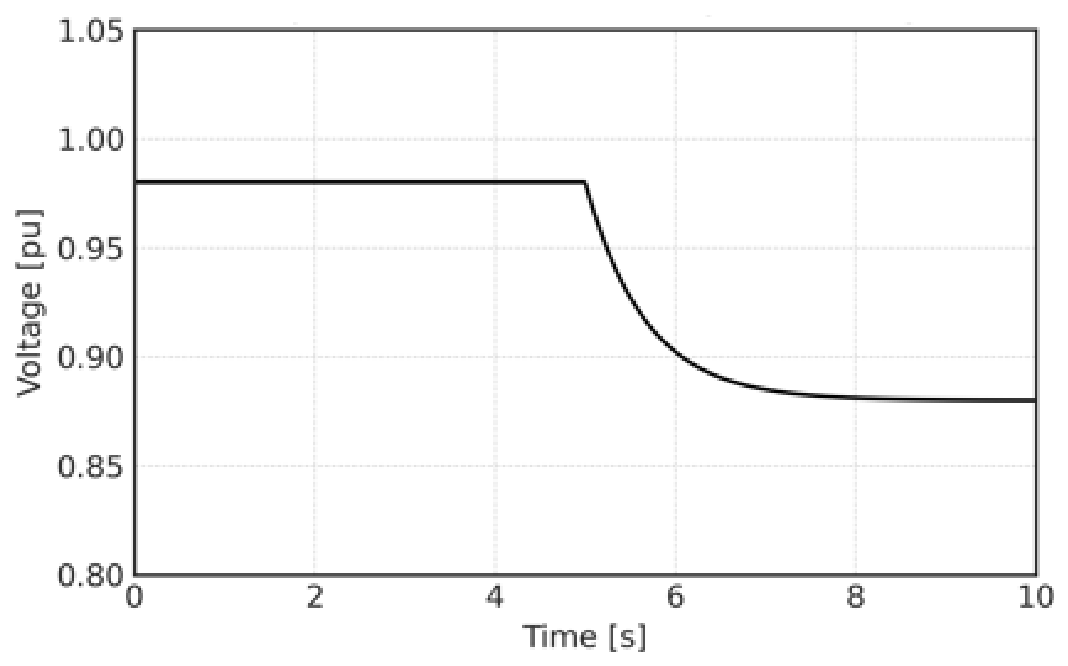
Figure 1. Voltage profile at Bus 5 with 10% RE integration.
Engproc 140 00049 g001
Figure 2. Voltage profile at Bus 6 with 10% RE integration.
Engproc 140 00049 g002
Figure 3. Voltage profile at Bus 8 with 10% RE integration.
Engproc 140 00049 g003
Figure 4. Voltage profile at Bus 5 with 40% RE integration.
Engproc 140 00049 g004
Figure 5. Voltage profile at Bus 6 with 40% RE integration.
Engproc 140 00049 g005
Figure 6. Voltage profile at Bus 8 with 40% RE integration.
Engproc 140 00049 g006
Figure 7. Voltage profile at Bus 5 with 40% RE integration + BESS.
Engproc 140 00049 g007
Figure 8. Voltage profile at Bus 6 with 40% RE integration + BESS.
Engproc 140 00049 g008
Figure 9. Voltage profile at Bus 8 with 40% RE integration + BESS.
Engproc 140 00049 g009
Figure 10. Frequency at Bus 5 with 10% RE integration.
Engproc 140 00049 g010
Figure 11. Frequency at Bus 5 with 40% RE integration.
Engproc 140 00049 g011
Figure 12. Frequency at Bus 5 with 40% RE integration + BESS.
Engproc 140 00049 g012
Disclaimer/Publisher’s Note: The statements, opinions and data contained in all publications are solely those of the individual author(s) and contributor(s) and not of MDPI and/or the editor(s). MDPI and/or the editor(s) disclaim responsibility for any injury to people or property resulting from any ideas, methods, instructions or products referred to in the content.