


Abstract
Determining how flow rate and silica nanoparticle addition affect the heat transfer coefficient is the goal of this study. SEM-EDX testing was carried out to obtain the morphologcal structure of nanosilica and the chemical content of nanosilica. Dispersion of silica nanoparticles (SiO2) with concentrations of 0.1%, 0.2%, and 0.3% in the base fluid of radiator water was carried out using a magnetic stirrer for 1 h. Next, PSA testing was carried out on the silica–water radiator nanofluid to determine the size of the nanosilica particles. Tests were carried out with discharge variations of 2.4, 6 lpm and concentration variations of 0%, 0.1%, 0.2%, and 0.3%. The findings indicate that the fluids without the addition of nanoparticles at a discharge of 2 lpm have the lowest heat transfer coefficient at 7.03 W/m2·°C, and the fluids with a 0.3% silica concentration at a discharge of 6 lpm have the highest heat transfer coefficient at 15.61 W/m2·°C. The coefficient of heat transmission increased by 122%.
1. Introduction
The use of nanofluid in radiator cooling is a practical means of satisfying the current need for extremely effective cooling systems. Heat transfer using traditional coolers is very limited and a radiator with a large area is required to achieve the heat transfer requirements. Nanofluid promises high heat transfer in a sustainable manner and reduces the heat transfer area so that the radiator design can be reduced [1], where maximizing radiator design and size has now reached its limit, one of which is by adding fins to accelerate the radiator’s cooling rate. The heat transfer coefficient of nanofluids as a radiator coolant is higher than that of base fluids alone. The addition of solid nanoparticles which have high thermal conductivity increases the ability of the cooling fluid to conduct heat. The cooling fluid can absorb more heat with greater effeciency than the base fluid alone because of the solid particles’ high heat capacity [2,3]. The fluid characteristics were assessed through numerical analysis as well [4].
There are various kinds of particles that can be used as nanofluid particles. SiO2 is one of the particles that can be used in nanofluid utilization. The fluid’s heat transfer coefficient can be raised by SiO2 nanoparticles in comparison to the base fluid. This was demonstrated in research conducted using a shell and tube heat exchanger. SiO2–Water and SiO2–Ethylene Glycol nanofluids demonstrate that the heat transfer coefficient of the nanofluids is marginally greater than that of the base fluid at the same intake temperature and mass flow rate. It has been demonstrated that higher mass flow rates raise nanofluids’ heat transfer coefficient [5]. The heat transmission coefficient increases as the volumetric concentration of SiO2 increases. Nevertheless, raising the volume concentration also raises the nanofluid’s viscosity and increases the friction factor [6].
Ahmed et al. [7] conducted research on the effect of car radiator performance with TiO2 nanofluid. In the laminar zone, where the Reynolds number varied from 560 to 1650, the study was conducted using TiO2 nanofluid at concentrations of 0.1, 0.2, and 0.3% at flow rates of 0.097 and 0.68 m3/hour. This research shows that when the volume concentration and Reynolds number increase, the friction is reduced. Compared with concentrations of 0.1% and 0.3%, a concentration of 0.2% can increase efficiency by 47%. This shows that increasing the Reynolds number and nanofluid volume concentration has a direct impact on the heat transfer coefficient. Leong et al. [8] conducted research on the effect of car radiator performance with nanofluid-based cooling. As opposed to utilizing ethylene glycol (base fluid) alone, employing ethylene glycol as a base fluid raises the engine cooling system’s overall heat transfer coefficient and heat transfer rate. The results showed that the heat transfer was enhanced by approximately 3.8% when 2% copper particles were added to the base fluid at Reynolds numbers of 5000 for coolant and 6000 for water, respectively. Naraki et al. [9] conducted research on the effect of car radiator performance with CuO nanofluid. The research was carried out in laminar flow (100 ≤ Re ≤ 1000). The findings of this study indicate that, in comparison to base fluids, nanofluids have a greater overall heat transfer coefficient. The total heat transfer coefficient rose as the concentration of nanofluid went from 0% to 0.4%. However, the total heat transfer coefficient dropped when the temperature of the nanofluid intake rose from 50 to 80.5 °C. By using nanofluids, the total heat transfer coefficient can increase by up to 8% at a concentration of 0.4% relative to the base fluid. Peyghambarzadeh et al. [10] conducted research on increasing nanofluid heat transfer with a water/ethylene base fluid as a new coolant for car radiators. In this study, the heat transfer properties of a binary combination and pure water and ethylene glycol are compared. Additionally, there are differences in the concentrations of Al2O3 nanoparticles mixed with the base fluid. The search flow rate and fluid input temperature were adjusted to be between two and six liters per minute in each experiment. Research shows that nanofluids significantly improve heat transmission compared to base fluids. Under ideal circumstances, the increase in heat transmission is about 40% compared to the base fluid. Ali et al. [11] conducted research on increasing heat transfer in car radiators with MgO nanofluids. The research was carried out using MgO nanofluid at concentrations of 0.06%, 0.09% and 0.12%. Compared with pure base fluid, heat transfer is increased at all concentrations. At a volume concentration of 0.12%, the increase in peak heat transfer was obtained by 31%. The fluid flow rate is 8–16 liters per minute. For the same volume concentration, the heat transfer rate at a lower flow rate is higher than the heat transfer rate at a higher flow rate. The fluid temperature at the inlet flow only increased by 6%, namely 8 °C. Qasim et al. [12] conducted research on increasing heat transfer in car radiators with ZnO nanofluids. ZnO nanoparticle volume concentrations in the range of 0.0–0.3% were used in the investigation. In a laminar flow scenario (186 ≤ Re ≤ 1127), the fluid input temperature remains constant at 70 °C, but the fluid volume flow rate changes between 2 and 12 liters per minute. The largest increases in heat transfer rate, total heat transfer coefficient, and Nusselt number were achieved by using nanofluids with a 0.2% nanoparticle volume concentration, which were 41%, 50%, and 31%, respectively.
2. Method
2.1. SEM-EDX Test
The scanning electron microscopy–energy dispersive X-ray spectroscopy (SEM–EDS) system employed in this study was the Thermo Scientific Phenom Pro X (Thermo Fisher Scientific, Waltham, MA, USA). Silica nanoparticles are prepared for SEM-EDX testing so that the morphological structure of the silica nanoparticles and the contents of the silica nanoparticles are known.
2.2. Nanoparticle Dispersion
To produce nanofluids, the nanoparticles are dispersed in the base fluid. Silica nanoparticles will be dispersed in radiator water at concentrations of 0.1, 0.2, and 0.3% to obtain nanofluid with 3 types of nanoparticle concentrations. Dispersing of nanoparticles was carried out using a magnetic stirrer. The dispersion process was carried out for 1 h and at a speed between 800 and 1200 rpm.
2.3. PSA Test
After going through the dispersion process, a silica–water radiator nanofluid is obtained. Next, PSA testing was carried out on the silica–water radiator nanofluid to determine the size of the nanosilica in the nanofluid.
2.4. Heat Transfer Testing
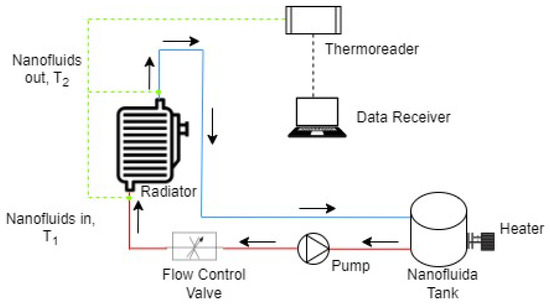
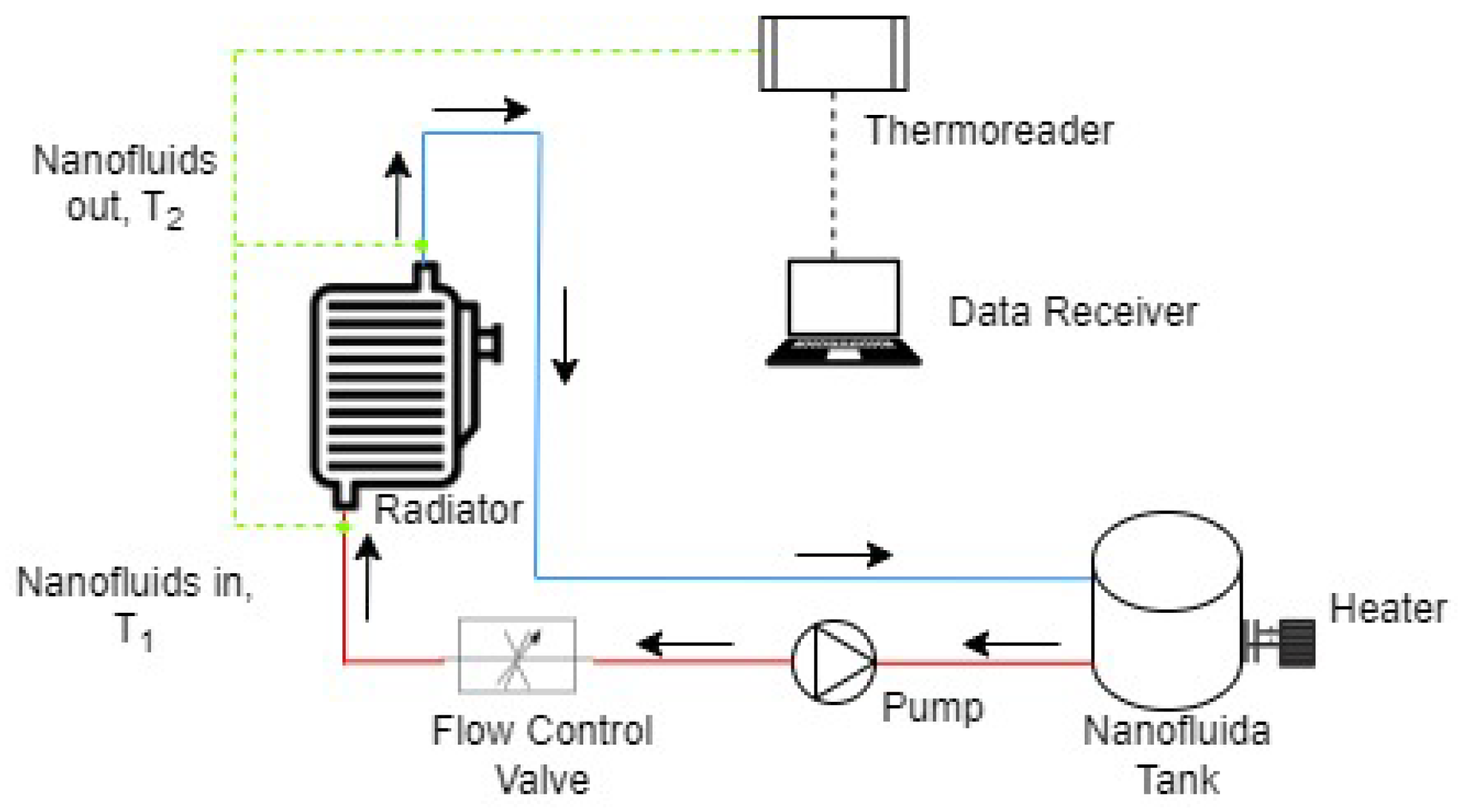
The nanofluids were then tested on a cooling system test equipment as shown in Figure 1. Tests were carried out at concentrations of 0.1%, 0.2%, and 0.3%. At each concentration there are 3 variations in fluid flow rate, namely 2, 4, and 6 lpm so that 12 different data are obtained, which will then be compared with each other.
Figure 1.
Test scheme.
3. Results and Discussion
3.1. SEM-EDX Test
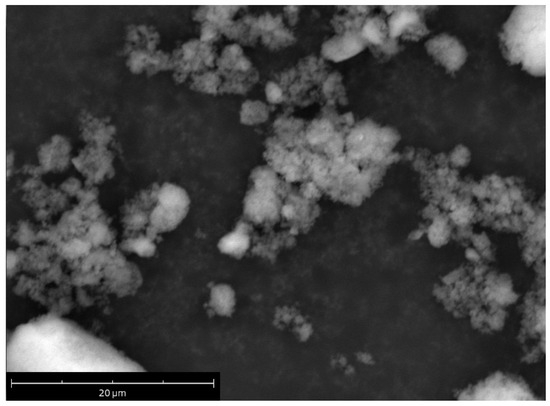
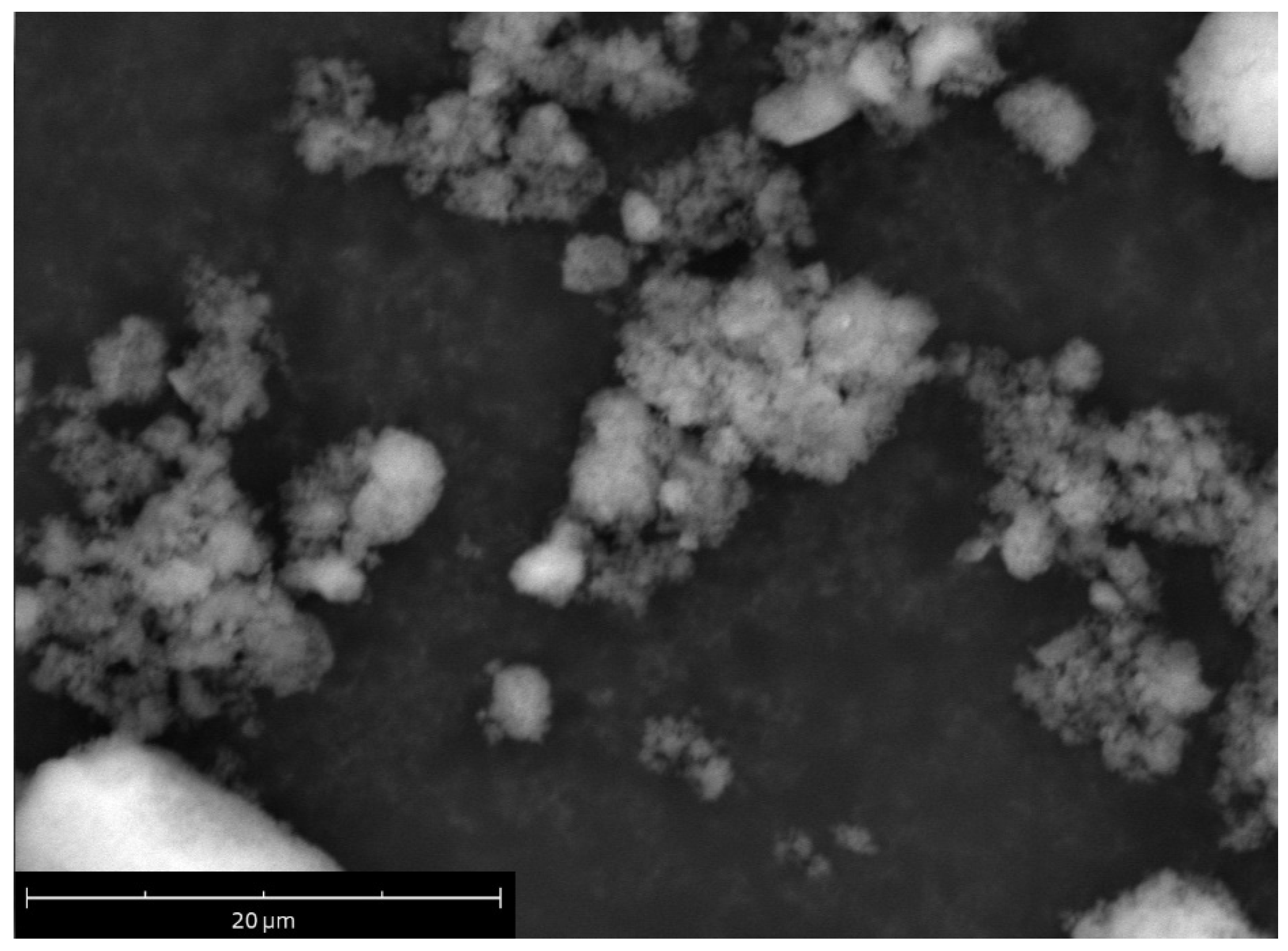
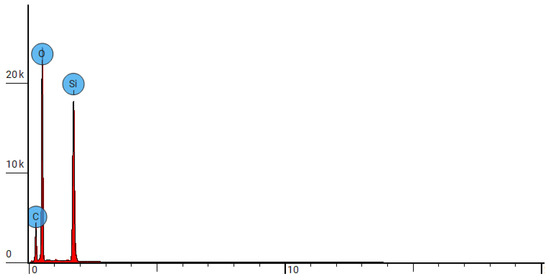
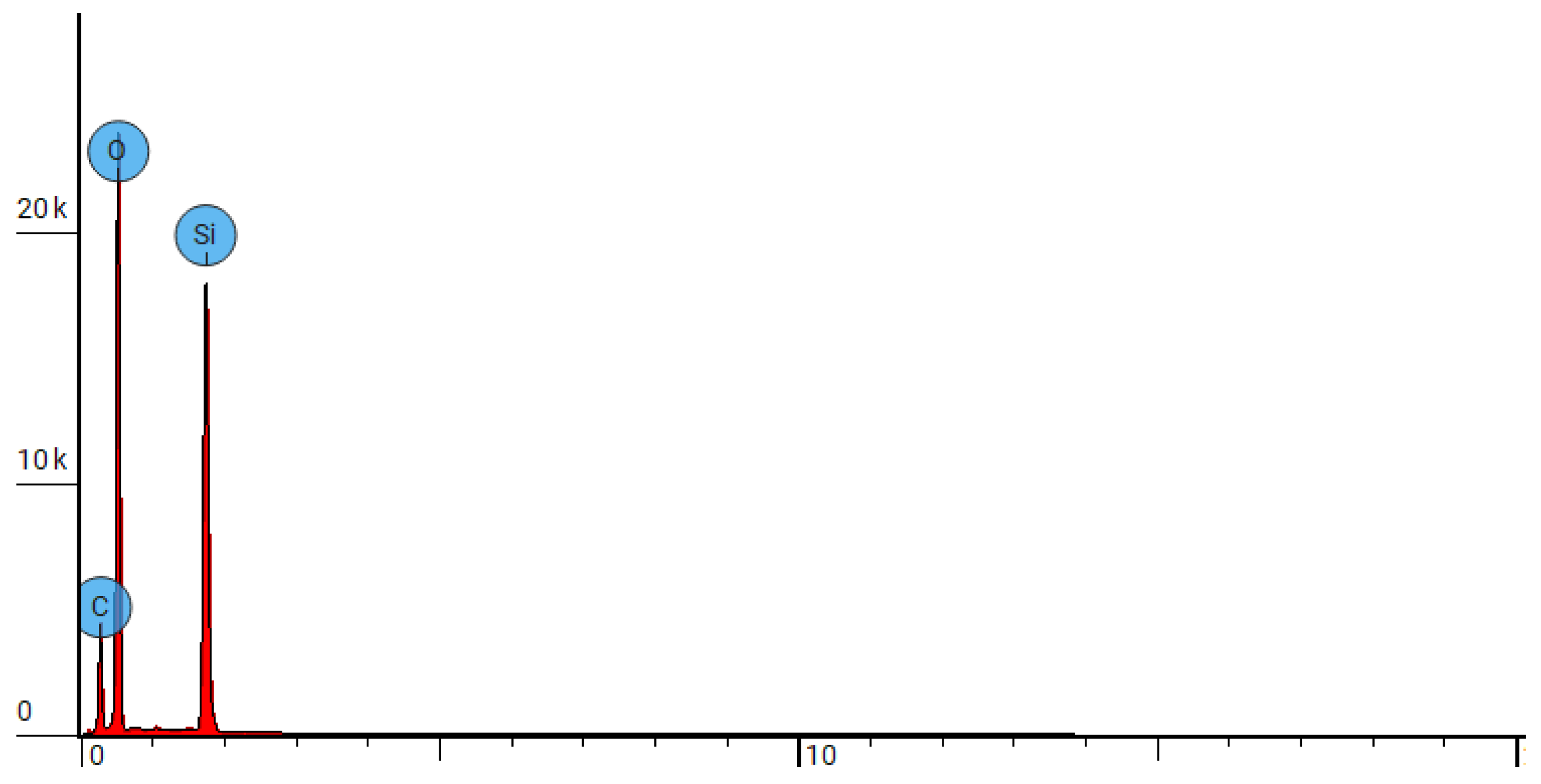
The nanoparticles as shown in Figure 2, contain 3 chemical elements, namely carbon, oxygen and silicon as described in Figure 3. The elemental composition of the sample is presented in Table 1. Silica, which has the chemical formula SiO2, should not contain carbon elements in it. The appearance of carbon in this test is due to the use of carbon tape as an auxiliary medium in testing silica. Nanosilica in powder form is attached to the tape. The nanosilica does not completely stick to and cover the tape, so the energy emitted by the test equipment hits the carbon part of the tape and detects the presence of carbon in the nanosilica element content. By ignoring the presence of carbon, the content of the particles is correct where there is only silicon and oxygen. Based on its concentration, oxygen also has a greater amount than silicon, this is appropriate considering that silica has the formula SiO2, where carbon has a greater number of atoms than silicon.
Figure 2.
Microstructure of silica nanoparticles.
Figure 3.
Chemical content of silica nanoparticles.
Table 1.
Elemental Composition of the silica nanoparticles.
3.2. PSA Test
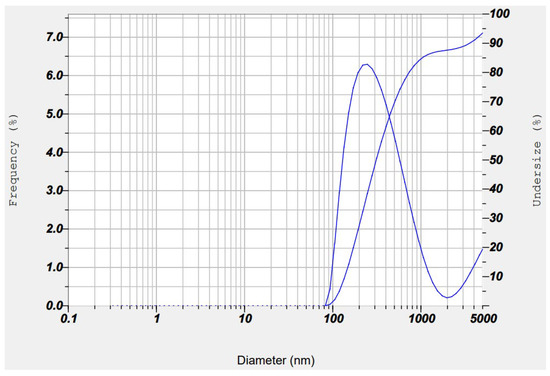
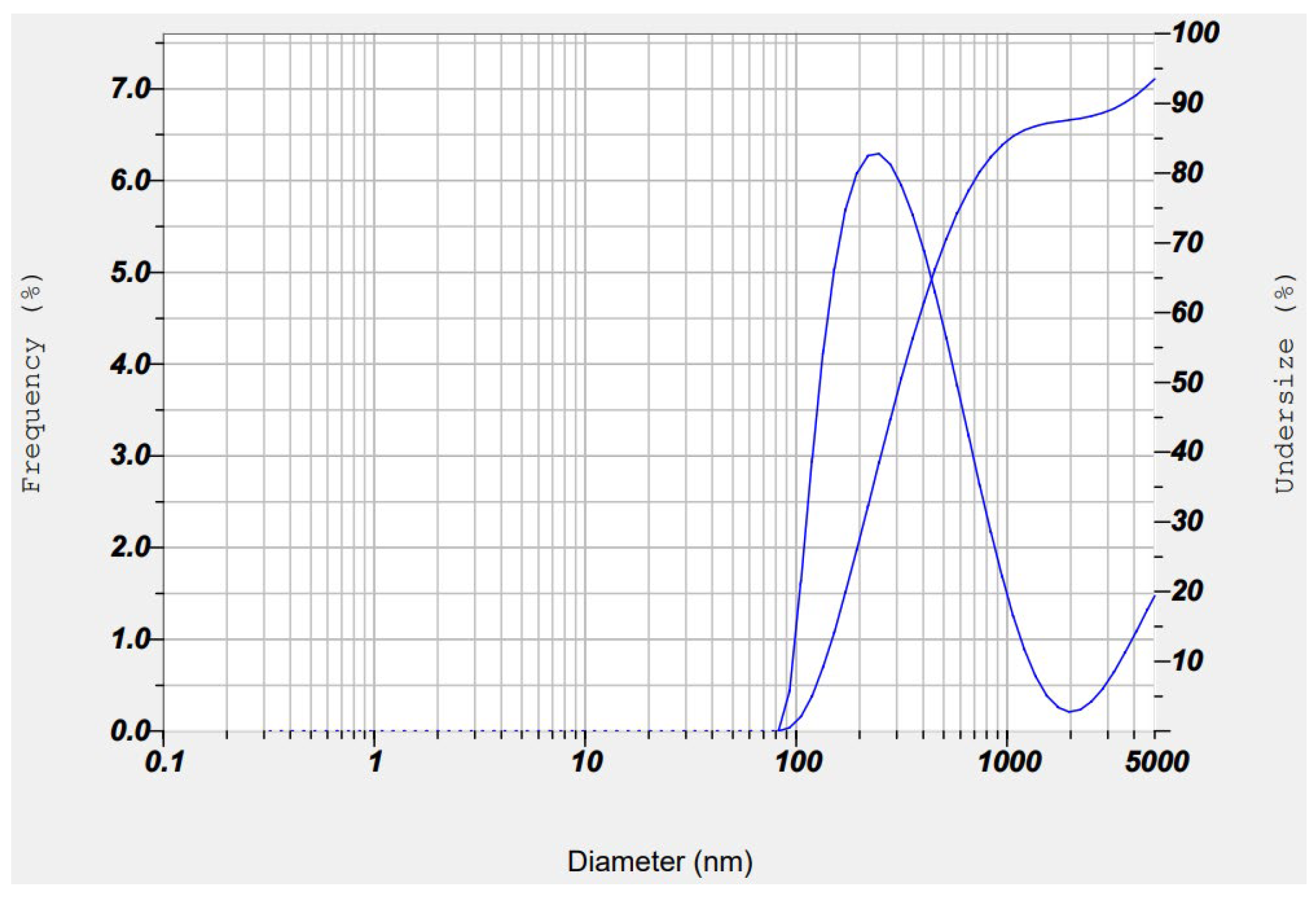
PSA testing was conducted to determine the particle size and distribution characteristics of the silica nanoparticles, as presented in Figure 4. Even though the SEM-EDX test also provides information regarding the size of the particles, its accuracy is still far behind compared to the PSA test, so PSA testing is needed to determine the actual size of nanosilica.
Figure 4.
Particle size distribution of the silica nanoparticles.
The sample used in PSA testing is silica nanofluid with a concentration of 0.3%. The test results show that 88% of the particles in the fluid are 358 nm in size and the remaining 12% of the particles are 5042 nm in size, as described in Table 2.
Table 2.
Peak-based particle size distribution parameters (Mean, SD, Mode, and Area Ratio).
3.3. Heat Transfer Testing
To find out how the concentration of silica nanoparticles added to the radiator cooling fluid and the flow velocity affected the heat transfer coefficient, heat transfer testing was performed. Three distinct discharges were used for each concentration during the test. Consequently, twelve distinct average heat transfer coefficients were found throughout the test.
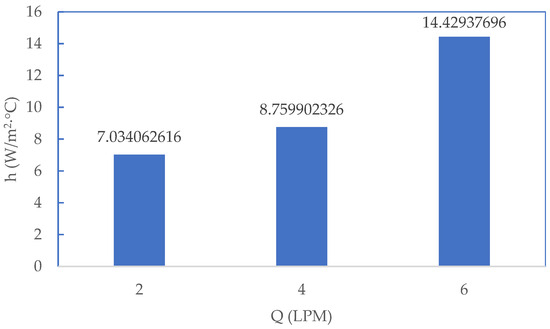
Figure 5 shows that the heat transfer coefficient rises with increased fluid flow. The heat transfer coefficient rises by 36% when the flow rate is raised from 2 to 4 lpm. At a concentration of 0%, this increase is 12% higher than the rise in the discharge heat transfer coefficient of 2 to 4 lpm. The heat transfer coefficient value is likewise greater than the concentration of 0%. A 46% increase in the heat transfer coefficient is achieved by increasing the flow rate from 4 to 6 lpm. This increase is 19% smaller than the increase that occurs in the discharge heat transfer coefficient of 4 to 6 lpm at a concentration of 0%. The increase in heat transfer coefficient from 2 to 6 lpm discharge is also smaller than at 0% concentration, namely 98%, while at 0% concentration it is found to be 105%. However, the heat transfer coefficient value at a concentration of 0.1% is higher than at a concentration of 0%, namely 14.61368415, while at a concentration of 0% it is 14.42937696.
Figure 5.
Effect of discharge on heat transfer coefficient at 0% concentration.
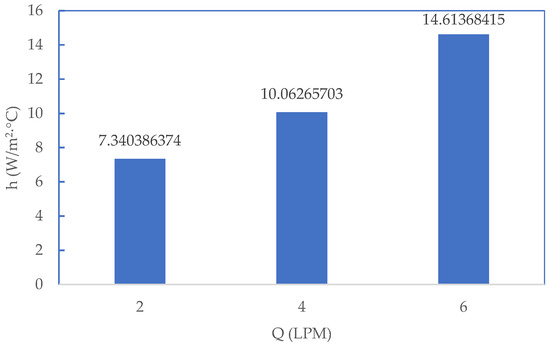
Figure 6 demonstrates that the heat transfer coefficient increases monotonically with flow rate at a concentration of 0.1%. Specifically, the coefficient rises by approximately 36% when the flow rate increases from 2 to 4 lpm, and by about 46% from 4 to 6 lpm, indicating enhanced convective heat transfer at higher discharge rates. Overall, the increase from 2 to 6 lpm, reaches approximately 98%, slightly lower than the 105% observed at 0% concentration. Nevertheless, the absolute heat transfer coefficient at 0.1% concentration (14.61 W/m2·°C) remains marginally higher than that at 0% concentration (14.43 W/m2·°C), confirming the positive contribution of nanoparticle addition to thermal performance.
Figure 6.
Effect of discharge on heat transfer coefficient at 0.1% concentration.
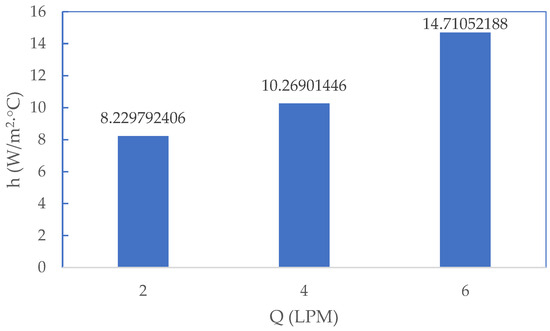
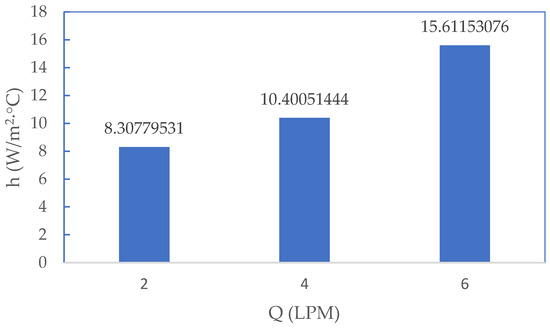
Figure 7 illustrates the variation of the heat transfer coefficient with flow rate at a concentration of 0.2%. A gradual increase is observed from 2 to 4 lpm (≈24%), followed by a more substantial enhancement from 4 to 6 lpm (≈43%). Although the overall increment (≈78%) is lower than that at lower concentrations, indicating reduced sensitivity to flow rate, the maximum heat transfer coefficient reaches 14.71 W/m2·°C, which is the highest among all tested conditions.
Figure 7.
Effect of discharge on heat transfer coefficient at 0.2% concentration.
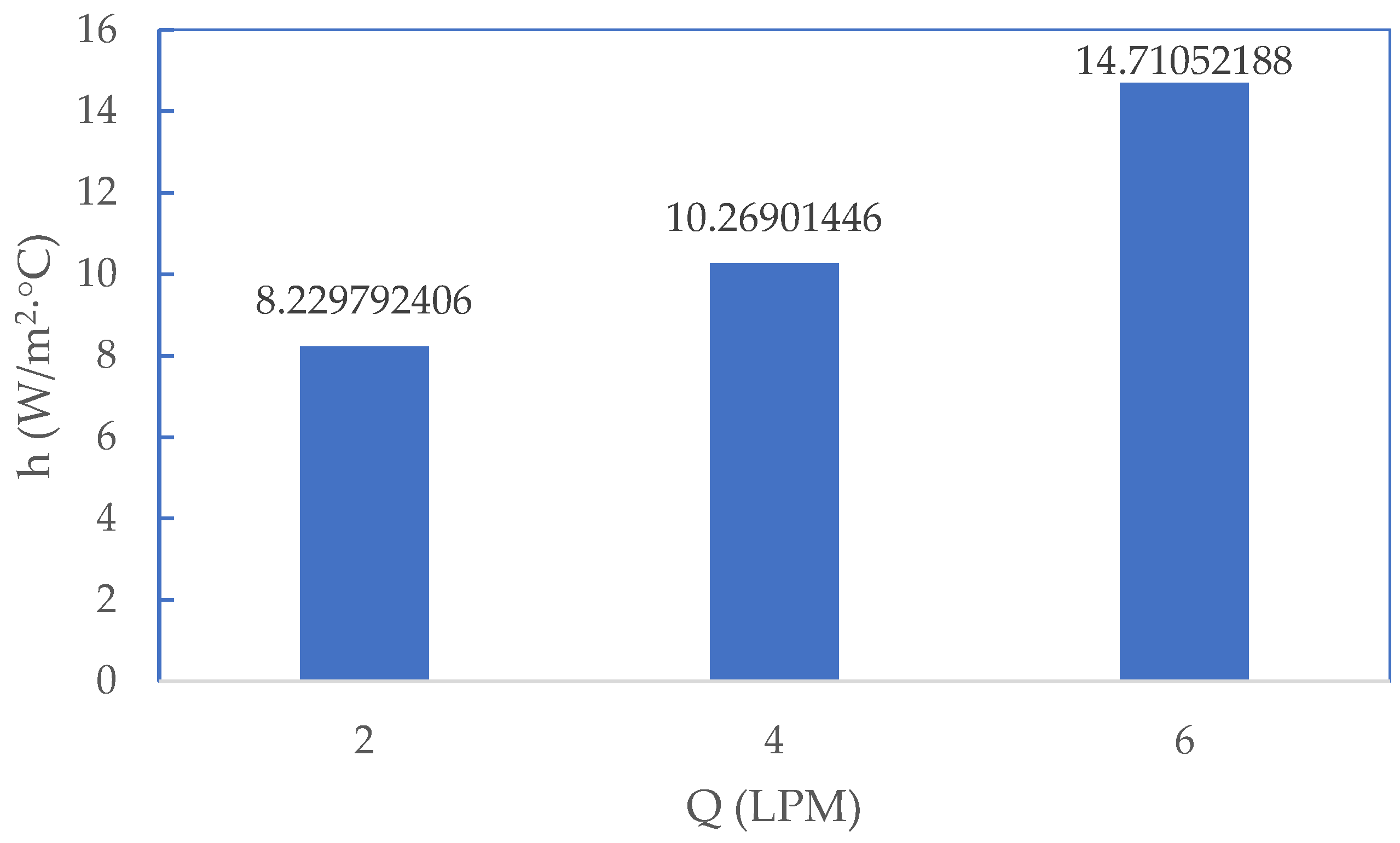
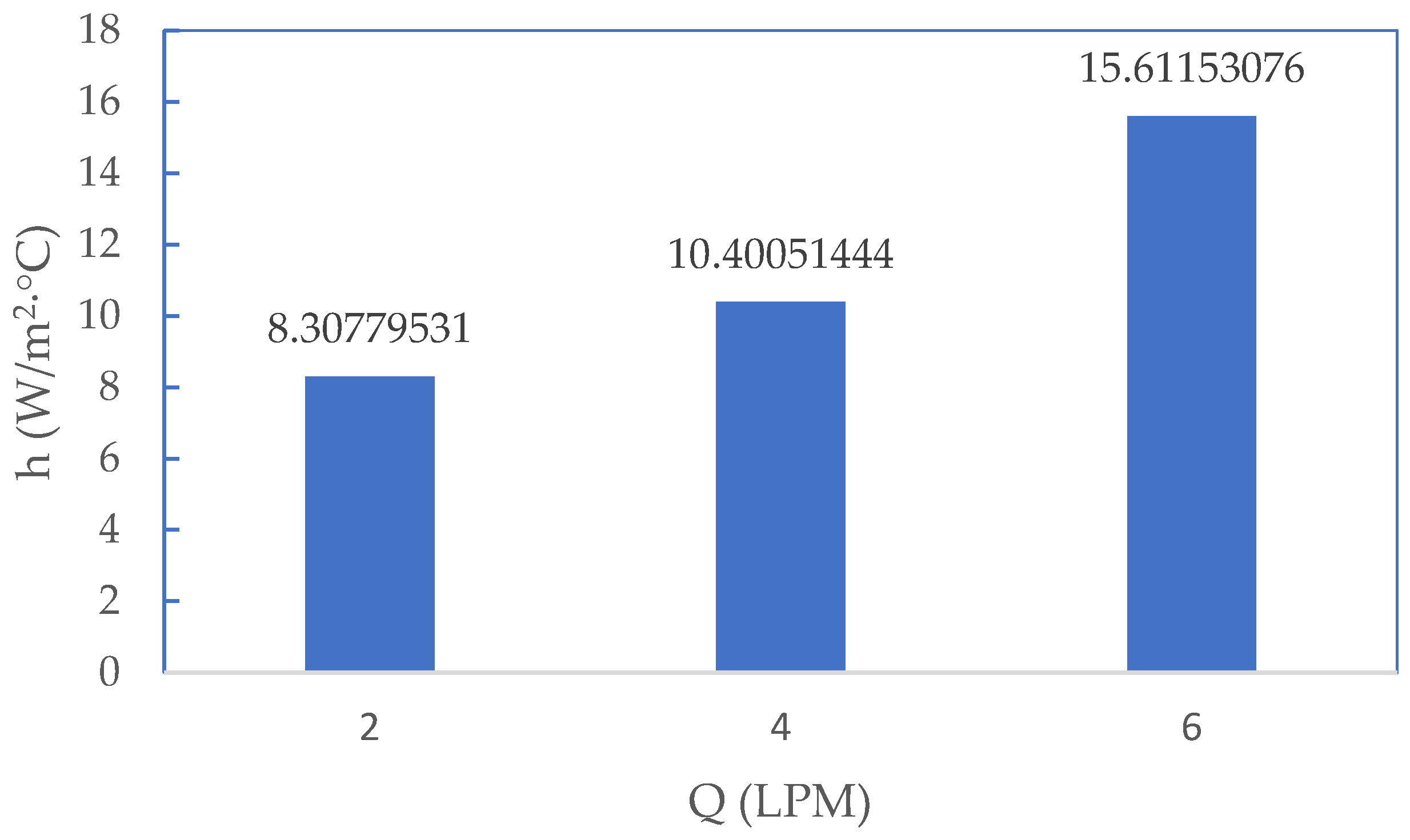
Figure 8 shows that the heat transfer coefficient increases with flow rate at a concentration of 0.3%. The coefficient rises by approximately 25% from 2 to 4 lpm and by about 50% from 4 to 6 LPM. The overall enhancement from 2 to 6 lpm reaches around 87%, which is lower than that at 0% and 0.1% concentrations but higher than at 0.2%. Notably, the 0.3% concentration yields the highest heat transfer coefficient among all tested conditions, indicating superior thermal performance at this loading.
Figure 8.
Effect of discharge on heat transfer coefficient at 0.3% concentration.
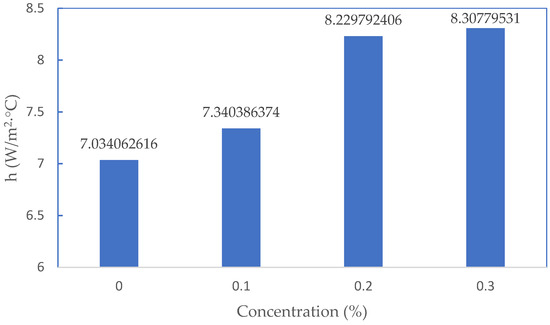
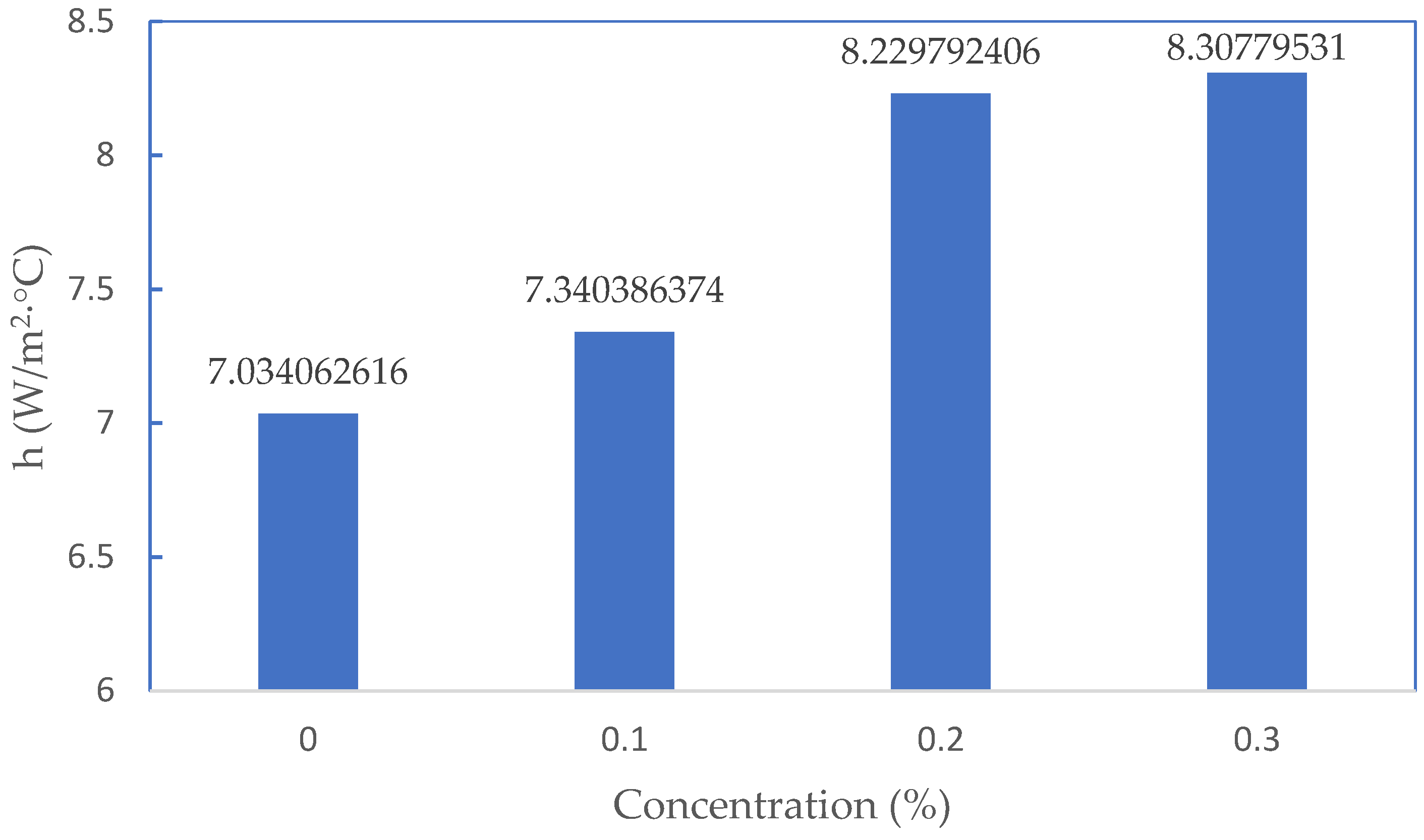
Figure 9 demonstrates that the heat transfer coefficient increases with the addition of nanosilica and higher particle concentration. An initial enhancement of approximately 4% is observed at 0.1% concentration, followed by a further increase of about 12% when the concentration is raised to 0.2%. However, the improvement becomes marginal (≈0.8%) when the concentration is increased from 0.2% to 0.3%, indicating diminishing returns at higher loadings. Compared to the base fluid (0%), the overall enhancements at 0.1%, 0.2%, and 0.3% concentrations are approximately 4%, 17%, and 18%, respectively. At a discharge of 2 lpm, the 0.3% concentration yields the highest absolute heat transfer coefficient; nevertheless, its incremental gain over 0.2% is minimal, suggesting that higher nanoparticle loading is less efficient beyond 0.2% concentration.
Figure 9.
Effect of discharge on heat transfer coefficient at a discharge of 2 lpm.
Figure 10 shows that the heat transfer coefficient rises as nanosilica is added to the fluid and its concentration is raised. The heat transfer coefficient enhances by 15% with the addition of 0.1% concentration of nanosilica. The heat transfer coefficient improves by 2% when the concentration is raised from 0.1% to 0.2%. Moreover, the heat transfer coefficient only rises by 1% when the concentration is raised from 0.2% to 0.3%. Therefore, the effective dose of nanoparticles at a 4 lpm discharge is limited to a 0.1% concentration.
Figure 10.
Effect of discharge on heat transfer coefficient at a discharge of 4 lpm.
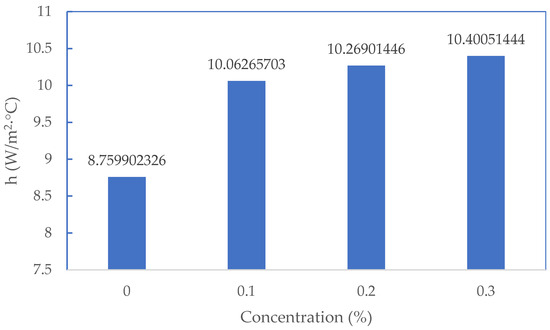
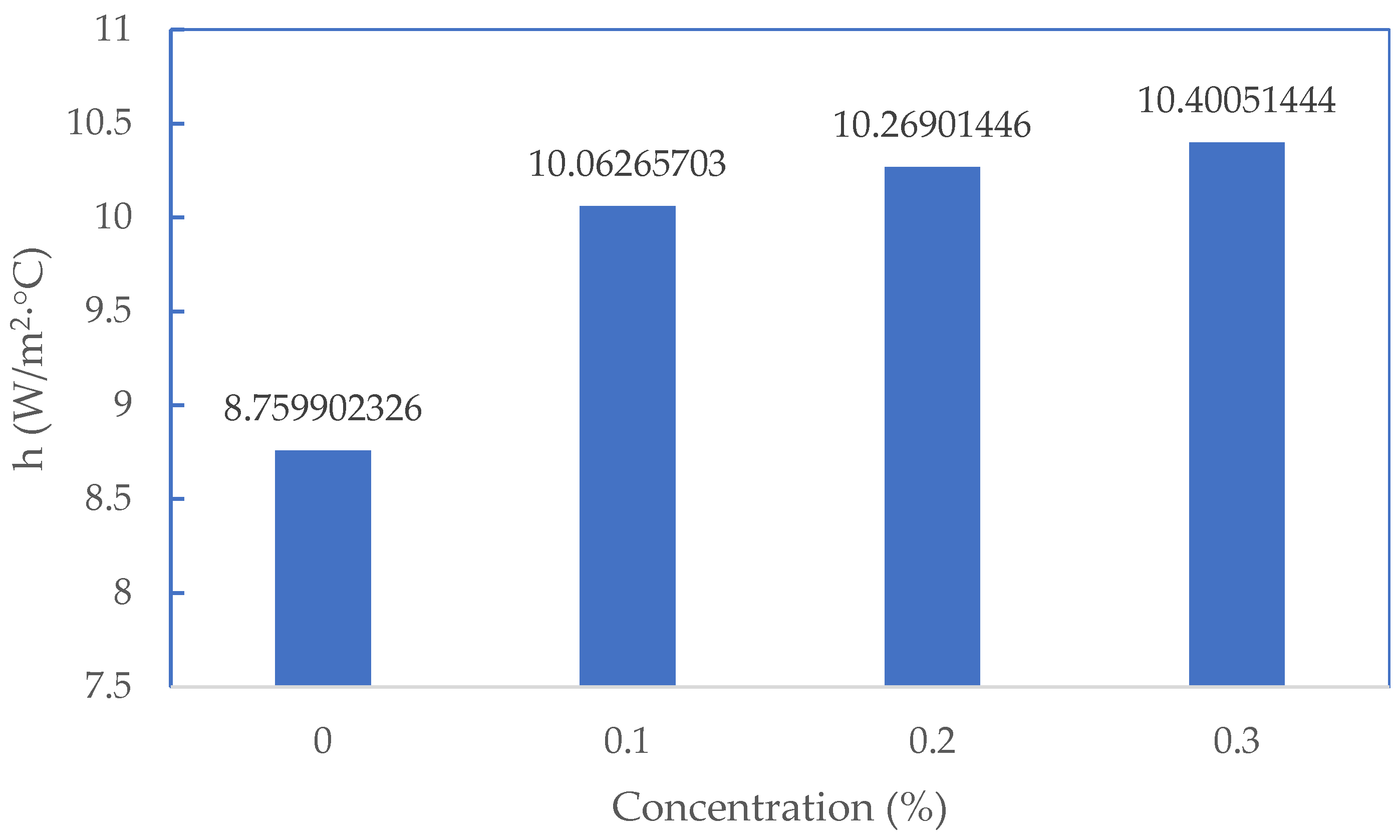
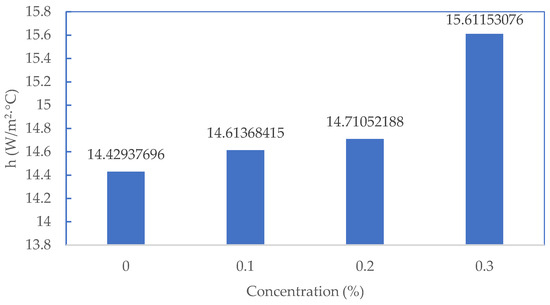
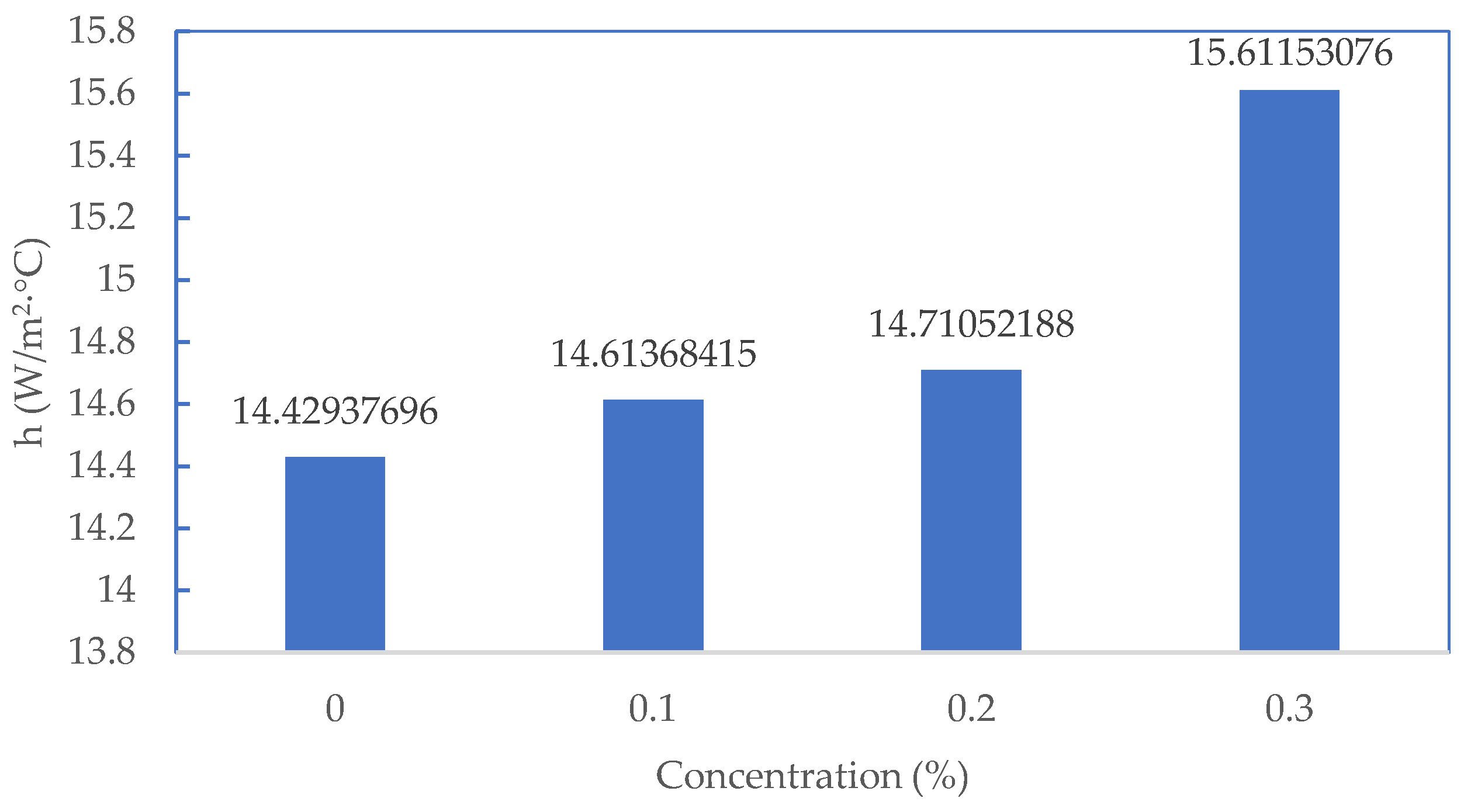
Figure 11 illustrates the effect of nanosilica concentration on the heat transfer coefficient at a flow rate of 4 lpm. The addition of 0.1% nanosilica results in a modest improvement of approximately 1%. Increasing the concentration to 0.2% yields only a slight additional gain of about 0.7%, indicating limited enhancement at low-to-moderate loadings. However, a more pronounced increase of approximately 6% is observed when the concentration is further raised to 0.3%. Overall, among the evaluated conditions, the addition of nanosilica at 0.1% concentration provides the most effective enhancement relative to the base fluid, achieving an improvement of approximately 15% in the heat transfer coefficient.
Figure 11.
Effect of discharge on heat transfer coefficient at a discharge of 6 lpm.
4. Conclusions
The test and analysis findings indicate that the heat transfer coefficient of radiator water may be raised by mixing in silica nanoparticles. Radiator water alone does not have the same heat transfer coefficient as nanofluid silica-radiator water. The heat transfer coefficient improves in tandem with an increase in fluid flow rate at each concentration. When a 0.3% concentration of nanofluid was added to a 6 lpm fluid flow rate, the heat transfer coefficient increased by the greatest amount at 121.94%.
Author Contributions
A.D.A. conceptualized the study, supervised the research, and contributed to the manuscript review and editing. F.F. conducted the experiments, performed data acquisition, and drafted the original manuscript. N.A. contributed to experimental setup, data analysis, and interpretation of results. N.A.N. assisted in data processing, visualization, and validation of the experimental findings. A.S. provided technical support, contributed to methodology development, and participated in manuscript revision. All authors have read and agreed to the published version of the manuscript.
Funding
This research received no external funding.
Institutional Review Board Statement
Not applicable.
Informed Consent Statement
Not applicable.
Data Availability Statement
No new data were created. All data were presented in the manuscript.
Acknowledgments
The authors acknowledge Universitas Muhammadiyah Surakarta. Appreciation is also extended to the Mechanical Engineering Department and the Materials Laboratory for their valuable contributions to this study.
Conflicts of Interest
The authors declare no conflicts of interest.
References
- Ngafwan; Anggono, A.D.; Pramanda, W.; Purnomo. The Influence of Carbon Particle Size in The Carburizing Process of ST-40 Steel to The Surface Hardness. J. Phys. Conf. Ser. 2021, 1858, 012026. [Google Scholar] [CrossRef] [Scilit]
- Devendiran, D.K.; Amirtham, V.A. A review on preparation, characterization, properties and applications of nanofluids. Renew. Sustain. Energy Rev. 2016, 60, 21–40. [Google Scholar] [CrossRef] [Scilit]
- Yu, W.; Choi, S.U.S. The role of interfacial layers in the enhanced thermal conductivity of nanofluids: A renovated Maxwell model. J. Nanoparticle Res. 2003, 5, 167–171. [Google Scholar] [CrossRef] [Scilit]
- Pangaribawa, M.R.; Wiyono, S.; Sarjito; Sutopo, N.A.; Khusaini, F.A. Numerically Detection Fluid Characteristic Effects in Porous Media for Plastic Manufacturing Process Reconstruction. Int. J. Math. Eng. Manag. Sci. 2022, 7, 749–763. [Google Scholar] [CrossRef] [Scilit]
- Anggono, A.D.; Riswanto, D.; Ismoen, M.; Masyrukan; Hariyanto, A.; Sedyono, J. Effect of flow rate and CNM concentration in nanofluid on the performance of convective heat transfer coefficient. Front. Mech. Eng. 2023, 9, 1174185. [Google Scholar] [CrossRef] [Scilit]
- Senthilkumar, G.; Kumar, P.P.; Gowtham, R.S. Performance of radiator by using SiO2 nano fluids. Int. J. Ambient Energy 2020, 41, 1038–1040. [Google Scholar] [CrossRef] [Scilit]
- Ahmed, S.A.; Ozkaymak, M.; Sözen, A.; Menlik, T.; Fahed, A. Improving car radiator performance by using TiO2-water nanofluid. JESTECH 2018, 21, 996–1005. [Google Scholar] [CrossRef] [Scilit]
- Leong, K.Y.; Saidur, R.; Kazi, S.N.; Mamun, A.H. Performance investigation of an automotive car radiator operated with nanofluid-based coolants (nanofluid as a coolant in a radiator). Appl. Therm. Eng. 2010, 30, 2685–2692. [Google Scholar] [CrossRef] [Scilit]
- Naraki, M.; Peyghambarzadeh, S.M.; Hashemabadi, S.H.; Vermahmoudi, Y. Parametric study of overall heat transfer coefficient of CuO/water nanofluids in a car radiator. Int. J. Therm. Sci. 2013, 66, 82–90. [Google Scholar] [CrossRef] [Scilit]
- Peyghambarzadeh, S.M.; Hashemabadi, S.H.; Hoseini, S.M.; Jamnani, M.S. Experimental study of heat transfer enhancement using water/ethylene glycol based nanofluids as a new coolant for car radiators. Int. Commun. Heat Mass Transf. 2011, 38, 1283–1290. [Google Scholar] [CrossRef] [Scilit]
- Ali, H.M.; Azhar, M.D.; Saleem, M.; Saeed, Q.S.; Saieed, A. Heat transfer enhancement of car radiator using aqua based magnesium oxide nanofluids. Therm. Sci. 2015, 19, 2039–2048. [Google Scholar] [CrossRef] [Scilit]
- Qasim, M.; Kamran, M.S.; Ammar, M.; Jamal, M.A.; Javaid, M.Y. Heat Transfer Enhancement of an Automobile Engine Radiator using ZnO Water Base Nanofluids. J. Therm. Sci. 2020, 29, 1010–1024. [Google Scholar] [CrossRef] [Scilit]

Disclaimer/Publisher’s Note: The statements, opinions and data contained in all publications are solely those of the individual author(s) and contributor(s) and not of MDPI and/or the editor(s). MDPI and/or the editor(s) disclaim responsibility for any injury to people or property resulting from any ideas, methods, instructions or products referred to in the content. |
© 2026 by the authors. Licensee MDPI, Basel, Switzerland. This article is an open access article distributed under the terms and conditions of the Creative Commons Attribution (CC BY) license.