Proceeding Paper

Design and Development of Bio-Polyurethane Production System Experimental Apparatus †
by
Hendi Saryanto
1,2,* and
Anika Zafiah M. Rus
1,*
1
Sustainable Polymer Engineering, Advanced Manufacturing and Materials Center (SPEN-AMMC), Faculty of Mechanical and Manufacturing Engineering, Universiti Tun Hussein Onn Malaysia, Batu Pahat 86400, Malaysia
2
Mechanical Engineering Programme, Universitas Muhammadiyah Prof. Dr. HAMKA, Jakarta Timur 13830, Indonesia
*
Authors to whom correspondence should be addressed.
Presented at the 9th Mechanical Engineering, Science and Technology International Conference (MEST 2025), Samarinda, Indonesia, 11–12 December 2025.
Eng. Proc. 2026, 137(1), 15; https://doi.org/10.3390/engproc2026137015
Published: 29 May 2026

Abstract

This study presents a green-intensified system for the production of bio-based polyurethane foam using waste cooking oil (WCO) as the primary polyol source. The experimental setup was specifically designed to apply the concept of green intensification by integrating cavitation energy generated through ultrasonic irradiation with a high-shear mixing system. This hybrid approach facilitates the effective mixing of WCO-based bio-polyol with isocyanate, enhancing the reaction during foam formation. An ultrasonic atomizer was employed to convert water into a fine mist, which was then introduced into the reaction mixture using a controlled air blower. The misted water serves as an eco-friendly blowing agent, improving its dispersion within the polyol matrix. The results indicate that this method prolongs gel time, suggesting a more controlled and gradual blowing reaction. Furthermore, the combined use of ultrasonic irradiation and high-shear mixing significantly reduced foam density and produced a finer, more uniform cellular structure. These findings demonstrate that ultrasonic-assisted misting and emulsification not only enhance process efficiency but also contribute to the environmentally sustainable synthesis of bio-polyurethane foam.

1. Introduction

The chemical industry is essential to the global economy and supports future technologies through the development of new materials, cleaner products, renewable energy, and more efficient industrial processes. Green chemistry, also known as sustainable chemistry, focuses on creating safer and more environmentally friendly chemical products. Its goal is to reduce or eliminate the use of harmful substances, helping to protect both people and the planet while supporting a more sustainable future.
Recently, there has been an increased focus on polyurethane (PU) materials, especially in the mining, construction, refrigeration, automotive, aviation, and medical industries [1,2,3]. By altering raw materials, additives, and production process, PUs can be used to design a wide range of products, such as foams, fibers, adhesives, coatings, elastomers, and sealants. The global polyurethane market is expected to develop at a compound annual growth rate (CGAR) of 6% and reach USD 88 million by 2026, according to the most current data [4,5].
The polyurethane (PU) industry is dominated by PU foams, which are generally classified into flexible, semi-rigid, and rigid foams. Polyurethane foams are synthesized through chemical reactions between polyols and isocyanates in the presence of catalysts, surfactants, and blowing agents [6,7,8]. Flexible, semi-rigid, and rigid PU foams are the main products in the PU materials sector. PU foams are typically created by the chemical interactions of isocyanates with blowing agents, chemical additives, and polyols [9,10]. However, the primary components of formed polyurethane foams (PUFs), isocyanate and polyol, have been the focus of extensive investigation because of their potential to harm the environment and public health because they are produced from petroleum [11].
Green PU production focuses on using safer raw materials, creating products that are durable but biodegradable, and minimizing energy use during manufacturing. Using natural-based chemicals helps make PU less toxic and more environmentally friendly. However, producing PU from vegetable oil—especially waste cooking oil (WCO)—still faces technical challenges. WCO-based polyols often have high viscosity and contain secondary hydroxyl groups, which are less reactive in the polymerization process. These issues limit the mechanical performance of PU foams made from WCO.
To address this, intensification technologies are being explored—techniques that can improve reactivity and process efficiency. At the same time, the field has expanded to include green engineering, which builds on green chemistry by adding design-focused strategies to make products and systems safer and more efficient.

2. Design Principle of Experimental Apparatus System

Waste cooking oil (WCO)-based polyols are predominantly composed of secondary hydroxyl groups, which exhibit relatively low reactivity toward isocyanates. This characteristic reduces polymerization efficiency and limits the formation of homogeneous polyurethane (PU) foam structures. Therefore, a process intensification strategy is required to enhance reaction kinetics, improve mixing homogeneity, and optimize foam formation. During the polyurethane synthesis process, the reaction between polyol and isocyanate progressively increases the viscosity of the reacting mixture until a solid polymeric structure is formed. In highly viscous systems, conventional mixing methods are often insufficient to ensure effective gas dispersion and stable cell formation. Consequently, mixing mechanisms capable of generating high shear forces are required to simultaneously promote air entrapment and bubble breakup, thereby improving foam homogeneity and stability [12].
As the foaming process progresses, the increasing viscosity of the reacting mixture restricts the escape of CO2 gas, resulting in gas entrapment within the polymer matrix and subsequent foam cell formation. The resulting foam morphology, including cell size, cell distribution, and cell wall thickness, is strongly affected by process parameters such as temperature, pressure, reactant composition, and mixing intensity [13,14].
Previous studies have shown that high-shear mixing can significantly improve component dispersion and mixing efficiency [15,16]. Furthermore, ultrasonic irradiation enhances the process through cavitation effects that generate localized high pressure and temperature, reducing viscosity and improving molecular interaction within highly viscous WCO-based polyol systems [17,18]. Based on these considerations, this study proposes an intensified polyurethane production system integrating high-shear mixing and ultrasonic cavitation within a specially designed experimental apparatus. The integrated system is intended to improve mixing performance, enhance foam homogeneity, and increase the structural quality of bio-based polyurethane foams.

2.1. Design Construction and Working Principle of Water Solubility Apparatus System

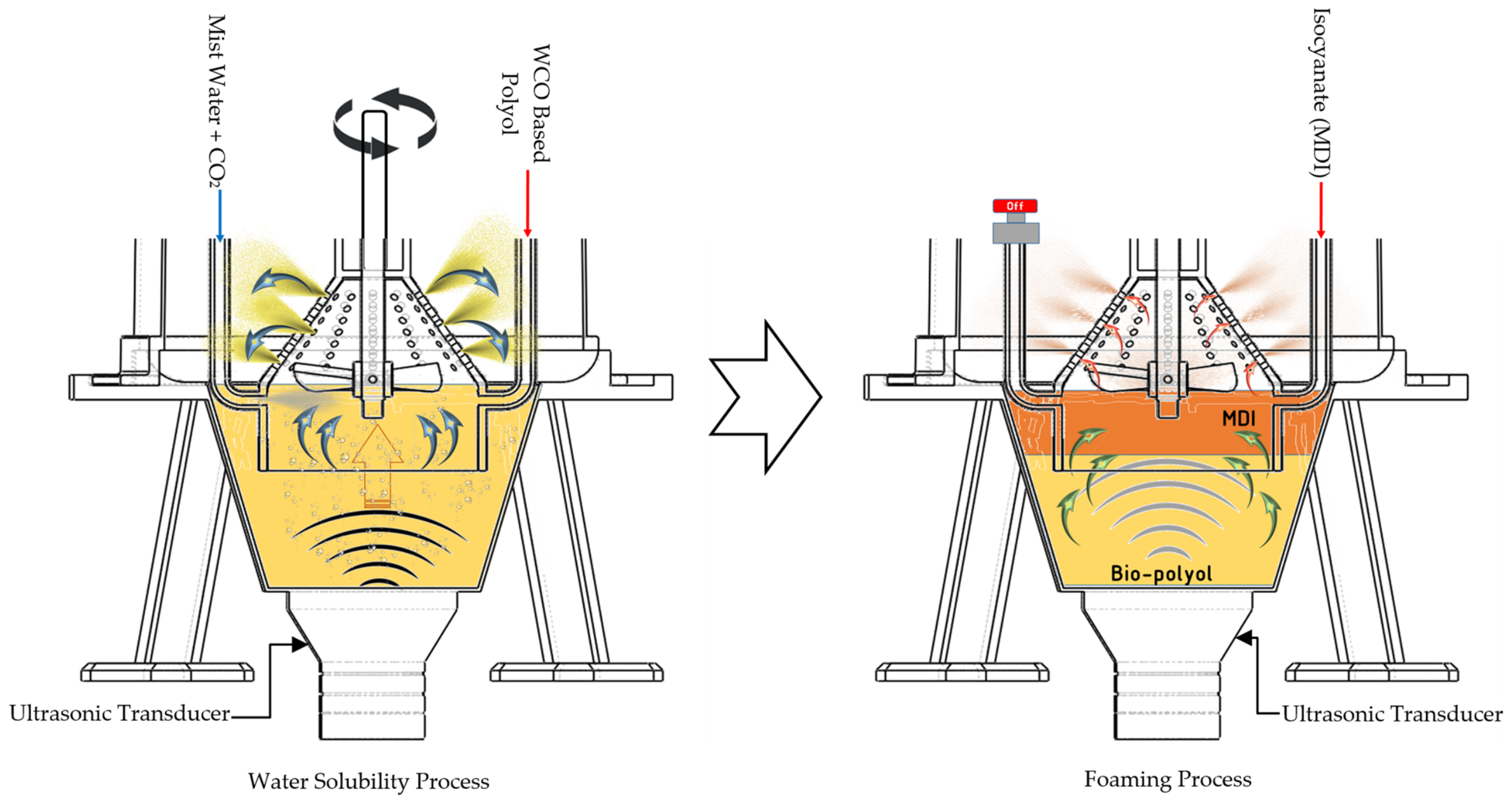
The water solubility apparatus system was specifically designed to improve the dispersion of mist water into WCO-based polyol. As illustrated in Figure 1, the system integrates a high-shear rotor–stator mechanism with ultrasonic irradiation to enhance mixing efficiency and dispersion stability.
In this system, mist water and air are introduced into the mixing chamber, where intense turbulence generated by the rotor–stator mechanism breaks the water into finer droplets. Simultaneously, ultrasonic irradiation induces cavitation phenomena that further reduce droplet size and improve dispersion within the bio-polyol matrix. The synergistic effect of high-shear mixing and ultrasonic cavitation enhances the incorporation of mist water into the relatively non-polar WCO-based polyol despite the polarity differences between both components. This intensified mechanism improves reactant homogeneity and creates favorable conditions for subsequent polyurethane foaming reactions.

2.2. Design Construction and Working Principle of Polyurethane Chamber

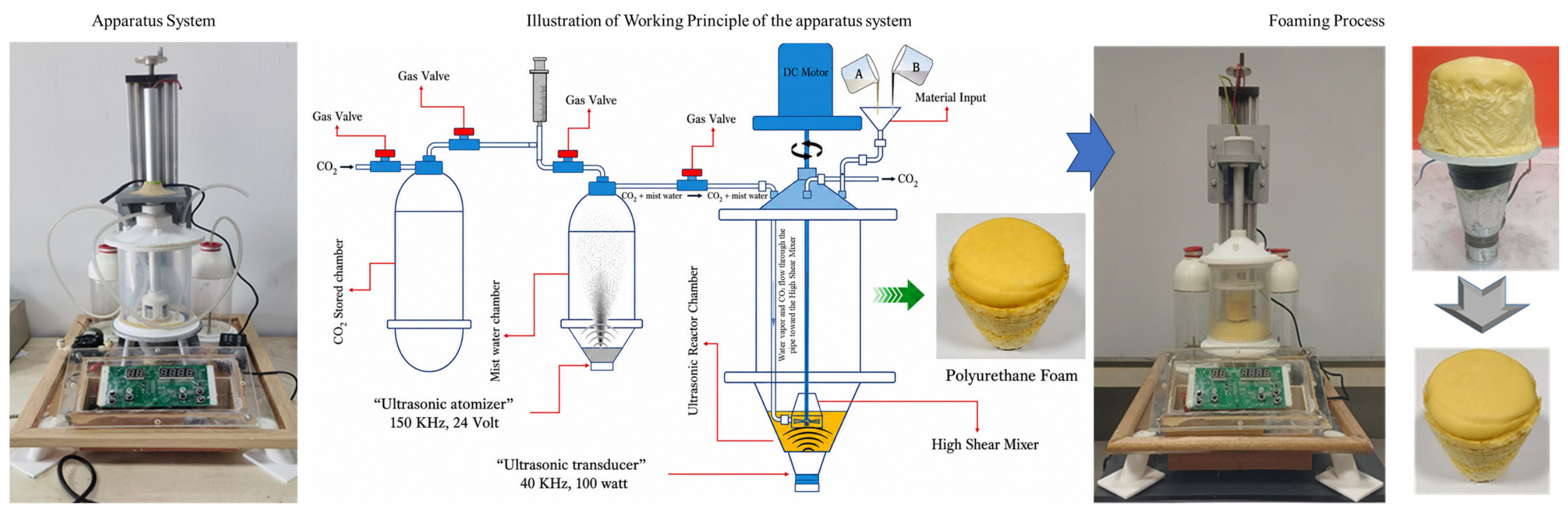
Figure 2 illustrates the working principle of an integrated high-shear mixing and ultrasonic-assisted system used for producing polyurethane (PU) foam from bio-polyol and MDI (methylene diphenyl diisocyanate). In the first stage (left), mist water and air are introduced into the mixing chamber, where a high-shear rotor–stator system creates intense turbulence, breaking the mist water into more fine droplets. At the same time, ultrasonic irradiation from the bottom generates cavitation effects that further reduce droplet size, enhance mixing efficiency, and temporarily decrease the viscosity of the bio-polyol. This combination of high shear and ultrasonic energy enables the even dispersion of mist water, despite its polarity into the non-polar bio-polyol matrix.
In the first stage (left), mist water and air are introduced into the mixing chamber, where a high-shear rotor–stator system creates intense turbulence, breaking the mist water into more fine droplets. At the same time, ultrasonic irradiation from the bottom generates cavitation effects that further reduce droplet size, enhance mixing efficiency, and temporarily decrease the viscosity of the bio-polyol. This combination of high shear and ultrasonic energy enables the even dispersion of mist water, despite its polarity into the non-polar bio-polyol matrix. In the initial stage, mist water and air are introduced into the bio-polyol reaction chamber. The high-shear rotor–stator system and ultrasonic irradiation work simultaneously to generate intense turbulence and cavitation effects, producing finer droplets, enhancing mixing efficiency, and temporarily reducing the viscosity of the bio-polyol system. This combined mechanism promotes uniform dispersion of mist water within the polyol matrix, which is essential for stable foam nucleation and homogeneous cellular structure formation.
In the subsequent stage, methylene diphenyl diisocyanate (MDI) is introduced into the reaction chamber to initiate polymerization and foaming reactions. Water rapidly reacts with isocyanate through an exothermic reaction mechanism, producing carbon dioxide (CO2) gas that functions as the blowing agent for foam expansion. The generated gas becomes trapped within the polymer matrix, forming the characteristic cellular structure of polyurethane foam. Throughout the foaming process, continuous ultrasonic irradiation and high-shear mixing maintain homogeneous reactant distribution and regulate cell growth behavior. Consequently, the resulting polyurethane foam exhibits improved cell uniformity, enhanced structural stability, and reduced susceptibility to phase separation and foam collapse, which are common challenges in WCO-based polyurethane systems.
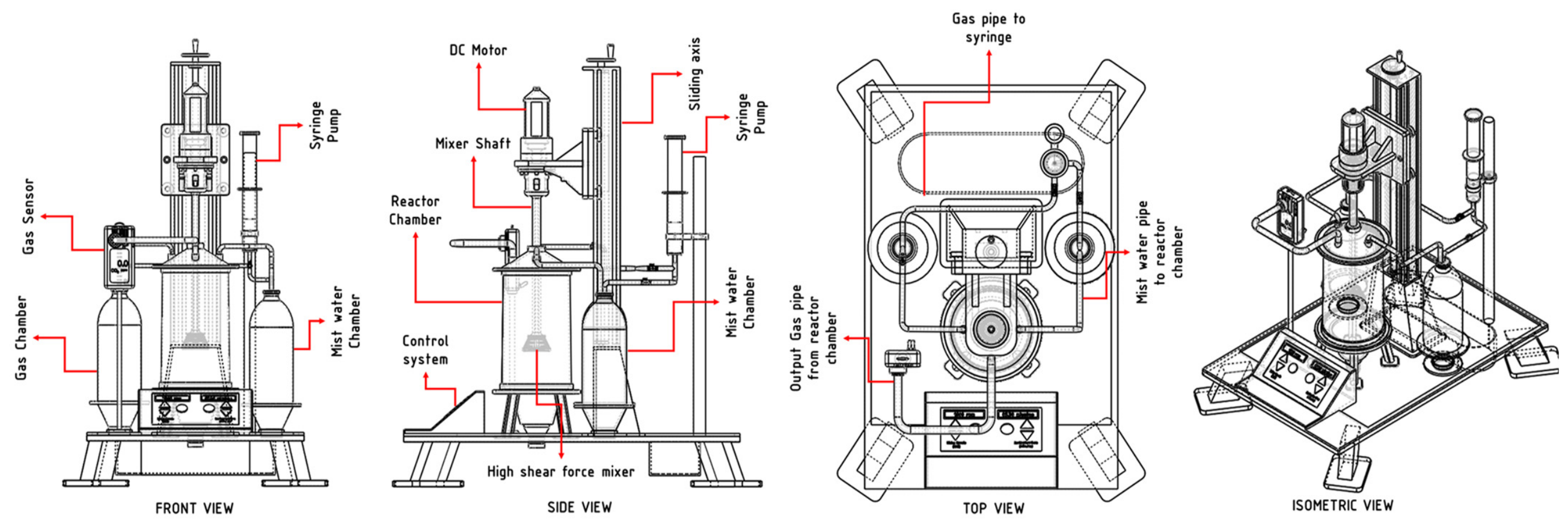
Figure 3 illustrates the overall design of the experimental apparatus developed for the green intensification process of waste cooking oil (WCO)-based polyurethane production.
The system integrates a high-shear mixer, ultrasonic-assisted cavitation, and gas injection within a single reactor configuration to improve reactant mixing and foam formation. The apparatus consists of a reactor chamber, DC motor, mixer shaft, mist water inlet, gas injection system, and syringe feeding unit. The combined action of high-shear mixing and ultrasonic irradiation enhances dispersion efficiency, improves reactant homogeneity, and promotes the formation of stable and uniform polyurethane foam structures.

3. The Experimental Methods on the Synthesis of WCO-Based Polyurethane

This study conducted a comparative analysis between conventional polyurethane foam formation methods and the foam production process using a newly developed experimental apparatus. The objective was to evaluate the effectiveness of the enhanced system in improving foam structure, reaction efficiency, and overall material performance.

3.1. Waste Products (Waste Cooking Oil) as Polyurethane Feedstock’s

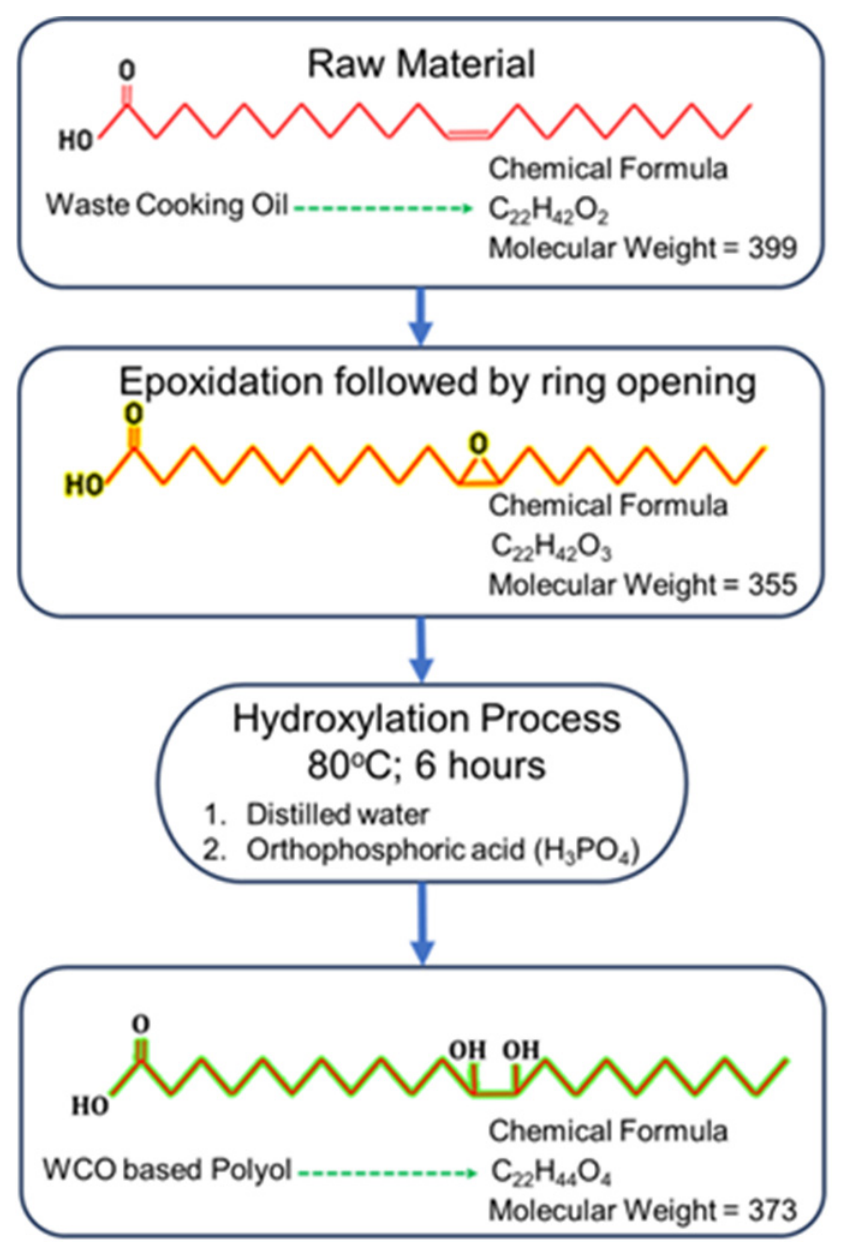
Waste cooking oil (WCO) was sourced from a small medium enterprise (SME) located in Parit Raja, Batu Pahat, Johor, specifically from Syarikat Md Shah & Asiah Sdn. Bhd. The WCO, collected from the food sector, was recycled five times during the frying process of tapioca crisps. Basic filtering and pre-processing were conducted to remove impurities such as water and food particles before the WCO was converted into a renewable monomer/bio-polyol. The preparation of bio-polyol began with preparing the WCO, followed by the in-house preparation of a catalyst to facilitate the epoxidation of the unsaturated fatty acid compounds. An acid catalyst was then used for the ring opening of the epoxides, resulting in the formation of bio-polyol. Figure 4 illustrates the chemical preparation process for bio-polyol derived from WCO.
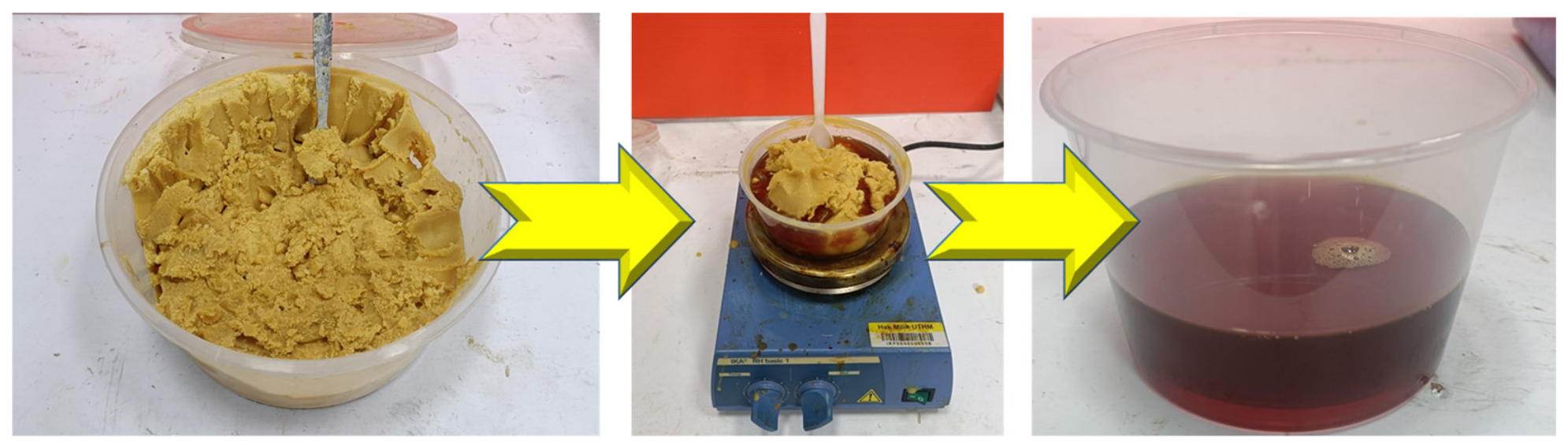
The process of using waste cooking oil (WCO)-based polyol to synthesize polyurethane foam involves several steps. The first step is melting the solid or semi-solid bio-polyol by heating it at 70 °C for several hours, as illustrated in Figure 5. This step is necessary because the WCO-based polyol produced through epoxidation and ring-opening reactions remains in a solid or semi-solid state at room temperature. Heating the polyol improves its fluidity, thereby facilitating better mixing and enhancing the reaction with isocyanate.

3.2. Fabrication of WCO-Based Polyurethane Foams

Mixers are essential in the production of polyurethane foam, as their shape, size, and rotation significantly influence the quality and properties of the final product. The design of the mixer determines the mixing energy, which is crucial for producing high-quality foam. This mixing energy is generated by the friction between particles and the surface of the stirrer, which leads to the fragmentation of filler agglomerates and ensures the homogenization of the foam’s composition. The mixing process can lead to cavitation, which is the formation and implosion of air bubbles. This phenomenon can affect the quality of the foam produced. This study compares the conventional mixing processes such as hand stirring and using a head stirrer with a high shear force mixer that is combined with ultrasonic irradiation for the synthesis of polyurethane based on waste cooking oil (WCO).

3.2.1. Synthesis Pathway by Conventional Process

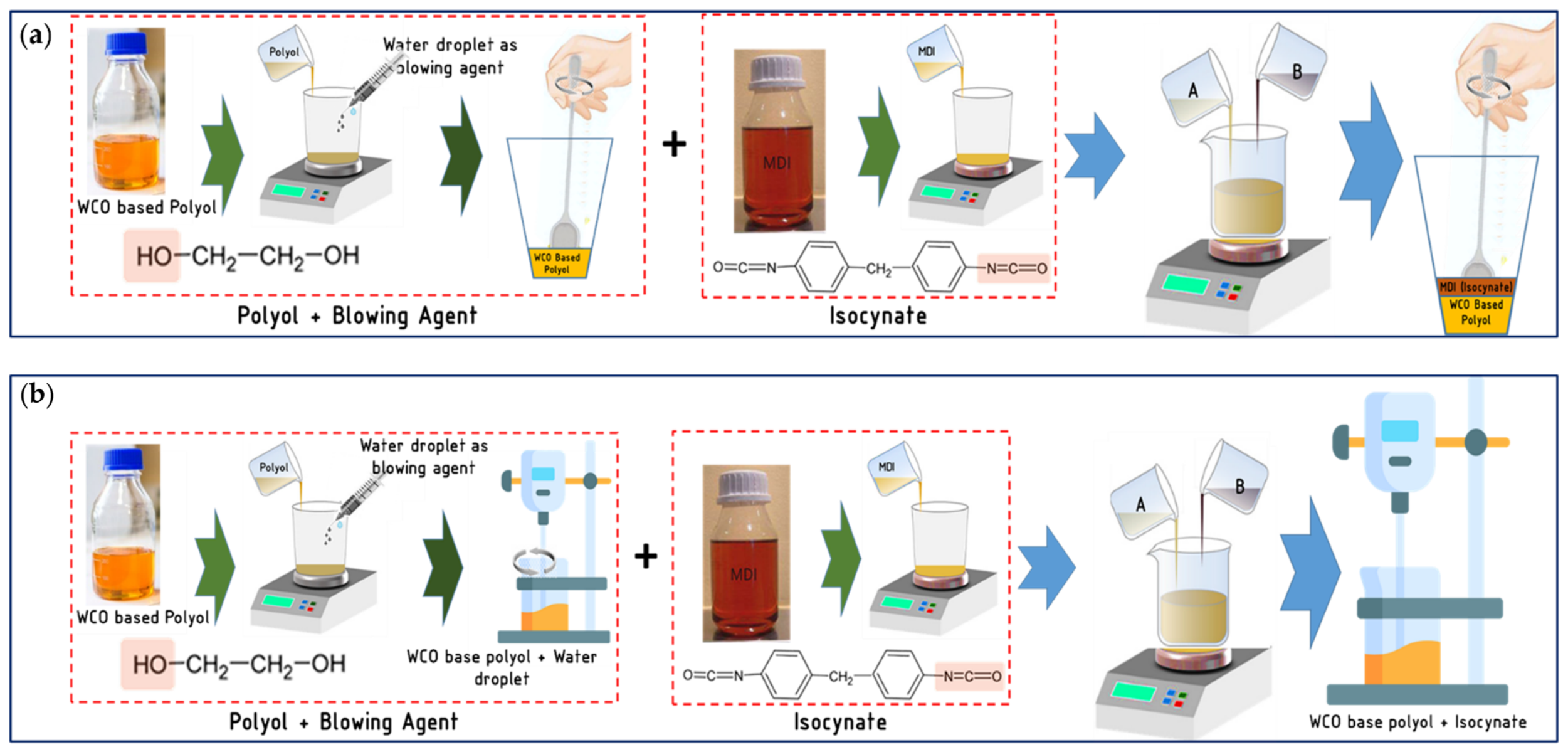
Polyurethane foam is created through a process that involves hand blending and using a head stirrer (as shown in Figure 6).
The rigid polyurethane foam samples were produced using the “one-shot method.” Initially, the WCO-based polyol and a 1% water droplet, serving as a blowing agent, were measured and thoroughly mixed in a polystyrene cup. This mixture was then combined with diisocyanate. For all experiments, the polyol to isocyanate ratio was maintained at 2:1, while the addition of water droplets as a blowing agent was consistently set at 1% across all processes. Using hand mixing techniques and a head stirrer, the mixture was blended for 10 to 25 s, adjusting the time based on the required cream formation. After blending, the mixture was foamed at room temperature and then dried for one hour. Once the drying process was complete, the mixture was cut into specimens measuring 30 mm × 30 mm × 30 mm. During the foaming preparation, we recorded the cream time, gel time, and tack-free times.

3.2.2. Synthesis Pathway by Using a Newly Developed Experimental Apparatus System

The foam formation process in the experimental apparatus system is carried out using the “one-shot method,” in which the water vapor produced by the mist chamber is first dissolved into the polyol as a blowing agent, followed by mixing with a high-shear mixer until the water vapor is completely dispersed within the polyol, as illustrated in Figure 7.

4. Experimental Results

The experimental result analysis is presented from the processing strategies as highlighted in the previous sessions; the results of experimental processing mode is discussed here below:

4.1. Effect of Varying Mixing Process on Polyurethane Foams

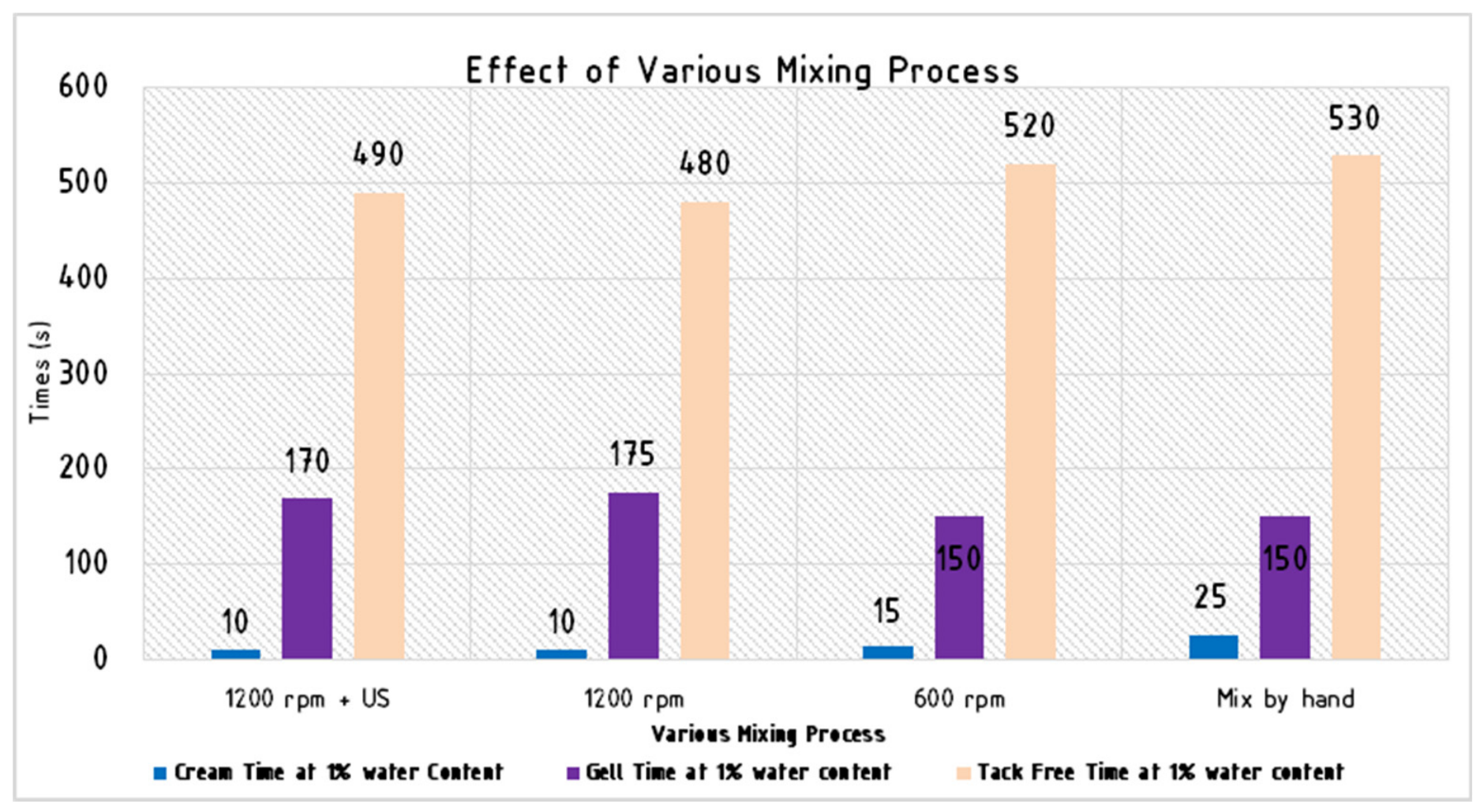
Foam density is one of the most important properties of polyurethane because it affects the foam’s strength, performance, and suitability for lightweight applications. Figure 8 presents the cream time, gel time, and tack-free time of the foaming process using the experimental apparatus system in comparison with conventional mixing methods.
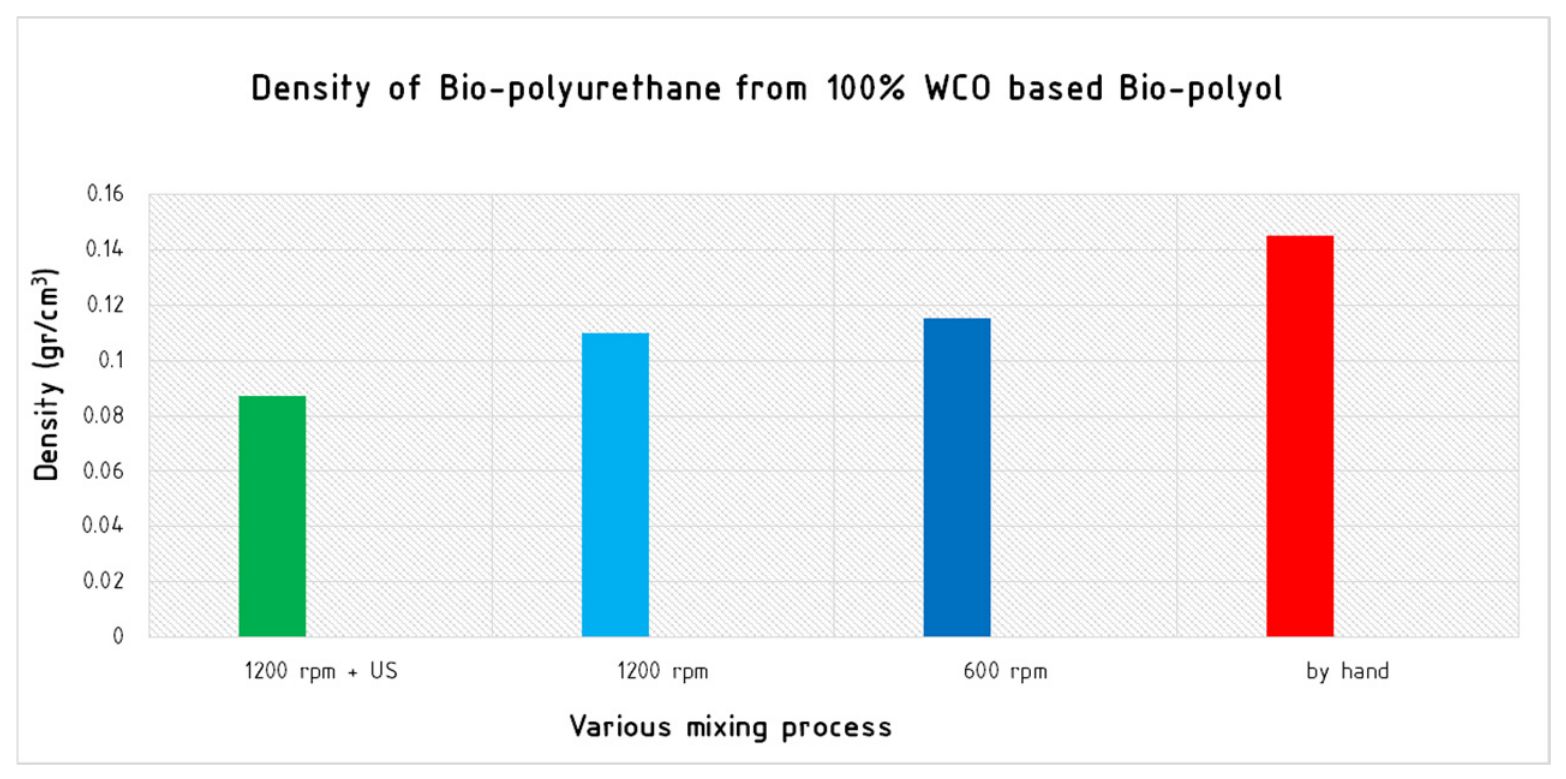
Additionally, the excellent solubility of water vapor in the polyol encourages the uniform formation of CO2 throughout the solution. This promotes an even distribution of finer bubble foam across all parts of the mixture. This phenomenon has a correlation where optimal gel time affects the density of the resulting polyurethane foam. Figure 8 illustrates that a longer cream time occurs during the mixing process, whether done by hand or with a head stirrer. This suggests that the reaction of waste cooking oil (WCO)-based polyol, which primarily contains secondary hydroxyl groups, interacts less with isocyanate in the foam formation process. This is further supported by the observed short gel time and extended tack-free time for both mixing processes. One very important parameter of polyurethane foam is density because it influences the properties and performances of rigid polyurethane foam and it allows low-weight material to be obtained, especially for light-weight design applications. The variation in density of polyurethane foam from different processing technique is shown in Figure 9.
Figure 9 indicates the difference in PUF density with different mixing processes. The results show that the average density obtained from the mixing process by hand was 0.145 gr/cm3, the average density obtained from the mixing process via head stirrer was 0.115 gr/cm3, and the average density obtained from the mixing process via high shear mixer coupled with ultrasonic irradiation was 0.110 gr/cm3 and 0.085 gr/cm3. The average density achieved through the mixing process using a head stirrer shows a reduction of 20.6% compared to the density of the polyurethane foam produced by hand mixing. Additionally, the density from the high shear mixer and the high shear mixer combined with ultrasonic irradiation reflects reductions of 24.1% and 40%, respectively, when contrasted with the density obtained from hand mixing.

4.2. Effect of Varying Mixing Process on Morphology Structure of Polyurethane Foams

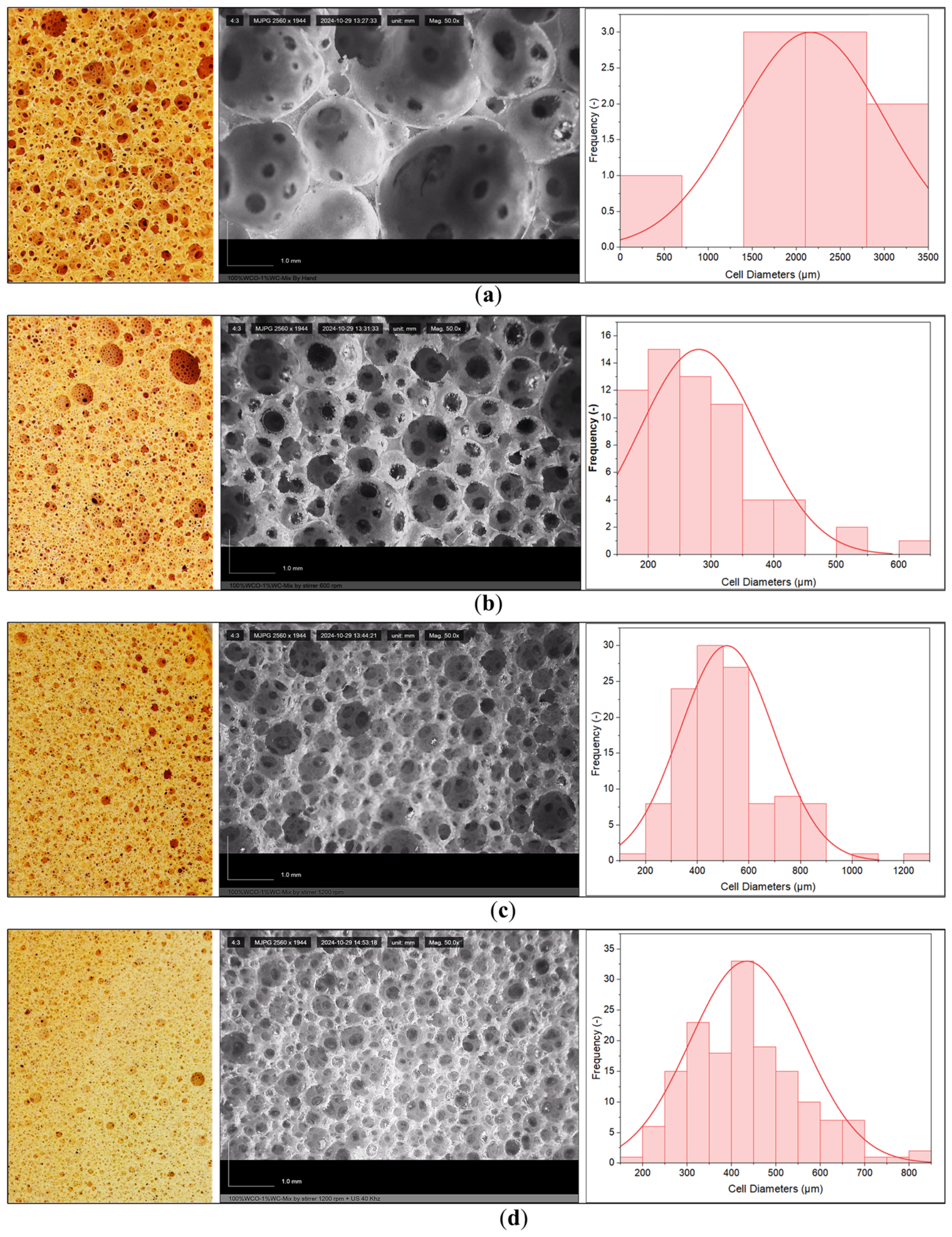
Figure 10 a–d shows the microphotographs of the cell structure surfaces for WCO-based PUF with different mixing process. The cells in WCO-based PUF that are synthesized using conventional methods, such as hand mixing and head stirrer mixing, tend to be much larger. This is primarily due to the imperfect solubility of water as a blowing agent in polyol. When water reacts with isocyanate and forms carbon dioxide (CO2), it leads to the creation of large, non-uniform foam bubbles.
The size of the cell is important in controlling the mechanical and thermal insulation properties of polyurethane foam. A chemical-blowing agent such as distilled water generates carbon dioxide through the chemical reaction with diisocyanate accompanying the exothermic reaction heat. Because of the increase in temperature, the concentration of blowing gas in the mixture exceeds its limit of solubility, and thus the nucleation process of bubbles begins.

5. Conclusions

The results of the experiment indicate that the use of water as a blowing agent can be optimized by first converting the water into a mist using an ultrasonic atomizer, which is then incorporated into the polyol. The application of a high-shear mixer during the process of dissolving the water mist into the polyol further enhances the efficiency of the reaction. This improvement is demonstrated by an increase in gel time, which suggests that the blowing reaction process takes longer during foam formation, as illustrated in Figure 8. Moreover, when a high-shear mixer is combined with ultrasonic irradiation in the mixing process between the waste cooking oil (WCO)-based polyol and isocyanate, it produces a more favorable reaction. This is evidenced by a lower density value and a finer, more uniform bubble foam, as shown in Figure 9 and Figure 10d. This demonstrates that:
  • Using water as a blowing agent is more effective when it is first converted into a mist, allowing for a more even distribution when it penetrates the polyol.
  • The emulsification process with a high-shear mixer will create a more homogeneous and effective dissolution of mist water produced by the ultrasonic atomizer.
  • During the foam formation process, a high-shear mixer combined with ultrasonic irradiation is used for mixing. This method produces polyurethane foam with a low density and a finer, more uniform cell structure.

Author Contributions

H.S. was responsible for developing the research theme, conducting the study, and preparing the manuscript. A.Z.M.R. contributed by validating the analytical results and reviewing the accuracy of the data interpretation. All authors have read and agreed to the published version of the manuscript.

Funding

This research was funded by the Ministry of Higher Education (MOHE), Malaysia, under the Fundamental Research Grant Scheme (FRGS/1/2020/STG01/UTHM/02/2), Vote K291.

Institutional Review Board Statement

Not applicable.

Informed Consent Statement

Not applicable.

Data Availability Statement

The data supporting the findings of this study are available from the corresponding author upon reasonable request. No publicly archived datasets were generated or analyzed during the current study.

Conflicts of Interest

The authors declare no conflicts of interest.

References

  1. Mizera, K.; Ryszkowska, J. Polyurethane elastomers from polyols based on soybean oil with a different molar ratio. Polym. Degrad. Stab. 2016, 132, 21–31. [Google Scholar] [CrossRef] [Scilit]
  2. Xie, F.; Zhang, T.; Bryant, P.; Kurusingal, V.; Colwell, J.M.; Laycock, B. Degradation and stabilization of polyurethane elastomers. Prog. Polym. Sci. 2019, 90, 211–268. [Google Scholar] [CrossRef] [Scilit]
  3. Das, A.; Mahanwar, P. A brief discussion on advances in polyurethane applications. Adv. Ind. Eng. Polym. Res. 2020, 3, 93–101. [Google Scholar] [CrossRef] [Scilit]
  4. Kaur, R.; Singh, P.; Tanwar, S.; Varshney, G.; Yadav, S. Assessment of Bio-Based Polyurethanes: Perspective on Applications and Bio-Degradation. Macromol 2022, 2, 284–314. [Google Scholar] [CrossRef] [Scilit]
  5. Cornille, A.; Guillet, C.; Benyahya, S.; Negrell, C.; Boutevin, B.; Caillol, S. Room temperature flexible isocyanate-free polyurethane foams. Eur. Polym. J. 2016, 84, 873–888. [Google Scholar] [CrossRef] [Scilit]
  6. Wu, M.; Peng, J.-J.; Dong, Y.-M.; Pang, J.-H.; Zhang, X.-M. Preparation of rigid polyurethane foam from lignopolyol obtained through mild oxypropylation. RSC Adv. 2022, 12, 21736–21741. [Google Scholar] [CrossRef] [Scilit] [PubMed]
  7. Maamoun, A.A.; Arafa, M.; Esawi, A.M.K. Flexible polyurethane foam: Materials, synthesis, recycling, and applications in energy harvesting—A review. Mater. Adv. 2025, 6, 1842–1858. [Google Scholar] [CrossRef] [Scilit]
  8. Ivdre, A.; Abolins, A.; Sevastyanova, I.; Kirpluks, M.; Cabulis, U.; Merijs-Meri, R. Rigid Polyurethane Foams with Various Isocyanate Indices Based on Polyols from Rapeseed Oil and Waste PET. Polymers 2020, 12, 738. [Google Scholar] [CrossRef] [Scilit] [PubMed]
  9. Jędrzejczak, P.; Collins, M.N.; Jesionowski, T.; Klapiszewski, Ł. The role of lignin and lignin-based materials in sustainable construction – A comprehensive review. Int. J. Biol. Macromol. 2021, 187, 624–650. [Google Scholar] [CrossRef] [Scilit] [PubMed]
  10. Gama, N.V.; Ferreira, A.; Barros-Timmons, A. Polyurethane Foams: Past, Present, and Future. Materials 2018, 11, 1841. [Google Scholar] [CrossRef] [Scilit] [PubMed]
  11. Sternberg, J.; Sequerth, O.; Pilla, S. Green chemistry design in polymers derived from lignin: Review and perspective. Prog. Polym. Sci. 2021, 113, 101344. [Google Scholar] [CrossRef] [Scilit]
  12. Politova, N.; Tcholakova, S.; Valkova, Z.; Golemanov, K.; Denkov, N.D. Self-regulation of foam volume and bubble size during foaming via shear mixing. Colloids Surf. A Physicochem. Eng. Asp. 2018, 539, 18–28. [Google Scholar] [CrossRef] [Scilit]
  13. Krishnan, V.G.; Fiorucci, L.; Sarbu, A.; Drenckhan-Andreatta, W. Characterizing the foaming process of polymers: Review of experimental methods. Adv. Colloid Interface Sci. 2025, 344, 103579. [Google Scholar] [CrossRef] [Scilit] [PubMed]
  14. Wang, G.; Dong, M.; Deng, H.; Ma, X.; Zhu, B.; Zhou, L.; Zhang, X.; Tan, D.; Algadi, H. Polypropylene foaming using supercritical carbon dioxide: A review on fundamentals, technology, and applications. Adv. Compos. Hybrid Mater. 2025, 8, 84. [Google Scholar] [CrossRef] [Scilit]
  15. Skosana, S.J.; Khoathane, C.; Malwela, T. Enhancing the adhesion strength of polyurethane coatings by dispersing layered silicates via sonication and high-shear mixing method. Polym. Bull. 2020, 78, 203–221. [Google Scholar] [CrossRef] [Scilit]
  16. Węgrzyk, G.; Grzęda, D.; Bulanda, K.; Oleksy, M.; Ryszkowska, J. A new method for determining the parameters of mechanical mixing using the example of polyurethane rigid foam synthesis. Constr. Build. Mater. 2024, 416, 135205. [Google Scholar] [CrossRef] [Scilit]
  17. Kim, C.; Youn, J.R. Environmentally friendly processing of polyurethane foam for thermal insulation. Polym. Technol. Eng. 2000, 39, 163–185. [Google Scholar] [CrossRef] [Scilit]
  18. Balasubramanian, M.; Paglicawan, M.A.; Kim, J.K. A Novel Ultrasonic Method of Preparation of Polyurethane Materials. Int. J. Polym. Mater. Polym. Biomater. 2008, 57, 832–839. [Google Scholar] [CrossRef] [Scilit]
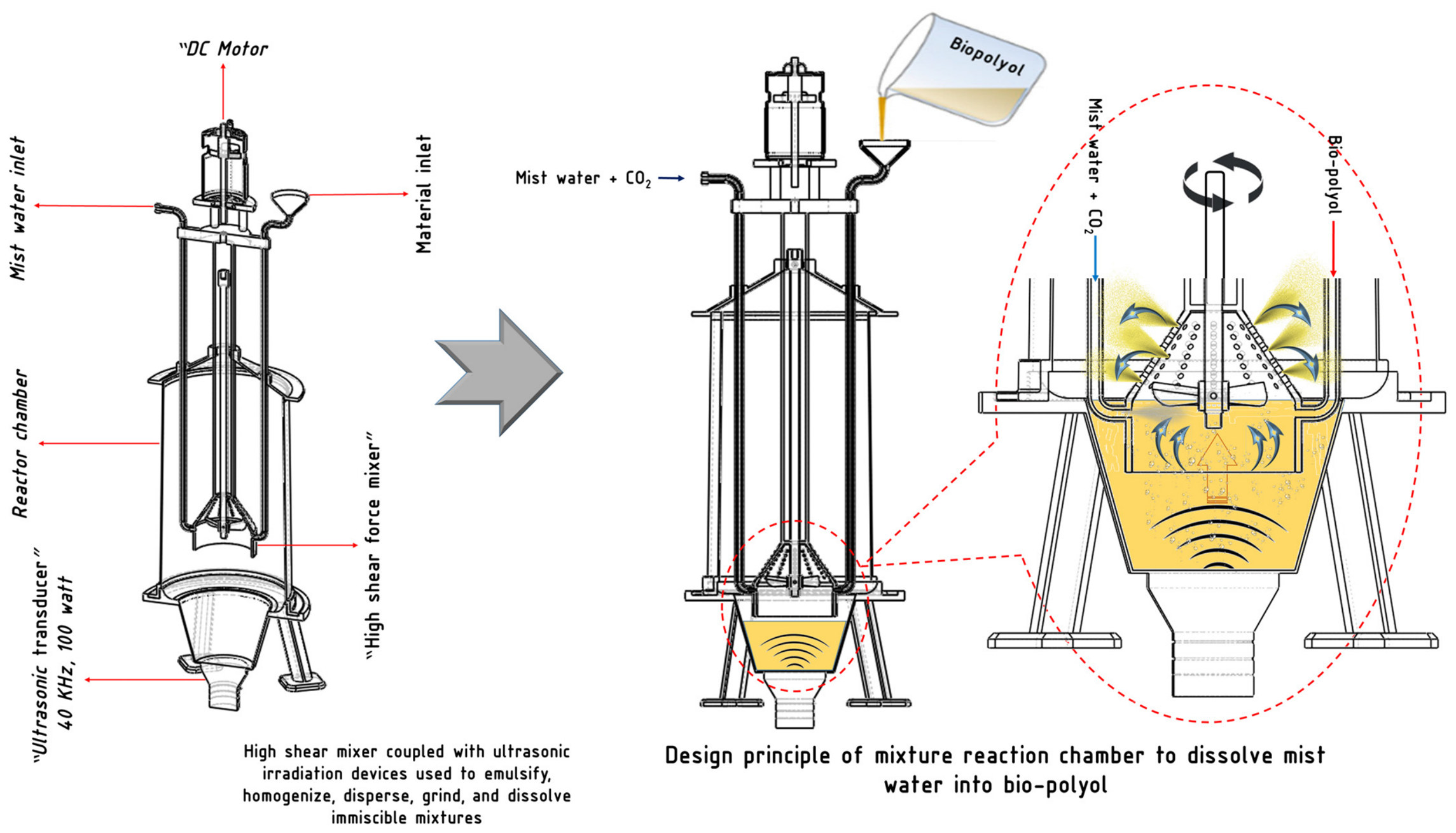
Figure 1. Schematic illustration of water solubility and polyurethane foaming apparatus system.
Engproc 137 00015 g001
Figure 2. Design and working mechanism of ultrasonic-assisted polyurethane reaction chamber.
Engproc 137 00015 g002
Figure 3. Experimental apparatus design for green intensification process of WCO-based polyurethane production.
Engproc 137 00015 g003
Figure 4. Illustrates the chemical preparation process for bio-polyol derived from WCO.
Engproc 137 00015 g004
Figure 5. The solidifiers WCO-based polyol are heated to the point of melting.
Engproc 137 00015 g005
Figure 6. An illustration of the foaming process using; (a). hand mixing techniques, (b). head stirrer for mixing.
Engproc 137 00015 g006
Figure 7. An illustration of the foaming process by experimental apparatus system.
Engproc 137 00015 g007
Figure 8. The mixing time, cream time, and gel time of foaming process using experimental apparatus system compared with conventional methods.
Engproc 137 00015 g008
Figure 9. The density of WCO-based polyurethane foam made with the experimental apparatus was compared to foam made with conventional methods.
Engproc 137 00015 g009
Figure 10. Optical microscopy, SEM micrographs, and cell diameter distribution of WCO-based polyurethane foam produced using different mixing methods: (a) polyurethane mixture prepared by hand mixing (600 rpm), (b) polyurethane mixture prepared using a head stirrer, (c) polyurethane mixture prepared using a high-shear mixer (1200 rpm), and (d) polyurethane mixture prepared using a high-shear mixer (1200 rpm + US) combined with ultrasonic irradiation.
Engproc 137 00015 g010
Disclaimer/Publisher’s Note: The statements, opinions and data contained in all publications are solely those of the individual author(s) and contributor(s) and not of MDPI and/or the editor(s). MDPI and/or the editor(s) disclaim responsibility for any injury to people or property resulting from any ideas, methods, instructions or products referred to in the content.