Proceeding Paper

Scheduling Solar-Dryer Operating Windows from Learned Drying Rate Trajectories †
by
Niño Louie R. Boloron
1,2,*,
Karell Keith P. Gulben
1,
Datu Al-Ashari Salat
1 and
Basilio Corleone U. Boddie
1
1
Mechanical Engineering Department, College of Engineering and Architecture, Mapua Malayan Colleges Mindanao, Davao City 8000, Davao del Sur, Philippines
2
Mechanical Engineering Department, College of Engineering, Central Mindanao University, Maramag 8710, Bukidnon, Philippines
*
Author to whom correspondence should be addressed.
Presented at the 7th Eurasia Conference on IoT, Communication and Engineering 2025 (ECICE 2025), Yunlin, Taiwan, 14–16 November 2025.
Eng. Proc. 2026, 134(1), 100; https://doi.org/10.3390/engproc2026134100

Published: 14 July 2026

Abstract

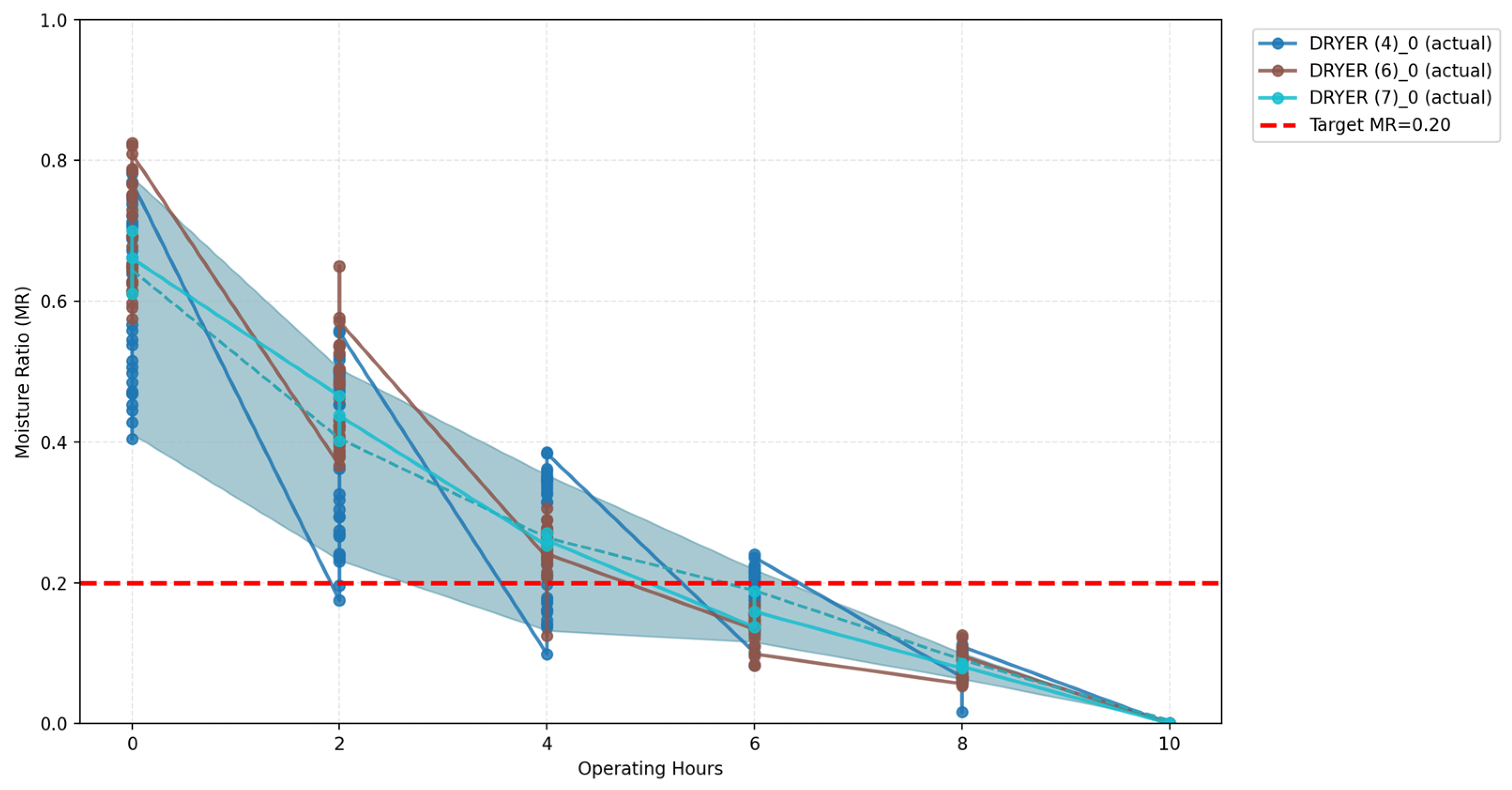
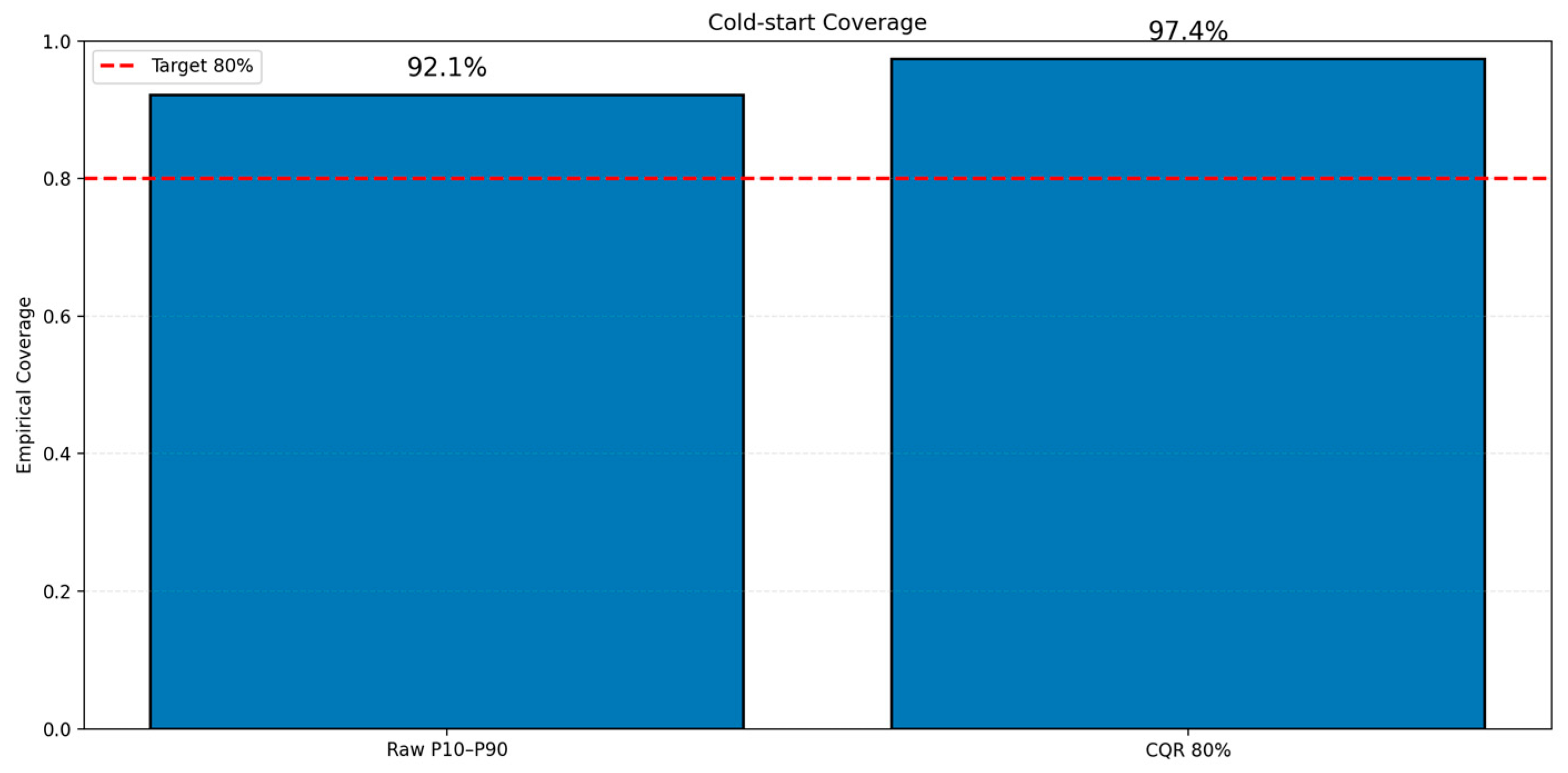
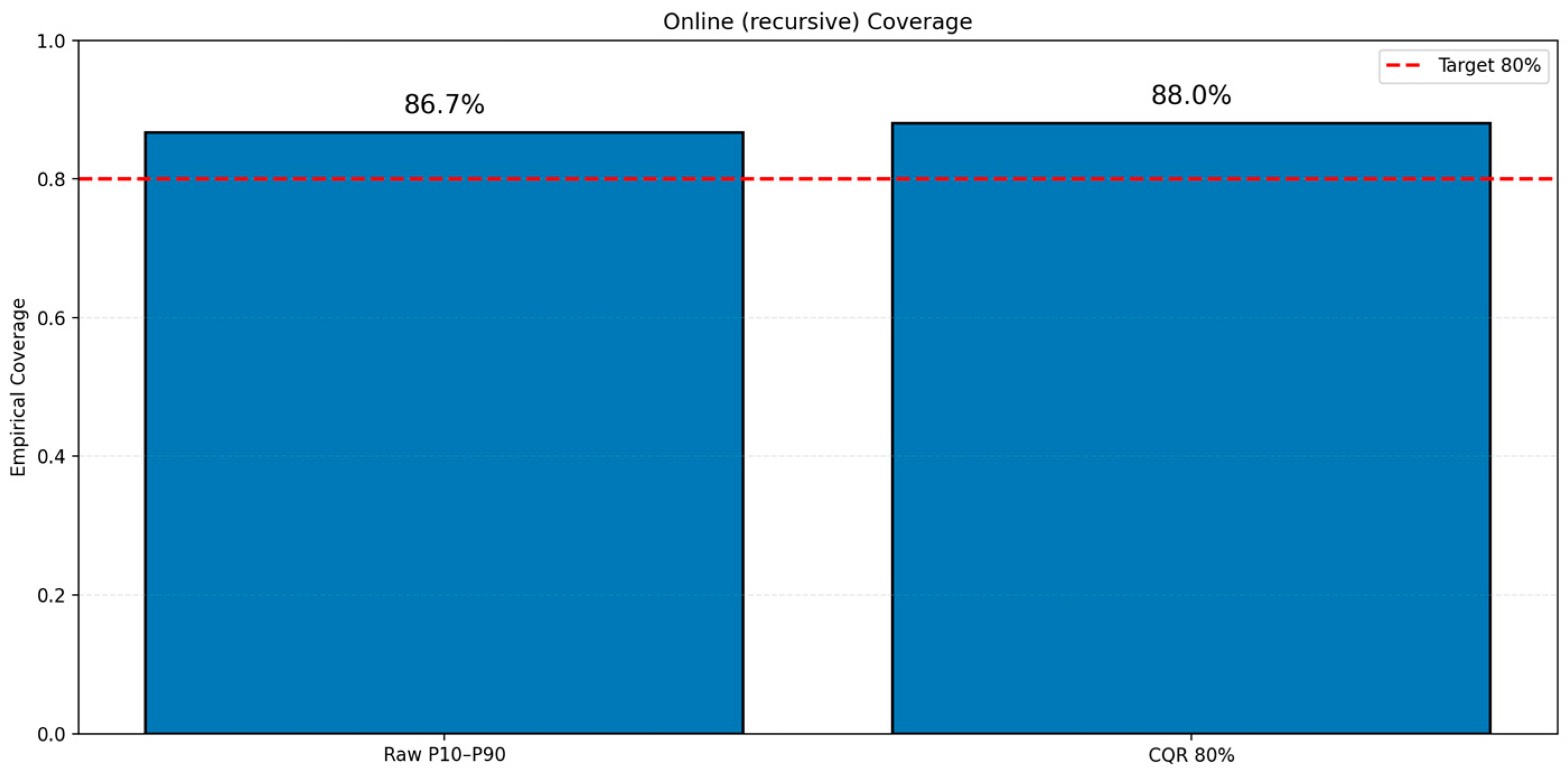
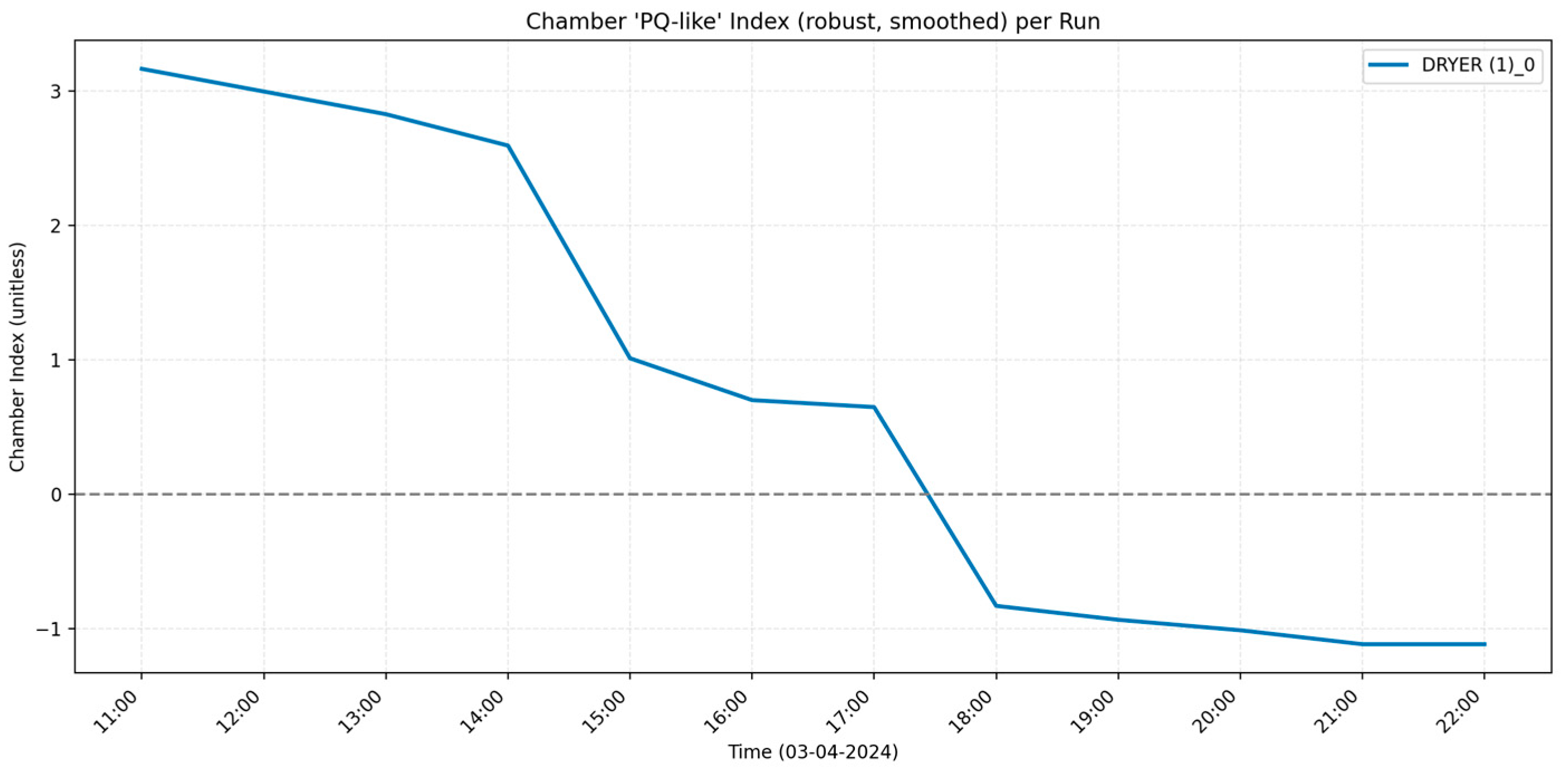
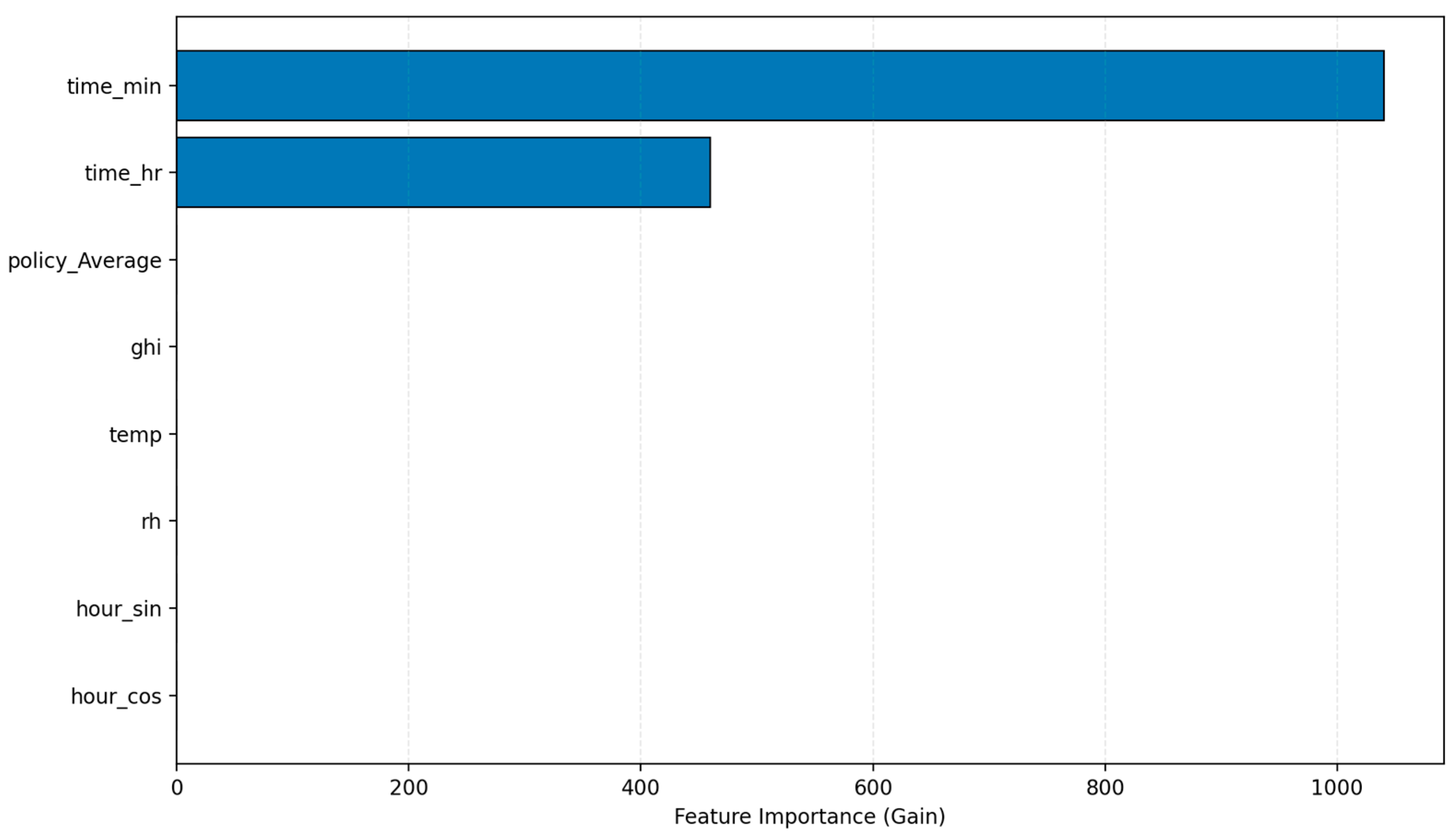
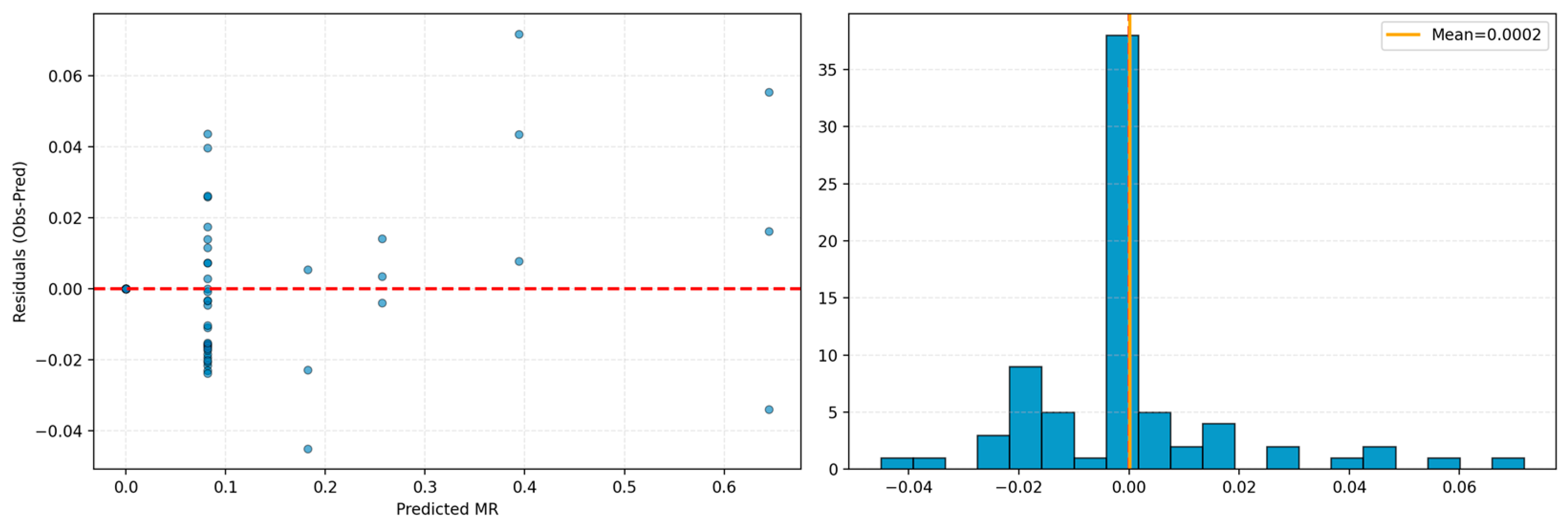
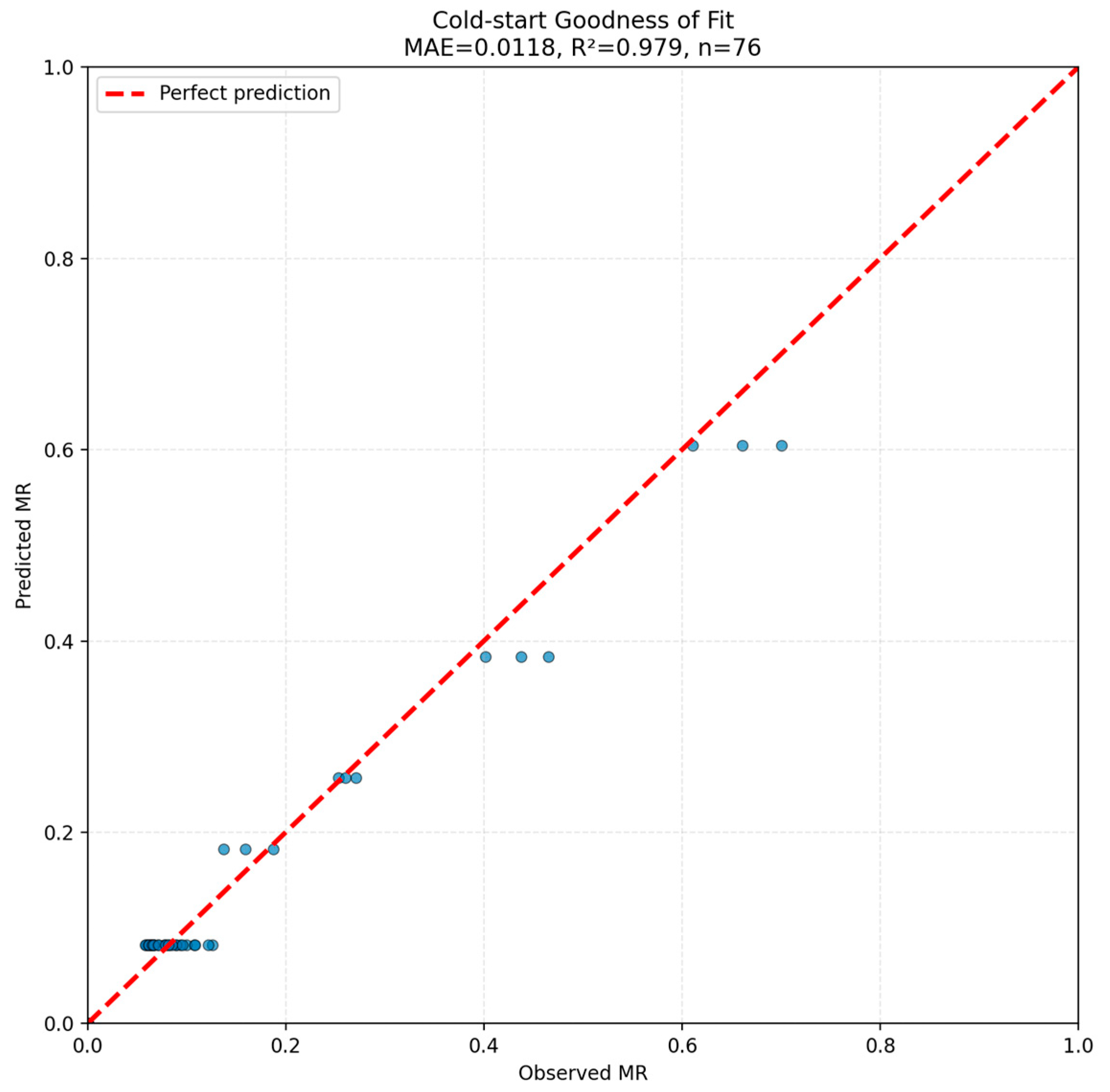
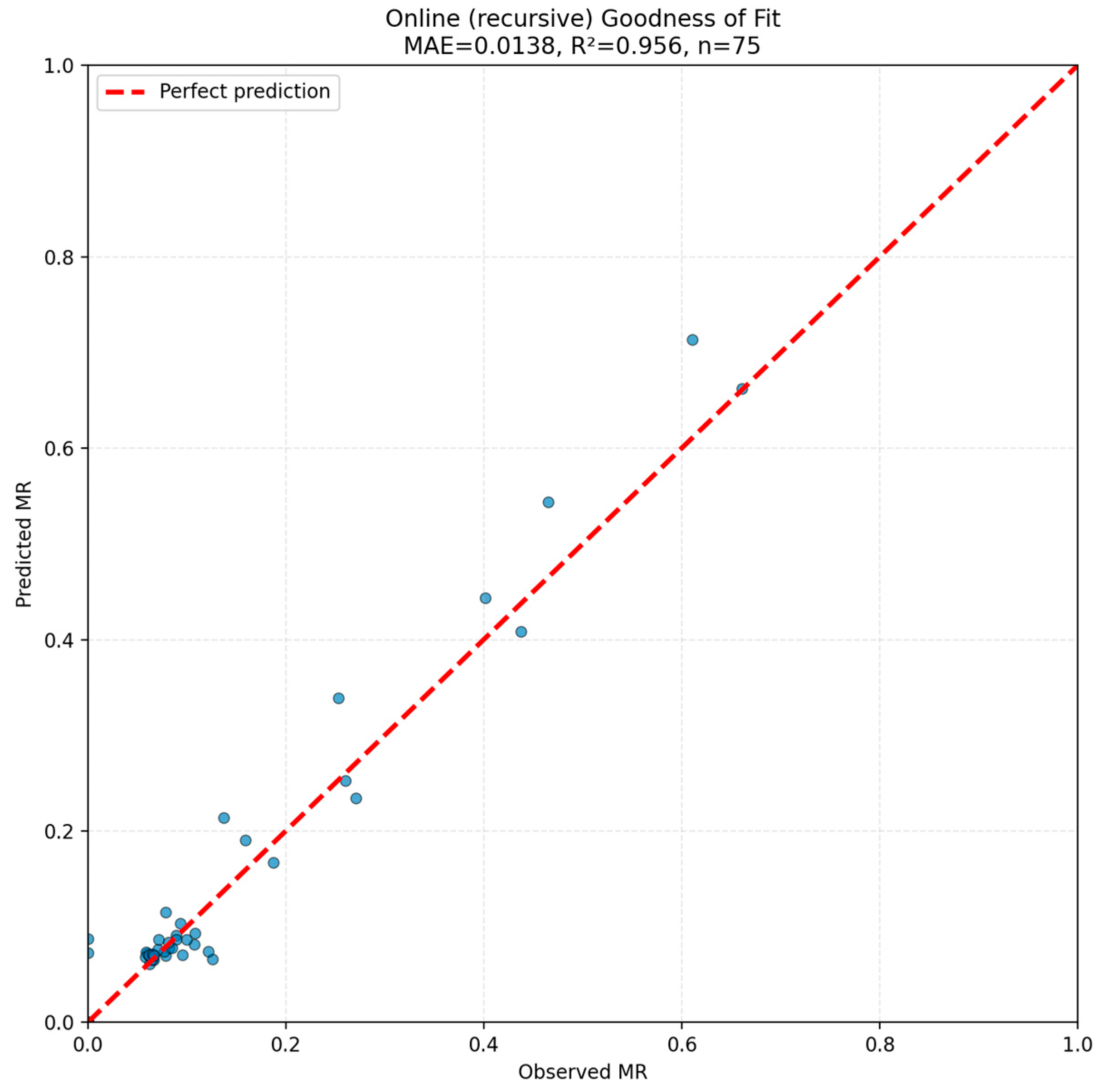
We developed a telemetry-driven scheduler that recommends hour-by-hour operating windows for a small solar dryer used for Moro-Moro fish. Operational logs and moisture-ratio (MR) trajectories are aligned with solar resource descriptors and chamber thermal states to learn MR decline as a function of elapsed time and conditions. A nonparametric tree-based trajectory learner generates point forecasts of MR and, in parallel, uncertainty intervals obtained through quantile regression and conformal calibration. Schedules are synthesized by projecting the time-to-threshold (e.g., MR ≤ 0.20) under the learned trajectories and selecting operating windows that minimize completion time while enforcing uncertainty-aware guardrails. Using the project’s DRYER telemetry, a cold-start model captures typical drying curves from historical runs, while an online (recursive) variant adapts within a run as new MR observations arrive. The approach yields accurate held-out predictions, empirically reasonable interval coverage given the limited sample, and transparent schedules that can be printed or sent as JSON payloads for operators. The pipeline is robust to short telemetry gaps through conservative imputation policies and incorporates a chamber “health” index that flags regime shifts before schedules degrade.
Keywords: solar drying; moisture ratio; trajectory forecasting; scheduling; uncertainty quantification solar drying; moisture ratio; trajectory forecasting; scheduling; uncertainty quantification