Proceeding Paper

Safety Case Modeling for Fire Risks in Liquid Hydrogen-Fueled Aircraft †
by
Joël Jézégou
*,‡ and
Juan Pedro de Gracia Roca
Fédération ONERA ISAE-SUPAERO ENAC, Université de Toulouse, 31055 Toulouse, France
*
Author to whom correspondence should be addressed.
Presented at the 15th EASN International Conference, Madrid, Spain, 14–17 October 2025.
These authors contributed equally to this work.
Eng. Proc. 2026, 133(1), 71; https://doi.org/10.3390/engproc2026133071

Published: 6 May 2026

Abstract

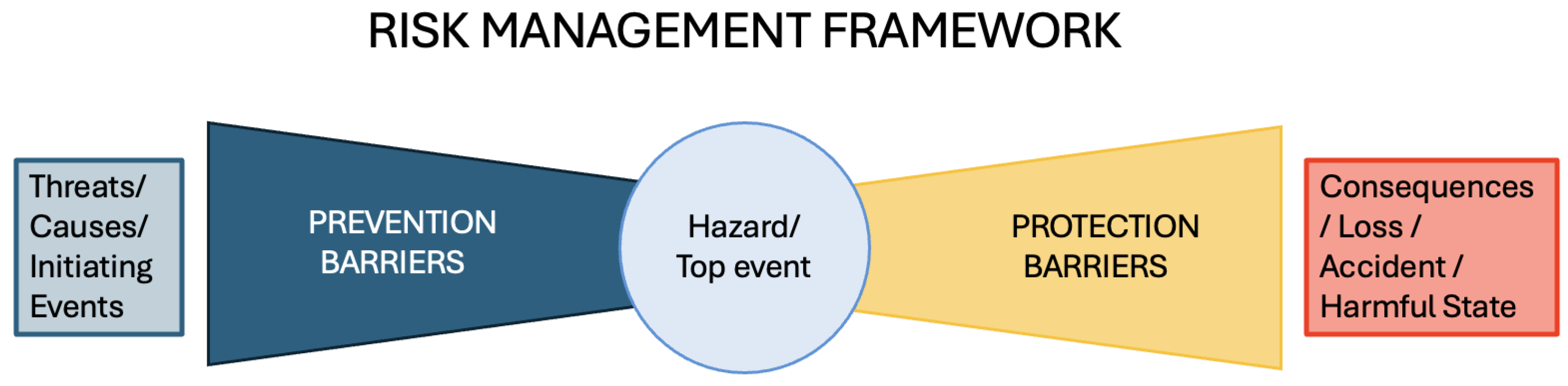
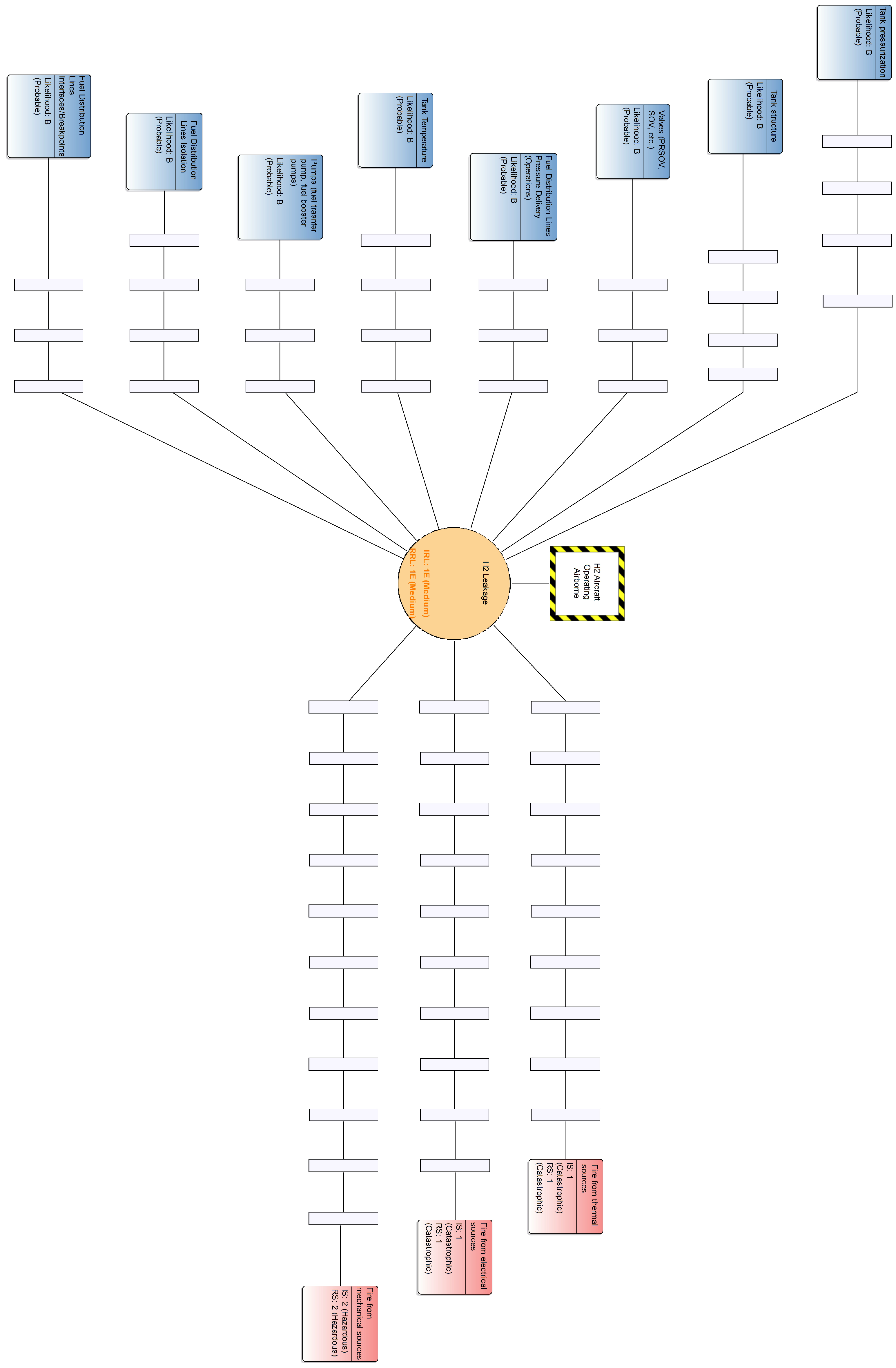
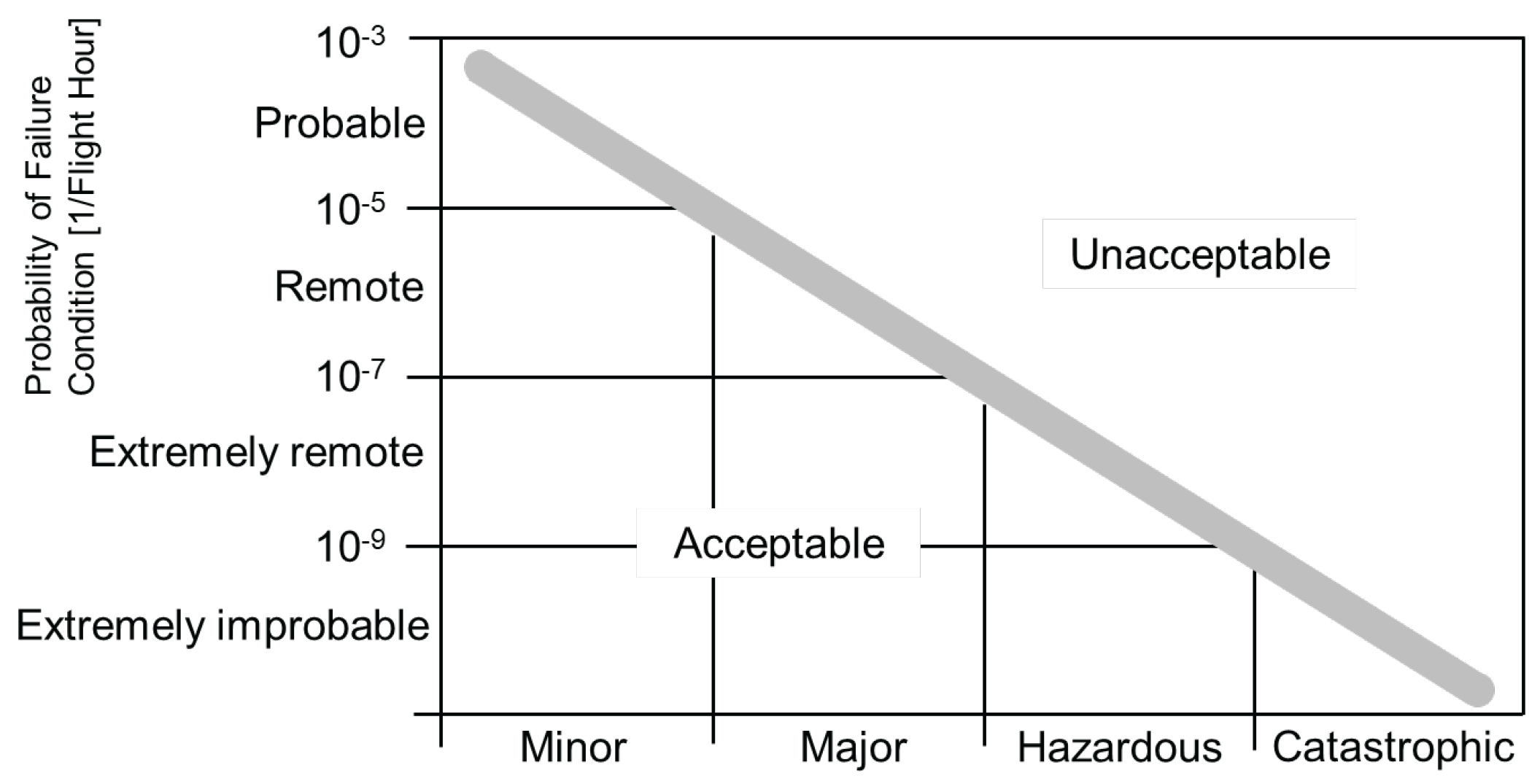
The aviation industry is transitioning toward hydrogen propulsion to meet sustainability goals, introducing novel fire safety risks that require updated regulatory frameworks. This study addresses the certification challenges for liquid hydrogen fuel systems by advancing the Certification Readiness Level through a model-driven approach. Using a Model-Based Safety Assessment, this research applies Bow-Tie Diagrams within the NASA AdvoCATE software to analyze in-flight fire risks for a tube-and-wing aircraft architecture. The study models critical threats, including cryogenic embrittlement and leakage, mapping them to specific prevention and protection barriers derived from a regulatory gap analysis. The assessment identifies leakage as the primary failure condition and proposes a safety architecture that emphasizes prevention barriers. Quantitative safety case modeling demonstrates, with proposed means of mitigation and barrier integrity, the feasibility to compute the residual probability of a catastrophic in-flight fire according to EASA CS 25.1309 requirements. These findings validate the use of safety architectures to bridge the gap between design and rulemaking, offering a scalable framework to support early-stage certification and the safe integration of hydrogen technologies into commercial aviation.
Keywords: hydrogen-powered aircraft; model-based safety assessment; in-flight fire safety; Certification Readiness Level scale; Bow-Tie Diagrams; liquid hydrogen; fuel system leakage; risk mitigation hydrogen-powered aircraft; model-based safety assessment; in-flight fire safety; Certification Readiness Level scale; Bow-Tie Diagrams; liquid hydrogen; fuel system leakage; risk mitigation