Applications of Sustainable Bio-Degradable Agro-Waste (Rice Husk Ash) in Improving the Flow and Mechanical Properties of Ultra-High-Strength Mortar †
 , ,
, ,
Abstract
1. Introduction
2. Materials and Methods
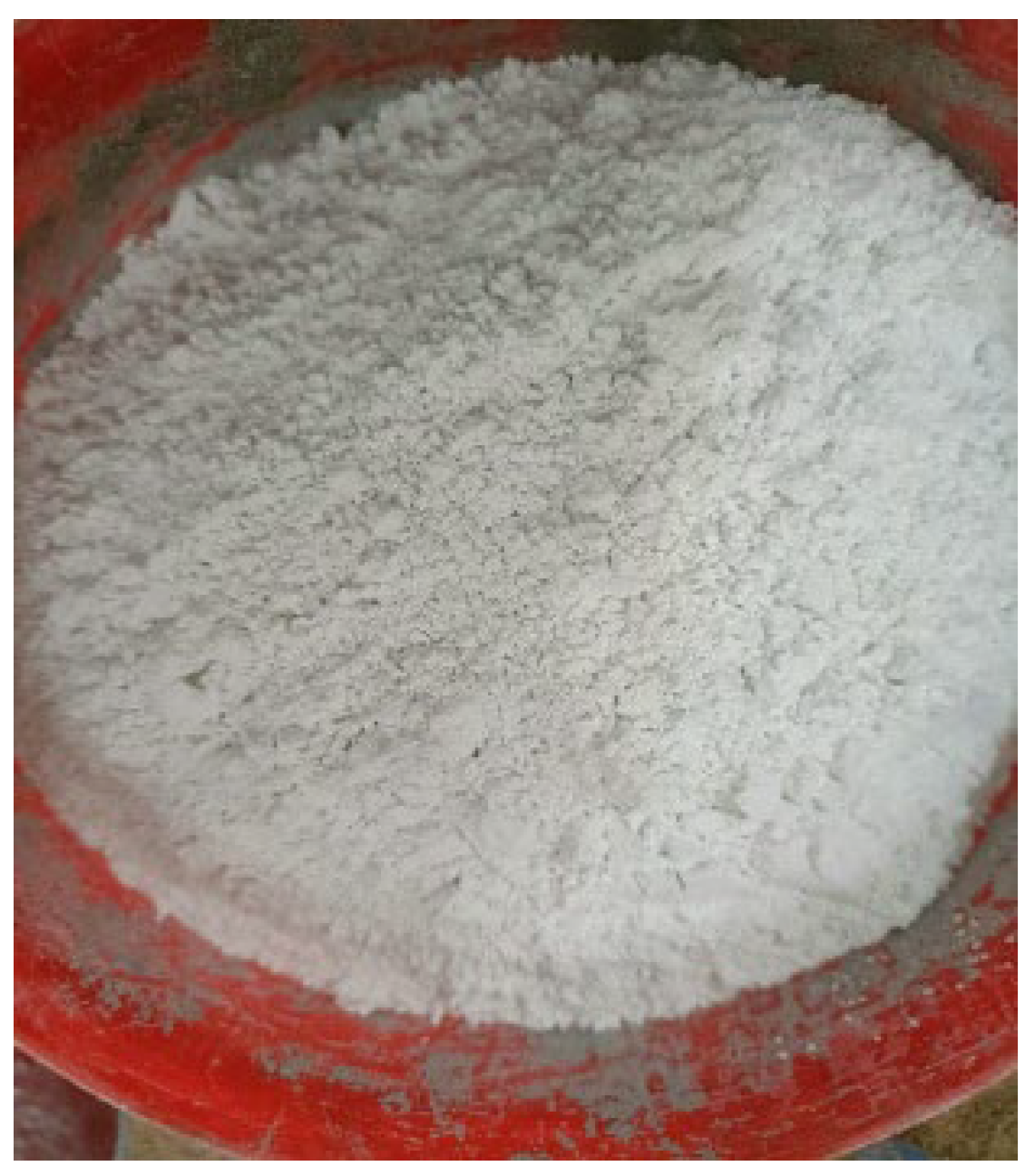
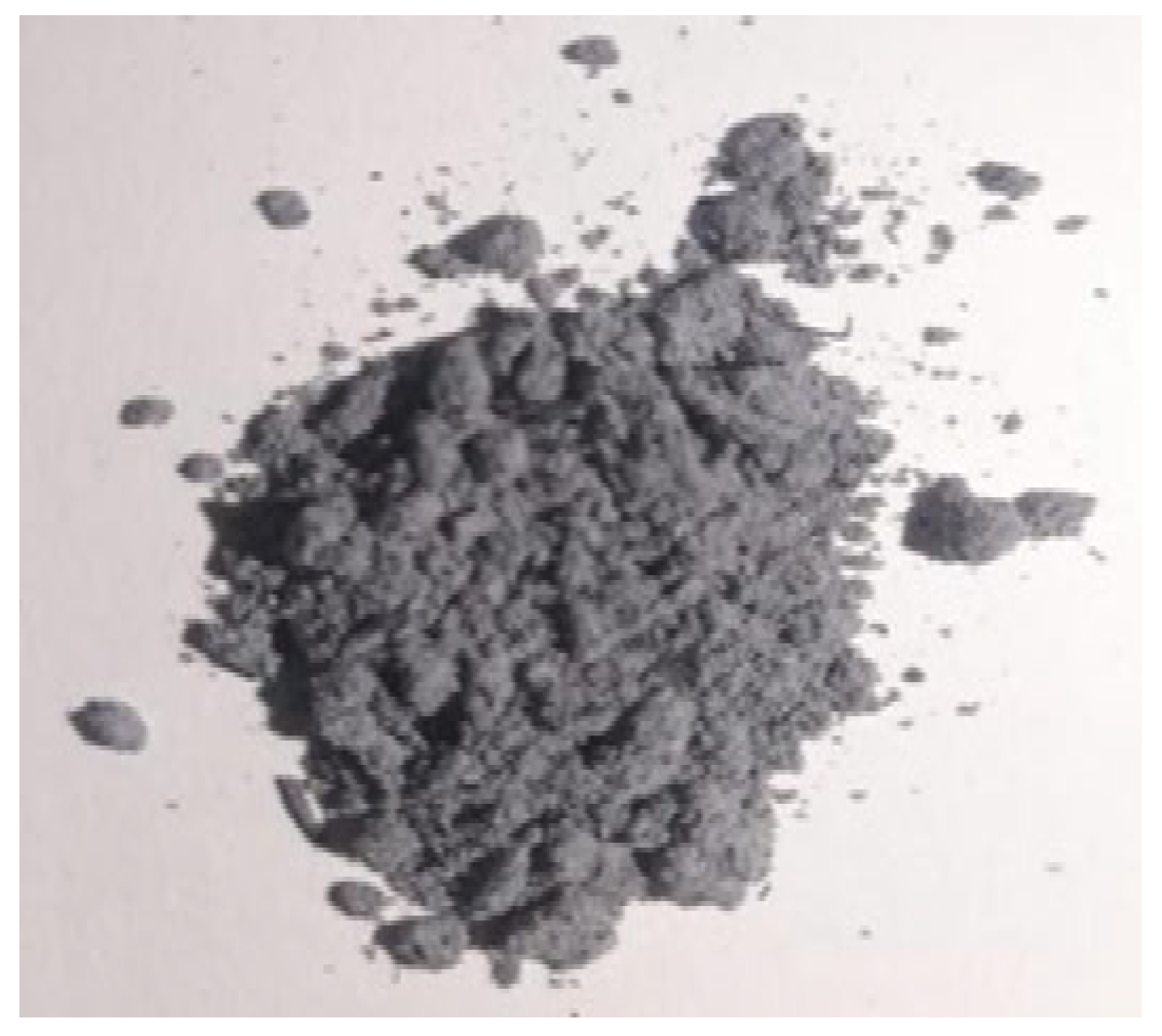
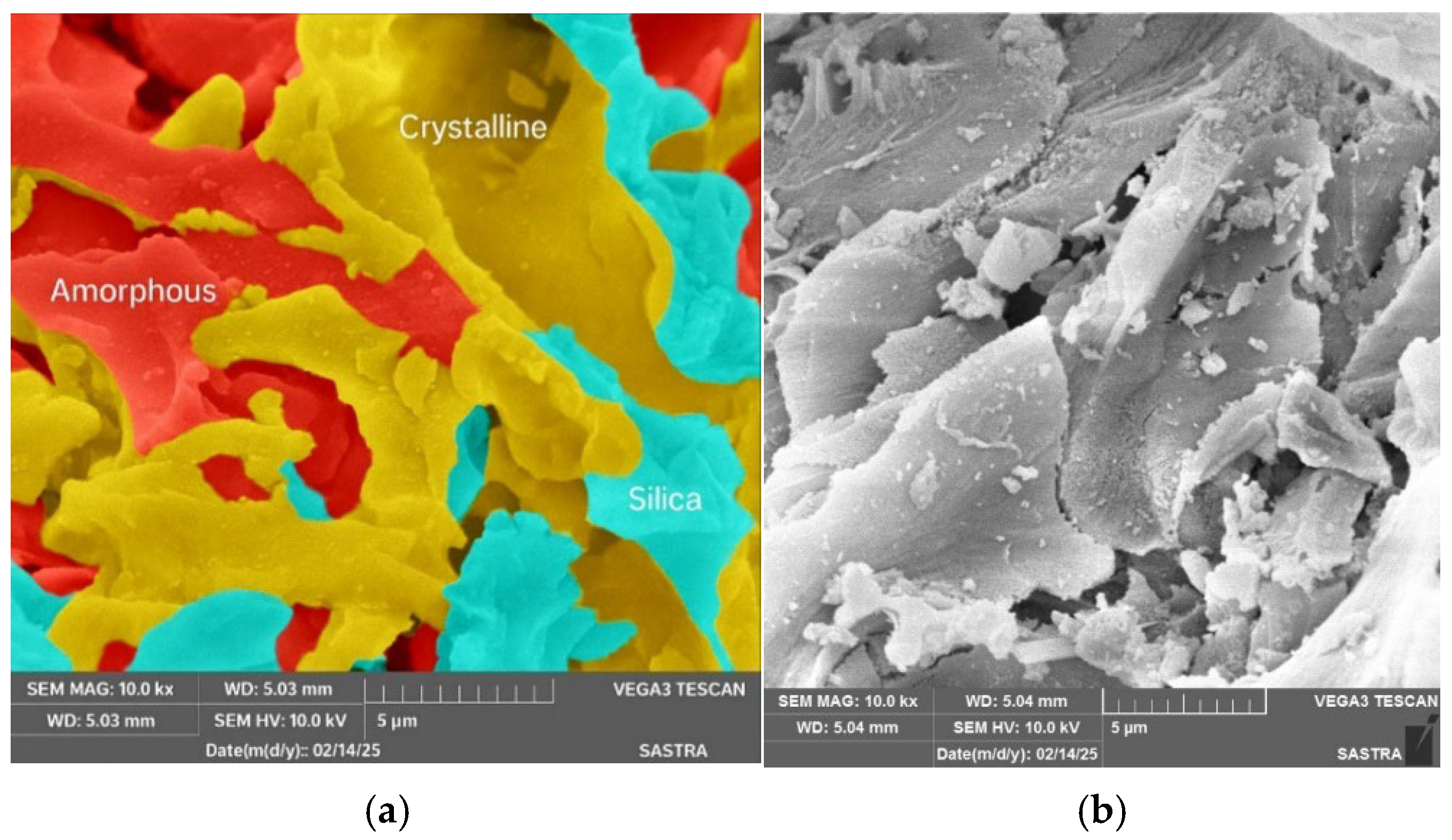
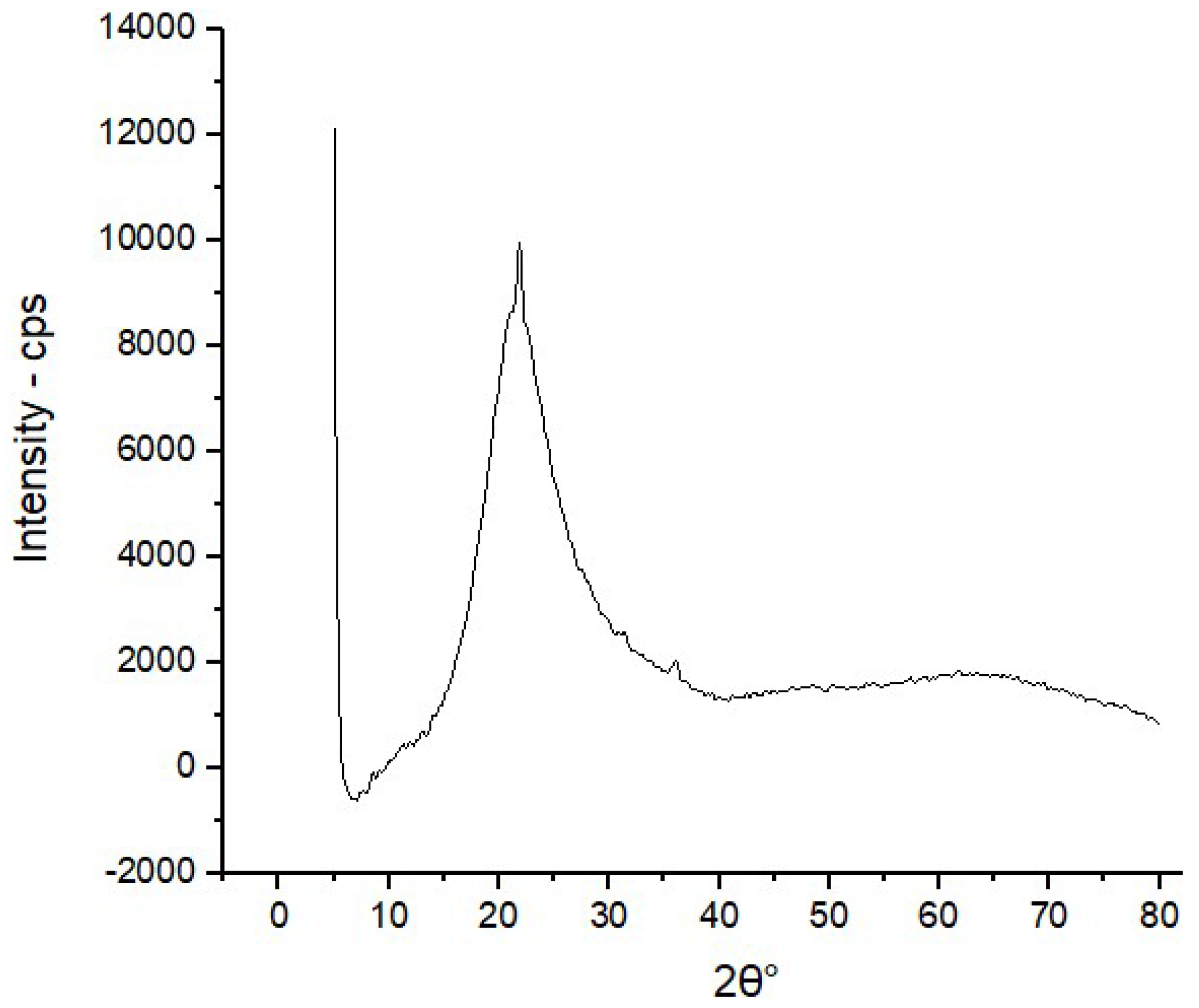
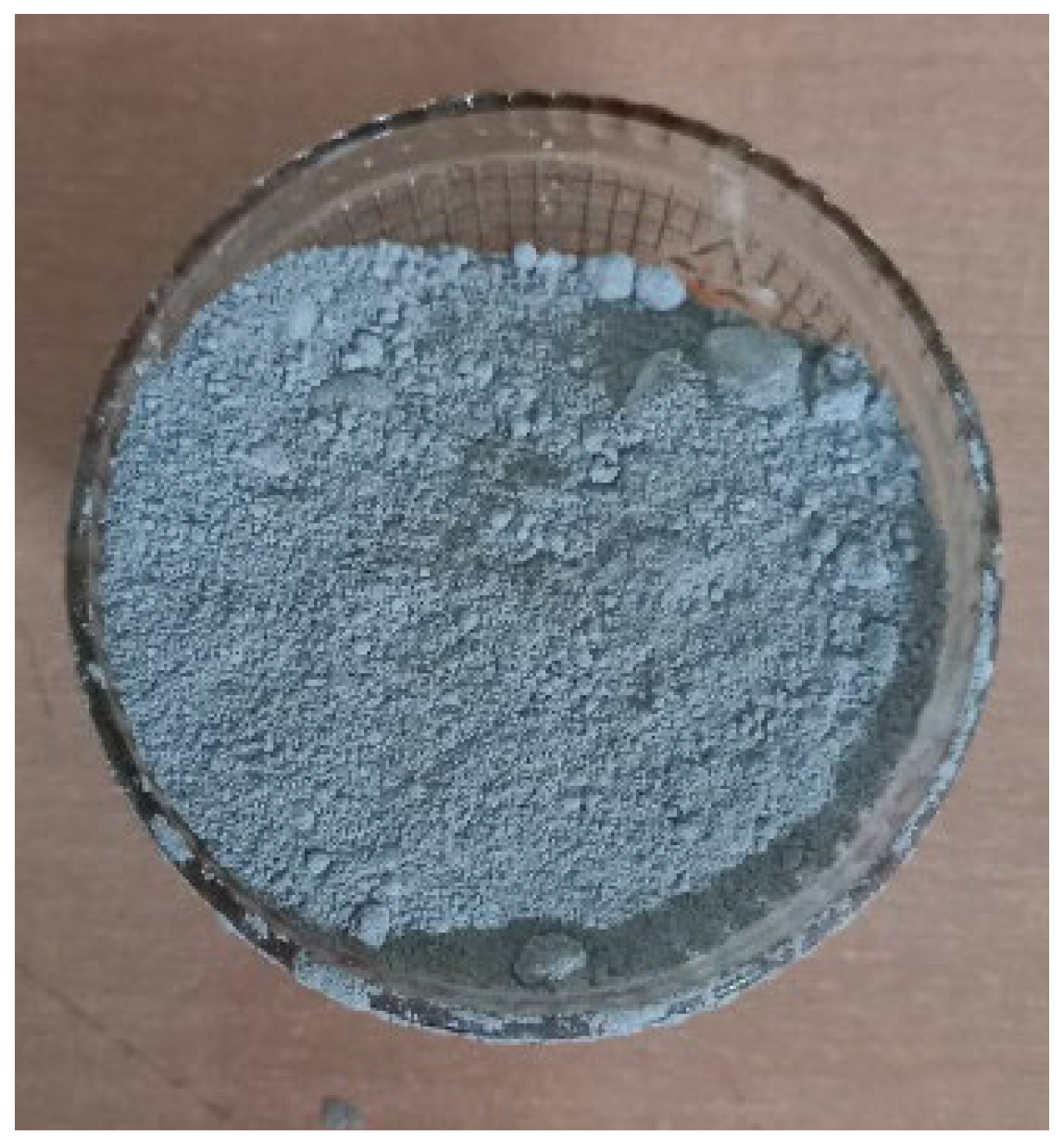
2.1. Cementitious and Agro-Waste Materials
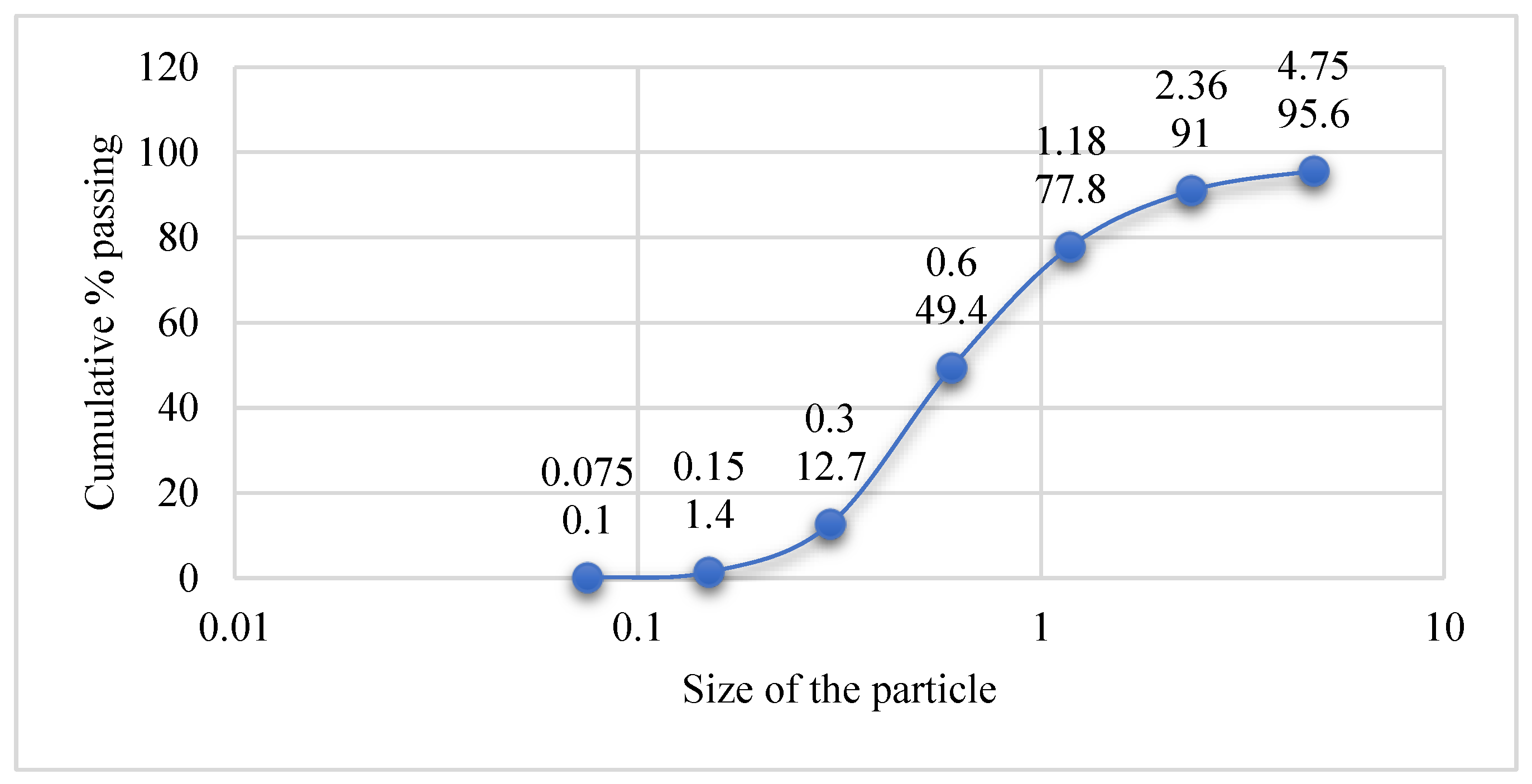
2.2. Fine Aggregate
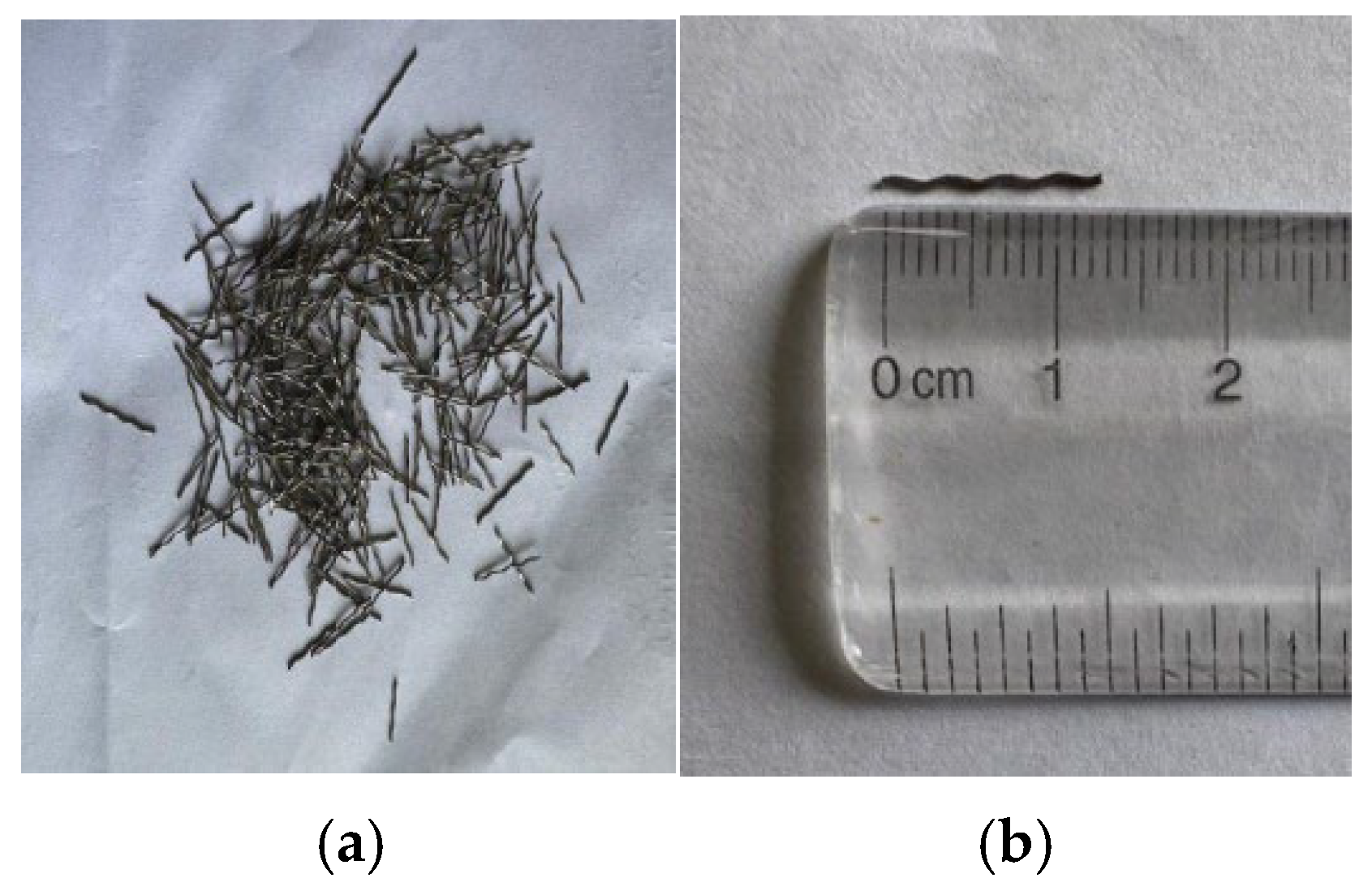
2.3. Steel Fibre
2.4. Chemical Admixture
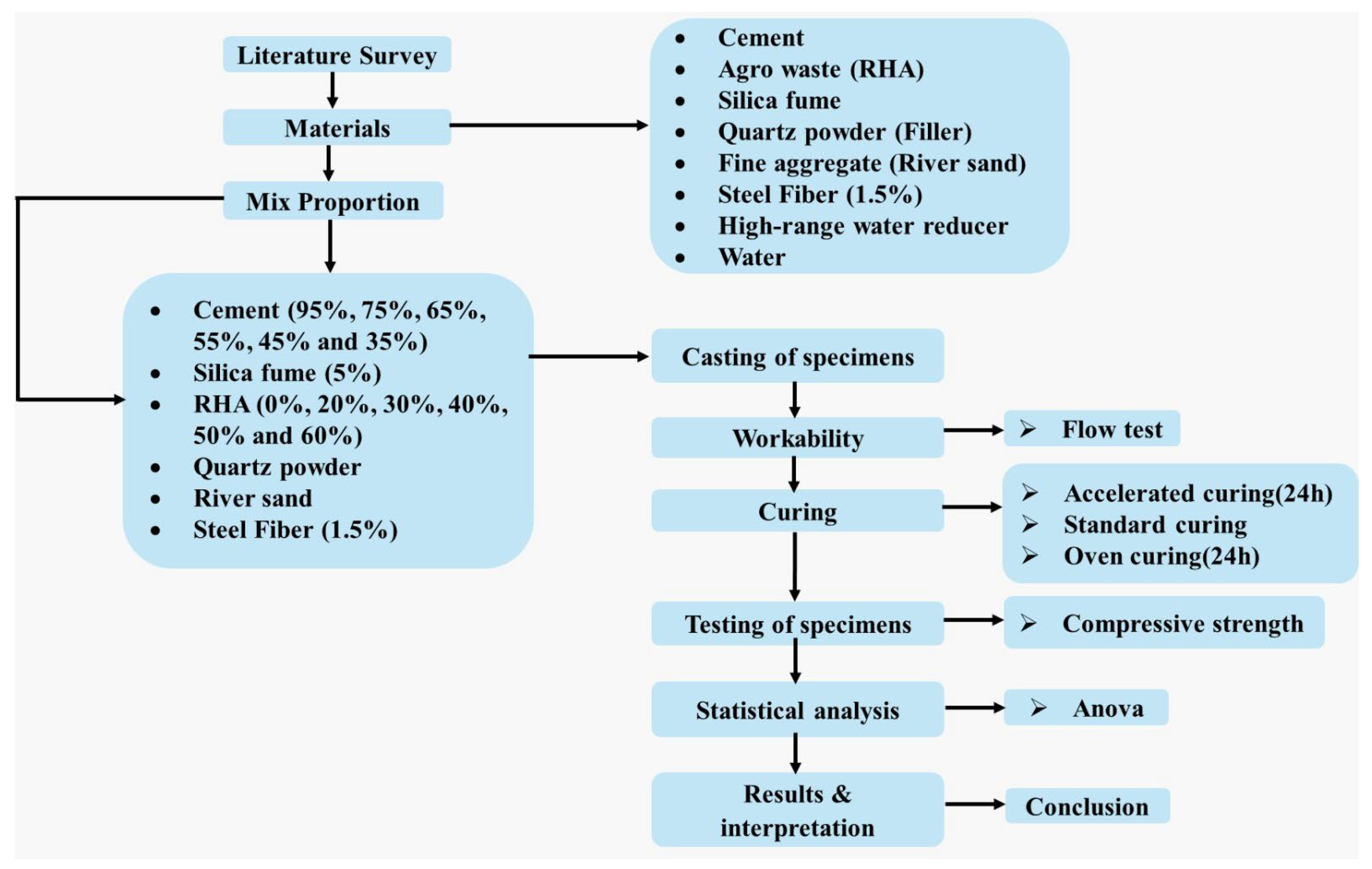
2.5. Methodology
3. Experimental Investigations
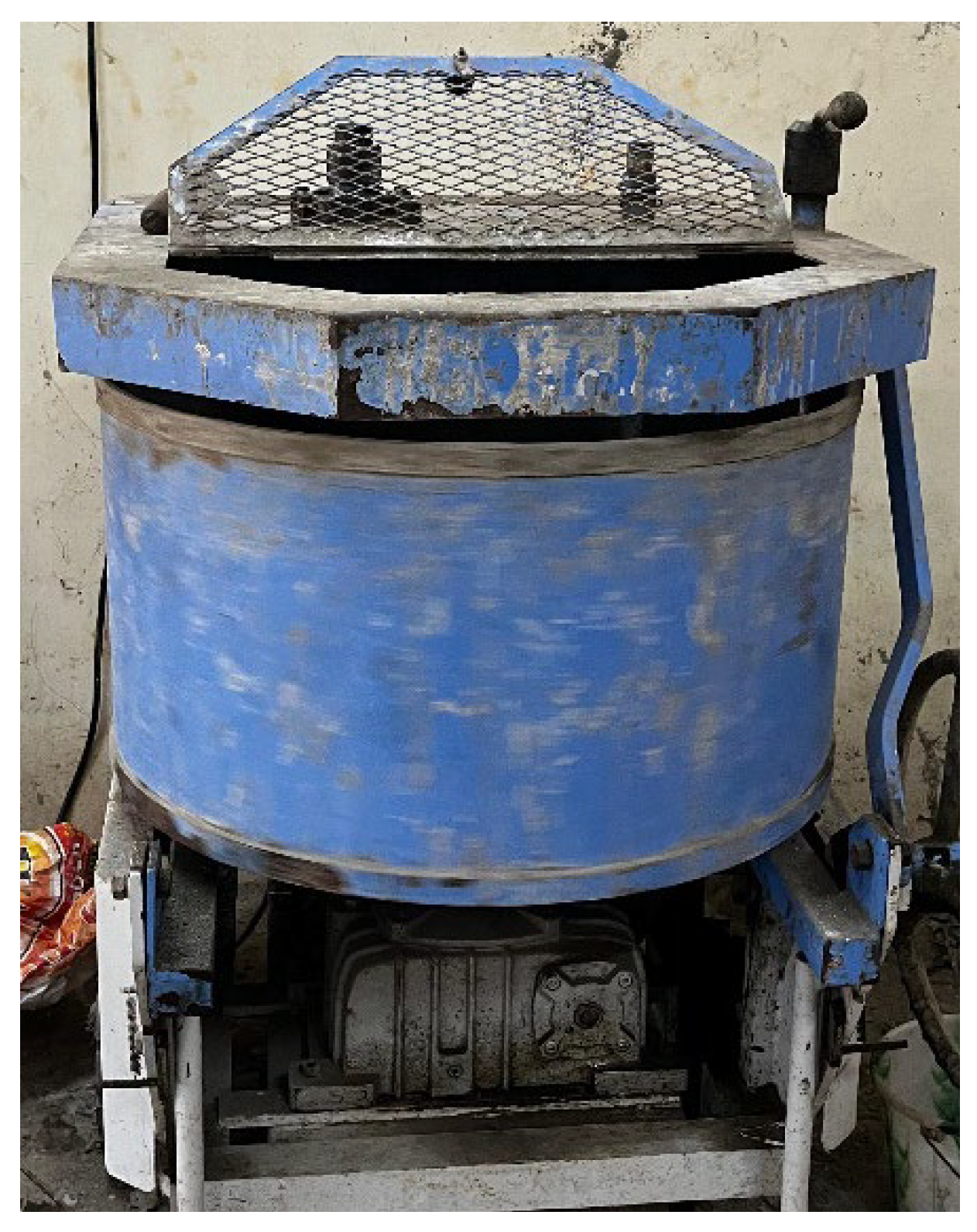
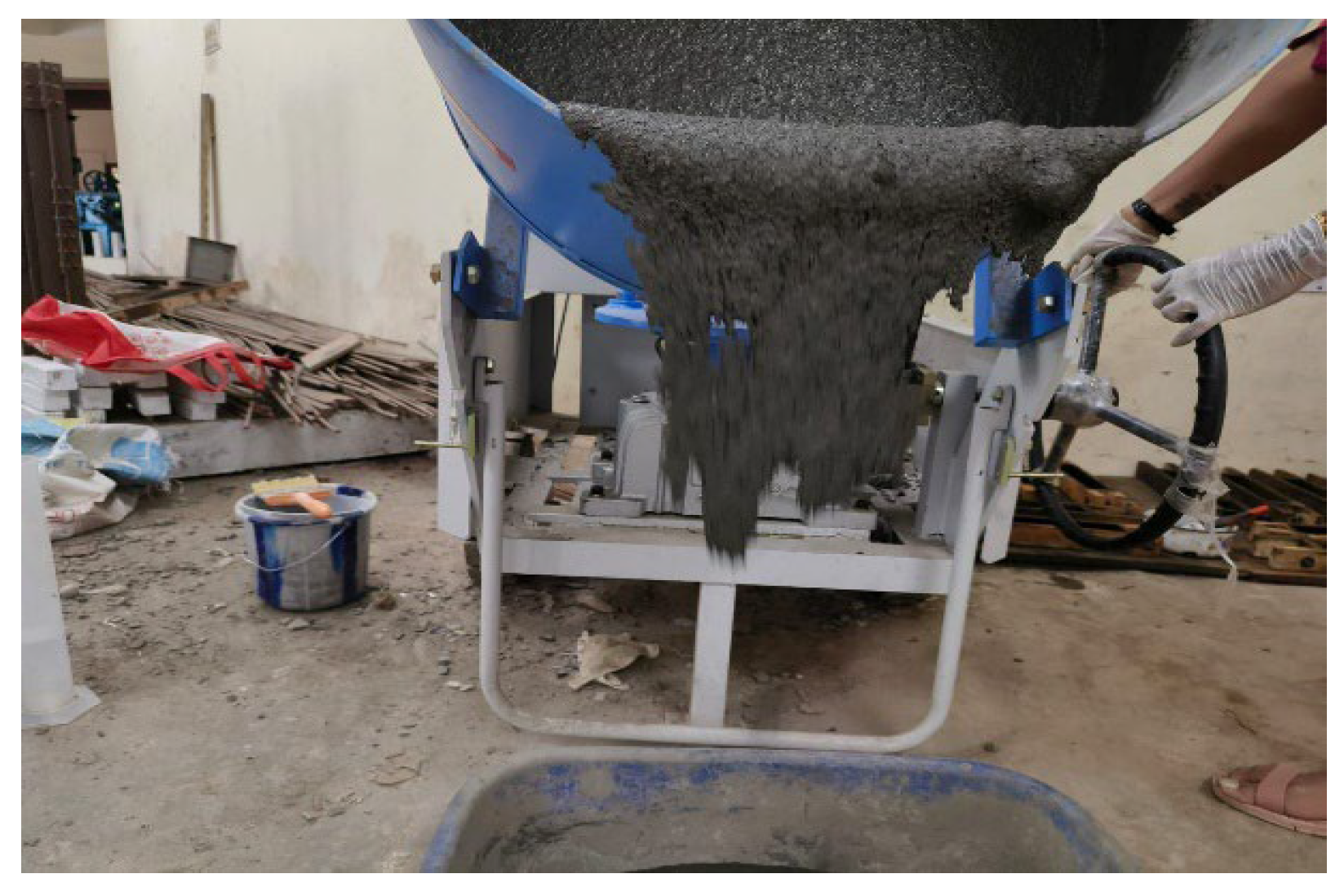
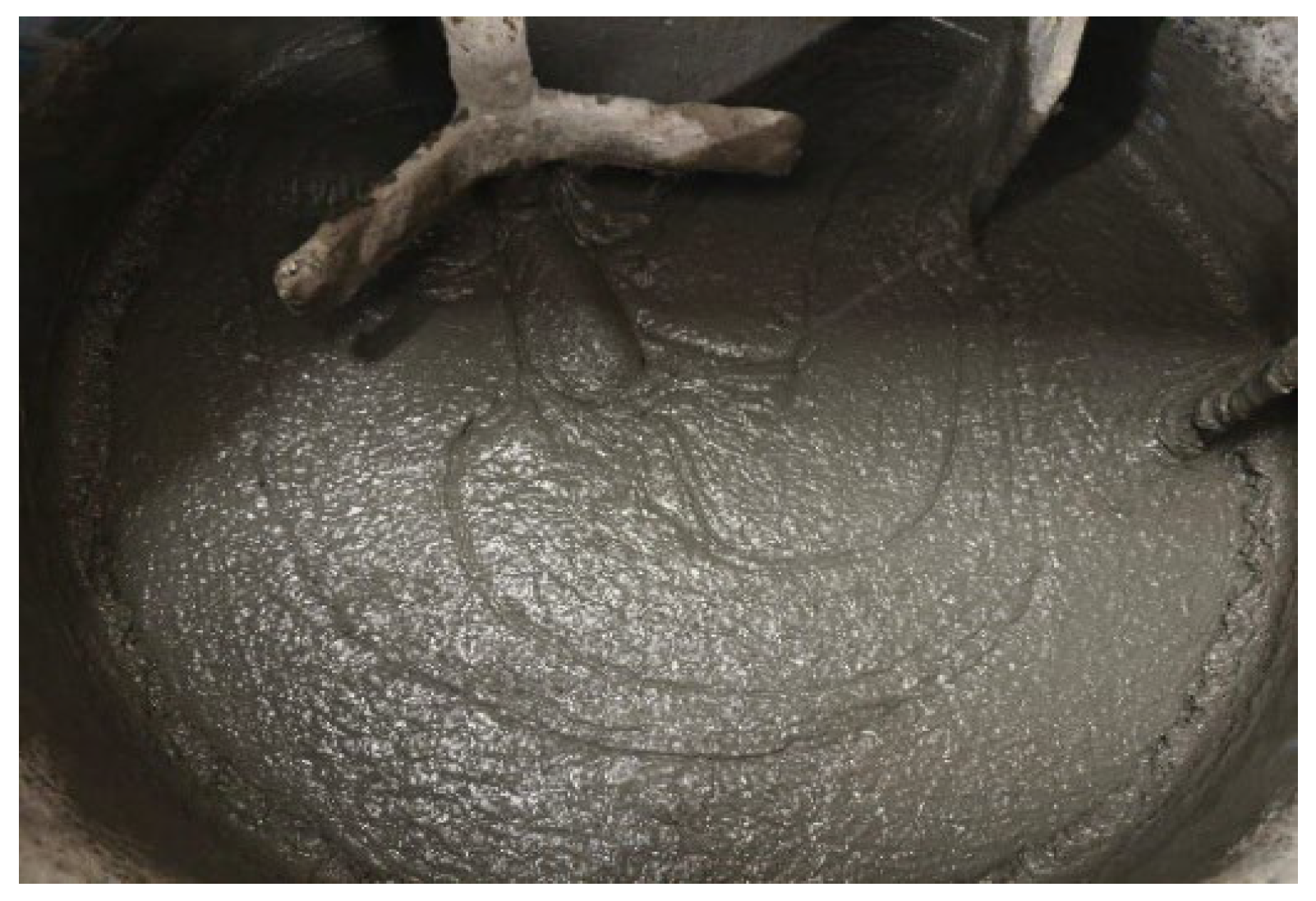
3.1. Mix Proportions and Mixing Details
3.2. Casting and Curing of Cubes
3.3. Mechanical Properties
3.4. Statistical Validation
4. Results and Discussions
4.1. Flowability
4.2. Compression Test
4.3. Statistical Analysis
4.3.1. Two-Factor Analysis
4.3.2. Interaction Between RHA Replacement and Curing Temperature
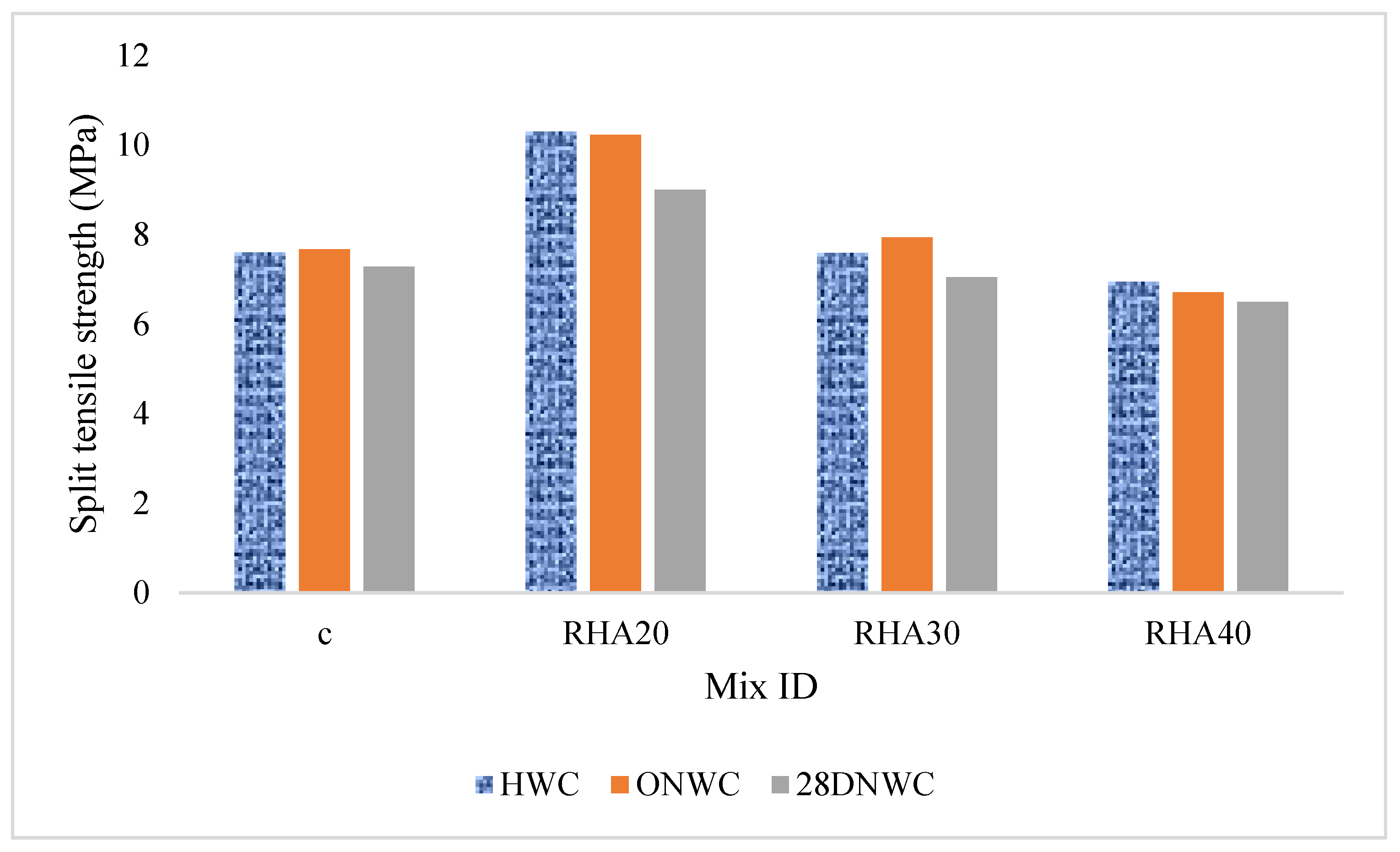
4.4. Split Tensile Strength
5. Conclusions
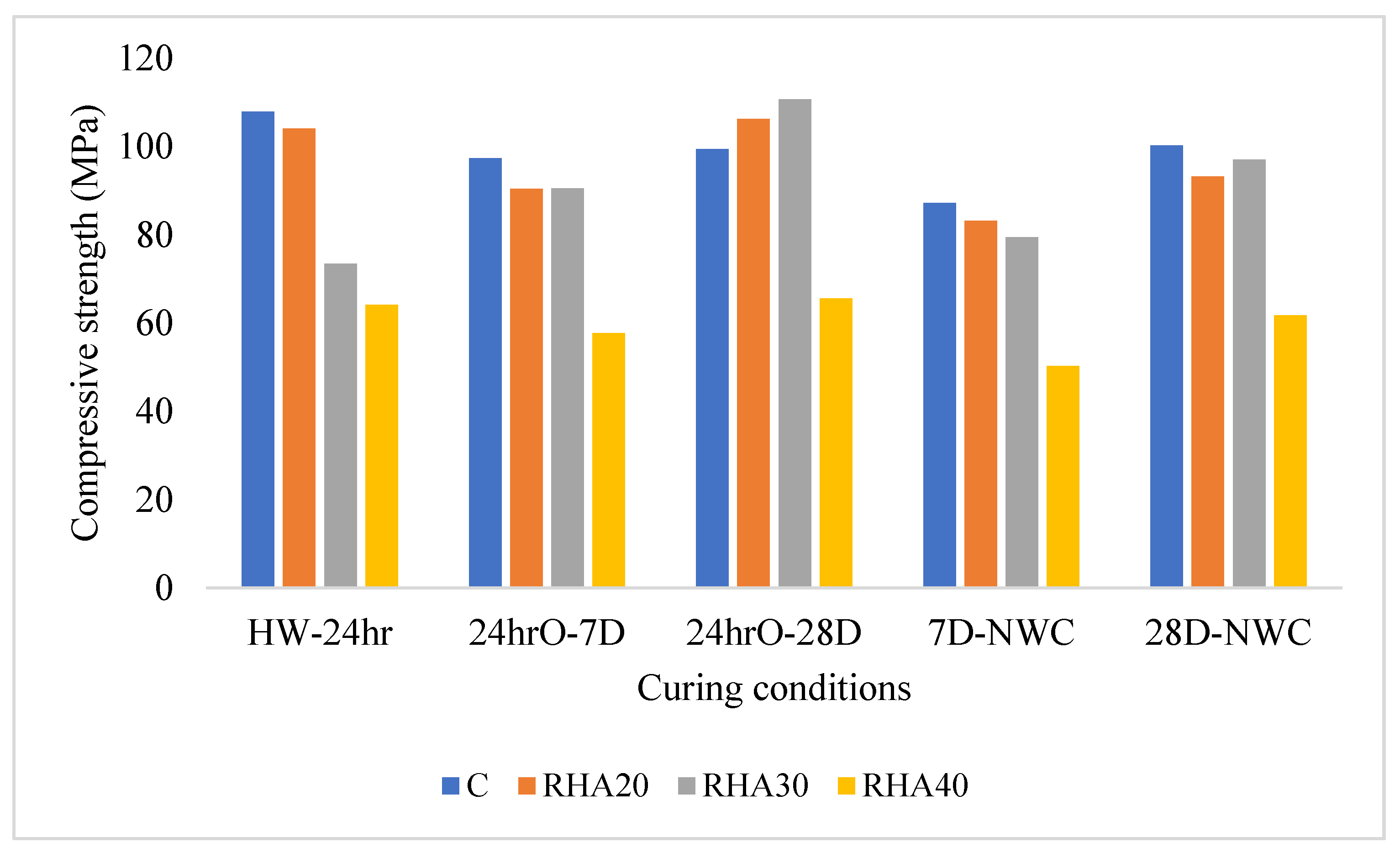
- Compressive strength development revealed an optimal replacement range of 20–30% RHA, maximizing pozzolanic reactivity and enhancing secondary C–S–H formation. This optimal range achieved strengths comparable to or exceeding those of the control mix at 28 days. However, higher replacement levels (≥40%) resulted in strength reductions due to dilution of cementitious phases and insufficient calcium hydroxide for effective pozzolanic reaction.
- Curing regimes significantly impacted strength development. Hot water curing accelerated early hydration and strength gain, while normal water curing facilitated steady long-term development, underscoring the importance of optimizing curing strategies to fully leverage RHA reactivity in UHPC systems.
- The incorporation of RHA at optimum levels not only enhances UHPC’s mechanical performance but also offers substantial environmental benefits by reducing cement consumption and associated CO2 emissions, while addressing agricultural residue disposal challenges. However, large-scale adoption faces hurdles such as RHA quality variability, reduced fresh-state workability, and the lack of standardized guidelines for UHPC applications.
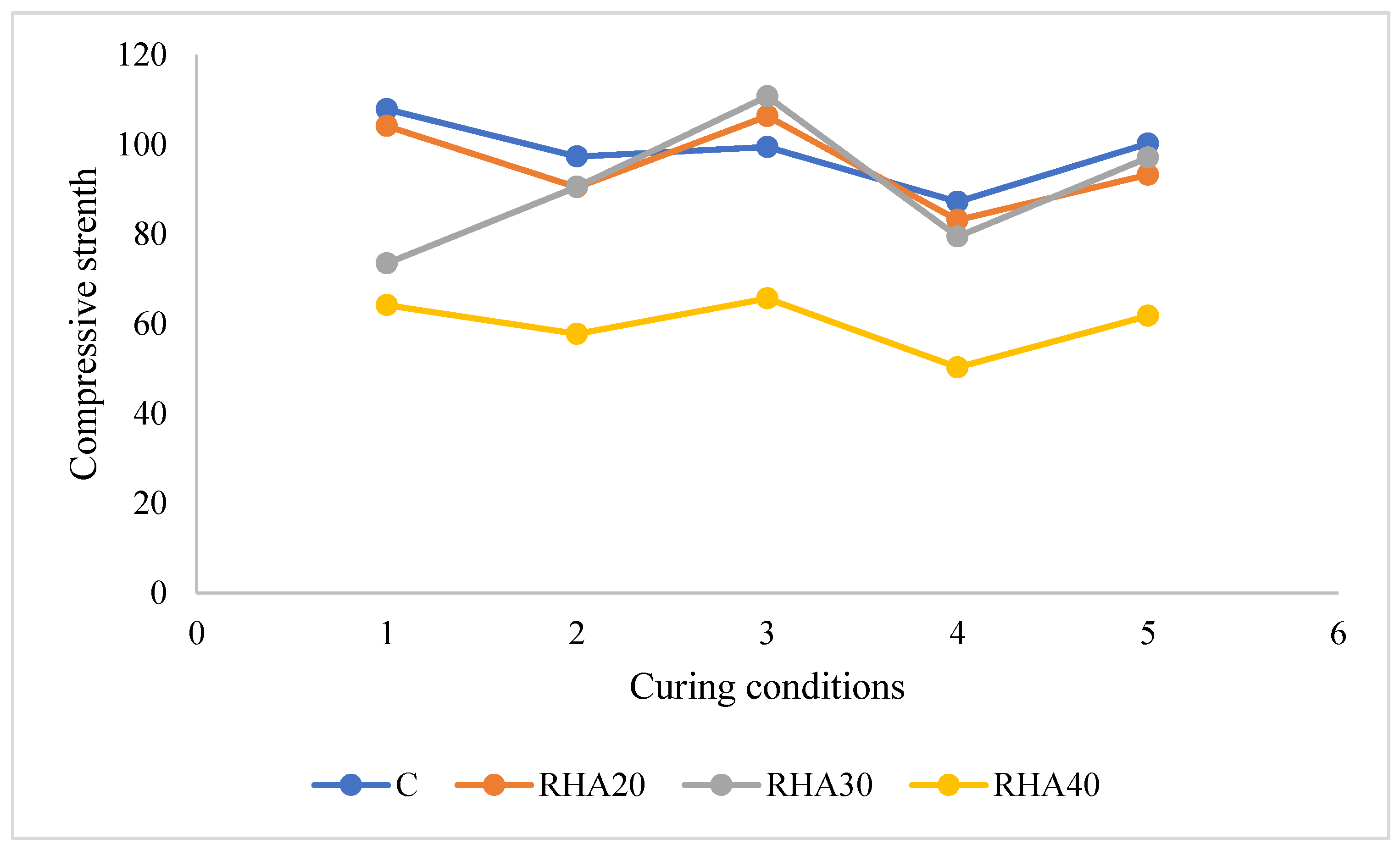
- Statistical validation using two-way ANOVA indicated that there is a significant effect due to the replacement levels of RHA and due to the curing condition. It is also evident from the interaction plots that the curing condition C3 has contributed to the increase in compressive strengths.
Author Contributions
Funding
Institutional Review Board Statement
Informed Consent Statement
Data Availability Statement
Acknowledgments
Conflicts of Interest
Abbreviations
| UHSM | Ultra-high-strength mortar |
| RHA | Rice husk ash |
| ANOVA | Analysis of variance |
| XRD | X-ray diffraction |
| SEM | Scanning electron microscopic |
References
- Bawab, J.; El-Dieb, A.; El-Hassan, H.; Khatib, J. Effect of Different Activation Techniques on the Engineering Properties of Cement-Free Binder Containing Volcanic Ash and Calcium Carbide Residue. Constr. Build. Mater. 2023, 408, 133734. [Google Scholar] [CrossRef]
- Keshta, M.M.; Yousry Elshikh, M.M.; Youssf, O. Sustainable Production of High Strength Fiber Reinforced Mortars Using Volcanic Ash and Magnetized Water Treatment Technology. Sci. Rep. 2025, 15, 20646. [Google Scholar] [CrossRef] [PubMed]
- Schuhmacher, M.; Domingo, J.L.; Garreta, J. Pollutants Emitted by a Cement Plant: Health Risks for the Population Living in the Neighborhood. Environ. Res. 2004, 95, 198–206. [Google Scholar] [CrossRef]
- Scrivener, K.L.; John, V.M.; Gartner, E.M. Eco-Efficient Cements: Potential Economically Viable Solutions for a Low-CO2 Cement-Based Materials Industry. Cem. Concr. Res. 2018, 114, 2–26. [Google Scholar] [CrossRef]
- Cordeiro, G.C.; Toledo Filho, R.D.; Fairbairn, E.M.R. Effect of Calcination Temperature on the Pozzolanic Activity of Sugar Cane Bagasse Ash. Constr. Build. Mater. 2009, 23, 3301–3303. [Google Scholar] [CrossRef]
- Barbhuiya, S.; Das, B.B.; Adak, D.; Rajput, A.; Katare, V. Rice Husk Ash in Structural Concrete: Influence on Strength, Durability and Sustainability. Discov. Concr. Cem. 2025, 1, 14. [Google Scholar] [CrossRef]
- Marandi, N.; Shirzad, S. Sustainable Cement and Concrete Technologies: A Review of Materials and Processes for Carbon Reduction. Innov. Infrastruct. Solut. 2025, 10, 408. [Google Scholar] [CrossRef]
- Paul, S.C.; Basit, M.A.; Hasan, N.M.S.; Islam, M.S. Sustainable Cement Mortar Production Using Rice Husk and Eggshell Powder: A Study of Strength, Electrical Resistivity, and Microstructure. Smart Constr. Sustain. Cities 2024, 2, 13. [Google Scholar] [CrossRef]
- Chabannes, M.; Bénézet, J.-C.; Clerc, L.; Garcia-Diaz, E. Use of Raw Rice Husk as Natural Aggregate in a Lightweight Insulating Concrete: An Innovative Application. Constr. Build. Mater. 2014, 70, 428–438. [Google Scholar] [CrossRef]
- India’s Agricultural Exports: Insights for 2025. Available online: https://indiadatamap.com/2025/08/20/indian-states-by-agricultural-export-value-2025/ (accessed on 12 January 2026).
- Jing, Y.; Lee, J.C.; Moon, W.C.; Jin, Y.; Ng, J.L.; Yew, M.K. Ternary and Quaternary Sustainable Cementitious Composites Containing Rice Husk Ash: A Comprehensive Review. Discov. Appl. Sci. 2025, 7, 174. [Google Scholar] [CrossRef]
- Bheel, N.; Meghwar, S.L.; Sohu, S.; Khoso, A.R.; Kumar, A.; Shaikh, Z.H. Experimental Study on Recycled Concrete Aggregates with Rice Husk Ash as Partial Cement Replacement. Civil Eng. J. 2018, 4, 2305–2314. [Google Scholar] [CrossRef]
- He, Z.; Li, L.; Du, S. Creep Analysis of Concrete Containing Rice Husk Ash. Cem. Concr. Compos. 2017, 80, 190–199. [Google Scholar] [CrossRef]
- Kwan, W.H.; Wong, Y.S. Acid Leached Rice Husk Ash (ARHA) in Concrete: A Review. Mater. Sci. Energy Technol. 2020, 3, 501–507. [Google Scholar] [CrossRef]
- Ramasamy, V. Compressive Strength and Durability Properties of Rice Husk Ash Concrete. KSCE J. Civil Eng. 2012, 16, 93–102. [Google Scholar] [CrossRef]
- Deepa, N.G.; Sivaraman, K.; Job, T. Mechanical Properties of Rice Husk Ash (RHA)—High Strength Concrete. Am. J. Eng. Res. 2013, 3, 14–19. [Google Scholar]
- Ganesan, K.; Rajagopal, K.; Thangavel, K. Rice Husk Ash Blended Cement: Assessment of Optimal Level of Replacement for Strength and Permeability Properties of Concrete. Constr. Build. Mater. 2008, 22, 1675–1683. [Google Scholar] [CrossRef]
- Jittin, V.; Bahurudeen, A.; Ajinkya, S.D. Utilisation of Rice Husk Ash for Cleaner Production of Different Construction Products. J. Clean. Prod. 2020, 263, 121578. [Google Scholar] [CrossRef]
- ASTM C618-22; Standard Specification for Coal Fly Ash and Raw or Calcined Natural Pozzolan for Use in Concrete. ASTM International: West Conshohocken, PA, USA, 2023.
- ASTM C150/C150M-21; Standard Specification for Portland Cement. ASTM International: West Conshohocken, PA, USA, 2021.
- IS2386; Methods of Test for Aggregates for Concrete. Bureau of Indian Standards (BIS): New Delhi, India, 1963.
- IS383; Coarse and Fine Aggregate for Concrete—Specification. Bureau of Indian Standards (BIS): New Delhi, India, 2016.
- ASTM C109/C 109M-16; Standard Test Method for Compressive Strength of Hydraulic Cement Mortars (Using 2-in. or 50-Mm Cube Specimens). ASTM International: West Conshohocken, PA, USA, 2016.
- IS 4031 (Part 6); Methods of Physical Tests for Hydraulic Cement, Part 6: Determination of Compressive Strength of Hydraulic Cement (Other than Masonry Cement). Bureau of Indian Standards (BIS): New Delhi, India, 1998.
- Pourabbas Bilondi, M.; Ghaffarian, V.; Amiri Daluee, M.; Pakizehrooh, R.; Hosseini Tazik, S.; Behzadian, A.; Zaresefat, M. Experimental Studies on Mix Design and Properties of Ceramic-Glass Geopolymer Mortars Using Response Surface Methodology. Sci. Rep. 2025, 15, 282. [Google Scholar] [CrossRef] [PubMed]
- Anwar, M.; Miyagawa, T.; Gaweesh, M. Using Rice Husk Ash as a Cement Replacement Material in Concrete. In Proceedings of the Waste Management Series; Waste Materials in Construction, WASCON 2000; Elsevier: Amsterdam, The Netherlands, 2000; Volume 1, pp. 671–684. [Google Scholar]
- Singh, N.B.; Singh, V.D.; Rai, S.; Chaturvedi, S. Effect of Lignosulfonate, Calcium Chloride and Their Mixture on the Hydration of RHA-Blended Portland Cement. Cem. Concr. Res. 2002, 32, 387–392. [Google Scholar] [CrossRef]
- Bui, D.D.; Hu, J.; Stroeven, P. Particle Size Effect on the Strength of Rice Husk Ash Blended Gap-Graded Portland Cement Concrete. Cem. Concr. Compos. 2005, 27, 357–366. [Google Scholar] [CrossRef]







| Mixes | Cement | RHA | Silica Fume | QP | FA | HRWR | H2O | SF |
|---|---|---|---|---|---|---|---|---|
| (kg/m3) | (%) | |||||||
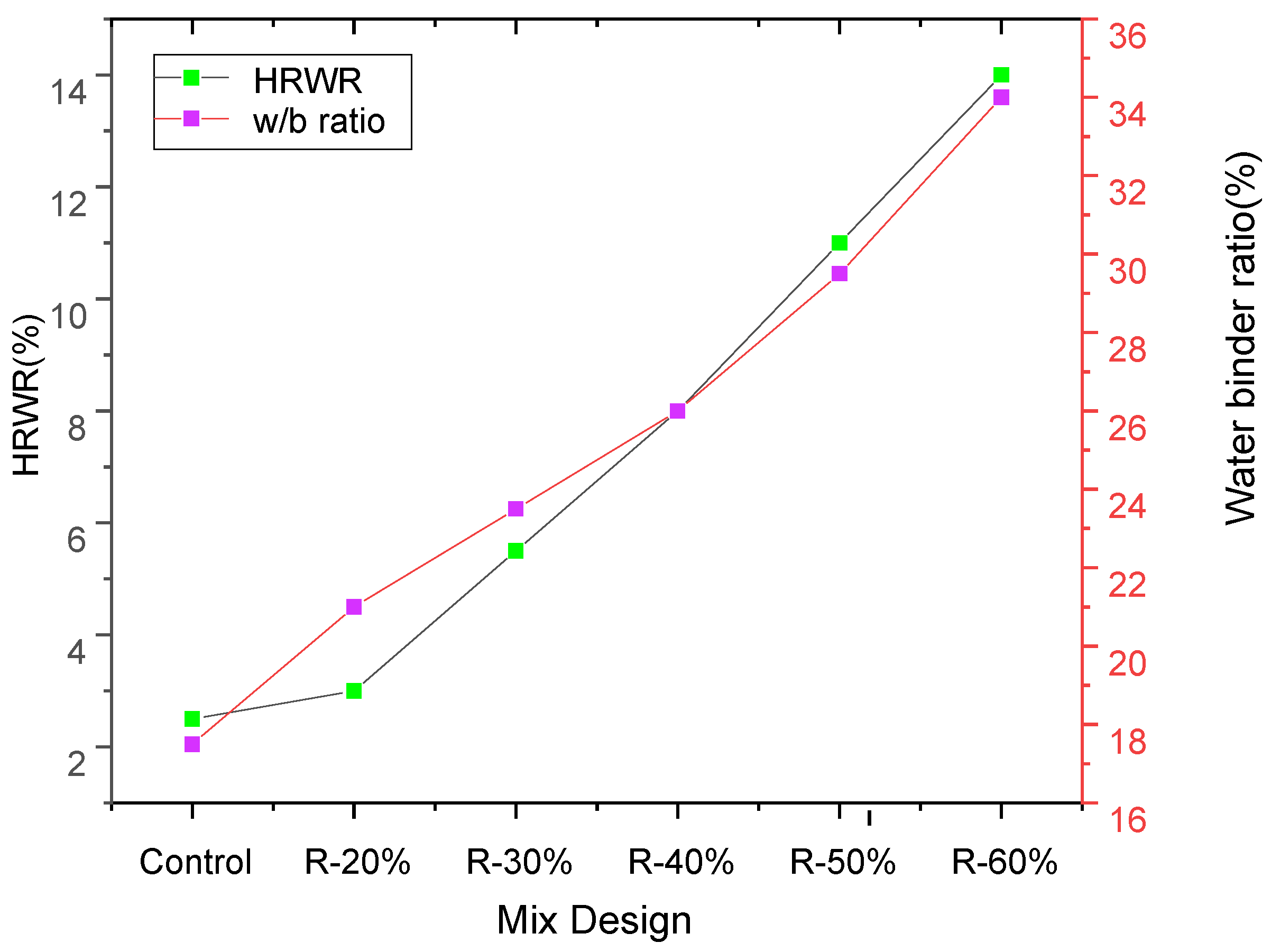
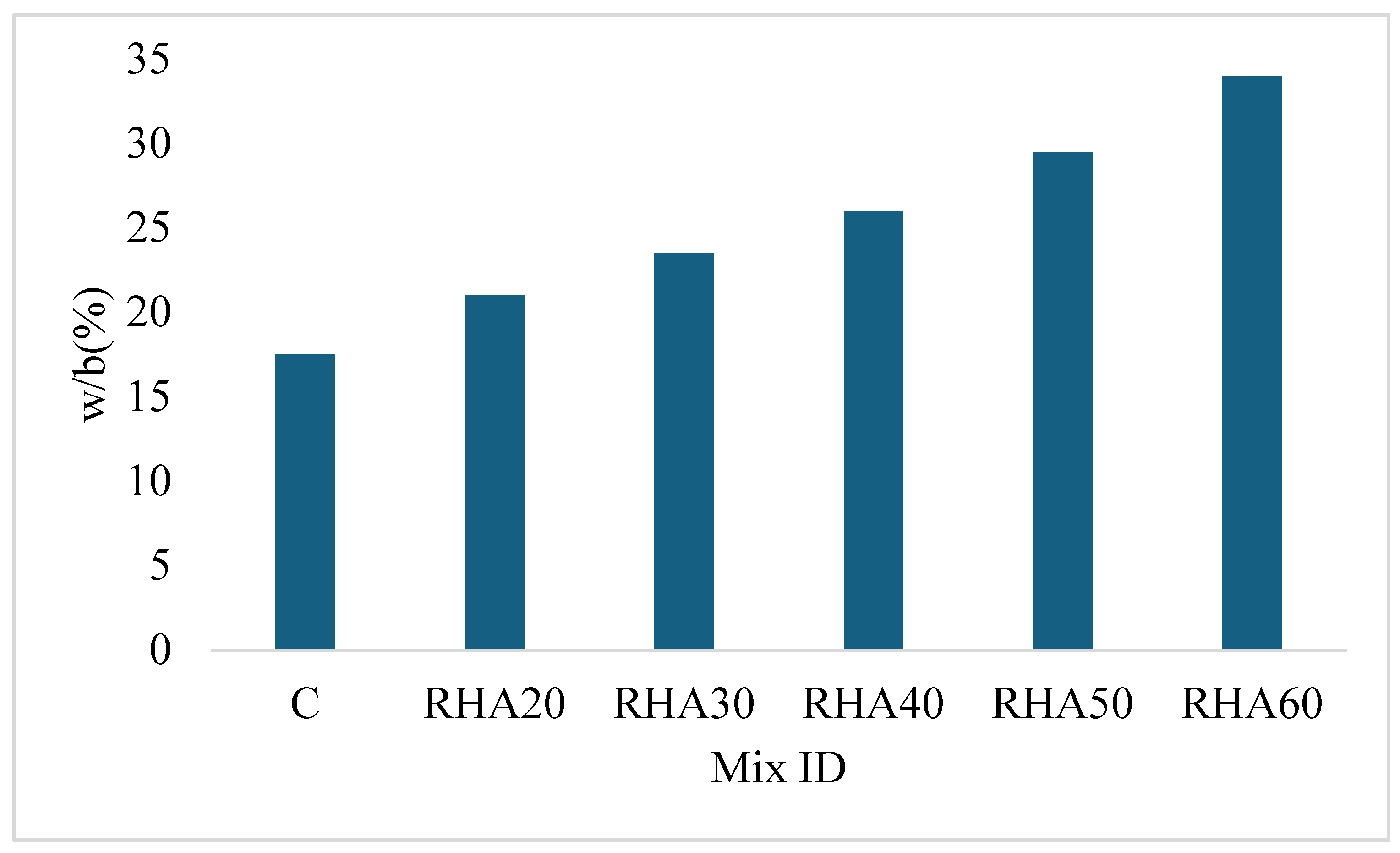
| Control | 1213 | - | 283 | 192 | 605 | 2.5 | 17.5 | 1.5 |
| RHA20 | 970.4 | 242.6 | 283 | 192 | 605 | 3 | 21 | |
| RHA30 | 849.1 | 363.9 | 283 | 192 | 605 | 5.5 | 23.5 | |
| RHA40 | 727.8 | 485.2 | 283 | 192 | 605 | 8 | 26 | |
| RHA50 | 606.5 | 606.5 | 283 | 192 | 605 | 11 | 29.5 | |
| RHA60 | 485.2 | 727.8 | 283 | 192 | 605 | 14 | 34 | |
| Factors | Number of Levels | |
|---|---|---|
| A | Material replacement | 4 (a) |
| B | Curing conditions | 5 (b) |
| The number of different treatments is (ab) | 20 | |
| Number of observations per treatment (n) | 3 | |
| Total number of observations (N) = abn | 60 | |
| Source of Variation | SS | df | MS | F | p-Value | F Crit |
|---|---|---|---|---|---|---|
| Replacement | 12,364.34 | 3 | 4121.448 | 310.4494 | 9.90817 × 10⁻²⁸ | 2.838745 |
| Curing temp | 4396.577 | 4 | 1099.144 | 82.79339 | 8.41101 × 10⁻¹⁹ | 2.605975 |
| Interaction | 3366.785 | 12 | 280.5654 | 21.13368 | 1.28747 × 10⁻¹³ | 2.003459 |
| Error | 531.0299 | 40 | 13.27575 | |||
| Total | 20,658.73 | 59 |
Disclaimer/Publisher’s Note: The statements, opinions and data contained in all publications are solely those of the individual author(s) and contributor(s) and not of MDPI and/or the editor(s). MDPI and/or the editor(s) disclaim responsibility for any injury to people or property resulting from any ideas, methods, instructions or products referred to in the content. |
© 2026 by the authors. Licensee MDPI, Basel, Switzerland. This article is an open access article distributed under the terms and conditions of the Creative Commons Attribution (CC BY) license.
Share and Cite
Muthiah Pillai, G.D.; Balasubramanian, K.; Sivaraman, C.; Ananda Kumar, V.T.; Chidambaranathan, R.; Subramanian Shanmugapuram, V. Applications of Sustainable Bio-Degradable Agro-Waste (Rice Husk Ash) in Improving the Flow and Mechanical Properties of Ultra-High-Strength Mortar. Eng. Proc. 2026, 130, 1. https://doi.org/10.3390/engproc2026130001
Muthiah Pillai GD, Balasubramanian K, Sivaraman C, Ananda Kumar VT, Chidambaranathan R, Subramanian Shanmugapuram V. Applications of Sustainable Bio-Degradable Agro-Waste (Rice Husk Ash) in Improving the Flow and Mechanical Properties of Ultra-High-Strength Mortar. Engineering Proceedings. 2026; 130(1):1. https://doi.org/10.3390/engproc2026130001
Chicago/Turabian StyleMuthiah Pillai, Gayathri Devi, Karthikeyan Balasubramanian, Chandrasekar Sivaraman, Vedhaa Thanjavur Ananda Kumar, Rathnapriya Chidambaranathan, and Vivek Subramanian Shanmugapuram. 2026. "Applications of Sustainable Bio-Degradable Agro-Waste (Rice Husk Ash) in Improving the Flow and Mechanical Properties of Ultra-High-Strength Mortar" Engineering Proceedings 130, no. 1: 1. https://doi.org/10.3390/engproc2026130001
APA StyleMuthiah Pillai, G. D., Balasubramanian, K., Sivaraman, C., Ananda Kumar, V. T., Chidambaranathan, R., & Subramanian Shanmugapuram, V. (2026). Applications of Sustainable Bio-Degradable Agro-Waste (Rice Husk Ash) in Improving the Flow and Mechanical Properties of Ultra-High-Strength Mortar. Engineering Proceedings, 130(1), 1. https://doi.org/10.3390/engproc2026130001