Proceeding Paper

Prediction of the Spare Parts Range Based on Time and Economic Factors †
Department of Transport and Handling Machines, Faculty of Mechanical Engineering, University of Žilina, Univerzitná 8215/1, 010 26 Žilina, Slovakia
*
Author to whom correspondence should be addressed.
Presented at the 17th International Scientific Conference on Aerospace, Automotive, and Railway Engineering (BulTrans-2025), Sozopol, Bulgaria, 10–13 September 2025.
Eng. Proc. 2026, 121(1), 31; https://doi.org/10.3390/engproc2025121031
Published: 3 February 2026

Abstract

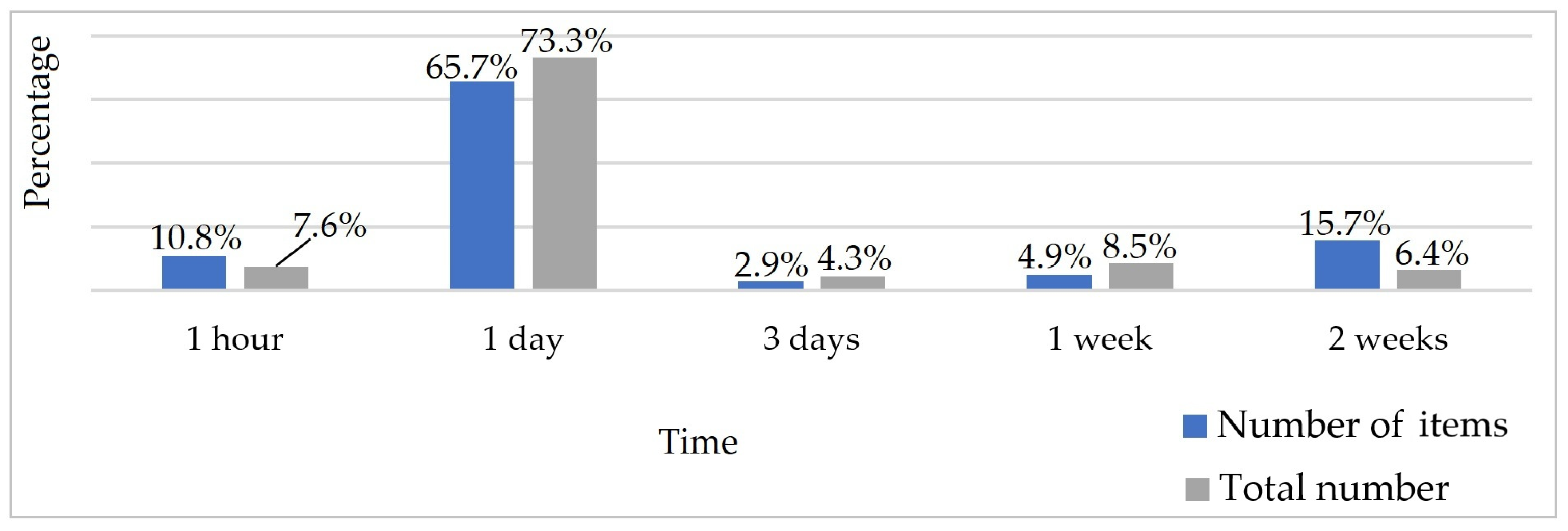
This work examines the results of research into internal combustion engine malfunction using the example of a vehicle control group of a specific transport company during the warranty and post-warranty periods. Studies have established that the most frequently encountered distribution laws for random variables during vehicle operation are normal, Weibull, log-normal, and exponential, and research has determined the patterns of units’ malfunctions and the internal combustion engine parts. The reliable operation of vehicles is achieved by maintaining a stock of spare parts, the size and range of which play an important part in the ensuing costs. It is important to forecast the need for spare parts to improve the efficiency of vehicle operation. A common drawback of forecasting methods, from the point of view of material resource management is the limited consideration of important factors such as the spare parts’ delivery time from the moment of ordering, the time frame for performing the repair work, and the spare parts’ cost. We determined that 65.7% of spare parts are delivered within one day, and 15.7% are delivered within 2 weeks. Further, it takes up to 3 h for the replacement of 82.45% of the spare parts. To determine the need for spare parts, it is important to consider the actual operational reliability and the listed factors to enable optimizing the repair fund of the motor transport enterprise and increase the efficiency of use of rolling stock.

1. Introduction

With the intensive use of rolling stock in a dynamic market situation, maintaining trucks in working condition is the main task facing the road transport industry. For the effective operation of a cargo transport enterprise and to maintain the rolling stock in working condition, there are a range of mandatory maintenance and repair operations, for which there should be spare parts, the size and specificity of which play a major role in providing uninterrupted operation and in the cost. This requires forecasting and planning for the need for spare parts [1,2,3].
Considering the limited financial resources of an enterprise, it can be difficult to store parts onsite. One needs to develop criteria for what parts to store, which can save money. Hence, the method must consider the limited financial resources available to the enterprise to maintain a spare parts inventory and effectively distribute these resources to scheduled maintenance, as well as reserves for unscheduled and unplanned replacements; these two principles are fundamentally different.
This problem is affected by the increase in automobiles’ operational reliability. In determining reliability indicators, there are random variables that can shift, particularly in the field of vehicle operation: traffic flow on the roads, the appearance of failures and malfunctions, the time and laboriousness of their repair, preventive measures, etc. The research into this issue suggests that the solution is to adopt mathematical calculations and obtain practical data. Hence, the methodology for random variables’ distribution in a vehicle’s operation can combine experimental data description using the laws of distribution with the construction of mathematical models from these processes.
Studies have established that the most frequently encountered random variables in the operation of automobiles are normal, Weibull, logarithmically normal, and exponential distribution laws. The specified models, although considered typical, do not exclude new possibilities for a more complete description of the wide range of processes characteristic of automobile operation.
In this study, we focus on a group of truck tractors as part of road trains, with semi-trailer internal combustion engines, in a large transport enterprise to achieve the following:
-
Determine the impact of an enterprise’s limited financial resources on the size of the spare parts warehouse;
-
Determine the criteria for the need to store spare parts;
-
Analyze the malfunctions and patterns of occurrence of internal combustion engine failures;
-
Determine the time required to repair the identified malfunctions;
-
Compile a list of spare parts to be stored at road transport enterprises.
For this, we tested 160 semi-trailer tractors in their warranty and post-warranty period.

2. Literature Review

There are several methods to calculate the stock of spare parts needed at motor transport enterprises, based both on the average availability of parts and on the consideration of various operational factors, such as the road conditions, the degree of using cars with trailers, the ratio in the fleet structure between new and used cars, the culture of fleet operation, and the climatic conditions in which the fleet is operated [4,5,6]. While forming a spare parts inventory, it is also necessary to consider the planned costs of parts for maintenance and scheduled replacements, such as brake pads, batteries, tires, etc.
Similar issues occur in various industries, including tourism, finance, insurance, biology, and others [7,8,9,10]. They often focus on achieving a balance between the pricing and the quality of work. Efficient inventory management to achieve this balance may include [11] statistical analysis and forecasting, optimal inventory levels, partnerships with suppliers, inventory management systems, exploring alternative sources of inventory, and considering supply terms. There is also research specifically aimed at spare parts management and delivery. Hermsen et al. [12] investigated efficient spare parts management to supply components for electric vehicles. Although focused on a different category, its main contribution advances sustainable electric vehicle battery management practices. This topic is relevant due to the recent application of a battery drivetrain to heavy-duty vehicles. Another study, presented in [13], focused on manufacturing spare parts for vehicles by additive and subtractive technologies, evaluating and describing the conventional and new manufacturing processes. It concluded that additive and hybrid manufacturing processes of spare parts for vehicles would be advantageous. Similarly, studies have investigated progressive technologies in the production of vehicle components [14,15]. The shipment problem of spare parts for cars in a particular region was described in [16], in which the authors determined that it is possible to decrease the backlog in spare parts’ shipment and to increase the daily total complete shipment. Fragassa [17] examined extensive and consistent data from automotive production and service to assess the reliability and predict failures in an engine control device. Based on real-world data from various sources, it offered a comprehensive roadmap for processing diverse raw data based on predictive models, to improve the effectiveness of production and the delivery of spare parts between the original manufacturer, car manufacturer, and users.
Hence, this methodology must consider the limited financial resources available in an enterprise to maintain a spare parts inventory and effectively allocate these resources to scheduled maintenance and a reserve of spare parts for unscheduled replacements.

3. Materials and Methods

3.1. Determining the Impact of the Limited Financial Resources of the Enterprise on the Size of the Spare Parts Warehouse

One of the parameters that determines the efficiency of a road transport enterprise is the total downtime of rolling stock for repairs during a given operation period. This downtime time is calculated as the sum of the time for the repair work and the delivery of the necessary part, if it is not in the warehouse. As the delivery time does not depend on the enterprise, it is possible to reduce this part of the downtime only if the necessary parts are in this warehouse. Therefore, the task of shortening this downtime is reduced to determining the number of parts of i-type that need to be stored in warehouses during T-time.
Let us denote via ci, i = 1, 2, 3, …, n the price of one detail of i-type and by mi the number of details of i-type necessary to store at the warehouse. C represents the amount of funds the enterprise may spend on these purchases. However, mi may not be chosen at random, due to limited financial resources. This limitation is described as follows:
i = 1 n c i m i C .
The downtime will be the smallest if each request for an i-type part (failure of i-type part) is met by the existing stock mi, i = 1, 2, …, n of parts at the warehouse. Although C may be large enough for the enterprise to afford to keep a large number of parts, there is still a probability that the next request will not be met. Hence, the task of downtime minimization should be assigned as the task of the minimization of the probability that the number of requests will surpass the number mi, i = 1, 2, …, n of parts kept at the warehouse.
Let fi be the number of failures of i-type per time T and A i = f i m i . Assuming the failures of different parts to be independent, the searched probability will be noted as P ( i = 1 n A i ) = 1 i = 1 n P ( A ̄ i ) , where A ̄ i represents the event in contrast to A i .
First, let us consider the problem of the minimizing the downtime for a single car. Since the cars operate independently, condition (1) for a single car can be written as
i = 1 n c i m i C N ,
where N is the number of cars.
Then, the problem of minimizing the downtime for one car can be formulated as an integer problem for a conditional extremum:
P ( i = 1 n A i ) = 1 i = 1 n P ( A ̄ i ) m i n ; i = 1 n c i m i C N .
To define the probabilities P ( A ̄ i ) that are in Equation (3), the flow of failures of i-type parts per time T is a Poisson hour with the intensity of the price i = 1, 2, …, n. Then,
P ( A ̄ i ) = e λ i T s = 1 m i ( λ i T ) s s ! .
From here, we obtain that
P ( i = 1 n A i ) = 1 exp T i = 1 n λ i i = 1 n s = 1 m i ( λ i T ) s s ! .
Therefore, task (2) may take the following form:
1 exp T i = 1 n λ i i = 1 n s = 1 m i ( λ i T ) s s ! m i n ; i = 1 n c i m i C N .
This task may be solved, for example, via an exhaustive method. Let it m i , i = 1, 2, …, n, be the definitions determining the number of parts of type i. Then, it is necessary to keep the stock in the amount of N m i , i = 1, 2, …, n, parts of type i.
Since, at the previous accounting period T, some parts could be left at the warehouse as non-requested in the amount of ai, i = 1, 2, …, n, the task should be considered as the task of “additional purchase” of the necessary amount mi, i = 1, 2, …, n, of i-type parts. Then, it is necessary to consider the events A i = f i a i + m i ; therefore, task (6) may be reformulated as follows:
1 exp T i = 1 n λ i i = 1 n s = 1 a i + m i ( λ i T ) s s ! m i n ; i = 1 n c i m i C N .
As the analysis of the component’s delivery time to the enterprise from the moment of ordering shows, some types of parts should not be kept in stock since the time of their delivery either does not affect the time of repair work at all, or this effect is so insufficient that it can be neglected. Therefore, one should set aside some part C* of funds C for purchasing these types of parts; thus, the limitation i = 1 n c i m i C N in problem (7) should be written as
i = 1 n c i m i C C * N .
The determination of the values λ i , i = 1, 2, …, n, and C*, including (7), relates to the statistical analysis of data specific to this rolling stock.
Thus, relations (1)–(8) show that to maintain the appropriate composition of spare parts and effectively distribute resources for scheduled maintenance, as well as a reserve of spare parts for unscheduled replacements, the limited financial resources available to the enterprise must be considered. The condition for this is the operational knowledge of the patterns of failures, the deadlines for completing work, the delivery time of spare parts, their cost, and the replacement time. As shown in previous research [18], based on the conducted studies of failures and the detailed malfunctions of units and systems of the vehicles, the average operating time to failure or occurrence of malfunctioning, the probability of failure-free operation, and the time spent on repairs, it was possible to determine these for two types of semi-trailer tractors. Efficient work and reliable support of semi-trailer trucks in operational conditions are provided by the availability of spare parts. The size and assortment of these parts play an important role in the cost of the transport process. The creation of a criterion, based on quality work parameters, to determine the appropriateness of preserving a particular part can save resources for the enterprise. One of the essential characteristics of transport enterprise work quality is the coefficient of technical readiness, which is determined by the i-th type of parts, as the ratio of the time in normal work to this work plus the forced downtime (for repair purposes) [18].

3.2. Statistical Analysis of Performance Failures in Automotive Internal Combustion Engines

Characteristic indicators to ensure the operational reliability of vehicles are random variables that drift even under stable conditions, especially in the field of vehicle operation: traffic flow on the roads, occurrence of failures and malfunctions, time and labor for their repair, the frequency of preventive actions, etc. [19,20,21,22]. Studying these facts and patterns enables their optimal use in practice.
The research into these facts and regularities allows us to determine the mathematical calculations, not accounting for the random character of the process of rolling stock technical operation.
The survey included new trucks as part of road trains with semi-trailers during the warranty and post-warranty periods of operation. The aim of the work was to study the patterns of failures and malfunctions and to determine the time spent on repairing the identified faults.
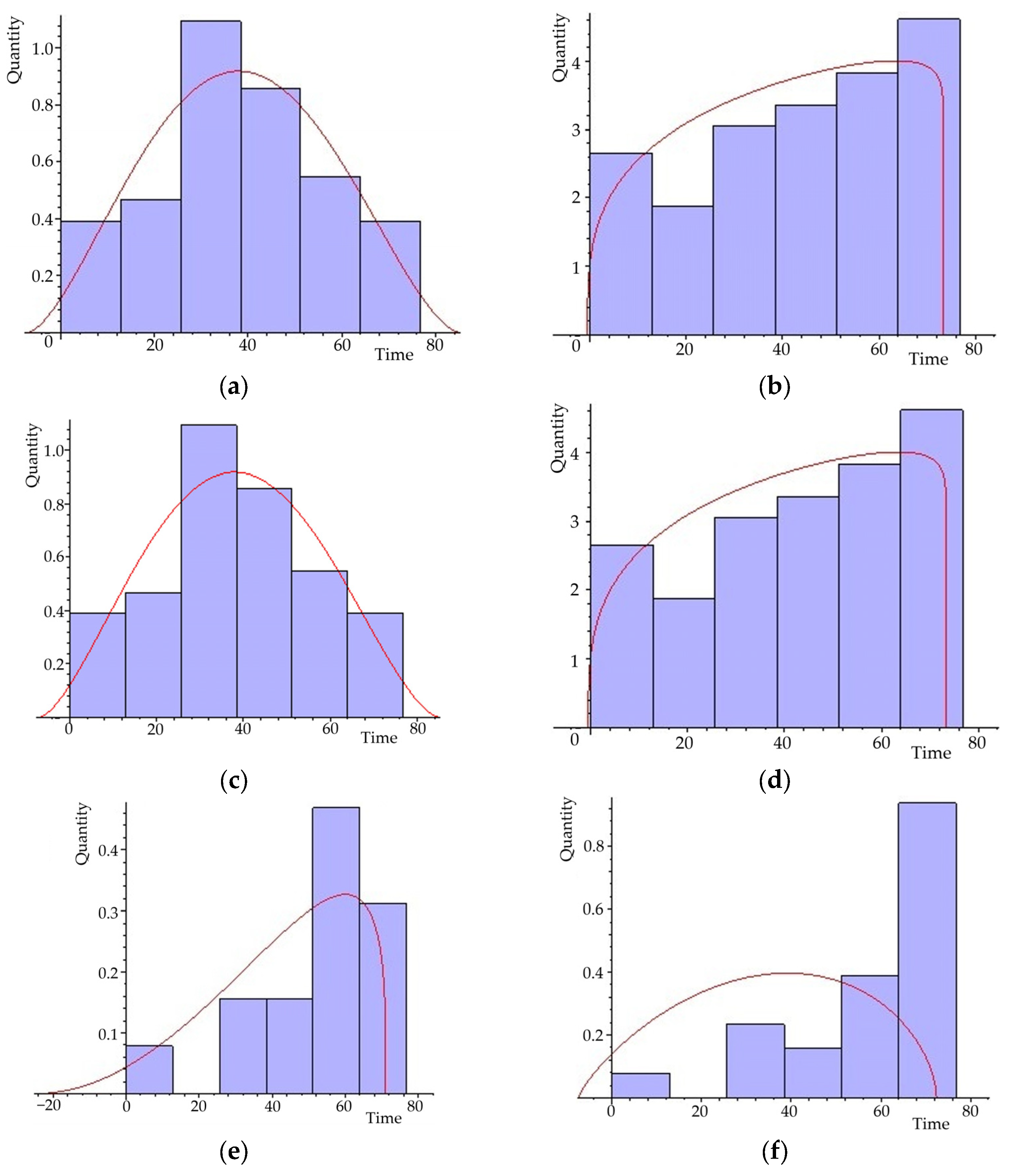
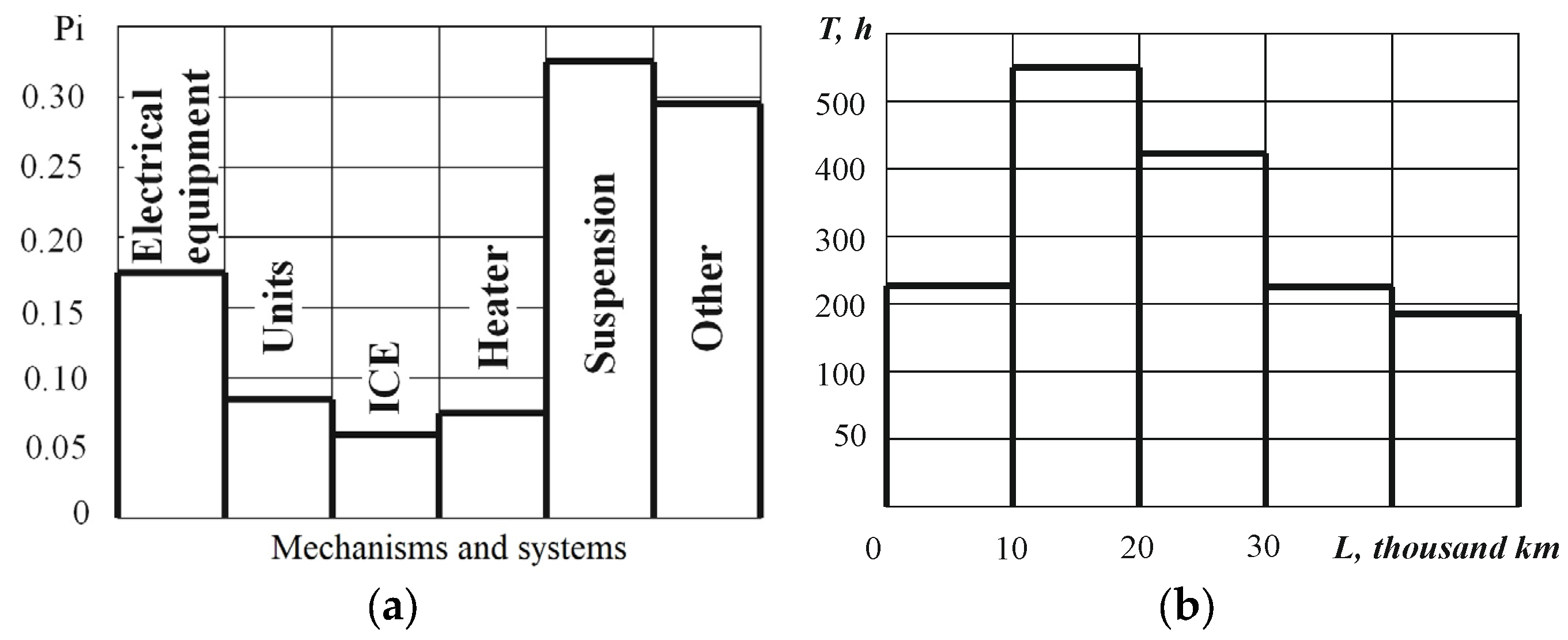
In the first year of operation, vehicle malfunctioning is approximated by the beta distribution (Figure 1) with statistical characteristics for the engine with a failure probability of Pi = 0.066 (exponential law of distribution): mathematical expectation M—1.4 thousand km; σ mean square deviation—0.8 thousand km (Figure 2) [22]. The specific weight of failures due to wear was about 20%.
Symmetrical laws of the distribution of maintenance to prevent failure, as a rule, indicate the perfection of the design, and an increase in maintenance can be achieved by improving the modes and technology of maintenance and repair. This information can be used in operation to determine the scope of repair actions needed for the corresponding failures. Asymmetrical laws of distribution in some cases indicate deficiencies in the design or technology of their assembly or an unqualified person driving the vehicle. The study of these laws made it possible to gain a deeper understanding of the failures’ natures and effects, to develop a strategy for their prevention and to model and predict violations of the vehicles’ technical condition.
The analysis of vehicles’ downtime during warranty repairs showed that the average duration of one repair is 13.7 h. After 60 thousand km miles, stabilization stops, and at a mileage of more than 100 thousand km, the average idle time is 20.2 h.
Research regarding the reliability of 160 tractor vehicles with a mileage of up to 900,000 km established the following: the average number of failures per vehicle was 33.11, the average mileage before the first failure was 171.881 km, and the average mileage before failure was 23.582 km [23].
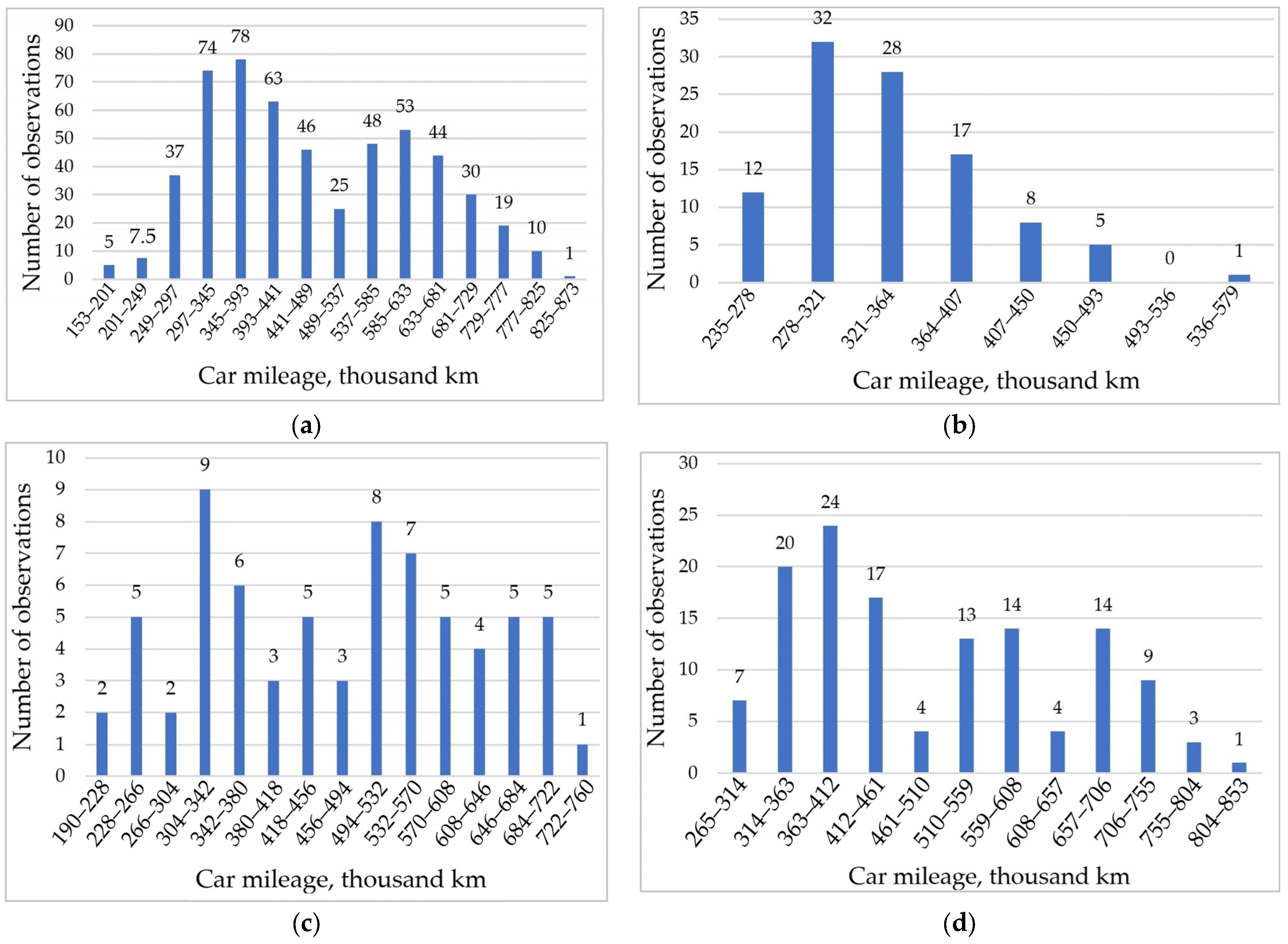
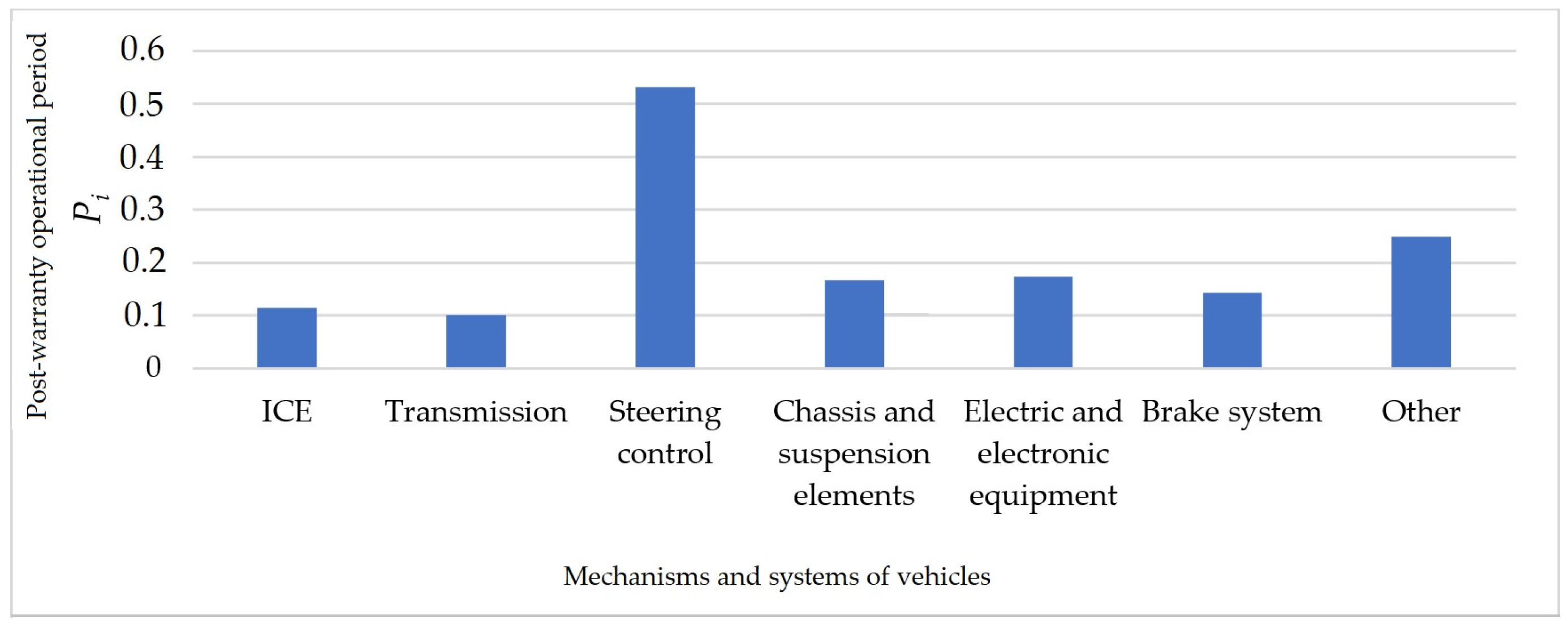
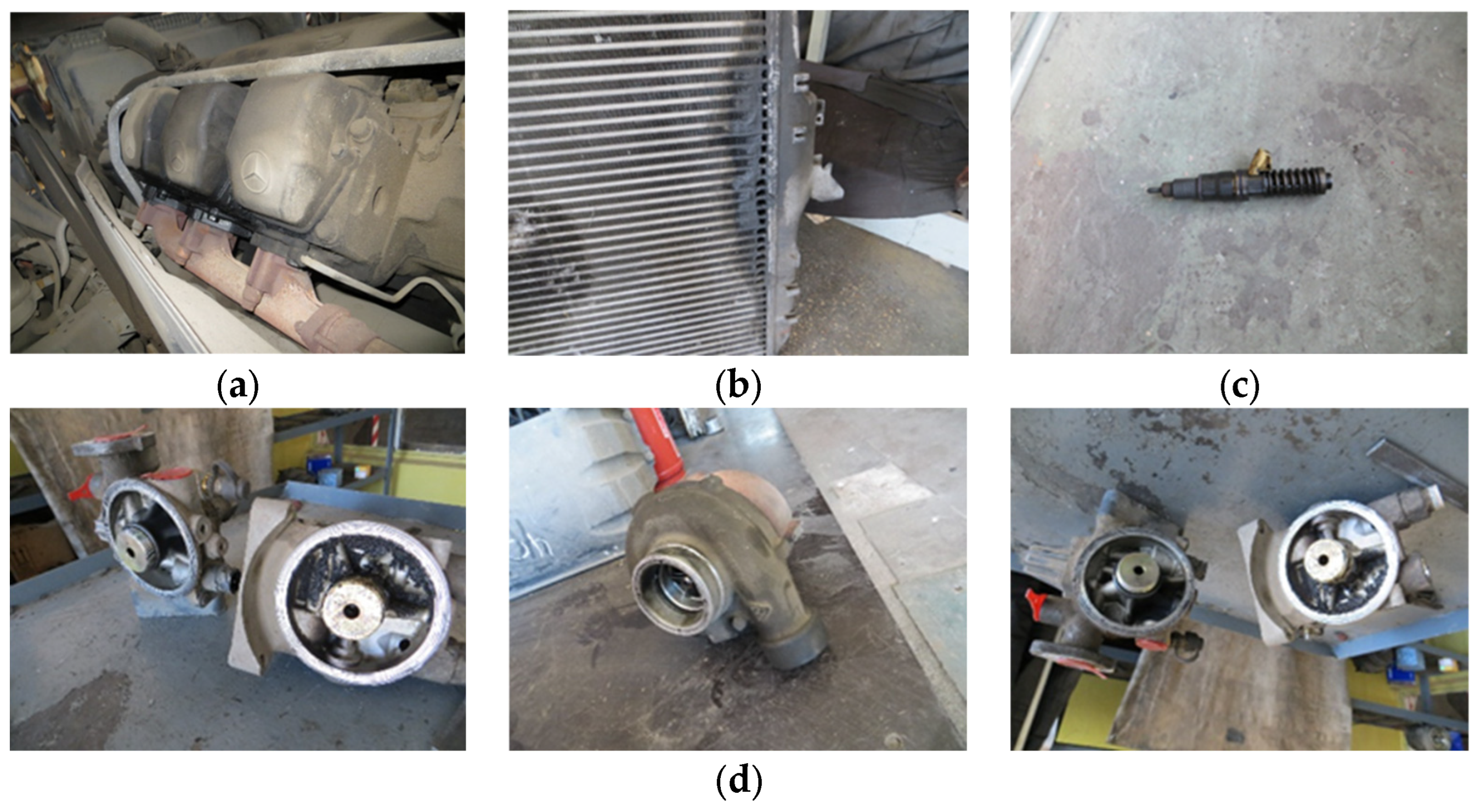
Based on the collected statistical data, the elimination of defects and malfunctions was analyzed, the patterns of performance violations were obtained, and the main statistical characteristics were identified. Every tenth malfunction requires repair work. The main malfunctions occurred in electrical and electronic equipment, chassis, braking system, engine (10.15%), transmission, and steering (Figure 3, Table 1 and Table 2). The characteristics of the malfunctions of some engine elements are presented in Figure 4, and examples of engine malfunctions are shown in Figure 5. Violations of the performance of units and components during the post-warranty period of operation are generally subject to a normal law.
Analyzing the malfunctions of engine mechanisms and systems, it was established that the unit is a reliable vehicle system meeting the requirements of economy and environmental friendliness, but malfunctions appear

3.3. Spare Parts Catalog Formation at Automobile Transport Enterprises

The process of managing a motor vehicle enterprise includes the continuous adoption of management decisions and their practical application. The steady development of the enterprise largely depends on the effectiveness of the decisions made in modern economic conditions. Maintaining trucks in working order to ensure the intensive use of rolling stock is one of the main tasks facing a motor transport enterprise. The reliable operation of cars is ensured by a reserve of spare parts, the size and type of which play an important role in the cost of transportation. To achieve this operation, it is important to anticipate the need for spare parts to improve the efficiency of car operation. Fluctuations in demand for spare parts are formed under the influence of economic, technical, seasonal, and climatic factors, the manifestation and strength of which must be predicted [8,11,24,25].
Justification of the size of the optimal stock of material resources, by determining the reliability, risks, and sustainability of the material resources management system is an efficient solution to the problem of optimizing financial resources and implementing operational management with increased quality, thus ensuring the adequacy of management decisions. A general drawback of methods to solve this problem is the limited accounting of important factors in saving financial resources—the time of spare parts delivery from the moment of ordering, the time of the repair work, and the cost of spare parts. Considering the actual operational reliability and adjusted consideration of the listed factors will enable optimization of the repair fund of the motor vehicle enterprise and increase the efficiency of rolling stock use.
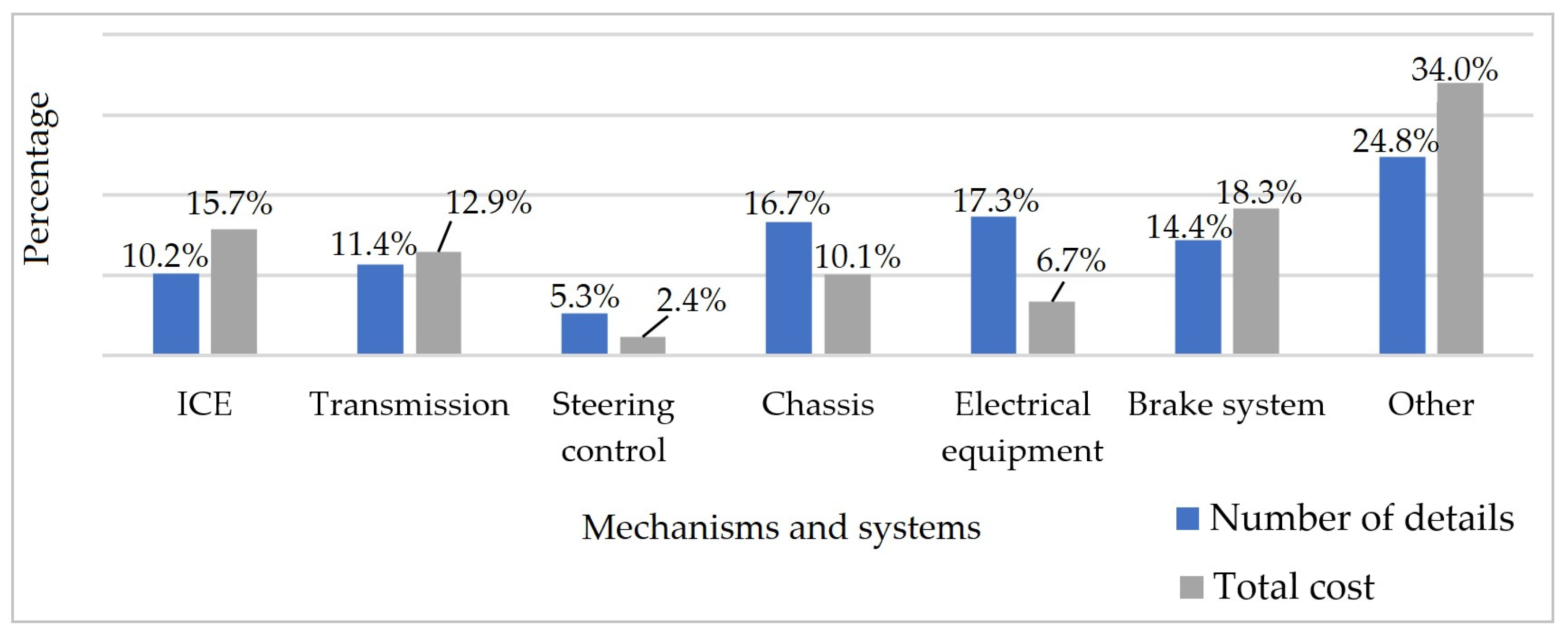
To improve the efficiency of determining the required number and type of spare parts, the structure of time losses for troubleshooting, the delivery time of the required spare parts, and their classification by duration and cost were analyzed. The research found that the cost of providing rolling stock with spare parts can reach 30% of the total costs of an enterprise. The largest share of expenses (24.8%) was accounted for by the group that included malfunctions of the cabin heating and cab lifting systems, the total cost of which was 34% (Figure 6).
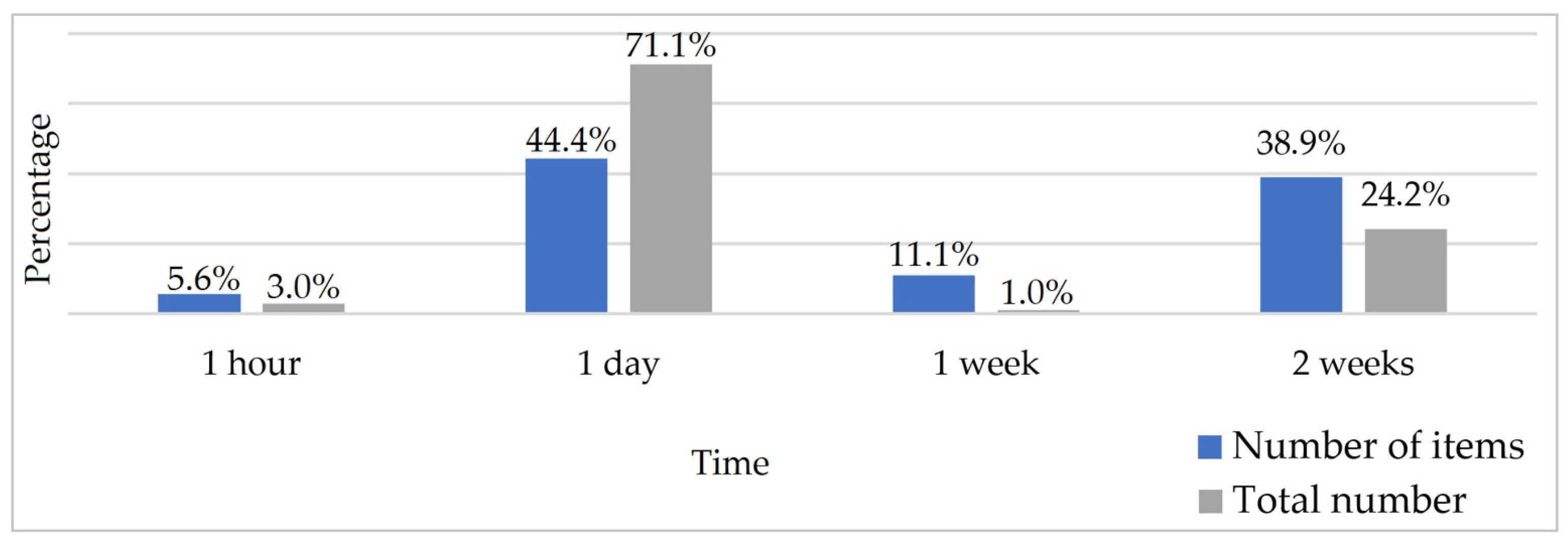
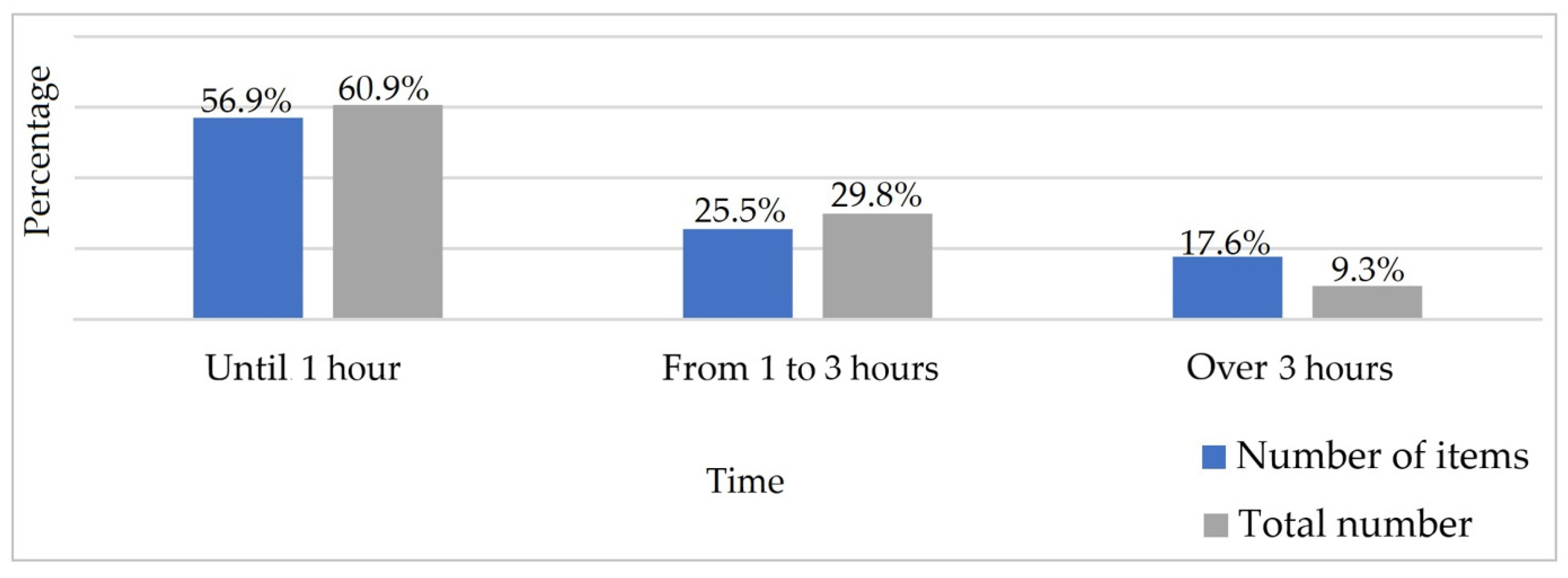
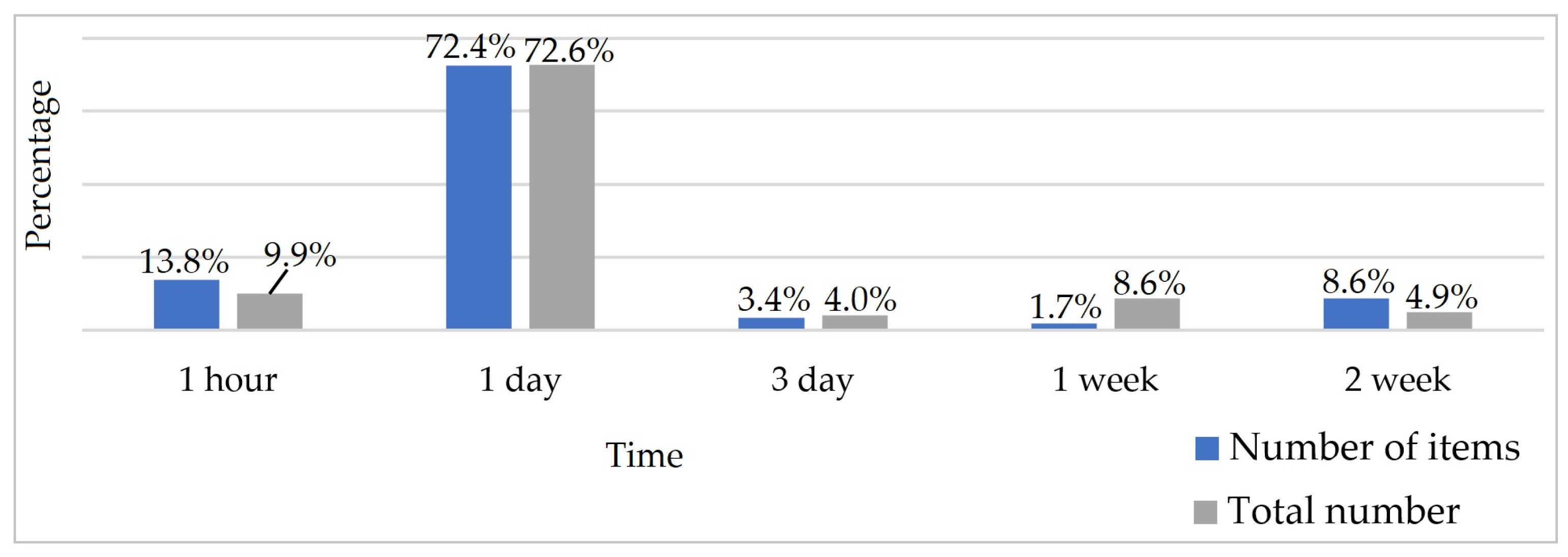
An analysis of the delivery time of spare parts showed that 65.7% of parts are delivered within one day (Figure 7). The replacement time for most parts, as shown by the study, is 60.9% within one hour, and another third of all replacements are completed within one to three hours (Figure 8). About 44% of parts are delivered within one day, and about 39% of parts are delivered within two weeks (Figure 9). For the 14% of parts that can be replaced within one hour, delivery of such parts can occur within the same time frame. Here, 72% of such parts are delivered within a day (Figure 10).

4. Results and Discussion

According to the calculations of the researched control group of cars, conclusions were drawn (Table 3) for which spare parts to store in the warehouse of a motor transport enterprise, using the example of internal combustion engine parts.
To determine the need for spare parts, a program was developed to account for the consumption of spare parts on vehicles and in the warehouse of an automobile enterprise. The program contains information on the parts installed on a given vehicle during the repairs performed, the mileage at which the replacement was performed, as well as the time spent waiting for delivery and performing the repair work. The program can be used to view information on spare parts. It contains data on the name, catalog number of the spare part, its cost and delivery time, as well as stores data on the probability of failure and the need for storage in a warehouse. For the calculation, data on the planning horizon, the technical readiness coefficient of the vehicle fleet, and the amount of funds available for the purchase of spare parts were entered (1)–(8).
Based on the results of the calculations for the control group of vehicles studied, using some internal combustion engine parts as an example, the conclusions are shown in Table 3 on the advisability of storing spare parts (considering the delivery time, price, and probability of failure) in the warehouse of a motor transport enterprise.
As a result of the implementation of the proposed method for forming the ware-house catalog, the downtime of vehicles waiting for the delivery of the required spare part decreased.

5. Conclusions

The suggested methodology enables us to calculate the required number of spare parts for a future period in conditions of limited financial resources based on the determined intensity of the failure flow. This methodology enables reserving funds for the prompt replenishment of the spare parts’ stock, taking into consideration the delivery time. The joint use of the methodology and the program will enable planning the timely ordering of the necessary component parts.
The suggested criteria, based on the coefficient of the technical readiness of the vehicle fleet, the probability of failure, the time of the repair work, and the time of parts delivery to the enterprise from the moment of ordering, enables us to determine the feasibility of storing the part, which can be used to determine the optimal range and quantity of the contents of a spare part warehouse of a motor transport enterprise.
It is possible to expand the capabilities of the program by adding other parts, such as brake pads, tires, and batteries, as well as other parts and materials for preventive maintenance, the average life of which can be determined.
A mechanism for managing spare parts using a forecast of spare parts’ storage for the performance of scheduled maintenance and unscheduled repair work is substantiated; it can improve the efficiency of a large motor transport enterprise. The proposed method, in comparison with existing ones, allows for calculating the required number of spare parts for a prospective period in conditions of limited financial resources based on the technical and economic components of the activities of a motor transport enterprise. Considering the actual intensity of the failure flow, the delivery times of spare parts, and their cost, this method allows reserving funds for the prompt replenishment of the stock of spare parts and allows planning the timely order of the necessary components.
The use of criteria based on the technical readiness coefficient of the vehicle fleet, the probability of failures, the time of repair work, and the time of delivery of parts to the enterprise from the moment of ordering allows us to determine the feasibility of storing the part and can be used to determine the optimal range and volume of spare parts stored in a warehouse of a motor transport enterprise.
The patterns of failure probability have distribution laws known in technical systems (normal, Weibull, exponential) and others (beta distribution, uniform). The time to repair a car depends on two components—the time of the repair work and the waiting time for the delivery of spare parts. This made it possible to isolate the waiting time and estimate the magnitude of its impact on the technical readiness coefficient.
The methodology for determining the number and type of spare parts that should be stored in a warehouse of an automobile enterprise has shown efficiency, which is expressed in reducing the downtime of cars in repair, increasing the technical readiness coefficient of the vehicle fleet and obtaining additional profit.

Author Contributions

Conceptualization, O.K. and J.D.; methodology, O.K., J.D. and A.S.; software, O.K., J.D., A.S. and K.K.; validation, O.K. and J.D.; formal analysis, O.K. and J.D.; investigation, O.K. and A.S.; resources, O.K. and J.D.; data curation, O.K. and J.D.; writing—original draft preparation, O.K.; writing—review and editing, J.D.; visualization, O.K., J.D. and K.K.; supervision, O.K. and J.D.; project administration, O.K.; funding acquisition, O.K. All authors have read and agreed to the published version of the manuscript.

Funding

This research was funded by the EU NextGenerationEU through the Recovery and Resilience Plan for Slovakia under the project No. 09I03-03-V01-00129. This publication was supported by the Cultural and Educational Grant Agency of the Ministry of Education of the Slovak Republic within the project KEGA 031ŽU-4/2023: Development of key competencies of the graduate of the study program Vehicles and Engines. This research was also supported by the Slovak Research and Development Agency of the Ministry of Education, Science, Research and Sport of the Slovak Republic VEGA 1/0037/25 “Research of the properties of the structural design of a new type of unconventional mechanism implementable in light road vehicles with a self-locking effect when the torque differential of the driving axle wheels is required”.

Institutional Review Board Statement

Not applicable.

Informed Consent Statement

Not applicable.

Data Availability Statement

The data are contained within the article.

Conflicts of Interest

The authors declare no conflicts of interest.

References

  1. Govorushchenko, N.Y.; Turenko, A.N. Transport Systems Engineering, 2nd ed.; RIO KhGADTU: Kharkov, Ukraine, 1999; 468p. [Google Scholar]
  2. Khabutdinov, R.A. Theory of Automotive Transport Technology, Monograph; Publisher Kushnir G.M.: Ivano-Frankivsk, Ukraine, 2024; 192p. [Google Scholar]
  3. Bilichenko, V.V.; Makarov, V.A.; Makarova, T.V.; Antonyuk, O.P. On a Rational Approach to Supplying Spare Parts for Freight Motor of Transport Enterprises in the Region (In Ukrainian). Bull. Zhytomyr State Technol. Univ. Ser. Tech. Sci. 2018, 62, 29–35. [Google Scholar] [CrossRef]
  4. Bazhinov, A.V. Improvement of Methods for Forecasting Spare Parts Requirements for Truck Power Units. Ph.D. Thesis, iTechnical Sciences, Kharkiv National Automobile & Highway University “KhNADU”, Kharkov, Ukraine, 2011. [Google Scholar]
  5. Sumets, A.M. Logistics of Automotive Transport Systems. Part 1. Retrospective Analysis of the Spare Parts Supply System; NUA: Kharkov, Ukraine, 2004; 156p. [Google Scholar]
  6. Dyachenko, V. Increasing the reliability of machines and the efficiency of their use in transportation processes in agro-industrial production using service logistics methods. Cent. Ukr. Sci. Bulletin. Tech. Sci. 2022, 37, 215–227. [Google Scholar] [CrossRef]
  7. Pellinen, J. Making price decisions in tourism enterprises. Int. J. Hosp. Manag. 2003, 22, 217–235. [Google Scholar] [CrossRef]
  8. Brignall, T.J.; Fitgerald, L.; Johnston, R.; Siverstro, R. Product costing in service organizations. Manag. Account. Res. 1991, 2, 227–248. [Google Scholar] [CrossRef]
  9. Ray, S.; Li, S.; Song, Y. Tailored supply chain decision making under price-sensitive stochastic demand and delivery uncertainty. Manag. Sci. 2005, 51, 1733–1902. [Google Scholar] [CrossRef]
  10. Ferrell, O.C.; Hartline, M.; Hochstein, B.W. Marketing Strategy, 8th ed.; Cengage Learning: Andover, UK, 2021; p. 576. [Google Scholar]
  11. Georgiev, I.; Grozev, D.; Beloev, I.; Milchev, M.; Gladkova, V. Enhancing inventory optimization and management for automotive repair shops. AIP Conf. Proc. 2024, 3129, 070002. [Google Scholar] [CrossRef]
  12. Hermsen, M.; Niemeyer, J.F.; Uhlig, E.; Mennenga, M.; Herrmann, C. Towards a Circular Spare Parts Management for Commercial Vehicles: A Framework Proposal for the Case of Batteries. Procedia CIRP 2025, 135, 403–408. [Google Scholar] [CrossRef]
  13. Barbosa, W.S.; Wanderley, R.F.F.; Gioia, M.M.; Gouvea, F.C.; Gonçalves, F.M. Additive or subtractive manufacturing: Analysis and comparison of automotive spare-parts. J. Remanufacturing 2021, 12, 153–166. [Google Scholar] [CrossRef]
  14. Szalai, S.; Herold, B.; Kurhan, D.; Németh, A.; Sysyn, M.; Fischer, S. Optimization of 3D printed rapid prototype deep drawing tools for automotive and railway sheet material testing. Infrastructures 2023, 8, 43. [Google Scholar] [CrossRef]
  15. Eller, B.; Majid, M.R.; Fischer, S. Laboratory tests and FE modeling of the concrete canvas, for infrastructure applications. Acta Polytech. Hung 2022, 19, 9–20. [Google Scholar] [CrossRef]
  16. Liang, S.; Pratama, A.T.; Sudarto, S. Improving Daily Total Complete Shipment by Using System Dynamics Simulation in an Indonesian Car Spare Parts Manufacturer. Ind. Eng. Manag. Syst. 2022, 21, 74–84. [Google Scholar] [CrossRef]
  17. Fragassa, C. Analysis of Production and Failure Data in Automotive: From Raw Data to Predictive Modeling and Spare Parts. Mathematics 2024, 12, 510. [Google Scholar] [CrossRef]
  18. Kravchenko, A.; Kravchenko, K. Monitoring of the technical condition of semi-trailer trucks. Arch. Automot. Eng.-Arch. Motoryz. 2018, 81, 17–28. [Google Scholar] [CrossRef]
  19. Turchin, V.N. Probability Theory and Mathematical Statistics; Lira: Dnipro, Ukraine, 2018; 752p. [Google Scholar]
  20. Kanarchuk, V.E.; Dudchenko, O.A.; Chyhrynets, A.D. Operational Reliability of Automobiles; Vyshcha Shkola: Kyiv, Ukraine, 2000; p. 609. [Google Scholar]
  21. Kanarchuk, V.E.; Polyansky, S.K.; Dmitriev, M.M. Machine Reliability; Lybid: Kyiv, Ukraine, 2003; 424p. [Google Scholar]
  22. Kravchenko, O.P. Road Trains: Serviceability Management, Monograph; NCPPRK “Knowledge”: Luhansk, Ukraine, 2008; 204p. [Google Scholar]
  23. Kravchenko, O.P. Operational Reliability Analysis of ICE in Mercedes-Benz 1844 ACTROS LS Heavy-Duty Trucks. (In Russian) In Proceedings of the 15th International Scientific and Technical Conference, Minsk, Belarus, 6–8 September 2016; pp. 83–87. [Google Scholar]
  24. Lytvyshko, L.O. Key Approaches to Inventory Management Policy Formation (In Ukrainian). Bull. Natl. Transp. Univ. 2011, 24, 355–359. [Google Scholar]
  25. Baranov, V.V. Recurrent Methods of Optimal Solutions in Stochastic Systems; Vyshcha Shkola: Kharkov, Ukraine, 1981; 145p. [Google Scholar]
Figure 1. Bar charts and theoretical curves of the distribution of the impaired performance of vehicles: (a) aggregates; (b) suspension; (c) steering; (d) electrical equipment; (e) fuel tank; (f) weakening fastening connections [22].
Engproc 121 00031 g001
Figure 2. Characteristics of vehicle malfunctioning: (a) distribution of mechanism and system malfunctions; (b) recovery time distribution.
Engproc 121 00031 g002
Figure 3. Distribution of mechanism and system malfunctions and failures of vehicles in the post-warranty operation period.
Engproc 121 00031 g003
Figure 4. Characteristics of impaired performance: (a) general distribution; (b) intercooler; (c) gaskets; (d) the spray nozzle.
Engproc 121 00031 g004
Figure 5. Examples of engine element malfunctions: (a) cylinder head gasket; (b) intercooler; (c) nozzle; (d) turbo compressors.
Engproc 121 00031 g005
Figure 6. Expenses on spare parts for tractor trucks by components.
Engproc 121 00031 g006
Figure 7. Distribution of spare parts by delivery time.
Engproc 121 00031 g007
Figure 8. Distribution of spare parts by replacement time.
Engproc 121 00031 g008
Figure 9. Delivery of parts with a replacement time of more than one hour.
Engproc 121 00031 g009
Figure 10. Delivery of parts with a replacement time within one hour.
Engproc 121 00031 g010
Table 1. Distribution of performance impairment according to engine elements.
Unit ElementsFailures, %Performance Until
the First Failure, km
Average Performance
Until the First Failure, km
Fan with drive0.7367,000486,750
RPM sensor1.1550,000540,500
ICE in assembly0.2198,000198,000
Intercooler18.6233,000334,310
Piston rings0.9402,000476,400
Cylinder–piston group0.7377,000515,500
Valve cover0.2703,000703,000
Engine flywheel0.7404,000509,250
Pipe and collar of the intercooler4.5278,000554,750
Thermostat2.8498,000647,133
Fuel pump0.4415,000445,000
Turbocharger and compactors5.9234,000450,063
Nozzles1.5391,000601,625
Gaskets13.0190,000474,386
Radiator0.4539,000662,000
Table 2. Statistical data characteristics.
VariableDistribution TimeProbability Density
IntercoolerLog-Normal f ( x ) = 1 x 5949.55 2 π e ( ln x ln 3 343103 ) 2 2 5949.5 5 2
GasketsUniform f ( x ) = 1 359000 , x 190000 ; 760000 , 0 , x 190000 ; 760000
Table 3. Results of determining the appropriateness of storing car internal combustion engine parts.
PartDelivery Time, HoursPrice *, USDFailure ProbabilityStorage Appropriateness
Engine liners24271.040.0000319Do not store
RPM sensor2468.060.0000382Do not store
Thermostat19.220.0000536Do not store
Layout141.130.0000732Do not store
Radiator336415.270.0000546Store
Nozzles336548.620.0000587Store
Intercooler connection and clamp2488.030.0000604Store
Piston rings2467.790.0000695Store
Turbocharger and seals336613.100.0000773Store
Pressure sensor2464.010.0000859Store
Intercooler336535.870.0001044Store
*—the cost is accepted for the duration of the surveys.
Disclaimer/Publisher’s Note: The statements, opinions and data contained in all publications are solely those of the individual author(s) and contributor(s) and not of MDPI and/or the editor(s). MDPI and/or the editor(s) disclaim responsibility for any injury to people or property resulting from any ideas, methods, instructions or products referred to in the content.