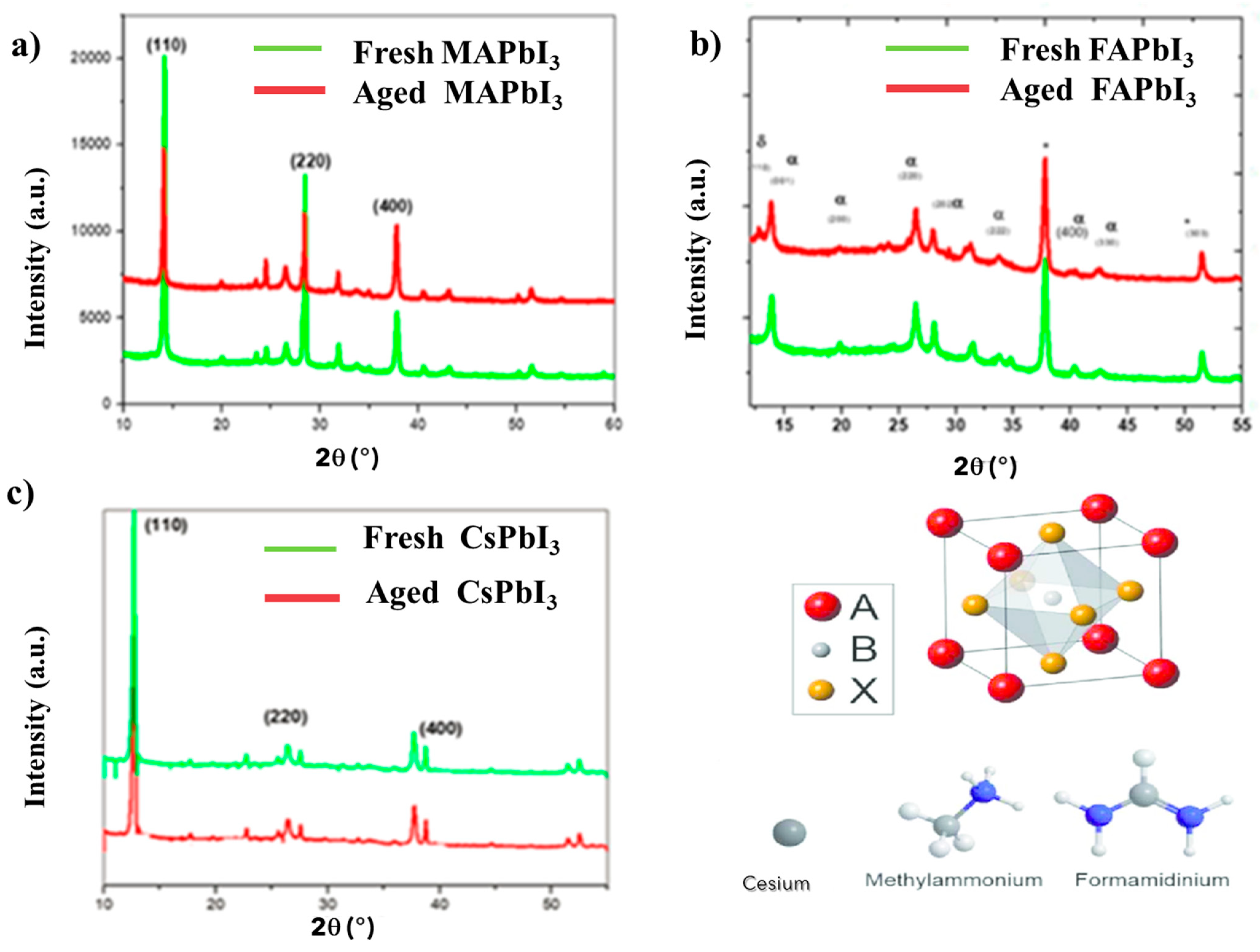
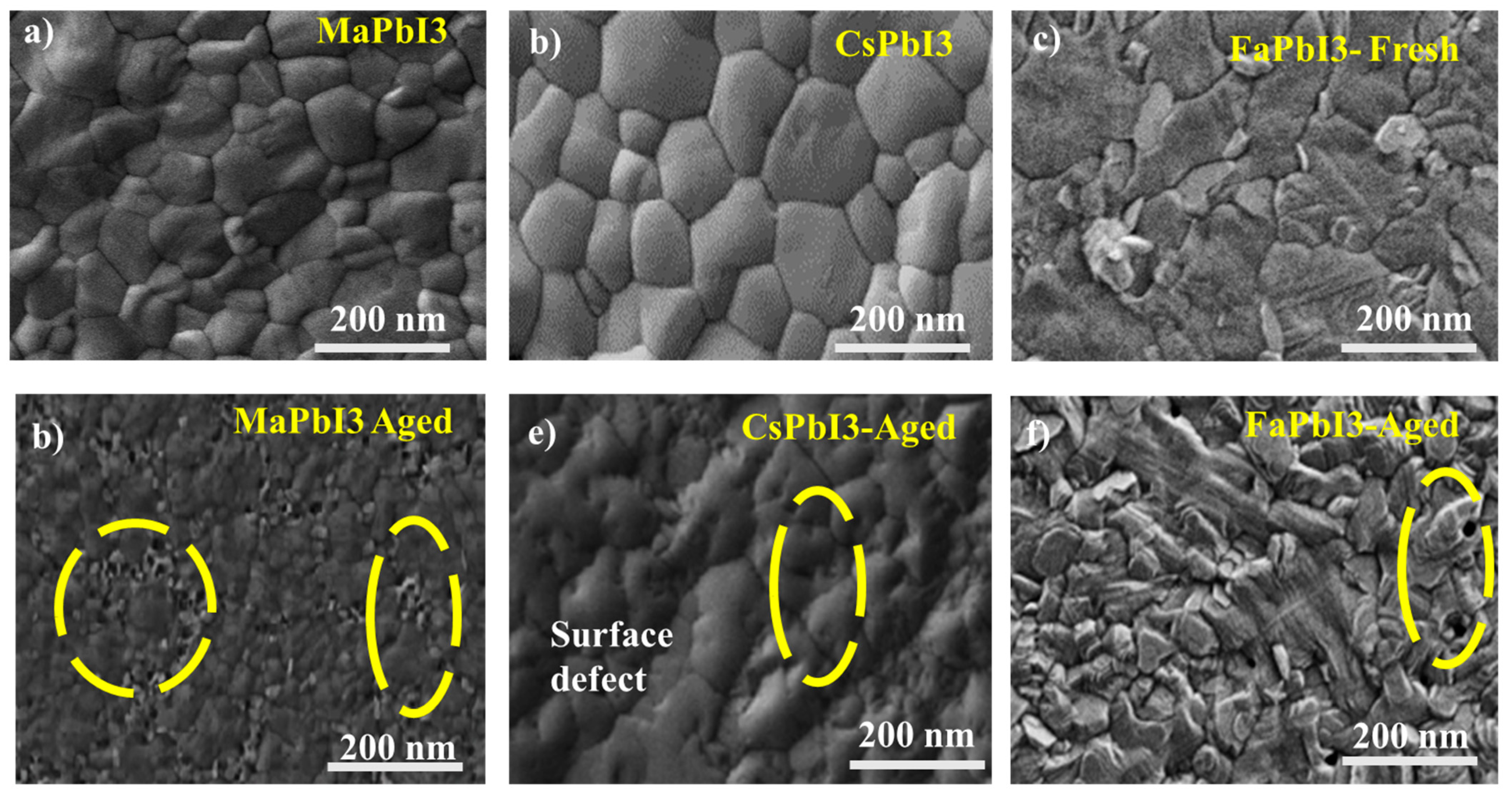
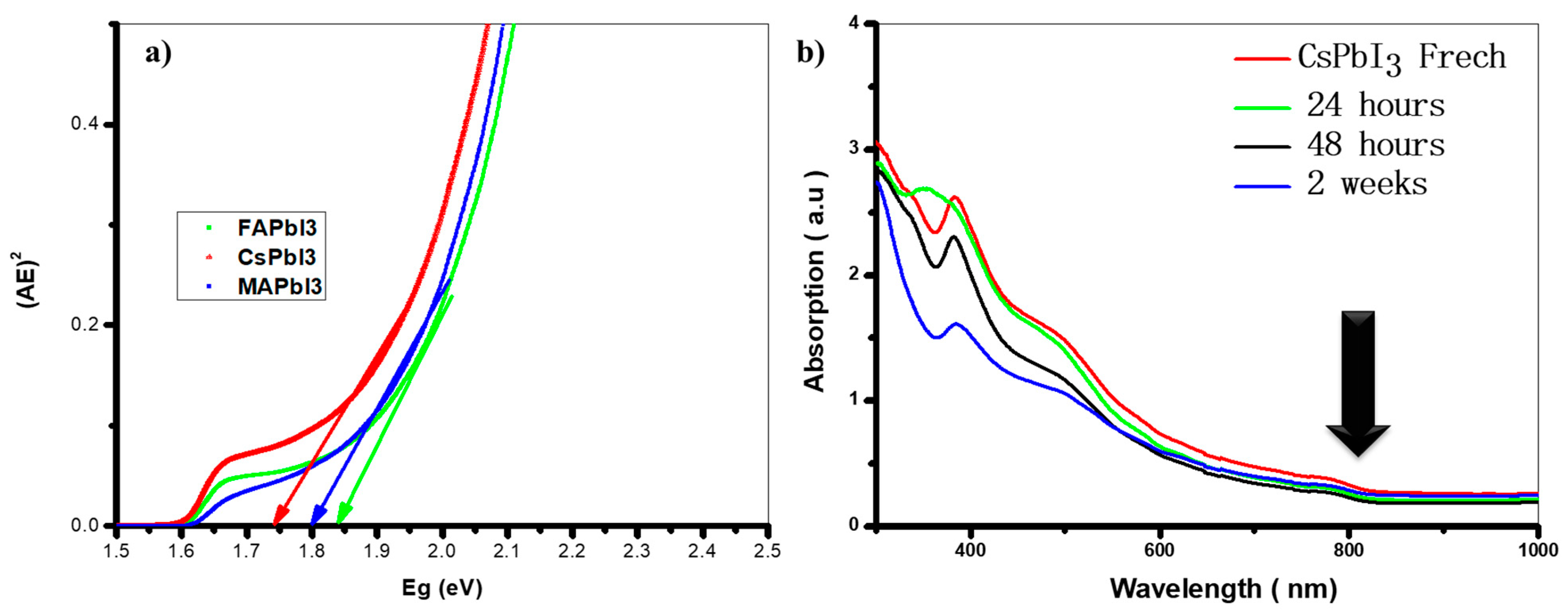
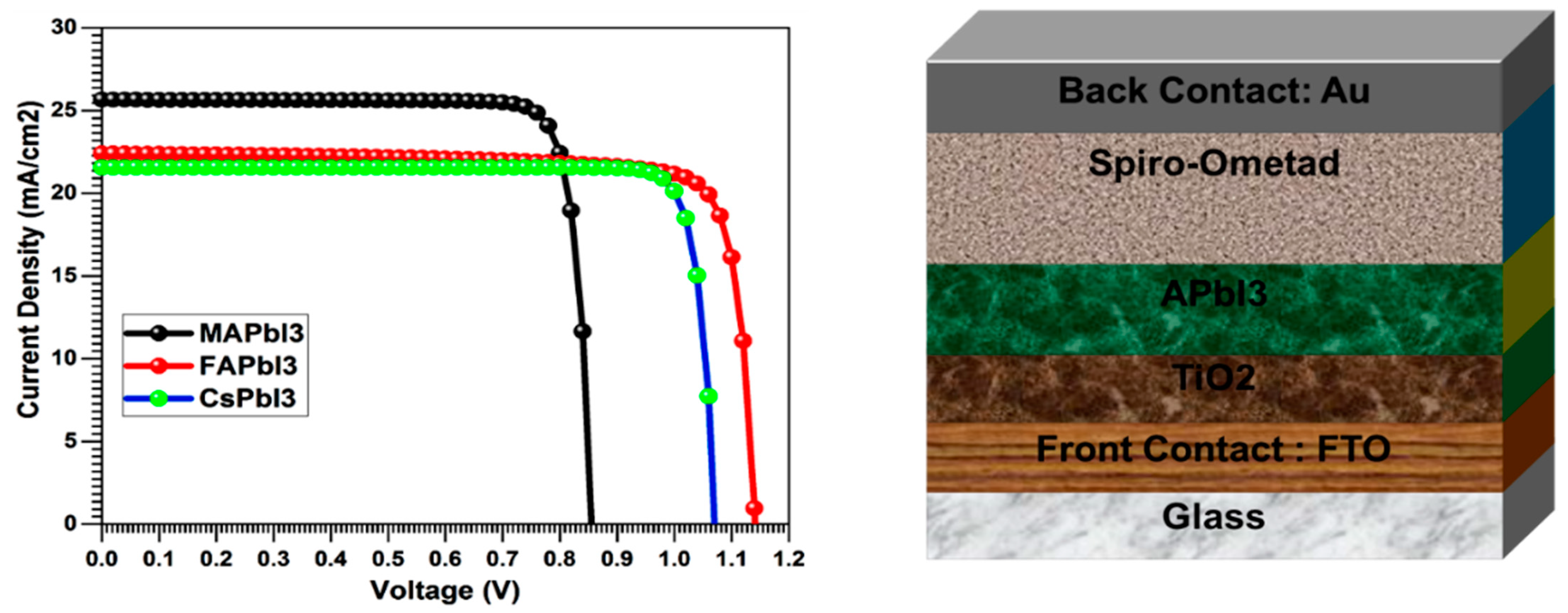
Towards Manufacture Stable Lead Perovskite APbI3 (A = Cs, MA, FA) Based Solar Cells with Low-Cost Techniques †

 ,
, 

Abstract
Share and Cite
Bouich, A.; Marí-Guaita, J.; Bouich, A.; Pradas, I.G.; Marí, B. Towards Manufacture Stable Lead Perovskite APbI3 (A = Cs, MA, FA) Based Solar Cells with Low-Cost Techniques. Eng. Proc. 2021, 12, 81. https://doi.org/10.3390/engproc2021012081
Bouich A, Marí-Guaita J, Bouich A, Pradas IG, Marí B. Towards Manufacture Stable Lead Perovskite APbI3 (A = Cs, MA, FA) Based Solar Cells with Low-Cost Techniques. Engineering Proceedings. 2021; 12(1):81. https://doi.org/10.3390/engproc2021012081
Chicago/Turabian StyleBouich, Amal, Julia Marí-Guaita, Asmaa Bouich, Inmaculada Guaita Pradas, and Bernabé Marí. 2021. "Towards Manufacture Stable Lead Perovskite APbI3 (A = Cs, MA, FA) Based Solar Cells with Low-Cost Techniques" Engineering Proceedings 12, no. 1: 81. https://doi.org/10.3390/engproc2021012081
APA StyleBouich, A., Marí-Guaita, J., Bouich, A., Pradas, I. G., & Marí, B. (2021). Towards Manufacture Stable Lead Perovskite APbI3 (A = Cs, MA, FA) Based Solar Cells with Low-Cost Techniques. Engineering Proceedings, 12(1), 81. https://doi.org/10.3390/engproc2021012081