Proceeding Paper

A Modified Battery Charger with Power Factor Correction for Plug-In Electrical Vehicles †
Department of Electrical Engineering, CUI, Lahore 54000, Pakistan
Presented at the 1st International Conference on Energy, Power and Environment, Gujrat, Pakistan, 11–12 November 2021.
Eng. Proc. 2021, 12(1), 103; https://doi.org/10.3390/engproc2021012103

Published: 9 March 2022
(This article belongs to the Proceedings of The 1st International Conference on Energy, Power and Environment)

Abstract

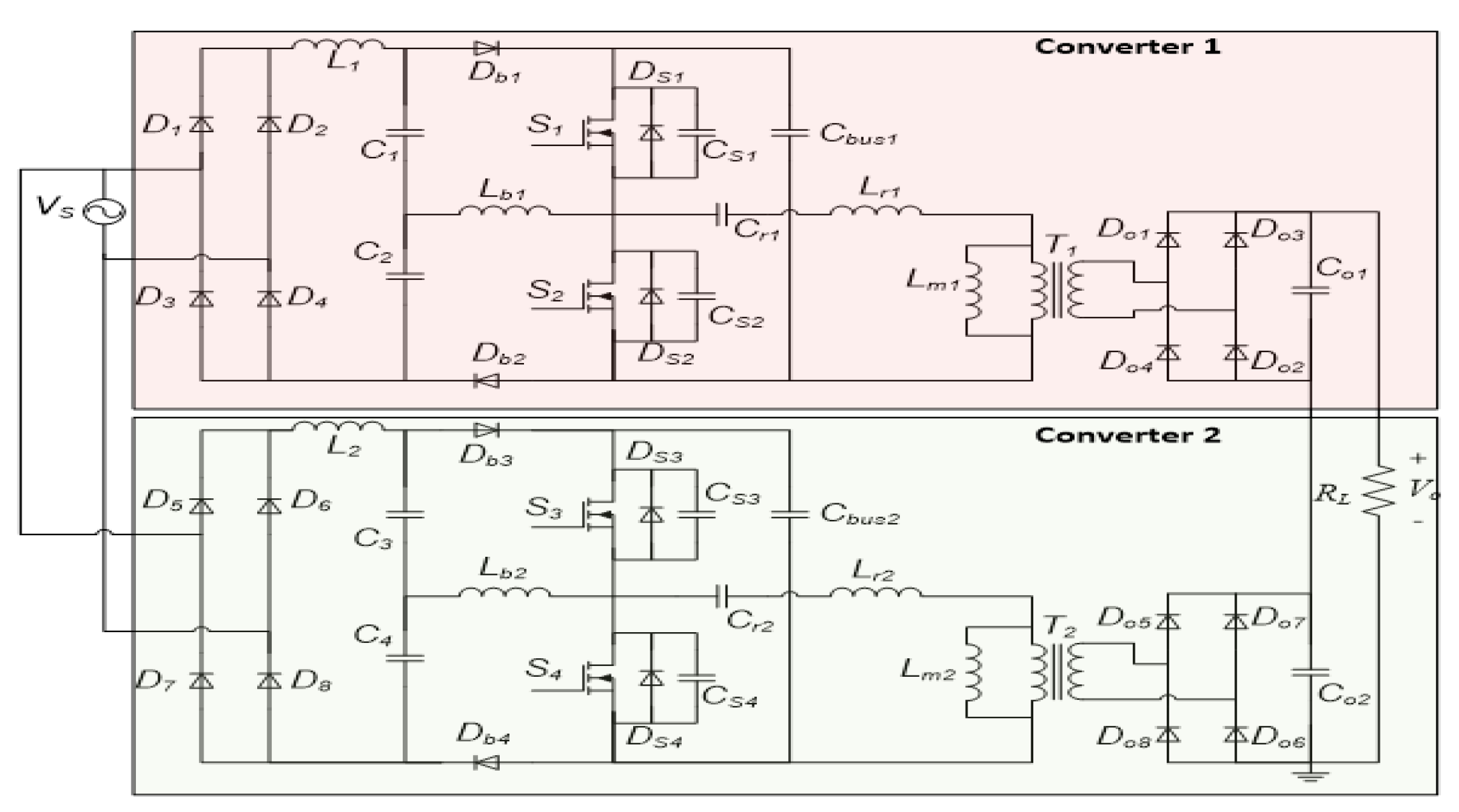
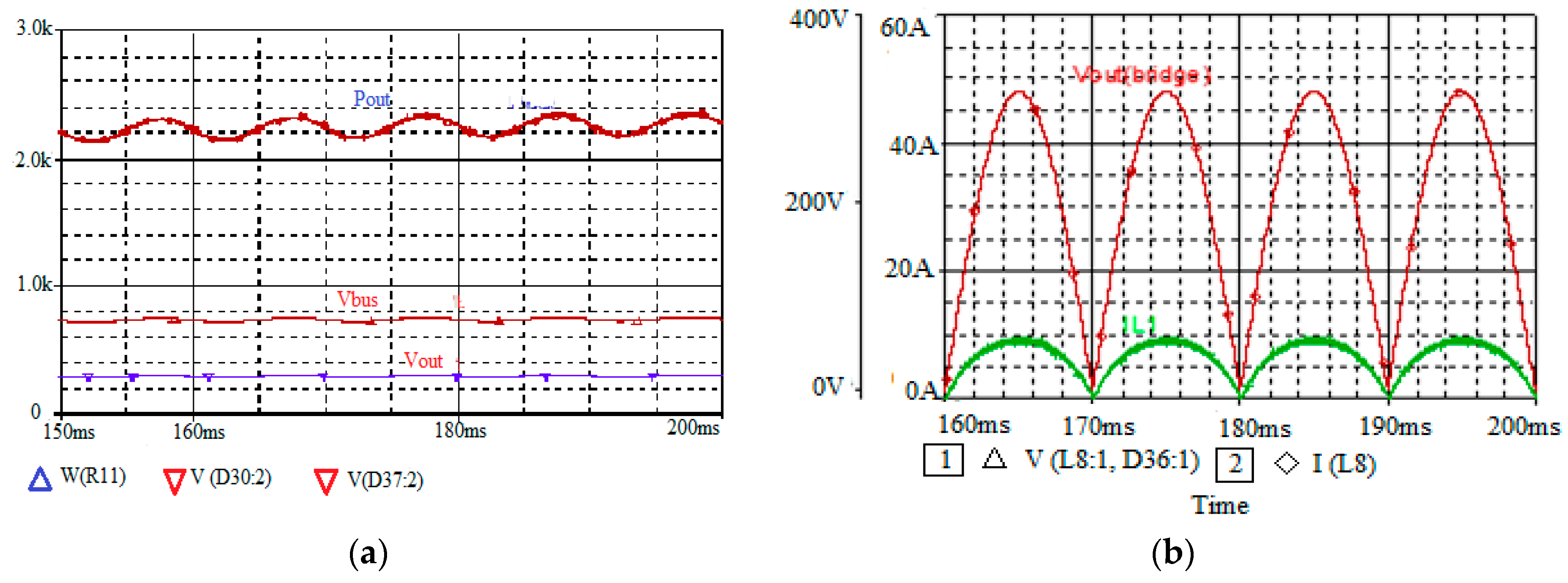
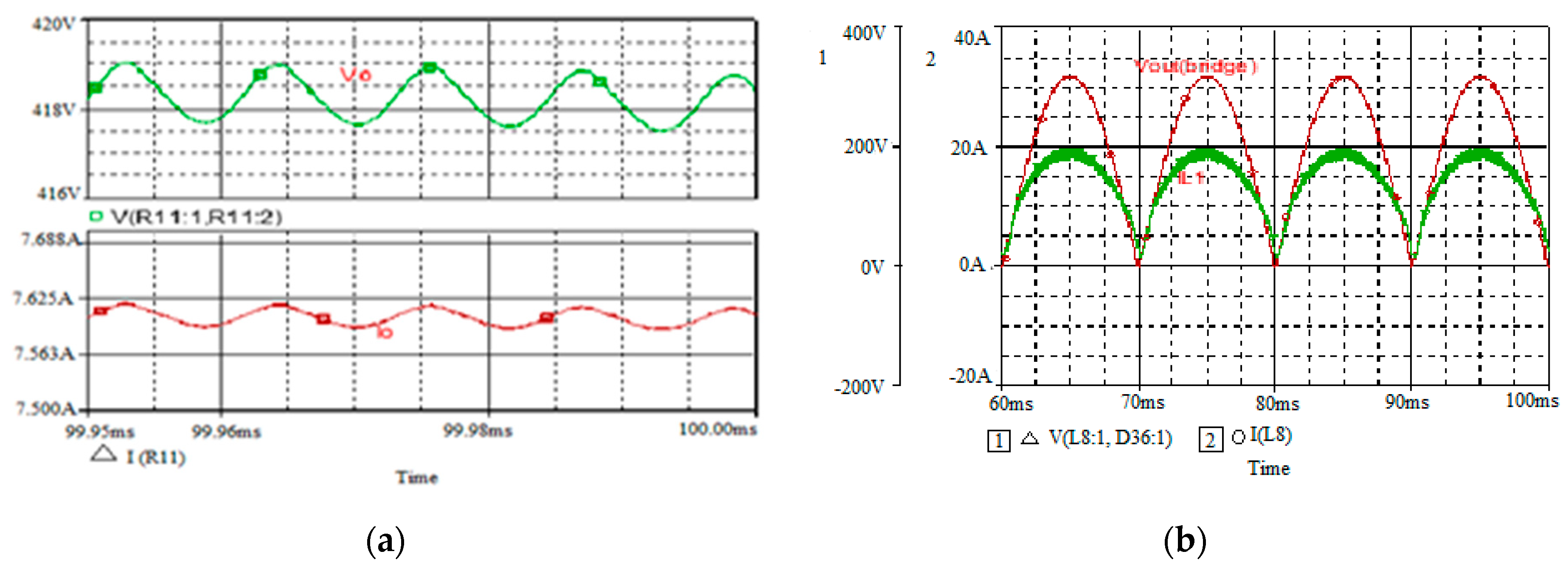
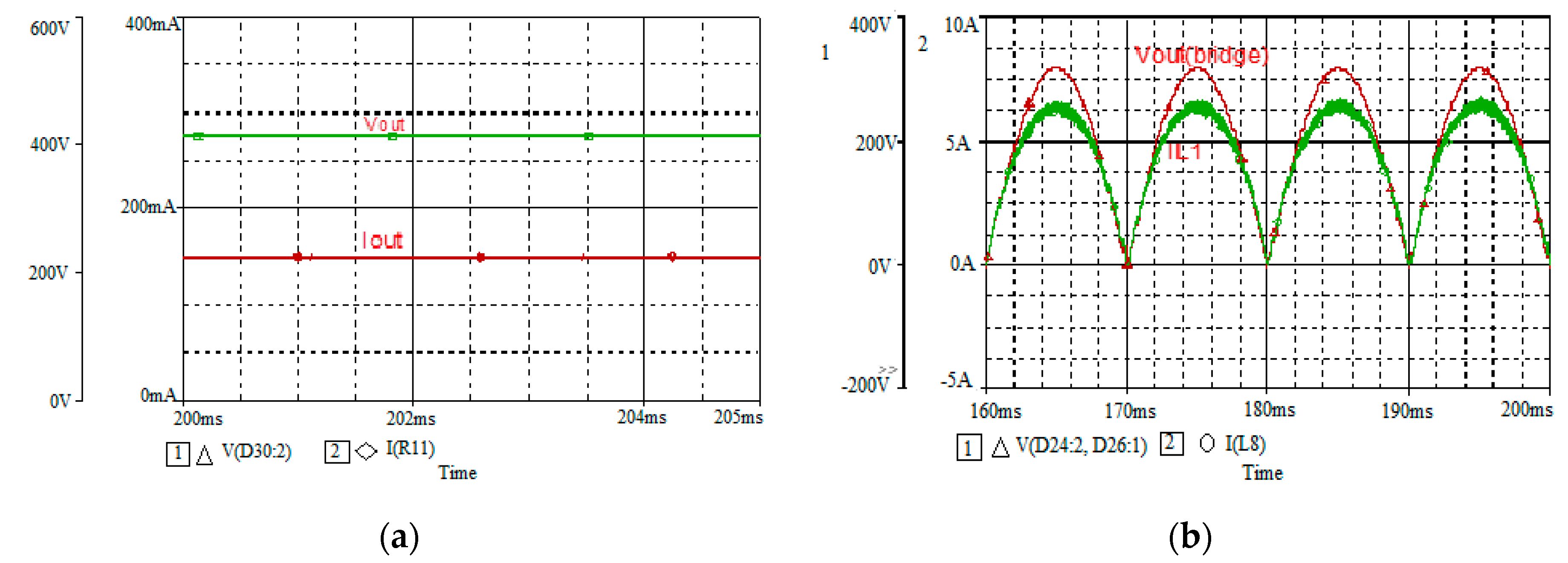
Electric vehicles are becoming famous worldwide for having the striking benefits of improved energy efficiency and reduced carbon footprints, etc. Plug-in electrical vehicles (PEVs) are powered by batteries. These batteries need to be recharged after every usage cycle. A lithium-ion battery consisting of 100 cells has a terminal voltage of 420 V when fully charged and 300 V in a discharged state. Therefore, such batteries require a battery charger with an output voltage range from 300 V–420 V to fully charge the batteries. There are two types of on-board battery chargers: two-stage and single-stage battery chargers. The former has the drawbacks of larger component count, larger size, and lower efficiency. However, there are few works on the latter, which has not been well-explored for EV applications. Hence, in this research project, a single-stage battery charger is proposed. The proposed charger consists of two integrated stages. The 1st stage is the power factor correction (PFC) converter and the later one is the LLC resonant DC–DC converter. Both stages are driven by a common half-bridge network. The proposed charger is designed for charging a 100 cell 3.2 kW Lithium-ion battery. The operation and performance of the proposed charger is evaluated by a Pspice-based computer simulation. The simulation results showed that the proposed charger can efficiently charge the battery from a depleted state to a fully charged state.
Keywords: battery charger; resonant converter; integrated battery charger; zero voltage switching; zero current switching battery charger; resonant converter; integrated battery charger; zero voltage switching; zero current switching