Proceeding Paper

SOC Estimation-Based Battery Management System for Electric Bicycles: Design and Implementation †
School of Electrical & Electronics Engineering, College of Engineering and Technical Vocational Education and Training (CETVET), Fiji National University, Suva P.O. Box 3722, Fiji
*
Author to whom correspondence should be addressed.
Presented at the 12th International Electronic Conference on Sensors and Applications, 12–14 November 2025; Available online: https://sciforum.net/event/ECSA-12.
Eng. Proc. 2025, 118(1), 76; https://doi.org/10.3390/ECSA-12-26513
Published: 7 November 2025

Abstract

Electric bicycles (E-Bikes) are gaining popularity as a sustainable mode of transportation due to their energy efficiency and zero-emission operation. However, challenges such as battery overcharging, overheating, and degradation from improper use can reduce battery lifespan and increase maintenance costs. To address these issues, this paper presents the design and implementation of a Battery Management System (BMS) tailored for E-Bike applications, with a focus on enhancing safety, reliability, and performance. The proposed BMS includes core functionalities such as State of Charge (SOC) estimation, temperature monitoring, and under-voltage and overcharge protection. Different approaches, including open-circuit voltage (OCV), Coulomb counting (CC), and Kalman filter techniques are employed to improve SOC estimation accuracy. The circuit for CC-based BMS was first simulated using Proteus, and system behavior was modeled in MATLAB Simulink is used to validate design assumptions before hardware implementation. An Arduino Uno microcontroller was used to control the system, interfacing with an LM35 temperature sensor, a voltage divider, and an ACS712 current sensor. The BMS controls battery charging based on SOC levels and activates a cooling fan when the battery temperature exceeds 45 °C. It disconnects the charger at 100% SOC and triggers a beep alarm when the SOC falls below 40%. An external charger and regenerative charging from four electrodynamometers on the bicycle chain recharge the battery when the SOC drops below 20%, provided the load is disconnected. Measurement results closely matched simulation data, with the MATLAB model showing 44% SOC after 3 h, compared to the actual real-time 45.85%. The system accurately tracked charging/discharging patterns, validating its effectiveness. This compact and cost-effective BMS design ensures safe operation, improves battery longevity, and supports broader adoption of E-Bikes as an eco-friendly transportation solution.

1. Introduction

Due to their extended range and pedal-assist capabilities, electric bicycles (e-bikes) are becoming an increasingly popular and environmentally friendly mode of transportation. At the core of every e-bike is the Battery Management System (BMS), a critical component that regulates the battery pack’s performance, lifespan, and safety [1]. To maintain battery health, various monitoring techniques—such as ambient temperature, voltage, and current sensing—utilize a combination of analog and digital sensors integrated with microcontrollers.
The evolution of electric bicycles parallels advancements in motor and battery technologies. Early e-bikes, which used lead-acid batteries and brushed motors, were limited in range and performance. However, the introduction of lithium-ion batteries and brushless motors significantly transformed e-bikes—making them lighter, more energy-efficient, and offering a smoother riding experience. These advancements underscore the increasing need for more advanced BMS solutions to optimize the performance of modern powertrain components [2,3].
Despite the progress in BMS technology, several challenges remain. One major issue is achieving accurate state estimation, particularly regarding (SOC) and State of Health (SOH). Real-time accuracy continues to be difficult due to the inherent complexity and variability of battery behavior [4,5]. Additionally, identifying and mitigating failures, ensuring safety across diverse operating conditions, and addressing thermal management issues remain ongoing concerns for BMS designers.
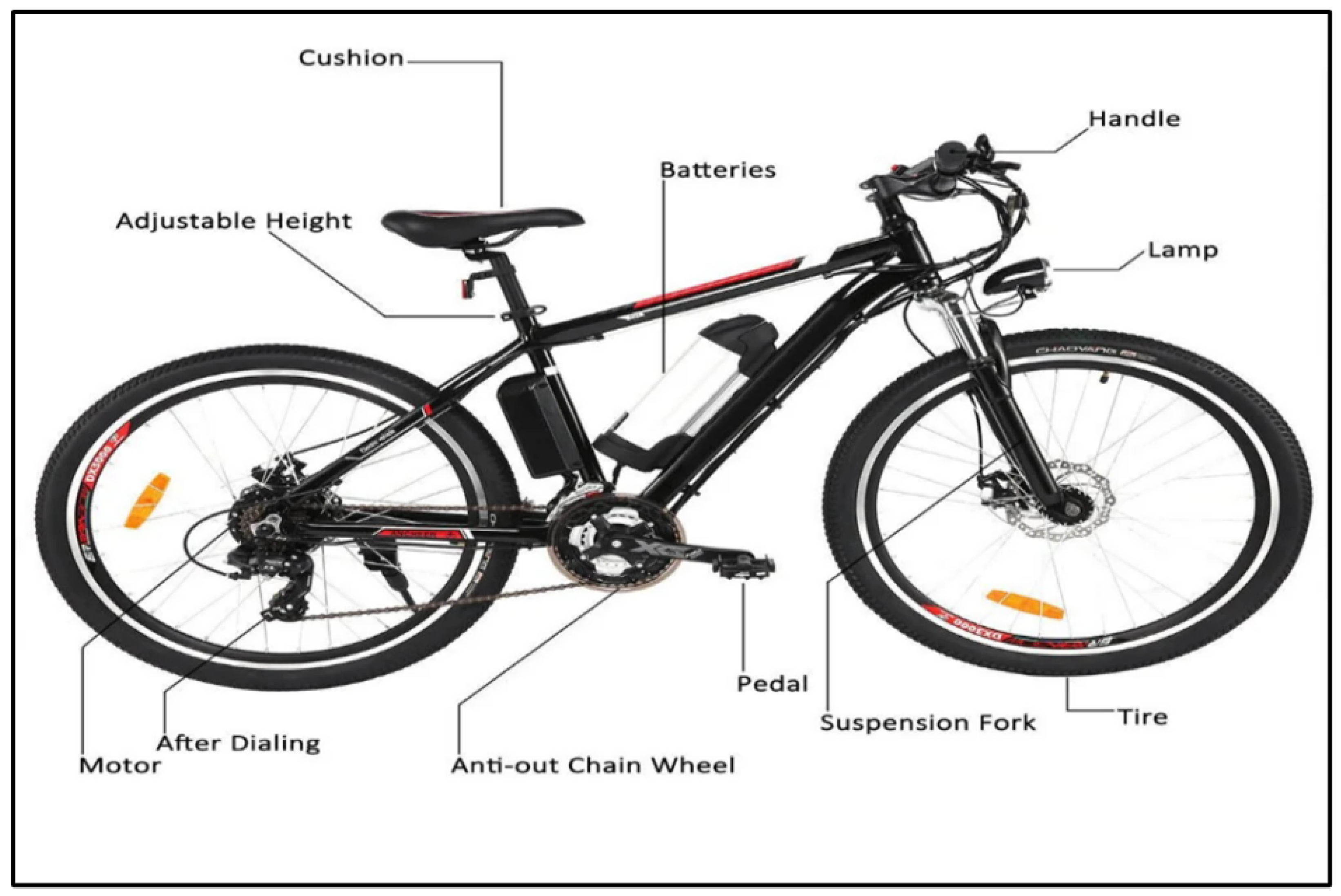
Moreover, to meet the varied needs of users, e-bike BMS systems must adapt to different riding styles, terrain profiles, and battery chemistries. This presents a significant challenge to BMS developers, who must design innovative solutions that strike a balance between safety, reliability, user experience, and cost-effectiveness [6]. Figure 1 shows a standard electric bicycle design.
The main objectives of this research are as follows:
  • To design and implement a compact, low-cost Battery Management System (BMS) tailored for electric bicycle (E-Bike) applications, with emphasis on enhancing safety, reliability, and battery performance.
  • To improve the accuracy of State of Charge (SOC) estimation by developing a method that integrates open-circuit voltage (OCV) and Coulomb counting (CC) techniques.
  • To incorporate real-time monitoring and protection features, including temperature sensing, overcharge and under-voltage protection, and automated cooling control, ensuring safe and efficient battery operation.
  • To validate the proposed BMS design through both simulation and hardware implementation, utilizing Proteus 8.8, MATLAB Simulink 14.0, and an Arduino-based hardware for testing and performance evaluation.
The novelty lies in combining hybrid SOC estimation, auto charging integration, and real-time intelligent protection in a low-cost BMS for bicycles—a gap that existing state-of-the-art systems in electric mobility often overlook. This work lies in the development of a compact and cost-effective Battery Management System (BMS) specifically designed for electric bicycles, addressing a gap in existing state-of-the-art systems that primarily focus on larger-scale electric vehicles. Unlike conventional approaches that rely on a single method for State of Charge (SOC) estimation, the proposed system integrates methodologies like open-circuit voltage (OCV), Coulomb counting (CC), and Kalman filter techniques to significantly improve accuracy. The BMS further contributes to enhanced safety and performance by incorporating real-time temperature monitoring, automated cooling, overcharge and under-voltage protection, and intelligent charger disconnection. A unique contribution is the integration of regenerative charging from electrodynamometers on the bicycle chain, reducing dependence on external charging and promoting sustainable energy use. Simulation and hardware validation demonstrated close alignment in SOC estimation, confirming the reliability of the design. By leveraging low-cost and widely available components, the proposed BMS provides a scalable and practical solution to improve battery health, extend lifespan, and encourage broader adoption of eco-friendly E-Bike transportation.

2. Literature Review

2.1. Electric Bicycles and Battery Management Systems for Pacific Island Conditions

Electric bicycles (e-bikes) have emerged as a popular mode of transportation as the world moves toward more environmentally friendly, cost-effective, and convenient mobility solutions. In Pacific Island countries like Fiji, where environmental preservation and clean energy development are top priorities, the adoption of e-bikes presents a promising opportunity to reduce carbon emissions and improve transportation accessibility.
However, the performance and maintenance of e-bike battery systems are critical to ensuring their safe and efficient operation. Without proper oversight and regulation, issues such as battery degradation, overheating, and safety hazards can compromise the reliability and lifespan of e-bikes. These challenges may deter potential users and hinder the widespread adoption of this sustainable transportation option. Therefore, it is essential to develop a Battery Management System (BMS) specifically tailored to the unique climatic conditions and usage patterns of Pacific Island countries [7,8].
An advanced BMS offers a comprehensive approach to managing e-bike batteries by optimizing their performance, extending their lifespan, and ensuring the safety of both riders and pedestrians. Among various types of batteries used in electric vehicles (EVs), lithium-ion (Li-ion) batteries are the most common due to their high energy density and efficiency [9,10,11].

2.2. Battery Technologies for EVs

Rechargeable batteries for electric vehicles have seen increasing demand in recent years [12,13]. Various battery technologies are employed for transportation purposes, including
  • Lead-acid
  • Lithium-ion (Li-ion)
  • Zinc–bromine flow battery (ZBFB)
  • Sodium–sulfur (NaS)
  • Nickel–cadmium (NiCd)
  • Sodium–nickel–chloride (NaNiCl)
  • Vanadium redox flow battery (VRFB) [14]
The future of electric vehicles heavily depends on critical factors such as battery efficiency, cost, safety, and operational life cycle. Several battery types—such as lithium–sulfur (Li-S), molten salt (Na-NiCl2), nickel–metal hydride (Ni-MH), and lithium-ion—offer similar energy storage capacities. Additionally, lead-acid, nickel–cadmium, and nickel–metal hydride batteries are discussed and compared based on their characteristics [15].
Li-ion batteries, in particular, stand out for their long lifespan, low self-discharge rate, high energy density, high reliability, and excellent efficiency [16]. The properties of various battery types are summarized in Table 1 [17]. One of the main challenges in battery systems is accurately determining the State of Charge (SOC) and temperature of the battery. These parameters are critical for assessing the available capacity and ensuring safe and efficient battery operation. To estimate the current SOC of a battery, a specialized SOC estimator is used.

2.3. SOC Estimation

Lithium-ion batteries are widely used in electronic devices, smart grids, and electric vehicles due to their superior characteristics—such as high energy and power density, low self-discharge rate, and long lifespan [5,6]. Despite significant advancements in battery technology, several challenges remain. To ensure safe and reliable operation, a Battery Management System (BMS) is implemented to monitor internal battery conditions and execute control strategies [18].
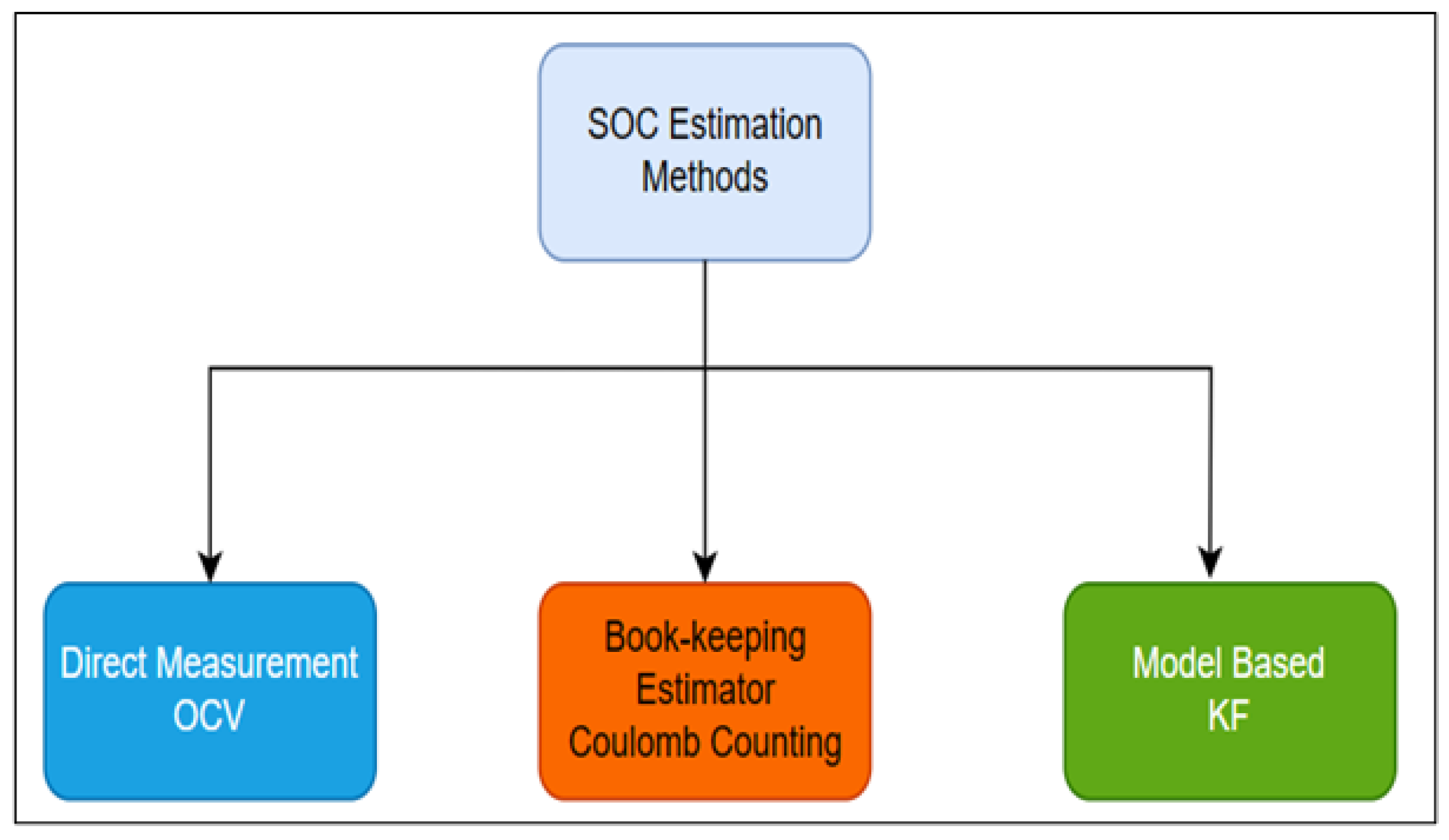
Accurate state estimation is crucial for intelligent and efficient battery management, as it provides essential information to the control system. Key battery states include State of Charge (SOC), State of Temperature (SOT), and State of Health (SOH), among others [19,20]. Among these, SOC and SOT vary continuously during operation, requiring real-time monitoring and estimation for effective system performance. Figure 2 illustrates the various SOC estimation methods.

2.3.1. Direct Measurements

The main approaches under direct measurement for estimating SOC are open-circuit voltage (OCV), electromotive force (EMF), and internal resistance (IR). With lithium-ion batteries, the OCV may be used to determine the battery SOC. Analyzing the variations in electrical energy in the battery pack’s electrode materials is also helpful. Therefore, correct OCV modeling has significant implications for lithium-ion battery management. The experimental findings demonstrate that the battery’s temperature has a considerable impact on the OCV-SOC feature. Consequently, these aspects must be considered to improve the accuracy of the model and battery SOC estimates [21]. The relationship between SOC and OCV varies with battery type. The relationships between them differ across different batteries [22]. When the battery is fully charged, the estimated EMF voltage is used to project the EMF voltage. There is no connection between this approach and time. To overcome the impedance distortion problem, the EMF estimate approach makes use of terminal voltage, current, and impedance [23]. The effects of age and temperature are not considered in this procedure. The lithium-ion battery’s resistance is computed for SOC in the IR estimate technique. Battery charging and discharging current are used to calculate resistance. DC resistance is the term for resistance. For a brief period, terminal voltage was recorded as the current changed [24]. It is difficult to estimate the resistance value since it is so tiny [25,26]. Therefore, this approach is not a trustworthy or ethical one for SOC estimation.

2.3.2. Book-Keeping Estimations

The Coulomb counting (CC) method (or the ampere-hour counting method) calculates the charging and discharging the battery by integrating the current over time and then divides the charge by the total available capacity to calculate the SOC. The initial SOC value is a concern as it can lead to errors in the accuracy of the SOC estimation. This approach only works in a timely manner when the starting SOC value is known [27,28,29]. The equation below shows the SoC estimation using the CC method:
S O C ( t f ) = S O C ( t i ) + 1 C n × t i t i + t f i b a t ( d t ) × 100 %
where SOC( t f ) is the estimated SOC, SOC( t i ) is the SOC initial value, C n is the nominal capacity, and i b a t is the charge and discharge current of the battery.

2.3.3. Model-Based Methods

There are several limitations to real-time data estimating techniques in both direct measurement and bookkeeping. The application of model-based SOC estimate techniques helps to address the drawbacks of traditional methodologies. Li-ion battery models with refined algorithms are used in model-based techniques [30,31]. Li-ion battery parameters such as voltage, current, and temperature are measured and compared to their actual values. To estimate the SOC, the difference between the real value and the estimated value is compared, generating the error signal. Adaptive filtering lithium-ion batteries are utilized in the model-based estimation technique. The best option for accurately estimating Li-ion battery SOC is to use the Adaptive Filter technique. It offers precision, accuracy, and durability. The Kalman filter with a Coulomb counting approach has been used to accomplish SOC estimates [32]. With a liner system, the Kalman filter functions well. The extended Kalman filter (EKF) and the adaptive extended Kalman filter (AEKF) function on a non-linear system. Two model-based estimate techniques have been developed using EKF and AEKF. The comparison of the model and the system’s actual measured value serves as the foundation for the SOC estimate. Based on noise covariance, AEKF performs better than EKF [33]. EKF estimation during the discharging stage has more accuracy. MATLAB/Simulink is used to evaluate and regulate the operation of the BMS, whereas EKF is used for monitoring and control. The augmented AEKF algorithm is used to increase the estimation’s accuracy when the specific features of static noise in the SOC estimation of lithium-ion battery packs are uncertain or vary over time [34]. In contrast to the EKF, the Unscented Kalman filter does not really linearize state-space equations. Rather, a nonlinear Unscented Transformation (UT) is employed [35]. The mean and error covariance are computed and updated frequently in UT to provide sigma points for states.

2.4. Battery Thermal Management

In EVs, where battery packs are an essential component, battery thermal management is a crucial feature of BMS. Thermal Management ensures both the long life and safe operation of the battery. The temperature of a battery pack is affected by several factors, such as its working parameters, charging and discharging rate, and surrounding environment. When the battery pack is charged or discharging, heat is produced; thus, the heat generated needs to be released to keep the battery safe. Various methods are used to control the temperature of the battery. One of the methods to cool the battery is passive cooling; this involves employing fins and heat sinks, two naturally occurring cooling methods, to dissipate the heat generated by the battery. Another method is active cooling, which utilizes liquid cooling or a fan to eliminate heat generated by the battery. Thermal management algorithms (based on mathematical models that consider several factors like as temperature, voltage, current, and battery capacity) are also used to control battery pack temperature within a preset range by controlling the rate at which it charges and discharges. Another method to control temperature is by inserting a temperature sensor inside the battery pack to adjust the charging and discharging rates of the battery [36,37]. Table 2 shows the different battery charging and discharging temperatures of various battery types [2]. To charge a battery effectively based on its State of Charge (SOC) and temperature range, it is essential to understand the charging techniques and methods used for EV batteries.

2.5. Charging Methods Used for EV and E-Bike Batteries

In many Pacific Island countries like Fiji, governments are actively promoting the adoption of electric vehicles (EVs) and investing in the development of EV infrastructure to reduce carbon emissions. With zero tailpipe emissions, EVs offer a cleaner, more sustainable, and environmentally friendly alternative to fossil-fuel-powered vehicles, aligning with international climate goals such as those outlined in COP23.
To efficiently charge EV batteries, various smart and fast-charging methods are employed. These are categorized into three primary levels:
  • Level 1 Charging: This method uses a standard 10 A household power outlet. It is the slowest form of charging, typically requiring 8–12 h to fully charge an EV battery.
  • Level 2 Charging: Faster than Level 1, this method uses a dedicated 16 A power point. It generally takes 4–8 h for a full charge.
  • Level 3 Charging: These are DC fast chargers, commonly found in public areas, workplaces, and charging stations. They can charge an EV from 0% to 85% in just 30 min to 1 h.
  • Another method used by EV owners is charging through photovoltaic (PV) panels installed on rooftops or open fields. Additionally, wireless charging technology—based on electromagnetic induction—is gaining popularity for its convenience [38,39].
For electric bicycles, a wired charger (Model: CHR-48V/LI, STonBike) is typically provided. This charger allows the battery to be charged from 41.28 V (0%) to 54.94 V (100%) in approximately 3 h and 45 min. In comparison, a wireless charger can achieve full charge in around 3 h and 19 min [40].
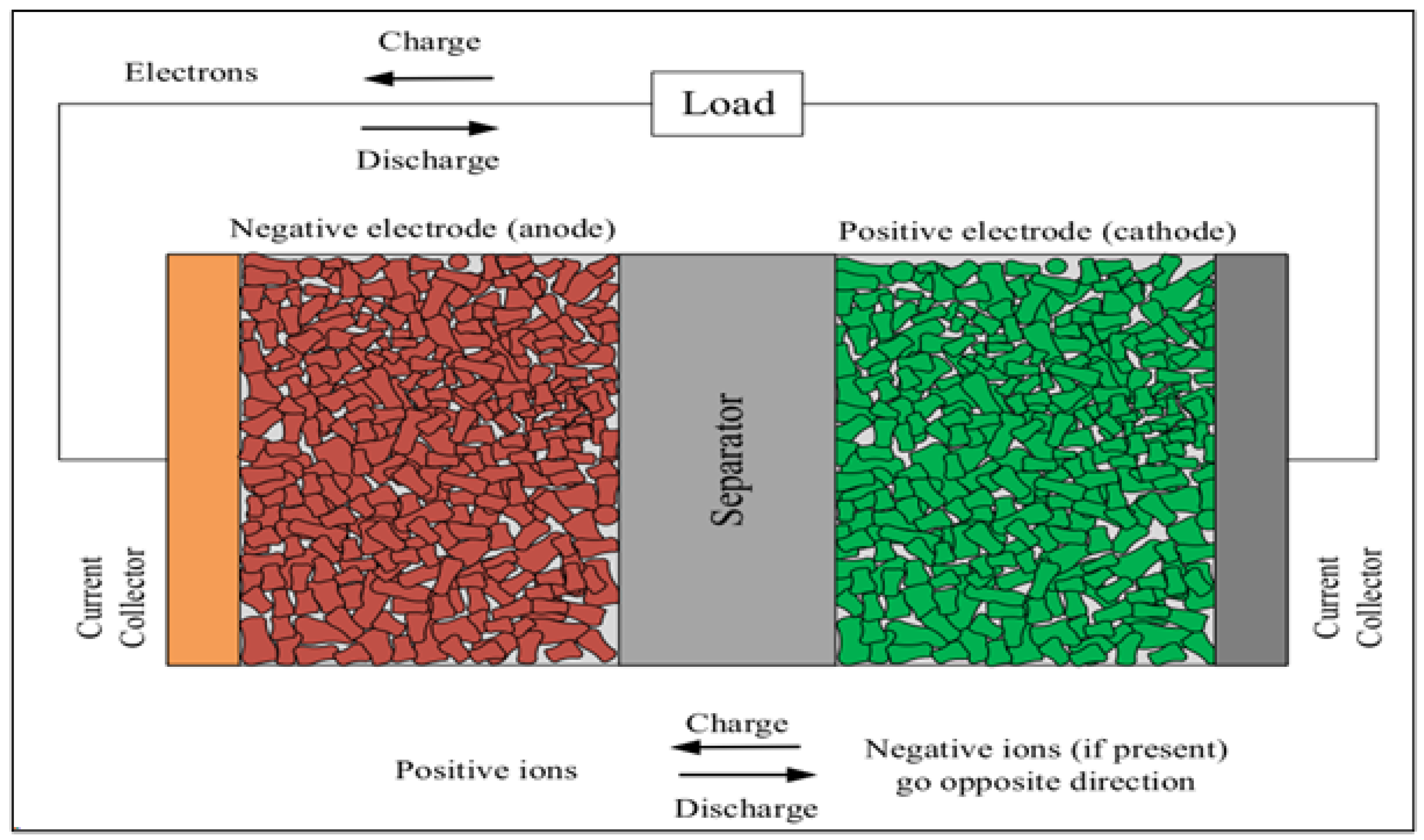
It is important to note that a lithium-ion battery can only perform one operation at a time—either charging or discharging. When discharging, electrons flow from the anode to the cathode; during charging, electrons flow from the cathode to the anode. If both operations occur simultaneously, it places chemical stress on the electrodes, increasing the cell temperature and potentially leading to thermal runaway or even battery explosion. Figure 3 shows a schematic diagram of a lithium-ion battery cell [2].
From the above literature review, it is evident that the Battery Management System (BMS) plays a crucial role in electric vehicles (EVs), especially in ensuring the safety, efficiency, and longevity of EV batteries. A well-designed BMS protects the battery from overcharging and over-discharging, manages thermal conditions, and helps prolong battery life.
Among all battery types, lithium-ion batteries are the preferred choice for BMS applications in EVs due to their long lifespan, low self-discharge rate, high energy density, high reliability, and high efficiency, as well as their lightweight and compact size.
For State of Charge (SOC) estimation, the Kalman filter (KF) is widely considered the most accurate method, as it accounts for variables such as temperature, voltage, and current and effectively eliminates noise in measurement. However, due to its complexity, it is best suited for larger EVs. In contrast, for smaller EVs like electric bicycles, simpler methods such as open-circuit voltage (OCV) and Coulomb counting (CC) are often used because they are easier to implement and require less computational power.
Temperature management is another essential function of the BMS. High temperatures can accelerate battery degradation, while low temperatures can reduce performance and efficiency. To maintain optimal battery temperature, cooling fans or heating elements are often used. It is also important to note that lithium-ion batteries cannot be charged and discharged simultaneously. During charging, electrons flow from the cathode to the anode, whereas during discharging, they flow from the anode to the cathode. If both operations occur simultaneously, it may cause chemical stress and temperature increases, potentially leading to battery explosion.
Various researchers have employed both wired and wireless charging methods, and sensors such as LM35 (temperature sensor), voltage divider sensors, and current sensors (e.g., ACS712 or INA219) have been commonly used to monitor temperature, voltage, and current [38,39,40,41].

3. Sensor Integration in the Design of a Battery Management System

To achieve the objectives of this work—the design and implementation of a Battery Management System (BMS) for an electric bicycle—the following methodology will be followed. Based on the findings from the literature review, a visual circuit will first be designed using Proteus software, and a system model will be created in MATLAB Simulink to verify the performance before hardware implementation. Once the simulation results are satisfactory, sensor testing will be conducted to ensure accurate readings.
The sensors will measure essential battery parameters such as voltage, current, and temperature, and this data will be sent to an Arduino Uno microcontroller. The Arduino will run a custom program that calculates the State of Charge (SOC) and monitors the temperature using the open-circuit voltage (OCV) and Coulomb counting (CC) methods to manage the SOC and thermal conditions.
The sensors used in this research work include
  • LM35—for temperature measurement
  • Voltage divider circuit—for voltage measurement
  • ACS712—for current measurement

3.1. Battery Charging Control

Based on the SOC value, the system will decide whether the battery needs charging. To avoid overcharging and over-discharging, the following control strategy will be applied:
  • If SOC drops below 20%, an external charger will be activated to recharge the battery.
  • Additionally, four electro-dynamometers will be installed on the bicycle chain. These will generate energy to charge the battery when the user is pedaling—only when the battery is not connected to the load, as lithium-ion batteries cannot charge and discharge simultaneously.
  • Once the battery reaches 100% SOC, the charger will automatically disconnect to prevent overcharging.
  • If SOC falls below 40%, a beep alarm will sound to alert the user that recharging is needed soon.

3.2. Thermal Management

To manage battery temperature effectively
  • Cooling fans will be installed near the battery to dissipate heat.
  • If the battery temperature rises above 45 °C, the controller will cut off the load and activate the fan to cool down the system.
  • Maintaining optimal temperature is critical, as high temperatures degrade battery life, while low temperatures reduce performance and efficiency.
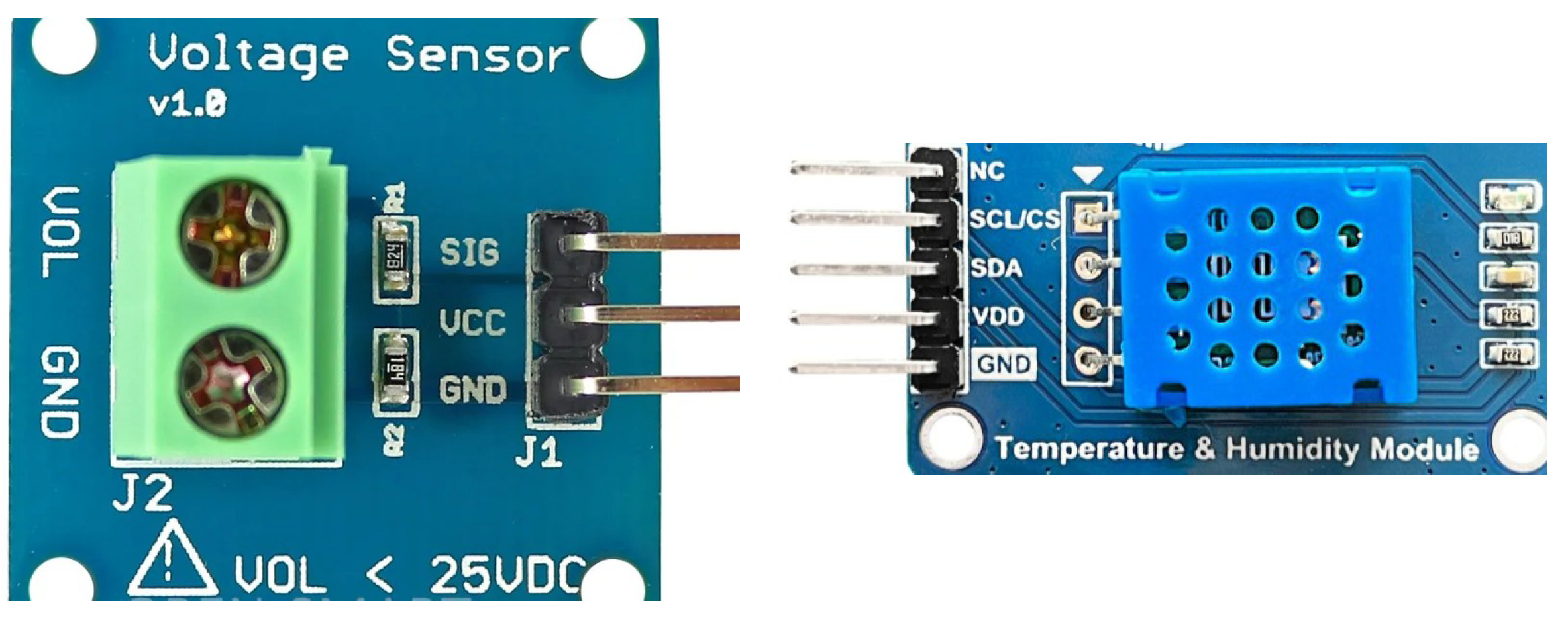
The performance of a rechargeable battery is monitored and managed via a Battery Management System (BMS). A BMS plays a critical role in ensuring safe and efficient operation by preventing three key conditions that can damage the battery or pose safety risks: overcharging, over-discharging, and overheating. Figure 4 shows the pin diagrams for the voltage divider sensor and the temperature sensor.
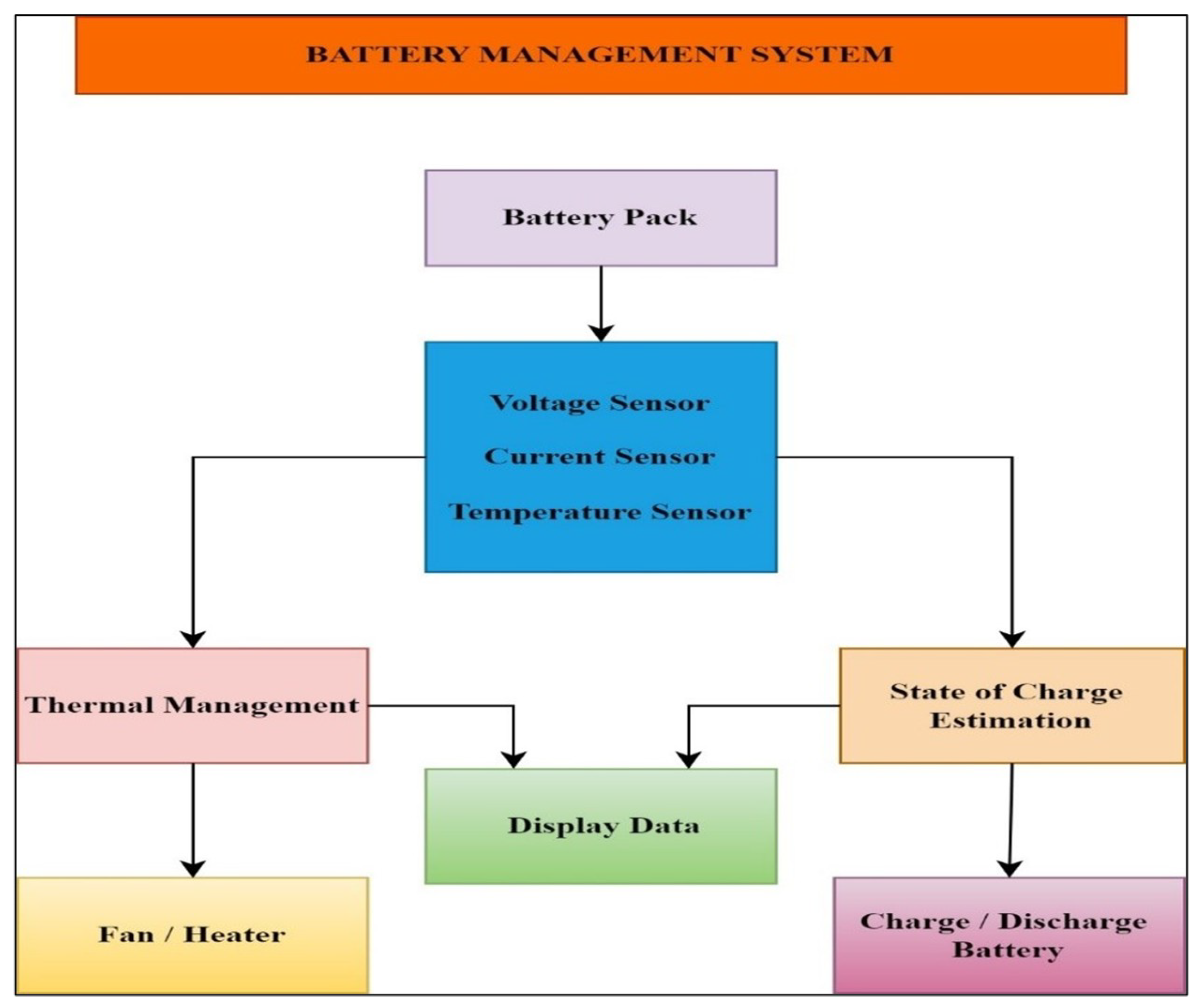
To optimize charging and discharging, the BMS collects real-time data from voltage, current, and temperature sensors installed on the battery pack. Based on this data, the controller makes informed decisions on managing the battery’s operation. Additionally, cooling fans and heaters are integrated into the system to maintain optimal battery performance under varying tropical environmental conditions.
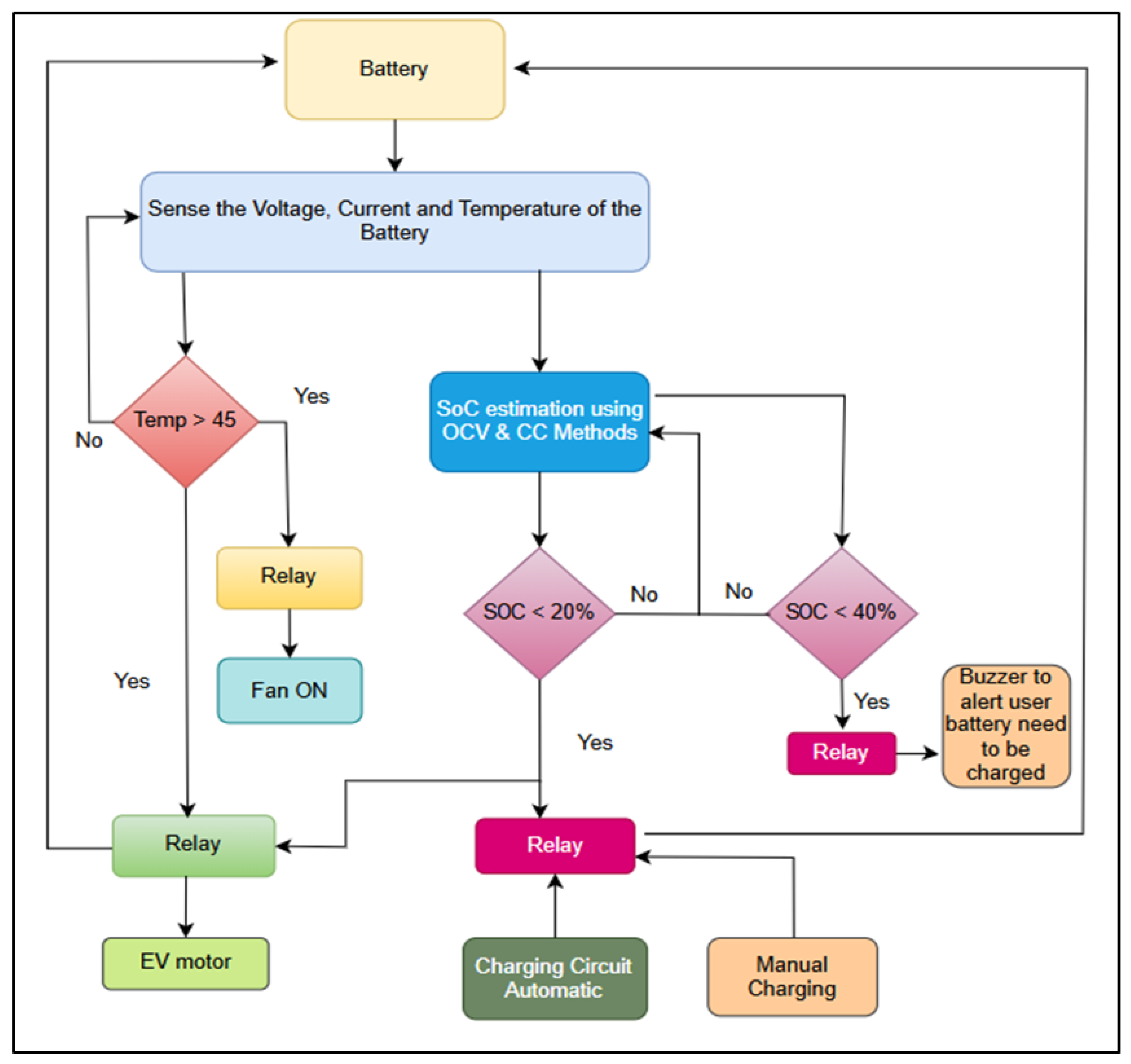
Figure 5 illustrates the block diagram of the BMS technology used for monitoring and analysis. Figure 6 illustrates the flowchart of the Battery Management System (BMS) for the proposed work. The system begins with sensors measuring key battery parameters—voltage, current, and temperature—which are then transmitted to the controller. Based on this input, the controller estimates the State of Charge (SOC) and makes decisions accordingly.
If the SOC drops below 20%, the controller disconnects the battery from the motor and activates the charging circuit to begin recharging. Additionally, when the SOC falls below 40%, a beep alarm is triggered to notify the user that the battery needs to be charged soon. For thermal management, if the battery temperature exceeds 45 °C, the controller activates the cooling fan to reduce the temperature and protect the battery from thermal stress.

4. Battery Mathematical Modeling

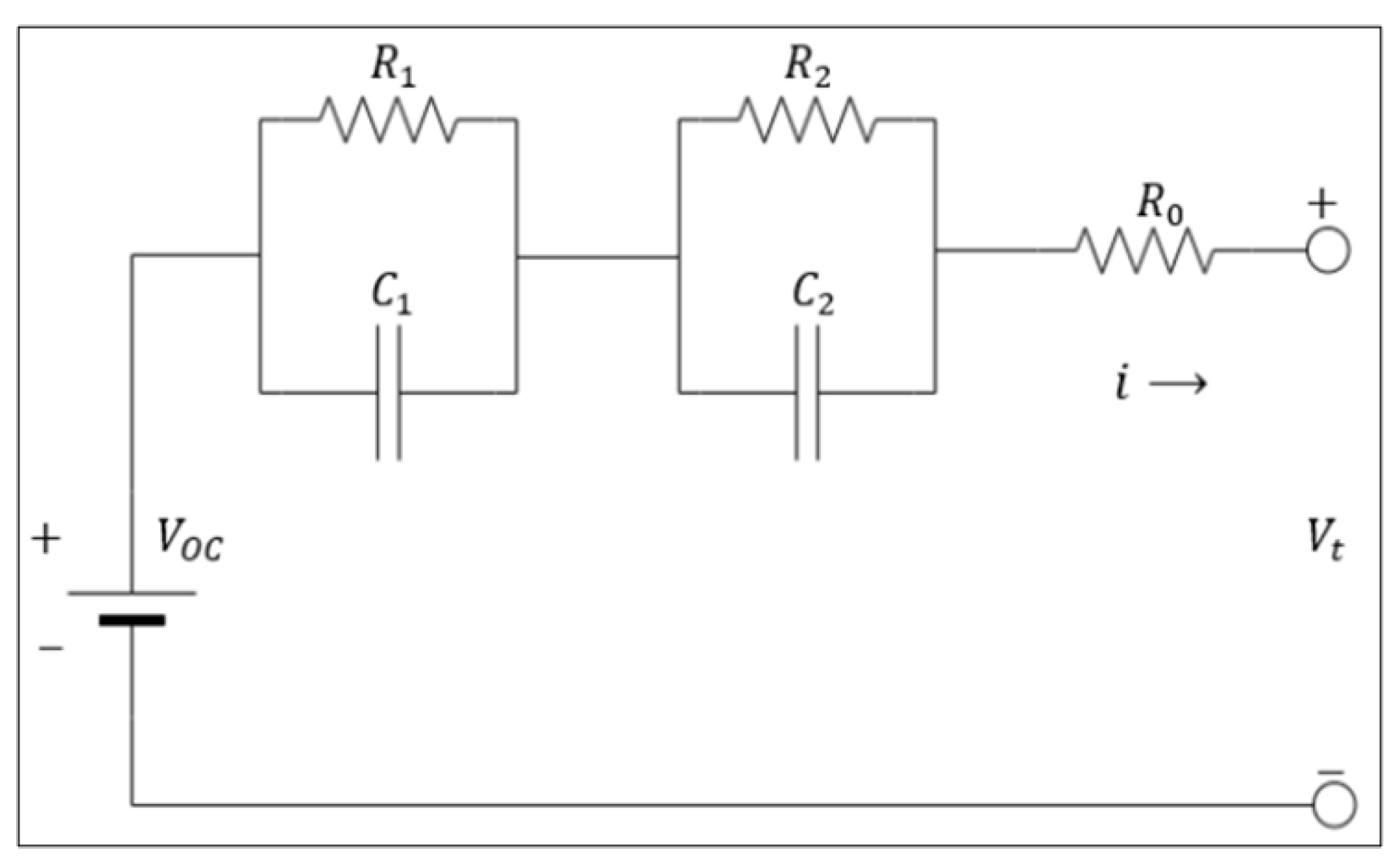
The internal resistance of the battery is denoted by R o , the output terminal voltage by V t , and the open-circuit voltage (OCV) by V O C . V 1 and V 2 represent the voltages across the first and second RC networks, respectively, in the equivalent circuit model shown in Figure 7 [32].
V t = V o c i × R o ( V 1 + V 2 )
V 1 = q c 1 + R 1 × i e x p 1 C 1 × R 2 R 1 × i
V 2 = q c 2 + R 2 × i e x p 1 C 2 × R 2 R 2 × i
By integrating the current over time, the Coulomb counting (CC) technique—also known as the ampere-hour counting method—estimates the charging and discharging of the battery. The State of Charge (SOC) is then calculated by dividing the measured charge by the total available capacity. However, the accuracy of SOC estimation can be influenced by the initial SOC value, which presents a potential source of error. This method provides rapid results only when the initial SOC is accurately known [27,28,29]. SOC estimation using the CC method is expressed in the equation below:
S O C ( t f ) = S O C ( t i ) + 1 C n × t i t i + t f i b a t ( d t ) × 100 %
where C n is the nominal capacity, i b a t is the battery’s charge and discharge current, S O C ( t f ) is the estimated SOC at time t f , and S O C ( t i ) is the initial SOC.

4.1. Battery Charge and Discharge

  • Discharging Equation
    V b = A e B t K q q i ( t ) i * + E R i k q q i ( t ) i ( t )
  • Charging Equation
    V b = A e B t K q i ( t ) 0.1 q i * + E R i k q q i ( t ) i ( t )
where A is the amplitude, K is the polarization constant, B is the inverse of the time constant, R is the internal resistance, i is the battery current, i * is the filtered current, V b is the battery voltage, q is the battery capacity, i ( t ) is the instantaneous battery current, and E is the battery’s constant voltage [42].

4.2. Electric Bicycle Motor Modeling

The following equations represent the DC electric motor of the electric bicycle, which is mounted on the rear wheel:
V = i ( t ) R + L d i d t + K × w
T = K × i ( t ) b × w j d w d t
where V is the terminal voltage of the DC motor, J is the moment of inertia, w is the motor speed, B is the viscous friction coefficient, T is the load torque, and L, R, and i represent the armature inductance, armature resistance, and armature current, respectively [43].

4.3. Electric Bicycle Uphill Friction

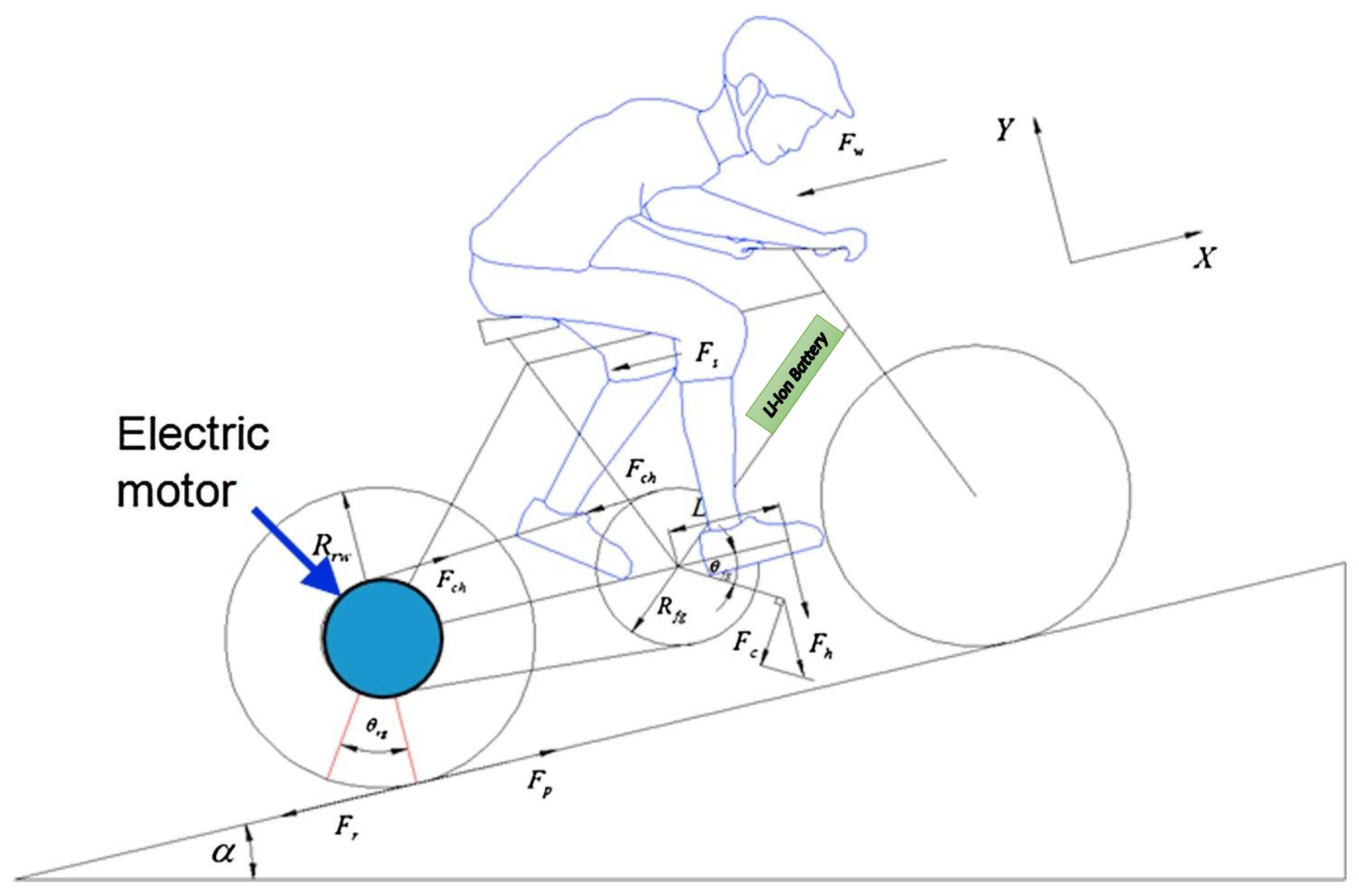
Figure 8 illustrates the friction forces acting on an electric bicycle.
According to Newton’s Second Law, the motion of the bicycle can be expressed as
M d 2 x d t 2 = p r 9.81 w
where M is the total mass of the bicycle and rider, x is the distance (m), p is the propulsion force, r is the rolling resistance force, and w is the wind resistance force [44].

5. Experimental Design and Simulation Results

5.1. Voltage Sensor

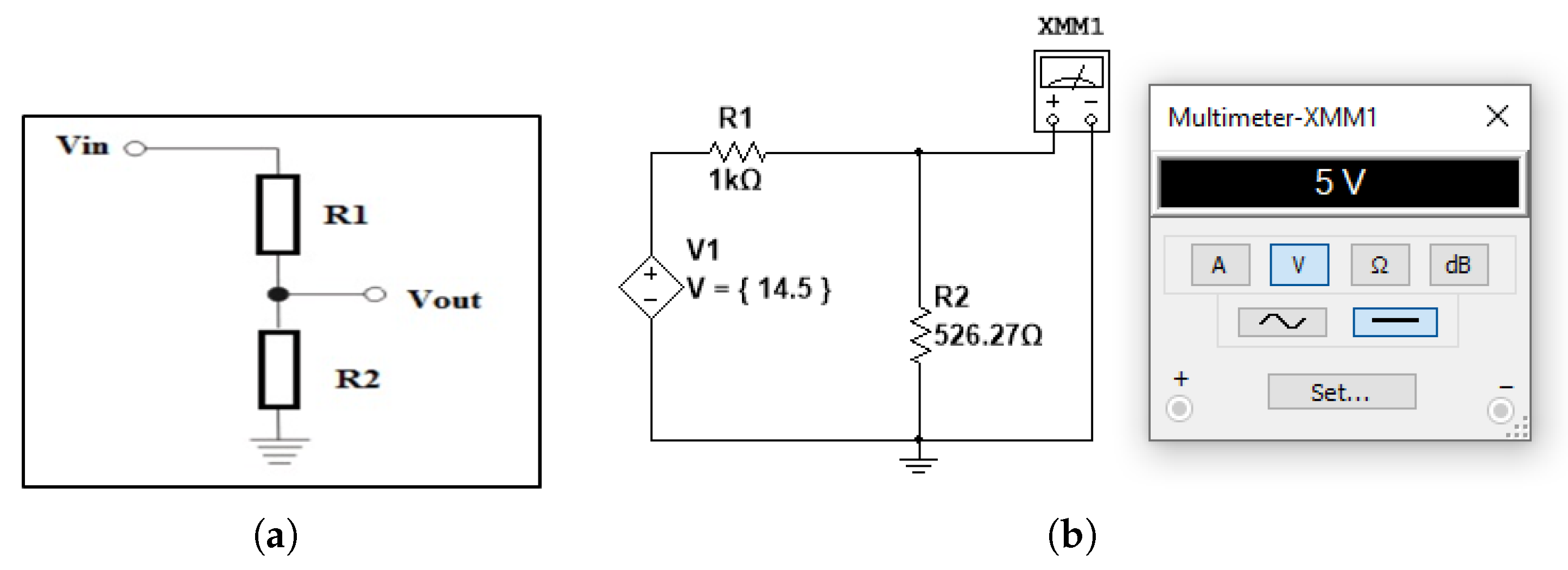
A simple voltage divider circuit was designed to measure the battery voltage (Figure 9) using R 1 = 1 kΩ and R 2 = 526 Ω (implemented with a linear trim potentio-meter). The circuit is configured such that the input voltage range of 0–14 V is scaled down so that the output voltage to the Arduino does not exceed 5 V. TThe current is measured using a resistor connected to the output of the voltage divider circuit. The formula used to calculate the current is:
V o u t = V i n × R 2 R 1 + R 2
I = V i n R 2
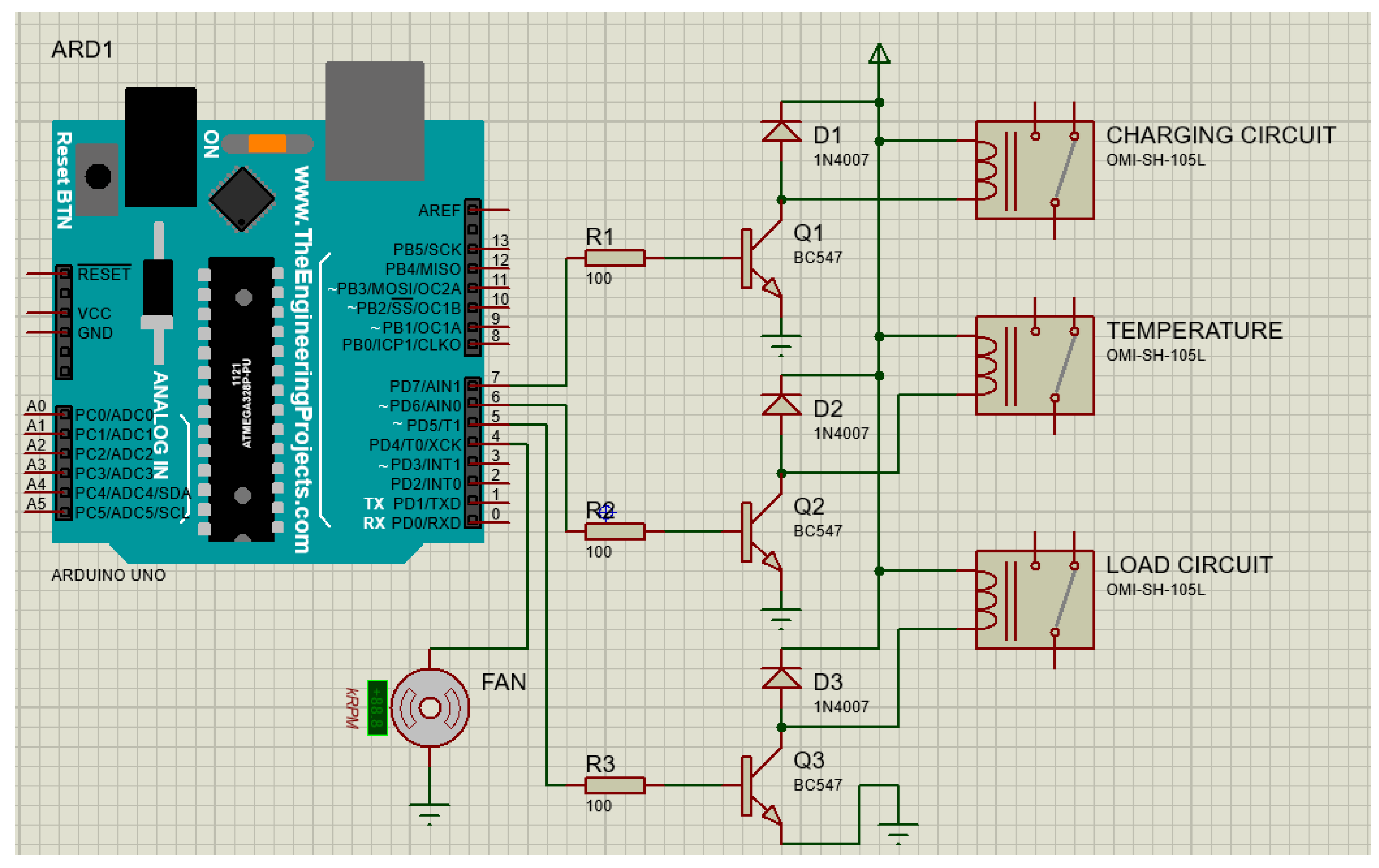
The temperature sensor used is the LM35 IC, which provides a measurement range from −50 °C to 150 °C with a sensitivity of 10 mV/°C. Four temperature sensors are installed, positioned on either side of the battery pack. The output pin of each sensor is connected to the Arduino Uno controller for real-time monitoring. The protection circuit disconnects the battery from the load using a 30 A relay. This relay safeguards the system against overcharging, over-discharging, and overheating, and also controls the cooling fan based on temperature readings. Figure 10 shows the protection relay switching circuit.

5.2. Matlab Simulation: Coulomb Counting Method of SOC Estimation

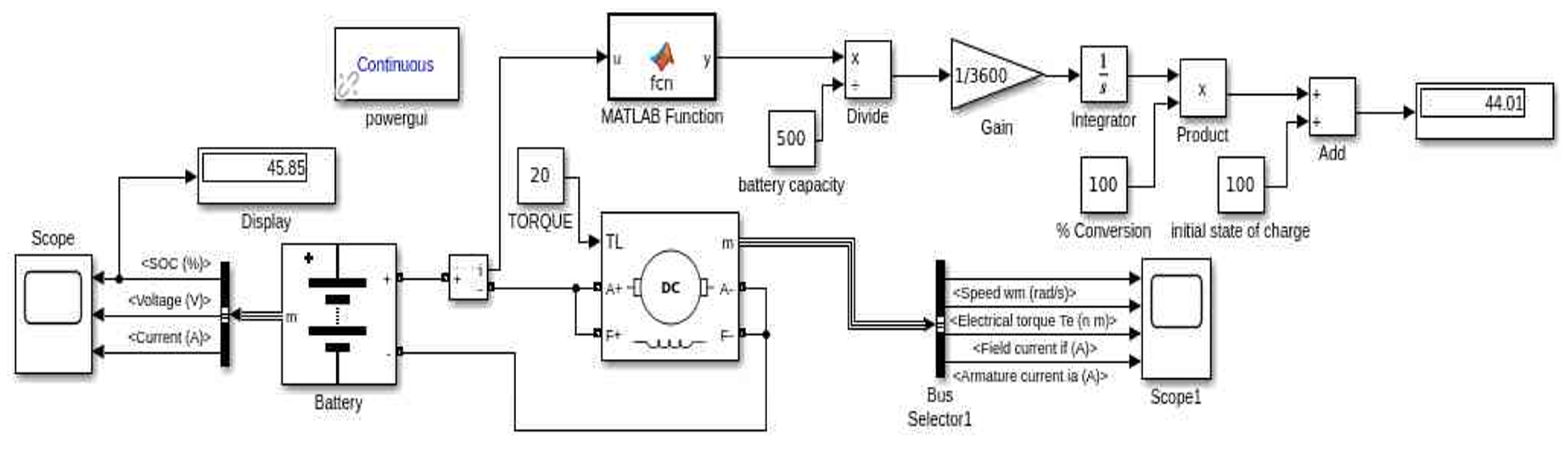
For the MATLAB simulation, the Coulomb counting (CC) method was implemented in Simulink. Both charging and discharging processes were simulated. After 3 h, the estimated battery SOC was 44%, compared to the actual SOC of 45.85%. As per the CC method
S O C ( t ) = S O C ( t 1 ) + 0 t I c d t
where SOC(t) is the estimated SOC, SOC(t − 1) is the initial SOC (100% is considered a fully charged battery), C is the battery capacity in Ah, and I is the charge and discharge current. Figure 11 shows the CC method of SOC estimation.
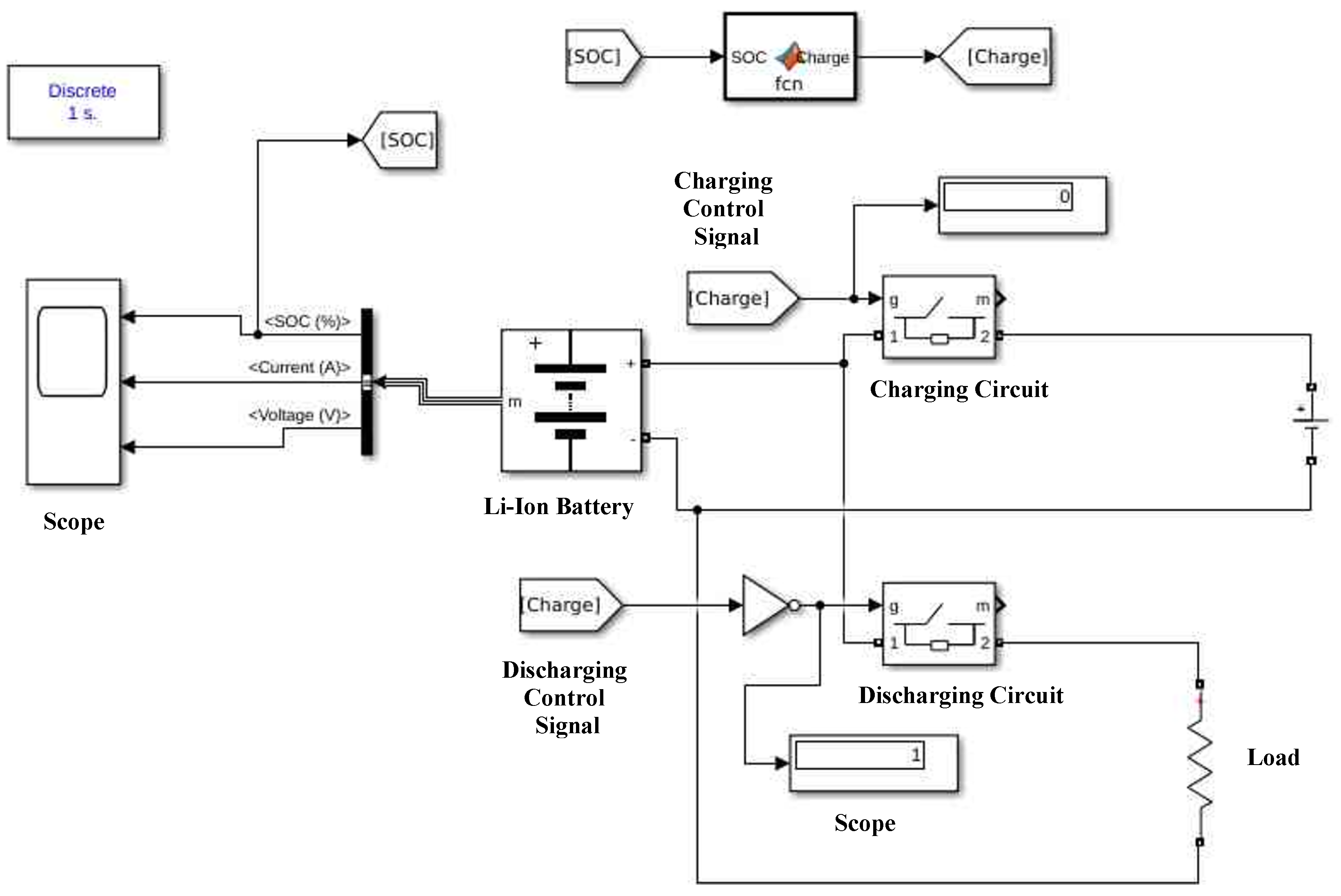
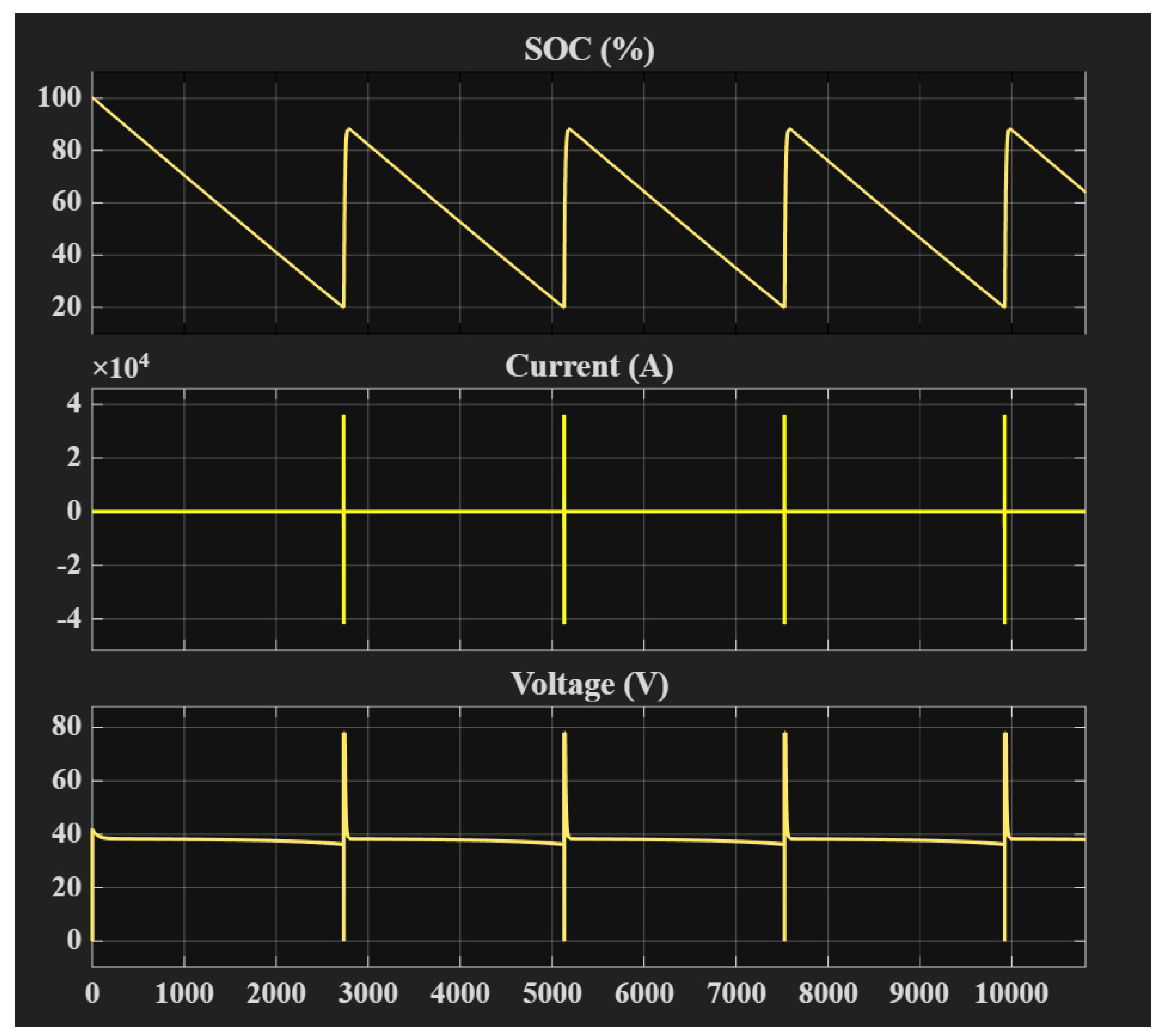
Figure 12 shows the battery charge and discharge model developed in MATLAB/Simulink for a simulation period of 3 h. The simulation results, presented in Figure 13, illustrate the battery’s State of Charge (SOC) variation over time. The SOC decreases steadily until it reaches 20%, at which point the charging cycle begins. During the charging phase, the battery current becomes negative, indicating current flow into the battery. Once charging commences, the SOC increases accordingly.
This simulation confirms that the control strategy effectively triggers charging when the SOC reaches the lower threshold, thereby preventing deep discharging and protecting battery health.

5.3. Hardware Simulation Results: Proteus

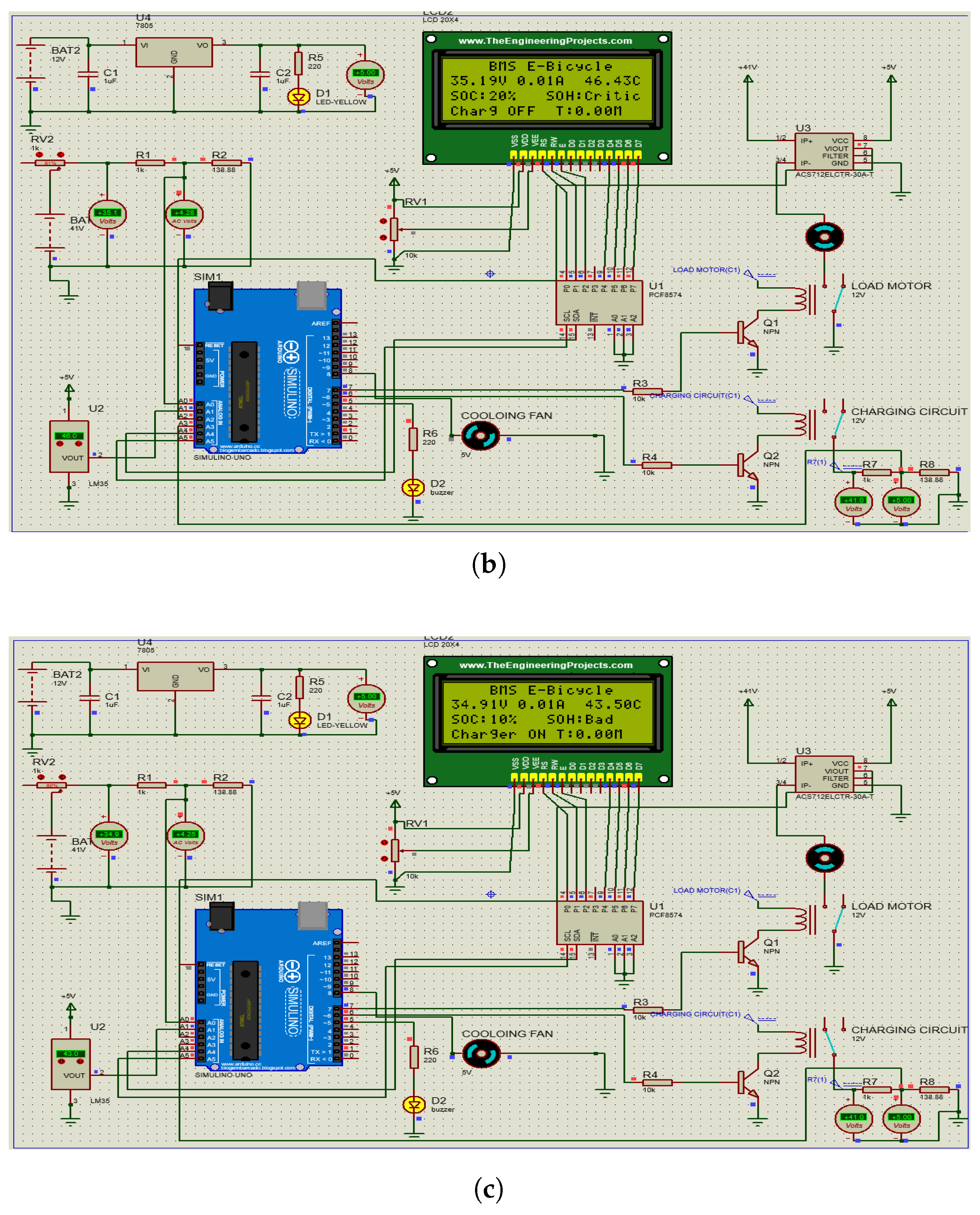
The battery State of Charge (SOC) estimation circuit was initially developed and validated using the Proteus simulator prior to hardware implementation. This approach allowed for thorough testing and optimization of the design before committing to physical assembly. The simulated system modeled an electric bicycle powered by a 36 V motor and incorporated key components, including an Arduino Uno microcontroller, a 20 × 4 LCD display for data visualization, an LM35 temperature sensor for real-time thermal monitoring, and an ACS712 current sensor for accurate current measurement during charging and discharging cycles.
Additional components included a 12 V DC charger, a DC cooling fan for thermal management, a 12 V dynamo motor for load simulation, strip connectors, a 1 kΩ fixed resistor, a 1 kΩ potentiometer for calibration, a 0.1 μF capacitor for noise filtering, a 0.75 mm2 twin-flex cable for secure power transmission, and a 7805 voltage regulator to supply a stable 5 V to the control circuitry.
The designed Battery Management System (BMS) was capable of providing real-time information on the battery’s State of Charge (SOC), State of Health (SOH), temperature, and estimated remaining runtime. Multiple charging and discharging scenarios were simulated to assess system performance under varying operating conditions. These tests verified the accuracy of SOC estimation, the effectiveness of thermal monitoring, and the system’s ability to initiate protective measures when thresholds were exceeded. By conducting these simulations in Proteus, potential design flaws were identified and corrected early, ensuring that the final hardware implementation was both reliable and efficient.
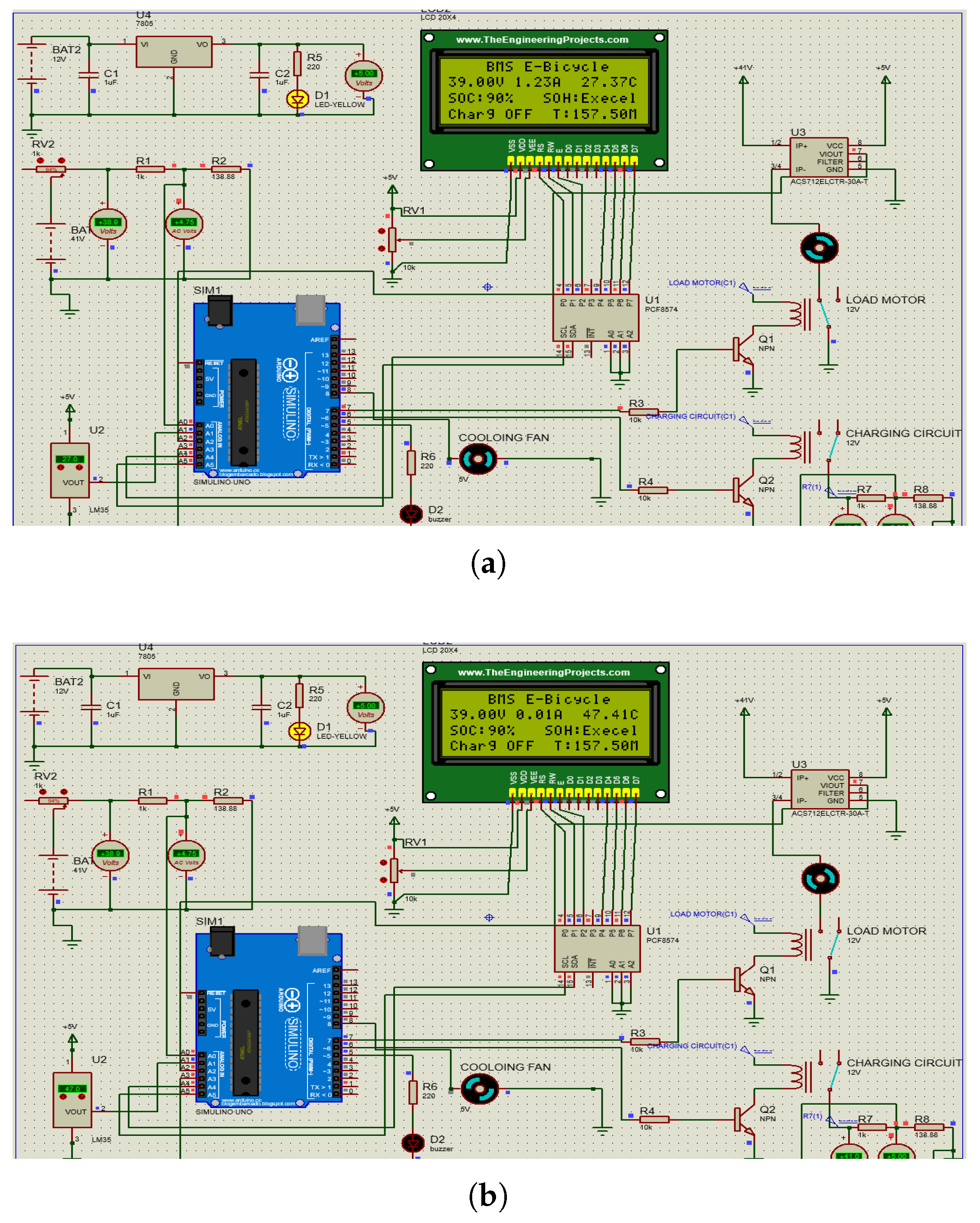
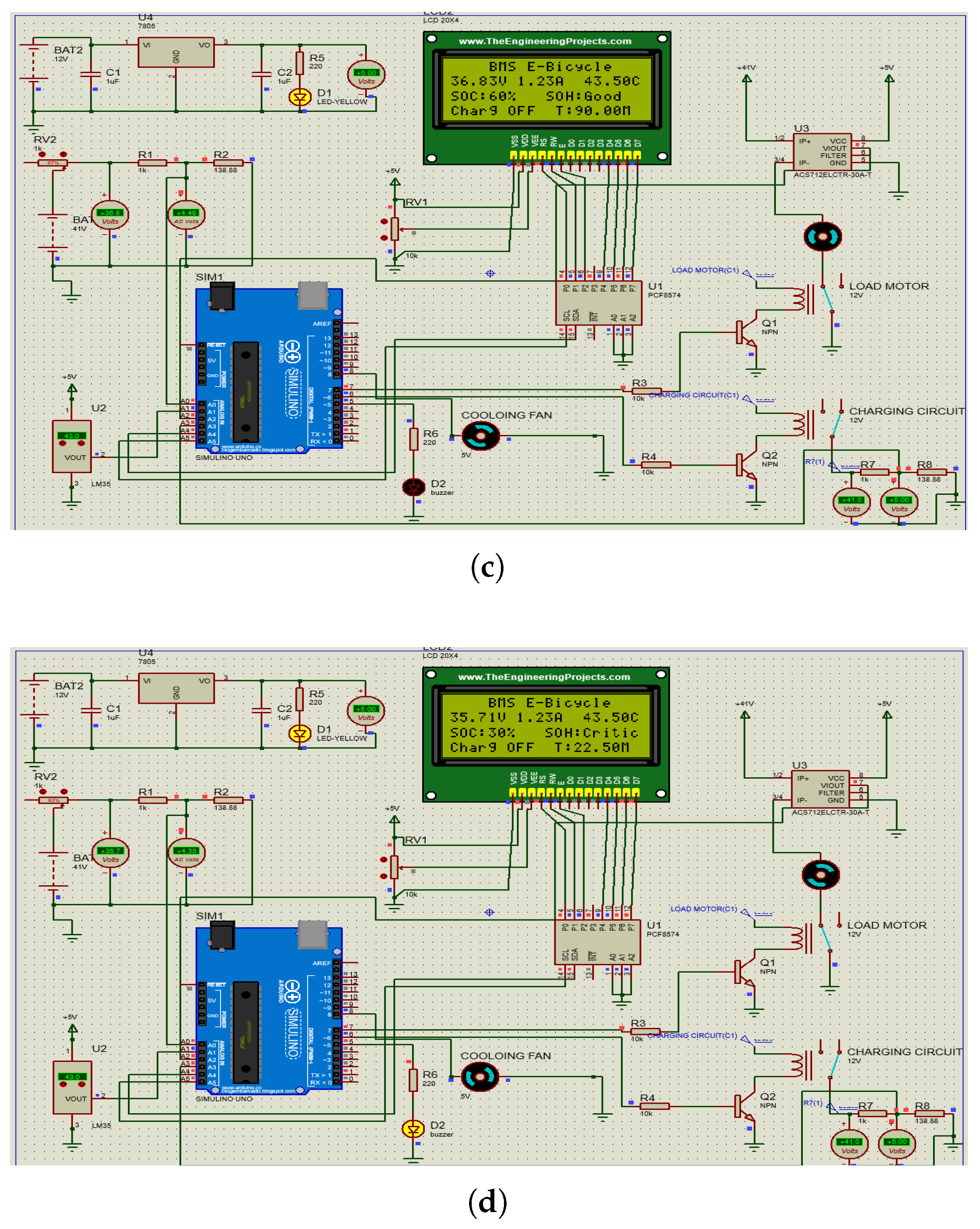
Figure 14 illustrate the various operational scenarios of the designed Battery Management System (BMS) under different SOC, SOH, and temperature conditions. In Figure 14a, the battery SOC is 90%, with an SOH rating of Excellent; the charging circuit is OFF, the temperature remains within the safe range, and the estimated remaining runtime is approximately 157 min. Figure 14b also shows a battery SOC of 90%, but the temperature has risen to 47 °C, exceeding the threshold, prompting the controller to switch OFF the load and activate the cooling fan to protect the battery. In Figure 14c, the SOC has dropped to 60%, with an SOH rating of Good; the charging circuit remains OFF, the temperature is normal, and the estimated remaining runtime is about 1 h 30 min. Figure 14d shows an SOC of 30%, with an SOH rating of Critical; since the SOC is below 40%, the controller triggers an alarm to alert the user to recharge the battery soon, as it has only 22 min of runtime remaining.
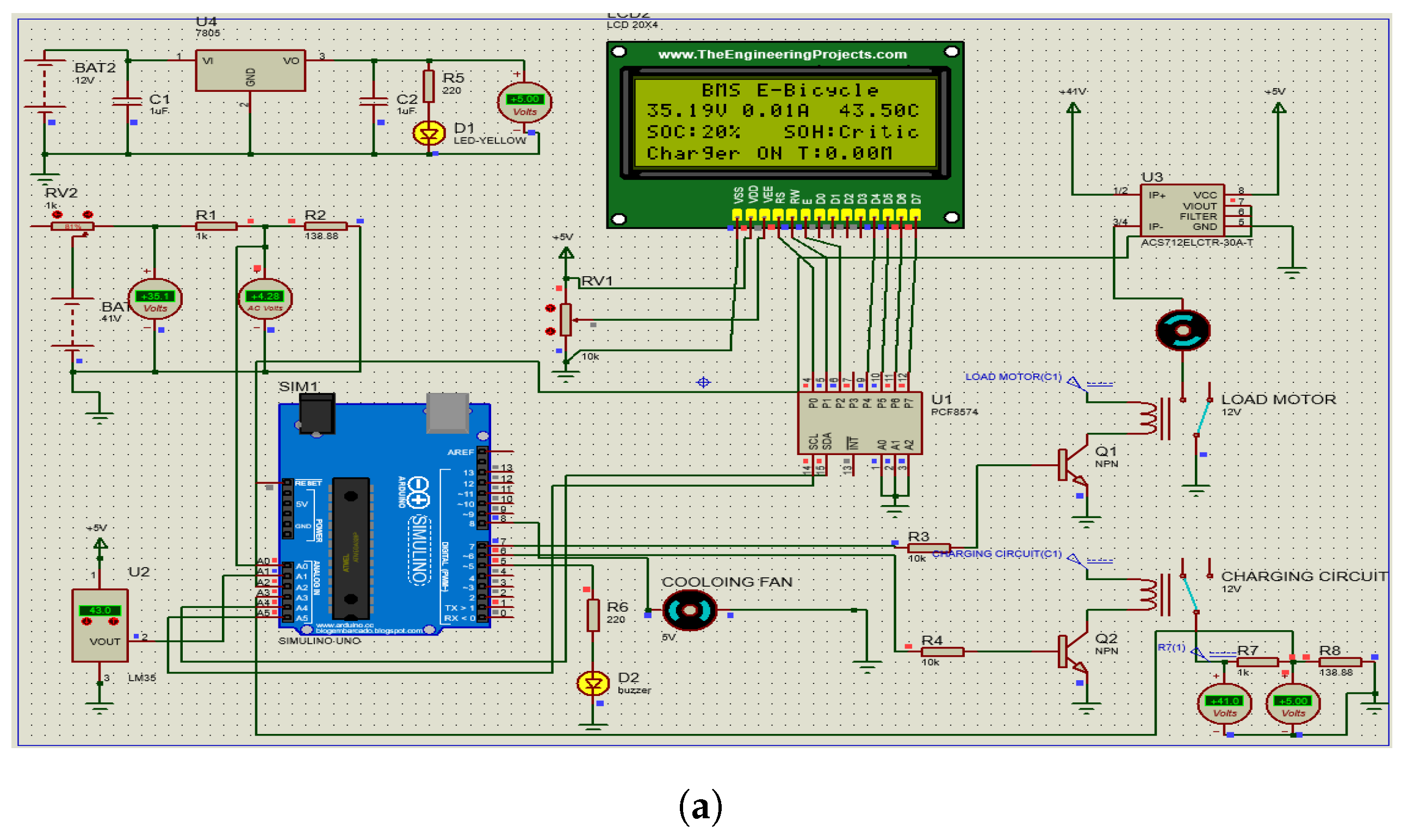
In Figure 15a, the SOC reaches 20% and the SOH remains Critical; at this point, the controller disconnects the motor and activates the charging circuit to begin recharging. Figure 15b presents a similar case with SOC at 20% and SOH Critical, but here the battery is in charging mode; when the temperature rises above 45 °C, the controller halts charging and activates the cooling fan to bring the temperature back to the safe range. Finally, Figure 15c depicts a condition where the SOC falls below 10% and the SOH is rated as Bad, indicating the battery is near full depletion and requires immediate charging to prevent damage. These cases demonstrate the BMS’s ability to monitor battery health, enforce protective measures, and maintain safe operation under varying load, charge, and temperature conditions.
Overall, these scenarios demonstrate the ability of the proposed sensor-based BMS to intelligently monitor and respond to changes in SOC, SOH, and temperature to protect battery health and ensure operational safety.

5.4. Sensor-Based BMS Hardware Implementation

The simulated Battery Management System (BMS) circuit was implemented on a real electric bicycle, integrating various sensors to monitor and control battery performance. The hardware setup embedded the sensor-based BMS into the electric bicycle to provide real-time monitoring of key parameters such as voltage, current, temperature, and State of Charge (SOC).
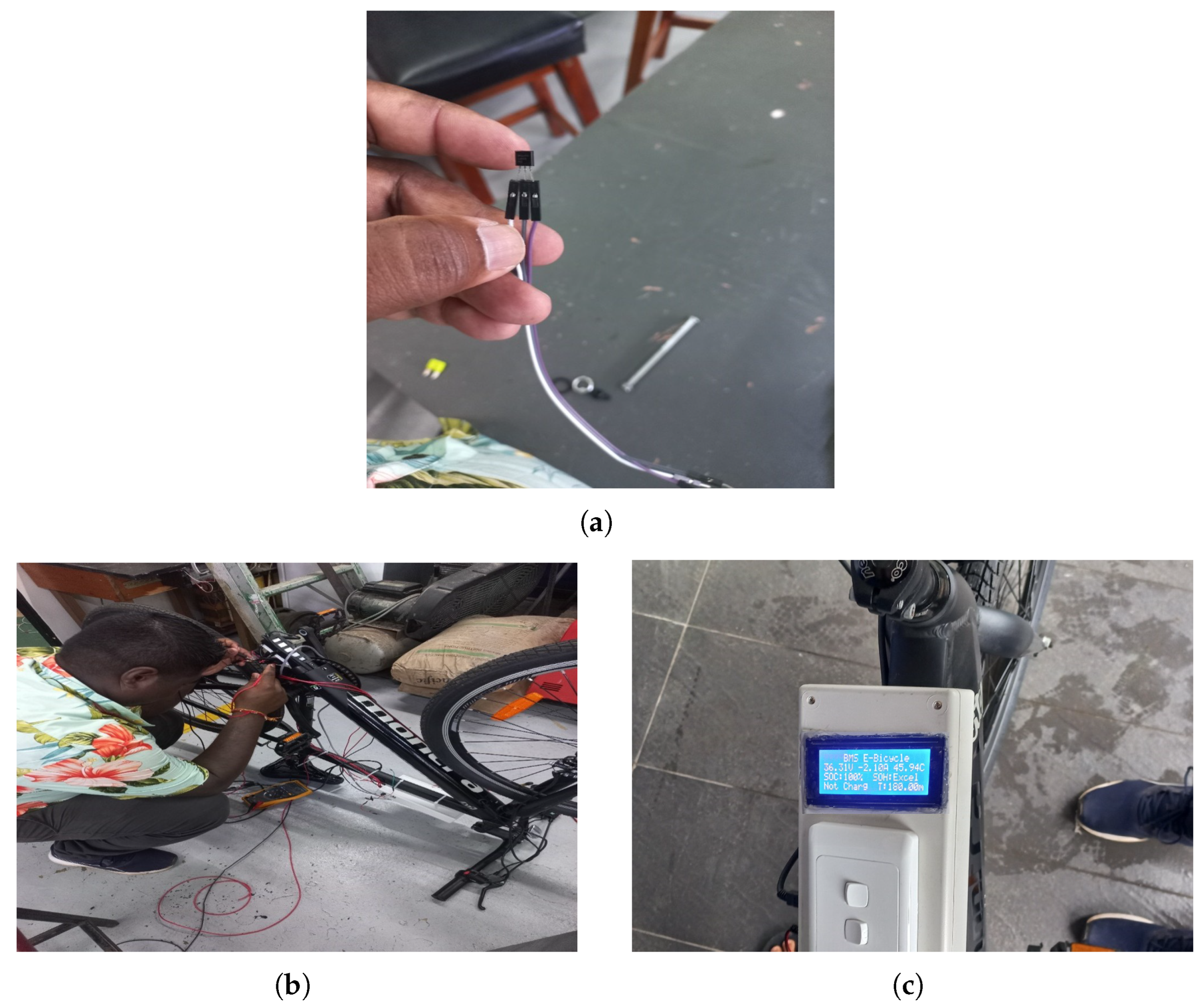
For temperature monitoring, the LM35 temperature sensor was installed to measure the battery temperature during operation (Figure 16a). Voltage measurements of the electric bicycle battery were also carried out, as shown in Figure 16b. The complete hardware model of the BMS for the electric bicycle, incorporating all sensors and control circuitry, is illustrated in Figure 16c.
This work introduces a BMS based on OCV and CC SOC estimation, significantly enhancing accuracy by reducing error margins between simulation and real-time data. The developed design and system not only controls charging/discharging but also actively manages battery temperature with fan control, beeping alerts, and intelligent charger disconnection, thereby extending battery life. The inclusion of regenerative charging from electrodynamometers offers an innovative solution for extending range and reducing charging frequency, a feature rarely implemented in low-cost BMSs for bicycles.
A fair comparison of battery performance with and without the proposed BMS is presented in Table 3. By using widely available components such as Arduino Uno, LM35, and ACS712 sensors, the proposed BMS offers a cost-effective and scalable solution suitable for large-scale E-Bike adoption, especially in developing regions. There is a clear validation of simulation and hardware consistency. Measurement results demonstrated close alignment between MATLAB simulation and real-time hardware outputs (44% vs. 45.85% SOC), proving the reliability and practical applicability of the design.
After the implementation of the battery management system (BMS), the lifespan of the battery is significantly longer, while the system also ensures that the battery operates within a safe operating range. The proposed BMS enhances battery safety, longevity, efficiency, and environmental friendliness compared to batteries without a BMS. This directly contributes to improved performance, sustainability, reliability, protection, and user comfort.

6. Conclusions

This research successfully demonstrates the design and implementation of a sensor-based Battery Management System (BMS) for an electric bicycle, integrating LM35 temperature sensors, voltage and current sensors, and an Arduino Uno controller to estimate State of Charge (SOC), State of Health (SOH), operating temperature, and remaining runtime. The system was designed and tested in simulation environments such as Proteus and Simulink before being implemented in hardware, achieving effective real-time monitoring to enhance battery safety and performance. Despite minor challenges such as delayed components and sensor interference, the prototype met its functional objectives and validated the feasibility of the proposed approach. As future work, the system can be enhanced by integrating IoT-based wireless communication for real-time remote monitoring and data logging, enabling advanced analytics and improved decision-making for electric mobility applications.

Author Contributions

Conceptualization, P.R. and B.P.S.; methodology, P.R. and B.P.S.; software, P.R.; validation, P.R., B.P.S. and S.S.; investigation, P.R. and B.P.S.; writing—original draft preparation, P.R. and B.P.S.; writing—review and editing, B.P.S. and S.S.; supervision, S.S. and B.P.S. All authors have read and agreed to the published version of the manuscript.

Funding

This research received no external funding.

Institutional Review Board Statement

Not applicable.

Informed Consent Statement

Not applicable.

Data Availability Statement

The data presented in this study are available on reasonable request from the corresponding author.

Conflicts of Interest

The authors declare no conflicts of interest.

References

  1. Harwardt, K.; Jung, J.H.; Beiranvand, H.; Nowotka, D.; Liserre, M. Lithium-Ion Battery Management System with Reinforcement Learning for Balancing State of Charge and Cell Temperature. In Proceedings of the 2023 IEEE Belgrade PowerTech, Belgrade, Serbia, 25–29 June 2023; pp. 1–6. [Google Scholar]
  2. Kumar, R.R.; Bharatiraja, C.; Udhayakumar, K.; Devakirubakaran, S.; Sekar, K.S.; Mihet-Popa, L. Advances in batteries, battery modeling, battery management system, battery thermal management, SOC, SOH, and charge/discharge characteristics in EV applications. IEEE Access 2023, 11, 105761–105809. [Google Scholar] [CrossRef]
  3. Pande, A.; Sharma, A.; Soni, B.P. Deep learning based state of charge estimation of lithium ion battery for electric vehicle application. Discov. Internet Things 2025. [Google Scholar] [CrossRef]
  4. Sasirekha, P.; Sneka, E.; Velmurugan, B.; Hameed, M.S.; Sivasankar, P. A Battery Monitoring System based on IoT for Electric Vehicles. In Proceedings of the 2023 5th International Conference on Smart Systems and Inventive Technology (ICSSIT), Tirunelveli, India, 23–25 January 2023; pp. 204–210. [Google Scholar]
  5. Chehade, A.A.; Hussein, A.A. A collaborative Gaussian process regression model for transfer learning of capacity trends between li-ion battery cells. IEEE Trans. Veh. Technol. 2020, 69, 9542–9552. [Google Scholar] [CrossRef]
  6. Hu, X.; Che, Y.; Lin, X.; Onori, S. Battery health prediction using fusion-based feature selection and machine learning. IEEE Trans. Transp. Electrif. 2020, 7, 382–398. [Google Scholar] [CrossRef]
  7. Ananthraj, C.R.; Ghosh, A. Battery management system in electric vehicle. In Proceedings of the 2021 4th Biennial International Conference on Nascent Technologies in Engineering (ICNTE), Navi Mumbai, India, 15–16 January 2021; pp. 1–6. [Google Scholar]
  8. Kim, S.W.; Lee, G.M. Estimating increase of electric energy according to penetration of electric vehicles at the Jeju Island in Korea. In Proceedings of the 2016 IEEE Transportation Electrification Conference and Expo, Asia-Pacific (ITEC Asia-Pacific), Busan, Republic of Korea, 1–4 June 2016; pp. 947–949. [Google Scholar]
  9. Faisal, S.; Goyal, G.R.; Soni, B.P.; Husain, D. Design analysis of matrix converter for wireless Vehicle-to-Vehicle charging system and ecological footprint assessment of electric vehicle charging station. Int. J. Emerg. Electr. Power Syst. 2025. [Google Scholar] [CrossRef]
  10. Totev, V.; Gueorgiev, V. Batteries of electric vehicles. In Proceedings of the 2021 13th Electrical Engineering Faculty Conference (BulEF), Varna, Bulgaria, 8–11 September 2021; pp. 1–6. [Google Scholar]
  11. Li, S.; Zhang, C. Study on battery management system and lithium-ion battery. In Proceedings of the 2009 International Conference on Computer and Automation Engineering, Bangkok, Thailand, 8–10 March 2009; pp. 218–222. [Google Scholar]
  12. Shareef, H.; Islam, M.M.; Mohamed, A. A review of the state-of-the-art charging technologies, placement methodologies, and impacts of electric vehicles. Renew. Sustain. Energy Rev. 2016, 64, 403–420. [Google Scholar] [CrossRef]
  13. Khan, M.A.; Zeb, K.; Sathishkumar, P.; Ali, M.U.; Uddin, W.; Hussain, S.; Kim, H.J. A novel supercapacitor/lithium-ion hybrid energy system with a fuzzy logic-controlled fast charging and intelligent energy management system. Electronics 2018, 7, 63. [Google Scholar] [CrossRef]
  14. Manzetti, S.; Mariasiu, F. Electric vehicle battery technologies: From present state to future systems. Renew. Sustain. Energy Rev. 2015, 51, 1004–1012. [Google Scholar] [CrossRef]
  15. Iclodean, C.; Varga, B.; Burnete, N.; Cimerdean, D.; Jurchiş, B. Comparison of different battery types for electric vehicles. IOP Conf. Ser. Mater. Sci. Eng. 2017, 252, 012058. [Google Scholar] [CrossRef]
  16. Umair Ali, M.; Hussain Nengroo, S.; Adil Khan, M.; Zeb, K.; Ahmad Kamran, M.; Kim, H.J. A real-time simulink interfaced fast-charging methodology of lithium-ion batteries under temperature feedback with fuzzy logic control. Energies 2018, 11, 1122. [Google Scholar] [CrossRef]
  17. Ralon, P.; Taylor, M.; Ilas, A.; Diaz-Bone, H.; Kairies, K. Electricity Storage and Renewables: Costs and Markets to 2030; International Renewable Energy Agency: Abu Dhabi, United Arab Emirates, 2017; pp. 154–164. [Google Scholar]
  18. Che, Y.; Deng, Z.; Li, P.; Tang, X.; Khosravinia, K.; Lin, X.; Hu, X. State of health prognostics for series battery packs: A universal deep learning method. Energy 2022, 238, 121857. [Google Scholar] [CrossRef]
  19. Che, Y.; Deng, Z.; Lin, X.; Hu, L.; Hu, X. Predictive battery health management with transfer learning and online model correction. IEEE Trans. Veh. Technol. 2021, 70, 1269–1277. [Google Scholar] [CrossRef]
  20. Pande, A.S.; Soni, B.P.; Sharma, A.K. Modeling of one and two RC model and state estimation of Lithium-Ion Battery using Thevenin’s equivalent Circuit Model. Procedia Comput. Sci. 2025, 259, 494–503. [Google Scholar] [CrossRef]
  21. Zhang, R.; Xia, B.; Li, B.; Cao, L.; Lai, Y.; Zheng, W.; Wang, M. A study on the open circuit voltage and state of charge characterization of high capacity lithium-ion battery under different temperature. Energies 2018, 11, 2408. [Google Scholar] [CrossRef]
  22. Tang, X.; Wang, Y.; Chen, Z. A method for state-of-charge estimation of LiFePO4 batteries based on a dual-circuit state observer. J. Power Sources 2015, 296, 23–29. [Google Scholar] [CrossRef]
  23. Coleman, M.; Lee, C.K.; Zhu, C.; Hurley, W.G. State-of-charge determination from EMF voltage estimation: Using impedance, terminal voltage, and current for lead-acid and lithium-ion batteries. IEEE Trans. Ind. Electron. 2007, 54, 2550–2557. [Google Scholar] [CrossRef]
  24. Bao, Y.; Dong, W.; Wang, D. Online internal resistance measurement application in lithium ion battery capacity and state of charge estimation. Energies 2018, 11, 1073. [Google Scholar] [CrossRef]
  25. Lu, L.; Han, X.; Li, J.; Hua, J.; Ouyang, M. A review on the key issues for lithium-ion battery management in electric vehicles. J. Power Sources 2013, 226, 272–288. [Google Scholar] [CrossRef]
  26. Dini, P.; Colicelli, A.; Saponara, S. Review on modeling and soc/soh estimation of batteries for automotive applications. Batteries 2024, 10, 34. [Google Scholar] [CrossRef]
  27. Rivera-Barrera, J.P.; Muñoz-Galeano, N.; Sarmiento-Maldonado, H.O. SoC estimation for lithium-ion batteries: Review and future challenges. Electronics 2017, 6, 102. [Google Scholar] [CrossRef]
  28. Saji, D.; Babu, P.S.; Ilango, K. SoC estimation of lithium ion battery using combined coulomb counting and fuzzy logic method. In Proceedings of the 2019 4th International Conference on Recent Trends on Electronics, Information, Communication & Technology (RTEICT), Bangalore, India, 17–18 May 2019; pp. 948–952. [Google Scholar]
  29. Vattem, S.; Gorantla, S.R. A critical review on available methods for estimating the present state-of-charge of the batteries used in EV/HEV. In Proceedings of the 2023 International Conference on Advanced & Global Engineering Challenges (AGEC), Kakinada, India, 23–24 June 2023; pp. 26–31. [Google Scholar]
  30. Jiang, B.; Dai, H.; Wei, X. A cell-to-pack state estimation extension method based on a multilayer difference model for series-connected battery packs. IEEE Trans. Transp. Electrif. 2021, 8, 2037–2049. [Google Scholar] [CrossRef]
  31. Rao, P.N.; Lavanya, V.; Manasa, D.; Boggavarapu, S.; Soni, B.P. Battery models and estimation techniques for energy storage systems in residential buildings. J. Mod. Technol. 2024, 1, 47–58. [Google Scholar] [CrossRef]
  32. Khanum, F.; Louback, E.; Duperly, F.; Jenkins, C.; Kollmeyer, P.J.; Emadi, A. A Kalman filter based battery state of charge estimation MATLAB function. In Proceedings of the 2021 IEEE Transportation Electrification Conference & Expo (ITEC), Chicago, IL, USA, 21–25 June 2021; pp. 484–489. [Google Scholar]
  33. Taborelli, C.; Onori, S. State of charge estimation using extended Kalman filters for battery management system. In Proceedings of the 2014 IEEE International Electric Vehicle Conference (IEVC), Florence, Italy, 17–19 December 2014; pp. 1–8. [Google Scholar]
  34. Zhang, Z.; Jiang, L.; Zhang, L.; Huang, C. State-of-charge estimation of lithium-ion battery pack by using an adaptive extended Kalman filter for electric vehicles. J. Energy Storage 2021, 37, 102457. [Google Scholar] [CrossRef]
  35. Cui, Z.; Kang, L.; Li, L.; Wang, L.; Wang, K. A hybrid neural network model with improved input for state of charge estimation of lithium-ion battery at low temperatures. Renew. Energy 2022, 198, 1328–1340. [Google Scholar] [CrossRef]
  36. Makuwatsine, T.T.; Gill, A.; Mishra, P.K. Battery Pack Modeling for the Analysis of Battery Temperature and Current Control. In Proceedings of the 2023 3rd Asian Conference on Innovation in Technology (ASIANCON), Ravet, India, 25–27 August 2023; pp. 1–6. [Google Scholar]
  37. Nerkar, M.; Mukherjee, A.; Soni, B.P. A review on optimization scheduling methods of charging and discharging of EV. AIP Conf. Proc. 2022, 2452, 040002. [Google Scholar] [CrossRef]
  38. Blazek, V.; Pergl, I.; Kedron, P.; Piecha, M.; Bajaj, M. Effect of ambient temperature on EV charging curves after seven years of EV operation. In Proceedings of the 2023 23rd International Scientific Conference on Electric Power Engineering, Brno, Czech Republic, 24–26 May 2023; pp. 1–5. [Google Scholar]
  39. Bunyamin, W.M.H.W.; Baharom, R.; Munim, W.N.W.A. Wireless Battery Charger with Power Factor Correction for Electric Bike. In Proceedings of the 2023 IEEE Industrial Electronics and Applications Conference (IEACon), Penang, Malaysia, 6–7 November 2023; pp. 139–144. [Google Scholar]
  40. Baharom, R.; Muhamad, S.M.; Munim, W.N.W.A.; Radzi, M.A.M.; Hashim, N.; Bunyamin, W.M.H.W.; Shaffee, S.N.A. Energy Analysis Between Wire-Connected and Wireless Battery Charger Systems for Electric Bike. In Proceedings of the 2023 IEEE Industrial Electronics and Applications Conference (IEACon), Penang, Malaysia, 6–7 November 2023; pp. 134–138. [Google Scholar]
  41. Guna, A.; Kumari, S.; Sivapriya, G. State of Charge based Charging Controller with Temperature monitoring system for Lithium ion Battery in Electric Vehicle. E3S Web Conf. 2023, 399, 01008. [Google Scholar]
  42. Hung, N.B.; Lim, O. A simulation and experimental study of dynamic performance and electric consumption of an electric bicycle. Energy Procedia 2019, 158, 2865–2871. [Google Scholar] [CrossRef]
  43. Yildiz, A.B. Electrical equivalent circuit based modeling and analysis of direct current motors. Int. J. Electr. Power Energy Syst. 2012, 43, 1043–1047. [Google Scholar] [CrossRef]
  44. Hung, N.B.; Jaewon, S.; Lim, O. A study of the effects of input parameters on the dynamics and required power of an electric bicycle. Appl. Energy 2017, 204, 1347–1362. [Google Scholar] [CrossRef]
Figure 1. Standard electrical bicycle design.
Engproc 118 00076 g001
Figure 2. Different SOC estimation methods.
Engproc 118 00076 g002
Figure 3. Schematic diagram of Li-ion cell.
Engproc 118 00076 g003
Figure 4. Voltage divider sensor and temperature sensor.
Engproc 118 00076 g004
Figure 5. Block diagram of the BMS technology.
Engproc 118 00076 g005
Figure 6. Flow chart of the proposed BMS.
Engproc 118 00076 g006
Figure 7. Battery equivalent circuit model.
Engproc 118 00076 g007
Figure 8. Friction forces acting on an electric bicycle.
Engproc 118 00076 g008
Figure 9. (a) Voltage divider circuit. (b) Simulation with Multisim.
Engproc 118 00076 g009
Figure 10. Protection relay switching circuit.
Engproc 118 00076 g010
Figure 11. CC method of SOC estimation.
Engproc 118 00076 g011
Figure 12. Battery charge and discharge model in S i m u l i n k M A T L A B .
Engproc 118 00076 g012
Figure 13. Simulated results: Battery SOC, current, and voltage after using the BMS.
Engproc 118 00076 g013
Figure 14. Hardware simulation result (a) At SOC = 90% and T < 45 °C. (b) At SOC = 90% and T ≥ 45 °C. (c) At SOC = 60%≥40%. (d) At SOC = 30% < 40%.
Engproc 118 00076 g014aEngproc 118 00076 g014b
Figure 15. Hardware simulation result. (a) Charging-ON at SOC = 20% < 40% and T < 45 °C. (b) Charging-OFF at SOC = 20% < 40% and T ≥ 45 °C. (c) At SOC = 10%.
Engproc 118 00076 g015aEngproc 118 00076 g015b
Figure 16. (a) LM35 temperature sensor. (b) Voltage measurement of battery in electric bicycle. (c) BMS display.
Engproc 118 00076 g016
Table 1. Characteristics of different types of batteries.
Battery
Type
Energy Density
(Wh/L)
Power Density
(W/L)
Nominal
Voltage
Life
Cycle
Depth of
Discharge %
Charging
Efficiency %
Lead-Acid30–501802200–3005050–95
Sodium–Sulfur140–300140–1802.08150010070
Sodium–Nickel–Chloride160–275150–270-300010084
Nickel–cadmium50–801501.210008570–90
Lithium-ion100–270250–6803.2–3.7600–30009580–90
Table 2. Battery charging and discharging temperatures.
Battery
Type
Charging
Efficiency
Self-Discharge Rate
(% Months)
Charge Temperature
(°C)
Discharge Temperature
(°C)
Li-ion80–903–100 to 45−20 to 60
NiCD70–90200 to 45−20 to 65
Lead-Acid50–955−20 to 50−20 to 50
NiMH6530−20 to 65−20 to 65
Table 3. Comparison of battery performance: without BMS vs. with proposed BMS.
AspectBicycle Without BMSBicycle with Proposed BMSBenefit and Contribution
of Proposed BMS
SafetyHigh risk of overheating,
overcharging, and deep
discharging
Actively monitors voltage,
current, and temperature to
prevent unsafe conditions
Enhances safety and
reduces fire/explosion
risks
Cell BalancingCells operate at different
charge levels, leading to
reduced efficiency
Actively balances cells
to ensure uniform charging/
discharging
Extends battery life
and maintains consistent
performance
PerformanceUnstable output, poor
efficiency under load
Stable and optimized
performance under varying
load conditions
Reliable power delivery
for real-world applications
Battery LifeShortened due to
frequent overcharging/
deep discharging
Significantly extended by
maintaining optimal operating
conditions
Cost savings through
longer usable lifespan
Monitoring
and Control
No real-time data
or fault detection
Continuous real-time
monitoring with fault
detection and protection
Supports predictive
maintenance and reduces
downtime
Environmental and
Sustainability Impact
More frequent
replacements
increase e-waste
Longer lifespan reduces
frequency of disposal/
replacement
Contributes to
sustainability and green
engineering practices
User ConfidenceUncertainty due to
lack of protection
features
Provides clear operational
limits and fault alerts
Builds trust in battery
reliability and performance
Disclaimer/Publisher’s Note: The statements, opinions and data contained in all publications are solely those of the individual author(s) and contributor(s) and not of MDPI and/or the editor(s). MDPI and/or the editor(s) disclaim responsibility for any injury to people or property resulting from any ideas, methods, instructions or products referred to in the content.