


Abstract
In recent years, advancements in technologies related to hydrogen have facilitated the exploitation of this energy carrier in conjunction with renewable energies to meet the energy demands of diverse applications. This paper describes a pilot plant within the framework of a research and development (R&D) project aimed at utilizing hydrogen in both industrial and domestic sectors. To this end, this facility comprises six subsystems. Initially, a photovoltaic (PV) generator consisting of 48 panels is employed to generate electrical current from solar radiation. This PV array powers a proton exchange membrane (PEM) electrolyzer, which is responsible for producing green hydrogen by means of water electrolysis. The produced hydrogen is subsequently stored in a bottling storage system for later use in a PEM fuel cell that reconverts it into electrical energy. Finally, a programmable electronic load is utilized to simulate the electrical consumption patterns of various profiles. These physical devices exchange operational data with an open source supervisory system integrated by a set of Industry 4.0 (I4.0) and Internet of Things (IoT)-framed environments. Initially, Node-RED acts as middleware, handling communications, and collecting and processing data from the pilot plant equipment. Subsequently, this information is stored in MariaDB, a structured relational database, enabling efficient querying and data management. Ultimately, the Grafana environment serves as a monitoring platform, displaying the stored data by means of graphical dashboards. The system deployed with such I4.0/IoT applications places a strong emphasis on the continuous monitoring of the power inverter that serves as the backbone of the pilot plant, both from an energy flow and communication standpoint. This device ensures the synchronization, conversion, and distribution of electrical energy while simultaneously standing as a primary data source for the supervisory system. The results presented in this article describe the design of the system and provide evidence of its successful implementation.
1. Introduction
The continuous growth in electricity demand has gained considerable relevance in recent years, driving an intensive search for sustainable alternatives aimed at reducing the carbon footprint through the use of renewable energy sources that minimize environmental impact.
In this context, green hydrogen has emerged as one of the most promising solutions, positioning itself as a clean and efficient energy source capable of contributing significantly to the energy transition [1]. However, its implementation currently requires sophisticated equipment, as well as advanced control and monitoring systems that enable the precise and safe management of its production, storage, and utilization.
In response to these challenges, the paradigms of the Internet of Things (IoT) and Industry 4.0 (I4.0) offer a shared vision centered on process connectivity and digitalization. This vision integrates hardware and software environments dedicated to the interconnection of a wide range of devices through various communication protocols [2].
This paper describes the supervisory system deployed in the context of a pilot plant, developed under the scope of an R&D project focused on hydrogen applications in industrial and domestic sectors. The facility integrates six subsystems, including a photovoltaic (PV) generator, a proton exchange membrane (PEM) electrolyzer for green hydrogen production, a hydrogen storage unit, PEM fuel cells for hydrogen-based energy generation, and a programmable electronic load for simulating consumption profiles. These components are managed by an open source supervisory system built on Industry 4.0 and IoT principles, employing three software environments: Node-RED (version 4.1.2), MariaDB database (version 11.8.5), and Grafana (version 12.3.0). Node-RED handles device communication and data processing, MariaDB stores the structured data, and Grafana provides real-time and historical visualization through interactive dashboards. The integrated I4.0/IoT supervisory system places a critical focus on the continuous monitoring of the power inverter, which constitutes the backbone system of the pilot plant, from both energy flow and communication perspectives.
The subsequent sections of this document are structured as follows: Section 2 provides a detailed overview of the pilot plant subsystems, along with their operation. Furthermore, this section details the working principle of the implemented supervisory system, with particular emphasis on the functions performed within the Node-RED environment. Section 3 illustrates the supervisory system operation by means of the description of the different dashboards implemented in Grafana. Finally, the main conclusions of the work are detailed.
2. Materials and Methods
2.1. Pilot Plant
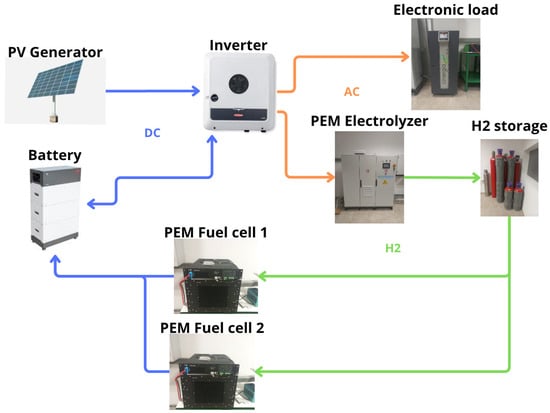
The operation of the pilot plant begins with the PV generator, consisting of a set of 48 SOLARIA S6P225 PV panels (SOLARIA, Madrid, Spain) [3], each with a nominal power rating of 225 Wp. The panels are arranged in two strings of 24 units, yielding a total generation capacity of 10.8 kWp.
The energy produced by the PV generator is delivered to the inverter, a Fronius SYMO GEN 24 Plus 10.0 model (Fronius, Pettenbach, Austria) [4], with a rated power of 10 kW. This device is responsible for converting the direct current (DC) output into a three-phase alternating current (3Ph-AC) bus.
Additionally, this inverter model features battery connectivity, enabling the integration of an energy storage system via the BYD Battery-Box Premium HVS 7.7 (BYD, Shenzhen, China) [5]. This storage system consists of a set of three battery modules, each with a capacity of 2.56 kWh, along with a battery management unit (BMU), providing a total storage capacity of 7.7 kWh.
Concluding the electrical infrastructure, the 3Ph-AC bus powers a 15 kW programmable electronic load, model EL + vAC 15 (Cinergia, Barcelona, Spain), manufactured by Cinergia [6]. The purpose of this device is to simulate consumption profiles, replicating the energy demand of medium-power residential and industrial environments.
Regarding the hydrogen-related equipment, hydrogen is produced through a PEM electrolyzer, model LPGREEM 5 kW (H2GREEM, Madrid, Spain), manufactured by H2GREEM [7]. This unit comprises a stack of 20 PEM cells, delivering a nominal hydrogen flow rate of 1000 L/h.
The system responsible for converting hydrogen into electrical energy comprises two Horizon T-2.5 kW PEM fuel cells (Horizon, Singapore), each delivering a rated power output of 2.5 kW [8].
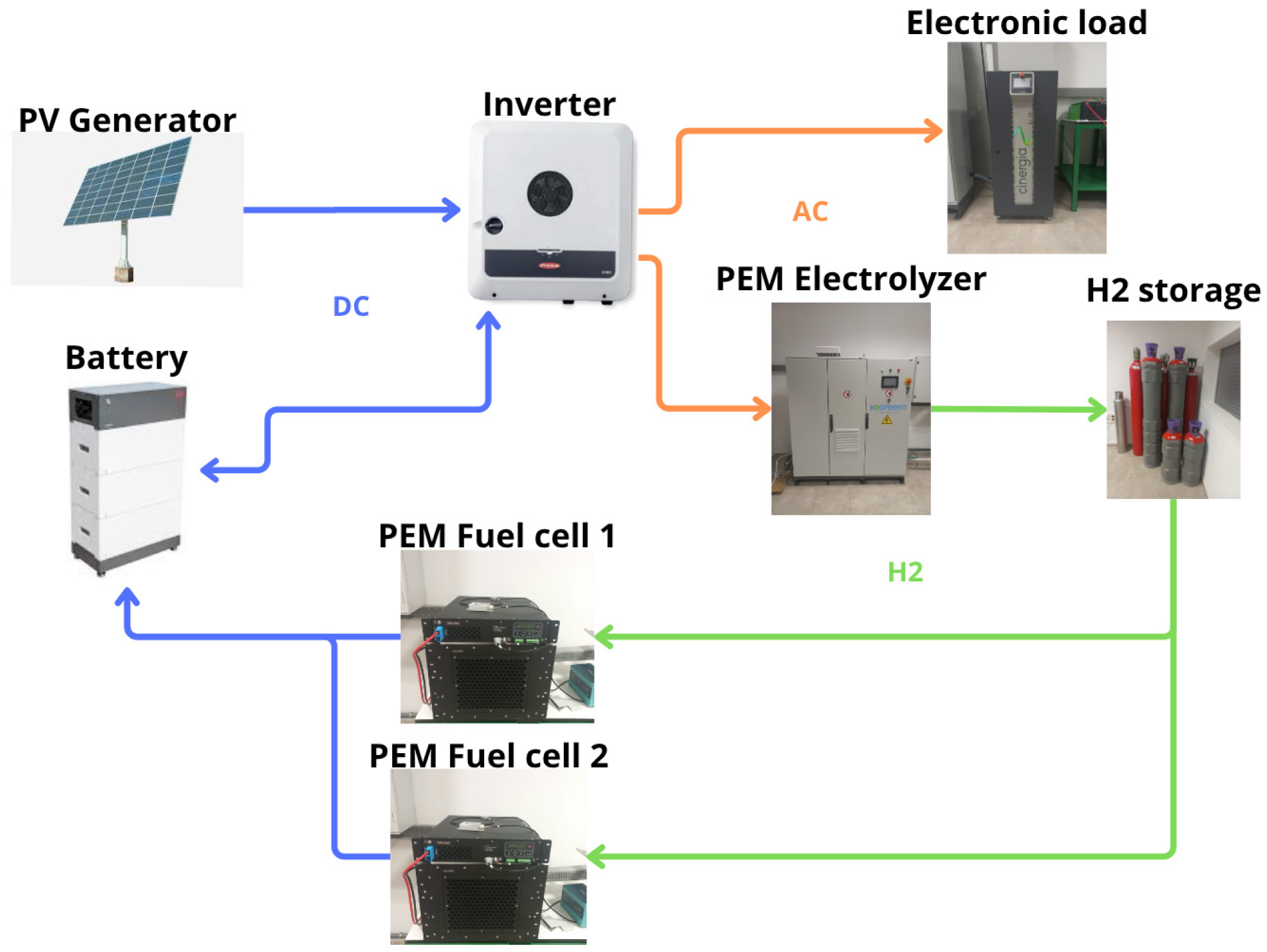
Figure 1 illustrates the operational schematic of the pilot plant, depicting the physical aspect of each component as well as the different energy flows.
Figure 1.
Pilot plant operation schematic.
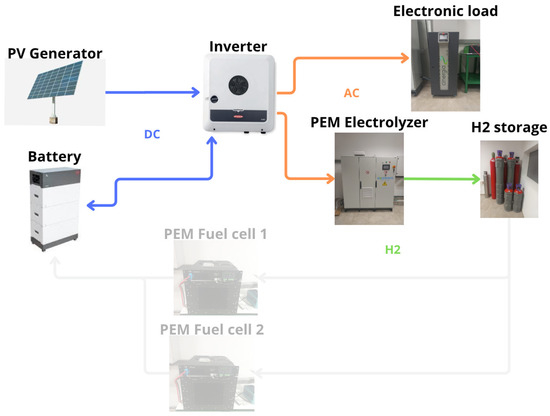
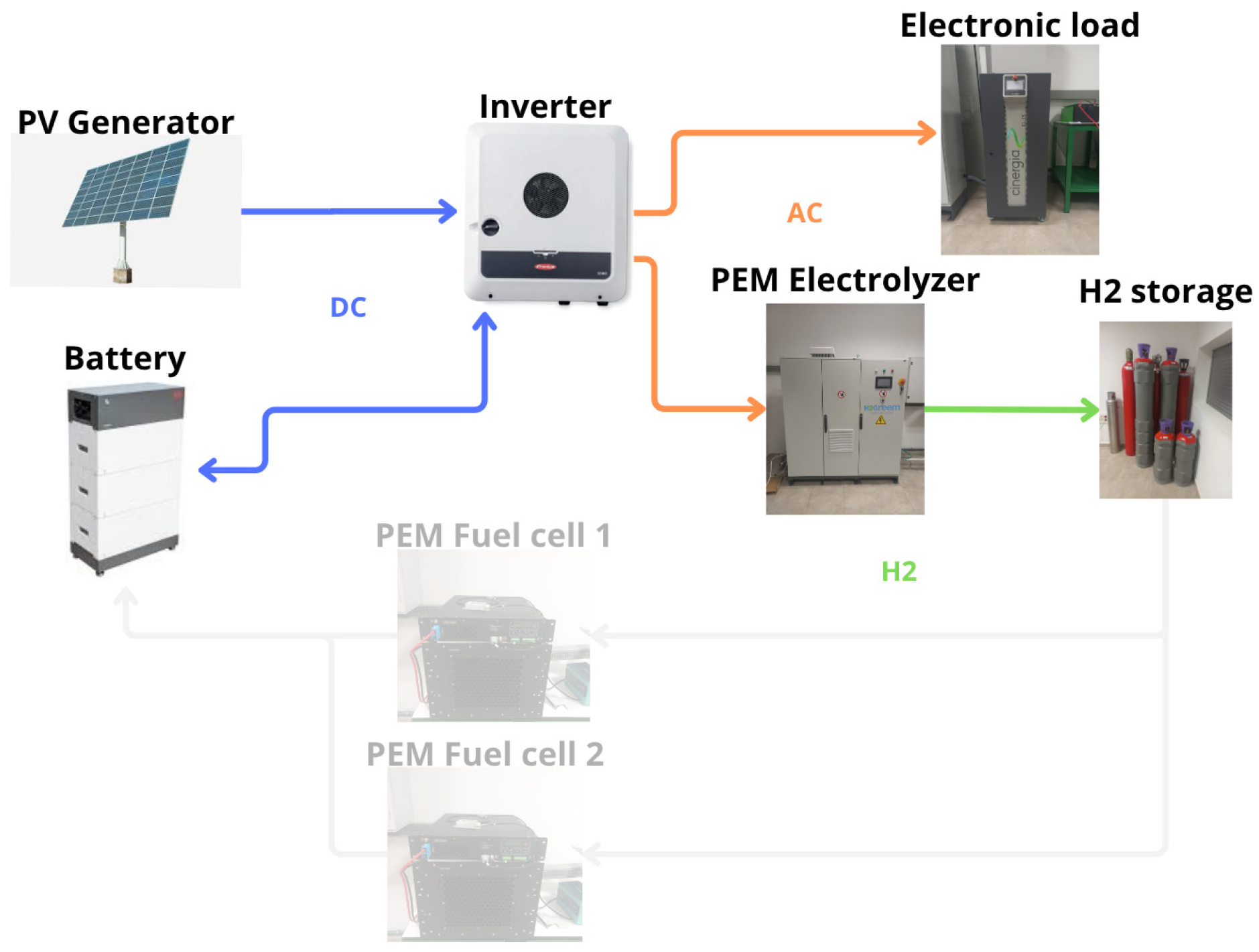
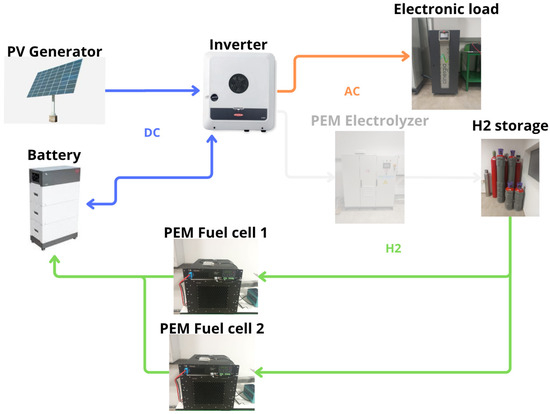
The operation of the pilot plant fluctuates between two operating states depending on the outcome of its energy balance. When the energy generated by the PV generator combined with the energy stored in the battery exceeds the facility’s demand, the plant is in an energy surplus state. Within this state, if the battery’s state of charge (SoC) is below the established maximum threshold (SoCmax), the surplus energy is used to charge the battery. Conversely, if the SoC exceeds SoCmax, the excess generation is redirected to the PEM electrolyzer for green hydrogen production and subsequent storage. Figure 2 illustrates the equipment involved in the pilot plant, highlighting the operational components during the energy surplus scenario.
Figure 2.
Plant operation during an energy surplus scenario.
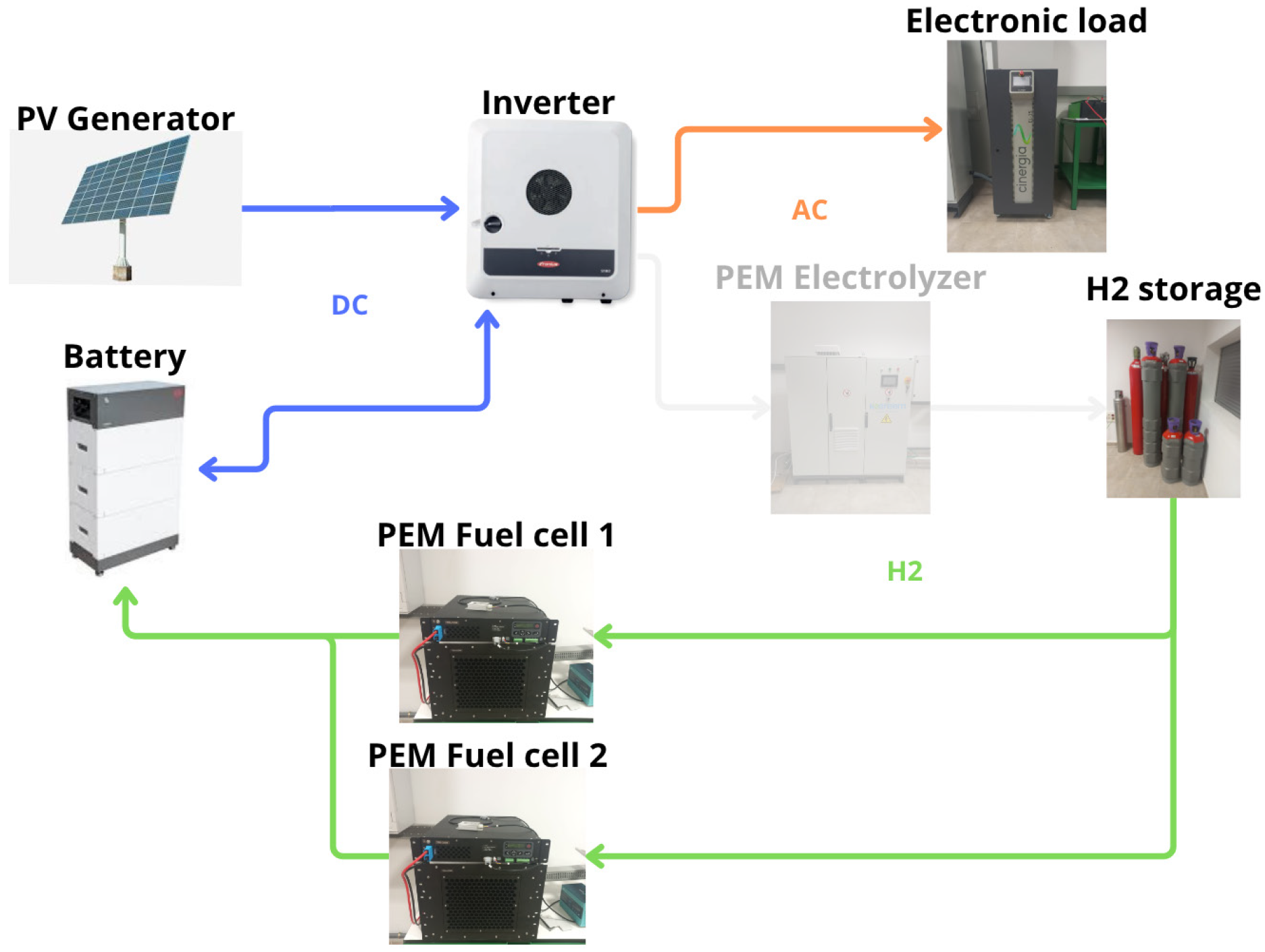
In the event that the energy generated by the PV panels and the energy stored in the battery are insufficient to meet the facility’s energy demand, the plant enters an energy deficit state. Under this scenario, the stored hydrogen is utilized by the PEM fuel cells to generate the additional energy required to meet the demand. Figure 3 presents the equipment involved in the pilot plant during the energy deficit scenario.
Figure 3.
Plant operation during an energy deficit scenario.
2.2. Supervisory System
The development and design of the proposed supervisory system emerged in response to the need for a customized solution tailored specifically to the pilot plant. This system is primarily focused on the inverter due to the limitations of the environment provided by the manufacturer:
- Lack of real-time visualization: The only real-time information available is a synoptic diagram representing power flows, which lacks key data required for comprehensive analysis.
- Paid subscription: This limits the ability to perform the visualization of several critical variables.
- Limited historical data access: For historical data visualization, the platform only provides a single chart in which the channels correspond to the selected variables. This representation format hinders the simultaneous analysis of multiple variables, posing a significant limitation in terms of usability and analytical depth.
The inverter is also responsible for collecting information related to the operation of the PV generator, the battery, and key variables associated with the 3Ph-AC bus. Given the central role of this component within the pilot plant, its monitoring is essential to ensure proper supervision of the system as a whole. To this end, the proposed supervisory system is implemented employing three open source platforms: Node-Red, MariaDB, and Grafana. These environments have been employed in recent scientific studies [9,10,11,12], which supports their suitability for the objectives of the present work.
Node-Red is a visual programming tool designed for the integration of hardware, APIs, and online services [13]. It is recognized for its ease of use and robustness, making it a well-established solution in IoT applications for real-time data processing. Its development environment is based on a graphical editor accessible via a web browser, where workflows are constructed using interconnected nodes, enabling rapid and visual development of complex processes.
MariaDB functions as a relational database management system [14]. In conjunction with the Apache web server—which handles Hypertext Transfer Protocol (HTTP) requests between client and server—and the Hypertext Preprocessor (PHP) scripting language—which enables the development of graphical interfaces for database administration—MariaDB offers a robust solution for data storage and querying in web-based applications.
Grafana is a platform designed for real-time data visualization and analysis [15]. It enables the creation of dynamic and interactive dashboards based on information sourced from multiple origins, including Structured Query Language (SQL) databases, cloud services, and monitoring systems.
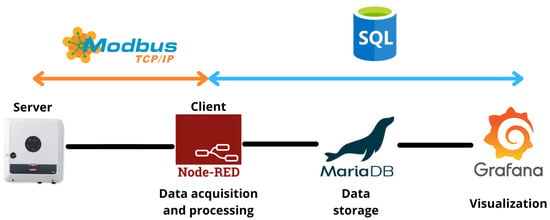
Regarding the operation of the implemented supervisory system, the Node-RED environment acts as a middleware for the acquisition and processing of data stored within the inverter’s internal memory. These functions are achieved through the establishment of communication with the device via the Modbus Transmission Control Protocol/Internet Protocol (TCP/IP). This protocol is based on the client/server model and is considered a de facto standard for industrial communications [16]. Furthermore, the TCP/IP version is considered an IoT protocol [17] resulting from its evolution and adaptation to newer decentralized frameworks [18].
Once the data acquired from the inverter have been processed, Node-RED executes the write petition on the MariaDB database by means of a SQL query. Lastly, Grafana utilizes the same SQL language to read the information from MariaDB and to display it through customized visual dashboards. Figure 4 represents the operation of the supervisory system, depicting the data flow between the various environments involved, as well as the different functions performed by each element.
Figure 4.
Supervisory system operation.
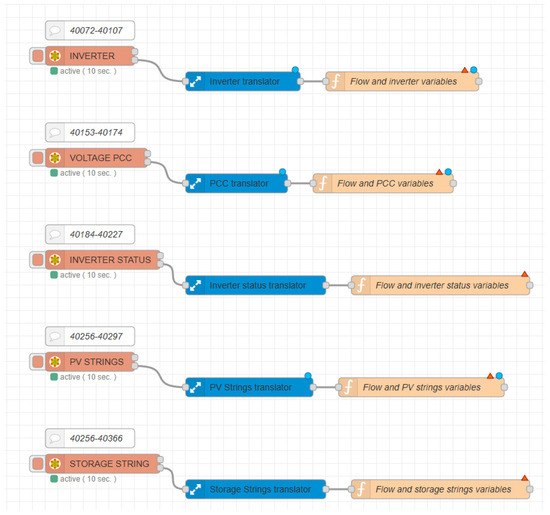
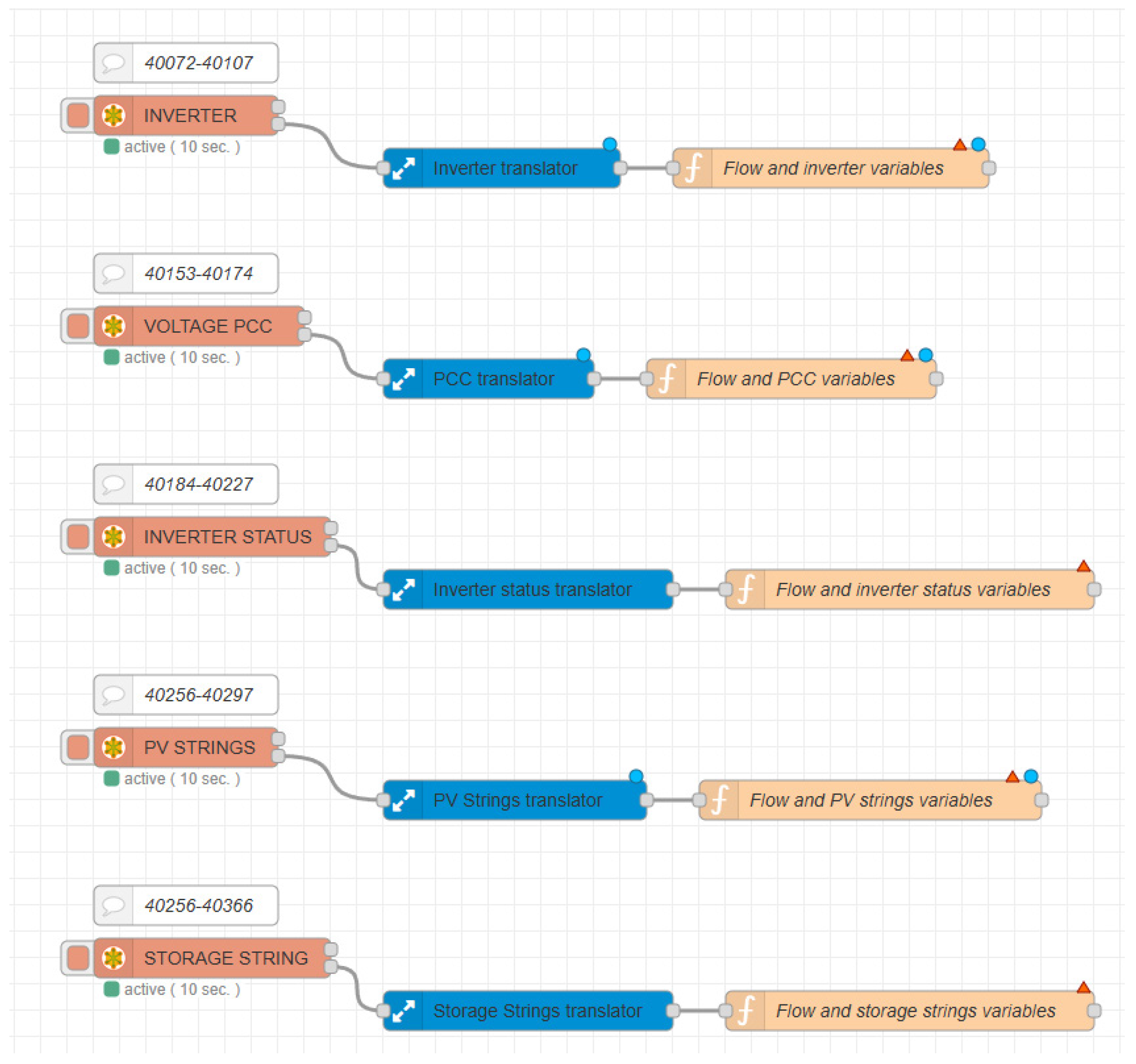
Delving deeper into its operation, Node-RED constitutes the core of the supervisory system, executing essential tasks to ensure the proper functioning of the remaining environments—and, consequently, of the system as a whole. Initially, it establishes Modbus communication with the inverter through the Modbus Read node [19], where parameters such as the device IP address, communication port, and the addresses of the registers to be read are configured. Subsequently, the acquired data are converted using the buffer-parser node [20], which enables the transformation of the data into an interpretable format. Finally, the function node is employed, incorporating customized JavaScript code for the processing and handling of the retrieved information. This operational flow is depicted in Figure 5, which shows the use of the Modbus Read nodes (red blocks), buffer-parser nodes (blue blocks), and function nodes (orange blocks) corresponding to the different groups of registers retrieved from the inverter.
Figure 5.
Node-RED operation: data acquisition and processing.
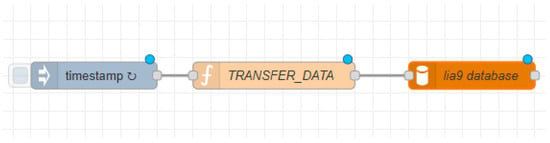
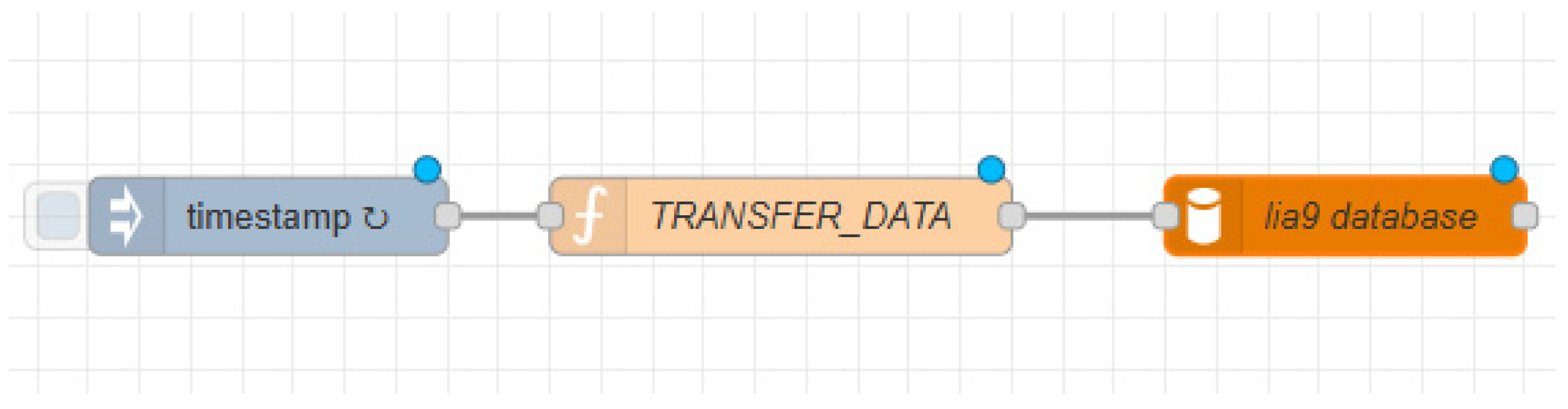
Regarding data storage in the database, a new three-node structure is implemented. First, the inject node is used to configure the data storage frequency. Next, a function node is employed to structure the data to be stored and to construct the corresponding SQL query statement. Finally, the mysql node [21] establishes the connection with the MariaDB server by specifying the IP address of the host device, the communication port, and the access credentials (username and password). This new node structure is illustrated in Figure 6, where the inject node (gray block), the function node (light orange block), and the mysql node (dark orange block) are distinguished.
Figure 6.
Node-RED operation: data storage process.
3. Results and Discussion
The monitoring system developed in Grafana is composed of three dashboards, each dedicated to the visualization of key variables related to the PV generator, the battery, and the 3Ph-AC bus. This distribution across separate dashboards facilitates a clear and organized visualization of the pilot plant operation.
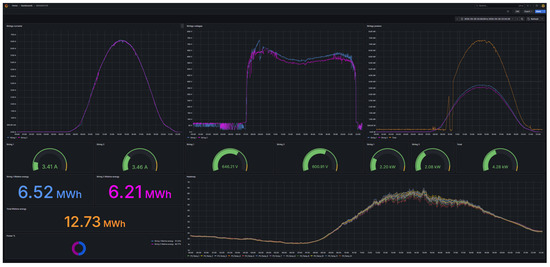
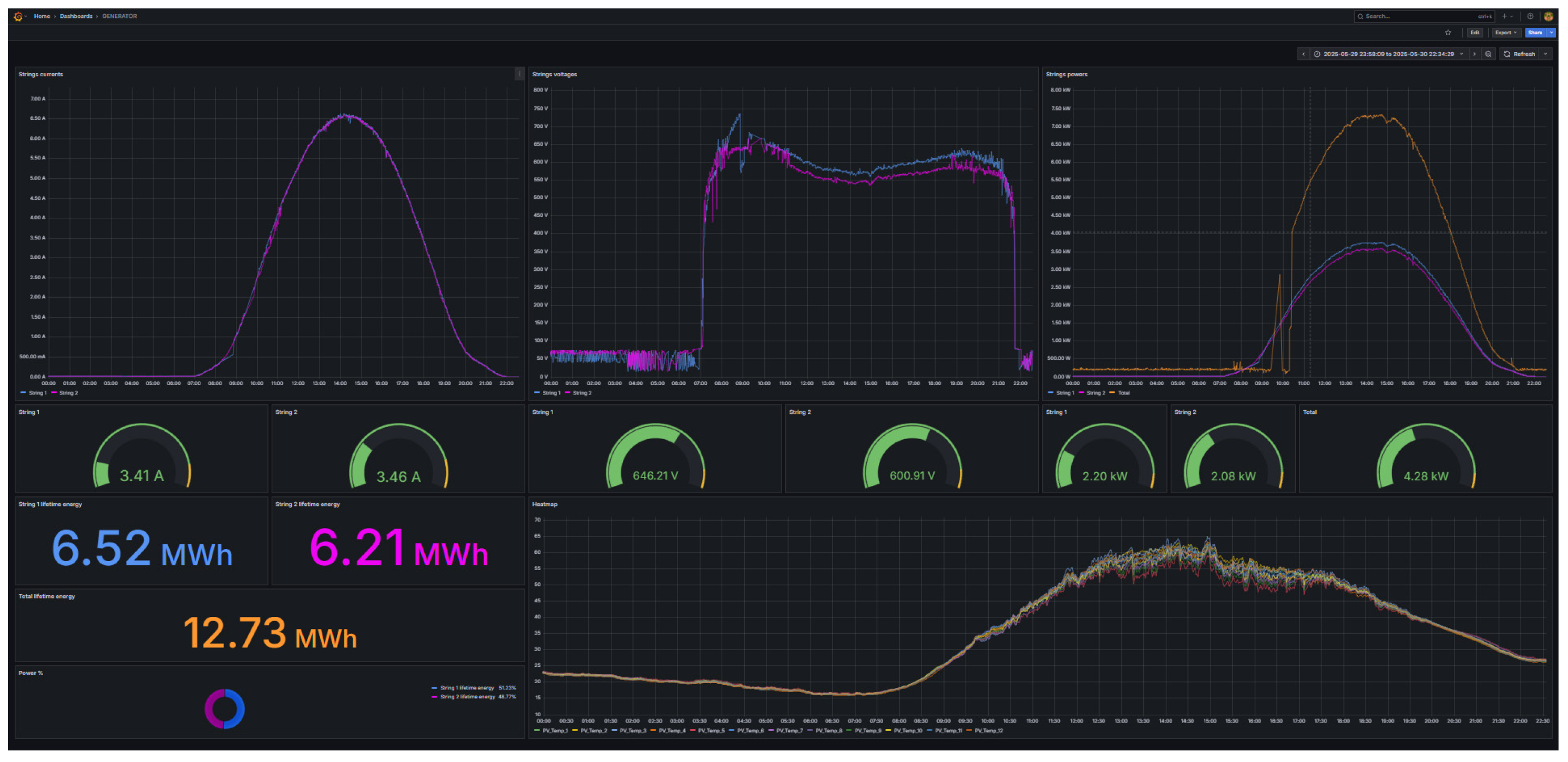
The first dashboard, titled GENERATOR, focuses on the operating parameters of the PV generator. It includes three charts that represent the voltages, currents, and power outputs of both strings, along with real-time gauge indicators that enable detailed analysis of the PV system behavior. Additionally, a fourth chart displays the evolution of operating temperatures across several panels within the PV generator. Figure 7 shows the layout of the dashboard corresponding to the PV generator, where the voltage (top-left chart), current (top-center chart), and power (top-right chart) historic values of both strings are displayed, along with their respective real-time gauge indicators. An additional chart at the bottom presents the readings from the temperature sensors of the generator.
Figure 7.
GENERATOR dashboard.
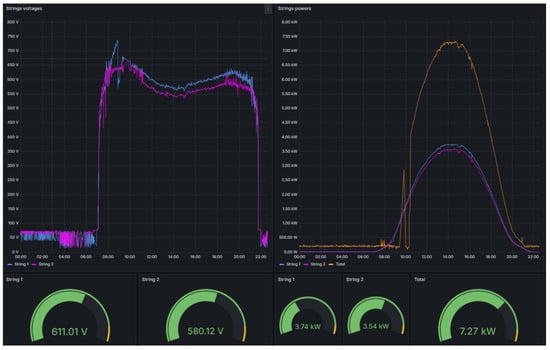
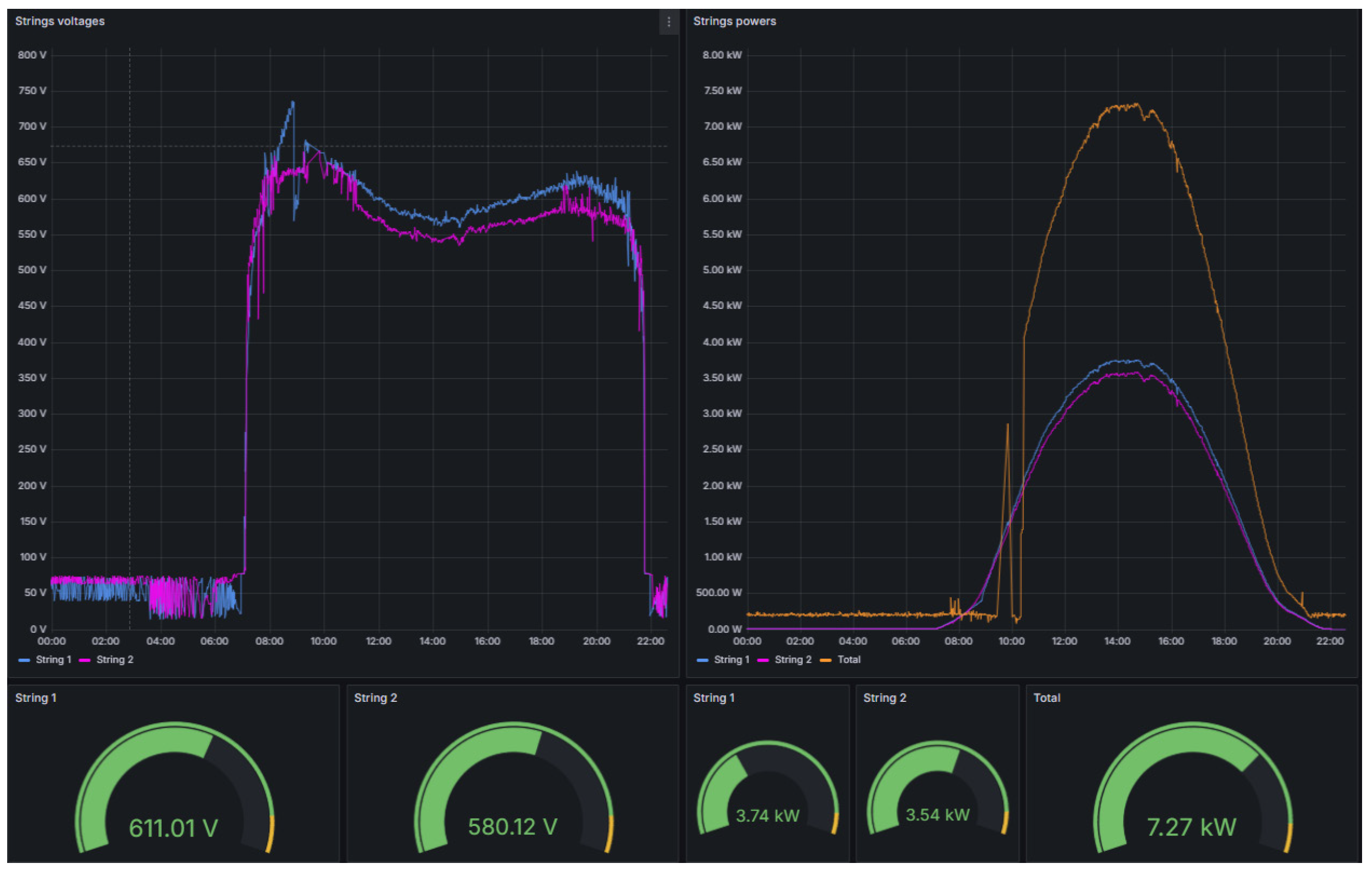
Figure 8 shows a detailed view of the GENERATOR dashboard, illustrating an example of the voltage and current curves of the PV strings, together with their associated numerical indicators. The voltage curves show the trend of this parameter during the operation of the PV panels. During hours without solar radiation, the voltage value drops to around 40–60 V. Meanwhile, during PV production hours, the voltage rises, fluctuating between values ranging from 550 to 700 V.
Figure 8.
GENERATOR dashboard string currents and voltages detailed view.
This variation can also be observed in the current curves, which trace a bell shape similar to the typical evolution of irradiance on a day without clouds.
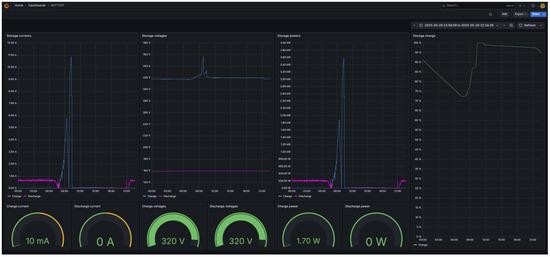
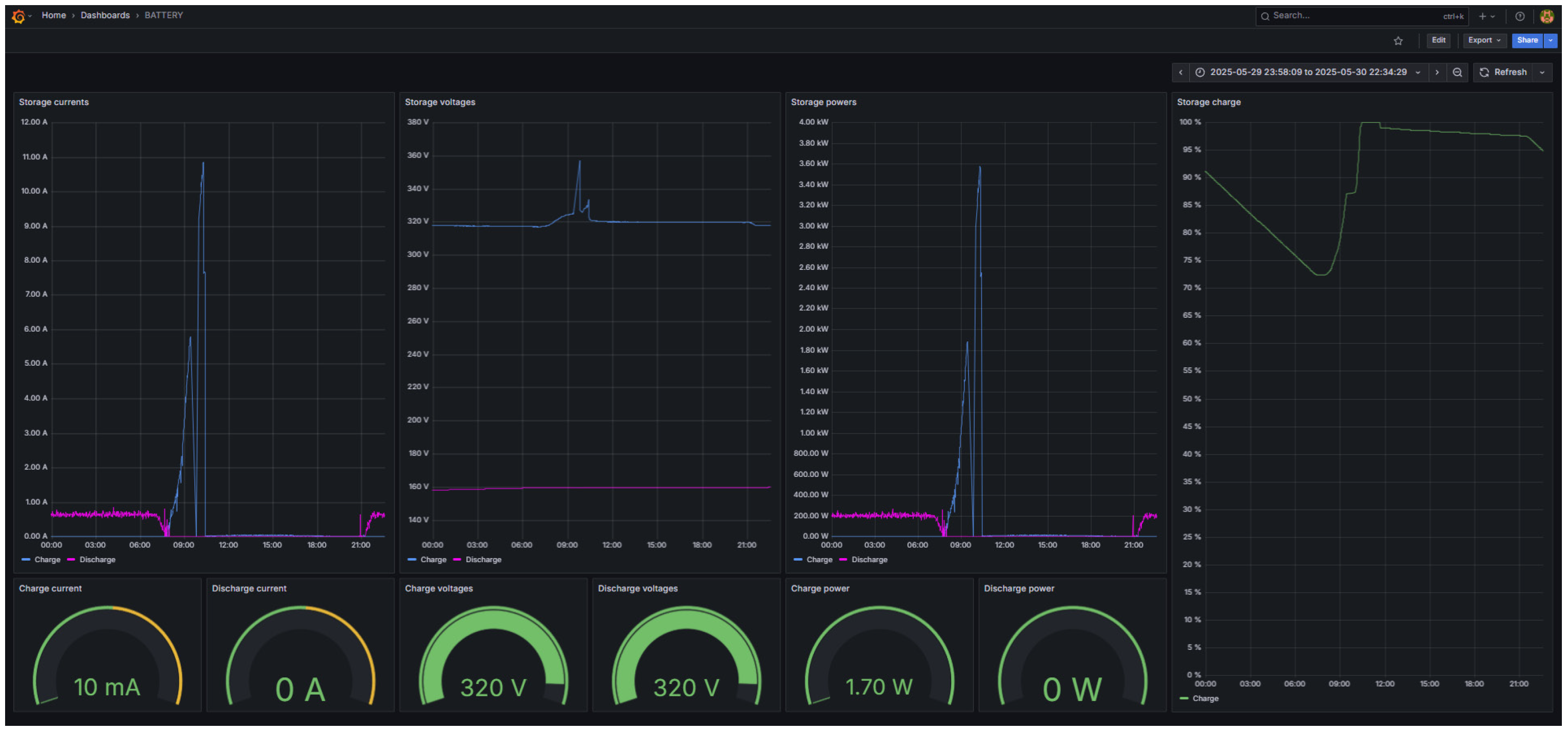
The second dashboard, titled BATTERY, displays information related to the currents, voltages, and power associated with the battery through three charts that help determine whether the battery is charging or discharging. In addition, real-time indicators are included to reflect the current state of the system, along with an additional chart that shows the evolution of the battery SoC over time. Figure 9 presents the dashboard structure, where the current values are shown in the left-hand chart, while voltage and power are represented in the central charts. Real-time indicators reflect the battery’s operational state, and the final chart continuously displays the SoC.
Figure 9.
BATTERY dashboard.
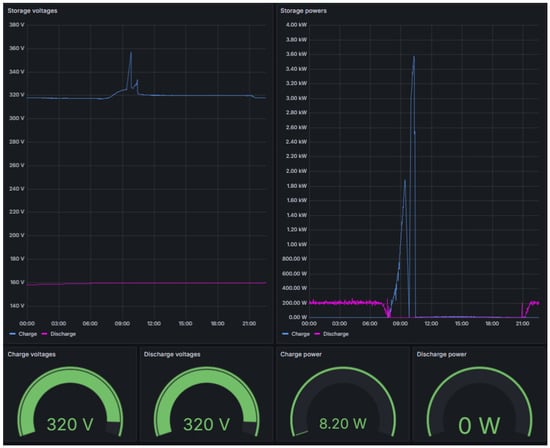
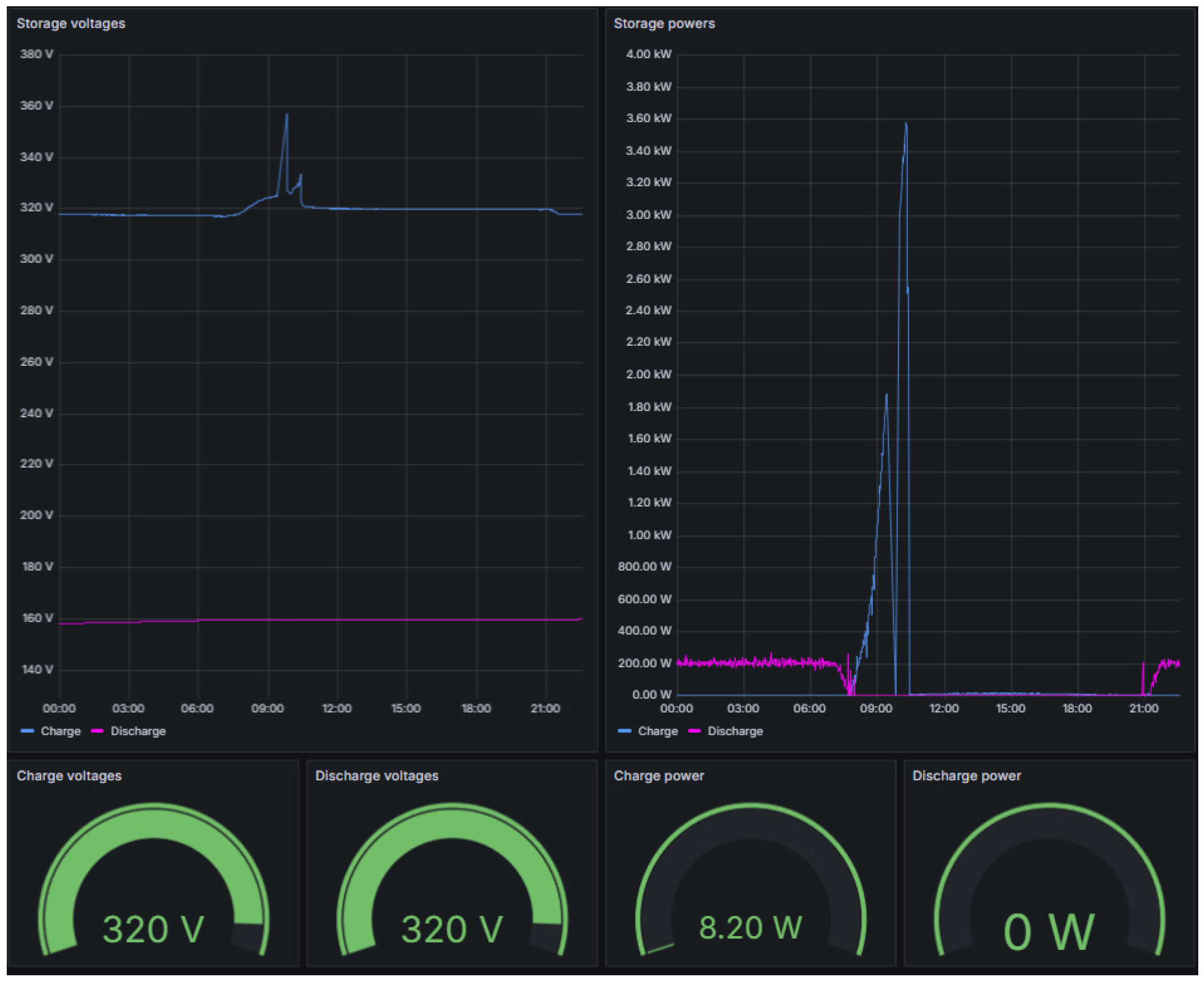
Figure 10 illustrates a detailed view of the battery voltage and power curves and indicators during charging and discharging operation modes. This image shows a battery charging period, where the charging voltage increases to values close to 360 V. With regard to the power injected into the battery, a maximum power value close to 3.60 kW is observed.
Figure 10.
BATTERY dashboard current and voltages detailed view.
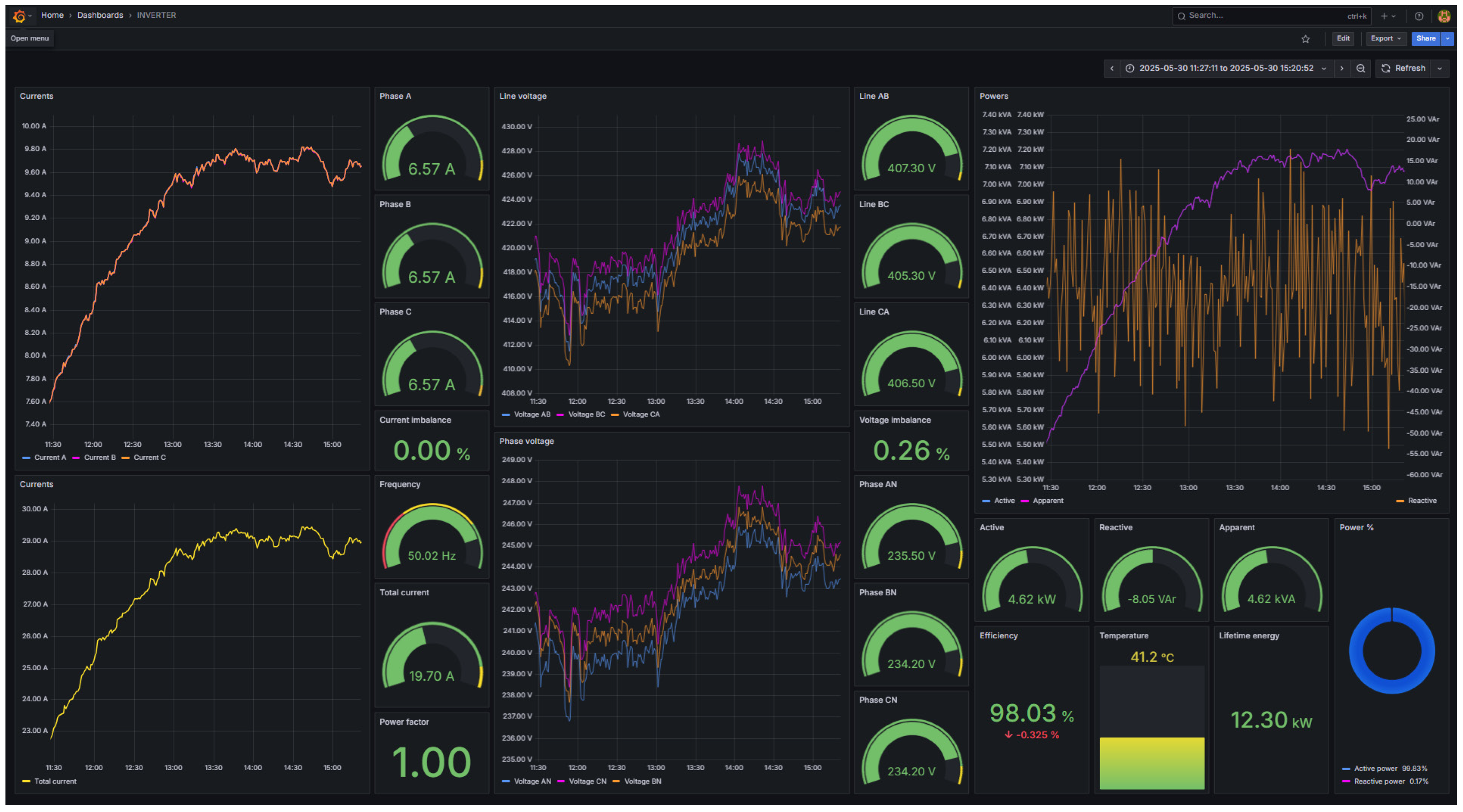
The final dashboard, titled INVERTER, displays information related to the inverter parameters and the 3Ph-AC bus. This section includes three charts representing the inverter’s output current, voltage, and power values. Additionally, real-time indicators are provided, along with other relevant parameters for assessing the device’s performance and operational status. Figure 11 shows the dashboard layout, where two charts on the left display the phase currents and total generated current; the central charts represent the voltage values, both phase and line voltages; and the chart on the right presents the three power components. All these parameters are complemented by real-time indicators to support interpretation.
Figure 11.
INVERTER dashboard.
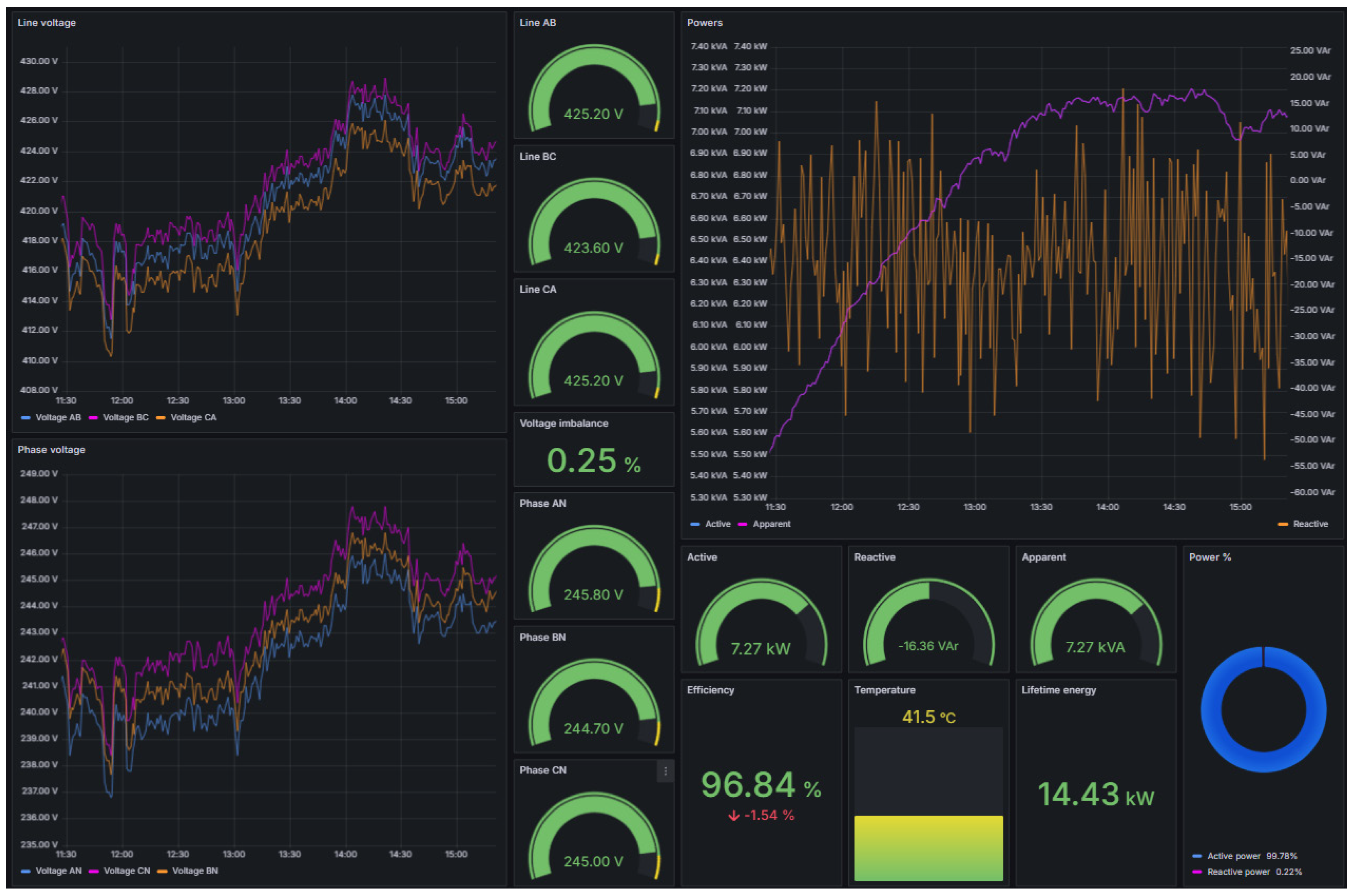
Figure 12 depicts the curves and indicators relating to line voltages, phase voltages, and powers of the 3Ph-AC bus. Regarding the inverter output voltages, the line voltage shows an average value of 425 V, while the phase voltage presents an average value of 245 V. Furthermore, the power generated by the inverter is noteworthy, reaching a maximum value of 7.27 kW.
Figure 12.
INVERTER dashboard voltages and powers detailed view.
4. Conclusions
The developed supervisory system integrates three complementary platforms: Node-RED, Grafana, and MariaDB. Together, these environments form a robust, comprehensive, functional, and fully customized solution tailored to the pilot plant.
Regarding Node-RED, this platform enables simple and effective configuration for the acquisition and processing of equipment data. It also allows for the adjustment of both the reading frequency (via Modbus TCP/IP communication) and the data storage rate in MariaDB (using the inject node).
Grafana offers a clear and organized visualization of both historical and real-time data simultaneously. It provides users with a wide range of tools and graphical elements for the customized configuration of dashboards, enhancing the flexibility of the visual interfaces.
As a whole, the supervisory system stands out for its ease of use and programming, employing open source platforms aligned with IoT and Industry 4.0 paradigms [2]. Another noteworthy feature is its low implementation cost, as all the software environments used are free of charge, with the only investment required being the hardware components of the pilot plant. These characteristics provide the monitoring system with high versatility and scalability.
As future work, the integration of the remaining pilot plant equipment into the implemented monitoring system is proposed.
Author Contributions
Conceptualization, F.J.F., P.M., I.G. and A.J.C.; methodology, F.J.F. and P.M.; software, P.M.; validation, I.G., A.J.C. and M.C.; formal analysis, I.G. and A.J.C.; investigation, P.M. and D.C.; resources, A.J.C. and M.C.; data curation, D.C.; writing—original draft preparation, F.J.F., P.M. and D.C.; writing—review and editing, I.G., A.J.C. and M.C.; visualization, F.J.F., I.G. and A.J.C.; supervision, I.G., A.J.C. and M.C.; project administration, A.J.C. and M.C.; funding acquisition, M.C. All authors have read and agreed to the published version of the manuscript.
Funding
This work has been supported by MCIN with funding from the European Union Next Generation EU (PRTR-C17.11).
Institutional Review Board Statement
Not applicable.
Informed Consent Statement
Not applicable.
Data Availability Statement
No new data were created or analyzed in this study. Data sharing is not applicable to this article.
Conflicts of Interest
The authors declare no conflict of interest.
References
- do Amaral, J.V.S.; dos Santos, C.H.; Montevechi, J.A.B.; de Queiroz, A.R. Energy Digital Twin Applications: A Review. Renew. Sustain. Energy Rev. 2023, 188, 113891. [Google Scholar] [CrossRef] [Scilit]
- Folgado, F.J.; Calderón, D.; González, I.; Calderón, A.J. Review of Industry 4.0 from the Perspective of Automation and Supervision Systems: Definitions, Architectures and Recent Trends. Electronics 2024, 13, 782. [Google Scholar] [CrossRef] [Scilit]
- Solaria S6P335 PV Panel Datasheet. Available online: https://suelosolar.com/images/39385622.pdf (accessed on 30 July 2025).
- Fronius Symo GEN24 Plus 10.0 Power Inverter Datasheet. Available online: https://krannich-solar.com/fileadmin/user_upload/TR/Products/Inverter/Fronius/Fronius_Symo_GEN24_Plus__6.0__8.0__10.0_.pdf (accessed on 30 July 2025).
- BYD Battery Box Premium HVS 7.7 Datasheet. Available online: https://bydbatterybox.com/uploads/downloads/BBOX_HVS_Datasheet_ES_V1.0_240703_L-6690809ed9771.pdf (accessed on 30 July 2025).
- Cinergia El+vAC 15 Programmable Electronic Load Datasheet. Available online: https://cinergiapower.com/en/products/el-ac (accessed on 31 July 2025).
- LPGREEM PEM Electrolyzer Datahseet. Available online: https://h2greem.com/wp-content/uploads/2025/04/Technical-Data-Sheet-LPGREEM-2.pdf (accessed on 30 July 2025).
- Horizon 2.5kW PEM Fuel Cell T-Series Datasheet. Available online: https://www.horizoneducational.com/2-5kw-fuel-cell-t-series/p1578 (accessed on 30 July 2025).
- Folgado, F.J.; González, I.; Calderón, A.J. Data Acquisition and Monitoring System Framed in Industrial Internet of Things for PEM Hydrogen Generators. Internet Things 2023, 22, 100795. [Google Scholar] [CrossRef] [Scilit]
- He, W.; Baig, M.J.A.; Iqbal, M.T. An Open-Source Supervisory Control and Data Acquisition Architecture for Photovoltaic System Monitoring Using ESP32, Banana Pi M4, and Node-RED. Energies 2024, 17, 2295. [Google Scholar] [CrossRef] [Scilit]
- Martone, A.; D’Ambrosio, A.; Ferrucci, M.; Cembalo, A.; Romano, G.; Zazzaro, G. Sensor-Based Monitoring Data from an Industrial System of Centrifugal Pumps. Data 2025, 10, 91. [Google Scholar] [CrossRef] [Scilit]
- Herrera, V.A.S.; de Araújo, H.P.; Penteado, C.G.; Gazziro, M.; Carmo, J.P. Low-Cost Embedded System Applications for Smart Cities. Big Data Cogn. Comput. 2025, 9, 19. [Google Scholar] [CrossRef] [Scilit]
- Node-RED Web Page. Available online: https://nodered.org (accessed on 30 July 2025).
- MariaDB Foundation Web Page. Available online: https://mariadb.org (accessed on 30 July 2025).
- Grafana Web Page. Available online: https://grafana.com (accessed on 30 July 2025).
- Modbus Organization. Available online: http://www.modbus.org/ (accessed on 30 July 2025).
- Jaloudi, S. Communication Protocols of an Industrial Internet of Things Environment: A Comparative Study. Future Internet 2019, 11, 66. [Google Scholar] [CrossRef] [Scilit]
- González, I.; Calderón, A.J.; Portalo, J.M. Innovative Multi-Layered Architecture for Heterogeneous Automation and Monitoring Systems: Application Case of a Photovoltaic Smart Microgrid. Sustainability 2021, 13, 2234. [Google Scholar] [CrossRef] [Scilit]
- Node-RED Modbus Node. Available online: https://flows.nodered.org/node/node-red-contrib-modbus (accessed on 30 July 2025).
- Node-RED Buffer-Parser Node. Available online: https://flows.nodered.org/node/node-red-contrib-buffer-parser (accessed on 30 July 2025).
- Node-RED Mysql Node. Available online: https://flows.nodered.org/node/node-red-node-mysql (accessed on 30 July 2025).
Disclaimer/Publisher’s Note: The statements, opinions and data contained in all publications are solely those of the individual author(s) and contributor(s) and not of MDPI and/or the editor(s). MDPI and/or the editor(s) disclaim responsibility for any injury to people or property resulting from any ideas, methods, instructions or products referred to in the content. |
© 2025 by the authors. Licensee MDPI, Basel, Switzerland. This article is an open access article distributed under the terms and conditions of the Creative Commons Attribution (CC BY) license (https://creativecommons.org/licenses/by/4.0/).