


Abstract
Phosphonyl tyrosine is one of the main biomarkers to confirm exposure to highly lethal organophosphorus nerve agents (OPNAs) in vivo. However, a critical challenge remains unresolved: ionization suppression occurs during the analysis of phosphonyl tyrosine by high-resolution mass spectrometry (HRMS) or tandem mass spectrometry (MS/MS), which is induced by the high concentrations of free amino acids present in the digestion solution. In this study, based on the broad-spectrum immunomagnetic beads with high affinity antibodies, a non-targeted early warning and verification strategy was developed. Compared with the recommended operating procedures for analysis in the verification of chemical disarmament, the total analysis time was reduced from several hours to about 30 min. Moreover, the detection sensitivity was increased by nearly one order of magnitude, and the detection limit (LOD) was 0.01 ng/mL. Furthermore, the screening strategy can cover all OPNAs listed as 1A.01, 1A.02 and 1A.03 in Schedule 1 of the CWC. Therefore, we have developed a rapid, sensitive, and broad-spectrum approach to accurately screen for OPNAs exposure, while also offering a novel strategy and technical support for chemical defense and occupational health assessment.
1. Introduction
Organophosphorus nerve agents (OPNAs) are the most important class of lethal chemical warfare agents (CWAs) listed as Schedule 1 by the Chemical Weapons Convention (CWC) [1]. OPNAs artificially released into air, water, or soil can cause the rapid death of organisms by inhibiting cholinesterase activity, even at extremely low exposure doses. For example, the lethal dose (LD50) for VX ranges from as low as 10 mg in dermal exposures to 25–30 mg if inhaled [2]. Despite being strictly controlled by the Organization for the Prohibition of Chemical Weapons (OPCW), they have repeatedly been used in chemical warfare and terrorist attacks. For instance, the 1995 Tokyo subway terrorist attack and the 2013 Damascus chemical attack in Syria involved the use of sarin, resulting in massive casualties [3,4,5]. In 2017, Kim Jong-nam was poisoned with VX at a Malaysian airport [6]. In 2018, a murder case in the UK even led to the addition of a series of Novichok-type chemical weapons to CWC Schedules (1A.13, 1A.14, and 1A.15) [7]. The successive occurrence of these sensitive events reflects that OPNAs are still one of the key factors endangering public safety.
It is well-known that the accurate and rapid confirmation of OPNAs exposure is a crucial prerequisite for correct and effective medical rescue. At present, the commonly used off-site analysis methods for verifying the exposure to nerve agents is to detect retrospective biomarkers, including nonapeptide adducts produced by pepsin digestion of butyrylcholinesterase (BChE) and the tyrosine adducts obtained through pronase hydrolysis of albumin [8,9,10,11]. Compared with nonapeptide adducts, tyrosine adducts have some advantages, such as longer in vivo retention, resistance to reactivation-related interference, and anti-aging capacity [12,13,14,15]. In addition, the albumin content (about 40 mg/mL) in plasma samples is significantly higher than that of BChE (about 2~5 mg/L). However, the content of phosphonyl tyrosine (primarily derived from tyrosine at position 411) after enzymatic hydrolysis is low (generally <10 ng/mL) [8], and ineffective removal of matrix interference may lead to false negative results. In addition, the huge structural diversity of OPNAs and tens of millions of potential compounds predicted by theoretical calculations mean that there are many structures of related tyrosine adducts [16]. Therefore, a high-throughput capture strategy in sample pretreatment is urgently required for the detection of various tyrosine adducts.
At present, according to the Analytical Procedures Recommended in Chemical Disarmament Verification Recommended by the OPCW (so-called ‘Blue Book’), the workflow of tyrosine adducts mainly involves the following steps: firstly, the enzymatic hydrolysis sample by pronase is purified by solid phase extraction (SPE) [17]. Then, the solvent is removed by rotary evaporation to concentrate the eluate. Finally, high-performance liquid chromatography–electrospray ionization tandem mass spectrometry (HPLC-ESI/MS/MS) is used for analytical detection. It has also been reported in the literature that before enzymatic hydrolysis, albumin is specifically captured by blue Sepharose to eliminate interference from other proteins and matrices [18,19]. Other studies have also mentioned that the LOD can also be reduced by using albumin-specific immunomagnetic beads for pre-capture, followed by enzymatic hydrolysis and SPE purification [20]. Recently, some reports have proposed new integrated operation procedures, which used filter-assisted sample preparation (FASP) and on-line enzymatic hydrolysis to reduce matrix effects, which can also improve detection sensitivity [12,21]. However, all these approaches rely on the specific capture of albumin, and the interference caused by high-abundance irrelevant free amino acids produced post-enzymatic hydrolysis during mass spectrometry (MS) analysis remains unresolved. The consequently elevated limits of detection (LODs) may fail to meet the sensitivity requirements for health risk assessment associated with chronic low-dose OPNAs exposure. Thus, there is an urgent need to develop innovative sample pretreatment methodologies to improve the detection sensitivity of phosphonyl tyrosine in complex matrices.
Immunomagnetic beads (IMBs) are an efficient pretreatment method combining antigen–antibody-specific binding with magnetic separation technology [22]. IMBs’ capture can effectively simplify operational steps and improve the detection performance of target analytes [23,24]. These advantages account for their widespread use in biological fields, such as the rapid detection of microorganisms and the separation/purification of proteins and cells [25,26,27]. However, as far as we know, up to now, there have been no studies on IMBs that are specifically designed for capturing phosphonyl tyrosine. This may be due to the small molecular size of phosphonyl tyrosine and its poor immunogenicity, which poses a significant challenge for producing high-titer antibodies.
In this study, a broad-spectrum antibody with a high affinity for generic recognition capturing a series of OPNA-Tyr adducts was prepared for the first time by conjugating high-purity tyrosine adduct entities directly with Keyhole limpet hemocyanin (KLH) to produce immunogens. Three monoclonal antibodies (code as mc-8, mc-10 and mc-3, with GB-Tyr-KLH, GD-Tyr-KLH and VX-Tyr-KLH used as immunogens, respectively) were obtained by animal immunization, serum screening, cell fusion and monoclonal antibody purification. After detailed study, mc-10 was selected to prepare IMBs for their best performance in terms of the specific capture of phosphonyl tyrosine in enzymatically hydrolyzed samples. Surprisingly, the following results demonstrated that the optimized IMBs could not only recognize a series of OPNA-Tyr adducts with different structures in a high-throughput manner but could also significantly reduce background interference. Moreover, compared with three other commonly used sample pretreatment methods, i.e., blue Sepharose capture, FASP and direct SPE, IMBs exhibited distinct performance advantages. For example, at the same nerve agent exposure dose, IMBs had the highest mass spectrometric signal response, and it had a satisfied recovery rate for a variety of different structures of phosphonyl tyrosine. Subsequently, after the investigation of the MS fragmentation featured the prepared 38 kinds of phosphonyl tyrosine adducts using MS/HRMS, a comprehensive database of characteristic fragment ions was established, with precise correlations between the exact molecular masses and diagnostic fragment ions of the adducts. Finally, based on the characteristic fragments, a multi-reaction monitoring (MRM) model for precursor product ion transition was established, which was used for the ultra-high sensitivity detection of phosphonyl tyrosine. This strategy combines the broad coverage of HRMS and the ultra-high sensitivity of MRM, which leads to the establishment of a novel non-targeted screening and confirmation strategy covering almost all 1A.01, 1A.02 and 1A.03 OPNAs exposure.
2. Materials and Methods
2.1. Chemicals and Materials
Nerve agent simulants (e.g., methylphosphonic dichloride, ethylphosphonic dichloride, n-propylphosphonic dichloride, isopropylphosphonic dichloride), relevant reference standards, and biomedical sample proficiency test samples from the OPCW were all obtained from the Academy of Military Medical Sciences (Beijing, China). Human blank plasma was supplied by Beijing Institute of Radiation Medicine (Beijing, China), and the collection and use of all samples were reviewed and approved by the relevant ethics committee. The animal study protocol was approved by the Ethics Committee of the Academy of Military Medical Sciences (protocol code No. IACUC-DWZX-2022-549). The keyhole limpet hemocyanin (KLH) was obtained from Sigma-Aldrich (Steinheim, Germany) and the epoxy-functionalized magnetic beads were purchased from Beijing Baimaige Biotechnology Co., Ltd. (Beijing, China). All chemical reagents used in the experiment were of a commercially available analytical grade or chemical grade, without further purification. The solid-phase extraction (SPE) cartridges (Bond Elut ENV, 200 mg) were purchased from Agilent Technologies (Palo Alto, CA, USA); the ultrafiltration (UF) devices (Amicon Ultra-0.5 centrifugal filter unit, 0.5 mL, molecular mass cutoff 10 kDa and 30 kDa) were obtained from Merck Millipore (Darmstadt, Germany); and the blue Sepharose 6 Fast Flow was purchased from Cytiva (Uppsala, Sweden).
2.2. Preparation of Phosphonyl Tyrosine
Four classic nerve agent tyrosine adducts, including GB-Tyr, GD-Tyr, VX-Tyr and GA-Tyr, were prepared according to the previously reported synthesis routes [28]. In brief, for the adducts of analogs of GB, GD and VX with tyrosine, the preparation method adopted is as follows: alkylphosphonic dichlorides were firstly reacted with alcohols of different carbon chain lengths and triethylamine to prepare chlorinated OPNAs, then rapidly converted to fluorinated OPNAs. At 37 °C, without further treatment, the fluorinated OPNAs directly reacted with tyrosine overnight in 50 mmol/L NH4HCO3 solution (pH = 8), and a series of reference standards of phosphonyl tyrosine were prepared. The phosphonyl tyrosine of GA analogues were also prepared using the previously reported synthetic method, with a few modifications (as seen in Experimental Section S1).
2.3. Screening and Evaluation of Antibodies
Various phosphonyl tyrosine haptens were conjugated with the carrier protein KLH via the carbodiimide method to prepare the immunogen. BALB/c mice were immunized with the phosphonyl-Tyr-KLH immunogen; after five rounds of immunization, splenocytes from the mice were fused with myeloma cells. Cell supernatants were determined by indirect competitive ELISA to select optimal cell lines for the preparation of the corresponding monoclonal antibodies. The titer of the antibodies was evaluated by ELISA, and antibodies with a low half-maximal inhibitory concentration (IC50) were selected for immunomagnetic bead (IMB) preparation.
2.4. Computation of Phosphonyl Tyrosine
To investigate the interaction between VX-Tyr, GB-Tyr, GD-Tyr, and KLH, molecular docking was performed using AutoDockTools 1.5.7 [29,30]. The 3D crystal structure of KLH was obtained from the Protein Data Bank (PDB ID: 3QJO) [31], pretreated with open-source PyMOL v. 3.1.0, and then hydrogen atoms were added and Gasteiger charges were assigned to generate a protein receptor file that was suitable for docking. The most stable conformation was obtained through energy minimization optimization, and the file was saved in a docking-compatible format.
To explore the physicochemical properties of VX-Tyr, GB-Tyr, and GD-Tyr, density functional theory (DFT) at the B3LYP-D3(BJ)/6-31G(d) level was used for the geometric optimization of small-molecule ligands [32]. Frequency analysis was performed to confirm that the obtained conformations were stable structures. Based on the optimized structures, the molecular van der Waals surface electrostatic potential (ESP) was calculated using the Multiwfn 3.8 (dev) [33,34,35] program, and was visualized with VMD 1.9.3 [36] to analyze the characteristics of electrostatic interactions.
2.5. Preparation and Performance Characterization of IMBs
IMBs were prepared by the chemical conjugation of antibodies with epoxy-functionalized magnetic beads, followed by the blocking of unbound sites and washing of free antibodies. Specifically, 10 mg of magnetic beads were added to a 10 mL centrifuge tube and washed once with deionized water, and the supernatant was removed after magnetic separation. 1 mL of PBS solution (0.02 mol/L, pH 7.4) was added to the tube to resuspend the beads, along with 100 μL of antibody (antibody concentration: 10 mg/mL). The bead–antibody mixture was placed on a shaker and incubated with shaking at 37 °C and 200 rpm for 16 h to allow for conjugation. The beads were separated from the buffer and washed once with 5 mL of deionized water. Blocking was performed with 0.5% BSA at room temperature for 2 h; the resulting IMBs were washed 5 times with 5 mL of deionized water. Finally, the antibody-coated beads were resuspended in PBS solution and stored at 4 °C. The particle size distribution, zeta potential, and morphology of the IMBs were characterized. Phosphonyl tyrosine solutions of different structures at appropriate concentrations were incubated with IMBs for 20 min, washed twice with deionized water, and eluted twice with 200 μL of methanol. The eluates were analyzed by UHPLC-HRMS.
2.6. Analytical Procedure for Plasma Samples Exposed to Nerve Agents
A total of 50 μL of exposed plasma sample was mixed with 0.3 mL of acetone to precipitate proteins, followed by centrifugation at 861× g for 5 min. The supernatant was removed, and the protein precipitate was air-dried at room temperature for 5 min (or dried under a stream of nitrogen). The dried precipitate was dissolved in 100 μL of 50 mM NH4HCO3 (pH = 7.8), and 100 μL of 10 mg/mL Pronase was added. The mixture was incubated at 50 °C for 1.5 h in a thermo-mixer.
2.6.1. SPE Purification
Referring to the plasma sample purification procedure in the Blue Book, the enzymatically hydrolyzed solution was loaded onto a preconditioned SPE Bond Elut ENV cartridge (200 mg, 3 mL), and the cartridge was preconditioned with 2 mL of methanol, 2 mL of water, and 1.5 mL of 50 mM NH4HCO3 (pH = 7.8). The cartridge was washed with 2 mL of 10% methanol aqueous solution and finally eluted with 1 mL methanol. The eluate was evaporated to dryness at 50 °C for LC-MS/MS analysis.
2.6.2. IMB Purification
Phosphonyl tyrosine IMBs were added to 50 μL of plasma enzymatic hydrolysate, mixed well by vortexing, and incubated at 25 °C for 20 min (with mixing every 5 min). The IMBs were separated using a magnetic separation rack, washed twice with 200 μL deionized water, and eluted with 200 μL methanol. The mixture was shaken, allowed to stand for 1 min, and the IMBs were separated again with the magnetic rack. The methanol eluate was collected, evaporated to dryness at 50 °C, reconstituted in 50 μL deionized water and subjected to LC-MS/MS detection.
2.7. LC-MS/MS Analytical Method for Phosphonyl Tyrosine
2.7.1. UPLC-MS/HRMS Analysis
An UltiMate 3000 UHPLC system (Dionex, Sunnyvale, CA, USA) equipped with a Phenomenex Luna Omega C18 column (50 mm × 2.1 mm, 1.6 μm) was employed for the separation of phosphonyl tyrosine. The column temperature was set at 40 °C; mobile phase A was 0.1% (v/v) formic acid aqueous solution, and mobile phase B was acetonitrile. The gradient elution program was as follows: 0–1 min, 1% B; 1–7 min, 1–99% B; 7–8.5 min, 99% B; and 8.5–10 min, 1% B. The injection volume was 5 μL, and the flow rate was 250 μL/min. A high-resolution Q Exactive Orbitrap mass spectrometer (Thermo Scientific, Bremen, Germany) was used to conduct MS/HRMS experiments. The mass spectrometer was operated with an electrospray ionization (ESI) source in positive ion mode with the following parameters: spray voltage +3 kV; ion transfer temperature 320 °C; sheath gas flow rate 35 arb; and auxiliary gas flow rate 35 arb. The scanning mode was full scan with data-dependent MS2 (Full MS/dd-MS2): full scan MS resolution 35,000 FWHM, MS2 resolution 17,500 FWHM, scanning range 50–750 m/z, and normalized collision energy (NCE) 10 eV and 20 eV. For the Full MS-PRM scanning mode: resolution 17,500 FWHM; automatic gain control (AGC) target 2 × 10⁵; and maximum ion injection time 100 ms.
2.7.2. UPLC-MS/MS (MRM) Analysis
An ACQUITY Premier UPLC system (Waters Co., Manchester, UK) equipped with a Phenomenex Luna Omega C18 column (50 mm × 2.1 mm, 1.6 μm) was employed for the separation of phosphonyl tyrosine. The column temperature was set at 40 °C; mobile phase A was 0.1% (v/v) formic acid aqueous solution, and mobile phase B was acetonitrile. The gradient elution program was: 0–1.5 min, 2% B; 1.5–5 min, 2–30% B; 5–8 min, 30–95% B; 8–10 min, 95% B; and 10–13 min, 95–2% B. The injection volume was 10 μL, and the flow rate was 200 μL/min. A QTRAP 5500 mass spectrometer (AB Sciex, Framingham, MA, USA) equipped with a Turbo VTM electrospray ionization (ESI) source was operated in positive ionization and multiple reaction monitoring (MRM) mode. The optimized parameters were as follows: ion source temperature 550 °C; ion spray voltage (IS): +5500 V; curtain gas (CUR): 30 psi; ion source gas 1: 55 psi; ion source gas 2: 55 psi; collision cell exit potential (CEX): 16 V; entrance potential (EP): 10 V; and declustering potential (DP): 100 V. The collision energy (CE) for each phosphonyl tyrosine was shown in Table S1.
3. Results
3.1. The Performance of Screened Antibodies
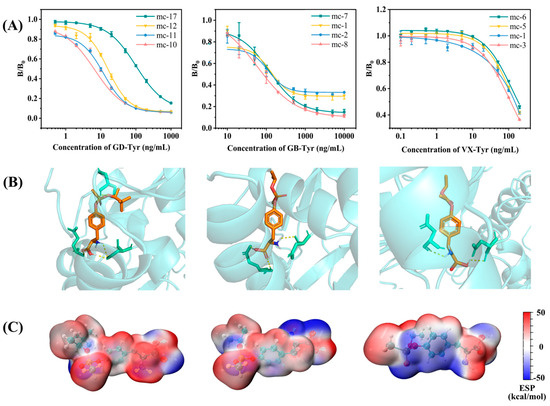
A distinguishing feature of this study is the development of high titer antibodies which can specifically recognize phosphonyl tyrosine. This was achieved by the innovative direct use of OPNA-Tyr-KLH as an immunogen, viz., GD-Tyr-KLH, GB-Tyr-KLH, GA-Tyr-KLH and VX-Tyr-KLH. Although no satisfactory monoclonal antibodies targeting GA-Tyr were generated, surprisingly, the use of GD-Tyr-KLH, GB-Tyr-KLH, and VX-Tyr-KLH as immunogens yielded multiple monoclonal antibodies (mc-x) with distinct affinities for each of these immunogens, respectively. The evaluation results of monoclonal antibodies purified from different cell lines via ELISA were shown in Figure 1A, and the monoclonal antibodies with the highest titers were identified as mc-10, mc-8, and mc-3 for GD-Tyr-KLH, GB-Tyr-KLH, and VX-Tyr-KLH, respectively.
Figure 1.
Characterization data of GD-Tyr, GB-Tyr, and VX-Tyr (left to right): (A) ELISA evaluation profile of antibodies; (B) molecular docking diagram of haptens with KLH; and (C) electrostatic potential map.
Moreover, when comparing the performance of monoclonal antibodies against different OPNA-Tyr adducts, it was revealed that the half-maximal inhibitory concentrations (IC50) of the antibodies for GD-Tyr, GB-Tyr, and VX-Tyr were approximately 5 ng/mL, 80 ng/mL, and 110 ng/mL (Figure 1A), respectively. Obviously, the antibody against GD-Tyr exhibited higher sensitivity than those against GB-Tyr and VX-Tyr.
We speculated that the reasons for the significant differences among the monoclonal antibodies against different OPNA-Tyr adducts may be twofold. On one hand, docking simulations between phosphonyl tyrosine and the carrier protein KLH (Figure 1B) showed that GD-Tyr had the most negative binding free energy (ΔG) and formed at least five non-covalent bonds with the target protein. In contrast, GB-Tyr and VX-Tyr formed only three or one non-covalent bonds with the target protein, respectively. This indicated that GD-Tyr can form a more stable complex with KLH, thus stimulating the immune system more effectively. This stimulation induces more B cell clones with higher affinity, and finally produces antibodies with a stronger and broader recognition ability for the common epitope of G-series phosphonyl tyrosine.
On the other hand, molecular electrostatic potential (ESP) simulations were performed for GB-Tyr, GD-Tyr, and VX-Tyr. As illustrated in Figure 1C, the results demonstrate that GD-Tyr exhibits a higher positive charge density (red region) on its molecular surface, which is attributed to its sterically bulky pinacol moiety. In contrast, GB-Tyr and VX-Tyr display weaker positive charge densities. Given that the isoelectric point (pI) of KLH is approximately 4.5–5.5, the protein carries a negative surface charge under physiological conditions (pH 7.2–7.4). Consequently, GD-Tyr, with a higher positive charge density, binds more tightly to KLH compared to VX-Tyr and GB-Tyr, an observation that is highly conducive to the generation of antibodies with enhanced specificity.
3.2. Performance Evaluation of IMBs
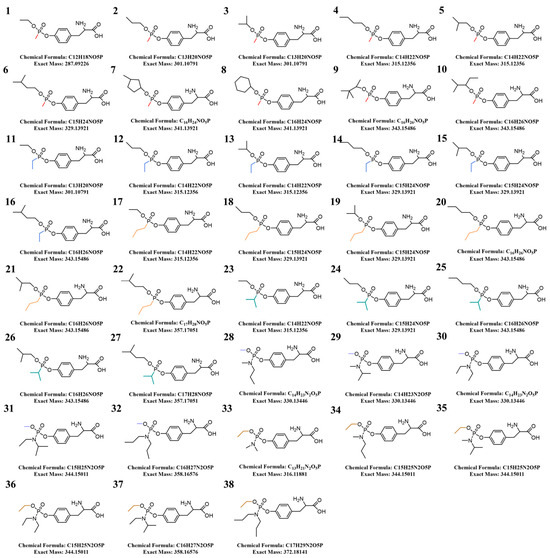
Another primary innovation of this study was the successful development of an efficient and fast pretreatment strategy, which utilized antibodies screened from GD-Tyr (mc-10) coupled to immunomagnetic beads to capture a series of phosphonyl tyrosine in a broad spectral range. The successful antibody mc-10 conjugation to magnetic beads was characterized by zeta potential measurement and SEM analysis (Figure S1); the details are described in Experimental Section S2. Then, the universality of the magnetic beads of IMBs for various phosphonyl tyrosine with different carbon numbers and spatial structures was studied. For this reason, 38 kinds of phosphonyl tyrosine were prepared and their structures are shown in Figure 2. Using 50 μL of plasma enzymatic hydrolysate as a matrix, 100 μg/mL phosphonyl tyrosine solution was prepared, and then it was fully mixed with IMBs by vortex and incubated at 25 °C for 20 min (once every 5 min). The IMBs were separated using a magnetic separation rack. After two rounds of washing, the adducts were eluted with methanol and analyzed directly by UPLC-MS/HRMS (Figures S2–S39). The results showed that the IMBs exhibited good recognition and capture ability for most kinds of the prepared phosphonyl tyrosine. However, two kinds of tyrosine adducts, numbered 26 and 27, as well as tabun analog tyrosine adducts, numbered 28–38, showed lower binding capacity toward the IMBs. This may be due to their poor water solubility and the obvious spatial effects caused by their too long carbon chains.
Figure 2.
Structural information for organophosphorus nerve agent phosphonyl tyrosine.
The broad-spectrum recognition ability of the antibody screened from GD-Tyr was further explained, as follows. According to the rules of the CWC, the main variable of OPNAs lies in the carbon number of the alcohol substituent, which ranges from C1 to C10. It is well established that a hapten with an overly long carbon chain (e.g., a C10 chain) exhibits excessively high hydrophobicity, which leads to the obtained antibody mainly recognizing the end of the hydrophobic alkyl chain, but not effectively recognizing short-chain adducts (e.g., C1, C2). On the contrary, if the carbon chain is too short (e.g., C1, C2), the strong electronegativity of the phosphonic acid group is overexposed, which may lead to the antibody mainly binding to the phosphonate head group with strong electronegativity, resulting in the narrowing of the recognition spectrum. In contrast, the chain length of C6, regarded as a “golden balance point”, provides a moderate hydrophobic interval [37,38]. It locates the head group of immunodominant phosphonate at an appropriate distance from the phenyl ring of tyrosine, thus containing the common spatial conformation of most OPNA-Tyr adducts. Such a carbon chain length not only ensures the sufficient immunogenicity of the hapten, but also ensures that the binding site of the antibody is aimed at the core structure of tyrosine–oxygen–phosphonate, rather than the end of the variable chain, thus realizing broad-spectrum recognition.
Additionally, the electrostatic potential distribution of GD-Tyr shows very ideal characteristics: its negative potential is concentrated in the common head group region of phosphonate, while the branch of pinacol is electrically neutral. This distribution can effectively direct the immune response to the electronegative domain shared by OPNA-Tyr adducts, thus inducing the production of antibodies. In contrast, the electronegativity of GB-Tyr on the head group of phosphonate is weak, and it has different distribution due to the electronic effect of the isopropyl, with which it is easy to induce antibodies to prefer short chains. Due to its limited spatial expansion, immune-derived antibodies fail to recognize phosphonyl tyrosine with long or branched chains containing a higher number of carbon atoms.
Subsequently, the recovery of different phosphonyl tyrosine was further investigated. As seen in Table S2, the results indicated that the recovery for the ten prepared phosphonyl tyrosine range from 56% to 83%. The developed IMBs present better recovery for GD-Tyr, GF-Tyr, and isobutyl methylphosphonate tyrosine, viz., 83%, 78%, and 72%, respectively. However, the recovery for isobutyl isopropylphosphonate tyrosine, butyl propylphosphonate tyrosine and pentyl isopropylphosphonate tyrosine is relatively lower, viz., 66%, 62%, and 58%, respectively. The differences in recovery rates among various phosphonyl tyrosine arise from variations in antibody affinity. However, at an exposure dose of 15 ng/mL, all tyrosine adducts derived from enzymatic hydrolysis exhibit satisfactory mass spectrometric responses. These results confirm that the IMBs maintain excellent purification efficiency following the capture of diverse tyrosine adducts.
3.3. Comparison of Various Pretreatment Methods
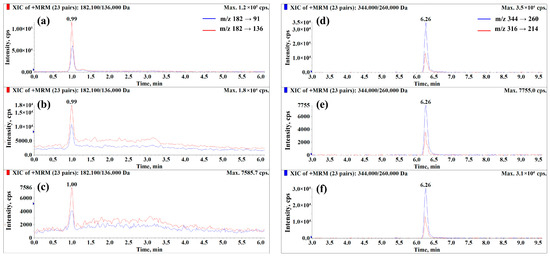
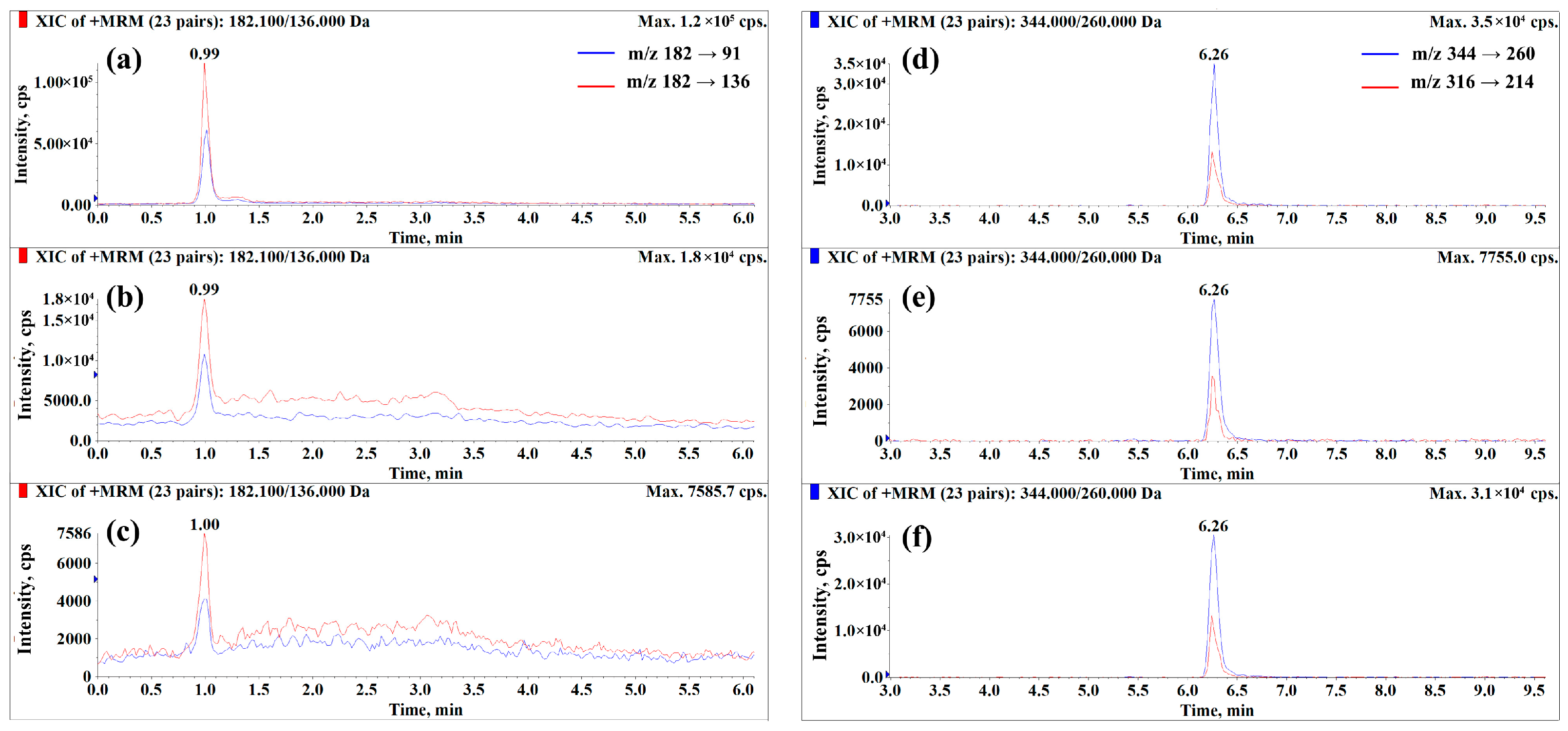
As mentioned above, the current pretreatment method of phosphonyl tyrosine mainly relies on SPE purification. To fully demonstrate the performance and advantages of the newly developed IMBs method, its specificity and sensitivity were verified using standard mixed samples. First, after purification via SPE and IMBs, the extracted ion chromatograms of free tyrosine are presented in Figure 3a–c, while those of phosphonyl tyrosine are shown in Figure 3d–f. Compared with SPE purification, the mass spectrometric signal response of free tyrosine decreased significantly (by two orders of magnitude) after IMBs purification. This result demonstrates that IMBs possess superior recognition specificity for phosphonyl tyrosine with an LOD of 0.01 ng/mL (Figure S40).
Figure 3.
Overlayed extract ion chromatograms of tyrosine from mixed standards, blue line—m/z 182 → 91, and red line—m/z 182 → 136: (a) without pretreatment; (b) after SPE treatment; and (c) after IMBs treatment. Overlayed extract ion chromatograms of phosphonyl tyrosine from mixed standards, blue line—m/z 344 → 260, and red line—m/z 344 → 214: (d) without pretreatment; (e) after SPE treatment; (f) after IMBs treatment.
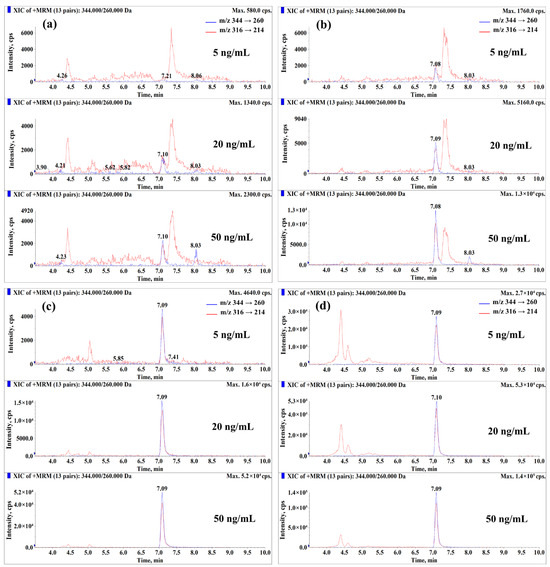
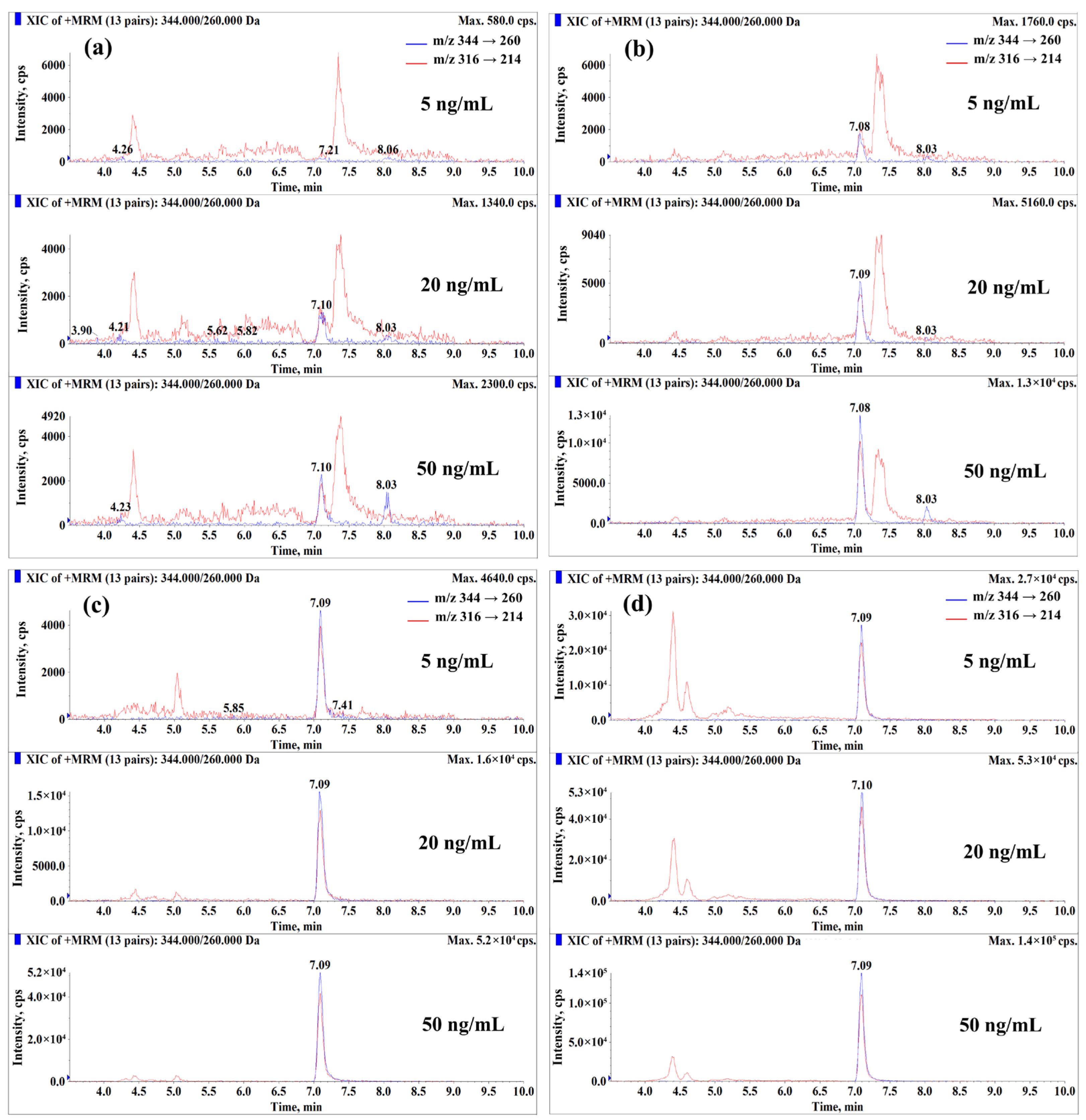
Subsequently, the sensitivity of various sample pretreatment methods was further evaluated to systematically validate the performance of the developed approach. Briefly, an identical GD-exposed plasma sample was subjected to four pretreatment protocols: IMBs, SPE, blue Sepharose-based capture and FASP online digestion, respectively. The MS signal intensity of the target analyte, GD-Tyr, was then compared after normalizing the sample concentrations to eliminate the matrix effects. Specifically, blank plasma was exposed to different doses of GD: for example, 5 ng/mL, 20 ng/mL and 50 ng/mL, respectively. As illustrated in Figure 4a–d, it could be seen that when the GD exposed a dose at high levels, i.e., 20 ng/mL and 50 ng/mL, the detection efficiency of GD-Tyr in IMBs pretreated samples was significantly superior to that of the other three methods. More notably, when the GD exposure dose was as low as 5 ng/mL, GD-Tyr could not be effectively detected in SPE-purified samples (Figure 4a). Although GD-Tyr was detectable in samples treated with FASP and blue Sepharose, the mass spectrometric signal responses were nearly at the LOD for the FASP method (Figure 4b,c). In contrast, the IMBs-based pretreatment enabled the reliable detection of GD-Tyr with a signal response approximately one order of magnitude higher than that of FASP and blue Sepharose. Furthermore, the extracted ion chromatograms (EICs) of IMBs pretreated samples exhibited a much cleaner background, confirming the superior selectivity of the proposed method (Figure 4d).
Figure 4.
Comparison of four pretreatment methods at different exposure doses, overlayed extract ion chromatograms of phosphonyl tyrosine, blue line—m/z 344 → 260, and red line—m/z 182 → 214: (a) SPE; (b) FASP; (c) blue Sepharose; and (d) IMBs.
In conclusion, when comparing the four pretreatment methods—IMBs, SPE, FASP, and blue Sepharose—the IMBs approach demonstrates distinct and significant advantages. These key merits include the specific capture of phosphonyl tyrosine residues, effective reduction in background interference from free amino acids in plasma samples, lower sample volume requirements, and simpler, faster operational procedures (see Table S3 and the Experimental Sections S3 and S4 in the Supporting Information for a detailed comparison).
3.4. Verification and Data Analysis
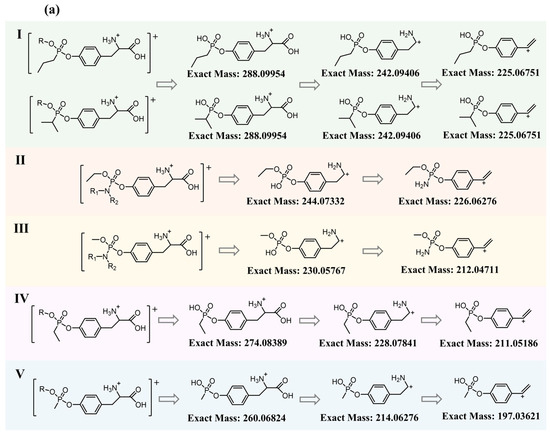
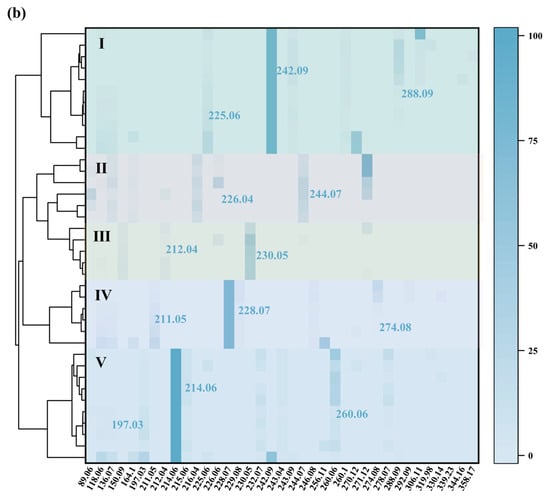
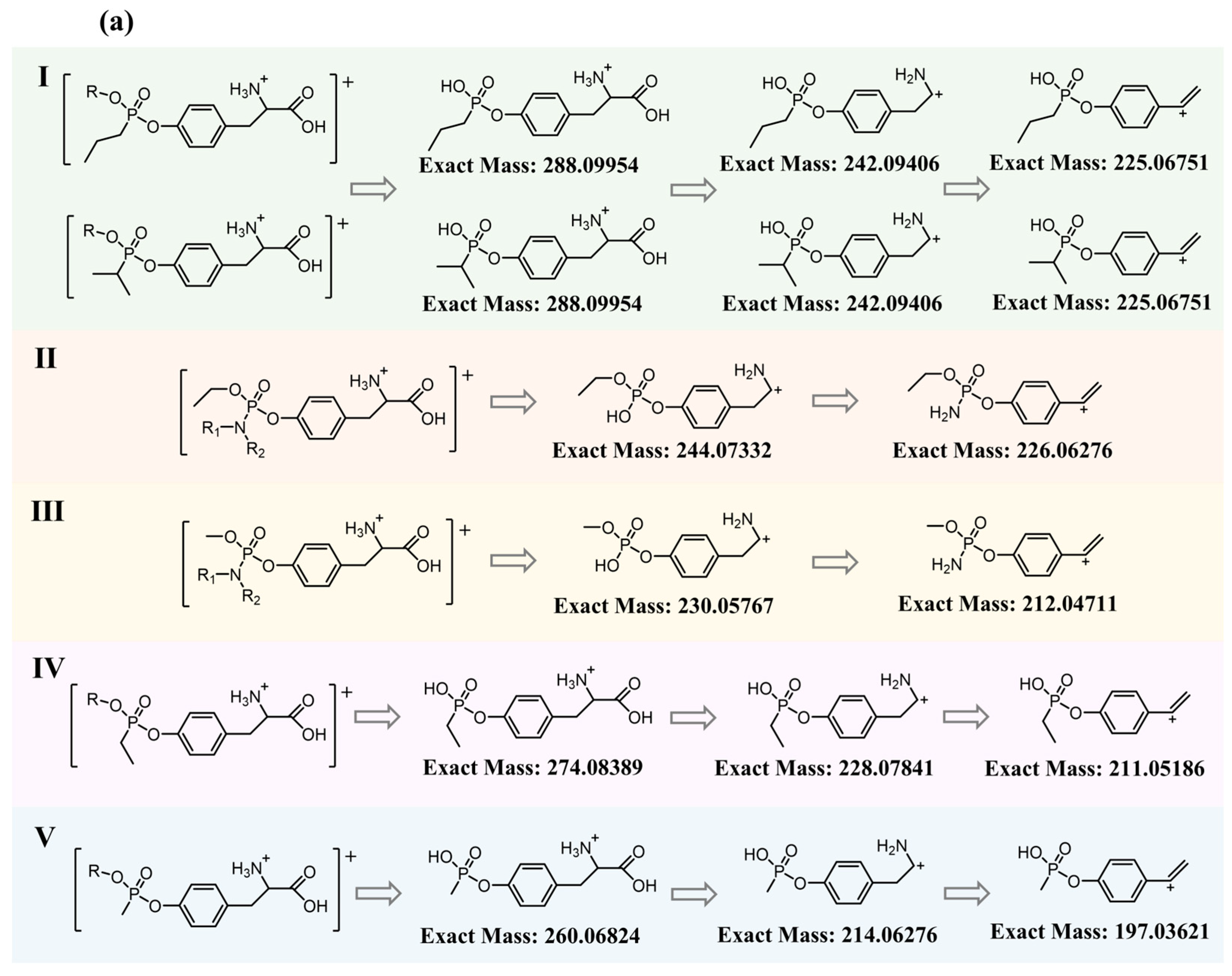
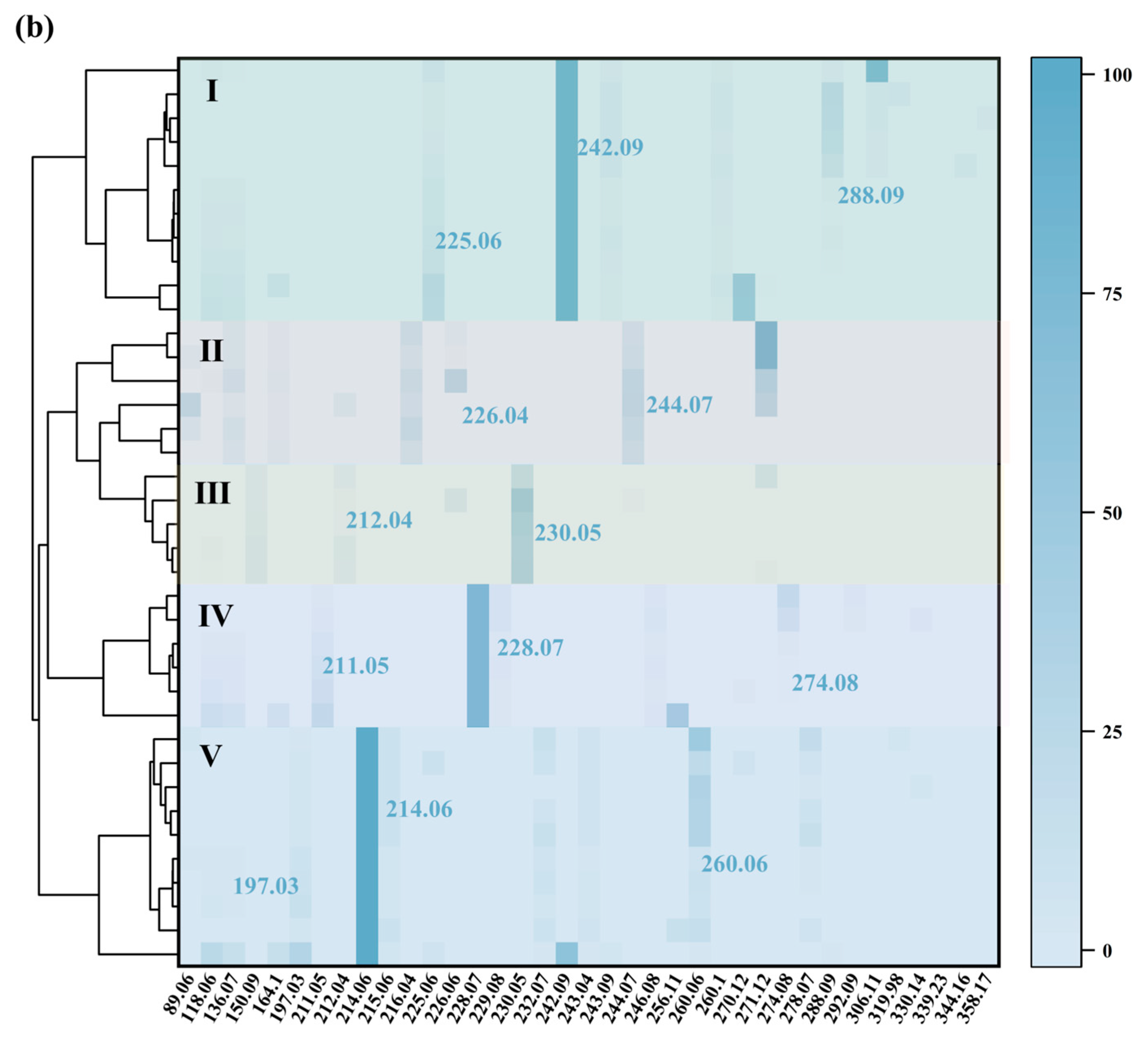
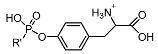
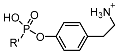
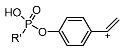
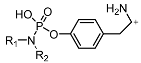
To study the fragmentation pathways of OPNAs tyrosine adducts, 38 reference solutions of OPNAs tyrosine adducts across four series were prepared using the synthesis method described in Section 2.2. Their mass spectra, acquired via UHPLC-MS/HRMS, were systematically analyzed. It was found that although OPNAs tyrosine adducts differ in their precursor ions, they exhibit extremely high similarity in physicochemical properties and fragmentation patterns (Figure S41). The relative abundances of ions with distinct m/z values for phosphonyl tyrosine, as measured by MS/HRMS, are visualized as a cluster heatmap in Figure 5. Cluster analysis revealed that the fragment ions shared across the spectra are consistent with the established fragmentation rules. The common and specific fragmentation pathways are as follows: ① The C-O bond linked to the alcohol hydroxyl group is prone to cleavage high-energy collisional dissociation (HCD), generating fragment ions with high abundance, i.e., m/z 260.06824 for methylphosphonyl tyrosine, m/z 274.08389 for ethylphosphonyl tyrosine, and m/z 288.09954 for propyl/isopropylphosphonyl tyrosine isomers. ② When the C-O bond (linked to the alcohol hydroxyl group) and the COOH group in the tyrosine moiety fragment simultaneously, the most abundant characteristic fragment ions are generated, i.e., m/z 214.06276 for methylphosphonyl tyrosine, m/z 228.09954 for ethylphosphonyl tyrosine, and m/z 242.09406 for propyl isopropylphosphonyl tyrosine. ③ For dialkylamino alkoxyphosphonyl tyrosine, the loss of both the dialkylamino group and the carboxyl group generates the diagnostic ion at m/z 230.05767. The ion then further loses the amino group to form a second characteristic ion, m/z 212.04711. Ethoxyphosphonyl tyrosine exhibits a similar fragmentation pathway. ④ In addition to the aforementioned common fragment ions, all OPNA-Tyr adducts contain characteristic fragment ions derived from carboxyl group loss. These ions have low abundance but can be used to distinguish the fine structures of different OPNAs.
Figure 5.
HRMS data analysis of tyrosine adducts of 1A.01, 1A.02 and 1A.03 OPNAs: (a) fragmentation pathway, and (b) cluster heat map of relative abundance of ions with different m/z detected by HRMS.
Furthermore, according to the CWC, though the R-group varied, for the possible exact precursor ions of all OPNA-Tyr adducts of 1A.01, 1A.02 and 1A.03 in the Schedules, the possible exact precursor ions can be totally determined. Thus, combing the Parallel Reaction Monitor (PRM) mode of the Q Exactive Orbitrap mass spectrometer and the fragment rules investigated above, a theoretical accurate mass database with precursor ions and characteristic fragment ions was established, as shown in Table S4. To verify the correctness and effectiveness of this database, six kinds of OPNA-Tyr adducts with new structures were synthesized. As shown in Figure S42, with the possible exact precursor ions listed in the database, the new structural OPNA-Tyr adducts can also be detected with characteristic fragment ions. For instance, the n-propyl methylphosphonate tyrosine exhibits characteristic fragment ions at m/z 214.06319, 260.06876, and 197.03621 (Figure S42a), which is consistent with the fragment ion information acquired from prior analyses. The test results confirm that this strategy enables full coverage of all 1A.01, 1A.02 and 1A.03 OPNA-Tyr adducts.
Due to the relatively low levels of exposed nerve agents in biomedical samples, we also developed an MRM method on the QTRAP 5500 mass spectrometer, based on the fragmentation pattern of high-resolution mass spectrometry. By measuring the optimal parameters of the MRM method with synthesized OPNA-Tyr adducts, we established theoretical MRM methods for other OPNA-Tyr adducts. With the above strategy, we put forward the general precursor-product ion pairs of any 1A.01, 1A.02, 1A.03 OPNA-Tyr adducts, which are listed in Table 1. Through the synergistic application of HRMS and triple quadrupole MS/MS, a targeted-dependent untargeted screening strategy with high-abundance to low-abundance targets was established.
Table 1.
Characteristic fragment ions of 1A.01-03 OPNA-Tyr adducts.
This method was further applied to the analysis of biomedical plasma samples from the OPCW 9th Proficiency Test. The results showed that IMBs could effectively extract target adducts from complex biological matrices, with clean chromatograms and no obvious interfering peaks from impurities (Figure S43). This further confirms the expandability of the detection strategy combining IMBs with LC-MS/MS.
4. Conclusions
In this study, GD-Tyr-KLH conjugate was employed as the immunogen, and following multiple rounds of screening and optimization, a monoclonal antibody with a high titer was firstly successfully generated. Furthermore, the fabricated IMBs exhibit specific recognition and capture capabilities toward a series of OPNA-Tyr adducts in protein-hydrolyzed samples. A systematic and comprehensive investigation was conducted into the mass spectrometric fragmentation behaviors of the synthesized adducts, enabling the establishment of a universal ion pair prediction strategy that eliminates the need for preparing actual reference standards. Subsequently, a novel non-targeted analytical strategy was developed to cover all OPNA-Tyr adducts corresponding to the 1A.01, 1A.02, and 1A.03 categories through antibody cross-reactivity. Validation using actual exposed plasma samples demonstrated that, in comparison with conventional methods (e.g., SPE, FASP, or blue Sepharose) coupled with HPLC-MS/MS, as recommended in the Blue Book, the proposed strategy offers distinct advantages, including a reduced sample volume requirement, simplified operation procedures, minimized matrix interference, and enhanced suitability for on-site application and automation. In addition, the IMBs method only needs 0.5 h for pretreatment, which is shorter than that of SPE (1 h), FASP (2.5 h) and blue Sepharose (3 h), respectively.
Supplementary Materials
The following supporting information can be downloaded at: https://www.mdpi.com/article/10.3390/analytica7010025/s1. Experimental Section S1: The synthetic method of tabun analogs phosphonyl tyrosine; Experimental Section S2 Preparation and characterization of IMBs; Experimental Section S3: The experimental method of blue Sepharose; Experimental Section S4: The experimental method of FASP; Table S1: The MRM transitions of phosphonyl tyrosine; Table S2: Recoveries and relative standard deviations of phosphonyl tyrosine; Table S3: Comparison of four pretreatment methods of phosphonyl tyrosine; Table S4: Structural information for phosphonyl tyrosine; Figure S1: Changes in magnetic beads before and after antibody conjugation; Figure S2–S39: MS spectra of OPNAs-Tyr#1-38; Figure S40: Chromatogram of GD-Tyr; Figure S41: Mass fragmentation pathway of tyrosine adducts of 1A.01, 1A.02 and 1A.03 OPNAs; Figure S42: Mass spectra of 6 kinds of prepared phosphonyl tyrosine; Figure S43: Chromatogram of a biomedical sample from the OPCW proficiency test.
Author Contributions
Conceptualization, J.W. and J.X. (Jianwei Xie); methodology, J.C. and Y.L.; software, S.C. and J.C.; validation, J.C., J.X. (Jinjuan Xue) and F.X.; formal analysis, Y.L. and J.J.; investigation, J.W. and Y.L.; resources, J.W. and J.X. (Jianwei Xie); data curation, Y.L.; writing—original draft preparation, Y.L. and J.W.; writing—review and editing, Y.L., J.X. (Jinjuan Xue) and J.W.; visualization, J.X. (Jinjuan Xue), W.Y. and F.X.; supervision, J.W. and X.Z.; project administration, J.W. All authors have read and agreed to the published version of the manuscript.
Funding
This research received no external funding.
Data Availability Statement
The original contributions presented in this study are included in the article/Supplementary Materials. Further inquiries can be directed to the corresponding authors.
Conflicts of Interest
The authors declare no conflicts of interest.
Abbreviations
The following abbreviations are used in this manuscript:
| OPNAs | Organophosphorus Nerve Agents |
| OPCW | Organization for the Prohibition of Chemical Weapons |
| CWAs | Chemical Warfare Agents |
| CWC | Chemical Warfare Convention |
| GA | Tabun |
| GD | Soman |
| GF | Cyclosarin |
| GB | Sarin |
| BChE | Butyrylcholinesterase |
| HSA | Human Serum Albumin |
| KLH | Keyhole Limpet Hemocyanin |
| GB-Tyr-KLH | Sarin-tyrosine-keyhole Limpet Hemocyanin |
| GD-Tyr-KLH | Soman-tyrosine-keyhole Limpet Hemocyanin |
| VX-Tyr-KLH | VX-tyrosine-keyhole l = Limpet Hemocyanin |
| ELISA | Enzyme-Linked Immunosorbent Assay |
| LOD | Limit of Detection |
| HPLC | High-Performance Liquid Chromatography |
| ESI | Electrospray Ionization |
| MRM | Multi-Reaction Monitoring |
| CID | Collision-Induced Dissociation |
| MS/MS | Tandem Mass Spectrometry |
| HRMS | High Resolution Mass Spectrometry |
| IMBs | Immunomagnetic Bead |
| SPE | Solid-Phase Extraction |
| FASP | Filter-Aided Sample Preparation |
References
- OPCW. Chemical Weapons Convention: Convention on the Prohibition of the Development, Production, Stockpiling and Use of Chemical Weapons and on Their Destruction. 2020. Available online: https://www.opcw.org/chemical-weapons-convention (accessed on 18 September 2025).
- Sidell, F.R.; Borak, J. Chemical Warfare Agents: II. Nerve Agents. Ann. Emerg. Med. 1992, 21, 865–871. [Google Scholar] [CrossRef] [Scilit]
- Okumura, T.; Takasu, N.; Ishimatsu, S.; Miyanoki, S.; Mitsuhashi, A.; Kumada, K.; Tanaka, K.; Hinohara, S. Report on 640 Victims of the Tokyo Subway Sarin Attack. Ann. Emerg. Med. 1996, 28, 129–135. [Google Scholar] [CrossRef] [Scilit]
- Pita, R.; Domingo, J. The Use of Chemical Weapons in the Syrian Conflict. Toxics 2014, 2, 391–402. [Google Scholar] [CrossRef] [Scilit]
- Black, R.M.; Clarke, R.J.; Read, R.W.; Reid, M.T.J. Application of Gas Chromatography-Mass Spectrometry and Gas Chromatography-Tandem Mass Spectrometry to the Analysis of Chemical Warfare Samples, Found to Contain Residues of the Nerve Agent Sarin, Sulphur Mustard and Their Degradation Products. J. Chromatogr. A 1994, 662, 301–321. [Google Scholar] [CrossRef] [Scilit]
- Tu, A.T. The Use of VX as a Terrorist Agent: Action by Aum Shinrikyo of Japan and the Death of Kim Jong-Nam in Malaysia: Four Case Studies. Glob. Secur. Health Sci. Policy 2020, 5, 48–56. [Google Scholar] [CrossRef] [Scilit]
- Vale, J.A.; Marrs, T.C.; Maynard, R.L. Novichok: A Murderous Nerve Agent Attack in the UK. Clin. Toxicol. 2018, 56, 1093–1097. [Google Scholar] [CrossRef] [Scilit]
- John, H.; Thiermann, H. Poisoning by Organophosphorus Nerve Agents and Pesticides: An Overview of the Principle Strategies and Current Progress of Mass Spectrometry-Based Procedures for Verification. J. Mass Spectrom. Adv. Clin. Lab 2021, 19, 20–31. [Google Scholar] [CrossRef] [Scilit]
- John, H.; Dentzel, M.; Siegert, M.; Thiermann, H. Nontargeted High-Resolution Mass Spectrometric Workflow for the Detection of Butyrylcholinesterase-Derived Adducts with Organophosphorus Toxicants and Structural Characterization of Their Phosphyl Moiety after in-Source Fragmentation. Anal. Chem. 2022, 94, 2048–2055. [Google Scholar] [CrossRef] [Scilit]
- Wang, J.; Lu, X.; Gao, R.; Pei, C.; Wang, H. Current Progress for Retrospective Identification of Nerve Agent Biomarkers in Biological Samples after Exposure. Toxics 2022, 10, 439. [Google Scholar] [CrossRef] [Scilit]
- Wang, J.; Lu, X.; Gao, R.; Pei, C.; Wang, H. Progressive Expansion of Albumin Adducts for Organophosphorus Nerve Agent Traceability Based on Single and Group Adduct Collection. Anal. Bioanal. Chem. 2024, 416, 3569–3584. [Google Scholar] [CrossRef] [Scilit]
- Fu, F.; Guo, Y.; Lu, X.; Zhao, P.; Zou, S.; Wang, H.; Gao, R.; Pei, C. Forensic Analysis of Soman Exposure Using Characteristic Fragment Ions from Protein Adducts. Hum. Exp. Toxicol. 2021, 40, 1519–1527. [Google Scholar] [CrossRef] [Scilit]
- Wang, J. Retrospective Detection for V-Type OPNAs Exposure via Phosphonylation and Disulfide Adducts in Albumin. Sci. Rep. 2022, 12, 10979. [Google Scholar] [CrossRef] [Scilit]
- Fu, F.; Liu, H.; Gao, R.; Zhao, P.; Lu, X.; Zhang, R.; Wang, L.; Wang, H.; Pei, C. Protein Adduct Binding Properties of Tabun-Subtype Nerve Agents after Exposure in Vitro and in Vivo. Toxicol. Lett. 2020, 321, 1–11. [Google Scholar] [CrossRef] [Scilit] [PubMed]
- Williams, N.H.; Harrison, J.M.; Read, R.W.; Black, R.M. Phosphylated Tyrosine in Albumin as a Biomarker of Exposure to Organophosphorus Nerve Agents. Arch. Toxicol. 2007, 81, 627–639. [Google Scholar] [CrossRef] [Scilit] [PubMed]
- Zhang, M.; Liu, Y.; Chen, J.; Liu, H.; Lu, X.; Wu, J.; Zhang, Y.; Lin, Y.; Liu, Q.; Wang, H.; et al. Sensitive Untargeted Screening of Nerve Agents and Their Degradation Products Using Liquid Chromatography–High Resolution Mass Spectrometry. Anal. Chem. 2020, 92, 10578–10587. [Google Scholar] [CrossRef] [Scilit]
- Read, R.; Black, R.; Hakala, U.; Vanninen, P. Recommended Operating Procedures for Analysis in the Verification of Chemical Disarmament; 2023 edition; University of Helsinki: Helsinki, Finland, 2023; pp. 1080–1084. [Google Scholar]
- Liu, C.; Liang, L.; Xiang, Y.; Yu, H.; Zhou, S.; Xi, H.; Liu, S.; Liu, J. An Improved Method for Retrospective Quantification of Sulfur Mustard Exposure by Detection of Its Albumin Adduct Using Ultra-High Pressure Liquid Chromatography-Tandem Mass Spectrometry. Anal. Bioanal. Chem. 2015, 407, 7037–7046. [Google Scholar] [CrossRef] [Scilit]
- Nazari, M.; Emamzadeh, R.; Masoudi-Khoram, N.; Nazari, M. Immobilization of Albumin Binding Domain (ABD) on Sepharose 4B and Magnetic Particle for Efficient Single-Step Purification of Human Serum Albumin. J. Chromatogr. B 2025, 1261, 124655. [Google Scholar] [CrossRef] [Scilit]
- Thomas, C.; Byer-Alcorace, A.; Wang, T. Human Serum Albumin Immobilized on Magnetizable Beads: A Rapid Method for Compound HSA Binding Study. J. Pharm. Sci. 2024, 113, 1359–1367. [Google Scholar] [CrossRef] [Scilit]
- Kranawetvogl, A.; Küppers, J.; Siegert, M.; Gütschow, M.; Worek, F.; Thiermann, H.; Elsinghorst, P.W.; John, H. Bioanalytical Verification of V-Type Nerve Agent Exposure: Simultaneous Detection of Phosphonylated Tyrosines and Cysteine-Containing Disulfide-Adducts Derived from Human Albumin. Anal. Bioanal. Chem. 2018, 410, 1463–1474. [Google Scholar] [CrossRef] [Scilit]
- Borlido, L.; Azevedo, A.M.; Roque, A.C.A.; Aires-Barros, M.R. Magnetic Separations in Biotechnology. Biotechnol. Adv. 2013, 31, 1374–1385. [Google Scholar] [CrossRef] [Scilit]
- Wang, L.; Niu, J.; Wei, P.; Feng, Y.; Ding, M.; He, C.; Ma, Y.; Zhu, Y.; Li, J.; Huang, L.; et al. Rapid Determination of 2,4-Diaminopyrimidine Residues through Sample Pretreatment Using Immunomagnetic Bead Purification along with HPLC–UV. Food Chem. 2022, 376, 131835. [Google Scholar] [CrossRef] [Scilit]
- Wang, S.; Niu, R.; Yang, Y.; Wang, Y. Development and Evaluation of a Rapid Immunomagnetic Extraction for Effective Detection of Zearalenone in Agricultural Products. Food Control 2020, 110, 106973. [Google Scholar] [CrossRef] [Scilit]
- Chen, J.; Cai, D.; Li, P.; Ye, J.; Wang, M.; Wu, Y.; Li, L.; Liu, H.; Zhang, Q.; Qin, Y.; et al. Comprehensive Analysis of T-2 Toxin Contamination in Maize from Northeast China Using Automated Immunomagnetic Beads System Coupled with LC-MS/MS. Food Chem. 2025, 490, 145171. [Google Scholar] [CrossRef] [Scilit]
- Zhang, B.; Li, H.; Li, Y.; Fu, X.; Du, D. A Sensitive Chemiluminescence Immunoassay Based on Immunomagnetic Beads for Quantitative Detection of Zearalenone. Eur. Food Res. Technol. 2021, 247, 2171–2181. [Google Scholar] [CrossRef] [Scilit]
- Chen, W.; Huang, Z.; Cao, W.; Peng, J.; Lai, W.; Shao, B. The Preparation of Immunomagnetic Beads Based on Oriented Ab and Its Application for AFB1 Enrichment. Food Biosci. 2024, 61, 104987. [Google Scholar] [CrossRef] [Scilit]
- Bao, Y.; Liu, Q.; Chen, J.; Lin, Y.; Wu, B.; Xie, J. Quantification of Nerve Agent Adducts with Albumin in Rat Plasma Using Liquid Chromatography–Isotope Dilution Tandem Mass Spectrometry. J. Chromatogr. A 2012, 1229, 164–171. [Google Scholar] [CrossRef] [Scilit]
- Eberhardt, J.; Santos-Martins, D.; Tillack, A.F.; Forli, S. AutoDock Vina 1.2.0: New Docking Methods, Expanded Force Field, and Python Bindings. J. Chem. Inf. Model. 2021, 61, 3891–3898. [Google Scholar] [CrossRef] [Scilit]
- Trott, O.; Olson, A.J. AutoDock Vina: Improving the Speed and Accuracy of Docking with a New Scoring Function, Efficient Optimization, and Multithreading. J. Comput. Chem. 2010, 31, 455–461. [Google Scholar] [CrossRef] [Scilit] [PubMed]
- Jaenicke, E.; Büchler, K.; Decker, H.; Markl, J.; Schröder, G.F. The Refined Structure of Functional Unit h of Keyhole Limpet Hemocyanin (KLH1-h) Reveals Disulfide Bridges. IUBMB Life 2011, 63, 183–187. [Google Scholar] [CrossRef] [Scilit] [PubMed]
- Stephens, P.J.; Devlin, F.J.; Chabalowski, C.F.; Frisch, M.J. Ab Initio Calculation of Vibrational Absorption and Circular Dichroism Spectra Using Density Functional Force Fields. J. Phys. Chem. 1994, 98, 11623–11627. [Google Scholar] [CrossRef] [Scilit]
- Lu, T.; Chen, F. Multiwfn: A Multifunctional Wavefunction Analyzer. J. Comput. Chem. 2012, 33, 580–592. [Google Scholar] [CrossRef] [Scilit] [PubMed]
- Lu, T. A Comprehensive Electron Wavefunction Analysis Toolbox for Chemists, Multiwfn. J. Chem. Phys. 2024, 161, 082503. [Google Scholar] [CrossRef] [Scilit]
- Zhang, J.; Lu, T. Efficient Evaluation of Electrostatic Potential with Computerized Optimized Code. Phys. Chem. Chem. Phys. PCCP 2021, 23, 20323–20328. [Google Scholar] [CrossRef] [Scilit]
- Humphrey, W.; Dalke, A.; Schulten, K. VMD: Visual Molecular Dynamics. J. Mol. Graph. 1996, 14, 33–38. [Google Scholar] [CrossRef] [Scilit] [PubMed]
- Zhang, Z.-H.; Yu, X.-D.; Li, H.-P.; Han, K. Effect of alkane chain length on tribological properties of straight chain alkane liquid film. Acta Phys. Sin. 2019, 68, 228101. [Google Scholar] [CrossRef] [Scilit]
- Lyu, B.; Liu, Y.; Gao, D.; Li, P. Effect of Hydrophobic Chain Length on the Properties of Polycarboxylate Polymeric Surfactants. J. Mol. Liq. 2023, 390, 123110. [Google Scholar] [CrossRef] [Scilit]


Disclaimer/Publisher’s Note: The statements, opinions and data contained in all publications are solely those of the individual author(s) and contributor(s) and not of MDPI and/or the editor(s). MDPI and/or the editor(s) disclaim responsibility for any injury to people or property resulting from any ideas, methods, instructions or products referred to in the content. |
© 2026 by the authors. Licensee MDPI, Basel, Switzerland. This article is an open access article distributed under the terms and conditions of the Creative Commons Attribution (CC BY) license.