


Abstract
The current research investigation aimed to screen the bioactive compounds in the latex of Calotropis gigantea L. and evaluate its antibacterial and antioxidant properties towards clinical applications. The chemical moiety and volatile compounds of the latex of C. gigantea were detected by UV–Vis spectroscopy, FT-IR, and GC–MS analysis. The antibacterial activity was assessed using wound-inducing pathogens by well diffusion method. In addition, the antioxidant properties were determined through DPPH, ABTS, and FRAP methods. The functional groups of O–H stretch, diketonic bonds, C–O, C–N, O–C bonds, and consecutive C–H bonds were observed in the latex of C. gigantea. The major bioactive compounds were 5H-3,5a-Epoxynaphth[2,1-c]oxepin, Cholesta-5-en-3-ol, 24-propylidene-, dodecane, Lup-20(29)-Ene-3,28-Diol, (3.Beta)-, Veridiflorol, and Lanosta-8,24-dien-3-ol, acetatate, (3.beta.). Oxazole derivatives were found in the latex of C. gigantea, proved by GC–MS analysis. The aqueous-mixed latex exhibited maximum antioxidant activity as compared to methanol-mixed latex. Aqueous-mixed latex and methanol-mixed latex inhibited the growth of K. pneumoniae, P. mirabilis, S. pyogenes, Micrococcus spp., S. aureus, P. aeruginosa, and E. coli. The present study clearly reveals that latex of C. gigantea has rich bioactive compounds with significant biological activities, and can be employed to produce a novel herbal formulation against wound-inducing pathogens.
1. Introduction
Latex from plants has rich amount of phytochemicals, which are used to cure various diseases [1]. Latex is a milky fluid which contains proteins, alkaloids, and other phytometabolites. The colors of the latex differ from plant to plant, where the colors are white, yellow, orange, etc. [2]. Latex from plants shows antifungal, antihelminthic, antioxidant, anticancer, and antibacterial activities [2]. Ficus carica latex shows antimicrobial activity against human pathogens [3]. Latex proteins of Calotropis procera were used to treat the oral mucositis [4]. Latex of Jatropha neopauciflora Pax shows antimicrobial, wound-healing, and anti-inflammatory activities [5]. Sumathi et al. [6] investigated the antimicrobial properties of the latex of Euphorbia antiquorum. Prastiyanto et al. [7] stated the antibacterial potential of J. curcas, J. gossypilofia Linn., and J. multifida latex against Klebseilla pneumonia and E. coli. Using Havea brasiliensis, the rubber latex was extracted and was analyzed for its tissue and bone regeneration process [8].
C. gigantea is a flowering plant which belongs to the Apocynaceae family [9]. It is grown in many countries such as India, Cambodia, Vietnam, Thailand, Pakistan, and Nepal. The latex of C. gigantea alone can cure leprosy, cough, scabies, asthma, piles, etc. The phytochemicals, namely, terpenes, flavonoids, alkaloids, and pregnanes, are present in the latex of C. gigantea [10]. The present study was focused on screening and characterizing bioactive compounds from latex of C. gigantea and assessing their biological activities.
2. Materials and Methods
2.1. Collection of Latex, Preparation, and Phytochemical Screening
The fresh latex was carefully collected from the aerial parts of C. gigantea from Nakshatra garden, PSG College of Arts & Science, Coimbatore-14, India. Later, the latex was transferred to clean 1 mL Eppendorf tubes in an aseptic condition. As the latex coagulated property, it was slightly agitated after collection.
Briefly, 500 µL of different solvents such as petroleum ether, hexane, ethanol, methanol, and water were mixed well with 500 µL of C. gigantea latex. The mixture was centrifuged at 2000 rpm. The supernatants were stored in tubes at −4 °C. The phytochemicals were examined using the standard protocols [11,12].
2.2. UV–Visible Spectrophotometric Analysis
Different solvent mixtures of C. gigantea latex were analyzed using a UV–visible spectrophotometer (Shimadzu UV-1601 spectrophotometer) under the wavelength range from 200 to 800 nm. During analysis, the mixture was centrifuged at 2000 rpm for 15 min.
2.3. Analysis of Functional Groups
FTIR analysis was carried out using an FTIR spectrophotometer (FTIR (Model: Shimadzu; Miracle 10)), which identifies the functional groups present in the latex of C. gigantea. The latex was mixed with KBr powder and form as a disc. Then, it was analyzed and scanned from 4000 to 400 cm−1.
2.4. Analysis of Phytoconstituents by Gas Chromatography/Mass Spectrometry
Gas chromatography–mass spectrometry (GC–MS) was conducted with the instrument CH-GCMSMS-02. The GC–MS instrument was supplied with a narrow bore (30 m length, 0.25 mm internal diameter, and 0.25 μm film thickness) for chromatographic separation (capillary standard nonpolar column). The atomizer temperature was optimized at 250 °C, with an atomizer volume of 1 μL in connected mode. Helium was the carrier gas, which flowed at 1 mL/min. The temperature of the GC oven program was optimized with a starting temperature of 70 °C, carried for 2 min, elevated at 10 °C/min to 250 °C, and then held for 5 min. In electron ionization (EI) mode, the mass spectrometer was operated with an ionization energy of 70 eV. The mass scan range was positioned between 50 and 800 m/z, and the electron beam source temperature was restored at 230 °C [13]. The components present in the extract were identified based on their retention times and mass spectra obtained from GC–MS analysis.
3. Determination of Biological Activities
3.1. Analysis of Antioxidant Properties
2,2-Diphenyl-1-picrylhydrazyl (DPPH) assay, 2,2′-azino-bis-(3-ethylbenzothiazoline-6-sulfonic)acid (ABTS) and ferric reducing antioxidant power (FRAP) assay were employed to determine the antioxidant activities of methanol- and aqueous-mixed latex of C. gigantea. Three replications were used for this investigation. The protocols for antioxidant assays were followed according to Shahinuzzaman et al. [14]. All results were measured in triplicate and expressed as means ± standard deviation (SD).
3.2. Analysis of Antibacterial Activity Using Well Diffusion Method
Klebsiella pneumoniae, Proteus mirabilis, Streptococcus pyogenes, Micrococcus spp., Pseudomonas aeruginosa, Staphylococcus aureus, and Escherichia coli were used for antibacterial activity. The cultures were subcultured and inoculated into the nutrient broth and kept in a shaker for 18 h at 37 °C. Bacterial cultures were swabbed using sterilized cotton swabs on Mueller–Hinton agar plates and wells were created by a sterilized well-cutter. Different concentrations of methanol- and aqueous-mixed latex of C. gigantea were prepared, and 60 µL, 80 µL, 100 µL, and 120 µL were poured to the corresponding wells. Antibiotic tetracycline was employed as the positive control. After that, the plates were incubated at 37 °C overnight. The zone of inhibition was measured after incubation. Three replications were maintained for this investigation. The mean values were calculated and expressed as mean ± SD.
4. Result and Discussion
4.1. Analysis of Phytochemicals
Table 1 determines the qualitative analysis of phytochemicals in the latex of C. gigantea. Alkaloids, terpenoids, anthraquinone, carbohydrates, and cardiac glycosides were present in both ethanol-mixed latex and methanol-mixed latex. The aqueous-mixed latex shows the anthraquinone, carbohydrates, and saponins. Petroleum-ether-mixed latex and hexane-mixed latex have anthraquinone, carbohydrates, and saponins. Saratha and Subramanian [15] studied the phytochemicals in C. gigantea latex extract and reported the presence of alkaloids, tannin, flavonoids, saponins, cardiac glycosides, terpenoids, amino acid, and steroids.
Table 1.
Qualitative analysis of phytochemicals in the latex of C. gigantea.
4.2. UV–Visible Spectrophotometric Analysis
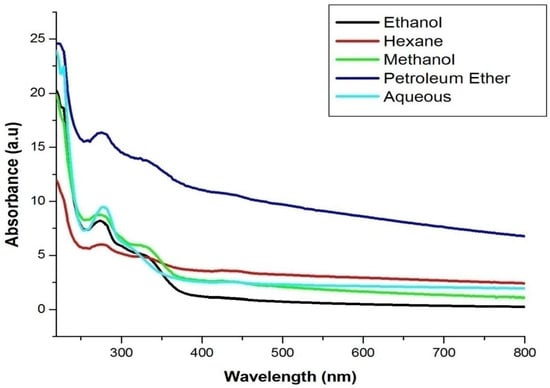
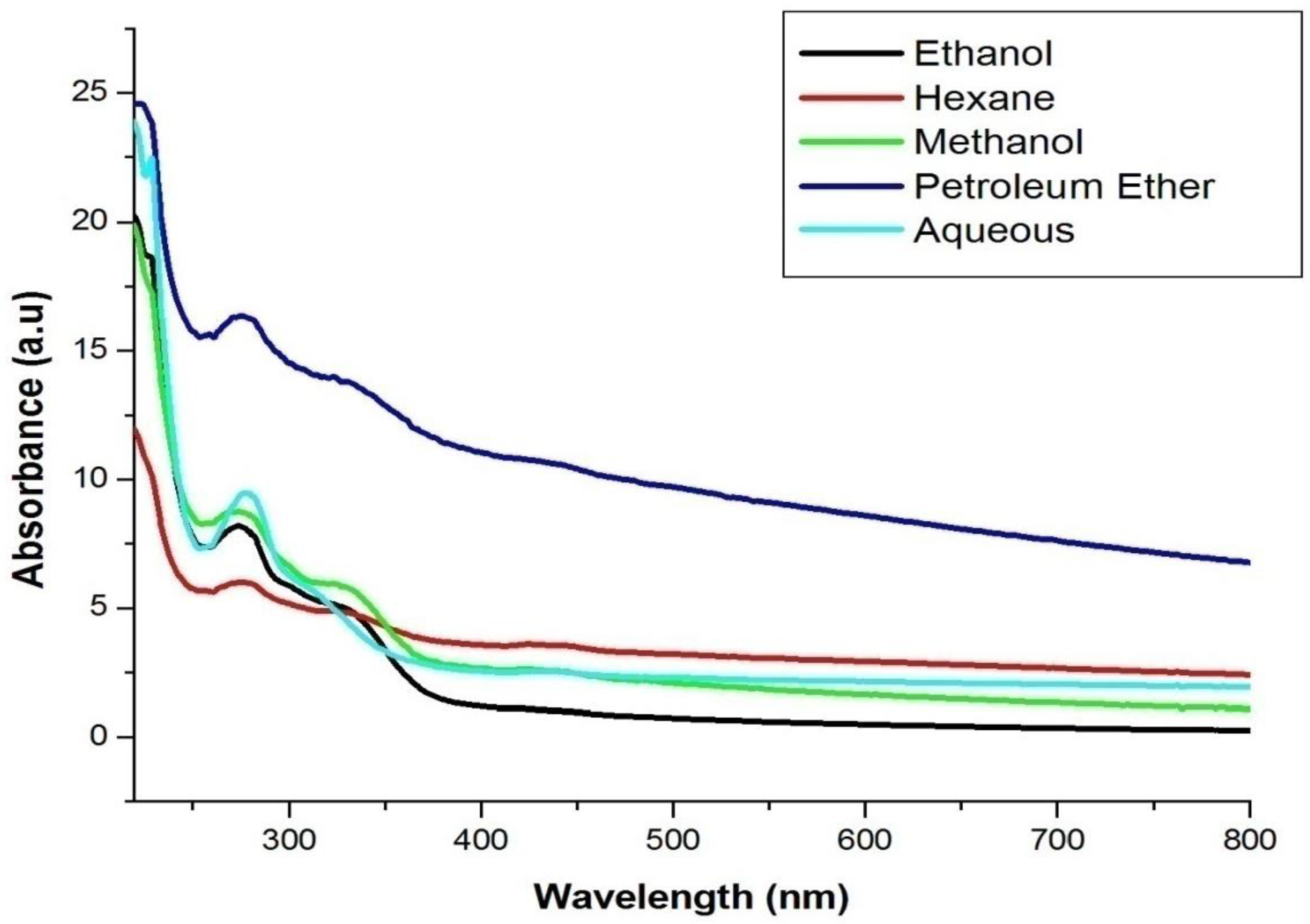
Figure 1 displays the UV–visible spectra of C. gigantea latex used to identify the phytoconstituents occurring in the latex. In addition, it was performed to determine the phytomolecules containing chromophores and aromatic rings, σ-bonds, π-bonds, and lone pairs of electrons [16].
Figure 1.
UV–visible spectral analysis of C. gigantea latex.
4.3. Analysis of Functional Groups
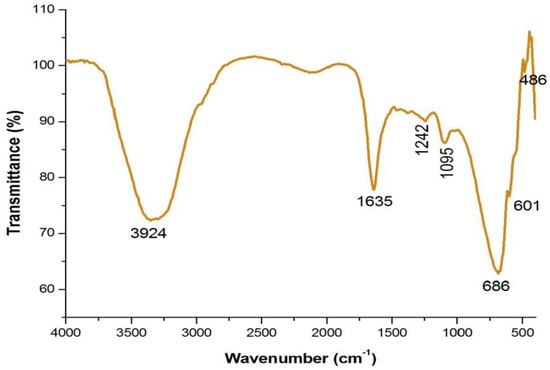
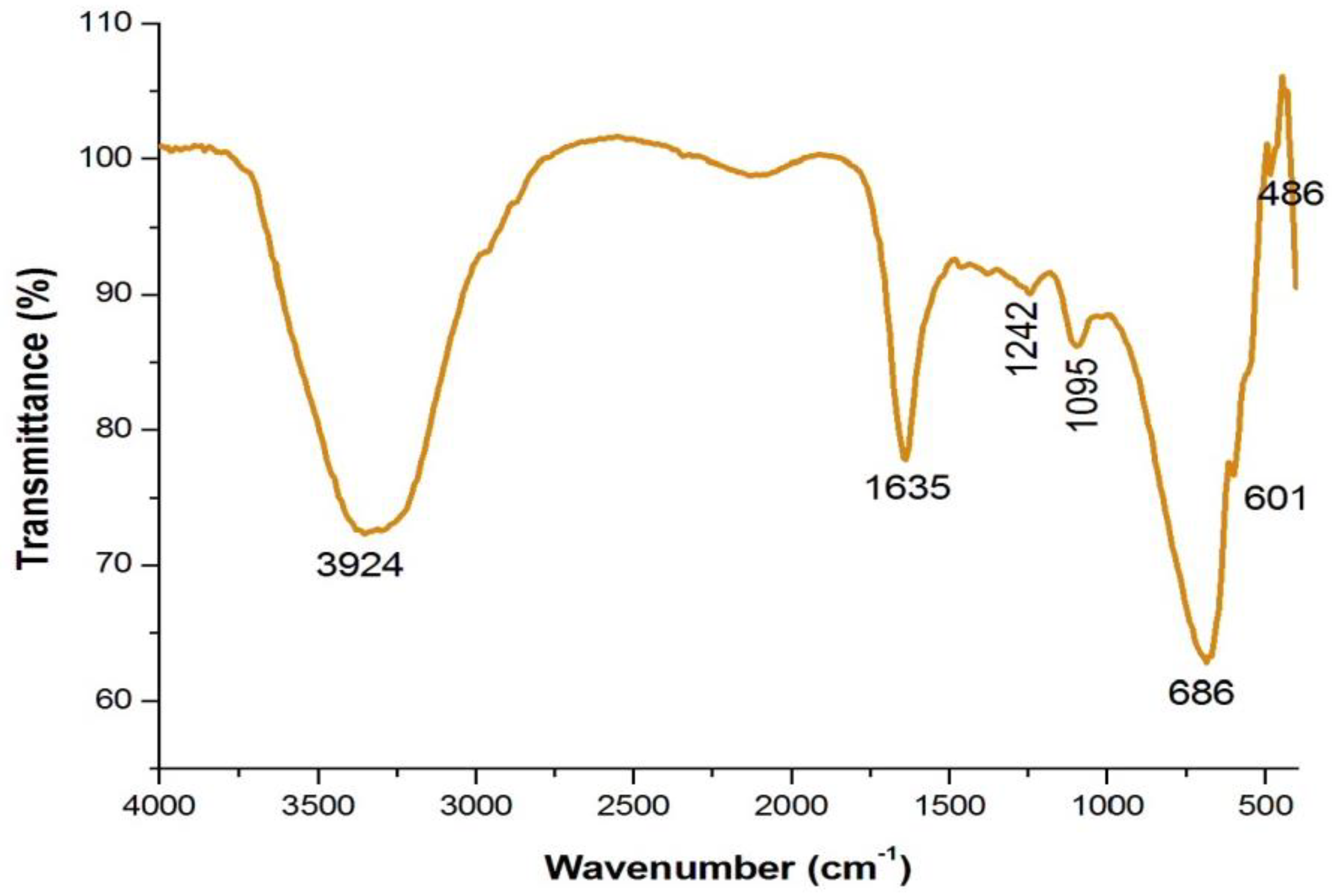
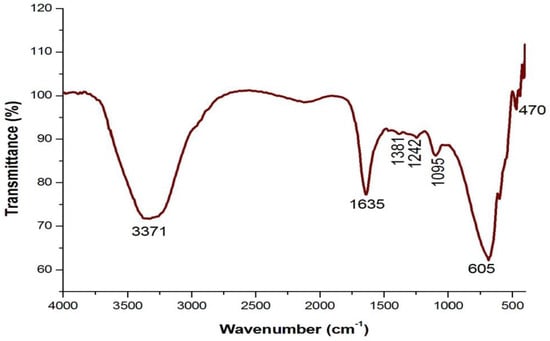
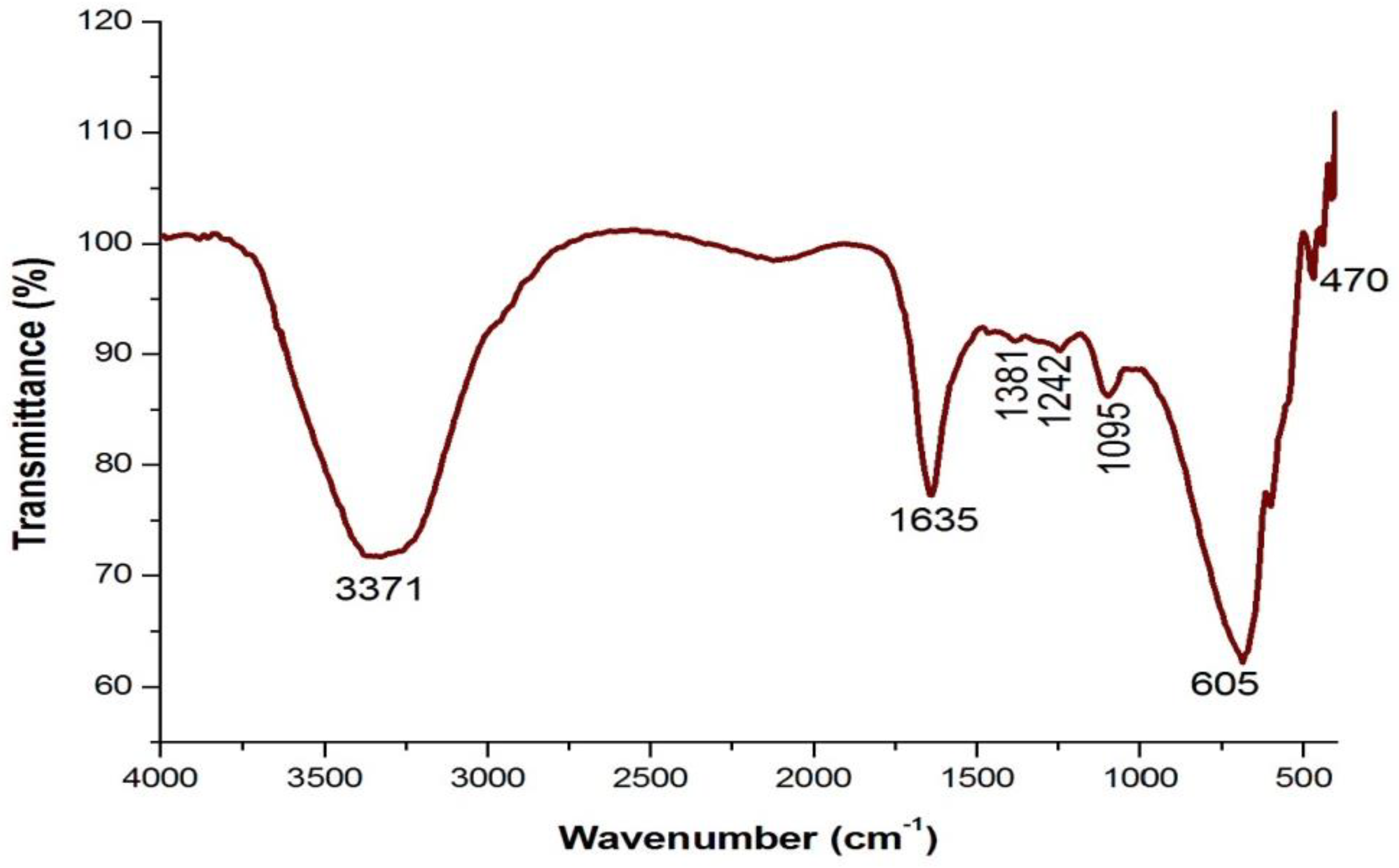
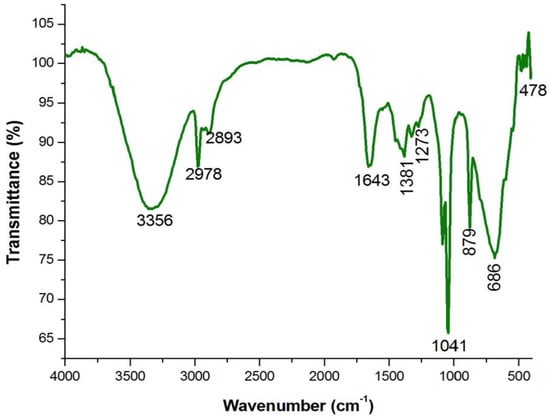
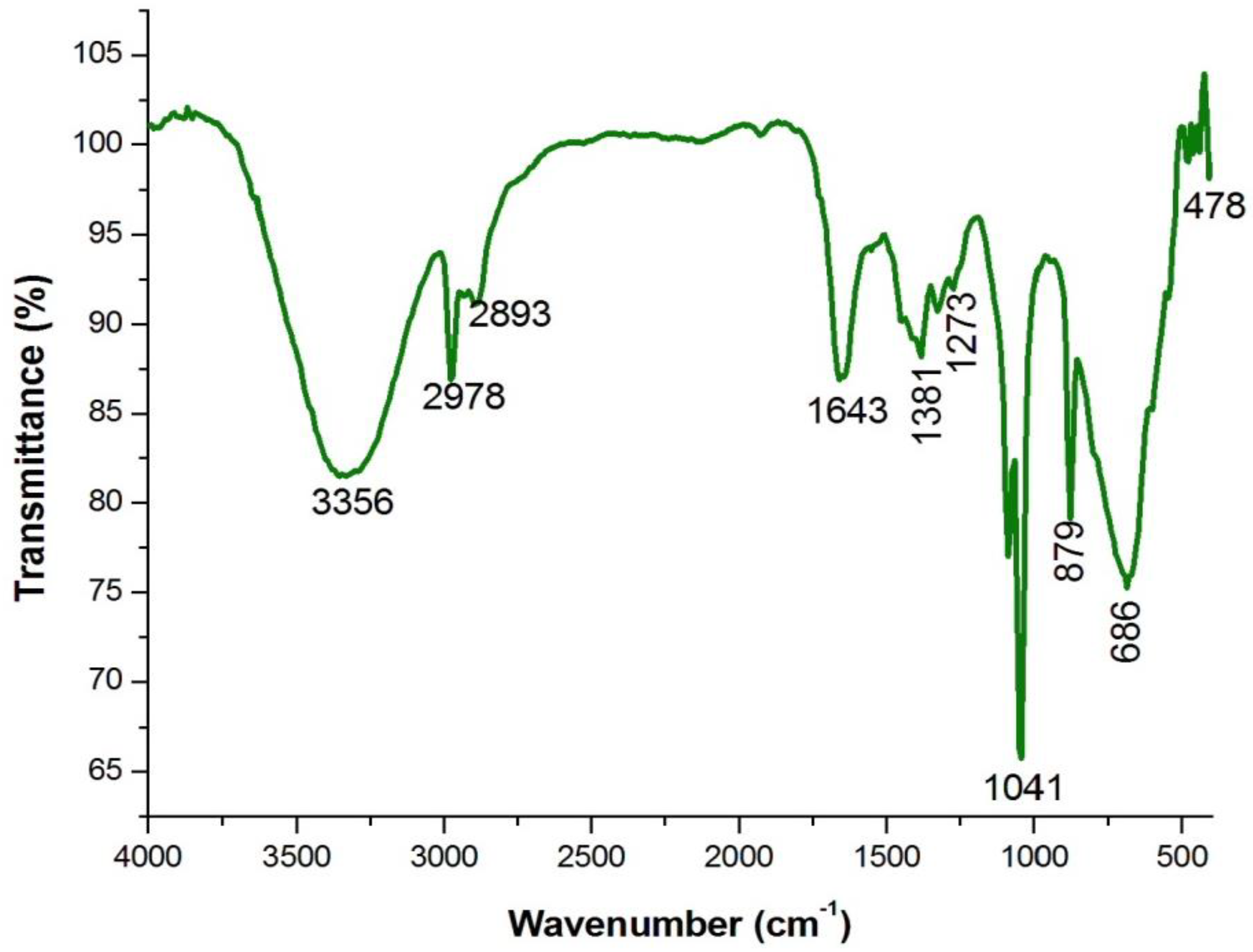
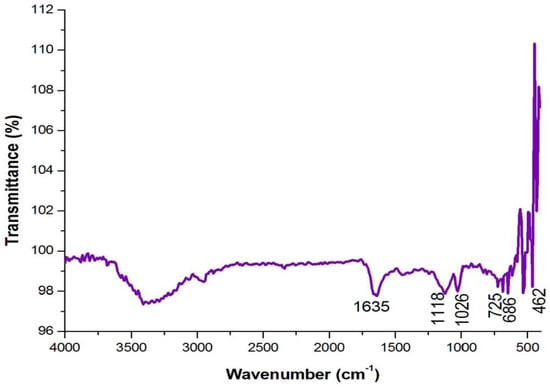
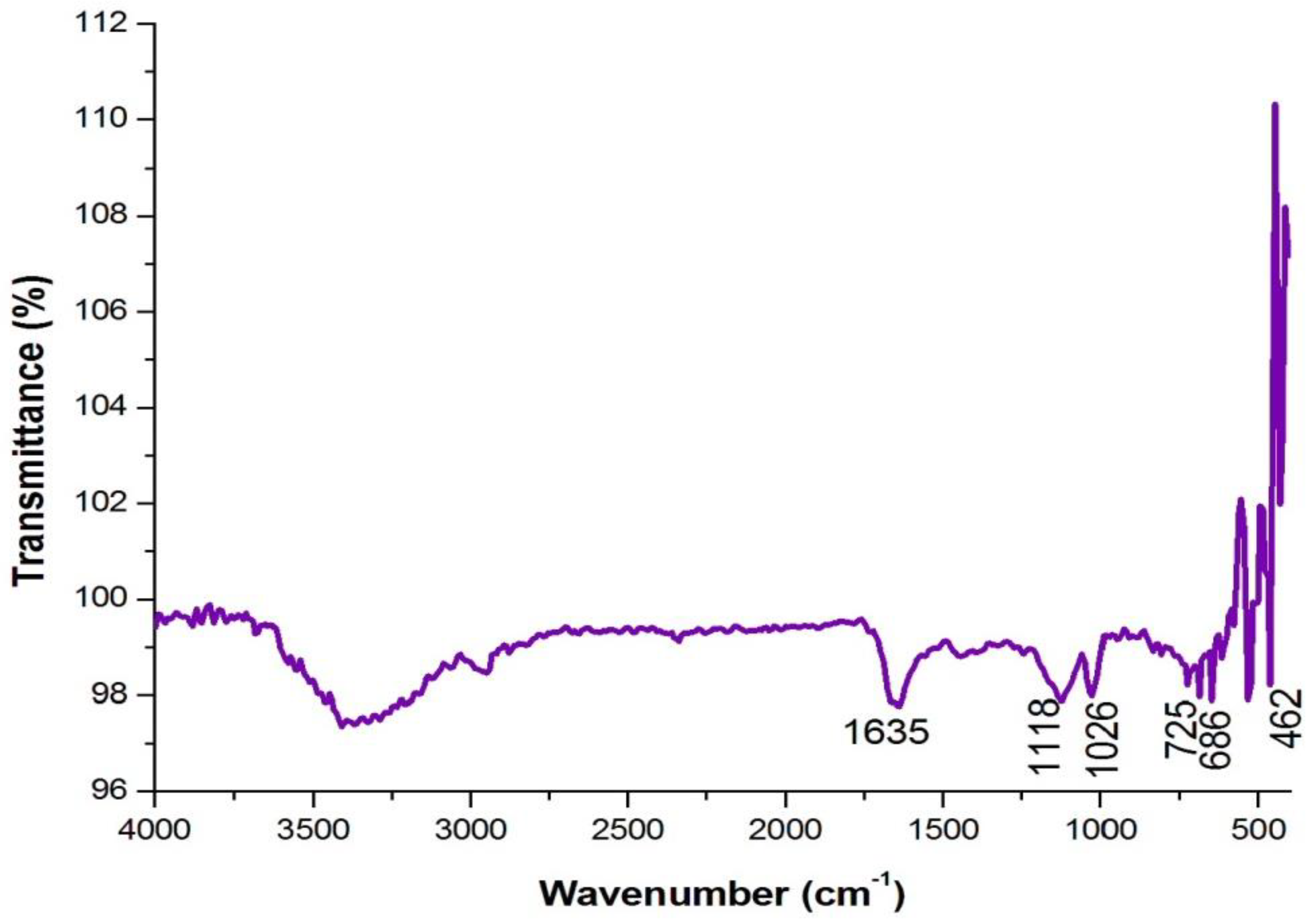
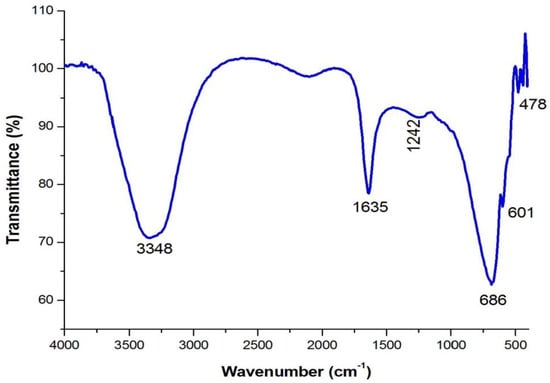
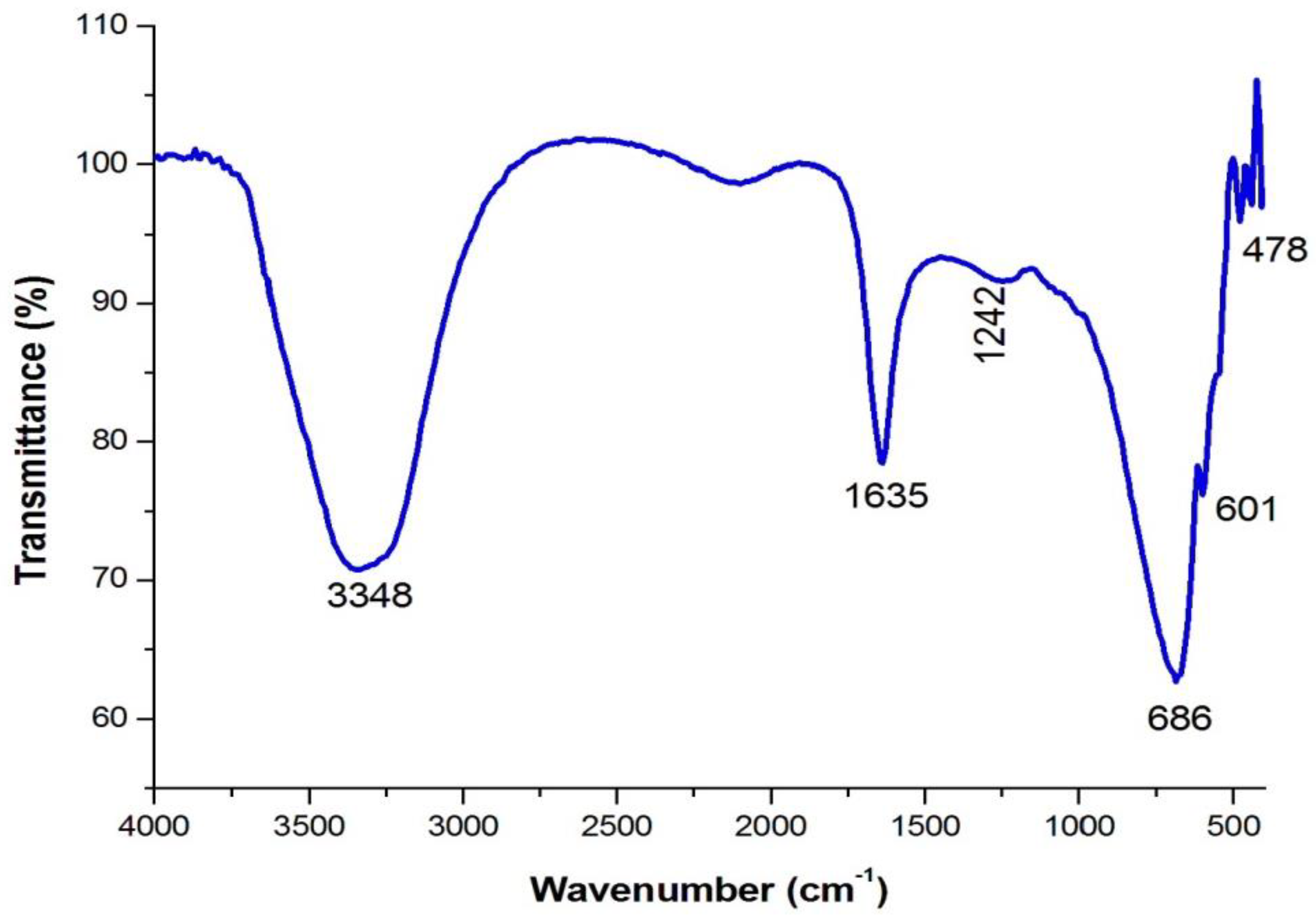
Different peaks, such as 3924, 1635, 1242, 1095, 686, 601, and 486 cm−1, are observed for petroleum-ether-mixed latex of C. gigantea, which corresponds to functional groups of aliphatic aldehyde, C=C stretch, and C–H bending, respectively (Figure 2). Hexane-mixed latex of C. gigantea shows peaks at 3371, 1635, 1381, 1242, 1095, 605, and 470 cm−1 that refer to O–H stretch, consecutive C=C stretch, and consecutive C–H bending/deformation, respectively (Figure 3). In the ethanol-mixed latex of C. gigantea, ten different peaks are observed, such as 3356, 2978, 2893, 1643, 1381, 1273, 1041, 879, 686, and 478 cm−1, which indicate O–H stretch, consecutive C–H stretch, C=O stretch, and consecutive C–H bending, respectively (Figure 4).The methanol-mixed latex of C. gigantea displays different peaks at 1635, 1118, 1026, 725, 686, and 462 cm−1, which indicate functional groups such as C=C stretch, C–H stretch, and consecutive C–H bending, respectively (Figure 5). Various peaks such as 3348, 1635, 1242, 686, 601, and 478 cm−1, in aqueous mixed C. gigantea latex represent the functional groups of O–H stretch, diketonic bonds, C–O, C–N, O–C bonds, and consecutive C–H bonds, respectively (Figure 6). Similarly, Pradeepkumar et al. [17] carried out FTIR analysis for the latex of C. gigantea and reported the presence of functional groups such as O–H stretch, diketonic bonds, and C–N bonds. Sonia et al. [18] reported the occurrence of N–H stretch, C–H stretch, C–C stretch, C=C stretch, and C–H bending in C. gigantea flower latex (methanolic extract). FTIR analysis was evaluated for E. characias rubber latex, where peaks such as 1664 and 835 were observed, which correspond to C=C stretching and C–C bending, respectively [19]. FTIR analysis was conducted for Pergularia tomentosa latex, and different functional groups, namely, O–H stretch, N–H stretch, C=C stretch, C–H bending, and C–C–C deformation, were identified [20].
Figure 2.
FTIR analysis of petroleum-ether-mixed latex of C. gigantea.
Figure 3.
FTIR analysis of hexane-mixed latex of C. gigantea.
Figure 4.
FTIR analysis of ethanol-mixed latex of C. gigantea.
Figure 5.
FTIR analysis of methanol-mixed latex of C. gigantea.
Figure 6.
FTIR analysis of aqueous-mixed latex of C. gigantea.
4.4. Analysis of Phytoconstituents by GC–MS
4.4.1. GC–MS Analysis of Aqueous-Mixed Latex of C. gigantea
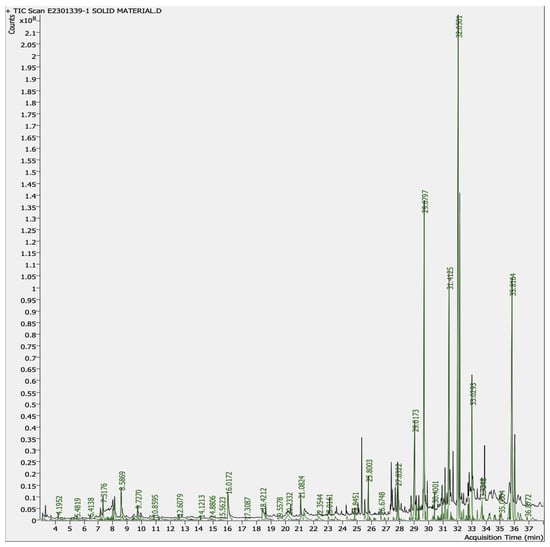
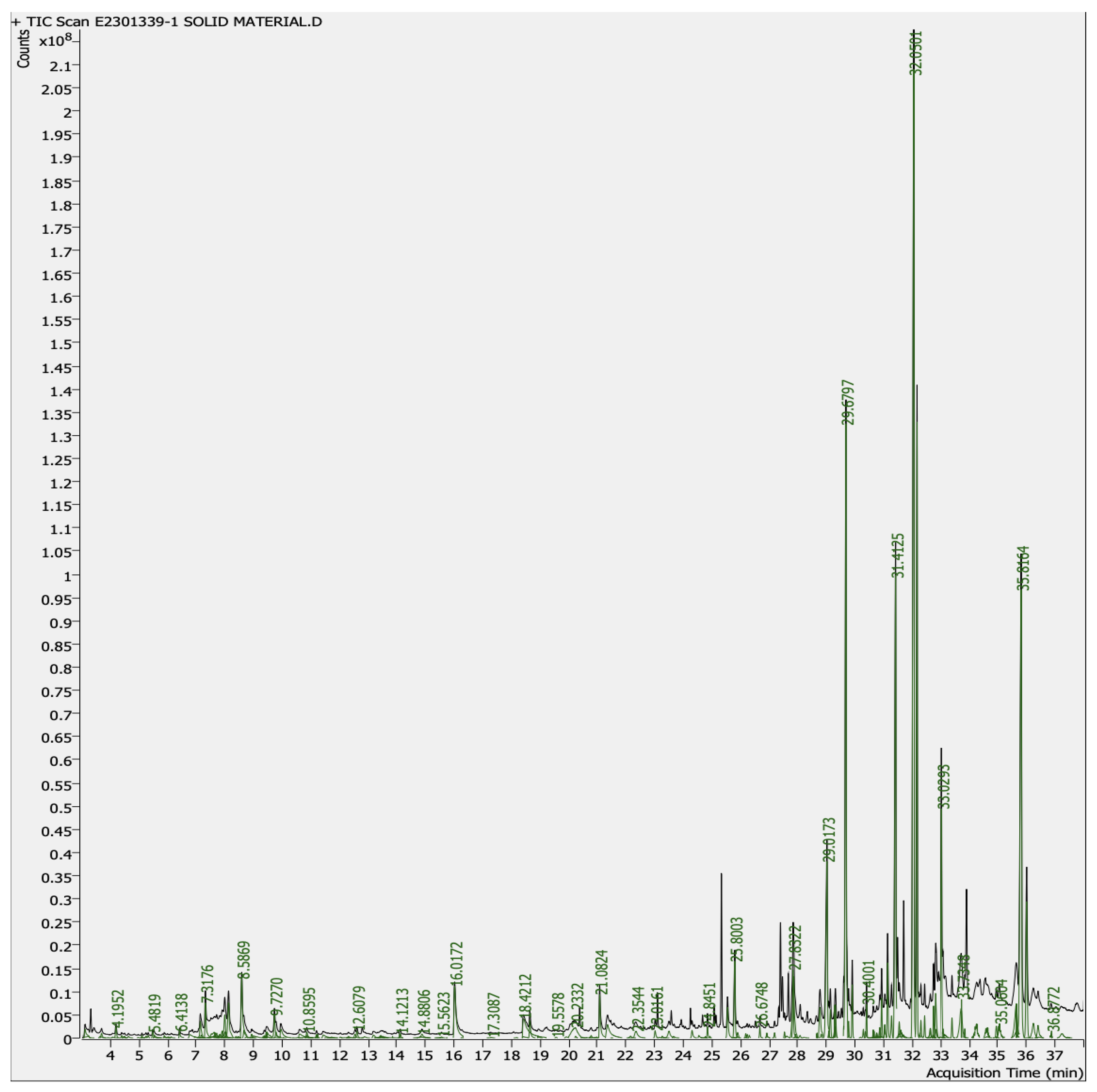
More than 250 compounds were identified in aqueous-mixed latex of C. gigantea by gas chromatography/mass spectrometry (Figure 7 and Table 2). The following compoundswere prominently present in aqueous-mixed latex of C. gigantea: 1,3-Cyclohexadiene, 1-methyl-4-(1-methylethyl)- with retention time 7.71; D-Limonene with retention time 8.12; Bicyclo[3.1.0]hex-2-ene, 2-methyl-5-(1-methylethyl)- with retention time 8.38; Cyclotrisiloxane, hexamethyl- with retention time 8.81; 1,3-Cyclohexadiene, 1-methyl-4-(1-methylethyl)- with retention time 9.45;Bicyclo[2.2.1]heptane, 2-chloro-1,7,7-trimethyl, exo- with retention time 13.44; Methyl 8-heptadecenoate with retention time 26.23; Dodecanamide, N-(2-hydroxyethyl)- with retention time 26.67; (Z)-2-(pentadec-8-en-1-yl)-4,5-dihydrooxazole with retention time 28.65; Cyclohexanethiol, 2,5-dimethyl-, acetate with retention time 28.77; 1,6,10,14-Hexadecatetraen-3-ol, 3,7,11,15-tetramethyl, (E,E)- with retention time 30.40; (E)-1-(6,10-Dimethylundec-5-en-2-yl)-4-methylbenzene with retention time 30.63; Squalene with retention time 30.86; 1,6,10,14-Hexadecatetraen-3-ol, 3,7,11,15-tetramethyl-, (E,E)- with retention time 30.92; Supraene with retention time 32.29;trans-Geranylgeraniol with retention time 32.05; (2E,6E,10E)-3,7,11,15-Tetramethylhexadeca-2,6,10,14-tetraen-1-yl formate with retention time 32.42; 9-Hexadecenoic acid, octadecyl ester, (Z)- with retention time 33.73; and Oxirane, 2,2-dimethyl-3-(3,7,12,16,20-pentamethyl-3,7,11,15,19-heneicosapentaenyl)-, (all-E)- with retention time 36.24. Cyclohexanethiol, 2,5-dimethyl-acetate, a sulfur-containing compound, has shown promising anticancer potential by inhibiting cancer cell growth and metastasis.
Figure 7.
GC–MS analysis of aqueous-mixed latex of C. gigantea.
Table 2.
GC–MS analysis of aqueous-mixed latex of C. gigantea.
4.4.2. GC–MS Analysis of Methanol-Mixed Latex of C. gigantea
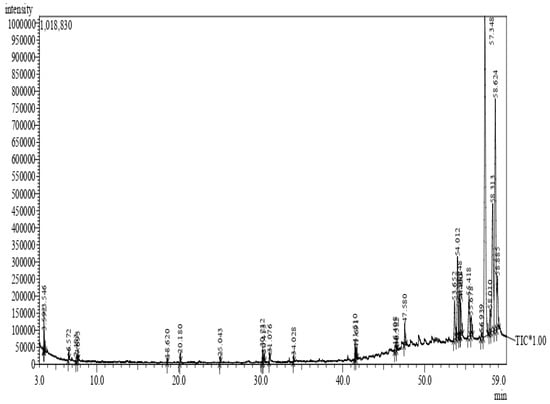
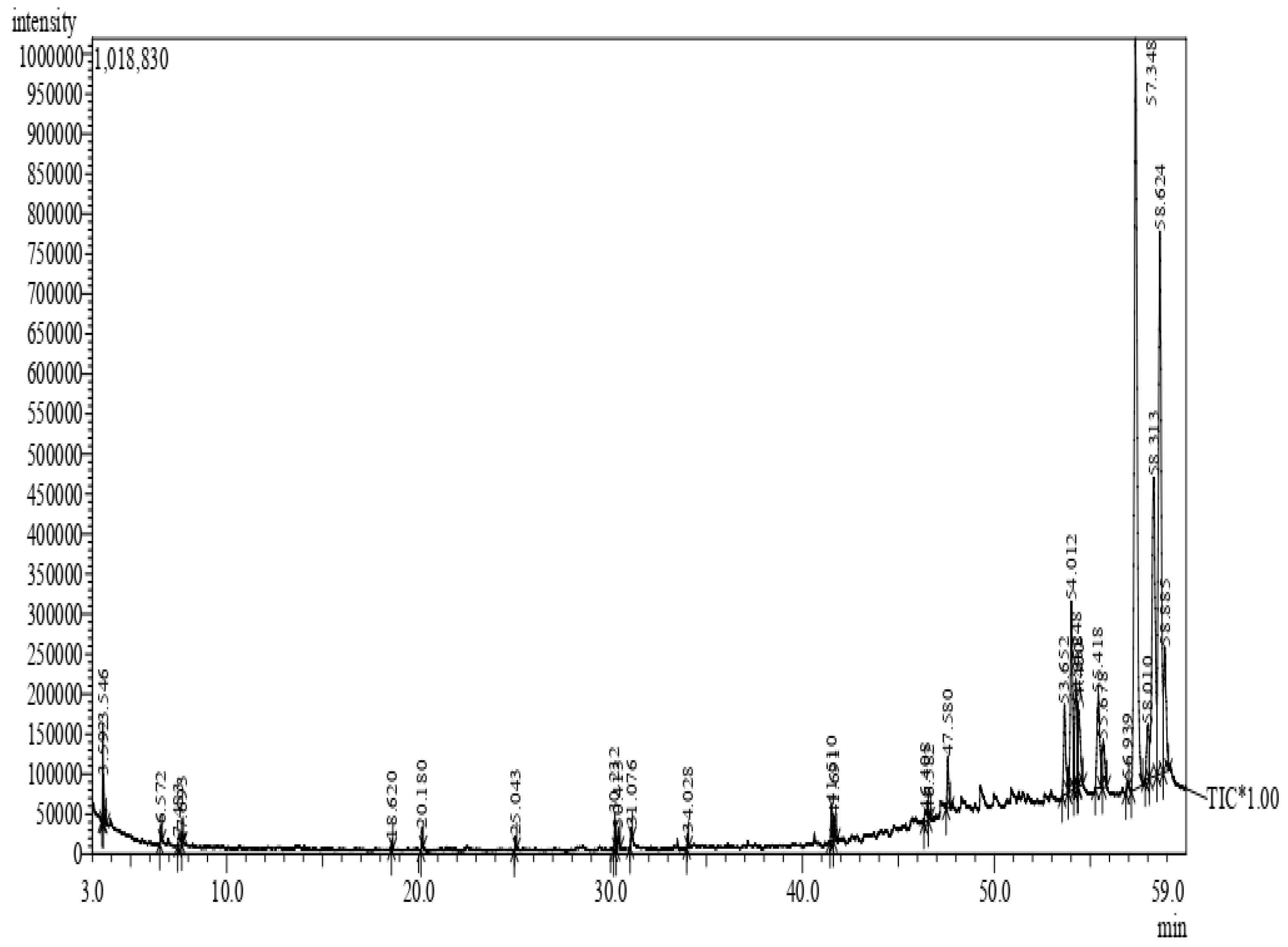
Thirty compounds were identified in aqueous-mixed latex of C. gigantea by gas chromatography/mass spectrometry (Figure 8 and Table 3). Cholesta-5-en-3-ol, 24-propylidene- with retention time 54.01, 5H-3,5a-Epoxynaphth[2,1-c]oxepin with retention time 57.34, Lup-20(29)-Ene-3,28-Diol, (3.Beta)- with retention time 58.31, Veridiflorol with retention time 58.62, and Lanosta-8,24-dien-3-ol, acetatate, (3.beta.)- with retention time 58.88 outstandingly occurred in methanol-mixed latex of C. gigantea. All the above phytochemicals show antibacterial, anti-inflammatory, antiviral, antifungal, and antioxidant properties. Sharma et al. [21] found 22 compounds in methanolic extract of C. gigantea (L.) WT Aiton latex through GC–MS analysis.
Figure 8.
GC–MS analysis of methanol-mixed latex of C. gigantea.
Table 3.
GC–MS analysis of methanol-mixed latex of C. gigantea.
4.5. Antioxidant Activity
Table 4, Table 5 and Table 6 summarizes the results of antioxidant properties of methanol-mixed latex and aqueous-mixed latex via DPPH, ABTS, and FRAP assay. The aqueous-mixed latex displays maximum antioxidant activity when compared to methanol-mixed latex, confirmed by all the methods. Shahinuzzaman et al. [14] investigated the in vitro antioxidant potential of Ficus carica L. latex. Bioactive metabolites in the latex of Croton lechleri were identified, andits antioxidant activity was investigated by De Marino et al. [22]. The antioxidant properties of Pergularia tomentosa latex extract were investigated using DPPH assay.
Table 4.
Antioxidant analysis by DPPH method.
Table 5.
Antioxidant analysis by ABTS method.
Table 6.
Antioxidant analysis by FRAP method.
4.6. Antibacterial Activity
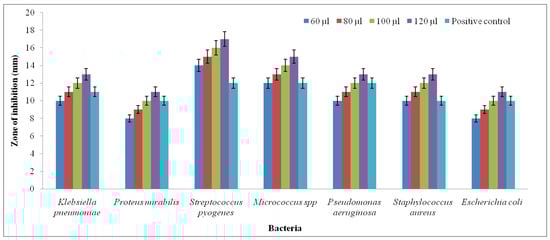
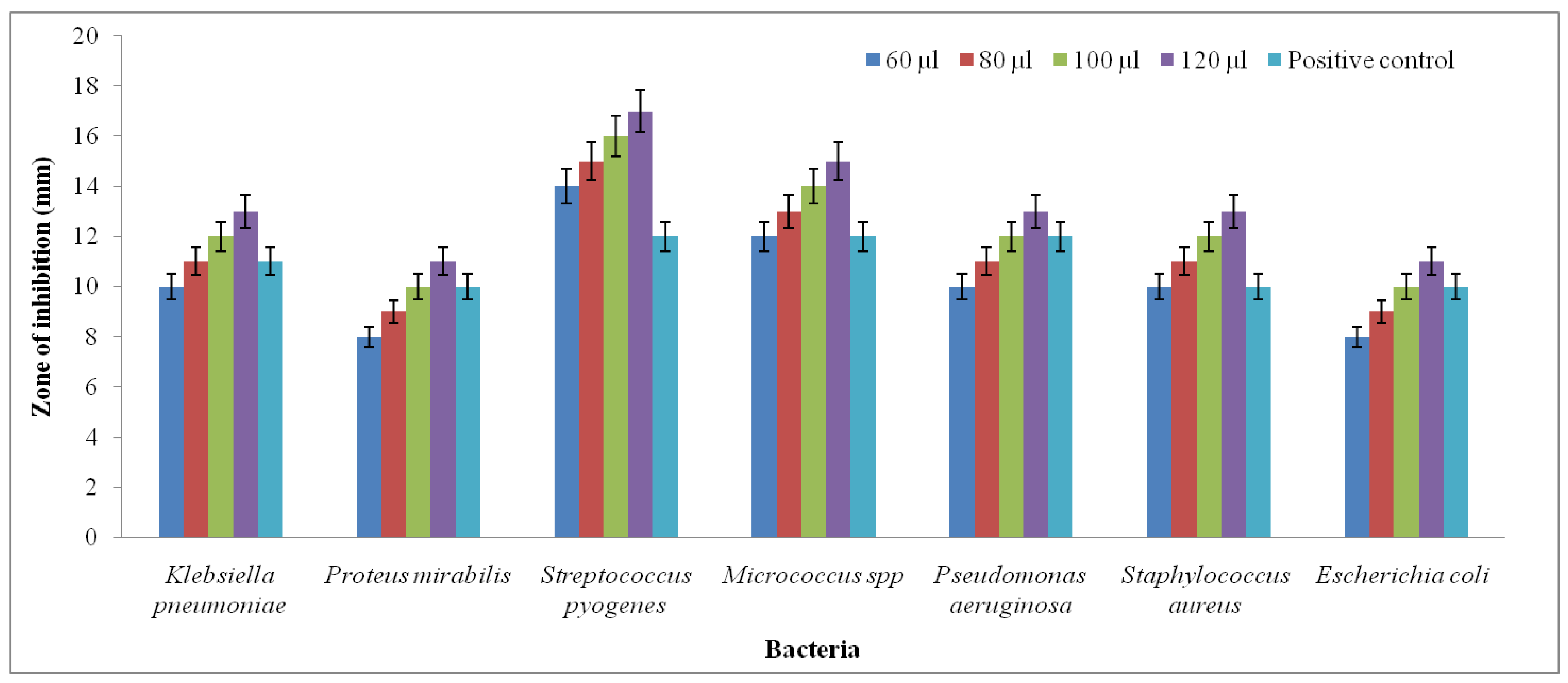
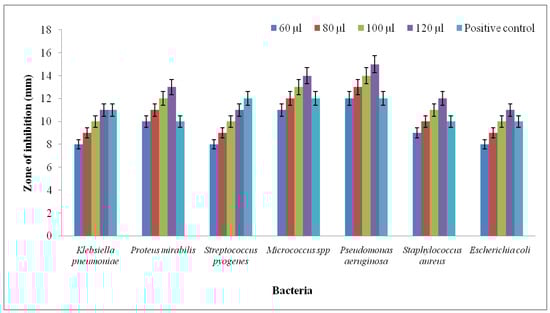
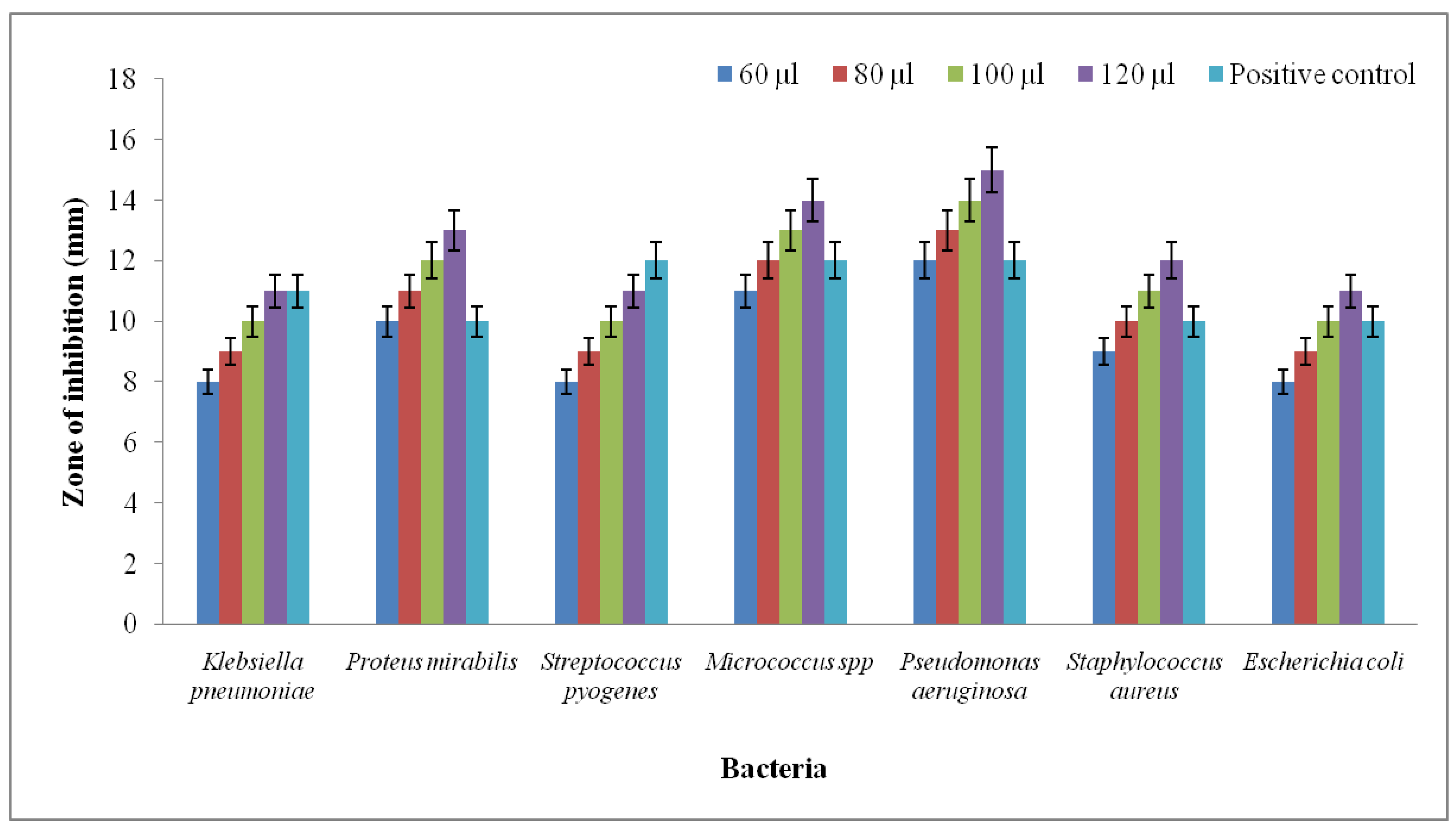
Aqueous-mixed latex and methanol-mixed latexinhibit the growth of K. pneumoniae, P. mirabilis, S. pyogenes, S. aureus, Micrococcus spp., P. aeruginosa, and E. coli. Figure 9 and Figure 10 show the antibacterial activity of aqueous-mixed latex and methanol-mixed latex. Similarly, Subramanian and Saratha [23] reported the antibacterial action of C. gigantea latex extract on selected pathogenic bacteria and concluded that the C. gigantea latex has good antibacterial properties. An investigation was performed by Kumar et al. [24] to determine the antimicrobial potential of C. gigantea latex against pathogenic microorganisms. They stated that C. gigantea latex has rich antimicrobial properties.
Figure 9.
Antibacterial activity of aqueous-mixed latex of C. gigantea.
Figure 10.
Antibacterial activity of methanol-mixed latex of C. gigantea.
5. Conclusions
In conclusion, C. gigantea latex has various bioactive compounds, proved by phytochemical screening, FTIR, and GC–MS analysis. Phytochemical screening revealed the presence of alkaloids, terpenoids, anthraquinone, carbohydrates, and saponins in the latex. The following major bioactive compounds were present in the latex of C. gigantea: Cholesta-5-en-3-ol, 24-propylidene-, 5H-3,5a-Epoxynaphth[2,1-c]oxepin, dodecane, Lup-20(29)-Ene-3,28-Diol, (3.Beta)-, Veridiflorol and Lanosta-8,24-dien-3-ol, acetatate, (3.beta.), Oxazole derivatives, fatty acid derivatives, and sulfur-containing compounds. The latex of C. gigantea shows antioxidant and antibacterial activity. C. gigantea holds promise as a valuable bioactive resource for developing novel therapeutics and discovering new treatment modalities.
Author Contributions
J.C.: Investigation, writing—original draft preparation, project administration. R.P.: Conceptualization, supervision, writing—review and editing. K.S.V.S.: Formal analysis, validation, data curation. N.A.-D.: Formal analysis, validation, data curation. All authors have read and agreed to the published version of the manuscript.
Funding
This research received no external funding.
Data Availability Statement
Data are contained within the article.
Conflicts of Interest
The authors declare no conflicts of interest.
References
- Mishra, A.; Parida, S. Latex of plants: Wonders of nature for its therapeutic potentials and a valuable resource towards new drug development. Int. J. Bot. Stud. 2020, 5, 334–338. [Google Scholar]
- Samrot, A.V.; Mun, C.Y.; Qi, N.X. Plant latex: Phytochemistry, medicinal properties and application—A review. J. Pharm. Negat. Results 2022, 13, 5351–5375. [Google Scholar]
- Aref, H.L.; Salah, K.B.; Chaumont, J.P.; Fekih, A.; Aouni, M.; Said, K. In vitro antimicrobial activity of four Ficus carica latex fractions against resistant human pathogens (antimicrobial activity of Ficus carica latex). Pak. J. Pharm. Sci. 2010, 23, 53–58. [Google Scholar] [PubMed]
- Ramos, M.V.; Freitas, A.P.F.; Leitão, R.F.; Costa, D.V.; Cerqueira, G.S.; Martins, D.S.; Martins, C.S.; Alencar, N.M.; Freitas, L.B.N.; Brito, G.A.C. Anti-inflammatory latex proteins of the medicinal plant Calotropis procera: A promising alternative for oral mucositis treatment. Inflamm. Res. 2020, 69, 951–966. [Google Scholar] [CrossRef] [Scilit] [PubMed]
- Hernandez-Hernandez, A.B.; Alarcon-Aguilar, F.J.; Almanza-Perez, J.C.; Nieto-Yañez, O.; Olivares-Sanchez, J.M.; Duran-Diaz, A.; Rodriguez-Monroy, M.A.; Canales-Martinez, M.M. Antimicrobial and anti-inflammatory activities, wound-healing effectiveness and chemical characterization of the latex of Jatropha neopauciflora Pax. J. Ethnopharmacol. 2017, 204, 1–7. [Google Scholar] [CrossRef] [Scilit] [PubMed]
- Sumathi, S.; Malathy, N.; Dharani, B.; Sivaprabha, J.; Hamsa, D.; Radha, P.; Padma, P.R. Antibacterial and antifungal activity of latex of Euphorbia antiquorum. Afr. J. Microbiol. Res. 2011, 5, 4753–4756. [Google Scholar] [CrossRef] [Scilit]
- Prastiyanto, M.E.; Tama, P.D.; Ananda, N.; Wilson, W.; Mukaromah, A.H. Antibacterial potential of Jatropha sp. latex against multidrug-resistant bacteria. Int. J. Microbiol. 2020, 2020, 8509650. [Google Scholar] [CrossRef] [Scilit]
- Guerra, N.B.; Pegorin, G.S.A.; Boratto, M.H.; de Barros, N.R.; de Oliveira Graeff, C.F.; Herculano, R.D. Biomedical applications of natural rubber latex from the rubber tree Hevea brasiliensis. Mater. Sci. Eng. C 2021, 126, 112126. [Google Scholar] [CrossRef] [Scilit]
- Sivapalan, S.; Dharmalingam, S.; Venkatesan, V.; Angappan, M.; Ashokkumar, V. Phytochemical analysis, anti-inflammatory, antioxidant activity of Calotropis gigantea and its therapeutic applications. J. Ethnopharmacol. 2023, 303, 115963. [Google Scholar] [CrossRef] [Scilit]
- Mushir, A.; Jahan, N.; Ahmed, A. A review on phytochemical and biological properties of Calotropis gigantea (Linn) R.Br. Discov. Phytomed. 2016, 3, 15. [Google Scholar]
- Harborne, A.J. Phytochemical Methods a Guide to Modern Techniques of Plant Analysis; Springer Science & Business Media: Berlin/Heidelberg, Germany, 1998. [Google Scholar]
- Shaikh, J.R.; Patil, M. Qualitative tests for preliminary phytochemical screening: An overview. Int. J. Chem. Stud. 2020, 8, 603–608. [Google Scholar] [CrossRef] [Scilit]
- Thomas, N.M.; Sathasivam, V.; Thirunavukarasu, M.; Muthukrishnan, A.; Muthukrishnan, S.; Rajkumar, V.; Velusamy, G.; Packiaraj, G. Influence of Borassus flabellifer Endocarps Hydrolysate on Fungal Biomass and Fatty Acids Production by the Marine Fungus Aspergillus sp. Appl. Biochem. Biotechnol. 2023, 196, 932–948. [Google Scholar] [CrossRef] [Scilit] [PubMed]
- Shahinuzzaman, M.; Yaakob, Z.; Anuar, F.H.; Akhtar, P.; Kadir, N.H.A.; Hasan, A.M.; Sobayel, K.; Nour, M.; Sindi, H.; Amin, N.; et al. In vitro antioxidant activity of Ficus carica L. latex from 18 different cultivars. Sci. Rep. 2020, 10, 10852. [Google Scholar] [CrossRef] [Scilit] [PubMed]
- Saratha, V.; Subramanian, S.P. Evaluation of antifungal activity of Calotropis gigantea latex extract: An in vitro study. Int. J. Pharm. Sci. Res. 2010, 1, 88–96. [Google Scholar]
- Jain, P.K.; Soni, A.; Jain, P.; Bhawsar, J. Phytochemical analysis of Mentha spicata plant extract using UV-VIS, FTIR and GC/MS technique. J. Chem. Pharm. Res. 2016, 8, 1–6. [Google Scholar]
- Pradeepkumar, P.; Govindaraj, D.; Jeyaraj, M.; Munusamy, M.A.; Rajan, M. Assembling of multifunctional latex-based hybrid nanocarriers from Calotropis gigantea for sustained (doxorubicin) DOX releases. Biomed. Pharmacother. 2017, 87, 461–470. [Google Scholar] [CrossRef] [Scilit] [PubMed]
- Sonia Angeline, M.; Bhattacharjee, S.; Lotjem, K. Anti-proliferative activity of Calotropis gigantea (Flower Extract) on colorectal cancer cell line. Int. J. Life Sci. Pharma Res. 2020, 2250-0480. [Google Scholar]
- Spano, D.; Pintus, F.; Mascia, C.; Scorciapino, M.A.; Casu, M.; Floris, G.; Medda, R. Extraction and characterization of a natural rubber from Euphorbia characias latex. Biopolymers 2012, 97, 589–594. [Google Scholar] [CrossRef] [Scilit]
- Lahmar, I.; Ben Nasri-Ayachi, M.; Belghith, K. Laticifer identification, rubber characterization, phenolic content, and antioxidant activity of Pergularia tomentosa latex extract. BioMed Res. Int. 2022, 2022, 7158905. [Google Scholar] [CrossRef] [Scilit]
- Sharma, S.; Kumari, A.; Sharma, M. Comparative GC-MS analysis of bioactive compounds in methanolic extract of Calotropis gigantea (L) WT Aiton leaf and latex. Int. J. Pharmacogn. Phytochem. Res. 2016, 8, 1823–1827. [Google Scholar]
- De Marino, S.; Gala, F.; Zollo, F.; Vitalini, S.; Fico, G.; Visioli, F.; Iorizzi, M. Identification of minor secondary metabolites from the latex of Croton lechleri (Muell-Arg) and evaluation of their antioxidant activity. Molecules 2008, 13, 1219–1229. [Google Scholar] [CrossRef] [Scilit] [PubMed]
- Subramanian, S.P.; Saratha, V. Evaluation of antibacterial activity of Calotropis gigantea latex extract on selected pathogenic bacteria. J. Pharm. Res. 2010, 3, 517–521. [Google Scholar]
- Kumar, G.; Karthik, L.; Rao, K.B. Antimicrobial activity of latex of Calotropis gigantea against pathogenic microorganisms—An in vitro study. Pharmacologyonline 2010, 3, 155–163. [Google Scholar]

Disclaimer/Publisher’s Note: The statements, opinions and data contained in all publications are solely those of the individual author(s) and contributor(s) and not of MDPI and/or the editor(s). MDPI and/or the editor(s) disclaim responsibility for any injury to people or property resulting from any ideas, methods, instructions or products referred to in the content. |
© 2024 by the authors. Licensee MDPI, Basel, Switzerland. This article is an open access article distributed under the terms and conditions of the Creative Commons Attribution (CC BY) license (https://creativecommons.org/licenses/by/4.0/).